Showing posts with label UX. Show all posts

Daily Tech Digest - May 07, 2026


Quote for the day:

"You learn more from failure than from success. Don't let it stop you. Failure builds character." -- Unknown

🎧 Listen to this digest on YouTube Music

▶ Play Audio Digest

Duration: 21 mins • Perfect for listening on the go.


Designing front-end systems for cloud failure

In the InfoWorld article "Designing front-end systems for cloud failure," Niharika Pujari argues that frontend resilience is a critical yet often overlooked aspect of engineering. Since cloud infrastructure depends on numerous moving parts, failures are frequently partial rather than absolute, manifesting as temporary network instability or slow downstream services. To maintain a usable and calm user experience during these hiccups, developers should adopt a strategy of graceful degradation. This begins with distinguishing between critical features, which are essential for core tasks, and non-critical components that provide extra richness. When non-essential features fail, the interface should isolate these issues—perhaps by hiding sections or displaying cached data—to prevent a total system outage. Technical implementation involves employing controlled retries with exponential backoff and jitter to manage transient errors without overwhelming the backend. Additionally, protecting user work in form-heavy workflows is vital for maintaining trust. Effective failure handling also requires a shift in communication; specific, reassuring error messages that explain what still works and provide a clear recovery path are far superior to generic "something went wrong" alerts. Ultimately, resilient frontend design focuses on isolating failures, rendering partial content, and ensuring that the interface remains functional and informative even when underlying cloud dependencies falter.


Scaling AI into production is forcing a rethink of enterprise infrastructure

The article "Scaling AI into production is forcing a rethink of enterprise infrastructure" explores the critical shift from AI experimentation to large-scale deployment across real business environments. As organizations move beyond proofs of concept, Nutanix executives Tarkan Maner and Thomas Cornely argue that the emergence of agentic AI is a primary driver of this transformation. Agentic systems introduce complex, autonomous, multi-step workflows that traditional infrastructures are often unequipped to handle efficiently. These sophisticated agents require real-time orchestration and secure, on-premises data access to protect sensitive enterprise information. While many organizations initially utilized the public cloud for rapid experimentation, the transition to production highlights serious concerns regarding ongoing cost, strict governance, and data control, prompting a significant shift toward private or hybrid environments. The article emphasizes that AI is designed to augment human capability rather than replace it, seeking a harmonious integration between human decision-making and automated agentic workflows. Practical applications are already emerging across various sectors, from retail’s cashier-less checkouts and targeted marketing to healthcare’s remote diagnostic tools. Ultimately, scaling AI successfully necessitates a foundational rethink of how modern enterprises coordinate their underlying infrastructure, data, and security protocols to support unpredictable workloads while maintaining overall operational stability and long-term cost efficiency.


Why ransomware attacks succeed even when backups exist

The BleepingComputer article "Why ransomware attacks succeed even when backups exist" explains that modern ransomware operations have evolved into sophisticated campaigns that systematically target and destroy an organization's backup infrastructure before deploying encryption. Rather than just locking files, attackers follow a predictable sequence: gaining initial access, stealing administrative credentials, moving laterally across the network, and then identifying and deleting backups. This includes wiping Volume Shadow Copies, hypervisor snapshots, and cloud repositories to ensure no easy recovery path remains. Several common organizational failures contribute to this vulnerability, such as the lack of network isolation between production and backup environments, weak access controls like shared admin credentials or missing multi-factor authentication, and the absence of immutable (WORM) storage. Furthermore, many organizations suffer from untested recovery processes or siloed security tools that fail to detect attacks on backup systems. To combat these threats, the article emphasizes the necessity of integrated cyber protection, featuring immutable backups with enforced retention locks, dedicated credentials, and continuous monitoring. By neutralizing the traditional "safety net" of backups, ransomware gangs effectively force victims into paying ransoms. This strategic shift highlights that basic, unprotected backups are no longer sufficient in the face of modern, targeted ransomware tactics.


Document as Evidence vs. Data Source: Industrial AI Governance

In the article "Document as Evidence vs. Data Source: Industrial AI Governance," Anthony Vigliotti highlights a critical distinction in how organizations manage information for industrial AI. Most current programs utilize a "data source" model, where documents are treated as raw material; data is extracted, and the original document is archived or orphaned. This terminal approach severs the link between data and its context, creating significant governance risks, particularly in brownfield manufacturing where legacy records carry decades of operational history. Conversely, the "evidence" model treats documents as permanent artifacts with ongoing legal and operational standing. This framework ensures documents are preserved with high fidelity, validated before downstream use, and permanently linked to any derived data through a navigable citation trail. By adopting an evidence-based posture, organizations can build a robust "Accuracy and Trust Layer" that makes AI-driven decisions defensible and auditable. This is essential for safety-critical operations and regulatory compliance, where being able to prove the provenance of data is as vital as the accuracy of the AI output itself. Transitioning from a throughput-focused extraction mindset to one centered on trust allows industrial enterprises to scale AI safely while mitigating the long-term governance debt associated with disconnected data silos.


Method for stress-testing cloud computing algorithms helps avoid network failures

Researchers at MIT have developed a groundbreaking method called MetaEase to stress-test cloud computing algorithms, helping prevent large-scale network failures and service outages that impact millions of users. In massive cloud environments, engineers often rely on "heuristics"—simplified shortcut algorithms that route data quickly but can unexpectedly break down under unusual traffic patterns or sudden demand spikes. Traditionally, stress-testing these heuristics involved manual, time-consuming simulations using human-designed test cases, which frequently missed critical "blind spots" where the algorithm might fail. MetaEase revolutionizes this evaluation process by utilizing symbolic execution to analyze an algorithm’s source code directly. By mapping out every decision point within the code, the tool automatically searches for and identifies worst-case scenarios where performance gaps and underperformance are most significant. This automated approach allows engineers to proactively catch potential failure modes before deployment without requiring complex mathematical reformulations or extensive manual labor. Beyond standard networking tasks, the researchers highlight MetaEase’s potential for auditing risks associated with AI-generated code, ensuring these systems remain resilient under unpredictable real-world conditions. In comparative experiments, this technique identified more severe performance failures more efficiently than existing state-of-the-art methods. Moving forward, the team aims to enhance MetaEase’s scalability and versatility to process more complex data types and applications.


Hacker Conversations: Joey Melo on Hacking AI

In the SecurityWeek article "Hacker Conversations: Joey Melo on Hacking AI," Principal Security Researcher Joey Melo shares his journey and methodology within the evolving field of artificial intelligence red teaming. Melo, who developed a passion for manipulating software environments through childhood gaming, now applies that curiosity to "jailbreaking" and "data poisoning" AI models. Unlike traditional penetration testing, AI red teaming focuses on bypassing sophisticated guardrails without altering source code. Melo describes jailbreaking as a process of "liberating" bots via complex context manipulation—such as tricking an LLM into believing it is operating in a future where current restrictions no longer apply. Furthermore, he explores data poisoning, where researchers test if models can be influenced by malicious prompt ingestion or untrustworthy web scraping. Despite possessing the skills to exploit these vulnerabilities for personal gain, Melo emphasizes a commitment to ethical, responsible disclosure. He views his work as a vital contribution to an ongoing "cat-and-mouse game" aimed at hardening machine learning defenses against increasingly creative threats. Ultimately, Melo believes that while AI security will continue to improve, the constant evolution of technology ensures that red teaming will remain a necessary, creative endeavor to identify and mitigate emerging risks.


Global Push for Digital KYC Faces a Trust Problem

The global movement toward digital Know Your Customer (KYC) frameworks is gaining significant momentum, as evidenced by the United Arab Emirates’ recent launch of a standardized national platform designed to streamline onboarding and bolster anti-money laundering efforts. While domestic systems are becoming increasingly sophisticated, the concept of portable, cross-border KYC remains largely elusive due to a fundamental lack of trust between international regulators. Governments and financial institutions are eager to reduce duplication and speed up compliance processes to match the rapid growth of instant payments and digital banking. However, significant hurdles persist because KYC extends beyond simple identity verification to include complex assessments of ownership structures and risk profiles, which are heavily influenced by local market contexts and legal frameworks. National regulators often prioritize sovereign control and data protection, making them hesitant to rely on third-party verification performed in different jurisdictions. Consequently, even when countries share broad anti-money laundering goals, their divergent definitions of adequate due diligence and monitoring requirements create a fragmented landscape. Ultimately, the transition to a unified digital identity ecosystem depends less on technological innovation and more on establishing mutual recognition and trust among global supervisory bodies, ensuring that sensitive identity data can be securely and reliably shared across borders.


How To Ensure Business Continuity in the Midst of IT Disaster Recovery

The content provided by the Disaster Recovery Journal (DRJ) at the specified URL serves as a foundational guide for professionals navigating the complexities of organizational stability through the lens of business continuity (BC) and disaster recovery (DR) planning. The material emphasizes that while these two disciplines are closely interconnected, they serve distinct roles in safeguarding an organization. Business continuity is presented as a holistic, high-level strategy focused on maintaining essential operations across all departments during a crisis, ensuring that personnel, facilities, and processes remain functional. In contrast, disaster recovery is defined as a specialized technical subset of BC, primarily concerned with the restoration of information technology systems, critical data, and infrastructure following a disruptive event. A primary theme of the planning process is the requirement for a structured lifecycle, which begins with a rigorous Business Impact Analysis (BIA) and Risk Assessment to identify vulnerabilities and prioritize critical functions. By defining clear Recovery Time Objectives (RTO) and Recovery Point Objectives (RPO), organizations can create targeted response strategies that minimize operational downtime. Furthermore, the resource highlights that modern planning must evolve to address contemporary challenges, such as cyber threats, hybrid work environments, and artificial intelligence integration. Regular testing, cross-functional collaboration, and plan maintenance are essential to transform static documentation into a dynamic, resilient framework capable of withstanding diverse disasters.


The Agentic AI Challenge: Solve for Both Efficiency and Trust

According to the article from The Financial Brand, agentic artificial intelligence represents the next inevitable evolution in banking, marking a fundamental shift from reactive generative AI chatbots to autonomous, proactive systems. While nearly all financial institutions are currently exploring agentic technology, a significant "execution gap" persists; most organizations remain stuck in the pilot phase due to legacy infrastructure, fragmented data silos, and outdated governance frameworks. Unlike traditional AI that merely offers recommendations, agentic systems are designed to act—executing complex workflows, coordinating multi-step transactions, and managing customer financial health in real time with minimal human intervention. The report emphasizes that while banks have historically prioritized low-value applications like back-office automation and fraud prevention, the true potential of agentic AI lies in fulfilling broader ambitions for hyper-personalization and revenue growth. As fintech competitors increasingly rebuild their transaction stacks for real-time execution and autonomous validation, traditional banks face a critical strategic choice. They must modernize their leadership mindset and core technical architecture to support the "self-driving bank" model or risk being permanently outpaced. Ultimately, embracing agentic AI is not merely a technological upgrade but a necessary structural evolution required for banks to remain competitive in an increasingly automated financial ecosystem.


Multi-model AI is creating a routing headache for enterprises

According to F5’s 2026 State of Application Strategy Report, enterprises are rapidly transitioning AI inference into core production environments, with 78% of organizations now operating their own inference services. As 77% of firms identify inference as their primary AI activity, the focus has shifted from experimentation to operational integration within hybrid multicloud infrastructures. Organizations currently manage or evaluate an average of seven distinct AI models, reflecting a diverse landscape where no single model fits every use case. This multi-model approach creates significant architectural complexities, turning AI delivery into a sophisticated traffic management challenge and AI security into a rigorous governance priority. Companies are increasingly adopting identity-aware infrastructure and centralized control planes to manage the routing, observability, and protection of inference workloads. To mitigate operational strain and rising costs, enterprises are integrating shared protection systems and cross-model observability tools. Furthermore, the convergence of AI delivery and security around inference highlights the necessity of managing multiple services to ensure availability and compliance. Ultimately, the report emphasizes that successful AI adoption depends on treating inference as a managed workload subject to the same delivery and resilience requirements as traditional enterprise applications, ensuring faster and safer operational execution.

Daily Tech Digest - March 28, 2026


Quote for the day:

"We are moving from a world where we have to understand computers to a world where they will understand us." -- Jensen Huang


🎧 Listen to this digest on YouTube Music

▶ Play Audio Digest

Duration: 16 mins • Perfect for listening on the go.


When clean UI becomes cold UI

The article "When Clean UI Becomes Cold UI" explores the pitfalls of over-minimalism in modern digital interface design, arguing that a "clean" aesthetic can easily shift from elegant to emotionally distant. This "cold UI" occurs when essential guidance—such as text labels, instructions, and reassuring feedback—is stripped away in favor of a sleek, portfolio-worthy appearance. While such designs may impress other designers, they often fail real-world users by forcing them to rely on assumptions, which increases cognitive friction and erodes the human connection. The central premise is that designers must shift their focus from "clean" design to "clear" design. Every element removed for the sake of aesthetics involves a trade-off that often sacrifices functional clarity for visual simplicity. To avoid creating a "ghost town" interface, the author encourages prioritizing meaning over layout, ensuring icons are paired with labels and that the design supports users during moments of uncertainty. Ultimately, a truly successful interface is not one that is simply empty, but one that knows when to provide direction and when to step back, balancing aesthetic minimalism with the transparency required for a user to feel genuinely supported and understood.


5 Practical Techniques to Detect and Mitigate LLM Hallucinations Beyond Prompt Engineering

The article "5 Practical Techniques to Detect and Mitigate LLM Hallucinations Beyond Prompt Engineering" from Machine Learning Mastery explores advanced system-level strategies to ensure AI reliability. While basic prompting can improve performance, it often fails in production settings where strict accuracy is critical. The first technique, Retrieval-Augmented Generation (RAG), anchors model responses in real-time, external verified data, moving away from reliance on static, often outdated training memory. Second, the article advocates for Output Verification Layers, where a secondary model or automated cross-referencing system validates initial drafts before they reach the user. Third, Constrained Generation utilizes structured formats like JSON or XML to limit speculative or tangential output, ensuring machine-readable consistency. Fourth, Confidence Scoring and Uncertainty Handling encourage models to quantify their own reliability or admit ignorance through "I don’t know" responses rather than guessing. Finally, Human-in-the-Loop Systems integrate human oversight to refine results, provide feedback, and build essential user trust. Collectively, these methods transition LLM applications from experimental prototypes to robust, factual tools. By implementing these architectural patterns, developers can move beyond trial-and-error prompting to create production-ready systems capable of handling high-stakes tasks where the cost of a hallucination is significantly high.


Agentic GRC: Teams Get the Tech. The Mindset Shift Is What's Missing

In "Agentic GRC: Teams Get the Tech, the Mindset Shift Is What's Missing," Yair Kuznitsov explores the transformative impact of AI agents on Governance, Risk, and Compliance. Traditionally, GRC professionals derived value from operational competence, specifically manual evidence collection and audit management. However, agentic AI now automates these workflows, creating an identity crisis for those whose roles were defined by execution. The author argues that while technology is ready, many teams remain reluctant because they struggle to redefine their professional purpose beyond operational tasks. Crucially, GRC was intended as a strategic risk management function, but it became consumed by scaling inefficiencies. Agentic GRC offers a return to these roots, transitioning practitioners toward "GRC Engineering" where controls are managed as code via Git and CI/CD pipelines. This essential shift requires moving from a "checkbox" mentality to strategic risk leadership. Humans must provide critical judgment, define risk appetite, and translate business context into compliance logic—capabilities AI cannot replicate. Ultimately, successful organizations will empower their GRC teams to stop merely managing operational machines and start leading proactive, risk-based initiatives. This evolution represents an opportunity for professionals to finally perform the high-level work they were originally trained to do.


The Missing Layer in Agentic AI

The article "The Missing Layer in Agentic AI" argues that while current AI development focuses heavily on large language models and reasoning capabilities, a critical "middleware" layer is currently absent. This missing component, referred to as an agentic orchestration layer, is essential for transforming static models into truly autonomous systems capable of executing complex, multi-step tasks in dynamic environments. The author explains that for AI agents to be effective, they require more than just raw intelligence; they need robust frameworks for memory management, tool integration, and state persistence. This layer acts as the glue that connects high-level planning with low-level execution, ensuring that agents can maintain context and recover from errors during long-running processes. Furthermore, the piece highlights that without this specialized infrastructure, developers are forced to build bespoke, brittle solutions that do not scale. By establishing a standardized orchestration layer, the industry can move toward more reliable, observable, and interoperable agentic workflows. Ultimately, the article suggests that the next frontier of AI progress lies not just in better models, but in the sophisticated software engineering required to manage how those models interact with the world and each other.


Edge clouds and local data centers reshape IT

For over a decade, enterprise cloud strategy prioritized centralization on hyperscale platforms to achieve economies of scale and reduce infrastructure sprawl. However, the rise of edge clouds and local data centers is fundamentally reshaping this paradigm toward a selectively distributed architecture. Modern digital systems increasingly require real-time responsiveness, adherence to regional data sovereignty regulations, and efficient handling of massive data volumes from sensors and video feeds. To meet these demands, enterprises are adopting a dual architecture that combines the strengths of centralized cloud platforms—well-suited for model training and storage—with localized infrastructure positioned closer to the source of interaction. This shift is visible in sectors like retail and manufacturing, where proximity reduces latency and operational costs. Despite its benefits, the transition to edge computing introduces significant complexities, including fragmented life-cycle management, security hardening, and the need for robust observability across hundreds of distributed sites. Rather than replacing the cloud, the edge serves as a coordinated layer within an integrated hybrid model. By placing workloads where they are most operationally and economically effective, organizations can navigate bandwidth limitations and physical-world complexities, ensuring their digital infrastructure remains agile and resilient in a changing technological landscape.


AI frenzy feeds credential chaos, secrets leak through code, tools, and infrastructure

GitGuardian’s State of Secrets Sprawl 2026 report highlights an alarming surge in cybersecurity risks, revealing that 28.65 million new hardcoded secrets were detected in public GitHub commits during 2025. This multi-year upward trend demonstrates that credentials, including access keys, tokens, and passwords, are increasingly leaking through code, development tools, and infrastructure. Beyond public repositories, the report underscores a significant shift toward internal environments, which often carry a higher density of sensitive production credentials. The explosion of AI development has exacerbated the problem; AI-assisted coding and the proliferation of new model providers and agent frameworks have introduced vast numbers of fresh credentials that are frequently mismanaged. Furthermore, collaboration platforms like Slack and Jira, along with self-hosted Docker registries, serve as additional points of exposure. A particularly concerning finding is the longevity of these leaks, as many credentials remain active and usable for years due to the operational complexities of remediation across fragmented systems. Ultimately, the report illustrates a widening gap between the rapid pace of software innovation and the governance required to secure the expanding surface area of modern, interconnected development workflows, leaving critical infrastructure vulnerable to exploitation.
In “Architecting Autonomy at Scale,” Shweta Aggarwal and Ron Klein argue that traditional, centralized architectural governance becomes a significant bottleneck as organizations grow, necessitating a fundamental shift toward decentralized decision-making. Utilizing a “parental metaphor,” the article describes the evolution of architecture from “infancy,” where strong central guidance is required to prevent chaos, to “adulthood,” where teams operate autonomously within established systems. The authors propose a structured framework built on clear decision boundaries, shared principles, and robust guardrails rather than restrictive approval gates. Key technical practices include documenting decisions via Architecture Decision Records (ADRs) to preserve context, utilizing “fitness functions” for automated governance within CI/CD pipelines, and leveraging AI for detecting architectural drift. By aligning architectural authority with the C4 model levels, organizations can clarify ownership and reduce delivery friction. Ultimately, the role of the architect evolves from a top-down gatekeeper to a coach and platform enabler, focusing on creating “paved roads” that allow teams to experiment safely. This transition is framed as a socio-technical transformation that requires cultural shifts, leadership support, and a trust-based governance model to successfully balance local agility with enterprise-wide coherence and long-term technical sustainability.
The European Commission is intensifying its enforcement of the Digital Services Act (DSA) by moving away from "self-declaration" as a valid method for online age assurance. Following a series of investigations, regulators have determined that simple "click-to-confirm" mechanisms on major adult content platforms, including Pornhub, Stripchat, XNXX, and XVideos, are insufficient to protect minors from harmful material. These platforms are now being urged to implement more robust, privacy-preserving age verification measures to ensure compliance with EU standards. Simultaneously, the Commission has opened a formal investigation into Snapchat over concerns that its reliance on self-declaration fails to prevent underage children from accessing the app or to provide age-appropriate experiences for teenagers. Beyond the European Commission's actions, the UK Information Commissioner's Office (ICO) is also pressuring social media giants to strengthen their age-gate systems. Potential solutions being discussed include the use of the European Digital Identity (EUDI) Wallet, facial age estimation technology, and identity document scans. This coordinated regulatory crackdown signals a major shift in the digital landscape, where platforms must now prioritize societal risks to minors over business-centric concerns. Failure to adopt these more stringent verification methods could lead to significant financial penalties across the European Union.


5 reasons why the tech industry is failing women

The CIO.com article, “Women in Tech Statistics: The Hard Truths of an Uphill Battle,” highlights the persistent gender gap and systemic challenges women face in the technology sector. Despite representing 42% of the global workforce, women hold only 26-28% of tech roles and just 12% of C-suite positions. A significant “leaky pipeline” begins in academia, where women earn only 21% of computer science degrees, and continues into the workplace. Troublingly, 50% of women leave the industry by age 35—a rate 45% higher than men—driven by toxic cultures, microaggressions, and a lack of flexible work-life balance. Economic instability further compounds these issues, with women being 1.6 times more likely to face layoffs; during 2022’s mass tech layoffs, they accounted for 69% of job losses. Financial disparities remain stark, as women earn approximately $15,000 less annually than their male counterparts. Furthermore, the rise of artificial intelligence presents new risks, with women’s roles 34% more likely to be disrupted by automation compared to 25% for men. Collectively, these statistics underscore that achieving gender parity requires more than corporate pledges; it necessitates fundamental shifts in recruitment, retention, and structural support systems.


15+ Global Banks Exploring Quantum Technologies

The article titled "15+ global banks probing the wonderful world of quantum technologies," published by The Quantum Insider on March 27, 2026, highlights the accelerating integration of quantum computing within the global financial sector. Central to this movement is the "Quantum Innovation Index," a benchmarking tool developed in collaboration with HorizonX Consulting, which identifies top performers like JPMorgan Chase, HSBC, and Goldman Sachs. These institutions are leading a group of over fifteen major banks that have transitioned from theoretical research to practical experimentation. The report details how these banks are leveraging quantum advantages for high-dimensional computational tasks, including portfolio optimization, complex risk modeling through Monte Carlo simulations, and real-time fraud detection. Furthermore, the article emphasizes a proactive shift toward "quantum readiness" to combat cryptographic threats, with banks like HSBC trialing quantum-secure trading for digital assets. With nearly 80% of the world’s fifty largest banks now exploring these frontier technologies, the narrative has shifted from whether quantum will disrupt finance to when its full-scale implementation will occur. This trend is bolstered by significant investments, such as JPMorgan’s backing of Quantinuum, underscoring a strategic imperative to maintain competitiveness and ensure systemic stability in a post-quantum world.

Daily Tech Digest - March 09, 2026


Quote for the day:

"A positive attitude will not solve all your problems. But it will annoy enough people to make it worth the effort" -- Herm Albright


Is AI Killing Sustainability?

This article examines the paradoxical relationship between the rapid growth of artificial intelligence and environmental goals. On one hand, AI's massive computational needs are driving a surge in energy consumption, with global spending projected to reach $2.52 trillion this year. This expansion is fueling an exponential rise in data center power requirements, potentially consuming as much electricity as 22% of U.S. households by 2028. However, the author argues that AI also serves as a critical tool for boosting sustainability. By analyzing vast datasets, AI can optimize supply chains, automate waste management, and enhance energy efficiency in buildings by up to 30%. The piece provides six strategic tips for organizations to utilize AI for greenhouse gas reduction, including predictive environmental risk monitoring, accurate emission reporting, and improved renewable energy integration. Despite these benefits, a tension exists between corporate "green" ambitions and financial constraints, often leading to a "lite green" approach where cost-cutting takes priority over true environmental innovation. Ultimately, while AI's infrastructure poses a significant threat to climate targets, its potential to identify high-ROI decarbonization opportunities offers a path toward reconciling technological advancement with ecological preservation, provided that organizations move beyond superficial commitments toward mature, outcome-driven strategies.


PQC roadmap remains hazy as vendors race for early advantage

The transition to post-quantum cryptography (PQC) is evolving from a theoretical concern into an urgent operational risk, prompting major security vendors to race for early market advantages. As mainstream players like Palo Alto Networks, Cisco, and IBM join specialized firms, the focus has shifted toward structured readiness offerings centered on discovery, inventory, and migration planning. A significant hurdle for organizations remains the lack of visibility into cryptographic sprawl across infrastructure, making it difficult to identify vulnerabilities in legacy algorithms like RSA. The urgency is further fueled by the “harvest now, decrypt later” threat model, where adversaries collect encrypted data today for future decryption by capable quantum computers. While NIST has finalized several PQC standards, experts suggest that the expected moment of cryptographic compromise could arrive as early as 2029, making immediate preparation essential. Despite the marketing push, some observers question whether these PQC offerings represent a new category of security tools or simply a necessary enforcement of long-overdue security hygiene, such as comprehensive asset mapping and certificate tracking. Ultimately, the migration to quantum-safe environments requires a phased approach and a commitment to crypto-agility, ensuring that enterprises can adapt to evolving cryptographic standards before legacy systems become insurmountable liabilities in a post-quantum world.


Tech Debt “For Later” Crashed Production 5 Years Later

This Devrim Ozcay’s article critiques the pervasive hype surrounding AI in DevOps, specifically addressing the gap between marketing promises and production realities. The author argues that while "autonomous remediation" and "predictive incident detection" are often touted as revolutionary, they frequently fail in complex, high-stakes environments. These tools often rely on simple logic or pattern matching, and general-purpose models like ChatGPT can be dangerous during active incidents by providing confident but entirely incorrect root cause hypotheses. Instead of relying on AI for critical judgment, the article suggests leveraging it for "assembly" tasks that alleviate the mechanical burden on engineers. This includes filtering log noise, reconstructing incident timelines from disparate sources, and drafting initial postmortem reports. By automating these time-consuming, repetitive processes, teams can reduce the duration of post-incident documentation from hours to minutes. Ultimately, the article advocates for a balanced approach where AI handles the data organization while human engineers retain sole responsibility for interpretation and decision-making. This shift allows practitioners to focus on high-leverage problem-solving rather than tedious transcription, ensuring that incident response remains both efficient and reliable without succumbing to the unrealistic expectations often presented at tech conferences.


What Is Sampling in LLMs and How Does It Relate to Ethics?

This article explores the technical mechanisms behind how AI models choose their words and the subsequent moral responsibilities of developers. Sampling is the process by which an LLM selects the next token from a probability distribution. Techniques such as temperature, Top-K, and Top-P (nucleus sampling) are used to balance creativity with accuracy. Higher temperature settings introduce more randomness, which can foster innovation but also increases the likelihood of "hallucinations" or the generation of biased and harmful content. Conversely, lower settings make the model more deterministic and reliable for factual tasks but can lead to repetitive and uninspired responses. From an ethical standpoint, the choice of sampling strategy is never neutral. It requires a delicate balance between providing a diverse range of perspectives and ensuring the safety and truthfulness of the output. The author emphasizes that organizations must transparently define their sampling parameters to mitigate risks like misinformation. Ultimately, ethical AI development hinges on understanding these technical levers, as they directly influence how a model perceives and interacts with human values, necessitating a cautious approach to model tuning that prioritizes user safety and informational integrity.


AI Won't Fix Cybersecurity, But It Could Rebalance It

The article explores the nuanced role of artificial intelligence in cybersecurity, debunking the myth that it serves as a total panacea while highlighting its potential to rebalance the long-standing asymmetric advantage held by attackers. Traditionally, cybercriminals have enjoyed a lower barrier to entry and a higher success rate because defenders must be perfect across every surface, whereas attackers only need to succeed once. With the advent of generative AI, malicious actors are leveraging the technology to craft sophisticated phishing campaigns, automate vulnerability discovery, and democratize complex malware creation. Conversely, AI empowers defenders by automating routine monitoring, identifying anomalous patterns at machine speed, and bridging the significant talent gap within the industry. This technological shift creates a perpetual arms race where AI functions as a force multiplier for both sides. Rather than eliminating threats, AI recalibrates the battlefield, allowing security teams to process vast datasets and respond to incidents with unprecedented agility. However, the human element remains indispensable; strategic oversight and critical thinking are essential to guide AI tools. Ultimately, while AI will not "fix" the inherent vulnerabilities of digital infrastructure, it offers a vital mechanism to shift the strategic advantage back toward those safeguarding the digital frontier.


AI Is Not Here to Replace People, It’s Here to Replace Waiting

In this insightful interview, Aliaksei Tulia, the Chief Technical Officer at CoinsPaid, argues that the true purpose of artificial intelligence in the financial sector is not to displace human judgment but to eliminate the friction of waiting. Tulia emphasizes that AI acts as a powerful catalyst for efficiency and speed within the digital payment ecosystem by automating repetitive, high-volume tasks that traditionally create operational bottlenecks. By handling routine duties such as document summarization, log scanning, and boilerplate coding, AI allows for a significant compression of cycle times while maintaining necessary human oversight. The article highlights how CoinsPaid integrates these intelligent tools to enhance consistency and visibility, ensuring that the platform remains robust without sacrificing control. Furthermore, the discussion explores the essential division of labor where technology manages data-heavy routine processes, freeing professionals to focus on high-level strategic decisions, complex problem-solving, and improving the overall customer experience. This pragmatic approach represents a shift where AI handles the disciplined "first pass," allowing people to dedicate their expertise to tasks requiring creativity and accountability. Ultimately, Tulia envisions a future where AI-driven automation defines industry standards, proving that the technology’s primary value lies in its ability to streamline operations for a global audience.


Dynamic UI for dynamic AI: Inside the emerging A2UI model

The article "Dynamic UI for Dynamic AI: Inside the Emerging A2UI Model" explores the transformative shift from traditional graphical user interfaces to Agent-to-User Interfaces. As AI agents become increasingly autonomous, the standard chat-based "command line" is no longer sufficient for managing complex workflows. A2UI represents a fundamental paradigm shift where the interface is dynamically generated by the AI to match the specific context and requirements of a task. Unlike static SaaS platforms with fixed menus, A2UI allows agents to create ephemeral, highly functional components—such as interactive charts, data tables, or specialized dashboards—on demand. This movement is powered by advancements like Vercel’s AI SDK and features like Anthropic’s Artifacts, which allow for real-time rendering of code and UI. The goal is to bridge the gap between human intent and machine execution by providing a rich, interactive medium that transcends simple text responses. By embracing generative UI, developers are enabling a more fluid collaboration where the software adapts to the user, rather than the user being forced to navigate rigid software structures. This evolution signals the end of "one-size-fits-all" application design, ushering in a future where every interaction produces a bespoke, temporary interface tailored specifically to the immediate problem.


AI Use at Work Is Causing “Brain Fry,” Researchers Find, Especially Among High Performers

The Futurism article "AI Use at Work Is Causing 'Brain Fry'" highlights a concerning trend where artificial intelligence, despite its promises of productivity, is significantly damaging employee mental health. A study of 1,500 workers conducted by Boston Consulting Group and the University of California, Riverside, introduced the term "AI brain fry" to describe the cognitive exhaustion resulting from excessive interaction with AI tools. Approximately 14 percent of employees—predominantly high performers in fields like software development and finance—reported symptoms such as mental "static," brain fog, and headaches. This fatigue is largely driven by information overload, rapid task-switching, and the constant, draining necessity of overseeing multiple AI agents. Rather than lightening the load, these tools often force users to work harder to manage the technology than to solve actual problems. The consequences are severe for both individuals and organizations; the research found a 33 percent increase in decision fatigue and a higher likelihood of employees quitting their jobs. Ultimately, the piece argues that while AI is marketed as a way to supercharge efficiency, it often acts as a "burnout machine" that compromises cognitive capacity and leads to costly errors or paralysis in professional environments.


Submarine cables move to the center of critical infrastructure security debate

The article examines the escalating strategic significance of submarine cables, which facilitate the vast majority of international data traffic but are increasingly vulnerable to geopolitical tensions and physical threats. A new sector report highlights how high-profile incidents, such as the 2024 Baltic Sea cable severing, have transitioned these underwater assets from ignored infrastructure into critical security priorities. Beyond intentional sabotage or "grey-zone" activities, the industry faces significant resilience challenges, including an annual average of two hundred cable faults primarily caused by commercial fishing and anchoring. This vulnerability is exacerbated by a critical shortage of specialized repair vessels and experienced personnel, complicating rapid incident response. Furthermore, the shift in ownership dynamics, where cloud hyperscalers are now primary investors, creates commercial friction with traditional operators while reshaping infrastructure architecture. Technological advancements, particularly AI-driven distributed acoustic sensing, are transforming cables into active monitoring tools, yet technical solutions alone remain insufficient. The report concludes that long-term security depends on improved international coordination and unified governance frameworks between governments and private entities. Ultimately, protecting these vital conduits requires a holistic approach that integrates technical controls, organizational readiness, and cross-border cooperation to match the scale of modern digital dependency and evolving global risks.


How DevOps Broke Accessibility

In this article on DevOps Digest, the author explores the unintended consequences that the rapid adoption of DevOps practices has had on web accessibility. While DevOps has revolutionized software development by emphasizing speed, continuous integration, and frequent deployments, these very priorities have often sidelined the inclusive design and rigorous accessibility testing required for users with disabilities. The shift-left mentality, which aims to catch bugs early, frequently fails to incorporate accessibility checks into the automated pipeline, leading to a "move fast and break things" culture that disproportionately affects those relying on assistive technologies. Furthermore, the reliance on automated testing tools—which can only detect about 30% of accessibility issues—creates a false sense of security among development teams. This technical debt accumulates quickly in fast-paced environments, making retroactive fixes costly and complex. The article argues that for DevOps to truly succeed, accessibility must be integrated as a core pillar of the development lifecycle, rather than being treated as an afterthought. Ultimately, the piece calls for a cultural shift where developers and stakeholders prioritize human-centric design alongside technical efficiency to ensure the digital world remains open and equitable for every user regardless of their physical or cognitive abilities.

Daily Tech Digest - January 11, 2026


Quote for the day:

"Courage doesn't mean you don't get afraid. Courage means you don't let fear stop you." -- Bethany Hamilton


From Coder to Catalyst: What They Don’t Teach About Technical Leadership

The best technical leaders don’t just solve harder problems – they multiply their impact by solving different kinds of problems. What follows is the three-tier evolution most engineers never see coming, and the skills you’ll need that no computer science program ever taught you. ... You’ll have moments of doubt. When you’re starting out, if a junior engineer falls behind, your instinct is to jump in and solve the problem yourself. You might feel like a hero, but this is bad leadership. You’re not holding the junior engineer accountable, and worse, you’re breaking trust—signaling that you don’t believe they can handle the challenge. ... When projects drift off track, you’re cutting scope, reallocating people, and making key decisions at crossroads. But there’s something more critical: risk management. You need to think one step ahead of the projects, identify key risks before they materialize, and mitigate them proactively. ... Additionally, there’s one more thing nobody mentions: managing stakeholders. Not just your team, but peers across the organization and leaders above you. Technical leadership isn’t just downward – it’s omnidirectional. ... The learning curve never ends. You never stop feeling like you’re figuring it out as you go, and that’s the point. Technical leadership is continuous adaptation. The best leaders stay humble enough to admit they’re still learning. The real measure of success isn’t in your commit history. You’re succeeding when your team can execute without you. When people you hired are better than you at things you used to do.


In an AI-perfect world, it’s time to prove you’re human

Being yourself in all communication is not only about authenticity, but individuality. By communicating in a way that only you can communicate, you increase your appeal and value in a world of generic, faceless, zero-personality AI content. For marketing communications, this goes double. The public will increasingly assume what they see is AI-generated, and therefore cheap garbage. ... Not only will the public reject what they assume to be AI, the social algorithms will increasingly reward and boost content offering the signals of authenticity. In fact, Mosseri said that within Meta there is a push to prioritize “original content” over “templated“ or “generic“ AI content that is easy to churn out at a massive scale. ... Rather than thinking of AI as a tool that replaces work and workers, we should think of it as a “scaffolding for human potential,” a way to magnify our cognitive capabilities, not replace them. In other words, instead of viewing AI as something that writes and creates pictures so we don’t have to or writes code so we don’t have to — meaning we don’t even have to learn how to code — we need to use AI to become great at writing, creating images and coding. From now on, everyone will assume everyone else has and uses AI. Content and communications will always exist on a spectrum from fully AI-generated to zero-AI human communication. The further toward the human any bit of content gets, the more valuable it will feel to both the receivers of the content and to the gatekeepers.


How to Build a Robust Data Architecture for Scalable Business Growth

As early in the process as possible, you should begin engaging with stakeholders like IT teams, business and data analysts, executives, administrators, and any other group within your organization that regularly interacts with data. Get to know their data practices and goals, which will provide insight into the requirements for your new data architecture, ensuring you have a deep well of information to draw from. ... After communicating with stakeholders and researching your organization’s current data landscape, you can determine exactly what your data architecture will need now and into the future. Some requirements you will need to precisely define the volume of data your architecture will handle, how fast data needs to move through your organization, and how secure the data needs to be. All this data about your data will guide you toward better decisions in designing and building your data architecture. ... The exact construction of your data architecture will depend largely upon the needs you outlined during the previous step, but some solutions are more advantageous for businesses looking to expand. ... While there is plenty of healthy debate regarding the merits of horizontal scaling versus vertical scaling, the truth is that the best database architectures use both. Horizontal scaling, or using multiple servers to distribute data and processes, allows an organization to have many nodes within a system so the system can dedicate resources to specific data tasks. 


The Quiet Shift Changing UX

Right now, three big transformations collide. Designers are moving away from static screens, leaning into building full flows and shaping behaviours. Conversational AI redefines the user experiences from the ground up. Plus, with Gen-AI tools and mature design systems, designers shift from pixel movers to curators of experiences. All these transformations quietly reshape UX at its core. ... Back in the day, UX ‌design focused mainly on interfaces. Think pages and layouts, breakpoints, all the components, yeah, that defined the work. We’d talk about flows, sure, but really, we just built out sequences of screens. But now, that way of doing things is changing. Products are now changing and adapting depending on what’s happening around them, what the user has done before and what’s happening right now. One thing you do can lead to completely different results depending on how the user uses the system or what they know about it. Screens are becoming temporary; what really matters is what’s happening underneath and how the system changes. ... Designers now focus on curating, refining and shaping the final results, which is a strategic and decisive role. This shift does come with some risks. Sometimes, we settle for ‘good enough’ design, which can mask more serious issues. The design might look good on the surface, but it could be acting strangely beneath the surface.


What does the drought at Stack Overflow teach us?

“AI developer tools seem to be taking attention away from static question-and-answer solutions, replacing Stack Overflow with generated code without the middleman… and without waiting for a question to be answered,” said Walls. “Interestingly, AI tools lack the reputational metadata that Stack Overflow relied on: i.e. when was this solution posted and who posted it… and do they have a lot of prior answers? Developers are conferring trust to LLMs that human-sourced sites had to build over years and fight to retain. It’s much easier for developers to ask an agent for some code to accomplish a task and click accept, regardless of the provenance of that code.” ... “Today we know that LLMs like ChatGPT are already pretty good at answering common questions, which are the bulk of the questions asked at StackOverflow. Additionally, LLMs can respond in real time, so it is not a surprise that people were shifting away from StackOverflow. It might be not the only reason though – some people also reported StackOverflow moderators being rather hostile and unwelcoming towards new users, which had additional impact,” said Zaitsev. “Why would you deal with what you see as bad treatment, if an alternative exists?” ... “With AI now available directly in IDEs, engineers naturally turn to quick, contextual support as they work,” said Jackson. 


Ready or Not, AI is Rewriting the Rules for Software Testing

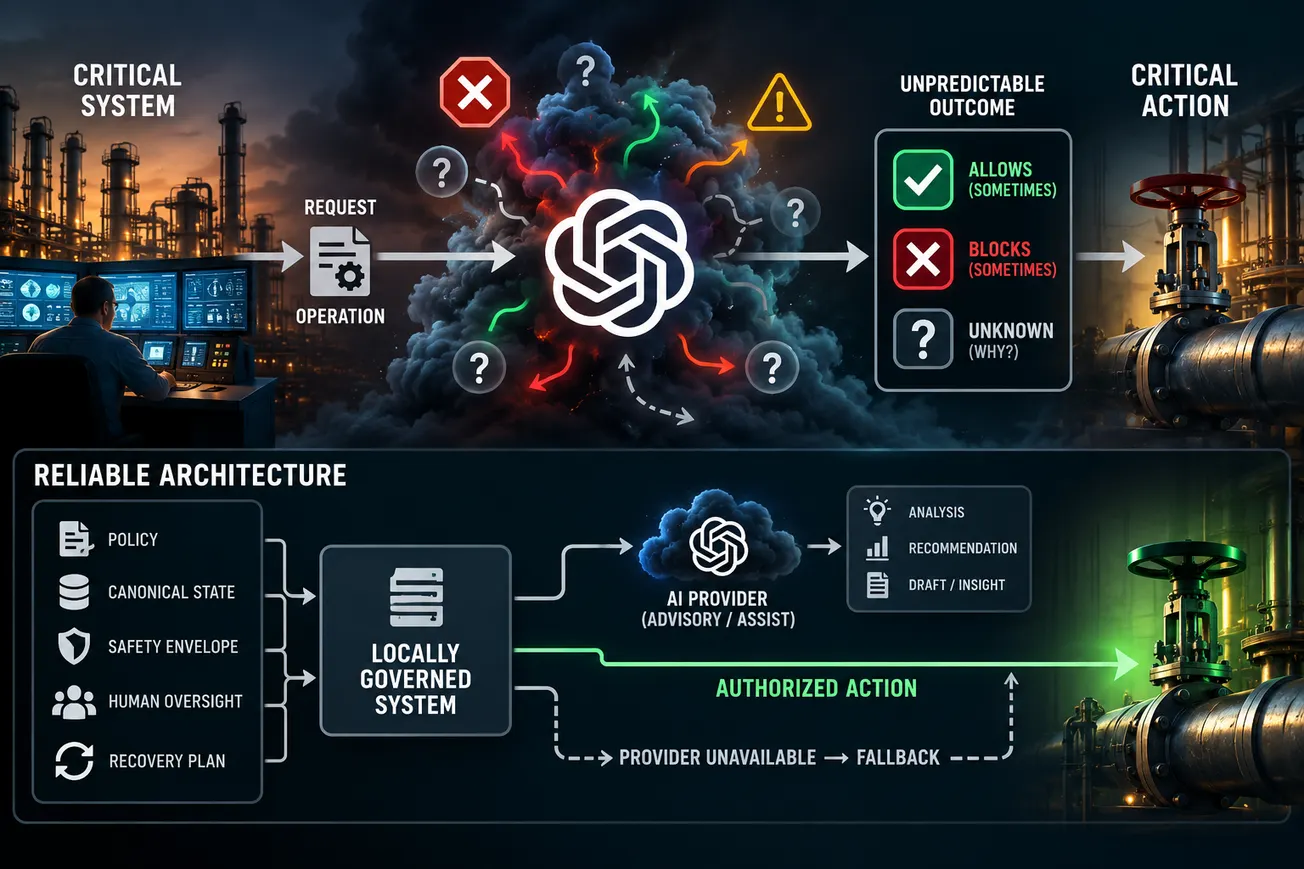
Etan Lightstone, a product design leader at Domino Data Lab, argues that building trust in agents requires applying familiar operational principles. He suggests that for an enterprise with mature MLOps capabilities, trusting an agent is not enormously different from trusting a human user, because the same pillars of governance are in place: Robust logging of every action, complete auditability to trace what happened and the critical ability to roll back any action if something goes wrong. This product-centric mindset also extends to how we design and test the MCP tools before they ever reach production. Lightstone proposes a novel approach he calls “usability testing for AI.” Just as a product team would run usability tests with human beings to uncover design flaws before a release, he advises that MCP servers should be tested with sample AI agents. This is an effective way to discover issues in how a tool’s functions are documented and described — which is critical, since this documentation effectively becomes part of the prompt that the AI agent uses. Furthermore, he suggests we need to build “support links” for AI agents acting on our behalf. When a user gets stuck, they can often click a link to get help or submit feedback. Lightstone argues that AI agents need similar recovery mechanisms. This could be an MCP-exposed feedback tool that an agent can call if it cannot recover from an error or a dedicated function to get help from a documentation search. 


Defending at Scale: The Importance of People in Data Center Security

In the tech world, the mantra of “move fast and break things” has become a badge of innovation. For cases like social platforms or mobile apps, where “breaking things” translates to inconveniences rather than catastrophes, it can work quite well. But when it comes to building critical infrastructure that supports essential functions and drives the future of society, companies must take the time to ensure they build safely and sustainably. Establishing robust physical security is already challenging, and implementing strong policies and processes to support those controls is even more difficult. Often, the core risk lies in the human layer that determines whether controls are applied consistently. ... With the promise of AI-powered efficiency gains, there’s increased pressure to move faster. When organizations take shortcuts in the name of speed, however, those shortcuts often come at the cost of consistent and thorough security. This could include gaps in training for guards, technicians, and vendors, unclear policies for after-hours access, frequent contractor changes, poorly defined emergency protocols, or procedures that only exist on paper. ... As businesses rush to meet the demand for AI, the data center boom is expected to continue rising. In all this rush, it's easy to overlook that moving fast without first establishing and reliably executing proper processes increases risk. Building too quickly without a strong security culture can lead to expensive problems down the line. 


Industrial cyber governance hits inflection point, shifts toward measurable resilience and executive accountability

For industrial operators, the harder task is converting cyber exposure into defensible investment decisions. Quantified risk approaches, promoted by the World Economic Forum, are gaining traction by linking potential downtime, safety impact, and financial loss to capital planning and insurance strategy. ... “Governance should shift to a unified IT/OT risk council where safety engineers and CISOs share a common language of operational impact,” Paul Shaver, global practice leader at Mandiant’s Industrial Control Systems/Operational Technology Security Consulting practice, told Industrial Cyber. “Organizations should integrate OT-specific safety metrics into the standard IT risk framework to ensure cybersecurity decisions are made with production uptime in mind. This evolution requires aligning IT’s data confidentiality goals with OT’s requirement for high availability and human safety. ... Organizations need to move from siloed governance to a risk-first model that prioritizes the most critical threats, whether cyber or operational, and updates policies dynamically based on risk assessments, Jacob Marzloff, president and co-founder at Armexa, told Industrial Cyber. “A shared risk matrix across teams enables consistent trade-offs for safety and cybersecurity. Oversight should be centralized through a cross-functional Risk Committee rather than a single leader, ensuring expertise from IT, engineering, and operations. This committee creates a feedback loop between real-world risks and governance, building resilience.”


A Reality Check on Global AI Adoption

"AI is diffusing at extraordinary speed, but not evenly," the report said. Advanced digital economies are integrating AI into everyday work far faster than emerging markets. The findings underscore a shift in the AI race from model development to real-world deployment in which diffusion, not innovation alone, determines who benefits most. Microsoft CEO Satya Nadella in a recent blog said, "The next phase of the AI will be defined by execution at scale rather than discovery. The industry is moving from model breakthroughs to the harder work of building systems that deliver real-world value." ... Microsoft defines AI diffusion as the proportion of working-age individuals who have used generative AI tools within a defined period. This usage-based measurement shifts attention from venture funding, compute ownership or research output to real-world interaction including how AI is entering daily workflows, from coding and analysis to communication and content creation. ... Infrastructure gaps persist, language limitations reduce the effectiveness of many generative AI systems, and skills shortages constrain adoption when education and workforce training have not kept pace. Institutional capacity also plays a role, influencing trust, governance and public-sector deployment. At the same time, the diffusion metric captures breadth, not depth. A one-time interaction with a chatbot is measured the same as embedding AI into mission-critical enterprise systems. 


The Hidden Resilience Gap: Why Most Organizations Are One Vendor Failure Away from Crisis

The most striking finding: when vendors lack business continuity or IT recovery plans, 43% of organizations simply ask them to create one and resubmit later. Another 32% do nothing at all. Only 13% provide structured questionnaires to actually help vendors develop meaningful plans. This means 75% of enterprises are essentially hoping their vendors figure it out on their own. ... Here’s another uncomfortable truth: 43% of organizations don’t have any system for combining operational and cyber risk indicators into a unified vendor resilience score. Another 22% track separate indicators but never connect the dots. That means nearly two-thirds of organizations can’t answer a simple question: “Which of our vendors pose the highest operational risk right now?” ... But compliance alone won’t fix this. Organizations need vendor resilience programs that actually reduce operational risk, not just check regulatory boxes. That requires moving beyond point-in-time assessments toward continuous intelligence. It means combining cyber indicators, financial health signals, operational metrics, and recovery evidence into coherent risk profiles. It demands bringing business owners, procurement teams, and risk functions into the same system with the same data. ... whatever you prioritize, make it measurable, make it continuous, and make it integrated. Fragmented data creates fragmented decisions. Point-in-time assessments create point-in-time confidence. Manual processes create manual failure modes. The organizations that crack this will have competitive advantage. 

Daily Tech Digest - December 23, 2024

‘Orgs need to be ready’: AI risks and rewards for cybersecurity in 2025

“In 2025, we expect to see more AI-driven cyberthreats designed to evade detection, including more advanced evasion techniques bypassing endpoint detection and response (EDR), known as EDR killers, and traditional defences,” Khalid argues. “Attackers may use legitimate applications like PowerShell and remote access tools to deploy ransomware, making detection harder for standard security solutions.” On a more frightening note, Michael Adjei, director of systems engineering at Illumio, believes that AI will offer somewhat of a field day for social engineers, who will trick people into actually creating breaches themselves: “Ordinary users will, in effect, become unwitting participants in mass attacks in 2025. ... “With greater adoption of AI will come increased cyberthreats, and security teams need to remain nimble, confident and knowledgeable.” Similarly, Britton argues that teams “will need to undergo a dedicated effort around understanding how [AI] can deliver results”. “To do this, businesses should start by identifying which parts of their workflows are highly manual, which can help them determine how AI can be overlaid to improve efficiency. Key to this will be determining what success looks like. Is it better efficiency? Reduced cost?”


Will we ever trust robots?

The chief argument for robots with human characteristics is a functional one: Our homes and workplaces were built by and for humans, so a robot with a humanlike form will navigate them more easily. But Hoffman believes there’s another reason: “Through this kind of humanoid design, we are selling a story about this robot that it is in some way equivalent to us or to the things that we can do.” In other words, build a robot that looks like a human, and people will assume it’s as capable as one. In designing Alfie’s physical appearance, Prosper has borrowed some aspects of typical humanoid design but rejected others. Alfie has wheels instead of legs, for example, as bipedal robots are currently less stable in home environments, but he does have arms and a head. The robot will be built on a vertical column that resembles a torso; his specific height and weight are not yet public. He will have two emergency stop buttons. Nothing about Alfie’s design will attempt to obscure the fact that he is a robot, Lewis says. “The antithesis [of trustworthiness] would be designing a robot that’s intended to emulate a human … and its measure of success is based on how well it has deceived you,” he told me. “Like, ‘Wow, I was talking to that thing for five minutes and I didn’t realize it’s a robot.’ That, to me, is dishonest.”


My Personal Reflection on DevOps in 2024 and Looking Ahead to 2025

As we move into 2025, the big stories that dominated 2024 will continue to evolve. We can expect AI—particularly generative AI—to become even more deeply ingrained in the DevOps toolchain. Prompt engineering for AI models will likely emerge as a specialized skill, just as writing Docker files was a skill set that distinguished DevOps engineers a decade ago. Agentic AI will become the norm with teams of agents taking on the tasks that lower level workers once performed. On the policy side, escalating regulatory demands will push enterprises to adopt more stringent compliance frameworks, integrating AI-driven compliance-as-code tools into their pipelines. Platform engineering will mature, focusing on standardization and the creation of “golden paths” that offer best practices out of the box. We may also see a consolidation of DevOps tool vendors as the market seeks integrated, end-to-end platforms over patchwork solutions. The focus will be on usability, quality, security and efficiency—attributes that can only be realized through cohesive ecosystems rather than fragmented toolchains. Sustainability will also factor into 2025’s narrative. As environmental concerns shape global economic policies and public sentiment, DevOps teams will take resource optimization more seriously. 


From Invisible UX to AI Governance: Kanchan Ray, CTO, Nagarro Shares his Vision for a Connected Future

Vision and data derived from videos have become integral to numerous industries, with machine vision playing a crucial role in automating business processes. For instance, automatic inventory management, often supported by robots, is transitioning from experimental to mainstream. Machine vision also enhances security and safety by replacing human monitoring with machines that operate around the clock, offering greater accuracy at a lower cost. On the consumer front, virtual try-ons and AI-assisted mirrors have become standard features in reputable retail outlets, both in physical stores and online platforms. ... Traditional boundaries of security, which once focused on standard data security, governance, and IT protocols, are now fluid and dynamic. The integration of AI, data analytics, and machine learning has created diverse contexts for output consumption, resulting in new business operations around model simulations and decision-making related to model pipelines. These operations include processes like model publishing, hyperparameter observability, and auditing model reasoning, all of which push the boundaries of AI responsibility.


If your AI-generated code becomes faulty, who faces the most liability exposure?

None of the lawyers, though, discussed who is at fault if the code generated by an AI results in some catastrophic outcome. For example: The company delivering a product shares some responsibility for, say, choosing a library that has known deficiencies. If a product ships using a library that has known exploits and that product causes an incident that results in tangible harm, who owns that failure? The product maker, the library coder, or the company that chose the product? Usually, it's all three. ... Now add AI code into the mix. Clearly, most of the responsibility falls on the shoulders of the coder who chooses to use code generated by an AI. After all, it's common knowledge that the code may not work and needs to be thoroughly tested. In a comprehensive lawsuit, will claimants also go after the companies that produce the AIs and even the organizations from which content was taken to train those AIs (even if done without permission)? As every attorney has told me, there is very little case law thus far. We won't really know the answers until something goes wrong, parties wind up in court, and it's adjudicated thoroughly. We're in uncharted waters here. 


5 Signs You’ve Built a Secretly Bad Architecture (And How to Fix It)

Dependencies are the hidden traps of software architecture. When your system is littered with them — whether they’re external libraries, tightly coupled modules, or interdependent microservices — it creates a tangled web that’s hard to navigate. They make the system difficult to debug locally. Every change risks breaking something else. Deployments take more time, troubleshooting takes longer, and cascading failures are a real threat. The result? Your team spends more time toiling and less time innovating. ... Reducing dependencies doesn’t mean eliminating them entirely or splitting your system into nanoservices. Overcorrecting by creating tiny, hyper-granular services might seem like a solution, but it often leads to even greater complexity. In this scenario, you’ll find yourself managing dozens — or even hundreds — of moving parts, each requiring its own maintenance, monitoring, and communication overhead. Instead, aim for balance. Establish boundaries for your microservices that promote cohesion, avoiding unnecessary fragmentation. Strive for an architecture where services interact efficiently but aren’t overly reliant on each other, which increases the flexibility and resilience of your system.


The 4 key aspects of a successful data strategy

Without a data strategy to structure various efforts, the value added from data in any organization of a certain size or complexity falls far short of the possibilities. In such cases, data is only used locally or aggregated along relatively rigid paths. The result? The company’s agility in terms of necessary changes remains inhibited. In the absence of such a strategy, technical concepts and architectures can hardly increase this value either. A well-thought-out data strategy can be formulated in various ways. It encompasses several different facets, such as availability, searchability, security, protection of personal data, cost control, etc. However, four key aspects that form the basis for a data strategy can be identified from a variety of data-related projects: identity, bitemporality, networking and federalism. ... A data strategy also determines how companies encode the knowledge about their products, services, processes and business models. This makes solutions possible that also allow for automated decision support. To sell glasses online, a lot of specialized optician knowledge must be encoded so that the customer does not make serious mistakes when configuring their glasses. The optimal size of the progressive lenses depends, among other things, on the visual acuity and the lens geometry. 


Maximizing the impact of cybercrime intelligence on business resilience

An intelligence capability is only as effective as its coverage of the adversary. A robust program ensures historical coverage for context, near-real-time coverage for timely responses to immediate threats, and depth of coverage for sufficient understanding. Cybercrime intelligence coverage encompasses both human and technical data. Valuable sources of information include any platforms where cybercriminals gather to communicate, coordinate, or trade, such as social networks, chatrooms, forums and direct one-on-one interactions. Technical coverage requires visibility into the tools used by adversaries. This coverage can be obtained through programmatic malware emulation across the full spectrum of malware families deployed by cybercriminals, ensuring comprehensive insights into their activities in a timely and ongoing manner. ... Adversary Intelligence is produced from a focused collection, analysis and exploitation capability and curated from where threat actors collaborate, communicate and plan cyber attacks. Obtaining and utilizing this Intelligence provides proactive and groundbreaking insights into the methodology of top-tier cybercriminals – target selection, assets and tools used, associates and other enablers that support them.


Large language overkill: How SLMs can beat their bigger, resource-intensive cousins

LLMs are incredibly powerful, yet they are also known for sometimes “losing the plot,” or offering outputs that veer off course due to their generalist training and massive data sets. That tendency is made more problematic by the fact that OpenAI’s ChatGPT and other LLMs are essentially “black boxes” that don’t reveal how they arrive at an answer. This black box problem is going to become a bigger issue going forward, particularly for companies and business-critical applications where accuracy, consistency and compliance are paramount. ... Fortunately, SLMs are better suited to address many of the limitations of LLMs. Rather than being designed for general-purpose tasks, SLMs are developed with a narrower focus and trained on domain-specific data. This specificity allows them to handle nuanced language requirements in areas where precision is paramount. Rather than relying on vast, heterogeneous datasets, SLMs are trained on targeted information, giving them the contextual intelligence to deliver more consistent, predictable and relevant responses. This offers several advantages. First, they are more explainable, making it easier to understand the source and rationale behind their outputs. This is critical in regulated industries where decisions need to be traced back to a source.


Beware Of Shadow AI – Shadow IT’s Less Well-Known Brother

Even though AI brings great productivity, Shadow AI introduces different risks ... Studies show employees are frequently sharing legal documents, HR data, source code, financial statements and other sensitive information with public AI applications. AI tools can inadvertently expose this sensitive data to the public, leading to data breaches, reputational damage and privacy concerns. ... Feeding data into public platforms means that organizations have very little control over how their data is managed, stored or shared, with little knowledge of who has access to this data and how it will be used in the future. This can result in non-compliance with industry and privacy regulations, potentially leading to fines and legal complications. ... Third-party AI tools could have built-in vulnerabilities that a threat actor could exploit to gain access to the network. These tools can lack security standards compared to an organization’s internal security systems. Shadow AI can also introduce new attack vectors making it easier for malicious actors to exploit weaknesses. ... Without proper governance or oversight, AI models can spit out biased, incomplete or flawed outputs. Such biased and inaccurate results can bring harm to organizations. 


Quote for the day:

“Success is most often achieved by those who don't know that failure is inevitable.” -- Coco Chanel