Showing posts with label design patterns. Show all posts

Daily Tech Digest - April 10, 2026


Quote for the day:

"Things may come to those who wait, but only the things left by those who hustle." -- Abraham Lincoln


🎧 Listen to this digest on YouTube Music

▶ Play Audio Digest

Duration: 21 mins • Perfect for listening on the go.


How Agile practices ensure quality in GenAI-assisted development

The integration of Generative AI (GenAI) into software development promises significant productivity gains, yet it introduces substantial risks to code quality and architectural integrity. To mitigate these dangers, the article emphasizes that traditional Agile practices provide the essential guardrails needed for reliable AI-assisted development. Core methodologies like Test-Driven Development (TDD) serve as the foundation, where writing failing tests before generating AI code ensures the output meets precise executable specifications. Similarly, Behavior-Driven Development (BDD) and Acceptance Test-Driven Development (ATDD) utilize plain-language scenarios to ensure AI solutions align with actual business requirements rather than just producing plausible-looking code. Pair programming further enhances this safety net; studies indicate that code quality actually improves when humans and AI work together in a navigator-executor dynamic. Beyond individual practices, organizations must invest in robust continuous integration (CI) pipelines and updated code review protocols specifically tailored for AI-generated logic. By making TDD non-negotiable and establishing clear AI usage guidelines, teams can harness the speed of GenAI without compromising the stability or long-term health of their software systems. Ultimately, these disciplined Agile approaches transform GenAI from a potential liability into a controlled and highly effective engine for modern software engineering success.


Why—And How—Business Leaders Should Consider Implementing AI-Powered Automation

In the Forbes article "Why—And How—Business Leaders Should Consider Implementing AI-Powered Automation," Danny Rebello emphasizes that while AI-driven automation offers immense potential for streamlining complex data and operational efficiency, its success depends on maintaining a strategic balance with human interaction. Rebello argues that over-automation risks alienating customers who still value the personal touch and problem-solving capabilities of human staff. To implement these technologies effectively, leaders should first identify specific areas where automation provides the most significant time-saving benefits without sacrificing the customer experience. The author advises prioritizing one process at a time and maintaining a "human-in-the-loop" approach for nuanced tasks like customer support. Furthermore, Rebello suggests launching small pilot programs to gather feedback and minimize organizational disruption. By adopting the customer's perspective and evaluating whether automation simplifies or complicates the user journey, businesses can leverage AI to handle data-heavy background tasks while preserving the essential human connections that drive long-term loyalty. This measured approach ensures that AI serves as a powerful tool for growth rather than a barrier to authentic engagement, ultimately allowing teams to focus on high-level strategy and creative brainstorming while the technology manages repetitive, data-intensive workflows.


5 questions every aspiring CIO should be prepared to answer

The article emphasizes that aspiring CIOs must master the "elevator pitch" by translating technical initiatives into strategic business value. To impress C-suite executives and board members, IT leaders should be prepared to answer five critical questions that demonstrate their business acumen rather than just technical expertise. First, they must articulate how IT initiatives, like cloud migrations, deliver quantified business value and align with strategic goals. Second, they should showcase how technology serves as a catalyst for growth and revenue, moving beyond simple productivity gains. Third, when addressing technology risks, leaders should focus on operational resilience or the competitive risk of falling behind, rather than just listing security threats. Fourth, discussions regarding emerging technologies like generative AI should highlight competitive differentiation and enhanced customer experiences rather than implementation details. Finally, aspiring CIOs must explain how they are improving organizational agility and effectiveness by fostering decentralized decision-making and treating data as a vital corporate asset. By avoiding technical jargon and focusing on overarching business objectives, future IT leaders can effectively signal their readiness for C-level responsibilities and build the necessary trust with executive leadership to advance their careers.


New framework lets AI agents rewrite their own skills without retraining the underlying model

Researchers have introduced Memento-Skills, a groundbreaking framework that enables autonomous AI agents to develop, refine, and rewrite their own functional skills without needing to retrain the underlying large language model. Unlike traditional methods that rely on static, manually designed prompts or simple task logs, Memento-Skills utilizes an evolving external memory scaffolding. This system functions as an "agent-designing agent" by storing reusable skill artifacts as structured markdown files containing declarative specifications, specialized instructions, and executable code. Through a process called "Read-Write Reflective Learning," the agent actively mutates its memory based on environmental feedback. When a task execution fails, an orchestrator evaluates the failure trace and automatically rewrites the skill’s code or prompts to patch the error. To ensure stability in production, these updates are guarded by an automatic unit-test gate that verifies performance before saving changes. In testing on the GAIA benchmark, the framework improved accuracy by 13.7 percentage points over static baselines, reaching 66.0%. This innovation allows frozen models to build robust "muscle memory," enabling enterprise teams to deploy agents that progressively adapt to complex environments while avoiding the significant time and financial costs typically associated with model fine-tuning or retraining.


The role of intent in securing AI agents

In the evolving landscape of artificial intelligence, traditional identity and access management (IAM) frameworks are proving insufficient for securing autonomous AI agents. While identity-first security establishes accountability by identifying ownership and access rights, it fails to evaluate the appropriateness of specific actions as agents adapt and chain tasks in real-time. This article argues that intent-based permissioning is the critical missing component, as it explicitly scopes an agent’s defined purpose rather than granting indefinite, static privileges. By integrating identity, intent, and runtime context—such as environmental sensitivity and timing—organizations can enforce least-privilege policies that prevent "privilege drift," where agents quietly accumulate unnecessary access. This shift allows security teams to govern at a scalable level by reviewing high-level intent profiles instead of auditing thousands of individual technical calls. Practical implementation involves treating agents as first-class identities, requiring documented intent profiles, and continuously validating behavior against declared objectives. Ultimately, anchoring permissions to an agent’s purpose ensures that access remains dynamic and purpose-bound, providing a robust safeguard against the inherent unpredictability of autonomous systems. Without this intent-aware layer, identity-based controls alone cannot effectively scale AI safety or maintain rigorous accountability in production environments.


Do Ceasefires Slow Cyberattacks? History Suggests Not

The relationship between kinetic military ceasefires and digital warfare is complex, as historical data indicates that a cessation of physical hostilities rarely translates to a "digital stand-down." According to research highlighted by Dark Reading, cyber operations often remain steady or even intensify during truces, serving as an asymmetric pressure valve when traditional combat is paused. While groups like the Iranian-aligned Handala may announce temporary pauses against specific nations, they often continue targeting other adversaries, maintaining that the cyber war operates independently of military agreements. Past conflicts, such as those involving Hamas and Israel or Russia and Ukraine, demonstrate that warring parties frequently use diplomatic pauses to pivot toward secondary targets or gain leverage for future negotiations. In some instances, cyberattacks have even increased during ceasefires as actors seek alternative methods to exert influence without technically violating military terms. A notable exception occurred during the 2015 Iran nuclear deal negotiations, which saw a genuine lull in malicious activity; however, this remains an outlier. Ultimately, security experts warn that threat actors view diplomatic lulls as technicalities rather than boundaries, meaning organizations must remain vigilant despite peace talks, as the digital battlefield often ignores the boundaries set by physical treaties.


The Roadmap to Mastering Agentic AI Design Patterns

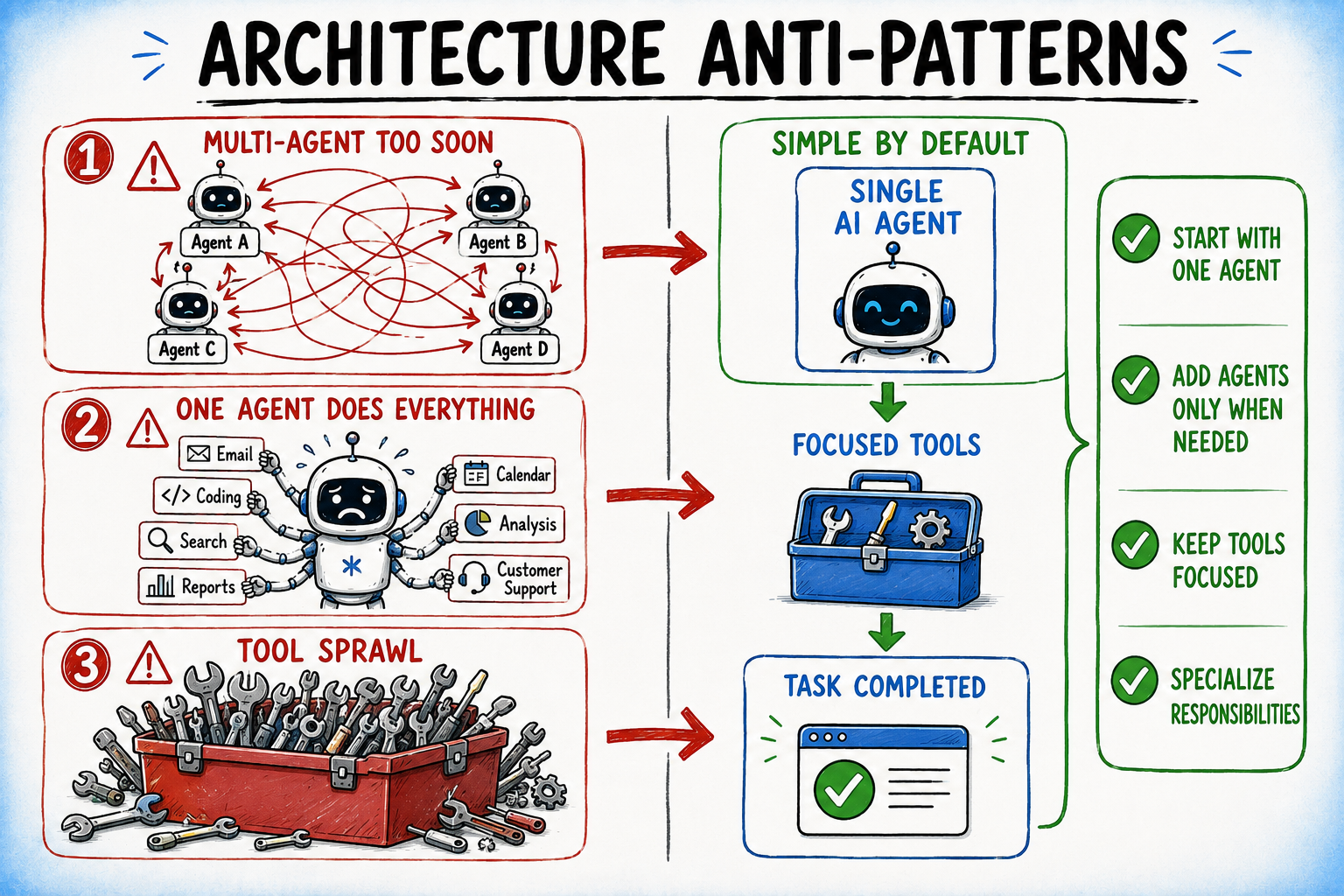
The roadmap for mastering agentic AI design patterns emphasizes moving beyond simple prompt engineering toward architectural strategies that ensure predictable and scalable system behavior. The foundational pattern is ReAct, which integrates reasoning and action in a continuous loop to ground model decisions in observable results. For higher quality, the Reflection pattern introduces a self-correction cycle where agents critique and refine their outputs. To move from information to action, the Tool Use pattern establishes a structured interface for agents to interact with external systems securely. When tasks grow complex, the Planning pattern breaks goals into sequenced subtasks, while Multi-Agent systems distribute specialized roles across several coordinated units. Crucially, developers must treat pattern selection as a rigorous production decision, starting with the simplest viable structure to avoid premature complexity and high latency. Effective deployment requires robust evaluation frameworks, observability for debugging, and human-in-the-loop guardrails to manage safety risks. By systematically applying these architectural templates, creators can build AI agents that are not only capable but also reliable, debuggable, and adaptable to real-world requirements. This strategic approach ensures that agentic behavior remains consistent even as project complexity increases, ultimately leading to more sophisticated and trustworthy autonomous applications.


Upstream network visibility is enterprise security’s new front line

Lumen Technologies' 2026 Defender Threatscape Report, published by its research arm Black Lotus Labs, argues that the front line of enterprise security has shifted from traditional endpoints to upstream network visibility. By leveraging its position as a major internet backbone provider, Lumen gains unique telemetry into nearly 99% of public IPv4 addresses, allowing it to detect malicious patterns before they reach internal networks. The report highlights several alarming trends: the use of generative AI to rapidly iterate malicious infrastructure, a pivot toward targeting unmonitored edge devices like VPN gateways and routers, and the industrialization of proxy networks using compromised residential and SOHO devices to bypass zero-trust controls. Notable threats include the Kimwolf botnet, which achieved record-breaking 30 Tbps DDoS attacks by exploiting residential proxies. The article emphasizes that while most organizations utilize endpoint detection and response, attackers are increasingly operating in blind spots where these tools cannot see. To counter this, Lumen advises defenders to prioritize edge device security, replace static indicator blocking with pattern-based network detection, and treat residential IP traffic as a potential threat signal rather than a trusted source. Ultimately, backbone-level visibility provides the critical context needed to identify and disrupt sophisticated cyberattacks in their preparatory stages.


Artificial intelligence and biology: AI’s potential for launching a novel era for health and medicine

In his article for The Conversation, James Colter explores the transformative potential of artificial intelligence in addressing the staggering complexity of biological systems, which contain more unique interactions than stars in the known universe. Traditionally, medical science relied on slow, iterative observations, but AI now enables researchers to organize and perceive biological data at scales far beyond human capacity. Colter highlights disruptive models like DeepMind’s AlphaGenome, which predicts how gene variants drive conditions such as cancer and Alzheimer’s. A central theme is the field's necessary transition from purely statistical, correlation-based models to "causal-aware" AI. By utilizing experimental perturbations—purposeful disruptions to biology—scientists can distinguish direct cause and effect from mere noise or compensatory mechanisms. Despite significant hurdles, including high dimensionality and biological variance, Colter argues that integrating multi-modal datasets with robust experimental validation can overcome current data limitations. Ultimately, this trans-disciplinary synergy between AI and biology is poised to launch a novel era of medicine characterized by accelerated drug discovery and optimized personalized treatments. By moving toward a mechanistic understanding of life, researchers are on the precipice of solving some of humanity's most persistent health challenges, from chronic dysfunction to the fundamental processes of aging and regeneration.


The vibe coding bubble is going to leave a lot of broken apps behind

The "vibe coding" phenomenon represents a shift in software development where AI tools allow non-programmers to build functional applications through simple natural language prompts. However, this trend has created a bubble that threatens the long-term stability of the digital ecosystem. While vibe coding excels at rapid prototyping, it often bypasses the rigorous debugging and architectural planning essential for robust software. Many individuals entering this space are motivated by online clout or quick profits rather than a commitment to software longevity. Consequently, they often abandon their projects once the initial excitement fades. The primary risk lies in technical debt and maintenance; apps built without foundational coding knowledge are difficult to update when APIs change or operating systems evolve. This lack of ongoing support ensures that many "weekend projects" will inevitably fail, leaving users with a trail of broken, non-functional applications. Ultimately, the article argues that while AI democratizes creation, true development requires more than just a "vibe"—it demands a commitment to the tedious, long-term work of maintenance. As the current hype cycle cools, consumers will likely bear the cost of this unsustainable surge in disposable software, highlighting the critical difference between creating a prototype and sustaining a professional product.

Daily Tech Digest - April 03, 2026


Quote for the day:

"Any fool can write code that a computer can understand. Good programmers write code that humans can understand." -- Martin Fowler


🎧 Listen to this digest on YouTube Music

▶ Play Audio Digest

Duration: 21 mins • Perfect for listening on the go.


Cybersecurity in the age of instant software

In "Cybersecurity in the Age of Instant Software," Bruce Schneier explores how artificial intelligence is revolutionizing the software lifecycle and the resulting arms race between attackers and defenders. AI facilitates the rise of "instant software"—customized, ephemeral applications created on demand—which fundamentally alters traditional security paradigms. While AI significantly enhances an attacker's ability to automatically discover and exploit vulnerabilities in open-source, commercial, and legacy IoT systems, it simultaneously empowers defenders with sophisticated tools for automated patch creation and deployment. Schneier envisions a potentially optimistic future featuring self-healing networks where AI agents continuously scan and repair code, shifting the defensive advantage toward those who can share intelligence and coordinate responses. However, significant challenges remain, including the persistence of unpatchable legacy systems and the risk of attackers shifting their focus to social engineering, deepfakes, and the manipulation of defensive AI models themselves. Ultimately, the cybersecurity landscape will depend on how effectively AI can transition from writing insecure code to producing vulnerability-free applications. This evolution requires not only technological advancement but also policy shifts regarding software licensing and the right to repair to ensure a resilient digital infrastructure in an era of rapid, AI-driven software generation.


Scaling a business: A leadership guide for the rest of us

Scaling a business effectively requires a strategic shift in leadership from direct management to systemic architectural design. According to the article, scaling is defined as the ability to increase outcomes—such as revenue or customer value—faster than the growth of effort and costs. Unlike mere growth, which can amplify inefficiencies, successful scaling creates organizational leverage, resilience, and operational flow. The leadership playbook for this transition focuses on several key pillars: aligning the team around a shared definition of scale, conducting disciplined experiments to learn without excessive risk, and managing resources by decoupling capability from location. Leaders must prioritize process flow over bureaucratic control by standardizing repeatable tasks and clarifying decision rights to prevent bottlenecks. Furthermore, scaling is fundamentally a human endeavor; it necessitates making culture explicit through role clarity and psychological safety while developing a new generation of leaders. Ultimately, the executive's role evolves from being a hands-on hero who resolves every crisis to an architect who builds repeatable systems capable of handling increased volume without a proportional rise in stress. By treating scaling as a coordinated set of moves involving metrics, technology, and people, organizations can achieve sustainable expansion while protecting the core values that initially drove their success.


Why your business needs cyber insurance

Cyber insurance has evolved from a niche product into an essential safety net for modern businesses facing an increasingly hostile digital landscape. While many firms still lack coverage, the article highlights how catastrophic incidents, such as the multi-billion-pound breach at Jaguar Land Rover, demonstrate the extreme danger of absorbing full recovery costs alone. Unlike self-insuring, which is risky due to the unpredictable nature of cyberattack expenses, a comprehensive policy provides financial protection against data breaches, ransomware, and business interruption. Beyond monetary compensation, reputable insurers offer immediate access to vetted security specialists and incident response teams, effectively aligning their interests with the victim's to ensure a rapid and cost-effective recovery. However, the market is maturing; insurers now demand rigorous security hygiene, including multi-factor authentication and regular patching, before granting coverage. Consequently, the application process itself serves as a practical security roadmap for proactive organizations. To navigate this complex terrain, businesses should engage specialist brokers and maintain total transparency on proposal forms to avoid inadvertently invalidating their claims. Ultimately, cyber insurance is no longer just about liability—it is a critical component of operational resilience, providing the expertise and resources necessary to survive a major digital crisis in an interconnected world.


How To Help Employees Grow And Strengthen Your Company

The Forbes Business Council article, "How To Help Employees Grow And Strengthen Your Company," outlines eight critical strategies for leaders to foster professional development while simultaneously enhancing organizational performance. Central to this approach is the paradigm shift of accepting that employment is often temporary; by preparing employees for their future careers through skill enhancement and ownership, companies build a powerful network of loyal alumni and advocates. Development should begin on day one, with roles designed to offer real stakes and exposure to decision-making. Furthermore, the article emphasizes investing in future-focused learning, particularly regarding emerging technologies, to ensure the workforce remains competitive and engaged. Growth must be ingrained as a core organizational value and integrated into the cultural fabric, rather than treated as an occasional initiative. Leaders are encouraged to provide employees with commercial context and genuine responsibility, transforming them into appreciating assets whose confidence compounds over time. Finally, the piece highlights the necessity of prioritizing and measuring development activities to ensure a clear return on investment in the form of improved morale and loyalty. By equipping team members to evolve continuously, leaders create a lasting legacy of success that strengthens the firm’s reputation and attracts top-tier talent


Tokenomics: Why IT leaders need to pay attention to AI tokens

In the evolving digital landscape, "tokenomics" has transitioned from the cryptocurrency sector to become a vital framework for enterprise IT leaders managing generative AI and large language models (LLMs). Tokens represent the fundamental currency of AI services, encompassing the input, reasoning, and output units processed during any interaction. As AI tasks grow in complexity—particularly with the rise of agentic AI that consumes tokens at every step—understanding these metrics is essential for effective financial planning and operational governance. Most public API providers utilize tiered or volume-based pricing, making token consumption the primary driver of operational expenses. Consequently, technology executives must balance model capabilities with cost by implementing metered usage models or negotiated enterprise licenses. Beyond simple expense management, mastering tokenomics allows organizations to achieve a measurable return on investment through significant OPEX reduction. By automating mundane business processes like market analysis or medical coding, AI can shrink task completion times from days to minutes. Ultimately, treating tokens as a strategic resource enables IT leaders to allocate departmental budgets effectively, ensuring that AI deployments remain financially sustainable while delivering high-speed, high-quality results across the organization. This shift necessitates a new policy perspective where token limits and usage visibility become core components of the modern IT toolkit.
In his article, Kannan Subbiah explores the obsolescence of traditional perimeter-based security, arguing that cloud adoption and remote work have rendered "castle-and-moat" defenses ineffective in the modern era. The shift toward Zero Trust architecture is presented as a necessary response, grounded in the core philosophy of "never trust, always verify." This comprehensive model relies on three fundamental principles: explicit verification of every access request based on context, the implementation of least privilege access, and the continuous assumption of a breach. By transitioning to an identity-centric security posture, organizations can significantly reduce their "blast radius" and improve visibility through AI-driven analytics. However, Subbiah acknowledges significant implementation hurdles, such as legacy technical debt, extreme policy complexity, and the potential for developer friction. Successful adoption requires a strategic, phased approach—focusing first on "crown jewels" while utilizing micro-segmentation, mutual TLS, and continuous authentication methods. Ultimately, Zero Trust is described not as a one-time product purchase but as a fundamental cultural and architectural journey. It moves security from defending a static network boundary to protecting the data itself, ensuring that trust is earned dynamically for every single transaction across today’s increasingly complex and distributed application environments.


Event-Driven Patterns for Cloud-Native Banking: Lessons from What Works and What Hurts

In the article "Event-Driven Patterns for Cloud-Native Banking," Chris Tacey-Green explores the strategic shift toward event-driven architecture (EDA) in the financial sector. While traditional monolithic systems often struggle with scalability, EDA enables banks to decouple internal services and create transparent, immutable activity trails essential for regulatory compliance. However, the author emphasizes that EDA is not a simple shortcut; it introduces significant complexity and new failure modes that require a fundamental mindset shift. To ensure reliability in high-stakes banking environments, developers must implement robust patterns such as the transactional outbox, idempotent consumers, and explicit fault handling to prevent data loss or duplication. A critical architectural distinction highlighted is the difference between commands—intentional requests for action—and events, which are historical statements of fact. By maintaining lean event payloads and separating internal domain events from external integration events, organizations can protect their internal models from leaking across system boundaries. Ultimately, successful adoption depends as much on organizational investment in shared standards and developer training as it does on the underlying technology. Transitioning to this model allows banks to innovate rapidly by subscribing to existing data streams rather than modifying core platforms, though it necessitates a disciplined approach to manage its inherent operational challenges.


Why Enterprise AI will depend on sovereign compute infrastructure

The rapid evolution of enterprise artificial intelligence is shifting focus from model capabilities to the necessity of sovereign compute infrastructure. As organizations in sectors like finance, healthcare, and government move beyond pilot programs, they face challenges in scaling AI while maintaining control over sensitive proprietary data. While public clouds remain relevant, approximately 80% of enterprise data resides within internal systems, making data movement costly and risky. Sovereign infrastructure extends beyond mere data localization; it encompasses control over operational layers, including identity management, telemetry, and administrative planes. This ensures that critical systems remain under an organization’s authority, even if the hardware is physically domestic. In India, where the AI market is projected to contribute significantly to the GDP by 2025, this shift is particularly vital. Consequently, enterprises are increasingly adopting private and hybrid AI architectures that bring computation closer to where the data resides. This maturation of AI strategy reflects a transition where long-term success is defined not just by advanced algorithms, but by the ability to deploy them within secure, governed environments. Ultimately, sovereign compute infrastructure provides a practical path for businesses to harness AI's power without compromising their most valuable assets or operational autonomy.


Just because they can – the biometric conundrum for law enforcement

In "Just because they can – the biometric conundrum for law enforcement," Professor Fraser Sampson explores the complex ethical and legal landscape surrounding the use of biometric technology, such as live facial recognition (LFR), in policing. Historically, the debate has centered on the principle that technical capability does not mandate usage; however, Sampson suggests this perspective is shifting toward a potential liability for inaction. Drawing on recent legal cases where companies were found negligent for failing to mitigate foreseeable harms, he posits that law enforcement may face similar scrutiny if they bypass available tools that could prevent serious crimes, such as child exploitation. As biometrics become increasingly reliable and affordable, they redefine the standards for an "effective investigation" under human rights frameworks. Sampson argues that while privacy concerns remain valid, the failure to utilize effective technology creates significant moral and legal risks for the state. Consequently, the police find themselves in a precarious position: if they insist these tools are essential for modern safety, they simultaneously increase their accountability for not deploying them. The article underscores an urgent need for robust regulatory frameworks to resolve these gaps between technological potential, public expectations, and the legal obligations of the state.


The State of Trusted Open Source Report

The "State of Trusted Open Source Report," published by Chainguard and featured on The Hacker News in April 2026, provides a comprehensive analysis of open-source consumption trends across container images, language libraries, and software builds. Drawing from extensive product data and customer insights, the report highlights a critical tension in modern engineering: while developers aspire to innovate, they are increasingly bogged down by the maintenance of aging, vulnerable software components. A primary focus of the study is the persistent prevalence of known vulnerabilities (CVEs) in standard container images, often contrasting them with "hardened" or "trusted" alternatives that aim for a zero-CVE baseline. The report underscores that the security of the software supply chain is no longer just about identifying flaws but about the speed and efficiency of remediation. By examining what teams actually pull and deploy in real-world environments, the findings reveal a growing shift toward minimal, secure-by-default images as organizations seek to reduce their attack surface and meet stricter compliance mandates. Ultimately, the report serves as a call to action for the industry to prioritize "trusted" open source as the foundation for secure software development life cycles, moving beyond reactive patching to proactive, systemic security.

Daily Tech Digest - March 24, 2026


Quote for the day:

"No person can be a great leader unless he takes genuine joy in the successes of those under him." -- W. A. Nance


🎧 Listen to this digest on YouTube Music

▶ Play Audio Digest

Duration: 22 mins • Perfect for listening on the go.


The agent security mess

The article "The Agent Security Mess" by Matt Asay highlights a critical vulnerability in enterprise security: the "persistent weak layer" of over-provisioned permissions. Historically, security risks remained dormant because humans typically ignore 96% of their granted access rights. However, the rise of AI agents changes this dynamic entirely. Unlike humans, who act as a natural governor on permission sprawl, autonomous agents inherit the full permission surface of the accounts they use. This turns latent permission debt into immediate operational risk, as agents can rapidly execute broad, potentially destructive actions across various systems without the hesitation or distraction characteristic of human users. To address this looming "avalanche," Asay argues for a shift in software architecture. Instead of allowing agents to inherit broad employee accounts, organizations must implement purpose-built identities with aggressively minimal, read-only permissions by default. This involves decoupling the ability to draft actions from the ability to execute them and ensuring every automated action is logged and reversible. Ultimately, AI agents are not creating a new crisis but are exposing a long-ignored authorization problem, forcing the industry to finally prioritize robust identity security and governance.


Faster attacks and ‘recovery denial’ ransomware reshape threat landscape

The CSO Online article, based on Mandiant’s M-Trends 2026 report, highlights a dramatic shift in the cybersecurity landscape where ransomware attacks are becoming both faster and more strategically focused on "recovery denial." A striking finding is the collapse of the "hand-off" window between initial access and secondary threat group activity, which plummeted from over eight hours in 2022 to a mere 22 seconds in 2025. This acceleration is coupled with a transition in tactics; voice phishing has overtaken email phishing as a primary infection vector, signaling a move toward real-time, interactive social engineering. Furthermore, attackers are increasingly targeting core infrastructure, such as backup environments, identity systems, and virtualization platforms, to systematically dismantle an organization’s ability to restore operations without paying a ransom. Despite these rapid execution phases, median dwell times have paradoxically risen to 14 days, as nation-state actors prioritize long-term persistence alongside financially motivated groups seeking immediate impact. These evolving threats necessitate a fundamental rethink of defense strategies, urging organizations to treat their recovery assets as critical control planes that require the same level of protection as the primary network itself to ensure true resilience.


Attackers are handing off access in 22 seconds, Mandiant finds

The Mandiant M-Trends 2026 report, based on over 500,000 hours of incident response data from 2025, highlights a dramatic acceleration in attacker efficiency and a significant shift in tactical focus. For the sixth consecutive year, exploits remained the primary infection vector, yet the most striking finding is the collapse of the "access hand-off" window; the median time between initial compromise and transfer to secondary threat groups plummeted from eight hours in 2022 to a mere 22 seconds in 2025. While overall global median dwell time rose to 14 days—largely due to prolonged espionage operations—adversaries are increasingly bypassing traditional defenses by targeting virtualization infrastructure and backup systems to ensure "recovery deadlock" during extortion. The report also identifies a surge in highly interactive voice phishing, which has overtaken email as the top vector for cloud-related compromises. Furthermore, while AI is being incrementally integrated into reconnaissance and social engineering, Mandiant emphasizes that the majority of breaches still result from fundamental systemic failures. These evolving threats, including persistent backdoors with dwell times exceeding a year, underscore the urgent need for organizations to modernize their log retention policies and prioritize the security of their "Tier-0" identity and virtualization assets.


From fragmentation to focus: Can one security framework simplify compliance?

In "From Fragmentation to Focus," Sam Peters explores the escalating complexities of the modern cybersecurity landscape, driven by geopolitical instability and a rapidly expanding attack surface. As digital transformation progresses, businesses face a "messy" regulatory environment characterized by overlapping requirements like GDPR, NIS 2, and DORA. This fragmentation often leads to duplicated efforts, increased costs, and significant compliance fatigue for organizations of all sizes. To combat these challenges, the article positions ISO 27001 as a unifying "gold standard" framework. By adopting this internationally recognized standard, companies can transition from reactive defense to proactive risk management. ISO 27001 offers a flexible, risk-based approach that can be seamlessly mapped to various global regulations, thereby streamlining operations and reducing overhead. The article argues that a consolidated security strategy does more than ensure compliance; it fosters a security-first culture, builds digital trust, and serves as a critical driver for competitive advantage and long-term business resilience. Ultimately, moving toward a single, structured framework allows leaders to navigate uncertainty with greater confidence, transforming security from a burdensome cost center into a strategic asset that supports sustainable growth in an increasingly volatile global market.


Microservices Without Drama: Practical Patterns That Work

The article "Microservices Without Drama: Practical Patterns That Work" offers a pragmatic roadmap for implementing microservices without succumbing to architectural complexity. It emphasizes that while microservices enable independent team movement, they should only be adopted when data boundaries are crisp to avoid the "distributed monolith" trap. A core principle is absolute data ownership, where each service manages its own dataset, accessed via stable, versioned contracts using OpenAPI or AsyncAPI. The author advocates for a balanced communication strategy, favoring synchronous calls for immediate reads and asynchronous events for decoupled integrations. Operational success relies on "boring fundamentals" like standardized Kubernetes deployments, GitOps for configuration, and robust observability through OpenTelemetry and Prometheus. Reliability is further bolstered by defensive patterns, including circuit breakers, retries, and idempotency, ensuring the system remains resilient during failures. Security is addressed through mTLS and strict secrets management, moving beyond fragile IP-based allowlists. Ultimately, the piece argues that microservices provide true freedom only when teams invest in consistent standards and treat interfaces as public infrastructure. By prioritizing data integrity and operational repeatability over architectural trends, organizations can reap the benefits of scalability without the associated drama of unmanaged complexity.


The end of cloud-first: What compute everywhere actually looks like

The article "The End of Cloud-First" explores a fundamental transition toward a "compute-everywhere" architecture, where centralized cloud environments are no longer the default destination for every workload. This evolution is driven by the reality that the network is not a neutral substrate; bandwidth and latency constraints, coupled with the explosion of IoT data, have made the traditional cloud-first assumption increasingly untenable. The emerging model operates across three distinct layers: a gateway layer for protocol translation, an edge layer for localized processing near data sources, and a centralized cloud layer reserved for heavy-lifting tasks like model training and global analytics. Modern machine learning advancements now allow for efficient inference on constrained devices, empowering local hardware to filter and classify data autonomously rather than merely forwarding raw telemetry. However, this decentralized approach introduces significant operational complexity. IT leaders must now manage vast fleets of devices with intermittent connectivity and navigate a landscape where partial system failures are a normal steady state. Software updates become logistical challenges rather than simple deployments. Ultimately, the focus is shifting from simple cloud migration to sophisticated orchestration, ensuring that intelligence and compute are placed precisely where they deliver value while balancing performance, cost, and reliability.


We’re fighting over GPUs and memory – but power manufacturing may decide who scales first

In this article, Matt Coffel argues that while the global tech industry remains fixated on GPU shortages and silicon supply chains, the true bottleneck for scaling artificial intelligence lies in electrical manufacturing capacity. As data center power demands are projected to surge from 33 GW to 176 GW by 2035, the availability of critical infrastructure—such as switchgear, transformers, and power distribution units—has become the decisive factor in operational readiness. AI-intensive workloads demand unprecedented power densities and constant uptime, yet the manufacturing sector is currently struggling to keep pace with the rapid acceleration of AI deployment. Traditional lead times of eighteen to twenty-four months clash with the immediate needs of hyperscalers, exacerbated by a shortage of skilled trades and over-customized engineering. To overcome these constraints, Coffel suggests that operators must shift toward standardization, modularization, and prefabricated power systems while engaging manufacturers much earlier in the design process. Ultimately, the ability to scale will not be determined solely by who possesses the most advanced chips, but by who can most efficiently deploy the resilient electrical infrastructure required to keep those processors running at scale.


Spec-Driven Development: The Key to Protecting AI-Generated Data Products

In "Spec-Driven Development: The Key to Protecting AI-Generated Data Products," Guy Adams explores the rising threat of semantic drift in the era of AI-accelerated data engineering. Semantic drift occurs when data metrics gradually lose their original meaning through successive updates, potentially leading to costly business errors when executives rely on inaccurate interpretations of "headcount" or other key figures. While traditional DataOps focuses on recording what was built, it often fails to document the underlying intent, a gap that AI-assisted development significantly widens. To counter this, Adams advocates for spec-driven development—a software engineering methodology that prioritizes clear, structured specifications before coding begins. By defining a data product’s purpose and constraints upfront, organizations can leverage agentic AI to audit every proposed change against the original requirements. This ensures that new implementations maintain coherence rather than undermining a product’s utility. Although maintaining manual specifications was historically cost-prohibitive, Adams argues that current AI capabilities make automated spec maintenance both feasible and essential. Ultimately, adopting this "left-shifted" documentation approach allows enterprises to build drift-proof data products that remain reliable even as AI agents accelerate the pace of development and modification across complex enterprise systems.


IT Leaders Report Massive M&A Wave While Facing AI Readiness and Security Challenges

According to a recent ShareGate survey published by CIO Influence, IT leaders are navigating an unprecedented surge in mergers and acquisitions (M&A), with 80% of respondents currently involved in or planning such events. This massive wave, fueled by a 43% increase in global deal value during 2025, has positioned M&A as a primary catalyst for IT modernization. However, this acceleration brings significant hurdles, particularly regarding cybersecurity and AI readiness. While 64% of organizations migrate to Microsoft 365 specifically to bolster security, 41% of leaders identify compliance and data protection as top concerns during these transitions. The study also highlights a shift in leadership; IT operations and security teams, rather than business executives, are the primary drivers of AI adoption, such as Microsoft Copilot. Despite 62% of organizations already deploying Copilot, they face substantial blockers including poor data quality, complex governance, and access control issues. Furthermore, 55% of teams select migration tools before fully assessing integration risks, which can jeopardize long-term stability. Ultimately, the report emphasizes that for M&A success, IT must evolve into a strategic partner that integrates robust governance and security into the foundation of every digital migration.


Identity discovery: The Overlooked Lever in Strategic Risk Reduction

The article "Identity Discovery: The Overlooked Lever in Strategic Risk Reduction" emphasizes that comprehensive visibility into every human, machine, and AI identity is the foundational prerequisite for modern cybersecurity. While organizations often prioritize glamorous initiatives like Zero Trust or AI-driven detection, the author argues that these controls are fundamentally incomplete without first establishing a robust identity discovery process. This is particularly critical due to the "identity explosion," where non-human identities now outnumber humans by nearly 46 to 1, creating a structural shift in the threat landscape. By implementing continuous discovery and mapping access relationships through an identity graph, organizations can uncover hidden escalation paths, lateral movement risks, and "toxic" misconfigurations that traditional dashboards often miss. Furthermore, identity security has evolved into a strategic board-level concern, with 84% of organizations recognizing its importance. Identity discovery empowers CISOs to move beyond technical metrics, providing the strategic clarity needed to quantify risk and demonstrate measurable improvements in posture to stakeholders. Ultimately, illuminating the entire identity plane transforms security from a reactive operational task into a disciplined, proactive risk management strategy that eliminates the blind spots where most modern breaches begin.

Daily Tech Digest - May 15, 2025


Quote for the day:

“Challenges are what make life interesting and overcoming them is what makes life meaningful.” -- Joshua J. Marine


How to use genAI for requirements gathering and agile user stories

The key to success is engaging end-users and stakeholders in developing the goals and requirements around features and user stories. ... GenAI should help agile teams incorporate more design thinking practices and increase feedback cycles. “GenAI tools are fundamentally shifting the role of product owners and business analysts by enabling them to prototype and iterate on requirements directly within their IDEs rapidly,” says Simon Margolis, Associate CTO at SADA. “This allows for more dynamic collaboration with stakeholders, as they can visualize and refine user stories and acceptance criteria in real time. Instead of being bogged down in documentation, they can focus on strategic alignment and faster delivery, with AI handling the technical translation.” ... “GenAI excels at aligning user stories and acceptance criteria with predefined specs and design guidelines, but the original spark of creativity still comes from humans,” says Ramprakash Ramamoorthy, director of AI research at ManageEngine. “Analysts and product owners should use genAI as a foundational tool rather than relying on it entirely, freeing themselves to explore new ideas and broaden their thinking. The real value lies in experts leveraging AI’s consistency to ground their work, freeing them to innovate and refine the subtleties that machines cannot grasp.”


5 Subtle Indicators Your Development Environment Is Under Siege

As security measures around production environments strengthen, which they have, attackers are shifting left—straight into the software development lifecycle (SDLC). These less-protected and complex environments have become prime targets, where gaps in security can expose sensitive data and derail operations if exploited. That’s why recognizing the warning signs of nefarious behavior is critical. But identification alone isn’t enough—security and development teams must work together to address these risks before attackers exploit them. ... Abnormal spikes in repository cloning activity may indicate potential data exfiltration from Software Configuration Management (SCM) tools. When an identity clones repositories at unexpected volumes or times outside normal usage patterns, it could signal an attempt to collect source code or sensitive project data for unauthorized use. ... While cloning is a normal part of development, a repository that is copied but shows no further activity may indicate an attempt to exfiltrate data rather than legitimate development work. Pull Request approvals from identities lacking repository activity history may indicate compromised accounts or an attempt to bypass code quality safeguards. When changes are approved by users without prior engagement in the repository, it could be a sign of malicious attempts to introduce harmful code or represent reviewers who may overlook critical security vulnerabilities.


Data, agents and governance: Why enterprise architecture needs a new playbook

The rapid evolution of AI and data-centric technologies is forcing organizations to rethink how they structure and govern their information assets. Enterprises are increasingly moving from domain-driven data architectures — where data is owned and managed by business domains — to AI/ML-centric data models that require large-scale, cross-domain integration. Questions arise about whether this transition is compatible with traditional EA practices. The answer: While there are tensions, the shift is not fundamentally at odds with EA but rather demands a significant transformation in how EA operates. ... Governance in an agentic architecture flips the script for EA by shifting focus to defining the domain authority of the agent to participate in an ecosystem. That encompasses the system they can interact with, the commands they can execute, the other agents they can interact with, the cognitive models they rely on and the goals that are set for them. Ensuring agents are good corporate citizens means enterprise architects must engage with business units to set the parameters for what an agent can and cannot do on behalf of the business. Further, the relationship and those parameters must be “tokenized” to authenticate the capacity to execute those actions. 

California’s location data privacy bill aims to reshape digital consent

“We’re really trying to help regulate the use of your geolocation data,” says the bill’s author, Democratic Assemblymember Chris Ward, who represents California’s 78th district, which covers parts of San Diego and surrounding areas. “You should not be able to sell, rent, trade, or lease anybody’s location information to third parties, because nobody signed up for that.” Among types of personal information, location data is especially sensitive. It reveals where people live, work, worship, protest, and seek medical care. It can expose routines, relationships, and vulnerabilities. As stories continue to surface about apps selling location data to brokers, government workers, and even bounty hunters, the conversation has expanded. What was once a debate about privacy has increasingly become a concern over how the exposure of this data infringes upon fundamental civil liberties. “Geolocation is very revealing,” says Justin Brookman, the director of technology policy at Consumer Reports, which supported the legislation. “It tells a lot about you, and it also can be a public safety issue if it gets into the wrong person’s hands.” ... Equally troubling, Ward argues, is who benefits. The companies collecting and selling this data are driven by profit, not transparency. As scholar Shoshana Zuboff has argued, surveillance capitalism doesn’t thrive because users want personalized ads. 


Digital Transformation Expert Discusses Trends

From day one, I emphasise that digital transformation isn’t just about adopting new tools—it’s about aligning those tools with business objectives, improving internal processes, and responding to changing customer expectations. To bring this to life, I use a blended approach that combines theory with real-world practice. Students explore frameworks and models that explain how businesses adapt to technological change, and then apply these to real case studies from global companies, SMEs, and my own entrepreneurial experiences. These examples give them insight into how digital transformation plays out in areas like operations, marketing, and customer relationship management (CRM). Active learning is central to my teaching. I use group work, live problem-solving, digital tool demonstrations, and hands-on simulations to help students experience digital transformation in action. I also introduce them to established business platforms and emerging technologies, encouraging them to assess their value and strategic impact. Ultimately, I aim to create an environment where students don’t just learn about digital transformation—they think like digital leaders, able to question, analyse, and apply what they’ve learned in real organisational contexts.


Building cybersecurity culture in science-driven organizations

The perception of security as a barrier is a challenge faced by many organizations, especially in environments where innovation is prioritized. The solution lies in shifting the narrative: Security are care givers for the value created in this organization. Most scientists and executives already understand the consequences of a cyberattack—lost research, stolen intellectual property, and disrupted operations. We involve them in the process. When lab leaders feel that their input has shaped security protocols, they’re more likely to support and champion those initiatives. Co-creating solutions ensures that security controls are not only effective but also practical for the scientific workflow. In short, building trust, demonstrating empathy for their challenges, and proving the value of security through action are what ultimately win buy-in. ... Shadow IT is a reality in any organization, but it’s particularly prevalent in environments like ours, where creativity and experimentation often outpace formal approval processes. While it’s important to communicate the risks of shadow IT clearly, we also recognize that outright bans are rarely effective. Instead, we focus on enabling secure alternatives. In the broader organization, we use tools to detect and prevent shadow IT, combined with strict communication around approved solutions. 


LastPass can now monitor employees' rogue reliance on shadow SaaS - including AI tools

With LastPass's browser extension for password management already well-positioned to observe -- and even restrict -- employee web usage, the security company has announced that it's diversifying into SaaS monitoring for small to midsize enterprises (SMEs). SaaS monitoring is part of a larger technology category known as SaaS Identity and Access Management, or SaaS IAM. As more employees are drawn to AI to improve productivity, the company is pitching an affordable solution to help SMEs contain the risks and costs associated with shadow SaaS; an umbrella of rogue SaaS procurement that's inclusive of shadow IT and its latest variant -- shadow AI. ... LastPass sees the new capabilities aligning with an organization's business objectives in a variety of ways. "One could be compliance," MacLennan told ZDNET. "Another could be the organization's internal sense of risk and risk management. Another could be cost because we're surfacing apps by category, in which case you'll see the whole universe of duplicative apps in use." MacLennan also noted that the new offering makes it easy to reduce costs due to the over-provisioning of SaaS licenses. For example, an organization is paying for 100 seats of some SaaS solution while the SaaS monitoring tool reveals that only 30 of those licenses are in active use.


Why ISO 42001 sets the standard for responsible AI governance

ISO 42001 is particularly relevant for organisations operating within layered supply chains, especially those building on cloud platforms. For these environments, where infrastructure, platform and software providers each play a role in delivering AI-powered services to end users, organisations must maintain a clear chain of responsibility and vendor due diligence. By defining roles across the shared responsibility model, ISO 42001 helps ensure that governance, compliance and risk management are consistent and transparent from the ground up. Doing so not only builds internal confidence but also enables partners and providers to demonstrate trustworthiness to customers across the value chain. As a result, trust management becomes a vital part of the picture by delivering an ongoing process of demonstrating transparency and control around the way organisations handle data, deploy technology, and meet regulatory expectations. Rather than treating compliance as a static goal, trust management introduces a more dynamic, ongoing approach to demonstrating how AI is governed across an organisation. By operationalising transparency, it becomes much easier to communicate security practices and explain decision-making processes to provide evidence of responsible development and deployment.


Beyond the office: Preparing for disasters in a remote work world

When disaster strikes, employees may be without electricity, internet, or cell service for days or weeks. They may have to evacuate their homes. They may be struggling with the loss of family members, friends, or neighbors. Just as organizations have disaster mitigation and recovery plans for main offices and data centers, they should be prepared to support remote employees in disaster situations they likely have never encountered before. Employers must counsel workers on what to do, provide additional resources, and above all, ensure that their mental health is attended to. ... Beyond cybersecurity risks, being forced to leave their home environment presents employees with another significant challenge: the potential loss of personal artifacts, from tax documents and family heirlooms to cherished photos. Lahiri refers to the process of safeguarding such items as “personal disaster recovery planning” and notes that this aspect of worker support is often overlooked. While companies have experience migrating servers from local offices to distributed teams, few have considered how to support employees on a personal level, he says. Lahiri urges IT teams to take a more empathetic approach and broaden their scope to include disaster recovery planning for employees’ home offices.


Beyond the Gang of Four: Practical Design Patterns for Modern AI Systems

Prompting might seem trivial at first. After all, you send free-form text to a model, so what could go wrong? However, how you phrase a prompt and what context you provide can drastically change your model's behavior, and there's no compiler to catch errors or a standard library of techniques. ... Few-Shot Prompting is one of the most straightforward yet powerful prompting approaches. Without examples, your model might generate inconsistent outputs, struggle with task ambiguity, or fail to meet your specific requirements. You can solve this problem by providing the model with a handful of examples (input-output pairs) in the prompt and then providing the actual input. You are essentially providing training data on the fly. This allows the model to generalize without re-training or fine-tuning. ... If you are a software developer trying to solve a complex algorithmic problem or a software architect trying to analyze complex system bottlenecks and vulnerabilities, you will probably brainstorm various ideas with your colleagues to understand their pros and cons, break down the problem into smaller tasks, and then solve it iteratively, rather than jumping to the solution right away. In Chain-of-Thought (CoT) prompting, you encourage the model to follow a very similar process and think aloud by breaking the problem down into a step-by-step process.

Daily Tech Digest - March 19, 2025


Quote for the day:

“The only true wisdom is knowing that you know nothing.” -- Socrates


How AI is Becoming More Human-Like With Emotional Intelligence

The concept of humanizing AI is designing systems that can understand, interpret, and respond to human emotions in a way that feels more natural. It is making the AI efficient enough to pick up cues to read the room and react as a human would but in a polished way. ... It is only natural that a potential user will prefer to interact with someone who acknowledges the queries and engages with them like a human. AI that sounds and responds like a human helps build trust and rapport with users. ... AI that adapts based on mood and tone. You cannot keep sending automated messages to your users, especially to the ones who are irate. AI that sounds and responds like a human helps build trust and rapport with users ... The humanization of AI makes AI accessible and inclusive to all. Voice assistants and screen readers, AI-powered speech-to-text, and text-to-speech tools are some great examples of these fleets. ... As AI becomes more aware and powerful there are rising concerns about its ethical usage. There have to be checks in place that ensure AI doesn’t blatantly mimic human emotions to exploit users’ feelings. There should be a trigger warning for the users to know that they are dealing with machine-generated content. Businesses must ensure ethical AI development, prioritizing user trust and transparency systems should be programmed to respect user privacy and not manipulate users into making purchases or conversions.


Beyond Trends: A Practical Guide to Choosing the Right Message Broker

In distributed systems, messaging patterns define how services communicate and process information. Each pattern comes with unique requirements, such as ordering, scalability, error handling, or parallelism, which guide the selection of an appropriate message broker. ... The Event-Carried State Transfer (ECST) pattern is a design approach used in distributed systems to enable data replication and decentralized processing. In this pattern, events act as the primary mechanism for transferring state changes between services or systems. Each event includes all the necessary information (state) required for other components to update their local state without relying on synchronous calls to the originating service. By decoupling services and reducing the need for real-time communication, ECST enhances system resilience, allowing components to operate independently even when parts of the system are temporarily unavailable. ... The Event Notification Pattern enables services to notify other services of significant events occurring within a system. Notifications are lightweight and typically include just enough information (e.g., an identifier) to describe the event. To process a notification, consumers often need to fetch additional details from the source (and/or other services) by making API calls. 


Successful AI adoption comes down to one thing: Smarter, right-size compute

A common perception in the enterprise is that AI solutions require a massive investment right out of the gate, across the board, on hardware, software and services. That has proven to be one of the most common barriers to adoption — and an easy one to overcome, Balasubramanian says. The AI journey kicks off with a look at existing tech and upgrades to the data center; from there, an organization can start scaling for the future by choosing technology that can be right-sized for today’s problems and tomorrow’s goals. “Rather than spending everything on one specific type of product or solution, you can now right-size the fit and solution for the organizations you have,” Balasubramanian says. “AMD is unique in that we have a broad set of solutions to meet bespoke requirements. We have solutions from cloud to data center, edge solutions, client and network solutions and more. ... While both hardware and software are crucial for tackling today’s AI challenges, open-source software will drive true innovation. “We believe there’s no one company in this world that has the answers for every problem,” Balasubramanian says. “The best way to solve the world’s problems with AI is to have a united front, and to have a united front means having an open software stack that everyone can collaborate on. ...”


CDOs: Your AI is smart, but your ESG is dumb. Here’s how to fix it

Embedding sustainability into a data strategy requires a deliberate shift in how organizations manage, govern and leverage their data assets. CDOs must ensure that sustainability considerations are integrated into every phase of data decision-making rather than treating ESG as an afterthought or compliance requirement. A well-designed strategy can help organizations balance business growth with environmental, social and governance (ESG) responsibility while improving operational efficiency. ... Advanced analytics and AI can unlock new opportunities for sustainability. Predictive modeling can help companies optimize energy consumption, while AI-driven insights can identify supply chain inefficiencies that lead to excessive waste. For example, retailers are leveraging AI-powered demand forecasting to reduce overproduction and excess inventory, significantly cutting down carbon emissions and waste.  ... Creating a sustainability-focused data culture requires education and engagement across all levels of the organization. CDOs can implement ESG-focused data literacy programs to ensure that business leaders, data scientists and engineers understand the impact of their work on sustainability. Encouraging collaboration between data teams and sustainability departments ensures ESG considerations remain a priority throughout the data lifecycle.


Five Critical Shifts for Cloud Native at a Crossroads

General-purpose operating systems can become a Kubernetes bottleneck at scale. Traditional OS environments are designed for a wide range of use cases, carry unnecessary overhead and bring security risks when running cloud native workloads. Enterprises are increasingly instead turning to specialized operating systems that are purpose-built for Kubernetes environments, finding that this shift has advantages across security, reliability and operational efficiency. The security implications are particularly compelling. While traditional operating systems leave many potential entry points exposed, specialized cloud native operating systems take a radically different approach. ... Cost-conscious organizations (Is there another kind?) are discovering that running Kubernetes workloads solely in public clouds isn’t always the best approach. Momentum has continued to grow toward pursuing hybrid and on-premises strategies for greater control over both costs and capabilities. This shift isn’t just about cost savings, it’s about building infrastructure precisely tailored to specific workload requirements, whether that’s ultra-low latency for real-time applications or specialized configurations for AI/machine learning workloads.


Moving beyond checkbox security for true resilience

A threat-informed and risk-based approach is paramount in an era of perpetually constrained cybersecurity budgets. Begin by assessing the organization’s crown jewels – sensitive customer data, intellectual property, financial records, or essential infrastructure. These assets represent the core of the organization’s value and should demand the highest priority in protection.... Organizations frequently underestimate the risks from unmanaged devices, also called shadow IT, and within their software supply chain. As reliance on third-party software and libraries embedded within the organization and in-house apps deepens, the attack surface becomes a constantly shifting landscape with hidden vulnerabilities. Unmanaged devices and unauthorized applications are equally problematic and can introduce unexpected and substantial risks. To address these blind spots, organizations must implement rigorous vendor risk management programs, track IT assets, and enforce application control policies. These often-overlooked elements create critical blind spots, allowing attackers to exploit vulnerabilities that existing security measures might miss. ... Regardless of the trends, CISOs should assess the specific threats relative to their organization and ensure that foundational security measures are in place.


How to simplify app migration with generative AI tools

Reviewing existing documentation and interviewing subject matter experts is often the best starting point to prepare for an application migration. Understanding the existing system’s business purposes, workflows, and data requirements is essential when seeking opportunities for improvement. This outside-in review helps teams develop a checklist of which requirements are essential to the migration, where changes are needed, and where unknowns require further discovery. Furthermore, development teams should expect and plan a change management program to support end users during the migration. ... Technologists will also want to do an inside-out analysis, including performing a code review, diagraming the runtime infrastructure, conducting a data discovery, and analyzing log files or other observability artifacts. Even more important may be capturing the dependencies, including dependent APIs, third-party data sources, and data pipelines. This architectural review can be time-consuming and often requires significant technical expertise. Using genAI can simplify and accelerate the process. “GenAI is impacting app migrations in several ways, including helping developers and architects answer questions quickly regarding architectural and deployment options for apps targeted for migration,” says Rob Skillington, CTO & co-founder of Chronosphere.


How to Stop Expired Secrets from Disrupting Your Operations

Unlike human users, the credentials used by NHIs often don’t receive expiration reminders or password reset prompts. When a credential quietly reaches the end of its validity period, the impact can be immediate and severe: application failures, broken automation workflows, service downtime, and urgent security escalations. And unlike the food in your fridge, there’s no nosy relative to point out that your secrets have gone bad. ... While TLS/SSL certificate expiration often gets the most attention due to its visible impact on websites, many types of machine credentials have built-in expiration. API keys silently time out in backend services, OAuth tokens reach their limits, IAM role sessions terminate, Kubernetes service account tokens expire, and database connection credentials become invalid. ... The primary consequence of an expired credential is a failed authentication attempt. At first glance, this might seem like a simple fix – just replace the credential and restart the service. But in reality, identifying and resolving an expired credential issue is rarely straightforward. Consider a cloud-native application that relies on multiple APIs, internal microservices, and external integrations. If an API key or OAuth token used by a backend service expires, the application might return unexpected errors, time out, or degrade in ways that aren’t immediately obvious. 


Role of Interconnects in GenAI

The emergence of High-Performance Computing (HPC) demanded a leap in interconnect capabilities. InfiniBand entered the scene, offering significantly higher throughput and lower latency compared to existing technologies. It became the cornerstone of data centers and large-scale computing environments, enabling the rapid exchange of massive datasets required for complex simulations and scientific computations. Simultaneously, the introduction of Peripheral Component Interconnect Express (PCIe) revolutionized off-chip communication. ... the scalability of GenAI models, particularly large language models, relies heavily on robust interconnects. These systems facilitate the distribution of computational load across multiple processors and machines, enabling the training and deployment of increasingly complex models. This scalability is achieved through efficient network topologies that minimize communication bottlenecks, allowing for both vertical and horizontal scaling. Parallel processing, a cornerstone of GenAI training, is also dependent on effective interconnects. Model and data parallelism require seamless communication and synchronization between processors working on different segments of data or model components. Interconnects ensure that these processors can exchange information efficiently, maintaining consistency and accuracy throughout the training process.


That breach cost HOW MUCH? How CISOs can talk effectively about a cyber incident’s toll

Many CISOs struggle to articulate the financial impact of cyber incidents. “The role of a CISO is really interesting and uniquely challenging because they have to have one foot in the technical world and one foot in the executive world,” Amanda Draeger, principal cybersecurity consultant at Liberty Mutual Insurance, tells CSO. “And that is a difficult challenge. Finding people who can balance that is like finding a unicorn.” ... Quantifying the costs of an incident in advance is an inexact art greatly aided by tabletop exercises. “The best way in my mind to flush all of this out is by going through a regular incident response tabletop exercise,” Gary Brickhouse, CISO at GuidePoint Security, tells CSO. “People know their roles so that when it does happen, you’re prepared.” It also helps to develop an incident response (IR) plan and practice it frequently. “I highly recommend having an incident response plan that exists on paper,” Draeger says. “I mean literal paper so that when your entire network explodes, you still have a list of phone numbers and contacts and something to get you started.” Not only does the incident response plan lead to better cost estimates, but it will also lead to a quicker return of network functions. “Practice, practice, practice,” Draeger says.