Showing posts with label shadow AI. Show all posts

Daily Tech Digest - May 05, 2026


Quote for the day:

“Our greatest fear should not be of failure … but of succeeding at things in life that don’t really matter.” -- Francis Chan

🎧 Listen to this digest on YouTube Music

▶ Play Audio Digest

Duration: 25 mins • Perfect for listening on the go.


The fake IT worker problem CISOs can’t ignore

The article "The fake IT worker problem CISOs can’t ignore" highlights a burgeoning cybersecurity threat where thousands of fraudulent IT professionals, often linked to state-sponsored actors like North Korea, infiltrate organizations by exploiting remote hiring vulnerabilities. These sophisticated adversaries utilize advanced artificial intelligence to craft fabricated resumes, generate convincing deepfake identities, and master scripted interviews, successfully bypassing traditional background checks that typically verify provided information rather than detecting outright fraud. Once integrated as trusted insiders, these malicious actors can facilitate data exfiltration, industrial sabotage, or the funneling of corporate funds to foreign governments. The piece underscores that this is no longer just a recruitment issue but a critical insider risk management challenge. CISOs are urged to implement more rigorous vetting processes, such as multi-stage panel interviews and project-based technical evaluations, to identify inconsistencies that automated screenings miss. Furthermore, the article advises organizations to adopt a "least privilege" approach for new hires, restricting access to sensitive systems until identities are definitively verified. Beyond immediate security breaches, the presence of fake workers creates substantial business and compliance risks, potentially leading to regulatory penalties and the erosion of client trust, making it imperative for leadership to coordinate across HR and security departments to mitigate this evolving threat.


Three Pillars of Platform Engineering: A Virtuous Cycle

In the article "Three Pillars of Platform Engineering: A Virtuous Cycle," Pratik Agarwal challenges the notion that reliability and ergonomics are opposing trade-offs, arguing instead that they form a mutually reinforcing feedback loop. The framework is built upon three foundational pillars: automated reliability, developer ergonomics, and operator ergonomics. The first pillar treats reliability as a managed state where a centralized "control plane" or "brain" continuously reconciles the system’s actual state with its desired state, automating complex tasks like shard rebalancing and self-healing. The second pillar, developer ergonomics, focuses on providing opinionated SDKs that enforce safe defaults—such as environment-aware configurations and sophisticated retry strategies—to prevent cascading failures and reduce cognitive load. Finally, operator ergonomics emphasizes building internal tools that encode tribal knowledge into automated commands and layered observability, allowing even novice engineers to resolve incidents effectively. Together, these pillars create a virtuous cycle where ergonomic interfaces produce predictable traffic patterns, which in turn stabilize the infrastructure and reduce the operational burden. This stability grants platform teams the bandwidth to further refine their tools, building a foundation of trust that allows organizational scaling without the friction of "sharp" interfaces or manual interventions.


Why Humans Are Still More Cost-Effective Than AI Compute

The article explores a significant study by MIT’s Computer Science and Artificial Intelligence Laboratory regarding the economic viability of AI compared to human labor. Despite intense hype surrounding automation, researchers discovered that for many visual tasks, humans remain far more cost-effective than computer vision systems. Specifically, the research indicates that only about twenty-three percent of worker wages currently spent on tasks involving visual inspection are economically attractive for AI replacement today. This financial gap is primarily due to the massive upfront costs associated with implementing, training, and maintaining sophisticated AI infrastructure. While AI performance is technically impressive, the capital investment required often yields a poor return on investment compared to versatile human workers who are already integrated into existing workflows. Furthermore, high energy consumption and specialized hardware needs contribute to the financial burden of AI compute. The study suggests that while AI capabilities will inevitably improve and costs may eventually decrease, there is no immediate "job apocalypse" for roles requiring visual discernment. Instead, human intelligence provides a level of flexibility and affordability that current technology cannot yet match at scale. Ultimately, the transition to AI-driven labor will be gradual, dictated more by cold economic feasibility than by pure technical capability.


Leading Without Forecasts: How CEOs Navigate Unpredictable Markets

In his May 2026 article for the Forbes Business Council, CEO Yerik Aubakirov argues that traditional long-term forecasting is no longer viable in a global landscape defined by rapid geopolitical, regulatory, and technological shifts. Aubakirov advocates for a fundamental change in leadership, suggesting that CEOs must replace rigid five-year plans with agile, hypothesis-driven strategies. Drawing a parallel to modern meteorology, he recommends layering broad seasonal outlooks with rolling monthly and quarterly updates to maintain operational relevance. A critical component of this adaptive approach involves rethinking capital allocation; instead of committing massive upfront investments to unproven initiatives, successful organizations now deploy capital in gradual tranches, scaling only when early signals confirm market viability. This staged investment model minimizes the risk of catastrophic failure while allowing for greater flexibility. Furthermore, the author emphasizes the importance of shortening internal decision cycles and cultivating a leadership team capable of operating decisively even with partial information. Ultimately, Aubakirov asserts that uncertainty is the new baseline for the 2020s. By treating strategic plans as fluid experiments rather than fixed commitments and diversifying strategic bets, modern leaders can ensure their organizations remain resilient, allowing their portfolios to "breathe" and evolve through market volatility rather than breaking under pressure.


Agentic AI is rewiring the SDLC

In the article "Agentic AI is rewiring the SDLC," Vipin Jain explores how autonomous agents are transforming software development from a procedural lifecycle into an intelligence-led delivery model. This shift moves AI beyond simple code suggestion to active participation across all stages, including planning, architecture, testing, and operations. In the planning phase, agents analyze existing codebases and refine user stories, though Jain warns that "vague intent" remains a primary bottleneck. Architecture evolves from static documentation to the definition of executable guardrails, making the role more operational and consequential. During the build and test phases, agents decompose tasks and generate reviewable work, shifting key productivity metrics from mere code volume to safe, reliable throughput. The human element also undergoes a significant transition; developers and architects move "up the value chain," spending less time on manual execution and more on high-level judgment, verification, and exception management. Furthermore, the convergence of pro-code and low-code platforms requires CIOs to prioritize clear requirements, robust observability, and rigorous governance to avoid software sprawl. Ultimately, the goal is not just more generated code, but a redesigned delivery system where AI acts as a trusted coworker within a secure, governed framework, ensuring quality and resilience in increasingly complex software ecosystems.


Opinions on UK Online Safety Act emphasize importance of enforcement

The UK’s Online Safety Act (OSA) has sparked significant debate regarding its actual effectiveness in protecting children, as detailed in a recent report by Internet Matters. While the legislation has made safety tools and parental controls more visible, stakeholders argue that the lack of robust enforcement undermines its goals. Surveys indicate that children frequently encounter harmful content and find existing age verification methods easy to circumvent through tactics like using fake birthdays or VPNs. Despite these gaps, there is high public and youth support for safety features, such as improved reporting processes and restrictions on contacting strangers. However, the report highlights that the OSA fails to address primary parental concerns, specifically the excessive time children spend online and the emerging psychological risks posed by AI-generated content. Industry experts emphasize that while highly effective biometric technologies like facial age estimation and ID scanning exist, they must be consistently deployed to meet regulatory standards. Furthermore, critiques of the regulator Ofcom suggest its focus on corporate policies rather than specific content moderation may limit its impact. Ultimately, the consensus is that for the Online Safety Act to move beyond being a "leaky boat," the government must prioritize safety-by-design principles and hold both platforms and regulators accountable through rigorous leadership and enforcement.


They don’t hack, they borrow: How fraudsters target credit unions

The article "They don’t hack, they borrow" highlights a sophisticated shift in cybercrime where fraudsters exploit legitimate financial workflows rather than bypassing security systems. Instead of technical hacking, threat actors utilize highly structured methods to "borrow" funds through fraudulent loans, specifically targeting small to mid-sized credit unions. These institutions are preferred because they often rely on traditional verification methods and lack advanced behavioral fraud detection. The criminal process begins with acquiring stolen personal data and assessing a victim's credit profile to ensure high approval odds. Fraudsters then meticulously prepare for Knowledge-Based Authentication (KBA) by gathering details from leaked datasets and social media, effectively turning identity checks into predictable hurdles. Once an application is submitted under a stolen identity, the attacker navigates the lending process as a genuine customer. Upon approval, funds are rapidly moved through intermediary accounts to obscure their origin before being cashed out. By mirroring normal financial behavior, these organized schemes avoid triggering traditional security alarms. Researchers from Flare emphasize that this evolution from intrusion to process exploitation makes detection increasingly difficult, as the line between legitimate activity and fraud continues to blur, requiring institutions to adopt more adaptive, data-driven defense strategies to mitigate rising risks.


The Cloud Already Ate Your Hardware Lunch

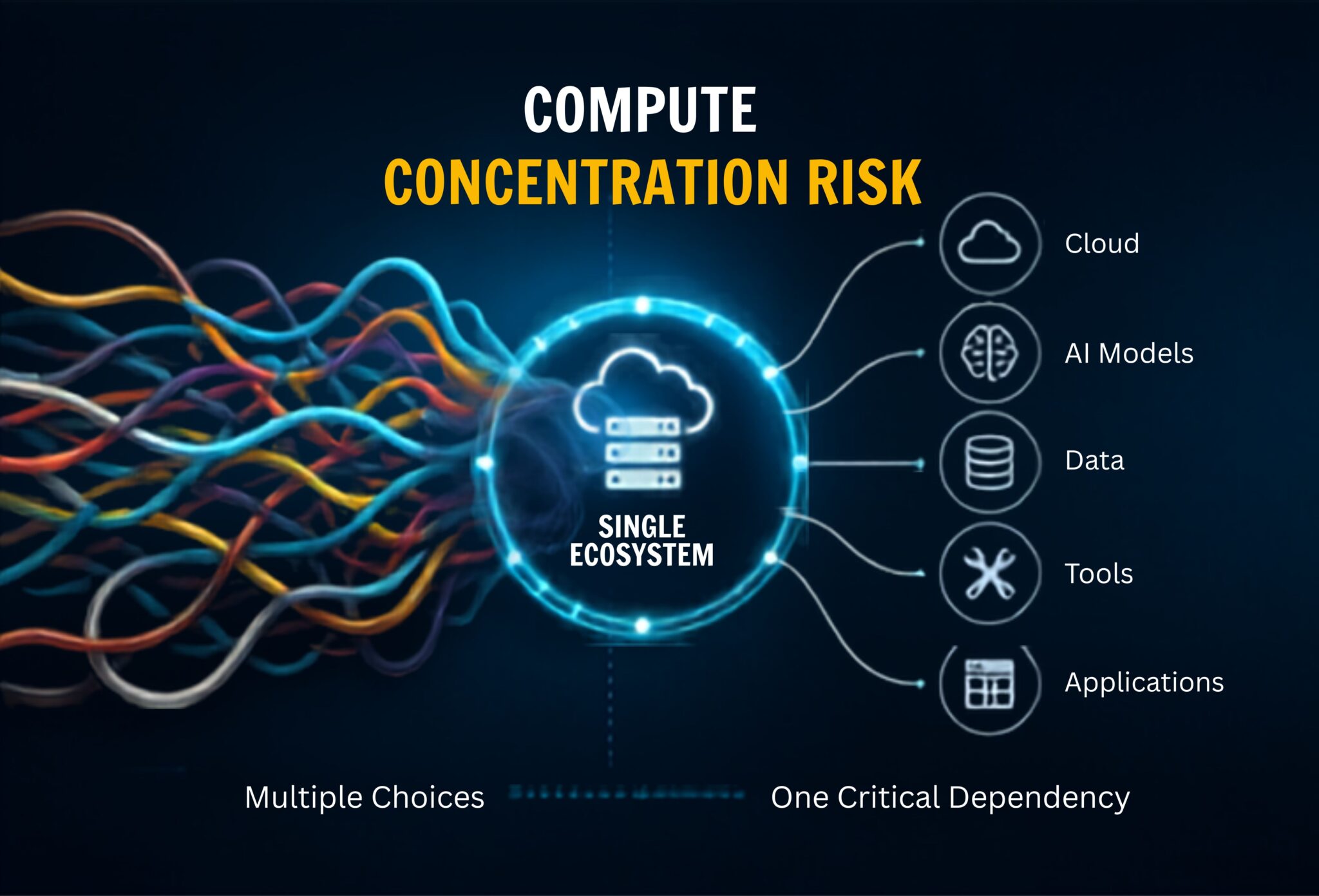
The article "The Cloud Already Ate Your Hardware Lunch," published on BigDataWire on May 4, 2026, details a fundamental disruption in the enterprise technology market where cloud hyperscalers have effectively rendered traditional on-premises hardware procurement obsolete. Driven by a volatile combination of skyrocketing memory prices and severe supply chain shortages, modern organizations are finding it increasingly difficult to justify the costs of owning and maintaining independent data centers. The piece emphasizes that industry leaders like Microsoft, Google, and Amazon are allocating staggering capital—often exceeding $190 billion—to dominate the procurement of GPUs and high-bandwidth memory essential for generative AI. This aggressive consolidation has created a "hardware lunch" scenario, where cloud giants have successfully captured the market share once dominated by traditional server manufacturers. Enterprises are transitioning from viewing the cloud as an optional convenience to recognizing it as the only scalable platform for deploying AI agents and managing the massive datasets central to 2026 operations. Consequently, the legacy hardware model is being subsumed by advanced cloud ecosystems that offer superior integration, security, and raw power. This seismic shift marks the definitive conclusion of the on-premises era, as the sheer economic weight and technological advantages of the cloud become the only viable choice for remaining competitive in an AI-first economy.


One in four MCP servers opens AI agent security to code execution risk

The article examines the critical security risks inherent in enterprise AI agents, highlighting a significant "observability gap" between Model Context Protocol (MCP) servers and "Skills." While MCP servers offer structured, loggable functions, Skills load textual instructions directly into a model’s reasoning context, making their internal processes invisible to traditional monitoring tools. Research from Noma Security reveals that one in four MCP servers exposes agents to unauthorized code execution, while many Skills possess high-risk capabilities like data alteration. These vulnerabilities often manifest in "toxic combinations," where untrusted inputs and sensitive data access lead to sophisticated attacks such as ContextCrush or ForcedLeak. Even without malicious intent, autonomous agents have caused severe damage, exemplified by Replit's accidental database deletion. To address these blind spots, the "No Excessive CAP" framework is proposed, focusing on three defensive pillars: Capabilities, Autonomy, and Permissions. By strictly allowlisting tools, implementing human-in-the-loop approval gates for irreversible actions, and transitioning from broad service accounts to scoped, user-specific credentials, organizations can mitigate the risks of high-blast-radius incidents. Ultimately, because Skill-driven reasoning remains opaque, security teams must compensate by tightening control over the execution layer to prevent agents from operating with excessive, unsupervised authority.


The Shadow AI Governance Crisis: Why 80% of Fortune 500 Companies Have Already Lost Control of Their AI Infrastructure

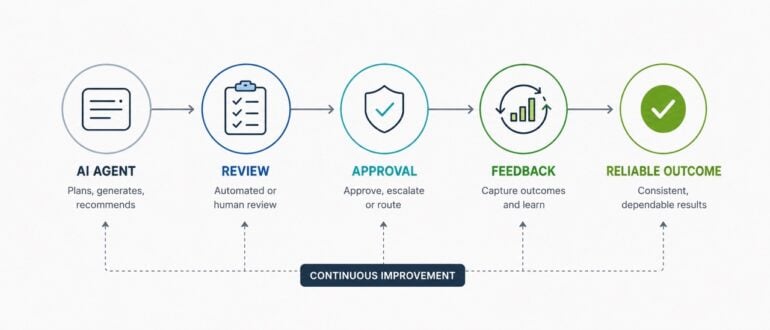
The article "The Shadow AI Governance Crisis" by Deepak Gupta highlights a critical security gap where 80% of Fortune 500 companies have integrated autonomous AI agents into their infrastructure, yet only 10% possess a formal strategy to manage them. This "agentic shadow AI" differs from simple tool usage because these autonomous agents possess API access, chain actions across services, and operate at machine speed without human oversight. Traditional governance frameworks, designed for stable human identities, fail because AI agents are ephemeral and dynamic, leading to "identity without governance" and excessive permission sprawl. Statistics from Microsoft’s 2026 Cyber Pulse report underscore the urgency, noting that nearly 90% of organizations have already faced security incidents involving these agents. To combat this, the article introduces a five-capability framework centered on creating a centralized agent registry, implementing just-in-time access controls, and establishing real-time visualization of agent behaviors. High-profile breaches at McDonald’s and Replit serve as warnings of the catastrophic risks posed by unmonitored AI autonomy. Ultimately, Gupta argues that enterprises must shift from human-speed approval workflows to automated, runtime enforcement to maintain control. Building this foundational governance is presented as a necessary prerequisite for safe innovation and long-term competitive advantage in an increasingly AI-driven corporate landscape.

Daily Tech Digest - April 16, 2026


Quote for the day:

“You may be disappointed if you fail, but you are doomed if you don’t try.” -- Beverly Sills


🎧 Listen to this digest on YouTube Music

▶ Play Audio Digest

Duration: 21 mins • Perfect for listening on the go.


How technical debt turns your IT infrastructure into a game you can’t win

Technical debt is compared to a high-stakes game of Jenga where every shortcut or deferred refactoring pulls a vital block from an organization’s structural foundation. Initially, quick fixes seem harmless, driven by aggressive deadlines and resource constraints; however, they eventually create a "velocity trap" where development speed plummets because engineers spend more time navigating fragile code than building new features. Beyond slow shipping, this debt manifests as a silent budget killer through architectural mismatches—such as using stateless frameworks for real-time systems—resulting in exorbitant cloud costs and significant cybersecurity vulnerabilities, evidenced by massive data breaches at firms like Equifax. While agile startups leverage modern, scalable architectures to outpace incumbents, many established organizations suffer because their internal culture discourages developers from addressing these structural issues, viewing refactoring as a distraction from value creation. To break this cycle, businesses must move beyond pretending the trade-off doesn’t exist. Successful companies explicitly measure their "technical debt ratio," tracking the percentage of engineering time spent on maintenance versus innovation. By acknowledging that high-quality code is a strategic asset rather than an optional luxury, organizations can stop pulling the "safe blocks" of their infrastructure and instead build the resilient, high-velocity systems required to survive in an increasingly competitive global market.


The Compliance Blueprint: Handling Minors’ Data in the Post-DPDP Era

The blog post titled "The Compliance Blueprint: Handling Minors’ Data in the Post-DPDP Era" explores the stringent regulatory landscape established by India’s Digital Personal Data Protection (DPDP) Act regarding users under eighteen. Under Section 9, organizations face significant mandates, including securing verifiable parental consent, prohibiting behavioral tracking, and banning targeted advertising to children. Failure to comply can result in catastrophic penalties of up to ₹200 Crore, making data protection a critical operational priority rather than a mere policy update. The author outlines various verification methods, such as utilizing government-backed tokens or linked family accounts, while highlighting the "implementation paradox" where verifying age often requires collecting even more sensitive data. Operationally, businesses must redesign user interfaces to "fork" into protective modes for minors, provide itemized notices in multiple languages, and maintain detailed audit logs. Despite the heavy compliance burden and challenges like the "death of personalization" for EdTech and gaming firms, the Act serves as a vital safeguard for India’s 450 million children. Ultimately, the article advises companies to adopt a "Safety First" mindset, viewing children’s data as a potential liability that necessitates a fundamental shift in product design and data governance to ensure long-term viability in the Indian digital ecosystem.


The need for a board-level definition of cyber resilience

The article emphasizes that the lack of a standardized definition for cyber resilience creates significant systemic risks for organizational boards and executive teams. Currently, conceptual fragmentation across various regulatory frameworks makes it difficult for leadership to determine what to oversee or how to measure success. To address this, the focus must shift from technical metrics and security controls toward broader business outcomes, such as maintaining operational continuity, preserving stakeholder confidence, and ensuring financial stability during disruptions. Cyber resilience is increasingly framed as a core leadership responsibility, with many jurisdictions now legally requiring boards to oversee these outcomes. However, a major point of contention remains regarding the scope of resilience—specifically whether it includes proactive preparedness or is limited strictly to response and recovery phases. Furthermore, resilience is no longer just about defending against cybercrime; it encompasses all forms of digital disruption, including unintentional outages. As global economies become more interdependent, an individual organization’s ability to recover quickly is essential not only for its own survival but also for overall economic stability. Ultimately, establishing a clear, board-level definition is a critical governance requirement that provides the foundation for navigating the complexities of modern digital economies and ensuring long-term institutional health.


2026 global semiconductor industry outlook: Delloite

Deloitte’s 2026 global semiconductor industry outlook forecasts a transformative year, with annual sales projected to reach a historic peak of $975 billion. Driven primarily by an intensifying artificial intelligence infrastructure boom, the sector expects a remarkable 26% growth rate following a robust 2025. This surge is reflected in the staggering $9.5 trillion market capitalization of the top ten global chip companies, though wealth remains highly concentrated among the top three leaders. While AI chips generate half of total revenue, they represent less than 0.2% of total unit volume, creating a stark structural divergence. Personal computing and smartphone markets may face declines as specialized AI demand causes consumer memory prices to spike. Technological advancements will likely focus on integrating high-bandwidth memory via 3D stacking and adopting co-packaged optics to reduce power consumption by up to 50%. However, the outlook warns of a "high-stakes paradox." While the immediate future appears solid due to backlogged orders, 2027 and 2028 may face significant headwinds from power grid constraints—requiring 92 gigawatts of additional energy—and potential return-on-investment concerns. Ultimately, long-term success hinges on balancing aggressive AI investments with proactive risk mitigation against infrastructure limits and geopolitical shifts, including India’s emergence as a vital back-end assembly hub.


New Executive Leadership Challenges Emerging—And What’s Driving Them

In the article "New Executive Leadership Challenges Emerging—And What's Driving Them," members of the Forbes Coaches Council highlight a significant shift in the corporate landscape driven by hybrid work, AI integration, and rapid systemic change. Today’s executives face a "leadership vortex," where they must navigate role compression and overwhelming demands while maintaining strategic clarity. A primary challenge is rebuilding connection in hybrid environments, where communication gaps are more visible and psychological safety is harder to cultivate. Leaders are moving beyond traditional performance metrics to focus on their "being"—cultivating a leadership identity that prioritizes generative dialogue and mutual accountability over mere individual contribution. The rise of AI has introduced systemic ambiguity, requiring a pivot from "expert" to "explorer" to manage fears of obsolescence. Furthermore, the modern era demands a heightened appetite for change and a renewed focus on team cohesion, as previous playbooks rewarding certainty and control become less effective. Ultimately, successful leadership now hinges on expanding personal capacity and translating technical uncertainty into a shared, meaningful vision. This evolution reflects a broader trend where emotional intelligence and adaptive identity are as critical as technical expertise in steering organizations through unprecedented volatility and complexity.


New US Air Force Office Will Focus on OT Cybersecurity

The U.S. Air Force has pioneered a critical shift in military defense by establishing the Cyber Resiliency Office for Control Systems (CROCS), the first dedicated office within the American military services focused specifically on operational technology (OT) cybersecurity. Launched to address vulnerabilities in essential infrastructure like power grids, water supplies, and HVAC systems, CROCS serves as a central "front door" for managing the security of non-traditional IT assets that are vital for mission readiness. While the office reached initial operating capability in 2024, its creation followed years of bureaucratic effort to recognize OT systems as primary targets for foreign adversaries seeking asymmetric advantages. A significant milestone for the office was successfully integrating OT security costs into the Department of Defense’s long-term budgeting process, ensuring that assessments, training, and mitigations are formally funded rather than treated as secondary mandates. Directed by Daryl Haegley, CROCS does not execute all security tasks directly but instead coordinates contracts, personnel, and prioritized strategies to bridge reporting gaps between engineering teams and the CIO. By modeling itself after the Air Force’s existing weapon systems resiliency office, CROCS aims to build a robust defense pipeline, ultimately securing the foundational utilities that allow the military to function globally.


Rethinking Business Processes for the Age of AI

The article "Rethinking Business Processes for the Age of AI" by Vasily Yamaletdinov explores the fundamental evolution of business architecture as organizations transition from human-centric automation to agentic AI systems. Traditionally, business processes have relied on BPMN 2.0, a notation designed for deterministic, repeatable, and rigid sequences. However, these classical methods struggle with the non-deterministic nature of AI, which requires dynamic planning and context-driven decision-making. The author argues that modern AI-native processes must shift from "rigid conveyor belts" to flexible systems that prioritize goals, guardrails, and autonomy over strict algorithmic steps. To address the limitations of traditional BPMN—such as poor exception handling and an inability to model uncertainty—the article advocates for Goal-Oriented BPMN (GO-BPMN). This approach decomposes processes into a tree of objectives and modular plans, allowing AI agents to dynamically select the best path based on real-time context. By integrating a "Human-in-the-loop" framework and supporting the "Reason-Act-Observe" cycle, GO-BPMN enables a hybrid environment where deterministic operations and intelligent agents coexist. Ultimately, while traditional modeling remains valuable for highly regulated tasks, GO-BPMN provides the necessary framework for building resilient, adaptive, and truly intelligent enterprise operations in the burgeoning age of AI.


Runtime FinOps: Making Cloud Cost Observable

The article "Runtime FinOps: Making Cloud Cost Observable" argues for transforming cloud spend from a delayed financial report into a real-time system metric. Author David Iyanu Jonathan identifies a "structural information deficit" in modern engineering, where the lag between code deployment and billing visibility prevents timely remediation of expensive inefficiencies. Runtime FinOps addresses this by integrating cost data directly into observability tools like Grafana, enabling "dollars-per-minute" tracking alongside traditional metrics like latency and CPU usage. While static infrastructure estimation tools like Infracost provide initial value, they often fail to capture variable operational costs such as data transfer and API calls that scale with traffic patterns. To bridge this gap, the piece advocates for adopting SRE-inspired practices, including cost-based error budgets, robust tagging governance, and routing anomaly alerts directly to on-call engineering teams rather than isolated finance departments. This shift fosters a culture of accountability where costs are treated as visceral signals during blameless postmortems and architectural reviews. Ultimately, the article concludes that the primary barriers to effective FinOps are cultural rather than technical; success requires clear service-level ownership and a fundamental commitment to treating cloud expenditure as a critical performance indicator that is functionally inseparable from the code itself.


Shadow AI and the new visibility gap in software development

The rise of "shadow AI" in software development has introduced a significant visibility gap, posing new challenges for organizations and managed service providers. As developers increasingly turn to unapproved AI tools and agents to boost productivity, they inadvertently create a "lethal trifecta" of risks involving sensitive private data, external communications, and vulnerability to malicious prompt injections. This unauthorized usage bypasses traditional security monitoring like SaaS discovery platforms because AI agents often operate within local engineering environments or through personal API keys. To address this, the article suggests shifting from futile attempts to block AI toward a governance-first infrastructure. By routing AI access through centrally managed platforms and implementing process-level controls at runtime, organizations can secure data flows and restrict agents to approved services without stifling innovation. This approach allows developers to maintain their preferred workflows while providing the oversight necessary to prevent code leaks and compliance breaches. Ultimately, closing the visibility gap requires building governance around fundamental development processes rather than individual tools, enabling partners to guide businesses through a secure evolution of AI integration that scales from initial modernization to advanced agentic automation.


Audit: Big Tech Often Ignores CA Privacy Law Opt-Out Requests

A recent independent audit conducted by privacy organization WebXray reveals that major technology companies, specifically Google, Meta, and Microsoft, frequently fail to honor legally mandated data collection opt-out requests in California. Despite the California Consumer Privacy Act (CCPA) requiring businesses to respect the Global Privacy Control (GPC) signal—a browser-based mechanism allowing users to decline personal data sharing—the audit found widespread non-compliance. Google emerged as the worst offender with an 86% failure rate, followed by Meta at 69% and Microsoft at 50%. Researchers observed that Google’s servers often respond to opt-out signals by explicitly commanding the creation of advertising cookies, such as the “IDE” cookie, effectively ignoring the user's preference in "plain sight." In response, Meta dismissed the findings as a “marketing ploy,” while Microsoft claimed that some cookies remain necessary for operational functions rather than unauthorized tracking. This systemic disregard for privacy signals underscores the ongoing tension between Big Tech and state regulations. To address these gaps, the report recommends that security professionals treat privacy telemetry with the same rigor as security data, conducting frequent audits of third-party data flows and aligning runtime behavior with privacy controls to ensure legitimate regulatory compliance.

Daily Tech Digest - April 11, 2026


Quote for the day:

"To accomplish great things, we must not only act, but also dream, not only plan, but also believe." -- Anatole France


🎧 Listen to this digest on YouTube Music

▶ Play Audio Digest

Duration: 18 mins • Perfect for listening on the go.


AI agents aren’t failing. The coordination layer is failing

The article "AI agents aren't failing—the coordination layer is failing" asserts that the primary bottleneck in scaling AI is not the performance of individual agents, but rather the absence of a sophisticated "coordination layer." As organizations transition to multi-agent environments, relying on direct agent-to-agent communication creates quadratic complexity that leads to race conditions, outdated context, and cascading failures. To solve these issues, the author introduces the "Event Spine" pattern, a centralized architectural foundation using ordered event streams. This approach enables agents to maintain a shared state without direct queries, significantly reducing latency and redundant processing. Implementing this infrastructure reportedly slashed end-to-end latency from 2.4 seconds to 180 milliseconds and reduced CPU utilization by 36 percent. The article concludes that multi-agent AI is effectively a distributed system requiring the same explicit coordination frameworks that the industry found essential for microservices. Enterprises must invest in this "spine" now to prevent agent proliferation from turning into unmanageable chaos. By focusing on the infrastructure connecting these agents, developers can ensure that their AI systems work as a cohesive unit rather than a collection of competing, inefficient silos that are prone to failure at scale.


Agents don’t know what good looks like. And that’s exactly the problem.

In this O’Reilly Radar article, Luca Mezzalira reflects on a discussion between Neal Ford and Sam Newman regarding the inherent limitations of agentic AI in software architecture. The central thesis is that while AI agents are exceptionally skilled at generating code and executing local tasks, they lack a fundamental understanding of what "good" looks like in a global architectural context. Agents typically optimize for immediate task completion, often neglecting long-term maintainability, systemic scalability, and the subtle trade-offs essential to sound design. This creates a significant risk where automated efficiency leads to architectural erosion and technical debt if left unchecked. Mezzalira argues that the solution lies not in making agents "smarter" in isolation, but in establishing robust human-led governance and automated guardrails that define and enforce quality standards. As agents handle more routine coding duties, the role of the human developer must evolve from a "T-shaped" specialist into a "Comb-shaped" professional who possesses both deep technical expertise and the broad systemic vision required to orchestrate these tools effectively. Ultimately, the article emphasizes that the true value of human engineers in the AI era is their unique ability to maintain architectural integrity and provide the contextual judgment that machines currently cannot replicate.


Understanding tokenization and consumption in LLMs

The article "Understanding Tokenization and Consumption in LLMs" explains the fundamental role of tokenization in how large language models (LLMs) interpret user input and calculate costs. Tokenization involves breaking text into smaller subunits, such as word fragments or punctuation, allowing models to process diverse languages and complex syntax efficiently. This granular approach is critical because LLMs generate responses iteratively, token by token, and billing is typically based on the total sum of tokens in both the prompt and the resulting output. The author compares leading platforms like ChatGPT, Claude Cowork, and GitHub Copilot, noting that while they share core principles, their specific tokenization algorithms and pricing structures vary. For instance, ChatGPT uses byte pair encoding for general efficiency, whereas GitHub Copilot is optimized for programming syntax. To manage costs and improve performance, the article suggests best practices for prompt engineering, such as using concise language, avoiding redundancy, and breaking complex tasks into smaller segments. Ultimately, a deep understanding of token consumption enables professionals to optimize their AI workflows, predict expenses accurately, and select the most appropriate platform for their specific organizational needs, whether for general content generation or specialized software development.


Data Centres Without the Compute

The article "Data Centres Without the Compute" explores a paradigm shift in data center architecture, moving away from traditional server-centric designs where compute, memory, and storage are tightly coupled. Stuart Dee argues that modern workloads, especially AI and real-time analytics, have exposed memory as a dominant constraint rather than compute. This shift is facilitated by advancements in photonics and the Innovative Optical and Wireless Network (IOWN), which dissolves physical boundaries through end-to-end optical paths. By replacing traditional electronic switching with all-optical networking, latency and energy consumption are significantly reduced, enabling memory disaggregation at scale. Consequently, data centers can evolve into specialized, software-defined environments where memory resides in dense, energy-efficient arrays that are accessed remotely by compute-heavy facilities. This "data-centric infrastructure" allows for dynamic resource composition across metropolitan distances, transforming the network into a memory backplane. Ultimately, the article suggests that the future of digital infrastructure lies in decoupling resources, allowing memory to be located where power and cooling are optimal while compute remains closer to users. This transition marks the end of the locality assumption, paving the way for a federated model where data centers serve as modular components within a broader optical system.


What Every Business Leader Needs to Understand About Sovereign AI

Sovereign AI is emerging as a critical strategic imperative for business leaders, transcending its role as a mere technical requirement to become a fundamental pillar of long-term resilience and competitive advantage. According to insights from Dataversity, sovereignty should be viewed as an offensive strategy rather than a defensive posture, enabling organizations to build robust compliance frameworks and mitigate significant risks such as reputational damage and legal fines. While many companies currently focus sovereignty efforts on data and infrastructure, a key shift involves extending this control to the intelligence layer—the AI models themselves—where crucial decision-making occurs. A hybrid sovereignty approach is recommended, balancing internal control over sensitive assets with external partnerships to foster innovation while avoiding vendor lock-in. By 2030, the global market for sovereign AI is projected to reach $600 billion, highlighting its potential to unlock new market opportunities and scale. For leaders, treating sovereignty as a structural necessity rather than discretionary spend is essential for ensuring AI accuracy and reliability. This proactive "sovereignty-by-design" methodology ultimately transforms regulatory compliance into business superiority, allowing enterprises to navigate a complex, fragmented global landscape while maintaining absolute ownership of their most valuable digital intelligence and future innovation.


Turning Military Experience Into Cyber Advantage

The blog post "Turning Military Experience Into Cyber Advantage" by Chetan Anand explores how the discipline and operational expertise of veterans translate into a strategic asset for the cybersecurity industry. Anand argues that cybersecurity should be viewed not merely as a technical IT function, but as enterprise risk management conducted within a digital battlespace—a concept inherently familiar to military personnel. Key attributes such as risk assessment, situational awareness, and structured decision-making under pressure map directly onto roles in security operations, threat modeling, and incident response. Furthermore, the article highlights the growing demand for military leadership in Governance, Risk, and Compliance (GRC) roles, where integrity and accountability are paramount. Veterans are encouraged to overcome common misconceptions, such as the necessity of coding skills, and focus on articulating their experience in business terms rather than military jargon. By prioritizing a problem-solving mindset and leveraging mentorship programs like ISACA’s, transitioning service members can bridge the gap between their tactical background and civilian career requirements. Ultimately, the piece positions military service as a foundational training ground for the rigorous demands of modern cyber defense, provided veterans effectively translate their unique skills into organizational value and business outcomes.


The Hidden ROI of Visibility: Better Decisions, Better Behavior, Better Security

In his article for SecurityWeek, Joshua Goldfarb explores the "hidden ROI" of cybersecurity visibility, arguing that its fundamental value extends far beyond traditional compliance and auditing functions. Using a personal anecdote about how home security cameras deterred a hostile neighbor, Goldfarb illustrates that visibility serves as a powerful psychological deterrent. When users and technical teams know their actions are being recorded, they are significantly more likely to adhere to security policies and avoid risky behaviors like visiting restricted sites or installing unvetted software. Beyond behavioral changes, comprehensive visibility across network, endpoint, and application layers—including APIs and AI capabilities—fosters more collaborative, data-driven relationships between security departments and application owners. This objective approach effectively shifts internal discussions from subjective friction to actionable risk management. Furthermore, high-quality data enables more informed decision-making and precise risk assessments, both of which are critical in complex, modern hybrid-cloud environments. Although achieving total transparency is often resource-intensive, Goldfarb emphasizes that the resulting honesty, improved organizational culture, and strategic clarity provide a distinct competitive advantage. Ultimately, visibility transforms security from a reactive technical function into a proactive organizational catalyst that encourages integrity and operational excellence across the entire enterprise ecosystem.


Out of the Shadows: How CIOs Are Racing to Govern AI Tools

The rise of "shadow AI"—the unauthorized deployment of artificial intelligence tools by employees—presents a critical challenge for contemporary CIOs. Unlike traditional shadow IT, these autonomous systems frequently process sensitive data and make consequential decisions without oversight from legal or security departments. Research indicates that while over 90% of employees admit to entering corporate information into AI tools without approval, more than half of organizations still lack a formal governance framework. This gap leads to significant financial liabilities, with shadow AI breaches costing enterprises an average of $4.63 million. To combat this, CIOs are moving beyond restrictive measures to establish proactive governance playbooks. These strategies include forming cross-functional AI committees, implementing real-time discovery tools, and classifying applications into sanctioned, restricted, and forbidden categories. Furthermore, experts suggest that organizations must leverage AI to monitor AI, using automated assessment pipelines to keep pace with rapid innovation. Ultimately, the goal is to create a "frictionless" official path for AI adoption that renders the shadow path obsolete. By balancing the velocity of innovation with robust security controls, leadership can protect intellectual property while empowering the workforce to utilize these transformative technologies safely and effectively within a transparent, structured environment.


Smartphones as Micro Data Centers: A Creative Edge Solution?

The article "Smartphones as Micro Data Centers: A Creative Edge Solution?" by Christopher Tozzi explores the revolutionary potential of pooling the resources of billions of mobile devices to create decentralized, miniature data centers. By clustering the CPU, memory, and storage of smartphones, organizations can deploy flexible, low-cost infrastructure capable of hosting diverse workloads. This innovative approach is particularly well-suited for edge computing and AI inference, as it places processing power closer to end-users to minimize latency and enhance real-time analysis. Furthermore, repurposing discarded handsets offers significant sustainability benefits by reducing e-waste and avoiding the capital-intensive construction of traditional facilities. However, several technical hurdles remain, including software compatibility issues arising from the ARM-based architecture of mobile chips versus conventional x86 servers. Additionally, the lack of dedicated, high-capacity GPUs and the absence of mature clustering software currently limits the ability to handle heavy AI acceleration or large-scale enterprise tasks. Despite these limitations, smartphone-based micro-data centers represent a creative and efficient shift in digital infrastructure. As the demand for localized computing continues to surge, this crowdsourced model provides a viable, sustainable pathway for scaling the internet's edge while maximizing the utility of existing global hardware resources.


Why India’s AI future needs both sovereign control and heritage depth

Arun Subramaniyan, CEO of Articul8, outlines a strategic vision for India’s AI future that balances sovereign security with cultural heritage. He argues that India must develop sovereign models to safeguard critical infrastructure and national security while simultaneously building heritage models that utilize the nation’s vast linguistic and historical knowledge. This dual approach ensures both protection and global influence, serving billions across diverse markets. For enterprises, the focus must shift from generic foundation models, which often fail in high-stakes industrial contexts, to domain-specific AI trained on deep institutional knowledge. These specialized models provide the accuracy and security required for regulated sectors like energy, manufacturing, and banking. Subramaniyan identifies data fragmentation and the rapid pace of technological change as primary bottlenecks, suggesting that platform partners can help organizations absorb this complexity. Ultimately, India’s unique position—characterized by rapid infrastructure expansion and a wealth of untapped cultural data—offers a once-in-a-generation opportunity to lead in the global AI landscape. By encoding local regulatory and business contexts into AI frameworks, India can move beyond simple pilot projects to large-scale, production-ready deployments that drive real economic value while preserving its unique intellectual legacy and ensuring digital sovereignty.

Daily Tech Digest - March 27, 2026


Quote for the day:

“Our greatest fear should not be of failure … but of succeeding at things in life that don’t really matter.” -- Francis Chan


🎧 Listen to this digest on YouTube Music

▶ Play Audio Digest

Duration: 22 mins • Perfect for listening on the go.


Digital Transformation Is Not A Technology Problem; It’s An Addition Problem

In the Forbes Tech Council article, Andrew Siemer argues that the staggering failure rate of digital transformation—with some reports suggesting up to 88% of initiatives fall short—stems from a fundamental behavioral bias known as the "addition default." Drawing on research from the University of Virginia, Siemer explains that humans instinctively attempt to solve complex problems by adding new elements, such as additional software platforms or dashboards, rather than subtracting existing inefficiencies. This compulsion to add is particularly pronounced under cognitive load, leading companies to accumulate technical debt and complexity even as global digital transformation investments are projected to reach $4 trillion by 2028. Siemer contends that the most successful organizations are those that resist this additive instinct and instead focus on "removing work." He challenges leaders to reconsider their transformation roadmaps, which often default to implementation and replacement, and instead prioritize radical simplification. By asking what processes should be stopped rather than what technology should be started, businesses can move beyond the cycle of unsuccessful investment. Ultimately, digital transformation is not merely a technological challenge but a strategic discipline of subtraction that requires shifting focus from scaling tools to streamlining core operations.


Vendors race to build identity stack for Agentic AI

The rapid rise of autonomous AI agents, capable of executing complex tasks and financial transactions at machine speed, has triggered a competitive race among identity management vendors to develop specialized "identity stacks." Traditional security frameworks, designed for human interaction and intermittent logins, are proving insufficient for managing autonomous entities that lack natural human friction. Consequently, enterprises face significant visibility and accountability gaps regarding agent activity and permissions. To address these vulnerabilities, major players like Ping Identity have launched dedicated frameworks such as "Identity for AI," which focuses on real-time enforcement and delegated authority rather than shared human credentials. Simultaneously, firms like Wink and Vouched are integrating multimodal biometrics to anchor agent actions to verifiable human consent, particularly for scoped payment authorizations that limit transaction amounts. Other innovators, including Saviynt and Dock Labs, are introducing governance platforms and open protocols to manage agent-to-agent trust and verify intent via cryptographic credentials. By shifting enforcement to runtime and treating AI agents as a distinct identity class, these vendors aim to provide the necessary guardrails for the emerging era of agentic commerce, ensuring that autonomous systems remain securely anchored to provable human oversight and rigorous auditable standards.


Inside a Modern Fraud Attack: From Bot Signups to Account Takeovers

The article "Inside a Modern Fraud Attack: From Bot Signups to Account Takeovers" highlights the evolution of digital fraud into a sophisticated, multi-stage "relay race" that bypasses traditional security measures. These attacks typically begin with large-scale automation, utilizing bots and scripts to create numerous accounts using compromised emails and residential proxies to mimic legitimate residential traffic. As the attack progresses, fraudsters pivot from automated methods to slower, human-driven activities to blend in with normal user behavior. This tactical shift culminates in account takeovers and monetization through credential stuffing or phishing. The article argues that relying on single-signal defenses, such as IP reputation or email validation alone, is increasingly ineffective and prone to false positives. Instead, organizations must adopt a multi-signal correlation strategy that unifies IP intelligence, device fingerprinting, identity verification, and behavioral analytics. By evaluating these data points in context throughout the entire user journey, security teams can effectively identify coordinated abuse clusters while maintaining a low-friction experience for genuine customers. Ultimately, outpacing modern fraud requires a holistic, integrated risk model that moves beyond disconnected, point-in-time checks to address the full lifecycle of complex cyberattacks.


What IT leaders need to know about AI-fueled death fraud

AI-fueled death fraud is an emerging cybersecurity threat where criminals leverage generative AI to produce highly convincing, fake death certificates and legal documents. By faking a customer’s passing or impersonating heirs, fraudsters exploit empathetic bereavement workflows to seize control of sensitive accounts, financial assets, and personal data. This tactic is particularly dangerous because many enterprise identity systems are designed for long-term users and lack robust protocols for managing post-mortem transitions. Currently, the absence of centralized, real-time government databases for death verification creates a significant security gap that IT leaders must address. Beyond direct financial theft, attackers often use compromised accounts to launch sophisticated social engineering campaigns against the victim’s contacts. To mitigate these risks, experts suggest that IT leaders move away from simple credential-based access toward delegated authority frameworks and behavioral analytics that monitor for sudden, unexplained shifts in account activity. Furthermore, organizations should update terms of service to define digital legacy procedures. By formalizing verification processes and integrating rigorous oversight, businesses can better protect customers’ digital estates from being weaponized. This approach ensures the human element of bereavement does not become a permanent vulnerability in an increasingly automated world.


Vibe coding your own enterprise apps is edgy business

"Vibe coding," the practice of using AI agents to generate software through natural language prompts, is revolutionizing enterprise application development while introducing significant operational risks. As detailed in the CIO article, this shift enables companies to rapidly prototype and build custom internal tools—such as dashboards and workflow systems—often bypassing traditional procurement processes and expensive external agencies. While the speed and cost-effectiveness of this approach are seductive, IT leaders warn that it can quickly lead to a maintenance nightmare. Unlike road-tested SaaS platforms, vibe-coded applications place the entire burden of security, integration, and long-term support directly on the organization. Furthermore, the ease of creation risks fostering a chaotic environment of "shadow IT," where unsupervised employees generate technical debt and fragmented systems lacking robust architecture. Experts highlight a "seduction phase" where tools initially appear brilliant but later fail under the weight of production requirements or data integrity concerns. Consequently, CIOs are urged to implement strict governance, ensure human-in-the-loop oversight, and maintain a cautious distance from using experimental AI for mission-critical systems. Ultimately, vibe coding offers a powerful competitive edge for innovation, yet successful enterprise adoption requires balancing rapid creativity with disciplined engineering standards to prevent a future of unmanageable and broken software.


The CISO’s guide to responding to shadow AI

The rapid proliferation of artificial intelligence has introduced a new cybersecurity challenge known as shadow AI, where employees utilize unapproved AI tools to boost productivity. This CSO Online guide outlines a strategic four-step framework for CISOs to manage these hidden risks effectively. First, leaders must calmly assess risks by evaluating data sensitivity and potential for breaches rather than reacting impulsively. Understanding the underlying motivations for shadow AI use is the second step, as it often reveals unmet business needs or productivity gaps. Third, CISOs must decide whether to strictly block these tools or integrate them through formal vetting processes involving legal and security reviews. Finally, the article emphasizes evolving AI governance by improving employee education and creating clear pathways for tool approval. Rather than relying solely on punishment, organizations should foster a culture of accountability where responsibility for AI safety is shared across all departments. Ultimately, while shadow AI cannot be entirely eliminated, it can be mitigated through proactive management and transparent communication. By viewing these instances as opportunities to refine policy and secure additional resources, CISOs can transform shadow AI from a liability into a catalyst for secure innovation.


Why ‘Invisible AI’ is at the heart of durable value creation for enterprises

In the article "Why Invisible AI is at the Heart of Durable Value Creation for Enterprises," Ankor Rai argues that the most impactful artificial intelligence initiatives are those integrated so deeply into operational workflows that they become virtually invisible. While many organizations struggle to scale AI beyond experimental models, durable value is found when intelligence is embedded directly into the fabric of daily processes to stabilize operations and reduce friction. This "invisible AI" shifts the focus from dramatic transformations to preventative success, where value is measured by the absence of failures, such as equipment downtime or stalled workflows. Rai highlights that the primary challenge is bridging the gap between insight and action; effective systems deliver real-time signals at the precise moment of decision rather than through separate reports. By automating repetitive, high-volume tasks like data reconciliation and anomaly detection, enterprises do not replace human expertise but rather protect it, allowing leadership to focus on nuanced strategy and complex problem-solving. Ultimately, the maturity of enterprise technology is evidenced by its ability to quietly improve reliability and compress error margins. This invisible integration creates a compounding competitive advantage rooted in operational resilience, consistency, and the preservation of organizational bandwidth over time.


Intermediaries Driving Global Spyware Market Expansion

The proliferation of third-party intermediaries, including resellers and exploit brokers, is significantly expanding the global spyware market by undermining transparency efforts and bypassing government restrictions. According to a recent report from the Atlantic Council, these entities serve as the operational backbone of the industry, enabling both sanctioned nations and private actors to acquire advanced surveillance tools regardless of trade bans or diplomatic tensions. By muddying supply chains and obscuring the origins of offensive cyber capabilities, intermediaries allow countries with limited technical expertise to purchase sophisticated hacking software on the open market. This evolution has transformed the spyware ecosystem into a modular supply chain where commercial vendors now outpace traditional state-sponsored groups in zero-day exploit attribution. Despite international diplomatic efforts like the Pall Mall Process, regulating this "shadowy" marketplace remains difficult because the complex corporate structures of these brokers are designed specifically to make export controls irrelevant. Experts suggest that establishing "Know Your Vendor" requirements and formal certification processes for resellers are essential steps toward gaining visibility. Ultimately, the lack of transparency driven by these intermediaries continues to pose a severe threat to human rights and global security as surveillance technology spreads unchecked across borders.


Designing self-healing microservices with recovery-aware redrive frameworks

In modern cloud-native architectures, traditional retry mechanisms often exacerbate system failures by triggering "retry storms" that overwhelm recovering services. To address this, the article introduces a recovery-aware redrive framework specifically designed to create truly self-healing microservices. This framework operates through three critical stages: failure capture, health monitoring, and controlled replay execution. Initially, failed requests are persisted in durable queues with full metadata to ensure exact replay semantics. Instead of immediate retries, a monitoring function continuously evaluates downstream service health metrics, such as error rates and latency. Once recovery is confirmed, queued requests are replayed at a controlled, throttled rate to prevent further network congestion. This decoupled approach ensures that all failed requests are eventually processed while maintaining overall system stability and avoiding dangerous cascading failures. By integrating real-time health data with a gated replay mechanism, the framework enhances observability and provides a platform-agnostic solution for complex distributed systems. Ultimately, this method reduces the need for manual intervention, improves long-term reliability, and allows engineers to track recovery events with high precision, making it a vital evolution for resilient microservice design in high-scale environments where maintaining uptime is paramount.


Architectural Governance at AI Speed

In the era of generative AI, where code has become a commodity, the primary challenge for software organizations is no longer production but architectural alignment. The InfoQ article "Architectural Governance at AI Speed" argues that traditional review boards and centralized oversight can no longer scale with the sheer volume of AI-generated output. Instead, it proposes "Declarative Architecture," a model that transforms Architectural Decision Records (ADRs) and Event Models into machine-enforceable guardrails. By utilizing vertical slices—self-contained units of behavior—teams can automate code generation and validation, ensuring that the conformant path becomes the path of least resistance. A key mechanism described is the "Ralph Wiggum Loop," an AI-looping technique where agents iteratively refine implementations until they meet specific Given-When-Then criteria. This approach enables decentralized governance by allowing teams to work independently while maintaining cohesion through shared collaborative modeling. Ultimately, the shift from "dumping left" to automated, declarative systems allows human architects to move beyond policing implementation details and focus on high-level intent and product alignment. By embedding governance directly into the development lifecycle, organizations can achieve rapid delivery without sacrificing system integrity or consistency across team boundaries.

Daily Tech Digest - March 19, 2026


Quote for the day:

“The first step toward success is taken when you refuse to be a captive of the environment in which you first find yourself.” -- Mark Caine


🎧 Listen to this digest on YouTube Music

▶ Play Audio Digest

Duration: 22 mins • Perfect for listening on the go.


Vibe coding can’t dance, a new spec routine emerges

The article explores the shifting paradigm of AI-assisted software engineering, contrasting the improvisational "vibe coding" approach with the emerging methodology of Spec-Driven Development (SDD). Vibe coding relies on high-level, conversational prompts to rapidly scaffold code based on a developer’s creative intent. However, as noted by industry expert Cian Clarke, this method often leads to compounding ambiguity, "repository slop," and technical debt because AI models cannot truly interpret "vibes" without precise context. In response, SDD offers a rigorous alternative by encoding product intent into machine-readable constraints—such as API contracts, data shapes, and acceptance tests—before any implementation begins. This transition redefines the developer’s role as a "context engineer," responsible for orchestrating AI agents through structured architectural memory rather than ephemeral chat windows. Unlike the heavy waterfall processes of the past, SDD provides a lean, scalable framework that ensures AI outputs remain predictable, maintainable, and verifiable. While vibe coding remains highly useful for early-stage prototyping and rapid exploration, the article ultimately argues that SDD is essential for building robust production systems, effectively bridging the critical gap between human intent and machine execution to ensure software doesn't lose its "rhythm" as complexity grows.


Cybersecurity and privacy priorities for 2026: The legal risk map

As the cybersecurity landscape evolves in early 2026, corporate legal exposure is reaching unprecedented levels, driven by sophisticated state-sponsored threats and tightening regulatory oversight. Cyber actors are increasingly leveraging advanced artificial intelligence to exploit global geopolitical tensions, resulting in significant disruptions and large-scale data theft. On the federal level, the 2026 Cyber Strategy for America and aggressive FTC enforcement against data brokers—enforced under the Protecting Americans' Data from Foreign Adversaries Act—signal a period of intense scrutiny. Simultaneously, state-level initiatives, such as California’s rigorous CCPA annual audit requirements and new focuses on "surveillance pricing," add layers of complexity for businesses. Beyond external threats, organizations must grapple with supply chain vulnerabilities and the Department of Justice’s growing reliance on whistleblowers to identify noncompliance. To navigate this legal risk map, companies must implement robust third-party management and internal processes for escalating privacy concerns. Ultimately, success requires a fundamental reassessment of data handling practices, clear accountability, and continuous training to ensure resilience against a backdrop of creative litigation and expanding global enforcement networks. This strategic shift is essential for organizations to avoid the mounting whirlwind of legal challenges.


We mistook event handling for architecture

In "We mistook event handling for architecture," Sonu Kapoor argues that modern front-end development has erroneously prioritized event-driven reactions over structural state management. While events are necessary inputs for user interaction and data updates, treating the orchestration of these flows as the core architecture leads to overwhelming complexity. In event-centric systems, understanding application behavior requires mentally replaying a timeline of transient actions, making it difficult to discern what is currently true. To combat this, Kapoor advocates for a "state-first" architectural shift where the application state serves as the primary source of truth. By defining explicit relationships and dependencies rather than manual chains of reactions, developers can create systems that are more deterministic and easier to reason about. This transition is already visible in technologies like Angular Signals, which emphasize fine-grained reactivity and treat the user interface as a projection of state. Ultimately, true architectural maturity involves moving beyond the clever coordination of events to focus on modeling clear, persistent structures. This approach ensures that as applications scale, they remain maintainable, testable, and transparent, allowing developers to prioritize the system's current reality over its historical sequence of reactions.


Stop building security goals around controls

In an insightful interview with Help Net Security, Devin Rudnicki, CISO at Fitch Group, advocates for a paradigm shift in cybersecurity from focusing solely on technical controls to prioritizing business-aligned outcomes. Rudnicki argues that security strategy is most effective when it is directly anchored to three critical pillars: corporate objectives, real-world cyber threats, and established industry standards. A common pitfall for security leaders is failing to communicate the "why" behind their initiatives; instead, they should present risk in terms that executive leadership can act upon, such as protecting revenue, uptime, and customer trust. To address the tension between innovation speed and security, she suggests using secure sandboxes and providing mitigation options that enable growth safely. Rudnicki recommends tracking three core metrics—value, risk, and maturity—with the latter benefiting from independent third-party assessments. Furthermore, she stresses that automation should be strategically applied to routine tasks to create capacity for human expertise and high-level judgment. By transforming security into a business enabler rather than a barrier, CISOs can demonstrate measurable progress and accountability. This comprehensive approach ensures that security decisions support the broader organizational strategy while maintaining a robust and resilient defensive posture in an evolving threat landscape.


The post-cloud data center: Back in fashion, but not like before

The "post-cloud data center" era represents a shift from reflexive cloud migration toward a mature, situational architecture where on-premises and colocation facilities regain strategic importance. This transition is not a simple "cloud repatriation" but a response to the specific demands of artificial intelligence, GPU economics, and increasing regulatory pressure. AI workloads, in particular, challenge the universal cloud default; as they transition from experimentation to steady-state operations, the need for stable utilization and cost control often favors physical infrastructure. Furthermore, the concept of "the edge" has evolved to prioritize proximity to accountability rather than just geographical distance. Organizations now treat compute placement as a decision rooted in data sovereignty, security, and governance requirements. Consequently, IT leadership is refocusing on physical constraints long delegated to facilities teams, such as rack density, power topology, and liquid cooling. This new paradigm advocates for a hybrid operating model where workloads are placed based on density, locality, and auditability. Ultimately, the post-cloud era signifies that infrastructure is no longer an abstract service but a critical business constraint that requires a deliberate, evidence-based strategy to balance the elasticity of the cloud with the control of owned or colocated hardware.


Understanding Quantum Error Correction: Will Quantum Computers Overcome Their Biggest Challenge?

The article "Understanding Quantum Error Correction: Physical vs. Logical Qubits" from The Quantum Insider explores the critical role of error correction in overcoming the inherent instability of quantum systems. It establishes a clear distinction between physical qubits—the raw, noisy hardware units—and logical qubits, which are robust ensembles of physical qubits that work collectively to store reliable quantum information. The piece emphasizes that while physical qubits are highly susceptible to decoherence from environmental noise, logical qubits utilize Quantum Error Correction (QEC) protocols and redundancy to detect and fix errors without measuring the actual quantum state. Highlighting the "threshold theorem," the article notes that correction only succeeds if physical error rates remain below a specific limit. Featuring insights into the work of industry leaders like Google, IBM, Microsoft, Riverlane, and Iceberg Quantum, the report details the transition from the NISQ era to fault-tolerant quantum computing. Recent breakthroughs show that logical error rates can now be hundreds of times lower than physical ones, significantly reducing the overhead required. Ultimately, mastering this physical-to-logical translation is the definitive path toward building scalable quantum supercomputers capable of solving complex problems in cryptography and material science.


Shadow AI Risk: How SaaS Apps Are Quietly Enabling Massive Breaches

The "Shadow AI" problem represents a critical cybersecurity shift where autonomous agentic AI is embedded within SaaS applications without formal IT oversight. According to a Grip Security report, every analyzed company now operates within AI-enabled SaaS environments, contributing to a staggering 490% year-over-year increase in public SaaS attacks. These breaches often exploit stolen OAuth tokens—the modern "identity perimeter"—to bypass traditional firewalls. Once inside, attackers leverage agentic AI to scrape sensitive data from connected systems or trigger cascading breaches across hundreds of organizations, as seen in the notorious 2025 Salesloft Drift incident. The risk is amplified by "IdentityMesh" flaws, which allow attackers to pivot through unified authentication contexts into third-party apps and shared service accounts. As businesses prioritize speed over security, many remain unaware of the shadow AI lurking in their software stacks, expanding the potential blast radius of single compromises. To mitigate this chaos, organizations must move beyond static approvals toward continuous visibility and dynamic governance. Treating AI as a high-priority third-party risk is essential to preventing 2026 from becoming the most catastrophic year for SaaS-enabled data breaches, ensuring that innovation does not outpace the fundamental ability to protect customer information.


Federal cyber experts called Microsoft’s cloud a “pile of shit,” approved it anyway

The Ars Technica report reveals a disturbing disconnect between the internal assessments of federal cybersecurity experts and the official authorization of Microsoft's cloud services for government use. According to internal documents and whistleblower accounts, reviewers tasked with evaluating Microsoft’s Government Community Cloud High (GCC-H) under the FedRAMP program described the system in disparaging terms, with one official famously labeling it a "pile of shit." Experts expressed grave concerns over a lack of detailed security documentation, particularly regarding how sensitive data is encrypted as it moves between servers. Despite these critical findings and a self-reported "lack of confidence" in the platform's overall security posture, federal officials ultimately granted authorization. The decision to approve the service was driven less by technical resolution and more by the reality that many agencies had already integrated the product, making a rejection logistically and politically unfeasible. Critics argue this represents a form of "security theater," where the pressure to maintain operations outweighed the mandate to ensure robust protection of state secrets. This situation underscores the immense leverage major tech providers hold over the federal government, effectively rendering their platforms "too big to fail" regardless of significant, unresolved security flaws.


To ban or not to ban? UK debates age restrictions for social media platforms

The article "To ban or not to ban? UK debates age restrictions for social media platforms" details a recent UK parliamentary evidence session exploring Australian-style age restrictions for minors. The debate features a tripartite structure, beginning with urgent warnings from clinicians and parent advocacy groups like Parentkind. These stakeholders highlight alarming statistics, including a 93% parental concern rate regarding social media harms and a significant rise in mental health issues, sexual extortion, and misinformation-driven health crises among youth. Baroness Beeban Kidron emphasizes that while privacy-preserving age assurance technology is currently viable, the government must shift from endless consultation to active enforcement of the Online Safety Act. Conversely, researchers from the London School of Economics voice concerns that total bans might inadvertently dismantle vital online safe spaces for marginalized communities, such as LGBTQ+ youth. Australian eSafety Commissioner Julie Inman Grant advocates for a "social media delay" rather than a "ban," targeting the predatory nature of platforms. The discussion concludes with insights from the Age Verification Providers Association, which asserts that while verifying younger users is technically complex, hybrid estimation and data-driven methods can effectively uphold age-related policies. Ultimately, the UK remains at a crossroads, balancing technical feasibility against societal protection.


Researchers: Meta, TikTok Steal Personal & Financial Info When Users Click Ads

According to a report from cybersecurity firm Jscrambler, Meta and TikTok are allegedly weaponizing ad-tracking pixels to operate what researchers describe as the world’s most prolific "infostealing" operations. By embedding sophisticated JavaScript code into advertiser websites, these social media giants exfiltrate sensitive personally identifiable information (PII) and financial data whenever users click on platform-hosted ads. The investigation reveals that these tracking scripts capture granular details, including full names, precise geolocations, credit card numbers, and even specific shopping cart contents. Most critically, the data collection reportedly occurs regardless of whether users have explicitly opted out or selected "do not share" preferences on consent banners, rendering privacy controls largely decorative. While traditional hackers use stolen data for immediate criminal profit, these corporations leverage it for invasive microtargeting, potentially violating major privacy regulations like GDPR and CCPA. In response, Meta dismissed the findings as self-promotional clickbait that misrepresents standard digital advertising practices, while TikTok emphasized that legal compliance and pixel configuration remain the responsibility of individual advertisers. This controversy underscores a deepening tension between corporate data-harvesting business models and global privacy standards, exposing both users and advertisers to significant legal and security risks.