Showing posts with label DevOps. Show all posts

Daily Tech Digest - May 16, 2026


Quote for the day:

“A leader’s real power is measured not by the decisions they make, but by the decisions they enable.” -- Leadership Principle


🎧 Listen to this digest on YouTube Music

▶ Play Audio Digest

Duration: 17 mins • Perfect for listening on the go.


Digital twins reshape network and data center management

As demanding artificial intelligence workloads exponentially increase modern network complexity and push data center power densities past traditional physical limits, digital twins are rapidly transitioning from specialized enterprise edge cases into baseline operational tools. Unlike static design simulations, these digital twins act as continuously synchronized virtual replicas of live environments. For network management teams, these twins provide mathematically verified, current behavioral models derived from device configurations and state data, allowing engineers to safely test infrastructure updates and reduce unplanned outages by as much as seventy percent. Meanwhile, data center engineers utilize advanced computational fluid dynamics and electrical simulations within the twin to model extreme power loads, rack layouts, and cooling strategies before touching physical hardware, mitigating risks for high density systems like Nvidia clusters that exceed one hundred fifty kilowatts per rack. Integrating artificial intelligence further enhances these virtual models via natural language querying interfaces, which eliminate configuration hallucinations by grounding outputs in verified facts, and autonomous agentic workflows that independently diagnose errors or optimize cooling efficiency. Ultimately, as hybrid cloud architectures and dense processing clusters fully outpace manual oversight, the combination of artificial intelligence and digital twins delivers the essential baseline planning foundation required to maintain enterprise operational stability.


The Pipeline That Shapes the Work: On Build Systems, CI/CD, and Deployment Infrastructure

In this article, Andras Ludanyi argues that build and deployment pipelines are not neutral technical constraints but important policy documents encoded in automation that structurally dictate engineering workflows. At the core of software development is the feedback loop, and its speed acts as the central variable shaping developer behavior. Rapid feedback loops, resolving in just a few minutes, enable engineers to maintain cognitive context and continuously integrate small, low risk changes. Conversely, slow pipelines enforce costly context switching and encourage risky change batching, which expands the error diagnostic surface when failures occur. To maximize efficiency, pipelines must be intentionally designed rather than haphazardly accumulated over time. This requires utilizing structured stages, running fast static analysis and unit testing before parallelized integration tests, while deferring heavy comprehensive validation to later deployment gates. Furthermore, deployment frequency is entirely governed by pipeline friction. Smooth automation fosters routine, frequent deployments, while high friction processes breed massive, infrequent releases accompanied by extensive organizational ceremony. Finally, adopting infrastructure as code mitigates environment drift and instability by subjecting environment configurations to the same version controlled rigor as application code. Ultimately, treating the pipeline as a first class engineering artifact yields substantial compounding returns across team productivity, software quality, and system reliability.


Cyber Resilience Is Now a CEO Metric, Not a CISO KPI

Historically managed by specialized IT teams and Chief Information Security Officers (CISOs), cybersecurity has rapidly evolved into a critical enterprise-wide responsibility falling under the direct purview of Chief Executive Officers (CEOs). This fundamental paradigm shift is heavily driven by accelerated business digitization and the emergence of highly sophisticated, AI-enabled threats like advanced phishing, synthetic voice cloning, and deepfakes. Consequently, a dangerous organizational maturity gap has opened between aggressive digital adoption and lagging cyber preparedness. Modern cyber disruptions are no longer isolated technical failures; instead, they carry massive enterprise-wide consequences, including immediate operational paralysis, compounding financial liabilities, strict regulatory penalties, and severe reputational damage. Because absolute risk prevention is increasingly unrealistic in today’s volatile landscape, forward-thinking organizations must pivot from basic cybersecurity to holistic cyber resilience. This comprehensive strategy prioritizes an organization's structural capability to absorb ongoing disruptions, contain damage, maintain operational continuity, and swiftly adapt. Therefore, the contemporary CEO's mandate extends far beyond simply approving technology budgets to actively cultivating an integrated, cross-functional resilience culture. Ultimately, cyber resilience is no longer a narrow IT performance metric, but rather a defining test of corporate leadership, governance, and long-term enterprise sustainability, effectively ensuring the preservation of overall stakeholder trust.


The Strategic Impact Of Edge Computing And AI On Modern Manufacturing

In "The Strategic Impact of Edge Computing and AI on Modern Manufacturing," John Healy discusses how industrial organizations use localized data processing to optimize real-time efficiency and productivity. As automation generates unprecedented data volumes, edge computing addresses traditional cloud latency by moving compute power closer to machinery and sensors, a market projected to surpass $380 billion by 2028. By integrating artificial intelligence, edge systems amplify these operational benefits through predictive maintenance, automated equipment adjustments, and enhanced energy efficiency, which ultimately lower costs. Furthermore, keeping data local improves data governance and strengthens cybersecurity against rising industrial threats, with forecasts indicating that nearly 74% of global data will process outside traditional data centers by the early 2030s. Despite these advantages, expanding edge initiatives often stalls due to organizational fragmentation and misaligned information technology (IT) and operational technology (OT) teams. Overcoming these barriers requires shared accountability, utilizing existing industrial assets, and targeting high-value use cases like real-time quality monitoring. Ultimately, the convergence of AI and edge computing represents a structural shift that bridges traditional automation with advanced capabilities like digital twins and robotics. For instance, mobile warehouse robots rely on this localized processing to navigate dynamic environments safely. By adopting these systems, manufacturers establish a defining capability for future industrial performance.


Leadership During Crisis: How Technology Firms Can Build Cultures That Bend Without Breaking

In the fast-paced technology sector, crises are uniquely complex due to their high velocity, visibility, systemic interdependence, and heavy emotional load on engineering teams. Moving past traditional command-and-control structures, modern organizational resilience demands a shift toward building an adaptable corporate culture that bends without breaking. According to Kannan Subbiah, a resilient culture functions as an essential operating system anchored by psychological safety, radical transparency, and decentralized decision-making. Effective crisis leaders must intentionally cultivate an agile mindset where calm is contagious, prioritizing clear, actionable daily direction over absolute long-term certainty. Furthermore, maximizing employee engagement is highly critical to mitigate pervasive crisis fatigue and sustain performance under intense pressure. Communication serves as a leadership superpower, requiring managers to share updates early, maintain an empathetic and accountable tone, and completely avoid blaming individuals. When making high-stakes choices, utilizing structured frameworks helps separate critical operational signals from distracting background noise while empowering specialized teams to act autonomously. Finally, the post-crisis phase serves as the ultimate test of leadership, necessitating blameless postmortems, enhanced capabilities, and consistent actions to rebuild trust. Ultimately, the future of tech crisis management relies on an intersection of human-centered empathy, data-driven insights, and adaptive execution, proving that crises do not build leaders but reveal them.


Why DevOps Is Critical for Modern Business Resilience

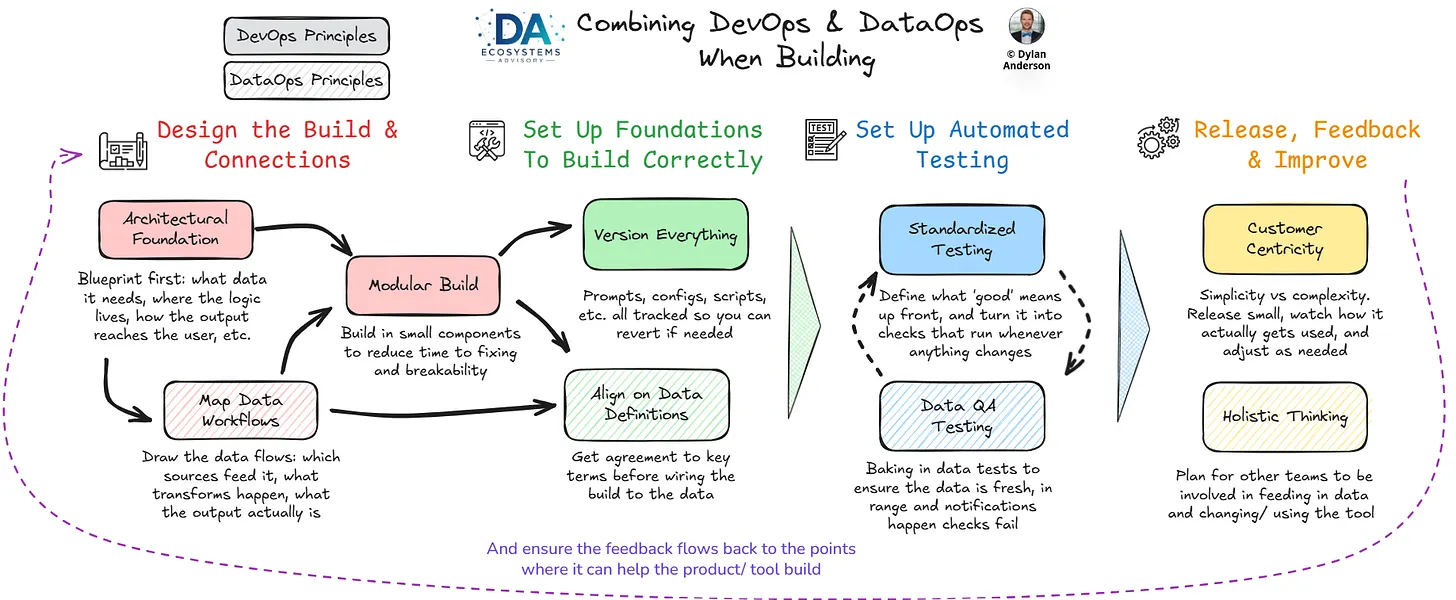
In a rapidly changing business environment marked by evolving cyber threats and shifting market demands, modern business resilience relies heavily on the strategic adoption of DevOps practices. According to the article, DevOps establishes a vital cultural and technical bridge between development and operations teams, replacing siloed organizational workflows and blame games with a unified model of shared responsibility. This profound paradigm shift accelerates enterprise innovation through microservices and essential technical drivers like Continuous Integration and Continuous Delivery (CI/CD), which actively minimize human error and automate seamless code deployment. Furthermore, the proactive practice of DevSecOps embeds security protocols directly into every single stage of the software development life cycle, ensuring that critical vulnerabilities are mitigated early and cost-effectively rather than treated as a mere afterthought. To proactively preempt failures, modern organizations leverage comprehensive observability frameworks enhanced by artificial intelligence to identify backend system issues before customers ever notice. From an architectural perspective, operational resilience is heavily reinforced through active-active configurations that run critical applications simultaneously across multiple geographic cloud regions to guarantee faster disaster recovery. Ultimately, cultivating true business resilience is primarily an ongoing cultural challenge that requires leadership to foster psychological safety, continuous learning, and robust documentation, empowering agile teams to intentionally prepare for and adapt to unexpected market disruptions.


Autonomous systems are finally working. Security is next

In this article, Chris Lentricchia argues that cybersecurity is reaching a transformative 'Waymo moment,' moving from human-driven alert analysis to autonomous systems. Over the past decade, the industry heavily prioritized threat detection, which created an overwhelming volume of alerts. However, because attackers achieve lateral movement in an average of twenty-nine minutes, human-speed investigation remains the primary bottleneck. True defense requires rapidly executing the OODA loop, consisting of observation, orientation, decision, and action, which human security teams cannot accomplish given the scale of modern data. To fix this structural asymmetry, autonomous security systems must absorb the investigative sequence. Instead of requiring analysts to manually gather context from fragmented tools, autonomous platforms can compile and present a completed threat assessment instantly. Furthermore, automated remediation mechanisms can bridge the gap between decision and action by executing real-time protective measures, such as isolating compromised workloads or revoking user credentials, while maintaining human oversight. The widespread adoption of artificial intelligence accelerates interaction speeds even further, requiring continuous validation models. Ultimately, cybersecurity success will not be determined by expanded visibility or better alerts, but by the ability to autonomously complete the entire response cycle faster than modern attackers can exploit environments.


The cloud native CTO

The article "The Cloud-Native CTO: Airbnb & Pinterest," published by Data Center Dynamics, analyzes the strategic evolution of infrastructure engineering and technology leadership within modern, hyper-growth digital platforms. By exploring the cloud architecture of major systems like Airbnb and Pinterest, the piece highlights their shift entirely away from legacy physical data centers toward mature, cloud-native ecosystems built atop public hyperscalers such as Amazon Web Services. It details how these companies manage immense global scale, supporting billions of data points and millions of active users without managing on-premises server hardware. A central focus of the text is the integration of advanced machine learning, real-time personalization, and algorithmic recommendation engines directly into the core platform frameworks. These complex, data-heavy workloads require dynamic architectures relying on microservices, containerized deployments, and robust distributed database layers. Furthermore, the analysis breaks down the multi-faceted responsibilities of a modern chief technology officer, emphasizing the continuous need to balance rapid product feature deployment against rigorous cloud spend optimization, regional data compliance, and systemic reliability. Ultimately, the publication underscores that mastering a cloud-native operation demands a total organizational pivot, converting system infrastructure into a highly agile, competitive asset that continuously fuels corporate growth and technological innovation.


How Intelligent Operations Are Reshaping Manufacturing

The article outlines how manufacturing is shifting from reactive to intelligent operations to combat severe macroeconomic pressures like supply chain disruptions, rising quality demands, and labor shortages. Advanced emerging technologies, including the Industrial Internet of Things, edge artificial intelligence, 5G, and agentic AI, are converging to replace traditional digitization with smart manufacturing. Leaders from prominent corporations like Blue Star, Apollo Tyres, and Uno Minda highlight that successful transformations rely heavily on structured maturity assessments and strong data architectures rather than isolated pilot projects. For instance, unified data fabrics and internal artificial intelligence models are actively streamlining root cause analysis, quality assurance, and predictive maintenance across production environments. Furthermore, these complex strategies must seamlessly incorporate data sovereignty, robust operational technology cybersecurity, and enterprise modernization frameworks. Ultimately, manufacturing chief information officers emphasize that the most difficult aspect of achieving a resilient, intelligent factory ecosystem is not deploying the technology itself, but rather cultivating the internal talent, skills, and change management required to scale these advanced systems. Consequently, workforce readiness remains a central constraint on operations, making human capability building the definitive cornerstone of modern industrial evolution.


Vector embedding security gap exposes enterprise AI pipelines

The article introduces VectorSmuggle, an open-source research framework by Jascha Wanger of ThirdKey that exposes a significant security vulnerability in enterprise AI pipelines, specifically regarding vector embeddings used in Retrieval-Augmented Generation (RAG). As companies convert sensitive documents into high-dimensional numerical vectors, traditional Data Loss Prevention (DLP) and egress monitoring tools remain completely blind to this data format. VectorSmuggle demonstrates six steganographic methods, including adding noise, scaling, and rotating, to clandestinely hide unauthorized payloads within these embeddings. Crucially, the perturbed vectors continue to function normally for legitimate search queries, allowing data exfiltration to go entirely unnoticed. Testing across prominent embedding models from OpenAI, Nomic, Gemma, Snowflake, and MXBai revealed that while statistical detectors can catch noise-based alterations, vector rotation seamlessly evades standard anomaly detection by preserving mathematical relationships. This rotation technique can smuggle roughly 1,920 bytes per vector across popular databases like FAISS and Chroma. To counter this invisible infrastructure-layer threat, the project introduces VectorPin, a defensive mechanism that cryptographically signs embeddings upon creation to flag any subsequent tampering. Wanger warns that while most contemporary AI security efforts focus on the visible model layer, the underlying plumbing remains highly vulnerable to sophisticated data leakage.

Daily Tech Digest - May 12, 2026


Quote for the day:

"Leadership seems mystical. It's actually methodical. The method is learnable and repeatable — and when followed, produces results that feel magical." --  Gordon Tredgold


🎧 Listen to this digest on YouTube Music

▶ Play Audio Digest

Duration: 21 mins • Perfect for listening on the go.


The ghost in the machine: Why AI ROI dies at the human finish line

In "The Ghost in the Machine," Andrew Hallinson argues that the primary barrier to achieving a return on investment for artificial intelligence is not technical inadequacy but human psychological resistance. Despite multi-million dollar investments in advanced data stacks, many organizations suffer from what Hallinson terms an "aversion tax"—the significant loss of potential value caused by low adoption rates and human friction. This resistance stems from three psychological barriers: the "black box paradox," where lack of transparency breeds distrust; "identity threat," where employees feel the technology undermines their professional intuition and autonomy; and the "perfection trap," which involves holding algorithms to much higher standards than human peers. Hallinson illustrates a solution through his experience at ADP, where success was achieved by shifting the focus from restrictive data governance to empowering data democratization. By treating employees as strategic partners and behavioral architects rather than just data processors, leaders can overcome these hurdles. Ultimately, the article posits that technical excellence is wasted if cultural integration is ignored. For executives, the mandate is clear: building an AI-ready culture is just as critical as the engineering itself, as ignoring the human element transforms expensive AI tools into mere "shelfware" that fails to deliver on its mathematical promise.


AI Finds Code Vulnerabilities – Fixing Them Is the Real Challenge

The article "AI Finds Code Vulnerabilities – Fixing Them is the Real Challenge," published on DevOps Digest, explores the double-edged sword of utilizing artificial intelligence in software security. While AI-driven tools have revolutionized the ability to scan vast codebases and identify potential security flaws with unprecedented speed, the author argues that the industry's bottleneck has shifted from detection to remediation. Automated scanners often generate an overwhelming volume of alerts, many of which are false positives or lack the necessary context for immediate action. This "security debt" places a significant burden on development teams who must manually verify and patch each issue. Furthermore, the piece highlights that while AI can identify a problem, it often struggles to understand the complex business logic required to fix it without breaking existing functionality. The real challenge lies in integrating AI into the developer's workflow in a way that provides actionable, verified suggestions rather than just a list of problems. The article concludes that for AI to truly enhance cybersecurity, organizations must focus on automating the "fix" phase through sophisticated generative AI and better developer-security collaboration, ensuring that the speed of remediation finally matches the efficiency of automated detection.


Data Replication Strategies: Enterprise Resilience Guide

The article "Data Replication Strategies: Enterprise Resilience Guide" from Scality explores the critical methodologies for ensuring data durability and availability across physical systems. At its core, the guide highlights the fundamental tradeoff between consistency and availability, a tension that dictates how organizations architect their storage infrastructure. Synchronous replication is presented as the gold standard for zero-data-loss scenarios (RPO of zero) because it requires all replicas to acknowledge a write before completion; however, this introduces significant write latency. Conversely, asynchronous replication optimizes for performance and long-distance fault tolerance by propagating changes in the background, which decouples write speed from network latency but risks losing data not yet synchronized. Beyond timing, the content details architectural models like active-passive, where one primary site handles writes, and active-active, where multiple sites simultaneously serve traffic. The article also addresses consistency models such as strong, causal, and session consistency, emphasizing that the choice depends on specific application requirements. By aligning replication strategies with Recovery Time Objectives (RTO) and Recovery Point Objectives (RPO), the guide argues that organizations can build a resilient infrastructure capable of surviving data center failures while balancing cost, bandwidth, and performance.


When Should a DevOps Agent Act Without Human Approval?

The article titled "When Should a DevOps Agent Act Without Human Approval?" by Bala Priya C. outlines a comprehensive framework for navigating the transition from manual oversight to autonomous operations in DevOps. Central to this transition is a six-point autonomy spectrum, ranging from basic observation at Level 0 to full autonomy at Level 5. The author highlights that determining the appropriate level of independence for an agent depends on four critical factors: the reversibility of the action, the potential blast radius, the quality of incoming signals, and time sensitivity. For most organizations, the author suggests maintaining agents within Levels 1 through 3, where humans remain primary decision-makers or provide explicit approval for suggested actions. Level 4, which involves agents executing tasks and then notifying humans with a defined override window, should be reserved for narrowly defined, low-risk activities. Full Level 5 autonomy is only recommended after an agent has established a consistent, documented track record of success at lower levels. To manage these shifts safely, the article emphasizes the necessity of robust guardrails, including progressive rollouts, granular approval gates, and high signal-quality thresholds. This structured approach ensures that automation enhances operational efficiency without compromising the security or stability of the production environment, ultimately allowing engineers to focus on higher-value strategic innovation and developmental work.


8 guiding principles for reskilling the SOC for agentic AI

The article "8 guiding principles for reskilling the SOC for agentic AI" outlines a strategic roadmap for Security Operations Centers (SOCs) transitioning toward an AI-driven future. The first principle, embracing the agentic imperative, highlights that moving at "machine speed" is essential to counter advanced adversaries effectively. Leadership plays a critical role by setting a tone of rapid experimentation and "failing fast" to foster internal innovation. While cultural resistance—particularly fears regarding job displacement—is common, the article suggests addressing this by redefining roles around high-value tasks such as AI safety and governance. Hands-on training in secure sandboxes is vital for building practitioner confidence and "model intuition," allowing analysts to recognize when AI outputs are structurally flawed. Crucially, the "human-in-the-loop" principle ensures that non-deterministic AI remains under human oversight through clear escalation paths and audit trails. Beyond technology, the shift requires rethinking organizational structures to move from siloed disciplines to holistic, outcome-based orchestration. Ultimately, fostering collaboration between humans and machines allows analysts to relocate from "inside the process" to a supervisory position above it. By reimagining the operating model, CISOs can transform chaotic environments into calm, efficient hubs where agentic AI handles automated triage while humans provide strategic judgment and effective long-term accountability.


New DORA Report Claims Strong Engineering Foundations Drive AI RoI

The May 2026 InfoQ article summarizes Google Cloud's DORA report, "ROI of AI-Assisted Software Development," which offers a structured framework for calculating financial returns from AI adoption. The research argues that AI acts primarily as an amplifier; rather than repairing flawed processes, it magnifies existing organizational strengths and weaknesses. Consequently, achieving sustainable ROI necessitates robust engineering foundations, including quality internal platforms, disciplined version control, and clear workflows. A central concept introduced is the "J-Curve of value realization," where organizations typically face a temporary productivity dip due to the "tuition cost of transformation"—incorporating learning curves, verification taxes for AI-generated code, and essential process adaptations. Despite this initial drop, the report models a substantial first-year ROI of 39% for a typical 500-person organization, with a payback period of approximately eight months. However, leaders are cautioned against an "instability tax," as increased delivery speed may overwhelm manual review gates and elevate failure rates if not balanced with automated testing and continuous integration. Looking ahead, the research predicts compounding gains in years two and three, potentially reaching a 727% return as teams transition toward autonomous agentic workflows. Ultimately, the report emphasizes that AI’s true value lies in clearing systemic bottlenecks and unlocking latent human creativity, rather than pursuing simple headcount reduction.


Compliance Without Chaos In Modern Delivery

The article "Compliance Without Chaos In Modern Delivery" emphasizes transforming compliance from a disruptive, quarterly hurdle into a seamless, integrated component of the software delivery lifecycle. Rather than treating audits as high-stakes oral exams, the author advocates for building automated controls directly into existing engineering workflows. This "Policy as Code" approach effectively eliminates the ambiguity of "folklore" policies by enforcing rules through CI/CD gates, such as mandatory pull request reviews, automated testing, and artifact traceability. To maintain a state of continuous readiness, teams should implement automated evidence collection, ensuring that audit trails for changes, access, and security checks are generated as a natural byproduct of daily development work. The piece also highlights the importance of robust access management, favoring short-lived privileges and group-based permissions over static, high-risk credentials. Furthermore, continuous monitoring is described as essential for identifying silent failures in critical areas like encryption, log retention, and vulnerability status before they escalate into major incidents. By maintaining an updated evidence map and an "audit-ready pack" year-round, organizations can achieve a "boring" compliance posture. Ultimately, the goal is to shift from reactive manual efforts to a disciplined, automated machine that consistently proves security and regulatory adherence without sacrificing delivery speed or engineering focus.


Ask a Data Ethicist: What Are the Legal and Ethical Issues in Summarizing Text with an AI Tool?

The use of AI tools for text summarization introduces significant legal and ethical challenges that organizations must navigate carefully. Legally, the primary concern revolves around copyright infringement, as these tools are often trained on large datasets containing proprietary data without explicit consent, potentially leading to complex intellectual property disputes. Furthermore, privacy risks emerge when users input sensitive or personally identifiable information into external AI systems, potentially violating strict regulations like the GDPR or CCPA. From an ethical standpoint, the article highlights the danger of algorithmic bias, where AI might inadvertently emphasize or distort certain viewpoints based on inherent flaws in its training data. Hallucinations represent another critical ethical risk, as AI can generate plausible-looking but factually incorrect summaries, leading to the spread of misinformation. To mitigate these systemic issues, the author emphasizes the importance of implementing robust data governance frameworks and maintaining a consistent "human-in-the-loop" approach. This ensures that summaries are rigorously reviewed for accuracy and fairness before being utilized in professional decision-making processes. Transparency regarding the use of automated tools is also paramount to maintaining public and stakeholder trust. Ultimately, while AI summarization offers immense efficiency, its deployment requires a balanced strategy that prioritizes legal compliance and ethical integrity.


UK chief executives make AI priority but delay plans

A recent report from Dataiku, based on a Harris Poll survey of nine hundred global chief executives, indicates that UK leaders are positioning artificial intelligence as a paramount corporate priority while simultaneously exercising significant caution in its implementation. The study, which focused on organizations with annual revenues exceeding five hundred million dollars, revealed that eighty-one percent of UK CEOs rank AI strategy as a top or high priority, a figure that notably surpasses the global average of seventy-three percent. However, this high level of ambition is tempered by a growing fear of financial waste; seventy-seven percent of British respondents expressed greater concern about over-investing in the technology than under-investing, compared to sixty-five percent of their international peers. This fiscal wariness has led to tangible delays in project rollouts across the country. Specifically, fifty-one percent of UK executives admitted to postponing AI initiatives due to regulatory uncertainty, a sharp increase from twenty-six percent just one year prior. As questions regarding return on investment and governance persist, a widening gap has emerged between boardroom aspirations and practical execution. UK leaders are increasingly weighing their expenditures more carefully, shifting from rapid adoption toward a more calculated approach that prioritizes oversight and navigates the evolving legislative landscape to avoid costly mistakes.


Open Innovation and AI will define the next generation of manufacturing: Annika Olme, CTO, SKF

Annika Olme, the CTO of SKF, emphasizes that the future of manufacturing lies at the intersection of open innovation and advanced technology like Artificial Intelligence. She highlights how SKF is transitioning from being a traditional bearing manufacturer to a digital-first, data-driven leader. By fostering a culture of deep collaboration with startups, academia, and technology partners, the company accelerates the development of smart solutions that optimize industrial processes globally. AI and machine learning are central to this evolution, particularly in predictive maintenance, which allows customers to anticipate failures and reduce downtime significantly. Olme also underscores the critical role of sustainability, noting that digital transformation is intrinsically linked to circularity and energy efficiency. By leveraging sensors and real-time data analysis, SKF helps various industries minimize waste and lower their carbon footprint. The “Smart Factory” vision involves integrating these technologies into every stage of the product lifecycle, from design to end-of-use recycling. Ultimately, the goal is to create a seamless synergy between human ingenuity and machine intelligence, ensuring that manufacturing remains both competitive and environmentally responsible. This holistic approach to innovation not only boosts productivity but also redefines how global industrial leaders address modern challenges like climate change, resource scarcity, and supply chain volatility.

Daily Tech Digest - May 01, 2026


Quote for the day:

"Before you are leader, success is all about growing yourself. When you become a leader, success is all about growing others." -- Jack Welch


🎧 Listen to this digest on YouTube Music

▶ Play Audio Digest

Duration: 23 mins • Perfect for listening on the go.


The most severe Linux threat to surface in years catches the world flat-footed

The article "The most severe Linux threat to surface in years catches the world flat-footed" on Ars Technica details a critical vulnerability known as "Copy Fail" (CVE-2026-31431). This local privilege escalation flaw stems from a fundamental logic error in the Linux kernel’s cryptographic subsystem, specifically within memory copy operations. Discovered by researchers using the AI-powered vulnerability platform Xint Code, the bug has existed silently for nearly a decade, impacting almost every major distribution released since 2017. The severity of the threat is heightened by the availability of a remarkably compact exploit—a mere 732-byte Python script—that allows any unprivileged user to gain full root access to a system. The disclosure has sparked significant controversy within the cybersecurity community because the researchers released the proof-of-concept before many distributions could prepare patches. This "no-notice" disclosure left system administrators worldwide scrambling to implement manual mitigations, such as blacklisting the vulnerable algif_aead module to prevent exploitation. As the industry grapples with this widespread risk, the incident underscores the growing power of AI in discovering deep-seated codebase flaws and the ongoing debate regarding coordinated disclosure practices in the open-source ecosystem.


How to Fix Data Platform Sprawl: 3 Patterns and 3 Steps for Better Platform Decisions

In "How to Fix Data Platform Sprawl," Keerthi Penmatsa examines the hidden risks of fragmented enterprise data strategies. As organizations adopt diverse tools like Snowflake and Databricks, they often encounter three detrimental sprawl patterns: costly, redundant pipelines that threaten data consistency; operational friction from tight cross-team dependencies; and fragmented governance that complicates regulatory compliance. While open table formats provide partial relief, Penmatsa argues they cannot resolve the deeper structural complexity. To address this, she proposes a strategic three-lens framework for platform decision-making. First, leaders must evaluate business considerations and operational fit, balancing maintainability against vendor ecosystem benefits. Second, they must prioritize Economics and FinOps alignment to manage the volatile costs of consumption-based models via improved spend tracking. Finally, a focus on data governance and security ensures platforms have the native capabilities for robust policy enforcement and privacy. By moving beyond narrow feature checklists to these holistic strategic bets, executives can transform a chaotic environment into a resilient, value-driven ecosystem. This transition allows technology investments to become sustainable competitive advantages while ensuring rigorous, centralized control over organizational data in the AI era.


AI data debt: The risk lurking beneath enterprise intelligence

"AI Data Debt: The Risk Lurking Beneath Enterprise Intelligence" by Ashish Kumar explores the emerging danger of "AI data debt," a concept analogous to technical debt that arises when organizations prioritize rapid AI deployment over robust data foundations. This debt accumulates through poor data quality, legacy assumptions, and hidden biases, often remaining unrecognized until systems fail at scale. In critical sectors like healthcare and education, such inconsistencies can lead to life-altering erroneous diagnoses or suboptimal learning experiences. The author warns that AI often creates an "illusion of intelligence," projecting authority while relying on flawed inputs that degrade over time through "data drift." To mitigate these risks, Kumar emphasizes the necessity of comprehensive data governance, "privacy by design," and a unified data ontology to ensure semantic consistency across departments. Furthermore, organizations must implement rigorous data-handling mechanisms—including validation checks, lineage tracking, and continuous monitoring—to maintain integrity. Ultimately, the article argues that sustainable enterprise intelligence requires a strategic shift from breakneck scaling to foundational strength. By establishing clear ownership and accountability, businesses can transform data from a latent liability into a reliable strategic asset, ensuring that their AI initiatives remain ethical, compliant, and genuinely effective.


Cyber Threats to DevOps Platforms Rising Fast, GitProtect Report Finds

The "DevOps Threats Unwrapped Report 2026" from GitProtect reveals a concerning 21% increase in cyber incidents targeting DevOps environments throughout 2025, with total downtime nearly doubling to a staggering 9,225 hours. This surge in high-severity disruptions, which rose by 69% year-over-year, cost organizations more than $740,000 in lost productivity. Leading platforms like GitHub, Azure DevOps, and Jira have become prime targets for sophisticated malware campaigns, including Shai-Hulud and GitVenom, which leverage trusted infrastructure for credential harvesting and malware distribution. Attackers are increasingly exploiting automation, poisoned packages, and malicious AI-generated code to bypass traditional perimeter defenses. The report highlights that 62% of outages were driven by performance degradation, though post-incident maintenance consumed a disproportionate 30% of total downtime. With 236 security flaws patched in 2025—many categorized as critical or high severity—the findings underscore that reactive monitoring is no longer sufficient. Daria Kulikova of GitProtect emphasizes that as cybercriminals blend hardware-aware evasion with phishing-as-a-service, organizations must transition toward a proactive DevSecOps model. This approach integrates continuous monitoring and automated security throughout the development lifecycle to safeguard data integrity and maintain business continuity against an increasingly evolving and aggressive global threat landscape.


AI in Banking: An Advanced Overview

The article "AI in Banking: An Advanced Overview" examines how financial institutions are transitioning from basic applications like chatbots toward sophisticated artificial intelligence integrations that streamline operations and deepen customer loyalty. While traditional uses focused on fraud detection, modern banks are now deploying predictive analytics for loan approvals and leveraging generative AI to automate complex knowledge work, such as internal support and marketing development. Experts Jerry Silva and Alyson Clarke emphasize that the true potential of AI lies in moving beyond incremental efficiency to foster innovation in new products and services. However, significant hurdles remain, particularly for institutions burdened by legacy systems that complicate the adoption of open APIs and modern AI capabilities. The piece highlights a shift in focus from cost-cutting to growth, with projections suggesting that by 2028, over half of AI budgets will fund new revenue-generating initiatives. Despite a current lack of specific federal regulations, banks are proactively prioritizing transparency and model explainability to maintain trust. Ultimately, the future of banking in 2026 and beyond will be defined by "agentic AI" and personal digital clones, provided organizations can resolve lingering questions regarding liability and master the data strategies necessary to support these advanced autonomous systems.


ODNI to CISOs on threat assessments: You’re on your own

In his analysis of the 2026 Annual Threat Assessment (ATA), Christopher Burgess argues that the Office of the Director of National Intelligence (ODNI) has pivoted toward a homeland-centric, reactive posture, effectively leaving the private sector to manage its own strategic defense. This year’s ATA omits granular, future-leaning analysis of state actors like China and Russia, instead folding them into broader regional narratives. For security leaders, this represents a dangerous dilution of strategic warning, particularly as it excludes critical updates on persistent infrastructure campaigns like Volt Typhoon. By focusing on immediate operational successes and domestic stability, the Intelligence Community has signaled a contraction in its early-warning role, outsourcing the forecasting of long-term adversary intent to CISOs and CROs. To bridge this gap, Burgess proposes a "resilience premium" framework, urging organizations to prioritize identity integrity, conduct dormant access audits for infrastructure continuity, and accelerate quantum migration roadmaps. Ultimately, while the government reports on past policy outcomes, the burden of anticipating and defending against evolving cyber threats—such as AI-driven anomalies and insider infiltration—now rests squarely on the shoulders of private enterprise, requiring a shift from efficiency-focused security to robust, intelligence-integrated resilience.


Harness teams of agentic coders with Squad

In "Harness teams of agentic coders with Squad," Simon Bisson examines the growing "productivity crisis" where developers are increasingly overwhelmed by AI-generated bug reports and mounting technical debt. To combat this, Bisson introduces Squad, an open-source framework developed by Microsoft's Brady Gaster that orchestrates multiple specialized AI agents through GitHub Copilot. Replicating a traditional development team structure, Squad creates distinct roles such as a developer lead, front-end and back-end engineers, and test engineers. A key architectural innovation is Squad’s rejection of fragile agent-to-agent chatting; instead, it treats agents as asynchronous tasks synchronized via persistent external storage in Markdown format. This ensures shared "memory" and context are preserved across sessions and remain accessible to all team members. Additionally, Squad employs a unique verification process where separate agents fix issues identified by testers, preventing repetitive logic loops and statistical hallucinations. Whether utilized via a CLI, Visual Studio Code, or a TypeScript SDK, the system positions the human developer as a senior architect managing a "pocket team" of artificial junior developers. By leveraging this multi-agent harness, organizations can transform application development into a more efficient, test-driven process, providing a much-needed force multiplier to keep pace with the rapidly evolving demands and security vulnerabilities of modern software engineering.


The Model Is the Data—and That Changes Everything

In "The Model Is the Data—and That Changes Everything," published on HPCwire and BigDATAwire in April 2026, the author examines a profound transformation in artificial intelligence that dismantles the long-standing perception of AI as an enigmatic "magic" black box. Traditionally, the industry separated complex algorithms from the datasets they processed; however, the article argues that we have entered an era where the model and the data are fundamentally unified. This evolution is largely driven by vectorization, where models rely on high-dimensional vectors to interpret raw information directly, effectively making the data’s structural representation the primary source of intelligence. The piece emphasizes that enterprise success no longer depends solely on algorithmic complexity but on "context engineering"—the precise curation of data to guide model reasoning. Consequently, traditional data architectures, which were designed for movement rather than decision-making, are being replaced by integrated platforms. By highlighting the shift from rigid pipelines to dynamic, data-centric systems, the article posits that AI is transitioning from a tool for analysis into a fundamental engine for autonomous discovery. Ultimately, this technological shift dictates that data is not merely fuel for the model; it has become the model itself.


AI chatbots need ‘deception mode’

In his Computerworld article, Mike Elgan addresses the growing concern of AI anthropomorphism, where users mistake software for sentient beings due to human-like traits like empathy, humor, and deliberate response delays. New research indicates that people often perceive slower AI responses as more "thoughtful," a phenomenon Elgan describes as a "user delusion" that tech companies exploit to foster an "attachment economy." By designing chatbots with fake emotional intelligence and simulated empathy, developers lower users' psychological guards, potentially leading to social isolation, misplaced trust, and the leakage of sensitive personal data. To combat this manipulative design trend, Elgan advocates for a regulatory requirement called "deception mode." Proposed by bioethicist Jesse Gray, this framework mandates that AI systems remain strictly neutral and robotic by default. Under this model, human-like qualities would only be accessible if a user explicitly activates a "deception mode" toggle. This approach ensures informed consent, grounding the user in the reality that any perceived "humanity" is merely a programmed facade. Ultimately, Elgan argues that such a feature is essential to preserve human clarity and control as AI continues to integrate into daily life, preventing a future where the majority of society is misled by artificial personalities.


The DPoP Storage Paradox: Why Browser-Based Proof-of-Possession Remains an Unsolved Problem

"The DPoP Storage Paradox: Why Browser-Based Proof-of-Possession Remains an Unsolved Problem" by Dhruv Agnihotri highlights a critical security gap in modern OAuth 2.0 implementations. While DPoP (RFC 9449) effectively binds access tokens to a client-generated key pair to prevent replay attacks, it offers no standardized guidance on browser-side key storage. This leads to a "storage paradox": storing keys as non-extractable objects in IndexedDB prevents exfiltration but fails to stop the "Oracle Attack." In this scenario, an XSS payload uses the browser's own cryptographic subsystem to sign malicious proofs without ever needing to extract the raw key bytes. To mitigate these risks, Agnihotri evaluates several architectural patterns, noting that with the finalization of the FAPI 2.0 Security Profile, sender-constraining has become a mandate rather than an option. The Backend-for-Frontend (BFF) pattern is presented as the industry standard, moving sensitive key material to a secure server-side component. For serverless environments where a BFF is unfeasible, a "zero-persistence" memory-only approach is recommended. This ephemeral strategy restricts the attack window to a single session but requires "Lazy Re-Binding" to rotate keys during page reloads. Ultimately, the article argues that there is no universal "safe default" for browser-based key storage; developers must deliberately align their architecture with their specific threat model and infrastructure constraints.

Daily Tech Digest - April 24, 2026


Quote for the day:

"To strongly disagree with someone, and yet engage with them with respect, grace, humility and honesty, is a superpower." -- Vala Afshar


🎧 Listen to this digest on YouTube Music

▶ Play Audio Digest

Duration: 31 mins • Perfect for listening on the go.


Data debt: AI’s value killer hidden in plain sight

Data debt has emerged as a critical barrier to artificial intelligence success, acting as a "value killer" for modern enterprises. As CIOs prioritize AI initiatives, many are discovering that years of shortcuts, poor documentation, and outdated data management practices—collectively known as data debt—are causing significant project failures. Unlike traditional business intelligence, AI is uniquely unforgiving; it rapidly exposes deep-seated issues such as siloed information, inconsistent definitions, and missing context. Research suggests that delaying data remediation could lead to a 50% increase in AI failure rates and skyrocketing operational costs by 2027. This debt often accumulates through mergers, acquisitions, and the rapid deployment of fragmented systems without centralized governance. To address this growing threat, organizational leaders must treat data debt as a board-level risk rather than a simple technical glitch. Effective remediation requires more than just better technology; it demands a fundamental shift in organizational discipline and the standardization of core business processes. By establishing a reliable data foundation and rigorous governance, companies can prevent their AI ambitions from being stifled by sustained operational friction. Ultimately, addressing data debt is not just a prerequisite for scaling AI responsibly but a vital investment in long-term institutional stability and competitive advantage.


The Autonomy Problem: Why AI Agents Demand a New Security Playbook

As artificial intelligence transitions from passive chat interfaces to autonomous agents, the cybersecurity landscape faces a fundamental shift that renders traditional defense models insufficient. This evolution, often referred to as the "autonomy problem," stems from agents' ability to execute multi-step objectives, interact with APIs, and modify enterprise data independently without constant human intervention. Unlike standard software, agentic AI introduces dynamic risks such as prompt injection, excessive agency, and "logic hijacking," where an agent might be manipulated into performing unintended high-privilege actions. Consequently, security teams must move beyond static identity management and perimeter defense toward a runtime-centric strategy focused on continuous behavioral validation. A new security playbook for this era emphasizes "least privilege" for AI entities, ensuring agents only possess the temporary permissions necessary for a specific task. Furthermore, implementing robust observability and "Human-in-the-Loop" (HITL) checkpoints is critical for high-stakes decision-making. By treating AI agents as digital employees rather than simple tools, organizations can better manage the expanded attack surface. Ultimately, the goal is to balance the massive operational scale offered by autonomous systems with a governance framework that prioritizes transparency, real-time monitoring, and rigorous sandboxing to prevent self-directed machine speed from becoming a liability.


How indirect prompt injection attacks on AI work - and 6 ways to shut them down

Indirect prompt injection attacks represent a critical security vulnerability for Large Language Models (LLMs) that process external data, such as web content, emails, or documents. Unlike direct injections, where a user intentionally feeds malicious commands to a chatbot, indirect attacks occur when hackers hide instructions within third-party data that the AI is likely to retrieve. When the LLM parses this "poisoned" content, it may unknowingly execute the hidden commands, leading to serious risks like data exfiltration, the spread of phishing links, or unauthorized system overrides. For instance, a malicious website could contain hidden text telling an AI summarizer to ignore its safety protocols and send sensitive user information to a remote server. To mitigate these evolving threats, organizations are adopting multi-layered defense strategies, including rigorous input and output sanitization, human-in-the-loop oversight, and the principle of least privilege for AI agents. Major tech companies like Google, Microsoft, and OpenAI are also utilizing automated red-teaming and specialized machine learning classifiers to detect and block these subtle manipulations. For end-users, staying safe involves limiting the permissions granted to AI tools, treating AI-generated summaries with skepticism, and closely monitoring for any suspicious behavior that suggests the model has been compromised.


Advanced Middleware Architecture For Secure, Auditable, and Reliable Data Exchange Across Systems

The article "Advanced Middleware Architecture For Secure, Auditable, and Reliable Data Exchange Across Systems" by Abhijit Roy introduces a high-performance framework designed to bridge the critical gap between security, auditability, and efficiency in distributed environments. Utilizing a layered architecture built on Python and FastAPI, the proposed system integrates JWT-based stateless authentication with cryptographic integrity checks—such as SHA-256 hashing and HMAC signatures—to ensure non-repudiation and end-to-end traceability. By employing asynchronous message processing and standardized Pydantic data models, the middleware achieves a 100% transaction success rate and supports over 25 concurrent users, significantly outperforming legacy systems. Key results include a throughput of 6.8 messages per second and an average latency of 2.69 ms, with security overhead minimized to just 0.2 ms. This structured workflow facilitates seamless interoperability between heterogeneous platforms, making it highly suitable for mission-critical applications in sectors like healthcare, finance, and industrial IoT. The framework not only enforces consistent data validation and type safety but also enhances compliance efficiency through extensive logging and rapid audit retrieval times. Ultimately, the study demonstrates that robust security and detailed audit trails can be maintained without compromising system performance or scalability in complex multi-cloud or containerized settings.


The Performance Delta: Balancing Transaction And Transformation

Alexandra Zanela’s article exploring "The Performance Delta" emphasizes the critical necessity of balancing transactional and transformational leadership behaviors rather than viewing them as mutually exclusive personality traits. Transactional leadership serves as a vital foundation, providing organizational stability and psychological safety by establishing clear expectations, measurable goals, and contingent rewards. However, while transactions ensure tasks are fulfilled, they rarely inspire innovation. This is where transformational leadership—driven by the "four I’s" of idealized influence, inspirational motivation, intellectual stimulation, and individualized consideration—triggers the "augmentation effect." This effect creates a performance delta where effectiveness is multiplied rather than merely added, fostering employee growth, extra-role effort, and reduced burnout. As artificial intelligence increasingly automates the execution of routine transactional tasks like KPI monitoring and resource allocation, the role of the modern leader is shifting. Leaders are now tasked with designing the transactional frameworks while dedicating their freed capacity to human-centric transformational actions that AI cannot replicate, such as professional coaching and ethical vision-setting. Ultimately, thriving in the modern era requires leaders to master both modes, strategically toggling between them to maximize their team’s collective potential and successfully navigate profound organizational changes.


Digital Twins Could Be the Future of Proactive Cybersecurity

Digital twins are revolutionizing cybersecurity by providing dynamic, high-fidelity virtual replicas of IT, OT, and IoT infrastructures. According to the article, these "cyber sandboxes" enable organizations to transition from reactive defense to proactive, rehearsal-based strategies. By simulating sophisticated threats like ransomware campaigns and zero-day exploits within controlled environments, security teams can identify vulnerabilities and analyze the "blast radius" of potential breaches without risking production systems. The technical integration of AI further enhances these models, contributing to significant operational improvements, such as a 33% reduction in breach detection times and an 80% decrease in mean time to resolution. Beyond threat modeling, digital twins facilitate more effective network management and physical security optimization, allowing for the pre-deployment testing of firewall rules and access controls. This technology supports the "shift-left" and "shift-right" paradigms, ensuring security is embedded throughout the entire system lifecycle. Despite challenges regarding data integrity and implementation costs, the strategic adoption of digital twins—currently explored by 70% of C-suite executives—represents a transformative shift toward organizational resilience. By leveraging these real-time simulations, enterprises can validate security postures and implement targeted mitigation strategies, ultimately staying ahead of increasingly automated and stealthy cyberattackers in a complex digital landscape.


How to Manage Operations in DevOps Using Modern Technology

Managing operations in modern DevOps environments requires shifting from manual, queue-based workflows to a streamlined model focused on automation, visibility, and developer enablement. According to the article, modern operations encompass not just infrastructure and deployments but also security, compliance, and cost visibility. To handle these complexities, teams should prioritize automating repetitive tasks and codifying changes through Infrastructure as Code and policy-as-code tools like Open Policy Agent. These automated guardrails ensure consistency and compliance without hindering development speed. Furthermore, the strategic integration of Artificial Intelligence and AIOps can significantly reduce operational toil by identifying anomalies and grouping alerts, though humans must remain the final decision-makers regarding critical reliability. Observability tools provide deeper insights than traditional monitoring by correlating metrics, logs, and traces to diagnose system health in real-time. Perhaps most crucially, the article advocates for the creation of self-service platforms and internal developer portals, which empower engineers to manage their own services while maintaining strict operational standards. By embedding security into daily workflows and using data-driven metrics to track progress, organizations can transform their operations teams from bottlenecks into enablers of innovation. Ultimately, modern technology simplifies management by fostering a culture where the best path is also the easiest one for teams to follow.


Your Data Strategy Isn’t Ready for 2026’s AI, and Neither Is Anyone Else’s

The article argues that most current data strategies are woefully inadequate for the AI landscape expected by 2026. While organizations are currently fixated on basic Generative AI, they are failing to prepare for the rise of "agentic AI"—autonomous systems that require seamless, real-time data access rather than static reports. The central issue is that legacy architectures were designed primarily for human consumption, featuring siloed structures and slow governance processes that cannot support the high-velocity demands of sophisticated machine learning models. To bridge this gap, companies must prioritize "data liquidity" and shift toward AI-native infrastructures. This transformation requires moving away from traditional dashboards and investing in active metadata management, robust data observability, and automated quality controls. By 2026, the competitive divide will be defined by an organization’s ability to feed autonomous agents with high-fidelity, interconnected information. Consequently, businesses must stop viewing data as a passive asset and start treating it as a dynamic, scalable engine for automated decision-making. Failing to modernize these foundations now will leave enterprises unable to leverage the next generation of intelligence, rendering their current AI initiatives obsolete as the technology evolves into more complex, independent operational systems.


Agentic AI to autonomous enterprises: Are businesses ready to hand over decision-making?

The article by Abhishek Agarwal explores the transformative shift from traditional analytical AI to "agentic" systems, which are capable of planning and executing multi-step operational tasks without constant human intervention. Unlike previous AI iterations that merely provided insights for human review, agentic AI can independently manage complex workflows such as supplier selection, inventory management, and customer support. While the business case for these autonomous enterprises is compelling due to gains in speed, scalability, and consistency, the transition presents significant challenges regarding governance and accountability. Organizations must grapple with who is responsible for errors and whether their existing data infrastructure is mature enough to support reliable, large-scale decision-making. The debate over "human-in-the-loop" oversight remains central, with experts suggesting a domain-specific strategy where autonomy is reserved for well-defined, low-risk areas. Ultimately, the author emphasizes that becoming an autonomous enterprise is a strategic journey rather than a race. Success depends on building robust governance frameworks and ensuring high data quality to avoid accountability crises. Rushing into agentic AI prematurely could jeopardize long-term progress, making a thoughtful, honest assessment of readiness essential for any business aiming to leverage these powerful technologies for a sustainable competitive advantage in the modern digital landscape.


When Elite Cyber Teams Can’t Crack Web Security

The article "When Elite Cyber Teams Can’t Crack Web Security" by Jacob Krell explores the significant disparity between theoretical security credentials and practical defensive capabilities. Drawing from Hack The Box’s 2025 Global Cyber Skills Benchmark, which tested nearly 800 corporate security teams, Krell reveals a troubling reality: only 21.1% of these elite teams successfully identified and mitigated common web vulnerabilities. This performance gap persists across highly regulated sectors like finance and healthcare, suggesting that clean compliance audits and professional certifications often provide a false sense of security. The report highlights a "Certification Paradox," where industry-standard exams prioritize knowledge retention over the applied skills necessary to thwart real-world attacks. Furthermore, the abysmal 18.7% solve rate for secure coding challenges exposes the "Shift Left" movement as largely aspirational, with many organizations automating pipelines without cultivating security competency among developers. To address these systemic failures, Krell argues that businesses must move beyond "security theater" by implementing performance-based validations and continuous hands-on training. Ultimately, true resilience requires embedding security as a core craft within development teams rather than treating it as an external compliance checkbox, as attackers exploit practical skill gaps that tools and credentials alone cannot bridge.

Daily Tech Digest - April 20, 2026


Quote for the day:

“Our greatest fear should not be of failure … but of succeeding at things in life that don’t really matter.” -- Francis Chan


🎧 Listen to this digest on YouTube Music

▶ Play Audio Digest

Duration: 18 mins • Perfect for listening on the go.


World ID expands its ‘proof of human’ vision for the AI era

World ID, the ambitious digital identity initiative co-founded by Sam Altman and Alex Blania, has significantly expanded its "proof of human" mission with the launch of its 4.0 protocol. Developed by Tools for Humanity, the system utilizes specialized iris-imaging "Orbs" to generate unique IrisCodes, which are verified against a decentralized blockchain using zero-knowledge proofs. This cryptographic approach aims to confirm human identity in the AI era without compromising personal privacy. Key updates include the introduction of World ID for Business, a dedicated mobile app, and "Selfie Check," a real-time verification tool designed to combat deepfakes. Furthermore, the initiative is expanding its reach through integrations with platforms like Zoom and partnerships with security firm Okta to provide "human principal" verification. Despite these advancements, the project remains highly controversial. Privacy advocates, including Edward Snowden, have raised alarms regarding the risks of storing immutable biometric data and the "dystopian" potential of private corporations controlling personhood. While proponents argue that World ID provides essential infrastructure for distinguishing humans from bots, critics remain wary of data protection laws and the threat of credential theft. Ultimately, the expansion marks a pivotal moment in the ongoing struggle to secure digital authenticity as AI technology evolves.


Managing AI agents and identity in a heightened risk environment

As artificial intelligence adoption accelerates, CIOs face an increasingly complex security landscape where identity has become the primary perimeter. The article emphasizes that organizations must shift from simple prevention to a focus on resilience—specifically detection, containment, and recovery—assuming that adversaries may already be inside the network. A central pillar of this modern strategy is the implementation of Zero Trust architectures, which require continuous verification of every user, device, and system. This is particularly vital for managing autonomous AI agents, which possess identities and privileges that should be granted only through "just-in-time" elevation to minimize the vulnerability surface area. Furthermore, securing APIs and the Model Context Protocol is highlighted as a foundational requirement, as these components currently account for over 35% of AI-related vulnerabilities. To combat sophisticated threats like deepfakes and advanced ransomware, enterprises are encouraged to leverage platforms that correlate behavioral data across security silos, including cloud, application, and data management. Ultimately, AI governance must transition into a core security discipline. CIOs are urged to prioritize secure deployment by strengthening identity governance and investing in real-time monitoring to mitigate the substantial reputational, financial, and operational risks associated with poorly managed AI integrations in this heightened risk environment.


Architectural Accountability for AI: What Documentation Alone Cannot Fix

In the article "Architectural Accountability for AI: What Documentation Alone Cannot Fix," Dr. Nikita Golovko argues that while documentation like model cards and architecture diagrams is essential, it creates a "governance illusion" if not backed by technical enforcement. True accountability starts where description ends, requiring traceable evidence that a system operates as intended. Documentation alone cannot address four critical gaps: data lineage drift, undetected model drift, governance authority failures, and the absence of verifiable audit trails. Manual records quickly become obsolete as production data evolves, and human-dependent approval processes often crumble under delivery pressure. To achieve genuine accountability, organizations must transition from documentation to architectural discipline. This involves replacing manual lineage tracking with automated provenance, integrating drift detection directly into operational monitoring, and embedding governance gates within CI/CD pipelines. Furthermore, decision logs must be treated as core system outputs rather than afterthoughts. By automating the recording of facts and structurally enforcing rules, architects can ensure AI systems remain verifiable and compliant. Ultimately, accountable AI depends on the synergy between technical mechanisms that enforce rules and organizational structures that empower human oversight, moving beyond symbolic compliance toward robust, self-accounting systems that provide transparent, evidence-based answers to regulatory scrutiny.


Choosing the Right Data Quality Check

Selecting the appropriate data quality (DQ) checks is a critical step in ensuring that organizational data remains reliable, actionable, and aligned with business objectives. As outlined in the Dataversity article, this process begins with comprehensive data profiling to understand the current state of information. Rather than applying every possible validation, organizations must strategically prioritize checks based on the specific dimensions of data quality—such as accuracy, completeness, consistency, and timeliness—that matter most to their operations. Technical checks, which focus on basic constraints like data types and null values, serve as the foundation, while business-specific checks validate data against complex logic and domain-specific rules. Furthermore, the integration of statistical checks and anomaly detection helps identify subtle patterns or outliers that standard rules might miss. The decision-making framework involves balancing the technical effort and cost of implementation against the potential business risk and value of the data. Ultimately, a mature data quality strategy moves beyond manual intervention, favoring automated monitoring and alerting systems. By carefully selecting the right mix of technical, business, and statistical checks, businesses can foster a culture of data trust and maximize the return on their information assets.


Data Lifecycle Management in the Age of AI: Why Retention Policies Are Your New Competitive Moat

In the rapidly evolving landscape of artificial intelligence, Data Lifecycle Management (DLM) has transitioned from a mundane compliance obligation into a critical strategic asset. For years, enterprises prioritized data hoarding, but the advent of large language models and retrieval-augmented generation (RAG) systems has made ungoverned archives a significant liability. Feeding outdated or non-compliant records into AI models not only introduces operational noise and increased latency but also exposes organizations to severe regulatory penalties under frameworks like GDPR and CCPA. The article argues that robust retention policies now serve as a competitive moat; companies that systematically classify, govern, and purge their data ensure their AI outputs are trained on high-quality, legally cleared information. This disciplined approach minimizes litigation risks while maximizing the performance of domain-specific models. To succeed, businesses must move beyond manual disposition, adopting automated platforms—such as Microsoft Purview or Solix—to align retention schedules directly with AI use cases. Ultimately, the organizations that treat data governance as a foundational capability rather than a technical afterthought will outperform competitors by building AI systems on a clean, compliant, and reliable data foundation, securing both long-term trust and technical excellence in an AI-driven market.


Stop Starving Your Intelligence Strategy with Fragmented Data

The article "Stop Starving Your Intelligence" explores the critical challenges financial institutions face due to fragmented data ecosystems, which often hinder the effectiveness of advanced analytics and artificial intelligence. Despite significant investments in digital transformation, many banks and credit unions struggle with "data silos" where information is trapped in disconnected departments, preventing a unified view of the customer. The author emphasizes that for AI to deliver meaningful results, it requires a robust, integrated data foundation rather than isolated patches of intelligence. This necessitates a shift from legacy infrastructure toward modern data fabrics or cloud-based solutions that allow for real-time accessibility and scalability. By centralizing data governance and breaking down internal barriers, institutions can better predict consumer needs and personalize experiences. The piece concludes that the competitive edge in modern banking depends less on the complexity of the AI algorithms themselves and more on the quality and accessibility of the data fueling them. Ultimately, financial leaders must stop starving their intelligence initiatives by prioritizing data integration as a core strategic pillar, ensuring that every automated decision is informed by a comprehensive, accurate dataset rather than fragmented and incomplete snapshots of consumer behavior.


When BI Becomes Operational: Designing BI Architectures for High-Concurrency Analytics

The article "When BI Becomes Operational" explores the critical transition of business intelligence from a purely historical, back-office function into a proactive, front-line operational driver. Traditionally, BI systems served as retrospective tools used by specialized analysts to dissect past performance. However, modern enterprises are increasingly shifting toward "operational analytics," which deliver real-time recommendations and performance indicators directly into daily workflows. This transformation dissolves the traditional boundaries between transactional and analytical systems, necessitating a strategic blend of live data and historical context to solve complex business problems. For example, operationalizing BI in a call center involves monitoring immediate traffic spikes while comparing them against long-term historical norms to identify true anomalies. Architecturally, this shift requires a move toward high-concurrency designs that can support a massive, diverse user base. Unlike legacy BI, which was often restricted to technical experts, operational BI prioritizes ease of use and democratization, empowering non-technical employees to make informed, data-driven decisions. To support this at scale, organizations must ensure seamless integration across multiple data sources and invest in scalable infrastructures. Ultimately, making BI operational is about more than just speed; it is about providing the entire organization with a flexible and accessible foundation for continuous improvement and real-time decision-making excellence.


Why Automation Keeps Falling to the Bottom of the IT Agenda

The article "Why Automation Keeps Falling to the Bottom of the IT Agenda" explores a critical disconnect in modern enterprise technology: while CIOs recognize automation as a strategic priority, it consistently slips to the bottom of budget cycles. This neglect creates a significant "infrastructure gap" that undermines the potential of artificial intelligence. For AI to be actionable, it requires a foundation of interconnected systems and consistent data flows, yet many organizations still rely on manual patching and siloed tools. The text outlines a vital maturity curve, progressing from task-based scripting to event-driven automation, and finally to AI-driven reasoning. A common mistake among enterprises is attempting to bypass these foundational stages to reach "agentic AI" immediately. However, without a robust automated foundation, such AI initiatives become unreliable and "shaky." Statistics highlight this readiness gap: while sixty-six percent of organizations are experimenting with business process automation, a mere thirteen percent have successfully implemented it at scale. Ultimately, the article argues that automation is not merely an optional efficiency tool but the essential architecture required to ride the AI wave. Organizations must align their funding with their strategic goals to close this gap and ensure their digital infrastructure can support advanced intelligence.


Kubernetes attack surface explodes: number of threats quadruples

A recent report from Palo Alto Networks’ Unit 42 reveals that the Kubernetes attack surface has expanded dramatically, with attack attempts surging by 282 percent over a single year. As the industry standard for orchestrating cloud-native workloads, Kubernetes’ widespread adoption has made it a prime target for increasingly sophisticated cyber threats. The IT sector is currently the most affected, bearing the brunt of 78 percent of all malicious activity. Researchers highlight that attackers are shifting their focus toward exploiting identities, specifically targeting service account tokens that grant pods access to the Kubernetes API. If compromised, these tokens allow unauthorized access to entire cluster infrastructures. A notable example involved the North Korean state-sponsored group Slow Pisces, also known as Lazarus, which successfully breached a cryptocurrency exchange by exploiting Kubernetes credentials. This trend underscores a critical security gap; because Kubernetes was not designed with inherent security features, it remains reliant on external solutions for credential protection and isolation. As suspicious activity indicative of token theft now appears in nearly 22 percent of cloud environments, organizations must prioritize robust identity management and proactive monitoring to defend their increasingly vulnerable cloud-native ecosystems from these selective and financially motivated actors.


No Escalations ≠ No Work: Why Visibility in DevOps Matters More Now That AI Is Accelerating Everything

The article "No Escalations, No Work: Why Visibility in DevOps Matters More Now with AI Accelerating Everything" explores the paradox of modern IT operations where silent success often leads to undervalued teams. As AI technologies accelerate software development cycles, the sheer volume of code being produced creates a "code tsunami" that threatens to overwhelm traditional monitoring systems. This rapid pace increases the risk of systemic failures, making comprehensive visibility more critical than ever before. The author argues that organizations must shift from reactive troubleshooting to proactive observability to manage this complexity. Instead of merely measuring uptime, DevOps teams need deep insights into how interconnected systems behave under the pressure of AI-driven automation. Without this clarity, the speed gained from AI becomes a liability rather than an asset. Furthermore, the role of the DevOps professional is evolving; they are no longer just firefighters responding to crises but are becoming architects of resilience who ensure stability amidst constant change. Ultimately, maintaining high visibility is the only way to harness the power of AI safely, ensuring that increased deployment frequency does not compromise service reliability or the long-term health of the digital infrastructure.