Showing posts with label AI Scaling. Show all posts

Daily Tech Digest - May 07, 2026


Quote for the day:

"You learn more from failure than from success. Don't let it stop you. Failure builds character." -- Unknown

🎧 Listen to this digest on YouTube Music

▶ Play Audio Digest

Duration: 21 mins • Perfect for listening on the go.


Designing front-end systems for cloud failure

In the InfoWorld article "Designing front-end systems for cloud failure," Niharika Pujari argues that frontend resilience is a critical yet often overlooked aspect of engineering. Since cloud infrastructure depends on numerous moving parts, failures are frequently partial rather than absolute, manifesting as temporary network instability or slow downstream services. To maintain a usable and calm user experience during these hiccups, developers should adopt a strategy of graceful degradation. This begins with distinguishing between critical features, which are essential for core tasks, and non-critical components that provide extra richness. When non-essential features fail, the interface should isolate these issues—perhaps by hiding sections or displaying cached data—to prevent a total system outage. Technical implementation involves employing controlled retries with exponential backoff and jitter to manage transient errors without overwhelming the backend. Additionally, protecting user work in form-heavy workflows is vital for maintaining trust. Effective failure handling also requires a shift in communication; specific, reassuring error messages that explain what still works and provide a clear recovery path are far superior to generic "something went wrong" alerts. Ultimately, resilient frontend design focuses on isolating failures, rendering partial content, and ensuring that the interface remains functional and informative even when underlying cloud dependencies falter.


Scaling AI into production is forcing a rethink of enterprise infrastructure

The article "Scaling AI into production is forcing a rethink of enterprise infrastructure" explores the critical shift from AI experimentation to large-scale deployment across real business environments. As organizations move beyond proofs of concept, Nutanix executives Tarkan Maner and Thomas Cornely argue that the emergence of agentic AI is a primary driver of this transformation. Agentic systems introduce complex, autonomous, multi-step workflows that traditional infrastructures are often unequipped to handle efficiently. These sophisticated agents require real-time orchestration and secure, on-premises data access to protect sensitive enterprise information. While many organizations initially utilized the public cloud for rapid experimentation, the transition to production highlights serious concerns regarding ongoing cost, strict governance, and data control, prompting a significant shift toward private or hybrid environments. The article emphasizes that AI is designed to augment human capability rather than replace it, seeking a harmonious integration between human decision-making and automated agentic workflows. Practical applications are already emerging across various sectors, from retail’s cashier-less checkouts and targeted marketing to healthcare’s remote diagnostic tools. Ultimately, scaling AI successfully necessitates a foundational rethink of how modern enterprises coordinate their underlying infrastructure, data, and security protocols to support unpredictable workloads while maintaining overall operational stability and long-term cost efficiency.


Why ransomware attacks succeed even when backups exist

The BleepingComputer article "Why ransomware attacks succeed even when backups exist" explains that modern ransomware operations have evolved into sophisticated campaigns that systematically target and destroy an organization's backup infrastructure before deploying encryption. Rather than just locking files, attackers follow a predictable sequence: gaining initial access, stealing administrative credentials, moving laterally across the network, and then identifying and deleting backups. This includes wiping Volume Shadow Copies, hypervisor snapshots, and cloud repositories to ensure no easy recovery path remains. Several common organizational failures contribute to this vulnerability, such as the lack of network isolation between production and backup environments, weak access controls like shared admin credentials or missing multi-factor authentication, and the absence of immutable (WORM) storage. Furthermore, many organizations suffer from untested recovery processes or siloed security tools that fail to detect attacks on backup systems. To combat these threats, the article emphasizes the necessity of integrated cyber protection, featuring immutable backups with enforced retention locks, dedicated credentials, and continuous monitoring. By neutralizing the traditional "safety net" of backups, ransomware gangs effectively force victims into paying ransoms. This strategic shift highlights that basic, unprotected backups are no longer sufficient in the face of modern, targeted ransomware tactics.


Document as Evidence vs. Data Source: Industrial AI Governance

In the article "Document as Evidence vs. Data Source: Industrial AI Governance," Anthony Vigliotti highlights a critical distinction in how organizations manage information for industrial AI. Most current programs utilize a "data source" model, where documents are treated as raw material; data is extracted, and the original document is archived or orphaned. This terminal approach severs the link between data and its context, creating significant governance risks, particularly in brownfield manufacturing where legacy records carry decades of operational history. Conversely, the "evidence" model treats documents as permanent artifacts with ongoing legal and operational standing. This framework ensures documents are preserved with high fidelity, validated before downstream use, and permanently linked to any derived data through a navigable citation trail. By adopting an evidence-based posture, organizations can build a robust "Accuracy and Trust Layer" that makes AI-driven decisions defensible and auditable. This is essential for safety-critical operations and regulatory compliance, where being able to prove the provenance of data is as vital as the accuracy of the AI output itself. Transitioning from a throughput-focused extraction mindset to one centered on trust allows industrial enterprises to scale AI safely while mitigating the long-term governance debt associated with disconnected data silos.


Method for stress-testing cloud computing algorithms helps avoid network failures

Researchers at MIT have developed a groundbreaking method called MetaEase to stress-test cloud computing algorithms, helping prevent large-scale network failures and service outages that impact millions of users. In massive cloud environments, engineers often rely on "heuristics"—simplified shortcut algorithms that route data quickly but can unexpectedly break down under unusual traffic patterns or sudden demand spikes. Traditionally, stress-testing these heuristics involved manual, time-consuming simulations using human-designed test cases, which frequently missed critical "blind spots" where the algorithm might fail. MetaEase revolutionizes this evaluation process by utilizing symbolic execution to analyze an algorithm’s source code directly. By mapping out every decision point within the code, the tool automatically searches for and identifies worst-case scenarios where performance gaps and underperformance are most significant. This automated approach allows engineers to proactively catch potential failure modes before deployment without requiring complex mathematical reformulations or extensive manual labor. Beyond standard networking tasks, the researchers highlight MetaEase’s potential for auditing risks associated with AI-generated code, ensuring these systems remain resilient under unpredictable real-world conditions. In comparative experiments, this technique identified more severe performance failures more efficiently than existing state-of-the-art methods. Moving forward, the team aims to enhance MetaEase’s scalability and versatility to process more complex data types and applications.


Hacker Conversations: Joey Melo on Hacking AI

In the SecurityWeek article "Hacker Conversations: Joey Melo on Hacking AI," Principal Security Researcher Joey Melo shares his journey and methodology within the evolving field of artificial intelligence red teaming. Melo, who developed a passion for manipulating software environments through childhood gaming, now applies that curiosity to "jailbreaking" and "data poisoning" AI models. Unlike traditional penetration testing, AI red teaming focuses on bypassing sophisticated guardrails without altering source code. Melo describes jailbreaking as a process of "liberating" bots via complex context manipulation—such as tricking an LLM into believing it is operating in a future where current restrictions no longer apply. Furthermore, he explores data poisoning, where researchers test if models can be influenced by malicious prompt ingestion or untrustworthy web scraping. Despite possessing the skills to exploit these vulnerabilities for personal gain, Melo emphasizes a commitment to ethical, responsible disclosure. He views his work as a vital contribution to an ongoing "cat-and-mouse game" aimed at hardening machine learning defenses against increasingly creative threats. Ultimately, Melo believes that while AI security will continue to improve, the constant evolution of technology ensures that red teaming will remain a necessary, creative endeavor to identify and mitigate emerging risks.


Global Push for Digital KYC Faces a Trust Problem

The global movement toward digital Know Your Customer (KYC) frameworks is gaining significant momentum, as evidenced by the United Arab Emirates’ recent launch of a standardized national platform designed to streamline onboarding and bolster anti-money laundering efforts. While domestic systems are becoming increasingly sophisticated, the concept of portable, cross-border KYC remains largely elusive due to a fundamental lack of trust between international regulators. Governments and financial institutions are eager to reduce duplication and speed up compliance processes to match the rapid growth of instant payments and digital banking. However, significant hurdles persist because KYC extends beyond simple identity verification to include complex assessments of ownership structures and risk profiles, which are heavily influenced by local market contexts and legal frameworks. National regulators often prioritize sovereign control and data protection, making them hesitant to rely on third-party verification performed in different jurisdictions. Consequently, even when countries share broad anti-money laundering goals, their divergent definitions of adequate due diligence and monitoring requirements create a fragmented landscape. Ultimately, the transition to a unified digital identity ecosystem depends less on technological innovation and more on establishing mutual recognition and trust among global supervisory bodies, ensuring that sensitive identity data can be securely and reliably shared across borders.


How To Ensure Business Continuity in the Midst of IT Disaster Recovery

The content provided by the Disaster Recovery Journal (DRJ) at the specified URL serves as a foundational guide for professionals navigating the complexities of organizational stability through the lens of business continuity (BC) and disaster recovery (DR) planning. The material emphasizes that while these two disciplines are closely interconnected, they serve distinct roles in safeguarding an organization. Business continuity is presented as a holistic, high-level strategy focused on maintaining essential operations across all departments during a crisis, ensuring that personnel, facilities, and processes remain functional. In contrast, disaster recovery is defined as a specialized technical subset of BC, primarily concerned with the restoration of information technology systems, critical data, and infrastructure following a disruptive event. A primary theme of the planning process is the requirement for a structured lifecycle, which begins with a rigorous Business Impact Analysis (BIA) and Risk Assessment to identify vulnerabilities and prioritize critical functions. By defining clear Recovery Time Objectives (RTO) and Recovery Point Objectives (RPO), organizations can create targeted response strategies that minimize operational downtime. Furthermore, the resource highlights that modern planning must evolve to address contemporary challenges, such as cyber threats, hybrid work environments, and artificial intelligence integration. Regular testing, cross-functional collaboration, and plan maintenance are essential to transform static documentation into a dynamic, resilient framework capable of withstanding diverse disasters.


The Agentic AI Challenge: Solve for Both Efficiency and Trust

According to the article from The Financial Brand, agentic artificial intelligence represents the next inevitable evolution in banking, marking a fundamental shift from reactive generative AI chatbots to autonomous, proactive systems. While nearly all financial institutions are currently exploring agentic technology, a significant "execution gap" persists; most organizations remain stuck in the pilot phase due to legacy infrastructure, fragmented data silos, and outdated governance frameworks. Unlike traditional AI that merely offers recommendations, agentic systems are designed to act—executing complex workflows, coordinating multi-step transactions, and managing customer financial health in real time with minimal human intervention. The report emphasizes that while banks have historically prioritized low-value applications like back-office automation and fraud prevention, the true potential of agentic AI lies in fulfilling broader ambitions for hyper-personalization and revenue growth. As fintech competitors increasingly rebuild their transaction stacks for real-time execution and autonomous validation, traditional banks face a critical strategic choice. They must modernize their leadership mindset and core technical architecture to support the "self-driving bank" model or risk being permanently outpaced. Ultimately, embracing agentic AI is not merely a technological upgrade but a necessary structural evolution required for banks to remain competitive in an increasingly automated financial ecosystem.


Multi-model AI is creating a routing headache for enterprises

According to F5’s 2026 State of Application Strategy Report, enterprises are rapidly transitioning AI inference into core production environments, with 78% of organizations now operating their own inference services. As 77% of firms identify inference as their primary AI activity, the focus has shifted from experimentation to operational integration within hybrid multicloud infrastructures. Organizations currently manage or evaluate an average of seven distinct AI models, reflecting a diverse landscape where no single model fits every use case. This multi-model approach creates significant architectural complexities, turning AI delivery into a sophisticated traffic management challenge and AI security into a rigorous governance priority. Companies are increasingly adopting identity-aware infrastructure and centralized control planes to manage the routing, observability, and protection of inference workloads. To mitigate operational strain and rising costs, enterprises are integrating shared protection systems and cross-model observability tools. Furthermore, the convergence of AI delivery and security around inference highlights the necessity of managing multiple services to ensure availability and compliance. Ultimately, the report emphasizes that successful AI adoption depends on treating inference as a managed workload subject to the same delivery and resilience requirements as traditional enterprise applications, ensuring faster and safer operational execution.

Daily Tech Digest - March 25, 2026


Quote for the day:

"A true dreamer is one who knows how to navigate in the dark." -- John Paul Warren


🎧 Listen to this digest on YouTube Music

▶ Play Audio Digest

Duration: 22 mins • Perfect for listening on the go.


What actually changes when reliability becomes a board-level problem

When system reliability transitions from a technical metric to a board-level priority, the focus shifts from engineering jargon like latency to fiduciary responsibility and risk management. This evolution requires leaders to speak the language of revenue, reframing outages not just by their duration but by the millions in annual recurring revenue at risk. The author argues that true reliability is a governance stance where systems are treated as non-negotiable obligations. To manage this, organizations must move beyond technical hardening toward a "Trust Rebuild Journey," treating postmortems as binding customer contracts rather than internal artifacts. Operational changes, such as implementing a "Unified Command" and "game clocks," help reduce decision latency during crises. However, the core of this shift is human-centric; it’s about understanding the real-world impact on users, like small business owners or emergency dispatchers, whose lives depend on these systems. As autonomous AI begins to handle routine remediation, the author warns that human judgment remains vital for solving complex, cascading failures. Ultimately, being a board-level problem means realizing that an SLA is not just a target but a promise to protect the people behind the screen.


Rethinking Learning: Why curiosity, not compliance, is the key to success

In the article "Rethinking Learning," Shaurav Sen argues that traditional corporate training is fundamentally flawed, prioritizing compliance and completion metrics over genuine behavioral change and capability. Sen contends that many organizations fall into a "measurement trap," focusing on dashboard success while failing to improve job performance. To fix this, he proposes a shift from mandatory, "just-in-case" training to an optional, "just-in-time" model that prioritizes learner curiosity over administrative convenience. He introduces the "Spark" framework—Surface, Provoke, Activate, Reveal, and Kick-Start—as a method to create learning experiences that resonate emotionally and stick intellectually. By transforming Learning and Development (L&D) professionals into "curiosity architects," organizations can foster a culture where employees proactively seek growth. This approach involves replacing outdated metrics with "Time to Competency" and "Voluntary Re-Engagement Rates." Ultimately, Sen calls for a radical simplification of learning systems, urging leaders to move away from "learning theatre" and toward high-impact environments fueled by productive discomfort. This transition is essential in an AI-driven world where information is abundant but the spark of human curiosity remains the primary driver of successful employee skilling and organizational success.


When Patching Becomes a Coordination Problem, Not a Technical One

The article argues that patching failures are often rooted in organizational coordination breakdowns rather than technical limitations, especially regarding transitive dependencies. When vulnerabilities emerge in deeply embedded components, the remediation path is rarely linear because upstream fixes are not immediately deployable. Each layer in the dependency chain introduces delays as downstream libraries must integrate, test, and release their own updates. This lag creates a dangerous window for attackers to exploit publicly known vulnerabilities while internal teams struggle to align. CISOs face a persistent tension where security demands rapid action while engineering and operations prioritize system stability and regression testing. To overcome these hurdles, organizations must treat patching as a structured capability rather than a reactive task. Effective strategies include defining ownership for dependency-driven risks, establishing clear escalation paths, and prioritizing internet-facing or critical business systems. By investing in testing pipelines and rehearsed response playbooks, companies can replace improvised decision-making with predictable processes. Ultimately, the goal is to reduce uncertainty and internal friction, ensuring that when the next major vulnerability arrives, the organization is prepared to move with speed and clarity across all cross-functional teams involved in the remediation efforts.


AI and Medical Device Cybersecurity: The Good and Bad

The rapid integration of artificial intelligence into medical device cybersecurity presents a complex landscape of advantages and significant risks. On the positive side, AI-powered tools, such as large language models and autonomous scanners, are revolutionizing vulnerability discovery. These technologies can identify hundreds of true security flaws in hours—a task that previously took weeks—leading to a forty percent increase in known vulnerabilities. However, this surge has created a daunting vulnerability risk mitigation gap. Healthcare organizations and manufacturers struggle to manage the resulting avalanche of data, as current regulations like those from the FDA prohibit using AI for critical decision-making regarding device safety and remediation. Furthermore, the accessibility of these sophisticated tools lowers the barrier for cybercriminals, enabling even low-skilled threat actors to pinpoint exploitable flaws in life-critical equipment like infusion pumps. While the future use of Software Bills of Materials (SBOMs) alongside AI promises improved infrastructure resilience, the immediate reality is a race between rapid discovery and the ability of human-led systems to prioritize and fix flaws effectively. Balancing this technological double-edged sword remains a critical challenge for the medical sector as it navigates the evolving threat landscape of 2026 and beyond.


Autonomous AI adoption is on the rise, but it’s risky

The article "Autonomous AI adoption is on the rise, but it’s risky" highlights the rapid emergence of agentic AI platforms like OpenClaw and Anthropic’s Claude Cowork, which move beyond simple content generation to executing complex, multi-step workflows. While traditionally risk-averse sectors like healthcare and finance are beginning to experiment with these autonomous tools, the transition introduces substantial security and operational challenges. Proponents argue that these agents act as force multipliers, eliminating administrative drudgery and allowing human workers to focus on higher-value strategic tasks. However, the speed of execution can also amplify errors; for instance, a misaligned agent might inadvertently delete a user’s entire inbox or fall victim to sophisticated prompt injection attacks. Experts warn that many organizations currently lack the necessary monitoring systems and documented operational context required to manage these autonomous systems safely. To mitigate these risks, IT leaders are advised to implement robust oversight, ensure data cleanliness, and configure strict application permissions. Ultimately, despite the inherent dangers, the article encourages a balanced approach of cautious experimentation and rigorous control, as autonomous AI is poised to fundamentally reshape the global professional landscape within the next two years.


Your security stack looks fine from the dashboard and that’s the problem

According to Absolute Security’s 2026 Resilience Risk Index, a critical disconnect exists between cybersecurity dashboards and actual endpoint health, with one in five enterprise devices operating in an unprotected state daily. This "control drift" results in the average device spending approximately 76 days per year outside enforceable security states. The report highlights a widening gap in vulnerability management, where out-of-compliance rates climbed to 24%. Furthermore, while 62% of organizations are consolidating vendors to reduce complexity, this strategy creates significant "concentration exposure," where a single platform failure can paralyze an entire fleet. Patching discipline is also faltering; Windows 10 has reached end-of-life, and Windows 11 patch ages are rising across all sectors. Simultaneously, generative AI usage has surged 2.5 times, primarily through browser-based access that bypasses standard IT oversight. This shadow AI adoption, coupled with the shift toward AI-capable hardware, necessitates more robust endpoint stability to support automated workflows. Financially, the stakes are immense, as downtime costs large firms an average of $49 million annually. Ultimately, the report urges CISOs to prioritize resilience and remote recoverability over mere license coverage to mitigate these escalating operational and security risks.


Why AI scaling is so hard -- and what CIOs say works

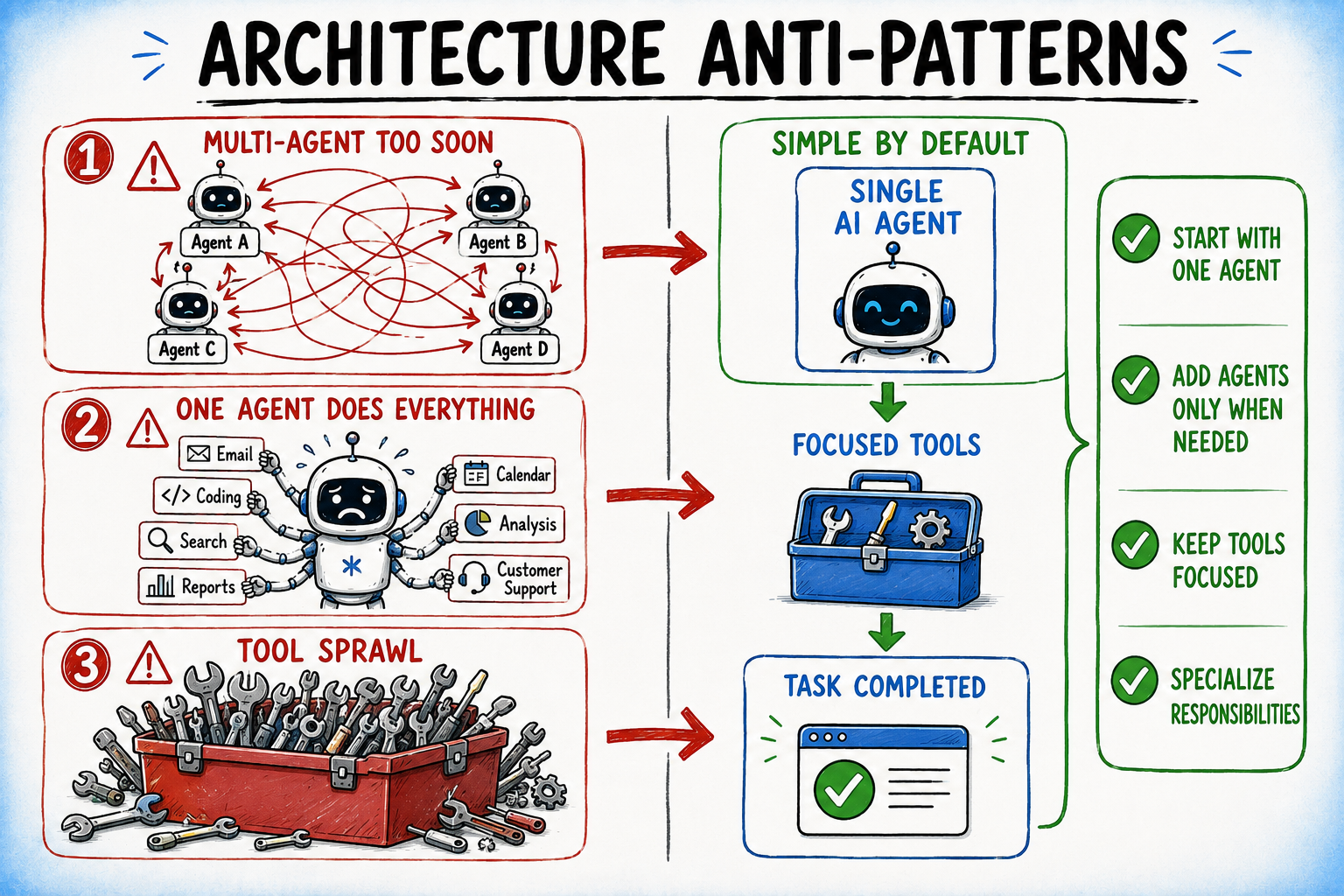
The article highlights that while enterprises are investing heavily in generative AI, scaling these initiatives remains a significant hurdle due to high costs, poor data quality, and adoption difficulties. Insights from CIOs at First Student, OceanFirst Bank, and Lowell Community Health Center reveal that moving beyond experimental pilots requires a disciplined, value-driven strategy. Successful scaling begins with identifying specific, high-impact use cases that address tangible operational pain points rather than chasing industry hype. These leaders emphasize a "crawl, walk, run" approach, starting with small, contained pilots to validate performance before enterprise-wide rollouts. Crucially, selecting vendors with industry-specific expertise and establishing clear ROI metrics are vital for maintaining momentum. Conversely, the article warns against common pitfalls such as neglecting the end-user experience, ignoring change management, or delaying essential data governance and security frameworks. Without a solid data foundation, even the most advanced AI tools are prone to failure. Ultimately, CIOs must balance technical implementation with human-centric design, ensuring that AI serves as a practical, integrated tool rather than a novelty. By focusing on measurable outcomes and rigorous governance, organizations can bridge the gap between AI potential and actual business value.


Why Application Modernization Fails When Data Is an Afterthought

In "Why Application Modernization Fails When Data Is an Afterthought," Aman Sardana highlights that between 68% and 79% of legacy modernization projects fail because organizations prioritize cloud infrastructure over data strategy. While teams often focus on refactoring code or migrating to new platforms, they frequently ignore the "data gravity" of decades-old schemas and monolithic models. Simply moving applications to the cloud without addressing underlying data constraints merely relocates technical debt rather than retiring it. Sardana argues that modernization is fundamentally a data transformation problem, as legacy data structures built for centralized systems clash with cloud-native requirements like elastic scale and distributed ownership. To succeed, organizations must adopt a "data-first" mindset, implementing domain-aligned data ownership and explicit data contracts. This transition requires breaking down organizational silos where application and data teams operate independently. Ultimately, the article suggests that successful modernization depends on a deep collaboration between the CIO and Chief Data Officer to ensure data is treated as a primary, independent asset. Without this foundation, cloud initiatives become expensive exercises in preserving legacy limitations rather than unlocking true business agility and long-term innovation.


Architecting Portable Systems on Open Standards for Digital Sovereignty

In his article "Architecting Portable Systems on Open Standards for Digital Sovereignty," Jakob Beckmann explores the necessity of maintaining control over critical IT systems by reducing vendor dependency. He argues that while absolute digital sovereignty is an unattainable myth in a globalized economy, organizations must strive for a "Plan B" through architectural discipline and the adoption of open standards. Sovereignty is categorized into four key axes: data, technological, operational, and general governance. The author emphasizes that achieving this does not require building everything in-house or operating private data centers; rather, it involves identifying critical business processes and ensuring they are portable. Beckmann highlights that open standards like TCP/IP, TLS, and PDF serve as foundational pillars for this portability. However, he warns that the process is often more complex than anticipated due to hidden dependencies and the subtle lure of vendor-specific features in popular tools like Kubernetes. Ultimately, the article advocates for a balanced approach where resilient, portable architectures and clear guardrails empower businesses to migrate or adapt when providers change their terms, ensuring long-term operational autonomy and risk mitigation.


Why Most Data Security Strategies Collapse Under Real-World Pressure

Samuel Bocetta’s article explores why data security strategies frequently fail, arguing that most are built for ideal conditions or audit compliance rather than real-world operational pressures. A primary failure point is the disconnect between rigid policies and the critical need for speed; when engineers face urgent deadlines, security often becomes a hurdle that is quietly bypassed with temporary workarounds. Furthermore, organizations often over-rely on technical tools while ignoring human behavior and misaligned incentives. People naturally prioritize delivery and uptime over security controls that cause friction, especially when leadership rewards speed over diligence. Data sprawl—driven by shadow AI and decentralized analytics—also outpaces traditional governance models, creating visibility gaps that attackers exploit. Additionally, many strategies remain static in a dynamic threat landscape, failing to evolve alongside modern attack vectors. Bocetta concludes that building resilient security must shift from a narrow "checkbox" compliance mentality to an integrated, continuously evolving practice. True success requires meticulously aligning security measures with actual business workflows, executive incentives, and the fluid reality of how data is used daily, ensuring that protection is built into the organization's core rather than being treated as a secondary obstacle to progress.