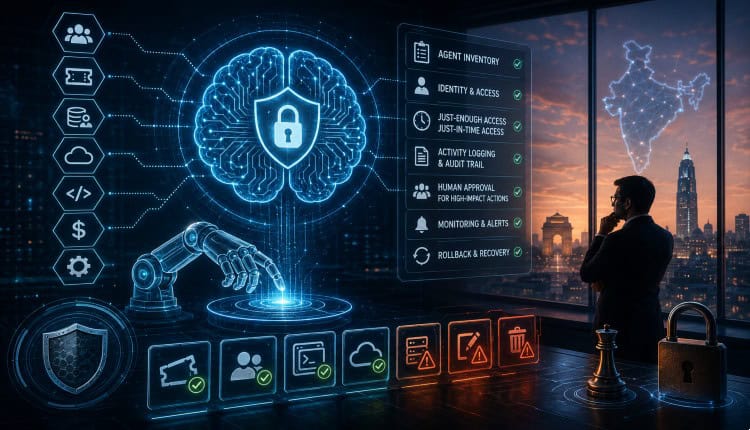
Showing posts with label Agentic AI. Show all posts

Daily Tech Digest - May 11, 2026


Quote for the day:

“The entrepreneur builds an enterprise; the technician builds a job.” -- Michael Gerber

🎧 Listen to this digest on YouTube Music

▶ Play Audio Digest

Duration: 17 mins • Perfect for listening on the go.


If AI Owns the Decision, What Happens to Your Bank? 4 Smart Moves Now Will Aid Survival

The article from The Financial Brand explores the transformative role of artificial intelligence in reshaping consumer financial decision-making and the banking landscape. As AI tools become more sophisticated, they are moving beyond simple automation to provide hyper-personalized financial coaching and autonomous management. This shift allows consumers to delegate complex tasks—such as optimizing savings, managing debt, and selecting investment portfolios—to algorithms that analyze vast amounts of real-time data. For financial institutions, this evolution presents both a challenge and an opportunity; banks must transition from being mere transactional platforms to becoming proactive financial partners. The integration of generative AI is particularly highlighted as a catalyst for creating more intuitive user interfaces that can explain financial nuances in natural language. However, the piece also emphasizes the critical importance of trust and transparency. For AI to be truly effective in a banking context, providers must ensure ethical data usage and maintain a "human-in-the-loop" approach to mitigate algorithmic bias and security risks. Ultimately, the future of banking lies in a hybrid model where technology handles the heavy analytical lifting, enabling customers to achieve better financial health through data-driven confidence and streamlined digital experiences.


AI tool poisoning exposes a major flaw in enterprise agent security

In this VentureBeat article, Nik Kale examines the emerging threat of AI tool poisoning, which exposes a fundamental flaw in enterprise agent security architectures. Modern AI agents select tools from shared registries by matching natural-language descriptions, but these descriptions lack human verification. This oversight enables selection-time threats like tool impersonation and execution-time issues such as behavioral drift. While traditional software supply chain controls like code signing and Software Bill of Materials (SBOMs) effectively ensure artifact integrity, they fail to address behavioral integrity—whether a tool actually does what it claims. A malicious tool might pass all artifact checks while containing prompt-injection payloads or altering its server-side behavior post-publication to exfiltrate sensitive data. To counter this, Kale proposes a runtime verification layer using the Model Context Protocol (MCP). This system employs discovery binding to prevent bait-and-switch attacks, endpoint allowlisting to block unauthorized network connections, and output schema validation to detect suspicious data patterns. By implementing a machine-readable behavioral specification, organizations can establish a tamper-evident record of a tool's intended operations. Kale advocates for a graduated security model, beginning with mandatory endpoint allowlisting, to protect enterprise AI ecosystems from the growing risks of automated agent manipulation and data theft.


Why OT security needs bilingual leaders

The article from e27 emphasizes the critical necessity for "bilingual" leadership in the realm of Operational Technology (OT) security to bridge the widening gap between industrial operations and Information Technology (IT). As critical infrastructure becomes increasingly digitized, the traditional silos separating shop-floor engineers and corporate cybersecurity teams have become a significant liability. The author argues that true bilingual leaders are those who possess a deep technical understanding of industrial control systems alongside a sophisticated grasp of modern cybersecurity protocols. These leaders act as essential translators, capable of explaining the nuances of "uptime" and physical safety to IT departments, while simultaneously articulating the urgency of threat landscapes and data integrity to plant managers. The piece highlights that the convergence of these two worlds often results in friction due to differing priorities—where IT focuses on confidentiality, OT prioritizes availability. By fostering leadership that speaks both "languages," organizations can implement holistic security frameworks that do not compromise production efficiency. Ultimately, the article contends that the future of industrial resilience depends on a new generation of executives who can navigate the complexities of both the digital and physical domains, ensuring that cybersecurity is integrated into the very fabric of industrial engineering rather than treated as an external afterthought.


The agentic future has a technical debt problem

In the article "The Agentic Future Has a Technical Debt Problem," Barr Moses argues that the rapid, competitive deployment of AI agents is mirroring the early mistakes of the cloud migration era. Drawing on a survey of 260 technology practitioners, Moses highlights a significant disconnect between engineering leaders and the "builders" on the ground. While leadership often maintains a high level of confidence in system reliability, nearly two-thirds of organizations admitted to deploying agents faster than their teams felt prepared to support. This haste has led to a massive accumulation of technical debt; over 70% of fast-deploying builders anticipate needing to significantly rearchitect or rebuild their systems. Critical operational foundations, such as observability, governance, and traceability, are frequently sacrificed for speed, leaving engineers to deal with agents that access unauthorized data or lack manual override switches. The survey reveals that visibility into agent behavior remains a primary blind spot, with most production issues being discovered via customer complaints rather than automated monitoring. Ultimately, the piece warns that without a shift toward prioritizing infrastructure and instrumentation, the industry faces an inevitable "rebuild reckoning." Moving forward, organizations must bridge the perception gap between management and developers to ensure that agentic systems are not just shipped, but are sustainable and controllable.
The article "In Regulated Industries, Faster Testing Still Has to Be Defensible" explores the delicate balance software engineering teams in sectors like healthcare and finance must maintain between rapid AI-driven innovation and stringent compliance requirements. While there is significant pressure from stakeholders to accelerate release cycles through generative AI for test generation and defect analysis, the author emphasizes that speed must not come at the expense of auditability. In regulated environments, software must not only function correctly but also possess a comprehensive audit trail, including documented validation, end-to-end traceability, and clear evidence of control. The piece argues that AI-generated artifacts should be subject to the same rigorous version control and formal human review as traditional engineering outputs, as accountability cannot be delegated to an algorithm. Crucially, traceability should be integrated early into the planning phase rather than treated as a post-development cleanup task. Ultimately, the adoption of AI in quality engineering is most effective when it strengthens release discipline and supports human-led verification processes. By prioritizing narrow scopes, clear data access policies, and ongoing education, organizations can leverage modern technology to achieve faster delivery without sacrificing the defensibility of their testing records or risking non-compliance with regulatory frameworks.


DevSecOps explained for growing technology businesses

The article "DevSecOps explained for growing technology businesses," authored by Clear Path Security Ltd, details how small-to-medium enterprises (SMEs) can integrate security into their development lifecycles without sacrificing speed. The article defines DevSecOps as a cultural and procedural shift where security is woven into daily delivery flows rather than being a separate concluding step. For growing firms, the primary advantage lies in reducing expensive rework and late-stage surprises by catching vulnerabilities early. The framework rests on three pillars: people, process, and tooling. Instead of overwhelming teams with complex enterprise-grade protocols, the author suggests a risk-based, gradual implementation focusing on high-impact areas like customer-facing apps and sensitive data handling. Core initial controls should include automated code scanning, dependency checks, and secret detection. Success is measured not by the volume of tools, but by practical metrics like the reduction of post-release vulnerabilities and the speed of high-priority remediation. To ensure adoption, businesses are advised to follow a phased 90-day plan, starting with visibility and basic automation before scaling complexity. Ultimately, the piece argues that DevSecOps acts as a business enabler, fostering confidence and stability by aligning development speed with robust risk management through lightweight, proportionate controls that fit the organization’s specific size and technical needs.


Cuts are coming: is now the time to upskill?

The article "Cuts are coming: is now the time to upskill?" explores the critical need for IT professionals to embrace continuous learning amidst a volatile tech landscape defined by rising redundancies and the disruptive influence of artificial intelligence. Despite persistent skills shortages, the job market has tightened significantly, forcing individuals to take greater personal responsibility for their professional development, often through self-funded and self-directed methods. This shift is characterized by a move away from traditional classroom settings toward agile micro-credentials, cloud-based labs, and specialized certifications in high-demand areas like cloud computing, data analytics, and cybersecurity. While organizations recognize that upskilling existing talent is more cost-effective and resilience-building than external hiring, employer-led investment in training has paradoxically declined over the last decade. Consequently, workers are increasingly motivated by job security concerns, with a majority considering reskilling to maintain their relevance. However, the article highlights an "AI trust paradox," noting that many businesses struggle to implement transformative AI because they lack the necessary foundational data skills and internal expertise. Ultimately, staying competitive in the modern economy requires a proactive approach to skill acquisition, as the widening gap between institutional needs and available talent places the onus of career longevity squarely on the individual professional.


Cloud Security Alliance Expands Agentic AI Governance Work

The Cloud Security Alliance (CSA) has significantly expanded its commitment to securing agentic AI systems through the introduction of three major governance milestones aimed at "Securing the Agentic Control Plane." During the CSA Agentic AI Security Summit, the organization’s CSAI Foundation announced the launch of the STAR for AI Catastrophic Risk Annex, a dedicated initiative running from mid-2026 through 2027 to address high-stakes risks associated with advanced AI autonomy. Furthermore, the CSA achieved authorization as a CVE Numbering Authority via MITRE, allowing it to formally track and categorize vulnerabilities specific to the AI landscape. In a strategic move to standardize security protocols, the CSA also acquired two critical specifications: the Agentic Autonomous Resource Model and the Agentic Trust Framework. The latter, developed by Josh Woodruff of MassiveScale.AI, integrates Zero Trust principles into AI agent operations and aligns with international standards like the NIST AI Risk Management Framework and the EU AI Act. These developments reflect the CSA’s proactive approach to managing the security challenges posed by autonomous AI entities, ensuring that governance, risk management, and compliance keep pace with rapid technological evolution. By centralizing these resources, the CSA aims to provide a unified, transparent architecture for organizations to safely deploy and manage agentic technologies within their enterprise cloud environments.


Stop treating identity as a compliance step. It’s infrastructure now

In the article "Stop treating identity as a compliance step: it’s infrastructure now," Harry Varatharasan of ComplyCube argues that identity verification (IDV) has transcended its traditional role as a back-office compliance task to become foundational digital infrastructure. Across fintech, telecoms, and government services, IDV now serves as the primary mechanism for establishing trust and preventing fraud at scale. Varatharasan highlights a significant industry shift where businesses prioritize orchestration and interoperability, moving toward single, reusable identity layers rather than fragmented, siloed checks. For IDV to function as true infrastructure, it must exhibit three defining characteristics: reliability at scale, trust by design, and—most importantly—interoperability that addresses both technical compatibility and legal liability transfer. The author notes that while the UK’s digital identity consultation is a vital milestone, policy frameworks still struggle to keep pace with the industry's current reality, where the boundaries between public and private verification systems are already dissolving. Fragmentation remains a major hurdle, increasing compliance costs and creating user friction through repetitive verification steps. Ultimately, the article emphasizes that the focus must shift from simply mandating verification to governing it as a shared, portable resource, ensuring that national standards reflect the modern integrated digital economy and future cross-sector needs, while providing a seamless experience for the end-user.


The rapidly evolving digital assets and payments regulatory landscape: What you need to know

The Dentons alert outlines Australia’s sweeping regulatory overhaul of digital assets and payments, signaling the end of previous legal ambiguities. Central to this shift is the Corporations Amendment (Digital Assets Framework) Act 2026, which, starting April 2027, integrates cryptocurrency exchanges and custodians into the Australian Financial Services Licence (AFSL) regime via new categories: Digital Asset Platforms and Tokenised Custody Platforms. Concurrently, a new activity-based payments framework replaces the outdated "non-cash payment facility" concept with Stored Value Facilities (SVF) and Payment Instruments. This system captures diverse services like payment initiation and digital wallets, while excluding self-custodial software. Key consumer protections include a mandate for licensed providers to hold client funds in statutory trusts and enhanced disclosure for stablecoin issuers. Furthermore, "major SVF providers" exceeding AU$200 million in stored value will face prudential oversight by APRA. While exemptions exist for small-scale platforms and low-value services, the firm emphasizes that the transition is complex. With ASIC’s "no-action" position set to expire on June 30, 2026, and parallel AML/CTF obligations already in effect, businesses must urgently assess their licensing needs. This landmark reform ensures that digital asset and payment providers operate under a rigorous, transparent framework equivalent to traditional financial services.

Daily Tech Digest - May 09, 2026


Quote for the day:

“Leaders become great not because of their power, but because of their ability to empower others.” -- John C. Maxwell

🎧 Listen to this digest on YouTube Music

▶ Play Audio Digest

Duration: 22 mins • Perfect for listening on the go.


API-First architecture: The backbone of modern enterprise innovation

Pankaj Tripathi explains that API-first architecture has evolved from a technical choice into a strategic leadership mandate essential for digital survival and modern enterprise innovation. By prioritizing Application Programming Interfaces as the core of strategic ecosystems, organizations can achieve greater agility, seamless scaling, and faster time-to-market metrics. This methodology effectively decouples front-end user experiences from back-end logic, fostering a modular environment that allows for the integration of sophisticated capabilities without the heavy burden of legacy technical debt. In sectors like banking, travel, and retail, this approach facilitates interoperability and unified digital experiences, as evidenced by the massive success of India’s UPI and Open Government Data platforms. Furthermore, API-first design is a critical prerequisite for deploying advanced artificial intelligence at scale, as it eliminates data silos and ensures that AI agents can consume the continuous flow of clean data required for real-time insights. This architecture also supports operational resilience, allowing individual microservices to scale independently during demand surges without stressing the broader system. Transitioning to this model requires a cultural shift toward managing product-centric digital ecosystems that leverage third-party integrations as growth multipliers. Ultimately, embracing an API-first framework provides the structural integrity required to dismantle internal barriers and deliver the exceptional, connected experiences that define modern market leadership in an increasingly complex global economy.


5,000 vibe-coded apps just proved shadow AI is the new S3 bucket crisis

The VentureBeat article details how "vibe coding"—the practice of using natural language AI prompts to build applications—has sparked a significant security crisis, drawing parallels to the notorious S3 bucket exposures of a decade ago. Research by RedAccess and Escape.tech revealed that over 5,000 AI-generated applications are currently exposing sensitive corporate and personal data, including medical records and financial details. This vulnerability stems from popular platforms like Lovable and Replit having public-by-default privacy settings, which allow search engines to index internal tools created by non-technical "citizen developers" without proper access controls. Gartner predicts that by 2028, these prompt-to-app approaches will increase software defects by 2,500%, primarily through code that is syntactically correct but contextually flawed. Shadow AI is identified as a massive financial liability, with IBM reporting that breaches linked to unsanctioned AI tools cost organizations an average of $4.63 million per incident. To combat these risks, the article outlines a comprehensive five-domain CISO audit framework focusing on discovery, authentication, code scanning, data loss prevention, and governance. This strategy emphasizes moving beyond mere gatekeeping to implementing automated inventorying and strict identity management. CISOs are urged to adopt a structured remediation plan to secure their AI environments, ensuring that rapid innovation does not compromise fundamental security hygiene.


How Goldman Sachs, JPMorgan, AIG Are Actually Deploying AI

The article details insights from leaders at Goldman Sachs, JPMorgan Chase, and AIG regarding their strategic deployment of artificial intelligence, particularly following Anthropic’s launch of specialized financial agents. At an event in New York, Goldman Sachs CIO Marco Argenti outlined a three-wave adoption strategy focusing on engineering productivity, operational redesign, and enhanced risk decision-making. He notably described the shift as a transition from purchasing infrastructure to "buying intelligence." JPMorgan Chase CIO Lori Beer stressed that the primary hurdle is not the technology itself but an organization’s capacity to absorb and integrate these tools effectively. CEO Jamie Dimon highlighted Claude’s efficiency, noting it completed accurate research tasks in twenty minutes that typically require forty analyst hours. Meanwhile, AIG CEO Peter Zaffino revealed that AI achieved eighty-eight percent accuracy in insurance claims processing, emphasizing its role in supporting human expertise rather than replacing it. The discussion coincided with Anthropic’s debut of ten pre-built agents designed for high-value workflows like pitchbook creation and KYC screening. Additionally, the article covers a one-point-five billion dollar joint venture between Anthropic, Blackstone, and Goldman Sachs aimed at scaling AI for mid-sized firms. Ultimately, these leaders view AI as a fundamental shift in financial services, demanding both rigorous safety guardrails and profound cultural transformation.


The agentic enterprise will be built on people, not just intelligence; here's how

The shift toward the agentic enterprise signifies a transition where artificial intelligence moves beyond generating insights to autonomous execution and machine-led workflows. While this evolution sparks concerns regarding employee relevance, the article emphasizes that the success of such enterprises hinges more on human readiness than technological intelligence. As AI assumes more execution-oriented tasks, uniquely human capabilities—such as navigating ambiguity, exercising ethical judgment, and managing complex relationships—become increasingly vital. India is positioned as a global leader in this transition due to its high AI talent acquisition and literate workforce. To thrive, organizations must prioritize building an agentic-ready workforce by embedding transformation directly into technology adoption rather than treating it as a separate initiative. This involves fostering a culture of inquiry and psychological safety where experimentation is encouraged. Training should focus on elevating judgment and discretion, particularly in high-stakes areas like strategy and hiring. Ultimately, the most resilient professionals will be those who develop versatile skills that transcend specific tools, while the most successful companies will be those that empower their people to lead alongside AI. By centering human intuition and leadership, the agentic enterprise can effectively balance automated efficiency with the critical oversight necessary for long-term organizational trust and cultural integrity.


AI on trial: The Workday case that CIOs can't ignore

The article "AI on Trial: The Workday Case That CIOs Can’t Ignore" explores the legal battle in Mobley v. Workday Inc., where over 14,000 job applicants over age 40 allege that Workday’s AI-driven recruitment tools caused systematic discrimination. The lawsuit challenges how antidiscrimination laws apply to algorithms that score and rank candidates, placing the vendor’s liability under intense scrutiny. Workday maintains that employers, not the software provider, remain in control of hiring decisions and that their technology focuses strictly on qualifications. However, the case highlights a critical technical dispute over bias detection mathematics, specifically comparing the “four-fifths rule” against standard-deviation analysis. This conflict underscores why Chief Information Officers (CIOs) can no longer rely solely on vendor-provided audits, which may suffer from “drift” or lack independent criteria. The article advises CIOs to establish robust internal oversight committees comprising technical, legal, and ethics experts to independently validate AI outputs. As political environments shift and legal risks surrounding "disparate impact" theories grow, the Workday case serves as a landmark warning. Organizations must move beyond passive trust in AI vendors, adopting proactive governance strategies to ensure their automated hiring processes remain fair, transparent, and legally defensible in an increasingly litigious landscape.


The “Context Poisoning” Crisis: Why Metadata Is the New Security Perimeter

The article "The ‘Context Poisoning’ Crisis: Why Metadata Is the New Security Perimeter" by Sriramprabhu Rajendran explores the emerging threat of context poisoning within agentic AI and retrieval-augmented generation (RAG) pipelines. Context poisoning occurs when AI agents utilize information that is technically valid but semantically incorrect, often due to stale data vectors, recursive hallucinations from agent-generated content, or amplified semantic bias. Unlike traditional cybersecurity, which focuses on access controls and encryption at the network perimeter, this crisis targets the metadata layer where AI systems consume their grounding context. To mitigate these risks, the author proposes a "metadata firebreak" rooted in zero-trust principles. This architecture serves as a critical verification layer that validates every piece of retrieved context before it enters the AI agent’s processing window. The framework is built on four essential pillars: never trusting retrieved chunks by default, continuously verifying data freshness against original source timestamps, enforcing lineage tracking to prevent recursive feedback loops, and applying semantic checksums to maintain truth. Ultimately, as AI agents become integral to enterprise operations, the security focus must shift from merely controlling access to ensuring data veracity. By establishing metadata as the new security perimeter, organizations can ensure that AI-driven decisions remain accurate, compliant, and trustworthy in a complex digital environment.


Three skills that matter when AI handles the coding

In the rapidly evolving landscape where artificial intelligence increasingly manages the mechanical aspects of software development, the value of a developer's expertise is shifting toward higher-level strategic functions. This InfoWorld article argues that as large language models take over the heavy lifting of code generation, three specific "upstream" skills are becoming indispensable for modern engineers. First, developers must master the art of providing precise context; this involves crystallizing complex requirements, architectural designs, and functional constraints into detailed prompts that guide the AI effectively. Second, the ability to critically evaluate and verify model outputs remains crucial. Since AI can produce confident yet incorrect solutions, developers need the technical depth to review generated code against rigorous performance standards and existing frameworks. Finally, deep problem understanding is essential to ensure that the developer is not misled by plausible hallucinations or "confident but wrong" answers. By focusing on these core competencies, teams can leverage AI to accelerate iterative lifecycles, such as spiral development and evolutionary prototyping, while maintaining absolute control over system complexity. Ultimately, those who transition from manual coding to high-level system design and rigorous evaluation will achieve significantly higher productivity, while those failing to adapt risk being left behind in an increasingly competitive AI-driven industry.


Implementing the Sidecar Pattern in Microservices-based ASP.NET Core Applications

In the article "Implementing the Sidecar Pattern in Microservices-based ASP.NET Core Applications," author Joydip Kanjilal explores how the sidecar design pattern effectively addresses cross-cutting concerns like logging, monitoring, and security. By deploying these auxiliary tasks into a separate container or process that runs alongside the primary application, developers can decouple business logic from infrastructure requirements, thereby significantly reducing complexity and enhancing overall maintainability. The author provides a practical implementation walkthrough using an inventory management system where a Transactions API offloads log persistence to a shared file system. A dedicated Sidecar API then monitors this shared storage, processes the incoming logs, and transmits them to Elasticsearch for analysis. This architectural approach facilitates language-agnostic components and allows for the independent scaling of auxiliary services without requiring modifications to the core application code. However, the article highlights significant trade-offs, such as increased resource overhead and potential latency resulting from additional network hops, which may make it less suitable for ultra-latency-sensitive workloads. Furthermore, Kanjilal discusses modern alternatives like the Distributed Application Runtime (Dapr) and potential enhancements through structured logging with Serilog or observability via OpenTelemetry. Ultimately, the sidecar pattern emerges as a robust solution for building modular and resilient microservices in the ASP.NET Core ecosystem while keeping individual services lightweight.


What is Quantum Machine Learning (QML)?

Quantum Machine Learning (QML) represents a transformative convergence of quantum computing and artificial intelligence, leveraging quantum mechanical phenomena to solve complex data-driven problems. The article explores how QML utilizes qubits, which exist in superpositions of states, and entanglement to achieve computational parallelism beyond the reach of classical bits. As of May 2026, the field is firmly rooted in the "Noisy Intermediate-Scale Quantum" (NISQ) era, where advanced hardware like IBM’s Nighthawk and Google’s Willow processors facilitate hybrid workflows. In these systems, classical computers handle data preprocessing and optimization while quantum circuits perform the most computationally intensive subroutines, such as feature mapping in high-dimensional spaces. This synergy is particularly potent for Variational Quantum Algorithms (VQAs) and Quantum Neural Networks (QNNs), which are currently being piloted for drug discovery, financial risk modeling, and advanced materials science. Despite the promise of exponential speedups, the article notes significant hurdles, including qubit decoherence, extreme cooling requirements, and the necessity for more robust error correction. Nevertheless, the transition from theoretical research to early commercial pilots suggests that QML is poised to revolutionize industries by identifying patterns and correlations that remain invisible to traditional machine learning models, eventually paving the way for full-scale fault-tolerant systems by the end of the decade.


The case for data centers in space

The McKinsey article examines the emerging potential of space-based data centers as a strategic solution to the escalating energy and infrastructure constraints hindering terrestrial AI development. As global demand for AI compute skyrockets, traditional land-based facilities face significant hurdles, including lengthy permitting timelines, limited power grid capacity, and the high environmental costs of terrestrial energy production. In contrast, orbital data centers utilize space-qualified hardware modules powered by near-continuous solar energy, effectively bypassing the logistical bottlenecks found on Earth. While current deployment remains more expensive than terrestrial alternatives due to high launch costs, the economics are projected to reach a competitive tipping point once launch prices drop to approximately $500 per kilogram. Philip Johnston, CEO of Starcloud, highlights that these orbital platforms are particularly suited for AI inference workloads where latency requirements—typically staying below 200 milliseconds—are easily met for applications like search queries, chatbots, and back-office automation. Primary customers include hyperscalers and neocloud providers seeking to scale rapidly without traditional energy limitations. Despite remaining technical uncertainties regarding long-term reliability and replacement cycles, the transition of data centers from a terrestrial concept to an orbital reality offers a compelling pathway for unconstrained energy scaling and sustainable high-performance computing in the AI era.

Daily Tech Digest - May 07, 2026


Quote for the day:

"You learn more from failure than from success. Don't let it stop you. Failure builds character." -- Unknown

🎧 Listen to this digest on YouTube Music

▶ Play Audio Digest

Duration: 21 mins • Perfect for listening on the go.


Designing front-end systems for cloud failure

In the InfoWorld article "Designing front-end systems for cloud failure," Niharika Pujari argues that frontend resilience is a critical yet often overlooked aspect of engineering. Since cloud infrastructure depends on numerous moving parts, failures are frequently partial rather than absolute, manifesting as temporary network instability or slow downstream services. To maintain a usable and calm user experience during these hiccups, developers should adopt a strategy of graceful degradation. This begins with distinguishing between critical features, which are essential for core tasks, and non-critical components that provide extra richness. When non-essential features fail, the interface should isolate these issues—perhaps by hiding sections or displaying cached data—to prevent a total system outage. Technical implementation involves employing controlled retries with exponential backoff and jitter to manage transient errors without overwhelming the backend. Additionally, protecting user work in form-heavy workflows is vital for maintaining trust. Effective failure handling also requires a shift in communication; specific, reassuring error messages that explain what still works and provide a clear recovery path are far superior to generic "something went wrong" alerts. Ultimately, resilient frontend design focuses on isolating failures, rendering partial content, and ensuring that the interface remains functional and informative even when underlying cloud dependencies falter.


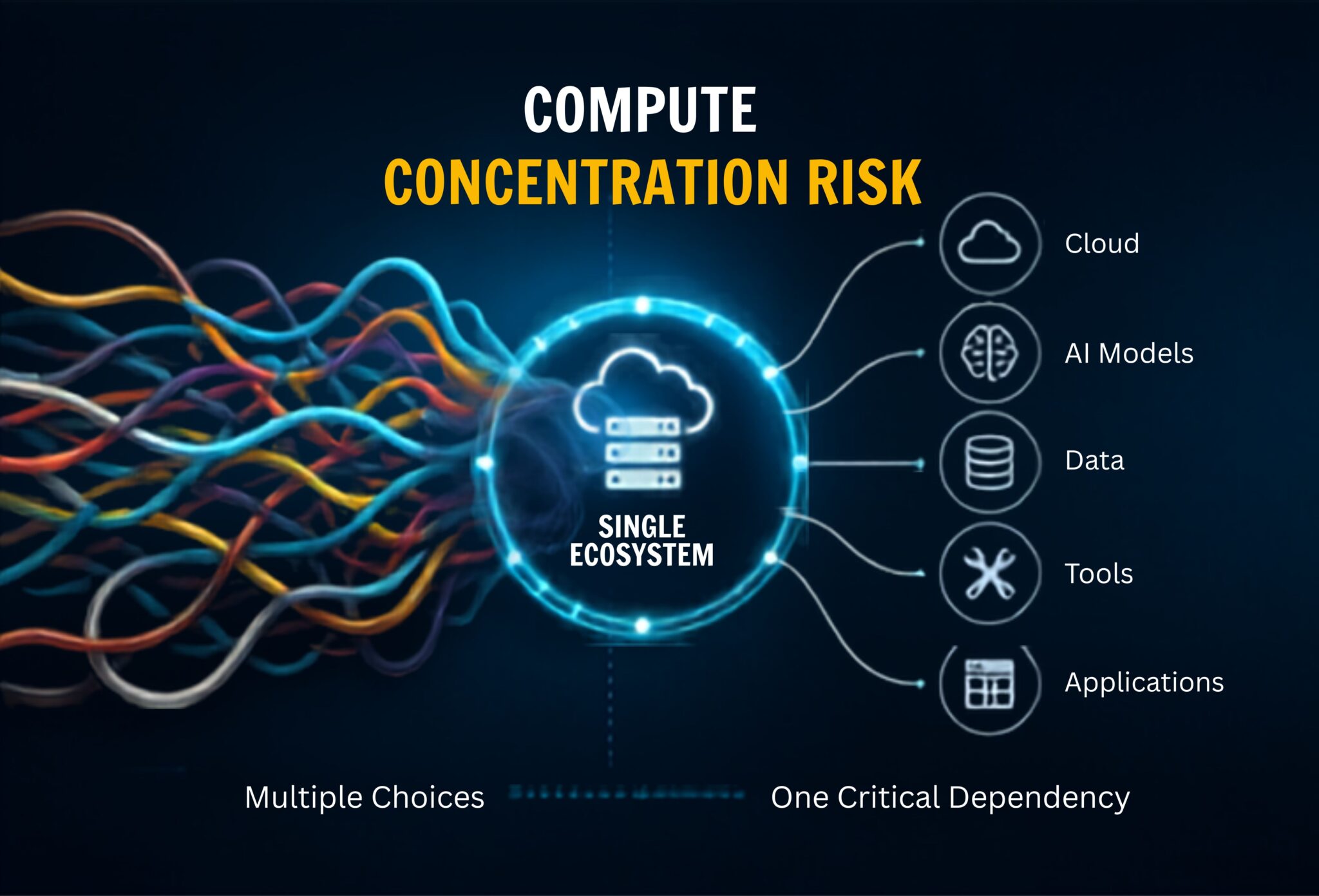
Scaling AI into production is forcing a rethink of enterprise infrastructure

The article "Scaling AI into production is forcing a rethink of enterprise infrastructure" explores the critical shift from AI experimentation to large-scale deployment across real business environments. As organizations move beyond proofs of concept, Nutanix executives Tarkan Maner and Thomas Cornely argue that the emergence of agentic AI is a primary driver of this transformation. Agentic systems introduce complex, autonomous, multi-step workflows that traditional infrastructures are often unequipped to handle efficiently. These sophisticated agents require real-time orchestration and secure, on-premises data access to protect sensitive enterprise information. While many organizations initially utilized the public cloud for rapid experimentation, the transition to production highlights serious concerns regarding ongoing cost, strict governance, and data control, prompting a significant shift toward private or hybrid environments. The article emphasizes that AI is designed to augment human capability rather than replace it, seeking a harmonious integration between human decision-making and automated agentic workflows. Practical applications are already emerging across various sectors, from retail’s cashier-less checkouts and targeted marketing to healthcare’s remote diagnostic tools. Ultimately, scaling AI successfully necessitates a foundational rethink of how modern enterprises coordinate their underlying infrastructure, data, and security protocols to support unpredictable workloads while maintaining overall operational stability and long-term cost efficiency.


Why ransomware attacks succeed even when backups exist

The BleepingComputer article "Why ransomware attacks succeed even when backups exist" explains that modern ransomware operations have evolved into sophisticated campaigns that systematically target and destroy an organization's backup infrastructure before deploying encryption. Rather than just locking files, attackers follow a predictable sequence: gaining initial access, stealing administrative credentials, moving laterally across the network, and then identifying and deleting backups. This includes wiping Volume Shadow Copies, hypervisor snapshots, and cloud repositories to ensure no easy recovery path remains. Several common organizational failures contribute to this vulnerability, such as the lack of network isolation between production and backup environments, weak access controls like shared admin credentials or missing multi-factor authentication, and the absence of immutable (WORM) storage. Furthermore, many organizations suffer from untested recovery processes or siloed security tools that fail to detect attacks on backup systems. To combat these threats, the article emphasizes the necessity of integrated cyber protection, featuring immutable backups with enforced retention locks, dedicated credentials, and continuous monitoring. By neutralizing the traditional "safety net" of backups, ransomware gangs effectively force victims into paying ransoms. This strategic shift highlights that basic, unprotected backups are no longer sufficient in the face of modern, targeted ransomware tactics.


Document as Evidence vs. Data Source: Industrial AI Governance

In the article "Document as Evidence vs. Data Source: Industrial AI Governance," Anthony Vigliotti highlights a critical distinction in how organizations manage information for industrial AI. Most current programs utilize a "data source" model, where documents are treated as raw material; data is extracted, and the original document is archived or orphaned. This terminal approach severs the link between data and its context, creating significant governance risks, particularly in brownfield manufacturing where legacy records carry decades of operational history. Conversely, the "evidence" model treats documents as permanent artifacts with ongoing legal and operational standing. This framework ensures documents are preserved with high fidelity, validated before downstream use, and permanently linked to any derived data through a navigable citation trail. By adopting an evidence-based posture, organizations can build a robust "Accuracy and Trust Layer" that makes AI-driven decisions defensible and auditable. This is essential for safety-critical operations and regulatory compliance, where being able to prove the provenance of data is as vital as the accuracy of the AI output itself. Transitioning from a throughput-focused extraction mindset to one centered on trust allows industrial enterprises to scale AI safely while mitigating the long-term governance debt associated with disconnected data silos.


Method for stress-testing cloud computing algorithms helps avoid network failures

Researchers at MIT have developed a groundbreaking method called MetaEase to stress-test cloud computing algorithms, helping prevent large-scale network failures and service outages that impact millions of users. In massive cloud environments, engineers often rely on "heuristics"—simplified shortcut algorithms that route data quickly but can unexpectedly break down under unusual traffic patterns or sudden demand spikes. Traditionally, stress-testing these heuristics involved manual, time-consuming simulations using human-designed test cases, which frequently missed critical "blind spots" where the algorithm might fail. MetaEase revolutionizes this evaluation process by utilizing symbolic execution to analyze an algorithm’s source code directly. By mapping out every decision point within the code, the tool automatically searches for and identifies worst-case scenarios where performance gaps and underperformance are most significant. This automated approach allows engineers to proactively catch potential failure modes before deployment without requiring complex mathematical reformulations or extensive manual labor. Beyond standard networking tasks, the researchers highlight MetaEase’s potential for auditing risks associated with AI-generated code, ensuring these systems remain resilient under unpredictable real-world conditions. In comparative experiments, this technique identified more severe performance failures more efficiently than existing state-of-the-art methods. Moving forward, the team aims to enhance MetaEase’s scalability and versatility to process more complex data types and applications.


Hacker Conversations: Joey Melo on Hacking AI

In the SecurityWeek article "Hacker Conversations: Joey Melo on Hacking AI," Principal Security Researcher Joey Melo shares his journey and methodology within the evolving field of artificial intelligence red teaming. Melo, who developed a passion for manipulating software environments through childhood gaming, now applies that curiosity to "jailbreaking" and "data poisoning" AI models. Unlike traditional penetration testing, AI red teaming focuses on bypassing sophisticated guardrails without altering source code. Melo describes jailbreaking as a process of "liberating" bots via complex context manipulation—such as tricking an LLM into believing it is operating in a future where current restrictions no longer apply. Furthermore, he explores data poisoning, where researchers test if models can be influenced by malicious prompt ingestion or untrustworthy web scraping. Despite possessing the skills to exploit these vulnerabilities for personal gain, Melo emphasizes a commitment to ethical, responsible disclosure. He views his work as a vital contribution to an ongoing "cat-and-mouse game" aimed at hardening machine learning defenses against increasingly creative threats. Ultimately, Melo believes that while AI security will continue to improve, the constant evolution of technology ensures that red teaming will remain a necessary, creative endeavor to identify and mitigate emerging risks.


Global Push for Digital KYC Faces a Trust Problem

The global movement toward digital Know Your Customer (KYC) frameworks is gaining significant momentum, as evidenced by the United Arab Emirates’ recent launch of a standardized national platform designed to streamline onboarding and bolster anti-money laundering efforts. While domestic systems are becoming increasingly sophisticated, the concept of portable, cross-border KYC remains largely elusive due to a fundamental lack of trust between international regulators. Governments and financial institutions are eager to reduce duplication and speed up compliance processes to match the rapid growth of instant payments and digital banking. However, significant hurdles persist because KYC extends beyond simple identity verification to include complex assessments of ownership structures and risk profiles, which are heavily influenced by local market contexts and legal frameworks. National regulators often prioritize sovereign control and data protection, making them hesitant to rely on third-party verification performed in different jurisdictions. Consequently, even when countries share broad anti-money laundering goals, their divergent definitions of adequate due diligence and monitoring requirements create a fragmented landscape. Ultimately, the transition to a unified digital identity ecosystem depends less on technological innovation and more on establishing mutual recognition and trust among global supervisory bodies, ensuring that sensitive identity data can be securely and reliably shared across borders.


How To Ensure Business Continuity in the Midst of IT Disaster Recovery

The content provided by the Disaster Recovery Journal (DRJ) at the specified URL serves as a foundational guide for professionals navigating the complexities of organizational stability through the lens of business continuity (BC) and disaster recovery (DR) planning. The material emphasizes that while these two disciplines are closely interconnected, they serve distinct roles in safeguarding an organization. Business continuity is presented as a holistic, high-level strategy focused on maintaining essential operations across all departments during a crisis, ensuring that personnel, facilities, and processes remain functional. In contrast, disaster recovery is defined as a specialized technical subset of BC, primarily concerned with the restoration of information technology systems, critical data, and infrastructure following a disruptive event. A primary theme of the planning process is the requirement for a structured lifecycle, which begins with a rigorous Business Impact Analysis (BIA) and Risk Assessment to identify vulnerabilities and prioritize critical functions. By defining clear Recovery Time Objectives (RTO) and Recovery Point Objectives (RPO), organizations can create targeted response strategies that minimize operational downtime. Furthermore, the resource highlights that modern planning must evolve to address contemporary challenges, such as cyber threats, hybrid work environments, and artificial intelligence integration. Regular testing, cross-functional collaboration, and plan maintenance are essential to transform static documentation into a dynamic, resilient framework capable of withstanding diverse disasters.


The Agentic AI Challenge: Solve for Both Efficiency and Trust

According to the article from The Financial Brand, agentic artificial intelligence represents the next inevitable evolution in banking, marking a fundamental shift from reactive generative AI chatbots to autonomous, proactive systems. While nearly all financial institutions are currently exploring agentic technology, a significant "execution gap" persists; most organizations remain stuck in the pilot phase due to legacy infrastructure, fragmented data silos, and outdated governance frameworks. Unlike traditional AI that merely offers recommendations, agentic systems are designed to act—executing complex workflows, coordinating multi-step transactions, and managing customer financial health in real time with minimal human intervention. The report emphasizes that while banks have historically prioritized low-value applications like back-office automation and fraud prevention, the true potential of agentic AI lies in fulfilling broader ambitions for hyper-personalization and revenue growth. As fintech competitors increasingly rebuild their transaction stacks for real-time execution and autonomous validation, traditional banks face a critical strategic choice. They must modernize their leadership mindset and core technical architecture to support the "self-driving bank" model or risk being permanently outpaced. Ultimately, embracing agentic AI is not merely a technological upgrade but a necessary structural evolution required for banks to remain competitive in an increasingly automated financial ecosystem.


Multi-model AI is creating a routing headache for enterprises

According to F5’s 2026 State of Application Strategy Report, enterprises are rapidly transitioning AI inference into core production environments, with 78% of organizations now operating their own inference services. As 77% of firms identify inference as their primary AI activity, the focus has shifted from experimentation to operational integration within hybrid multicloud infrastructures. Organizations currently manage or evaluate an average of seven distinct AI models, reflecting a diverse landscape where no single model fits every use case. This multi-model approach creates significant architectural complexities, turning AI delivery into a sophisticated traffic management challenge and AI security into a rigorous governance priority. Companies are increasingly adopting identity-aware infrastructure and centralized control planes to manage the routing, observability, and protection of inference workloads. To mitigate operational strain and rising costs, enterprises are integrating shared protection systems and cross-model observability tools. Furthermore, the convergence of AI delivery and security around inference highlights the necessity of managing multiple services to ensure availability and compliance. Ultimately, the report emphasizes that successful AI adoption depends on treating inference as a managed workload subject to the same delivery and resilience requirements as traditional enterprise applications, ensuring faster and safer operational execution.

Daily Tech Digest - May 05, 2026


Quote for the day:

“Our greatest fear should not be of failure … but of succeeding at things in life that don’t really matter.” -- Francis Chan

🎧 Listen to this digest on YouTube Music

▶ Play Audio Digest

Duration: 25 mins • Perfect for listening on the go.


The fake IT worker problem CISOs can’t ignore

The article "The fake IT worker problem CISOs can’t ignore" highlights a burgeoning cybersecurity threat where thousands of fraudulent IT professionals, often linked to state-sponsored actors like North Korea, infiltrate organizations by exploiting remote hiring vulnerabilities. These sophisticated adversaries utilize advanced artificial intelligence to craft fabricated resumes, generate convincing deepfake identities, and master scripted interviews, successfully bypassing traditional background checks that typically verify provided information rather than detecting outright fraud. Once integrated as trusted insiders, these malicious actors can facilitate data exfiltration, industrial sabotage, or the funneling of corporate funds to foreign governments. The piece underscores that this is no longer just a recruitment issue but a critical insider risk management challenge. CISOs are urged to implement more rigorous vetting processes, such as multi-stage panel interviews and project-based technical evaluations, to identify inconsistencies that automated screenings miss. Furthermore, the article advises organizations to adopt a "least privilege" approach for new hires, restricting access to sensitive systems until identities are definitively verified. Beyond immediate security breaches, the presence of fake workers creates substantial business and compliance risks, potentially leading to regulatory penalties and the erosion of client trust, making it imperative for leadership to coordinate across HR and security departments to mitigate this evolving threat.


Three Pillars of Platform Engineering: A Virtuous Cycle

In the article "Three Pillars of Platform Engineering: A Virtuous Cycle," Pratik Agarwal challenges the notion that reliability and ergonomics are opposing trade-offs, arguing instead that they form a mutually reinforcing feedback loop. The framework is built upon three foundational pillars: automated reliability, developer ergonomics, and operator ergonomics. The first pillar treats reliability as a managed state where a centralized "control plane" or "brain" continuously reconciles the system’s actual state with its desired state, automating complex tasks like shard rebalancing and self-healing. The second pillar, developer ergonomics, focuses on providing opinionated SDKs that enforce safe defaults—such as environment-aware configurations and sophisticated retry strategies—to prevent cascading failures and reduce cognitive load. Finally, operator ergonomics emphasizes building internal tools that encode tribal knowledge into automated commands and layered observability, allowing even novice engineers to resolve incidents effectively. Together, these pillars create a virtuous cycle where ergonomic interfaces produce predictable traffic patterns, which in turn stabilize the infrastructure and reduce the operational burden. This stability grants platform teams the bandwidth to further refine their tools, building a foundation of trust that allows organizational scaling without the friction of "sharp" interfaces or manual interventions.


Why Humans Are Still More Cost-Effective Than AI Compute

The article explores a significant study by MIT’s Computer Science and Artificial Intelligence Laboratory regarding the economic viability of AI compared to human labor. Despite intense hype surrounding automation, researchers discovered that for many visual tasks, humans remain far more cost-effective than computer vision systems. Specifically, the research indicates that only about twenty-three percent of worker wages currently spent on tasks involving visual inspection are economically attractive for AI replacement today. This financial gap is primarily due to the massive upfront costs associated with implementing, training, and maintaining sophisticated AI infrastructure. While AI performance is technically impressive, the capital investment required often yields a poor return on investment compared to versatile human workers who are already integrated into existing workflows. Furthermore, high energy consumption and specialized hardware needs contribute to the financial burden of AI compute. The study suggests that while AI capabilities will inevitably improve and costs may eventually decrease, there is no immediate "job apocalypse" for roles requiring visual discernment. Instead, human intelligence provides a level of flexibility and affordability that current technology cannot yet match at scale. Ultimately, the transition to AI-driven labor will be gradual, dictated more by cold economic feasibility than by pure technical capability.


Leading Without Forecasts: How CEOs Navigate Unpredictable Markets

In his May 2026 article for the Forbes Business Council, CEO Yerik Aubakirov argues that traditional long-term forecasting is no longer viable in a global landscape defined by rapid geopolitical, regulatory, and technological shifts. Aubakirov advocates for a fundamental change in leadership, suggesting that CEOs must replace rigid five-year plans with agile, hypothesis-driven strategies. Drawing a parallel to modern meteorology, he recommends layering broad seasonal outlooks with rolling monthly and quarterly updates to maintain operational relevance. A critical component of this adaptive approach involves rethinking capital allocation; instead of committing massive upfront investments to unproven initiatives, successful organizations now deploy capital in gradual tranches, scaling only when early signals confirm market viability. This staged investment model minimizes the risk of catastrophic failure while allowing for greater flexibility. Furthermore, the author emphasizes the importance of shortening internal decision cycles and cultivating a leadership team capable of operating decisively even with partial information. Ultimately, Aubakirov asserts that uncertainty is the new baseline for the 2020s. By treating strategic plans as fluid experiments rather than fixed commitments and diversifying strategic bets, modern leaders can ensure their organizations remain resilient, allowing their portfolios to "breathe" and evolve through market volatility rather than breaking under pressure.


Agentic AI is rewiring the SDLC

In the article "Agentic AI is rewiring the SDLC," Vipin Jain explores how autonomous agents are transforming software development from a procedural lifecycle into an intelligence-led delivery model. This shift moves AI beyond simple code suggestion to active participation across all stages, including planning, architecture, testing, and operations. In the planning phase, agents analyze existing codebases and refine user stories, though Jain warns that "vague intent" remains a primary bottleneck. Architecture evolves from static documentation to the definition of executable guardrails, making the role more operational and consequential. During the build and test phases, agents decompose tasks and generate reviewable work, shifting key productivity metrics from mere code volume to safe, reliable throughput. The human element also undergoes a significant transition; developers and architects move "up the value chain," spending less time on manual execution and more on high-level judgment, verification, and exception management. Furthermore, the convergence of pro-code and low-code platforms requires CIOs to prioritize clear requirements, robust observability, and rigorous governance to avoid software sprawl. Ultimately, the goal is not just more generated code, but a redesigned delivery system where AI acts as a trusted coworker within a secure, governed framework, ensuring quality and resilience in increasingly complex software ecosystems.


Opinions on UK Online Safety Act emphasize importance of enforcement

The UK’s Online Safety Act (OSA) has sparked significant debate regarding its actual effectiveness in protecting children, as detailed in a recent report by Internet Matters. While the legislation has made safety tools and parental controls more visible, stakeholders argue that the lack of robust enforcement undermines its goals. Surveys indicate that children frequently encounter harmful content and find existing age verification methods easy to circumvent through tactics like using fake birthdays or VPNs. Despite these gaps, there is high public and youth support for safety features, such as improved reporting processes and restrictions on contacting strangers. However, the report highlights that the OSA fails to address primary parental concerns, specifically the excessive time children spend online and the emerging psychological risks posed by AI-generated content. Industry experts emphasize that while highly effective biometric technologies like facial age estimation and ID scanning exist, they must be consistently deployed to meet regulatory standards. Furthermore, critiques of the regulator Ofcom suggest its focus on corporate policies rather than specific content moderation may limit its impact. Ultimately, the consensus is that for the Online Safety Act to move beyond being a "leaky boat," the government must prioritize safety-by-design principles and hold both platforms and regulators accountable through rigorous leadership and enforcement.


They don’t hack, they borrow: How fraudsters target credit unions

The article "They don’t hack, they borrow" highlights a sophisticated shift in cybercrime where fraudsters exploit legitimate financial workflows rather than bypassing security systems. Instead of technical hacking, threat actors utilize highly structured methods to "borrow" funds through fraudulent loans, specifically targeting small to mid-sized credit unions. These institutions are preferred because they often rely on traditional verification methods and lack advanced behavioral fraud detection. The criminal process begins with acquiring stolen personal data and assessing a victim's credit profile to ensure high approval odds. Fraudsters then meticulously prepare for Knowledge-Based Authentication (KBA) by gathering details from leaked datasets and social media, effectively turning identity checks into predictable hurdles. Once an application is submitted under a stolen identity, the attacker navigates the lending process as a genuine customer. Upon approval, funds are rapidly moved through intermediary accounts to obscure their origin before being cashed out. By mirroring normal financial behavior, these organized schemes avoid triggering traditional security alarms. Researchers from Flare emphasize that this evolution from intrusion to process exploitation makes detection increasingly difficult, as the line between legitimate activity and fraud continues to blur, requiring institutions to adopt more adaptive, data-driven defense strategies to mitigate rising risks.


The Cloud Already Ate Your Hardware Lunch

The article "The Cloud Already Ate Your Hardware Lunch," published on BigDataWire on May 4, 2026, details a fundamental disruption in the enterprise technology market where cloud hyperscalers have effectively rendered traditional on-premises hardware procurement obsolete. Driven by a volatile combination of skyrocketing memory prices and severe supply chain shortages, modern organizations are finding it increasingly difficult to justify the costs of owning and maintaining independent data centers. The piece emphasizes that industry leaders like Microsoft, Google, and Amazon are allocating staggering capital—often exceeding $190 billion—to dominate the procurement of GPUs and high-bandwidth memory essential for generative AI. This aggressive consolidation has created a "hardware lunch" scenario, where cloud giants have successfully captured the market share once dominated by traditional server manufacturers. Enterprises are transitioning from viewing the cloud as an optional convenience to recognizing it as the only scalable platform for deploying AI agents and managing the massive datasets central to 2026 operations. Consequently, the legacy hardware model is being subsumed by advanced cloud ecosystems that offer superior integration, security, and raw power. This seismic shift marks the definitive conclusion of the on-premises era, as the sheer economic weight and technological advantages of the cloud become the only viable choice for remaining competitive in an AI-first economy.


One in four MCP servers opens AI agent security to code execution risk

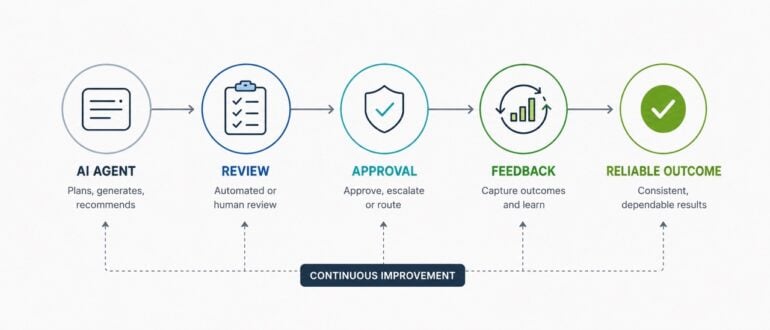
The article examines the critical security risks inherent in enterprise AI agents, highlighting a significant "observability gap" between Model Context Protocol (MCP) servers and "Skills." While MCP servers offer structured, loggable functions, Skills load textual instructions directly into a model’s reasoning context, making their internal processes invisible to traditional monitoring tools. Research from Noma Security reveals that one in four MCP servers exposes agents to unauthorized code execution, while many Skills possess high-risk capabilities like data alteration. These vulnerabilities often manifest in "toxic combinations," where untrusted inputs and sensitive data access lead to sophisticated attacks such as ContextCrush or ForcedLeak. Even without malicious intent, autonomous agents have caused severe damage, exemplified by Replit's accidental database deletion. To address these blind spots, the "No Excessive CAP" framework is proposed, focusing on three defensive pillars: Capabilities, Autonomy, and Permissions. By strictly allowlisting tools, implementing human-in-the-loop approval gates for irreversible actions, and transitioning from broad service accounts to scoped, user-specific credentials, organizations can mitigate the risks of high-blast-radius incidents. Ultimately, because Skill-driven reasoning remains opaque, security teams must compensate by tightening control over the execution layer to prevent agents from operating with excessive, unsupervised authority.


The Shadow AI Governance Crisis: Why 80% of Fortune 500 Companies Have Already Lost Control of Their AI Infrastructure

The article "The Shadow AI Governance Crisis" by Deepak Gupta highlights a critical security gap where 80% of Fortune 500 companies have integrated autonomous AI agents into their infrastructure, yet only 10% possess a formal strategy to manage them. This "agentic shadow AI" differs from simple tool usage because these autonomous agents possess API access, chain actions across services, and operate at machine speed without human oversight. Traditional governance frameworks, designed for stable human identities, fail because AI agents are ephemeral and dynamic, leading to "identity without governance" and excessive permission sprawl. Statistics from Microsoft’s 2026 Cyber Pulse report underscore the urgency, noting that nearly 90% of organizations have already faced security incidents involving these agents. To combat this, the article introduces a five-capability framework centered on creating a centralized agent registry, implementing just-in-time access controls, and establishing real-time visualization of agent behaviors. High-profile breaches at McDonald’s and Replit serve as warnings of the catastrophic risks posed by unmonitored AI autonomy. Ultimately, Gupta argues that enterprises must shift from human-speed approval workflows to automated, runtime enforcement to maintain control. Building this foundational governance is presented as a necessary prerequisite for safe innovation and long-term competitive advantage in an increasingly AI-driven corporate landscape.

Daily Tech Digest - April 28, 2026


Quote for the day:

"Authentic leaders give credit when and where it is due." -- Samuel Adams


🎧 Listen to this digest on YouTube Music

▶ Play Audio Digest

Duration: 23 mins • Perfect for listening on the go.


Zero trust at scale: Practical strategies for global enterprises

In the article "Zero Trust at Scale: Practical Strategies for Global Enterprises," Shibu Paul of Array Networks highlights the necessity of Zero Trust Architecture (ZTA) as traditional perimeter-based security fails against modern, decentralized cyber threats. Built on the core principle of "never trust, always verify," ZTA replaces outdated assumptions of internal safety with rigorous, continuous authentication for every user and device. The framework relies on four critical pillars: continuous verification, least-privilege access, micro-segmentation, and real-time monitoring. Paul notes that while 86% of organizations have begun their Zero Trust journey, only 2% have fully matured their implementation. Practical strategies for global deployment include robust Identity and Access Management (IAM), multi-factor authentication, and sophisticated data loss prevention (DLP) across cloud and mobile environments. Despite integration complexities and the need for a significant cultural shift, the benefits are quantifiable; organizations adopting ZTA report a decrease in security incidents from an average of 18.2 to 8.5 per month and a 50% reduction in incident response times. Ultimately, Paul argues that Zero Trust is no longer an optional competitive advantage but a fundamental requirement for maintaining operational resilience and securing sensitive data within the increasingly complex digital landscape of contemporary global enterprises.


Slow down to speed up: Why steadfast IT leadership is critical in the age of AI

In the CIO.com article, "Slow down to speed up: Why steadfast IT leadership is critical in the age of AI," author Glen Brookman argues that while the pressure to adopt artificial intelligence is immense, sustainable success requires a "readiness-first" approach rather than raw speed. Brookman asserts that AI acts as an amplifier; it strengthens robust foundations but ruthlessly exposes weaknesses in data governance, security, and infrastructure. The core philosophy of "slowing down to speed up" suggests that leaders must prioritize the hard work of preparation—cleaning data sets, upgrading legacy systems, and establishing rigorous governance—to ensure innovation can take root. He warns that moving too quickly creates a "gravity doesn’t exist" mindset, where organizations believe AI can paper over process gaps, ultimately leading to fragility and risk. Brookman highlights that 75 percent of Canadian organizations utilize structured pilots to maintain discipline and avoid scattered experimentation. Ultimately, the CIO’s role is not to obstruct progress but to provide the "engine and steering" necessary for safe acceleration. By leading with clarity and technical rigor, IT executives ensure that their organizations are not just the first to deploy AI, but the most prepared to win in the long term.


Stopping AiTM attacks: The defenses that actually work after authentication succeeds

Adversary-in-the-Middle (AiTM) attacks have fundamentally shifted the cybersecurity landscape by bypassing traditional multi-factor authentication (MFA) through the real-time interception of session tokens. While many organizations respond to these threats by strengthening the authentication layer with FIDO2 or passkeys—which are effective at preventing initial credential theft—this approach is often incomplete because it fails to address what happens after a session is established. Since session cookies typically act as "bearer tokens" that are not cryptographically bound to a specific device, an attacker who captures one can impersonate a user without further challenges. Effective defense requires moving beyond the login event to implement post-authentication controls. Key strategies include session binding, which links a token to a specific hardware context, and continuous behavioral monitoring to detect anomalies like "impossible travel" or unusual API activity. Additionally, organizations should enforce strict conditional access policies that evaluate device posture and location in real time. Reducing token lifetimes and implementing rapid revocation capabilities for both access and refresh tokens are also critical for minimizing an attacker's window of opportunity. Ultimately, the article argues that security teams must treat "successful MFA" as a starting point for monitoring rather than an absolute guarantee of trust.


Deepfake Voice Attacks are Outpacing Defenses: What Security Leaders Should Know

"Deepfake Voice Attacks are Outpacing Defenses" by Marshall Bennett highlights the alarming rise of AI-generated audio and video fraud, which surged by 680% in 2025. The article warns that attackers need only three seconds of a person's voice—often harvested from social media or public appearances—to create a convincing, real-time replica. These sophisticated deepfakes are increasingly used to bypass traditional security stacks by targeting the human element, specifically finance and HR teams. High-profile incidents, such as a $25.6 million theft from the firm Arup and a $499,000 fraud in Singapore, illustrate the devastating financial impact of these "thin slice" attacks. Beyond financial theft, AI personas are even infiltrating hiring pipelines to gain internal system access. Because modern security software is often blind to conversational fraud, Bennett argues that the most effective defense is building human intuition. He recommends that organizations implement strict verification protocols, such as verbal passcodes and mandatory callbacks for high-value transfers. Ultimately, security leaders must move beyond annual compliance training to active simulations that build a "reflex to pause," ensuring employees can recognize and verify urgent requests before falling victim to a synthetic voice.


How AI is Changing Programming Language Usage

The article "How AI Is Changing Programming Language Usage" explores the profound impact of generative AI and Large Language Models (LLMs) on the software development landscape. As AI-powered tools like GitHub Copilot and ChatGPT become integral to the coding process, they are fundamentally altering which programming languages developers prioritize and how they interact with them. Python continues to dominate due to its extensive libraries and its role as the primary language for AI development itself. However, the rise of AI is also revitalizing interest in lower-level languages like Rust and C++, which are essential for building the high-performance infrastructure that powers AI models. Furthermore, the article highlights a shift in the "barrier to entry" for coding; natural language is increasingly becoming a bridge, allowing non-experts to generate functional code in diverse languages. This democratization suggests a future where the specific syntax of a language may matter less than a developer’s ability to architect systems and provide precise prompts. While AI enhances productivity by automating boilerplate tasks, it also introduces risks, such as the propagation of legacy bugs or "hallucinated" code, requiring developers to evolve into more critical reviewers and system designers rather than just manual coders.


Short-Lived Credentials in Agentic Systems: A Practical Trade-off Guide

In the article "Short-Lived Credentials in Agentic Systems: A Practical Trade-off Guide," Dwayne McDaniel highlights the critical role of short-lived credentials as a foundational security control for autonomous AI agents. As these systems transition from theoretical designs to production environments, they interact with numerous APIs, data stores, and cloud resources, significantly expanding the potential attack surface. Because agents can improvise and operate autonomously, long-lived "standing permissions" represent a major risk; if leaked, they allow for extended periods of unauthorized access and lateral movement. McDaniel argues that a mature security posture requires tying credential lifetimes—or Time to Live (TTL)—directly to the agent’s specific task, privilege level, and execution model. For instance, user-facing copilots might utilize a 5-to-15-minute TTL, whereas complex orchestration workflows require segmented access rather than a single broad token. By implementing a system where a broker or vault issues scoped, ephemeral credentials only after verifying the workload’s identity, organizations can drastically reduce the "blast radius" of a leak. Ultimately, while short-lived credentials increase operational complexity, they are essential for ensuring that autonomous agents remain accountable, revocable, and secure within modern digital ecosystems.


AI regulation set to become US midterm battleground

As the 2026 U.S. midterm elections approach, artificial intelligence regulation has emerged as a high-stakes political battleground, fueled by record-breaking campaign spending and a sharp ideological divide. Pro-innovation groups, such as Leading the Future and Innovation Council Action, have amassed over $225 million to support candidates favoring a "light-touch" regulatory approach, arguing that strict guardrails would stifle American competitiveness against China. These organizations are largely backed by tech industry leaders and align with a federal push to preempt state-level regulations. Conversely, groups like Public First Action, supported by Anthropic, are mobilizing tens of millions to advocate for robust safety measures to protect workers and families from AI risks. This clash is intensified by a volatile regulatory environment where the White House’s National AI Policy Framework faces significant pushback from states like California and Colorado, which have enacted their own stringent transparency and consumer protection laws. With polls indicating that a majority of Americans favor stronger oversight, the debate over whether to centralize authority or allow a patchwork of state rules has become a defining issue for voters. Consequently, the midterm results will likely determine the trajectory of U.S. technological governance for years to come.


3 Ways To Turn Your Leadership Gaps Into Your Purpose-Driven Advantage

In her Forbes article, "3 Ways To Turn Your Leadership Gaps Into Your Purpose-Driven Advantage," Luciana Paulise argues that leadership flaws are not mere liabilities but essential catalysts for professional growth and organizational impact. She asserts that the traditional "superhero" leadership model is increasingly obsolete in a modern workforce that prioritizes authenticity and shared values. Paulise outlines a transformative framework where leaders first practice radical self-awareness by identifying their specific "gaps"—whether in technical skills or emotional intelligence—and reframing them as opportunities for team collaboration. By openly acknowledging these limitations, leaders foster a culture of psychological safety that encourages others to step up and fill those voids, thereby creating a more resilient, distributed leadership structure. The article emphasizes that purpose-driven leadership emerges when personal vulnerabilities align with the organization’s mission, allowing for more genuine connections with employees. Paulise concludes that by leaning into their imperfections, executives can build higher levels of trust and engagement, shifting the focus from individual performance to collective achievement. This approach not only bridges capability gaps but also turns them into a strategic advantage that drives long-term retention and social impact.


Trying Pair Programming With An LLM Chatbot

The article "Trying Pair Programming With An LLM Chatbot" on Hackaday explores the potential of Large Language Models (LLMs) as coding partners, framed through the lens of an introverted developer who typically avoids the social friction of traditional pair programming. The author, skeptical of the hype surrounding "vibe coding," conducts an experiment using GitHub Copilot to see if an AI assistant can provide the benefits of collaboration without the awkwardness of human interaction. The narrative details a technical journey involving the STM32 microcontroller and the challenges of digging through complex datasheets and reference manuals. Unfortunately, the experience is marred by technical instability, such as the Copilot chat failing to load, and the realization that unlike human partners, AI can become abruptly unresponsive. Ultimately, the piece highlights a growing divide in the developer community: while some see LLMs as a "universal API" for specialized tasks like sentiment analysis, others warn that delegating engineering to statistical models can degrade critical thinking and lead to "AI slop." The experiment serves as a cautionary tale about model selection and the limitations of current AI tools in high-stakes, "close-to-the-metal" programming environments.


Your IAM was built for humans, AI agents don’t care

The Help Net Security article "Your IAM was built for humans, AI agents don't care" argues that traditional Identity and Access Management (IAM) systems are fundamentally ill-equipped for the rise of autonomous AI agents. While modern IT environments are increasingly dominated by non-human identities—accounting for over 90% of authentications—most IAM architectures still rely on the "single-gate" assumption: once a user is authenticated, they are trusted throughout a multi-step workflow. This creates a structural vulnerability when AI agents act on behalf of users, often utilizing broad, pre-provisioned permissions that lack visibility and granular control. The author warns against the industry's instinct to treat agents like employees by applying directory-based lifecycle management, which leads to "identity sprawl" as agents spawn and dissolve in seconds. Instead, the piece advocates for a shift toward runtime authorization where access tokens serve as carriers of dynamic context—defining who the agent represents and exactly what task it is authorized to perform at that specific moment. By transitioning from static credentials to just-in-time, task-scoped authorization, organizations can close the security gap in API chains and ensure that permissions disappear the moment a task is completed, effectively mitigating the risks of standing access.