Showing posts with label Legal. Show all posts

Daily Tech Digest - April 30, 2026


Quote for the day:

"You've got to get up every morning with determination if you're going to go to bed with satisfaction." --George Lorimer

🎧 Listen to this digest on YouTube Music

▶ Play Audio Digest

Duration: 15 mins • Perfect for listening on the go.


The dreaded IT audit: How to get through it and what to avoid

The article "The dreaded IT audit: how to get through it and what to avoid" from IT Pro encourages organizations to reframe the auditing process as a strategic business asset rather than a burdensome cost center. Successfully navigating an audit requires maintaining a comprehensive, up-to-date inventory of all technology assets—including those used by remote workforces—to ensure security, safety, and insurance compliance. Even startups should establish structured auditing processes, as these evaluations proactively identify vulnerabilities and optimize operational efficiency. To streamline the experience, the article recommends prioritizing high-risk areas, such as software licensing, and utilizing customized spot checks instead of repetitive, standardized reviews that may fail to uncover meaningful insights. Crucially, leaders must adopt an open-minded approach to findings; the goal is to engage in transparent discussions about discovered issues rather than becoming defensive. Key pitfalls to avoid include treating the audit as a one-time administrative hurdle, relying on outdated manual tracking methods, and ignoring the gathered data. Instead, organizations should leverage audit results to inform staff training and drive practical improvements. By viewing the audit as a strategic opportunity for growth, companies can significantly strengthen their cybersecurity posture and ensure long-term sustainability in a digital economy.


Privacy in the AI era is possible, says Proton's CEO, but one thing keeps him up at night

In a wide-ranging interview at the Semafor World Economy Summit, Proton CEO Andy Yen addressed the critical tension between the rapid advancement of artificial intelligence and the fundamental right to digital privacy. Yen voiced significant concerns regarding the current AI trajectory, arguing that the industry's reliance on massive data harvesting inherently threatens individual security. He advocated for a paradigm shift toward "privacy-first AI," where processing occurs locally on user devices or through end-to-end encrypted frameworks to ensure that personal information remains inaccessible to service providers. Unlike the advertising-driven models of Silicon Valley giants, Yen highlighted Proton’s commitment to a subscription-based business model, which avoids the ethical pitfalls of monetizing user data. He also explored the "privacy paradox," observing that while users value their data, they often succumb to the convenience of free platforms. To counter this, Proton is expanding its ecosystem with tools like encrypted email and small language models designed specifically for security. Ultimately, Yen emphasized that the future of the digital economy hinges on stricter regulatory enforcement and the adoption of decentralized technologies that empower users with absolute control over their information, rather than treating them as products to be sold.


Outsourcing contracts weren't built for AI. CIOs are renegotiating now

The rapid advancement of generative artificial intelligence is necessitating a major overhaul of IT outsourcing agreements, as traditional contracts centered on headcount and billable hours prove incompatible with AI-driven efficiency. This InformationWeek article explains that while service providers promise productivity gains of up to 70%, legacy full-time equivalent (FTE) models fail to account for this increased output, leading CIOs to aggressively renegotiate for outcome-based pricing. This shift allows organizations to pay for specific results rather than human time, yet it introduces significant legal complexities. Key concerns include data sovereignty—where proprietary data might inadvertently train a provider's large language model—and intellectual property risks regarding the ownership of AI-generated code. Furthermore, the ability of AI to automate routine tasks is prompting some enterprises to bring previously outsourced functions back in-house, as smaller internal teams can now manage workloads that once required massive offshore cohorts. To navigate these challenges, technical leaders are implementing "gain-sharing" frameworks and rigorous governance standards to manage risks like AI hallucinations and liability. Ultimately, CIOs are assuming a more central role in procurement to ensure that vendor incentives align with genuine innovation and that the financial benefits of automation are captured by the enterprise.


Bad bots make up 40% of internet traffic

The "2026 Thales Bad Bot Report: Bad Bots in the Agentic Age" reveals a transformative shift in internet traffic, where automated activity now accounts for 53% of all web interactions, surpassing human traffic for the second consecutive year. Malicious "bad bots" alone comprise 40% of global traffic, highlighting a growing threat landscape. A critical finding is the 12.5x surge in AI-driven bot attacks, fueled by the rapid adoption of agentic AI which blurs the lines between legitimate and harmful automation. These advanced bots are increasingly targeting APIs, with 27% of attacks now bypassing traditional interfaces to exploit backend logic directly at machine speed. The financial services sector remains the most vulnerable, suffering 24% of all bot attacks and nearly half of all account takeover incidents. Thales experts, including Tim Chang, emphasize that the primary security challenge has evolved from simple bot identification to the complex analysis of behavioral intent. As AI agents emerge as a new traffic category, organizations must transition to proactive, intent-based defenses that can distinguish between helpful AI agents and malicious automation. This machine-driven era necessitates deeper visibility into API traffic and identity systems to maintain trust and security across modern digital infrastructures.


Incentive drift: Why transformation fails even when everything looks green

In the article "Incentive Drift: Why Transformation Fails Even When Everything Looks Green," Mehdi Kadaoui explores the paradoxical failure of IT transformations that appear successful on paper. The central challenge is "incentive drift"—the structural separation of authority from accountability that leads organizations to optimize for project delivery rather than business value. This drift manifests through several destructive patterns: the "ownership vacuum," where strategy and execution are disconnected; the "budgetary firewall," which isolates capital spending from operational costs; and "language capture," where success definitions are subtly redefined to ensure "green" status. Kadaoui argues that "collective amnesia" often follows, as organizations quietly lower their expectations to avoid acknowledging failure. To resolve this, he proposes making drift "structurally expensive" through three key mechanisms. First, a "value prenup" requires operational leaders to explicitly own and sign off on intended outcomes before development begins. Second, a "cost mirror" forces transparency across budget ledgers. Finally, a "semantic anchor" ensures original goals are read aloud in every governance meeting to prevent meaning erosion. By grounding digital transformation in rigid accountability and linguistic clarity, leadership can ensure that technological outputs translate into genuine, durable enterprise value.


How to Be a Great Data Steward: 6 Core Skills to Build

The article "Core Data Stewardship Skills to Build" emphasizes that effective data stewardship requires a unique blend of technical proficiency, business acumen, and interpersonal skills. High-performing stewards act as "purple people," bridging the gap between IT and business by translating complex technical standards into actionable business practices. Key operational activities include identifying and documenting Critical Data Elements (CDEs), aligning them with precise business terms, and performing data profiling to identify quality issues. Beyond basic documentation, stewards must master data classification to ensure regulatory compliance with frameworks like GDPR or HIPAA. Analytical thinking is essential for interpreting patterns and uncovering root causes of data inconsistencies, while strong communication skills enable stewards to foster a collaborative, data-driven culture. Furthermore, literacy in adjacent domains such as metadata management, master data management (MDM), and the use of modern data catalogs is vital. Ultimately, the role is outcome-driven; stewards do not just manage data for its own sake but focus on ensuring data health to drive measurable organizational value. By combining attention to detail with strategic consistency, data stewards serve as the essential operational guardians who transform raw data into a reliable, high-quality strategic asset for their organizations.


Researchers unearth industrial sabotage malware that predated Stuxnet by 5 years

Researchers from SentinelOne recently uncovered a sophisticated malware framework, dubbed "Fast16," that predates the infamous Stuxnet worm by five years. Active as early as 2005, this discovery shifts the timeline of state-sponsored industrial sabotage, proving that nation-states were deploying cyberweapons against physical infrastructure much earlier than previously understood. Unlike typical espionage tools designed for data theft, Fast16 was engineered for strategic sabotage by targeting high-precision floating-point arithmetic operations within engineering modeling software. By corrupting the logic of the Floating Point Unit (FPU), the malware produced subtly altered outputs in complex simulations, potentially leading to catastrophic real-world failures. The researchers identified three specific targeted engineering programs, including one previously associated with Iran’s AMAD nuclear program and another widely used in Chinese structural design. The modular nature of Fast16, which utilizes encrypted Lua bytecode, underscores its advanced design and national importance. This finding highlights a historical precedent for cyberattacks on critical workloads in fields such as advanced physics and nuclear research. Ultimately, Fast16 serves as a significant harbinger for modern industrial sabotage, demonstrating that the transition from strategic espionage to physical disruption in cyberspace was already in full swing two decades ago, long before Stuxnet gained global notoriety.


How AI Is Transforming Business Continuity and Crisis Response

Charlie Burgess’s article, "How AI Is Transforming Business Continuity and Crisis Response," explores the pivotal role of artificial intelligence in navigating the complexities of modern digital and physical risks. As businesses face increasingly non-linear threats, from supply chain disruptions to cyber incidents, the abundance of generated data often leads to information overload. AI addresses this by acting as a sophisticated data analysis tool that parses vast information streams to identify hidden patterns and suppress low-priority noise. This allows crisis teams to focus on critical alerts and early warning signs. Furthermore, AI enhances situational awareness and coordination by correlating disparate system inputs and surfacing standardized playbook responses. During active incidents, technologies like AI-powered cameras provide real-time visibility, aiding in personnel safety and evacuation efforts. Beyond immediate response, AI suggests optimized recovery paths and strategic resource allocation, fostering long-term operational resilience. Ultimately, the integration of AI is not intended to replace human judgment but to empower decision-makers with actionable insights and agility. By bridging the gap between data collection and decisive action, AI transforms business continuity from a reactive necessity into a proactive, evidence-based strategic asset that safeguards both personnel and organizational stability in an unpredictable global landscape.


Europe Gliding Toward Mandatory Online Age Verification

The European Commission is accelerating its push toward mandatory online age verification, driven by the Digital Services Act's requirements to protect minors from harmful content. Central to this initiative is a new age assurance framework and a "technically ready" open-source mobile app designed to allow users to prove they are over a certain age using national identity documents without disclosing their full identity. However, this transition faces intense scrutiny. Security researchers recently identified significant vulnerabilities in the commission's prototype app, labeling it "easily hackable." Furthermore, privacy advocates, such as representatives from Tuta, warn that centralized age verification creates a lucrative "gold mine" for hackers, potentially exacerbating risks like phishing and identity theft. Despite these concerns, European officials like Henna Virkkunen emphasize that the DSA demands concrete action over mere terms of service, particularly following allegations that platforms like Meta have failed to adequately exclude children under thirteen. As several European nations consider raising minimum age requirements for social media, the commission continues to advocate for "robust and non-discriminatory" verification tools that can be integrated into national digital wallets, insisting that ongoing security testing will eventually yield a reliable solution for safeguarding the digital environment for children.


CodeGuardian: A Model Context Protocol Server for AI-Assisted Code Quality Analysis and Security Scanning

"CodeGuardian: A Model Context Protocol Server for AI-Assisted Code Quality Analysis and Security Scanning" introduces a breakthrough tool designed to integrate enterprise-grade security and quality checks directly into AI-powered development environments. Authored by Madhvesh Kumar and Deepika Singh, the article details how CodeGuardian leverages the Model Context Protocol (MCP) to extend coding assistants with eleven specialized analysis tools. This integration eliminates the friction of context-switching by allowing developers to execute security scans, identify hardcoded secrets across multiple layers, and generate compliant Software Bill of Materials (SBOM) using simple natural language prompts. Unlike traditional static analysis tools that merely flag issues, CodeGuardian provides context-aware, "drop-in" code remediations tailored to a project's specific framework and style. A core feature is its cross-layer security reporting, which aggregates findings into a single risk score, exposing systemic vulnerabilities that isolated scanners often miss. By shifting security "left" into the immediate coding workflow, the tool empowers developers to build more resilient software while maintaining high delivery velocity. Ultimately, CodeGuardian represents a pivot toward "agentic" security, where AI assistants act as proactive guardians of code integrity throughout the development lifecycle, effectively bridging the gap between rapid feature delivery and robust organizational compliance.

Daily Tech Digest - April 18, 2026


Quote for the day:

"Vision isn’t a starting point. It’s what you create every day through your actions." -- Gordon Tregold


🎧 Listen to this digest on YouTube Music

▶ Play Audio Digest

Duration: 21 mins • Perfect for listening on the go.


The 10 skills every modern integration architect must master

The article "The 10 skills every modern integration architect must master" highlights the fundamental shift of enterprise integration from a back-end technical role to a vital strategic capability. Author Sadia Tahseen argues that modern integration architects must transition from traditional middleware specialists into multifaceted leaders who act as the "digital nervous system" of the enterprise. The ten essential competencies include adopting a long-term platform mindset over isolated project thinking and mastering iPaaS alongside cloud-native capabilities. Architects must prioritize API-led and event-driven designs to decouple systems effectively, while utilizing canonical data modeling and robust governance to ensure scalability. Security-by-design, business-centric observability, and planning for continuous change are also crucial for maintaining resilience in volatile SaaS environments. Furthermore, integrating DevOps automation, gaining deep business domain expertise, and exerting enterprise-wide leadership allow architects to bridge the gap between technical execution and business priorities. Ultimately, those who master these diverse skills—ranging from coding to strategic influence—enable their organizations to adapt quickly and harness the full power of modern technology investments. By moving beyond simple app connectivity to complex workflow design, these professionals ensure that integration platforms remain scalable, secure, and ready for the emerging era of AI-driven transformation.


Nobody told legal about your RAG pipeline -- why that's a problem

The widespread adoption of Retrieval-Augmented Generation (RAG) as the standard architecture for enterprise AI has created a significant governance gap, as engineering teams prioritize performance while legal and compliance departments remain largely disconnected from the process. Although legal teams may approve AI vendors, they often lack oversight of the actual data pipelines and vector databases, leading to a state where RAG systems are "unowned" and unaudited. This structural misalignment is problematic because regulators like the SEC and FTC increasingly demand granular traceability, requiring organizations to prove the origin and handling of underlying content. Traditional legal concepts, such as document custodians and chain of custody, do not easily translate to the world of embeddings and vector retrieval, making e-discovery and compliance audits exceptionally difficult. Furthermore, specific technical processes like fine-tuning pose severe risks; when data is embedded into model weights, it cannot be selectively deleted, potentially violating "right to be forgotten" mandates under regulations like GDPR. To mitigate these risks, companies must move beyond simple accuracy and establish a comprehensive "retrieval trail" that includes source versions, model prompts, and human review steps. Without this integrated approach to AI governance, the "ragged edges" of these pipelines could lead to significant legal and regulatory surprises.


Lakehouse Tower of Babel: Handling Identifier Resolution Rules Across Database Engines

The article "Lakehouse Tower of Babel" explores a critical interoperability gap in modern lakehouse architectures, where diverse compute engines like Spark, Snowflake, and Trino interact with shared data formats such as Apache Iceberg. Although open table formats successfully standardize data and metadata, they fail to align the fundamental SQL identifier resolution and catalog naming rules across different database platforms. This "Tower of Babel" effect arises because engines vary significantly in their handling of casing; for instance, Spark is case-preserving, while Trino normalizes identifiers to lowercase, and Flink enforces strict case-sensitivity. Such inconsistencies often lead to situations where tables or columns become invisible or unqueryable when accessed by a different tool, resulting in significant pipeline reliability challenges. To mitigate these interoperability failures, the author recommends that organizations enforce a strict, uniform naming convention—specifically using lowercase characters with underscores—and treat identifier normalization as a formal part of their data contracts. Additionally, architects should proactively adjust engine-specific configuration settings and implement cross-stack validation via automated CI jobs to guarantee end-to-end portability. Ultimately, a seamless lakehouse experience requires more than just unified storage; it demands a reconciliation of the underlying philosophical divides in how various engines resolve and interpret SQL identifiers within shared catalogs.


Google’s Merkle Certificate Push Signals a Rethink of Digital Trust

Google’s initiative to advance Merkle Tree Certificates (MTCs) through the IETF’s PLANTS working group represents a foundational shift in digital trust architectures, moving away from traditional X.509 certificate chains toward an inclusion-based validation model. As the tech industry prepares for the post-quantum cryptography (PQC) era, existing Public Key Infrastructure (PKI) faces significant scaling challenges because quantum-resistant algorithms produce much larger signatures. These larger certificates increase TLS handshake overhead, heighten bandwidth demands, and cause noticeable latency across content delivery networks and mobile clients. MTCs address these issues by replacing linear chains with compact Merkle proofs anchored in signed trees, significantly reducing transmission overhead while maintaining high security. This evolution aligns with modern Certificate Transparency ecosystems and necessitates a broader "crypto-agility" within organizations, as the transition is an architectural migration rather than a simple algorithm swap. By shifting to this high-velocity, inclusion-based model, Google and its partners aim to ensure that security and system performance remain aligned in a world of shrinking certificate lifetimes and tightening revocation timelines. Ultimately, this rethink of digital trust ensures that distributed systems can scale efficiently while remaining resilient against future quantum threats, provided enterprises move beyond simple inventories to understand their deeper cryptographic dependencies.


DevOps Playbook for the Agentic Era

Agentic DevOps represents a transformative shift from traditional automation to autonomous software engineering, where AI agents act as intelligent collaborators rather than mere scripted tools. This Microsoft DevBlog article outlines the core principles and strategic evolution required to integrate these agents into the modern DevOps lifecycle. It emphasizes that robust DevOps foundations—including automated testing and infrastructure as code—are essential prerequisites, as agents amplify both healthy and broken practices. The strategic direction focuses on evolving the engineer's role from a code producer to a system designer and quality steward who orchestrates autonomous teams. Key practices include adopting specification-driven development, where structured requirements replace ad hoc prompts, and treating repositories as machine-readable interfaces with explicit skill profiles. Furthermore, the article highlights the necessity of active verifier pipelines that validate agent output against architectural standards and security constraints to mitigate risks like hallucinations and prompt injection. By progressing through a four-level maturity model, organizations can transition from reactive AI assistance to optimized, agent-native operations. Ultimately, Agentic DevOps seeks to redefine productivity by offloading cognitive overhead to specialized agents, allowing human teams to focus on high-value innovation while maintaining rigorous governance and system reliability in cloud-native environments.


Digital infrastructure shifts from spend to measurable value

In 2026, digital infrastructure strategy has pivoted from broad, ambitious spending to a disciplined focus on measurable business value and operational efficiency. As budgets tighten, organizations are moving away from parallel, uncoordinated modernization initiatives toward a maturing mindset that treats technology as a rigorous economic system. CIOs are now prioritizing "execution discipline" by consolidating platforms to eliminate tool sprawl, automating manual workflows, and implementing robust financial governance like FinOps to curb cloud cost leakage. This lean approach emphasizes extracting maximum value from existing assets and funding only those projects that demonstrate clear returns within six to twelve months. Critical foundations such as security, resilience, and data quality remain non-negotiable, but they are increasingly justified through risk mitigation and AI-readiness rather than sheer capacity expansion. The shift reflects a transition from digital ambition to digital justification, where success is defined by how intelligently infrastructure supports resilience and outcome-led growth. Ultimately, the winners in this era are not the companies launching the most projects, but those building governable, observable, and high-performing systems that minimize complexity while maximizing impact. Precision in decision-making and the ability to prove near-term ROI have become the primary benchmarks for modern enterprise leadership in a constrained environment.


The autonomous SOC: A dangerous illusion as firms shift to human-led AI security

In the article "The autonomous SOC: A dangerous illusion as firms shift to human-led AI security," author Moe Ibrahim argues that while a fully automated Security Operations Center is a tempting solution for talent shortages, it remains a fundamentally flawed concept. The core issue is that cybersecurity is not merely an execution problem but a complex decision-making challenge that demands nuanced organizational context. Ibrahim highlights that total autonomy risks significant business disruption, as algorithms lack the situational awareness to distinguish between a malicious threat and a critical business process. Consequently, the industry is pivoting toward a "human-on-the-loop" model, where human experts act as orchestrators who define policies and maintain oversight while AI manages scale and speed. This collaborative approach prioritizes transparency through three essential pillars: explainability, reversibility, and traceability. As organizations transition into "agentic enterprises" with AI agents across various departments, the need for human governance becomes even more critical to manage cross-functional risks. Ultimately, the future of security lies in empowering human analysts with machine intelligence rather than replacing them, ensuring that responses are not only fast but also accurate and accountable. This disciplined integration of capabilities avoids the dangerous pitfalls of unchecked automation and ensures long-term operational resilience.


The Golden Rule of Big Memory: Persistence Is Not Harmful

In the Communications of the ACM article "The Golden Rule of Big Memory: Persistence is Not Harmful," authors Yu Hua, Xue Liu, and Ion Stoica argue for a fundamental paradigm shift in how modern computer systems manage data. The authors propose that persistence should be embraced as the "Golden Rule"—a first-class design principle—rather than an auxiliary feature relegated to slower storage layers. Historically, system architects have viewed persistence as a "harmful" overhead that introduces significant latency and complicates memory management. However, the piece contends that this perspective is outdated in the era of byte-addressable non-volatile memory (NVM) and memory disaggregation. By integrating persistence directly into the memory hierarchy through innovative techniques like speculative and deterministic persistence, the authors demonstrate that systems can achieve DRAM-like performance without sacrificing durability. This holistic approach effectively flattens the traditional memory-storage wall, creating a unified pool that eliminates the bottlenecks of data movement and serialization. Ultimately, the authors conclude that making persistence a primary architectural goal is not only harmless but essential for the future of data-intensive applications. This shift simplifies full-stack software development and provides a robust, high-performance foundation for next-generation AI services, cloud-native databases, and large-scale distributed systems.


When Geopolitics Writes Your Compliance Roadmap

In the article "When Geopolitics Writes Your Compliance Roadmap," Jack Poller examines how shifting global power dynamics are fundamentally altering the cybersecurity regulatory landscape. Drawing from the NCC Group’s Global Cyber Policy Radar, the author argues that the era of reactive regulation is ending as three primary forces reshape compliance strategies: digital sovereignty, integrated AI governance, and increased board-level legal accountability. Digital sovereignty is leading to a fragmented technology stack characterized by data localization mandates and strict supply chain controls. Meanwhile, AI security is increasingly embedded within existing frameworks rather than through standalone legislation, requiring organizations to apply rigorous security standards to AI systems as part of their broader resilience efforts. Crucially, regulations like DORA and NIS2 are transforming board responsibility from a vague goal into a strict legal obligation, often carrying personal liability for executives. Additionally, the normalization of state-sponsored offensive cyber operations adds a new layer of complexity to corporate defense strategies. To survive this volatile environment, organizations must move beyond traditional checklists and adopt evidence-led resilience programs that align cyber risk with geopolitical realities. Those failing to integrate these external pressures into their compliance roadmaps risk being left behind in an increasingly fractured and litigious digital world.


Microservices Without Tears: A Practical DevOps Playbook

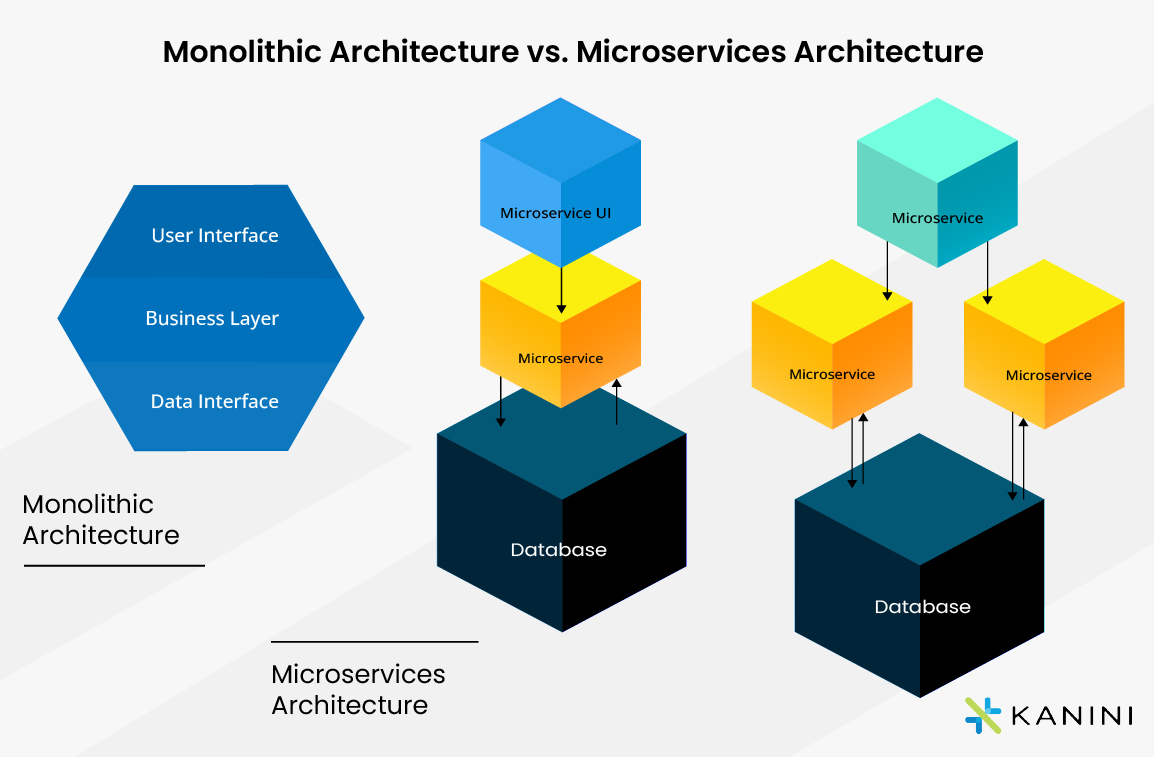
"Microservices Without Tears: A Practical DevOps Playbook" serves as a strategic manual for organizations transitioning from monolithic systems to distributed architectures. The article posits that while microservices offer significant benefits like team autonomy and independent deployment cycles, they also act as an amplifier for both good and bad engineering habits. To avoid the operational "tears" associated with increased complexity, the author advocates for a foundation built on robust automation and clear organizational ownership. Central to this playbook is the emphasis on "right-sizing" service boundaries through domain-driven design, ensuring that teams are accountable for a service's entire lifecycle—from development to on-call support. Technically, the guide champions "boring" but reliable CI/CD pipelines and minimal Kubernetes manifests that prioritize essential health checks and resource limits. Furthermore, it highlights the necessity of observability, recommending the use of correlation IDs and "golden signals" to maintain system visibility. By standardizing communication through versioned APIs and adopting a "you build it, you run it" philosophy, teams can successfully manage the overhead of distributed systems. Ultimately, the post argues that architectural flexibility must be balanced with disciplined operational standards to ensure long-term resilience and speed without sacrificing system stability.

Daily Tech Digest - December 22, 2025


Quote for the day:

"Life isn’t about getting and having, it’s about giving and being." -- Kevin Kruse


Browser agents don’t always respect your privacy choices

A key issue is the location of the language model. Seven out of eight agents use off device models. This means detailed information about the user’s browser state and each visited webpage is sent to servers controlled by the service provider. When the model runs on remote servers, users lose control over how search queries and sensitive webpage content are processed and stored. While some providers describe limits on data use, users must rely on service provider policies. Browser version age is another factor. Browsers release frequent updates to patch security flaws. One agent was found running a browser that was 16 major versions out of date at the time of testing. ... Agents also showed weaknesses in TLS certificate handling. Two agents did not show warnings for revoked certificates. One agent also failed to warn users about expired and self signed certificates. Trusting connections with invalid certificates leaves agents open to machine-in-the-middle attacks that allow attackers to read or alter submitted information. ... Agent decision logic sometimes favored task completion over protecting user information, leading to personal data disclosure. This resulted in six vulnerabilities. Researchers supplied agents with a fictitious identity and observed whether that information was shared with websites under different conditions. Three agents disclosed personal information during passive tests, where the requested data was not required to complete the task. 


What CISOs should know about the SolarWinds lawsuit dismissal

For many CISOs, the dismissal landed not as an abstract legal development, but as something deeply personal. ... Even though the SolarWinds case sparked a deeper recognition that cybersecurity responsibility should be a shared responsibility across enterprises, shifting policy priorities and future administrations could once again put CISOs in the SEC’s crosshairs, they warn. ... The judge’s reasoning reassured many security leaders, but it also exposed a more profound discomfort about how accountability is assigned inside modern organizations. “The area that a lot of us were really uncomfortable about was the idea that an operational head of security could be personally responsible for what the company says about its cybersecurity investments,” Sullivan says. He adds, “Tim didn’t have the CISO title before the incident. And so there was just a lot there that made security people very concerned. Why is this operational person on the hook for representations?” But even if he had had the CISO role before the incident, the argument still holds, according to Sullivan. “Historically, the person who had that title wasn’t a quote-unquote ‘chief’ in the sense that they’re not in the little room of people who run the company,” Sullivan says. ... If the SolarWinds case clarified anything, it’s that relief is temporary and preparation is essential. CISOs have a window of opportunity to shore up their organizational and personal defenses in the event the political pendulum swings and makes CISOs litigation targets again.


Global uncertainty is reshaping cloud strategies in Europe

Europe has been debating digital sovereignty for years, but the issue has gained new urgency amid rising geopolitical tensions. “The political environment is changing very fast,” said Ollrom. A combination of trade disputes, sanctions that affect access to technology, and the possibility of tariffs on digital services has prompted many European organizations to reconsider their reliance on US hyperscaler clouds. ... What was once largely a public-sector concern now attracts growing interest across a wide range of private organizations as well. Accenture is currently working with around 50 large European organizations on digital-sovereignty-related projects, said Capo. This includes banks, telcos, and logistics companies alongside clients in government and defense. ... Another worry is the possibility that cloud services will be swept up in future trade disputes. If the EU imposes retaliatory tariffs on digital services, the cost of using hyperscaler cloud platforms could hike overnight, and organizations heavily dependent on them may find it hard to switch to a cheaper option. There’s also the prospect that organizations could lose access to cloud services if sanctions or export restrictions are imposed, leaving them temporarily or permanently locked out of systems they rely on. It’s a remote risk, said Dario Maisto, a senior analyst at Forrester, but a material one. “We are talking of a worst-case scenario where IT gets leveraged as a weapon,” he said.


What the AWS outage taught CIOs about preparedness

For many organizations, the event felt like a cyber incident even though it wasn’t, but it raised a difficult question for CIOs about how to prepare for a disruption that lives outside your infrastructure, yet carries the same operational and reputational consequences as a security breach. ... Beyond strong cloud architecture, “Preparedness is the real differentiator,” he says. “Even the best technology teams can’t compensate for gaps in scenario planning, coordination, and governance.” ... Within Deluxe, disaster recovery tests historically focused on applications the company controlled, while cyber tabletops focused on simulated intrusions. The AWS outage exposed the gap between those exercises and real-world conditions. Shifting its applications from AWS East to AWS West was swift, and the technology team considered the recovery a success. Yet it was far from business as usual, as developers still couldn’t access critical tools like GitHub or Jira. “We thought we’d recovered, but the day-to-day work couldn’t continue because the tools we depend on were down,” he says. ... In a well-architected hybrid cloud setup, he says resilience is more often a coordination problem than a spending problem, and distributing workloads across two cloud providers doesn’t guarantee better outcomes if the clouds rely on the same power grid, or experience the same regional failure event. ... Jayaprakasam is candid about the cultural challenge that comes with resilience work. 


Winning the density war: The shift from RPPs to scalable busway infrastructure in next-gen facilities

“Four or five years ago, we were seeing sub-ten-kilowatt racks, and today we're being asked for between 100 and 150 kilowatts, which makes a whole magnitude of difference,” says Osian. “And this trend is going to continue to rise, meaning we have to mobilize for tomorrow’s power challenges, today.” Rising power demands also require higher available fault currents to safely handle larger, more dynamic surges in the circuit. Supporting equipment must be more resilient and reliable to maintain safe and efficient distribution. With change happening so quickly, adopting a long-term strategy is essential. This requires building critical infrastructure with adaptability and flexibility at its core. ... A modular approach offers another tactical advantage: speed. With a traditional RPP setup, getting power physically hooked up from A to B on a per-rack basis is time and resource-consuming, especially at first installation. By reducing complexity with a plug-and-play modular design slotted in directly over the racks, the busway delivers the swift reinforcements modern facilities need to stay ahead. ... “One of the advancements we've made in the last year is creating a way for users to add a circuit from outside the arc flash boundary. While the Starline busway is already rated for live insertion – meaning it’s safe out of the box – we’ve taken safety to the next level with a device called the Remote Plugin Actuator. It allows a user to add a circuit to the busway without engaging any of the electrical contacts directly.”


Building a data-driven, secure and future-ready manufacturing enterprise: Technology as a strategic backbone

A central pillar of Prince Pipes and Fittings’ digital strategy is data democratisation. The organisation has moved decisively away from static reports towards dynamic, self-service analytics. A centralised data platform for sales and supply chain allows business users to create their own dashboards without dependence on IT teams. Desai further states, “Sales teams, for instance, can access granular data on their smartphones while interacting with customers, instantly showcasing performance metrics and trends. This empowerment has not only improved responsiveness but has also enhanced user confidence and satisfaction. Across functions, data is now guiding actions rather than merely describing outcomes.” ... Technology transformation at Prince Pipes and Fittings has been accompanied by a conscious effort to drive cultural change. Leadership recognised early that democratising data would require a mindset shift across the organisation. Initial resistance was addressed through structured training programs conducted zone-wise and state-wise, helping users build familiarity and confidence with new platforms. ... Cyber security is treated as a business-critical priority at Prince Pipes and Fittings. The organisation has implemented a phase-wise, multi-layered cyber security framework spanning both IT and OT environments. A simple yet effective risk-classification approach i.e. green, yellow, and red, was used to identify gaps and prioritise actions. ... Equally important has been the focus on human awareness. 


The Next Fraud Problem Isn’t in Finance. It’s in Hiring: The New Attack Surface

The uncomfortable truth is that the interview has become a transaction. And the “asset” being transferred is not a paycheck. It’s access: to systems, data, colleagues, customers, and internal credibility. ... Payment fraud works because the system is trying to be fast. The same is true in hiring. Speed is rewarded. Friction is avoided. And that creates a predictable failure mode: an attacker’s job is to make the process feel normal long enough to get to “approved.” In payments, fraudsters use stolen cards and compromised accounts. In hiring, they can use stolen faces, voices, credentials, and employment histories. The mechanics differ, but the objective is identical: get the system to say yes. That’s why the right question for leaders is not, “Can we spot a deepfake?” It’s, “What controls do we have before we grant access?” ... Many companies verify identity late, during onboarding, after decisions are emotionally and operationally “locked.” That’s the equivalent of shipping a product and hoping the card wasn’t stolen. Instead, introduce light identity proofing before final rounds or before any access-related steps. ... In payments, the critical moment is authorization. In hiring, it’s when you provision accounts, ship hardware, grant repository permissions, or provide access to customer or financial systems. That moment deserves a deliberate gate: confirm identity through a known-good channel, verify references without relying on contact info provided by the candidate, and run a final live verification step before credentials are issued. 


Agent autonomy without guardrails is an SRE nightmare

Four-in-10 tech leaders regret not establishing a stronger governance foundation from the start, which suggests they adopted AI rapidly, but with margin to improve on policies, rules and best practices designed to ensure the responsible, ethical and legal development and use of AI. ... When considering tasks for AI agents, organizations should understand that, while traditional automation is good at handling repetitive, rule-based processes with structured data inputs, AI agents can handle much more complex tasks and adapt to new information in a more autonomous way. This makes them an appealing solution for all sorts of tasks. But as AI agents are deployed, organizations should control what actions the agents can take, particularly in the early stages of a project. Thus, teams working with AI agents should have approval paths in place for high-impact actions to ensure agent scope does not extend beyond expected use cases, minimizing risk to the wider system. ... Further, AI agents should not be allowed free rein across an organization’s systems. At a minimum, the permissions and security scope of an AI agent must be aligned with the scope of the owner, and any tools added to the agent should not allow for extended permissions. Limiting AI agent access to a system based on their role will also ensure deployment runs smoothly. Keeping complete logs of every action taken by an AI agent can also help engineers understand what happened in the event of an incident and trace back the problem. 


Where Architects Sit in the Era of AI

In the emerging AI-augmented ecosystem, we can think of three modes of architect involvement: Architect in the loop, Architect on the loop, and Architect out of the loop. Each reflects a different level of engagement, oversight, and trust between an Architect and intelligent systems. ... What does it mean to be in the loop? In the Architect in the Loop (AITL) model, the architect and the AI system work side by side. AI provides options, generates designs, or analyzes trade-offs, but humans remain the decision-makers. Every output is reviewed, contextualized, and approved by an architect who understands both the technical and organizational context. This is where the Architect is sat in the middle of AI interactions ... What does it mean to be on the loop? As AI matures, parts of architectural decision-making can be safely delegated. In the Architect on the Loop (AOTL) model, the AI operates autonomously within predefined boundaries, while the architect supervises, reviews, and intervenes when necessary. This is where the architect is firmly embedded into the development workflow using AI to augment and enhance their own natural abilities. ... What does it mean to be out of the loop? In the AOOTL model, we see a world where the architect is no longer required in the traditional fashion. The architectural work of domain understanding, context providing, and design thinking is simply all done by AI, with the outputs of AI being used by managers, developers, and others to build the right systems at the right time.


Cloud Migration of Microservices: Strategy, Risks, and Best Practices

The migration of microservices to the cloud is a crucial step in the digital transformation process, requiring a strategic approach to ensure success. The success of the migration depends on carefully selecting the appropriate strategy based on the current architecture's maturity, technical debt, business objectives, and cloud infrastructure capabilities. ... The simplest strategy for migrating to the cloud is Rehost. This involves moving applications as is to virtual machines in the cloud. According to research, around 40% of organizations begin their migration with Rehost, as it allows for a quick transition to the cloud with minimal costs. However, this approach often does not provide significant performance or cost benefits, as it does not fully utilize cloud capabilities. Replatform is the next level of complexity, where applications are partially adapted. For example, databases may be migrated to cloud services like Amazon RDS or Azure SQL, file storage may be replaced, and containerization may be introduced. Replatform is used in around 22% of cases where there is a need to strike a balance between speed and the depth of changes. A more time-consuming but strategically beneficial approach is Refactoring (or Rearchitecting), in which the application undergoes a significant redesign: microservices are introduced, Kubernetes, Kafka, and cloud functions (such as Lambda and Azure Functions) are utilized, as well as a service bus.

Daily Tech Digest - December 19, 2025


Quote for the day:

"A leader's dynamic does not come from special powers. It comes from a strong belief in a purpose and a willingness to express that conviction." -- Kouzes & Posner


AI tops CEO earnings calls as bubble fears intensify

Research by Hamburg-based IoT Analytics examined around 10,000 earnings calls from about 5,000 global companies listed in the US. The firm's latest quarterly study found that AI rose to the top of CEO agendas for the first time in the period, while concerns about a possible AI-related asset bubble also increased sharply. Mentions of an "AI bubble" climbed 64% compared with the previous quarter. IoT Analytics said executives often paired announcements of new AI investments with comments that questioned the sustainability of current market valuations and the pace of capital inflows into the sector. ... While the number of AI-related references reached a new high, comments that explicitly mentioned a "bubble" in connection with technology or financial markets grew even faster in percentage terms. The study recorded the strongest quarter-on-quarter jump in bubble-related language since it began tracking the metric. Executives used the term "bubble" in several contexts. Some discussed venture funding and valuations for private AI companies. Others raised questions about the level of spending on compute infrastructure and the potential for overcapacity. A smaller group linked bubble concerns to individual asset classes such as AI-related equities. The increase in bubble-related discussion came alongside continued announcements of long-term AI spending plans. 


AI governance becomes a board mandate as operational reality lags

Executives have clearly moved fast to formalize oversight. But the foundations needed to operationalize those frameworks—processes, controls, tooling, and skills embedded in day-to-day work—have not kept pace, according to the report. ... Many organizations still lack a comprehensive view of where AI is being used across their business, Singh explained. Shadow AI and unsanctioned tools proliferate, while sanctioned projects are not always cataloged in a central inventory. Without this map of AI systems and use cases, governance bodies are effectively trying to manage risk they cannot fully see. The second gap is conceptual. “There’s a myth that governance is the same as regulation,” Singh said. “Unfortunately, it’s not.” Governance, she argued, is much broader: It includes understanding and mitigating risk, but also proving out product quality, reliability, and alignment with organizational values. Treating governance as a compliance checkbox leaves major gaps in how AI actually behaves in production. The final one is AI literacy. “You can’t govern something you don’t use or understand,” Singh said. If only a small AI team truly grasps the technology while the rest of the organization is buying or deploying AI-enabled tools, governance frameworks will not translate into responsible decisions on the ground. ... What good governance looks like, Singh argued, is highly contextual. Organizations need to anchor governance in what they care about most. 


Legal Issues for Data Professionals: Data Centers in Space

If data is processed, copied, or stored on satellites, courts may be forced to decide whether space-based computing falls outside the scope of a “worldwide” license. A licensor could argue that the licensee exceeded the grant by moving data “off-planet,” creating an unintended new use. Moreover, even defining the equivalent of “territory” as “throughout the universe” raises questions as well as addressing them. The legal issues and regulatory rules involving data governance and legal rights in data centers in orbit have antecedents. ... Satellite-based data centers raise new questions: Where is an unauthorized copy of copyrighted material made for legal purposes, and which jurisdiction’s laws apply? A location in space complicates these legal issues and has implications for data governance. ... On Earth, IP enforcement against infringement relies on tools like forensic imaging, seizure of hard drives, discovery of server logs, and on-site inspections. Space breaks these tools. A court cannot easily order the seizure of a satellite. Inspecting hardware in orbit is not possible without specialized spacecraft. From a user’s perspective, retrieving logs may depend entirely on a vendor’s operation. ... Most cloud contracts and cyber insurance policies assume all processing happens on Earth. They do not address such things as satellite collisions, radiation damage, solar storms, loss of access due to orbital debris, or the failure of a satellite-to-Earth data link.


DNS as a Threat Vector: Detection and Mitigation Strategies

DNS is a critical control plane for modern digital infrastructure — resolving billions of queries per second, enabling content delivery, SaaS access, and virtually every online transaction. Its ubiquity and trust assumptions make it a high‑value target for attackers and a frequent root cause of outages. Unfortunately, this essential service can be exploited as a DoS vector. Attackers can harness misconfigured authoritative DNS servers, open DNS resolvers, or the networks that support such activities to initiate a flood of traffic to a target, impacting the service availability and causing disruptions in a large scale. This misuse of DNS capabilities makes it a potent tool in the hands of cybercriminals. ... DNS detection strategies focus on analyzing traffic patterns and query content for anomalies (like long/random subdomains, high volume, rare record types) to spot threats like tunneling, Domain Generation Algorithms, or malware, using AI/ML, threat intel, and SIEMs for real-time monitoring, payload analysis, and traffic analysis, complemented by DNSSEC and rate limiting for prevention. Legacy security tools often miss DNS threats. ... DNS mitigation strategies involve securing servers, controlling access (MFA, strong passwords), monitoring traffic for anomalies, rate-limiting queries, hardening configurations, and using specialized DDoS protection services to prevent amplification, hijacking, and spoofing attacks, ensuring domain integrity and availability.


The ‘chassis strategy’: How to build an innovation system that compounds value

The chassis strategy starts with a simple principle: centralize what must be common and decentralize what should evolve. You don’t need a monolithic innovation platform. You need a spine — a shared foundation of data, models and governance — that everything else plugs into. That spine ensures no matter who builds the next great idea — your team, a startup or a strategic partner — the learning, data and IP stay inside your system. ... You don’t need five years or an enterprise overhaul. A minimal but functional chassis can be built in nine months. The first three months are about framing and simplification. Pick three or four innovation domains — formulation, packaging, pricing or supply chain. Define the shared spine: your data schema, APIs and key metrics. Draw a bright line between what you’ll own (core) and what you’ll source (modules). The next three months are about building the core. Set up a unified data layer, model registry, API gateway and an experimentation sandbox. Keep it lightweight. No monoliths, no “innovation cloud.” Just the essentials that make reuse possible. The final three months are about plugging and proving. Integrate a few external modules — a supplier-insight engine, a generative packaging designer, a formulation optimizer. Track time to activation and reuse rate. The goal isn’t more features; it’s showing that vendors can connect fast, share data safely and strengthen the system.


AI is creating more software flaws – and they're getting worse

The CodeRabbit study found 10.83 issues with AI pull requests versus 6.45 for human-only ones, adding that AI pull requests were far more likely to have critical or major issues. "Even more striking: high-issue outliers were much more common in AI PRs, creating heavy review workloads," Loker said. Logic and correctness was the worst area for AI code, followed by code quality and maintainability and security. Because of that, CodeRabbit advised reviewers to watch out for those types of errors in AI code. ... "These include business logic mistakes, incorrect dependencies, flawed control flow, and misconfigurations," Loker wrote. "Logic errors are among the most expensive to fix and most likely to cause downstream incidents." AI code was also spotted omitting null checks, guardrails, and other error checking, which Loker noted are issues that can lead to outages in the real world. When it came to security, the most common mistake by AI was improper password handling and insecure object references, Loker noted, with security issues 2.74 times more common in AI code than that written by humans. Another major difference between AI code and human written-code was readability. "AI-produced code often looks consistent but violates local patterns around naming, clarity, and structure," Loker added.


Identity risk is changing faster than most security teams expect

Two forces are expected to influence trust systems in 2026. The first is the rise of autonomous AI agents. These agents run onboarding attempts, learn from rejection, and retry with improved tactics. Their speed compresses the window for detecting weaknesses and demands faster defensive responses. The second force comes from the long tail of quantum disruption. Growing quantum capability is putting pressure on classical cryptographic methods, which lose strength once computation reaches certain thresholds. Data encrypted today can be harvested and unlocked in the future. In response, some organizations are adopting quantum resilient hashing and beginning the transition toward post quantum cryptography that can withstand newer forms of computational power. ... A three part structure is emerging as a practical response. Hashing establishes integrity that cannot be altered. Encryption protects data while standards evolve. Predictive analysis identifies early drift and synthetic behavior before it scales. Together these elements support a continuous trust posture that strengthens as it absorbs more identity events. This model also addresses rising threats such as presentation spoofing, identity drift, and credential replay. All three are expected to increase in 2026 based on observed anomaly patterns. Since these vectors rely on repeated behaviors, long term monitoring is essential.


D&O liability protection rising for security leaders — unless you’re a midtier CISO

CISOs have the potential for more than one safety net, the first of which is a company’s indemnification provisions — rules typically embedded in the company’s articles of incorporation and bylaws. “The language of a company’s indemnification provisions must be properly worded — typically achieved by the general counsel and a board vote — to provide indemnification for a CISO equal to every other director or officer of a company,” explains John Peterson of World Insurance Associates, a provider of employment practice liability insurance. The second safety net for a CISO is the D&O liability insurance policy procured by the CISO’s company through an insurance broker. Even when a company has D&O insurance in place, Peterson advises CISOs to review those policies to make sure they are covered as an “insured person.” ... While enterprise CISOs often have access to legal teams and crisis PR advisors to help shield them, a midrange firm often has one or two people — possibly more — wearing multiple hats, like compliance, IT, and security all rolled into one. This can become an issue because “regulators, customers, and even the courts won’t lower the expectations just because the company is smaller,” Bagnall says. “Without legal protection, CISOs face significant personal and professional risk,” Bagnall said. 


The CIO Conundrum: Balancing Security and Innovation in the Age of AI SaaS

AI tools are now accessible, inexpensive, and often solve workflow friction that teams have lived with for years. The business is moving fast because the barrier to entry is low. This pace raises important questions for CIOs:Are we creating unnecessary friction where teams expect velocity? Have we made the “right path” faster than the workaround? Do our processes match how people work today? Shadow IT grows when official paths feel slow or unclear. Not because teams want to hide things, but because they feel innovation can’t wait. Governance must evolve to match that reality. ... Security should accelerate productivity, not constrain it. With strong identity controls, clear data boundaries, and automated configuration standards, we can introduce new tools without adding friction. These guardrails reduce the workload on security teams and create a predictable environment for employees. The business moves faster. IT gains visibility. The organization avoids the drift that creates risk and inefficiency. ... The question isn’t whether teams will continue exploring new tools, it’s whether we provide a responsible, scalable path forward. When intake is transparent, vetting is calibrated, and guardrails are embedded, the organization can innovate with confidence. The CIO’s job is to design frameworks that keep pace with the business, not frameworks the business waits on.


From hype to reality: The three forces defining security in 2026

Organisations should stop asking “what might agentic AI do” and start identifying the repeatable security workflows they want automated; for example: incident triage, patrol optimisation, evidence packaging; then measure agent performance against those KPIs. The winners in 2026 will be platforms that expose safe, auditable agent APIs and vendors who integrate them into end-to-end operational playbooks. ... Looking ahead, the widespread adoption of digital twins is poised to reshape the security industry’s approach to risk management and operational planning. With a unified, real-time view of complex environments, digital twins enable proactive decision-making, allowing security teams to anticipate threats, optimise resource allocation and continuously refine standard operating procedures. Over time, this capability will shift the industry from reactive incident response to predictive and preventative security strategies, where investment in training, infrastructure and technology is guided through simulated outcomes rather than historical events. ... AR and wearables have had turbulent history, but their resurgence in 2026 will be different — and AI is the reason. AI transforms wearables from simple capture devices into intelligent companions. It elevates AR from a visual overlay to a real-time, context-aware guidance layer. 

Daily Tech Digest - November 22, 2025


Quote for the day:

"Definiteness of purpose is the starting point of all achievement." -- W. Clement Stone


How CIOs can get a better handle on budgets as AI spend soars

Everyone wants to become AI-centric or AI-native, says West Monroe’s Greenstein. “But nobody has extra buckets of money to do this unless it’s existential to their company,” he says. So moving money from legacy projects to AI is a popular strategy. “It’s a shift of priorities within companies,” he says. “They look at their investments and ask how many are no longer needed because of AI, or how many can be done with AI. Plus, they’re putting pressure on vendors to drive down costs. They’re definitely squeezing existing suppliers.” Even large, tech-forward companies might have to do this kind of juggling. ... “AI is in a self-funding model at the moment,” he says. “We’re shifting investment from legacy technologies to AI.” ... Another challenge to budgeting is the demands that AI places on people, systems, and data. One of the most significant challenges to managing AI costs is talent, says Principal’s Arora. “Skill gaps and cross-team dependencies can slow deliveries and drive up costs,” he says. Then there’s the problem of evolving regulations, and the need to continuously adapt governance frameworks to stay resilient in the face of these changes. Organizations also often underestimate how much money will be needed to train employees, and to bring data and other foundational systems in line with what’s needed for AI. “Legacy environments add complexity and expense,” he adds. “These one-time costs are heavy but essential to avoid long-term inefficiencies.”


AI agent evaluation replaces data labeling as the critical path to production deployment

It's a fundamental shift in what enterprises need validated: not whether their model correctly classified an image, but whether their AI agent made good decisions across a complex, multi-step task involving reasoning, tool usage and code generation. If evaluation is just data labeling for AI outputs, then the shift from models to agents represents a step change in what needs to be labeled. Where traditional data labeling might involve marking images or categorizing text, agent evaluation requires judging multi-step reasoning chains, tool selection decisions and multi-modal outputs — all within a single interaction. "There is this very strong need for not just human in the loop anymore, but expert in the loop," Malyuk said. He pointed to high-stakes applications like healthcare and legal advice as examples where the cost of errors remains prohibitively high. ... The challenge with evaluating agents isn't just the volume of data, it's the complexity of what needs to be assessed. Agents don't produce simple text outputs; they generate reasoning chains, make tool selections, and produce artifacts across multiple modalities. ... While monitoring what AI systems do remains important, observability tools measure activity, not quality. Enterprises require dedicated evaluation infrastructure to assess outputs and drive improvement. These are distinct problems requiring different capabilities.


How IT leaders can build successful AI strategies — the VC view

It’s clear now that AI is transforming existing business structures, operational layers, organizational charts, and processes. “As a CIO, if you look at long term, you get better visibility of the outcomes of AI,” said Sandhya Venkatachalam, founder and partner at Axiom Partners. “Today, a lot of these net new capabilities are taking the form of AI performing the work or producing the outcomes that humans do, versus emulating or automating software tools,” Venkatachalam said. The shift will inevitably displace legacy systems and processes. She cited customer support as an early area ripe for upheaval. ... VCs typically don’t look at what buyers need right now; they look ahead. Similarly, IT leaders should look at how AI can transform their industry in the future. The real value of AI is in displacing legacy stacks and processes, and short wins or scattered AI initiatives mean nothing, Venkatachalam said. Adding AI to existing workflows — like building an internal large language model (LLM) — is often a waste. Enterprises are also wasting time building proprietary tools and infrastructures, which duplicates work already commoditized by big research labs, Venkatachalam said. ... AI strategies link IT directly to core products, which dictates market survival. IT decision-makers should align AI strategies to their verticals markets. Physical AI is considered the next big AI technology after agents in some areas. 


Could AI transparency backfire for businesses?

Work is underway to devise common ways to disclose the use of AI in content creation. The British Standards Institute’s (BSI) common standard (BS ISO/IEC 42001:2023) provides a framework for organisations to establish, implement, maintain, and continually improve an AI management system (AIMS), ensuring AI applications are developed and operated ethically, transparently, and in alignment with regulatory standards. It helps manage AI-specific risks such as bias and lack of transparency. Mark Thirwell, the BSI’s global digital director, says that such standards are critical for building trust in AI. For his part, Thirwell is mainly focused on improving the transparency of underlying training data over whether content is disclosed as AI-generated. “You wouldn’t buy a toaster if someone hadn’t checked it to make sure it wasn’t going to set the kitchen on fire,” he argues. Thirwell posits that common standards can, and must, interrogate the trustworthiness of AI. Does it do what it says it’s going to do? Does it do that every time? Does it not do anything else – as hallucination and misinformation become increasingly problematic? Does it keep your data secure? Does it have integrity? And unique to AI, is it ethical? “If it’s detecting cancers or sifting through CVs,” he says, “is there going to be a bias based on the data it holds?” This is where transparency of the underlying data becomes key. 


The Importance of Having and Maintaining a Data Asset List and how to create one

The explosive growth of structured and unstructured data has made it increasingly difficult for organizations to track what information they hold across networks, devices, SaaS applications, and cloud platforms. Without clear visibility, businesses face higher risks, including security gaps, audit failures, regulatory penalties, and rising storage costs. ... Before we get into how to build a data asset inventory, it’s important to understand why regulators now expect organizations to maintain one. The compliance landscape in 2025 is more demanding than ever, and nearly every major framework explicitly or implicitly requires data mapping and data inventory management. ... A data asset inventory is a structured, centralized record of all the data types and systems that power your organization. The goal is to gain full visibility into what data exists, where it’s stored, who manages it, and how it flows, while also capturing any compliance obligations tied to that data. ... Many organizations rely on third-party providers to manage or process sensitive data, which can improve efficiency but also introduce new risks. External partnerships expand your organization’s digital footprint, increase the potential attack surface, and add complexity to data governance. ... A data asset inventory isn’t a one-time task, it’s a living, evolving document. As your organization adopts new tools, expands into new markets, or grows its teams, your inventory should evolve to reflect these changes. 


Building and Implementing Cyber Resilience Strategies

Currently, there is no unified standard for managing cyber resilience. Although many vendors offer their own solutions and some general standardization efforts are underway, a clear and consistent framework has yet to be established. As a result, organizations are forced to develop their own methods based on internal priorities and interpretations. The main challenge is that cyberattacks have become unavoidable and frequent. Traditional protective measures alone are no longer sufficient to fight modern threats. Another problem is the lack of coordination between IT, information security, and business units. ... In practice, however, its implementation largely depends on the organization’s maturity, scale, and specific infrastructure characteristics. The main difference lies in the level of detail: as a company grows, its infrastructure becomes more complex, the number of stakeholders increases, and each stage of analysis requires greater depth. In small organizations, identifying critical services is relatively quick, while in large enterprises, the process may involve analyzing hundreds of interconnected operations. Likewise, the scope of security measures varies—from basic hardening of key systems to multi-layered protection across distributed environments. At the same time, core principles such as threat analysis, incident response planning, and regular audits remain largely unchanged across all organizations.


Security researchers develop first-ever functional defense against cyberattacks on AI models

Researchers now warn that the most advanced of these attacks, called cryptanalytic extraction, can rebuild a model by asking it thousands of carefully chosen questions. Each answer helps reveal tiny clues about the model’s internal structure. Over time, those clues form a detailed map that exposes the model’s weights and biases. These attacks work surprisingly well when used on neural networks that rely on ReLU activation functions. Because these networks behave like piecewise linear systems, attackers can hunt for points where a neuron’s output flips between active and inactive and use those moments to uncover the neuron’s signature. ... Early methods could only recover partial information, but newer techniques can figure out both the size and the direction of the weights. Some even work using nothing more than the model’s predicted labels. All rely on the same core assumption. Neurons in a given layer behave differently enough that their signals can be separated. When that is true, the attack can cluster each neuron’s critical points and rebuild the entire network with surprising accuracy. ... The team tested this defense on neural networks that previous studies had broken in just a few hours. One of the clearest results comes from a model trained on the MNIST digit dataset with two small hidden layers. 


Draft Trump executive order signals new battle ahead over state AI powers

By eliminating that federal framework, the Trump White House positions itself not simply as preempting state authority, but also as reversing its immediate federal predecessor’s regulatory approach. The draft EO further states that the U.S. must sustain AI leadership through a “balanced, minimal regulatory environment,” language that signals a clear ideological orientation against safety-first or rights-protective models of AI governance. The administration wants the Department of Justice to challenge state AI laws it views as obstructive; the Department of Commerce to catalogue and publicly criticize state statutes deemed “burdensome;” and agencies like the Federal Communications Commission (FCC) and Federal Trade Commission (FTC) to establish national standards that would override state requirements. ... The move immediately raises questions not only about the future of AI governance but also about the structure of American federalism. For years, states have been the primary actors experimenting with AI regulation. They have advanced bills aimed at biometric privacy, algorithmic fairness, deepfake disclosure, automated decision-making transparency, and even restrictions on government use of facial recognition. These experiments, often more aggressive than anything contemplated in Congress, have become the country’s de facto laboratories of AI oversight. 


Engineering the Perfect Product Launch: Lessons from Prototype to Production

Rushing a product to market without a strong quality framework is a gamble most companies regret. Recalls, warranty claims and reputational damage cost far more than investing in quality upfront. The smarter approach is to build quality into the process from the start rather than bolting it in the end. ... During the product rollout I supported, we built proactive quality checkpoints at every stage of assembly. This meant small defects were caught early, long before they reached final testing. In one instance, a supplier batch with a minor material inconsistency was identified at the first inspection step, preventing what could have been a costly recall. Conversely, I’ve also seen how skipping just one validation step resulted in weeks of rework.  ... When all three elements: Development, quality and ERP work in harmony, product launches move faster and run smoothly. Costs are kept in check because inefficiencies are addressed early. Time-to-market accelerates because bottlenecks are anticipated. Manufacturing excellence becomes the standard from the first unit shipped, not something achieved after painful trial and error. ... Engineering a product launch is about orchestrating dozens of small, interconnected decisions across design, quality and enterprise systems. The companies that consistently succeed treat the launch as an engineering challenge, not just a marketing deadline.


Organisations struggle with non-human identity risks & AI demands

Growth in digital identities-both human and non-human-continues to strain legacy identity and access management practices. This identity sprawl raises the risk of credential-based threats and increases the attack surface for cybercriminals. "With organizations struggling to govern an expanding mesh of digital identities across human, machine, and AI entities, over-permissioned roles, shadow identities, and disconnected IAM systems will continue to expose organizations to credential-based attacks and lateral movement. AI will also reshape traditional social engineering: synthetic voices, deepfakes, and adaptive phishing will erode the reliability of static authentication, forcing organizations to adopt continuous and context-aware verification as the new baseline," said Benoit Grange ... "The NIS2 directive has ushered in stricter cybersecurity measures and reporting for a wider range of critical infrastructure and essential services across the European Union. For industries newly brought under this directive, including manufacturing, logistics and certain digital services, 2026 will bring new growing pains. The sectors, many long accustomed to minimal compliance oversight, now face strict governance and reporting requirements. In contrast, mature sectors like finance and healthcare will adapt more smoothly. The disparity will expose structural weaknesses in organizations unfamiliar with continuous compliance, making them attractive targets for attackers exploiting regulatory confusion," said Niels Fenger.