Showing posts with label microservices. Show all posts

Daily Tech Digest - May 09, 2026


Quote for the day:

“Leaders become great not because of their power, but because of their ability to empower others.” -- John C. Maxwell

🎧 Listen to this digest on YouTube Music

▶ Play Audio Digest

Duration: 22 mins • Perfect for listening on the go.


API-First architecture: The backbone of modern enterprise innovation

Pankaj Tripathi explains that API-first architecture has evolved from a technical choice into a strategic leadership mandate essential for digital survival and modern enterprise innovation. By prioritizing Application Programming Interfaces as the core of strategic ecosystems, organizations can achieve greater agility, seamless scaling, and faster time-to-market metrics. This methodology effectively decouples front-end user experiences from back-end logic, fostering a modular environment that allows for the integration of sophisticated capabilities without the heavy burden of legacy technical debt. In sectors like banking, travel, and retail, this approach facilitates interoperability and unified digital experiences, as evidenced by the massive success of India’s UPI and Open Government Data platforms. Furthermore, API-first design is a critical prerequisite for deploying advanced artificial intelligence at scale, as it eliminates data silos and ensures that AI agents can consume the continuous flow of clean data required for real-time insights. This architecture also supports operational resilience, allowing individual microservices to scale independently during demand surges without stressing the broader system. Transitioning to this model requires a cultural shift toward managing product-centric digital ecosystems that leverage third-party integrations as growth multipliers. Ultimately, embracing an API-first framework provides the structural integrity required to dismantle internal barriers and deliver the exceptional, connected experiences that define modern market leadership in an increasingly complex global economy.


5,000 vibe-coded apps just proved shadow AI is the new S3 bucket crisis

The VentureBeat article details how "vibe coding"—the practice of using natural language AI prompts to build applications—has sparked a significant security crisis, drawing parallels to the notorious S3 bucket exposures of a decade ago. Research by RedAccess and Escape.tech revealed that over 5,000 AI-generated applications are currently exposing sensitive corporate and personal data, including medical records and financial details. This vulnerability stems from popular platforms like Lovable and Replit having public-by-default privacy settings, which allow search engines to index internal tools created by non-technical "citizen developers" without proper access controls. Gartner predicts that by 2028, these prompt-to-app approaches will increase software defects by 2,500%, primarily through code that is syntactically correct but contextually flawed. Shadow AI is identified as a massive financial liability, with IBM reporting that breaches linked to unsanctioned AI tools cost organizations an average of $4.63 million per incident. To combat these risks, the article outlines a comprehensive five-domain CISO audit framework focusing on discovery, authentication, code scanning, data loss prevention, and governance. This strategy emphasizes moving beyond mere gatekeeping to implementing automated inventorying and strict identity management. CISOs are urged to adopt a structured remediation plan to secure their AI environments, ensuring that rapid innovation does not compromise fundamental security hygiene.


How Goldman Sachs, JPMorgan, AIG Are Actually Deploying AI

The article details insights from leaders at Goldman Sachs, JPMorgan Chase, and AIG regarding their strategic deployment of artificial intelligence, particularly following Anthropic’s launch of specialized financial agents. At an event in New York, Goldman Sachs CIO Marco Argenti outlined a three-wave adoption strategy focusing on engineering productivity, operational redesign, and enhanced risk decision-making. He notably described the shift as a transition from purchasing infrastructure to "buying intelligence." JPMorgan Chase CIO Lori Beer stressed that the primary hurdle is not the technology itself but an organization’s capacity to absorb and integrate these tools effectively. CEO Jamie Dimon highlighted Claude’s efficiency, noting it completed accurate research tasks in twenty minutes that typically require forty analyst hours. Meanwhile, AIG CEO Peter Zaffino revealed that AI achieved eighty-eight percent accuracy in insurance claims processing, emphasizing its role in supporting human expertise rather than replacing it. The discussion coincided with Anthropic’s debut of ten pre-built agents designed for high-value workflows like pitchbook creation and KYC screening. Additionally, the article covers a one-point-five billion dollar joint venture between Anthropic, Blackstone, and Goldman Sachs aimed at scaling AI for mid-sized firms. Ultimately, these leaders view AI as a fundamental shift in financial services, demanding both rigorous safety guardrails and profound cultural transformation.


The agentic enterprise will be built on people, not just intelligence; here's how

The shift toward the agentic enterprise signifies a transition where artificial intelligence moves beyond generating insights to autonomous execution and machine-led workflows. While this evolution sparks concerns regarding employee relevance, the article emphasizes that the success of such enterprises hinges more on human readiness than technological intelligence. As AI assumes more execution-oriented tasks, uniquely human capabilities—such as navigating ambiguity, exercising ethical judgment, and managing complex relationships—become increasingly vital. India is positioned as a global leader in this transition due to its high AI talent acquisition and literate workforce. To thrive, organizations must prioritize building an agentic-ready workforce by embedding transformation directly into technology adoption rather than treating it as a separate initiative. This involves fostering a culture of inquiry and psychological safety where experimentation is encouraged. Training should focus on elevating judgment and discretion, particularly in high-stakes areas like strategy and hiring. Ultimately, the most resilient professionals will be those who develop versatile skills that transcend specific tools, while the most successful companies will be those that empower their people to lead alongside AI. By centering human intuition and leadership, the agentic enterprise can effectively balance automated efficiency with the critical oversight necessary for long-term organizational trust and cultural integrity.


AI on trial: The Workday case that CIOs can't ignore

The article "AI on Trial: The Workday Case That CIOs Can’t Ignore" explores the legal battle in Mobley v. Workday Inc., where over 14,000 job applicants over age 40 allege that Workday’s AI-driven recruitment tools caused systematic discrimination. The lawsuit challenges how antidiscrimination laws apply to algorithms that score and rank candidates, placing the vendor’s liability under intense scrutiny. Workday maintains that employers, not the software provider, remain in control of hiring decisions and that their technology focuses strictly on qualifications. However, the case highlights a critical technical dispute over bias detection mathematics, specifically comparing the “four-fifths rule” against standard-deviation analysis. This conflict underscores why Chief Information Officers (CIOs) can no longer rely solely on vendor-provided audits, which may suffer from “drift” or lack independent criteria. The article advises CIOs to establish robust internal oversight committees comprising technical, legal, and ethics experts to independently validate AI outputs. As political environments shift and legal risks surrounding "disparate impact" theories grow, the Workday case serves as a landmark warning. Organizations must move beyond passive trust in AI vendors, adopting proactive governance strategies to ensure their automated hiring processes remain fair, transparent, and legally defensible in an increasingly litigious landscape.


The “Context Poisoning” Crisis: Why Metadata Is the New Security Perimeter

The article "The ‘Context Poisoning’ Crisis: Why Metadata Is the New Security Perimeter" by Sriramprabhu Rajendran explores the emerging threat of context poisoning within agentic AI and retrieval-augmented generation (RAG) pipelines. Context poisoning occurs when AI agents utilize information that is technically valid but semantically incorrect, often due to stale data vectors, recursive hallucinations from agent-generated content, or amplified semantic bias. Unlike traditional cybersecurity, which focuses on access controls and encryption at the network perimeter, this crisis targets the metadata layer where AI systems consume their grounding context. To mitigate these risks, the author proposes a "metadata firebreak" rooted in zero-trust principles. This architecture serves as a critical verification layer that validates every piece of retrieved context before it enters the AI agent’s processing window. The framework is built on four essential pillars: never trusting retrieved chunks by default, continuously verifying data freshness against original source timestamps, enforcing lineage tracking to prevent recursive feedback loops, and applying semantic checksums to maintain truth. Ultimately, as AI agents become integral to enterprise operations, the security focus must shift from merely controlling access to ensuring data veracity. By establishing metadata as the new security perimeter, organizations can ensure that AI-driven decisions remain accurate, compliant, and trustworthy in a complex digital environment.


Three skills that matter when AI handles the coding

In the rapidly evolving landscape where artificial intelligence increasingly manages the mechanical aspects of software development, the value of a developer's expertise is shifting toward higher-level strategic functions. This InfoWorld article argues that as large language models take over the heavy lifting of code generation, three specific "upstream" skills are becoming indispensable for modern engineers. First, developers must master the art of providing precise context; this involves crystallizing complex requirements, architectural designs, and functional constraints into detailed prompts that guide the AI effectively. Second, the ability to critically evaluate and verify model outputs remains crucial. Since AI can produce confident yet incorrect solutions, developers need the technical depth to review generated code against rigorous performance standards and existing frameworks. Finally, deep problem understanding is essential to ensure that the developer is not misled by plausible hallucinations or "confident but wrong" answers. By focusing on these core competencies, teams can leverage AI to accelerate iterative lifecycles, such as spiral development and evolutionary prototyping, while maintaining absolute control over system complexity. Ultimately, those who transition from manual coding to high-level system design and rigorous evaluation will achieve significantly higher productivity, while those failing to adapt risk being left behind in an increasingly competitive AI-driven industry.


Implementing the Sidecar Pattern in Microservices-based ASP.NET Core Applications

In the article "Implementing the Sidecar Pattern in Microservices-based ASP.NET Core Applications," author Joydip Kanjilal explores how the sidecar design pattern effectively addresses cross-cutting concerns like logging, monitoring, and security. By deploying these auxiliary tasks into a separate container or process that runs alongside the primary application, developers can decouple business logic from infrastructure requirements, thereby significantly reducing complexity and enhancing overall maintainability. The author provides a practical implementation walkthrough using an inventory management system where a Transactions API offloads log persistence to a shared file system. A dedicated Sidecar API then monitors this shared storage, processes the incoming logs, and transmits them to Elasticsearch for analysis. This architectural approach facilitates language-agnostic components and allows for the independent scaling of auxiliary services without requiring modifications to the core application code. However, the article highlights significant trade-offs, such as increased resource overhead and potential latency resulting from additional network hops, which may make it less suitable for ultra-latency-sensitive workloads. Furthermore, Kanjilal discusses modern alternatives like the Distributed Application Runtime (Dapr) and potential enhancements through structured logging with Serilog or observability via OpenTelemetry. Ultimately, the sidecar pattern emerges as a robust solution for building modular and resilient microservices in the ASP.NET Core ecosystem while keeping individual services lightweight.


What is Quantum Machine Learning (QML)?

Quantum Machine Learning (QML) represents a transformative convergence of quantum computing and artificial intelligence, leveraging quantum mechanical phenomena to solve complex data-driven problems. The article explores how QML utilizes qubits, which exist in superpositions of states, and entanglement to achieve computational parallelism beyond the reach of classical bits. As of May 2026, the field is firmly rooted in the "Noisy Intermediate-Scale Quantum" (NISQ) era, where advanced hardware like IBM’s Nighthawk and Google’s Willow processors facilitate hybrid workflows. In these systems, classical computers handle data preprocessing and optimization while quantum circuits perform the most computationally intensive subroutines, such as feature mapping in high-dimensional spaces. This synergy is particularly potent for Variational Quantum Algorithms (VQAs) and Quantum Neural Networks (QNNs), which are currently being piloted for drug discovery, financial risk modeling, and advanced materials science. Despite the promise of exponential speedups, the article notes significant hurdles, including qubit decoherence, extreme cooling requirements, and the necessity for more robust error correction. Nevertheless, the transition from theoretical research to early commercial pilots suggests that QML is poised to revolutionize industries by identifying patterns and correlations that remain invisible to traditional machine learning models, eventually paving the way for full-scale fault-tolerant systems by the end of the decade.


The case for data centers in space

The McKinsey article examines the emerging potential of space-based data centers as a strategic solution to the escalating energy and infrastructure constraints hindering terrestrial AI development. As global demand for AI compute skyrockets, traditional land-based facilities face significant hurdles, including lengthy permitting timelines, limited power grid capacity, and the high environmental costs of terrestrial energy production. In contrast, orbital data centers utilize space-qualified hardware modules powered by near-continuous solar energy, effectively bypassing the logistical bottlenecks found on Earth. While current deployment remains more expensive than terrestrial alternatives due to high launch costs, the economics are projected to reach a competitive tipping point once launch prices drop to approximately $500 per kilogram. Philip Johnston, CEO of Starcloud, highlights that these orbital platforms are particularly suited for AI inference workloads where latency requirements—typically staying below 200 milliseconds—are easily met for applications like search queries, chatbots, and back-office automation. Primary customers include hyperscalers and neocloud providers seeking to scale rapidly without traditional energy limitations. Despite remaining technical uncertainties regarding long-term reliability and replacement cycles, the transition of data centers from a terrestrial concept to an orbital reality offers a compelling pathway for unconstrained energy scaling and sustainable high-performance computing in the AI era.

Daily Tech Digest - April 18, 2026


Quote for the day:

"Vision isn’t a starting point. It’s what you create every day through your actions." -- Gordon Tregold


🎧 Listen to this digest on YouTube Music

▶ Play Audio Digest

Duration: 21 mins • Perfect for listening on the go.


The 10 skills every modern integration architect must master

The article "The 10 skills every modern integration architect must master" highlights the fundamental shift of enterprise integration from a back-end technical role to a vital strategic capability. Author Sadia Tahseen argues that modern integration architects must transition from traditional middleware specialists into multifaceted leaders who act as the "digital nervous system" of the enterprise. The ten essential competencies include adopting a long-term platform mindset over isolated project thinking and mastering iPaaS alongside cloud-native capabilities. Architects must prioritize API-led and event-driven designs to decouple systems effectively, while utilizing canonical data modeling and robust governance to ensure scalability. Security-by-design, business-centric observability, and planning for continuous change are also crucial for maintaining resilience in volatile SaaS environments. Furthermore, integrating DevOps automation, gaining deep business domain expertise, and exerting enterprise-wide leadership allow architects to bridge the gap between technical execution and business priorities. Ultimately, those who master these diverse skills—ranging from coding to strategic influence—enable their organizations to adapt quickly and harness the full power of modern technology investments. By moving beyond simple app connectivity to complex workflow design, these professionals ensure that integration platforms remain scalable, secure, and ready for the emerging era of AI-driven transformation.


Nobody told legal about your RAG pipeline -- why that's a problem

The widespread adoption of Retrieval-Augmented Generation (RAG) as the standard architecture for enterprise AI has created a significant governance gap, as engineering teams prioritize performance while legal and compliance departments remain largely disconnected from the process. Although legal teams may approve AI vendors, they often lack oversight of the actual data pipelines and vector databases, leading to a state where RAG systems are "unowned" and unaudited. This structural misalignment is problematic because regulators like the SEC and FTC increasingly demand granular traceability, requiring organizations to prove the origin and handling of underlying content. Traditional legal concepts, such as document custodians and chain of custody, do not easily translate to the world of embeddings and vector retrieval, making e-discovery and compliance audits exceptionally difficult. Furthermore, specific technical processes like fine-tuning pose severe risks; when data is embedded into model weights, it cannot be selectively deleted, potentially violating "right to be forgotten" mandates under regulations like GDPR. To mitigate these risks, companies must move beyond simple accuracy and establish a comprehensive "retrieval trail" that includes source versions, model prompts, and human review steps. Without this integrated approach to AI governance, the "ragged edges" of these pipelines could lead to significant legal and regulatory surprises.


Lakehouse Tower of Babel: Handling Identifier Resolution Rules Across Database Engines

The article "Lakehouse Tower of Babel" explores a critical interoperability gap in modern lakehouse architectures, where diverse compute engines like Spark, Snowflake, and Trino interact with shared data formats such as Apache Iceberg. Although open table formats successfully standardize data and metadata, they fail to align the fundamental SQL identifier resolution and catalog naming rules across different database platforms. This "Tower of Babel" effect arises because engines vary significantly in their handling of casing; for instance, Spark is case-preserving, while Trino normalizes identifiers to lowercase, and Flink enforces strict case-sensitivity. Such inconsistencies often lead to situations where tables or columns become invisible or unqueryable when accessed by a different tool, resulting in significant pipeline reliability challenges. To mitigate these interoperability failures, the author recommends that organizations enforce a strict, uniform naming convention—specifically using lowercase characters with underscores—and treat identifier normalization as a formal part of their data contracts. Additionally, architects should proactively adjust engine-specific configuration settings and implement cross-stack validation via automated CI jobs to guarantee end-to-end portability. Ultimately, a seamless lakehouse experience requires more than just unified storage; it demands a reconciliation of the underlying philosophical divides in how various engines resolve and interpret SQL identifiers within shared catalogs.


Google’s Merkle Certificate Push Signals a Rethink of Digital Trust

Google’s initiative to advance Merkle Tree Certificates (MTCs) through the IETF’s PLANTS working group represents a foundational shift in digital trust architectures, moving away from traditional X.509 certificate chains toward an inclusion-based validation model. As the tech industry prepares for the post-quantum cryptography (PQC) era, existing Public Key Infrastructure (PKI) faces significant scaling challenges because quantum-resistant algorithms produce much larger signatures. These larger certificates increase TLS handshake overhead, heighten bandwidth demands, and cause noticeable latency across content delivery networks and mobile clients. MTCs address these issues by replacing linear chains with compact Merkle proofs anchored in signed trees, significantly reducing transmission overhead while maintaining high security. This evolution aligns with modern Certificate Transparency ecosystems and necessitates a broader "crypto-agility" within organizations, as the transition is an architectural migration rather than a simple algorithm swap. By shifting to this high-velocity, inclusion-based model, Google and its partners aim to ensure that security and system performance remain aligned in a world of shrinking certificate lifetimes and tightening revocation timelines. Ultimately, this rethink of digital trust ensures that distributed systems can scale efficiently while remaining resilient against future quantum threats, provided enterprises move beyond simple inventories to understand their deeper cryptographic dependencies.


DevOps Playbook for the Agentic Era

Agentic DevOps represents a transformative shift from traditional automation to autonomous software engineering, where AI agents act as intelligent collaborators rather than mere scripted tools. This Microsoft DevBlog article outlines the core principles and strategic evolution required to integrate these agents into the modern DevOps lifecycle. It emphasizes that robust DevOps foundations—including automated testing and infrastructure as code—are essential prerequisites, as agents amplify both healthy and broken practices. The strategic direction focuses on evolving the engineer's role from a code producer to a system designer and quality steward who orchestrates autonomous teams. Key practices include adopting specification-driven development, where structured requirements replace ad hoc prompts, and treating repositories as machine-readable interfaces with explicit skill profiles. Furthermore, the article highlights the necessity of active verifier pipelines that validate agent output against architectural standards and security constraints to mitigate risks like hallucinations and prompt injection. By progressing through a four-level maturity model, organizations can transition from reactive AI assistance to optimized, agent-native operations. Ultimately, Agentic DevOps seeks to redefine productivity by offloading cognitive overhead to specialized agents, allowing human teams to focus on high-value innovation while maintaining rigorous governance and system reliability in cloud-native environments.


Digital infrastructure shifts from spend to measurable value

In 2026, digital infrastructure strategy has pivoted from broad, ambitious spending to a disciplined focus on measurable business value and operational efficiency. As budgets tighten, organizations are moving away from parallel, uncoordinated modernization initiatives toward a maturing mindset that treats technology as a rigorous economic system. CIOs are now prioritizing "execution discipline" by consolidating platforms to eliminate tool sprawl, automating manual workflows, and implementing robust financial governance like FinOps to curb cloud cost leakage. This lean approach emphasizes extracting maximum value from existing assets and funding only those projects that demonstrate clear returns within six to twelve months. Critical foundations such as security, resilience, and data quality remain non-negotiable, but they are increasingly justified through risk mitigation and AI-readiness rather than sheer capacity expansion. The shift reflects a transition from digital ambition to digital justification, where success is defined by how intelligently infrastructure supports resilience and outcome-led growth. Ultimately, the winners in this era are not the companies launching the most projects, but those building governable, observable, and high-performing systems that minimize complexity while maximizing impact. Precision in decision-making and the ability to prove near-term ROI have become the primary benchmarks for modern enterprise leadership in a constrained environment.


The autonomous SOC: A dangerous illusion as firms shift to human-led AI security

In the article "The autonomous SOC: A dangerous illusion as firms shift to human-led AI security," author Moe Ibrahim argues that while a fully automated Security Operations Center is a tempting solution for talent shortages, it remains a fundamentally flawed concept. The core issue is that cybersecurity is not merely an execution problem but a complex decision-making challenge that demands nuanced organizational context. Ibrahim highlights that total autonomy risks significant business disruption, as algorithms lack the situational awareness to distinguish between a malicious threat and a critical business process. Consequently, the industry is pivoting toward a "human-on-the-loop" model, where human experts act as orchestrators who define policies and maintain oversight while AI manages scale and speed. This collaborative approach prioritizes transparency through three essential pillars: explainability, reversibility, and traceability. As organizations transition into "agentic enterprises" with AI agents across various departments, the need for human governance becomes even more critical to manage cross-functional risks. Ultimately, the future of security lies in empowering human analysts with machine intelligence rather than replacing them, ensuring that responses are not only fast but also accurate and accountable. This disciplined integration of capabilities avoids the dangerous pitfalls of unchecked automation and ensures long-term operational resilience.


The Golden Rule of Big Memory: Persistence Is Not Harmful

In the Communications of the ACM article "The Golden Rule of Big Memory: Persistence is Not Harmful," authors Yu Hua, Xue Liu, and Ion Stoica argue for a fundamental paradigm shift in how modern computer systems manage data. The authors propose that persistence should be embraced as the "Golden Rule"—a first-class design principle—rather than an auxiliary feature relegated to slower storage layers. Historically, system architects have viewed persistence as a "harmful" overhead that introduces significant latency and complicates memory management. However, the piece contends that this perspective is outdated in the era of byte-addressable non-volatile memory (NVM) and memory disaggregation. By integrating persistence directly into the memory hierarchy through innovative techniques like speculative and deterministic persistence, the authors demonstrate that systems can achieve DRAM-like performance without sacrificing durability. This holistic approach effectively flattens the traditional memory-storage wall, creating a unified pool that eliminates the bottlenecks of data movement and serialization. Ultimately, the authors conclude that making persistence a primary architectural goal is not only harmless but essential for the future of data-intensive applications. This shift simplifies full-stack software development and provides a robust, high-performance foundation for next-generation AI services, cloud-native databases, and large-scale distributed systems.


When Geopolitics Writes Your Compliance Roadmap

In the article "When Geopolitics Writes Your Compliance Roadmap," Jack Poller examines how shifting global power dynamics are fundamentally altering the cybersecurity regulatory landscape. Drawing from the NCC Group’s Global Cyber Policy Radar, the author argues that the era of reactive regulation is ending as three primary forces reshape compliance strategies: digital sovereignty, integrated AI governance, and increased board-level legal accountability. Digital sovereignty is leading to a fragmented technology stack characterized by data localization mandates and strict supply chain controls. Meanwhile, AI security is increasingly embedded within existing frameworks rather than through standalone legislation, requiring organizations to apply rigorous security standards to AI systems as part of their broader resilience efforts. Crucially, regulations like DORA and NIS2 are transforming board responsibility from a vague goal into a strict legal obligation, often carrying personal liability for executives. Additionally, the normalization of state-sponsored offensive cyber operations adds a new layer of complexity to corporate defense strategies. To survive this volatile environment, organizations must move beyond traditional checklists and adopt evidence-led resilience programs that align cyber risk with geopolitical realities. Those failing to integrate these external pressures into their compliance roadmaps risk being left behind in an increasingly fractured and litigious digital world.


Microservices Without Tears: A Practical DevOps Playbook

"Microservices Without Tears: A Practical DevOps Playbook" serves as a strategic manual for organizations transitioning from monolithic systems to distributed architectures. The article posits that while microservices offer significant benefits like team autonomy and independent deployment cycles, they also act as an amplifier for both good and bad engineering habits. To avoid the operational "tears" associated with increased complexity, the author advocates for a foundation built on robust automation and clear organizational ownership. Central to this playbook is the emphasis on "right-sizing" service boundaries through domain-driven design, ensuring that teams are accountable for a service's entire lifecycle—from development to on-call support. Technically, the guide champions "boring" but reliable CI/CD pipelines and minimal Kubernetes manifests that prioritize essential health checks and resource limits. Furthermore, it highlights the necessity of observability, recommending the use of correlation IDs and "golden signals" to maintain system visibility. By standardizing communication through versioned APIs and adopting a "you build it, you run it" philosophy, teams can successfully manage the overhead of distributed systems. Ultimately, the post argues that architectural flexibility must be balanced with disciplined operational standards to ensure long-term resilience and speed without sacrificing system stability.

Daily Tech Digest - April 02, 2026


Quote for the day:

"Emotional intelligence may be called a soft skill. But it delivers hard results in leadership." -- Gordon Tredgold


🎧 Listen to this digest on YouTube Music

▶ Play Audio Digest

Duration: 19 mins • Perfect for listening on the go.


No joke: data centers are warming the planet

The article discusses a provocative study revealing that AI data centers significantly impact local climates through what researchers call the "data heat island effect." According to the findings, the land surface temperature (LST) around these facilities increases by an average of 2°C after operations commence, with thermal changes detectable up to ten kilometers away. As the AI boom accelerates, data centers are becoming some of the most power-hungry infrastructures globally, potentially exceeding the energy consumption of the entire manufacturing sector within years. This environmental footprint raises concerns about "thermal saturation," where the concentration of facilities in a single region degrades the operating environment, making cooling less efficient and resource competition more intense. While industry analysts warn that strategic planning must now account for these regional system dynamics, some skeptics argue that the temperature rise is merely a standard urban heat island effect caused by land transformation and construction rather than specific compute activities. Regardless of the exact cause, the study highlights a critical challenge for hyperscalers: the physical infrastructure required for digital growth is tangibly altering the surrounding environment. This necessitates a shift in location strategy, prioritizing long-term environmental sustainability over simple site-level optimization to mitigate second-order risks in a warming world.


The Importance of Data Due Diligence

Data due diligence is a critical multi-step assessment process designed to evaluate the health, reliability, and usability of an organization's data assets before making significant investment or business decisions. It encompasses vital components such as data quality assessment, security evaluation, compliance checks, and compatibility analysis. In the modern landscape where data is a cornerstone across sectors like finance and healthcare, performing this diligence ensures that investors and businesses identify hidden risks that could compromise return on investment or operational stability. This process is particularly essential during mergers and acquisitions, where understanding data transferability and integration can prevent costly technical hurdles. Neglecting these checks can lead to catastrophic consequences, including severe financial losses, expensive legal penalties for regulatory non-compliance, and lasting damage to a brand's reputation among consumers and partners. Furthermore, poor data handling practices can disrupt daily operations and impede future growth. By prioritizing data due diligence, organizations protect themselves from inaccurate insights and security breaches, ultimately fostering a culture of transparency and informed decision-making. This comprehensive approach transforms data from a potential liability into a strategic asset, securing the genuine value of a business undertaking in an increasingly data-driven global economy.


Top global and US AI regulations to look out for

As artificial intelligence evolves at a breakneck pace, global regulatory landscapes are shifting rapidly to address emerging risks, often outstripping traditional legislative speeds. China pioneered generative AI oversight in 2023, while the European Union’s landmark AI Act provides a comprehensive, risk-based framework that currently influences global standards. Conversely, the United States relies on a patchwork of state-level mandates from California, Colorado, and others, as federal legislation remains stalled. The article highlights a pivot toward regulating "agentic AI"—interconnected systems that perform complex tasks—which presents unique challenges for accountability and monitoring. Experts suggest that instead of chasing specific, unstable laws, organizations should adopt established best practices like the NIST AI Risk Management Framework or ISO 42001 to build resilient governance. Enterprises are advised to focus on AI literacy and real-time monitoring rather than periodic audits, given that AI behavior can fluctuate daily. While the current regulatory environment is fragmented and complex, companies with strong existing cybersecurity and privacy foundations are well-positioned to adapt. Ultimately, staying ahead of these legal shifts requires a proactive, framework-oriented approach that balances innovation with safety as global authorities continue to refine their oversight strategies through 2027 and beyond.


The article "Agentic AI Software Engineers: Programming with Trust" explores the transformative shift from simple AI-assisted coding to autonomous agentic systems that mimic human software engineering workflows. Unlike traditional models that merely suggest code snippets, agentic AI operates with significant autonomy, utilizing standard developer tools like shells, editors, and test suites to perform complex tasks. The authors argue that the successful deployment of these "AI engineers" hinges on establishing a level of trust that meets or even exceeds that of human counterparts. This trust is bifurcated into technical and human dimensions. Technical trust is built through rigorous quality assurance, including automated testing, static analysis, and formal verification, ensuring code is correct, secure, and maintainable. Conversely, human trust is fostered through explainability and transparency, where agents clarify their reasoning and align with existing team cultures and ethical standards. As software engineering transitions toward "programming in the large," the role of the developer evolves from a primary code writer to a strategic assembler and reviewer. By integrating intent extraction and program analysis, agentic systems can provide the essential justifications necessary for developers to confidently adopt AI-generated solutions. Ultimately, the paper presents a roadmap for a collaborative future where AI agents serve as reliable, trustworthy teammates.


Security awareness is not a control: Rethinking human risk in enterprise security

In the article "Security awareness is not a control: Rethinking human risk in enterprise security," Oludolamu Onimole argues that organizations must stop treating security awareness training as a primary defense mechanism. While awareness fosters a security-conscious culture, it is fundamentally an educational tool rather than a structural control. Unlike technical safeguards like network segmentation or conditional access, awareness relies on consistent human performance, which is inherently variable due to cognitive load and decision fatigue. Onimole points out that attackers increasingly exploit these predictable human vulnerabilities through sophisticated social engineering and business email compromise, where even well-trained employees can fall victim under pressure. Consequently, viewing awareness as a "layer of defense" unfairly shifts the blame for breaches onto individuals rather than systemic design flaws. The article advocates for a shift toward "human-centric" engineering, where systems are designed to be resilient to inevitable human errors. This includes implementing phishing-resistant authentication, enforced out-of-band verification for high-risk transactions, and robust identity telemetry. Ultimately, while awareness remains a valuable cultural component, true enterprise resilience requires moving beyond the "blame game" to build architectural safeguards that absorb mistakes rather than allowing a single human lapse to cause material disaster.


The Availability Imperative

In "The Availability Imperative," Dmitry Sevostiyanov argues that the fundamental differences between Information Technology (IT) and Operational Technology (OT) necessitate a paradigm shift in cybersecurity. Unlike IT’s "best-effort" Ethernet standards, OT environments like power grids and factories demand determinism—predictable, fixed timing for critical control systems. Standard Ethernet lacks guaranteed delivery and latency, leading to dropped frames and jitter that can trigger catastrophic failures in high-stakes industrial loops. To address these limitations, specialized protocols like EtherCAT and PROFINET were engineered for strict timing. However, the introduction of conventional security measures, particularly Deep Packet Inspection (DPI) via firewalls, often introduces significant latency and performance degradation. Sevostiyanov asserts that in OT, the traditional CIA triad must be reordered to prioritize Availability above all else. Effective cybersecurity in these settings requires protocol-aware, ruggedized Next-Generation Firewalls that minimize the latency penalty while providing granular protection. Ultimately, security professionals must validate performance against industrial safety requirements to ensure that protective measures do not inadvertently silence the machines they aim to defend. By bridging the gap between IT transport rules and the physics of industrial processes, organizations can maintain system stability while securing critical infrastructure against evolving digital threats.


Microservices Without Tears: Shipping Fast, Sleeping Better

The article "Microservices Without Tears: Shipping Fast, Sleeping Better" explores the common pitfalls of transitioning to a microservices architecture and provides a roadmap for successful implementation. While microservices promise scalability and independent deployments, they often result in complex "distributed monoliths" that increase operational stress. To avoid this, the author emphasizes the importance of Domain-Driven Design and establishing clear bounded contexts to ensure services are truly decoupled. Central to this approach is an "API-first" mindset, which allows teams to work independently while maintaining stable contracts. Furthermore, the post highlights that robust observability—encompassing metrics, logs, and distributed tracing—is non-negotiable for diagnosing issues in a distributed system. Automation through CI/CD pipelines is equally critical to manage the overhead of numerous services. Ultimately, the transition is as much about culture as it is about technology; adopting a "you build it, you run it" mentality empowers teams and improves system reliability. By focusing on developer experience and incremental changes, organizations can harness the speed of microservices without sacrificing peace of mind or stability. This holistic strategy transforms the architectural shift from a source of frustration into a powerful engine for rapid, reliable software delivery and long-term maintainability.


Trust, friction, and ROI: A CISO’s take on making security work for the business

In this Help Net Security interview, PPG’s CISO John O’Rourke discusses how modern cybersecurity functions as a strategic business driver rather than a mere cost center. He argues that mature security programs act as revenue enablers by reducing friction during critical growth phases, such as mergers and acquisitions or complex sales cycles. By implementing standardized frameworks like NIST or ISO, organizations can accelerate due diligence and build essential digital trust with increasingly sophisticated buyers. O’Rourke highlights how PPG utilizes automated identity management and audit readiness to ensure business initiatives move forward without unnecessary delays. He contrasts this approach with less-regulated industries that often defer security investments, resulting in prohibitively expensive technical debt and fragile architectures. Looking ahead, companies that prioritize foundational security controls will be significantly better positioned to integrate emerging technologies like artificial intelligence while maintaining business continuity. Conversely, those viewing security as an optional expense face heightened risks of prolonged incident recovery, regulatory exposure, and lost customer confidence. Ultimately, O'Rourke emphasizes that while security may not generate revenue directly, its operational maturity is indispensable for protecting a brand's reputation and ensuring long-term, uninterrupted financial growth in an increasingly competitive global landscape.


In the wake of Claude Code's source code leak, 5 actions enterprise security leaders should take now

On March 31, 2026, Anthropic inadvertently exposed the internal mechanics of its flagship AI coding agent, Claude Code, by shipping a 59.8 MB source map file in an npm update. This leak revealed 512,000 lines of TypeScript, uncovering the "agentic harness" that orchestrates model tools and memory, alongside 44 unreleased features like the "KAIROS" autonomous daemon. Beyond strategic exposure, the incident highlights critical security vulnerabilities, including three primary attack paths: context poisoning through the compaction pipeline, sandbox bypasses via shell parsing differentials, and supply chain risks from unprotected Model Context Protocol (MCP) server interfaces. Security leaders are warned that AI-assisted commits now leak credentials at double the typical rate, reaching 3.2%. Consequently, experts recommend five urgent actions: auditing project configuration files like CLAUDE.md as executable code, treating MCP servers as untrusted dependencies, restricting broad bash permissions, requiring robust vendor SLAs, and implementing commit provenance verification. Furthermore, since the codebase is reportedly 90% AI-generated, the leak underscores unresolved legal questions regarding intellectual property protections for automated software. As competitors now possess a blueprint for high-agency agents, the incident serves as a systemic signal for enterprises to prioritize operational maturity and architect provider-independent boundaries to mitigate the expanding risks of the AI agent supply chain.


AI gives attackers superpowers, so defenders must use it too

This article explores how artificial intelligence is fundamentally transforming the cybersecurity landscape, shifting the balance of power toward attackers. Sergej Epp, CISO of Sysdig, explains that the window between vulnerability disclosure and active exploitation has dramatically collapsed from eighteen months in 2020 to just a few hours today, with the potential to shrink to minutes. This acceleration is driven by AI’s ability to automate attacks and verify exploits with binary efficiency. While attackers benefit from immediate feedback on their efforts, defenders struggle with complex verification processes and high rates of false positives. To combat these AI-powered "superpowers," organizations must abandon traditional, human-dependent response cycles and monthly patching in favor of full automation and "human-out-of-the-loop" security models. Epp emphasizes the importance of context graphs, noting that while attackers think in interconnected networks, defenders often remain stuck in list-based mentalities. Furthermore, established principles like Zero Trust and blast radius containment remain essential, but they require 100% implementation because AI is remarkably adept at identifying and exploiting the slightest 1% gap in coverage. Ultimately, the survival of modern digital infrastructure depends on matching the machine-scale speed of adversaries through integrated, autonomous defensive strategies.

Daily Tech Digest - March 27, 2026


Quote for the day:

“Our greatest fear should not be of failure … but of succeeding at things in life that don’t really matter.” -- Francis Chan


🎧 Listen to this digest on YouTube Music

▶ Play Audio Digest

Duration: 22 mins • Perfect for listening on the go.


Digital Transformation Is Not A Technology Problem; It’s An Addition Problem

In the Forbes Tech Council article, Andrew Siemer argues that the staggering failure rate of digital transformation—with some reports suggesting up to 88% of initiatives fall short—stems from a fundamental behavioral bias known as the "addition default." Drawing on research from the University of Virginia, Siemer explains that humans instinctively attempt to solve complex problems by adding new elements, such as additional software platforms or dashboards, rather than subtracting existing inefficiencies. This compulsion to add is particularly pronounced under cognitive load, leading companies to accumulate technical debt and complexity even as global digital transformation investments are projected to reach $4 trillion by 2028. Siemer contends that the most successful organizations are those that resist this additive instinct and instead focus on "removing work." He challenges leaders to reconsider their transformation roadmaps, which often default to implementation and replacement, and instead prioritize radical simplification. By asking what processes should be stopped rather than what technology should be started, businesses can move beyond the cycle of unsuccessful investment. Ultimately, digital transformation is not merely a technological challenge but a strategic discipline of subtraction that requires shifting focus from scaling tools to streamlining core operations.


Vendors race to build identity stack for Agentic AI

The rapid rise of autonomous AI agents, capable of executing complex tasks and financial transactions at machine speed, has triggered a competitive race among identity management vendors to develop specialized "identity stacks." Traditional security frameworks, designed for human interaction and intermittent logins, are proving insufficient for managing autonomous entities that lack natural human friction. Consequently, enterprises face significant visibility and accountability gaps regarding agent activity and permissions. To address these vulnerabilities, major players like Ping Identity have launched dedicated frameworks such as "Identity for AI," which focuses on real-time enforcement and delegated authority rather than shared human credentials. Simultaneously, firms like Wink and Vouched are integrating multimodal biometrics to anchor agent actions to verifiable human consent, particularly for scoped payment authorizations that limit transaction amounts. Other innovators, including Saviynt and Dock Labs, are introducing governance platforms and open protocols to manage agent-to-agent trust and verify intent via cryptographic credentials. By shifting enforcement to runtime and treating AI agents as a distinct identity class, these vendors aim to provide the necessary guardrails for the emerging era of agentic commerce, ensuring that autonomous systems remain securely anchored to provable human oversight and rigorous auditable standards.


Inside a Modern Fraud Attack: From Bot Signups to Account Takeovers

The article "Inside a Modern Fraud Attack: From Bot Signups to Account Takeovers" highlights the evolution of digital fraud into a sophisticated, multi-stage "relay race" that bypasses traditional security measures. These attacks typically begin with large-scale automation, utilizing bots and scripts to create numerous accounts using compromised emails and residential proxies to mimic legitimate residential traffic. As the attack progresses, fraudsters pivot from automated methods to slower, human-driven activities to blend in with normal user behavior. This tactical shift culminates in account takeovers and monetization through credential stuffing or phishing. The article argues that relying on single-signal defenses, such as IP reputation or email validation alone, is increasingly ineffective and prone to false positives. Instead, organizations must adopt a multi-signal correlation strategy that unifies IP intelligence, device fingerprinting, identity verification, and behavioral analytics. By evaluating these data points in context throughout the entire user journey, security teams can effectively identify coordinated abuse clusters while maintaining a low-friction experience for genuine customers. Ultimately, outpacing modern fraud requires a holistic, integrated risk model that moves beyond disconnected, point-in-time checks to address the full lifecycle of complex cyberattacks.


What IT leaders need to know about AI-fueled death fraud

AI-fueled death fraud is an emerging cybersecurity threat where criminals leverage generative AI to produce highly convincing, fake death certificates and legal documents. By faking a customer’s passing or impersonating heirs, fraudsters exploit empathetic bereavement workflows to seize control of sensitive accounts, financial assets, and personal data. This tactic is particularly dangerous because many enterprise identity systems are designed for long-term users and lack robust protocols for managing post-mortem transitions. Currently, the absence of centralized, real-time government databases for death verification creates a significant security gap that IT leaders must address. Beyond direct financial theft, attackers often use compromised accounts to launch sophisticated social engineering campaigns against the victim’s contacts. To mitigate these risks, experts suggest that IT leaders move away from simple credential-based access toward delegated authority frameworks and behavioral analytics that monitor for sudden, unexplained shifts in account activity. Furthermore, organizations should update terms of service to define digital legacy procedures. By formalizing verification processes and integrating rigorous oversight, businesses can better protect customers’ digital estates from being weaponized. This approach ensures the human element of bereavement does not become a permanent vulnerability in an increasingly automated world.


Vibe coding your own enterprise apps is edgy business

"Vibe coding," the practice of using AI agents to generate software through natural language prompts, is revolutionizing enterprise application development while introducing significant operational risks. As detailed in the CIO article, this shift enables companies to rapidly prototype and build custom internal tools—such as dashboards and workflow systems—often bypassing traditional procurement processes and expensive external agencies. While the speed and cost-effectiveness of this approach are seductive, IT leaders warn that it can quickly lead to a maintenance nightmare. Unlike road-tested SaaS platforms, vibe-coded applications place the entire burden of security, integration, and long-term support directly on the organization. Furthermore, the ease of creation risks fostering a chaotic environment of "shadow IT," where unsupervised employees generate technical debt and fragmented systems lacking robust architecture. Experts highlight a "seduction phase" where tools initially appear brilliant but later fail under the weight of production requirements or data integrity concerns. Consequently, CIOs are urged to implement strict governance, ensure human-in-the-loop oversight, and maintain a cautious distance from using experimental AI for mission-critical systems. Ultimately, vibe coding offers a powerful competitive edge for innovation, yet successful enterprise adoption requires balancing rapid creativity with disciplined engineering standards to prevent a future of unmanageable and broken software.


The CISO’s guide to responding to shadow AI

The rapid proliferation of artificial intelligence has introduced a new cybersecurity challenge known as shadow AI, where employees utilize unapproved AI tools to boost productivity. This CSO Online guide outlines a strategic four-step framework for CISOs to manage these hidden risks effectively. First, leaders must calmly assess risks by evaluating data sensitivity and potential for breaches rather than reacting impulsively. Understanding the underlying motivations for shadow AI use is the second step, as it often reveals unmet business needs or productivity gaps. Third, CISOs must decide whether to strictly block these tools or integrate them through formal vetting processes involving legal and security reviews. Finally, the article emphasizes evolving AI governance by improving employee education and creating clear pathways for tool approval. Rather than relying solely on punishment, organizations should foster a culture of accountability where responsibility for AI safety is shared across all departments. Ultimately, while shadow AI cannot be entirely eliminated, it can be mitigated through proactive management and transparent communication. By viewing these instances as opportunities to refine policy and secure additional resources, CISOs can transform shadow AI from a liability into a catalyst for secure innovation.


Why ‘Invisible AI’ is at the heart of durable value creation for enterprises

In the article "Why Invisible AI is at the Heart of Durable Value Creation for Enterprises," Ankor Rai argues that the most impactful artificial intelligence initiatives are those integrated so deeply into operational workflows that they become virtually invisible. While many organizations struggle to scale AI beyond experimental models, durable value is found when intelligence is embedded directly into the fabric of daily processes to stabilize operations and reduce friction. This "invisible AI" shifts the focus from dramatic transformations to preventative success, where value is measured by the absence of failures, such as equipment downtime or stalled workflows. Rai highlights that the primary challenge is bridging the gap between insight and action; effective systems deliver real-time signals at the precise moment of decision rather than through separate reports. By automating repetitive, high-volume tasks like data reconciliation and anomaly detection, enterprises do not replace human expertise but rather protect it, allowing leadership to focus on nuanced strategy and complex problem-solving. Ultimately, the maturity of enterprise technology is evidenced by its ability to quietly improve reliability and compress error margins. This invisible integration creates a compounding competitive advantage rooted in operational resilience, consistency, and the preservation of organizational bandwidth over time.


Intermediaries Driving Global Spyware Market Expansion

The proliferation of third-party intermediaries, including resellers and exploit brokers, is significantly expanding the global spyware market by undermining transparency efforts and bypassing government restrictions. According to a recent report from the Atlantic Council, these entities serve as the operational backbone of the industry, enabling both sanctioned nations and private actors to acquire advanced surveillance tools regardless of trade bans or diplomatic tensions. By muddying supply chains and obscuring the origins of offensive cyber capabilities, intermediaries allow countries with limited technical expertise to purchase sophisticated hacking software on the open market. This evolution has transformed the spyware ecosystem into a modular supply chain where commercial vendors now outpace traditional state-sponsored groups in zero-day exploit attribution. Despite international diplomatic efforts like the Pall Mall Process, regulating this "shadowy" marketplace remains difficult because the complex corporate structures of these brokers are designed specifically to make export controls irrelevant. Experts suggest that establishing "Know Your Vendor" requirements and formal certification processes for resellers are essential steps toward gaining visibility. Ultimately, the lack of transparency driven by these intermediaries continues to pose a severe threat to human rights and global security as surveillance technology spreads unchecked across borders.


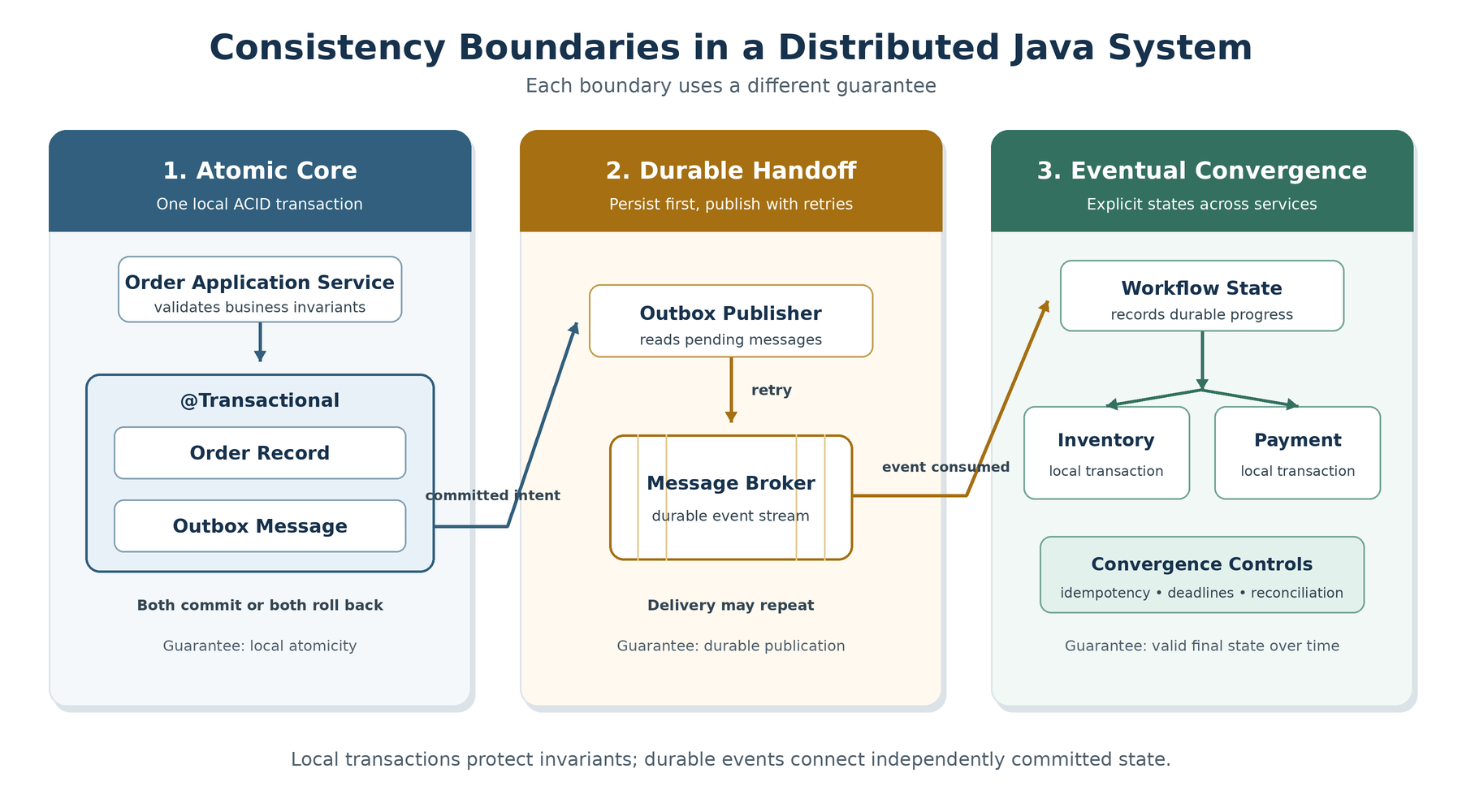
Designing self-healing microservices with recovery-aware redrive frameworks

In modern cloud-native architectures, traditional retry mechanisms often exacerbate system failures by triggering "retry storms" that overwhelm recovering services. To address this, the article introduces a recovery-aware redrive framework specifically designed to create truly self-healing microservices. This framework operates through three critical stages: failure capture, health monitoring, and controlled replay execution. Initially, failed requests are persisted in durable queues with full metadata to ensure exact replay semantics. Instead of immediate retries, a monitoring function continuously evaluates downstream service health metrics, such as error rates and latency. Once recovery is confirmed, queued requests are replayed at a controlled, throttled rate to prevent further network congestion. This decoupled approach ensures that all failed requests are eventually processed while maintaining overall system stability and avoiding dangerous cascading failures. By integrating real-time health data with a gated replay mechanism, the framework enhances observability and provides a platform-agnostic solution for complex distributed systems. Ultimately, this method reduces the need for manual intervention, improves long-term reliability, and allows engineers to track recovery events with high precision, making it a vital evolution for resilient microservice design in high-scale environments where maintaining uptime is paramount.


Architectural Governance at AI Speed

In the era of generative AI, where code has become a commodity, the primary challenge for software organizations is no longer production but architectural alignment. The InfoQ article "Architectural Governance at AI Speed" argues that traditional review boards and centralized oversight can no longer scale with the sheer volume of AI-generated output. Instead, it proposes "Declarative Architecture," a model that transforms Architectural Decision Records (ADRs) and Event Models into machine-enforceable guardrails. By utilizing vertical slices—self-contained units of behavior—teams can automate code generation and validation, ensuring that the conformant path becomes the path of least resistance. A key mechanism described is the "Ralph Wiggum Loop," an AI-looping technique where agents iteratively refine implementations until they meet specific Given-When-Then criteria. This approach enables decentralized governance by allowing teams to work independently while maintaining cohesion through shared collaborative modeling. Ultimately, the shift from "dumping left" to automated, declarative systems allows human architects to move beyond policing implementation details and focus on high-level intent and product alignment. By embedding governance directly into the development lifecycle, organizations can achieve rapid delivery without sacrificing system integrity or consistency across team boundaries.

Daily Tech Digest - March 24, 2026


Quote for the day:

"No person can be a great leader unless he takes genuine joy in the successes of those under him." -- W. A. Nance


🎧 Listen to this digest on YouTube Music

▶ Play Audio Digest

Duration: 22 mins • Perfect for listening on the go.


The agent security mess

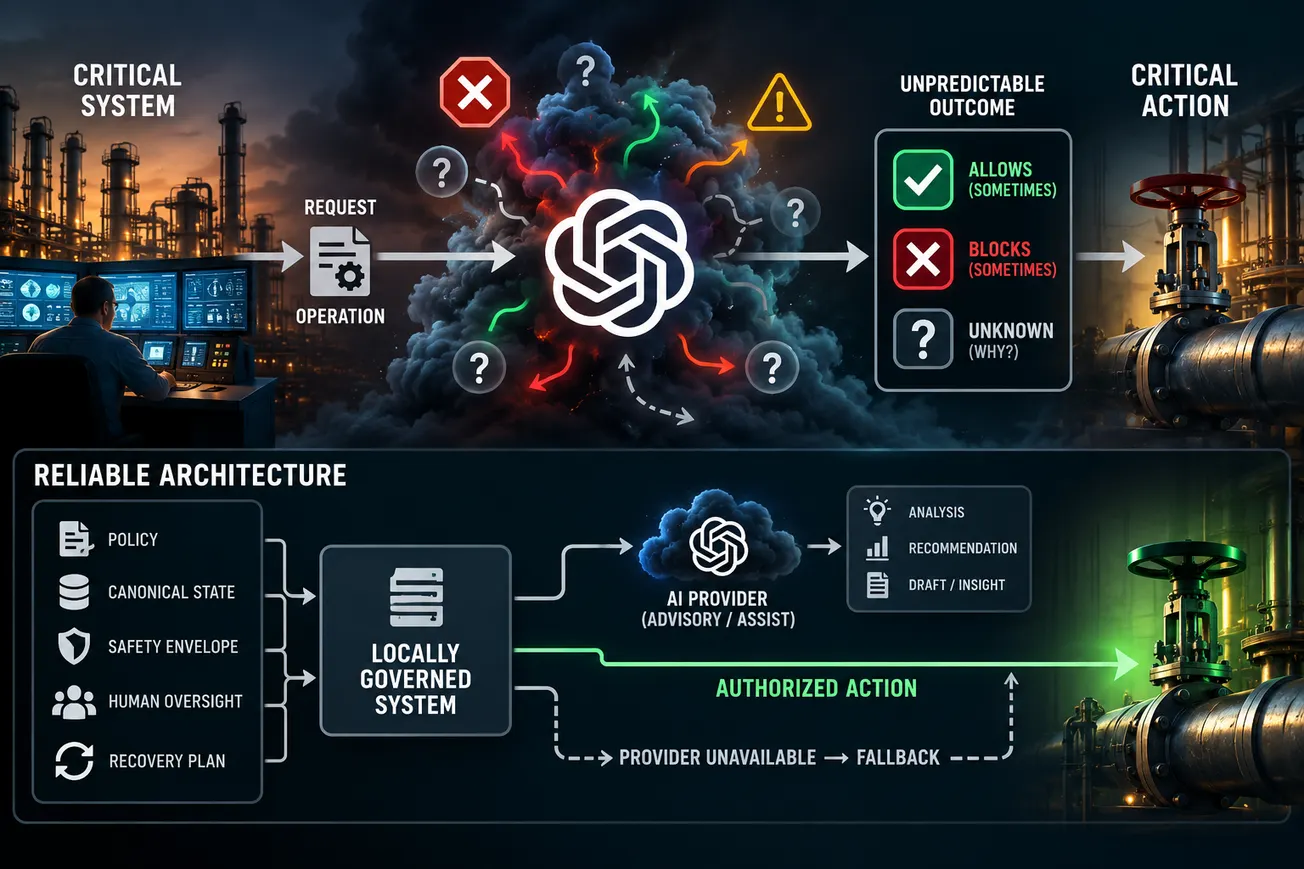
The article "The Agent Security Mess" by Matt Asay highlights a critical vulnerability in enterprise security: the "persistent weak layer" of over-provisioned permissions. Historically, security risks remained dormant because humans typically ignore 96% of their granted access rights. However, the rise of AI agents changes this dynamic entirely. Unlike humans, who act as a natural governor on permission sprawl, autonomous agents inherit the full permission surface of the accounts they use. This turns latent permission debt into immediate operational risk, as agents can rapidly execute broad, potentially destructive actions across various systems without the hesitation or distraction characteristic of human users. To address this looming "avalanche," Asay argues for a shift in software architecture. Instead of allowing agents to inherit broad employee accounts, organizations must implement purpose-built identities with aggressively minimal, read-only permissions by default. This involves decoupling the ability to draft actions from the ability to execute them and ensuring every automated action is logged and reversible. Ultimately, AI agents are not creating a new crisis but are exposing a long-ignored authorization problem, forcing the industry to finally prioritize robust identity security and governance.


Faster attacks and ‘recovery denial’ ransomware reshape threat landscape

The CSO Online article, based on Mandiant’s M-Trends 2026 report, highlights a dramatic shift in the cybersecurity landscape where ransomware attacks are becoming both faster and more strategically focused on "recovery denial." A striking finding is the collapse of the "hand-off" window between initial access and secondary threat group activity, which plummeted from over eight hours in 2022 to a mere 22 seconds in 2025. This acceleration is coupled with a transition in tactics; voice phishing has overtaken email phishing as a primary infection vector, signaling a move toward real-time, interactive social engineering. Furthermore, attackers are increasingly targeting core infrastructure, such as backup environments, identity systems, and virtualization platforms, to systematically dismantle an organization’s ability to restore operations without paying a ransom. Despite these rapid execution phases, median dwell times have paradoxically risen to 14 days, as nation-state actors prioritize long-term persistence alongside financially motivated groups seeking immediate impact. These evolving threats necessitate a fundamental rethink of defense strategies, urging organizations to treat their recovery assets as critical control planes that require the same level of protection as the primary network itself to ensure true resilience.


Attackers are handing off access in 22 seconds, Mandiant finds

The Mandiant M-Trends 2026 report, based on over 500,000 hours of incident response data from 2025, highlights a dramatic acceleration in attacker efficiency and a significant shift in tactical focus. For the sixth consecutive year, exploits remained the primary infection vector, yet the most striking finding is the collapse of the "access hand-off" window; the median time between initial compromise and transfer to secondary threat groups plummeted from eight hours in 2022 to a mere 22 seconds in 2025. While overall global median dwell time rose to 14 days—largely due to prolonged espionage operations—adversaries are increasingly bypassing traditional defenses by targeting virtualization infrastructure and backup systems to ensure "recovery deadlock" during extortion. The report also identifies a surge in highly interactive voice phishing, which has overtaken email as the top vector for cloud-related compromises. Furthermore, while AI is being incrementally integrated into reconnaissance and social engineering, Mandiant emphasizes that the majority of breaches still result from fundamental systemic failures. These evolving threats, including persistent backdoors with dwell times exceeding a year, underscore the urgent need for organizations to modernize their log retention policies and prioritize the security of their "Tier-0" identity and virtualization assets.


From fragmentation to focus: Can one security framework simplify compliance?

In "From Fragmentation to Focus," Sam Peters explores the escalating complexities of the modern cybersecurity landscape, driven by geopolitical instability and a rapidly expanding attack surface. As digital transformation progresses, businesses face a "messy" regulatory environment characterized by overlapping requirements like GDPR, NIS 2, and DORA. This fragmentation often leads to duplicated efforts, increased costs, and significant compliance fatigue for organizations of all sizes. To combat these challenges, the article positions ISO 27001 as a unifying "gold standard" framework. By adopting this internationally recognized standard, companies can transition from reactive defense to proactive risk management. ISO 27001 offers a flexible, risk-based approach that can be seamlessly mapped to various global regulations, thereby streamlining operations and reducing overhead. The article argues that a consolidated security strategy does more than ensure compliance; it fosters a security-first culture, builds digital trust, and serves as a critical driver for competitive advantage and long-term business resilience. Ultimately, moving toward a single, structured framework allows leaders to navigate uncertainty with greater confidence, transforming security from a burdensome cost center into a strategic asset that supports sustainable growth in an increasingly volatile global market.


Microservices Without Drama: Practical Patterns That Work

The article "Microservices Without Drama: Practical Patterns That Work" offers a pragmatic roadmap for implementing microservices without succumbing to architectural complexity. It emphasizes that while microservices enable independent team movement, they should only be adopted when data boundaries are crisp to avoid the "distributed monolith" trap. A core principle is absolute data ownership, where each service manages its own dataset, accessed via stable, versioned contracts using OpenAPI or AsyncAPI. The author advocates for a balanced communication strategy, favoring synchronous calls for immediate reads and asynchronous events for decoupled integrations. Operational success relies on "boring fundamentals" like standardized Kubernetes deployments, GitOps for configuration, and robust observability through OpenTelemetry and Prometheus. Reliability is further bolstered by defensive patterns, including circuit breakers, retries, and idempotency, ensuring the system remains resilient during failures. Security is addressed through mTLS and strict secrets management, moving beyond fragile IP-based allowlists. Ultimately, the piece argues that microservices provide true freedom only when teams invest in consistent standards and treat interfaces as public infrastructure. By prioritizing data integrity and operational repeatability over architectural trends, organizations can reap the benefits of scalability without the associated drama of unmanaged complexity.


The end of cloud-first: What compute everywhere actually looks like

The article "The End of Cloud-First" explores a fundamental transition toward a "compute-everywhere" architecture, where centralized cloud environments are no longer the default destination for every workload. This evolution is driven by the reality that the network is not a neutral substrate; bandwidth and latency constraints, coupled with the explosion of IoT data, have made the traditional cloud-first assumption increasingly untenable. The emerging model operates across three distinct layers: a gateway layer for protocol translation, an edge layer for localized processing near data sources, and a centralized cloud layer reserved for heavy-lifting tasks like model training and global analytics. Modern machine learning advancements now allow for efficient inference on constrained devices, empowering local hardware to filter and classify data autonomously rather than merely forwarding raw telemetry. However, this decentralized approach introduces significant operational complexity. IT leaders must now manage vast fleets of devices with intermittent connectivity and navigate a landscape where partial system failures are a normal steady state. Software updates become logistical challenges rather than simple deployments. Ultimately, the focus is shifting from simple cloud migration to sophisticated orchestration, ensuring that intelligence and compute are placed precisely where they deliver value while balancing performance, cost, and reliability.


We’re fighting over GPUs and memory – but power manufacturing may decide who scales first

In this article, Matt Coffel argues that while the global tech industry remains fixated on GPU shortages and silicon supply chains, the true bottleneck for scaling artificial intelligence lies in electrical manufacturing capacity. As data center power demands are projected to surge from 33 GW to 176 GW by 2035, the availability of critical infrastructure—such as switchgear, transformers, and power distribution units—has become the decisive factor in operational readiness. AI-intensive workloads demand unprecedented power densities and constant uptime, yet the manufacturing sector is currently struggling to keep pace with the rapid acceleration of AI deployment. Traditional lead times of eighteen to twenty-four months clash with the immediate needs of hyperscalers, exacerbated by a shortage of skilled trades and over-customized engineering. To overcome these constraints, Coffel suggests that operators must shift toward standardization, modularization, and prefabricated power systems while engaging manufacturers much earlier in the design process. Ultimately, the ability to scale will not be determined solely by who possesses the most advanced chips, but by who can most efficiently deploy the resilient electrical infrastructure required to keep those processors running at scale.


Spec-Driven Development: The Key to Protecting AI-Generated Data Products

In "Spec-Driven Development: The Key to Protecting AI-Generated Data Products," Guy Adams explores the rising threat of semantic drift in the era of AI-accelerated data engineering. Semantic drift occurs when data metrics gradually lose their original meaning through successive updates, potentially leading to costly business errors when executives rely on inaccurate interpretations of "headcount" or other key figures. While traditional DataOps focuses on recording what was built, it often fails to document the underlying intent, a gap that AI-assisted development significantly widens. To counter this, Adams advocates for spec-driven development—a software engineering methodology that prioritizes clear, structured specifications before coding begins. By defining a data product’s purpose and constraints upfront, organizations can leverage agentic AI to audit every proposed change against the original requirements. This ensures that new implementations maintain coherence rather than undermining a product’s utility. Although maintaining manual specifications was historically cost-prohibitive, Adams argues that current AI capabilities make automated spec maintenance both feasible and essential. Ultimately, adopting this "left-shifted" documentation approach allows enterprises to build drift-proof data products that remain reliable even as AI agents accelerate the pace of development and modification across complex enterprise systems.


IT Leaders Report Massive M&A Wave While Facing AI Readiness and Security Challenges

According to a recent ShareGate survey published by CIO Influence, IT leaders are navigating an unprecedented surge in mergers and acquisitions (M&A), with 80% of respondents currently involved in or planning such events. This massive wave, fueled by a 43% increase in global deal value during 2025, has positioned M&A as a primary catalyst for IT modernization. However, this acceleration brings significant hurdles, particularly regarding cybersecurity and AI readiness. While 64% of organizations migrate to Microsoft 365 specifically to bolster security, 41% of leaders identify compliance and data protection as top concerns during these transitions. The study also highlights a shift in leadership; IT operations and security teams, rather than business executives, are the primary drivers of AI adoption, such as Microsoft Copilot. Despite 62% of organizations already deploying Copilot, they face substantial blockers including poor data quality, complex governance, and access control issues. Furthermore, 55% of teams select migration tools before fully assessing integration risks, which can jeopardize long-term stability. Ultimately, the report emphasizes that for M&A success, IT must evolve into a strategic partner that integrates robust governance and security into the foundation of every digital migration.


Identity discovery: The Overlooked Lever in Strategic Risk Reduction

The article "Identity Discovery: The Overlooked Lever in Strategic Risk Reduction" emphasizes that comprehensive visibility into every human, machine, and AI identity is the foundational prerequisite for modern cybersecurity. While organizations often prioritize glamorous initiatives like Zero Trust or AI-driven detection, the author argues that these controls are fundamentally incomplete without first establishing a robust identity discovery process. This is particularly critical due to the "identity explosion," where non-human identities now outnumber humans by nearly 46 to 1, creating a structural shift in the threat landscape. By implementing continuous discovery and mapping access relationships through an identity graph, organizations can uncover hidden escalation paths, lateral movement risks, and "toxic" misconfigurations that traditional dashboards often miss. Furthermore, identity security has evolved into a strategic board-level concern, with 84% of organizations recognizing its importance. Identity discovery empowers CISOs to move beyond technical metrics, providing the strategic clarity needed to quantify risk and demonstrate measurable improvements in posture to stakeholders. Ultimately, illuminating the entire identity plane transforms security from a reactive operational task into a disciplined, proactive risk management strategy that eliminates the blind spots where most modern breaches begin.