Quote for the day:
“In programming the hard part isn’t solving problems, but deciding what problems to solve.” -- Paul Graham
🎧 Listen to the audio debrief on YouTube
▶ Play Audio DigestDuration: 21 mins • Perfect for listening on the go.
When Banks' AI Agents Meet Customers' AI Agents
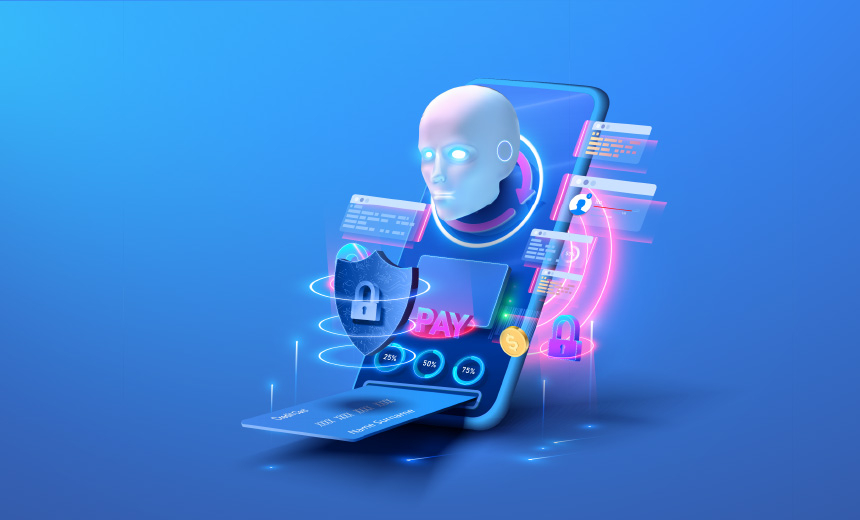 Artificial intelligence agents are rapidly transforming the banking sector,
operating on both sides of financial transactions. Banks are deploying AI
internally for customer service, fraud detection, risk management, and
operational tasks. Simultaneously, customers are beginning to use their own AI
agents to shop, negotiate, and execute payments. This convergence creates a
significant new challenge for financial institutions: establishing trust and
clear lines of authority when machines interact with other machines. Federal
Reserve Board member Christopher Waller recently highlighted this issue,
pointing to authentication, liability, and fraud as the primary obstacles in
agentic commerce. Despite the uncertainties, banks are actively implementing
these technologies. For instance, LHV Bank in the U.K. recently deployed agentic
AI for customer emails, emphasizing the need for strict guardrails,
explainability, and human oversight. Similarly, JPMorgan Chase has nearly 1,000
AI use cases in progress, though CEO Jamie Dimon noted that the primary benefits
will likely flow to the customer rather than uniquely boosting the bank's profit
margins. As AI spending accelerates, institutions like BNY are even treating
these AI systems as "digital employees" with specific identities and access
controls. Ultimately, the banking industry must carefully balance rapid
innovation with necessary caution and regulatory compliance.
Artificial intelligence agents are rapidly transforming the banking sector,
operating on both sides of financial transactions. Banks are deploying AI
internally for customer service, fraud detection, risk management, and
operational tasks. Simultaneously, customers are beginning to use their own AI
agents to shop, negotiate, and execute payments. This convergence creates a
significant new challenge for financial institutions: establishing trust and
clear lines of authority when machines interact with other machines. Federal
Reserve Board member Christopher Waller recently highlighted this issue,
pointing to authentication, liability, and fraud as the primary obstacles in
agentic commerce. Despite the uncertainties, banks are actively implementing
these technologies. For instance, LHV Bank in the U.K. recently deployed agentic
AI for customer emails, emphasizing the need for strict guardrails,
explainability, and human oversight. Similarly, JPMorgan Chase has nearly 1,000
AI use cases in progress, though CEO Jamie Dimon noted that the primary benefits
will likely flow to the customer rather than uniquely boosting the bank's profit
margins. As AI spending accelerates, institutions like BNY are even treating
these AI systems as "digital employees" with specific identities and access
controls. Ultimately, the banking industry must carefully balance rapid
innovation with necessary caution and regulatory compliance.Why Pull Requests Should Review Tests, Not Just Code
An article by Eli Lopian in Software Testing Magazine emphasizes the critical need to review test scripts just as rigorously as production code during pull requests. While development teams heavily scrutinize implementation code for architecture, security, and maintainability, the accompanying automated tests often get a free pass as long as the continuous integration pipeline turns green. Lopian argues that a passing test isn't automatically a good test—it might duplicate existing coverage, depend too heavily on brittle mock configurations, or fail to verify meaningful behavior. Treating tests with a lower standard ignores the reality that test scripts are also code with their own maintenance costs and complexities. This dynamic is becoming more pressing with the rise of AI-assisted development tools, which can instantly generate dozens of tests. When test creation becomes cheap, the new bottleneck is identifying which tests actually add value rather than just inflating code coverage metrics. Ultimately, a bloated suite of fragile or redundant tests slows down CI pipelines and increases the maintenance burden when production behavior changes. The goal should be meaningful confidence in the software, not simply a higher volume of tests.Why AI agents might not be right for you
 While AI agents are highly popular for tasks ranging from writing code to
engaging with customers, their unpredictable nature means they are not always
the right tool for the job. Author Jason Bloomberg explains that AI agents rely
on large language models, making them inherently non-deterministic. This
unpredictability gives agents their unique ability to make decisions and adapt
to changing inputs—a massive advantage for complex tasks like weather planning
or IT incident mitigation. However, this same trait can lead to unexpected
misbehavior or poor results. Bloomberg advises against using agents when
traditional, deterministic software works fine, when absolute accuracy is
required (like running payroll), or when mistakes could cause severe harm. To
decide if an agent makes sense, organizations should calculate an "error budget"
to understand the acceptable cost of failure. If the potential cost of an
agent’s mistake outweighs the expected business benefits, it is better to rely
on traditional software. Furthermore, Bloomberg warns that attempts to heavily
govern and restrict AI agents to make them safer often strip away the very
flexibility that makes them useful in the first place, suggesting they should be
deployed selectively rather than universally.
While AI agents are highly popular for tasks ranging from writing code to
engaging with customers, their unpredictable nature means they are not always
the right tool for the job. Author Jason Bloomberg explains that AI agents rely
on large language models, making them inherently non-deterministic. This
unpredictability gives agents their unique ability to make decisions and adapt
to changing inputs—a massive advantage for complex tasks like weather planning
or IT incident mitigation. However, this same trait can lead to unexpected
misbehavior or poor results. Bloomberg advises against using agents when
traditional, deterministic software works fine, when absolute accuracy is
required (like running payroll), or when mistakes could cause severe harm. To
decide if an agent makes sense, organizations should calculate an "error budget"
to understand the acceptable cost of failure. If the potential cost of an
agent’s mistake outweighs the expected business benefits, it is better to rely
on traditional software. Furthermore, Bloomberg warns that attempts to heavily
govern and restrict AI agents to make them safer often strip away the very
flexibility that makes them useful in the first place, suggesting they should be
deployed selectively rather than universally.
The 7 biggest issues CISOs and security teams face today
 Security leaders today face an increasingly complex threat landscape, driven
largely by the rise of artificial intelligence, which has introduced novel
attacks and expanded the attack surface. According to the article, CISOs are
reshaping their strategies to address seven primary issues that dominate their
agendas. First, they are shifting their focus from merely preventing breaches to
prioritizing business resilience and rapid recovery in the event of an incident.
Second, leaders must build security programs tailored precisely to their
organization’s unique risks and resource constraints. Third, security teams are
forced to rethink their entire approach for the AI era, using AI tools to fight
AI-enabled threats. Fourth, securing the organization’s AI operations and
infrastructure has become a critical mandate to prevent unauthorized use and
govern agentic systems safely. Fifth, CISOs are grappling with a severe skills
gap, requiring them to heavily invest in upskilling and professional development
for their teams to keep up with cloud and AI security demands. Sixth, the sheer
velocity of modern attacks requires agile, fast-moving security practices
capable of responding in minutes rather than hours. Finally, despite these rapid
technological shifts, security leaders must remain flawless in executing
fundamental tasks like vulnerability management, identity protection, and
endpoint security.
Security leaders today face an increasingly complex threat landscape, driven
largely by the rise of artificial intelligence, which has introduced novel
attacks and expanded the attack surface. According to the article, CISOs are
reshaping their strategies to address seven primary issues that dominate their
agendas. First, they are shifting their focus from merely preventing breaches to
prioritizing business resilience and rapid recovery in the event of an incident.
Second, leaders must build security programs tailored precisely to their
organization’s unique risks and resource constraints. Third, security teams are
forced to rethink their entire approach for the AI era, using AI tools to fight
AI-enabled threats. Fourth, securing the organization’s AI operations and
infrastructure has become a critical mandate to prevent unauthorized use and
govern agentic systems safely. Fifth, CISOs are grappling with a severe skills
gap, requiring them to heavily invest in upskilling and professional development
for their teams to keep up with cloud and AI security demands. Sixth, the sheer
velocity of modern attacks requires agile, fast-moving security practices
capable of responding in minutes rather than hours. Finally, despite these rapid
technological shifts, security leaders must remain flawless in executing
fundamental tasks like vulnerability management, identity protection, and
endpoint security.
DPDPA privacy notice must enable informed consent, not clicks
/vnd/media/media_files/2026/10/10/informed-consent-starts-with-a-clear-2026-10-10-22-05-34.jpg) Under India’s Digital Personal Data Protection Act (DPDPA), privacy notices must
move beyond checking legal boxes to actually communicating clearly with users.
According to Akshayy S Nanda, a partner at Saraf & Partners, many
organizations currently draft dense, 12-page legal documents that practically
force users to click "I agree" without genuine understanding. The law insists
that consent must be informed, specific, free, and unconditional. To comply,
organizations must stop using vague terms like "trusted partners" or "service
improvement" and clearly detail what data is collected, why it is needed, who
will see it, and how long it will be kept. A compliant notice should be tailored
to its specific audience—whether rural internet novices or corporate
executives—and offered in multiple languages. Furthermore, withdrawing consent
must be as simple as giving it, without being buried in complex account
settings. Bundling completely unrelated data uses into a single click is also no
longer acceptable. Ultimately, a privacy notice should serve as an instrument of
trust rather than just a legal defense. By prioritizing plain language and
transparent communication, businesses can build stronger relationships with
users while meeting their compliance obligations.
Under India’s Digital Personal Data Protection Act (DPDPA), privacy notices must
move beyond checking legal boxes to actually communicating clearly with users.
According to Akshayy S Nanda, a partner at Saraf & Partners, many
organizations currently draft dense, 12-page legal documents that practically
force users to click "I agree" without genuine understanding. The law insists
that consent must be informed, specific, free, and unconditional. To comply,
organizations must stop using vague terms like "trusted partners" or "service
improvement" and clearly detail what data is collected, why it is needed, who
will see it, and how long it will be kept. A compliant notice should be tailored
to its specific audience—whether rural internet novices or corporate
executives—and offered in multiple languages. Furthermore, withdrawing consent
must be as simple as giving it, without being buried in complex account
settings. Bundling completely unrelated data uses into a single click is also no
longer acceptable. Ultimately, a privacy notice should serve as an instrument of
trust rather than just a legal defense. By prioritizing plain language and
transparent communication, businesses can build stronger relationships with
users while meeting their compliance obligations.
12 standout CIO skills every company wants
 According to industry leaders, chief information officers (CIOs) looking to
advance their careers must master seven fundamental skills beyond their core
technical expertise. First, they need visionary leadership to drive innovation
and directly improve business outcomes. Second, they must develop the business
insights of a chief operating officer, understanding the company's full value
chain to connect technology investments with measurable results. Third,
strategic thinking is vital; CIOs must anticipate changing business needs and
guide long-term digital transformations. Fourth, successfully managing the
intense pressures of the role requires internal fortitude, which is built by
handling difficult situations transparently and taking accountability for
outcomes. Fifth, developing the financial acumen of a chief financial officer
allows CIOs to effectively measure return on investment and speak the language
of the C-suite, transforming IT from a cost center into a strategic partner.
Sixth, CIOs need outcome orchestration talent, disciplinedly converting strategy
into delivered value by exposing impediments early. Finally, strong
communication skills are essential to translate complex technical concepts and
bridge the gap between technologists and business leaders. Mastering these
skills enables a CIO to become a stabilizing force and a transformative leader.
According to industry leaders, chief information officers (CIOs) looking to
advance their careers must master seven fundamental skills beyond their core
technical expertise. First, they need visionary leadership to drive innovation
and directly improve business outcomes. Second, they must develop the business
insights of a chief operating officer, understanding the company's full value
chain to connect technology investments with measurable results. Third,
strategic thinking is vital; CIOs must anticipate changing business needs and
guide long-term digital transformations. Fourth, successfully managing the
intense pressures of the role requires internal fortitude, which is built by
handling difficult situations transparently and taking accountability for
outcomes. Fifth, developing the financial acumen of a chief financial officer
allows CIOs to effectively measure return on investment and speak the language
of the C-suite, transforming IT from a cost center into a strategic partner.
Sixth, CIOs need outcome orchestration talent, disciplinedly converting strategy
into delivered value by exposing impediments early. Finally, strong
communication skills are essential to translate complex technical concepts and
bridge the gap between technologists and business leaders. Mastering these
skills enables a CIO to become a stabilizing force and a transformative leader.
AI Agents Need Clear Limits Before They Take Action
AI and the False Promise of Intelligence Analysis
 A recent incident in which a flawed artificial intelligence assessment nearly
triggered a US military raid on a Chinese merchant vessel highlights the
enduring need for human judgment in intelligence analysis. The AI system had
incorrectly identified cargo as nuclear components for Iran by relying too
heavily on digital data like satellite imagery and signal intercepts, broadly
known as technical intelligence. Human analysts ultimately recognized the
errors and aborted the mission just in time. This near-miss illustrates two
major flaws in using artificial intelligence for defense work: its inherent
tendency to reinforce existing human assumptions rather than challenge them,
and its preference for easily processed digital inputs over slower, yet highly
valuable, human intelligence. While artificial intelligence is increasingly
essential for managing the vast amounts of information generated today and
plays a central role in modern military operations and data sharing, it cannot
operate safely on its own. The growing use of automated systems creates a
paradox where advanced technology actually requires stronger human oversight
to prevent dangerous groupthink, protect physical data infrastructure, and
verify complex conclusions. Ultimately, the future of national security
depends on carefully blending artificial and human intelligence rather than
treating the technology as an independent or infallible solution.
A recent incident in which a flawed artificial intelligence assessment nearly
triggered a US military raid on a Chinese merchant vessel highlights the
enduring need for human judgment in intelligence analysis. The AI system had
incorrectly identified cargo as nuclear components for Iran by relying too
heavily on digital data like satellite imagery and signal intercepts, broadly
known as technical intelligence. Human analysts ultimately recognized the
errors and aborted the mission just in time. This near-miss illustrates two
major flaws in using artificial intelligence for defense work: its inherent
tendency to reinforce existing human assumptions rather than challenge them,
and its preference for easily processed digital inputs over slower, yet highly
valuable, human intelligence. While artificial intelligence is increasingly
essential for managing the vast amounts of information generated today and
plays a central role in modern military operations and data sharing, it cannot
operate safely on its own. The growing use of automated systems creates a
paradox where advanced technology actually requires stronger human oversight
to prevent dangerous groupthink, protect physical data infrastructure, and
verify complex conclusions. Ultimately, the future of national security
depends on carefully blending artificial and human intelligence rather than
treating the technology as an independent or infallible solution.Forward Deployed Engineers: The People Turning Enterprise AI Into Working Systems
 A Forward Deployed Engineer (FDE) is a technical professional responsible for
integrating AI models into real-world business workflows and existing systems
to drive measurable outcomes. As AI models grow more capable, businesses face
the complex challenge of making them function reliably within their unique
environments, which often involve legacy applications, strict access controls,
and inconsistent data. FDEs bridge this gap by working directly with customers
to understand their constraints, design system architectures, build
integrations, and deploy solutions from prototypes into production. Unlike
traditional software engineers who focus on building general-purpose products,
FDEs concentrate on solving specific operational problems and ensuring
adoption. The role demands strong software engineering fundamentals, AI
application skills, systems integration expertise, and a deep understanding of
customer needs. FDEs must navigate ambiguity, prioritizing incremental
progress and real-world feedback. In regions like India, with a strong base of
enterprise implementation talent, the FDE role presents significant
opportunities in sectors like finance, manufacturing, and Global Capability
Centers, where complex workflows require sophisticated AI integration to
achieve true operational benefits.
A Forward Deployed Engineer (FDE) is a technical professional responsible for
integrating AI models into real-world business workflows and existing systems
to drive measurable outcomes. As AI models grow more capable, businesses face
the complex challenge of making them function reliably within their unique
environments, which often involve legacy applications, strict access controls,
and inconsistent data. FDEs bridge this gap by working directly with customers
to understand their constraints, design system architectures, build
integrations, and deploy solutions from prototypes into production. Unlike
traditional software engineers who focus on building general-purpose products,
FDEs concentrate on solving specific operational problems and ensuring
adoption. The role demands strong software engineering fundamentals, AI
application skills, systems integration expertise, and a deep understanding of
customer needs. FDEs must navigate ambiguity, prioritizing incremental
progress and real-world feedback. In regions like India, with a strong base of
enterprise implementation talent, the FDE role presents significant
opportunities in sectors like finance, manufacturing, and Global Capability
Centers, where complex workflows require sophisticated AI integration to
achieve true operational benefits.Geopolitics and the cyber resilience gap belong in your threat model
According to Akshay Joshi from the World Economic Forum, the cybersecurity
landscape is shifting due to artificial intelligence, geopolitical tensions,
and the industrialization of cyber fraud. In a recent interview discussing the
Global Cybersecurity Outlook 2026, Joshi notes that chief executives now view
cyber-enabled fraud as a greater concern than ransomware, with a vast majority
of people experiencing it personally. This type of fraud erodes trust in the
digital economy and requires a coordinated response across tech companies,
financial institutions, and law enforcement. Artificial intelligence is
changing the dynamic between attackers and defenders, moving cyber operations
to machine speed. While AI presents new vulnerabilities, it also gives
defenders tools to detect and respond to threats more efficiently.
Furthermore, geopolitical instability is forcing organizations to rethink
their security strategies, as digital infrastructure becomes a strategic
target. Joshi also highlights a growing gap in cyber resilience between large
and small organizations, largely driven by a lack of skills and resources.
Smaller entities struggle to find the talent needed to protect their systems.
To close this gap, there must be greater investment in foundational skills and
shared capabilities. Effective security requires moving beyond basic
compliance, with leaders treating cybersecurity as a core component of overall
business resilience.






















/articles/sovereign-fault-domains-cloud-resilience/en/smallimage/sovereign-fault-domains-cloud-resilience-thumbnail-1776430533702.jpg)



/articles/lakehouse-sql-identifier-rules/en/smallimage/lakehouse-sql-identifier-rules-thumbnail-1776241856705.jpg)

/vnd/media/media_files/2026/04/18/digital-transformation-hits-budget-reality-2026-04-18-12-25-06.jpg)

