Showing posts with label Integration. Show all posts

Daily Tech Digest - April 27, 2026


Quote for the day:

"Security is not a product, but a process. It is a mindset that assumes the 'impossible' will happen, and builds the walls before the water starts rising." -- Inspired by Bruce Schneier

🎧 Listen to this digest on YouTube Music

▶ Play Audio Digest

Duration: 17 mins • Perfect for listening on the go.


Your AI strategy is all wrong

In this Computerworld article, Mike Elgan argues that the prevailing corporate strategy of using artificial intelligence to slash headcount is fundamentally flawed. While mass layoffs provide immediate cost savings, Elgan cites research from the Royal Docks School of Business and Law suggesting that organizations should instead prioritize "knowledge ecosystems" built on human-AI collaboration. The core issue is that AI excels at rapid data processing and complex task execution, but it lacks the critical judgment, ethical reasoning, and contextual understanding inherent to human experts. Furthermore, an over-reliance on automated tools risks a "skills atrophy paradox," where employees lose the ability to perform independently. To avoid these pitfalls, Elgan suggests that leaders must redesign workflows around strategic handoffs rather than total replacements. This involves shifting employee training toward metacognition—learning how to effectively integrate personal expertise with AI outputs—and creating new roles focused on AI specialization. Ultimately, companies that treat AI as a tool to augment collective intelligence will achieve compounding, long-term advantages over those that merely optimize for short-term productivity gains. By keeping humans in authorship of decisions, businesses ensure they remain legally defensible and ethically grounded while leveraging the unprecedented speed and analytical power that modern AI provides.


The New Software Economics: Earn the Right to Invest Again, in 90-day Cycles

"The New Software Economics: Earn the Right to Invest Again in 90-Day Cycles" by Leonard Greski explores the evolving financial landscape of technology, emphasizing how the shift to subscription-based infrastructure and cloud computing has moved IT spending from balance sheets to income statements. This transition complicates traditional software capitalization practices, such as ASC 350-40, which often conflict with the modern reality of continuous delivery. To address these challenges, Greski proposes a breakthrough framework called "earning the right to invest again." This model shifts focus from rigid accounting treatments to accountability for value generation through 90-day investment cycles. The process involves shipping a "thin slice" of functionality within 30 to 60 days, immediately monetizing that slice through revenue increases or measurable cost reductions, and then using that evidence to fund the next tranche of development. By treating application development as a series of bounded pilots rather than fixed-scope projects, organizations can better manage uncertainty and align spending with actual end-user value. Greski concludes by recommending strategic actions for modern executives, such as prioritizing value streams over projects, pre-writing AI policies, and integrating FinOps into senior leadership, to ensure technology investments remain agile, evidence-based, and fiscally responsible in a rapidly changing digital economy.


Deepfake threats exploiting the trust inside corporate systems

The article "Deepfake threats exploiting the trust inside corporate systems" by Anthony Kimery on Biometric Update explores a dangerous evolution in cybercrime, as detailed in a new playbook by AI security firm Reality Defender. Deepfake technology has transitioned from isolated fraud schemes into sophisticated attacks that infiltrate internal corporate workflows, specifically targeting the "trust boundaries" businesses rely on for daily operations. This shift poses a severe risk to sensitive processes such as password resets, access recovery, internal meetings, and executive communications. Because traditional security models often equate seeing or hearing a person with identity assurance, synthetic media can now bypass standard technical controls by mimicking trusted colleagues or leadership. Once these digital imitations enter internal approval chains or customer service interactions, they can cause significant damage before traditional systems recognize the breach. Reality Defender emphasizes that organizations must transition from ad hoc reactions to a structured strategy involving real-time detection, procedural response, and operational containment. The fundamental issue is that modern deepfakes have effectively broken the assumption that sensory verification is foolproof. To mitigate this risk, the article suggests that early visibility and forensic accountability are more critical than absolute certainty, urging organizations to establish clear protocols for handling suspicious media.


Why Integration Tech Debt Holds Back SaaS Growth

The article "Why Integration Tech Debt Holds Back SaaS Growth" by Adam DuVander explains how a specific form of technical debt—integration debt—acts as a silent anchor for SaaS companies. While typical technical debt involves internal code quality, integration debt arises from the rapid, often "quick-and-dirty" connections made between a platform and the third-party apps its customers use. To achieve early market traction, many SaaS providers build fragile, custom integrations that lack scalability and robust error handling. Over time, these brittle connections require constant maintenance, pulling engineering resources away from core product innovation. This creates a "growth paradox" where the very integrations intended to attract new users eventually prevent the company from scaling effectively or entering enterprise markets that demand high reliability. DuVander argues that to sustain long-term growth, companies must transition from these bespoke, hard-coded integrations to a more strategic, platform-led approach. By investing in a unified integration architecture or using specialized tools to handle third-party connectivity, SaaS providers can reduce maintenance overhead, improve system reliability, and free their developers to focus on delivering unique value, thereby "paying down" the debt that stifles competitive agility.


Why GCCs Must Move to Product-Led Models to Stay Relevant

In the article "Why GCCs Must Move to Product-Led Models to Stay Relevant," the author argues that Global Capability Centers (GCCs) are at a critical crossroads. Historically established as cost-arbitrage hubs focused on back-office operations and service delivery, GCCs are now facing pressure to evolve into value-driven entities. To maintain their strategic importance within parent organizations, they must transition from a project-centric approach to a product-led operating model. This shift requires integrating engineering excellence with business outcomes, moving beyond merely executing tasks to owning end-to-end product lifecycles. A product-led GCC prioritizes user-centric design, agile methodologies, and cross-functional teams that include product managers, designers, and engineers. By fostering a culture of innovation and data-driven decision-making, these centers can accelerate speed-to-market and enhance customer experiences. Furthermore, the article highlights that a product mindset helps attract top-tier talent who seek ownership and impact rather than repetitive support roles. Ultimately, for GCCs to survive the era of digital transformation and AI, they must shed their identity as "cost centers" and emerge as "innovation engines" that proactively contribute to the global enterprise's growth, scalability, and long-term competitive advantage.


Cold Data, Hot Problem: Why AI Is Rewriting Enterprise Storage Strategy

In the article "Cold Data, Hot Problem," Brian Henderson discusses how the surge of generative AI is fundamentally altering enterprise storage strategies. Traditionally, organizations categorized data into "hot" (frequently accessed) and "cold" (archived), with the latter relegated to low-cost, slow-access tiers. However, the rise of Large Language Models (LLMs) has turned this "cold" data into a "hot" asset, as historical archives are now vital for training models and providing context through Retrieval-Augmented Generation (RAG). This shift creates a significant bottleneck: traditional archival storage cannot provide the high-throughput, low-latency access required for modern AI workloads. To solve this, Henderson argues that enterprises must modernize their data architecture by adopting high-performance "all-flash" object storage and unified data platforms. These solutions bridge the gap between performance and scale, allowing companies to leverage their entire data estate without the latency penalties of legacy silos. By integrating advanced data management and FinOps principles, organizations can ensure that their storage infrastructure is not just a passive repository, but a dynamic engine for AI innovation. Ultimately, the article emphasizes that surviving the AI era requires treating all data as potentially active, ensuring it is discoverable, accessible, and ready for immediate computational use.


Context decay, orchestration drift, and the rise of silent failures in AI systems

In "Context Decay, Orchestration Drift, and the Rise of Silent Failures in AI Systems," Sayali Patil explores the "reliability gap" in enterprise AI—a dangerous disconnect where systems appear operationally healthy but are behaviorally broken. Unlike traditional software, where failures trigger clear error codes, AI failures are often "silent," meaning the system remains functional while producing confidently incorrect or stale results. Patil identifies four critical failure patterns: context degradation, where models reason over incomplete or outdated data; orchestration drift, where complex agentic sequences diverge under real-world pressure; silent partial failure, where subtle performance drops erode user trust before reaching alert thresholds; and the automation blast radius, where a single early misinterpretation propagates across an entire business workflow. To combat these risks, the article argues that traditional infrastructure monitoring (uptime and latency) is insufficient. Instead, organizations must adopt "behavioral telemetry" and intent-based testing frameworks. By shifting the focus from "is the service up?" to "is the service behaving correctly?", enterprises can build disciplined infrastructure capable of withstanding production stress. This transition requires shared accountability across teams to ensure that AI deployments remain reliable, evidence-based, and fiscally responsible in an increasingly automated digital economy.


AI is reshaping DevSecOps to bring security closer to the code

The integration of artificial intelligence into DevSecOps is fundamentally transforming the software development lifecycle by shifting security from a reactive, post-deployment validation to a continuous, proactive enforcement mechanism. According to industry experts cited in the article, AI is reshaping three primary areas: secure coding, issue detection, and automated remediation. By embedding third-party security tooling directly into coding assistants, organizations can now provide real-time policy guidance, secrets detection, and dependency validation as code is written. This "shift left" approach ensures that security is no longer an afterthought but a foundational component of the generation workflow. Furthermore, AI-driven automation helps bridge the persistent gap between development and security teams by providing contextual fixes and reducing the manual burden of triaging vulnerabilities. Beyond mere tooling, this evolution demands a strategic shift in skills, requiring developers to become more security-conscious while security professionals transition into architectural oversight roles. Ultimately, AI-enhanced DevSecOps enables enterprises to maintain a rapid pace of innovation without compromising the integrity of the software supply chain. By leveraging intelligent agents to monitor and enforce guardrails throughout the development pipeline, businesses can more effectively mitigate risks in an increasingly complex and fast-paced digital landscape.


Unpacking the SECURE Data Act

The article "Unpacking the SECURE Data Act" by Eric Null, featured on Tech Policy Press, critically analyzes the House Republicans' newly proposed federal privacy bill, the Securing and Establishing Consumer Uniform Rights and Enforcement (SECURE) Data Act. Null argues that the legislation represents a significant step backward for American privacy protections. Rather than establishing a robust national standard, the bill mirrors industry-friendly state laws, such as Kentucky’s, but often excludes even their basic safeguards, like impact assessments or protections for smart TV and neural data. A primary concern highlighted is the bill's strong preemption regime, which would override more protective state laws, effectively turning federal law into a "ceiling" rather than a "floor." Furthermore, the Act contains broad exemptions that allow companies to bypass compliance through simple privacy policies, terms of service contracts, or by labeling data collection as "internal research" to train AI systems. Null contends that the bill’s data minimization standards are essentially the status quo, providing a "free pass" for companies to continue invasive data practices as long as they are disclosed. Ultimately, the article warns that the SECURE Data Act prioritizes industry interests over meaningful consumer rights, leaving individuals vulnerable in an increasingly AI-driven digital economy.


Why legacy data centre networks are no longer fit for purpose

The article "Why legacy data centre networks are no longer fit for purpose" highlights the critical disconnect between traditional infrastructure and the explosive demands of modern computing, particularly driven by artificial intelligence and high-performance workloads. Legacy networks, often built on rigid, three-tier architectures, struggle with the "east-west" traffic patterns prevalent in today’s virtualized environments. These older systems frequently suffer from high latency, limited scalability, and significant energy inefficiencies, making them a liability as power costs and sustainability regulations intensify. The shift toward AI-ready data centers necessitates a transition to leaf-spine architectures and software-defined networking, which provide the high-bandwidth, low-latency fabrics required for parallel processing. Furthermore, legacy hardware often lacks the integrated security and real-time observability needed to defend against sophisticated cyber threats. The piece emphasizes that staying competitive in 2026 requires more than just incremental updates; it demands a fundamental modernization of the network fabric to ensure agility and reliability. By moving away from siloed, hardware-centric models toward modular and automated infrastructure, organizations can achieve the density and flexibility required for future growth. Ultimately, the article argues that failing to replace these aging systems risks operational bottlenecks and financial strain in an increasingly cloud-native world.

Daily Tech Digest - April 18, 2026


Quote for the day:

"Vision isn’t a starting point. It’s what you create every day through your actions." -- Gordon Tregold


🎧 Listen to this digest on YouTube Music

▶ Play Audio Digest

Duration: 21 mins • Perfect for listening on the go.


The 10 skills every modern integration architect must master

The article "The 10 skills every modern integration architect must master" highlights the fundamental shift of enterprise integration from a back-end technical role to a vital strategic capability. Author Sadia Tahseen argues that modern integration architects must transition from traditional middleware specialists into multifaceted leaders who act as the "digital nervous system" of the enterprise. The ten essential competencies include adopting a long-term platform mindset over isolated project thinking and mastering iPaaS alongside cloud-native capabilities. Architects must prioritize API-led and event-driven designs to decouple systems effectively, while utilizing canonical data modeling and robust governance to ensure scalability. Security-by-design, business-centric observability, and planning for continuous change are also crucial for maintaining resilience in volatile SaaS environments. Furthermore, integrating DevOps automation, gaining deep business domain expertise, and exerting enterprise-wide leadership allow architects to bridge the gap between technical execution and business priorities. Ultimately, those who master these diverse skills—ranging from coding to strategic influence—enable their organizations to adapt quickly and harness the full power of modern technology investments. By moving beyond simple app connectivity to complex workflow design, these professionals ensure that integration platforms remain scalable, secure, and ready for the emerging era of AI-driven transformation.


Nobody told legal about your RAG pipeline -- why that's a problem

The widespread adoption of Retrieval-Augmented Generation (RAG) as the standard architecture for enterprise AI has created a significant governance gap, as engineering teams prioritize performance while legal and compliance departments remain largely disconnected from the process. Although legal teams may approve AI vendors, they often lack oversight of the actual data pipelines and vector databases, leading to a state where RAG systems are "unowned" and unaudited. This structural misalignment is problematic because regulators like the SEC and FTC increasingly demand granular traceability, requiring organizations to prove the origin and handling of underlying content. Traditional legal concepts, such as document custodians and chain of custody, do not easily translate to the world of embeddings and vector retrieval, making e-discovery and compliance audits exceptionally difficult. Furthermore, specific technical processes like fine-tuning pose severe risks; when data is embedded into model weights, it cannot be selectively deleted, potentially violating "right to be forgotten" mandates under regulations like GDPR. To mitigate these risks, companies must move beyond simple accuracy and establish a comprehensive "retrieval trail" that includes source versions, model prompts, and human review steps. Without this integrated approach to AI governance, the "ragged edges" of these pipelines could lead to significant legal and regulatory surprises.


Lakehouse Tower of Babel: Handling Identifier Resolution Rules Across Database Engines

The article "Lakehouse Tower of Babel" explores a critical interoperability gap in modern lakehouse architectures, where diverse compute engines like Spark, Snowflake, and Trino interact with shared data formats such as Apache Iceberg. Although open table formats successfully standardize data and metadata, they fail to align the fundamental SQL identifier resolution and catalog naming rules across different database platforms. This "Tower of Babel" effect arises because engines vary significantly in their handling of casing; for instance, Spark is case-preserving, while Trino normalizes identifiers to lowercase, and Flink enforces strict case-sensitivity. Such inconsistencies often lead to situations where tables or columns become invisible or unqueryable when accessed by a different tool, resulting in significant pipeline reliability challenges. To mitigate these interoperability failures, the author recommends that organizations enforce a strict, uniform naming convention—specifically using lowercase characters with underscores—and treat identifier normalization as a formal part of their data contracts. Additionally, architects should proactively adjust engine-specific configuration settings and implement cross-stack validation via automated CI jobs to guarantee end-to-end portability. Ultimately, a seamless lakehouse experience requires more than just unified storage; it demands a reconciliation of the underlying philosophical divides in how various engines resolve and interpret SQL identifiers within shared catalogs.


Google’s Merkle Certificate Push Signals a Rethink of Digital Trust

Google’s initiative to advance Merkle Tree Certificates (MTCs) through the IETF’s PLANTS working group represents a foundational shift in digital trust architectures, moving away from traditional X.509 certificate chains toward an inclusion-based validation model. As the tech industry prepares for the post-quantum cryptography (PQC) era, existing Public Key Infrastructure (PKI) faces significant scaling challenges because quantum-resistant algorithms produce much larger signatures. These larger certificates increase TLS handshake overhead, heighten bandwidth demands, and cause noticeable latency across content delivery networks and mobile clients. MTCs address these issues by replacing linear chains with compact Merkle proofs anchored in signed trees, significantly reducing transmission overhead while maintaining high security. This evolution aligns with modern Certificate Transparency ecosystems and necessitates a broader "crypto-agility" within organizations, as the transition is an architectural migration rather than a simple algorithm swap. By shifting to this high-velocity, inclusion-based model, Google and its partners aim to ensure that security and system performance remain aligned in a world of shrinking certificate lifetimes and tightening revocation timelines. Ultimately, this rethink of digital trust ensures that distributed systems can scale efficiently while remaining resilient against future quantum threats, provided enterprises move beyond simple inventories to understand their deeper cryptographic dependencies.


DevOps Playbook for the Agentic Era

Agentic DevOps represents a transformative shift from traditional automation to autonomous software engineering, where AI agents act as intelligent collaborators rather than mere scripted tools. This Microsoft DevBlog article outlines the core principles and strategic evolution required to integrate these agents into the modern DevOps lifecycle. It emphasizes that robust DevOps foundations—including automated testing and infrastructure as code—are essential prerequisites, as agents amplify both healthy and broken practices. The strategic direction focuses on evolving the engineer's role from a code producer to a system designer and quality steward who orchestrates autonomous teams. Key practices include adopting specification-driven development, where structured requirements replace ad hoc prompts, and treating repositories as machine-readable interfaces with explicit skill profiles. Furthermore, the article highlights the necessity of active verifier pipelines that validate agent output against architectural standards and security constraints to mitigate risks like hallucinations and prompt injection. By progressing through a four-level maturity model, organizations can transition from reactive AI assistance to optimized, agent-native operations. Ultimately, Agentic DevOps seeks to redefine productivity by offloading cognitive overhead to specialized agents, allowing human teams to focus on high-value innovation while maintaining rigorous governance and system reliability in cloud-native environments.


Digital infrastructure shifts from spend to measurable value

In 2026, digital infrastructure strategy has pivoted from broad, ambitious spending to a disciplined focus on measurable business value and operational efficiency. As budgets tighten, organizations are moving away from parallel, uncoordinated modernization initiatives toward a maturing mindset that treats technology as a rigorous economic system. CIOs are now prioritizing "execution discipline" by consolidating platforms to eliminate tool sprawl, automating manual workflows, and implementing robust financial governance like FinOps to curb cloud cost leakage. This lean approach emphasizes extracting maximum value from existing assets and funding only those projects that demonstrate clear returns within six to twelve months. Critical foundations such as security, resilience, and data quality remain non-negotiable, but they are increasingly justified through risk mitigation and AI-readiness rather than sheer capacity expansion. The shift reflects a transition from digital ambition to digital justification, where success is defined by how intelligently infrastructure supports resilience and outcome-led growth. Ultimately, the winners in this era are not the companies launching the most projects, but those building governable, observable, and high-performing systems that minimize complexity while maximizing impact. Precision in decision-making and the ability to prove near-term ROI have become the primary benchmarks for modern enterprise leadership in a constrained environment.


The autonomous SOC: A dangerous illusion as firms shift to human-led AI security

In the article "The autonomous SOC: A dangerous illusion as firms shift to human-led AI security," author Moe Ibrahim argues that while a fully automated Security Operations Center is a tempting solution for talent shortages, it remains a fundamentally flawed concept. The core issue is that cybersecurity is not merely an execution problem but a complex decision-making challenge that demands nuanced organizational context. Ibrahim highlights that total autonomy risks significant business disruption, as algorithms lack the situational awareness to distinguish between a malicious threat and a critical business process. Consequently, the industry is pivoting toward a "human-on-the-loop" model, where human experts act as orchestrators who define policies and maintain oversight while AI manages scale and speed. This collaborative approach prioritizes transparency through three essential pillars: explainability, reversibility, and traceability. As organizations transition into "agentic enterprises" with AI agents across various departments, the need for human governance becomes even more critical to manage cross-functional risks. Ultimately, the future of security lies in empowering human analysts with machine intelligence rather than replacing them, ensuring that responses are not only fast but also accurate and accountable. This disciplined integration of capabilities avoids the dangerous pitfalls of unchecked automation and ensures long-term operational resilience.


The Golden Rule of Big Memory: Persistence Is Not Harmful

In the Communications of the ACM article "The Golden Rule of Big Memory: Persistence is Not Harmful," authors Yu Hua, Xue Liu, and Ion Stoica argue for a fundamental paradigm shift in how modern computer systems manage data. The authors propose that persistence should be embraced as the "Golden Rule"—a first-class design principle—rather than an auxiliary feature relegated to slower storage layers. Historically, system architects have viewed persistence as a "harmful" overhead that introduces significant latency and complicates memory management. However, the piece contends that this perspective is outdated in the era of byte-addressable non-volatile memory (NVM) and memory disaggregation. By integrating persistence directly into the memory hierarchy through innovative techniques like speculative and deterministic persistence, the authors demonstrate that systems can achieve DRAM-like performance without sacrificing durability. This holistic approach effectively flattens the traditional memory-storage wall, creating a unified pool that eliminates the bottlenecks of data movement and serialization. Ultimately, the authors conclude that making persistence a primary architectural goal is not only harmless but essential for the future of data-intensive applications. This shift simplifies full-stack software development and provides a robust, high-performance foundation for next-generation AI services, cloud-native databases, and large-scale distributed systems.


When Geopolitics Writes Your Compliance Roadmap

In the article "When Geopolitics Writes Your Compliance Roadmap," Jack Poller examines how shifting global power dynamics are fundamentally altering the cybersecurity regulatory landscape. Drawing from the NCC Group’s Global Cyber Policy Radar, the author argues that the era of reactive regulation is ending as three primary forces reshape compliance strategies: digital sovereignty, integrated AI governance, and increased board-level legal accountability. Digital sovereignty is leading to a fragmented technology stack characterized by data localization mandates and strict supply chain controls. Meanwhile, AI security is increasingly embedded within existing frameworks rather than through standalone legislation, requiring organizations to apply rigorous security standards to AI systems as part of their broader resilience efforts. Crucially, regulations like DORA and NIS2 are transforming board responsibility from a vague goal into a strict legal obligation, often carrying personal liability for executives. Additionally, the normalization of state-sponsored offensive cyber operations adds a new layer of complexity to corporate defense strategies. To survive this volatile environment, organizations must move beyond traditional checklists and adopt evidence-led resilience programs that align cyber risk with geopolitical realities. Those failing to integrate these external pressures into their compliance roadmaps risk being left behind in an increasingly fractured and litigious digital world.


Microservices Without Tears: A Practical DevOps Playbook

"Microservices Without Tears: A Practical DevOps Playbook" serves as a strategic manual for organizations transitioning from monolithic systems to distributed architectures. The article posits that while microservices offer significant benefits like team autonomy and independent deployment cycles, they also act as an amplifier for both good and bad engineering habits. To avoid the operational "tears" associated with increased complexity, the author advocates for a foundation built on robust automation and clear organizational ownership. Central to this playbook is the emphasis on "right-sizing" service boundaries through domain-driven design, ensuring that teams are accountable for a service's entire lifecycle—from development to on-call support. Technically, the guide champions "boring" but reliable CI/CD pipelines and minimal Kubernetes manifests that prioritize essential health checks and resource limits. Furthermore, it highlights the necessity of observability, recommending the use of correlation IDs and "golden signals" to maintain system visibility. By standardizing communication through versioned APIs and adopting a "you build it, you run it" philosophy, teams can successfully manage the overhead of distributed systems. Ultimately, the post argues that architectural flexibility must be balanced with disciplined operational standards to ensure long-term resilience and speed without sacrificing system stability.

Daily Tech Digest - March 14, 2026


Quote for the day:

"Leadership is practices not so much in words as in attitude and in actions." -- Harold Geneen


🎧 Listen to this digest on YouTube Music

▶ Play Audio Digest

Duration: 22 mins • Perfect for listening on the go.


Tech nationalism is reshaping CIO infrastructure strategy

The article "Tech Nationalism is Reshaping CIO Infrastructure Strategy" explores how rising geopolitical tensions and stringent data sovereignty laws are forcing IT leaders to dismantle traditional "borderless" cloud deployments. This shift, driven by nations prioritizing domestic technology control and national security, requires CIOs to navigate a fragmented digital landscape where regional mandates dictate exactly where workloads can reside. Consequently, infrastructure strategy is moving away from centralized global platforms toward distributed, localized architectures that leverage "sovereign cloud" solutions. These sovereign models allow organizations to maintain strict local control over their data while still benefiting from cloud scalability, effectively bridging the gap between operational efficiency and legal compliance. Beyond meeting regulatory requirements like GDPR, this trend addresses critical supply chain vulnerabilities and minimizes the risk of being caught in trade disputes or international sanctions. For modern technology executives, the challenge lies in balancing the cost benefits of global standardization with the necessity of national alignment and data protection. Ultimately, success in this polarized era requires a "sovereign-first" mindset, transforming IT infrastructure into a vital component of geopolitical risk management. As digital borders tighten, CIOs must prioritize regional agility and resilience over simple centralization to ensure their organizations remain both secure and globally competitive.


How leaders can give tough feedback without damaging trust

In the People Matters article, HR leader Ritu Anand highlights that modern performance discussions are increasingly complex, requiring leaders to balance radical candor with deep empathy to maintain organizational trust. The shift from backward-looking evaluations to future-oriented direction means feedback must be developmental, continuous, and grounded in objective data rather than subjective perceptions. Anand argues that many managers suffer from "nice person" syndrome, delaying difficult conversations to avoid emotional friction; however, this avoidance ultimately undermines alignment. To deliver effective "tough" feedback without damaging professional relationships, leaders must separate individual empathy from performance accountability, focusing strictly on observable behaviors and their impacts rather than personal traits. Furthermore, the dialogue should be tailored to an employee's career stage—offering supportive direction for early-career associates and strategic influence coaching for senior professionals. Trust serves as the vital foundation for these interactions; if a leader is consistently fair and genuinely invested in an employee's success, even corrective feedback is received constructively. Ultimately, the quality of these conversations reflects leadership maturity, necessitating a cultural shift toward real-time, purposeful dialogue that prioritizes human respect alongside high standards of performance output and accountability.


Account Recovery Becomes a Major Source of Workforce Identity Breaches

In the article "Account Recovery Becomes a Major Source of Workforce Identity Breaches" on TechNewsWorld, Mike Engle explains how traditional security measures are being bypassed through structurally weak account recovery workflows. While many organizations have successfully hardened initial login procedures with multi-factor authentication and phishing-resistant controls, attackers have shifted their focus to the "backdoor" of password resets and MFA re-enrollment. These recovery paths, often managed by under-pressure help desk personnel, rely on human judgment and low-friction processes that are easily exploited through sophisticated social engineering and AI-assisted impersonation. High-profile breaches in 2025 involving major retailers demonstrate that even policy-compliant accounts are vulnerable if the identity re-establishment process is compromised. The core issue is that identity assurance is often treated as disposable after onboarding, leading to the use of weaker signals during recovery. Engle argues that for organizations to truly secure their workforce, they must move away from relying on static knowledge or human intuition at the service desk. Instead, they need to implement verifiable identity evidence that can be reasserted during recovery events, treating resets as high-risk activities rather than routine administrative tasks. This shift is essential to prevent attackers from circumventing strong authentication without ever needing to confront it directly.


The Oil and Water Moment in AI Architecture

The article "The Oil and Water Moment in AI Architecture" by Shweta Vohra explores the fundamental tension emerging as deterministic software systems are forced to integrate with non-deterministic artificial intelligence. This "oil and water" moment signifies a paradigm shift where traditional architectural assumptions of predictable, procedural execution are challenged by probabilistic outputs and dynamic agentic behaviors. Vohra argues that standard guardrails, such as static input validation or fixed API contracts, are insufficient for AI-enabled systems where agents may synthesize context or chain tools in unforeseen sequences. Consequently, the role of the architect is evolving from managing explicit code paths to orchestrating intent under non-determinism. To navigate this complexity, the author introduces the "Architect’s V-Impact Canvas," a structured framework comprising three critical layers: Architectural Intent, Design Governance, and Impact and Value. These layers encourage architects to anchor systems in clear principles, manage the trade-offs of agent autonomy, and ensure measurable business outcomes. Ultimately, the article emphasizes that while models and tools will continue to improve, the enduring responsibility of the architect remains the preservation of human trust and system integrity. By prioritizing systems thinking and explicit intent, practitioners can transform technical ambiguity into organizational clarity in an increasingly probabilistic digital landscape.


The AI coding hangover

n the article "The AI Coding Hangover" on InfoWorld, David Linthicum explores the sobering reality facing enterprises that rushed to replace developers with Large Language Models (LLMs). While the initial pitch—that AI could generate code faster and cheaper than humans—led to widespread boardroom excitement, the "morning after" has revealed a landscape of brittle systems and unpriced technical debt. Linthicum argues that treating AI as a replacement for engineering judgment rather than an amplifier has resulted in bloated, inefficient, and often unmaintainable codebases. This "hangover" manifests as skyrocketing cloud bills, security vulnerabilities, and logic sprawl that no human author truly understands or can easily fix. The lack of shared memory and consistent rationale in AI-generated systems makes operational maintenance and refactoring a specialized, costly form of "technical surgery." Ultimately, the article warns that the illusion of speed is being paid for with long-term instability and operational drag. To recover, organizations must pivot toward pairing developers with AI tools under a framework of rigorous platform discipline, prioritizing human-led architectural integrity and operational excellence over the sheer quantity of automated output. Success in the AI era requires treating models as power tools, not autonomous employees, ensuring software remains stewarded rather than just produced.


Hybrid resilience: Designing incident response across on-prem, cloud and SaaS without losing your mind

The article "Hybrid Resilience: Designing incident response across on-prem, cloud, and SaaS without losing your mind" on CSO Online addresses the inherent fragility of fragmented digital environments. Author Shalini Sudarsan argues that hybrid incident response often fails at the "seams" between different ownership models, where on-premises, cloud, and SaaS teams operate in silos. To overcome this, organizations must move beyond an obsession with tool consolidation and instead prioritize "seam management" through a unified incident contract. This contract enforces a shared language, a single incident commander, and one coordinated timeline to prevent parallel war rooms and conflicting narratives during a crisis. The piece outlines three foundational pillars for resilience: portable telemetry, unified signaling, and engineered escalation. By focusing on end-to-end user journey metrics rather than individual component health, teams can cut through domain bias and identify the shared failure point. Furthermore, the article suggests standardizing correlation IDs and maintaining a centralized change table to bridge the visibility gap between disparate stacks. Finally, resilience is bolstered by documenting "time-to-human" targets and escalation cards for critical vendors, ensuring that decision-making remains predictable under pressure. By aligning these signals and protocols before an outage occurs, security leaders can maintain operational sanity and ensure rapid recovery in complex, multi-provider ecosystems.


Why M&A technology integrations are harder than expected. Here’s what you should look for early

In the article "Why M&A technology integrations are harder than expected," Thai Vong explains that while strategic growth often drives mergers, the "under the hood" technical complexities frequently turn promising deals into operational nightmares. Technology rarely determines if a deal is signed, but it dictates the post-close integration difficulty and ultimate value realization. Vong emphasizes that CIOs must be involved early in due diligence to uncover hidden risks like undocumented system dependencies, misaligned data models, and significant technical debt. Common pitfalls include legacy platforms, inconsistent security controls, and over-reliance on managed service providers in smaller firms. He argues that due diligence must go beyond simple inventory to evaluate system supportability and compliance readiness. Successful integration requires building "integration muscle" through refined playbooks and realistic timelines grounded in past experience. Furthermore, aligning technology teams with business process leaders ensures that systems are not just connected but operationally synchronized. As AI becomes more prevalent, evaluating its governance within a target environment adds a new layer of necessary scrutiny. Ultimately, the success of a merger is decided during the integration phase, making early visibility into the target’s technical landscape a strategic imperative for any acquiring organization.


Why Enterprise Architecture Drifts and What Leaders Must Watch For

In the article "Why Enterprise Architecture Drifts and What Leaders Must Watch For" on CDO Magazine, Moataz Mahmoud explores the quiet, incremental evolution of architecture drift—the widening gap between a company's planned IT framework and its actual implementation. Drift typically occurs through "micro-decisions" made by teams prioritizing tactical speed over enterprise alignment, leading to inconsistent data behavior and increased operational friction. Leaders are cautioned to watch for red flags such as slower delivery times, heightened integration efforts, and diverging system interpretations across different domains. These symptoms often indicate that a "once-a-year" blueprint has failed to account for real-world operational pressures and shifting regulations. To combat this, the piece advocates for treating architecture as a living business capability rather than a static technical artifact. It emphasizes the need for a "continuous alignment loop" that uses shared language and lightweight governance to catch small variations before they compound into systemic complexity. By fostering proactive communication between technical teams and business stakeholders, organizations can ensure that local innovations do not create unintended divergence. Ultimately, maintaining architectural integrity is framed as a leadership imperative essential for sustaining a coordinated, scalable system that can responsibly adopt emerging technologies like AI.


NB-IoT: How Narrowband IoT Supports Massive Connected Devices

The article "NB-IoT: How Narrowband IoT Supports Massive Connected Devices" from IoT Business News explains the vital role of Narrowband IoT (NB-IoT) as a specialized cellular technology designed for large-scale Internet of Things (IoT) deployments. Unlike traditional networks optimized for high-speed data, NB-IoT is an energy-efficient, low-power wide-area networking (LPWAN) solution tailored for devices that transmit small packets of data over long periods. Standardized by 3GPP, it operates within licensed spectrum—either in-band, within guard bands, or as a standalone deployment—allowing mobile operators to leverage existing LTE infrastructure through simple software upgrades. Key features like Power Saving Mode (PSM) and Extended Discontinuous Reception (eDRX) enable devices, such as smart meters and environmental sensors, to achieve battery lives exceeding ten years. While NB-IoT offers superior indoor coverage and cost-effective module complexity, it is restricted by low throughput and higher latency, making it unsuitable for high-mobility or real-time applications. Despite these limits, its ability to support massive device density makes it a cornerstone for smart cities, utilities, and industrial monitoring. As a critical component of the broader cellular IoT evolution alongside LTE-M and 5G, NB-IoT provides a reliable and scalable foundation for the future of connected infrastructure.


The Quiet Death of Enterprise Architecture

In the article "The Quiet Death of Enterprise Architecture," Eetu Niemi, Ph.D., explores the subtle and often unnoticed decline of the Enterprise Architecture (EA) function within modern organizations. Unlike a sudden departmental shutdown, this "quiet death" occurs as high initial enthusiasm gradually devolves into repetitive routine, eventually leading to neglect and total irrelevance. Niemi explains that EA initiatives typically begin with ambitious goals to resolve organizational fragmentation and provide a coherent view of complex systems through detailed modeling and governance frameworks. However, once these initial assets are established, the practice often settles into a mundane operational phase. This shift is dangerous because it causes stakeholders to view architecture as a bureaucratic hurdle rather than a strategic driver, leading to a state where critical business decisions are increasingly made without architectural input. The irony, as Niemi notes, is that "success"—where EA becomes a standard part of the organizational workflow—can inadvertently become the catalyst for its decline if it fails to consistently demonstrate tangible strategic breakthroughs. To avoid this fate, the article argues that architects must transcend routine documentation and maintain a proactive, value-oriented focus that aligns technical complexity with evolving business priorities, ensuring the practice remains a vital and influential pillar of organizational transformation.

Daily Tech Digest - February 28, 2026


Quote for the day:

"Stories are the single most powerful weapon in a leader's arsenal." -- Howard Gardner


AI ambitions collide with legacy integration problems

Many enterprises have moved beyond experimentation and are preparing for formal deployment. The survey found that 85% have begun adopting AI or expect to do so within the next 12 months. Respondents also reported efforts to formalise AI governance, reflecting greater attention to risk, accountability and oversight. ... Integration sits at the centre of that tension. AI initiatives often depend on clean data, consistent definitions and reliable access across multiple applications, requirements that legacy estates can complicate. The survey links these constraints to compliance risks, including data retention, access controls and auditability across connected systems. ... Security and privacy concerns featured prominently. Data privacy across systems was cited as a top risk by 49% of respondents, while 48% said they were concerned about third parties handling sensitive data. The results highlight the difficulty of managing information flows when AI systems interact with multiple internal applications and external providers. Governance approaches varied. Fewer than half (47%) said board-level reporting forms part of risk management for AI and related technology work, suggesting uneven executive oversight as AI moves into operational settings where incidents can carry regulatory and reputational consequences. ... Despite pressure to move quickly on AI initiatives, respondents said engineering quality remains a priority. 


Striking the Right Balance Between Automation and Manual Processes in IT

Rather than thinking of applying AI wherever possible and over-automating, leaders should think about the most beneficial uses of the technology and begin implementation of the technology in those areas first before expanding further. Automation is a powerful tool, but humans are the most powerful tool in the IT stack. Let’s discuss how today’s IT leaders can strike the right balance between automation and manual processes. ... Even with the many benefits of automation, human-led processes still reign supreme in certain areas. For example, optimal IT operations happen at the intersection of tools and teamwork. IT teams must still foster a collaborative culture, working with other departments to ensure cross team visibility and alignment on business goals. While the latest AI technology can help in these efforts, ultimately, humans must do this collaborative work. Team dynamics can also be complex at times. Conflict resolution and major team decisions are not things that automation can solve. Moreover, if there is a critical system issue, DBAs must be able to work with IT leaders to resolve this issue and forge a path forward. Finally, manual processes are often necessitated by convoluted workflows. Many DBA teams have workflows in which every step is a set of if-then-else decisions, with each possible outcome also encumbered with many if-then decisions cascading through multiple levels of decisions. 


Translating data science capabilities into business ROI

The fundamental challenge in demonstrating data science ROI is that most analytics infrastructure feels optional until it becomes essential. During normal operations, executives tolerate delays in reporting and gaps in visibility. During a crisis, those same gaps become existential threats. ... The turning point came when I realized we weren’t facing a data problem or a technology problem. We were facing a decision-making problem. Our leadership needed to maintain operational stability for a multi-trillion-dollar asset manager during unprecedented disruption. Every day without visibility meant delayed decisions, missed opportunities, and compounding uncertainty. ... Speed-to-value often trumps technical sophistication. The COVID dashboard taught me this lesson definitively. We could have spent months building a comprehensive data warehouse with sophisticated ETL pipelines and machine learning-powered forecasting. Instead, we focused ruthlessly on the minimum viable solution that executives needed immediately. ... Strategic positioning creates a disproportionate impact. I served as strategic architect for a major product repositioning — a multi-million-dollar initiative essential for our competitive positioning. My data-backed strategies produced immediate, quantifiable market share gains and resulted in substantially larger deal sizes and accelerated acquisition rates that fundamentally altered our market position.


The reliability cost of default timeouts

Many widely used libraries and systems default to infinite or extremely large timeouts. In Java, common HTTP clients treat a timeout of zero as “wait indefinitely” unless explicitly configured. In Python, requests will wait indefinitely unless a timeout is set explicitly. The Fetch API does not define a built-in timeout at all. These defaults aren’t careless. They’re intentionally generic. Libraries optimize for the correctness of a single request because they can’t know what “too slow” means for your system. Survivability under partial failure is left to the application. ... Long timeouts can also mask deeper design problems. If a request regularly times out because it returns thousands of items, the issue isn’t the timeout itself. It’s missing pagination or poor request shaping. By optimizing for individual request success, teams unintentionally trade away system-level resilience. ... A timeout defines where a failure is allowed to stop. Without timeouts, a single slow dependency can quietly consume threads, connections and memory across the system. With well-chosen timeouts, slowness stays contained instead of spreading into a system-wide failure. ... A timeout is a decision about value. Past a certain point, waiting longer does not improve user experience. It increases the amount of wasted work a system performs after the user has already left. A timeout is also a decision about containment. Without bounded waits, partial failures turn into system-wide failures through resource exhaustion: blocked threads, saturated pools, growing queues and cascading latency.


From dashboards to decisions: How streaming data transforms vertical software

For years, the standard for vertical software has been the nightly sync. You collect data all day, run a massive batch job at 2:00 AM, and provide your customers with a clean report the next morning. In a world of 2026, that delay is becoming a liability rather than a best practice. ... Data streaming isn’t just about moving bits faster; it’s about changing the fundamental value proposition of your application. Instead of being a system of record that tells a user what happened, your software becomes a system of agency that tells them what is happening right now. This shift requires a mental move away from static databases toward event-driven architectures. You’re no longer just storing a “state” (like current inventory); you’re capturing every “event” (every scan, every sale, every sensor ping) that leads to that state. ... One of the biggest mistakes I see software leaders make is treating real-time data as a “table stakes” feature that they give away for free. Streaming infrastructure is expensive to run and even more expensive to maintain. If you bake these costs into your standard subscription without a clear monetization strategy, you’ll watch your gross margins shrink as your customers’ data volumes grow. ... When you process data at the edge, you’re also solving the “data gravity” problem. Sending thousands of high-frequency sensor pings from a factory floor to the cloud just to filter out the noise is a waste of bandwidth and money.


MCP leaves much to be desired when it comes to data privacy and security

From a data privacy standpoint, one of the major issues is data leakage, while from a security perspective, there are several things that may cause issues, including prompt injections, difficulty in distinguishing between verified and unverified servers, and the fact that MCP servers sit below typical security controls. ... Fulkerson went on to say that runtime execution is another issue, and legacy tools for enforcing policies and privacy are static and don’t get enforced at runtime. When you’re dealing with non-deterministic systems, there needs to be a way to verifiably enforce policies at runtime execution because the blast radius of runtime data access has outgrown the protection mechanisms organizations have. He believes that confidential AI is the solution to these problems. Confidential AI builds on the properties of confidential computing, which involves using hardware that has an encrypted cache, allowing data and inference to be run inside an encrypted environment. While this helps prove that data is encrypted and nobody can see it, it doesn’t help with the governance challenge, which is where Fulkerson says confidential AI comes in. Confidential AI treats everything as a resource with its own set of policies that are cryptographically encoded. For example, you could limit an agent to only be able to talk to a specific agent, or only allow it to communicate with resources on a particular subnet.


3 Ways OT-IT Integration Helps Energy and Utilities Providers Modernize Grid Operations

Increasingly, energy providers are turning to digital twins to model and simulate critical infrastructure across generation, transmission and distribution environments. By feeding live telemetry from supervisory control and data acquisition systems, intelligent electronic devices and other OT assets into IT-based simulation platforms, utilities can create real-time digital replicas of substations, turbines, transformers and even entire grid segments. This enables teams to test load-balancing strategies, maintenance schedules or DER integrations without disrupting service. ... Private 5G networks offer a compelling alternative. Designed for high reliability and low latency, private 5G can operate effectively in interference-heavy environments such as substations or generation facilities. When paired with TSN, utilities can achieve deterministic, sub-millisecond communication between protection systems, controllers and analytics platforms. ... Federated machine learning allows utilities to train AI models locally at the edge — analyzing equipment performance, detecting anomalies and refining predictive maintenance strategies — without centralizing raw operational data. For industries such as energy and oil, remote sites can run local anomaly detection models tailored to site-specific conditions, while still sharing insights that strengthen enterprisewide safety and operational protocols.


Even if AI demand fades, India need not worry - about data centres

AI pushes rack densities from ~5–10kW to 50–100kW+, making liquid cooling, greater power capacity, and purpose‑built ‘AI‑ready’ Data Centre campuses essential — whether for regional training clusters or dense inference. What makes a Data Centre AI-ready is the ability to support advanced cooling, predictable scalability and direct access to clouds, networks and partners in a sustainable manner. ... In India, enterprises are rapidly adopting hybrid and multi-cloud architectures as they modernise their digital infrastructure. Domestic enterprises, particularly in BFSI and broking, are moving away from in-house data centres toward third-party colocation facilities to gain scalability, efficient interconnection with their required ecosystem, operational efficiency and access to specialised talent. This shift is being further accelerated by distributed AI, hybrid multi-cloud architectures and a growing focus on sustainability. ... India’s Data Centre market is distinctive because of the scale of its digital consumption, combined with the early stage of ecosystem development. India generates a significant share of global data, yet its installed data centre capacity remains comparatively low, creating strong long-term growth potential. This growth is now being amplified by hyperscalers and AI-led demand. India aims to become a USD 1 T digital economy by 2028. It is already making significant progress, supported by the country’s thriving startup ecosystem, the third largest in the world, and initiatives like Startup India.


Surprise! The One Being Ripped Off by Your AI Agent Is You

It’s now happening all the time: in the sale of location data and browsing histories to brokers who assemble and sell our highly personal profiles, and in DOGE’s and other data grabs across the federal government, where housing, tax, and health information is being weaponized for immigration enforcement or misleading voter fraud “investigations.” With AI agents, it just gets worse. Data betrayal is an even more intimate act. Yet the people who granted OpenClaw access to their accounts were making a reasonable choice—to use a powerful tool on their behalf. ... The data aggregation capabilities of AI add another dimension of risk that rarely gets even a mention, but represent a change in scale that adds up to a sea change, making someone marketed as “productivity” software a menacing vector for data weaponization. The same capabilities that make agents useful—synthesizing enormous amounts of information across sources and acting autonomously across platforms with persistence and memory—make them extraordinarily powerful instruments for state surveillance and targeted repression. An autocratic government could build dossiers on dissidents, journalists, or voters from financial records, social media, location data, and communications metadata, acting in real time: micro-targeting people with persuasion campaigns, swarming targets with coordinated social media attacks, engineering entrapment schemes, or flagging individuals based on patterns no court ever authorized.


What makes Non-Human Identities in AI secure

By aligning security goals with technological advancements, NHIs offer a tangible solution to the challenges posed by AI and cloud-based architectures. Forward-thinking organizations are leveraging this strategic advantage to stay ahead of potential threats, ensuring that their digital remain both protected and resilient. ... Can businesses effectively integrate Non-Human Identities across diverse sectors? Where industries such as financial services, healthcare, and travel become increasingly dependent on digital transformation, the need for securing NHIs is paramount. Each sector presents unique challenges and requirements that necessitate tailored approaches to NHI management. In financial services, for example, the emphasis might be on protecting transactional data, while healthcare organizations focus on safeguarding patient information. Thus, versatile solutions that accommodate varying security demands while maintaining robust protection standards are essential. ... What greater role can NHIs play where emerging technologies unfold? The growing intersection of AI and IoT devices creates a complex web of interactions that requires robust security measures. Non-Human Identities provide a framework for securely managing the myriad connections and transactions occurring between devices. In IoT networks, NHIs authenticate and authorize communication between endpoints, thus safeguarding the integrity of both data and operations.

Daily Tech Digest - January 22, 2026


Quote for the day:

"Lost money can be found. Lost time is lost forever. Protect what matters most." -- @ValaAfshar


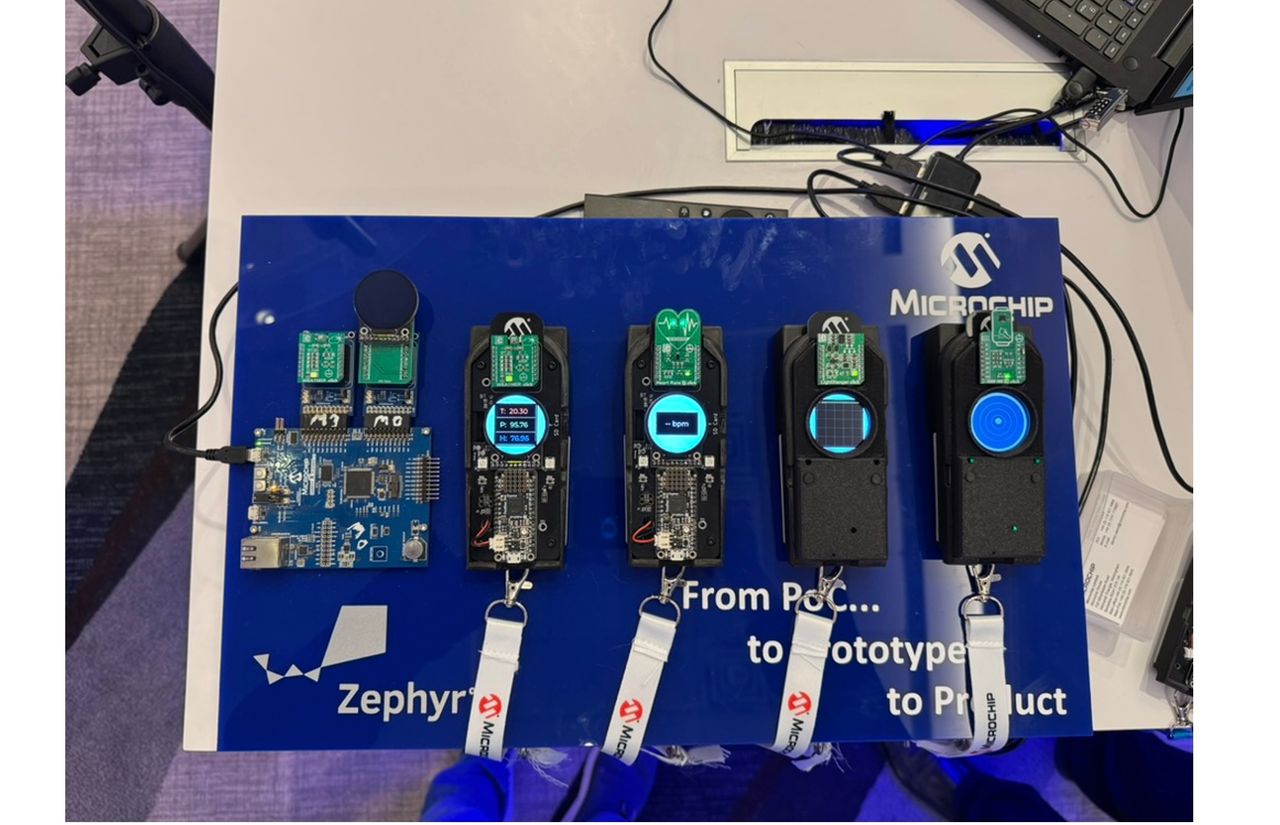
PTP is the New NTP: How Data Centers Are Achieving Real-Time Precision

Precision Time Protocol (PTP) – an approach that is more complex to implement but worth the extra effort, enabling a whole new level of timing synchronization accuracy. ... Keeping network time in sync is important on any network. But it’s especially critical in data centers, which are typically home to large numbers of network-connected devices, and where small inconsistencies in network timing could snowball into major network synchronization problems. ... NTP works very well in situations where networks can tolerate timing inconsistencies of up to a few milliseconds (meaning thousandths of a second). But beyond this, NTP-based time syncing is less reliable due to limitations ... Unlike NTP, PTP doesn’t rely solely on a server-client model for syncing time across networked devices. Instead, it uses time servers in conjunction with a method called hardware timestamping on client devices. Hardware timestamping involves specialized hardware components, usually embedded in network interface cards (NICs), to track time. Central time servers still exist under PTP. But rather than having software on servers connect to the time servers, hardware devices optimized for the task do this work. The devices also include built-in clocks, allowing them to record time data faster than they could if they had to forward it to the generic clock on a server.


Why AI adoption requires a dedicated approach to cyber governance

Today enterprises are facing unprecedented internal pressure to adopt AI tools at speed. Business units are demanding AI solutions to remain competitive, drive efficiency, and innovate faster. But existing cyber governance and third-party risk management processes were never designed to operate at this pace. ... Without modernized cyber governance and AI-ready risk management capabilities, organizations are forced to choose between speed and safety. To truly enable the business, governance frameworks must evolve to match the speed, scale, and dynamism of AI adoption – transforming security from a gatekeeper into a business enabler. ... What’s more, compliance doesn’t guarantee security. DORA, NIS2, and other regulatory frameworks set only minimum requirements and rely on reporting at specific points in time. While these reports are accurate when submitted, they capture only a snapshot of the organization’s security posture, so gaps such as human errors, legacy system weaknesses, or risks from fourth- and Nth-party vendors can still emerge afterward. What’s more, human weakness is always present, and legacy systems can fail at crucial moments. ... While there’s no magic wand, there are tried-and-tested approaches that resolve and mitigate the risks of AI vendors and solutions. Mapping the flow of data around the organization helps reveal how it’s used and resolve blind spots. Requiring AI tools to include references for their outputs ensures that risk decisions are trustworthy and reliable.


What CIOs get wrong about integration strategy and how to fix it

As Gartner advises, business and IT should be equal partners in the definition of integration strategy, representing a radical departure from the traditional IT delivery and business “project sponsorship” model. This close collaboration and shared accountability result in dramatically higher success rates ... A successful integration strategy starts by aligning with the organization’s business drivers and strategic objectives while identifying the integration capabilities that need to be developed. Clearly defining the goals of technology implementation, establishing governance frameworks and decision-making authority and setting standards and principles to guide integration choices are essential. Success metrics should be tied to business outcomes, and the integration approach should support broader digital transformation initiatives. ... Create cross-functional data stewardship teams with authority to make binding decisions about data standards and quality requirements. Document what data needs to be shared between systems, which applications are the “source of truth.” Define and document any regulatory or performance requirements to guide your technical planning. ... Integrations that succeed in production are designed with clear system-of-record rules, traceable transactions, explicit recovery paths and well-defined operational ownership. Preemptive integration is not about reacting faster — it’s about ensuring failures never reach the business.


CFOs are now getting their own 'vibe coding' moment thanks to Datarails

For the modern CFO, the hardest part of the job often isn't the math—it's the storytelling. After the books are closed and the variances calculated, finance teams spend days, sometimes weeks, manually copy-pasting charts into PowerPoint slides to explain why the numbers moved. ... Datarails’ new agents sit on top of a unified data layer that connects these disparate systems. Because the AI is grounded in the company’s own unified internal data, it avoids the hallucinations common in generic LLMs while offering a level of privacy required for sensitive financial data. "If the CFO wants to leverage AI on the CFO level or the organization data, they need to consolidate the data," explained Datarails CEO and co-founder Didi Gurfinkel in an interview with VentureBeat. By solving that consolidation problem first, Datarails can now offer agents that understand the context of the business. "Now the CFO can use our agents to run analysis, get insights, create reports... because now the data is ready," Gurfinkel said. ... "Very soon, the CFO and the financial team themselves will be able to develop applications," Gurfinkel predicted. "The LLMs become so strong that in one prompt, they can replace full product runs." He described a workflow where a user could simply prompt: "That was my budget and my actual of the past year. Now build me the budget for the next year."


The internet’s oldest trust mechanism is still one of its weakest links

Attackers continue to rely on domain names as an entry point into enterprise systems. A CSC domain security study finds that large organizations leave this part of their attack surface underprotected, even as attacks become more frequent. ... Large companies continue to add baseline protections, though adoption remains uneven. Email authentication shows the most consistent improvement, driven by phishing activity and regulatory pressure. Organizations still leave email domains partially protected, which allows spoofing to persist. Other protections see much slower uptake. ... Consumer oriented registrars tend to emphasize simplicity and cost. Organizations that rely on them often lack access to protections that limit the impact of account compromise or social engineering. Risk increases as domain portfolios grow and change. ... Brand impersonation through domain spoofing remains widespread. Lookalike domains tied to major brands are often owned by third parties. Some appear inactive while still supporting email activity. Inactive domains with mail records allow attackers to send phishing messages that appear associated with trusted brands. Others are parked with advertising networks or held for later use. A smaller portion hosts malicious content, though dormant domains can be activated quickly. ... Gaps appear in infrastructure related areas. DNS redundancy and registry lock adoption lag, and many unicorns rely on consumer grade registrars. These limitations become more pronounced as operations scale.


Misconfigured demo environments are turning into cloud backdoors to the enterprise

Internal testing, product demonstrations, and security training are critical practices in cybersecurity, giving defenders and everyday users the tools and wherewithal to prevent and respond to enterprise threats. However, according to new research from Pentera Labs, when left in default or misconfigured states, these “test” and “demo” environments are yet another entry point for attackers — and the issue even affects leading security companies and Fortune 500 companies that should know better. ... After identifying an exposed instance of Hackazon, a free, intentionally vulnerable test site developed by Deloitte, during a routine cloud security assessment for a client, Yaffe performed a five-step hunt for exposed apps. His team uncovered 1,926 “verified, live, and vulnerable applications,” more than half of which were running on enterprise-owned infrastructure on AWS, Azure, and Google Cloud platforms. They then discovered 109 exposed credential sets, many accessible via a low-priority lab environment, tied to overly-privileged identity access management (IAM) roles. These often granted “far more access” than a ‘training’ app should, Yaffe explained, and provided attackers:Administrator-level access to cloud accounts, as well as full access to S3 buckets, GCS, and Azure Blob Storage; The ability to launch and destruct compute resources and read and write to secrets managers; Permissions to interact with container registries where images are stored, shared, and deployed.


Cyber Insights 2026: API Security – Harder to Secure, Impossible to Ignore

“We’re now entering a new API boom. The previous wave was driven by cloud adoption, mobile apps, and microservices. Now, the rise of AI agents is fueling a rapid proliferation of APIs, as these systems generate massive, dynamic, and unpredictable requests across enterprise applications and cloud services,” comments Jacob Ideskog ... The growing use of agentic AI systems and the way they act autonomously, making decisions and triggering workflows, is ballooning the number of APIs in play. “It isn’t just ‘I expose one billing API’,” he continues, “now there are dozens of APIs that feed data to LLMs or AI agents, accept decisions from AI agents, facilitate orchestration between services and micro-apps, and potentially expose ‘agentic’ endpoints ... APIs have been a major attack surface for years – the problem is ongoing. Starting in 2025 and accelerating through 2026 and beyond, the rapid escalation of enterprise agentic AI deployments will multiply the number of APIs and increase the attack surface. That alone suggests that attacks against APIs will grow in 2026. But the attacks themselves will scale and be more effective through adversaries’ use of their own agentic AI. Barr explains: “Agentic AI means that bad actors can automate reconnaissance, probe API endpoints, chain API calls, test business-logic abuse, and execute campaigns at machine scale. Possession of an API endpoint, particularly a self-service, unconstrained one, becomes a lucrative target. And AI can generate payloads, iterate quickly, bypass simple heuristics, and map dependencies between APIs.”


Complex VoidLink Linux Malware Created by AI

An advanced cloud-first malware framework targeting Linux systems was created almost entirely by artificial intelligence (AI), a move that signals significant evolution in the use of the technology to develop advanced malware. VoidLink — comprised of various cloud-focused capabilities and modules and designed to maintain long-term persistent access to Linux systems — is the first case of wholly original malware being developed by AI, according to Check Point Research, which discovered and detailed the malware framework last week. While other AI-generated malware exists, it's typically "been linked to inexperienced threat actors, as in the case of FunkSec, or to malware that largely mirrored the functionality of existing open-source malware tools," ... The malware framework, linked to a suspected, unspecified Chinese actor, includes custom loaders, implants, rootkits, and modular plug-ins. It also automates evasion as much as possible by profiling a Linux environment and intelligently choosing the best strategy for operating without detection. Indeed, as Check Point researchers tracked VoidLink in real time, they watched it transform quickly from what appeared to be a functional development build into a comprehensive, modular framework that became fully operational in a short timeframe. However, while the malware itself was high-functioning out of the gate, VoidLink's creator proved to be somewhat sloppy in their execution.


What’s causing the memory shortage?

Right now, the industry is suffering the worst memory shortage in history, and that’s with three core suppliers: Micron Technology, SK Hynix, and Samsung. TrendForce, a Taipei-based market researcher that specializes in the memory market, recently said it expects average DRAM memory prices to rise between 50% and 55% this quarter compared to the fourth quarter of 2025. Samsung recently issued a similar warning. So what caused this? Two letters: AI. The rush to build AI-oriented data centers has resulted in virtually all of the memory supply being consumed by data centers. AI requires massive amounts of memory to process its gigantic data sets. A traditional server would usually come with 32 GB to 64 GB of memory, while AI servers have 128 GB or more. ... There are other factors at play here, too, of course. The industry is in a transition period between DDR4 and DDR5, as DDR5 comes online and DDR4 fades away. These transitions to a new memory format are never quick or easy, and it usually take years to make a full shift. There has also been increased demand from both client and server sides. With Microsoft ending support for Windows 10, a whole lot of laptops are being replaced with Windows 11 systems, and new laptops come with DDR5 memory — the same memory used in an AI server. ... “What’s likely to happen, from a market perspective, is we’ll see the market grow less in ’26 than we had anticipated, but ASPs are likely to stay or increase. ...” he said.


OpenAI CFO Comments Signal End of AI Hype Cycle

By focusing on “practical adoption,” OpenAI can close the gap between what AI now makes possible and how people, companies, and countries are using it day to day. “The opportunity is large and immediate, especially in health, science, and enterprise, where better intelligence translates directly into better outcomes,” she noted. “Infrastructure expands what we can deliver,” she continued. “Innovation expands what intelligence can do. Adoption expands who can use it. Revenue funds the next leap. This is how intelligence scales and becomes a foundation for the global economy.” The framing reflects a shift from big-picture AI promise to day-to-day deployment and measurable results. ... There’s also a gap between what AI can do and how people are actually using it in daily life, noted Natasha August, founder of RM11, a content monetization platform for creators in Carrollton, Texas. “AI tools are incredibly powerful, but for many people and businesses, it’s still unclear how to turn that power into something practical like saving time, making money, or improving how they work,” she told TechNewsWorld. In business, the gap lies between AI’s raw analytical capabilities and its ability to drive tangible, repeatable business outcomes, maintained Nithin Mummaneni ... “The winning play is less ‘AI that answers’ and more ‘AI that completes tasks safely and predictably,'” he continued. “Adoption happens when AI becomes part of the workflow, not a separate destination.”