Showing posts with label SSD. Show all posts

Daily Tech Digest - June 15, 2025


Quote for the day:

“Whenever you find yourself on the side of the majority, it is time to pause and reflect.” -- Mark Twain


Gazing into the future of eye contact

Eye contact is a human need. But it also offers big business benefits. Brain scans show that eye contact activates parts of the brain linked to reading others’ feelings and intentions, including the fusiform gyrus, medial prefrontal cortex, and amygdala. These brain regions help people figure out what others are thinking or feeling, which we all need for trusting business and work relationships. ... If you look into the camera to simulate eye contact, you can’t see the other person’s face or reactions. This means both people always appear to be looking away, even if they are trying to pay attention. It is not just awkward — it changes how people feel and behave. ... The iContact Camera Pro is a 4K webcam that uses a retractable arm that places the camera right in your line of sight so that you can look at the person and the camera at the same time. It lets you adjust video and audio settings in real time. It’s compact and folds away when not in use. It’s also easy to set up with a USB-C connection and works with Zoom, Microsoft Teams, Google Meet, and other major platforms. ... Finally, there’s Casablanca AI, software that fixes your gaze in real time during video calls, so it looks like you’re making eye contact even when you’re not. It works by using AI and GAN technology to adjust both your eyes and head angle, keeping your facial expressions and gestures natural, according to the company.


New York passes a bill to prevent AI-fueled disasters

“The window to put in place guardrails is rapidly shrinking given how fast this technology is evolving,” said Senator Gounardes. “The people that know [AI] the best say that these risks are incredibly likely […] That’s alarming.” The RAISE Act is now headed for New York Governor Kathy Hochul’s desk, where she could either sign the bill into law, send it back for amendments, or veto it altogether. If signed into law, New York’s AI safety bill would require the world’s largest AI labs to publish thorough safety and security reports on their frontier AI models. The bill also requires AI labs to report safety incidents, such as concerning AI model behavior or bad actors stealing an AI model, should they happen. If tech companies fail to live up to these standards, the RAISE Act empowers New York’s attorney general to bring civil penalties of up to $30 million. The RAISE Act aims to narrowly regulate the world’s largest companies — whether they’re based in California (like OpenAI and Google) or China (like DeepSeek and Alibaba). The bill’s transparency requirements apply to companies whose AI models were trained using more than $100 million in computing resources (seemingly, more than any AI model available today), and are being made available to New York residents.


The ZTNA Blind Spot: Why Unmanaged Devices Threaten Your Hybrid Workforce

The risks are well-documented and growing. But many of the traditional approaches to securing these endpoints fall short—adding complexity without truly mitigating the threat. It’s time to rethink how we extend Zero Trust to every user, regardless of who owns the device they use. ... The challenge of unmanaged endpoints is no longer theoretical. In the modern enterprise, consultants, contractors, and partners are integral to getting work done—and they often need immediate access to internal systems and sensitive data. BYOD scenarios are equally common. Executives check dashboards from personal tablets, marketers access cloud apps from home desktops, and employees work on personal laptops while traveling. In each case, IT has little to no visibility or control over the device’s security posture. ... To truly solve the BYOD and contractor problem, enterprises need a comprehensive ZTNA solution that applies to all users and all devices under a single policy framework. The foundation of this approach is simple: trust no one, verify everything, and enforce policies consistently. ... The shift to hybrid work is permanent. That means BYOD and third-party access are not exceptions—they’re standard operating procedures. It’s time for enterprises to stop treating unmanaged devices as an edge case and start securing them as part of a unified Zero Trust strategy.


3 reasons I'll never trust an SSD for long-term data storage

SSDs rely on NAND flash memory, which inevitably wears out after a finite number of write cycles. Every time you write data to an SSD and erase it, you use up one write cycle. Most manufacturers specify the write endurance for their SSDs, which is usually in terabytes written (TBW). ... When I first started using SSDs, I was under the impression that I could just leave them on the shelf for a few years and access all my data whenever I wanted. But unfortunately, that's not how NAND flash memory works. The data stored in each cell leaks over time; the electric charge used to represent a bit can degrade, and if you don't power on the drive periodically to refresh the NAND cells, those bits can become unreadable. This is called charge leakage, and it gets worse with SSDs using lower-end NAND flash memory. Most consumer SSDs these days use TLC and QLC NAND flash memory, which aren't as great as SLC and MLC SSDs at data retention. ... A sudden power loss during critical write operations can corrupt data blocks and make recovery impossible. That's because SSDs often utilize complex caching mechanisms and intricate wear-leveling algorithms to optimize performance. During an abrupt shutdown, these processes might fail to complete correctly, leaving your data corrupted.


Beyond the Paycheck: Where IT Operations Careers Outshine Software Development

On the whole, working in IT tends to be more dynamic than working as a software developer. As a developer, you're likely to spend the bulk of your time writing code using a specific set of programming languages and frameworks. Your day-to-day, month-to-month, and year-to-year work will center on churning out never-ending streams of application updates. The tasks that fall to IT engineers, in contrast, tend to be more varied. You might troubleshoot a server failure one day and set up a RAID array the next. You might spend part of your day interfacing with end users, then go into strategic planning meetings with executives. ... IT engineers tend to be less abstracted from end users, with whom they often interact on a daily basis. In contrast, software engineers are more likely to spend their time writing code while rarely, if ever, watching someone use the software they produce. As a result, it can be easier in a certain respect for someone working in IT as compared to software development to feel a sense of satisfaction.  ... While software engineers can move into adjacent types of roles, like site reliability engineering, IT operations engineers arguably have a more diverse set of easily pursuable options if they want to move up and out of IT operations work.


Europe is caught in a cloud dilemma

The European Union is worried about its reliance on the leading US-based cloud providers: Amazon Web Services (AWS), Microsoft Azure, and Google Cloud Platform (GCP). These large-scale players hold an unrivaled influence over the cloud sector and manage vital infrastructure essential for driving economies and fostering innovation. European policymakers have raised concerns that their heavy dependence exposes the continent to vulnerabilities, constraints, and geopolitical uncertainties. ... Europe currently lacks cloud service providers that can challenge those global Goliaths. Despite efforts like Gaia-X that aim to change this, it’s not clear if Europe can catch up anytime soon. It will be a prohibitively expensive undertaking to build large-scale cloud infrastructure in Europe that is both cost-efficient and competitive. In a nutshell, Europe’s hope to adopt top-notch cloud technology without the countries that currently dominate the industry is impractical, considering current market conditions. ... Often companies view cloud integration as merely a checklist or set of choices to finalize their cloud migration. This frequently results in tangled networks and isolated silos. Instead, businesses should overhaul their existing cloud environment with a comprehensive strategy that considers both immediate needs and future goals as well as the broader geopolitical landscape.


Applying Observability to Leadership to Understand and Explain your Way of Working

Leadership observability means observing yourself as you lead. Alex Schladebeck shared at OOP conference how narrating thoughts, using mind maps, asking questions, and identifying patterns helped her as a leader to explain decisions, check bias, support others, and understand her actions and challenges. Employees and other leaders around you want to understand what leads to your decisions, Schladebeck said. ... Heuristics give us our "gut feeling". And that’s useful, but it’s better if we’re able to take a step back and get explicit about how we got to that gut feeling, Schladebeck mentioned. If we categorise and label things and explain what experiences lead us to our gut feeling, then we have the option of checking our bias and assumptions, and can help others to develop the thinking structures to make their own decisions, she explained ... Schladebeck recommends that leaders narrate their thoughts to reflect on, and describe their own work to the ones they are leading. They can do this by asking themselves questions like, "Why do I think that?", "What assumptions am I basing this on?", "What context factors am I taking into account?" Look for patterns, categories, and specific activities, she advised, and then you can try to explain these things to others around you. To visualize her thinking as a leader, Schladebeck uses mind maps.


Data Mesh: The Solution to Financial Services' Data Management Nightmare

Data mesh is not a technology or architecture, but an organizational and operational paradigm designed to scale data in complex enterprises. It promotes domain-oriented data ownership, where teams manage their data as a product, using a self-service infrastructure and following federated governance principles. In a data mesh, any team or department within an organization becomes accountable for the quality, discoverability, and accessibility of the data products they own. The concept emerged around five years ago as a response to the bottlenecks and limitations created by centralized data engineering teams acting as data gatekeepers. ... In a data mesh model, data ownership and stewardship are assigned to the business domains that generate and use the data. This means that teams such as credit risk, compliance, underwriting, or investment analysis can take responsibility for designing and maintaining the data products that meet their specific needs. ... Data mesh encourages clear definitions of data products and ownership, which helps reduce the bottlenecks often caused by fragmented data ownership or overloaded central teams. When combined with modern data technologies — such as cloud-native platforms, data virtualization layers, and orchestration tools — data mesh can help organizations connect data across legacy mainframes, on-premises databases, and cloud systems.


Accelerating Developer Velocity With Effective Platform Teams

Many platform engineering initiatives fail, not because of poor technology choices, but because they miss the most critical component: genuine collaboration. The most powerful internal developer platforms aren’t just technology stacks; they’re relationship accelerators that fundamentally transform the way teams work together. Effective platform teams have a deep understanding of what a day in the life of a developer, security engineer or operations specialist looks like. They know the pressures these teams face, their performance metrics and the challenges that frustrate them most. ... The core mission of platform teams is to enable faster software delivery by eliminating complexity and cognitive load. Put simply: Make the right way the easiest way. Developer experience extends beyond function; it’s about creating delight and demonstrating that the platform team cares about the human experience, not just technical capabilities. The best platforms craft natural, intuitive interfaces that anticipate questions and incorporate error messages that guide, rather than confuse. Platform engineering excellence comes from making complex things appear simple. It’s not about building the most sophisticated system; it’s about reducing complexity so developers can focus on creating business value.


AI agents will be ambient, but not autonomous - what that means for us

Currently, the AI assistance that users receive is deterministic; that is, humans are expected to enter a command in order to receive an intended outcome. With ambient agents, there is a shift in how humans fundamentally interact with AI to get the desired outcomes they need; the AI assistants rely instead on environmental cues. "Ambient agents we define as agents that are triggered by events, run in the background, but they are not completely autonomous," said Chase. He explains that ambient agents benefit employees by allowing them to expand their magnitude and scale themselves in ways they could not previously do. ... When talking about these types of ambient agents with advanced capabilities, it's easy to become concerned about trusting AI with your data and with executing actions of high importance. To tackle that concern, it is worth reiterating Chase's definition of ambient agents -- they're "not completely autonomous." ... "It's not deterministic," added Jokel. "It doesn't always give you the same outcome, and we can build scaffolding, but ultimately you still ant a human being sitting at the keyboard checking to make sure that this decision is the right thing to do before it gets executed, and I think we'll be in that state for a relatively long period of time."




Daily Tech Digest - December 07, 2024

In the recent past, people had the perception that HDD storage is slow and can only be used for backup. However, in the last 2 years, we have demonstrated in our European HDD laboratory how to combine multiple HDDs to test function and performance. If you have 100s of HDDs in your large-scale storage system, you also have around a billion different configuration possibilities. ... The demand for HDDs in surveillance applications continues to surge, with an increasing number of digital video recorder manufacturers entering the market. From relatively cheap surveillance systems for private homes, to medium priced surveillance systems to expensive surveillance systems for large-scale infrastructures like smart cities. The sequential nature of video surveillance data and the fact that it is over-written at some point in time, makes HDDs the uncontested choice at all levels for surveillance storage. ... At the very least, preserving a duplicate of one’s data using an alternative technology is a sensible measure. This could be a combination of cloud services or a mix of cloud and external storage, such as a USB-connected portable HDD like a Toshiba Canvio. It’s a small price to pay for peace of mind that your data is safe.


Top 3 Strategies for Leveraging AI to Transform Customer Intelligence

Transitioning from reactive to proactive engagement is one of AI's most transformative capabilities for customer intelligence. Predictive models trained on historical data allow organizations to anticipate customer needs, helping them deliver timely, relevant solutions. By recognizing patterns and trends, AI empowers businesses to forecast future customer actions — whether that's product preferences, the likelihood of churn, or upcoming purchase intent — enabling a more proactive approach to customer engagement. ... AI enables companies to personalize customer interactions dynamically across multiple channels. For instance, AI-powered chatbots can provide instant responses, creating a conversational experience that feels natural and responsive. By integrating these capabilities into CRM systems, companies ensure that every customer touchpoint — chat, email, or in-app messaging — is customized based on a customer's unique history and recent activities. This focus on personalization also extends to effective customer segmentation, as organizations aim to provide the right level of service to each customer based on their specific needs and entitlements.


Who’s the Bigger Villain? Data Debt vs. Technical Debt

Although data debt and tech debt are closely connected, there is a key distinction between them: you can declare bankruptcy on tech debt and start over, but doing the same with data debt is rarely an option. Reckless and unintentional data debt emerged from cheaper storage costs and a data-hoarding culture, where organizations amassed large volumes of data without establishing proper structures or ensuring shared context and meaning. It was further fueled by resistance to a design-first approach, often dismissed as a potential bottleneck to speed. ... With data debt, prevention is better than relying on a cure. Shift left is a practice that involves addressing critical processes earlier in the development lifecycle to identify and resolve issues before they grow into more significant problems. Applied to data management, shift left emphasizes prioritizing data modeling early, if possible — before data is collected or systems are built. Data modeling allows for following a design-first approach, where data structure, meaning, and relationships are thoughtfully planned and discussed before collection. This approach reduces data debt by ensuring clarity, consistency, and alignment across teams, enabling easier integration, analysis, and long-term value from the data.


Understanding NVMe RAID Mode: Unlocking Faster Storage Performance

While NVMe RAID mode offers excellent benefits, it’s not without its challenges. One of the most significant hurdles is the complexity of setting it up. RAID arrays, particularly with NVMe drives, require specialized hardware or software RAID controllers. Additionally, configuring RAID in the BIOS or UEFI settings can be tricky for less experienced users. Another challenge is cost. NVMe SSDs, while dropping in price over the years, are still generally more expensive than traditional SATA-based drives. Combining multiple NVMe drives into a RAID array can significantly increase the cost of the storage solution. For users on a budget, this might not be the most cost-effective option. Finally, RAID configurations that emphasize performance, like RAID 0, do not provide any data redundancy. If one drive fails, all data in the array is lost. ... NVMe RAID mode is ideal for users who need extremely fast read and write speeds, high storage capacity, and, in some cases, redundancy. This includes professionals who work with large video files, developers running complex simulations, and enthusiasts building high-end gaming PCs. Additionally, businesses that rely on fast access to large databases or those that run virtual machines may benefit from NVMe RAID configurations.


Supply chain compromise of Ultralytics AI library results in trojanized versions

According to researchers from ReversingLabs, the attackers leveraged a known exploit via GitHub Actions to introduce malicious code during the automated build process, therefore bypassing the usual code review process. As a result, the code was present only in the package pushed to PyPI and not in the code repository on GitHub. The trojanized version of Ultralytics on PyPI (8.3.41) was published on Dec. 4. Ultralytics developers were alerted Dec. 5, and attempted to push a new version (8.3.42) to resolve the issue, but because they didn’t initially understand the source of the compromise, this version ended up including the rogue code as well. A clean and safe version (8.3.43) was eventually published on the same day. ... According to ReversingLabs’ analysis of the malicious code, the attacker modified two files: downloads.py and model.py. The code injected in model.py checks the type of machine where the package is deployed to download a payload targeted for that platform and CPU architecture. The rogue code that performs the payload download is stored in downloads.py. “While in this case, based on the present information the RL research team has, it seems that the malicious payload served was simply an XMRig miner, and that the malicious functionality was aimed at cryptocurrency mining,” ReversingLabs’ researchers wrote. 


Data Governance Defying Gravitas

When it comes to formalizing data governance in a complex organization, there’s often an expectation of gravitas — a sense of seriousness, authority, and weight that makes the effort seem formidable and unyielding. But let’s be honest: Too much gravitas can weigh down your data governance program before it even begins. Enter the Non-Invasive Data Governance approach, which flips the script on gravitas by delivering effectiveness without the unnecessary posturing, proving that you can have impact without the drama. ... Complex organizations are not static, and neither should their data governance approach be. NIDG defies the traditional concept of gravitas by embracing adaptability. While other frameworks crumble under the weight of organizational change, NIDG thrives in dynamic environments. It’s built to flex and evolve, ensuring governance remains effective as technologies, priorities, and personnel shift. This adaptability fosters a sense of trust. People know that NIDG isn’t a rigid set of rules, but a living framework designed to support their needs. It’s this trust that gives NIDG its gravitas — not the false authority of inflexible mandates, but the real authority that comes from being a program people believe in and rely on. 


Weaponized AI: Hot for Fraud, Not for Election Interference

"Criminals use AI-generated text to appear believable to a reader in furtherance of social engineering, spear phishing and financial fraud schemes such as romance, investment and other confidence schemes, or to overcome common indicators of fraud schemes," it said. More advanced use cases investigated by law enforcement include criminals using AI-generated audio clips to fool banks into granting them access to accounts, or using "a loved one's voice to impersonate a close relative in a crisis situation, asking for immediate financial assistance or demanding a ransom," the bureau warned. Key defenses against such attacks, the FBI said, include creating "a secret word or phrase with your family to verify their identity," which can also work well in business settings - for example, as part of a more robust defense against CEO fraud (see: Top Cyber Extortion Defenses for Battling Virtual Kidnappers). Many fraudsters attempt to exploit victims before they have time to pause and think. Accordingly, never hesitate to hang up the phone, independently find a phone number for a caller's supposed organization, and contact them directly, it said.


Data Assurance Changes How We Network

Today, the simplest way to control the path data takes between two points is to use a private network (leased lines, for example). But today’s private networks are extremely expensive and don’t offer much in the way of visibility. They also take months to provision, which slows business agility. Even with MPLS, IGP shortest path routing will always follow the shortest IGP path. If alternate paths are available, traffic engineering (TE) with segment routing (SR) can utilize non-shortest paths. However, if the decision is made within the Provider Edge (PE) router in the service provider's network, it will necessitate source-based routing, which is not sustainable due to the challenges of implementing source routing on a per-customer basis within the service provider network. This approach will not scale effectively in an MPLS environment, and moreover, 99% of MPLS private networks do not encrypt traffic, leading to significant performance and scalability issues. Another option is to move your operations to a public cloud that can guarantee you meet data assurance goals. This, too, can be prohibitively expensive and also lacks visibility. 


Spotting the Charlatans: Red Flags for Enterprise Security Teams

Sadly, by the time most people catch on that there is a charlatan in the team, grave damage has been done to both the morale and progress of the security team. That being said, there are some clues that charlatans leave behind from time to time. If we are astute and perceptive, we can pick up on these clues and work to contain the damage that charlatans cause. ... Most talented security professionals I’ve worked with have a healthy amount of self-doubt and insecurity. This is completely normal, of course. Charlatans take advantage of this, cutting down talented professionals that they see as a threat. This causes those targeted to recoil in a moment of thought and introspection, which is all the charlatan needs to retake the spotlight. ... One of the strategies of a charlatan is to throw their perceived threat off their game. One way in which they do this is by taking pot shots. Charlatans throw subtle slights, passive-aggressive insults, and unpredictable surprises at their targets. If the targeted individual reacts to the tactic or calls the charlatan out, the target then seems like the aggressor. The best response is to ignore the pot shots and try to stay focused. In many cases, when the charlatan realizes they cannot rattle you, they will slowly lose interest.


Why ICS Cybersecurity Regulations Are Essential for Industrial Resilience

As the cybersecurity landscape becomes increasingly complex, industrial companies, especially those managing industrial control systems (ICS), face heightened risks. From protecting sensitive data to safeguarding critical infrastructure, compliance with cybersecurity regulations has become essential. Here, we explore why ICS cybersecurity is crucial, the risks involved, and key steps organizations can take to meet regulatory demands without compromising operational efficiency. ... Cybersecurity risks are no longer a secondary concern but a primary focus, especially for industries managing critical infrastructure such as energy, water, and transportation. Cyber threats targeting ICS environments have become more sophisticated, posing risks not only to individual companies but also to the broader economy and society. Regulatory adherence ensures these vulnerabilities are managed systematically, reducing potential downtime, data breaches, and even physical threats. ... Cybersecurity in ICS environments isn’t merely about meeting regulatory requirements; it’s a strategic priority that protects both assets and people. By focusing on identity management, automating updates, aligning with industry standards, and bridging IT-OT security gaps, organizations can enhance resilience against emerging threats.


Quote for the day:

“Identify your problems but give your power and energy to solutions.” -- Tony Robbins

Daily Tech Digest - August 16, 2024

W3C issues new technical draft for verifiable credentials standards

Part of the promise of the W3C standards is the ability to share only the data that’s necessary for a completing a secure digital transaction, Goodwin explained, noting that DHS’s Privacy Office is charged with “embedding and enforcing privacy protections and transparency in all DHS activities.” DHS was brought into the process to review the W3C Verifiable Credentials Data Model and Decentralized Identifiers framework and to advise on potential issues. DHS S&T said in a statement last month that “part of the promise of the W3C standards is the ability to share only the data required for a transaction,” which it sees as “an important step towards putting privacy back in the hands of the people.” “Beyond ensuring global interoperability, standards developed by the W3C undergo wide reviews that ensure that they incorporate security, privacy, accessibility, and internationalization,” said DHS Silicon Valley Innovation Program Managing Director Melissa Oh. “By helping implement these standards in our digital credentialing efforts, S&T, through SVIP, is helping to ensure that the technologies we use make a difference for people in how they secure their digital transactions and protect their privacy.”


Managing Technical Debt in the Midst of Modernization

Rather than delivering a product and then worrying about technical debt, it is more prudent to measure and address it continuously from the early stages of a project, including requirement and design, not just the coding phase. Project teams should be incentivized to identify improvement areas as part of their day-to-day work and implement the fixes as and when possible. Early detection and remediation can help streamline IT operations, improve efficiencies, and optimize cost. ... Inadequate technical knowledge or limited experience in the latest skills itself leads to technical debt. Enterprises must invest and prioritize continuous learning to keep their talent pool up to date with the latest technologies. A skill-gap analysis helps forecast the need for skills for future initiatives. Teams should be encouraged to upskill in AI, cloud, and other latest technologies, as well as modern design and security standards. This will help enterprises address the technical debt skill-gap effectively. Enterprises can also employ a hub and spoke model, where a central team offers automation and expert guidance while each development team maintains their own applications, systems and related technical debt.


Generative AI Adoption: What’s Fueling the Growth?

The banking, financial services, and insurance (BFSI) sector is another area where generative AI is making a significant impact. In this industry, generative AI enhances customer service, risk management, fraud detection, and regulatory compliance. By automating routine tasks and providing more accurate and timely insights, generative AI helps financial institutions improve efficiency and deliver better services to their customers. For instance, generative AI can be used to create personalized customer experiences by analyzing customer data and predicting their needs. This capability allows banks to offer tailored products and services, improving customer satisfaction and loyalty. ... The life sciences sector stands to benefit enormously from the adoption of generative AI. In this industry, generative AI is used to accelerate drug discovery, facilitate personalized medicine, ensure quality management, and aid in regulatory compliance. By automating and optimizing various processes, generative AI helps life sciences companies bring new treatments to market more quickly and efficiently. For instance, generative AI can largely draw on masses of biological data to find a probable medication, much faster than conventional means. 


Overcoming Software Testing ‘Alert Fatigue’

Before “shift left” became the norm, developers would write code that quality assurance testing teams would then comb through and identify the initial bugs in the product. Developers were then only tasked with reviewing the proofed end product to ensure it functioned as they initially envisioned. But now, the testing and quality control onus has been put on developers earlier and earlier. An outcome of this dynamic is that developers are becoming increasingly numb to the high volume of bugs they are coming across in the process, and as a result, they are pushing bad code to production. ... Organizations must ensure that vital testing phases are robust and well-defined to mitigate these adverse outcomes. These phases should include comprehensive automated testing, continuous integration (CI) practices, and rigorous manual testing by dedicated QA teams. Developers should focus on unit and integration tests, while QA teams handle system, regression acceptance, and exploratory testing. This division of labor enables developers to concentrate on writing and refining code while QA specialists ensure the software meets the highest quality standards before production.


SSD capacities set to surge as industry eyes 128 TB drives

Maximum SSD capacity is expected to double from its current 61.44 TB maximum by mid-2025, giving us 122 TB and even 128 TB drives, with the prospect of exabyte-capacity racks. Five suppliers have discussed and/or demonstrated prototypes of 100-plus TB capacity SSDs recently. ... Systems with enclosures full of high-capacity SSDs will need to cope with drive failure and that means RAID or erasure coding schemes. SSD rebuilds take less time than HDD rebuilds but higher-capacity SSDs take longer. Looking at a 61.44 TB Solidigm D5-P5336 drive, its max sequential write bandwidth is 3 GBps. For example, rebuilding a 61.44 TB Solidigm D5-P5336 drive with a max sequential write bandwidth of 3 GBps would take approximately 5.7 hours. A 128 TB drive will take 11.85 hours at the same 3 GBps write rate. These are not insubstantial periods. Kioxia has devised an SSD RAID parity compute offload scheme with a parity compute block in the SSD controller and direct memory access to neighboring SSDs to get the rebuild data. This avoids the host server’s processor getting involved in RAID parity compute IO and could accelerate SSD rebuild speed.


Putting Individuals Back In Charge Of Their Own Identities

Digital identity comprises many signals to ensure it can accurately reflect the real identity of the relevant individual. It includes biometric data, ID data, phone data, and much more. In shareable IDs, these unique features are captured through a combination of AI and biometrics which provide robust protection against forgery and replication, and so provide a high assurance that a person is who they say they are. Importantly, these technologies provide an easy and seamless alternative to other verification processes. For most people, visiting a bank branch to prove their identity with paper documents is no longer convenient, while knowledge-based authentication, like entering your mother’s maiden name, is not viable because data breaches make this information readily for sale to nefarious actors. It’s no wonder that 76% of consumers find biometrics more convenient, while 80% find it more secure than other options.  ... A shareable identity is a user-controlled identity credential that can be stored on a device and used remotely. Individuals can then simply re-use the same digital ID to gain access to services without waiting in line, offering time-saving convenience for all.


Revolutionizing cloud security with AI

Generative AI can analyze data from various sources, including social media, forums, and the dark web. AI models use this data to predict threat vectors and offer actionable insights. Enhanced threat intelligence systems can help organizations better understand the evolving threat landscape and prepare for potential attacks. Moreover, machine learning algorithms can automate threat detection across cloud environments, increasing the efficiency of incident response times. ... AI-driven automation is becoming helpful in handling repetitive security tasks, allowing human security professionals to focus on more complex challenges. Automation helps streamline and triage alerts, incident response, and vulnerability management. AI algorithms can process incident data faster than human operators, enabling quicker resolution and minimizing potential damage. ... AI models can enforce privacy policies by monitoring data access while ensuring compliance with regulations such as the General Data Protection Regulation in the U.K., or the California Consumer Privacy Act. When bolstered by AI, homomorphic encryption and differential privacy techniques offer ways to analyze data while keeping sensitive information secure and anonymous.


Are CIOs at the Helm of Leading Generative AI Agenda?

The growing integration of generative AI into corporate technology and information infrastructures is likely to bring a notable shift to the role of CIOs. While many technology leaders are already spearheading gen AI adoption, their role goes beyond technology management. It now includes driving strategic growth and maintaining a competitive edge in an AI-driven landscape. ... The CIO role has evolved significantly over recent decades. Once focused primarily on maintaining system uptime and availability, CIOs now serve as key business enablers. As technology advances rapidly and organizations increasingly rely on IT, the CIO's influence on enterprise success continues to grow. According to the EY survey, CIOs who report directly to the CEO and co-lead the AI agenda are the most effective in driving strategic change. Sixty-three percent of CIOs are leading the gen AI agenda in their organizations, with CEOs close behind at 55%. Eighty-four percent of organizations where the gen AI agenda is co-led by the CIO and CEO achieve or anticipate achieving a 2x return on investment from gen AI, compared to only 56% of organizations where the agenda is led solely by CIOs.


Intel and Karma partner to develop software-defined car architecture

Instead of all those individual black boxes, each with a single job, the new approach is to consolidate the car's various functions into domains, with each domain being controlled by a relatively powerful car computer. These will be linked via Ethernet, usually with a master domain controller overseeing the entire network. We're already starting to see vehicles designed with this approach; the McLaren Artura, Audi Q6 e-tron, and Porsche Macan are all recent examples of software-defined vehicles. Volkswagen Group—which owns Audi and Porsche—is also investing $5 billion in Rivian specifically to develop a new software-defined vehicle architecture for future electric vehicles. In addition to advantages in processing power and weight savings, software-defined vehicles are easier to update over-the-air, a must-have feature since Tesla changed that paradigm. Karma and Intel say their architecture should also have other efficiency benefits. ... Intel is also contributing its power management SoC to get the most out of inverters, DC-DC converters, chargers, and as you might expect, the domain controllers use Intel silicon as well, apparently with some flavor of AI enabled.


Why the next Ashley Madison is just around the corner

Unfortunately, it’s not a matter of ‘if’ another huge data breach will occur – it’s simply a matter of when. Today organisations of all sizes, not just the big players, have a ticking time bomb on their hands with the potential to detonate their brand reputation and destroy customer loyalty. ... Due to a lack of dedicated cybersecurity teams and finite financial resources to allocate to protective measures, small organisations will often prove easier to successfully infiltrate when compared to the average big player. The potential reward from a single attack may be smaller, but hackers can combine successful attacks against multiple SMEs to match the financial gain of successfully hacking a large organisation, and with far less effort. SMEs are therefore increasingly likely to fall victim to financially crippling attacks, with 46% of all cyber breaches now impacting businesses with fewer than 1,000 employees. ... The very first step in any attack chain is always the use of tools to gather intelligence about the victims systems, version numbers of (not patched) software in use and insecure configuration or programming. Any hacker, whether a professional or amateur, is using scanning bots or relying on websites like Shodan.io, generating an attack list of victims with vulnerable software. 


Quote for the day:

“No one knows how hard you had to fight to become who you are today.” -- Unknown

Daily Tech Digest - December 31, 2021

Can blockchain solve its oracle problem?

The so-called oracle problem may not be intractable, however — despite what Song suggests. “Yes, there is progress,” says Halaburda. “In supply-chain oracles, we have for example sensors with their individual digital signatures. We are learning about how many sensors there need to be, and how to distinguish manipulation from malfunction from multiple readings.” “We are also getting better in writing contracts taking into account these different cases, so that the manipulation is less beneficial,” Halaburda continues. “In DeFi, we also have multiple sources, and techniques to cross-validate. While we are making progress, though, we haven’t gotten to the end of the road yet.” As noted, oracles are critical to the emerging DeFi sector. “In order for DeFi applications to work and provide value to people and organizations around the world, they require information from the real world — like pricing data for derivatives,” Sam Kim, partner at Umbrella Network — a decentralized layer-two oracle solution — tells Magazine, adding:


Putting the trust back in software testing in 2022

Millions of organisations rely on manual processes to check the quality of their software applications, despite a fully manual approach presenting a litany of problems. Firstly, with more than 70% of outages caused by human error, testing software manually still leaves companies highly prone to issues. Secondly, it is exceptionally resource-intensive and requires specialist skills. Given the world is in the midst of an acute digital talent crisis, many businesses lack the personnel to dedicate to manual testing. Compounding this challenge is the intrinsic link between software development and business success. With companies coming under more pressure than ever to release faster and more regularly, the sheer volume of software needing testing has skyrocketed, placing a further burden on resources already stretched to breaking point. Companies should be testing their software applications 24/7 but the resource-heavy nature of manual testing makes this impossible. It is also demotivating to perform repeat tasks, which generally leads to critical errors in the first place. 


December 2021 Global Tech Policy Briefing

CISA and the National Security Administration (NSA), in the meantime, offered a second revision to their 5G cybersecurity guidance on December 2. According to CISA’s statement, “Devices and services connected through 5G networks transmit, use, and store an exponentially increasing amount of data. This third installment of the Security Guidance for 5G Cloud Infrastructures four-part series explains how to protect sensitive data from unauthorized access.” The new guidelines run on zero-trust principles and reflect the White House’s ongoing concern with national cybersecurity. ... On December 9, the European Commission proposed a new set of measures to ensure labor rights for people working on digital platforms. The proposal will focus on transparency, enforcement, traceability, and the algorithmic management of what it calls, in splendid Eurocratese, “digital labour platforms.” The number of EU citizens working for digital platforms has grown 500 percent since 2016, reaching 28 million, and will likely hit 43 million by 2025. Of the current 28 million, 59 percent work with clients or colleagues in another country. 


10 Predictions for Web3 and the Cryptoeconomy for 2022

Institutions will play a much bigger role in Defi participation — Institutions are increasingly interested in participating in Defi. For starters, institutions are attracted to higher than average interest-based returns compared to traditional financial products. Also, cost reduction in providing financial services using Defi opens up interesting opportunities for institutions. However, they are still hesitant to participate in Defi. Institutions want to confirm that they are only transacting with known counterparties that have completed a KYC process. Growth of regulated Defi and on-chain KYC attestation will help institutions gain confidence in Defi. ...  Defi insurance will emerge — As Defi proliferates, it also becomes the target of security hacks. According to London-based firm Elliptic, total value lost by Defi exploits in 2021 totaled over $10B. To protect users from hacks, viable insurance protocols guaranteeing users’ funds against security breaches will emerge in 2022. ... NFT Based Communities will give material competition to Web 2.0 social networks — NFTs will continue to expand in how they are perceived.


Firmware attack can drop persistent malware in hidden SSD area

Flex capacity is a feature in SSDs from Micron Technology that enables storage devices to automatically adjust the sizes of raw and user-allocated space to achieve better performance by absorbing write workload volumes. It is a dynamic system that creates and adjusts a buffer of space called over-provisioning, typically taking between 7% and 25% of the total disk capacity. The over-provisioning area is invisible to the operating system and any applications running on it, including security solutions and anti-virus tools. As the user launches different applications, the SSD manager adjusts this space automatically against the workloads, depending on how write or read-intensive they are. ... One attack modeled by researchers at Korea University in Seoul targets an invalid data area with non-erased information that sits between the usable SSD space and the over-provisioning (OP) area, and whose size depends on the two. The research paper explains that a hacker can change the size of the OP area by using the firmware manager, thus generating exploitable invalid data space.


'Businesses need to build threat intelligence for cybersecurity': Dipesh Kaura, Kaspersky

Organizations across industries are faced with the challenge of cybersecurity and the need to build threat intelligence holds equal importance for every business that thrives in a digital economy. While building threat intelligence is crucial, it is also necessary to have a solution that understands the threat vectors for every business, across every industry. A holistic threat intelligence solution looks at every nitty-gritty of an enterprise's security framework and gets the best actionable insights. A threat intelligence platform must capture and monitor real-time feeds from across an enterprise's digital footprint and turn them into insights to build a preventive posture, instead of a reactive one. It must diagnose and analyze security incidents on hosts and the network and signals from internal systems against unknown threats, thereby minimizing incident response time and disrupt the kill chain before critical systems and data are compromised. 


IT leadership: 3 ways to show gratitude to teams

If someone on your team takes initiative on a project, let them know that you appreciate them. Pull them aside, look them in the eye and speak truthfully about how much their extra effort means to you, the team, and the company. Make your thank-you’s genuine, direct, and personal. Most individuals value physical tokens of appreciation in addition to expressed gratitude. If you choose to offer a gift, make it as personalized as you can. For example, an Amazon gift card is nice – but a cake from their favorite bakery is even nicer. Personalization means that you’ve thought about them as a person, taken the time to consider what they like, and recognize their contributions as an individual. Contrary to the common belief that we should be lavish with our praises, I would argue that it’s better to be selective. Recognize behavior that lives up to your company’s values and reserve the recognition for situations where it is genuinely deserved. If a leader showers praise when it’s not really warranted, they devalue the praise that is given when team members actually go above and beyond.


Top 5 AI Trends That Will Shape 2022 and Beyond

Under the umbrella of technology, there are several terms with which you must be already familiar, such as artificial intelligence, machine learning, deep learning, blockchain technology, cognitive technology, data processing, data science, big data, and the list is endless. Just imagine, how would it be to survive in the pandemic outbreak if there would be no technology? What if there would be no laptops, PCs, tablets, smartphones, or any sort of gadgets during COVID-19? How would human beings earn for their survival and living? What if there would be no Netflix to binge-watch or no social media application during coronavirus? Undoubtedly, that’s extremely intimidating and intriguing at the same time. Isn’t it giving you goosebumps wondering how fast the technology is advancing? Let’s flick through some jaw-dropping statistics first. Did you know that there are more than 4.88 billion mobile phone users all across the world now? According to the technology growth statistics, almost 62% of the world’s population own a smartphone device.


Introducing the Trivergence: Transformation driven by blockchain, AI and the IoT

Blockchain is the distributed ledger technology underpinning the cryptocurrency revolution. We call it the internet of value because people can use blockchain for much more than recording crypto transactions. Distributed ledgers can store, manage and exchange anything of value — money, securities, intellectual property, deeds and contracts, music, votes and our personal data — in a secure, private and peer-to-peer manner. We achieve trust not necessarily through intermediaries like banks, stock exchanges or credit card companies but through cryptography, mass collaboration and some clever code. In short, blockchain software aggregates transaction records into batches or “blocks” of data, links and time stamps the blocks into chains that provide an immutable record of transactions with infinite levels of privacy or transparency, as desired. Each of these foundational technologies is uniquely and individually powerful. However, when viewed together, each is transformed. This is a classic case of the whole being greater than the sum of its parts.


Sustainability will be a key focus as the transport sector transitions in 2022

Delivery is also an area where we expect to see the movement towards e-fleets grow. We’ve already seen this being trialled, with parcel-delivery company DPD making the switch to a fully electric fleet in Oxford. It’s estimated that by replicating this in more cities, DPD could reduce CO2 by 42,000 tonnes by 2025. While third-party delivery companies offer retailers an efficient service, carrying as many as 320 parcels a day, this model is challenged when it comes to customers’ growing expectations they can receive deliveries within hours. Sparked by lockdowns, which led to a 48% increase in online shopping, the “rapid grocery delivery” trend looks set grow in 2022. Grocery delivery company Getir, for example, built a fleet of almost 1,000 vehicles in 2021 to service this need – and is planning to spend £100m more to expand its offering. Given the current driver recruitment crisis, which is currently affecting delivery and taxi firms, we are not expecting many other operators to invest that kind of money into building new fleets though. Instead, you are more likely to see retailers working with existing fleets. 


Quote for the day:

"Cream always rises to the top...so do good leaders." -- John Paul Warren

Daily Tech Digest - September 11, 2021

This Hardware-Level Security Solution for SSDs Can Help Prevent Ransomware Attacks

Dubbed the SSD Insider++ technology, the new security solution can be integrated into SSDs at the hardware level. So, the ransomware prevention feature will be built right into the SSD drives and will automatically detect unusual encryption activities that are not user-triggered. Now, getting into some technical details, the SSD Insider++ technology uses the inherent writing and deletion mechanisms in NAND flash to perform its task of preventing ransomware attacks. It leverages the SSD controller to continuously monitor the activity of the storage drive. The system triggers when any encryption workload is detected that is not initiated by the authorized user. In that case, the firmware prevents the SSD to take any write requests, which in turn suspends the encryption process. The system then notifies the user about abnormal encryption activities via its companion app. The app also allows users to recover any data that was encrypted before the system stopped ongoing the process.


Graph Databases VS Relational Databases – Learn How a Graph Database Works

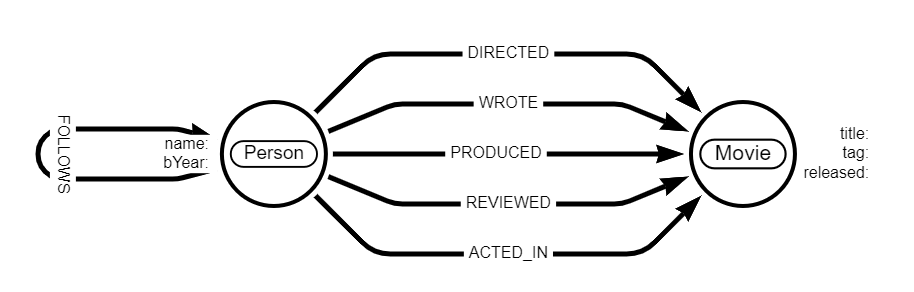
Graph databases are a type of “Not only SQL” (NoSQL) data store. They are designed to store and retrieve data in a graph structure. The storage mechanism used can vary from database to database. Some GDBs may use more traditional database constructs, such as table-based, and then have a graph API layer on top. Others will be ‘native’ GDBs – where the whole construct of the database from storage, management and query maintains the graph structure of the data. Many of the graph databases currently available do this by treating relationships between entities as first class citizens. There are broadly two types of GDB, Resource Descriptive Framework (RDF)/triple stores/semantic graph databases, and property graph databases. An RDF GDB uses the concept of a triple, which is a statement composed of three elements: subject-predicate-object. Subject will be a resource or nodes in the graph, object will be another node or literal value, and predicate represents the relationship between subject and object. 


Microsoft Warns of Cross-Account Takeover Bug in Azure Container Instances

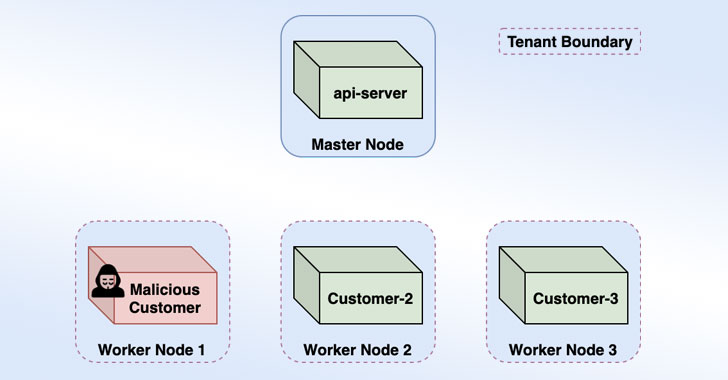
An attacker exploiting the weakness could execute malicious commands on other users' containers, steal customer secrets and images deployed to the platform. The Windows maker did not share any additional specifics related to the flaw, save that affected customers "revoke any privileged credentials that were deployed to the platform before August 31, 2021." Azure Container Instances is a managed service that allows users to run Docker containers directly in a serverless cloud environment, without requiring the use of virtual machines, clusters, or orchestrators. ... "This discovery highlights the need for cloud users to take a 'defense-in-depth' approach to securing their cloud infrastructure that includes continuous monitoring for threats — inside and outside the cloud platform," Unit 42 researchers Ariel Zelivanky and Yuval Avrahami said. "Discovery of Azurescape also underscores the need for cloud service providers to provide adequate access for outside researchers to study their environments, searching for unknown threats."


Credit-Risk Models Based on Machine Learning: A ‘Middle-of-the-Road’ Solution

The low explainability of ML-driven models for credit risk remains, perhaps, their greatest drawback. A visual inspection of, say, a random forest is impossible, and although there are some tools (like feature importance) that provide information about the inner workings of this type of model, ML model logic is significantly more complicated than that of a traditional logistic regression approach. However, we’re increasingly seeing “middle-of-the-road” solutions that incorporate ML-engineered features within an easier-to-explain logistic regression model. Under this approach, ML is used to select highly-predictive features (for, say, probability of default), which are then integrated with the so-called “logit” model. This hybrid model would include both original and ML-engineered features, and an automated algorithm would select the features for forecasting PD. Performance-driven features can be added to this model through Sequential Forward Selection (SFS), one of the most widely-used algorithms for feature selection. 


DevOps Productivity: Have We Reached Its Limits?

As we have established, DevOps engineers are not babysitters. They are highly qualified and talented engineers who thrive by building new and innovative technologies. The grunt work of cloud management, therefore, is often seen as an obstacle to DevOps productivity as it requires constant monitoring, configuration and adjustments. It doesn’t help that much of this work is impossible to do 100% effectively. Thankfully, there is a better way. AI automation is perfectly suited to handle repetitive, routine tasks such as analyzing real-time data, predicting future scale, adjusting infrastructure to accommodate changes in requirements and more. Plus, it can do all of this with perfect accuracy. DevOps teams cannot be as productive as they want if they are constantly putting out fires in their cloud infrastructure. By automating the tasks they don’t like doing anyway, your cloud stays fully optimized while your DevOps engineers are able to work more efficiently on what they enjoy most.


The three ingredients a software solution for digital payment needs

Above all, payment security is the main priority for consumers when it comes to payments. Digital payment solutions need to be transparent and compliant with regulations. As the cryptocurrency industry is growing, governments are taking note and implement stricter regulations. Those regulations in turn demand higher degrees of compliance and possibly license requirements. SMEs will want to avoid the inherent volatility risk of cryptocurrencies. With the right technology, this is also possible: the purchase amount paid is credited to the merchant in fiat currency as usual, even if the customer pays using cryptocurrency — unless, of course, the merchant prefers to keep the purchase amount as cryptocurrency. In some countries, such as Germany, regulators have introduced specific legislation to oversee cryptocurrency custodians. As such, to date, the lack of regulated and supervised custody solutions has been a barrier to entry for SMEs accepting digital asset payments. Confusion on who to choose as the right partner has been common and a huge concern for regulatory-compliant institutions.

Cybersecurity spending is a battle: Here's how to win

It can be difficult to get the board's full attention, especially if cybersecurity is seen purely as an outgoing with little benefit to the bottom line. The best way to address this is to explain, in plain language, the potential threats out there. It could even be a good idea for a CISO to run an exercise to demonstrate the potential impact of a cyber incident. This shouldn't be over-dramatised, but presenting the board with an exercise based around a real-life ransomware incident, for example, and explaining how a similar attack could affect the company could open a few eyes, showing what measures need to be taken. This could then lead to extra budget being released. "One of the best ways to get their attention is to conduct a very thoughtful ransomware exercise. Pick something very realistic and allow your executive team to walk through the decision-making process," says Theresa Payton, CEO of Fortalice Solutions and former chief information officer (CIO) at The White House. 

Wanted: Meaningful Business Insights

Companies able to pivot attention to the quality of insights, not just the quantity of data collected, are starting to reap the rewards of data-driven business. A prominent oil and gas company that spent more than five years trying to wrangle traditional analytics solutions to get insights on common metrics like on-time and full deliveries or days payable outstanding (DPO) was able to move beyond forensic insights to predictive analysis. Specifically, it was able to achieve a greater than 40% reduction in inventory on-hand carrying costs by linking inventory use data with actual planning parameters using the tools of a context-rich data model. Similarly, a major manufacturer was able to improve its on-time delivery metrics from the low 80th percentile to the mid-90th percentile by connecting the dots between production capabilities and shipment results, and making the necessary adjustments based on the insights. In the retail space, companies could categorize the effective window for seasonal or perishable goods—each with limited shelf life—to dramatically reduce obsolete inventory.


What Can the UK Learn From the US Infrastructure Bill Crypto Debacle?

We’re also seeing overreach and wildly sporadic regulatory moves from non-governing bodies, (e.g. the SEC’s random targeting of Coinbase’s P2P lending product), who are scrambling to make sense of this technology while concurrently falling behind even some of the smallest nation-states on earth. Even more, interestingly, the provision was challenged by a coalition from both the left and right of the House. Crypto is not a political movement as Jackson Palmer, one of the creators of Dogecoin, had recently accused it of being. It is a societal movement. It comes as no surprise that Cynthia Lummis, Wyoming’s Senator, was the driving force behind killing the bill. Wyoming has been incredibly supportive of crypto for years now. It was the first state to have a crypto bank and the first to legally recognise a Decentralised Autonomous Organisation, a business that uses blockchain to govern itself without the intervention of a central authority.So too was Ted Cruz, the Republican Senator for Texas.

HAProxy urges users to update after HTTP request smuggling vulnerability found

"This vulnerability has the potential to have a wide-spread impact, but fortunately, there are plenty of ways to mitigate the risk posed by this HAProxy vulnerability, and many users most likely have already taken the necessary steps to protect themselves," Bar-Dayan told ZDNet. "CVE-2021-40346 is mitigated if HAProxy has been updated to one of the latest four versions of the software. Like with most vulnerabilities, CVE-2021-40346 can't be exploited without severe user negligence. The HAProxy team has been responsible in their handling of the bug. Most likely, the institutional cloud and application services that use HAProxy in their stack have either applied upgrades or made the requisite configuration changes by now. Now it is up to all HAProxy users to run an effective vulnerability remediation program to protect their businesses from this very real threat." Michael Isbitski, the technical evangelist at Salt Security, added that HAProxy is a multi-purpose, software-based infrastructure component that can fulfill a number of networking functions, including load balancer, delivery controller, SSL/TLS termination, web server, proxy server and API mediator.


Quote for the day:

"Leadership is practices not so much in words as in attitude and in actions." -- Harold Geneen

Daily Tech Digest - July 06, 2020

Benefits of RPA: RPA Best Practices for successful digital transformation

A main benefit of RPA solutions is that they reduce human error while enabling employees to feel more human by engaging in conversations and assignments that are more complex but could also be more rewarding. For instance, instead of having a contact center associate enter information while also speaking with a customer, an RPA solution can automatically collect, upload, or sync data into with other systems for the associate to approve while focusing on forming an emotional connection with the customer. Another impact of RPA is it can facilitate and streamline employee onboarding and training. An RPA tool, for instance, can pre-populate forms with the new hire’s name, address, and other key data from the resume and job application form, saving the employee time. For training, RPA can conduct and capture data from training simulations, allowing a global organization to ensure all employees receive the same information in a customized and efficient manner. RPA is not for every department and it’s certainly not a panacea for retention and engagement problems. But by thinking carefully about the benefits that it offers to employees, RPA can transform workflows—making employees’ jobs less robotic and more rewarding.


Hey Alexa. Is This My Voice Or a Recording?

The idea is to quickly detect whether a command given to a device is live or is prerecorded. It's a tricky proposition given that a recorded voice has characteristics similar to a live one. "Such attacks are known as one of the easiest to perform as it simply involves recording a victim's voice," says Hyoungshick Kim, a visiting scientist to CSIRO. "This means that not only is it easy to get away with such an attack, it's also very difficult for a victim to work out what's happened." The impacts can range from using someone else's credit card details to make purchases, controlling connected devices such as smart appliances and accessing personal data such home addresses and financial data, he says. The voice-spoofing problem has been tackled by other research teams, which have come up with solutions. In 2017, 49 research teams submitted research for the ASVspoof 2017 Challenge, a project aimed at developing countermeasures for automatic speaker verification spoofing. The ASV competition produced one technology that had a low error rate compared to the others, but it was computationally expensive and complex, according to Void's research paper.


Reduce these forms of AI bias from devs and testers

Cognitive bias means that individuals think subjectively, rather than objectively, and therefore influence the design of the product they're creating. Humans filter information through their unique experience, knowledge and opinions. Development teams cannot eliminate cognitive bias in software, but they can manage it. Let's look at the biases that most frequently affect quality, and where they appear in the software development lifecycle. Use the suggested approaches to overcome cognitive biases, including AI bias, and limit their effect on software users. A person knowledgeable about a topic finds it difficult to discuss from a neutral perspective. The more the person knows, the harder neutrality becomes. That bias manifests within software development teams when experienced or exceptional team members believe that they have the best solution. Infuse the team with new members to offset some of the bias that occurs with subject matter experts. Cognitive bias often begins in backlog refinement. Preconceived notions about application design can affect team members' critical thinking. During sprint planning, teams can fall into the planning fallacy: underestimating the actual time necessary to complete a user story.


Deploying the Best of Both Worlds: Data Orchestration for Hybrid Cloud

A different approach to bridging the worlds of on-prem data centers and the growing variety of cloud computing services is offered by a company called Alluxio. From their roots at the Berkeley Amp Labs, they've been focused on solving this problem. Alluxio decided to bring the data to computing in a different way. Essentially, the technology provides an in-memory cache that nestles between cloud and on-prem environments. Think of it like a new spin on data virtualization, one that leverages an array of cloud-era advances. According to Alex Ma, director of solutions engineering at Alluxio: "We provide three key innovations around data: locality, accessibility and elasticity. This combination allows you to run hybrid cloud solutions where your data still lives in your data lake." The key, he said, is that "you can burst to the cloud for scalable analytics and machine-learning workloads where the applications have seamless access to the data and can use it as if it were local--all without having to manually orchestrate the movement or copying of that data."


Redis and open source succession planning

Speaking of the intersection of open source software development and cloud services, open source luminary Tim Bray has said, “The qualities that make people great at carving high-value software out of nothingness aren’t necessarily the ones that make them good at operations.” The same can be said of maintaining open source projects. Just because you’re an amazing software developer doesn’t mean you’ll be a great software maintainer, and vice versa. Perhaps more pertinently to the Sanfilippo example, developers may be good at both, yet not be interested in both. (By all accounts Sanfilippo has been a great maintainer, though he’s the first to say he could become a bottleneck because he liked to do much of the work himself rather than relying on others.) Sanfilippo has given open source communities a great example of how to think about “career” progression within these projects, but the same principle applies within enterprises. Some developers will thrive as managers (of people or of their code), but not all. As such, we need more companies to carve out non-management tracks for their best engineers, so developers can progress their career without leaving the code they love. 


How data science delivers value in a post-pandemic world

The uptick in the need for data science, across industries, comes with the need for data science teams. While hiring may have slowed down in the tech sector – Google slowed its hiring efforts during the pandemic – data scientists professionals are still in high demand. However, it’s important to keep a close eye on how these teams continue to evolve. One position which is increasingly in-demand as businesses become more data-driven is the role of the Algorithm Translator. This person is responsible for translating business problems into data problems and, once the data answer is found, articulating this back into an actionable solution for business leaders to apply. The Algorithm Translator must first break down the problem statement into use cases, connect these use cases with the appropriate data set, and understand any limitations on the data sources so the problem is ready to be solved with data analytics. Then, in order to translate the data answer into a business solution, the Algorithm Translator must stitch the insights from the individual use cases together to create a digestible data story that non-technical team members can put into action.


Open source contributions face friction over company IP

Why the change? Companies that have established open source programs say the most important factor is developer recruitment. "We want to have a good reputation in the open source world overall, because we're hiring technical talent," said Bloomberg's Fleming. "When developers consider working for us, we want other people in the community to say 'They've been really contributing a lot to our community the last couple years, and their patches are always really good and they provide great feedback -- that sounds like a great idea, go get a job there.'" While companies whose developers contribute code to open source produce that code on company time, the company also benefits from the labor of all the other organizations that contribute to the codebase. Making code public also forces engineers to adhere more strictly to best practices than if it were kept under wraps and helps novice developers get used to seeing clean code.


How Ekans Ransomware Targets Industrial Control Systems

The Ekans ransomware begins the attack by attempting to confirm its target. This is achieved by resolving the domain of the targeted organization and comparing this resolved domain to a specific list of IP addresses that have been preprogrammed, the researchers note. If the domain doesn't match the IP list, the ransomware aborts the attack. "If the domain/IP is not available, the routine exits," the researchers add. If the ransomware does find a match between the targeted domain and the list of approved IP addresses, Ekans then infects the domain controller on the network and runs commands to isolate the infected system by disabling the firewall, according to the report. The malware then identifies and kills running processes and deletes the shadow copies of files, which makes recovering them more difficult, Hunter and Gutierrez note. In the file stage of the attack, the malware uses RSA-based encryption to lock the target organization's data and files. It also displays a ransom note demanding an undisclosed amount in exchange for decrypting the files. If the victim fails to respond within first 48 hours, the attackers then threaten to publish their data, according to the Ekans ransom recovered by the FortiGuard researchers.


The best SSDs of 2020: Supersized 8TB SSDs are here, and they're amazing

If performance is paramount and price is no object, Intel’s Optane SSD 905P is the best SSD you can buy, full stop—though the 8TB Sabrent Rocket Q NVMe SSD discussed above is a strong contender if you need big capacities and big-time performance. Intel’s Optane drive doesn’t use traditional NAND technology like other SSDs; instead, it’s built around the futuristic 3D Xpoint technology developed by Micron and Intel. Hit that link if you want a tech deep-dive, but in practical terms, the Optane SSD 900P absolutely plows through our storage benchmarks and carries a ridiculous 8,750TBW (terabytes written) rating, compared to the roughly 200TBW offered by many NAND SSDs. If that holds true, this blazing-fast drive is basically immortal—and it looks damned good, too. But you pay for the privilege of bleeding edge performance. Intel’s Optane SSD 905P costs $600 for a 480GB version and $1,250 for a 1.5TB model, with several additional options available in both the U.2 and PCI-E add-in-card form factors. That’s significantly more expensive than even NVMe SSDs—and like those, the benefits of Intel’s SSD will be most obvious to people who move large amounts of data around regularly.


SRE: A Human Approach to Systems

Failure will happen, incidents will occur, and SLOs will be breached. These things may be difficult to face, but part of adopting SRE is to acknowledge that they are the norm. Systems are made by humans, and humans are imperfect. What’s important is learning from these failures and celebrating the opportunity to grow. One way to foster this culture is to prioritize psychological safety in the workplace. The power of safety is very obvious but often overlooked. Industry thought leaders like Gene Kim have been promoting the importance of feeling safe to fail. He addresses the issue of psychological insecurity in his novel, “The Unicorn Project.” Main character Maxine has been shunted from a highly-functional team to Project Phoenix, where mistakes are punishable by firing. Gene writes “She’s [Maxine] seen the corrosive effects that a culture of fear creates, where mistakes are routinely punished and scapegoats fired. Punishing failure and ‘shooting the messenger’ only cause people to hide their mistakes, and eventually, all desire to innovate is completely extinguished.”


Quote for the day:

"Education: the path from cocky ignorance to miserable uncertainty." -- Mark Twain