Showing posts with label reliability. Show all posts

Daily Tech Digest - May 04, 2026


Quote for the day:

"The most powerful thing a leader can do is take something complicated and make it clear. Clarity is the ultimate competitive advantage." -- Gordon Tredgold

🎧 Listen to this digest on YouTube Music

▶ Play Audio Digest

Duration: 24 mins • Perfect for listening on the go.


Edge + Cloud data modernisation: architecting real-time intelligence for IoT

The article by Chandrakant Deshmukh explores the critical shift from traditional "cloud-first" IoT architectures to a modernized edge-cloud continuum, which is essential for achieving true real-time intelligence. The author argues that purely cloud-centric models are failing due to prohibitive latency, high bandwidth costs, and complex data sovereignty requirements. To address these challenges, enterprises must adopt a tiered architectural approach governed by "data gravity," where raw signals are processed locally at the edge for immediate control, while the cloud is reserved for long-horizon analytics and model training. This modernization relies on three core technical pillars: an event-driven transport spine using protocols like MQTT and Kafka, a dedicated stream-processing layer for real-time data handling, and digital twins to synchronize physical assets with digital representations. Beyond technology, the article emphasizes the importance of intellectual property governance, urging organizations to clarify data ownership and lineage early in vendor contracts. By treating edge and cloud as complementary tiers rather than competing locations, businesses can unlock significant returns on investment, including predictive maintenance and enhanced operational efficiency. Ultimately, successful IoT modernization is not merely a technical project but a strategic commitment to processing data at the most efficient tier to drive industrial intelligence.


AI Code Review Only Catches Half of Your Bugs

The O’Reilly Radar article, "AI Code Review Only Catches Half of Your Bugs," explores the critical limitations of using artificial intelligence for automated code verification. While AI tools like GitHub Copilot and CodeRabbit are proficient at identifying structural defects—such as null pointer dereferences, resource leaks, and race conditions—they struggle significantly with "intent violations." These are logical bugs that occur when the code executes successfully but fails to do what the developer actually intended. Research indicates that while AI can catch approximately 65% of structural issues, it often misses the deeper 35% to 50% of defects rooted in misunderstood requirements or complex business logic. The article emphasizes that AI lacks the institutional memory and operational context that human engineers possess. For instance, an AI agent might suggest an efficient code refactor that inadvertently bypasses a necessary security wrapper or violates a project-specific architectural guideline. To bridge this gap, the author suggests a shift toward "context-aware reasoning" and the use of tools like the Quality Playbook. This approach involves feeding AI agents specific documentation, such as READMEs and design notes, to help them "infer" intent. Ultimately, the piece argues that while AI is a powerful assistant, human oversight remains essential for catching the subtle, high-stakes errors that automated systems cannot yet perceive.


Small Language Models (SLMs) as the gold standard for trust in AI

The article argues that Small Language Models (SLMs) are emerging as the "gold standard" for establishing trust in artificial intelligence, particularly in precision-dependent industries like finance. While Large Language Models (LLMs) often prioritize sounding confident and clever over being accurate, they frequently succumb to hallucinations because they are trained on vast, unverified datasets. In contrast, SLMs are trained on narrow, high-quality data, allowing them to be faster, more cost-effective, and significantly more accurate in their results. They aim to be "correct, not clever," making them ideal for high-stakes environments where even minor errors can lead to severe financial loss or compliance nightmares. The most resilient business strategy involves orchestrating a hybrid architecture where LLMs serve as the intuitive reasoning layer and user interface, while a "swarm" of specialized SLMs acts as the deterministic verifiers for specific, granular tasks. This collaboration is facilitated by tools like the Model Context Protocol, ensuring that final outputs are grounded in fact rather than statistical probability. Furthermore, trust is reinforced by incorporating confidence scores and human-in-the-loop verification processes. Ultimately, shifting toward specialized, connected AI architectures allows professionals to move away from tedious manual data entry and focus on high-impact advisory work, ensuring that AI remains a reliable and secure partner in complex professional workflows.


Upgrading legacy systems: How to confidently implement modernised applications

In the article "Upgrading legacy systems: How to confidently implement modernised applications," Ger O’Sullivan explores the critical shift from outdated technology to agile, AI-enhanced operational frameworks. For years, legacy systems have served as organizational backbones but now present significant hurdles, including high maintenance costs, security vulnerabilities, and reduced agility. O’Sullivan argues that modernization is no longer an optional luxury but a strategic imperative for sustained competitiveness and growth. Fortunately, the emergence of AI-enabled tooling and structured, end-to-end frameworks has made this process more predictable and cost-effective than ever before. These advancements allow organizations—particularly in the public sector where systems are often undocumented and deeply integrated—to move away from risky "start from scratch" approaches toward incremental, value-driven transformations. The author emphasizes that successful modernization must be business-aligned rather than purely technical, suggesting that leaders should prioritize applications based on their potential business value and risk profile. By starting with small, manageable pilots, teams can demonstrate quick wins, build momentum, and refine their governance processes before scaling across the enterprise. Ultimately, O’Sullivan highlights that with the right strategic advisors and a focus on long-term outcomes, organizations can transform their legacy burdens into powerful drivers of innovation, service quality, and operational resilience.


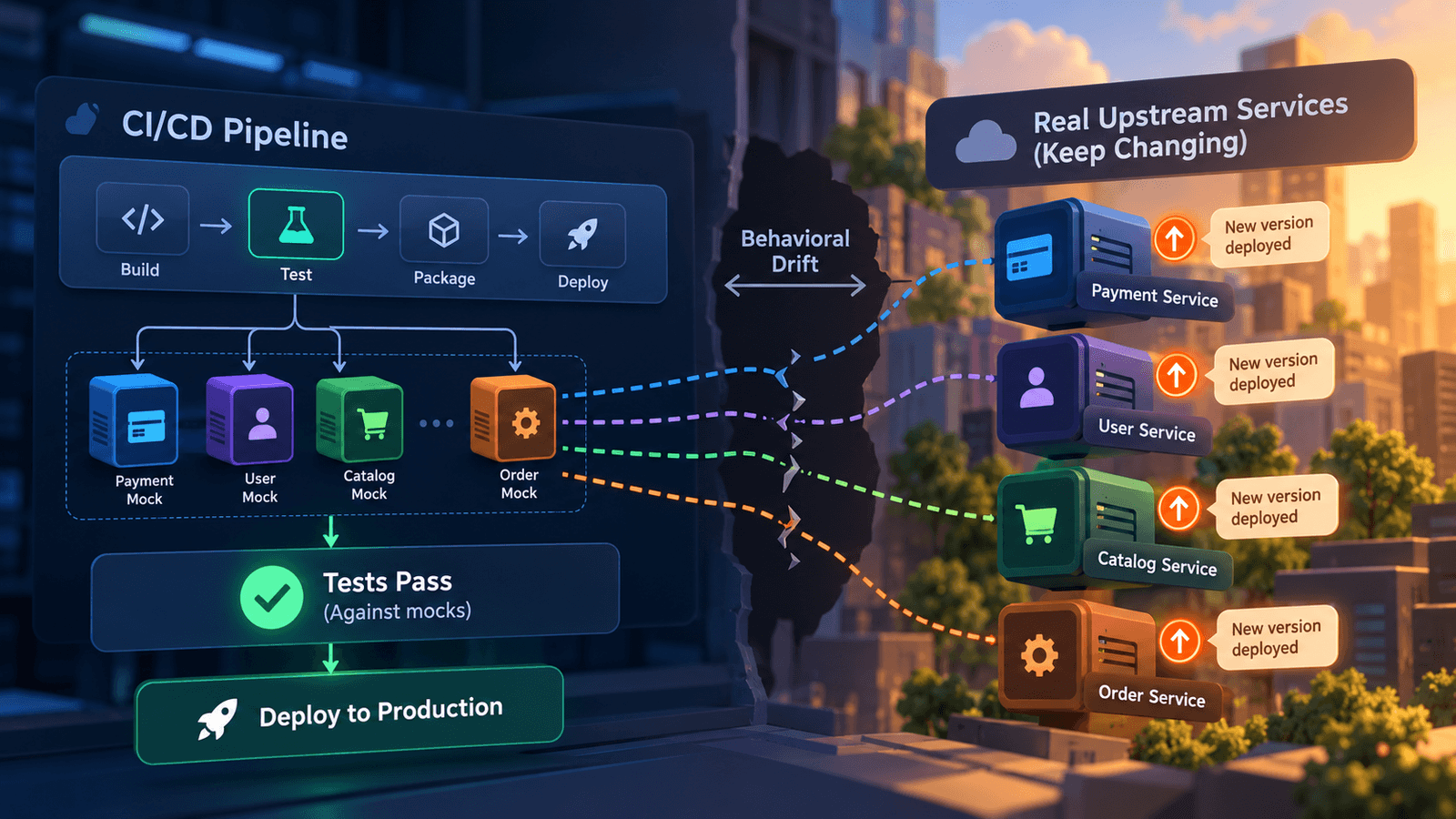
Relying on LLMs is nearly impossible when AI vendors keep changing things

In the article "Relying on LLMs is nearly impossible when AI vendors keep changing things," Evan Schuman examines the growing instability enterprise IT faces when integrating generative AI systems. The core issue revolves around AI vendors frequently implementing background updates without notifying customers, a practice highlighted by a candid report from Anthropic. This report detailed several instances where adjustments—meant to improve latency or efficiency—inadvertently degraded model performance, such as reducing reasoning depth or causing "forgetfulness" in sessions. Schuman argues that while businesses have long accepted limited control over SaaS platforms, the opaque nature of Large Language Models (LLMs) represents a new extreme. Because these systems are non-deterministic and highly interdependent, performance regressions are difficult for both vendors and users to detect or reproduce accurately. Furthermore, the article notes a potential conflict of interest: since most enterprise clients pay per token, vendors have a financial incentive to make changes that increase consumption. Ultimately, the author warns that the reliability of mission-critical AI applications is currently at the mercy of vendors who can "dumb down" services overnight. He concludes that internal monitoring of accuracy, speed, and cost is no longer optional for organizations seeking a clean return on investment in an environment defined by "buyer beware."


The evolution of data protection: Why enterprises must move beyond traditional backup

The article titled "The Evolution of Data Protection: Why Enterprises Must Move Beyond Traditional Backup" explores the paradigm shift from simple data recovery to comprehensive enterprise resilience. Author Seemanta Patnaik argues that in today’s landscape of sophisticated AI-driven cyber threats and ransomware, traditional backups serve only as a starting point rather than a total solution. Modern enterprises face significant vulnerabilities, including flat network architectures, legacy infrastructures, and human susceptibility to phishing, necessitating a holistic lifecycle approach that encompasses prevention, detection, and rapid response. Patnaik emphasizes that data protection must be driven by risk-based thinking rather than mere regulatory compliance, as sectors like banking and insurance face increasingly complex legal mandates. Key strategies highlighted include the "3-2-1-1-0" rule, rigorous testing of recovery systems, and the use of automation to manage the scale of distributed data environments. Furthermore, critical metrics like Recovery Time Objective (RTO) and Recovery Point Objective (RPO) are presented as essential benchmarks for measuring business continuity effectiveness. Ultimately, the piece asserts that true resilience requires executive-level governance and a proactive shift toward predictive security models. By integrating AI for faster threat detection and automated recovery, organizations can better navigate the evolving digital ecosystem and ensure they return to business as usual with minimal disruption.


What researchers learned about building an LLM security workflow

The Help Net Security article "What researchers learned about building an LLM security workflow" highlights critical findings from the University of Oslo and the Norwegian Defence Research Establishment regarding the integration of Large Language Models into Security Operations Centers. While vendors often market LLMs as immediate solutions for alert triage, the research reveals that these models fail significantly when operating in isolation. Specifically, when provided with only high-level summaries of malicious network activity, popular models like GPT-5-mini and Claude 3 Haiku achieved a zero percent detection rate. However, performance improved dramatically when the models were embedded within a structured, agentic workflow. By implementing a system where models could plan investigations, execute specific SQL queries against logs, and iteratively summarize evidence, malicious detection accuracy surged to an average of 93 percent. This shift demonstrates that a model's effectiveness is not solely dependent on its internal intelligence but rather on the constrained tools and rigorous processes surrounding it. Despite this success, the models often flagged benign cases as "uncertain," suggesting that while such workflows reduce missed threats, they may still necessitate human oversight. Ultimately, the study emphasizes that a well-defined architecture is essential for transforming LLMs from passive data recipients into proactive, reliable security analysts.


Cyber-physical resilience reshaping industrial cybersecurity beyond perimeter defense to protect core processes

The article explores the critical transition from perimeter-centric defense to cyber-physical resilience in industrial cybersecurity, driven by the dissolution of traditional barriers between IT and OT environments. As operational technology becomes increasingly interconnected, conventional "air gaps" have vanished, leaving 78% of industrial control devices with unfixable vulnerabilities. Experts from firms like Booz Allen Hamilton and Fortinet emphasize that modern resilience is no longer just about preventing every attack but ensuring that essential services—such as power and water—continue to function even during a compromise. This proactive approach prioritizes the integrity of core processes over the absolute security of individual systems. Key challenges highlighted include a dangerous overconfidence among operators and a persistent lack of visibility into serial and analog communications, which remain the backbone of physical processes. With approximately 21% of industrial companies facing OT-specific attacks annually, the shift toward resilience demands continuous monitoring, cross-disciplinary collaboration, and dynamic recovery strategies. Ultimately, cyber-physical resilience is defined by an organization's capacity to identify, mitigate, and recover from disruptions without halting production. By focusing on process-level protection rather than just network boundaries, critical infrastructure can adapt to a landscape where cyber threats have direct, real-world physical consequences.


AI exposes attacks traditional detection methods can’t see

Evan Powell’s article on SiliconANGLE highlights a critical vulnerability in modern cybersecurity: the inherent architectural limitations of rule-based detection systems. For decades, security has relied on signatures, thresholds, and anomaly baselines to identify threats. However, these traditional methods are increasingly blind to side-channel attacks and sophisticated, AI-assisted intrusions that utilize legitimate tools or encrypted channels. Because these maneuvers do not produce discrete "matchable" signals or cross predefined boundaries, they often remain invisible to standard scanners. The article argues that the industry is currently deploying AI at the wrong layer; most tools focus on post-detection response—such as summarizing alerts and automating investigations—rather than the initial detection process itself. This misplaced focus leaves a significant gap where attackers can operate indefinitely without triggering a single alert. To close this divide, security architecture must evolve beyond simple rules toward advanced AI systems capable of interpreting complex patterns in timing, sequencing, and interaction. Currently, the most dangerous signals are not traditional indicators at all, but rather subtle behaviors that require a fundamental shift in how detection is engineered. Without moving AI deeper into the observation layer, organizations will continue to optimize their response to known threats while remaining entirely exposed to a growing class of silent, architectural-level attacks.


Why service desks are emerging as a critical security weakness

The article from SecurityBrief Australia examines the escalating vulnerability of corporate service desks, which have become primary targets for sophisticated cybercriminals. While many organizations invest heavily in technical perimeters, the service desk represents a critical "human element" that is easily exploited through social engineering. Attackers utilize tactics like voice phishing, or "vishing," to impersonate employees or high-level executives, often leveraging personal information gathered from social media or previous data breaches. Their ultimate objective is to manipulate help desk staff into resetting passwords, enrolling unauthorized multi-factor authentication devices, or bypassing standard security controls. This issue is intensified by the broad permissions typically granted to service desk agents, where a single compromised identity can provide a gateway to the entire corporate network. Furthermore, the rise of remote work and the use of virtual private networks have made verifying identities over digital channels increasingly difficult. To combat these threats, the article advocates for a fundamental shift toward the principle of least privilege and the implementation of robust, automated identity verification processes, such as biometric checks, to replace reliance on easily discoverable personal data. Ultimately, organizations must prioritize securing the service desk to prevent it from inadvertently serving as an open door for devastating ransomware attacks and data breaches.

Daily Tech Digest - March 25, 2026


Quote for the day:

"A true dreamer is one who knows how to navigate in the dark." -- John Paul Warren


🎧 Listen to this digest on YouTube Music

▶ Play Audio Digest

Duration: 22 mins • Perfect for listening on the go.


What actually changes when reliability becomes a board-level problem

When system reliability transitions from a technical metric to a board-level priority, the focus shifts from engineering jargon like latency to fiduciary responsibility and risk management. This evolution requires leaders to speak the language of revenue, reframing outages not just by their duration but by the millions in annual recurring revenue at risk. The author argues that true reliability is a governance stance where systems are treated as non-negotiable obligations. To manage this, organizations must move beyond technical hardening toward a "Trust Rebuild Journey," treating postmortems as binding customer contracts rather than internal artifacts. Operational changes, such as implementing a "Unified Command" and "game clocks," help reduce decision latency during crises. However, the core of this shift is human-centric; it’s about understanding the real-world impact on users, like small business owners or emergency dispatchers, whose lives depend on these systems. As autonomous AI begins to handle routine remediation, the author warns that human judgment remains vital for solving complex, cascading failures. Ultimately, being a board-level problem means realizing that an SLA is not just a target but a promise to protect the people behind the screen.


Rethinking Learning: Why curiosity, not compliance, is the key to success

In the article "Rethinking Learning," Shaurav Sen argues that traditional corporate training is fundamentally flawed, prioritizing compliance and completion metrics over genuine behavioral change and capability. Sen contends that many organizations fall into a "measurement trap," focusing on dashboard success while failing to improve job performance. To fix this, he proposes a shift from mandatory, "just-in-case" training to an optional, "just-in-time" model that prioritizes learner curiosity over administrative convenience. He introduces the "Spark" framework—Surface, Provoke, Activate, Reveal, and Kick-Start—as a method to create learning experiences that resonate emotionally and stick intellectually. By transforming Learning and Development (L&D) professionals into "curiosity architects," organizations can foster a culture where employees proactively seek growth. This approach involves replacing outdated metrics with "Time to Competency" and "Voluntary Re-Engagement Rates." Ultimately, Sen calls for a radical simplification of learning systems, urging leaders to move away from "learning theatre" and toward high-impact environments fueled by productive discomfort. This transition is essential in an AI-driven world where information is abundant but the spark of human curiosity remains the primary driver of successful employee skilling and organizational success.


When Patching Becomes a Coordination Problem, Not a Technical One

The article argues that patching failures are often rooted in organizational coordination breakdowns rather than technical limitations, especially regarding transitive dependencies. When vulnerabilities emerge in deeply embedded components, the remediation path is rarely linear because upstream fixes are not immediately deployable. Each layer in the dependency chain introduces delays as downstream libraries must integrate, test, and release their own updates. This lag creates a dangerous window for attackers to exploit publicly known vulnerabilities while internal teams struggle to align. CISOs face a persistent tension where security demands rapid action while engineering and operations prioritize system stability and regression testing. To overcome these hurdles, organizations must treat patching as a structured capability rather than a reactive task. Effective strategies include defining ownership for dependency-driven risks, establishing clear escalation paths, and prioritizing internet-facing or critical business systems. By investing in testing pipelines and rehearsed response playbooks, companies can replace improvised decision-making with predictable processes. Ultimately, the goal is to reduce uncertainty and internal friction, ensuring that when the next major vulnerability arrives, the organization is prepared to move with speed and clarity across all cross-functional teams involved in the remediation efforts.


AI and Medical Device Cybersecurity: The Good and Bad

The rapid integration of artificial intelligence into medical device cybersecurity presents a complex landscape of advantages and significant risks. On the positive side, AI-powered tools, such as large language models and autonomous scanners, are revolutionizing vulnerability discovery. These technologies can identify hundreds of true security flaws in hours—a task that previously took weeks—leading to a forty percent increase in known vulnerabilities. However, this surge has created a daunting vulnerability risk mitigation gap. Healthcare organizations and manufacturers struggle to manage the resulting avalanche of data, as current regulations like those from the FDA prohibit using AI for critical decision-making regarding device safety and remediation. Furthermore, the accessibility of these sophisticated tools lowers the barrier for cybercriminals, enabling even low-skilled threat actors to pinpoint exploitable flaws in life-critical equipment like infusion pumps. While the future use of Software Bills of Materials (SBOMs) alongside AI promises improved infrastructure resilience, the immediate reality is a race between rapid discovery and the ability of human-led systems to prioritize and fix flaws effectively. Balancing this technological double-edged sword remains a critical challenge for the medical sector as it navigates the evolving threat landscape of 2026 and beyond.


Autonomous AI adoption is on the rise, but it’s risky

The article "Autonomous AI adoption is on the rise, but it’s risky" highlights the rapid emergence of agentic AI platforms like OpenClaw and Anthropic’s Claude Cowork, which move beyond simple content generation to executing complex, multi-step workflows. While traditionally risk-averse sectors like healthcare and finance are beginning to experiment with these autonomous tools, the transition introduces substantial security and operational challenges. Proponents argue that these agents act as force multipliers, eliminating administrative drudgery and allowing human workers to focus on higher-value strategic tasks. However, the speed of execution can also amplify errors; for instance, a misaligned agent might inadvertently delete a user’s entire inbox or fall victim to sophisticated prompt injection attacks. Experts warn that many organizations currently lack the necessary monitoring systems and documented operational context required to manage these autonomous systems safely. To mitigate these risks, IT leaders are advised to implement robust oversight, ensure data cleanliness, and configure strict application permissions. Ultimately, despite the inherent dangers, the article encourages a balanced approach of cautious experimentation and rigorous control, as autonomous AI is poised to fundamentally reshape the global professional landscape within the next two years.


Your security stack looks fine from the dashboard and that’s the problem

According to Absolute Security’s 2026 Resilience Risk Index, a critical disconnect exists between cybersecurity dashboards and actual endpoint health, with one in five enterprise devices operating in an unprotected state daily. This "control drift" results in the average device spending approximately 76 days per year outside enforceable security states. The report highlights a widening gap in vulnerability management, where out-of-compliance rates climbed to 24%. Furthermore, while 62% of organizations are consolidating vendors to reduce complexity, this strategy creates significant "concentration exposure," where a single platform failure can paralyze an entire fleet. Patching discipline is also faltering; Windows 10 has reached end-of-life, and Windows 11 patch ages are rising across all sectors. Simultaneously, generative AI usage has surged 2.5 times, primarily through browser-based access that bypasses standard IT oversight. This shadow AI adoption, coupled with the shift toward AI-capable hardware, necessitates more robust endpoint stability to support automated workflows. Financially, the stakes are immense, as downtime costs large firms an average of $49 million annually. Ultimately, the report urges CISOs to prioritize resilience and remote recoverability over mere license coverage to mitigate these escalating operational and security risks.


Why AI scaling is so hard -- and what CIOs say works

The article highlights that while enterprises are investing heavily in generative AI, scaling these initiatives remains a significant hurdle due to high costs, poor data quality, and adoption difficulties. Insights from CIOs at First Student, OceanFirst Bank, and Lowell Community Health Center reveal that moving beyond experimental pilots requires a disciplined, value-driven strategy. Successful scaling begins with identifying specific, high-impact use cases that address tangible operational pain points rather than chasing industry hype. These leaders emphasize a "crawl, walk, run" approach, starting with small, contained pilots to validate performance before enterprise-wide rollouts. Crucially, selecting vendors with industry-specific expertise and establishing clear ROI metrics are vital for maintaining momentum. Conversely, the article warns against common pitfalls such as neglecting the end-user experience, ignoring change management, or delaying essential data governance and security frameworks. Without a solid data foundation, even the most advanced AI tools are prone to failure. Ultimately, CIOs must balance technical implementation with human-centric design, ensuring that AI serves as a practical, integrated tool rather than a novelty. By focusing on measurable outcomes and rigorous governance, organizations can bridge the gap between AI potential and actual business value.


Why Application Modernization Fails When Data Is an Afterthought

In "Why Application Modernization Fails When Data Is an Afterthought," Aman Sardana highlights that between 68% and 79% of legacy modernization projects fail because organizations prioritize cloud infrastructure over data strategy. While teams often focus on refactoring code or migrating to new platforms, they frequently ignore the "data gravity" of decades-old schemas and monolithic models. Simply moving applications to the cloud without addressing underlying data constraints merely relocates technical debt rather than retiring it. Sardana argues that modernization is fundamentally a data transformation problem, as legacy data structures built for centralized systems clash with cloud-native requirements like elastic scale and distributed ownership. To succeed, organizations must adopt a "data-first" mindset, implementing domain-aligned data ownership and explicit data contracts. This transition requires breaking down organizational silos where application and data teams operate independently. Ultimately, the article suggests that successful modernization depends on a deep collaboration between the CIO and Chief Data Officer to ensure data is treated as a primary, independent asset. Without this foundation, cloud initiatives become expensive exercises in preserving legacy limitations rather than unlocking true business agility and long-term innovation.


Architecting Portable Systems on Open Standards for Digital Sovereignty

In his article "Architecting Portable Systems on Open Standards for Digital Sovereignty," Jakob Beckmann explores the necessity of maintaining control over critical IT systems by reducing vendor dependency. He argues that while absolute digital sovereignty is an unattainable myth in a globalized economy, organizations must strive for a "Plan B" through architectural discipline and the adoption of open standards. Sovereignty is categorized into four key axes: data, technological, operational, and general governance. The author emphasizes that achieving this does not require building everything in-house or operating private data centers; rather, it involves identifying critical business processes and ensuring they are portable. Beckmann highlights that open standards like TCP/IP, TLS, and PDF serve as foundational pillars for this portability. However, he warns that the process is often more complex than anticipated due to hidden dependencies and the subtle lure of vendor-specific features in popular tools like Kubernetes. Ultimately, the article advocates for a balanced approach where resilient, portable architectures and clear guardrails empower businesses to migrate or adapt when providers change their terms, ensuring long-term operational autonomy and risk mitigation.


Why Most Data Security Strategies Collapse Under Real-World Pressure

Samuel Bocetta’s article explores why data security strategies frequently fail, arguing that most are built for ideal conditions or audit compliance rather than real-world operational pressures. A primary failure point is the disconnect between rigid policies and the critical need for speed; when engineers face urgent deadlines, security often becomes a hurdle that is quietly bypassed with temporary workarounds. Furthermore, organizations often over-rely on technical tools while ignoring human behavior and misaligned incentives. People naturally prioritize delivery and uptime over security controls that cause friction, especially when leadership rewards speed over diligence. Data sprawl—driven by shadow AI and decentralized analytics—also outpaces traditional governance models, creating visibility gaps that attackers exploit. Additionally, many strategies remain static in a dynamic threat landscape, failing to evolve alongside modern attack vectors. Bocetta concludes that building resilient security must shift from a narrow "checkbox" compliance mentality to an integrated, continuously evolving practice. True success requires meticulously aligning security measures with actual business workflows, executive incentives, and the fluid reality of how data is used daily, ensuring that protection is built into the organization's core rather than being treated as a secondary obstacle to progress.

Daily Tech Digest - March 21, 2026


Quote for the day:

"Management is about arranging and telling. Leadership is about nurturing and enhancing." -- Tom Peters


🎧 Listen to this digest on YouTube Music

▶ Play Audio Digest

Duration: 22 mins • Perfect for listening on the go.


Three ways AI is learning to understand the physical world

The VentureBeat article "Three ways AI is learning to understand the physical world" explores how researchers are overcoming the physical reasoning limitations of large language models through "world models." While LLMs excel at abstract knowledge, they lack grounding in causality, prompting a shift toward three distinct architectural approaches to simulate the real world. The first, Joint Embedding Predictive Architecture (JEPA), mimics human cognition by learning abstract latent features, ignoring irrelevant pixels to achieve the high efficiency required for real-time robotics. The second approach utilizes Gaussian splats to generate detailed 3D spatial environments from prompts, allowing AI agents to interact within standard physics engines like Unreal Engine. Finally, end-to-end generative models, such as DeepMind’s Genie 3 and Nvidia’s Cosmos, act as native physics engines by continuously generating frames and physical dynamics on the fly. This third method is particularly vital for creating massive synthetic data factories to safely train autonomous systems in complex edge cases. Ultimately, the analysis suggests a future defined by hybrid architectures, where LLMs provide the reasoning interface while world models serve as the foundational infrastructure for spatial data, enabling AI to move beyond digital browsers and into physical spaces.


Field workers don’t need more access, they need better security

In this interview, Chris Thompson, CISO at West Shore Home, outlines the evolving landscape of cybersecurity for field-based workforces. He emphasizes that the principle of least privilege should be applied consistently across all roles, dismissing the notion that field workers require broader access for convenience. A significant shift involves replacing antiquated, shared generic accounts with individual credentials secured by robust multifactor authentication, reflecting a modern standard where security is never sacrificed for speed. Thompson details how West Shore Home manages sensitive customer data through continuous risk assessments and bi-monthly executive reviews, ensuring mitigation strategies remain agile rather than stuck in traditional annual cycles. Addressing the logistical hurdles of training, he advocates for integrating security awareness into daily "toolbox talks" at warehouses, which proves more effective than email-based modules for employees on the move. By aligning security protocols with the technology field teams use daily, the organization fosters a unified culture where every worker understands their role in the broader security posture. Ultimately, Thompson argues that field workers do not need expanded access; they require more sophisticated, integrated security measures that support their unique operational environment without introducing unnecessary risk to the enterprise.


6 innovation curves are rewriting enterprise IT strategy

The article "6 innovation curves are rewriting enterprise IT strategy" highlights a fundamental shift from sequential technology updates to managing multiple, overlapping waves of digital transformation. These six innovation curves include transitioning from traditional software to systems of autonomous collaborators, adopting AI-native applications that embed machine learning into their core architecture, and treating enterprise memory as a queryable knowledge layer for real-time decision-making. Additionally, IT leaders must redesign human-machine interactions to enhance productivity, establish robust governance for trust and integrity in a world of synthetic data, and utilize virtual simulations to de-risk experimentation. The author emphasizes that these curves are deeply interdependent; for example, autonomous agents require high-quality memory layers to function effectively, while simulation environments provide the necessary testing grounds for AI-native interactions. To succeed, organizations must move beyond linear management models and instead develop an integrated strategy that orchestrates these curves concurrently. By focusing on areas like "AgentOps" and persistent data layers, businesses can build a resilient digital architecture capable of absorbing continuous disruption while maintaining operational priorities, effectively redefining how enterprises create value and manage risk in an AI-driven landscape.


Credential theft compounded in 2025, says new data from Recorded Future

Recorded Future’s 2025 Identity Threat Landscape Report reveals that credential theft has become the primary initial access vector for enterprise security breaches, characterized by a staggering escalation throughout the year. Data indicates that credential indexing surged by 90 percent in the final quarter compared to the first, with a significant majority of these attacks specifically targeting authentication systems to maximize unauthorized access. A particularly alarming trend is the proliferation of infostealer malware, which harvested 276 million credentials containing active session cookies. These cookies enable cybercriminals to bypass multi-factor authentication entirely, rendering traditional security measures increasingly insufficient. The report underscores that a single compromised endpoint can jeopardize an entire organization, as the average infected device now yields approximately 87 distinct stolen credentials across various corporate and personal platforms. Consequently, industry experts advocate for a transition toward "verified trust" models, which emphasize continuous, contextual identity verification using biometrics and passkeys. Despite the escalating risk, research from IDC and Ping Identity suggests that only nine percent of organizations have successfully operationalized these advanced safeguards at scale, highlighting a critical maturity gap in global digital infrastructure and a pressing need for board-level prioritization of identity security.


Configuration as a Control Plane: Designing for Safety and Reliability at Scale

The InfoQ article "Configuration as a Control Plane" explores the evolution of configuration from static deployment files into a dynamic, live control plane that actively shapes system behavior. In modern cloud-native architectures, configuration changes often move faster and impact more systems than application code, making them a primary driver of large-scale reliability incidents. Consequently, configuration management is transitioning from traditional agent-based convergence toward continuously reconciled, policy-enforced systems. The article emphasizes treating configuration as a high-leverage reliability discipline rather than a mere operational task. Key strategies discussed include using strongly typed, schema-validated configurations and policy engines like Open Policy Agent (OPA) to enforce guardrails before and during rollouts. By adopting practices such as staged regional rollouts, canary deployments, and automated diff analysis, organizations can ensure that configuration correctness is a systemic property rather than a manual checklist. Looking ahead, the integration of AI-driven risk assessment and unified configuration APIs promises to further enhance safety and resilience. Ultimately, this shift enables infrastructure to become more self-healing and predictable, allowing teams to manage complex, ephemeral workloads at scale while minimizing the risk of catastrophic human error or cascading failures.


10 Million IoT Devices Hacked: Is Yours Next?

The Medium article "10 Million IoT Devices Hacked: Is Yours Next?" explores the alarming rise of BadBox 2.0, a sophisticated global botnet that has compromised over ten million Internet of Things (IoT) devices. Highlighting a 2025 federal lawsuit by Google, the piece details how seemingly harmless gadgets—such as unbranded streaming boxes, digital picture frames, and car infotainment systems—are being transformed into criminal infrastructure. A critical revelation is that many of these devices are pre-infected with malware during manufacturing, meaning consumers are compromised the moment they connect to Wi-Fi. The vulnerability primarily affects cheap hardware running the Android Open Source Project (AOSP) without Google’s Play Protect certification. To safeguard home networks, the author recommends identifying all connected devices via router admin panels and scanning for red flags like "Seekiny Studio" apps or unusual traffic to foreign IP ranges. Ultimately, the article serves as a stark warning against purchasing low-cost, unverified electronics, urging users to prioritize "purchase hygiene" by sticking to reputable brands with verifiable firmware update histories. By verifying Play Protect status and monitoring for network anomalies, users can better defend their digital privacy against these pervasive, invisible threats.


How CISOs Can Survive the Era of Geopolitical Cyberattacks

In the current era of geopolitical cyber warfare, Chief Information Security Officers (CISOs) must pivot from traditional perimeter defense to a robust strategy of internal containment. Geopolitical attacks, exemplified by Iranian wiper campaigns like the Handala group’s strike on Stryker, differ from standard ransomware because they prioritize operational chaos and destruction over financial gain. To survive these threats, the article outlines a vital five-step playbook centered on limiting lateral movement. First, CISOs should implement identity-aware access controls to prevent compromised credentials from granting broad network access. Second, they must enforce default-deny policies on administrative ports to block common pivot points. Third, restricting privileged accounts through role-based segmentation is essential to reduce the potential blast radius of a breach. Fourth, organizations need deep visibility into internal traffic to detect covert tunnels and unauthorized connection paths. Finally, implementing automated isolation capabilities ensures that destructive activity is contained before it can spread across the entire infrastructure. Ultimately, the transition to a self-defending network that focuses on stopping an attacker’s mobility rather than just their entry is crucial. By treating internal connectivity as a primary risk factor, CISOs can ensure their organizations remain operational despite increasingly sophisticated, state-sponsored cyber disruptions.


Building A Sustainable Hustle Culture

In "Building A Sustainable Hustle Culture," Greg Dolan, CEO of Keen Decision Systems, critiques the traditional "work hard, play hard" model for its tendency to cause burnout and employee dissatisfaction. Instead, he advocates for a reimagined "smart hustle" that prioritizes work-life integration and mental well-being over relentless overwork. Central to this approach is the implementation of a four-day workweek, which Dolan argues allows for the deep rest necessary for high performance. By establishing clear temporal constraints, employees are encouraged to maximize their focus during work hours while fully disconnecting during their time off. This period of rest often serves as a catalyst for innovation, as personal interactions and downtime can unlock fresh professional insights. Despite the fact that only 22% of American employers have adopted this schedule, Dolan highlights research showing that 98% of employees feel significantly more motivated under such a model. Ultimately, the article suggests that sustainable success is achieved not through endless hours, but by valuing employee autonomy and recognizing that a refreshed workforce is inherently more productive and creative, transforming the very definition of professional ambition and organizational health in the modern era.


5 Production Scaling Challenges for Agentic AI in 2026

In the article "5 Production Scaling Challenges for Agentic AI in 2026," Nahla Davies examines the significant hurdles organizations face when moving autonomous systems from prototype to large-scale production. The first major obstacle is orchestration complexity, which grows exponentially in multi-agent environments where coordination overhead often becomes a performance bottleneck. Second, current observability tools remain inadequate for tracing the non-deterministic, multi-step decision paths inherent in agentic workflows, making debugging a profound challenge. Third, cost management is increasingly difficult as autonomous loops consume tokens rapidly, with variable execution paths creating high billing unpredictability. Fourth, traditional testing and evaluation methods are insufficient for probabilistic systems; teams must instead develop advanced simulation environments or "LLM-as-a-judge" pipelines to ensure reliability. Finally, the rapid deployment of agentic capabilities has outpaced governance and safety frameworks. Implementing robust guardrails is essential to prevent harmful real-world actions—such as unauthorized transactions or database modifications—without stifling the agent’s practical utility. Ultimately, the analysis highlights that while agentic AI is transformative, bridging the production gap requires solving these foundational infrastructure and safety problems to move beyond "pilot purgatory" into meaningful, scaled operations.


Building trust in the future of quantum computing

The article "The Future of Quantum," published on Phys.org in March 2026, outlines a pivotal transition in quantum science from experimental demonstrations to "utility-scale" industrial applications. As the field marks the centennial of quantum mechanics, researchers are shifting focus from simply increasing qubit counts to enhancing system reliability through advanced error-mitigation and standardized benchmarking. A central theme is "building trust," which involves creating transparent performance metrics that allow industries to transition from classical to quantum-enhanced workflows in sectors like drug discovery, sustainable material design, and financial modeling. Significant breakthroughs highlighted include the development of diamond-based quantum internet nodes and the emergence of "quantum batteries" that exhibit faster charging at larger scales. Additionally, the analysis emphasizes the geopolitical dimension, noting substantial national investments aimed at securing sovereign quantum capabilities for national security and economic resilience. Ultimately, the piece argues that the "second quantum revolution" is now defined by the convergence of hardware stability and sophisticated software stacks, effectively turning the strange properties of entanglement and superposition into dependable tools for global digital infrastructure and solving previously intractable computational challenges.

Daily Tech Digest - March 13, 2026


Quote for the day:

“Too many of us are not living our dreams because we are living our fears.” -- Les Brown


🎧 Listen to this digest on YouTube Music

▶ Play Audio Digest

Duration: 20 mins • Perfect for listening on the go.


Agile Without The Chaos: A DevOps Manager’s Playbook

In this article, DevOps Oasis presents a pragmatic strategy for moving beyond "agile theatre" to build sustainable, high-velocity teams. The author contends that true agility is a promise to learn fast and deliver in small slices, rather than a rigid adherence to ceremonies. The playbook details several critical pillars for success: honest planning, refined backlogs, and the integration of operational reality. Instead of over-committing, managers are urged to leave capacity for inevitable interrupts and maintain two distinct horizons—short-term committed work and mid-term shaped bets. A healthy backlog is characterized by a "production-ready" Definition of Done, ensuring code is observable and safe before it is considered finished. Crucially, the guide argues for making on-call duties and incident responses a formal part of the agile lifecycle rather than treating them as disruptive outliers. Performance measurement is also reimagined, shifting from vanity story points to high-trust metrics like lead time, change failure rate, and SLO compliance. By fostering a blameless culture and leveraging automated delivery pipelines as the backbone of agility, DevOps leaders can replace systemic chaos with a calm, outcome-driven environment that prioritizes user value and team well-being.


Engineering Reliability for Compliance-Bound AI Systems

In this article published on the Communications of the ACM (CACM) blog, Alex Vakulov argues that regulated industries require a fundamental shift in AI development, moving from model-centric optimization to system-centric reliability. In sectors like finance, law, and healthcare, statistical accuracy is insufficient because "mostly right" outputs can lead to legal and professional catastrophe. Instead of focusing solely on reducing hallucinations through model tweaks, Vakulov advocates for architectural constraints that bake domain-specific doctrine directly into the software pipeline. This strategy addresses critical failure modes—such as material omission and relevance indiscrimination—by ensuring essential information is prioritized and all assertions remain grounded in traceable sources. By structuring AI systems as constrained pipelines, engineers can enforce non-negotiable requirements like data isolation and regulatory compliance at the retrieval, filtering, and generation layers. This approach treats reliability as a property of bounded behavior rather than just a cognitive feat, ensuring that AI operates within strict legal and safety limits regardless of model variability. Ultimately, the piece calls for an interdisciplinary collaboration to translate professional standards into executable technical constraints, transforming AI from a probabilistic tool into a dependable asset for high-assurance environments.


The Legal and Policy Fallout from Data Center Strikes in the Middle East War

This article by Mahmoud Abuwasel examines the unprecedented military targeting of hyperscale cloud infrastructure, specifically focusing on drone strikes against AWS facilities in the UAE and Bahrain. This incident marks a watershed moment where data centers, traditionally viewed as civilian property, are reclassified as legitimate military targets due to their dual-use nature in hosting both commercial and defense workloads. The author explores a century-old legal precedent, notably the 1923 Cuba Submarine Telegraph Company case, which suggests that private sector entities have little recourse for compensation when their infrastructure is utilized for state military purposes. Furthermore, the piece highlights a "liability trap" for service providers; regional courts often reject force majeure defenses in war zones, placing the financial burden of outages and data loss entirely on the tech companies. As governments enforce strict data localization mandates, they inadvertently concentrate sensitive assets into high-value strike zones, complicating digital sovereignty and disaster recovery. Ultimately, the article warns that this militarization of civilian technology will likely extend into space-based assets, necessitating an urgent overhaul of international policy, insurance frameworks, and geopolitical risk assessments to protect the global digital backbone during times of conflict.

In this article on CIO.com, author Richard Ewing explores the persistent friction between the iterative nature of Agile development and the rigid requirements of traditional corporate finance. The primary conflict stems from a significant "language barrier": while engineering teams prioritize velocity and story points, CFOs focus on capitalization, amortization, and earnings per share. This misalignment often leads to R&D budget cuts because Agile’s continuous delivery model frequently translates to Operating Expenditure (OpEx), which immediately impacts a company's profit and loss statement, rather than Capital Expenditure (CapEx), which can be depreciated over several years. To address this, Ewing suggests that CIOs must move beyond a "trust me" model and instead implement a "capitalization matrix" to translate technical tasks into economic terms. By using "narrative tags" in tools like Jira to explain how refactoring work enhances long-term assets, engineering teams can provide the financial transparency necessary for CFO support. Ultimately, the article argues that for Agile transformations to succeed in an efficiency-driven economy, technical leaders must develop financial fluency, reframing Agile as a predictable driver of sustainable business value rather than an opaque operational cost.


AI agents are the perfect insider

In this article on Techzine, author Berry Zwets highlights a critical emerging threat in cybersecurity: the rise of agentic AI as an autonomous, 24/7 "insider." Unlike human employees, AI agents have persistent access to sensitive corporate data and never sleep, creating a significant blind spot for security teams who fail to specifically monitor them. Helmut Reisinger, CEO EMEA of Palo Alto Networks, warns that the window between a breach and data theft has plummeted from nine days to just over an hour. This acceleration is driven by the speed, scale, and sophistication of "production AI" used by malicious actors. Despite the rapid adoption of AI, only about 6% of global deployments currently include appropriate security measures, leaving many organizations vulnerable to insider risks. To counter this, industry leaders are shifting toward "platformization"—integrating AI runtime security, identity management, and real-time observability to bridge the gaps between fragmented legacy tools. By treating AI agents as privileged machine identities that require continuous inspection and zero-trust verification, enterprises can secure their digital environments against these tireless, high-speed threats. Ultimately, the piece argues that securing the AI runtime is no longer optional but a strategic imperative for the modern, agentic era.


UK Fraud Strategy considers business digital identity and IDV

In a comprehensive new fraud strategy for 2026–2029, the UK government has pledged a substantial investment of over £250 million to combat the evolving landscape of cyber-enabled crime and identity fraud. Recognizing that fraud now accounts for the largest crime type in the UK, the strategy prioritizes the integration of advanced identity verification (IDV) and digital identity frameworks for both individuals and businesses. Central to this initiative is a "Call for Evidence" regarding the communications sector to reduce anonymity and strengthen "Know Your Customer" protocols, alongside the creation of a secure central database for telephone numbers to block fraudulent activity. Furthermore, the government is exploring digital company identities to secure supply chains and will mandate electronic VAT invoicing by 2029 to prevent document interception. To counter the rising threat of AI-generated deepfakes and synthetic media, the Home Office is collaborating with tech departments to develop detection frameworks. By shifting toward an outcomes-based authentication approach and promoting the adoption of passkeys through the UK Digital Identity and Attributes Trust Framework, the strategy aims to align public and private sectors in building a resilient digital environment that protects the economy while fostering trust in modern corporate structures.


How to Scale Phishing Detection in Your SOC: 3 Steps for CISOs

This article on The Hacker News highlights the evolving complexity of modern phishing attacks, which now leverage legitimate infrastructure and encrypted traffic to bypass traditional security layers. To combat these sophisticated threats, Chief Information Security Officers (CISOs) are encouraged to adopt a proactive three-step model focused on speed and behavioral visibility. First, the article emphasizes the importance of safe interaction through interactive sandboxing, allowing analysts to explore malicious redirect chains and credential harvesting pages without risking corporate assets. Second, it advocates for intelligent automation that combines automated execution with human-like interactivity to navigate complex obstacles such as CAPTCHAs and QR codes, significantly increasing investigation throughput. Finally, the piece underscores the necessity of SSL decryption to unmask threats hidden within encrypted HTTPS sessions by extracting encryption keys directly from memory. By implementing these strategies—specifically leveraging tools like ANY.RUN—organizations can achieve up to a threefold increase in SOC efficiency, reduce analyst burnout, and cut Mean Time to Repair (MTTR) by over twenty minutes per case. Ultimately, scaling phishing detection requires moving beyond static indicators to a dynamic, evidence-based approach that uncovers the full attack lifecycle before business impact occurs.


CISO Conversations: Aimee Cardwell

In this SecurityWeek feature, Aimee Cardwell shares her unconventional path from a product management and engineering background into elite cybersecurity leadership. Currently serving as CISO in Residence at Transcend after high-profile roles at UnitedHealth Group and American Express, Cardwell advocates for a leadership style rooted in low ego, deep curiosity, and radical empowerment. She rejects the traditional "general" model of leadership, instead fostering a cohesive team environment where strategy is defined collectively and credit is consistently redirected to individual contributors. A central theme of her philosophy is "customer-obsessed" security, emphasizing that practitioners must act as business enablers who understand the strategic "forest" while managing the tactical "trees." Cardwell also highlights the critical issue of burnout, implementing innovative solutions like "half-day Fridays" to recognize the immense pressure on security teams. Furthermore, she stresses the importance of interdepartmental partnerships with privacy and audit teams to pool resources and align goals. Looking ahead, she identifies AI-generated social engineering as a looming threat, noting that hyper-personalized attacks require a new level of vigilance. By blending technical expertise with human-centric empathy, Cardwell illustrates how contemporary CISOs can protect organizational assets while simultaneously driving a culture of innovation and resilience.


Skills-based cyber talent practices boost retention

This article published by SecurityBrief, highlights groundbreaking research from Women in CyberSecurity (WiCyS) and FourOne Insights. The study, titled The ROI of Resilience, demonstrates that shifting toward skills-based talent management—such as mentorship, personalized learning, and objective skills-based promotions—can save organizations over $125,000 per employee. These practices significantly improve the bottom line by reducing hiring friction and increasing retention by up to 18%. Furthermore, the research reveals that skills-based promotion panels and formal development pathways are linked to a 10% to 20% increase in female representation within cybersecurity leadership roles. Despite these clear financial and operational advantages, the adoption of such methods remains low, with no top-performing practice used by more than 55% of organizations. The report emphasizes that external partnerships with professional organizations can speed up the hiring process by 16% and prevent $70,000 in lost productivity per employee. As AI and automation continue to transform the cybersecurity landscape, the findings argue that workforce resilience is a measurable business advantage rather than a simple HR initiative. Ultimately, the piece calls for a shift away from traditional degree-based filters toward a more agile, skills-informed workforce strategy.


Self-Healing and Intelligent Data Delivery at Scale

In this TDWI article, Dr. Prashanth H. Southekal discusses the limitations of traditional data pipelines in the face of modern data demands characterized by high volume, velocity, and variety. As organizations transition to real-time, distributed architectures, conventional batch-oriented systems often fail, leading to eroded data quality and business trust. To address these challenges, the author introduces self-healing systems as a critical evolution in data management. These systems are designed to continuously observe, detect, and remediate data quality incidents—such as schema drift or missing records—with minimal human intervention. By integrating machine learning and generative AI, self-healing architectures can correlate signals across diverse datasets to identify root causes and proactively anticipate failures before they impact downstream applications. This approach shifts the human role from reactive firefighting to strategic oversight and policy definition. Ultimately, a self-healing framework minimizes data downtime and business risk, transforming data quality from a manual burden into an automated, first-class signal. This paradigm shift ensures that data integrity remains robust even as complexity scales, allowing enterprises to maintain high confidence in their analytical insights and automated workflows.

Daily Tech Digest - March 10, 2026


Quote for the day:

"A leader has the vision and conviction that a dream can be achieved. He inspires the power and energy to get it done." -- Ralph Nader


🎧 Listen to this digest on YouTube Music

▶ Play Audio Digest

Duration: 37 mins • Perfect for listening on the go.

Job disruption by AI remains limited — and traditional metrics may be missing the real impact

This article on computerworld explores the current state of artificial intelligence in the workforce. Despite widespread alarm, data from Challenger, Gray & Christmas indicates that AI accounted for roughly 8 to 10 percent of job cuts in early 2026. Researchers from Anthropic argue that traditional metrics fail to capture the nuances of AI integration, introducing an "observed exposure" methodology. This technique combines theoretical large language model capabilities with actual usage data, revealing that while certain roles—such as computer programmers and customer service representatives—have high exposure to automation, actual deployment lags significantly behind technical potential. Currently, AI functions primarily as a tool for task-based augmentation rather than full-scale replacement, which enhances worker productivity but complicates entry-level hiring. The report suggests that while immediate mass unemployment hasn't materialized, the long-term impact will require a fundamental re-engineering of workflows. This shift may disproportionately affect younger workers as companies struggle to balance AI efficiency with the necessity of maintaining a pipeline of human talent. Ultimately, the transition necessitates a strategic realignment of human roles to ensure sustainable growth in an intelligence-native era.


Why Password Audits Miss the Accounts Attackers Actually Want

This article on BleepingComputer highlights a critical disconnect between standard compliance-driven password audits and the actual tactics used by cybercriminals. While traditional audits prioritize technical requirements like complexity and rotation, they often overlook the context that makes an account vulnerable. For instance, a password can be statistically "strong" yet already compromised in a previous breach; research indicates that 83% of leaked passwords still meet regulatory standards. Furthermore, audits frequently neglect "orphaned" accounts belonging to former employees or contractors, which provide silent entry points for attackers. Service accounts—often over-privileged and exempt from expiry policies—represent another major blind spot. The piece argues that point-in-time snapshots are insufficient against continuous threats like credential stuffing. To be truly effective, security teams must shift toward continuous monitoring, incorporating breached-password screening and risk-based prioritization. By expanding the scope to include dormant, external, and service accounts, organizations can move beyond mere compliance to address the high-value targets that attackers prioritize. Ultimately, securing a digital environment requires recognizing that a compliant password is not necessarily a safe one in the face of modern, targeted exploitation.


AI is supercharging cloud cyberattacks - and third-party software is the most vulnerable

The latest Google Cloud Threat Report, as analyzed by ZDNET, highlights a significant escalation in cybersecurity risks where artificial intelligence is increasingly being used to "supercharge" cloud-based attacks. The report reveals a dramatic collapse in the window between the disclosure of a vulnerability and its mass exploitation, shrinking from weeks to mere days. Rather than targeting the highly secured core infrastructure of major cloud providers, threat actors are now focusing their efforts on unpatched third-party software and code libraries. This shift emphasizes that the modern supply chain remains a critical weak point for many organizations. Furthermore, the report notes a transition away from traditional brute force attacks toward more sophisticated identity-based compromises, including vishing, phishing, and the misuse of stolen human and non-human identities. Data exfiltration is also evolving, with "malicious insiders" increasingly using consumer-grade cloud storage services to move confidential information outside the corporate perimeter. To combat these AI-powered threats, Google’s experts recommend that businesses adopt automated, AI-augmented defenses, prioritize immediate patching of third-party tools, and strengthen identity management protocols. Ultimately, the report serves as a stark warning that in the current threat landscape, speed and automation are no longer optional but essential components of a robust cybersecurity strategy.


Change as Metrics: Measuring System Reliability Through Change Delivery Signals

This article highlights that system changes account for the vast majority of production incidents, necessitating their treatment as primary reliability indicators. To manage this risk, the author proposes a framework centered on three core business metrics: Change Lead Time, Change Success Rate, and Incident Leakage Rate. While aligned with DORA principles, this model specifically focuses on delivery quality by distinguishing between immediate deployment failures and latent defects that manifest as post-release incidents. To operationalize these goals, technical control metrics such as Change Approval Rate, Progressive Rollout Rate, and Change Monitoring Windows are introduced to provide actionable insights into pipeline friction and risk. The piece further advocates for a platform-agnostic, event-centric data architecture to collect these signals across diverse, distributed environments. This centralized approach avoids the brittleness of platform-specific logging and provides a unified view of system health. Ultimately, the framework empowers organizations to transform change management from a reactive necessity into a proactive, measurable engineering capability. By integrating these metrics, development teams can effectively balance the need for high-speed delivery with the imperative of system stability, ensuring that rapid innovation does not come at the expense of user experience or operational reliability.


The future of generative AI in software testing

In this article on Techzine, experts Hélder Ferreira and Bruno Mazzotta discuss the transformative shift of AI from a simple task accelerator to a fundamental structural layer within delivery pipelines. As global IT investment in AI is projected to surge toward $6.15 trillion by 2026, the software testing landscape is evolving beyond early challenges like hallucinations and "vibe coding" toward a sophisticated "quality intelligence layer." The authors outline four critical areas where AI adds strategic value: generating complex scenario-based datasets, suggesting high-risk exploratory prompts, automating defect triage to identify regression patterns, and enabling context-aware execution that prioritizes testing based on actual risk rather than volume. Crucially, the piece argues that while AI can significantly enhance velocity, sustainable success depends on maintaining "humans-in-the-loop" to ensure traceability and accountability. In this new era, the primary differentiator for enterprises will not be the sheer amount of AI deployed, but the effectiveness of their governance frameworks. By linking intent with execution and using AI as connective tissue across the lifecycle, organizations can achieve a balance where rapid delivery is supported by explainable automation and human-verified confidence in software quality.


CIOs cut IT corners to manufacture budget for AI

In this CIO.com article, author Esther Shein examines the aggressive strategies IT leaders are employing to fund artificial intelligence initiatives amidst stagnant overall budgets. Faced with intense pressure from boards and executive leadership to prioritize AI, many CIOs are being forced to make difficult trade-offs that jeopardize long-term stability. Common tactics include delaying non-critical infrastructure refreshes, such as server expansions and network improvements, which are often pushed out by twelve to eighteen months. Additionally, organizations are aggressively consolidating vendors, renegotiating contracts, and cutting legacy software subscriptions to free up capital. Some leaders have even implemented strict "self-funding" mandates where every new AI project must be offset by equivalent cuts elsewhere. Beyond technical sacrifices, the human element is also affected, with many departments reducing reliance on contractors or trimming internal staff to reallocate funds toward high-impact AI use cases. While these measures enable rapid deployment, they frequently lead to the accumulation of technical debt and a narrower scope for implementations. Ultimately, the piece warns that while these "corners" are being cut to fuel innovation, the resulting lack of focus on foundational maintenance could present significant operational risks in the future.


Beyond Prompt Injection: The Hidden AI Security Threats in Machine Learning Platforms

In the article "Beyond Prompt Injection: The Hidden AI Security Threats in Machine Learning Platforms," the focus of AI security shifts from headline-grabbing prompt injections to the critical vulnerabilities within MLOps infrastructure. While many security teams prioritize protecting chatbots from manipulation, the underlying platforms used to train and deploy models often present a far more dangerous attack surface. Through a red team engagement, researchers demonstrated how a simple self-registered trial account could be used to achieve remote code execution on a provider’s cloud infrastructure. By deploying a seemingly legitimate but malicious machine learning model, attackers can exploit the fact that these platforms must execute arbitrary code to function. The study highlights a significant risk: once RCE is achieved, weak network segmentation can allow adversaries to bypass trust boundaries and access sensitive internal databases or services. This effectively turns a managed ML environment into a gateway for lateral movement within a corporate network. To mitigate these threats, the article stresses that organizations must move beyond model-centric security and adopt robust infrastructure protections, including strict network isolation, continuous behavior monitoring, and a "zero-trust" approach to user-deployed artifacts, ensuring that the convenience of rapid AI development does not come at the cost of total system compromise.


Enterprise agentic AI requires a process layer most companies haven’t built

The VentureBeat article emphasizes that while 85% of enterprises aspire to implement agentic AI within the next three years, a staggering 76% acknowledge that their current operations are fundamentally unequipped for this transition. The core issue lies in the absence of a "process layer"—a critical foundation of optimized workflows and operational intelligence that provides AI agents with the necessary context to function effectively. Without this layer, agents are essentially "guessing," leading to a lack of reliability that causes 82% of decision-makers to fear a failure in return on investment. The piece argues that the primary hurdle is not merely technological but rather rooted in organizational structure and change management. Most companies suffer from siloed data and fragmented processes that hinder the seamless integration of autonomous systems. To overcome these barriers, businesses must prioritize process optimization and operational visibility, ensuring that AI-driven initiatives are linked to strategic executive outcomes. Simply layering advanced AI over inefficient, legacy frameworks will likely result in costly friction. Ultimately, for agentic AI to move beyond experimental pilots and deliver scalable value, organizations must first build a robust architectural bridge that connects sophisticated models with the complex, real-world logic of their daily business operations and high-stakes organizational decision cycles.


Building resilient foundations for India’s expanding Data Centre ecosystem

In "Building resilient foundations for India's expanding Data Centre ecosystem," Saurabh Verma explores the rapid evolution of India’s data infrastructure and the urgent necessity of prioritizing long-term resilience over mere capacity. As cloud adoption and 5G accelerate growth across hubs like Mumbai, Chennai, and Hyderabad, the sector faces escalating challenges that demand a sophisticated understanding of risk management. The article argues that modern data centres are no longer just IT assets but critical infrastructure whose failure directly impacts the digital economy. Beyond physical damage, business interruptions often result in massive financial losses, contractual penalties, and significant reputational harm. Climate change has emerged as a significant operational reality, with heatwaves and flooding stressing cooling systems and electrical grids. Furthermore, the convergence of cyber and physical risks means that digital disruptions can quickly translate into tangible infrastructure damage. Construction complexities and logistical interdependencies further amplify potential losses, making early risk engineering essential for success. Ultimately, the piece emphasizes that resilience must be a core design pillar rather than an afterthought. By integrating disciplined risk management from site selection through operations, Indian providers can gain a commercial advantage, securing better investment and insurance terms while building a sustainable, trustworthy backbone for the nation’s digital future.


CVE program funding secured, easing fears of repeat crisis

The Common Vulnerabilities and Exposures (CVE) program has successfully secured stable funding, alleviating industry-wide fears of a repeat of the 2025 crisis that nearly crippled global vulnerability tracking. As detailed in the CSO Online report, the Cybersecurity and Infrastructure Security Agency (CISA) and the MITRE Corporation have renegotiated their contract, transitioning the 26-year-old program from a discretionary expenditure to a protected line item within CISA's budget. This structural change effectively eliminates the "funding cliff" that previously required a last-minute emergency extension. While CISA leadership emphasizes that the program is now fully funded and evolving, some experts note that the specifics of the "mystery contract" remain opaque. The resolution comes at a critical time, as the cybersecurity community had already begun developing contingencies, such as the independent CVE Foundation, to reduce reliance on a single government source. Despite the financial stability, challenges regarding transparency, modernization, and international governance persist. The article underscores that while the immediate threat of a service lapse has faded, the incident served as a stark reminder of the global security ecosystem's fragility. Moving forward, the focus shifts toward ensuring this essential public resource remains resilient against future political or administrative shifts within the United States government.