Showing posts with label generativeAI. Show all posts

Daily Tech Digest - April 14, 2026


Quote for the day:

“Let no feeling of discouragement prey upon you, and in the end you are sure to succeed.” -- Abraham Lincoln


🎧 Listen to this digest on YouTube Music

▶ Play Audio Digest

Duration: 19 mins • Perfect for listening on the go.


Digital Twins and the Risks of AI Immortality

Digital twins are evolving from industrial machine models into sophisticated autonomous counterparts that replicate human identity and agency. According to Rob Enderle, we are transitioning from simple legacy bots to agentic AI entities capable of independent thought, goal-oriented reasoning, and even managing social or professional tasks without human intervention. By 2035, these digital personas may become indistinguishable from their human sources, presenting significant legal and moral challenges. As these AI ghosts take on professional roles and interpersonal relationships, questions arise regarding accountability for their actions and the potential dilution of the individual’s unique identity. The ethical landscape becomes even more complex post-mortem, touching on digital immortality, the inheritance of agency, and the "right to delete" virtual entities to prevent the perversion of a person’s legacy. To mitigate these risks, individuals must prioritize data sovereignty, hard-code ethical guardrails into their AI repositories, and establish legally binding sunset clauses. Without strict protocols and clear digital rights, humans risk becoming secondary characters in their own lives while their digital proxies persist indefinitely. This technological shift demands a proactive approach to managing our digital essence, ensuring that we remain the masters of our autonomous tools rather than their subjects.


How UK Data Centers Can Navigate Privacy and Cybersecurity Pressures

UK data centers are currently navigating a complex landscape of shifting regulations and heightened cybersecurity pressures as they are increasingly recognized as vital components of the nation's digital infrastructure. Under the updated Network and Information Systems (NIS) framework, many operators are transitioning into the "essential services" category, which brings more rigorous governance, prescriptive incident reporting mandates—such as the requirement to report significant breaches within 24 hours—and the threat of substantial turnover-based penalties. To manage these escalating risks, organizations are encouraged to adopt robust risk management strategies and align with National Cyber Security Centre (NCSC) best practices, including obtaining Cyber Essentials certification and implementing layered security controls. Furthermore, navigating data privacy requires strict adherence to the UK GDPR and PECR, particularly regarding "appropriate technical and organizational measures" for personal data protection. Contractual clarity is also paramount; operators should define explicit responsibilities for safeguarding systems and align liability limits with realistic risk exposure. International data transfers remain a focus, with frameworks like the UK-US Data Bridge offering streamlined compliance. Ultimately, as regulatory oversight from bodies like Ofcom intensifies, transparency regarding security architecture and proactive governance will be indispensable for data center operators aiming to maintain compliance and avoid severe financial or reputational consequences.


GenAI fraud makes zero-knowledge proofs non-negotiable

The rapid proliferation of generative AI has fundamentally compromised traditional digital identity verification methods, rendering photo-based ID uploads and visual checks increasingly obsolete. As synthetic identities and deepfakes become industrial-scale tools for fraudsters, the conventional model of oversharing personal data has transformed from a privacy concern into a critical security liability. Zero-knowledge proofs (ZKPs) offer a necessary paradigm shift by allowing users to verify specific claims—such as being over a certain age or residing in a particular country—without ever disclosing the underlying sensitive information. This cryptographic approach flips the logic of authentication from identifying a person to validating a fact, effectively eliminating the massive "honeypots" of personal data that currently attract cybercriminals. With major technology firms like Apple and Google already integrating these protocols into digital wallets, and countries like Spain implementing strict age verification laws for social media, ZKPs are transitioning from niche concepts to essential infrastructure. By replacing easily forged visual evidence with mathematical certainty, ZKPs establish a modern framework for trust that prioritizes data minimization and user sovereignty. Consequently, as visual signals become unreliable in the AI era, verifiable credentials and cryptographic proofs are becoming the non-negotiable anchors of a secure digital society, ensuring that verification becomes a momentary interaction rather than a dangerous data custody problem.


All must be revealed: Securing always-on data center operations with real-time data

The article "All must be revealed: Securing always-on data center operations with real-time data," published by Data Center Dynamics, argues that traditional, siloed monitoring methods are no longer sufficient for the complexities of modern, high-density data centers. As facilities transition toward AI-driven workloads and increased power densities, operators must move beyond reactive maintenance toward a holistic, real-time data strategy. The core thesis emphasizes that total visibility across electrical, mechanical, and IT infrastructure is essential to maintaining "always-on" availability. By leveraging real-time telemetry and advanced analytics, data center managers can identify potential points of failure before they escalate into costly outages. The piece highlights how integrated monitoring solutions allow for more precise capacity planning and energy efficiency, which are critical as sustainability mandates tighten globally. Ultimately, the article suggests that the "dark spots" in operational data—where systems are not adequately tracked—represent the greatest risk to uptime. To secure the future of digital infrastructure, the industry must embrace a transparent, data-centric approach that connects every component of the power chain. This level of granular insight ensures that data centers remain resilient and scalable in an increasingly demanding digital economy.


How HR, IT And Finance Can Build Integrated, Secure HR Tech Stacks

Building an integrated and secure HR tech stack requires a shift from departmental silos to a model of deep cross-functional collaboration between HR, IT, and Finance. According to the Forbes Human Resources Council, the foundation of a successful ecosystem is not the software itself, but rather proactive data governance. Organizations must align on a single "source of truth" for employee data and establish a steering committee to oversee system architecture before selecting platforms. This ensures that HR brings the human perspective to design, IT safeguards the security architecture and data integrity, and Finance validates the return on investment and fiscal sustainability. By treating the tech stack as digital workforce architecture rather than just a collection of tools, these departments can jointly map processes to eliminate redundancies and mitigate compliance risks. Furthermore, the integration of purpose-built solutions and AI-enabled systems necessitates clear ownership and standardized APIs to maintain trust and operational efficiency. Ultimately, starting with a shared vision and a joint charter allows technology to serve as a strategic organizational asset that streamlines workflows while rigorously protecting sensitive employee information against evolving regulatory demands.


Built-In, Not Bolted On: How Developers Are Redefining Mobile App Security

The article "Built-in, Not Bolted-On: How Developers Are Redefining Mobile App Security," written by George Avetisov, argues for a fundamental shift in how mobile application security is approached within the development lifecycle. Traditionally, security measures were treated as a final, "bolted-on" step—an approach that often led to friction between developers and security teams while creating vulnerabilities that are difficult to patch post-production. The modern DevOps and DevSecOps movement is redefining this paradigm by advocating for security that is "built-in" from the initial design phase. Central to this transformation is the empowerment of developers to take ownership of security through automated tools and integrated frameworks. By embedding security protocols directly into the CI/CD pipeline, organizations can identify and remediate risks in real-time without compromising the speed of delivery. The article emphasizes that this proactive strategy—often referred to as "shifting left"—not only reduces the attack surface but also fosters a more collaborative culture. Ultimately, the goal is to make security an inherent property of the software itself rather than an external layer. This integration ensures that mobile apps are resilient by design, protecting sensitive user data against increasingly sophisticated threats while maintaining a high velocity of innovation.


Executives warn of rising quantum data security risks

The article highlights a critical shift in the cybersecurity landscape as executives from Gigamon and Thales warn of the escalating threats posed by quantum computing. A primary concern is the "harvest now, decrypt later" strategy, where cybercriminals steal encrypted data today with the intent of decrypting it once quantum technology matures. Despite these emerging risks, a significant gap remains between awareness and action; roughly 76% of organizations still mistakenly believe their current encryption is inherently secure. Experts argue that the next twelve months will be a decisive period for security teams to transition toward post-quantum readiness. This includes conducting thorough audits, mapping cryptographic dependencies, and adopting zero-trust architectures to gain necessary visibility into data flows. The warning emphasizes that quantum risk is no longer a distant theoretical possibility but a present-day liability, especially for sectors like finance and government that handle long-term sensitive data. To mitigate these future breaches, organizations are urged to move beyond static security models and prioritize quantum-safe infrastructure. Ultimately, the piece serves as a wake-up call, suggesting that early preparation is the only way to safeguard the digital economy against the impending fundamental disruption of traditional cryptographic foundations.


The Costly Consequences of DBA Burnout

According to Kevin Kline’s article on DBA burnout, the database administration profession faces a significant crisis, with over one-third of DBAs contemplating resignation. This trend is driven primarily by the "tyranny of the urgent," where practitioners spend approximately 68% of their workweek firefighting—addressing immediate alerts and performance issues rather than strategic projects. Furthermore, a critical disconnect exists between DBAs and executive leadership concerning system cohesiveness and communication styles, often leading to growing frustration. The financial and operational consequences are severe; replacing a seasoned professional can cost up to $80,000, not accounting for the catastrophic loss of institutional knowledge and reduced system resilience. To combat this, organizations must foster a healthier culture by implementing unified observability tools and leveraging AI to prioritize alerts, thereby reducing fatigue. Additionally, bridging the communication gap through results-oriented dialogue is essential for aligning technical needs with business goals. By shifting from a reactive to a proactive environment, companies can retain vital talent, protect their data infrastructure, and sustain long-term innovation. Prioritizing the well-being of the workforce tasked with managing an enterprise's most valuable resource is no longer optional but a business imperative for maintaining a competitive edge in an increasingly data-dependent landscape.


How AI could drive cyber investigation tools from niche to core stack

The rapid evolution of cyber threats, ranging from sophisticated fraud to nation-state activity, is driving a shift from purely defensive security postures toward integrated investigative capabilities. Traditional tools like firewalls and endpoint detection focus on the perimeter, but modern criminals increasingly exploit routine internal workflows and human vulnerabilities. This article highlights a critical gap: while enterprises invest heavily in detection, the subsequent investigative process often remains fragmented and inefficient, relying on manual tools like spreadsheets and email chains. By embedding Artificial Intelligence directly into the core security stack, organizations can transform these niche investigation tools into essential assets. AI acts as a significant force multiplier, processing vast amounts of unstructured data—such as emails, images, and financial records—to surface connections and triage information in seconds. Crucially, AI must operate within auditable, legislation-aware workflows to maintain the evidential integrity required for legal outcomes and courtroom standards. This transition enables security teams to move beyond merely managing alerts to building comprehensive intelligence pictures and coordinating proactive disruptions. Ultimately, the future of enterprise security lies in the ability to "close the loop" by using investigative insights to refine controls and prevent future harm, effectively evolving from reactive defense to strategic, intelligence-led resilience.


29 million leaked secrets in 2025: Why AI agents credentials are out of control

The GitGuardian State of Secrets Sprawl Report for 2025 reveals a record-breaking 29 million leaked secrets on public GitHub, marking a 34% annual increase primarily driven by the rapid adoption of AI agents and AI-assisted development. A critical finding highlights that code co-authored by AI tools, such as Claude Code, leaks credentials at double the baseline rate, as the speed of integration often outpaces traditional governance. This "velocity gap" is further exacerbated by the rise of multi-provider AI architectures and new standards like the Model Context Protocol, which frequently default to insecure, hardcoded configurations. The report notes explosive growth in leaked credentials for AI-specific infrastructure, including vector databases and orchestration frameworks, which saw leak rate increases of up to 1,000%. To mitigate these escalating risks, security experts urge organizations to shift from human-paced authentication models toward automated, event-driven governance. This approach includes treating AI agents as distinct non-human identities with scoped permissions and replacing static API keys with short-lived, vaulted credentials. Ultimately, the surge in leaks underscores an architectural failure where convenience-driven authentication decisions are being dangerously scaled by autonomous systems, necessitating a fundamental redesign of how machine identities are managed in an AI-driven software ecosystem.

Daily Tech Digest - April 10, 2026


Quote for the day:

"Things may come to those who wait, but only the things left by those who hustle." -- Abraham Lincoln


🎧 Listen to this digest on YouTube Music

▶ Play Audio Digest

Duration: 21 mins • Perfect for listening on the go.


How Agile practices ensure quality in GenAI-assisted development

The integration of Generative AI (GenAI) into software development promises significant productivity gains, yet it introduces substantial risks to code quality and architectural integrity. To mitigate these dangers, the article emphasizes that traditional Agile practices provide the essential guardrails needed for reliable AI-assisted development. Core methodologies like Test-Driven Development (TDD) serve as the foundation, where writing failing tests before generating AI code ensures the output meets precise executable specifications. Similarly, Behavior-Driven Development (BDD) and Acceptance Test-Driven Development (ATDD) utilize plain-language scenarios to ensure AI solutions align with actual business requirements rather than just producing plausible-looking code. Pair programming further enhances this safety net; studies indicate that code quality actually improves when humans and AI work together in a navigator-executor dynamic. Beyond individual practices, organizations must invest in robust continuous integration (CI) pipelines and updated code review protocols specifically tailored for AI-generated logic. By making TDD non-negotiable and establishing clear AI usage guidelines, teams can harness the speed of GenAI without compromising the stability or long-term health of their software systems. Ultimately, these disciplined Agile approaches transform GenAI from a potential liability into a controlled and highly effective engine for modern software engineering success.


Why—And How—Business Leaders Should Consider Implementing AI-Powered Automation

In the Forbes article "Why—And How—Business Leaders Should Consider Implementing AI-Powered Automation," Danny Rebello emphasizes that while AI-driven automation offers immense potential for streamlining complex data and operational efficiency, its success depends on maintaining a strategic balance with human interaction. Rebello argues that over-automation risks alienating customers who still value the personal touch and problem-solving capabilities of human staff. To implement these technologies effectively, leaders should first identify specific areas where automation provides the most significant time-saving benefits without sacrificing the customer experience. The author advises prioritizing one process at a time and maintaining a "human-in-the-loop" approach for nuanced tasks like customer support. Furthermore, Rebello suggests launching small pilot programs to gather feedback and minimize organizational disruption. By adopting the customer's perspective and evaluating whether automation simplifies or complicates the user journey, businesses can leverage AI to handle data-heavy background tasks while preserving the essential human connections that drive long-term loyalty. This measured approach ensures that AI serves as a powerful tool for growth rather than a barrier to authentic engagement, ultimately allowing teams to focus on high-level strategy and creative brainstorming while the technology manages repetitive, data-intensive workflows.


5 questions every aspiring CIO should be prepared to answer

The article emphasizes that aspiring CIOs must master the "elevator pitch" by translating technical initiatives into strategic business value. To impress C-suite executives and board members, IT leaders should be prepared to answer five critical questions that demonstrate their business acumen rather than just technical expertise. First, they must articulate how IT initiatives, like cloud migrations, deliver quantified business value and align with strategic goals. Second, they should showcase how technology serves as a catalyst for growth and revenue, moving beyond simple productivity gains. Third, when addressing technology risks, leaders should focus on operational resilience or the competitive risk of falling behind, rather than just listing security threats. Fourth, discussions regarding emerging technologies like generative AI should highlight competitive differentiation and enhanced customer experiences rather than implementation details. Finally, aspiring CIOs must explain how they are improving organizational agility and effectiveness by fostering decentralized decision-making and treating data as a vital corporate asset. By avoiding technical jargon and focusing on overarching business objectives, future IT leaders can effectively signal their readiness for C-level responsibilities and build the necessary trust with executive leadership to advance their careers.


New framework lets AI agents rewrite their own skills without retraining the underlying model

Researchers have introduced Memento-Skills, a groundbreaking framework that enables autonomous AI agents to develop, refine, and rewrite their own functional skills without needing to retrain the underlying large language model. Unlike traditional methods that rely on static, manually designed prompts or simple task logs, Memento-Skills utilizes an evolving external memory scaffolding. This system functions as an "agent-designing agent" by storing reusable skill artifacts as structured markdown files containing declarative specifications, specialized instructions, and executable code. Through a process called "Read-Write Reflective Learning," the agent actively mutates its memory based on environmental feedback. When a task execution fails, an orchestrator evaluates the failure trace and automatically rewrites the skill’s code or prompts to patch the error. To ensure stability in production, these updates are guarded by an automatic unit-test gate that verifies performance before saving changes. In testing on the GAIA benchmark, the framework improved accuracy by 13.7 percentage points over static baselines, reaching 66.0%. This innovation allows frozen models to build robust "muscle memory," enabling enterprise teams to deploy agents that progressively adapt to complex environments while avoiding the significant time and financial costs typically associated with model fine-tuning or retraining.


The role of intent in securing AI agents

In the evolving landscape of artificial intelligence, traditional identity and access management (IAM) frameworks are proving insufficient for securing autonomous AI agents. While identity-first security establishes accountability by identifying ownership and access rights, it fails to evaluate the appropriateness of specific actions as agents adapt and chain tasks in real-time. This article argues that intent-based permissioning is the critical missing component, as it explicitly scopes an agent’s defined purpose rather than granting indefinite, static privileges. By integrating identity, intent, and runtime context—such as environmental sensitivity and timing—organizations can enforce least-privilege policies that prevent "privilege drift," where agents quietly accumulate unnecessary access. This shift allows security teams to govern at a scalable level by reviewing high-level intent profiles instead of auditing thousands of individual technical calls. Practical implementation involves treating agents as first-class identities, requiring documented intent profiles, and continuously validating behavior against declared objectives. Ultimately, anchoring permissions to an agent’s purpose ensures that access remains dynamic and purpose-bound, providing a robust safeguard against the inherent unpredictability of autonomous systems. Without this intent-aware layer, identity-based controls alone cannot effectively scale AI safety or maintain rigorous accountability in production environments.


Do Ceasefires Slow Cyberattacks? History Suggests Not

The relationship between kinetic military ceasefires and digital warfare is complex, as historical data indicates that a cessation of physical hostilities rarely translates to a "digital stand-down." According to research highlighted by Dark Reading, cyber operations often remain steady or even intensify during truces, serving as an asymmetric pressure valve when traditional combat is paused. While groups like the Iranian-aligned Handala may announce temporary pauses against specific nations, they often continue targeting other adversaries, maintaining that the cyber war operates independently of military agreements. Past conflicts, such as those involving Hamas and Israel or Russia and Ukraine, demonstrate that warring parties frequently use diplomatic pauses to pivot toward secondary targets or gain leverage for future negotiations. In some instances, cyberattacks have even increased during ceasefires as actors seek alternative methods to exert influence without technically violating military terms. A notable exception occurred during the 2015 Iran nuclear deal negotiations, which saw a genuine lull in malicious activity; however, this remains an outlier. Ultimately, security experts warn that threat actors view diplomatic lulls as technicalities rather than boundaries, meaning organizations must remain vigilant despite peace talks, as the digital battlefield often ignores the boundaries set by physical treaties.


The Roadmap to Mastering Agentic AI Design Patterns

The roadmap for mastering agentic AI design patterns emphasizes moving beyond simple prompt engineering toward architectural strategies that ensure predictable and scalable system behavior. The foundational pattern is ReAct, which integrates reasoning and action in a continuous loop to ground model decisions in observable results. For higher quality, the Reflection pattern introduces a self-correction cycle where agents critique and refine their outputs. To move from information to action, the Tool Use pattern establishes a structured interface for agents to interact with external systems securely. When tasks grow complex, the Planning pattern breaks goals into sequenced subtasks, while Multi-Agent systems distribute specialized roles across several coordinated units. Crucially, developers must treat pattern selection as a rigorous production decision, starting with the simplest viable structure to avoid premature complexity and high latency. Effective deployment requires robust evaluation frameworks, observability for debugging, and human-in-the-loop guardrails to manage safety risks. By systematically applying these architectural templates, creators can build AI agents that are not only capable but also reliable, debuggable, and adaptable to real-world requirements. This strategic approach ensures that agentic behavior remains consistent even as project complexity increases, ultimately leading to more sophisticated and trustworthy autonomous applications.


Upstream network visibility is enterprise security’s new front line

Lumen Technologies' 2026 Defender Threatscape Report, published by its research arm Black Lotus Labs, argues that the front line of enterprise security has shifted from traditional endpoints to upstream network visibility. By leveraging its position as a major internet backbone provider, Lumen gains unique telemetry into nearly 99% of public IPv4 addresses, allowing it to detect malicious patterns before they reach internal networks. The report highlights several alarming trends: the use of generative AI to rapidly iterate malicious infrastructure, a pivot toward targeting unmonitored edge devices like VPN gateways and routers, and the industrialization of proxy networks using compromised residential and SOHO devices to bypass zero-trust controls. Notable threats include the Kimwolf botnet, which achieved record-breaking 30 Tbps DDoS attacks by exploiting residential proxies. The article emphasizes that while most organizations utilize endpoint detection and response, attackers are increasingly operating in blind spots where these tools cannot see. To counter this, Lumen advises defenders to prioritize edge device security, replace static indicator blocking with pattern-based network detection, and treat residential IP traffic as a potential threat signal rather than a trusted source. Ultimately, backbone-level visibility provides the critical context needed to identify and disrupt sophisticated cyberattacks in their preparatory stages.


Artificial intelligence and biology: AI’s potential for launching a novel era for health and medicine

In his article for The Conversation, James Colter explores the transformative potential of artificial intelligence in addressing the staggering complexity of biological systems, which contain more unique interactions than stars in the known universe. Traditionally, medical science relied on slow, iterative observations, but AI now enables researchers to organize and perceive biological data at scales far beyond human capacity. Colter highlights disruptive models like DeepMind’s AlphaGenome, which predicts how gene variants drive conditions such as cancer and Alzheimer’s. A central theme is the field's necessary transition from purely statistical, correlation-based models to "causal-aware" AI. By utilizing experimental perturbations—purposeful disruptions to biology—scientists can distinguish direct cause and effect from mere noise or compensatory mechanisms. Despite significant hurdles, including high dimensionality and biological variance, Colter argues that integrating multi-modal datasets with robust experimental validation can overcome current data limitations. Ultimately, this trans-disciplinary synergy between AI and biology is poised to launch a novel era of medicine characterized by accelerated drug discovery and optimized personalized treatments. By moving toward a mechanistic understanding of life, researchers are on the precipice of solving some of humanity's most persistent health challenges, from chronic dysfunction to the fundamental processes of aging and regeneration.


The vibe coding bubble is going to leave a lot of broken apps behind

The "vibe coding" phenomenon represents a shift in software development where AI tools allow non-programmers to build functional applications through simple natural language prompts. However, this trend has created a bubble that threatens the long-term stability of the digital ecosystem. While vibe coding excels at rapid prototyping, it often bypasses the rigorous debugging and architectural planning essential for robust software. Many individuals entering this space are motivated by online clout or quick profits rather than a commitment to software longevity. Consequently, they often abandon their projects once the initial excitement fades. The primary risk lies in technical debt and maintenance; apps built without foundational coding knowledge are difficult to update when APIs change or operating systems evolve. This lack of ongoing support ensures that many "weekend projects" will inevitably fail, leaving users with a trail of broken, non-functional applications. Ultimately, the article argues that while AI democratizes creation, true development requires more than just a "vibe"—it demands a commitment to the tedious, long-term work of maintenance. As the current hype cycle cools, consumers will likely bear the cost of this unsustainable surge in disposable software, highlighting the critical difference between creating a prototype and sustaining a professional product.

Daily Tech Digest - March 10, 2026


Quote for the day:

"A leader has the vision and conviction that a dream can be achieved. He inspires the power and energy to get it done." -- Ralph Nader


🎧 Listen to this digest on YouTube Music

▶ Play Audio Digest

Duration: 37 mins • Perfect for listening on the go.

Job disruption by AI remains limited — and traditional metrics may be missing the real impact

This article on computerworld explores the current state of artificial intelligence in the workforce. Despite widespread alarm, data from Challenger, Gray & Christmas indicates that AI accounted for roughly 8 to 10 percent of job cuts in early 2026. Researchers from Anthropic argue that traditional metrics fail to capture the nuances of AI integration, introducing an "observed exposure" methodology. This technique combines theoretical large language model capabilities with actual usage data, revealing that while certain roles—such as computer programmers and customer service representatives—have high exposure to automation, actual deployment lags significantly behind technical potential. Currently, AI functions primarily as a tool for task-based augmentation rather than full-scale replacement, which enhances worker productivity but complicates entry-level hiring. The report suggests that while immediate mass unemployment hasn't materialized, the long-term impact will require a fundamental re-engineering of workflows. This shift may disproportionately affect younger workers as companies struggle to balance AI efficiency with the necessity of maintaining a pipeline of human talent. Ultimately, the transition necessitates a strategic realignment of human roles to ensure sustainable growth in an intelligence-native era.


Why Password Audits Miss the Accounts Attackers Actually Want

This article on BleepingComputer highlights a critical disconnect between standard compliance-driven password audits and the actual tactics used by cybercriminals. While traditional audits prioritize technical requirements like complexity and rotation, they often overlook the context that makes an account vulnerable. For instance, a password can be statistically "strong" yet already compromised in a previous breach; research indicates that 83% of leaked passwords still meet regulatory standards. Furthermore, audits frequently neglect "orphaned" accounts belonging to former employees or contractors, which provide silent entry points for attackers. Service accounts—often over-privileged and exempt from expiry policies—represent another major blind spot. The piece argues that point-in-time snapshots are insufficient against continuous threats like credential stuffing. To be truly effective, security teams must shift toward continuous monitoring, incorporating breached-password screening and risk-based prioritization. By expanding the scope to include dormant, external, and service accounts, organizations can move beyond mere compliance to address the high-value targets that attackers prioritize. Ultimately, securing a digital environment requires recognizing that a compliant password is not necessarily a safe one in the face of modern, targeted exploitation.


AI is supercharging cloud cyberattacks - and third-party software is the most vulnerable

The latest Google Cloud Threat Report, as analyzed by ZDNET, highlights a significant escalation in cybersecurity risks where artificial intelligence is increasingly being used to "supercharge" cloud-based attacks. The report reveals a dramatic collapse in the window between the disclosure of a vulnerability and its mass exploitation, shrinking from weeks to mere days. Rather than targeting the highly secured core infrastructure of major cloud providers, threat actors are now focusing their efforts on unpatched third-party software and code libraries. This shift emphasizes that the modern supply chain remains a critical weak point for many organizations. Furthermore, the report notes a transition away from traditional brute force attacks toward more sophisticated identity-based compromises, including vishing, phishing, and the misuse of stolen human and non-human identities. Data exfiltration is also evolving, with "malicious insiders" increasingly using consumer-grade cloud storage services to move confidential information outside the corporate perimeter. To combat these AI-powered threats, Google’s experts recommend that businesses adopt automated, AI-augmented defenses, prioritize immediate patching of third-party tools, and strengthen identity management protocols. Ultimately, the report serves as a stark warning that in the current threat landscape, speed and automation are no longer optional but essential components of a robust cybersecurity strategy.


Change as Metrics: Measuring System Reliability Through Change Delivery Signals

This article highlights that system changes account for the vast majority of production incidents, necessitating their treatment as primary reliability indicators. To manage this risk, the author proposes a framework centered on three core business metrics: Change Lead Time, Change Success Rate, and Incident Leakage Rate. While aligned with DORA principles, this model specifically focuses on delivery quality by distinguishing between immediate deployment failures and latent defects that manifest as post-release incidents. To operationalize these goals, technical control metrics such as Change Approval Rate, Progressive Rollout Rate, and Change Monitoring Windows are introduced to provide actionable insights into pipeline friction and risk. The piece further advocates for a platform-agnostic, event-centric data architecture to collect these signals across diverse, distributed environments. This centralized approach avoids the brittleness of platform-specific logging and provides a unified view of system health. Ultimately, the framework empowers organizations to transform change management from a reactive necessity into a proactive, measurable engineering capability. By integrating these metrics, development teams can effectively balance the need for high-speed delivery with the imperative of system stability, ensuring that rapid innovation does not come at the expense of user experience or operational reliability.


The future of generative AI in software testing

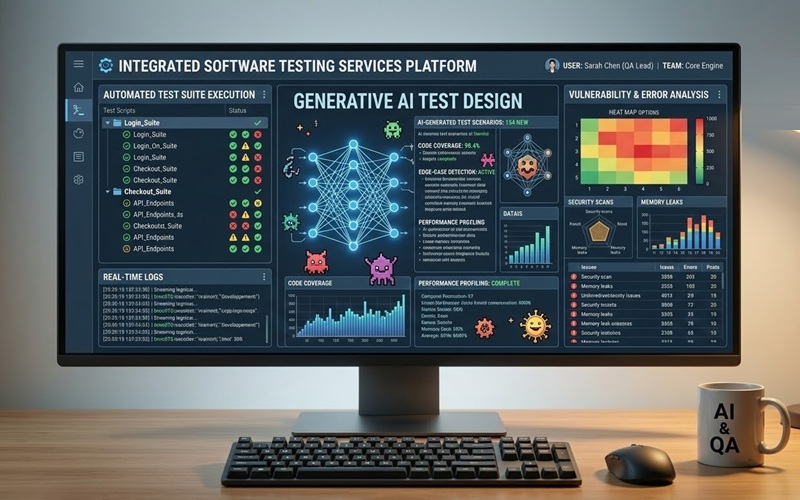
In this article on Techzine, experts Hélder Ferreira and Bruno Mazzotta discuss the transformative shift of AI from a simple task accelerator to a fundamental structural layer within delivery pipelines. As global IT investment in AI is projected to surge toward $6.15 trillion by 2026, the software testing landscape is evolving beyond early challenges like hallucinations and "vibe coding" toward a sophisticated "quality intelligence layer." The authors outline four critical areas where AI adds strategic value: generating complex scenario-based datasets, suggesting high-risk exploratory prompts, automating defect triage to identify regression patterns, and enabling context-aware execution that prioritizes testing based on actual risk rather than volume. Crucially, the piece argues that while AI can significantly enhance velocity, sustainable success depends on maintaining "humans-in-the-loop" to ensure traceability and accountability. In this new era, the primary differentiator for enterprises will not be the sheer amount of AI deployed, but the effectiveness of their governance frameworks. By linking intent with execution and using AI as connective tissue across the lifecycle, organizations can achieve a balance where rapid delivery is supported by explainable automation and human-verified confidence in software quality.


CIOs cut IT corners to manufacture budget for AI

In this CIO.com article, author Esther Shein examines the aggressive strategies IT leaders are employing to fund artificial intelligence initiatives amidst stagnant overall budgets. Faced with intense pressure from boards and executive leadership to prioritize AI, many CIOs are being forced to make difficult trade-offs that jeopardize long-term stability. Common tactics include delaying non-critical infrastructure refreshes, such as server expansions and network improvements, which are often pushed out by twelve to eighteen months. Additionally, organizations are aggressively consolidating vendors, renegotiating contracts, and cutting legacy software subscriptions to free up capital. Some leaders have even implemented strict "self-funding" mandates where every new AI project must be offset by equivalent cuts elsewhere. Beyond technical sacrifices, the human element is also affected, with many departments reducing reliance on contractors or trimming internal staff to reallocate funds toward high-impact AI use cases. While these measures enable rapid deployment, they frequently lead to the accumulation of technical debt and a narrower scope for implementations. Ultimately, the piece warns that while these "corners" are being cut to fuel innovation, the resulting lack of focus on foundational maintenance could present significant operational risks in the future.


Beyond Prompt Injection: The Hidden AI Security Threats in Machine Learning Platforms

In the article "Beyond Prompt Injection: The Hidden AI Security Threats in Machine Learning Platforms," the focus of AI security shifts from headline-grabbing prompt injections to the critical vulnerabilities within MLOps infrastructure. While many security teams prioritize protecting chatbots from manipulation, the underlying platforms used to train and deploy models often present a far more dangerous attack surface. Through a red team engagement, researchers demonstrated how a simple self-registered trial account could be used to achieve remote code execution on a provider’s cloud infrastructure. By deploying a seemingly legitimate but malicious machine learning model, attackers can exploit the fact that these platforms must execute arbitrary code to function. The study highlights a significant risk: once RCE is achieved, weak network segmentation can allow adversaries to bypass trust boundaries and access sensitive internal databases or services. This effectively turns a managed ML environment into a gateway for lateral movement within a corporate network. To mitigate these threats, the article stresses that organizations must move beyond model-centric security and adopt robust infrastructure protections, including strict network isolation, continuous behavior monitoring, and a "zero-trust" approach to user-deployed artifacts, ensuring that the convenience of rapid AI development does not come at the cost of total system compromise.


Enterprise agentic AI requires a process layer most companies haven’t built

The VentureBeat article emphasizes that while 85% of enterprises aspire to implement agentic AI within the next three years, a staggering 76% acknowledge that their current operations are fundamentally unequipped for this transition. The core issue lies in the absence of a "process layer"—a critical foundation of optimized workflows and operational intelligence that provides AI agents with the necessary context to function effectively. Without this layer, agents are essentially "guessing," leading to a lack of reliability that causes 82% of decision-makers to fear a failure in return on investment. The piece argues that the primary hurdle is not merely technological but rather rooted in organizational structure and change management. Most companies suffer from siloed data and fragmented processes that hinder the seamless integration of autonomous systems. To overcome these barriers, businesses must prioritize process optimization and operational visibility, ensuring that AI-driven initiatives are linked to strategic executive outcomes. Simply layering advanced AI over inefficient, legacy frameworks will likely result in costly friction. Ultimately, for agentic AI to move beyond experimental pilots and deliver scalable value, organizations must first build a robust architectural bridge that connects sophisticated models with the complex, real-world logic of their daily business operations and high-stakes organizational decision cycles.


Building resilient foundations for India’s expanding Data Centre ecosystem

In "Building resilient foundations for India's expanding Data Centre ecosystem," Saurabh Verma explores the rapid evolution of India’s data infrastructure and the urgent necessity of prioritizing long-term resilience over mere capacity. As cloud adoption and 5G accelerate growth across hubs like Mumbai, Chennai, and Hyderabad, the sector faces escalating challenges that demand a sophisticated understanding of risk management. The article argues that modern data centres are no longer just IT assets but critical infrastructure whose failure directly impacts the digital economy. Beyond physical damage, business interruptions often result in massive financial losses, contractual penalties, and significant reputational harm. Climate change has emerged as a significant operational reality, with heatwaves and flooding stressing cooling systems and electrical grids. Furthermore, the convergence of cyber and physical risks means that digital disruptions can quickly translate into tangible infrastructure damage. Construction complexities and logistical interdependencies further amplify potential losses, making early risk engineering essential for success. Ultimately, the piece emphasizes that resilience must be a core design pillar rather than an afterthought. By integrating disciplined risk management from site selection through operations, Indian providers can gain a commercial advantage, securing better investment and insurance terms while building a sustainable, trustworthy backbone for the nation’s digital future.


CVE program funding secured, easing fears of repeat crisis

The Common Vulnerabilities and Exposures (CVE) program has successfully secured stable funding, alleviating industry-wide fears of a repeat of the 2025 crisis that nearly crippled global vulnerability tracking. As detailed in the CSO Online report, the Cybersecurity and Infrastructure Security Agency (CISA) and the MITRE Corporation have renegotiated their contract, transitioning the 26-year-old program from a discretionary expenditure to a protected line item within CISA's budget. This structural change effectively eliminates the "funding cliff" that previously required a last-minute emergency extension. While CISA leadership emphasizes that the program is now fully funded and evolving, some experts note that the specifics of the "mystery contract" remain opaque. The resolution comes at a critical time, as the cybersecurity community had already begun developing contingencies, such as the independent CVE Foundation, to reduce reliance on a single government source. Despite the financial stability, challenges regarding transparency, modernization, and international governance persist. The article underscores that while the immediate threat of a service lapse has faded, the incident served as a stark reminder of the global security ecosystem's fragility. Moving forward, the focus shifts toward ensuring this essential public resource remains resilient against future political or administrative shifts within the United States government.

Daily Tech Digest - February 27, 2026


Quote for the day:

"The best leaders build teams that don’t rely on them. That’s true excellence." -- Gordon Tredgold


Ransomware groups switch to stealthy attacks and long-term access

“Ransomware groups no longer treat vulnerabilities as isolated entry points,” says Aviral Verma, lead threat intelligence analyst at penetration testing and cybersecurity services firm Securin. “They assemble them into deliberate exploitation chains, selecting weaknesses not just for severity, but for how effectively they can collapse trust, persistence, and operational control across entire platforms.” AI is now widely accessible to threat actors, but it primarily functions as a force multiplier rather than a driving force in ransomware attacks. ... Vasileios Mourtzinos, a member of the threat team at managed detection and response firm Quorum Cyber, says that more groups are moving away from high-impact encryption towards extortion-led models that prioritize data theft and prolonged, low-noise access. “This approach, popularized by actors such as Cl0p through large-scale exploitation of third-party and supply chain vulnerabilities, is now being mirrored more widely, alongside increased abuse of valid accounts, legitimate administrative tools to blend into normal activity, and in some cases attempts to recruit or incentivize insiders to facilitate access,” Mourtzinos says. ... “For CISOs, the priority should be strengthening identity controls, closely monitoring trusted applications and third-party integrations, and ensuring detection strategies focus on persistence and data exfiltration activity,” Mourtzinos advises.


Expert Maps Identity Risk and Multi-Cloud Complexity to Evolving Cloud Threats

Cavalancia began by noting that cloud adoption has fundamentally altered traditional security boundaries. With 88 percent of organizations now operating in hybrid or multi-cloud environments, the hardened network edge is no longer the primary control point. Instead, identity and privilege determine access across distributed systems. ... Discussing identity risk specifically, he underscored how central privilege is to modern attacks, saying, "If you don't have identity, you don't have identity, you don't have privilege, you don't have privilege, you don't have a threat." Excessive permissions and credential abuse create privilege escalation paths once access is obtained. ... Reducing exploitable attack paths requires prioritizing risk based on business impact. Rather than attempting to address every vulnerability equally, organizations should identify which exposures would cause the greatest operational or financial harm and focus there first. ... Looking ahead, Cavalancia argued that security must be built around continuous monitoring and identity-first principles. "Continuous monitoring, continuous validation, continuous improvement, maybe we should just have the word continuous here," he said. He also cautioned that AI-assisted attacks are already influencing the threat landscape, noting that "90% of the decisions being made by that attack were done solely by AI, no human intervention whatsoever." 


Data Centers in Space: Pi in the Sky or AI Hallucination?

Space is a great place for data centers because it solves one of the biggest problems with locating data centers on Earth: power, argues Google’s Senior Director of Paradigms of Intelligence, Travis Beals. ... SpaceX is also on board with the idea of data centers in space. Last month, it filed a request with the Federal Communications Commission to launch a constellation of up to one million solar-powered satellites that it said will serve as data centers for artificial intelligence. ... “Data centers in space can access solar power 24/7 in certain ‘sun-synchronous’ orbits, giving them all the power they need to operate without putting immense strain on power grids here on Earth,” Scherer told TechNewsWorld. “This would alleviate concerns about consumers having to bear the costs of higher energy use.” “There is also less risk of running out of real estate in space, no complex permitting requirements, and no community pushback to new data centers being built in people’s backyards,” he added. ... “By some estimates, energy and land costs are only around 25% of the total cost for a data center,” Yoon told TechNewsWorld. “AI hardware is the real cost driver, and shifting to space only makes that hardware more expensive.” “Hardware cannot be repaired or upgraded at scale in space,” he explained. “Maintaining satellites is extremely hard, especially if you have hundreds of thousands of them. Maintaining a traditional data center is extremely easy.”


Centralized Security Can't Scale. It's Time to Embrace Federation

In a federated model, the organization recognizes that technology leaders, whether from across security, IT, and Engineering, have a deep understanding of the nuances of their assigned units. Their specialized knowledge helps them set strategies that match the goals, technologies, workflows, and risks they need. That in turn leads to benefits that a centralized security authority can't touch. To start with, security decisions happen faster when the people making them are closer to the action. Service and application owners already have the context and expertise to make the right calls based on their scopes. Delegated authority allows companies to seize market opportunities faster, deploy new tools more easily, manage fewer escalations, and reduce friction and delays. ... In practice, that might look like a CISO setting data classification standards, while partner teams take responsibility for implementing these standards via low-friction policies and capabilities at the source of record for the data. Netflix's security team figured this out early. Their "Paved Roads" philosophy offers a collection of secure options that meet corporate guidelines while being the easiest for developers to use. In other words, less saying no, more offering a secure path forward. Outside of engineering, organization-wide standards also need to provide flexibility and avoid becoming overly specific or too narrow. 


Linux explores new way of authenticating developers and their code - here's how it works

Today, kernel maintainers who want a kernel.org account must find someone already in the PGP web of trust, meet them face‑to‑face, show government ID, and get their key signed. ... the kernel maintainers are working to replace this fragile PGP key‑signing web of trust with a decentralized, privacy‑preserving identity layer that can vouch for both developers and the code they sign. ... Linux ID is meant to give the kernel community a more flexible way to prove who people are, and who they're not, without falling back on brittle key‑signing parties or ad‑hoc video calls. ... At the core of Linux ID is a set of cryptographic "proofs of personhood" built on modern digital identity standards rather than traditional PGP key signing. Instead of a single monolithic web of trust, the system issues and exchanges personhood credentials and verifiable credentials that assert things like "this person is a real individual," "this person is employed by company X," or "this Linux maintainer has met this person and recognized them as a kernel maintainer." ... Technically, Linux ID is built around decentralized identifiers (DIDs). This is a W3C‑style mechanism for creating globally unique IDs and attaching public keys and service endpoints to them. Developers create DIDs, potentially using existing Curve25519‑based keys from today's PGP world, and publish DID documents via secure channels such as HTTPS‑based "did:web" endpoints that expose their public key infrastructure and where to send encrypted messages.


IT hiring is under relentless pressure. Here's how leaders are responding

The CIO's relationship with the chief human resources officer (CHRO) matters greatly, though historically, they've viewed recruitment through different lenses. HR professionals tend not to be technologists, so their approach to hiring tends to be generic. Conversely, IT leaders aren't HR professionals. Many of them were promoted to management or executive roles for their expert technical skills, not their managerial or people skills. ... The multigenerational workforce can be frustrating for everyone at times, simply because employees' lives and work experiences can be so different. While not all individuals in a demographic group are homogeneous, at a 30,000-foot view, Gen Z wants to work on interesting and innovative projects -- things that matter on a greater scale, such as climate change. They also expect more rapid advancement than previous generations, such as being promoted to a management role after a year or two versus five or seven years, for example. ... Most organizational leaders will tell you their companies have great cultures, but not all their employees would likely agree. Cultural decisions made behind closed doors by a few for the many tend to fail because too many assumptions are made, and not enough hypotheses tested. "Seeing how your job helps the company move forward has been a point of opacity for a long time, and after a certain point, it's like, 'Why am I still here?'" Skillsoft's Daly said.


Generative AI has ushered in a new era of fraud, say reports from Plaid, SEON

“Generative AI has lowered the barrier to creating fake personas, falsifying documents, and impersonating real people at scale,” says a new report from Plaid, “Rethinking fraud in the AI era.” “As a result, fraud losses are projected to reach $40 billion globally within the next few years, driven in large part by AI-enabled attacks.” The warning is familiar. What’s different about Plaid’s approach to the problem is “network insights” – “each person’s unique behavioral footprint across the broader financial and app ecosystem,” understood as a system of relationships and long-standing patterns. In these combined signals, the company says, can be found “a resilient, high-signal lens into intent, risk and legitimacy.” ... “The industry is overdue for its next wave of fraud-fighting innovation,” the report says. “The question is not whether change is needed, but what unique combination of data, insights, and analytics can meet this moment.” The AI era needs its weapon of choice, and it needs to work continuously. “AI driven fraud is exposing the limits of identity controls that were designed for point in time verification rather than continuous assurance,” says Sam Abadir, research director for risk, financial (crime & compliance) at IDC, as quoted in the Plaid report. ... The overarching message is that “AI is real, embedded and widely trusted, but it has not materially reduced the scope of fraud and AML operations.” Fraud continues to scale, enabled by the same AI boom.


The hidden cost of AI adoption: Why most companies overestimate readiness

Walk into enough leadership meetings and you’ll hear the same story told with different accents: “We need AI.” It shows up in board decks, annual strategy documents and that one slide with a hockey-stick curve that magically turns pilot into profit. ... When I talk about the hidden cost of AI adoption, I’m not talking about model pricing or vendor fees. Those are visible and negotiable. The real cost lives in the messy middle: data foundations, integration work, operating model changes, governance, security, compliance and the ongoing effort required to keep AI useful after the demo fades. ... If I had to summarize AI readiness in one sentence, it would be this: AI readiness is your organization’s ability to repeatedly take a business problem, turn it into a well-defined decision or workflow, feed it trustworthy data and ship a solution you can monitor, audit and improve. ... Having data is not the same as having usable data. AI systems amplify quality problems at scale. Until proven otherwise, “we already have the data” usually means duplicated records, inconsistent definitions, missing fields, sensitive data in the wrong places and unclear ownership. ... If it adds friction or produces unreliable outputs, adoption collapses fast. Vendor risk doesn’t disappear either. Pricing changes. Usage spikes. Workflows become coupled to tools you don’t fully control. Without internal ownership, you’re not building capability, you’re renting it.


Overcoming Security Challenges in Remote Energy Operations

The security landscape for remote facilities has shifted "dramatically," and energy providers can no longer rely on isolation for protection, said Nir Ayalon, founder and CEO of Cydome, a maritime and critical infrastructure cybersecurity firm. "These sites are just as exposed as a corporate office - but with far more complex operational challenges," Ayalon said. ... A recent PES Wind report by Cyber Energia found that only 1% of 11,000 wind assets worldwide have adequate cyber protection, while U.K.-based renewable assets face up to 1,000 attempted cyberattacks daily. Trustwave SpiderLabs also reported an 80% rise in ransomware attacks on energy and utilities in 2025, with average costs exceeding $5 million. Ransomware is the most common form of attack. ... Protecting offshore facilities is also costly and a major challenge. Sending a technician for on-site installation can run up to $200,000, including vessel rental. Ayalon said most sites lack specialized IT staff. The person managing the hardware is usually an operator or engineer and not necessarily a certified cybersecurity professional. Limited space for racks and equipment, as well as poor bandwidth poses major challenges, said Rick Kaun, global director of cybersecurity services at Rockwell Automation. ... Designing secure offshore energy systems and shipping vessels is no longer a choice but a necessity. Cybersecurity can't be an afterthought, said Guy Platten, secretary general of the International Chamber of Shipping.


How the CISO’s Role is Evolving From Technologist to Chief Educator

Regardless of structure, modern CISOs are embedded in executive decision-making, legal strategy and supply chain oversight. Their responsibilities have expanded from managing technical defenses to maintaining dynamic risk portfolios, where trade-offs must be weighed across business functions. Stakeholders now include regulators, customers and strategic partners, not just internal IT teams. ... Effective leaders accumulate knowledge and know when to go deep and when to delegate, ensuring subject-matter experts are empowered while key decisions remain aligned to business outcomes. This blend of technical insight and strategic judgment defines the CISO’s value in complex environments. ... As security becomes more embedded in daily operations, cultural leadership plays a defining role in long-term resilience. A positive cybersecurity culture is proactive and free from blame, creating an environment where employees feel safe to speak up and suggest improvements without fear of repercussions. This shift leads to earlier detection, better mitigation and stronger overall security posture. Teams asking for security input during the design phase and employees self-reporting suspicious activity signal a mature culture that understands protection is everyone’s job. ... The modern CISO operates at the intersection of technology, risk, leadership and influence. Leaders must navigate shifting business priorities and complex stakeholder relationships while building a strong security culture across the enterprise.

Daily Tech Digest - February 26, 2026


Quote for the day:

"It is not such a fierce something to lead once you see your leadership as part of God's overall plan for his world." -- Calvin Miller


Boards don’t need cyber metrics — they need risk signals

Decision-makers want to know whether risk is increasing or decreasing, whether controls are effective, and whether the organization can limit damage when prevention fails. Metrics are therefore useful when they clarify those questions. “Time is really the universal metric because everyone can understand time,” Richard Bejtlich, strategist and author in residence at Corelight, tells CSO. “How fast do we detect problems, and how fast do we contain them. Dwell time, containment time. That’s the whole game for me.” Organizations cannot prevent every intrusion, Bejtlich argues, but they can measure how quickly they recognize and contain one. ... Wendy Nather, a longtime CISO who is now an advisor at EPSD, cautions against equating measurement with understanding. “When you are reporting to the board, there are some things you just cannot count that you have to report anyway,” she tells CSO. She points to incidents, near misses, and changes in assumptions as examples. “Anything that changes your assumptions about how you’re managing your security program, you should be bringing those to the board, even if you can’t count them,” Nather says. Regular metrics can create a rhythm of predictability, and that predictability could lull board members into a false sense of security. “Metrics are very seductive,” she says. “They lead us toward things that can be counted, that happen on a regular basis.” The result may be a steady flow of data that obscures structural risk or emerging weaknesses, Nather warns. 


The Enterprise AI Postmortem Playbook: Diagnosing Failures at the Data Layer

Your first rule of the playbook is to treat AI incidents as data incidents – until proven otherwise. You should start by tagging the failure type. Document whether it’s a structure issue, retrieval misalignment, conflict with metric definition, or other categories. Ideally, you want to assign the issue to an owner and attach evidence to force some discipline into the review. Try to classify the issue into clearly defined buckets. For example, you can classify into these four buckets: structural failure, retrieval misalignment, definition conflict, or freshness failure. Once this part is clear, the investigation becomes more focused. The goal with this step is to isolate the data fault line. ... The next step is to move one layer deeper. Identify the source table behind the retrieved context. You also want to confirm the timestamp of the last refresh. Check whether any ingestion jobs failed, partially completed, or ran late. Silent failures are common. A job may succeed technically while loading incomplete data. As you go through the playbook continue tracing upstream. Find the transformation job that shaped the dataset. Look at recent schema changes. Check whether any business rules were updated. The idea here is to rebuild the exact path that led to the output. Try to not make any assumptions at this stage about model behavior – simply keep tracing until the process is complete. Don’t be surprised if the model simply worked with what it was given.


Top Attacks On Biometric Systems (And How To Defend Against Them)

Presentation attacks, often referred to as spoofing attacks, occur when an attacker presents a fake biometric sample to a sensor (like a camera or microphone) in an attempt to impersonate a legitimate user. Common examples include printed photos, video replays, silicone masks, prosthetics or synthetic fingerprints. More recently, high-quality deepfake videos have become a powerful new tool in the attacker’s arsenal. ... Passive liveness techniques, which analyze subtle physiological and behavioral signals without requiring user interaction, are particularly effective because they reduce friction while improving security. However, liveness detection must be resilient to unknown attack methods, not just tuned to detect known spoof types. ... Not all biometric attacks happen in front of the sensor. Replay and injection attacks target the biometric data pipeline itself. In these scenarios, attackers intercept, replay or inject biometric data, such as images or templates, directly into the system, bypassing the sensor entirely. ... Defensive strategies must extend beyond the biometric algorithm. Secure transmission, encryption in transit, device attestation, trusted execution environments and validation that data originates from an authorized sensor are all essential. ... Although less visible to end users, attacks targeting biometric templates and databases can pose long-term risks. If biometric templates are compromised, the impact extends far beyond a single breach.


Open-source security debt grows across commercial software

High and critical risk findings remain widespread. Most codebases contain at least one high risk vulnerability, and nearly half contain at least one critical risk issue. Those rates dipped slightly from the prior year even as total vulnerability counts rose. Supply chain attacks add another layer of risk. Sixty five percent of surveyed organizations experienced a software supply chain attack in the past year. ... “As AI reshapes software development, security teams will have to continue to adapt in turn. Security budgets and security guidelines should reflect this new reality. Leaders should continue to invest in tooling and education required to equip teams to manage the drastic increase in velocity, volume, and complexity of applications,” Mackey said. Board level reporting also requires adjustment as vulnerability volumes rise. ... Outdated components appear in nearly every audited environment. More than nine in ten codebases contain components that are several years out of date or show no recent development activity. A large share of components run many versions behind current releases. Only a small fraction operate on the latest available version. This maintenance debt intersects with regulatory obligations. The EU Cyber Resilience Act entered into effect in late 2024, with key reporting requirements taking effect in 2026 and broader enforcement following in 2027. 


The agentic enterprise: Why value streams and capability maps are your new governance control plane

The enterprise is currently undergoing a seismic pivot from generative AI, which focuses on content creation, to agentic AI, which focuses on goal execution. Unlike their predecessors, these agents possess “structured autonomy”: the ability to perceive contexts, plan actions and execute across systems without constant human intervention. For the CIO and the enterprise architect, this is not merely an upgrade in automation speed; it is a fundamental shift in the firm’s economic equation. We are moving from labor-centric workflows to digital labor capable of disassembling and reassembling entire value chains. ... In an agentic enterprise, the value stream map is no longer just a diagram; it is the control plane. It must explicitly define the handoff protocols between human and digital agents. In my opinion, Value stream maps must move from static documents stored in a repository to context documents used to drive agentic automation. ... If a value stream does not exist, you cannot automate it. For new agentic workflows, do not map the current human process. Instead, use an outcome-backwards approach. Work backward from the concrete deliverable (e.g., customer onboarded) to identify the minimum viable API calls required. Before granting write access, run the new agentic stream in shadow mode to validate agent decisions against human outcomes.


Beyond compliance: Building a culture of data security in the digital enterprise

Cyber compliance is something organisations across industrial sectors take seriously, especially with new regulations getting introduced and non-compliance having consequences such as hefty penalties. Hence, businesses are placing compliance among their top priorities. However, hyper-focusing only on compliance can lead to tunnel vision, crippling creativity, and innovation. It fails to offer a comprehensive risk assessment due to the checklist approach it follows, exposing organizations to vulnerabilities and fast-evolving threats. Having a compliance-first mindset can lead to incomplete risk assessment, creating blind spots and security gaps in security provisions. ... With businesses relying on data for operations, customer engagement, and decision-making, ensuring data security protects both users and organisations. Data breaches have severe consequences, including financial losses, reputational damage, customer churn, and regulatory penalties. With data moving across on-premises data centers, cloud platforms, third-party ecosystems, remote work environments, and AI-driven applications, there is a need for a holistic, culture-driven approach to cybersecurity. ... Data protection traditionally was focused on safeguarding the perimeter by securing networks and systems within the physical boundaries where data was normally stored. 


If you thought RTO battles were bad, wait until AI mandates start taking hold across the industry

With the advent of generative AI and the incessant beating of the drum by executives hellbent on unlocking productivity gains, we could see a revival of the dreaded workforce mandate –- only this time with AI. We’ve already had a glimpse of the same RTO tactics being used with AI over the last year. In mid-2025, Microsoft introduced new rules aimed at boosting AI use across the company, with an internal memo warning staff that “using AI is no longer optional”. ... As with RTO mandates, we’re now reaching a point where upward mobility within the enterprise could be at risk as a result of AI use. It’s a tactic initially touted by Dell in 2024 when enforcing its own hybrid work rules, which prompted a fierce backlash among staff. Forcing workers to use AI or risk losing out on promotions will have the desired effect executives want, namely that employees will use the technology, but that’s missing the point entirely. AI has been framed by many big tech providers as a prime opportunity to supercharge productivity and streamline enterprise efficiency. We’ve all heard the marketing jargon. If business leaders are at the point where they’re forcing staff to use the technology, it begs the question of whether it’s actually having the desired effect, which recent analysis suggests it’s not. ... Recent analysis from CompTIA found roughly one-third of companies now require staff to complete AI training. 


In perfect harmony: How Emerald AI is turning data centers into flexible grid assets

At the core of Emerald AI is its Emerald Conductor platform. Described by Sivaram as “an AI for AI,” the system orchestrates thousands of AI workloads across one or more data centers, dynamically adjusting operations to respond to grid conditions while ensuring the facility maintains performance. The system achieves this through a closed-loop orchestration platform comprising an autonomous agent and a digital twin simulator. ... A point keenly pointed out by Steve Smith, chief strategy and regulation officer at National Grid, at the time of the announcement: “As the UK’s digital economy grows, unlocking new ways to flexibly manage energy use is essential for connecting more data centers to our network efficiently.” The second reason was National Grid's transatlantic stature - as an American company active in both the UK and US markets - and its commitment to the technology. “They’ve invested in the program and agreed to a demo, which makes them the ideal partner for our first international launch,” says Sivaram. The final, and most important, factor, notes Sivaram, was the access to the NextGrid Alliance, a consortium of 150 utilities worldwide. By gaining access to such a robust partner network, the deal could serve as a springboard for further international projects. This aligns with the company’s broader partnership approach. Emerald AI has already leveraged Nvidia’s cloud partner network to test its technology across US data centers, laying the groundwork for broader deployment and continued global collaboration. 


7 ways to tame multicloud chaos with generative AI

Architects have the difficult job of understanding tradeoffs between proprietary cloud services and cross-cloud platforms. For example, should developers use AWS Glue, Azure Data Factory, or Google Cloud Data Fusion to develop data pipelines on the respective platforms, or should they adopt a data integration platform that works across clouds? ... “Managing multicloud is like learning multiple languages from AWS, Azure, Oracle, and others, and it’s rare to have teams that can traverse these environments fluidly and effectively. Plus, services and concepts are not portable among clouds, especially in cloud-native PaaS services that go beyond IaaS,” says Harshit Omar, co-founder and CTO at FluidCloud. One way to work around this issue is to assign an AI agent to support the developer or architect in evaluating platform selections. ... Standardizing infrastructure and service configurations across different clouds requires expertise in different naming conventions, architecture, tools, APIs, and other paradigms. Look for genAI tools to act as a translator to streamline configurations, especially for organizations that can templatize their requirements. ... CI/CD, infrastructure-as-code, and process automation are key tools for driving efficiency, especially when tasks span multiple cloud environments. Many of these tools use basic flows and rules to streamline tasks or orchestrate operations, which can create boundary cases that cause process-blocking errors. 


It’s Time To Reinforce Institutional Crypto Key Management With MPC: Sodot CEO

For years, crypto security operations were almost exclusively focused on finding a way to protect the private keys to crypto wallets. It’s known as the “custody risk,” and it will always be a concern to anyone holding digital assets. However, Sofer believes that custody is no longer the weakest link. Cyberattackers have come to realize that secure wallets, often held in cold storage, are far too difficult to crack. ... Sodot has built a self-hosted infrastructure platform that leverages a pair of cutting-edge security techniques – namely, Multi-Party Computation or MPC and Trusted Execution Environments or TEEs. With Sodot’s platform, API keys are never reassembled in full plaintext, eliminating one of the main weaknesses of traditional secrets managers, which typically expose the entire key to any authenticated machine. Instead, Sodot uses MPC to split each key into multiple “shares” that are held by different partners on different technology stacks, Sofer explained. Distributing risk in this way makes an attacker’s job exponentially more difficult, as it means they would have to compromise multiple isolated systems to gain access. ... “Keys are here to stay, and they will control more value and become more sensitive as technology progresses,” Sofer concluded. “As financial institutions get more involved in crypto, we believe demand for self-hosted solutions that secure them will only grow, driven by performance requirements, operational resilience, and control over security boundaries.”