Showing posts with label mergers. Show all posts

Daily Tech Digest - March 24, 2026


Quote for the day:

"No person can be a great leader unless he takes genuine joy in the successes of those under him." -- W. A. Nance


🎧 Listen to this digest on YouTube Music

▶ Play Audio Digest

Duration: 22 mins • Perfect for listening on the go.


The agent security mess

The article "The Agent Security Mess" by Matt Asay highlights a critical vulnerability in enterprise security: the "persistent weak layer" of over-provisioned permissions. Historically, security risks remained dormant because humans typically ignore 96% of their granted access rights. However, the rise of AI agents changes this dynamic entirely. Unlike humans, who act as a natural governor on permission sprawl, autonomous agents inherit the full permission surface of the accounts they use. This turns latent permission debt into immediate operational risk, as agents can rapidly execute broad, potentially destructive actions across various systems without the hesitation or distraction characteristic of human users. To address this looming "avalanche," Asay argues for a shift in software architecture. Instead of allowing agents to inherit broad employee accounts, organizations must implement purpose-built identities with aggressively minimal, read-only permissions by default. This involves decoupling the ability to draft actions from the ability to execute them and ensuring every automated action is logged and reversible. Ultimately, AI agents are not creating a new crisis but are exposing a long-ignored authorization problem, forcing the industry to finally prioritize robust identity security and governance.


Faster attacks and ‘recovery denial’ ransomware reshape threat landscape

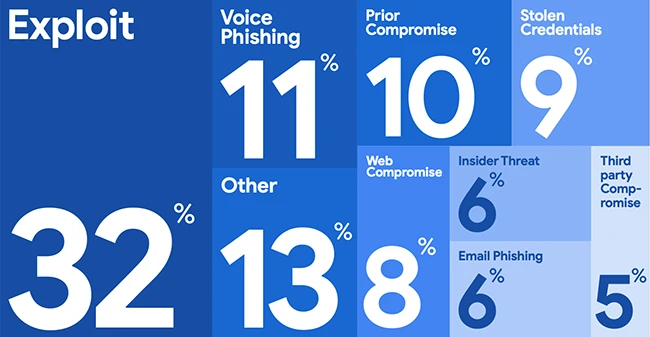
The CSO Online article, based on Mandiant’s M-Trends 2026 report, highlights a dramatic shift in the cybersecurity landscape where ransomware attacks are becoming both faster and more strategically focused on "recovery denial." A striking finding is the collapse of the "hand-off" window between initial access and secondary threat group activity, which plummeted from over eight hours in 2022 to a mere 22 seconds in 2025. This acceleration is coupled with a transition in tactics; voice phishing has overtaken email phishing as a primary infection vector, signaling a move toward real-time, interactive social engineering. Furthermore, attackers are increasingly targeting core infrastructure, such as backup environments, identity systems, and virtualization platforms, to systematically dismantle an organization’s ability to restore operations without paying a ransom. Despite these rapid execution phases, median dwell times have paradoxically risen to 14 days, as nation-state actors prioritize long-term persistence alongside financially motivated groups seeking immediate impact. These evolving threats necessitate a fundamental rethink of defense strategies, urging organizations to treat their recovery assets as critical control planes that require the same level of protection as the primary network itself to ensure true resilience.


Attackers are handing off access in 22 seconds, Mandiant finds

The Mandiant M-Trends 2026 report, based on over 500,000 hours of incident response data from 2025, highlights a dramatic acceleration in attacker efficiency and a significant shift in tactical focus. For the sixth consecutive year, exploits remained the primary infection vector, yet the most striking finding is the collapse of the "access hand-off" window; the median time between initial compromise and transfer to secondary threat groups plummeted from eight hours in 2022 to a mere 22 seconds in 2025. While overall global median dwell time rose to 14 days—largely due to prolonged espionage operations—adversaries are increasingly bypassing traditional defenses by targeting virtualization infrastructure and backup systems to ensure "recovery deadlock" during extortion. The report also identifies a surge in highly interactive voice phishing, which has overtaken email as the top vector for cloud-related compromises. Furthermore, while AI is being incrementally integrated into reconnaissance and social engineering, Mandiant emphasizes that the majority of breaches still result from fundamental systemic failures. These evolving threats, including persistent backdoors with dwell times exceeding a year, underscore the urgent need for organizations to modernize their log retention policies and prioritize the security of their "Tier-0" identity and virtualization assets.


From fragmentation to focus: Can one security framework simplify compliance?

In "From Fragmentation to Focus," Sam Peters explores the escalating complexities of the modern cybersecurity landscape, driven by geopolitical instability and a rapidly expanding attack surface. As digital transformation progresses, businesses face a "messy" regulatory environment characterized by overlapping requirements like GDPR, NIS 2, and DORA. This fragmentation often leads to duplicated efforts, increased costs, and significant compliance fatigue for organizations of all sizes. To combat these challenges, the article positions ISO 27001 as a unifying "gold standard" framework. By adopting this internationally recognized standard, companies can transition from reactive defense to proactive risk management. ISO 27001 offers a flexible, risk-based approach that can be seamlessly mapped to various global regulations, thereby streamlining operations and reducing overhead. The article argues that a consolidated security strategy does more than ensure compliance; it fosters a security-first culture, builds digital trust, and serves as a critical driver for competitive advantage and long-term business resilience. Ultimately, moving toward a single, structured framework allows leaders to navigate uncertainty with greater confidence, transforming security from a burdensome cost center into a strategic asset that supports sustainable growth in an increasingly volatile global market.


Microservices Without Drama: Practical Patterns That Work

The article "Microservices Without Drama: Practical Patterns That Work" offers a pragmatic roadmap for implementing microservices without succumbing to architectural complexity. It emphasizes that while microservices enable independent team movement, they should only be adopted when data boundaries are crisp to avoid the "distributed monolith" trap. A core principle is absolute data ownership, where each service manages its own dataset, accessed via stable, versioned contracts using OpenAPI or AsyncAPI. The author advocates for a balanced communication strategy, favoring synchronous calls for immediate reads and asynchronous events for decoupled integrations. Operational success relies on "boring fundamentals" like standardized Kubernetes deployments, GitOps for configuration, and robust observability through OpenTelemetry and Prometheus. Reliability is further bolstered by defensive patterns, including circuit breakers, retries, and idempotency, ensuring the system remains resilient during failures. Security is addressed through mTLS and strict secrets management, moving beyond fragile IP-based allowlists. Ultimately, the piece argues that microservices provide true freedom only when teams invest in consistent standards and treat interfaces as public infrastructure. By prioritizing data integrity and operational repeatability over architectural trends, organizations can reap the benefits of scalability without the associated drama of unmanaged complexity.


The end of cloud-first: What compute everywhere actually looks like

The article "The End of Cloud-First" explores a fundamental transition toward a "compute-everywhere" architecture, where centralized cloud environments are no longer the default destination for every workload. This evolution is driven by the reality that the network is not a neutral substrate; bandwidth and latency constraints, coupled with the explosion of IoT data, have made the traditional cloud-first assumption increasingly untenable. The emerging model operates across three distinct layers: a gateway layer for protocol translation, an edge layer for localized processing near data sources, and a centralized cloud layer reserved for heavy-lifting tasks like model training and global analytics. Modern machine learning advancements now allow for efficient inference on constrained devices, empowering local hardware to filter and classify data autonomously rather than merely forwarding raw telemetry. However, this decentralized approach introduces significant operational complexity. IT leaders must now manage vast fleets of devices with intermittent connectivity and navigate a landscape where partial system failures are a normal steady state. Software updates become logistical challenges rather than simple deployments. Ultimately, the focus is shifting from simple cloud migration to sophisticated orchestration, ensuring that intelligence and compute are placed precisely where they deliver value while balancing performance, cost, and reliability.


We’re fighting over GPUs and memory – but power manufacturing may decide who scales first

In this article, Matt Coffel argues that while the global tech industry remains fixated on GPU shortages and silicon supply chains, the true bottleneck for scaling artificial intelligence lies in electrical manufacturing capacity. As data center power demands are projected to surge from 33 GW to 176 GW by 2035, the availability of critical infrastructure—such as switchgear, transformers, and power distribution units—has become the decisive factor in operational readiness. AI-intensive workloads demand unprecedented power densities and constant uptime, yet the manufacturing sector is currently struggling to keep pace with the rapid acceleration of AI deployment. Traditional lead times of eighteen to twenty-four months clash with the immediate needs of hyperscalers, exacerbated by a shortage of skilled trades and over-customized engineering. To overcome these constraints, Coffel suggests that operators must shift toward standardization, modularization, and prefabricated power systems while engaging manufacturers much earlier in the design process. Ultimately, the ability to scale will not be determined solely by who possesses the most advanced chips, but by who can most efficiently deploy the resilient electrical infrastructure required to keep those processors running at scale.


Spec-Driven Development: The Key to Protecting AI-Generated Data Products

In "Spec-Driven Development: The Key to Protecting AI-Generated Data Products," Guy Adams explores the rising threat of semantic drift in the era of AI-accelerated data engineering. Semantic drift occurs when data metrics gradually lose their original meaning through successive updates, potentially leading to costly business errors when executives rely on inaccurate interpretations of "headcount" or other key figures. While traditional DataOps focuses on recording what was built, it often fails to document the underlying intent, a gap that AI-assisted development significantly widens. To counter this, Adams advocates for spec-driven development—a software engineering methodology that prioritizes clear, structured specifications before coding begins. By defining a data product’s purpose and constraints upfront, organizations can leverage agentic AI to audit every proposed change against the original requirements. This ensures that new implementations maintain coherence rather than undermining a product’s utility. Although maintaining manual specifications was historically cost-prohibitive, Adams argues that current AI capabilities make automated spec maintenance both feasible and essential. Ultimately, adopting this "left-shifted" documentation approach allows enterprises to build drift-proof data products that remain reliable even as AI agents accelerate the pace of development and modification across complex enterprise systems.


IT Leaders Report Massive M&A Wave While Facing AI Readiness and Security Challenges

According to a recent ShareGate survey published by CIO Influence, IT leaders are navigating an unprecedented surge in mergers and acquisitions (M&A), with 80% of respondents currently involved in or planning such events. This massive wave, fueled by a 43% increase in global deal value during 2025, has positioned M&A as a primary catalyst for IT modernization. However, this acceleration brings significant hurdles, particularly regarding cybersecurity and AI readiness. While 64% of organizations migrate to Microsoft 365 specifically to bolster security, 41% of leaders identify compliance and data protection as top concerns during these transitions. The study also highlights a shift in leadership; IT operations and security teams, rather than business executives, are the primary drivers of AI adoption, such as Microsoft Copilot. Despite 62% of organizations already deploying Copilot, they face substantial blockers including poor data quality, complex governance, and access control issues. Furthermore, 55% of teams select migration tools before fully assessing integration risks, which can jeopardize long-term stability. Ultimately, the report emphasizes that for M&A success, IT must evolve into a strategic partner that integrates robust governance and security into the foundation of every digital migration.


Identity discovery: The Overlooked Lever in Strategic Risk Reduction

The article "Identity Discovery: The Overlooked Lever in Strategic Risk Reduction" emphasizes that comprehensive visibility into every human, machine, and AI identity is the foundational prerequisite for modern cybersecurity. While organizations often prioritize glamorous initiatives like Zero Trust or AI-driven detection, the author argues that these controls are fundamentally incomplete without first establishing a robust identity discovery process. This is particularly critical due to the "identity explosion," where non-human identities now outnumber humans by nearly 46 to 1, creating a structural shift in the threat landscape. By implementing continuous discovery and mapping access relationships through an identity graph, organizations can uncover hidden escalation paths, lateral movement risks, and "toxic" misconfigurations that traditional dashboards often miss. Furthermore, identity security has evolved into a strategic board-level concern, with 84% of organizations recognizing its importance. Identity discovery empowers CISOs to move beyond technical metrics, providing the strategic clarity needed to quantify risk and demonstrate measurable improvements in posture to stakeholders. Ultimately, illuminating the entire identity plane transforms security from a reactive operational task into a disciplined, proactive risk management strategy that eliminates the blind spots where most modern breaches begin.

Daily Tech Digest - March 14, 2026


Quote for the day:

"Leadership is practices not so much in words as in attitude and in actions." -- Harold Geneen


🎧 Listen to this digest on YouTube Music

▶ Play Audio Digest

Duration: 22 mins • Perfect for listening on the go.


Tech nationalism is reshaping CIO infrastructure strategy

The article "Tech Nationalism is Reshaping CIO Infrastructure Strategy" explores how rising geopolitical tensions and stringent data sovereignty laws are forcing IT leaders to dismantle traditional "borderless" cloud deployments. This shift, driven by nations prioritizing domestic technology control and national security, requires CIOs to navigate a fragmented digital landscape where regional mandates dictate exactly where workloads can reside. Consequently, infrastructure strategy is moving away from centralized global platforms toward distributed, localized architectures that leverage "sovereign cloud" solutions. These sovereign models allow organizations to maintain strict local control over their data while still benefiting from cloud scalability, effectively bridging the gap between operational efficiency and legal compliance. Beyond meeting regulatory requirements like GDPR, this trend addresses critical supply chain vulnerabilities and minimizes the risk of being caught in trade disputes or international sanctions. For modern technology executives, the challenge lies in balancing the cost benefits of global standardization with the necessity of national alignment and data protection. Ultimately, success in this polarized era requires a "sovereign-first" mindset, transforming IT infrastructure into a vital component of geopolitical risk management. As digital borders tighten, CIOs must prioritize regional agility and resilience over simple centralization to ensure their organizations remain both secure and globally competitive.


How leaders can give tough feedback without damaging trust

In the People Matters article, HR leader Ritu Anand highlights that modern performance discussions are increasingly complex, requiring leaders to balance radical candor with deep empathy to maintain organizational trust. The shift from backward-looking evaluations to future-oriented direction means feedback must be developmental, continuous, and grounded in objective data rather than subjective perceptions. Anand argues that many managers suffer from "nice person" syndrome, delaying difficult conversations to avoid emotional friction; however, this avoidance ultimately undermines alignment. To deliver effective "tough" feedback without damaging professional relationships, leaders must separate individual empathy from performance accountability, focusing strictly on observable behaviors and their impacts rather than personal traits. Furthermore, the dialogue should be tailored to an employee's career stage—offering supportive direction for early-career associates and strategic influence coaching for senior professionals. Trust serves as the vital foundation for these interactions; if a leader is consistently fair and genuinely invested in an employee's success, even corrective feedback is received constructively. Ultimately, the quality of these conversations reflects leadership maturity, necessitating a cultural shift toward real-time, purposeful dialogue that prioritizes human respect alongside high standards of performance output and accountability.


Account Recovery Becomes a Major Source of Workforce Identity Breaches

In the article "Account Recovery Becomes a Major Source of Workforce Identity Breaches" on TechNewsWorld, Mike Engle explains how traditional security measures are being bypassed through structurally weak account recovery workflows. While many organizations have successfully hardened initial login procedures with multi-factor authentication and phishing-resistant controls, attackers have shifted their focus to the "backdoor" of password resets and MFA re-enrollment. These recovery paths, often managed by under-pressure help desk personnel, rely on human judgment and low-friction processes that are easily exploited through sophisticated social engineering and AI-assisted impersonation. High-profile breaches in 2025 involving major retailers demonstrate that even policy-compliant accounts are vulnerable if the identity re-establishment process is compromised. The core issue is that identity assurance is often treated as disposable after onboarding, leading to the use of weaker signals during recovery. Engle argues that for organizations to truly secure their workforce, they must move away from relying on static knowledge or human intuition at the service desk. Instead, they need to implement verifiable identity evidence that can be reasserted during recovery events, treating resets as high-risk activities rather than routine administrative tasks. This shift is essential to prevent attackers from circumventing strong authentication without ever needing to confront it directly.


The Oil and Water Moment in AI Architecture

The article "The Oil and Water Moment in AI Architecture" by Shweta Vohra explores the fundamental tension emerging as deterministic software systems are forced to integrate with non-deterministic artificial intelligence. This "oil and water" moment signifies a paradigm shift where traditional architectural assumptions of predictable, procedural execution are challenged by probabilistic outputs and dynamic agentic behaviors. Vohra argues that standard guardrails, such as static input validation or fixed API contracts, are insufficient for AI-enabled systems where agents may synthesize context or chain tools in unforeseen sequences. Consequently, the role of the architect is evolving from managing explicit code paths to orchestrating intent under non-determinism. To navigate this complexity, the author introduces the "Architect’s V-Impact Canvas," a structured framework comprising three critical layers: Architectural Intent, Design Governance, and Impact and Value. These layers encourage architects to anchor systems in clear principles, manage the trade-offs of agent autonomy, and ensure measurable business outcomes. Ultimately, the article emphasizes that while models and tools will continue to improve, the enduring responsibility of the architect remains the preservation of human trust and system integrity. By prioritizing systems thinking and explicit intent, practitioners can transform technical ambiguity into organizational clarity in an increasingly probabilistic digital landscape.


The AI coding hangover

n the article "The AI Coding Hangover" on InfoWorld, David Linthicum explores the sobering reality facing enterprises that rushed to replace developers with Large Language Models (LLMs). While the initial pitch—that AI could generate code faster and cheaper than humans—led to widespread boardroom excitement, the "morning after" has revealed a landscape of brittle systems and unpriced technical debt. Linthicum argues that treating AI as a replacement for engineering judgment rather than an amplifier has resulted in bloated, inefficient, and often unmaintainable codebases. This "hangover" manifests as skyrocketing cloud bills, security vulnerabilities, and logic sprawl that no human author truly understands or can easily fix. The lack of shared memory and consistent rationale in AI-generated systems makes operational maintenance and refactoring a specialized, costly form of "technical surgery." Ultimately, the article warns that the illusion of speed is being paid for with long-term instability and operational drag. To recover, organizations must pivot toward pairing developers with AI tools under a framework of rigorous platform discipline, prioritizing human-led architectural integrity and operational excellence over the sheer quantity of automated output. Success in the AI era requires treating models as power tools, not autonomous employees, ensuring software remains stewarded rather than just produced.


Hybrid resilience: Designing incident response across on-prem, cloud and SaaS without losing your mind

The article "Hybrid Resilience: Designing incident response across on-prem, cloud, and SaaS without losing your mind" on CSO Online addresses the inherent fragility of fragmented digital environments. Author Shalini Sudarsan argues that hybrid incident response often fails at the "seams" between different ownership models, where on-premises, cloud, and SaaS teams operate in silos. To overcome this, organizations must move beyond an obsession with tool consolidation and instead prioritize "seam management" through a unified incident contract. This contract enforces a shared language, a single incident commander, and one coordinated timeline to prevent parallel war rooms and conflicting narratives during a crisis. The piece outlines three foundational pillars for resilience: portable telemetry, unified signaling, and engineered escalation. By focusing on end-to-end user journey metrics rather than individual component health, teams can cut through domain bias and identify the shared failure point. Furthermore, the article suggests standardizing correlation IDs and maintaining a centralized change table to bridge the visibility gap between disparate stacks. Finally, resilience is bolstered by documenting "time-to-human" targets and escalation cards for critical vendors, ensuring that decision-making remains predictable under pressure. By aligning these signals and protocols before an outage occurs, security leaders can maintain operational sanity and ensure rapid recovery in complex, multi-provider ecosystems.


Why M&A technology integrations are harder than expected. Here’s what you should look for early

In the article "Why M&A technology integrations are harder than expected," Thai Vong explains that while strategic growth often drives mergers, the "under the hood" technical complexities frequently turn promising deals into operational nightmares. Technology rarely determines if a deal is signed, but it dictates the post-close integration difficulty and ultimate value realization. Vong emphasizes that CIOs must be involved early in due diligence to uncover hidden risks like undocumented system dependencies, misaligned data models, and significant technical debt. Common pitfalls include legacy platforms, inconsistent security controls, and over-reliance on managed service providers in smaller firms. He argues that due diligence must go beyond simple inventory to evaluate system supportability and compliance readiness. Successful integration requires building "integration muscle" through refined playbooks and realistic timelines grounded in past experience. Furthermore, aligning technology teams with business process leaders ensures that systems are not just connected but operationally synchronized. As AI becomes more prevalent, evaluating its governance within a target environment adds a new layer of necessary scrutiny. Ultimately, the success of a merger is decided during the integration phase, making early visibility into the target’s technical landscape a strategic imperative for any acquiring organization.


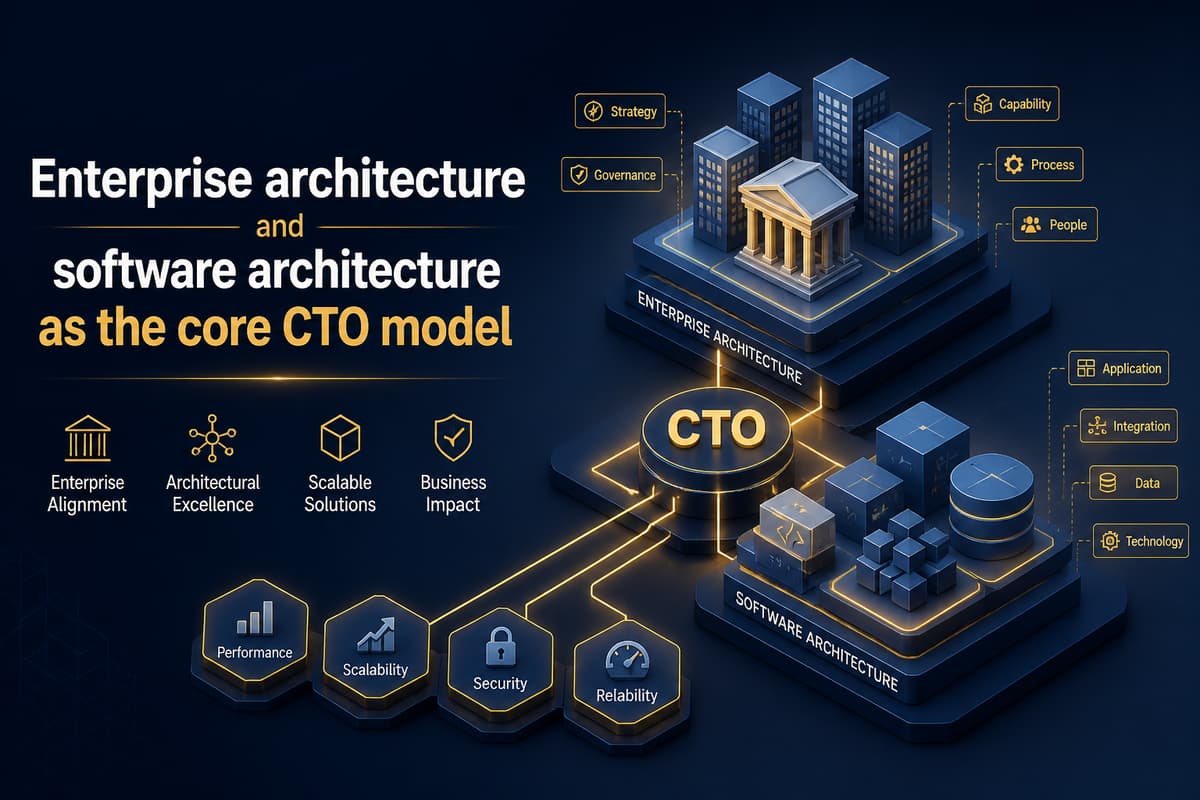
Why Enterprise Architecture Drifts and What Leaders Must Watch For

In the article "Why Enterprise Architecture Drifts and What Leaders Must Watch For" on CDO Magazine, Moataz Mahmoud explores the quiet, incremental evolution of architecture drift—the widening gap between a company's planned IT framework and its actual implementation. Drift typically occurs through "micro-decisions" made by teams prioritizing tactical speed over enterprise alignment, leading to inconsistent data behavior and increased operational friction. Leaders are cautioned to watch for red flags such as slower delivery times, heightened integration efforts, and diverging system interpretations across different domains. These symptoms often indicate that a "once-a-year" blueprint has failed to account for real-world operational pressures and shifting regulations. To combat this, the piece advocates for treating architecture as a living business capability rather than a static technical artifact. It emphasizes the need for a "continuous alignment loop" that uses shared language and lightweight governance to catch small variations before they compound into systemic complexity. By fostering proactive communication between technical teams and business stakeholders, organizations can ensure that local innovations do not create unintended divergence. Ultimately, maintaining architectural integrity is framed as a leadership imperative essential for sustaining a coordinated, scalable system that can responsibly adopt emerging technologies like AI.


NB-IoT: How Narrowband IoT Supports Massive Connected Devices

The article "NB-IoT: How Narrowband IoT Supports Massive Connected Devices" from IoT Business News explains the vital role of Narrowband IoT (NB-IoT) as a specialized cellular technology designed for large-scale Internet of Things (IoT) deployments. Unlike traditional networks optimized for high-speed data, NB-IoT is an energy-efficient, low-power wide-area networking (LPWAN) solution tailored for devices that transmit small packets of data over long periods. Standardized by 3GPP, it operates within licensed spectrum—either in-band, within guard bands, or as a standalone deployment—allowing mobile operators to leverage existing LTE infrastructure through simple software upgrades. Key features like Power Saving Mode (PSM) and Extended Discontinuous Reception (eDRX) enable devices, such as smart meters and environmental sensors, to achieve battery lives exceeding ten years. While NB-IoT offers superior indoor coverage and cost-effective module complexity, it is restricted by low throughput and higher latency, making it unsuitable for high-mobility or real-time applications. Despite these limits, its ability to support massive device density makes it a cornerstone for smart cities, utilities, and industrial monitoring. As a critical component of the broader cellular IoT evolution alongside LTE-M and 5G, NB-IoT provides a reliable and scalable foundation for the future of connected infrastructure.


The Quiet Death of Enterprise Architecture

In the article "The Quiet Death of Enterprise Architecture," Eetu Niemi, Ph.D., explores the subtle and often unnoticed decline of the Enterprise Architecture (EA) function within modern organizations. Unlike a sudden departmental shutdown, this "quiet death" occurs as high initial enthusiasm gradually devolves into repetitive routine, eventually leading to neglect and total irrelevance. Niemi explains that EA initiatives typically begin with ambitious goals to resolve organizational fragmentation and provide a coherent view of complex systems through detailed modeling and governance frameworks. However, once these initial assets are established, the practice often settles into a mundane operational phase. This shift is dangerous because it causes stakeholders to view architecture as a bureaucratic hurdle rather than a strategic driver, leading to a state where critical business decisions are increasingly made without architectural input. The irony, as Niemi notes, is that "success"—where EA becomes a standard part of the organizational workflow—can inadvertently become the catalyst for its decline if it fails to consistently demonstrate tangible strategic breakthroughs. To avoid this fate, the article argues that architects must transcend routine documentation and maintain a proactive, value-oriented focus that aligns technical complexity with evolving business priorities, ensuring the practice remains a vital and influential pillar of organizational transformation.

Daily Tech Digest - October 10, 2025


Quote for the day:

“Whether you think you can or you think you can’t, you’re right.” -- Henry Ford


Has the value of data increased?

“We’ve seen that AI’s true potential is unlocked by connecting trusted, governed data – structured and unstructured – with real-time analytics and decision intelligence. With the rise of agentic AI, the next wave of value creation will come from intelligent systems that don’t just interpret data, but continuously and autonomously act on it at scale. Put simply, AI isn’t a shortcut to insight – it’s a multiplier of value, if the data is ready. Enterprises that treat data as an afterthought will fall behind, while those that treat it as a strategic asset will lead,” added the Qlik CSO. ... “In this AI economy, compute power may set the pace, but data sets the ceiling. MinIO raises that ceiling, transforming scattered, hard-to-reach datasets into a living, high-performance fabric that fuels every AI prompt and initiative. With MinIO AIStor, organizations gain the ability to store and understand. Data that is secure, fluid, and always ready for action is a competitive weapon,” added Kapoor. ... “Data that is fresh, well described and policy aware beats bigger but blind datasets because it can be safely composed, reused and measured for impact, with the lineage to show teams what to trust and what to fix so they can ship faster,” said Neat. ... While there is no question, really, of whether the value of data has increased and, further, whether the proliferation of AI has been fundamental to that value escalation, the mechanics as variously described here should point us towards the new wave of emerging truths in this space.


Whose Ops is it Anyway? How IDPs, AI and Security are Evolving Developer Culture

For many teams, the problem is not a lack of enthusiasm or ambition but a shortage of resources and skills. They want to automate more, streamline workflows, and adopt new practices, yet often find themselves already operating at full capacity just in keeping existing systems running. In that environment, the slightest of steps toward more advanced automation strategies can feel like a big leap forward. ... On the security side, the logic behind DevSecOps is compelling. More companies are realising that security has to be baked in from day one, not bolted on later. The difficulty lies in making that shift a practical reality, as integrating security checks early in the pipeline often requires new tooling, changes to established workflows, and in some cases, rethinking the roles and responsibilities within the team. ... In many organisations, it is the existing DevOps or platform teams that are best positioned to take on this responsibility, extending their remit into what is often referred to as MLOps. These teams already have experience building and maintaining shared infrastructure, managing pipelines, and ensuring operational stability at scale, so expanding those capabilities to handle data science and machine learning workflows can feel like a natural evolution. ... That said, as adoption grows, we can also expect to see more specialised MLOps roles appearing, particularly in larger enterprises or in organisations where AI is a major strategic focus.


The ultimate business resiliency test: Inside Kantsu’s ransomware response

Kantsu then began collaborating with the police, the cyberattack response teams of the company’s insurers, and security specialists to confirm the scope of cyber insurance coverage and estimate the amount of damage. ... when they began the actual recovery work, they encountered an unexpected pitfall. “We considered how to restore operations as quickly as possible. We did a variety of things, including asking other companies in the same industry to send packages, even ignoring our own profits,” Tatsujo says. ... To prevent reinfection with ransomware, the company prohibited use of old networks and PCs. Tethering was used, with smartphones as Wi-Fi routers. Where possible, this was used to facilitate shipping. New PCs were purchased to create an on-premises environment. ... “In times of emergency like this, the most important thing is cash to recover as quickly as possible, rather than cost reduction. However, insurance companies do not pay claims immediately. ... “In the end, many customers cooperated, which made me really happy. Rakuten Ichiba, in particular, offers a service called ‘Strongest Delivery,’ which allows for next-day delivery and delivery time specification, but they were considerate enough to allow us a grace period in consideration of the delay in delivery,” says President Tatsujo.


Stablecoins: The New Currency of Online Criminals

Practitioners say a cluster of market and technical factors are making stablecoins the payment of choice for cybercriminals and fraudsters. "It's not just the dollar peg that makes stablecoins attractive," said Ari Redbord, vice president and global head of policy and government affairs at TRM Labs. "Liquidity is critical. There are deep pools of stablecoin liquidity on both centralized and decentralized platforms. Settlement speed and irreversibility are also appealing for criminals trying to move large sums quickly," he told Information Security Media Group. The perception of stability - knowing $1 today will likely be $1 tomorrow - often suffices for illicit actors, regardless of an issuer's exact collateral model, he said. This stability and on-chain plumbing create both opportunity and exposure. Redbord said the spike in stablecoin usage is partly because law enforcement agencies around the world have become "exceptionally effective at tracing and seizing bitcoin," and criminals "go where the liquidity and usability are." There is no technical attribute of stablecoins that makes them more appealing to criminals or harder to trace, compared to other cryptocurrencies, Koven said. In practice, public ledgers keep transfers visible; the question then becomes whether investigators have the right tools and the cooperation of the ecosystem's gatekeepers to follow value across chains.


Zero Trust cuts incidents but firms slow to adopt AI security

Zero Trust is increasingly viewed as the standard going forward. As AI-driven threats accelerate, organisations must evaluate security holistically across identity, devices, networks, applications, and data. At DXC, we're helping customers embed Zero Trust into their culture and technology to safeguard operations. Our end-to-end expertise makes it possible to both defend against AI threats and harness secure AI in the same decisive motion. ... New cybersecurity threats are the primary driver for updating Zero Trust frameworks, with 72% of respondents indicating that the evolving threat landscape pushes them to continuously upgrade policies and practices. In addition, more than half of responding organisations recognised improvements in user experience as a secondary benefit of adopting Zero Trust approaches, beyond the gains in security posture. ... Most enterprises already rely on Microsoft Entra ID and Microsoft 365 as the backbone of their IT environments. Building Zero Trust solutions alongside DXC extends that value, enabling tighter integration, simplified operations, and greater visibility and control. By consolidating around the Microsoft stack, organisations can reduce complexity, cut costs, and accelerate their Zero Trust journey. ... Participants in the study agreed that Zero Trust is not a project with a defined end point. Instead, it is an ongoing process that requires continuous monitoring, regular updates, and cultural adaptation.


Overcome Connectivity Challenges for Edge AI

The challenges of AI at the Edge are as large as the advantages, however. One of the biggest challenges and key enablement technologies is connectivity. Edge processing and AI at the Edge require reliability, low latency, and resiliency in the harshest of environments. Without good connections to the network, many of the advantages of Edge AI are diminished, or lost entirely. A truly rugged Edge AI system requires a dual focus on connectivity, according to the experts at ATTEND. It needs both robust external I/O to interface with the outside world, and high-speed, resilient internal interconnects to manage data flow within the computing module. ... The transition to Edge AI is not just a software challenge; it is a hardware and systems engineering challenge. The key to overcoming this dual challenge is to engage with a partner like ATTEND, who will understand that the reliability of an advanced AI model is ultimately dependent on the physical-layer components that capture and transmit its data. By offering a comprehensive portfolio that addresses connectivity from the external sensor to the internal processor module, ATTEND can help you to build end-to-end systems that are both powerful and resilient. To meet with ATTEND and see all that they are doing to advance and enable true intelligence at the Edge, meet with them at embedded world North America in November at the Anaheim Convention Center.


AI Security Goes Mainstream as Vendors Spend Heavily on M&A

One of the most significant operational gaps in AI adoption is the lack of runtime observability, with organizations struggling to know what data a model is ingesting or what it's producing. Observability answers these questions by providing a live view of AI behavior across prompts, responses and system interactions, and it is a precursor to regulating or securing AI systems. ... One of the biggest risks of GenAI in the enterprise is data leakage, with workers inadvertently pasting confidential information into a chatbot, models regurgitating sensitive data it was exposed to during training, or adversaries crafting prompts to extract private information through jailbreaking. Allowing AI access without control is equivalent to opening an unsecured API to your crown jewels. ... Output is just as risky as input with GenAI since an LLM could generate sensitive content, malicious code or incorrect results that are trusted by downstream systems or users. Palo Alto Networks' Arora noted the need for bi-directional inspection to watch not only what goes into large language models, but also what comes out. ... Another key challenge is defining identity in a non-human context, raising questions around how AI agents should be authenticated, what permissions AI agents should have and how to prevent escalation or impersonation. Enterprises must treat bots, copilots, model endpoints and LLM-backed workflows as identity-bearing entities that log in, take action, make decisions and access sensitive data.


Navigating the Techno-Future: Between Promise and Prudence

On one side are the techno-optimists: the believers in inexorable progress, the proponents of markets and innovation as self-correcting forces. They see every challenge as a technical problem and every failure as a design flaw waiting to be solved. On the other side are techno-pessimists: the prophets of collapse who warn that every new tool will inevitably accelerate inequality, erode democracy, or catalyze ecological catastrophe. They see history as a cautionary tale, and the present as a fragile prelude to systemic failure. Both perspectives share a common flaw: they treat the future as preordained. Optimists assume that progress will automatically yield good outcomes; pessimists assume that progress will inevitably lead to harm. Reality, however, is far less deterministic. Technology, in itself, is neutral. It amplifies human choices but does not dictate them. ... Just as a hammer can build a home or inflict injury, a powerful technology like artificial intelligence, gene editing, or blockchain can be used to improve lives or to exacerbate inequalities. The technology does not prescribe its use; humans do. This neutrality is both liberating and daunting. On the one hand, it affirms that progress is not predestined. The future is not a straight line determined by the mere existence of certain tools. 


CISOs prioritise real-time visibility as AI reshapes cloud security

The top priority for CISOs is real-time threat monitoring and comprehensive visibility into all data in motion across their organisations, supporting a defence-in-depth strategy. However, 97 percent of CISOs acknowledged making compromises in areas such as visibility gaps, tool integration and data quality, which they say limit their ability to fully secure and manage hybrid cloud environments. ... The reliance on AI is also causing a revision of how SOCs (security operations centres) function. Almost one in five CISOs reported lacking the appropriate tools to manage the increased network data volumes created by AI, underscoring that legacy log-based tools may not be fit for purpose against AI-powered threats. ... Rising data breaches, with a 17 percent increase year on year, are translating into greater pressure on CISOs, 45 percent of whom said they are now the main person held accountable in the event of a breach. There is also concern about stress and burnout within cybersecurity teams, which is driving a greater embrace of AI-based security tools. ... The adoption of AI is expected to have practical impacts, such as enabling junior analysts to perform at the same level as more experienced team members, reducing training costs, speeding up analysis while investigating threats, and improving overall visibility for the security function.


Serverless Security Risks Are Real, and Hackers Know It

Many believe, “No servers, no security risks.” That’s a myth. Nowadays, attackers take advantage of the specific security weaknesses found in serverless platforms. ... All serverless applications need third-party libraries for operation. Each function that depends on the compromised component becomes vulnerable to attack. An npm package experienced a hijack attack when hackers inserted a secret entry into its system. The incorporation of code by AWS Lambda resulted in the silent extraction of all environment variables. The unauthorized loss of API keys, credentials, and sensitive data, together with all other valuable information. The process finished in milliseconds, which was too brief for any security system to identify. ... As more companies are adopting serverless technologies, security risks become more widespread. So, it’s fundamental to validate that serverless environments are secure. Let’s explore the facts. Research dictates that serverless computing is expected to grow rapidly. According to Gartner’s July 2025 forecast, global IT spending will climb to $5.43 trillion, with enterprises investing billions into AI-driven cloud and data center infrastructure, making serverless platforms an increasingly critical, but often overlooked, security target.

Daily Tech Digest - August 17, 2025


Quote for the day:

"Failure is the condiment that gives success its flavor." -- Truman Capote


The third leg of the stool: Technology’s role in M&A

The term “technical debt” wasn’t mainstream, making it tough to convey to lawyers, accountants and executives. Their languages aligned — business, finance, law — with shared specificity. But IT? We spoke a different dialect, full of jargon that obscured our business insights. This cultural divide explained technology’s historical exclusion from M&A. The gap was mine to bridge. Over time, I learned to translate, framing technical risks in terms of dollars, downtime and competitive edge. ... Overlap exists with legal and finance, but IT’s lens is unique: assessing how operations impact data and systems. Chaotic processes yield chaotic data; effective ones produce reliable insights. ... “Good decisions on bad data are bad decisions” (me, circa 2007). Data is an enterprise’s most valuable asset, yet often neglected. Poor data can cripple; great data accelerates growth. In M&A, I scrutinize quality, lifecycle management, governance, ownership and analysis. Companies are typically polarized: exemplary governance or barely functional. Data issues heavily influence deal pricing — more on that in a future post. ... Critical during M&A, as deals attract hackers — sometimes derailing them entirely. With AI-driven threats rising, robust postures are non-negotiable. This warrants its own article.


Navigating the issues that impact data center design today

In the last few years, design considerations have changed significantly. The adoption of high-performance computing (HPC) and artificial intelligence (AI) applications translates into greater power consumption and that requires a rethink of cooling and management. What’s more, it’s increasingly difficult to predict future capacity requirements. ... Modular data center infrastructure can help facilitate zone-based deployments. Many people think of modular data centers as those deployed in ISO shipping containers, but that is only one type. There are also skid-mounted systems and preconfigured enclosures. Preconfigured enclosures can be shells or self-contained units with built-in power, cooling, fire suppression, and physical security. ... Whether building out a new data center or expanding an existing one, organizations should choose sustainable materials. With smart choices, future data centers will be self-sufficient and carbon- and water-neutral and have minimal impact on the local environment.
Planning is key These challenges have upped the ante for data center design planning. It’s no longer advisable to build out a simple shell with a raised floor and start adding infrastructure. Your facility must have the necessary power capacity, redundancy, and security to meet your business needs. 


Mastering Microservices: Seven Uncommon Strategies for Streamlined Success

Containerization might seem like old news, but there are nuances that can significantly impact performance and scalability. Containers encapsulate your microservices, ensuring consistency across environments. Yet, not all container strategies are created equal. We’ve seen teams struggle when they cram too many processes into a single container. ... It’s said that you can’t manage what you can’t measure, and this couldn’t be truer for microservices. With multiple services running concurrently, effective logging and monitoring become crucial. Gone are the days of relying solely on traditional log files or single-instance monitors. We once faced a situation where a subtle bug in a service went undetected for weeks, causing memory leaks and gradually degrading performance. Our solution was to implement centralized logging and observability tools like Prometheus and Grafana. These tools allowed us to aggregate logs from various services and gain insights through real-time dashboards. ... Security is often like flossing—everyone knows it’s important, but many neglect it until there’s a problem. With microservices, security risks multiply. It’s crucial to secure inter-service communication, protect sensitive data, and ensure compliance with industry standards.


AI Security in the Cloud-Native DevSecOps Pipeline

Because reacting to threats is a lost cause when the attacks themselves are learning and adapting, a proactive stance is essential for survival. This is a mindset embraced by security leaders like Akash Agrawal, VP of DevOps & DevSecOps at LambdaTest, an AI-native software testing platform. He argues for a fundamental shift: “Security can no longer be bolted on at the end,” he explains. “AI allows us to move from reactive scanning to proactive prevention.” This approach means using AI not just to identify flaws in committed code, but to predict where the next one might emerge. ... But architectural flaws are not the only risk. AIʼs drive for automation can also lead to more common security gaps like credential leakage, a problem that Nic Adams, co-founder and CEO of security startup 0rcus, sees growing. He points to AI-backed CI/CD tools that auto-generate infrastructure-as-code and inadvertently create “credential sprawl” by embedding long-lived API keys directly into configuration files. The actionable defense here is to assume AI will make mistakes and build a safety net around it. Teams must integrate real-time secret scanning directly into the pipeline and enforce a strict policy of using ephemeral, short-lived credentials that expire automatically. Beyond specific code vulnerabilities, there is a more strategic gap that AI introduces into the development process itself. 


Stop using AI for these 9 work tasks - here's why

Every time you give the AI some information, ask yourself how you would feel if it were posted to the company's public blog or wound up on the front page of your industry's trade journal. This concern also includes information that might be subject to disclosure regulations, such as HIPAA for health information or GDPR for personal data for folks operating in the EU. Regardless of what the AI companies tell you, it's best to simply assume that everything you feed into an AI is now grist for the model-training mill. Anything you feed in could later wind up in a response to somebody's prompt, somewhere else. ... Contracts are designed to be detailed and specific agreements on how two parties will interact. They are considered governing documents, which means that writing a bad contract is like writing bad code. Baaad things will happen. Do not ask AIs for help with contracts. They will make errors and omissions. They will make stuff up. Worse, they will do so while sounding authoritative, so you're more likely to use their advice. ... But when it comes time to ask for real advice that you plan on considering as you make major decisions, just don't. Let's step away from the liability risk issues and focus on common sense. First, if you're using something like ChatGPT for real advice, you have to know what to ask. If you're not trained in these professions, you might not know.


The Evolution of the DBA—More Than Just a Keeper of Databases

Automation has dramatically changed database administration. Routine tasks—such as performance tuning, index management, and backup scheduling—are increasingly handled by AI-driven database tools. Solutions such as Oracle Autonomous Database, Db2 AI for SQL, and Microsoft Azure SQL’s Intelligent Query Processing promise self-optimizing, self-healing databases. While this might sound like a threat to DBAs, it’s actually an opportunity. Instead of focusing on routine maintenance, DBAs can now shift their efforts toward higher-value tasks including data architecture, governance, and security. ... Organizations are no longer tied to a single database platform. With multi-cloud and hybrid cloud strategies becoming the norm, DBAs must manage data across on-premises systems, cloud-native databases, and hybrid architectures. The days of being a single-platform DBA (e.g., only working with one DBMS) are coming to an end. Instead, cross-platform expertise is now a necessity. Knowing how to optimize for multiple platforms and database systems—for example, AWS RDS, Google Cloud Spanner, Azure SQL, and on-prem Db2, Oracle, and PostgreSQL—is more and more a core part of the DBA’s job description.  ... With the explosion of data regulations and industry-specific mandates, compliance has become a primary concern for DBAs. 


The global challenge of achieving cyber resilience

The barriers to effective cybersecurity include familiar suspects such as budgetary and resource limitations, the increasing complexity of modern systems and challenge of keeping up with rapidly evolving cyber threats. However, topping the list of challenges for many organisations is the ongoing shortage of cybersecurity skills. A recent Cybersecurity Workforce Study from ISC2 found that, although the size of the global cybersecurity workforce increased to 5.5 million workers in 2023 (a rise of 9% over a single year), so did the gap between supply and demand, which rose by 13% over the same period. Unfortunately, it’s more than just a numbers gap. The study also found that the skills gap is an even greater concern, with respondents saying the lack of necessary skills was a bigger factor making their organisations vulnerable. It’s clear the current approach is flawed. The grand plans that governments have for cybersecurity will require significant uplifts to security programs, including major improvements in developer upskilling, skills verification and guardrails for artificial intelligence tools. Organisations also need to modernise their approach by implementing pathways to upskilling that use deep data insights to provide the best possible skills verification. They need to manage and mitigate the inherent risks that developers with low security maturity bring to the table.


Social engineering becomes strategic threat as OT sector faces phishing, deepfakes, and AI deception risks

With the expanding IT/OT footprint, the attack surface is increasingly providing attackers additional opportunities to compromise targets by stealing credentials, impersonating trusted insiders, and moving laterally from one system to another inside the network. AI-driven phishing, voice cloning, and deepfake-enabled pretexting are lowering the barrier to entry, enabling cyber adversaries to deploy powerful tools that have the potential to erode the reliability of human judgment across critical infrastructure installations. Microsoft security researchers warn that a single compromise, say via a contractor’s infected laptop, can breach previously isolated OT systems, turning them into a breach gateway. While phishing and identity theft are now common access tools, the impact in OT environments is much worse. ... AI-driven deception is rapidly reshaping the social engineering landscape. Attackers are using voice cloning and deepfake technology to impersonate executives with unnerving accuracy. Qantas recently fell victim to a similar scheme, where an AI-powered ‘vishing’ attack compromised the personal data of up to six million customers. These incidents highlight how artificial intelligence has lowered the barrier for convincing, high-impact fraud. Across OT environments, such as energy distribution or manufacturing plants, the impact of social engineering goes way beyond stolen funds or data.


When cloud growth outpaces control, waste follows

Access to data does not guarantee accountability. Many organizations have detailed cost reporting but continue to struggle with cloud waste. The issue here shifts from one of visibility towards one of proximity. Our data shows 59% of organizations have a FinOps team that does some or all cloud cost optimization tasks, yet in many cases, these teams still sit at the edge of delivery. So, while they can surface issues, they are often too removed from daily operations to intervene effectively. The most effective models integrate cost ownership into delivery itself. This means that engineering leads, platform teams and product owners have oversight to take action before inefficiencies take hold. As a result, when these roles are supported with relevant reporting and shared financial metrics, cost awareness becomes a natural part of the decision-making process. This makes it easier to adjust workloads, retire underutilized services, and optimize environments in-flight, rather than in hindsight. ... Control is easiest to build before complexity sets in. The longer organizations delay embedding structure into cloud governance, the harder it becomes to retrofit later. Inconsistent tagging, ambiguous ownership and manual reporting all take time to correct once they are entrenched.


The Growing Impact of Technical Solution Architecture in Software Engineering

Technical solution architects serve as the bridge between business objectives and technology implementation. Their role involves understanding organizational needs, designing scalable system architectures, and leading development teams to execute complex solutions efficiently. As companies transition to cloud-native applications and AI-powered automation, technical solution architects must design systems that are adaptable, secure, and optimized for performance. ... “Legacy systems, while functional, often become bottlenecks as organizations grow,” Bodapati, who is also a fellow at the Hackathon Raptors, explains. “By modernizing these systems, we ensure better performance, stronger security, and more streamlined operations—all essential for today’s data-driven enterprises.” ... With experts like Rama Krishna Prasad Bodapati leading the charge in system architecture and software engineering, businesses can ensure scalability, agility, and efficiency in their IT infrastructure. His expertise in full-stack development, cloud engineering, and enterprise software modernization continues to shape the future of digital transformation. “The future of software engineering isn’t just about building applications—it’s about building intelligent, adaptable, and high-performance ecosystems that drive business success,” Bodapati emphasizes.

Daily Tech Digest - August 10, 2025


Quote for the day:

"Don't worry about being successful but work toward being significant and the success will naturally follow." -- Oprah Winfrey


The Scrum Master: A True Leader Who Serves

Many people online claim that “Agile is a mindset”, and that the mindset is more important than the framework. But let us be honest, the term “agile mindset” is very abstract. How do we know someone truly has it? We cannot open their brain to check. Mindset manifests in different behaviour depending on culture and context. In one place, “commitment” might mean fixed scope and fixed time. In another, it might mean working long hours. In yet another, it could mean delivering excellence within reasonable hours. Because of this complexity, simply saying “agile is a mindset” is not enough. What works better is modelling the behaviour. When people consistently observe the Scrum Master demonstrating agility, those behaviours can become habits. ... Some Scrum Masters and agile coaches believe their job is to coach exclusively, asking questions without ever offering answers. While coaching is valuable, relying on it alone can be harmful if it is not relevant or contextual. Relevance is key to improving team effectiveness. At times, the Scrum Master needs to get their hands dirty. If a team has struggled with manual regression testing for twenty Sprints, do not just tell them to adopt Test-Driven Development (TDD). Show them. ... To be a true leader, the Scrum Master must be humble and authentic. You cannot fake true leadership. It requires internal transformation, a shift in character. As the saying goes, “Character is who we are when no one is watching.”


Vendors Align IAM, IGA and PAM for Identity Convergence

The historic separation of IGA, PAM and IAM created inefficiencies and security blind spots, and attackers exploited inconsistencies in policy enforcement across layers, said Gil Rapaport, chief solutions officer at CyberArk. By combining governance, access and privilege in a single platform, the company could close the gaps between policy enforcement and detection, Rapaport said. "We noticed those siloed markets creating inefficiency in really protecting those identities, because you need to manage different type of policies for governance of those identities and for securing the identities and for the authentication of those identities, and so on," Rapaport told ISMG. "The cracks between those silos - this is exactly where the new attack factors started to develop." ... Enterprise customers that rely on different tools for IGA, PAM, IAM, cloud entitlements and data governance are increasingly frustrated because integrating those tools is time-consuming and error-prone, Mudra said. Converged platforms reduce integration overhead and allow vendors to build tools that communicate natively and share risk signals, he said. "If you have these tools in silos, yes, they can all do different things, but you have to integrate them after the fact versus a converged platform comes with out-of-the-box integration," Mudra said. "So, these different tools can share context and signals out of the box."


The Importance of Technology Due Diligence in Mergers and Acquisitions

The primary reason for conducting technology due diligence is to uncover any potential risks that could derail the deal or disrupt operations post-acquisition. This includes identifying outdated software, unresolved security vulnerabilities, and the potential for data breaches. By spotting these risks early, you can make informed decisions and create risk mitigation strategies to protect your company. ... A key part of technology due diligence is making sure that the target company’s technology assets align with your business’s strategic goals. Whether it’s cloud infrastructure, software solutions, or hardware, the technology should complement your existing operations and provide a foundation for long-term growth. Misalignment in technology can lead to inefficiencies and costly reworks. ... Rank the identified risks based on their potential impact on your business and the likelihood of their occurrence. This will help prioritize mitigation efforts, so that you’re addressing the most critical vulnerabilities first. Consider both short-term risks, like pending software patches, and long-term issues, such as outdated technology or a lack of scalability. ... Review existing vendor contracts and third-party service provider agreements, looking for any liabilities or compliance risks that may emerge post-acquisition—especially those related to data access, privacy regulations, or long-term commitments. It’s also important to assess the cybersecurity posture of vendors and their ability to support integration.


From terabytes to insights: Real-world AI obervability architecture

The challenge is not only the data volume, but the data fragmentation. According to New Relic’s 2023 Observability Forecast Report, 50% of organizations report siloed telemetry data, with only 33% achieving a unified view across metrics, logs and traces. Logs tell one part of the story, metrics another, traces yet another. Without a consistent thread of context, engineers are forced into manual correlation, relying on intuition, tribal knowledge and tedious detective work during incidents. ... In the first layer, we develop the contextual telemetry data by embedding standardized metadata in the telemetry signals, such as distributed traces, logs and metrics. Then, in the second layer, enriched data is fed into the MCP server to index, add structure and provide client access to context-enriched data using APIs. Finally, the AI-driven analysis engine utilizes the structured and enriched telemetry data for anomaly detection, correlation and root-cause analysis to troubleshoot application issues. This layered design ensures that AI and engineering teams receive context-driven, actionable insights from telemetry data. ... The amalgamation of structured data pipelines and AI holds enormous promise for observability. We can transform vast telemetry data into actionable insights by leveraging structured protocols such as MCP and AI-driven analyses, resulting in proactive rather than reactive systems. 


MCP explained: The AI gamechanger

Instead of relying on scattered prompts, developers can now define and deliver context dynamically, making integrations faster, more accurate, and easier to maintain. By decoupling context from prompts and managing it like any other component, developers can, in effect, build their own personal, multi-layered prompt interface. This transforms AI from a black box into an integrated part of your tech stack. ... MCP is important because it extends this principle to AI by treating context as a modular, API-driven component that can be integrated wherever needed. Similar to microservices or headless frontends, this approach allows AI functionality to be composed and embedded flexibly across various layers of the tech stack without creating tight dependencies. The result is greater flexibility, enhanced reusability, faster iteration in distributed systems and true scalability. ... As with any exciting disruption, the opportunity offered by MCP comes with its own set of challenges. Chief among them is poorly defined context. One of the most common mistakes is hardcoding static values — instead, context should be dynamic and reflect real-time system states. Overloading the model with too much, too little or irrelevant data is another pitfall, often leading to degraded performance and unpredictable outputs. 


AI is fueling a power surge - it could also reinvent the grid

Data centers themselves are beginning to evolve as well. Some forward-looking facilities are now being designed with built-in flexibility to contribute back to the grid or operate independently during times of peak stress. These new models, combined with improved efficiency standards and smarter site selection strategies, have the potential to ease some of the pressure being placed on energy systems. Equally important is the role of cross-sector collaboration. As the line between tech and infrastructure continues to blur, it’s critical that policymakers, engineers, utilities, and technology providers work together to shape the standards and policies that will govern this transition. That means not only building new systems, but also rethinking regulatory frameworks and investment strategies to prioritize resiliency, equity, and sustainability. Just as important as technological progress is public understanding. Educating communities about how AI interacts with infrastructure can help build the support needed to scale promising innovations. Transparency around how energy is generated, distributed, and consumed—and how AI fits into that equation—will be crucial to building trust and encouraging participation. ... To be clear, AI is not a silver bullet. It won’t replace the need for new investment or hard policy choices. But it can make our systems smarter, more adaptive, and ultimately more sustainable.


AI vs Technical Debt: Is This A Race to the Bottom?

Critically, AI-generated code can carry security liabilities. One alarming study analyzed code suggested by GitHub Copilot across common security scenarios – the result: roughly 40% of Copilot’s suggestions had vulnerabilities. These included classic mistakes like buffer overflows and SQL injection holes. Why so high? The AI was trained on tons of public code – including insecure code – so it can regurgitate bad practices (like using outdated encryption or ignoring input sanitization) just as easily as good ones. If you blindly accept such output, you’re effectively inviting known bugs into your codebase. It doesn’t help that AI is notoriously bad at certain logical tasks (for example, it struggles with complex math or subtle state logic, so it might write code that looks legit but is wrong in edge cases. ... In many cases, devs aren’t reviewing AI-written code as rigorously as their own, and a common refrain when something breaks is, “It is not my code,” implying they feel less responsible since the AI wrote it. That attitude itself is dangerous, if nobody feels accountable for the AI’s code, it slips through code reviews or testing more easily, leading to more bad deployments. The open-source world is also grappling with an influx of AI-generated “contributions” that maintainers describe as low-quality or even spam. Imagine running an open-source project and suddenly getting dozens of auto-generated pull requests that technically add a feature or fix but are riddled with style issues or bugs.


The Future of Manufacturing: Digital Twin in Action

Process digital twins are often confused with traditional simulation tools, but there is an important distinction. Simulations are typically offline models used to test “what-if” scenarios, verify system behaviour, and optimise processes without impacting live operations. These models are predefined and rely on human input to set parameters and ask the right questions. A digital twin, on the other hand, comes to life when connected to real-time operational data. It reflects current system states, responds to live inputs, and evolves continuously as conditions change. This distinction between static simulation and dynamic digital twin is widely recognised across the industrial sector. While simulation still plays a valuable role in system design and planning, the true power of the digital twin lies in its ability to mirror, interpret, and influence operational performance in real time. ... When AI is added, the digital twin evolves into a learning system. AI algorithms can process vast datasets - far beyond what a human operator can manage - and detect early warning signs of failure. For example, if a transformer begins to exhibit subtle thermal or harmonic irregularities, an AI-enhanced digital twin doesn’t just flag it. It assesses the likelihood of failure, evaluates the potential downstream impact, and proposes mitigation strategies, such as rerouting power or triggering maintenance workflows.


Bridging the Gap: How Hybrid Cloud Is Redefining the Role of the Data Center

Today’s hybrid models involve more than merging public clouds with private data centers. They also involve specialized data center solutions like colocation, edge facilities and bare-metal-as-a-service (BMaaS) offerings. That’s the short version of how hybrid cloud and its relationship to data centers are evolving. ... Fast forward to the present, and the goals surrounding hybrid cloud strategies often look quite different. When businesses choose a hybrid cloud approach today, it’s typically not because of legacy workloads or sunk costs. It’s because they see hybrid architectures as the key to unlocking new opportunities ... The proliferation of edge data centers has also enabled simpler, better-performing and more cost-effective hybrid clouds. The more locations businesses have to choose from when deciding where to place private infrastructure and workloads, the more opportunity they have to optimize performance relative to cost. ... Today’s data centers are no longer just a place to host whatever you can’t run on-prem or in a public cloud. They have evolved into solutions that offer specialized services and capabilities that are critical for building high-performing, cost-effective hybrid clouds – but that aren’t available from public cloud providers, and that would be very costly and complicated for businesses to implement on their own.


AI Agents: Managing Risks In End-To-End Workflow Automation

As CIOs map out their AI strategies, it’s becoming clear that agents will change how they manage their organization’s IT environment and how they deliver services to the rest of the business. With the ability of agents to automate a broad swath of end-to-end business processes—learning and changing as they go—CIOs will have to oversee significant shifts in software development, IT operating models, staffing, and IT governance. ... Human-based checks and balances are vital for validating agent-based outputs and recommendations and, if needed, manually change course should unintended consequences—including hallucinations or other errors—arise. “Agents being wrong is not the same thing as humans being wrong,” says Elliott. “Agents can be really wrong in ways that would get a human fired if they made the same mistake. We need safeguards so that if an agent calls the wrong API, it’s obvious to the person overseeing that task that the response or outcome is unreasonable or doesn’t make sense.” These orchestration and observability layers will be increasingly important as agents are implemented across the business. “As different parts of the organization [automate] manual processes, you can quickly end up with a patchwork-quilt architecture that becomes almost impossible to upgrade or rethink,” says Elliott.