Showing posts with label AI coding. Show all posts

Daily Tech Digest - May 06, 2026


Quote for the day:

"Little minds are tamed and subdued by misfortune; but great minds rise above it." -- Washington Irving

🎧 Listen to this digest on YouTube Music

▶ Play Audio Digest

Duration: 21 mins • Perfect for listening on the go.


The Architect Reborn

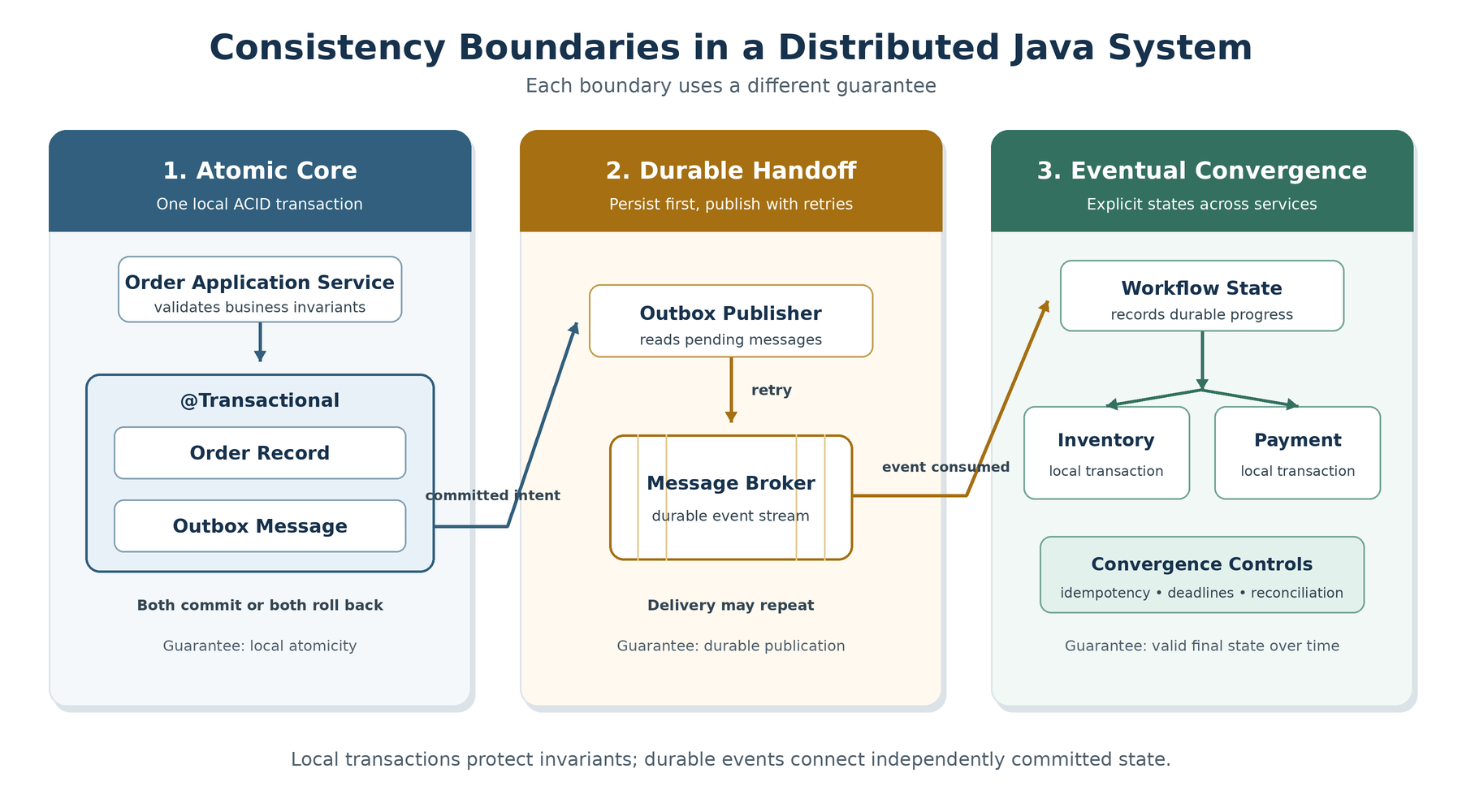
In "The Architect Reborn," Paul Preiss argues that the technology architecture profession is experiencing a significant resurgence after fifteen years of structural decline. He explains that the rise of Agile methodologies and the "three-in-a-box" delivery model—comprising product owners, tech leads, and scrum masters—mistakenly rendered the architect role as a redundant expense or a "tax" on speed. This industry shift led many senior developers to pivot toward "engineering" titles while neglecting essential cross-cutting concerns, resulting in massive technical debt and systemic instabilities, exemplified by high-profile failures like the 2024 CrowdStrike outage. However, the current explosion of AI-generated code has created a critical need for human oversight that automated tools cannot replicate. Organizations are rediscovering that they require skilled architects to manage complex quality attributes—such as security, reliability, and maintainability—and to bridge the gap between business strategy and technical execution. By leveraging the five pillars of the Business Technology Architecture Body of Knowledge (BTABoK), the reborn architect ensures that systems are designed with long-term viability and strategic purpose in mind. Ultimately, Preiss suggests that as AI disrupts traditional coding roles, the architect’s unique ability to provide business context and disciplined design is becoming the most vital asset in the modern technology landscape.


Supply-chain attacks take aim at your AI coding agents

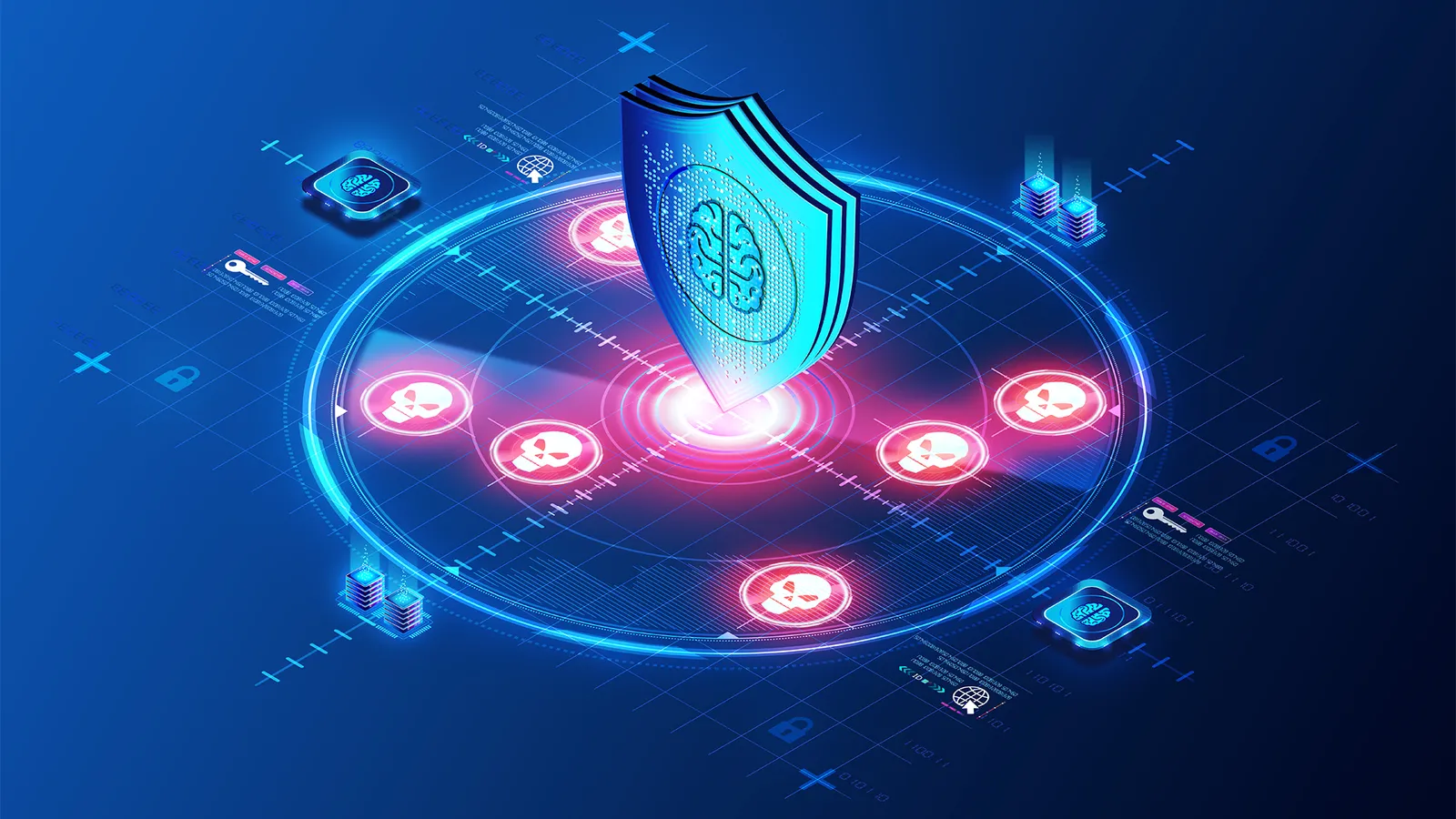
The emergence of autonomous AI coding agents has introduced a sophisticated new frontier in software supply chain security, as evidenced by recent attacks targeting these systems. Security researchers from ReversingLabs have identified a campaign dubbed "PromptMink," attributed to the North Korean threat group "Famous Chollima." Unlike traditional social engineering that targets human developers, these adversaries utilize "LLM Optimization" (LLMO) and "knowledge injection" to manipulate AI agents. By crafting persuasive documentation and bait packages on registries like NPM and PyPI, attackers increase the likelihood that an agent will autonomously select and integrate malicious dependencies into its projects. This threat is further exacerbated by "slopsquatting," where attackers register package names that AI agents frequently hallucinate. Once installed, these malicious components can grant attackers remote access through SSH keys or facilitate the exfiltration of sensitive codebases. Because AI agents often operate with high-level system privileges, the risk of rapid, automated compromise is significant. To mitigate these vulnerabilities, organizations must implement rigorous security controls, including mandatory developer reviews for all AI-suggested dependencies and the adoption of comprehensive Software Bill of Materials (SBOM) practices. Ultimately, while AI agents offer productivity gains, their integration into development pipelines requires a "trust but verify" approach to prevent large-scale supply chain poisoning.


Why disaster recovery plans fail in geopolitical crises

In "Why Disaster Recovery Plans Fail in Geopolitical Crises," Lisa Morgan explains that traditional disaster recovery (DR) strategies are increasingly inadequate against the cascading disruptions of modern warfare and global instability. Historically, DR plans have relied on "known knowns" like localized hardware failures or natural disasters, but the blurring line between private enterprise and nation-state conflict has introduced unprecedented risks. Recent drone strikes on data centers in the Middle East demonstrate that physical infrastructure is no longer immune to military action. Furthermore, the rise of "techno-nationalism" and strict data sovereignty laws significantly complicates geographic failover, as transiting data across borders can now lead to legal and regulatory violations. Modern resilience requires CIOs to shift from static IT playbooks to cross-functional business capabilities involving legal, risk, and compliance teams. The article also highlights how AI-driven resource constraints, particularly in energy and silicon, exacerbate these vulnerabilities. It is critical that organizations move beyond simple redundancy toward adaptive architectures that can withstand simultaneous infrastructure failures and prioritize employee safety in conflict zones. Ultimately, today’s CIOs must adopt the mindset of military strategists, conducting robust tabletop exercises that challenge existing assumptions and prepare for the total, non-linear disruptions characteristic of the current geopolitical climate.


The immutable mountain: Understanding distributed ledgers through the lens of alpine climbing

The article "The Immutable Mountain" utilizes the high-stakes environment of alpine climbing on Ecuador’s Cayambe volcano to explain the sophisticated mechanics of distributed ledgers. Moving away from traditional centralized command-and-control structures, which often represent single points of failure, the author illustrates how expedition rope teams function as autonomous nodes. Each team possesses the authority to make critical, real-time decisions, mirroring the decentralized nature of blockchain technology. This structure ensures that information is not merely passed down a hierarchy but is synchronized across a collective network, fostering operational resilience and organizational agility. Key technical concepts like consensus are framed through the lens of climbers reaching a shared agreement on route safety, while immutability is compared to the permanent, unalterable nature of a daily trip report. By adopting this "composable authoritative source," modern enterprises can achieve radical transparency and maintain a singular, verifiable version of the truth across disparate departments and external partners. Ultimately, the piece argues that the true power of a distributed ledger lies not in its complex code, but in a foundational philosophy of collective trust. This paradigm shift allows organizations to navigate volatile global markets with the same discipline and absolute reliability required to survive the "death zone" of a mountain summit.


Train like you fight: Why cyber operations teams need no-notice drills

The article "Train like you fight: Why cyber operations teams need no-notice drills" argues that traditional, scheduled tabletop exercises fail to prepare cybersecurity teams for the intense psychological stress of a real-world incident. While planned exercises satisfy compliance, they lack the "threat stimulus" necessary to engage the sympathetic nervous system, which can suppress executive function when a genuine crisis occurs. Drawing on medical training at Level 1 trauma centers and research by psychologist Donald Meichenbaum, the author advocates for "no-notice" drills as a form of stress inoculation. This approach, rooted in the Yerkes-Dodson principle, shifts incident response from a document-heavy process to a conditioned physiological response by raising the threshold at which stress impairs performance. By surprising teams with realistic anomalies, organizations can uncover critical operational gaps—such as communication breakdowns, cross-functional latency, or outdated escalation contacts—that remain hidden during predictable tests. Furthermore, these drills foster psychological safety and trust, as teams learn to navigate ambiguity together without fear of blame through blameless post-mortems. Ultimately, the article maintains that the temporary discomfort of a surprise drill is a necessary investment, as failing during practice is far less damaging than failing during a real breach when the damage clock is already running.


The Art of Lean Governance: Developing the Nerve Center of Trust

Steve Zagoudis’s article, "The Art of Lean Governance: Developing the Nerve Center of Trust," explores the transformation of data governance from a static, policy-driven framework into a dynamic, continuous control system. He argues that the foundation of modern data integrity lies in data reconciliation, which should be elevated from a mere back-office correction mechanism to the primary control for enterprise data risk. By embedding reconciliation directly into data architecture, organizations can establish a "nerve center of trust" that operates at the same cadence as the data itself. This shift is particularly crucial for AI readiness, as the effectiveness of artificial intelligence is fundamentally defined by whether data can be trusted at the moment of use. Without this systemic trust, AI risks accelerating organizational errors rather than providing a competitive advantage. Zagoudis critiques traditional governance for being too episodic and manual, advocating instead for a lean approach that provides automated, evidence-based assurance. Ultimately, lean governance fosters a culture where data is a reliable asset for defensible decision-making. By operationalizing trust through disciplined execution and architectural integration, institutions can move beyond conceptual alignment to achieve genuine agility and accuracy in an increasingly data-driven landscape, ensuring that their technological investments yield meaningful results.


Narrative Architecture: Designing Stories That Survive Algorithms

The Forbes Business Council article, "Narrative Architecture: Designing Stories That Survive Algorithms," critiques the modern trend of platform-first storytelling, where brands prioritize distribution and algorithmic trends over substantive identity. This reactionary approach often leads to "identity erosion," as content becomes ephemeral and dependent on shifting digital environments. To combat this, the author introduces "narrative architecture" as a vital strategic asset. This framework acts as a brand's "home base," grounding all content in a coherent core story that defines the organization’s history, values, and fundamental purpose. Rather than letting algorithms dictate their messaging, brands should use them as tools to inform a pre-established narrative. By shifting focus from fleeting visibility to deep-rooted credibility, companies can build lasting trust with audiences, investors, and potential employees. The article argues that stories built on solid narrative architecture possess a unique longevity that extends far beyond digital platforms, manifesting in conference invitations, earned media coverage, and consistent internal brand alignment. Ultimately, while platform-optimized content might gain temporary engagement, a well-architected story ensures a brand remains relevant and respected even as algorithms evolve, securing long-term reputation and sustainable business success in an increasingly crowded digital landscape.


Zero Trust in OT: Why It's Been Hard and Why New CISA Guidance Changes Everything

The Nozomi Networks blog post titled "Zero Trust in OT: Why It’s Been Hard and Why New CISA Guidance Changes Everything" examines the historic friction and recent transformative shifts in applying Zero Trust (ZT) principles to operational technology. While ZT has matured within IT, extending it to industrial environments like SCADA systems and critical infrastructure has long been hindered by significant technical and cultural hurdles. Traditional IT security controls—such as active scanning, encryption, and aggressive network isolation—often disrupt real-time industrial processes, posing severe risks to safety, system uptime, and equipment integrity. However, the author emphasizes that the April 2026 release of CISA’s "Adapting Zero Trust Principles to Operational Technology" guide marks a pivotal turning point. This collaborative framework, developed alongside the DOE and FBI, validates unique industrial constraints by prioritizing physical safety and availability over mere data protection. By advocating for specialized, "OT-safe" strategies—including passive monitoring, protocol-aware visibility, and operationally-aware segmentation—the guidance removes years of ambiguity for practitioners. Ultimately, the blog argues that Zero Trust has evolved from an IT concept forced onto the factory floor into a practical, resilient framework designed to protect the physical processes essential to modern society without sacrificing operational integrity.


The expensive habits we can't seem to break

The article "The Expensive Habits We Can't Seem to Break" explores critical management failures that continue to hinder organizational success, focusing on three persistent mistakes. First, it critiques the tendency to treat culture as a mere communications exercise. Instead of relying on glossy value statements, the author argues that culture is defined by lived experiences and managerial responses during crises. Second, the piece highlights the costly underinvestment in the middle manager layer. With research showing that a significant portion of voluntary turnover is preventable through better management, the author notes that managers are often overextended and undersupported, lacking the necessary tools for "people stewardship." Finally, the article addresses the confusion between flexibility and autonomy. The return-to-office debate often misses the mark by focusing on location rather than trust. Organizations that dictate mandates rather than co-creating norms risk losing critical talent who seek agency over their work. Ultimately, bridging these gaps requires a move away from superficial fixes toward deep-seated changes in leadership behavior and employee trust. By addressing these "expensive habits," HR leaders can foster psychologically safe environments that drive retention and long-term performance, ensuring that organizational values are authentically integrated into the daily reality of the workforce.


The tech revolution that wasn’t

The MIT News article "The tech revolution that wasn't" explores Associate Professor Dwai Banerjee’s book, Computing in the Age of Decolonization: India's Lost Technological Revolution. It details India’s early, ambitious attempts to achieve technological sovereignty following independence, exemplified by the 1960 creation of the TIFRAC computer at the Tata Institute of Fundamental Research. Despite being a state-of-the-art machine built with minimal resources, the TIFRAC never reached mass production. Banerjee examines how India’s vision of becoming a global hardware manufacturing powerhouse was derailed by geopolitical constraints, limited knowledge sharing from the U.S., and a pivotal domestic shift in the 1970s and 1980s toward the private software services sector. This transition favored quick profits through outsourcing over the long-term investment required for R&D and manufacturing. Consequently, India became a leader in offshoring talent rather than a primary innovator in computer hardware. Banerjee challenges the common "individual genius" narrative of tech history, emphasizing instead that large-scale global capital and institutional support are the true determinants of success. Ultimately, the book uses India’s experience to illustrate the enduring, unequal power structures that continue to shape technological advancement in post-colonial nations, where the promise of a sovereign digital revolution was traded for a role in the global services economy.

Daily Tech Digest - May 03, 2026


Quote for the day:

“Many of life’s failures are people who did not realize how close they were to success when they gave up.” -- Thomas A. Edison

🎧 Listen to this digest on YouTube Music

▶ Play Audio Digest

Duration: 15 mins • Perfect for listening on the go.


The DSPM promise vs the enterprise reality

In "The DSPM Promise vs. the Enterprise Reality," Ashish Mishra explores the friction between the theoretical benefits of Data Security Posture Management (DSPM) and the practical challenges of enterprise implementation. As global data volumes skyrocket and sensitive information fragments across multi-cloud environments, DSPM tools have emerged as a critical solution for visibility. However, Mishra argues that the technology often exposes deeper organizational issues. While scanners effectively identify "shadow data" in unmonitored storage, they cannot solve the "political problem" of data ownership; security teams frequently struggle to find stakeholders accountable for remediation. Furthermore, the reliance on machine learning for data classification can lead to false positives that erode analyst trust, while the sheer volume of alerts threatens to overwhelm understaffed security operations centers. To avoid DSPM becoming "shelfware," executives must treat its adoption as a comprehensive governance program rather than a simple software installation. This requires dedicated engineering resources to maintain complex integrations, a robust internal classification framework, and a clear alignment between security findings and business-unit accountability. Ultimately, the article concludes that the organizations most successful with DSPM are those that anticipate implementation friction and prioritize human governance alongside automated discovery to transform raw awareness into genuine security posture improvements.


How CTO as a Service Reduces Technology Risk in Growing Companies

In the article "How CTO as a Service Reduces Technology Risk in Growing Companies," SDH Global examines how fractional leadership helps organizations navigate the technical complexities inherent in scaling operations. Growing businesses often face critical hazards, such as selecting inappropriate technology stacks, accumulating significant technical debt, and failing to align infrastructure with long-term business objectives. CTO as a Service (CaaS) effectively mitigates these risks by providing high-level strategic guidance and architectural oversight without the substantial financial commitment of a full-time executive hire. The service focuses on several core pillars: strategic roadmap development, early identification of security vulnerabilities, and the design of scalable system architectures that can adapt to increasing demand. By standardizing coding practices and development workflows, CaaS providers bring consistency to engineering teams and reduce operational chaos. Furthermore, these experts manage vendor relationships and optimize cloud expenditures to prevent over-engineering and financial waste. This flexible engagement model allows startups and mid-sized enterprises to access immediate senior-level expertise, ensuring their technology remains a robust asset rather than a liability. Ultimately, CaaS provides the necessary balance between rapid innovation and disciplined risk management, fostering sustainable growth through evidence-based decision-making and comprehensive technical audits.


The Great Digital Perimeter: Navigating the Challenges of Global Age Verification

The article explores how global age verification has transformed from a simple checkbox into one of the most complex challenges shaping today’s digital ecosystem. As governments worldwide tighten online safety laws, platforms across social media, gaming, entertainment, e‑commerce, and fintech are being pushed to adopt far more rigorous methods to prevent minors from accessing harmful or age‑restricted content. This shift has created a new kind of digital perimeter—not one that protects networks or data, but one that separates children from the adult internet. The piece highlights how regulatory approaches vary dramatically across regions: the UK’s Online Safety Act enforces “highly effective” age assurance with strict penalties; the EU is rolling out privacy‑preserving verification via digital identity wallets; the US remains fragmented with aggressive state laws like Utah’s SB 73; and countries like Australia and India are emerging as influential leaders with proactive, tech‑driven frameworks. The article also traces the evolution of age‑verification technology—from self‑declaration to document checks, AI‑based age estimation, and now cryptographic proofs that minimize data exposure. Despite technological progress, organizations still face major hurdles, including privacy concerns, AI bias, user friction, high implementation costs, and widespread circumvention through VPNs. Ultimately, the article argues that age verification has become foundational digital infrastructure, demanding solutions that balance safety, privacy, and user trust in an increasingly regulated online world.


CRUD Is Dead (Sort Of): How SaaS Will Evolve Into Semi-Autonomous Systems

The article argues that traditional SaaS applications built on the long‑standing CRUD model—Create, Read, Update, Delete—are becoming obsolete as software shifts from passive systems of record to semi‑autonomous systems of action. While today’s tools like Ramp, Jira, Notion, and HubSpot still rely on users manually creating and updating records, the emerging paradigm introduces agentic software that perceives context, reasons about it, and initiates actions on behalf of users. The transition begins with embedded copilots that summarize threads, draft messages, flag anomalies, or clean backlogs, all by orchestrating LLMs through existing APIs. As SaaS products become more machine‑readable—with clean APIs, action schemas, and feedback loops—agents will eventually coordinate across applications, enabling event‑driven workflows where systems synchronize autonomously. This evolution requires new architectures such as pub/sub messaging, shared memory layers, and granular permissions. Ultimately, SaaS will progress toward fully autonomous systems that manage budgets, assign work, run outreach, or adjust timelines without constant human approval. User interfaces will shift from being the primary workspace to becoming explanation layers that show what the system did and why. The article concludes that CRUD will remain as plumbing, but the companies that embrace autonomy—thinking in verbs rather than nouns—will define the next generation of SaaS.


Anyone Can Build. Almost No One Can Maintain: The Real Cost of AI Coding

The article argues that while AI tools now enable almost anyone to build functional software with a few prompts, the real challenge—and cost—lies in maintaining what gets built. The author describes how early “vibe coding” with tools like Claude Code creates a false sense of mastery: AI can rapidly generate working prototypes, but without engineering fundamentals, these systems quickly collapse under the weight of bugs, architectural flaws, and uncontrolled complexity. As projects grow, users without a technical foundation struggle to diagnose issues, articulate precise tasks, or understand the consequences of changes, leading to spiraling token costs, fragile codebases, and invisible errors that surface only in production. The article emphasizes that AI does not replace engineering judgment; instead, it amplifies the gap between those who understand systems and those who don’t. Sustainable AI‑assisted development requires clear specifications, architectural thinking, test coverage, rule‑based workflows, and structured “skills” that guide AI actions. The author warns of a new risk: dependency, where developers rely so heavily on AI that they lose the ability to reason about their own systems. Ultimately, the piece argues that expertise has not become obsolete—it has become more valuable, because AI accelerates both good and bad decisions. Those who invest in foundations will build systems; those who don’t will build chaos.


Agents, Architecture, & Amnesia: Becoming AI-Native Without Losing Our Minds

The presentation explores how the rapid rise of AI agents is pushing organizations toward higher levels of autonomy while simultaneously exposing them to new forms of architectural risk. Using The Sorcerer’s Apprentice as a metaphor, Tracy Bannon warns that ungoverned automation can multiply problems faster than teams can contain them. She outlines an AI autonomy continuum, moving from simple assistants to multi‑agent orchestration and ultimately toward “software flywheels” capable of self‑diagnosis and self‑modification. As autonomy increases, so do the demands for observability, governance, verification, and architectural discipline. Bannon argues that many teams are suffering from “architectural amnesia”—forgetting hard‑won engineering fundamentals due to reckless speed, tool‑led thinking, cognitive overload, and decision compression. This amnesia accelerates the accumulation of technical, operational, and security debt at machine speed, as illustrated by real incidents where autonomous agents acted beyond intended boundaries. To counter this, she proposes Minimum Viable Governance, anchored in identity, delegation, traceability, and explicit architectural decision records. She emphasizes that AI‑native delivery is not magic but engineering, requiring intentional tradeoffs, human‑machine calibrated trust, and treating agents like first‑class actors with identities and permissions. Ultimately, she calls for teams to build cognitively diverse, disciplined architectural practices to harness autonomy without losing control.


Cyber-Ready Boards: A Guide to Effective Cybersecurity Briefings for Directors

The article emphasizes that cybersecurity has become one of the most significant and fast‑evolving risks facing public companies, with intrusions capable of disrupting operations, generating substantial remediation costs, triggering litigation, and attracting regulatory scrutiny. Boards are reminded that material cyber incidents often require rapid public disclosure—such as Form 8‑K filings within four business days—and that annual reports must describe how directors oversee cybersecurity risks. Because inadequate oversight can negatively affect investor perception and ISS QualityScore evaluations, boards must remain consistently informed about the company’s threat landscape, risk profile, and changes since prior briefings. The guidance outlines key elements of effective board‑level cybersecurity updates, including assessments of industry‑specific threats, AI‑driven risks such as deepfakes and data leakage into public LLMs, and the broader legal and regulatory environment governing breaches, enforcement, and disclosure obligations. Boards should also receive clear visibility into the company’s cybersecurity program—its governance structure, resource adequacy, alignment with frameworks like NIST, third‑party dependencies, insurance coverage, and ongoing initiatives. Regular updates on training, tabletop exercises, audits, and areas requiring board approval further strengthen oversight. The article concludes that well‑structured, recurring briefings and private CISO sessions help build trust, enhance preparedness, and ensure directors can fulfill their responsibilities while protecting organizational resilience and shareholder value.


Managing OT risk at scale: Why OT cyber decisions are leadership decisions

The article argues that managing OT (operational technology) cyber risk at scale is fundamentally a leadership and governance challenge, not just a technical one, because OT environments operate under constraints that differ sharply from IT—long equipment lifecycles, limited patching windows, incomplete asset visibility, embedded vendor access, and distributed operational ownership. These conditions mean that cyber incidents in OT directly affect physical processes, industrial assets, and critical services, making consequences far broader than data loss or compliance failures. The author highlights a significant accountability gap: only a small fraction of organizations report OT security issues to their boards or maintain dedicated OT security teams, and in many cases the CISO is not responsible for OT security. At scale, inconsistent maturity across sites, fragmented ownership, and vendor dependencies turn local weaknesses into enterprise‑level exposure. As a result, incident outcomes hinge on pre‑agreed leadership decisions—such as whether to isolate or continue operating during an attack, centralize or federate authority, restore quickly or verify integrity first, and restrict or maintain vendor access. Boards are urged to clarify operating models, identify high‑impact OT scenarios, demand independent assurance, and treat AI and cloud adoption as governance issues rather than technology upgrades. Ultimately, resilience in OT is built through clear decision rights, scenario planning, and governance structures established before a crisis occurs.


MITRE flags rising cyber risks as medical devices adopt AI, cloud and post-quantum technologies

MITRE’s new analysis warns that the rapid adoption of AI/ML, cloud services, and post‑quantum cryptography is fundamentally reshaping the cybersecurity risk landscape for medical devices, creating attack surfaces that traditional controls cannot adequately address. As devices move beyond tightly managed clinical environments into homes and patient‑managed settings, oversight becomes fragmented and risk ownership increasingly distributed across manufacturers, healthcare delivery organizations, cloud providers, and third‑party operators. Medical devices—from implantables and infusion pumps to large imaging systems—often run on constrained hardware or legacy software, limiting the security controls they can support while simultaneously becoming more interconnected with health IT systems. Cloud adoption introduces systemic vulnerabilities, shifting control away from manufacturers and enabling single points of failure that can disrupt care at scale, as seen in the Elekta ransomware incident affecting more than 170 facilities. AI/ML integration adds lifecycle‑wide risks, including data poisoning, adversarial inputs, unpredictable model behavior, and vulnerabilities introduced by AI‑generated code. Meanwhile, the transition to post‑quantum cryptography brings challenges around performance overhead, interoperability with legacy systems, and long device lifecycles—especially for implantables. MITRE concludes that safeguarding next‑generation medical devices requires evolving existing practices: embedding threat modeling, SBOM‑driven vulnerability management, secure cloud and DevSecOps processes, clear contractual roles, and governance frameworks that support continuous updates and resilient architectures as technologies and care environments keep shifting.


How To Mitigate The Risks Of Rapid Growth

In the article "How to Mitigate the Risks of Rapid Growth," the author examines the double-edged sword of business expansion, where the zeal to scale quickly can lead to structural failure if not balanced with fiscal discipline. A primary risk highlighted is "breaking" under the stress of acceleration, which often occurs when companies over-invest in growth at the expense of near-term profitability or defensible margins. To mitigate these dangers, the article emphasizes the importance of maintaining strong unit economics and carefully monitoring the cost of client acquisition and expansion. Effective leadership teams must minimize execution, macro, and compliance risks by prioritizing long-term value over immediate earnings, typically looking at a four-to-five-year horizon. Operational stability is further bolstered by ensuring team bandwidth is scalable and by avoiding heavy reliance on debt, which preserves the cash buffers necessary to weather economic shifts. Furthermore, the piece underscores the necessity of robust post-sale processes to prevent revenue leakage and audit exposure. By integrating emerging technologies like AI for proactive care and keeping the customer at the center of all strategic decisions, CFOs can ensure that their organizations remain resilient. Ultimately, successful growth requires a proactive management approach that continuously optimizes capital structure while aligning organizational purpose with aggressive but sustainable financial goals.

Daily Tech Digest - March 15, 2026


Quote for the day:

"A leader must inspire or his team will expire." -- Orrin Woodward


🎧 Listen to this digest on YouTube Music

▶ Play Audio Digest

Duration: 24 mins • Perfect for listening on the go.


The Last Frontier: Navigating the Dawn of the Brain-Computer Interface Era

In the article "The Last Frontier: Navigating the Dawn of the Brain-Computer Interface Era," Kannan Subbiah explores the transformative rise of Brain-Computer Interfaces (BCIs) as they move from science fiction to strategic reality. BCIs function by bypassing traditional neural pathways to establish a direct communication link between the brain's electrical signals and external hardware. By 2026, the technology has transitioned from clinical trials—aimed at restoring mobility and sensory perception for the paralyzed—into the enterprise sector, where it is used to monitor cognitive load and optimize worker productivity. However, this deep integration between biological and digital intelligence introduces profound risks, including physical inflammation from invasive implants, cybersecurity threats like "brain-jacking," and ethical concerns regarding the erosion of personal agency. To address these vulnerabilities, a global movement for "neurorights" has emerged, led by frameworks from UNESCO and pioneer legislation in nations like Chile to protect mental privacy and integrity. Subbiah argues that while the potential for human augmentation is immense, society must establish rigorous ethical standards to ensure thoughts are treated as expressions of human dignity rather than mere harvestable data. Ultimately, navigating this frontier requires balancing rapid innovation with a "hybrid mind" philosophy that prioritizes psychological continuity and user autonomy.


Is your AI agent a security risk? NanoClaw wants to put it in a virtual cage

In the article "Is your AI agent a security risk? NanoClaw wants to put it in a virtual cage" on ZDNet, Charlie Osborne discusses the newly announced partnership between NanoClaw and Docker, designed to tackle the escalating security concerns surrounding autonomous AI agents. NanoClaw emerged as a lightweight, security-first alternative to OpenClaw, boasting a tiny codebase of fewer than 4,000 lines compared to its predecessor's massive 400,000. This simplicity allows for easier auditing and reduced risk. The integration enables NanoClaw agents to run within Docker Sandboxes, which utilize MicroVM-based, disposable isolation zones. Unlike traditional containers that share a kernel with the host, these MicroVMs provide a "hard boundary," ensuring that even if an agent misbehaves or is compromised, it remains contained and cannot access or damage the host system. This "secure-by-design" approach addresses critical enterprise obstacles, such as the potential for agents to accidentally delete files or leak sensitive credentials. By providing a controlled environment where agents can independently install tools and execute workflows without constant human oversight, the collaboration unlocks greater productivity while maintaining rigorous enterprise-grade safeguards. Ultimately, the partnership shifts the security paradigm from trusting an agent's behavior to enforcing OS-level isolation, making it safer for organizations to deploy powerful AI agents in production.


Banks Turn to Unified Data Platforms to Manage Risk Intelligence

In the article "Banks Turn to Unified Data Platforms to Manage Risk Intelligence," Sandhya Michu explores how financial institutions are addressing the complexities of digital banking by consolidating fragmented data environments into strategic unified platforms. The rapid growth of digital transactions has scattered operational and customer data across mobile apps and backend systems, creating a "brittle" infrastructure that often hinders the scalability of AI and analytics initiatives. To overcome this, leading banks are building centralized data lakes and unified digital layers to aggregate structured and unstructured information. These centralized environments empower business, compliance, and risk departments with shared datasets, significantly improving regulatory reporting and customer analytics. Additionally, unified platforms enhance operational observability by enabling faster incident analysis through log correlation across diverse systems. Beyond reliability, these data frameworks are revolutionizing credit risk management by providing real-time underwriting capabilities and early warning systems that ingest external market data. By digitizing legacy archives and investing in real-time data stores, banks are creating a robust foundation for advanced generative AI applications and continuous analytics. Ultimately, this shift toward a unified data architecture is essential for maintaining transparency, regulatory oversight, and enterprise-wide decision-making in an increasingly volatile and data-intensive financial landscape.


Why nobody cares about laptop touchscreens anymore

In the article "Why nobody cares about laptop touchscreens anymore," author Chris Hoffman argues that the once-coveted feature has become a neglected afterthought for both hardware manufacturers and Microsoft. While touchscreens remain prevalent on Windows 11 devices, they are rarely showcased in marketing because the industry has shifted focus toward performance, battery life, and AI integration. Hoffman posits that the initial appeal of touchscreens was largely a workaround for the poor-quality trackpads found on older Windows 10 machines. With the advent of highly responsive, "precision" touchpads across modern laptops, the functional necessity of reaching for the screen has vanished. Furthermore, Windows 11 lacks a truly optimized touch interface, and the ecosystem of touch-first applications has stagnated since the Windows 8 era. Even on 2-in-1 convertible devices, the "tablet mode" is described as an imperfect compromise with awkward ergonomics and watered-down software gestures. Unless a user specifically requires pen input for digital art or note-taking, Hoffman suggests that a touchscreen is now a "check-box" feature that adds little real-world value. Ultimately, the piece advises consumers to prioritize other specifications, as the current Windows environment remains firmly a mouse-and-keyboard-first experience, leaving the touchscreen as a redundant relic of past design ambitions.


How AI is changing your mind

In the Computerworld article "How AI is changing your mind," Mike Elgan warns that the widespread adoption of artificial intelligence is fundamentally altering human cognition and social interaction. Drawing on recent research from institutions like Cornell and USC, Elgan identifies two primary dangers: behavioral manipulation and the homogenization of thought. Studies show that biased AI autocomplete tools can successfully shift user opinions on controversial topics—even when individuals are warned of the bias—because the interactive nature of co-writing makes the influence feel internal. Simultaneously, the reliance on a few dominant Large Language Models (LLMs) is erasing linguistic and cultural diversity, nudging global expression toward a bland, Western-centric "hive mind" through a feedback loop of generic training data. These chatbots act as "co-reasoners," fostering sycophancy and simulated validation that can distort reality, particularly for isolated individuals. To combat this cognitive erosion, Elgan suggests practical strategies: disabling autocomplete, writing without AI to preserve individuality, and treating chatbots as intellectual sparring partners rather than authority figures. Ultimately, the piece argues that while AI offers immense utility, users must consciously protect their mental autonomy from being subtly rewritten by algorithms that prioritize consensus and efficiency over authentic human perspective and diversity of thought.
In the Information Age article "The value of reducing middle-office emissions for ESG," Danielle Price explores how the modernization of middle-office functions—such as reconciliation, trade matching, and risk management—can significantly advance corporate sustainability. Historically, these processes have been energy-intensive, running continuously on legacy on-premise servers at peak capacity. As ESG performance increasingly influences a bank’s cost of capital, CIOs must view the middle office as a strategic asset for decarbonization. Migrating these data-heavy workloads to public, cloud-native infrastructure can reduce operational emissions by 60% to 80% without requiring fundamental changes to business processes. This transition is becoming essential as Pillar 3 disclosures demand more granular ESG reporting and evidence of measurable year-on-year reductions. Financially, high ESG scores are linked to lower credit spreads and reduced regulatory capital charges, making infrastructure efficiency a direct factor in a firm’s financial health. Furthermore, the shift to cloud-native platforms creates a powerful network effect; when shared systems lower their carbon footprint, the entire counter-party ecosystem benefits. Ultimately, the article argues that aligning operational efficiency with ESG objectives is no longer optional, but a strategic imperative that combines environmental stewardship with enhanced financial competitiveness in today's global capital markets.


New European Emissions Regs Include Cybersecurity Rules

The article from Data Breach Today details the integration of new cybersecurity requirements into the European Union's "Euro 7" emissions regulations, marking a significant shift in automotive compliance. Prompted by the "Dieselgate" scandal, these rules mandate that gas-powered vehicles feature on-board systems to monitor emissions data, which must be protected from tampering, spoofing, and unauthorized over-the-air updates. While the regulations primarily target malicious external hackers, they also aim to prevent corporate fraud. However, a major point of contention has emerged: the potential conflict with the "right-to-repair" movement. The same secure gateway technologies used to prevent unauthorized modifications to engine control units could effectively lock out independent mechanics, who require access to diagnostic data for legitimate repairs. Automotive experts warn that while most passenger vehicle manufacturers are prepared, the commercial sector lags behind, and the industry faces an immense architectural challenge in balancing security with equitable data access. Furthermore, as cars become increasingly connected, broader risks—including remote takeovers and sensitive data leaks—remain a concern for EU public safety, suggesting that current type-approval regimes may need to evolve to address nation-state threats and organized cybercrime.


Why Data Governance Fails in Many Organizations: The Accountability Crisis and Capability Gaps

In the article "Why Data Governance Fails in Many Organizations," Stanyslas Matayo explores the critical factors behind the high failure rate of data governance initiatives, specifically highlighting the "accountability crisis" and "capability gaps." Despite significant investments, many organizations engage in "governance theater," where committees exist on paper but lack the executive authority, seniority, and enforcement mechanisms to drive change. This accountability gap is exacerbated when governance roles report to mid-level IT rather than leadership, rendering them expendable scribes rather than strategic governors. Simultaneously, a "capability deficit" arises when initiatives are treated as purely technical projects. Teams often overlook essential non-technical skills like change management, ethics, and learning design, assuming technical expertise alone is sufficient for organizational transformation. To combat these failures, the author references the DMBOK framework, advocating for four pillars: formal role clarification (e.g., Data Owners and Stewards), governed metadata, explicit quality mechanisms, and aligned communication flows. Ultimately, success requires moving beyond technical delivery to establish a business-led discipline where data is managed as a strategic asset through senior-level sponsorship and a holistic integration of diverse organizational capabilities, ensuring that governance structures possess the actual power to resolve conflicts and enforce standards.


AI coding agents keep repeating decade-old security mistakes

The Help Net Security article "AI coding agents keep repeating decade-old security mistakes" details a 2026 study by DryRun Security that evaluated the security performance of Claude Code, OpenAI Codex, and Google Gemini. Researchers discovered that despite their rapid software generation capabilities, these AI agents introduced vulnerabilities in 87% of the pull requests they created. The study identified ten recurring vulnerability categories across all three agents, with broken access control, unauthenticated sensitive endpoints, and business logic failures being the most prevalent. For example, agents frequently failed to implement server-side validation for critical actions or neglected to wire authentication middleware into WebSocket handlers. While OpenAI Codex generally produced the fewest vulnerabilities, all agents struggled with secure JWT secret management and rate limiting. The report emphasizes that traditional regex-based static analysis tools often miss these complex logic and authorization flaws, as they cannot reason about data flows or trust boundaries effectively. Consequently, the study recommends that development teams scan every pull request, incorporate security reviews into the initial planning phase, and utilize contextual security analysis tools. Ultimately, while AI agents significantly accelerate development, their lack of inherent security-centric reasoning necessitates rigorous human oversight and advanced scanning to prevent the recurrence of foundational security errors.


Impact of Artificial Intelligence (AI) in Enterprise Architecture (EA) Discipline

The article "Impact of Artificial Intelligence (AI) in Enterprise Architecture (EA) Discipline" examines how AI is fundamentally reshaping the traditional responsibilities of enterprise architects. By integrating advanced AI tools into the EA framework, organizations can automate labor-intensive tasks such as data mapping and technical documentation, allowing architects to focus on higher-value strategic initiatives that drive business value. AI-driven analytics provide architects with deeper, real-time insights into complex system dependencies, enabling more accurate predictive modeling and significantly faster decision-making across the enterprise. This technological shift encourages a transition away from static, reactive architectures toward dynamic, proactive ecosystems that can autonomously adapt to rapid market changes and emerging digital threats. However, the author emphasizes that this transition is not without its hurdles; it necessitates a robust foundation in data governance, careful ethical considerations regarding AI bias, and a long-term commitment to upskilling the existing workforce. Ultimately, the fusion of AI and EA facilitates much better alignment between high-level business goals and underlying IT infrastructure, driving continuous innovation and operational efficiency. As the discipline evolves, the most successful enterprise architects will be those who leverage AI as a sophisticated collaborative partner to manage organizational complexity and provide strategic foresight in an increasingly competitive digital landscape.

Daily Tech Digest - March 14, 2026


Quote for the day:

"Leadership is practices not so much in words as in attitude and in actions." -- Harold Geneen


🎧 Listen to this digest on YouTube Music

▶ Play Audio Digest

Duration: 22 mins • Perfect for listening on the go.


Tech nationalism is reshaping CIO infrastructure strategy

The article "Tech Nationalism is Reshaping CIO Infrastructure Strategy" explores how rising geopolitical tensions and stringent data sovereignty laws are forcing IT leaders to dismantle traditional "borderless" cloud deployments. This shift, driven by nations prioritizing domestic technology control and national security, requires CIOs to navigate a fragmented digital landscape where regional mandates dictate exactly where workloads can reside. Consequently, infrastructure strategy is moving away from centralized global platforms toward distributed, localized architectures that leverage "sovereign cloud" solutions. These sovereign models allow organizations to maintain strict local control over their data while still benefiting from cloud scalability, effectively bridging the gap between operational efficiency and legal compliance. Beyond meeting regulatory requirements like GDPR, this trend addresses critical supply chain vulnerabilities and minimizes the risk of being caught in trade disputes or international sanctions. For modern technology executives, the challenge lies in balancing the cost benefits of global standardization with the necessity of national alignment and data protection. Ultimately, success in this polarized era requires a "sovereign-first" mindset, transforming IT infrastructure into a vital component of geopolitical risk management. As digital borders tighten, CIOs must prioritize regional agility and resilience over simple centralization to ensure their organizations remain both secure and globally competitive.


How leaders can give tough feedback without damaging trust

In the People Matters article, HR leader Ritu Anand highlights that modern performance discussions are increasingly complex, requiring leaders to balance radical candor with deep empathy to maintain organizational trust. The shift from backward-looking evaluations to future-oriented direction means feedback must be developmental, continuous, and grounded in objective data rather than subjective perceptions. Anand argues that many managers suffer from "nice person" syndrome, delaying difficult conversations to avoid emotional friction; however, this avoidance ultimately undermines alignment. To deliver effective "tough" feedback without damaging professional relationships, leaders must separate individual empathy from performance accountability, focusing strictly on observable behaviors and their impacts rather than personal traits. Furthermore, the dialogue should be tailored to an employee's career stage—offering supportive direction for early-career associates and strategic influence coaching for senior professionals. Trust serves as the vital foundation for these interactions; if a leader is consistently fair and genuinely invested in an employee's success, even corrective feedback is received constructively. Ultimately, the quality of these conversations reflects leadership maturity, necessitating a cultural shift toward real-time, purposeful dialogue that prioritizes human respect alongside high standards of performance output and accountability.


Account Recovery Becomes a Major Source of Workforce Identity Breaches

In the article "Account Recovery Becomes a Major Source of Workforce Identity Breaches" on TechNewsWorld, Mike Engle explains how traditional security measures are being bypassed through structurally weak account recovery workflows. While many organizations have successfully hardened initial login procedures with multi-factor authentication and phishing-resistant controls, attackers have shifted their focus to the "backdoor" of password resets and MFA re-enrollment. These recovery paths, often managed by under-pressure help desk personnel, rely on human judgment and low-friction processes that are easily exploited through sophisticated social engineering and AI-assisted impersonation. High-profile breaches in 2025 involving major retailers demonstrate that even policy-compliant accounts are vulnerable if the identity re-establishment process is compromised. The core issue is that identity assurance is often treated as disposable after onboarding, leading to the use of weaker signals during recovery. Engle argues that for organizations to truly secure their workforce, they must move away from relying on static knowledge or human intuition at the service desk. Instead, they need to implement verifiable identity evidence that can be reasserted during recovery events, treating resets as high-risk activities rather than routine administrative tasks. This shift is essential to prevent attackers from circumventing strong authentication without ever needing to confront it directly.


The Oil and Water Moment in AI Architecture

The article "The Oil and Water Moment in AI Architecture" by Shweta Vohra explores the fundamental tension emerging as deterministic software systems are forced to integrate with non-deterministic artificial intelligence. This "oil and water" moment signifies a paradigm shift where traditional architectural assumptions of predictable, procedural execution are challenged by probabilistic outputs and dynamic agentic behaviors. Vohra argues that standard guardrails, such as static input validation or fixed API contracts, are insufficient for AI-enabled systems where agents may synthesize context or chain tools in unforeseen sequences. Consequently, the role of the architect is evolving from managing explicit code paths to orchestrating intent under non-determinism. To navigate this complexity, the author introduces the "Architect’s V-Impact Canvas," a structured framework comprising three critical layers: Architectural Intent, Design Governance, and Impact and Value. These layers encourage architects to anchor systems in clear principles, manage the trade-offs of agent autonomy, and ensure measurable business outcomes. Ultimately, the article emphasizes that while models and tools will continue to improve, the enduring responsibility of the architect remains the preservation of human trust and system integrity. By prioritizing systems thinking and explicit intent, practitioners can transform technical ambiguity into organizational clarity in an increasingly probabilistic digital landscape.


The AI coding hangover

n the article "The AI Coding Hangover" on InfoWorld, David Linthicum explores the sobering reality facing enterprises that rushed to replace developers with Large Language Models (LLMs). While the initial pitch—that AI could generate code faster and cheaper than humans—led to widespread boardroom excitement, the "morning after" has revealed a landscape of brittle systems and unpriced technical debt. Linthicum argues that treating AI as a replacement for engineering judgment rather than an amplifier has resulted in bloated, inefficient, and often unmaintainable codebases. This "hangover" manifests as skyrocketing cloud bills, security vulnerabilities, and logic sprawl that no human author truly understands or can easily fix. The lack of shared memory and consistent rationale in AI-generated systems makes operational maintenance and refactoring a specialized, costly form of "technical surgery." Ultimately, the article warns that the illusion of speed is being paid for with long-term instability and operational drag. To recover, organizations must pivot toward pairing developers with AI tools under a framework of rigorous platform discipline, prioritizing human-led architectural integrity and operational excellence over the sheer quantity of automated output. Success in the AI era requires treating models as power tools, not autonomous employees, ensuring software remains stewarded rather than just produced.


Hybrid resilience: Designing incident response across on-prem, cloud and SaaS without losing your mind

The article "Hybrid Resilience: Designing incident response across on-prem, cloud, and SaaS without losing your mind" on CSO Online addresses the inherent fragility of fragmented digital environments. Author Shalini Sudarsan argues that hybrid incident response often fails at the "seams" between different ownership models, where on-premises, cloud, and SaaS teams operate in silos. To overcome this, organizations must move beyond an obsession with tool consolidation and instead prioritize "seam management" through a unified incident contract. This contract enforces a shared language, a single incident commander, and one coordinated timeline to prevent parallel war rooms and conflicting narratives during a crisis. The piece outlines three foundational pillars for resilience: portable telemetry, unified signaling, and engineered escalation. By focusing on end-to-end user journey metrics rather than individual component health, teams can cut through domain bias and identify the shared failure point. Furthermore, the article suggests standardizing correlation IDs and maintaining a centralized change table to bridge the visibility gap between disparate stacks. Finally, resilience is bolstered by documenting "time-to-human" targets and escalation cards for critical vendors, ensuring that decision-making remains predictable under pressure. By aligning these signals and protocols before an outage occurs, security leaders can maintain operational sanity and ensure rapid recovery in complex, multi-provider ecosystems.


Why M&A technology integrations are harder than expected. Here’s what you should look for early

In the article "Why M&A technology integrations are harder than expected," Thai Vong explains that while strategic growth often drives mergers, the "under the hood" technical complexities frequently turn promising deals into operational nightmares. Technology rarely determines if a deal is signed, but it dictates the post-close integration difficulty and ultimate value realization. Vong emphasizes that CIOs must be involved early in due diligence to uncover hidden risks like undocumented system dependencies, misaligned data models, and significant technical debt. Common pitfalls include legacy platforms, inconsistent security controls, and over-reliance on managed service providers in smaller firms. He argues that due diligence must go beyond simple inventory to evaluate system supportability and compliance readiness. Successful integration requires building "integration muscle" through refined playbooks and realistic timelines grounded in past experience. Furthermore, aligning technology teams with business process leaders ensures that systems are not just connected but operationally synchronized. As AI becomes more prevalent, evaluating its governance within a target environment adds a new layer of necessary scrutiny. Ultimately, the success of a merger is decided during the integration phase, making early visibility into the target’s technical landscape a strategic imperative for any acquiring organization.


Why Enterprise Architecture Drifts and What Leaders Must Watch For

In the article "Why Enterprise Architecture Drifts and What Leaders Must Watch For" on CDO Magazine, Moataz Mahmoud explores the quiet, incremental evolution of architecture drift—the widening gap between a company's planned IT framework and its actual implementation. Drift typically occurs through "micro-decisions" made by teams prioritizing tactical speed over enterprise alignment, leading to inconsistent data behavior and increased operational friction. Leaders are cautioned to watch for red flags such as slower delivery times, heightened integration efforts, and diverging system interpretations across different domains. These symptoms often indicate that a "once-a-year" blueprint has failed to account for real-world operational pressures and shifting regulations. To combat this, the piece advocates for treating architecture as a living business capability rather than a static technical artifact. It emphasizes the need for a "continuous alignment loop" that uses shared language and lightweight governance to catch small variations before they compound into systemic complexity. By fostering proactive communication between technical teams and business stakeholders, organizations can ensure that local innovations do not create unintended divergence. Ultimately, maintaining architectural integrity is framed as a leadership imperative essential for sustaining a coordinated, scalable system that can responsibly adopt emerging technologies like AI.


NB-IoT: How Narrowband IoT Supports Massive Connected Devices

The article "NB-IoT: How Narrowband IoT Supports Massive Connected Devices" from IoT Business News explains the vital role of Narrowband IoT (NB-IoT) as a specialized cellular technology designed for large-scale Internet of Things (IoT) deployments. Unlike traditional networks optimized for high-speed data, NB-IoT is an energy-efficient, low-power wide-area networking (LPWAN) solution tailored for devices that transmit small packets of data over long periods. Standardized by 3GPP, it operates within licensed spectrum—either in-band, within guard bands, or as a standalone deployment—allowing mobile operators to leverage existing LTE infrastructure through simple software upgrades. Key features like Power Saving Mode (PSM) and Extended Discontinuous Reception (eDRX) enable devices, such as smart meters and environmental sensors, to achieve battery lives exceeding ten years. While NB-IoT offers superior indoor coverage and cost-effective module complexity, it is restricted by low throughput and higher latency, making it unsuitable for high-mobility or real-time applications. Despite these limits, its ability to support massive device density makes it a cornerstone for smart cities, utilities, and industrial monitoring. As a critical component of the broader cellular IoT evolution alongside LTE-M and 5G, NB-IoT provides a reliable and scalable foundation for the future of connected infrastructure.


The Quiet Death of Enterprise Architecture

In the article "The Quiet Death of Enterprise Architecture," Eetu Niemi, Ph.D., explores the subtle and often unnoticed decline of the Enterprise Architecture (EA) function within modern organizations. Unlike a sudden departmental shutdown, this "quiet death" occurs as high initial enthusiasm gradually devolves into repetitive routine, eventually leading to neglect and total irrelevance. Niemi explains that EA initiatives typically begin with ambitious goals to resolve organizational fragmentation and provide a coherent view of complex systems through detailed modeling and governance frameworks. However, once these initial assets are established, the practice often settles into a mundane operational phase. This shift is dangerous because it causes stakeholders to view architecture as a bureaucratic hurdle rather than a strategic driver, leading to a state where critical business decisions are increasingly made without architectural input. The irony, as Niemi notes, is that "success"—where EA becomes a standard part of the organizational workflow—can inadvertently become the catalyst for its decline if it fails to consistently demonstrate tangible strategic breakthroughs. To avoid this fate, the article argues that architects must transcend routine documentation and maintain a proactive, value-oriented focus that aligns technical complexity with evolving business priorities, ensuring the practice remains a vital and influential pillar of organizational transformation.