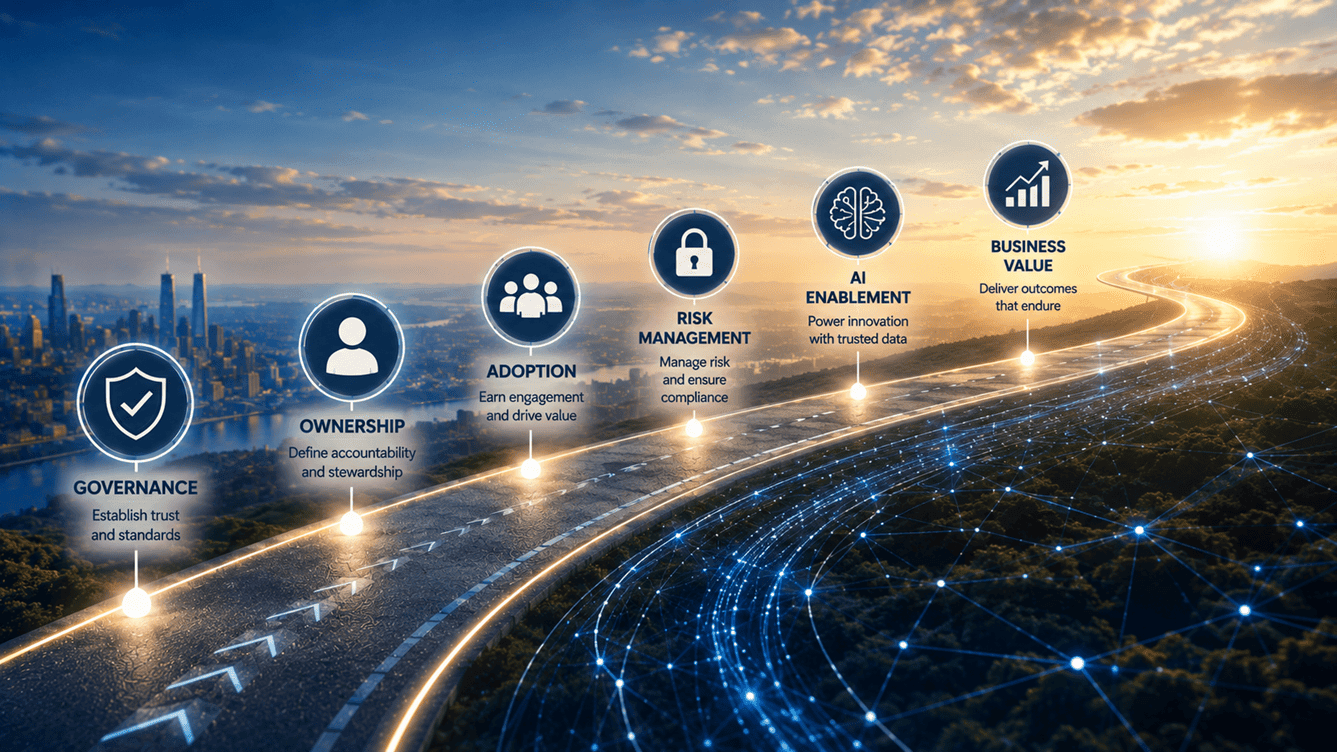
Showing posts with label road-map. Show all posts

Daily Tech Digest - September 15, 2026


Quote for the day:

“In times of change, learners inherit the earth; while the learned find themselves beautifully equipped to deal with a world that no longer exists.” -- Eric Hoffe

🎧 Listen to the audio debrief on YouTube

▶ Play Audio Digest

Duration: 22 mins • Perfect for listening on the go.


Why DBAs are right to be skeptical of AI — and where they’re wrong

Database management has grown significantly more complex over the past three decades, turning scalability into an expertise problem rather than a simple staffing issue. Adding more database administrators (DBAs) to a struggling system rarely resolves performance problems; instead, organizations need experienced professionals who can accurately diagnose root causes. However, skilled DBAs are expensive and increasingly scarce, especially as the demand for massive databases supporting artificial intelligence and large language models (LLMs) continues to rise. This is where AI tools can provide meaningful support without replacing human expertise. While human operators are prone to making assumptions or taking risky shortcuts under pressure, properly constrained AI models excel at following defined diagnostic processes consistently. By providing an LLM with read-only access to monitoring data and clearly structured instructions, teams can compress hours of manual log analysis into mere minutes. The key to success is establishing strict guardrails around what the AI can execute. The model diagnoses the issue and proposes a solution, but a human administrator retains full control over approving and applying any changes to the live database. Starting with this low-risk approach allows organizations to manage growing complexity effectively while the industry slowly builds broader trust in autonomous operations.


Sovereign cloud is no longer just about where data resides

The concept of a sovereign cloud is evolving far beyond simply keeping data within a country's borders. According to Ravi Jain from IBM India, true digital sovereignty is fundamentally about control rather than just physical location. As artificial intelligence becomes deeply integrated into everyday operations and modern business systems, organizations are asking harder questions about who manages their environments, who holds the encryption keys, and where their AI models actually run. This shift is rapidly moving the conversation from basic data residency to comprehensive AI sovereignty. Regulated sectors in India, such as government, finance, and healthcare, are increasingly viewing this level of operational control as a core architectural requirement. However, Jain notes that not every system needs the same level of strict oversight. Instead of a one-size-fits-all approach, technology leaders should assess their systems individually, applying tighter controls only where data sensitivity and business risks truly demand it. Ultimately, organizations want the freedom to place their systems across various environments without becoming locked into a single technology provider. By focusing on operational independence and transparent governance, businesses can maintain strict control over their most critical assets while still retaining the flexibility needed to operate efficiently and confidently in the future.


AI Changed the Exposure Problem. Validation Needs to Change With It

As artificial intelligence accelerates the discovery of security vulnerabilities, security teams face a rapidly growing number of reported exposures. Although published vulnerabilities have increased significantly, only a small fraction are actually exploited in the real world. This widening gap means that relying entirely on traditional severity scores is no longer an effective strategy, as these scores fail to account for a network's unique environment and active defensive controls. While automated penetration testing provides valuable insights, it has limitations. It cannot safely test all critical business systems and requires an existing exploit to function properly. To adapt, security professionals need a more comprehensive approach to vulnerability validation. This involves combining exploitability validation, security control testing, and agentic penetration testing into a single unified workflow. By integrating these methods, organizations can accurately determine which vulnerabilities pose a genuine threat to their specific infrastructure, even when standard exploits are not yet available. This unified strategy allows security teams to prioritize real risks over theoretical ones and focus their remediation efforts where they matter most. Industry leaders will further explore this practical approach to modern security validation during the upcoming Picus Security Validation Summit, demonstrating how mature enterprises are adapting to the changing threat landscape.


What Capital Markets Can Teach Enterprises About Integrated Data Infrastructure

Capital markets can teach enterprises a lot about setting up integrated data infrastructure. For over a decade, capital markets have been combining technology, analytics, and data into a unified structure to give them a competitive edge in pricing and trading. To do this, these firms need to handle large amounts of data very quickly and with high accuracy. They do this by using a centralized data repository where they can clean and manage the data. They establish clear rules on how to manage and use the data. To ensure that everyone works together, they create data teams comprising both technical experts and business leaders. This ensures that the data is not only technically sound but also aligns with the business goals. For an enterprise, this means breaking down silos between departments and viewing data as a unified asset rather than a collection of separate pieces. It also means using new technology like cloud computing to better manage and analyze the data. Doing so can make it easier to adopt newer technologies such as AI and machine learning, which rely on having a solid foundation of data to work effectively.


Govern AI agents like workers. Just don’t pretend they’re human

As artificial intelligence agents become more capable of completing tasks across corporate systems, IT leaders face a new challenge in managing them. According to industry experts, the best approach is to borrow management techniques from human resources without pretending that the AI is actually human. While it makes sense to handle agents similar to new workers, giving them specific roles, supervision, and gradually increasing their freedom as they prove reliable, companies should never give them human names, personas, or official spots on the organizational chart. Doing so creates a false sense of trust and blurs the lines of responsibility. Unlike traditional software, these advanced programs can make their own choices to achieve a goal. This means they need strict oversight, technical identities for tracking their actions, and clear boundaries. Some leaders compare them to interns, where they start with basic tasks and need constant human approval before earning more independence. However, the most crucial rule is that accountability must always remain with human employees. An AI agent might have permission to access data and execute actions, but it lacks human judgment and corporate values. If a mistake happens, a human or a policy owner must be responsible, not the software.


Your employees are already using AI tools you never approved

According to a recent report on workplace technology, artificial intelligence is now widely used across most companies, with nearly three quarters of organizations adopting it in their daily operations. However, managing this rapid adoption safely remains a significant challenge for leadership. While many companies have established basic rules for artificial intelligence, only a small fraction have fully integrated risk management into their daily workflow from the very start. This lack of integration leads to frustrating issues with speed and consistency. A major concern is that employees frequently use unapproved tools because the official options take entirely too long to access, leading to unexpected security issues. Furthermore, as businesses increasingly encourage the use of autonomous programs, internal oversight struggles to keep pace. Data security, accuracy, and loss are the most prominent risks, and current review requirements frequently delay new projects. Despite these hurdles, businesses are actively trying to improve their safeguards. Teams are spending significantly more time managing these specific risks than they did just a year ago. To address these growing needs, nearly all surveyed organizations plan to increase their spending on oversight technologies in the coming year, focusing heavily on employee training, clearer rules, and continuous system monitoring.


Applying the roadmap: 3 common M&A scenarios

Managing physical security during mergers and acquisitions requires careful preparation and adaptable strategies to succeed over time. Security teams face different challenges depending on the current stage of the organization in the acquisition process. If a company expects future acquisitions, security leaders should begin by clarifying basic risk profiles, setting aside realistic budgets for system integrations, and organizing their internal teams to make future transitions easier. When an acquisition is actively happening, the focus shifts to maintaining clear communication with the planning committee, identifying key experts within both organizations, and conducting a thorough inventory of current security assets. For companies that are constantly acquiring others, achieving true standardization across all systems might be impossible. Instead, these organizations should focus on maintaining a strong core incident response plan while managing a variety of everyday technologies. In this perpetual cycle, it is strictly critical for security leaders to remain visible, communicate realistic timelines, and ensure their functional value is well understood. Ultimately, involving physical security early in the process and building flexible plans helps reduce risks and ensures that daily operations continue smoothly during any transition. By staying organized and calm in their approach, security teams can effectively support the lasting growth of the company and create a unified program.


AI inferencing is headed for the network edge

Recent advancements in hardware and software are accelerating the shift of AI inferencing from centralized cloud data centers to the network edge, making 2026 a pivotal year for this transition. As the volume of data generated by billions of connected devices continues to surge, organizations face mounting pressure to process information locally. Key drivers for this shift include the high cost of transporting massive datasets to the cloud, the need for immediate responses to minimize delays, and strict data privacy rules that demand localized control over sensitive information. Technological breakthroughs are making this possible. Smaller AI models and highly efficient processing chips allow complex operations to run directly on devices without draining power. Consequently, analysts predict that by 2030, half of all enterprise AI inference workloads will run on edge nodes. This capability is unlocking practical applications across industries, from instant quality control in manufacturing to autonomous agricultural equipment and advanced pedestrian safety systems. While the industry currently faces hurdles such as deployment complexity, capital costs, and a fragmented vendor landscape, the overall trajectory remains clear. The edge AI sector is expected to grow significantly faster than the broader AI market over the course of the next few years.


Meta’s smart glasses privacy defense falters when AI can use camera without recording light

Meta's smart glasses rely on a visible LED light to warn bystanders when a user takes a photo or records a video. The company defends this safeguard aggressively, even disabling devices if the light is tampered with. However, a significant privacy issue has emerged because this indicator does not illuminate when the glasses use camera-based artificial intelligence features. According to company documentation, if a wearer asks the AI to identify a landmark or an object, the camera captures an image for machine analysis without turning on the warning light. Meta argues these images are processed by the AI rather than saved to a personal gallery, but this technical distinction is sparking legal and regulatory pushback. In the United States, class-action lawsuits have expanded to include bystanders who allege their information is collected without their consent. Meanwhile, European regulators are considering stricter rules, including potential bans on public facial recognition features for consumer eyewear. Additionally, American law enforcement agencies have issued warnings about the security risks of civilians using the glasses to secretly record police operations, even as some departments begin using the technology themselves. Ultimately, the invisible nature of AI analysis is exposing the limitations of relying solely on visible recording indicators.


What the 3M ChatGPT case reveals about AI governance

The Watson Grinding litigation involving 3M highlights a critical but often overlooked aspect of managing artificial intelligence: the legal discoverability of everyday user interactions. During the case, an engineering expert requested that ChatGPT show 3M as entirely blameless, and those prompts eventually became central to a deposition. This incident shows that organizations must look beyond simply controlling what data employees put into AI models and start actively managing the lifespan of the generated records. Currently, businesses focus heavily on preventing the accidental exposure of private information. However, AI prompts and chat histories can also preserve underlying assumptions, rejected alternatives, and lines of reasoning that never appear in a finished report. While keeping every prompt forever would create unnecessary security and privacy risks, organizations need practical rules based on the importance of the work being done. For high-stakes situations, companies should retain enough of the interaction history to accurately reconstruct how a specific decision was made. This requires clear collaboration between IT, legal, and compliance departments to establish steady retention and ownership protocols. Ultimately, the 3M case serves as a straightforward warning that companies must deliberately manage their AI footprints so they can confidently explain the tool's role if their decisions are later questioned.

Daily Tech Digest - August 30, 2026


Quote for the day:

"Winning products come from the deep understanding of the user's needs combined with an equally deep understanding of what's just now possible."-- Marty Cagan

🎧 Listen to the audio debrief on YouTube

▶ Play Audio Digest

Duration: 26 mins • Perfect for listening on the go.


What ISVs still get wrong about PCI DSS 4.0.1

Independent software developers need to update their approach to payment security standards, as the recent PCI DSS 4.0.1 guidelines make previously recommended practices strictly mandatory. As of March 2025, future-dated requirements from version 4.0 are fully enforced, meaning developers must validate their systems against the complete standard rather than relying on past assessments. This applies to any software that touches card information, even indirectly through hosted pages or embedded frames. Assessors are now enforcing stricter authentication rules, such as requiring twelve-character passwords and closely reviewing multi-factor authentication methods to ensure they meet exact security criteria rather than just the general intent. Additionally, the updated rules provide clearer boundaries on compliance responsibilities between software providers and their customers. A common mistake developers make is assuming a past validation still holds or failing to reduce their audit scope by using tokenization and encryption to keep raw card data entirely out of their systems. To prepare properly, developers should ignore unofficial vendor certificates and rely only on official attestations of compliance. The most practical step right now is to sit down with engineering teams and conduct a straightforward gap analysis against the current requirements before scheduling the next official assessment.


Beyond Compliance: The Legal Power of a Sophisticated Board of Directors

The article "Beyond Compliance: The Legal Power of a Sophisticated Board of Directors" examines how modern corporate boards must evolve past simple regulatory adherence to become proactive drivers of legal and strategic advantage. Written by corporate law expert León Patiño, the piece emphasizes that a truly sophisticated board does much more than check basic boxes for routine compliance. Instead, it leverages deep governance expertise to anticipate difficult legal challenges, mitigate serious risks before they fully materialize, and firmly protect the organization’s fundamental long-term interests. In today’s increasingly complex regulatory environment, directors are expected to fully understand their fiduciary duties and integrate legal foresight directly into their core business strategies. A highly functional board acts as a critical line of defense, ensuring that all corporate actions consistently align with both strict legal mandates and broad ethical standards. By moving beyond a reactive compliance mindset, these active boards help organizations carefully navigate volatile markets, safeguard corporate reputation, and secure a meaningful competitive edge. Ultimately, the presence of experienced, knowledgeable directors transforms corporate governance from a standard administrative obligation into a highly effective tool for sustainable growth and robust risk management. This proactive approach ensures companies remain resilient and legally sound in the face of ongoing global commercial challenges.


The CISO’s AI Defense Playbook: A Practical Framework

The article outlines a practical five-step framework for security leaders to update their defenses against rapid automated threats. With attack speeds compressing to under thirty minutes, traditional security assumptions and simple compliance models are no longer sufficient. The author notes that being compliant does not guarantee that a system is truly secure. The framework begins with mapping the attack surface, which involves cataloging software risks and auditing complex system dependencies. It also requires thoroughly inventorying machine identities, such as API keys and service accounts, which now vastly outnumber human users. Next, organizations must embed advanced scanning directly into their software development pipelines. This step uses intelligent analysis to spot complex vulnerabilities and behavioral shifts that traditional tools miss. The third phase focuses on speeding up response times by automating initial checks and pre-approving action plans for critical scenarios. Fourth, the playbook tackles the urgent need to manage machine identities by replacing static passwords with brief, automated access tokens. This significantly reduces the window of opportunity for attackers. Finally, the strategy involves training a capable security team to handle these new challenges. Ultimately, this structured approach provides a clear, sensible path for leaders to secure their environments against modern threats.


Types of Quantum Computers: 6 Major Quantum Computing Approaches

The recent article from The Quantum Insider outlines the primary approaches researchers use to build quantum computers, focusing on the underlying hardware rather than the theoretical math. Superconducting systems, currently the most common, use tiny electrical circuits cooled to extreme temperatures to manage quantum information. While effective, they require massive cooling systems. Trapped ion computers offer an alternative by suspending individual charged atoms in electromagnetic fields. This method provides high precision and stability but faces challenges in scaling up to larger machine sizes. Neutral atom systems are similar but use lasers to hold uncharged atoms in place, allowing researchers to pack them closer together for potential space efficiency. Photonic quantum computers take a completely different path, using particles of light to process information. Because they operate at room temperature, they do not need the complex cooling systems required by other methods, though controlling the light particles remains difficult. Finally, the article touches on topological approaches, which aim to weave particles together to make them naturally resistant to errors, though this remains largely in the experimental phase. Overall, the piece clarifies that there is no single best method available just yet, as each hardware design presents its own distinct set of engineering challenges.


Your Cyber Insurer May Define AI Accountability Before Your Board Does

As organizations increasingly deploy artificial intelligence systems capable of taking independent actions, they face a critical gap in accountability that their insurance providers might expose before their own leadership does. When an automated system holds access credentials and the authority to execute tasks without human oversight, a malfunction can result in significant financial damage. Currently, many companies rely on vague governance policies that offer a false sense of security. Meanwhile, most insurance policies treat these exposures as silent risks, meaning they are neither explicitly covered nor excluded. However, insurance companies are beginning to demand the same level of precision for artificial intelligence that they require for traditional cybersecurity. To prevent denied claims and internal confusion, companies should conduct a thorough review of their automated systems now. This involves identifying every active system and assigning a single, accountable business owner rather than relying on a committee. Leadership must clearly define what each system is authorized to do, strictly control its access, mandate human approval for sensitive actions, and implement technical safeguards to prevent it from exceeding its limits. Organizations must also ensure they can completely audit the system's actions and shut it down immediately if unexpected issues arise during normal operations.


A Tale of Two SOCs: Insights From Two Red Team Assessments

The Cybersecurity and Infrastructure Security Agency (CISA) recently conducted concurrent red team assessments at two different critical infrastructure organizations to evaluate their threat detection and incident response capabilities. While the red team successfully achieved full domain compromise and accessed sensitive business systems and cloud resources in both environments, the defensive outcomes varied significantly. Organization A failed to detect the malicious activity due to untuned detection tools that created excessive alert noise, allowing the threat actors to move laterally without resistance. Furthermore, organizational silos and fragmented communication severely hindered their ability to respond effectively. In contrast, Organization B successfully identified the initial intrusion attempts, promptly isolated the compromised systems, and forced the assessment into an assume-breach scenario. This stark contrast highlights several key lessons for network defenders. Organizations must recognize the risks of unmanaged cloud environments and prioritize foundational security hygiene. The advisory strongly recommends that security teams establish clear network baselines, fine-tune their alerting mechanisms to reduce false positives, and break down bureaucratic hurdles to empower incident responders. Additionally, organizations should implement strict conditional access policies for cloud identities and develop comprehensive procedures to detect, remediate, and revoke unauthorized access to safeguard both their on-premises and their cloud computing infrastructures.


Your Board Has A Financial Expert—Why Doesn't It Have A Cyber One?

Corporate boards universally mandate the inclusion of financial experts to ensure robust oversight, yet they rarely apply the same standard to cybersecurity. Currently, board-level cyber discussions often occur at the end of meetings and focus narrowly on recent incidents. Because many directors lack technical backgrounds, they rely heavily on the Chief Information Security Officer to explain risks and set benchmarks. This dynamic creates circular governance, where the person being supervised dictates the terms of their own oversight, often resulting in superficial scrutiny. This lack of independent technical expertise leaves companies vulnerable to complex, long-term challenges. A pressing example is the impending transition to post-quantum cryptography. With strict federal deadlines approaching in 2030 and modern threats like data harvesting for future decryption already underway, companies face significant strategic and procurement hurdles. Directors without specific cryptographic knowledge struggle to evaluate management's long-term roadmaps or ask the right questions before a crisis hits. Ultimately, adding a cybersecurity expert to the board is not about delegating responsibility to one person, but about ensuring the entire group can independently test management assumptions. Choosing to operate without this expertise is a deliberate decision about which strategic blind spots a company is willing to accept.


Strategic Technology Roadmapping: How Growing Businesses Align Tech with Long-Term Goals

Strategic technology roadmapping involves creating a clear, practical plan to ensure a company's software and hardware choices support its broader business objectives over time. For growing companies, this process is essential to avoid wasting money on tools that do not fit their future needs. Instead of buying new software on impulse or following the latest trends, business leaders use a roadmap to match their technology purchases with specific goals, such as improving customer service or expanding into new markets. The first step in this process is taking a close look at the tools the business currently uses. This helps identify gaps or outdated systems that might slow down progress. Next, leaders must define where they want the business to be in the next few years. With these two pieces of information, they can create a step-by-step timeline that shows exactly when and how to introduce new technology. This approach keeps the company organized and prevents employees from feeling overwhelmed by sudden changes. A well-planned roadmap also makes it easier to track progress and adjust the plan if the market changes. Ultimately, matching technology with long-term goals gives growing companies a steady foundation, allowing them to scale smoothly and operate efficiently without unnecessary stress.


AI alignment, not replacement: How CIOs are rebuilding IT value

Forward-thinking Chief Information Officers are now shifting their focus from using artificial intelligence as a simple replacement for human workers to adopting a strategy of AI alignment. Rather than viewing AI as a tool for workforce reduction, these IT leaders are choosing to reorganize their departments and redesign their operating models to maximize the combined strengths of both technology and personnel. This realignment process involves strategically reshaping teams, redistributing decision-making authority, and redefining specific roles so that employees can work effectively alongside AI systems instead of competing against them. The realization is that simply replacing staff with automated systems often leads to unintended consequences and hidden financial costs, whereas integrating AI as a supportive partner helps to rebuild long-term IT value. To achieve this, CIOs are currently navigating a significant talent gap, actively seeking specialized professionals like AI architects and data engineers who can guide these complex integrations. By moving away from a purely cost-cutting mindset and focusing instead on how AI can augment existing capabilities, organizations are creating more resilient and adaptable IT environments. Ultimately, this approach ensures that technological advancements empower the workforce, driving long-term sustainable growth and establishing a more robust foundation for the future of enterprise IT operations.


The CFO’s playbook for building AI-ready finance data

In today's business environment, financial leaders face increasing pressure to adopt artificial intelligence. However, they often encounter a significant obstacle: financial data is notoriously messy, spread across multiple systems, spreadsheets, and departments. Rather than rushing to implement new technology, the focus should shift to ensuring that the underlying data is trustworthy and prepared for these advanced tools. To be useful, financial information must be clean, standardized, and tailored to specific goals. It needs to be combined accurately from various sources while remaining transparent, controlled, and easy to update as the company evolves. When information meets these standards, it becomes highly valuable for essential tasks such as speeding up the financial close, forecasting cash flow, detecting errors or fraud, and creating clear financial reports. A common challenge is the disconnect between technology teams, who manage the systems, and finance teams, who understand the business context. Bridging this gap requires reliable processes that allow finance professionals to organize and clean their information with proper oversight from technology departments. The most effective approach is to start small by focusing on a single, repetitive task. By first building a reliable and clean foundation of information, organizations can then apply new technology to improve decision-making and reduce risk safely.

Daily Tech Digest - July 01, 2026


Quote for the day:

"Winners are not afraid of losing. But losers are. Failure is part of the process of success. People who avoid failure also avoid success." -- Robert T. Kiyosaki

🎧 Listen to this digest on YouTube Music

▶ Play Audio Digest

Duration: 18 mins • Perfect for listening on the go.


Cloud repatriation is back on the agenda

Cloud repatriation is making a significant return to the enterprise agenda, driven by the need to optimize workload placement rather than a simple nostalgia for on-premises infrastructure. Organizations are increasingly shifting applications and data from public clouds to colocation centers, hosted private clouds, or managed service providers. The primary catalyst for this shift is cost. While public cloud pricing is excellent for variable workloads, the expenses associated with predictable, always-on core systems—like compute, storage, and egress fees—often balloon unexpectedly over time. Performance is another critical factor. Many data-heavy applications benefit from being physically closer to users or systems to reduce latency and manage data gravity effectively. Additionally, stringent compliance, data sovereignty, and security requirements make dedicated infrastructure safer and easier to audit than sprawling hyperscale setups. Finally, repatriation helps companies avoid vendor lock-in, restoring architectural control and operational freedom. This trend does not indicate a failure of the public cloud model. Instead, it reflects a maturation in enterprise IT strategy. Leaders are moving away from a one-size-fits-all approach, thoughtfully evaluating whether each application belongs in the cloud or in a more predictable, closely controlled environment.


The Hidden Risks of Holding Excessive Data

While many organizations naturally want to hold onto as much information as possible, storing excessive data is a growing liability. The principle of data minimization by collecting only what is strictly necessary and properly disposing of it afterward is now a baseline requirement across global privacy frameworks like the GDPR and California privacy laws. When companies retain outdated emails, redundant files, and obsolete system logs, they significantly increase their vulnerability to data breaches, regulatory fines, and legal action. Unnecessary data also inflates operational and financial costs by straining backup systems and increasing cloud storage expenses for information that serves no real business purpose. Simply having a policy for data retention is not enough; organizations must ensure that they securely and permanently erase information they no longer need. Traditional deletion methods often leave underlying files intact and recoverable, whereas secure erasure completely destroys the data. By adopting secure file disposal practices, companies can systematically reduce their risk exposure, improve the effectiveness of their overall security posture, and limit their legal liability. Ultimately, treating data minimization as a practical routine helps businesses reduce unnecessary costs while safely strengthening their long-term operational resilience and stability.


A CIO's guide to building a strategic finance roadmap that delivers ROI from week one.

The introduction of artificial intelligence requires organizations to completely rethink how they handle finance transformation. Instead of simply updating old systems piece by piece, companies must rebuild their financial operations from the ground up. This structural shift forces financial officers and IT leaders to collaborate from the very beginning, breaking down traditional departmental silos. To succeed, businesses need a strategic roadmap created by a planner who can effectively bridge the gap between complex technology and daily finance. A core principle of this approach is to "live on the first floor while building the second." This means designing initiatives that deliver immediate, continuous returns rather than making stakeholders wait years for a final payoff. Long-term projects without short-term results often suffer from lost funding and team fatigue. By securing quick, measurable wins, leaders maintain the momentum and confidence required to fund future phases. Underpinning this new structure is a rock-solid data foundation, which acts as the essential plumbing for all future tools, compliance, and security measures. Ultimately, the finance department of the future will seamlessly blend human expertise with advanced digital tools through careful, step-by-step implementation.


The SBOM Just Became a Liability With a Date on It

For years, creating a software bill of materials—a detailed list of all the components inside an application—was simply a good habit. Now, upcoming regulations like the EU Cyber Resilience Act are turning this voluntary practice into a strict legal requirement by late 2027. This shift fundamentally changes how organizations must handle the open-source code they use. Currently, an incomplete list of software components is just an operational blind spot that teams can fix on their own schedule. Soon, however, it will become a documented legal liability. Failing to accurately report software dependencies will be treated much like a financial misstatement, directly exposing executives to accountability. The core issue is that relying on external, open-source code introduces real risks if those tools fail or are compromised, similar to a manufacturer relying on an unpredictable supplier. To prepare, companies cannot rely on manual, last-minute audits to satisfy regulators. Instead, they must integrate strong tracking directly into how they build and source their software. The goal is no longer just having the document, but ensuring that the information inside it is entirely accurate and defensible.


The AI Token Costs That Can Break Cybersecurity

As cybersecurity tools increasingly adopt artificial intelligence to detect and investigate threats automatically, organizations face a new, unpredictable challenge: skyrocketing costs. Traditional security software is typically priced through predictable licenses. In contrast, advanced AI models charge by the token, meaning companies pay for every piece of data the system reads or writes. While basic machine learning and simple text generation have manageable costs, autonomous AI agents can run continuously, analyzing massive amounts of security data to track down threats. Because these agents operate without human pacing, a single complex investigation can consume millions of tokens in minutes, quickly exhausting security budgets. This financial unpredictability puts security leaders in a difficult position. If budgets run dry, teams might be forced to limit the data they analyze or disable automated investigations, which creates blind spots and compromises safety. To maintain strong defenses without breaking the bank, organizations must strategically balance their use of different AI technologies. By using traditional machine learning for broad detection and reserving costly autonomous agents for targeted actions, companies can achieve effective security outcomes while keeping their operational expenses manageable.


Architectural Patterns: Moving Beyond Cloud-Native to Local-First

In a recent InfoQ podcast, Adam Wiggins, co-founder of Heroku and Ink & Switch, discusses the architectural shift from a strictly cloud-native approach to a "local-first" paradigm. He notes that while the cloud era brought immense benefits like real-time collaboration and easy sharing, it also led to an over-reliance on centralized infrastructure for simple operations. This "everything-in-the-cloud" model can strip users of the control and data ownership they once had with traditional desktop files, and it creates critical vulnerabilities when network connectivity drops or servers fail. To bridge this gap, Wiggins advocates for local-first software that prioritizes offline capability, low latency, and user agency, without sacrificing cloud collaboration. He highlights how mature technologies like Conflict-free Replicated Data Types (CRDTs) allow local nodes—such as a user's phone or computer—to operate independently and sync seamlessly with a central server, much like the speedy issue-tracking tool Linear. Furthermore, he anticipates future advancements like bringing robust version control (branching, merging) to non-code tools and running smaller, high-performance AI models locally for routine tasks. Ultimately, the local-first movement is not a rejection of the cloud, but a pragmatic correction aiming for a balanced, resilient middle ground.


How to Build a CDO Career That Lasts Beyond 3 Years: Lessons From a 10-Year Stint In the Same Organization

Chief Data Officers (CDOs) often struggle to maintain their positions beyond three years because data transformations require long-term commitment, yet expectations are frequently set for short-term fixes. Based on the ten-year tenure of Justin Heller, former CDO of Synchrony Financial, building a lasting data career requires shifting the perspective from viewing data management as a temporary project to treating it as an ongoing operational capability. A successful CDO prioritizes business processes over technology and focuses on establishing clear data ownership based on expertise rather than mandates. Effective data governance should not be a policing function; instead, it must serve as an enabler that solves actual business problems, addresses regulatory risks, and supports decision-making. To drive adoption, leaders must focus on shared risks and outcomes rather than rigid compliance. While technology buzzwords come and go, the core challenges of trust, accountability, and documentation remain unchanged. Ultimately, a CDO's longevity depends on their ability to translate technical initiatives into tangible business impacts, such as improved efficiency and reduced risk, acting as a bridge between technical teams and business stakeholders.


What happens when an insurer thinks like a tech company

Aviva India is redefining its approach to insurance by shifting away from traditional methods and acting more like a technology company. Led by Chief Technology Officer Gyanendra Singh, the company is focusing on reducing friction for customers by using technology to create simpler and faster experiences. One of their major achievements is speeding up policy issuance from weeks to just a few minutes, primarily by integrating digital public infrastructure and paperless purchasing systems. They are also utilizing artificial intelligence for practical improvements, such as health assessment kiosks that use facial scans and automated document processing to speed up underwriting decisions. Instead of treating insurance as a product that is only used during emergencies or yearly renewals, Aviva is building a broader wellness system that tracks physical activity, offers diet recommendations, and rewards healthy behavior. Singh emphasizes that all technological investments must prove their value by directly improving customer experience and operational efficiency. Looking to the future, the company aims to move from a reactive model to a proactive one that actively prevents risks. Ultimately, Aviva believes that combining this modern, data-driven approach with strong data privacy and human empathy will set successful insurers apart in the coming decade.


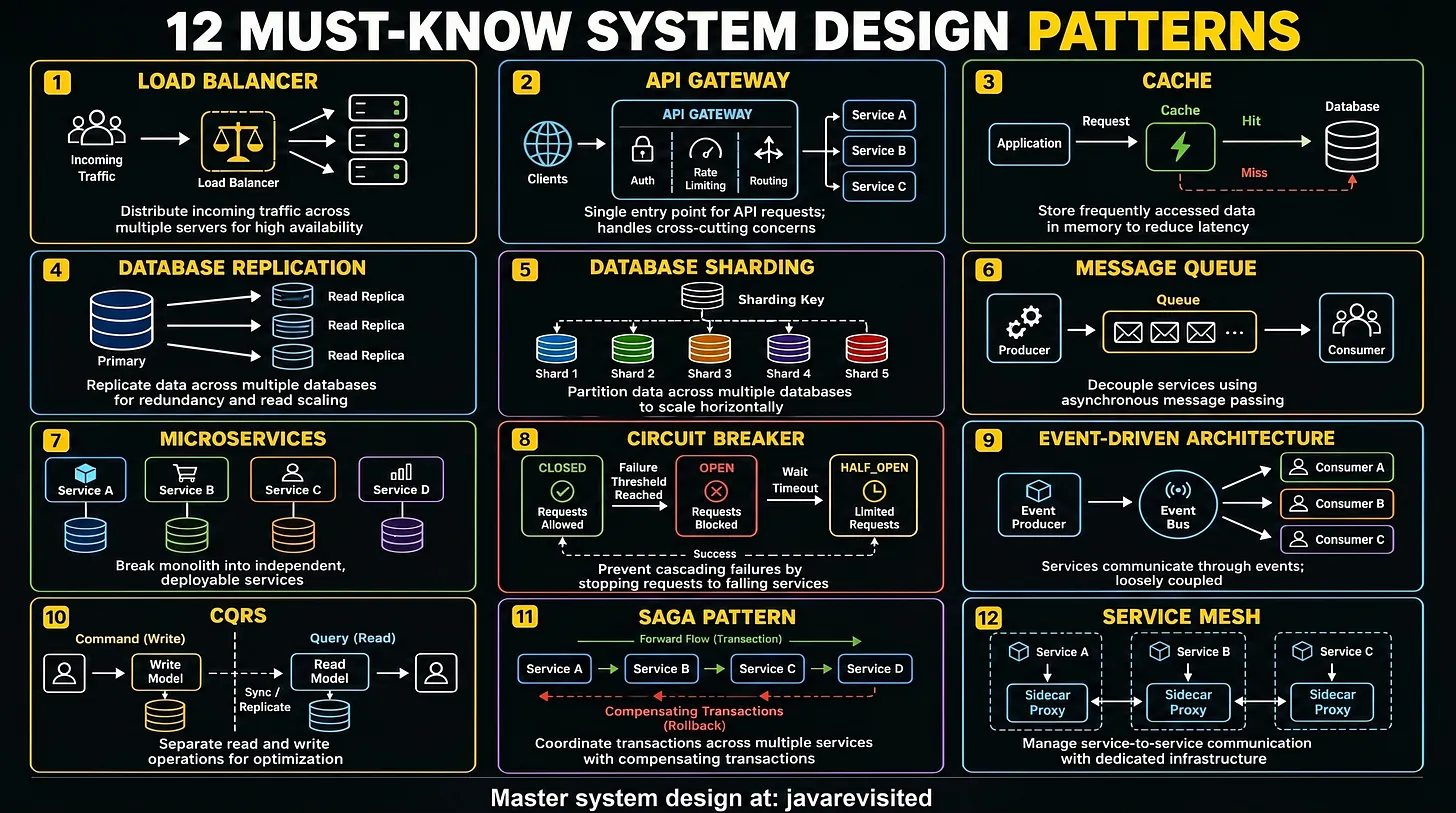
12 System Design Patterns Every Developer Should Know

The recently published article outlines twelve fundamental design patterns that are necessary for software developers to master in order to build reliable and efficient applications. Understanding these common patterns provides a clear and structured approach to solving complex architectural challenges and is particularly useful for engineers preparing for technical interviews. The text emphasizes that rather than simply memorizing solutions, developers should deeply grasp the underlying concepts of how different components interact within a larger network. The discussed patterns focus on strategies for managing network traffic and preventing server overload, utilizing tools such as gateways, load balancers, and rate limiters. The resource also highlights methods for ensuring data consistency and general availability, touching on database separation, temporary data storage, and message publication models. Furthermore, concepts like the circuit breaker pattern are presented as essential ways for maintaining application stability when external or dependent services fail. By integrating these basic architectural blueprints into their standard knowledge base, developers can make informed decisions regarding speed, wait times, and system resilience. Ultimately, familiarizing oneself with these twelve structural patterns equips engineers with the practical methods required to design systems capable of handling actual operational demands effectively.


Why Post-Quantum Cryptography Starts With Credentials

Quantum computers will eventually break the public-key cryptography that currently protects sensitive data, creating an urgent security challenge. Although capable quantum hardware may still be a decade away, attackers are already using a tactic called "Harvest Now, Decrypt Later." This means they capture encrypted data today, intending to unlock it when quantum technology catches up. Government agencies like the NSA and NIST are already setting deadlines to transition to quantum-resistant algorithms, a process that can take large enterprises several years to complete. The most significant risk lies in long-lived credentials and non-human identities, like service accounts and API keys. Because these credentials often persist for years, they are highly valuable targets for early harvesting. To prepare for a post-quantum future, organizations should adopt a credentials-first approach. This starts with taking a thorough inventory of existing cryptography and prioritizing the protection of secrets based on their lifespan and risk level. Migrating to hybrid cryptography—combining classical and quantum-resistant algorithms—offers a strong defense. Building systems with "crypto-agility" will also allow organizations to update their security protocols easily as standards evolve, ensuring long-term protection against emerging threats.

Daily Tech Digest - April 10, 2026


Quote for the day:

"Things may come to those who wait, but only the things left by those who hustle." -- Abraham Lincoln


🎧 Listen to this digest on YouTube Music

▶ Play Audio Digest

Duration: 21 mins • Perfect for listening on the go.


How Agile practices ensure quality in GenAI-assisted development

The integration of Generative AI (GenAI) into software development promises significant productivity gains, yet it introduces substantial risks to code quality and architectural integrity. To mitigate these dangers, the article emphasizes that traditional Agile practices provide the essential guardrails needed for reliable AI-assisted development. Core methodologies like Test-Driven Development (TDD) serve as the foundation, where writing failing tests before generating AI code ensures the output meets precise executable specifications. Similarly, Behavior-Driven Development (BDD) and Acceptance Test-Driven Development (ATDD) utilize plain-language scenarios to ensure AI solutions align with actual business requirements rather than just producing plausible-looking code. Pair programming further enhances this safety net; studies indicate that code quality actually improves when humans and AI work together in a navigator-executor dynamic. Beyond individual practices, organizations must invest in robust continuous integration (CI) pipelines and updated code review protocols specifically tailored for AI-generated logic. By making TDD non-negotiable and establishing clear AI usage guidelines, teams can harness the speed of GenAI without compromising the stability or long-term health of their software systems. Ultimately, these disciplined Agile approaches transform GenAI from a potential liability into a controlled and highly effective engine for modern software engineering success.


Why—And How—Business Leaders Should Consider Implementing AI-Powered Automation

In the Forbes article "Why—And How—Business Leaders Should Consider Implementing AI-Powered Automation," Danny Rebello emphasizes that while AI-driven automation offers immense potential for streamlining complex data and operational efficiency, its success depends on maintaining a strategic balance with human interaction. Rebello argues that over-automation risks alienating customers who still value the personal touch and problem-solving capabilities of human staff. To implement these technologies effectively, leaders should first identify specific areas where automation provides the most significant time-saving benefits without sacrificing the customer experience. The author advises prioritizing one process at a time and maintaining a "human-in-the-loop" approach for nuanced tasks like customer support. Furthermore, Rebello suggests launching small pilot programs to gather feedback and minimize organizational disruption. By adopting the customer's perspective and evaluating whether automation simplifies or complicates the user journey, businesses can leverage AI to handle data-heavy background tasks while preserving the essential human connections that drive long-term loyalty. This measured approach ensures that AI serves as a powerful tool for growth rather than a barrier to authentic engagement, ultimately allowing teams to focus on high-level strategy and creative brainstorming while the technology manages repetitive, data-intensive workflows.


5 questions every aspiring CIO should be prepared to answer

The article emphasizes that aspiring CIOs must master the "elevator pitch" by translating technical initiatives into strategic business value. To impress C-suite executives and board members, IT leaders should be prepared to answer five critical questions that demonstrate their business acumen rather than just technical expertise. First, they must articulate how IT initiatives, like cloud migrations, deliver quantified business value and align with strategic goals. Second, they should showcase how technology serves as a catalyst for growth and revenue, moving beyond simple productivity gains. Third, when addressing technology risks, leaders should focus on operational resilience or the competitive risk of falling behind, rather than just listing security threats. Fourth, discussions regarding emerging technologies like generative AI should highlight competitive differentiation and enhanced customer experiences rather than implementation details. Finally, aspiring CIOs must explain how they are improving organizational agility and effectiveness by fostering decentralized decision-making and treating data as a vital corporate asset. By avoiding technical jargon and focusing on overarching business objectives, future IT leaders can effectively signal their readiness for C-level responsibilities and build the necessary trust with executive leadership to advance their careers.


New framework lets AI agents rewrite their own skills without retraining the underlying model

Researchers have introduced Memento-Skills, a groundbreaking framework that enables autonomous AI agents to develop, refine, and rewrite their own functional skills without needing to retrain the underlying large language model. Unlike traditional methods that rely on static, manually designed prompts or simple task logs, Memento-Skills utilizes an evolving external memory scaffolding. This system functions as an "agent-designing agent" by storing reusable skill artifacts as structured markdown files containing declarative specifications, specialized instructions, and executable code. Through a process called "Read-Write Reflective Learning," the agent actively mutates its memory based on environmental feedback. When a task execution fails, an orchestrator evaluates the failure trace and automatically rewrites the skill’s code or prompts to patch the error. To ensure stability in production, these updates are guarded by an automatic unit-test gate that verifies performance before saving changes. In testing on the GAIA benchmark, the framework improved accuracy by 13.7 percentage points over static baselines, reaching 66.0%. This innovation allows frozen models to build robust "muscle memory," enabling enterprise teams to deploy agents that progressively adapt to complex environments while avoiding the significant time and financial costs typically associated with model fine-tuning or retraining.


The role of intent in securing AI agents

In the evolving landscape of artificial intelligence, traditional identity and access management (IAM) frameworks are proving insufficient for securing autonomous AI agents. While identity-first security establishes accountability by identifying ownership and access rights, it fails to evaluate the appropriateness of specific actions as agents adapt and chain tasks in real-time. This article argues that intent-based permissioning is the critical missing component, as it explicitly scopes an agent’s defined purpose rather than granting indefinite, static privileges. By integrating identity, intent, and runtime context—such as environmental sensitivity and timing—organizations can enforce least-privilege policies that prevent "privilege drift," where agents quietly accumulate unnecessary access. This shift allows security teams to govern at a scalable level by reviewing high-level intent profiles instead of auditing thousands of individual technical calls. Practical implementation involves treating agents as first-class identities, requiring documented intent profiles, and continuously validating behavior against declared objectives. Ultimately, anchoring permissions to an agent’s purpose ensures that access remains dynamic and purpose-bound, providing a robust safeguard against the inherent unpredictability of autonomous systems. Without this intent-aware layer, identity-based controls alone cannot effectively scale AI safety or maintain rigorous accountability in production environments.


Do Ceasefires Slow Cyberattacks? History Suggests Not

The relationship between kinetic military ceasefires and digital warfare is complex, as historical data indicates that a cessation of physical hostilities rarely translates to a "digital stand-down." According to research highlighted by Dark Reading, cyber operations often remain steady or even intensify during truces, serving as an asymmetric pressure valve when traditional combat is paused. While groups like the Iranian-aligned Handala may announce temporary pauses against specific nations, they often continue targeting other adversaries, maintaining that the cyber war operates independently of military agreements. Past conflicts, such as those involving Hamas and Israel or Russia and Ukraine, demonstrate that warring parties frequently use diplomatic pauses to pivot toward secondary targets or gain leverage for future negotiations. In some instances, cyberattacks have even increased during ceasefires as actors seek alternative methods to exert influence without technically violating military terms. A notable exception occurred during the 2015 Iran nuclear deal negotiations, which saw a genuine lull in malicious activity; however, this remains an outlier. Ultimately, security experts warn that threat actors view diplomatic lulls as technicalities rather than boundaries, meaning organizations must remain vigilant despite peace talks, as the digital battlefield often ignores the boundaries set by physical treaties.


The Roadmap to Mastering Agentic AI Design Patterns

The roadmap for mastering agentic AI design patterns emphasizes moving beyond simple prompt engineering toward architectural strategies that ensure predictable and scalable system behavior. The foundational pattern is ReAct, which integrates reasoning and action in a continuous loop to ground model decisions in observable results. For higher quality, the Reflection pattern introduces a self-correction cycle where agents critique and refine their outputs. To move from information to action, the Tool Use pattern establishes a structured interface for agents to interact with external systems securely. When tasks grow complex, the Planning pattern breaks goals into sequenced subtasks, while Multi-Agent systems distribute specialized roles across several coordinated units. Crucially, developers must treat pattern selection as a rigorous production decision, starting with the simplest viable structure to avoid premature complexity and high latency. Effective deployment requires robust evaluation frameworks, observability for debugging, and human-in-the-loop guardrails to manage safety risks. By systematically applying these architectural templates, creators can build AI agents that are not only capable but also reliable, debuggable, and adaptable to real-world requirements. This strategic approach ensures that agentic behavior remains consistent even as project complexity increases, ultimately leading to more sophisticated and trustworthy autonomous applications.


Upstream network visibility is enterprise security’s new front line

Lumen Technologies' 2026 Defender Threatscape Report, published by its research arm Black Lotus Labs, argues that the front line of enterprise security has shifted from traditional endpoints to upstream network visibility. By leveraging its position as a major internet backbone provider, Lumen gains unique telemetry into nearly 99% of public IPv4 addresses, allowing it to detect malicious patterns before they reach internal networks. The report highlights several alarming trends: the use of generative AI to rapidly iterate malicious infrastructure, a pivot toward targeting unmonitored edge devices like VPN gateways and routers, and the industrialization of proxy networks using compromised residential and SOHO devices to bypass zero-trust controls. Notable threats include the Kimwolf botnet, which achieved record-breaking 30 Tbps DDoS attacks by exploiting residential proxies. The article emphasizes that while most organizations utilize endpoint detection and response, attackers are increasingly operating in blind spots where these tools cannot see. To counter this, Lumen advises defenders to prioritize edge device security, replace static indicator blocking with pattern-based network detection, and treat residential IP traffic as a potential threat signal rather than a trusted source. Ultimately, backbone-level visibility provides the critical context needed to identify and disrupt sophisticated cyberattacks in their preparatory stages.


Artificial intelligence and biology: AI’s potential for launching a novel era for health and medicine

In his article for The Conversation, James Colter explores the transformative potential of artificial intelligence in addressing the staggering complexity of biological systems, which contain more unique interactions than stars in the known universe. Traditionally, medical science relied on slow, iterative observations, but AI now enables researchers to organize and perceive biological data at scales far beyond human capacity. Colter highlights disruptive models like DeepMind’s AlphaGenome, which predicts how gene variants drive conditions such as cancer and Alzheimer’s. A central theme is the field's necessary transition from purely statistical, correlation-based models to "causal-aware" AI. By utilizing experimental perturbations—purposeful disruptions to biology—scientists can distinguish direct cause and effect from mere noise or compensatory mechanisms. Despite significant hurdles, including high dimensionality and biological variance, Colter argues that integrating multi-modal datasets with robust experimental validation can overcome current data limitations. Ultimately, this trans-disciplinary synergy between AI and biology is poised to launch a novel era of medicine characterized by accelerated drug discovery and optimized personalized treatments. By moving toward a mechanistic understanding of life, researchers are on the precipice of solving some of humanity's most persistent health challenges, from chronic dysfunction to the fundamental processes of aging and regeneration.


The vibe coding bubble is going to leave a lot of broken apps behind

The "vibe coding" phenomenon represents a shift in software development where AI tools allow non-programmers to build functional applications through simple natural language prompts. However, this trend has created a bubble that threatens the long-term stability of the digital ecosystem. While vibe coding excels at rapid prototyping, it often bypasses the rigorous debugging and architectural planning essential for robust software. Many individuals entering this space are motivated by online clout or quick profits rather than a commitment to software longevity. Consequently, they often abandon their projects once the initial excitement fades. The primary risk lies in technical debt and maintenance; apps built without foundational coding knowledge are difficult to update when APIs change or operating systems evolve. This lack of ongoing support ensures that many "weekend projects" will inevitably fail, leaving users with a trail of broken, non-functional applications. Ultimately, the article argues that while AI democratizes creation, true development requires more than just a "vibe"—it demands a commitment to the tedious, long-term work of maintenance. As the current hype cycle cools, consumers will likely bear the cost of this unsustainable surge in disposable software, highlighting the critical difference between creating a prototype and sustaining a professional product.

Daily Tech Digest - January 13, 2026


Quote for the day:

"Don't let yesterday take up too much of today." -- Will Rogers


When AI Meets DevOps To Build Self-Healing Systems

Self-healing systems do not just react to events and incidents — they analyse historic data, identify early triggers or symptoms of failures, and act. For example, if a service is known to crash when it runs out of memory, a self-healing system can observe metrics like memory consumption, predict when the service may fail with very low memory, and take action to fix the issue—like restarting the service or allocating more memory—without human intervention. In AIOps, self-healing systems are powered by data science in terms of machine learning models, real-time analytics, and automated workflows. ... Self-healing systems don’t just rely on static rules and manual checks; they utilise real-time data streams and apply pattern and anomaly detection through machine learning to ascertain the state of the environment. A self-healing system is trying to gauge its own health all the time — CPU utilisation, latency, memory, throughput, traffic, security anomalies, etc — to preemptively address an impending failure. The key component of every self-healing system is a cycle that reflects the process followed by intelligent agents: Detect → Diagnose → Act. ... The integration of artificial intelligence and DevOps signifies an important change in the way modern IT systems are built, managed, and evolved. As we have discussed here, AIOps is not just an extension of a type of automation — it is changing the way operations are modelled from reactive to intelligent, self-healing ecosystems.


Building a product roadmap: From high-level vision to concrete plans

A roadmap provides the anchor to keep everyone aligned amid constant flux. Yet many organizations still treat roadmaps as static artifacts — a one-and-done exercise intended to appease executives or investors. That’s a mistake. The most effective roadmaps are living documents evolving with the product and market realities. ... If strategy defines direction, milestones are the engine that keeps the train moving. Too often, teams treat milestones as arbitrary checkpoints or internal deadlines. Done right, these can become powerful tools for motivation, alignment and storytelling. ... The best roadmaps aren’t written by PMs — they’re co-authored by teams. That’s why I advocate for bottom-up collaboration anchored in executive alignment. Before any roadmap offsite, sync with the CEO or leadership team. Understand what they care about and why. If they disagree with priorities, resolve those conflicts early. Then bring that context into a team workshop. During the session, identify technical leads — those trusted voices who can translate into action. Encourage them to pre-think tradeoffs and dependencies before the group session. ... The perfect roadmap doesn’t exist and that’s the point. Remember, the goal isn’t to build a flawless plan, but a resilient one. As President Dwight D. Eisenhower said, “Plans are useless, but planning is indispensable.” ... Vision without execution is hallucination. But execution without vision is chaos. The magic of product leadership lies in balancing both: crafting a roadmap that’s both inspiring and achievable.


Scattered network data impedes automation efforts

As IT organizations mature their network automation strategies, it’s becoming clear that network intent data is an essential foundation. They need reliable documentation of network inventory, IP address space, topology and connectivity, policies, and more. This requirement often kicks off a network source of truth (NSoT) project, which involves network teams discovering, validating, and consolidating disparate data in a tool that can model network intent and provide programmatic access to data for network automation tools and other systems. ... IT leaders do not understand the value of NSoT solutions. The data is already available, although it’s scattered and of dubious quality. Why should we spend money on a product or even extra engineers to consolidate it? “Part of the issue is that we’ve got leadership that are not infrastructure people,” said a network engineer with a global automobile manufacturer. “It’s kind of a heavy lift to get them to buy into it, because they see that applications are running fine over the network. ‘Why do I need to spend money on this is?’ And we tell them that the network is running fine, but there will be failures at some point and it’s worth preventing that.” ... NSoT isn’t a magic bullet for solving the problems IT organizations have with poor network documentation and scattered operational data. Network engineering teams will need to discover, validate, reconcile, and import data from multiple repositories. This process can be challenging and time-consuming. Some of this data will difficult to find. 


What insurers expect from cyber risk in 2026

Cyber insurers are beginning to use LLMs to translate internet scale data into structured inputs for underwriting and portfolio analysis. These applications target specific pain points such as data gaps and processing delays. Broader change across pricing or risk selection remains gradual. ... AI supported workflows begin to reduce repetitive tasks across those stages. Automation supports data entry, document review, and routine verification. Human oversight remains central for judgment based decisions. The research links this shift to measurable operational effects. Fewer manual touches per claim reduce processing time and error rates. Claims teams gain capacity without proportional increases in staffing. ... Age verification and online safety legislation introduce unintended cyber risk. Requirements that reduce online anonymity create high value identity datasets that attract attackers. The research highlights rising exposure to identity based coercion, insider compromise, and extortion. Once personal identity data is leaked, attackers gain leverage that can translate into access to corporate systems. This dynamic supports long term campaigns by organized groups and state aligned actors. ... Data orchestration becomes a core capability. Insurers and reinsurers integrate signals including security posture, threat activity, and loss experience into shared models. Consistent views across teams and regions support portfolio governance. This shift places emphasis on actionability. Data value depends on timing and relevance within workflows rather than volume alone. 


Human + AI Will Define the Future of Work by 2027: Nasscom-Indeed Report

This emerging model of Humans + AI working together is reported as the next phase of transformation, where success depends on how effectively AI will augment human capabilities, empower employees, and align with organizational purpose. The report highlights that the most effective human–AI partnerships are emerging across higher-order activities such as scope definition, system architecture, and data model design. At the same time, more routine and repeatable tasks, including boilerplate code generation and unit test creation, are expected to be increasingly automated by AI over the next two to three years. ... To stay relevant in a Human + AI workplace, the report emphasizes that individuals should build capability, adaptability, and continuous learning. This includes experience with using AI tools (prompting, critical review of output, combining AI speed with human judgment), moving up the value chain (e.g., developers from coding to architecture thinking), building multidisciplinary skills (tech + domain + professional skills), and focusing on outcomes over credentials by creating repositories of work samples showing measurable impact. ... Organizations have already started taking measures to address these challenges. Every seven in ten HR leaders are focusing on upskilling, more than half focusing on modernizing systems. With respect to AI adoption, 79% prioritize internal reskilling as a dominant strategy. 


From vulnerability whack-a-mole to strategic risk operations

“Software bills of materials are just an ingredients list,” he notes. “That’s helpful because the idea is that through transparency we will have a shared understanding. The problem is that they don’t deliver a shared understanding because the expectation of anyone in security who reads the SBOM is the first job they’ll do is run those versions against vulnerability databases.” This creates a predictable problem: security teams receive SBOMs, scan them for vulnerabilities, and generate alerts for every CVE match, regardless of whether those vulnerabilities actually affect the product. ... To make SBOMs truly useful, Kreilein introduces VEX (Vulnerability Exploitability Exchange), an open standards framework that addresses the context problem. VEX provides four status messages: affected, not affected, under investigation, and fixed. “What we want to start doing is using a project called VEX that gives four possible status messages,” Kreilein explains. ... Developers aren’t refusing to patch because they don’t care about security. They’re worried that upgrading a component will break the application. “If my application is brittle and can’t take change, I cannot upgrade to the non-vulnerable version,” Kreilein explains. “If I don’t have effective test automation and integration and unit testing, I can’t guarantee that this upgrade won’t break the application.” This reframing shifts the security conversation from compliance and mandates to engineering fundamentals. Better test coverage, better reference architectures, and better secure-by-design practices become security initiatives.


AI backlash forces a reality check: humans are as important as ever

Companies are now moving beyond the hype and waking up to the consequences of AI slop, underperforming tools, fragmented systems, and wasted budgets, said Brooke Johnson, chief legal officer at Ivanti. “The early rush to adopt AI prioritized speed over strategy, leaving many organizations with little to show for their investments,” Johnson said. Organizations now need to balance AI, workforce empowerment and cybersecurity at the same they’re still formulating strategies. That’s where people come in. ... AI is becoming less a tech problem and more of an adoption hurdle, Depa said. “What we’re seeing now more and more is less of a technology challenge, more of a change management, people, and process challenge — and that’s going to continue as those technologies continue to evolve,” he said. DXC Technology is taking a similar approach, designing tools where human insight, judgment, and collaboration create value that AI can’t do alone, said Dan Gray, vice president of global technical customer operations at the company. ... Companies might have to accept underutilizing some of the AI gains in the near term. AI could help workers complete their tasks in half the time and enjoy a leisurely pace. Alternately, employees might burn out quickly by getting more work. “If you try to lay them off, you don’t have a good workforce left. If you let them be, why are you paying them? So that’s a paradox,” Seth said.


Physical AI is the next frontier - and it's already all around you

Physical AI can be generally defined as AI implemented in hardware that can perceive the world around it and then reason to perform or orchestrate actions. Popular examples including autonomous vehicles and robots -- but robots that utilize AI to perform tasks have existed for decades. So what's the difference? ... Saxena adds that while humanoid robots will be useful in instances where humans don't want to perform a task, either because it is too tedious or too risky, they will not replace humans. That's where AI wearables, such as smart glasses, play an important role, as they can augment human capabilities. But beyond that, AI wearables might actually be able to feed back into other physical AI devices, such as robots, by providing a high-quality dataset based on real-life perspectives and examples. "Why are LLMs so great? Because there is a ton of data on the internet, for a lot of the contextual information and whatnot, but physical data does not exist," said Saxena. ... Given the privacy concerns that may come from having your everyday data used to train robots, Saxena highlighted that the data from your wearables should always be kept at the highest level of privacy. As a result, the data -- which should already be anonymized by the wearable company -- could be very helpful in training robots. That robot can then create more data, resulting in a healthy ecosystem. "This sharing of context, this sharing of AI between that robot and the wearable AI devices that you have around you is, I think, the benefit that you are going to be able to accrue," added Asghar.


Unlocking the Power of Geospatial Artificial Intelligence (GeoAI)

GeoAI is more than sophisticated map analytics. It is a strategic technology that blends AI with the physical world, allowing tech experts to see, understand, and act on patterns that were previously invisible. From planning sustainable cities to protecting wildlife, it’s helping experts tackle significant challenges with precision and speed. As the world generates more location-based data every day, GeoAI is becoming a must-have tool. It’s not just tech – it’s a way to make the world work better. ... To make it simpler. Machine learning spots trends, computer vision interprets images, GIS organizes it all, and knowledge graphs tie it together. The result? GeoAI can take a chaotic pile of data and deliver clear answers, like telling a city where to build a new park or warning about a wildfire risk. It’s a powerhouse that’s making location-based decisions faster and smarter. In all, GeoAI is transforming the speed at which we extract meaning from complex datasets, thereby enabling us to address the Earth’s most pressing challenges. ... Though powerful, GeoAI is not without challenges. Effective implementation requires careful attention to data privacy, technical infrastructure, and organizational change management. ... Leaders who take GeoAI seriously stand to gain more than just incremental improvements. With the right systems in place, they can respond faster, make smarter decisions, and get better results from every field team in the network. 


For application security: SCA, SAST, DAST and MAST. What next?

If you think SAST and SCA are enough, you’re already behind. The future of app security is posture, provenance and proof, not alerts. ... Posture is the ‘what.’ Provenance is the ‘how’. The SLSA framework gives us a shared vocabulary and verifiable controls to prove that artifacts were built by hardened, tamper‑resistant pipelines with signed attestations that downstream consumers can trust. When I insist on SLSA Level 2 for most services and Level 3 for critical paths, I am not chasing compliance theater; I am buying integrity that survives audit and incident. Proof is where SBOMs finally grow up. Binding SBOM generation to the build that emits the deployable bits, signing them and validating at deploy time moves SBOMs from “ingredient lists” to enforceable controls. The CNCF TAG‑Security best practices v2 paper is my practical map, personas, VEX for exploitability, cryptographic verification to ensure tests actually ran, and prescriptive guidance for cloud‑native factories. ... Among the nexts, AI is the most mercurial. NIST’s final 2025 guidance on adversarial ML split threats across PredAI and GenAI and called out prompt injection in direct and indirect form as the dominant exploit in agentic systems where trusted instructions co mingle with untrusted data. The U.S. AI Safety Institute published work on agent hijacking evaluations, which I treat as required red‑team reading for anyone delegating actions to tools.