Showing posts with label cyber defense. Show all posts

Daily Tech Digest - April 02, 2026


Quote for the day:

"Emotional intelligence may be called a soft skill. But it delivers hard results in leadership." -- Gordon Tredgold


🎧 Listen to this digest on YouTube Music

▶ Play Audio Digest

Duration: 19 mins • Perfect for listening on the go.


No joke: data centers are warming the planet

The article discusses a provocative study revealing that AI data centers significantly impact local climates through what researchers call the "data heat island effect." According to the findings, the land surface temperature (LST) around these facilities increases by an average of 2°C after operations commence, with thermal changes detectable up to ten kilometers away. As the AI boom accelerates, data centers are becoming some of the most power-hungry infrastructures globally, potentially exceeding the energy consumption of the entire manufacturing sector within years. This environmental footprint raises concerns about "thermal saturation," where the concentration of facilities in a single region degrades the operating environment, making cooling less efficient and resource competition more intense. While industry analysts warn that strategic planning must now account for these regional system dynamics, some skeptics argue that the temperature rise is merely a standard urban heat island effect caused by land transformation and construction rather than specific compute activities. Regardless of the exact cause, the study highlights a critical challenge for hyperscalers: the physical infrastructure required for digital growth is tangibly altering the surrounding environment. This necessitates a shift in location strategy, prioritizing long-term environmental sustainability over simple site-level optimization to mitigate second-order risks in a warming world.


The Importance of Data Due Diligence

Data due diligence is a critical multi-step assessment process designed to evaluate the health, reliability, and usability of an organization's data assets before making significant investment or business decisions. It encompasses vital components such as data quality assessment, security evaluation, compliance checks, and compatibility analysis. In the modern landscape where data is a cornerstone across sectors like finance and healthcare, performing this diligence ensures that investors and businesses identify hidden risks that could compromise return on investment or operational stability. This process is particularly essential during mergers and acquisitions, where understanding data transferability and integration can prevent costly technical hurdles. Neglecting these checks can lead to catastrophic consequences, including severe financial losses, expensive legal penalties for regulatory non-compliance, and lasting damage to a brand's reputation among consumers and partners. Furthermore, poor data handling practices can disrupt daily operations and impede future growth. By prioritizing data due diligence, organizations protect themselves from inaccurate insights and security breaches, ultimately fostering a culture of transparency and informed decision-making. This comprehensive approach transforms data from a potential liability into a strategic asset, securing the genuine value of a business undertaking in an increasingly data-driven global economy.


Top global and US AI regulations to look out for

As artificial intelligence evolves at a breakneck pace, global regulatory landscapes are shifting rapidly to address emerging risks, often outstripping traditional legislative speeds. China pioneered generative AI oversight in 2023, while the European Union’s landmark AI Act provides a comprehensive, risk-based framework that currently influences global standards. Conversely, the United States relies on a patchwork of state-level mandates from California, Colorado, and others, as federal legislation remains stalled. The article highlights a pivot toward regulating "agentic AI"—interconnected systems that perform complex tasks—which presents unique challenges for accountability and monitoring. Experts suggest that instead of chasing specific, unstable laws, organizations should adopt established best practices like the NIST AI Risk Management Framework or ISO 42001 to build resilient governance. Enterprises are advised to focus on AI literacy and real-time monitoring rather than periodic audits, given that AI behavior can fluctuate daily. While the current regulatory environment is fragmented and complex, companies with strong existing cybersecurity and privacy foundations are well-positioned to adapt. Ultimately, staying ahead of these legal shifts requires a proactive, framework-oriented approach that balances innovation with safety as global authorities continue to refine their oversight strategies through 2027 and beyond.


The article "Agentic AI Software Engineers: Programming with Trust" explores the transformative shift from simple AI-assisted coding to autonomous agentic systems that mimic human software engineering workflows. Unlike traditional models that merely suggest code snippets, agentic AI operates with significant autonomy, utilizing standard developer tools like shells, editors, and test suites to perform complex tasks. The authors argue that the successful deployment of these "AI engineers" hinges on establishing a level of trust that meets or even exceeds that of human counterparts. This trust is bifurcated into technical and human dimensions. Technical trust is built through rigorous quality assurance, including automated testing, static analysis, and formal verification, ensuring code is correct, secure, and maintainable. Conversely, human trust is fostered through explainability and transparency, where agents clarify their reasoning and align with existing team cultures and ethical standards. As software engineering transitions toward "programming in the large," the role of the developer evolves from a primary code writer to a strategic assembler and reviewer. By integrating intent extraction and program analysis, agentic systems can provide the essential justifications necessary for developers to confidently adopt AI-generated solutions. Ultimately, the paper presents a roadmap for a collaborative future where AI agents serve as reliable, trustworthy teammates.


Security awareness is not a control: Rethinking human risk in enterprise security

In the article "Security awareness is not a control: Rethinking human risk in enterprise security," Oludolamu Onimole argues that organizations must stop treating security awareness training as a primary defense mechanism. While awareness fosters a security-conscious culture, it is fundamentally an educational tool rather than a structural control. Unlike technical safeguards like network segmentation or conditional access, awareness relies on consistent human performance, which is inherently variable due to cognitive load and decision fatigue. Onimole points out that attackers increasingly exploit these predictable human vulnerabilities through sophisticated social engineering and business email compromise, where even well-trained employees can fall victim under pressure. Consequently, viewing awareness as a "layer of defense" unfairly shifts the blame for breaches onto individuals rather than systemic design flaws. The article advocates for a shift toward "human-centric" engineering, where systems are designed to be resilient to inevitable human errors. This includes implementing phishing-resistant authentication, enforced out-of-band verification for high-risk transactions, and robust identity telemetry. Ultimately, while awareness remains a valuable cultural component, true enterprise resilience requires moving beyond the "blame game" to build architectural safeguards that absorb mistakes rather than allowing a single human lapse to cause material disaster.


The Availability Imperative

In "The Availability Imperative," Dmitry Sevostiyanov argues that the fundamental differences between Information Technology (IT) and Operational Technology (OT) necessitate a paradigm shift in cybersecurity. Unlike IT’s "best-effort" Ethernet standards, OT environments like power grids and factories demand determinism—predictable, fixed timing for critical control systems. Standard Ethernet lacks guaranteed delivery and latency, leading to dropped frames and jitter that can trigger catastrophic failures in high-stakes industrial loops. To address these limitations, specialized protocols like EtherCAT and PROFINET were engineered for strict timing. However, the introduction of conventional security measures, particularly Deep Packet Inspection (DPI) via firewalls, often introduces significant latency and performance degradation. Sevostiyanov asserts that in OT, the traditional CIA triad must be reordered to prioritize Availability above all else. Effective cybersecurity in these settings requires protocol-aware, ruggedized Next-Generation Firewalls that minimize the latency penalty while providing granular protection. Ultimately, security professionals must validate performance against industrial safety requirements to ensure that protective measures do not inadvertently silence the machines they aim to defend. By bridging the gap between IT transport rules and the physics of industrial processes, organizations can maintain system stability while securing critical infrastructure against evolving digital threats.


Microservices Without Tears: Shipping Fast, Sleeping Better

The article "Microservices Without Tears: Shipping Fast, Sleeping Better" explores the common pitfalls of transitioning to a microservices architecture and provides a roadmap for successful implementation. While microservices promise scalability and independent deployments, they often result in complex "distributed monoliths" that increase operational stress. To avoid this, the author emphasizes the importance of Domain-Driven Design and establishing clear bounded contexts to ensure services are truly decoupled. Central to this approach is an "API-first" mindset, which allows teams to work independently while maintaining stable contracts. Furthermore, the post highlights that robust observability—encompassing metrics, logs, and distributed tracing—is non-negotiable for diagnosing issues in a distributed system. Automation through CI/CD pipelines is equally critical to manage the overhead of numerous services. Ultimately, the transition is as much about culture as it is about technology; adopting a "you build it, you run it" mentality empowers teams and improves system reliability. By focusing on developer experience and incremental changes, organizations can harness the speed of microservices without sacrificing peace of mind or stability. This holistic strategy transforms the architectural shift from a source of frustration into a powerful engine for rapid, reliable software delivery and long-term maintainability.


Trust, friction, and ROI: A CISO’s take on making security work for the business

In this Help Net Security interview, PPG’s CISO John O’Rourke discusses how modern cybersecurity functions as a strategic business driver rather than a mere cost center. He argues that mature security programs act as revenue enablers by reducing friction during critical growth phases, such as mergers and acquisitions or complex sales cycles. By implementing standardized frameworks like NIST or ISO, organizations can accelerate due diligence and build essential digital trust with increasingly sophisticated buyers. O’Rourke highlights how PPG utilizes automated identity management and audit readiness to ensure business initiatives move forward without unnecessary delays. He contrasts this approach with less-regulated industries that often defer security investments, resulting in prohibitively expensive technical debt and fragile architectures. Looking ahead, companies that prioritize foundational security controls will be significantly better positioned to integrate emerging technologies like artificial intelligence while maintaining business continuity. Conversely, those viewing security as an optional expense face heightened risks of prolonged incident recovery, regulatory exposure, and lost customer confidence. Ultimately, O'Rourke emphasizes that while security may not generate revenue directly, its operational maturity is indispensable for protecting a brand's reputation and ensuring long-term, uninterrupted financial growth in an increasingly competitive global landscape.


In the wake of Claude Code's source code leak, 5 actions enterprise security leaders should take now

On March 31, 2026, Anthropic inadvertently exposed the internal mechanics of its flagship AI coding agent, Claude Code, by shipping a 59.8 MB source map file in an npm update. This leak revealed 512,000 lines of TypeScript, uncovering the "agentic harness" that orchestrates model tools and memory, alongside 44 unreleased features like the "KAIROS" autonomous daemon. Beyond strategic exposure, the incident highlights critical security vulnerabilities, including three primary attack paths: context poisoning through the compaction pipeline, sandbox bypasses via shell parsing differentials, and supply chain risks from unprotected Model Context Protocol (MCP) server interfaces. Security leaders are warned that AI-assisted commits now leak credentials at double the typical rate, reaching 3.2%. Consequently, experts recommend five urgent actions: auditing project configuration files like CLAUDE.md as executable code, treating MCP servers as untrusted dependencies, restricting broad bash permissions, requiring robust vendor SLAs, and implementing commit provenance verification. Furthermore, since the codebase is reportedly 90% AI-generated, the leak underscores unresolved legal questions regarding intellectual property protections for automated software. As competitors now possess a blueprint for high-agency agents, the incident serves as a systemic signal for enterprises to prioritize operational maturity and architect provider-independent boundaries to mitigate the expanding risks of the AI agent supply chain.


AI gives attackers superpowers, so defenders must use it too

This article explores how artificial intelligence is fundamentally transforming the cybersecurity landscape, shifting the balance of power toward attackers. Sergej Epp, CISO of Sysdig, explains that the window between vulnerability disclosure and active exploitation has dramatically collapsed from eighteen months in 2020 to just a few hours today, with the potential to shrink to minutes. This acceleration is driven by AI’s ability to automate attacks and verify exploits with binary efficiency. While attackers benefit from immediate feedback on their efforts, defenders struggle with complex verification processes and high rates of false positives. To combat these AI-powered "superpowers," organizations must abandon traditional, human-dependent response cycles and monthly patching in favor of full automation and "human-out-of-the-loop" security models. Epp emphasizes the importance of context graphs, noting that while attackers think in interconnected networks, defenders often remain stuck in list-based mentalities. Furthermore, established principles like Zero Trust and blast radius containment remain essential, but they require 100% implementation because AI is remarkably adept at identifying and exploiting the slightest 1% gap in coverage. Ultimately, the survival of modern digital infrastructure depends on matching the machine-scale speed of adversaries through integrated, autonomous defensive strategies.

Daily Tech Digest - February 24, 2026


Quote for the day:

"Transparent reviews create fairness. Subjective reviews create frustration." -- Gordon Tredgold


AI agents and bad productivity metrics

The great promise of generative artificial intelligence was that it would finally clear our backlogs. Coding agents would churn out boilerplate at superhuman speeds, and teams would finally ship exactly what the business wants. The reality, as we settle into 2026, is far more uncomfortable. Artificial intelligence is not going to save developer productivity because writing code was never the bottleneck in software engineering. ... For decades, one of the most common debugging techniques was entirely social. A production alert goes off. You look at the version control history, find the person who wrote the code, ask them what they were trying to accomplish, and reconstruct the architectural intent. But what happens to that workflow when no one actually wrote the code? What happens when a human merely skimmed a 3,000-line agent-generated pull request, hit merge, and moved on to the next ticket? When an incident happens, where is the deep knowledge that used to live inside the author? ... The metrics that matter are still the boring ones because they measure actual business outcomes. The DORA metrics remain the best sanity check we have because they tie delivery speed directly to system stability. They measure deployment frequency, lead time for changes, change failure rate, and time to restore service. None of those metrics cares about the number of commits your agents produced today. They only care about whether your system can absorb change without breaking.


How vertical SaaS is redefining enterprise efficiency

For the past decade, horizontal SaaS has been the defining force in enterprise technology. Platforms like CRMs, ERP suites and collaboration tools promised universality, offering a single platform to manage every business function across all industries. The strategy made sense: a large total addressable market, reusable architecture and marketing scale. Vertical SaaS flips that model. It is narrow by design but deep in impact. A report by Strategy& found that B2B vertical software companies are now growing faster than their horizontal peers, thanks to higher retention rates, lower churn rates and better unit economics. When software mirrors how a business already works, people stop treating it like a tool they tolerate and start relying on it like infrastructure. ... In regulated industries, compliance isn’t a feature; it’s the baseline for trust. I learned early that trying to retrofit audit trails or data retention policies after go-live only creates technical debt. Instead, design for compliance as a first-class product layer: immutable logs, permission hierarchies and exportable compliance reports built into the system. ... Vertical products don’t thrive in isolation. Integration with industry hardware, marketplaces and regulatory systems drives adoption. In one case, we partnered with a hardware vendor to automatically sync manifest data from their devices, cutting onboarding time in half and unlocking co-marketing opportunities.


API Security Standards: 10 Essentials to Get You Started

Most API security flaws are created during the design phase. You're too late if you're waiting until deployment to think about threats. Shift-left principles mean integrating security early, especially at the design phase, where flawed assumptions become future exploits. Start by mapping out each endpoint's purpose, what data it touches, and who should access it. Identify where trust is assumed (not earned), roles blur, and inputs aren't validated. ... Every API has a breaking point. If you don't define it, attackers will. Rate limiting and throttling prevent denial-of-service (DoS) attacks, and they're also your first defense against scraping, brute-forcing, enumeration, and even accidental misuse by poorly built integrations. APIs, by nature, invite automation. Without guardrails, that openness turns into a floodgate. And in some cases, unchecked abuse opens the door to far worse issues, like remote code execution, where improperly scoped input or lack of throttling leads directly to exploitation. ... APIs are built to accept input. Attackers find ways to exploit it. The core rule is this - if you didn't expect it, don't process it. If you didn't define it, don't send it. Define request and response schemas explicitly using tools like OpenAPI or JSON Schema, as recommended by leading API security standards. Then enforce them — at the gateway, app layer, or both. Don't just use validation as linting; treat it as a runtime contract. If the payload doesn't match the spec, reject it.


Why AI Urgency Is Forcing a Data Governance Reset

The cost of weak governance shows up in familiar ways: teams can’t find data, requirements arrive late in the process, and launches stall when compliance realities collide with product timelines. Without governance, McQuillan argues, organizations “ultimately suffer from higher cost basis,” with downstream consequences that “impact the bottom line.” ... McQuillan sees a clear step-change in executive urgency since generative AI (GenAI) became mainstream. “There’s been a rapid adoption, particularly since the advent of GenAI and the type of generative and agentic technologies that a lot of C-suites are taking on,” he says. But he also describes a common leadership gap: many executives feel pressure to become “AI-enabled” without a clear definition of what that means or how to build it sustainably. “There’s very much a well-understood need across all companies to become AI-enabled in some way,” he says. “But the problem is a lot of folks don’t necessarily know how to define that.” In the absence of clarity, organizations often fall into scattershot experimentation. What concerns McQuillan the most is how the pace of the “race” shapes priorities. ... When asked whether the long-running mantra “data is the new oil” still holds in the era of large language models and agentic workflows, McQuillan is direct. “It holds true now more than ever,” he says. He acknowledges why attention drifts: “It’s natural for people to gravitate toward things that are shiny,” and “AI in and of itself is an absolutely magnificent space.”


Building a Least-Privilege AI Agent Gateway for Infrastructure Automation with MCP, OPA, and Ephemeral Runners

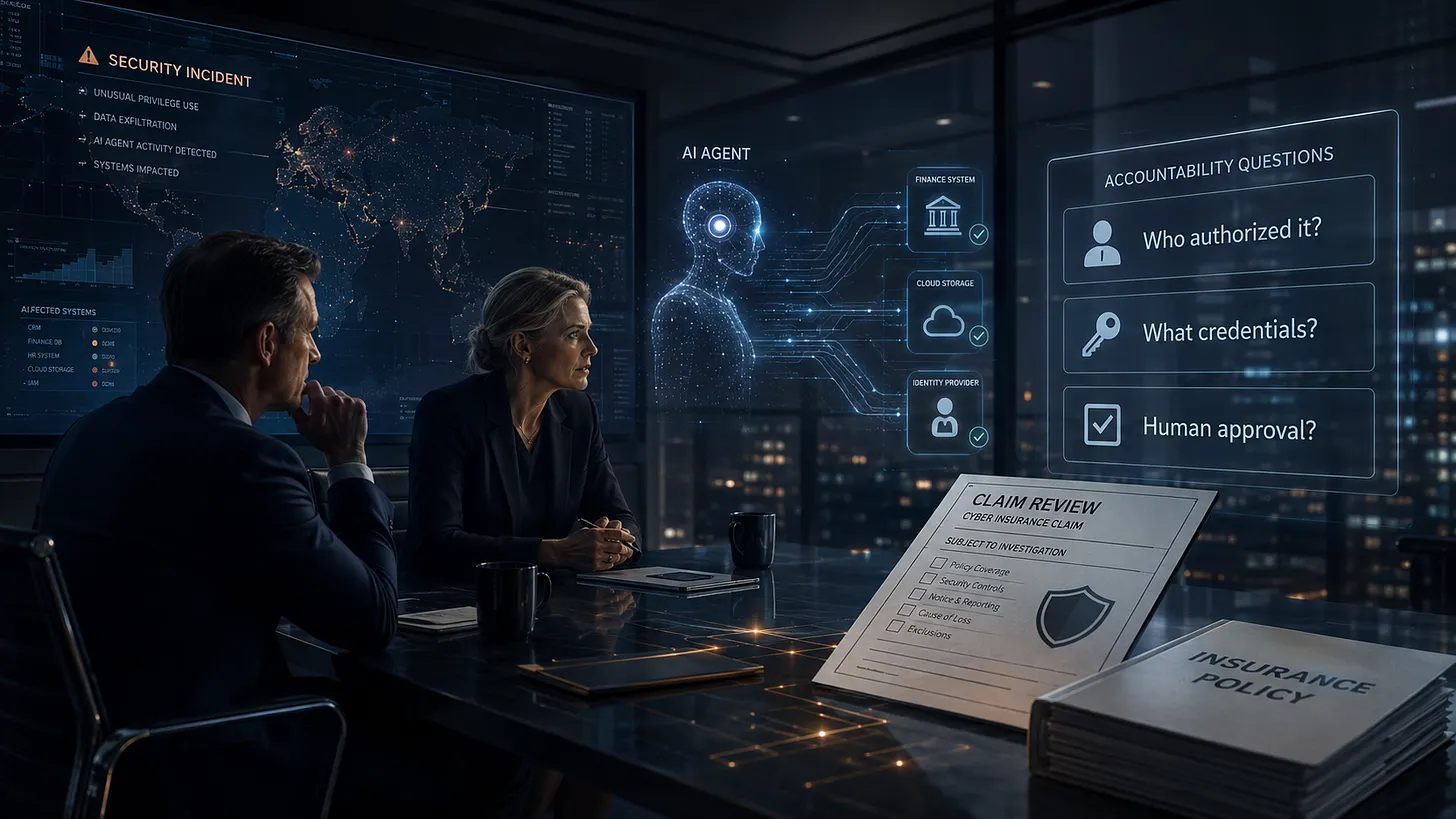
An agent misinterpreting an instruction can initiate destructive infrastructure changes, such as tearing down environments or modifying production resources. A compromised agent identity can be abused to exfiltrate secrets, create unauthorized workloads, or consume resources at scale. In practice, teams often discover these issues late, because traditional logs record what happened, but not why an agent decided to act in the first place. For organizations, this liability creates operational and governance challenges. Incidents become harder to investigate, change approvals are bypassed unintentionally, and security teams are left with incomplete audit trails. Over time, this problem erodes trust in automation itself, forcing teams to either roll back agent usage or accept increasing levels of unmanaged risk. ... A more sustainable approach is to introduce an explicit control layer between agents and the systems they operate on. In this article, we focus on an AI Agent Gateway, a dedicated boundary that validates intent, enforces policy as code, and isolates execution before any infrastructure or service API is invoked. Rather than treating agents as privileged actors, this model treats them as untrusted requesters whose actions must be authorized, constrained, observed, and contained. ... In the context of AI-driven automation, defense in depth means that no single component, neither the agent, nor the gateway, nor the execution environment, has enough authority on its own to cause damage. 


Demystifying CERT‑In’s Elemental Cyber Defense Controls: A Guide for MSMEs

For India’s Micro, Small, and Medium Enterprises (MSMEs), cybersecurity is no longer a “big company problem.” With digital payments, SaaS adoption, cloud-first operations, and supply‑chain integrations becoming the norm, MSMEs are now prime targets for cyberattacks. To help these organizations build a strong foundational security posture, the Indian Computer Emergency Response Team (CERT-In) has released CIGU-2025-0003, outlining a baseline of Cyber Defense Controls, which prescribes 15 Elemental Cyber Security Controls—a pragmatic, baseline set of safeguards designed to uplift the nation’s cyber hygiene. ... These controls, mapped to 45 recommendations, enable essential digital hygiene, protect against ransomware, ensure regulatory compliance, and are required for annual audits. CERT‑In’s Elemental Controls are designed as minimum essential practices that every Indian organization—regardless of size—should implement. ... The CERT-In guidelines offer a simplified, actionable starting point for MSMEs to benchmark their security. These controls are intentionally prescriptive, unlike ISO or NIST, which are more framework‑oriented. ... Because threats constantly evolve and MSMEs face unique risks depending on their industry and data sensitivity, organizations should view this framework not as an endpoint, but as the first critical step toward building a comprehensive security program akin to ISO 27001 or NIST CSF 2.0.


AI-fuelled cyber attacks hit in minutes, warns CrowdStrike

CrowdStrike reports a sharp acceleration in cyber intrusions, with attackers moving from initial access to lateral movement in less than half an hour on average as widely available artificial intelligence tools become embedded in criminal workflows. Its latest Global Threat Report puts average eCrime "breakout time" at 29 minutes in 2025, a 65% improvement on the prior year. ... Alongside generative AI use in preparation and execution, the report describes attempts to exploit AI systems directly. Adversaries injected malicious prompts into GenAI tools at more than 90 organisations, using them to generate commands associated with credential theft and cryptocurrency theft. ... Incidents linked to North Korea rose more than 130%, while activity by the group CrowdStrike tracks as FAMOUS CHOLLIMA more than doubled. The report says DPRK-nexus actors used AI-generated personas to scale insider operations. It also cites a large cryptocurrency theft attributed to the actor it calls PRESSURE CHOLLIMA, valued at USD $1.46 billion and described as the largest single financial heist ever reported. The report also references AI-linked tooling used by other state and criminal groups. Russia-nexus FANCY BEAR deployed LLM-enabled malware, which it named LAMEHUG, for automated reconnaissance and document collection. The eCrime actor tracked as PUNK SPIDER used AI-generated scripts to speed up credential dumping and erase forensic evidence.


Shadow mode, drift alerts and audit logs: Inside the modern audit loop

When systems moved at the speed of people, it made sense to do compliance checks every so often. But AI doesn't wait for the next review meeting. The change to an inline audit loop means audits will no longer occur just once in a while; they happen all the time. Compliance and risk management should be "baked in" to the AI lifecycle from development to production, rather than just post-deployment. This means establishing live metrics and guardrails that monitor AI behavior as it occurs and raise red flags as soon as something seems off. ... Cultural shift is equally important: Compliance teams must act less like after-the-fact auditors and more like AI co-pilots. In practice, this might mean compliance and AI engineers working together to define policy guardrails and continuously monitor key indicators. With the right tools and mindset, real-time AI governance can “nudge” and intervene early, helping teams course-correct without slowing down innovation. In fact, when done well, continuous governance builds trust rather than friction, providing shared visibility into AI operations for both builders and regulators, instead of unpleasant surprises after deployment. ... Shadow mode is a way to check compliance in real time: It ensures that the model handles inputs correctly and meets policy standards before it is fully released. One AI security framework showed how this method worked: Teams first ran AI in shadow mode, then compared AI and human inputs to determine trust. 


Making AI Compliance Practical: A Guide for Data Teams Navigating Risk, Regulation, and Reality

As AI tools become more embedded in enterprise workflows, data teams are encountering a growing reality: compliance isn’t only a legal concern but also a design constraint, a quality signal, and, often, a competitive differentiator. But navigating compliance can feel complex, especially for teams focused on building and shipping. What is the good news? It doesn’t have to be. When approached intentionally, compliance becomes a pathway to better decisions, not a barrier. ... Automation can help with regulations, but only if it's used correctly. I've looked at a tool before that used algorithms to find private information. It worked well with English, but when tested with material in more than one language, it missed a few personal identifiers. The group thought it was "smart enough." It wasn't. We kept the automation, but we added human review for rare cases, confidence levels to make checks happen, and alerts for input formats that aren't common. The automation stayed the same, but there were built-in checks and balances. ... The biggest compliance failures don’t come from bad people. They come from good teams moving fast, skipping hard questions, and assuming nothing will go wrong. But compliance isn’t a blocker. It’s a product quality signal. People will trust you more if they are aware that your team has carefully considered the details.


Tata Communications’ Andrew Winney on why SASE is now non-negotiable

Zero Trust is often discussed as a product decision, but in reality it is a journey. Many enterprises start with a few use cases, such as securing internet access or enabling remote access to private applications. But they do not always extend those principles across contractors, third-party users, software-as-a-service applications and hybrid environments. Practical Zero Trust requires enterprises to rethink access fundamentally. Every request must be evaluated based on who the user is, the context from which they are accessing, the device they are using and the resource they are requesting. Access must then be granted only to that specific resource. ... Secure Access Service Edge represents a structural convergence of networking and security rather than a simple technology swap. What are the most critical architectural and change-management considerations enterprises must address during this transition? SASE is not a one-time technology change. It represents the convergence of networking and security under unified orchestration and policy management. That transition takes time and must be managed carefully. We typically work with enterprises through phased transition plans. If an organisation’s immediate priority is securing internet access or private application access for remote users, we begin there and expand to additional use cases over time. Integration is critical. Enterprises have existing investments in cloud platforms, local area networks and security tools. 

Daily Tech Digest - February 05, 2026


Quote for the day:

"We don't grow when things are easy. We grow when we face challenges." -- Elizabeth McCormick


AI Rapidly Rendering Cyber Defenses Obsolete

“Most organizations still don’t have a complete inventory of where AI is running or what data it touches,” he continued. “We’re talking millions of unmanaged AI interactions and untold terabytes of potentially sensitive data flowing into systems that no one is monitoring. You don’t have to be a CISO to recognize the inherent risk in that.” “You’re ending up with AI everywhere and controls nowhere,” added Ryan McCurdy ... “The risk is not theoretical,” he declared. “When you can’t inventory where AI is running and what it’s touching, you can’t enforce policy or investigate incidents with confidence.” ... While AI security discussions often focus on hypothetical future threats, the report noted, Zscaler’s red team testing revealed a more immediate reality: when enterprise AI systems are tested under real adversarial conditions, they break almost immediately. “AI systems are compromised quickly because they rely on multiple permissions working together, whether those permissions are granted via service accounts or inherited from user-level access,” explained Sunil Gottumukkala ... “We’re seeing exposed model endpoints without proper authentication, prompt injection vulnerabilities, and insecure API integrations with excessive permissions,” he said. “Default configurations are being shipped straight to production. Ultimately, it’s a fresh new field, and everyone’s rushing to stake a claim, get their revenue up, and get to market fastest.”


Offensive Security: A Strategic Imperative for the Modern CISO

Rather than remaining in a reactive stance focused solely on known threats, modern CISOs are required to adopt a proactive and strategic approach. This evolution necessitates the integration of offensive security as an essential element of a comprehensive cybersecurity strategy, rather than viewing it as a specialized technical activity. Boards now expect CISOs to anticipate emerging threats, assess and quantify risks, and clearly demonstrate how security investments contribute to safeguarding revenue, reputation, and organizational resilience. ... Offensive security takes a different approach. Rather than simply responding to threats, it actively replicates real-world attacks to uncover vulnerabilities before cybercriminals exploit them. ... Offensive security is crucial for today’s CISOs, helping them go beyond checking boxes for compliance to actively discover, confirm, and measure security risks—such as financial loss, damage to reputation, and disruptions to operations. By mimicking actual cyberattacks, CISOs can turn technical vulnerabilities into business risks, allowing for smarter resource use, clearer communication with the board, and greater overall resilience. ... Chief Information Security Officers (CISOs) are frequently required to substantiate their budget requests with clear, empirical data. Offensive security plays a critical role in demonstrating whether security investments effectively mitigate risk. CISOs must provide evidence that tools, processes, and teams contribute measurable value.


Cyber Insights 2026: Cyberwar and Rising Nation State Threats

While both cyberwar and cyberwarfare will increase through 2026, cyberwarfare is likely to increase more dramatically. The difference between the two should not be gauged by damage, but by primary intent. This difference is important because criminal activity can harm a business or industry, while nation state activity can damage whole countries. It is the primary intent or motivation that separates the two. Cyberwar is primarily motivated by financial gain. Cyberwarfare is primarily motivated by political gain, which means it could be a nation or an ideologically motivated group. ... The ultimate purpose of nation state cyberwarfare is to prepare the battlefield for kinetic war. We saw this with increased Russian activity against Ukraine immediately before the 2022 invasion. Other nations are not yet (at least we hope not) generally using cyber to prepare the battlefield. But they are increasingly pre-positioning themselves within critical industries to be able to do so. This geopolitical incentive together with the cyberattack and cyber stealth capabilities afforded by advanced AI, suggests that nation state pre-positioning attacks will increase dramatically over the next few years. Pre-positioning is not new, but it will increase. ... “Geopolitics aside, we can expect acts of cyberwar to increase over the coming years in large part thanks to AI,” says Art Gilliand, CEO at Delinea. 


Cybersecurity planning keeps moving toward whole-of-society models

Private companies own and operate large portions of national digital infrastructure. Telecommunications networks, cloud services, energy grids, hospitals, and financial platforms all rely on private management. National strategies therefore emphasize sustained engagement with industry and civil society. Governments typically use consultations, working groups, and sector forums to incorporate operational input. These mechanisms support realistic policy design and encourage adoption across sectors. Incentives, guidance, and shared tooling frequently accompany regulatory requirements to support compliance. ... Interagency coordination remains a recurring focus. Ownership of objectives reduces duplication and supports faster response during incidents. National strategies frequently group objectives by responsible agency to support accountability and execution. International coordination also features prominently. Cyber threats cross borders with ease, leading governments to engage through bilateral agreements, regional partnerships, and multilateral forums. Shared standards, reporting practices, and norms of behavior support interoperability across jurisdictions. ... Security operations centers serve as focal points for detection and response. Metrics tied to detection and triage performance support accountability and operational maturity. 


Should I stay or should I go?

In the big picture, CISO roles are hard, and so the majority of CISOs switch jobs every two to three years or less. Lack of support from senior leadership and lack of budget commensurate with the organization’s size and industry are top reasons for this CISO churn, according to The life and times of cybersecurity professionals report from the ISSA. More specifically, CISOs leave on account of limited board engagement, high accountability with insufficient authority, executive misalignment, and ongoing barriers to implementing risk management and resilience, according to an ISSA spokesperson. ... A common red flag and reason CISO’s leave their jobs is because leadership is paying “lip service” to auditors, customers and competitors, says FinTech CISO Marius Poskus, a popular blogger on security leadership who posted an essay about resigning from “security‑theater roles.” ... the biggest red flag is when leadership pushes against your professional and personal ethics. For example, when a CEO or board wants to conceal compliance gaps, cover up reportable breaches, and refuse to sign off on responsibility for gaps and reporting failures they’ve been made aware of. ... “A lot of red flags have to do with lack of security culture or mismatch in understanding the risk tolerance of the company and what the actual risks are. This red flag goes beyond: If they don’t want to be questioned about what they’ve done so far, that is a huge red flag that they’re covering something up,” Kabir explains.


Preparing for the Unpredictable and Reshaping Disaster Recovery

When desktops live on physical devices alone, recovery can be slow. IT teams must reimage machines, restore applications, recover files, and verify security before employees can resume work. In industries where every hour of downtime has financial, operational, or even safety implications, that delay is costly. DaaS changes the equation. With cloud-based desktops, organizations can provision clean, standardized environments in minutes. If a device is compromised, employees can simply log in from another device and get back to work immediately. This eliminates many of the bottlenecks associated with endpoint recovery and gives organizations a faster, more controlled way to respond to cyber incidents. ... However, beyond these technical benefits, the shift to DaaS encourages organizations to adopt a more proactive, strategic mindset toward resilience. It allows teams to operate more flexibly, adapt to hybrid work models, and maintain continuity through a wider range of disruptions. ... DaaS offers a practical, future-ready way to achieve that goal. By making desktops portable, recoverable, and consistently accessible, it empowers organizations to maintain operations even when the unexpected occurs. In a world defined by unpredictability, businesses that embrace cloud-based desktop recovery are better positioned not just to withstand crises, but to move through them with agility and confidence.


From Alert Fatigue to Agent-Assisted Intelligent Observability

The maintenance burden grows with the system. Teams spend significant time just keeping their observability infrastructure current. New services need instrumentation. Dashboards need updates. Alert thresholds need tuning as traffic patterns shift. Dependencies change and monitoring needs to adapt. It is routine, but necessary work, and it consumes hours that could be used building features or improving reliability. A typical microservices architecture generates enormous volumes of telemetry data. Logs from dozens of services. Metrics from hundreds of containers. Traces spanning multiple systems. When an incident happens, engineers face a correlation problem. ... The shift to intelligent observability changes how engineering work gets done. Instead of spending the first twenty minutes of every incident manually correlating logs and metrics across dashboards, engineers can review AI-generated summaries that link deployment timing, error patterns, and infrastructure changes. Incident tickets are automatically populated with context. Root cause analysis, which used to require extensive investigation, now starts with a clear hypothesis. Engineers still make the decisions, but they are working from a foundation of analyzed data rather than raw signals. ... Systems are getting more complex, data volumes are increasing, and downtime is getting more expensive. Human brains aren't getting bigger or faster.


AI is collapsing the career ladder - 5 ways to reach that leadership role now

Barry Panayi, group chief data officer at insurance firm Howden, said one of the first steps for would-be executives is to make a name for themselves. ... "Experiencing something completely different from the day-to-day job is about understanding the business. I think that exposure is what gives me confidence to have opinions on topics outside of my lane," he said. "It's those kinds of opinions and contributions that get you noticed, not being a great data person, because people will assume you're good at that area. After all, that's why the board hired you." ... "Show that you understand the organization's wider strategy and how your role and the team you lead fit within that approach," he said. "It's also about thinking commercially -- being able to demonstrate that you understand how the operational decisions you make, in whatever aspect you're leading, impact top and bottom-line business value. Think like a business shareholder, not just a manager of your team." ... "Paying it forward is really important for the next generation," she said. "And as a leader, if you're not creating the next generation and the generation after that, what are you doing?" McCarroll said Helios Towers has a strong culture of promoting and developing talent from within, including certifying people in Lean Six Sigma through a leadership program with Cranfield University, partnering closely with the internal HR department, and developing regular succession planning opportunities. 


Leadership Is More Than Thinking—It's Doing

Leadership, at its core, isn't a point of view; it's a daily practice. Being an effective leader requires more than being a thinker. It's also about being a doer—someone willing to translate conviction into conduct, values into decisions and belief into behavior. ... It's often inconsistency, not substantial failure, that erodes workplace culture. Employees don't want to hear from leaders only after a decision has already been made. Being a true leader requires knowing what aspects of our environment we're willing to risk before making any decision at all. ... Every time leaders postpone necessary conversations, tolerate misaligned behavior or choose convenience over courage, they incur what I call leadership debt. Like financial debt, it compounds quietly, and it's always paid—but rarely by the leader who incurred it. ... thinking strategically has never been more important. But it's not enough to thrive. Organizations with exceptional strategic clarity can still falter because leaders underestimate the "doing" aspect of change. They may communicate the vision eloquently, then fail to stay close to employees' lived experience as they try to deliver that vision. Meanwhile, teams can rise to meet extraordinary challenges when leaders are present. Listening deeply, acknowledging uncertainty and acting with transparency foster confidence and reassurance in employees.


AI Governance in 2026: Is Your Organization Ready?

In 2026, regulators and courts will begin clarifying responsibility when these systems act with limited human oversight. For CIOs, this means governance must move closer to runtime. This includes things like real-time monitoring, automated guardrails, and defined escalation paths when systems deviate from expected behavior. ... The EU AI Act’s high-risk obligations become fully applicable in August 2026. In parallel, U.S. state attorneys general are increasingly using consumer protection and discrimination statutes to pursue AI-related claims. Importantly, regulators are signaling that documentation gaps themselves may constitute violations. ... Models that can’t clearly justify outputs or demonstrate how bias and safety risks are managed face growing resistance, regardless of accuracy claims. This trend is reinforced by guidance from the National Academy of Medicine and ongoing FDA oversight of software-based medical devices. In 2026, governance in healthcare will no longer differentiate vendors; it will determine whether systems can be deployed at all. Leaders in other regulated industries should expect similar dynamics to emerge over the next year. ... “Governance debt” will become visible at the executive level. Organizations without consistent, auditable oversight across AI systems will face higher costs, whether through fines, forced system withdrawals, reputational damage, or legal fees.

Daily Tech Digest - February 01, 2026


Quote for the day:

"Successful leadership requires positive self-regard fused with optimism about a desired outcome." -- Warren Bennis


Forget the chief AI officer - why your business needs this 'magician

There's a lot of debate about who should be responsible for ensuring the business makes the most out of generative AI. Some experts suggest the CIO should oversee this crucial role, while others believe the responsibility should lie with a chief data officer. Beyond these existing roles, other experts champion the chief AI officer (CAIO), a newcomer to the C-suite who oversees key considerations, including governance, security, and identification of potential use cases. ... Many people across other business units are confused about the different roles of technology and data teams. When Panayi joined Howden in August last year, he decided to head off that issue at the pass. ... "I think companies are missing a trick if they've not got someone ensuring that people are using things like Copilot and so on. These tools are new enough that we do need people to help with adoption," he said. "And at the moment, I don't think we can assume the narrative is correct that people using AI at home to help them book holidays is the same as how it can help them be more productive at work." ... "It's like he's a magician, showing people who have to deal with thousands of pages of stuff, how to get the answers they need quickly," he said, outlining how the director of productivity highlights the benefits of gen AI to the firm's brokers. "These people are not at the computer all day. They are out in the market, talking and making decisions."


Just Relying on Data Doesn’t Make You Data-driven — Advantage Solutions CDO

O’Hazo then draws a line between measurement and transformation. Success in data programs, she explains, is not only about performance indicators; it is also about whether the organization is starting to internalize the mindset behind them. “Success for me in this data and AI space is all about, ‘Are my stakeholders starting to actually speak some of my language?’” When stakeholders begin to “believe” and “trust,” she says, the shift becomes visible not only in outcomes but also in demand. The moment data starts becoming embedded in the business is the moment the need for the CDO office outgrows its capacity. ... She ties true data-driven maturity to operational efficiency and responsiveness: Accurate, timely information;  Faster decision-making cycles; Quicker reactions to market conditions; and Lower effort to extract value from data. In her view, strong data foundations should reduce friction instead of creating new burdens. Speed, however, is not just about moving fast, it’s about winning the race to insight. “Once you have that foundation built, to get to the answer quickly, you have to be the first one there. If you’re not the first one there, you’ve lost.” ... As the conversation returns to the governance part of transformation, O’Hazo underscores that governance becomes sustainable only when people are comfortable using data and confident enough to surface risks early. For her, the true differentiator is not policy; it is talent and environment. 


The Three Mindsets That Shape Your Life, Work And Fulfillment

Mission Mindset is goal-oriented but not outcome-obsessed. It begins with clarity about a specific, measurable and time-bound goal. Decades of research on goal-setting, including the work of Stanford psychologist Carol Dweck, shows that how we interpret challenges influences how we engage with them—and that mindset creates very different psychological worlds for people facing the same obstacles. Here's where most people go wrong. ... If mission provides direction, identity provides stability. Identity Mindset is rooted in a healthy, coherent self-image that does not rise and fall with every outcome. It answers a deeper question: Who am I when the going gets tough or disappointment abounds? Many people identify with their performance. Success feels like validation, and failure feels personal. That volatility makes progress emotionally expensive because every result threatens their self-worth. In contrast, PsychCentral broadly defines resilience as adapting well to adversity; individuals who are stable in how they see themselves are better able to regulate emotions, process setbacks and continue forward without losing themselves in the struggle. ... Agency Mindset is where actual momentum lives. It is the lived belief that you are the author of your life, not a character reacting to circumstances. Agency does not deny reality or minimize hardship. It refuses to play the victim, make excuses or place blame. 


Why We Can’t Let AI Take the Wheel of Cyber Defense

When we talk about fully autonomous systems, we are talking about a loop: the AI takes in data, makes a decision, generates an output, and then immediately consumes that output to make the next decision. The entire chain relies heavily on the quality and integrity of that initial data. The problem is that very few organizations can guarantee their data is perfect from start to finish. Supply chains are messy and chaotic. We lose track of where data originated. Models drift away from accuracy over time. If you take human oversight out of that loop, you aren’t building a better system; you are creating a single point of systemic failure and disguising it as sophistication. ... There is no magical self-healing feature that puts everything back together elegantly. When a breach happens, it is people who rebuild. Engineers are the ones trying to deal with the damage and restoring services. Incident commanders are the ones making the tough calls based on imperfect information. AI can and absolutely should support those teams—it’s great at surfacing weak signals, prioritizing the flood of alerts, or suggesting possible actions. But the idea that AI will independently put the pieces back together after a major attack is a fantasy. ... So, how do we actually do this? First, make “human-in-the-loop” the default setting for any AI that can act on your systems or data. Automated containment can save your skin in the first few seconds of an attack, but every autonomous process needs guardrails. 


Connecting the dots on the ‘attachment economy’

In the attention economy paradigm, human attention is a currency with monetary value that people “spend.” The more a company like Meta can get people to “spend” their attention on Instagram or Facebook, the more successful that company will be. ... Tristan Harris at the Center for Humane Technology coined the phrase “attachment economy,” which he criticizes as the “next evolution” of the extractive-tech model; that’s where companies use advanced technologies to commodify the human capacity to form attached bonds with other people and pets. In August, the idea began to gain traction in business and academic circles with a London School of Economics and Political Science blog post entitled, “Humans emotionally dependent on AI? Welcome to the attachment economy” by Dr. Aurélie Jean and Dr. Mark Esposito. ... The rise of attachment-forming tech is similar to the rise in subscriptions. While posting an article or YouTube video may get attention, getting people to subscribe to a channel or newsletter is better. It’s “sticky,” assuring not only attention now, but attention in the future as well. Likewise, the attachment economy is the “sticky” version of the attention economy. Unlike content subscription models, the attachment idea causes real harm. It threatens genuine human connection by providing an easier alternative, fostering addictive emotional dependencies on AI, and exploiting the vulnerabilities of people with mental health issues. 


From monitoring blind spots to autonomous action: Rethinking observability in an Agentic AI world

AI-supported observability tools help teams not only understand system performance but also uncover the reasons behind issues. By linking signals across interconnected parts, these tools provide actionable insights and usually resolve problems automatically, reducing Mean Time to Resolution (MTTR) and cutting the risk of outages. ... AI-driven observability can trace service dependencies from start to finish, connect signals across third-party platforms, and spot early signs of unusual behavior. By examining traffic patterns, error rates, and configuration changes in real-time, observability helps teams identify emerging issues sooner, understand the potential impact quickly, and respond before full disruptions occur. While observability cannot prevent every third-party outage, it can greatly reduce uncertainty and response time, allowing solutions to be introduced sooner and helping rebuild customer trust. ... When AI-driven applications fail, teams often lack clear visibility into what went wrong, putting significant AI investments at risk. Slow or incorrect responses turn troubleshooting into guesswork, as teams struggle to understand agent interactions, find delays, or identify the responsible agent or tool. This lack of clarity slows down root-cause analysis, extends downtime, diverts engineering efforts from innovation, and can ultimately lead to lost revenue and customer trust. Observability addresses this challenge by providing complete visibility into AI application behavior. 


Architecture Testing in the Age of Agentic AI: Why It Matters Now More Than Ever

Historically, architecture testing functioned as a safeguard against emergent complexity in distributed systems. Whenever an organization deployed a network of interdependent services, message buses, caches, and APIs, the potential for unforeseen interactions grew. Even before AI entered the picture, architects confronted the reality that large systems behave in ways no single engineer fully anticipates. ... Agentic systems challenge traditional testing practices in several fundamental ways. First, these systems are inherently non‑deterministic. A test that succeeds at 9:00 might fail just minutes later simply because the agent followed a different reasoning path. This creates a widening ‘verification gap,’ where deterministic enterprise systems and probabilistic, adaptive agents operate according to fundamentally different reliability expectations. Second, these agents operate within environments that are constantly shifting—APIs, user interfaces, databases, and document stores all evolve independently of the agent itself. Because agents are expected to detect these changes and adapt their behavior, long‑held architectural assumptions about stability and interface contracts become far more fragile. ... Third, agentic AI introduces a new level of emergent behavior. Operating through multi‑step reasoning loops and tool interactions, agents can develop strategies or intermediate actions that were never explicitly designed or anticipated. While emergence has always existed in complex distributed systems, with agents it becomes the rule rather than the exception.


Data Privacy Day warns AI, cloud outpacing governance

Kornfeld commented, "Data Privacy Day is a reminder that protecting sensitive information requires consistent discipline, not just policies. This discipline starts with infrastructure choices. As organizations continue to evaluate cloud-first strategies, many are also reassessing where their most critical data should live. For workloads that demand predictable performance, strong governance and clear ownership, on-site infrastructure continues to play an essential role in a sound privacy strategy." ... Russel said, "Data Privacy Day often prompts the usual reminders: update policies, refresh consent language, and train staff on security and resilience strategies. These are important steps, but increasingly they are simply the baseline. In 2026, the board-level question leaders should also be asking is: can we demonstrate control of personal data and sustain trust through disruption, whether it stems from a compromise, misconfiguration, insider error, or a supplier incident?" ... Russell commented that identity controls and response processes sit at the core of this shift as attackers continue to exploit account compromise to reach sensitive information in cloud environments. "Identity is a privacy fault line. In cloud environments, compromised identities are often the fastest route to sensitive data. Resilience means detecting abnormal access early, limiting blast radius, and recovering confidently when identity controls are bypassed."


Security teams are carrying more tools with less confidence

Security leaders express mixed views about the performance of their SIEM platforms. Most say their SIEM contributes to faster detection and response, yet only half describe that contribution as strong. Confidence in long-term scalability follows a similar pattern, with many teams expressing partial confidence as data volumes and monitoring demands continue to grow. Satisfaction with log management and security analytics tools mirrors this split. Teams that express higher satisfaction also report stronger alignment between their tooling and application environments. ... Threat detection represents the most common use of AI and machine learning within security operations. Fewer teams apply AI to incident triage, automated response, or anomaly detection. Despite this limited scope, security leaders consistently associate AI with reduced alert fatigue and improved signal quality. Many also prioritize AI capabilities when evaluating SIEM platforms, alongside real-time analytics. ... Security leaders frequently describe operational cost as a top pain point. Multiple point solutions contribute to overlapping capabilities, siloed data, and increased alert noise. Data that remains isolated across tools complicates threat analysis and slows investigations, particularly when teams attempt to reconstruct activity across cloud, identity, and application layers.


Integrating Financial Counterparty Risk into Your Business Continuity Plan

Vendor defaults and liquidity issues can disrupt operations in ways that ripple across departments and delay recovery. If a key financial partner fails, access to working capital, credit or critical services can disappear overnight. For example, if your leasing company collapses, essential equipment could be repossessed, or service agreements could lapse. ... Financial counterparties show up across many areas of your business. You depend on banks for credit facilities and insurers for risk transfer. Payment processors, brokers and pension custodians handle everything from daily cash flow to long-term employee benefits. Clearinghouses are also vital in structured markets, such as stocks and futures. They sit between buyers and sellers to ensure both sides honor their contracts, which reduces your exposure to failure during high-volume or high-volatility periods. ... Not all financial counterparties pose the same level of risk, but the warning signs often follow familiar patterns. Monitoring a few high-impact indicators can help you identify problems and take action before disruptions escalate. ... Industry standards are raising the bar on how you manage financial counterparties. Frameworks like ISO 22301 stress the need to include financial dependencies in your continuity and risk programs. These standards define how regulators and stakeholders expect you to identify, assess and respond to financial exposure. If you treat financial partners like background support, you risk missing vulnerabilities that could surface under pressure.

Daily Tech Digest - December 03, 2025


Quote for the day:

“The only true wisdom is knowing that you know nothing.” -- Socrates


How CISOs can prepare for the new era of short-lived TLS certificates

“Shorter certificate lifespans are a gift,” says Justin Shattuck, CSO at Resilience. “They push people toward better automation and certificate management practices, which will later be vital to post-quantum defense.” But this gift, intended to strengthen security, could turn into a curse if organizations are unprepared. Many still rely on manual tracking and renewal processes, using spreadsheets, calendar reminders, or system admins who “just know” when certificates are due to expire. ... “We’re investing in a living cryptographic inventory that doesn’t just track SSL/TLS certificates, but also keys, algorithms, identities, and their business, risk, and regulatory context within our organization and ties all of that to risk,” he says. “Every cert is tied to an owner, an expiration date, and a system dependency, and supported with continuous lifecycle-based communication with those owners. That inventory drives automated notifications, so no expiration sneaks up on us.” ... While automation is important as certificates expire more quickly, how it is implemented matters. Renewing a certificate a fixed number of days before expiration can become unreliable as lifespans change. The alternative is renewing based on a percentage of the certificate’s lifetime, and this method has an advantage: the timing adjusts automatically when the lifespan shortens. “Hard-coded renewal periods are likely to be too long at some point, whereas percentage renewal periods should be fine,” says Josh Aas.


How Enterprises Can Navigate Privacy With Clarity

There's an interesting pattern across organizations of all sizes. When we started discussing DPDPA compliance a year ago, companies fell into two buckets: those already building toward compliance and others saying they'd wait for the final rules. That "wait and see period" taught us a lot. It showed how most enterprises genuinely want to do the right thing, but they often don't know where to start. In practice, mature data protection starts with a simple question that most enterprises haven't asked themselves: What personal data do we have coming in? Which of it is truly personal data? What are we doing with it? ... The first is how enterprises understand personal data itself. I tell clients not to view personal data as a single item but as part of an interconnected web. Once one data point links to another, information that didn't seem personal becomes personal because it's stored together or can be easily connected. ... The second gap is organizational visibility. Some teams process personal data in ways others don't know about. When we speak with multiple teams, there's often a light bulb moment where everyone realizes that data processing is happening in places they never expected. The third gap is third-party management. Some teams may share data under basic commercial arrangements or collect it through processes that seem routine. An IT team might sign up for a new hosting service without realizing it will store customer personal data. 


How to succeed as an independent software developer

Income for freelance developers varies depending on factors such as location, experience, skills, and project type. Average pay for a contractor is about $111,800 annually, according to ZipRecruiter, with top earners making potentially more than $151,000. ... “One of the most important ways to succeed as an independent developer is to treat yourself like a business,” says Darian Shimy, CEO of FutureFund, a fundraising platform built for K-12 schools, and a software engineer by trade. “That means setting up an LLC or sole proprietorship, separating your personal and business finances, and using invoicing and tax tools that make it easier to stay compliant,” Shimy says. ... “It was a full-circle moment, recognition not just for coding expertise, but for shaping how developers learn emerging technologies,” Kapoor says. “Specialization builds identity. Once your expertise becomes synonymous with progress in a field, opportunities—whether projects, media, or publishing—start coming to you.” ... Freelancers in any field need to know how to communicate well, whether it’s through the written word or conversations with clients and colleagues. If a developer communicates poorly, even great talent might not make the difference in landing gigs. ... A portfolio of work tells the story of what you bring to the table. It’s the main way to showcase your software development skills and experience, and is a key tool in attracting clients and projects. 


AI in 5 years: Preparing for intelligent, automated cyber attacks

Cybercriminals are increasingly experimenting with autonomous AI-driven attacks, where machine agents independently plan, coordinate, and execute multi-stage campaigns. These AI systems share intelligence, adapt in real time to defensive measures, and collaborate across thousands of endpoints — functioning like self-learning botnets without human oversight. ... Recent “vibe hacking” cases showed how threat actors embedded social-engineering goals directly into AI configurations, allowing bots to negotiate, deceive, and persist autonomously. As AI voice cloning becomes indistinguishable from the real thing, verifying identity will shift from who is speaking to how behaviourally consistent their actions are, a fundamental change in digital trust models. ... Unlike traditional threats, machine-made attacks learn and adapt continuously. Every failed exploit becomes training data, creating a self-improving threat ecosystem that evolves faster than conventional defences. Check Point Research notes that AI-driven tools like Hexstrike-AI framework, originally built for red-team testing, was weaponised within hours to exploit Citrix NetScaler zero-days. These attacks also operate with unprecedented precision. ... Make DevSecOps a standard part of your AI strategy. Automate security checks across your CI/CD pipeline to detect insecure code, exposed secrets, and misconfigurations before they reach production. 


Threat intelligence programs are broken, here is how to fix them

“An effective threat intelligence program is the cornerstone of a cybersecurity governance program. To put this in place, companies must implement controls to proactively detect emerging threats, as well as have an incident handling process that prioritizes incidents automatically based on feeds from different sources. This needs to be able to correlate a massive amount of data and provide automatic responses to enhance proactive actions,” says Carlos Portuguez ... Product teams, fraud teams, governance and compliance groups, and legal counsel often make decisions that introduce new risk. If they do not share those plans with threat intelligence leaders, PIRs become outdated. Security teams need lines of communication that help them track major business initiatives. If a company enters a new region, adopts a new cloud platform, or deploys an AI capability, the threat model shifts. PIRs should reflect that shift. ... Manual analysis cannot keep pace with the volume of stolen credentials, stealer logs, forum posts, and malware data circulating in criminal markets. Security engineering teams need automation to extract value from this material. ... Measuring threat intelligence remains a challenge for organizations. The report recommends linking metrics directly to PIRs. This prevents metrics that reward volume instead of impact. ... Threat intelligence should help guide enterprise risk decisions. It should influence control design, identity practices, incident response planning, and long term investment.


Europe’s Digital Sovereignty Hinges on Smarter Regulation for Data Access

Europe must seek to better understand, and play into, the reality of market competition in the AI sector. Among the factors impacting AI innovation, access to computing power and data are widely recognized as most crucial. While some proposals have been made to address the former, such as making the continent’s supercomputers available to AI start-ups, little has been proposed with regard to addressing the data access challenge. ... By applying the requirement to AI developers independently of their provenance, the framework ensures EU competitiveness is not adversely impacted. On the contrary, the approach would enable EU-based AI companies to innovate with legal certainty, avoiding the cost and potential chilling effect of lengthy lawsuits compared to their US competitors. Additionally, by putting the onus on copyright owners to make their content accessible, the framework reduces the burden for AI companies to find (or digitize) training material, which affects small companies most. ... Beyond addressing a core challenge in the AI market, the example of the European Data Commons highlights how government action is not just a zero-sum game between fostering innovation and setting regulatory standards. By scrapping its digital regulation in the rush to boost the economy and gain digital sovereignty, the EU is surrendering its longtime ambition and ability to shape global technology in its image.


New training method boosts AI multimodal reasoning with smaller, smarter datasets

Recent advances in reinforcement learning with verifiable rewards (RLVR) have significantly improved the reasoning abilities of large language models (LLMs). RLVR trains LLMs to generate chain-of-thought (CoT) tokens (which mimic the reasoning processes humans use) before generating the final answer. This improves the model’s capability to solve complex reasoning tasks such as math and coding. Motivated by this success, researchers have applied similar RL-based methods to large multimodal models (LMMs), showing that the benefits can extend beyond text to improve visual understanding and problem-solving across different modalities. ... According to Zhang, the step-by-step process fundamentally changes the reliability of the model's outputs. "Traditional models often 'jump' directly to an answer, which means they explore only a narrow portion of the reasoning space," he said. "In contrast, a reasoning-first approach forces the model to explicitly examine multiple intermediate steps... [allowing it] to traverse much deeper paths and arrive at answers with far more internal consistency." ... The researchers also found that token efficiency is crucial. While allowing a model to generate longer reasoning steps can improve performance, excessive tokens reduce efficiency. Their results show that setting a smaller "reasoning budget" can achieve comparable or even better accuracy, an important consideration for deploying cost-effective enterprise applications.


Why Firms Can’t Ignore Agentic AI

The danger posed by agentic AI stems from its ability carry out specific tasks with limited oversight. “When you give autonomy to a machine to operate within certain bounds, you need to be confident of two things: That it has been provided with excellent context so it knows how to make the right decisions – and that it is only completing the task asked of it, without using the information it’s been trusted with for any other purpose,” James Flint, AI practice lead at Securys, said. Mike Wilkes, enterprise CISO, Aikido Security, describes agentic AI as “giving a black box agent the ability to plan, act, and adapt on its own.” “In most companies that now means a new kind of digital insider risk with highly-privileged access to code, infrastructure, and data,” he warns. When employees start to use the technology without guardrails, shadow agentic AI introduces a number of risks. ... Adding to the risk, agentic AI is becoming easier to build and deploy. This will allow more employees to experiment with AI agents – often outside IT oversight, creating new governance and security challenges, says Mistry. Agentic AI can be coupled with the recently open-sourced Model Context Protocol (MCP), a protocol released by Anthropic that provides an open standard for orchestrating connections between AI assistants and data sources. By streamlining the work of development and security teams, this can “turbocharge productivity,” but it comes with caveats, says Pieter Danhieux, co-founder and CEO of Secure Code Warrior.


Why supply chains are the weakest link in today’s cyber defenses

One of the key reasons is that attackers want to make the best return on their efforts, and have learned that one of the easiest ways into a well-defended enterprise is through a partner. No thief would attempt to smash down the front door of a well-protected building if they could steal a key and slip in through the back. There’s also the advantage of scale: one company providing IT, HR, accounting or sales services to multiple customers may have fewer resources to protect itself, that’s the natural point of attack. ... When the nature of cyber risks changes so quickly, yearly audits of suppliers can’t provide the most accurate evidence of their security posture. The result is an ecosystem built on trust, where compliance often becomes more of a comfort blanket. Meanwhile, attackers are taking advantage of the lag between each audit cycle, moving far faster than the verification processes designed to stop them. Unless verification evolves into a continuous process, we’ll keep trusting paperwork while breaches continue to spread through the supply chain. ... Technology alone won’t fix the supply chain problem, and a change in mindset is also needed. Too many boards are still distracted by the next big security trend, while overlooking the basics that actually reduce breaches. Breach prevention needs to be measured, reported and prioritized just like any other business KPI. 


How AI Is Redefining Both Business Risk and Resilience Strategy

When implemented across prevention and response workflows, automation reduces human error, frees analysts’ time and preserves business continuity during high-pressure events. One applicable example includes automated data-restore sequences, which validate backup integrity before bringing systems online. Another example involves intelligent network rerouting that isolates subnets while preserving service. Organizations that deploy AI broadly across prevention and response report significantly lower breach costs. ... Biased AI models can produce skewed outputs which lead to poor decisions during a crisis. When a model is trained on limited or biased historical data, it can favor certain groups, locations or signals and then recommend actions overlook real need. In practical terms, this can mean an automated triage system that routes emergency help away from underserved neighborhoods. ... Turn risk controls into operational patterns. Use staged deployments, automated rollback triggers and immutable model artifacts that map to code and data versions. Those practices reduce the likelihood an unseen model change will result in a system outage. Next, pair AI systems with fallbacks for critical flows. This step ensures core services can continue if models fail. Monitoring should also be a consideration. It should display model metrics, such as drift and input distribution, alongside business measures, including latency and error rates.