Daily Tech Digest - April 26, 2026


Quote for the day:

“The greatest leader is not necessarily the one who does the greatest things. He is the one that gets the people to do the greatest things.” -- Ronald Reagan


🎧 Listen to this digest on YouTube Music

▶ Play Audio Digest

Duration: 19 mins • Perfect for listening on the go.


Where to begin a cloud career

Starting a career in cloud computing often seems daunting due to perceived barriers like expensive boot camps and complex certifications, but David Linthicum argues that the best entry point is actually through free foundational courses. These no-cost resources allow beginners to gain essential orientation, learning vital concepts such as infrastructure, elasticity, and governance without financial risk. Major providers like AWS, Microsoft Azure, and Google Cloud offer these learning paths to cultivate a skilled ecosystem of future professionals. By utilizing these introductory materials, learners can compare different platforms to see which best aligns with their career goals — such as choosing Azure for enterprise Windows environments or AWS for startup versatility — before committing to a specific specialization. Linthicum emphasizes that these courses provide a structured progression from broad terminology to mental models, which is more effective than jumping straight into technical tools. Furthermore, he highlights that cloud careers are accessible even to those without coding backgrounds, including roles in security, project delivery, and business analysis. The ultimate strategy is to treat free courses as a launchpad for momentum; by finishing introductory training across multiple providers, aspiring professionals can build the necessary breadth and confidence to pursue more advanced hands-on labs and role-based certifications later.


Cybersecurity Risks Related to the Iran War

In the article "Cybersecurity Risks Related to the Iran War," authors Craig Horbus and Ryan Robinson explore how modern geopolitical tensions between Iran, the United States, and Israel have expanded into a parallel digital battlefield. As conventional military operations escalate, cybersecurity experts and regulators warn that financial institutions and critical infrastructure are facing heightened risks from state-sponsored actors and affiliated hacktivists. Groups like "Handala" have already demonstrated their disruptive capabilities by targeting energy companies and medical providers, using techniques such as DDoS attacks, data-wiping malware, and sophisticated phishing campaigns. These adversaries target the financial sector primarily to cause widespread economic instability, erode public confidence, and secure funding for hostile activities through fraudulent transfers or ransomware. Consequently, regulatory bodies like the New York Department of Financial Services are urging institutions to adopt more robust cyber resilience strategies. This includes intensifying network monitoring, enhancing authentication protocols, and strengthening third-party vendor risk management. The article emphasizes that cybersecurity is no longer merely a technical IT concern but a critical legal and strategic obligation. Ensuring that incident response plans can withstand nation-state level threats is essential for maintaining global economic stability in an increasingly volatile digital landscape where physical conflicts and cyber warfare are now inextricably linked.


Vector Database - A Deep Dive

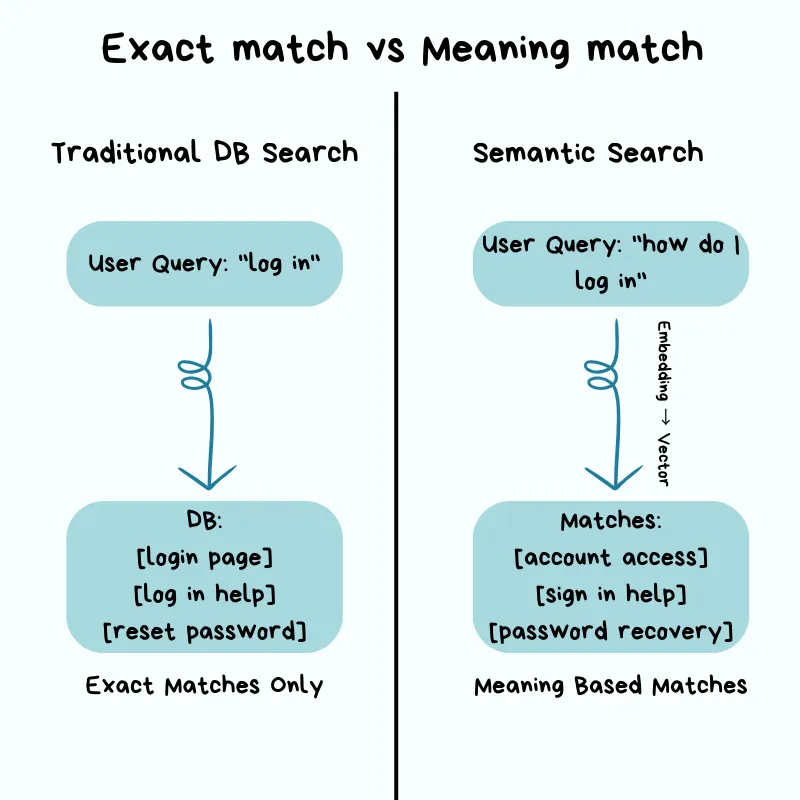
Vector databases represent a specialized class of data management systems engineered to efficiently store, index, and retrieve high-dimensional vector embeddings, which are numerical representations of unstructured data like text, images, and audio. Unlike traditional relational databases that rely on exact keyword matches and structured schemas, vector databases leverage the "meaning" of data by measuring the mathematical distance between vectors in a multi-dimensional space. This enables powerful semantic search capabilities where the system identifies items with conceptual similarities rather than just literal overlaps. At their core, these databases utilize embedding models to transform raw information into dense vectors, which are then organized using specialized indexing algorithms such as Hierarchical Navigable Small World (HNSW) or Inverted File Index (IVF). These techniques facilitate Approximate Nearest Neighbor (ANN) searches, allowing for rapid retrieval across billions of data points with minimal latency. Consequently, vector databases have become the foundational "long-term memory" for modern AI applications, particularly in Retrieval-Augmented Generation (RAG) workflows and recommendation engines. By bridging the gap between raw unstructured data and machine-interpretable context, they empower developers to build intelligent, scalable systems that can understand and process information at a more human-like level of nuance and complexity, while handling massive datasets through horizontal scaling and efficient sharding strategies.


Reimagining tech infrastructure for (and with) agentic AI

The rapid evolution of agentic AI is compelling chief technology officers to fundamentally reimagine IT infrastructure, moving beyond traditional support layers toward a modular, "mesh-like" backbone that orchestrates autonomous agents. As AI workloads expand, organizations face a critical dual challenge: infrastructure costs are projected to triple by 2030 while budgets remain stagnant, necessitating a shift where AI is used to manage the very systems it inhabits. Successfully scaling agentic AI requires building "agent-ready" foundations characterized by composability, secure APIs, and robust governance frameworks that ensure accountability. High-value impacts are already surfacing in areas like service desk operations, observability, and hosting, where agents can automate up to 80 percent of routine tasks, potentially reducing run-rate costs by 40 percent. This transition demands a significant cultural and operational pivot, shifting the role of IT professionals from manual ticket-based troubleshooting to the supervision and architectural design of intelligent systems. By integrating these autonomous entities into a coherent backbone, enterprises can bridge the gap between experimentation and enterprise-wide scale, transforming infrastructure from a reactive cost center into a dynamic platform for innovation. Those who embrace this agentic shift will secure a significant advantage in speed, resilience, and economic efficiency in the AI-driven era.


Quantum-Safe Security: How Enterprises Can Prepare for Q-Day
The provided page explores the critical necessity for enterprises to transition toward quantum-safe security to mitigate the existential threats posed by future quantum computers. Traditional encryption methods, such as RSA and ECC, are increasingly vulnerable to advanced quantum algorithms, most notably Shor’s algorithm, which can efficiently solve the complex mathematical problems that currently protect digital infrastructure. A particularly urgent concern highlighted is the "harvest now, decrypt later" strategy, where adversaries collect encrypted sensitive data today with the intention of deciphering it once powerful quantum technology becomes commercially available. To defend against these emerging risks, the article outlines a strategic preparation roadmap for organizations. This involves achieving "crypto-agility"—the ability to rapidly switch cryptographic standards—and conducting comprehensive inventories of current encryption usage across all systems. Furthermore, enterprises are encouraged to align with evolving NIST standards for post-quantum cryptography (PQC) and prioritize the protection of high-value, long-term assets. By integrating these quantum-resistant algorithms into their security architecture now, businesses can ensure long-term data confidentiality, maintain regulatory compliance, and future-proof their digital operations against the impending "quantum apocalypse." This proactive shift is presented not merely as a technical update, but as a fundamental requirement for maintaining trust and operational continuity in a post-quantum world.


Your Disaster Recovery Plan Doesn’t Account for AI Agents. It Should

The article "Your Disaster Recovery Plan Doesn’t Account for AI Agents. It Should" highlights a critical gap in contemporary business continuity strategies as enterprise adoption of agentic AI accelerates. While Gartner predicts a massive surge in AI agents embedded within applications by 2026, many organizations still rely on legacy governance frameworks that operate at human speeds. These traditional models are ill-equipped for autonomous agents that execute thousands of data accesses instantly, often bypassing standard security alerts. Unlike traditional technical failures with clear timestamps, AI governance failures are often "silent," characterized by over-permissioned agents accessing sensitive datasets over long periods. This leads to an exponential increase in the "blast radius" of potential breaches across cloud and on-premises environments. To mitigate these risks, the author advocates for machine-speed governance that utilizes dynamic, context-aware access controls and just-in-time permissions. By embedding governance directly into the architecture, organizations can transform it from a deployment bottleneck into a recovery accelerant. Such an approach provides the immutable audit trails necessary to drastically reduce the 100-day recovery window typically associated with AI-related incidents. Ultimately, robust governance is presented not as a constraint, but as a prerequisite for sustaining resilient AI innovation.


Cloud Native Platforms Transforming Digital Banking

The financial services industry is undergoing a profound structural revolution as traditional banks transition from rigid, monolithic legacy systems to agile, cloud-native architectures. This shift is centered on the adoption of microservices and containerization, allowing institutions to break down complex applications into independent, modular components. Such an approach enables rapid deployment of updates and innovative fintech services without disrupting core operations, ensuring established banks can effectively compete with nimble startups. Beyond mere speed, cloud-native platforms offer superior security through "Zero Trust" models and immutable infrastructure, which mitigate risks like configuration errors and persistent malware. Furthermore, the integration of open banking APIs and real-time payment processing transforms banks into central hubs within a broader digital ecosystem, providing customers with instant, seamless financial experiences. The scalability of the cloud also provides a robust foundation for Artificial Intelligence, facilitating hyper-personalized "predictive banking" that anticipates user needs. Ultimately, by embracing cloud computing, financial institutions are not only automating compliance through "Policy as Code" but are also building a flexible, future-proof foundation capable of incorporating emerging technologies like blockchain and quantum computing to meet the demands of the modern global economy.


Turning security into a story: How managed service providers use reporting to drive retention and revenue

Managed Service Providers (MSPs) often face the challenge of proving their value because effective cybersecurity is inherently "invisible," resulting in an absence of security breaches that customers may interpret as a lack of necessity for the service. To bridge this gap, MSPs must transition from providing raw technical data to crafting a compelling narrative through strategic reporting. As highlighted by the experiences of industry professionals using SonicWall tools, the core of a successful MSP practice relies on five pillars: monitoring, patch management, configuration oversight, alert response, and, most importantly, reporting. By utilizing automated platforms like Network Security Manager (NSM) and Capture Client, MSPs can produce detailed assessments and audit trails that make their backend efforts tangible to clients. Moving beyond monthly logs to implement Quarterly Business Reviews (QBRs) allows providers to transition from mere vendors to trusted strategic advisors. This shift significantly impacts business outcomes; for instance, MSPs employing regular QBRs often see renewal rates jump from 71% to 96%. Ultimately, by structuring services into clear tiers with documented deliverables, MSPs can use reporting to tell a story of protection. This strategy not only justifies current expenditures but also drives new revenue by fostering client trust and highlighting unmet security needs.


Cybersecurity in the AI age: speed and trust define resilience

In the rapidly evolving digital landscape, cybersecurity has transitioned from a technical hurdle to a strategic imperative where speed and trust are the cornerstones of resilience. According to insights from iqbusiness, the "breakout time" for e-crime—the window an attacker has to move laterally within a system—has plummeted from nearly ten hours in 2019 to just 29 minutes today, necessitating near-instantaneous responses. This urgency is exacerbated by artificial intelligence, which serves as a double-edged sword; while it empowers attackers to craft sophisticated phishing campaigns and malicious code, it also provides defenders with automated tools to filter noise and prioritize threats. However, the rise of "shadow AI" and a lack of visibility into unsanctioned tools pose significant risks to data integrity. To combat these threats, the article advocates for a "Zero Trust" architecture—where every interaction, whether by human or machine, is verified—and the adoption of robust frameworks like the NIST Cybersecurity Framework 2.0. Ultimately, modern cyber resilience depends on more than just defensive technology; it requires a proactive organisational culture, strong leadership, and the seamless integration of AI into security strategies. By prioritising visibility and governance, businesses can navigate the complexities of the AI age while maintaining the trust of their stakeholders and partners.


Architecture strategies for monitoring workload performance

Monitoring for performance efficiency within the Azure Well-Architected Framework is a critical process focused on observing system behavior to ensure optimal resource utilization and responsiveness. This discipline involves a continuous cycle of collecting, analyzing, and acting upon telemetry data to detect performance bottlenecks before they impact end users. Effective monitoring begins with comprehensive instrumentation, which captures diverse data points such as metrics, logs, and distributed traces from both the application and underlying infrastructure. By establishing clear performance baselines, architects can define what constitutes "normal" behavior, allowing them to identify subtle degradations or sudden spikes in resource consumption. Azure provides powerful tools like Azure Monitor and Application Insights to facilitate this visibility, offering capabilities for real-time alerting and deep-dive diagnostic analysis. Key metrics, including throughput, latency, and error rates, serve as essential indicators of system health. Furthermore, a robust monitoring strategy emphasizes the importance of historical data for long-term trend analysis and capacity planning, ensuring that the architecture can scale effectively to meet evolving demands. Ultimately, performance monitoring is not a one-time setup but an ongoing practice that informs optimization efforts, validates architectural changes, and maintains a high level of efficiency throughout the entire software development lifecycle.

Daily Tech Digest - April 25, 2026


Quote for the day:

"People don’t fear hard work. They fear wasted effort. Give them belief, and they'll give everything." -- Gordon Tredgold


🎧 Listen to this digest on YouTube Music

▶ Play Audio Digest

Duration: 23 mins • Perfect for listening on the go.


The high cost of undocumented engineering decisions

Avi Cavale’s article highlights a critical hidden cost in the tech industry: the erosion of institutional memory due to undocumented engineering decisions. While technical turnover averages 15–20% annually, the primary financial burden isn’t just recruitment or onboarding; it is the loss of the “why” behind architectural choices. Traditional documentation often fails because it focuses on technical specifications—the “what”—while neglecting the vital context of tradeoffs and failed experiments. This creates a “decay loop” where new hires inadvertently re-litigate past decisions or propose previously debunked solutions, significantly slowing development velocity over time. As original team members depart, institutional knowledge becomes a “lossy copy,” leaving the remaining team to treat established systems as historical accidents rather than intentional designs. To solve this, Cavale argues for leveraging AI coding tools to automatically capture and structure technical conversations. By transforming developer interactions into a living knowledge base, organizations can ensure that rationale, error patterns, and conventions are preserved within the system itself. This shift moves engineering knowledge away from individual heads and into a durable organizational asset, effectively lowering the “bus factor” and preventing the costly cycle of repetitive mistakes and re-explained logic that typically follows employee departures.


The AI architecture decision CIOs delay too long — and pay for later

In this CIO article, Varun Raj argues that the most critical mistake IT leaders make with enterprise AI is delaying the necessary shift from pilot-phase architectures to robust, production-grade frameworks. While initial systems often succeed by tightly coupling model outputs with immediate execution, this approach becomes unmanageable as use cases scale. The author warns that early success often breeds a dangerous inertia, masking structural flaws that eventually manifest as unpredictable costs, governance friction, and "behavioral uncertainty"—where teams can no longer explain the logic behind automated decisions. To avoid these pitfalls, CIOs must proactively transition to architectures that decouple decision-making from action, implementing dedicated control points to validate AI outputs before they trigger enterprise processes. Treating the initial architecture as a permanent foundation rather than a temporary starting point leads to escalating technical debt and eroded stakeholder trust. By recognizing subtle signals of misalignment early—such as increased complexity in security reviews or model volatility—leaders can ensure their AI initiatives remain controllable and transparent. Ultimately, the transition from systems that merely assist humans to those that autonomously act requires a fundamental architectural evolution that prioritizes oversight and predictability over simple operational speed.


When Production Logs Become Your Best QA Asset

Tanvi Mittal, a seasoned software quality engineering practitioner, addresses the persistent issue of critical bugs slipping through rigorous QA cycles and only manifesting under specific production conditions. Inspired by a banking transaction failure caught by a human teller rather than automated tools, Mittal developed LogMiner-QA to bridge the gap between staging environments and real-world usage. This open-source tool leverages advanced technologies like Natural Language Processing, transformer embeddings, and LSTM-based journey analysis to reconstruct actual customer flows from fragmented logs. A significant hurdle in its development was the messy, non-standardized nature of production data, which the tool handles through flexible field mapping and configurable ingestion. Addressing stringent security requirements in regulated industries like banking and healthcare, LogMiner-QA incorporates robust privacy measures, including PII redaction and differential privacy, while operating within air-gapped environments. Ultimately, the platform transforms production logs into actionable Gherkin test scenarios and fraud detection modules, enabling teams to detect anomalies before they result in costly failures. By shifting focus from theoretical requirements to observed user behavior, LogMiner-QA ensures that production data becomes a vital asset for continuous quality improvement rather than just a post-mortem diagnostic tool.


The History of Quantum Computing: From Theory to Systems

The history of quantum computing reflects a remarkable evolution from abstract physics to a burgeoning technological revolution. The journey began in the early 20th century with the foundational work of Max Planck and Albert Einstein, who established that energy is quantized, eventually leading to the development of quantum mechanics by figures like Schrödinger and Heisenberg. However, the computational potential of these laws remained untapped until the early 1980s, when Paul Benioff and Richard Feynman proposed that quantum systems could simulate nature more efficiently than classical machines. This theoretical framework was solidified in 1985 by David Deutsch’s concept of a universal quantum computer. The field transitioned from theory to algorithms in the 1990s, most notably with Peter Shor’s 1994 discovery of an algorithm capable of breaking classical encryption, providing a clear "killer app" for the technology. By the 2010s, experimental milestones like Google’s 2019 "quantum supremacy" demonstration with the Sycamore processor proved that quantum hardware could outperform supercomputers. Entering 2026, the industry has shifted toward practical error correction and commercial utility, with tech giants like IBM and Microsoft integrating quantum processors into cloud ecosystems to solve complex problems in materials science, medicine, and cryptography.


15 Costliest Credential Stuffing Attack Examples of the Decade (and the Authentication Lessons They Teach)

The article "15 Costliest Credential Stuffing Attack Examples of the Decade" explores how automated login attempts using previously breached credentials have evolved into one of the most persistent and expensive cybersecurity threats. Over the last ten years, major organizations—including Snowflake, PayPal, 23andMe, and Disney+—have suffered massive account takeovers, not because of software vulnerabilities, but because users frequently reuse passwords across multiple services. Attackers leverage lists containing billions of leaked credentials, achieving success rates between 0.1% and 2%, which translates to hundreds of thousands of compromised accounts in a single campaign. These incidents have led to billions in damages, regulatory fines, and the theft of sensitive data like Social Security numbers and medical records. The primary lesson highlighted is the critical necessity of moving beyond traditional passwords toward "passwordless" authentication methods, such as passkeys, biometrics, and hardware tokens. While multi-factor authentication (MFA) remains a vital defensive layer, the article argues that passwordless systems make credential stuffing structurally impossible by removing the reusable "secret" that attackers rely on. Additionally, the piece notes that regulators increasingly view the failure to defend against these predictable attacks as negligence rather than bad luck, signaling a major shift in corporate liability and security standards.


How To Build The Self-Leadership Skills Rising Leaders Need Today

In the evolving landscape of professional growth, self-leadership serves as the foundational bedrock for rising leaders, as explored by the Forbes Coaches Council. Effective leadership begins internally, requiring a shift from the desire for absolute certainty to a mindset of continuous curiosity. Aspiring executives must cultivate self-compassion and prioritize personal well-being, recognizing that physical and mental health are essential requirements for sustained high performance rather than mere indulgences. Furthermore, the article emphasizes the importance of financial discipline and self-regulation, urging leaders to ground their decisions in data while maintaining emotional composure under pressure. Consistency is another critical pillar, as it builds the trust and credibility necessary to inspire others. Perhaps most significantly, the council highlights the need for leaders to redefine their personal identities, moving beyond their roles as "doers" or technical experts to embrace the strategic complexities of their new positions. By mastering their thought patterns and questioning limiting beliefs, individuals can transition from reactive decision-making to intentional action. Ultimately, self-leadership is not an abstract concept but a practical toolkit of skills that enables up-and-coming professionals to navigate the modern "polycrisis" environment with resilience, authenticity, and a human-centric approach to management.


Space data-center news: Roundup of extraterrestrial AI endeavors

The technological frontier is rapidly expanding beyond Earth’s atmosphere as major players and startups alike race to establish extraterrestrial computing infrastructure. This surge is highlighted by NVIDIA’s entry into the market with its "Space-1 Vera Rubin" GPUs, specifically designed for orbital AI inference. Simultaneously, Kepler Communications is already managing the largest orbital compute cluster, recently partnering with Sophia Space to test proprietary data center software across its satellite network. The commercialization of this sector is further accelerating with Lonestar Data Holdings set to launch StarVault in late 2026, marking the world’s first commercially operational space-based data storage service catering to sovereign and financial needs. Complementing these hardware advancements, Atomic-6 has introduced ODC.space, a marketplace that allows organizations to purchase or colocate orbital data capacity with timelines that rival terrestrial data center builds. These endeavors collectively signify a shift from experimental proof-of-concepts to a functional "off-world" digital economy. By moving processing and storage into orbit, these companies aim to provide sovereign data security and low-latency AI capabilities for global and celestial applications. This nascent industry represents a critical evolution in how humanity manages high-performance computing, transforming space into the next essential hub for the global data infrastructure.


Orchestrating Agentic and Multimodal AI Pipelines with Apache Camel

This article explores the evolution of Apache Camel as a robust framework for orchestrating agentic and multimodal AI pipelines, moving beyond simple Large Language Model (LLM) calls to complex, multi-step workflows. It defines agentic AI as systems where models act as reasoning agents to autonomously select tools and tasks, while multimodal AI integrates diverse data types like images and text. The core premise is that while LLMs excel at reasoning, they often lack the reliability required for production-level execution. By leveraging Apache Camel and LangChain4j, developers can pull execution control out of the agent and into a proven orchestration layer. This approach allows Camel to handle critical operational concerns like routing, retries, circuit breakers, and deterministic sequencing using Enterprise Integration Patterns (EIPs). The text details a practical implementation involving vector databases for RAG and TensorFlow Serving for image classification, illustrating how Camel separates reasoning from action. While the framework offers significant scalability and governance benefits for enterprise AI, the author notes a steeper learning curve for Python-focused teams. Ultimately, Camel serves as a vital "meta-harness," ensuring that generative AI applications remain reliable, maintainable, and securely integrated with existing enterprise infrastructure and data sources.


AI agents are already inside your digital infrastructure

In the article "AI agents are already inside your digital infrastructure," Biometric Update explores the rapid proliferation of agentic AI and the resulting security vulnerabilities. As enterprises increasingly deploy autonomous agents—with some estimates predicting up to forty agents per human by 2030—the digital landscape faces a critical crisis of trust. Highlighting data from the Cloud Security Alliance, the piece reveals that 82 percent of organizations already harbor unknown AI agents within their systems. This shift has essentially reduced the cost of impersonation to zero, rendering legacy authentication methods obsolete. In response, Prove Identity has launched a unified platform designed to provide a persistent foundation of trust through continuous verification. Leveraging twelve years of authenticated digital history, the platform addresses the inadequacies of point solutions by utilizing adaptive authentication, proactive identity monitoring, and advanced fraud protection. The suite further integrates cryptographically signed consent into identity tokens that accompany agentic workflows across major frameworks like OpenAI and Anthropic. Ultimately, the article argues that while AI can easily fabricate biometrics, it cannot replicate long-term digital behavior. Securing this "agentic economy" requires evolving identity systems that can govern these non-human identities, preventing them from hijacking infrastructure or operating without clear, authorized mandates.


The Denominator Problem in AI Governance

The "denominator problem" represents a critical yet overlooked challenge in AI governance, as highlighted by Michael A. Santoro. While emerging regulations like the EU AI Act mandate reporting AI incidents, these "numerators" of harm remain uninterpretable without a corresponding "denominator" representing total usage or opportunities for failure. Without knowing the scale of deployment, an increase in reported harms could signify declining safety, improved detection, or merely expanded adoption. While autonomous vehicle regulation successfully utilizes metrics like miles driven to calculate safety rates, most other domains—including deepfakes, algorithmic hiring, and healthcare—lack such standardized benchmarks. This measurement gap is particularly dangerous in healthcare, where the absence of a defined denominator prevents regulators from distinguishing between sporadic errors and systemic failures. Furthermore, failing to stratify denominators by demographic factors masks structural biases, effectively hiding algorithmic discrimination within aggregate data. As global reporting frameworks evolve, solving this fundamental measurement issue is essential for moving beyond performative disclosure toward genuine accountability. Transitioning from raw incident counts to meaningful safety rates is the only way to prove AI systems are truly safe and equitable, making the denominator problem a foundational hurdle for the future of effective technological oversight and regulatory success.

Daily Tech Digest - April 24, 2026


Quote for the day:

"To strongly disagree with someone, and yet engage with them with respect, grace, humility and honesty, is a superpower." -- Vala Afshar


🎧 Listen to this digest on YouTube Music

▶ Play Audio Digest

Duration: 31 mins • Perfect for listening on the go.


Data debt: AI’s value killer hidden in plain sight

Data debt has emerged as a critical barrier to artificial intelligence success, acting as a "value killer" for modern enterprises. As CIOs prioritize AI initiatives, many are discovering that years of shortcuts, poor documentation, and outdated data management practices—collectively known as data debt—are causing significant project failures. Unlike traditional business intelligence, AI is uniquely unforgiving; it rapidly exposes deep-seated issues such as siloed information, inconsistent definitions, and missing context. Research suggests that delaying data remediation could lead to a 50% increase in AI failure rates and skyrocketing operational costs by 2027. This debt often accumulates through mergers, acquisitions, and the rapid deployment of fragmented systems without centralized governance. To address this growing threat, organizational leaders must treat data debt as a board-level risk rather than a simple technical glitch. Effective remediation requires more than just better technology; it demands a fundamental shift in organizational discipline and the standardization of core business processes. By establishing a reliable data foundation and rigorous governance, companies can prevent their AI ambitions from being stifled by sustained operational friction. Ultimately, addressing data debt is not just a prerequisite for scaling AI responsibly but a vital investment in long-term institutional stability and competitive advantage.


The Autonomy Problem: Why AI Agents Demand a New Security Playbook

As artificial intelligence transitions from passive chat interfaces to autonomous agents, the cybersecurity landscape faces a fundamental shift that renders traditional defense models insufficient. This evolution, often referred to as the "autonomy problem," stems from agents' ability to execute multi-step objectives, interact with APIs, and modify enterprise data independently without constant human intervention. Unlike standard software, agentic AI introduces dynamic risks such as prompt injection, excessive agency, and "logic hijacking," where an agent might be manipulated into performing unintended high-privilege actions. Consequently, security teams must move beyond static identity management and perimeter defense toward a runtime-centric strategy focused on continuous behavioral validation. A new security playbook for this era emphasizes "least privilege" for AI entities, ensuring agents only possess the temporary permissions necessary for a specific task. Furthermore, implementing robust observability and "Human-in-the-Loop" (HITL) checkpoints is critical for high-stakes decision-making. By treating AI agents as digital employees rather than simple tools, organizations can better manage the expanded attack surface. Ultimately, the goal is to balance the massive operational scale offered by autonomous systems with a governance framework that prioritizes transparency, real-time monitoring, and rigorous sandboxing to prevent self-directed machine speed from becoming a liability.


How indirect prompt injection attacks on AI work - and 6 ways to shut them down

Indirect prompt injection attacks represent a critical security vulnerability for Large Language Models (LLMs) that process external data, such as web content, emails, or documents. Unlike direct injections, where a user intentionally feeds malicious commands to a chatbot, indirect attacks occur when hackers hide instructions within third-party data that the AI is likely to retrieve. When the LLM parses this "poisoned" content, it may unknowingly execute the hidden commands, leading to serious risks like data exfiltration, the spread of phishing links, or unauthorized system overrides. For instance, a malicious website could contain hidden text telling an AI summarizer to ignore its safety protocols and send sensitive user information to a remote server. To mitigate these evolving threats, organizations are adopting multi-layered defense strategies, including rigorous input and output sanitization, human-in-the-loop oversight, and the principle of least privilege for AI agents. Major tech companies like Google, Microsoft, and OpenAI are also utilizing automated red-teaming and specialized machine learning classifiers to detect and block these subtle manipulations. For end-users, staying safe involves limiting the permissions granted to AI tools, treating AI-generated summaries with skepticism, and closely monitoring for any suspicious behavior that suggests the model has been compromised.


Advanced Middleware Architecture For Secure, Auditable, and Reliable Data Exchange Across Systems

The article "Advanced Middleware Architecture For Secure, Auditable, and Reliable Data Exchange Across Systems" by Abhijit Roy introduces a high-performance framework designed to bridge the critical gap between security, auditability, and efficiency in distributed environments. Utilizing a layered architecture built on Python and FastAPI, the proposed system integrates JWT-based stateless authentication with cryptographic integrity checks—such as SHA-256 hashing and HMAC signatures—to ensure non-repudiation and end-to-end traceability. By employing asynchronous message processing and standardized Pydantic data models, the middleware achieves a 100% transaction success rate and supports over 25 concurrent users, significantly outperforming legacy systems. Key results include a throughput of 6.8 messages per second and an average latency of 2.69 ms, with security overhead minimized to just 0.2 ms. This structured workflow facilitates seamless interoperability between heterogeneous platforms, making it highly suitable for mission-critical applications in sectors like healthcare, finance, and industrial IoT. The framework not only enforces consistent data validation and type safety but also enhances compliance efficiency through extensive logging and rapid audit retrieval times. Ultimately, the study demonstrates that robust security and detailed audit trails can be maintained without compromising system performance or scalability in complex multi-cloud or containerized settings.


The Performance Delta: Balancing Transaction And Transformation

Alexandra Zanela’s article exploring "The Performance Delta" emphasizes the critical necessity of balancing transactional and transformational leadership behaviors rather than viewing them as mutually exclusive personality traits. Transactional leadership serves as a vital foundation, providing organizational stability and psychological safety by establishing clear expectations, measurable goals, and contingent rewards. However, while transactions ensure tasks are fulfilled, they rarely inspire innovation. This is where transformational leadership—driven by the "four I’s" of idealized influence, inspirational motivation, intellectual stimulation, and individualized consideration—triggers the "augmentation effect." This effect creates a performance delta where effectiveness is multiplied rather than merely added, fostering employee growth, extra-role effort, and reduced burnout. As artificial intelligence increasingly automates the execution of routine transactional tasks like KPI monitoring and resource allocation, the role of the modern leader is shifting. Leaders are now tasked with designing the transactional frameworks while dedicating their freed capacity to human-centric transformational actions that AI cannot replicate, such as professional coaching and ethical vision-setting. Ultimately, thriving in the modern era requires leaders to master both modes, strategically toggling between them to maximize their team’s collective potential and successfully navigate profound organizational changes.


Digital Twins Could Be the Future of Proactive Cybersecurity

Digital twins are revolutionizing cybersecurity by providing dynamic, high-fidelity virtual replicas of IT, OT, and IoT infrastructures. According to the article, these "cyber sandboxes" enable organizations to transition from reactive defense to proactive, rehearsal-based strategies. By simulating sophisticated threats like ransomware campaigns and zero-day exploits within controlled environments, security teams can identify vulnerabilities and analyze the "blast radius" of potential breaches without risking production systems. The technical integration of AI further enhances these models, contributing to significant operational improvements, such as a 33% reduction in breach detection times and an 80% decrease in mean time to resolution. Beyond threat modeling, digital twins facilitate more effective network management and physical security optimization, allowing for the pre-deployment testing of firewall rules and access controls. This technology supports the "shift-left" and "shift-right" paradigms, ensuring security is embedded throughout the entire system lifecycle. Despite challenges regarding data integrity and implementation costs, the strategic adoption of digital twins—currently explored by 70% of C-suite executives—represents a transformative shift toward organizational resilience. By leveraging these real-time simulations, enterprises can validate security postures and implement targeted mitigation strategies, ultimately staying ahead of increasingly automated and stealthy cyberattackers in a complex digital landscape.


How to Manage Operations in DevOps Using Modern Technology

Managing operations in modern DevOps environments requires shifting from manual, queue-based workflows to a streamlined model focused on automation, visibility, and developer enablement. According to the article, modern operations encompass not just infrastructure and deployments but also security, compliance, and cost visibility. To handle these complexities, teams should prioritize automating repetitive tasks and codifying changes through Infrastructure as Code and policy-as-code tools like Open Policy Agent. These automated guardrails ensure consistency and compliance without hindering development speed. Furthermore, the strategic integration of Artificial Intelligence and AIOps can significantly reduce operational toil by identifying anomalies and grouping alerts, though humans must remain the final decision-makers regarding critical reliability. Observability tools provide deeper insights than traditional monitoring by correlating metrics, logs, and traces to diagnose system health in real-time. Perhaps most crucially, the article advocates for the creation of self-service platforms and internal developer portals, which empower engineers to manage their own services while maintaining strict operational standards. By embedding security into daily workflows and using data-driven metrics to track progress, organizations can transform their operations teams from bottlenecks into enablers of innovation. Ultimately, modern technology simplifies management by fostering a culture where the best path is also the easiest one for teams to follow.


Your Data Strategy Isn’t Ready for 2026’s AI, and Neither Is Anyone Else’s

The article argues that most current data strategies are woefully inadequate for the AI landscape expected by 2026. While organizations are currently fixated on basic Generative AI, they are failing to prepare for the rise of "agentic AI"—autonomous systems that require seamless, real-time data access rather than static reports. The central issue is that legacy architectures were designed primarily for human consumption, featuring siloed structures and slow governance processes that cannot support the high-velocity demands of sophisticated machine learning models. To bridge this gap, companies must prioritize "data liquidity" and shift toward AI-native infrastructures. This transformation requires moving away from traditional dashboards and investing in active metadata management, robust data observability, and automated quality controls. By 2026, the competitive divide will be defined by an organization’s ability to feed autonomous agents with high-fidelity, interconnected information. Consequently, businesses must stop viewing data as a passive asset and start treating it as a dynamic, scalable engine for automated decision-making. Failing to modernize these foundations now will leave enterprises unable to leverage the next generation of intelligence, rendering their current AI initiatives obsolete as the technology evolves into more complex, independent operational systems.


Agentic AI to autonomous enterprises: Are businesses ready to hand over decision-making?

The article by Abhishek Agarwal explores the transformative shift from traditional analytical AI to "agentic" systems, which are capable of planning and executing multi-step operational tasks without constant human intervention. Unlike previous AI iterations that merely provided insights for human review, agentic AI can independently manage complex workflows such as supplier selection, inventory management, and customer support. While the business case for these autonomous enterprises is compelling due to gains in speed, scalability, and consistency, the transition presents significant challenges regarding governance and accountability. Organizations must grapple with who is responsible for errors and whether their existing data infrastructure is mature enough to support reliable, large-scale decision-making. The debate over "human-in-the-loop" oversight remains central, with experts suggesting a domain-specific strategy where autonomy is reserved for well-defined, low-risk areas. Ultimately, the author emphasizes that becoming an autonomous enterprise is a strategic journey rather than a race. Success depends on building robust governance frameworks and ensuring high data quality to avoid accountability crises. Rushing into agentic AI prematurely could jeopardize long-term progress, making a thoughtful, honest assessment of readiness essential for any business aiming to leverage these powerful technologies for a sustainable competitive advantage in the modern digital landscape.


When Elite Cyber Teams Can’t Crack Web Security

The article "When Elite Cyber Teams Can’t Crack Web Security" by Jacob Krell explores the significant disparity between theoretical security credentials and practical defensive capabilities. Drawing from Hack The Box’s 2025 Global Cyber Skills Benchmark, which tested nearly 800 corporate security teams, Krell reveals a troubling reality: only 21.1% of these elite teams successfully identified and mitigated common web vulnerabilities. This performance gap persists across highly regulated sectors like finance and healthcare, suggesting that clean compliance audits and professional certifications often provide a false sense of security. The report highlights a "Certification Paradox," where industry-standard exams prioritize knowledge retention over the applied skills necessary to thwart real-world attacks. Furthermore, the abysmal 18.7% solve rate for secure coding challenges exposes the "Shift Left" movement as largely aspirational, with many organizations automating pipelines without cultivating security competency among developers. To address these systemic failures, Krell argues that businesses must move beyond "security theater" by implementing performance-based validations and continuous hands-on training. Ultimately, true resilience requires embedding security as a core craft within development teams rather than treating it as an external compliance checkbox, as attackers exploit practical skill gaps that tools and credentials alone cannot bridge.

Daily Tech Digest - April 23, 2026


Quote for the day:

“Every time you have to speak, you are auditioning for leadership.” -- James Humes

🎧 Listen to this digest on YouTube Music

▶ Play Audio Digest

Duration: 19 mins • Perfect for listening on the go.


How To Navigate The New Economics Of Professionalized Cybercrime

The modern cybercrime landscape has evolved into a professionalized industry where attackers prioritize precision and severity over volume. According to recent data, while the frequency of material claims has decreased, the average cost per ransomware incident has surged, signaling a shift toward more efficient targeting. This new economic reality is defined by three primary trends: the rise of data-theft extortion, the prevalence of identity attacks, and the long-tail financial consequences that follow a breach. Because businesses have improved their backup and recovery systems, criminals have pivoted from simple encryption to threatening the exposure of sensitive data, often leveraging AI to analyze stolen information for maximum leverage. Furthermore, the professionalization of these threats extends to supply chain vulnerabilities, where a single vendor compromise can cause cascading losses across thousands of downstream clients. Consequently, cyber incidents are no longer isolated technical failures but material enterprise risks with financial repercussions lasting years. To navigate this environment, organizational leaders must shift their focus from mere operational recovery to robust data exfiltration prevention. CISOs, CFOs, and CROs must collaborate to integrate cyber risk into broader enterprise frameworks, ensuring that financial planning and security investments account for the multi-year legal, regulatory, and reputational exposures that now characterize the threat landscape.


How Agentic AI is transforming the future of Indian healthcare

Agentic AI represents a transformative shift in the Indian healthcare landscape, transitioning from passive data analysis to autonomous, goal-oriented systems that proactively manage patient care. Unlike traditional AI, which primarily focuses on reporting, agentic systems independently execute tasks such as triaging, scheduling, and continuous monitoring to address India’s strained doctor-to-patient ratio. By integrating these intelligent agents, medical facilities can streamline outpatient visits—from digital symptom recording to automated post-consultation follow-ups—significantly reducing the administrative burden on overworked clinicians. The technology is particularly vital for chronic disease management, where it provides timely nudges for medication adherence and identifies early warning signs before they escalate into emergencies. Furthermore, Agentic AI acts as a crucial support layer for frontline health workers in rural regions, bridging the clinical knowledge gap through real-time protocol guidance and decision support. While these advancements offer a scalable solution for public health, the article emphasizes that human empathy remains irreplaceable. Successful adoption requires robust frameworks for data privacy and ethical transparency, ensuring that physicians always retain final decision-making authority. Ultimately, by evolving from a mere tool into essential digital infrastructure, Agentic AI is poised to democratize access and foster a more responsive, patient-centric healthcare ecosystem across the diverse Indian population.


What a Post-Commercial Quantum World Could Look Like

The article "What a Post-Commercial Quantum World Could Look Like," published by The Quantum Insider, explores a future where quantum computing has moved beyond its initial commercial hype into a phase of deep integration and stabilization. In this post-commercial era, the focus shifts from the race for "quantum supremacy" toward the practical, ubiquitous application of quantum technologies across global infrastructure. The piece suggests that once the technology matures, it will cease to be a standalone industry of speculative startups and instead become a foundational utility, much like the internet or electricity today. Key impacts include a complete transformation of cybersecurity through quantum-resistant encryption and the optimization of complex systems in logistics, materials science, and drug discovery that were previously unsolvable. This transition will likely lead to a "quantum divide," where geopolitical and economic power is concentrated among those who have successfully integrated these capabilities into their national security and industrial frameworks. Ultimately, the article paints a picture of a world where quantum mechanics no longer represents a frontier of experimental physics but serves as the silent, invisible engine driving high-performance global economies and ensuring long-term technological resilience.


Continuous AI biometric identification: Why manual patient verification is not enough!

The article explores the critical transition from manual patient verification to continuous AI-powered biometric identification in modern healthcare. Traditional methods, such as verbal confirmations and physical wristbands, are increasingly deemed insufficient due to their susceptibility to human error and data entry inconsistencies, which often lead to fragmented medical records and life-threatening mistakes. To address these vulnerabilities, the industry is shifting toward a model of constant identity assurance using advanced technologies like facial biometrics, behavioral signals, and passive authentication. This continuous approach ensures real-time validation across all clinical touchpoints, significantly reducing the risks associated with duplicate electronic health records — currently estimated at 8-12% of total files. Furthermore, the integration of agentic AI and multimodal systems — combining fingerprints, voice, and device data — creates a secure identity layer that streamlines clinical workflows and protects patients from misidentification. With the healthcare biometrics market projected to reach $42 billion by 2030, the article argues that automating identity verification is no longer optional. Ultimately, by replacing episodic manual checks with autonomous, intelligent monitoring, healthcare organizations can enhance data integrity, safeguard financial interests against identity fraud, and, most importantly, ensure the highest standards of safety for the individuals in their care.


The 4 disciplines of delivery — and why conflating them silently breaks your teams

In his article for CIO, Prasanna Kumar Ramachandran argues that enterprise success depends on maintaining four distinct delivery disciplines: product management, technical architecture, program management, and release management. Each domain addresses a fundamental question that the others are ill-equipped to answer. Product management defines the "what" and "why," establishing the strategic vision and priorities. Technical architecture translates this into the "how," determining structural feasibility and sequence. Program management orchestrates the delivery timeline by managing cross-team dependencies, while release management ensures safe, compliant deployment to production. Organizations frequently stumble by treating these roles as interchangeable or asking a single team to bridge all four. This conflation "silently breaks" teams because it forces experts into roles outside their core competencies. For instance, an architect focused on product decisions might prioritize technical elegance over market needs, while program managers might sequence work based on staff availability rather than strategic value. When these boundaries blur, the result is often wasted effort, missed dependencies, and a fundamental misalignment between technical output and business goals. By clearly delineating these responsibilities, leaders can prevent operational friction and ensure that every capability delivered actually reaches the customer safely and generates measurable impact.


Teaching AI models to say “I’m not sure”

Researchers at MIT’s Computer Science and Artificial Intelligence Laboratory (CSAIL) have developed a novel training technique called Reinforcement Learning with Calibration Rewards (RLCR) to address the issue of AI overconfidence. Modern large language models often deliver every response with the same level of certainty, regardless of whether they are correct or merely guessing. This dangerous trait stems from standard reinforcement learning methods that reward accuracy but fail to penalize misplaced confidence. RLCR fixes this flaw by teaching models to generate calibrated confidence scores alongside their answers. During training, the system is penalized for being confidently wrong or unnecessarily hesitant when correct. Experimental results demonstrate that RLCR can reduce calibration errors by up to 90 percent without sacrificing accuracy, even on entirely new tasks the models have never encountered. This advancement is particularly significant for high-stakes applications in medicine, law, and finance, where human users must rely on the AI’s self-assessment to determine when to seek a second opinion. By providing a reliable signal of uncertainty, RLCR transforms AI from an unshakable but potentially deceptive voice into a more trustworthy tool that explicitly communicates its own limitations, ultimately enhancing safety and reliability in complex decision-making environments.


Are you paying an AI ‘swarm tax’? Why single agents often beat complex systems

The VentureBeat article discusses a "swarm tax" paid by enterprises that over-engineer AI systems with complex multi-agent architectures. Recent Stanford University research reveals that single-agent systems often match or even outperform multi-agent swarms when both are allocated an equivalent "thinking token budget." The perceived superiority of swarms frequently stems from higher total computation during testing rather than inherent structural advantages. This "tax" manifests as increased latency, higher costs, and greater technical complexity. A primary reason for this performance gap is the "Data Processing Inequality," where critical information is often lost or fragmented during the handoffs and summarizations required in multi-agent orchestration. In contrast, a single agent maintains a continuous context window, allowing for much more efficient information retention and reasoning. The study suggests that developers should prioritize optimizing single-agent models—using techniques like SAS-L to extend reasoning—before adopting multi-agent frameworks. Swarms remain useful only in specific scenarios, such as when a single agent’s context becomes corrupted by noisy data or when a task is naturally modular and requires parallel processing. Ultimately, the article advocates for a "single-agent first" approach, warning that unnecessary architectural bloat can lead to diminishing returns and inefficient resource utilization in enterprise AI deployments.


Cloud tech outages: how the EU plans to bolster its digital infrastructure

The recent global outages involving Amazon Web Services in late 2025 and CrowdStrike in 2024 have underscored the extreme fragility of modern digital infrastructure, which remains heavily reliant on a small group of U.S.-based hyperscalers. These disruptions revealed that the perceived redundancy of cloud computing is often an illusion, as many organizations concentrate their primary and backup systems within the same provider's ecosystem. Consequently, the European Union is shifting its strategy from mere technical efficiency to a geopolitical pursuit of "digital sovereignty." To mitigate the risks of "digital colonialism" and the reach of the U.S. CLOUD Act, European leaders are championing the 2025 European Digital Sovereignty Declaration. This framework prioritizes the development of a federated cloud architecture, linking national nodes into a cohesive, secure network to reduce dependence on foreign monopolies. Furthermore, the EU is investing heavily in homegrown semiconductors, foundational AI models, and public digital infrastructure. By establishing a dedicated task force to monitor progress through 2026, the bloc aims to ensure that European data remains subject strictly to local jurisdiction. This comprehensive approach seeks to bolster resilience against future technical failures while securing the strategic autonomy necessary for Europe’s long-term digital and economic security.


When a Cloud Region Fails: Rethinking High Availability in a Geopolitically Unstable World

In the InfoQ article "When a Cloud Region Fails," Rohan Vardhan introduces the concept of sovereign fault domains (SFDs) to address cloud resilience within an increasingly unstable geopolitical landscape. While traditional high-availability strategies focus on technical abstractions like multi-availability zone (multi-AZ) deployments to mitigate hardware failures, Vardhan argues these are insufficient against sovereign-level disruptions. SFDs represent failure boundaries defined by legal, political, or physical jurisdictions. Recent events, such as sudden cloud provider withdrawals or infrastructure instability in conflict zones, demonstrate how geopolitical shifts can trigger correlated failures across entire regions, rendering standard multi-AZ setups ineffective. To combat these risks, architects must shift their baseline for high availability from multi-AZ to multi-region architectures. This transition requires a fundamental rethink of distributed systems, moving beyond technical redundancy to include legal and political considerations in data replication and traffic management. The article advocates for the adoption of explicit region evacuation playbooks, the definition of geopolitical recovery targets, and the expansion of chaos engineering to simulate sovereign-level losses. Ultimately, achieving true resilience in the modern world necessitates acknowledging that cloud regions are physical and political assets, not just virtualized resources, requiring intentional design to survive jurisdictional partitions.


Inside Caller-as-a-Service Fraud: The Scam Economy Has a Hiring Process

The BleepingComputer article explores the emergence of "Caller-as-a-Service," a professionalized vishing ecosystem where cybercrime syndicates mirror the organizational structure of legitimate businesses. These industrialized fraud operations utilize a clear division of labor, employing specialized roles such as infrastructure operators, data analysts, and professional callers. Recruitment for these positions is surprisingly formal; underground job postings resemble professional LinkedIn ads, specifically seeking native English speakers with high emotional intelligence and persuasive social engineering skills. To establish credibility, recruiters often display verifiable "proof-of-profit" via large cryptocurrency balances to entice new talent. Once hired, callers are frequently subjected to real-time supervision through screen sharing to ensure strict adherence to malicious scripts and maximize victim conversion rates. Compensation models are equally sophisticated, ranging from fixed weekly salaries of $1,500 to success-based commissions of $1,000 per successful vishing hit. This service-driven model significantly lowers the barrier to entry for criminals, as it allows them to outsource the technical and interpersonal complexities of a cyberattack. Ultimately, the article emphasizes that the professionalization of the scam economy makes these threats more resilient and efficient, necessitating that defenders implement more robust identity verification and multi-factor authentication to protect individuals from these increasingly coordinated, data-driven vishing campaigns.

Daily Tech Digest - April 22, 2026


Quote for the day:

"Any code of your own that you haven't looked at for six or more months might as well have been written by someone else." -- Eagleson's law


🎧 Listen to this digest on YouTube Music

▶ Play Audio Digest

Duration: 18 mins • Perfect for listening on the go.


From pilots to platforms: Industrial IoT comes of age

The article "From Pilots to Platforms: Industrial IoT Comes of Age" explores the transformative shift in India’s manufacturing sector as Industrial IoT (IIoT) matures from isolated experimental pilots into robust, enterprise-wide operational platforms. Historically, IIoT deployments were limited to simple sensor installations for monitoring single machines; however, the current landscape focuses on building a production-grade digital infrastructure that integrates data from across the entire shop floor. This evolution enables a transition from reactive maintenance to proactive operational intelligence, allowing leaders to prioritize measurable outcomes such as increased throughput, energy efficiency, and overall revenue. Experts emphasize that the conversation has moved beyond questioning the technology's viability to addressing the complexities of scaling across multiple facilities and managing "brownfield" realities where decades-old equipment must be retrofitted for connectivity. The modern IIoT stack now balances edge and cloud workloads while leveraging digital twins to sustain continuous operations. Despite these advancements, robust network design and cybersecurity remain critical challenges that must be addressed to ensure resilience. Ultimately, the success of IIoT in India now hinges on converting vast operational data into repeatable, high-speed decisions that deliver tangible business value across the industrial ecosystem.


Beyond the ‘25 reasons projects fail’: Why algorithmic, continuous scenario planning addresses the root causes

The article "Beyond the '25 reasons projects fail'" argues that high failure rates in enterprise initiatives—highlighted by BCG and Gartner data—are not merely delivery misses but symptoms of a systemic failure in portfolio design and decision logic. While visible symptoms like scope creep and poor communication are real, they represent a deeper "pattern under the pattern" where organizations lack the capacity to calculate the ripple effects of change. The author, John Reuben, posits that modern governance requires "algorithmic planning" and "continuous scenario planning" to translate strategic ambition into modeled consequences. Without this discipline, leadership cannot effectively navigate trade-offs or manage dependencies. Furthermore, the piece emphasizes that while AI offers transformative potential, it must be anchored in mathematically sound planning data to avoid magnifying weak assumptions. To address these root causes, CIOs are urged to implement a modern control system for change featuring six essential capabilities: a unified planning model across priorities and budgets, side-by-side scenario comparison, interdependency mapping, early visibility into bottlenecks, continuous recalculation as conditions shift, and executive-facing summaries that turn data into decisions. Ultimately, the solution lies in evolving planning from a static, narrative process into a dynamic, algorithmic discipline capable of seeing and governing complex interactions in real time.


Is AI creating value or just increasing your IT bill?

The Spiceworks article, grounded in the "State of IT 2026" research by Spiceworks Ziff Davis, examines the economic tension between AI’s promise of value and its actual impact on corporate budgets. While AI software expenditures currently appear manageable—with a median spend of only 2.7% of total IT computing infrastructure—the report warns that this represents just the visible portion of a much larger financial commitment. The "hidden" bill for enterprise AI includes critical investments in high-performance servers, specialized storage, and robust networking, which experts estimate can increase the total cost by four to five times the software license fees. This disparity highlights a significant risk: organizations may underestimate the capital required to move from experimentation to full-scale deployment. The article argues that "putting your money where your mouth is" requires a strategic alignment of talent, time, and treasure rather than just following market hype. To achieve a positive return on investment, IT leaders must look beyond software-as-a-service costs and account for the substantial infrastructure upgrades necessary to power modern AI workloads. Ultimately, the path to value depends on a holistic understanding of the total cost of ownership in an increasingly AI-driven landscape.


Cryptographic debt is becoming the next enterprise risk layer

"Cryptographic debt" is emerging as a critical enterprise risk layer, especially within the financial sector, as organizations face the consequences of outdated algorithms, fragmented key management, and encryption deeply embedded in legacy systems. According to Ruchin Kumar of Futurex, this "debt" has long remained invisible to boardrooms because cryptography was historically treated as a technical silo rather than a strategic risk domain. However, the rise of quantum computing and the impending transition to post-quantum cryptography (PQC) are exposing these structural vulnerabilities. Major hurdles to modernization include a lack of centralized cryptographic visibility, the tight coupling of security logic with application code, and manual, error-prone key management processes. To address these challenges, enterprises must shift toward a "crypto-agile" architecture. This transformation requires centralizing governance through Hardware Security Modules (HSMs), abstracting cryptographic functions via standardized APIs, and automating the entire key lifecycle. Such a horizontal transformation will likely trigger a massive wave of IT spending, comparable to cloud migration. As ecosystems become increasingly interconnected through APIs and fintech partnerships, weak cryptographic governance in any single segment now poses a systemic threat, making unified, architecture-first security essential for long-term business resilience and regulatory compliance.


Practical SRE Habits That Keep Teams Sane

The article "Practical SRE Habits That Keep Teams Sane" outlines essential strategies for Site Reliability Engineering teams to maintain high system availability while safeguarding engineer well-being. Central to these habits is the clear definition of Service Level Objectives (SLOs), which provide a data-driven framework for balancing feature velocity with operational stability. To combat burnout, the piece emphasizes reducing "toil"—repetitive, manual tasks—through targeted automation and the creation of actionable runbooks that lower the cognitive burden during high-pressure incidents. A significant portion of the advice focuses on human-centric operations, advocating for blameless post-mortems that prioritize systemic learning over individual finger-pointing, effectively removing the drama from failure analysis. Furthermore, the article suggests optimizing on-call health by implementing "interrupt buffers" and rotating "shield" roles to protect the rest of the team from productivity-killing context switching. By adopting safer deployment patterns and rigorous backlog hygiene, teams can shift from a chaotic, reactive firefighting mode to a controlled and predictable "boring" operational state. Ultimately, these practical habits aim to create a sustainable culture where reliability is a shared responsibility, ensuring that both the technical infrastructure and the humans who support it remain resilient and efficient in the long term.


From the engine room to the bridge: What the modern leadership shift means for architects like me

The article explores how the evolving role of modern technology leadership, specifically CIOs, necessitates a fundamental shift in the approach of system architects. Traditionally, CIOs focused on uptime and cost efficiency, but today’s leaders prioritize competitive differentiation, workforce transformation, and organizational alignment. Many modernization projects fail not due to technical flaws, but because of "upstream" issues like unresolved stakeholder conflicts or a lack of strategic clarity. Consequently, architects must look beyond sound code and clean implementation to build the "social infrastructure" and trust required for adoption. Modern leadership acts as both navigator and engineer, demanding infrastructure that supports both technical needs—like automated policy enforcement—and business outcomes. Managing technical debt proactively is crucial, as legacy systems often stifle innovation like AI adoption. For architects, this means evolving from purely technical resources into strategic partners who understand the cultural and decision-making constraints of the business. The best architectural designs are ultimately useless unless they resonate with the organizational reality and strategic pressures facing the customer. Bridging the gap between the engine room and the bridge is now the essential mandate for those designing the systems that drive modern business forward.


Are We Actually There? Assessing RPKI Maturity

The article "Are We Actually There? Assessing RPKI Maturity" provides a critical evaluation of the Resource Public Key Infrastructure (RPKI) and its current state of global deployment for securing internet routing. The authors argue that while RPKI adoption is steadily growing, the system is still far from reaching true maturity. Through comprehensive measurements, the research reveals that the effectiveness of RPKI enforcement varies significantly across the internet ecosystem; while large transit networks provide broad protection, the impact of enforcement at Internet Exchange Points remains localized. Furthermore, the paper highlights severe vulnerabilities within the RPKI software ecosystem, identifying over 40 security flaws that could compromise deployments. These issues are often rooted in the immense complexity and vague requirements of the RPKI specifications, which make correct implementation difficult and error-prone. The research also notes dependencies on other protocols like DNSSEC, which itself faces design-flaw vulnerabilities like KeyTrap. Ultimately, the authors conclude that although RPKI is currently the most effective defense against Border Gateway Protocol (BGP) hijacks, achieving a robust and mature architecture requires a fundamental redesign to simplify its structure, clarify specifications, and improve overall efficiency. Until these systemic flaws are addressed, the internet's routing security remains precarious.


Study finds AI fraud losses decline, but the risks are growing

The Javelin Strategy & Research 2026 identity fraud study, "The Illusion of Progress," highlights a deceptive shift in the digital landscape where total monetary losses have decreased while systemic risks continue to escalate. In 2025, combined fraud and scam losses fell to $38 billion, a $9 billion reduction from the previous year, accompanied by a drop in victim numbers to 36 million. This decline was primarily fueled by a 45 percent drop in scam-related losses. However, these improvements are overshadowed by a 31 percent surge in new-account fraud victims, signaling that criminals are pivoting their tactics. Artificial intelligence is at the core of this evolution, as fraudsters adopt advanced tools more rapidly than financial institutions can update their defenses. Lead analyst Suzanne Sando warns that lower loss figures are misleading because scammers are increasingly focused on stealing personal data to seed future, more sophisticated attacks rather than seeking immediate cash. To address this "inflection point," the report stresses that organizations must move beyond one-time security decisions. Instead, they must implement continuous fraud controls and foster deep industry collaboration to stay ahead of AI-powered criminals who operate without the regulatory constraints that often slow down legitimate financial services.


Why identity is the driving force behind digital transformation

In the modern digital landscape, identity has evolved from a simple login mechanism into the fundamental "invisible engine" driving successful digital transformation. As traditional network perimeters dissolve due to cloud adoption and remote work, identity has emerged as the critical new security boundary, utilizing a "never trust, always verify" approach to protect sensitive data. This shift empowers businesses to implement fine-grained access controls that enhance security while streamlining operations. Beyond security, identity systems act as a catalyst for business agility, allowing software teams to navigate complex environments more efficiently. Crucially, centralized identity management enhances the customer experience by unifying disparate data points to provide highly personalized interactions and build brand trust. In high-stakes sectors like finance, identity-centric frameworks are essential for real-time fraud detection and comprehensive risk assessment by linking multiple accounts to a single verified user. To truly leverage identity as a strategic asset, organizations must ensure their systems are real-time, easily integrable, and governed by strict access rules. Ultimately, establishing identity as a core infrastructure is no longer optional; it is the essential foundation for innovation, security, and competitive growth in an increasingly interconnected and complex global digital economy.


From Panic to Playbook: Modernizing Zero‑Day Response in AppSec

In "From Panic to Playbook: Modernizing Zero-Day Response in AppSec," Shannon Davis explores how the increasing frequency and rapid exploitation of zero-day vulnerabilities, such as Log4Shell, necessitate a shift from reactive improvisation to structured, rehearsed workflows. Traditional AppSec cadences—where vulnerabilities are typically addressed through scheduled scans and predictable sprint fixes—fail to meet the urgent demands of zero-day events due to collapsed time-to-exploit windows, high data volatility, and complex transitive dependencies. To bridge this gap, Davis highlights the Mend AppSec Platform’s modernized approach, which emphasizes four critical components: a live, authoritative data feed independent of scan schedules, instant correlation with existing inventory to identify exposure without manual rescanning, a defined 30-day lifecycle for active threats, and a centralized audit trail for cross-team alignment. This framework enables organizations to respond effectively within the vital first 72 hours after disclosure by providing a single source of truth for both human teams and automated tooling. Ultimately, the article argues that organizational resilience during a security crisis depends less on the total size of a security budget and more on the implementation of a proactive, data-driven playbook that transforms chaotic incident response into a sustainable, repeatable, and efficient operational reality.