Daily Tech Digest - May 20, 2026


Quote for the day:

“Successful people do what unsuccessful people are not willing to do. Don’t wish it were easier; wish you were better.” -- Jim Rohn

🎧 Listen to this digest on YouTube Music

▶ Play Audio Digest

Duration: 22 mins • Perfect for listening on the go.


What can you do with quantum computing today?

The InfoWorld article explains that while practical, large scale quantum computing remains years away, current enterprise engagement should center on proactive learning, strategic experimentation, and urgent security preparation. Present day infrastructure utilizes noisy intermediate scale quantum hardware, which requires hybrid models that pair error prone quantum processors with classical computational power. Through cloud based quantum computing platforms provided by IBM, Amazon, and Microsoft, pioneering organizations are already piloting specialized optimization, molecular simulation, and risk modeling workflows. For instance, global companies like HSBC and DHL have successfully demonstrated notable performance gains in bond price forecasting and logistics routing. However, fully fault tolerant application scale quantum systems are not expected to mature until the late twenties or thirties. Consequently, forward looking companies must address an existing tech talent gap by developing quantum proficiencies internally. Most critically, enterprises must prepare immediately for the inevitable arrival of Q Day, when advanced quantum computers can easily decrypt modern encryption methods. To actively mitigate this looming cyber threat, organizational leaders are advised to classify long lived sensitive records and rapidly transition their public key infrastructures to post quantum cryptography today, ensuring critical safety against threat actors who are currently harvesting encrypted organizational data for future deciphering.


Alert Fatigue Is No Longer a Morale Problem, It's a Reliability Risk and a System Failure

In this APMdigest article, Venkat Ramakrishnan of NeuBird AI shifts the perspective on alert fatigue from a quality-of-life issue to a direct contributor to systemic downtime. Data from the 2026 State of Production Reliability and AI Adoption Report reveals that 44% of surveyed organizations experienced outages due to ignored or suppressed alerts. Additionally, 78% endured incidents where no alerts fired, forcing engineers to rely on customer complaints to discover system failures. This operational gridlock occurs because 77% of on-call teams receive over ten alerts daily, with fewer than 30% being actionable. Consequently, engineers predictably ignore warnings, inadvertently missing weak, early-stage threat signals amidst legacy tool noise. Since downtime carries an expensive financial penalty—with 61% of companies estimating costs at $50,000 or more per hour—engineering leaders must pivot away from reactive, fragmented incident management models. Modern cloud architectures require moving toward autonomous production operations powered by AI. Instead of focusing on efficiently resolving problems after they occur, the author concludes that organizations must leverage automated intelligence for full incident avoidance, continuously predicting threats and standardizing operational institutional knowledge before a critical failure disrupts business continuity.


7 tips for accelerating cyber incident recovery

The CSO Online article highlights that prompt and coordinated incident recovery is crucial to minimize the cascading financial, operational, and compliance damages caused by inevitable cyberattacks. To accelerate recovery times effectively, the text outlines seven actionable tips from cybersecurity experts. First, organizations must hone their incident response team's internal coordination through strict training and tabletop exercises. Second, prioritizing scoping and containment stops initial system bleeding by isolating breaches and credentials. Third, establishing deep situational awareness determines threat vectors, affected assets, and broader business impacts. Fourth, security leaders should readily enlist external professional support, such as multi-disciplinary forensics and cloud recovery partners, to safely scale operations. Fifth, systems must be securely restored based on business criticality rather than technological convenience, prioritizing revenue-generating platforms first. Sixth, CISOs should remain disciplined and follow structured frameworks like NIST 800-61 alongside a RACI matrix to entirely avoid reckless improvisation. Finally, teams should thoroughly implement lessons learned to fortify infrastructure controls before executing validation penetration tests. Ultimately, a structured approach helps security departments avoid the burnout of extended outages and prevents threat actors from exploiting prolonged dwell times to achieve re-compromise.


Programming in 2026: Should Students Still Learn Code?

In this Security Boulevard article, tech entrepreneur Deepak Gupta addresses the modern dilemma of whether students should still learn to code given that 30% of code at major tech companies is now AI-generated. Gupta emphatically argues that learning to program remains essential, but notes that the traditional definition of a developer has drastically changed. Instead of focusing heavily on writing manual syntax, modern programmers primarily direct, review, and evaluate automated software. Crucially, individuals who cannot read code will remain unable to effectively verify AI outputs, mitigate subtle logic hallucinations, or catch critical security vulnerabilities like hardcoded credentials and broken authentication flows. To align with this technological paradigm shift, computer science curricula must adapt by prioritizing systems thinking, security intuition, rigorous code review at scale, and precise specification design. Aspiring programmers are advised to master fundamentals over passing frameworks, gain comprehensive database and networking literacy, and treat AI as a collaborative teammate rather than a total crutch. Ultimately, AI is not replacing software engineering as a discipline; rather, it is weeding out mechanical coders who rely solely on typing speed while enormously magnifying the value of strategic human judgment and architectural decision-making.


How Risk Management Can Build ROI in Regulated Technology Firms – Part 1

The article by Kannan Subbiah explores how regulated technology firms, such as FinTechs and HealthTechs, can successfully reframe risk management from a defensive cost center into a strategic value driver that yields a high return on investment. With intensifying global regulatory pressures, existential cyber threats, and shifting investor expectations regarding enterprise governance, mature risk frameworks can directly boost overall firm valuations by up to 25 percent. Subbiah outlines five major dimensions where robust risk management generates tangible financial value. First, it minimizes direct financial losses and unexpected operational disruptions through proactive mitigation rather than reactive crisis management. Second, it accelerates innovation and time to market by integrating risk assessments into the earliest design phases, acting as a steering wheel rather than a progress brake. Third, it enhances brand equity, customer trust, and long-term user retention by prioritizing transparent security and operational reliability. Fourth, it unlocks corporate efficiency, yielding potential gains of ten to twenty-five percent by streamlining internal processes and drastically reducing runtime downtime. Finally, it improves strategic decision-making by replacing gut feelings with objective, data-backed scenario planning and advanced resource scoring. Ultimately, the piece emphasizes that mature risk practices protect capital and unlock unique competitive advantages across markets.


Product Thinking for Cloud Native Engineers

The InfoQ presentation titled “Product Thinking for Cloud Native Engineers,” delivered by cloud engineer Stéphane Di Cesare and product manager Cat Morris, outlines how internal technical teams can transition from being perceived as organizational cost centers into critical business value drivers. Specifically targeting DevOps, SRE, and platform engineering domains, the speakers advocate for a fundamental mindset shift that prioritizes user value and product outcomes over raw technical outputs like code volume. By implementing the structured "Double Diamond" framework, cloud-native engineers are encouraged to comprehensively explore and define concrete user pain points before jumping directly into building architectural solutions. The presentation highlights vital product discovery methodologies, including user interviews and shadowing sessions, to build actionable empathy for internal developers. This active engagement helps mitigate the risk of creating counterintuitive tools that engineering peers might ultimately reject. Additionally, the session emphasizes choosing outcome-based product metrics, such as developer cognitive load, flow state, and deployment speed via the DevEx framework, instead of traditional machine utilization metrics. Ultimately, embracing this continuous product lifecycle perspective allows technical professionals to clearly articulate their worth to stakeholders, thereby reducing operational friction, maximizing organizational engineering investments, and securing meaningful career promotions.


The next digital divide: AI owners vs. AI renters

The CIO article outlines an emerging structural shift in enterprise technology, arguing that the next true digital divide will not be between organizations that use artificial intelligence and those that do not, but rather between AI "owners" and AI "renters." AI renters primarily rely on external platforms, APIs, and cloud services to deploy capabilities quickly and minimize up-front infrastructure costs. However, this dependencies limits long-term model visibility, compromises data control, introduces scaling expenses, and hands operational sovereignty over to external providers. Conversely, AI owners build and control their intelligence systems internally, leveraging controlled environments like private or sovereign clouds. By deeply integrating models with internal knowledge bases and implementing specialized governance frameworks, AI owners capture unique proprietary feedback loops that continuously refine competitive advantages. This paradigm shift mirrors historic transitions observed during the maturation of web and cloud infrastructures. Ultimately, technology leaders like CIOs must navigate this landscape not just by selecting tools, but by defining an intentional architecture that balances external consumption with protected internal innovation, ensuring that their systems remain assets they fundamentally command rather than services they merely rent.


Communicating cyber risk in dollars boards understand

In this Help Net Security interview, Nedscaper’s Cybersecurity Architect Nick Nieuwenhuis explains why massive financial investments in cybersecurity have failed to yield true organizational resilience. He argues that most companies analyze risk through a reductionist, techno-centric lens, prioritizing measurable technical controls while ignoring messy, complex socio-technical dynamics like human behavior, organizational constraints, and internal processes. This narrow view fails because cyber risk behaves dynamically rather than linearly. Nieuwenhuis also points out a critical disconnect between security teams and executive boardrooms, which stems from poor risk communication. Instead of using abstract, qualitative heatmaps or dense technical jargon, security professionals must translate cyber risk into grounded, evidence-based narratives and financial metrics that business leaders can easily comprehend. Furthermore, he emphasizes that traditional root-cause analysis is inadequate for modern incidents, which typically arise from multi-factored, cascading systemic breakdowns. To fix this, organizations must shift from strict prevention to comprehensive cyber resilience, accepting that systems will eventually fail under stress. Resilient enterprises must actively invest in human capabilities, use enterprise architecture to improve communication, thoroughly rehearse incident response playbooks, and cultivate a culture of continuous learning and feedback to safely adapt to an ever-evolving digital landscape.


Deepfake wave breaking the digital dam; orgs are busy building defenses

The article focuses on how generative AI evolution is sparking a prolific wave of deepfake identity impersonations, forcing global organizations to transition from reactive fact-checking to proactive trust architectures. According to a Gartner report, 40 percent of government organizations will implement dedicated TrustOps functions by 2028 to safeguard against public-facing disinformation campaigns and internal social engineering breaches targeting biometric authentication. Highlighting this risk, advanced, commercial deepfake platforms like Haotian AI now empower bad actors to alter their facial and vocal identities seamlessly during live video calls on Zoom, WhatsApp, or Microsoft Teams, effectively breaking the baseline truth of digital platforms. To combat this escalating digital regression, identity verification firms are aggressively releasing structural defenses. For instance, iProov launched "Verified Meetings" as a platform plugin to continuously authenticate that participants are real people using authentic, uncompromised hardware cameras. Concurrently, GetReal Security released identity proofing updates within "GetReal Protect," supplying ongoing verification and threat intelligence to secure critical workflows. Because eight out of ten organizations already encounter these synthetic threats, security leaders argue that the burden of authentication must shift permanently from vulnerable end-users to institutional architectures through cryptographic provenance, multi-approver frameworks, and collaborative digital trust councils.


Tokenmaxxing Pressures: The Impact on Modern Developer Ecosystems

The article investigates the rising phenomenon of tokenmaxxing, defined as the corporate practice of treating artificial intelligence token consumption as a primary metric for engineering productivity, and its deeply disruptive impact on modern developer ecosystems. Driven by intense hierarchical pressure from corporate leadership to showcase rapid technology adoption and prove a return on investment, many enterprises have established internal dashboards and competitive leaderboards tracking computational usage. This management approach creates highly perverse incentives, prompting software engineers to actively gamify the system by artificially inflating their token counts. Developers frequently achieve this through brute force context stuffing, unnecessary premium model routing, and redundant autonomous agent loops that merely mimic genuine professional progress. This trend introduces an expensive, modern iteration of the archaic mistake of measuring developer output by lines of code. Within engineering environments, tokenmaxxing severely degrades workflows by causing massive cloud cost overruns, extending code review latencies, and introducing bloated, unverified outputs into repositories. It promotes performative, visible busyness over technical elegance and system reliability. Ultimately, the text argues that organizations must dismantle these flawed vanity metrics and transition toward value driven governance frameworks that prioritize actual task resolution, downstream quality, and efficient human and AI collaboration.

Daily Tech Digest - May 19, 2026.


Quote for the day:

“When you connect to the silence within you, that is when you can make sense of the disturbance going on around you.” -- Stephen Richards

🎧 Listen to this digest on YouTube Music

▶ Play Audio Digest

Duration: 21 mins • Perfect for listening on the go.


Why the best security investment a board can make in 2026 isn’t another tool

In this insightful opinion article, cybersecurity expert Jason Martin argues that the most valuable technological investment a corporate board can make is not purchasing another security tool, but rather achieving comprehensive environmental visibility. Traditionally, organizations respond to threats by adding specialized protection platforms, creating a heavily fragmented infrastructure where tools generate massive data but fail to provide unified context. Cybercriminals successfully exploit these operational seams, utilizing legitimate trust relationships or unmonitored human and machine credentials, including automated service accounts, API keys, and emerging AI agents, to bypass siloed defenses entirely without triggering network alerts. True visibility transcends raw logs and complex dashboards; it requires a complete, foundational map of all assets, user permissions, and systemic dependencies, enabling defense teams to reconstruct security incidents in minutes rather than weeks. This dangerous gap between overwhelming technical data and actual operational understanding is further exacerbated by rapid corporate AI adoption, which creates automated connections far faster than governance protocols can track. Therefore, Martin advises boards to shift away from merely asking if they are protected. Instead, corporate leadership must critically ask what their defense teams can actually see, establishing a complete inventory baseline before adding more top-tier detection layers. Drawing this definitive organizational blueprint builds the necessary foundation for absolute, long-term cyber resilience.


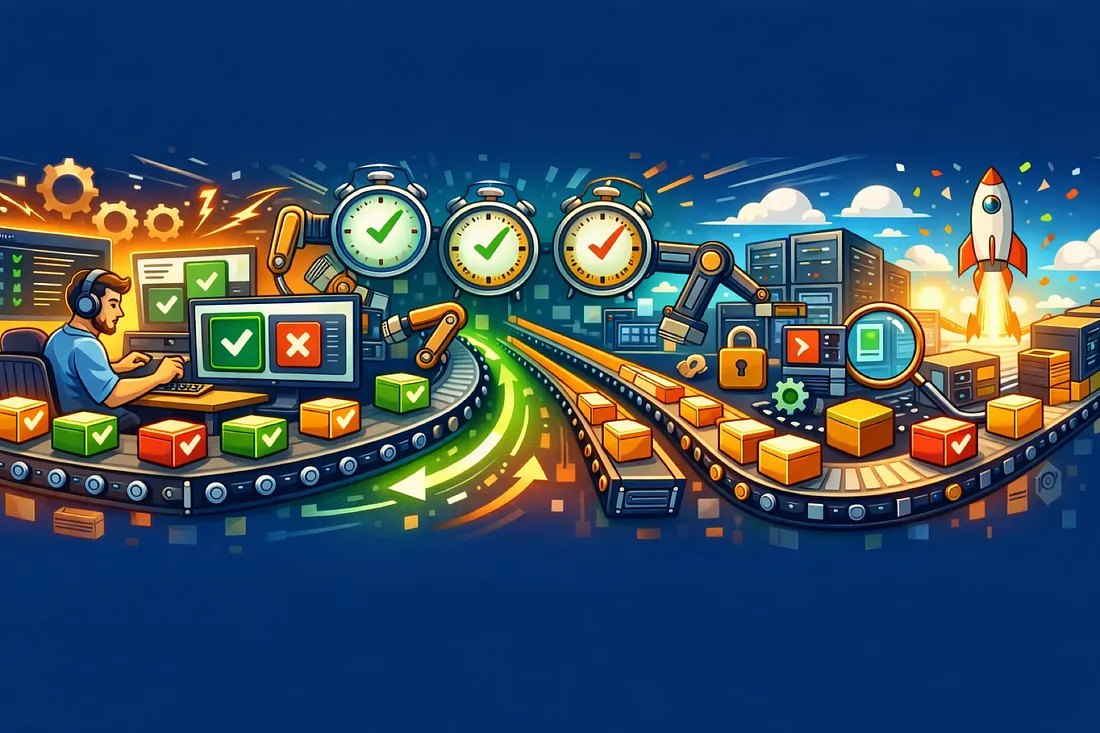
CI/CD Was Built for Deterministic Software — Agents Just Broke the Model

The article argues that traditional continuous integration and continuous delivery or CI/CD pipelines, which were built under the assumption of deterministic software repeatability where identical inputs yield identical results, are being disrupted by the rise of agentic artificial intelligence. Because AI agents introduce variance as a core feature by dynamically reasoning, selecting tools, and altering behaviors based on shifting contexts, the conventional binary testing framework of green or red dashboards is no longer sufficient. Instead, DevOps teams must shift to statistical testing methodologies involving comprehensive evaluation sets, scenario libraries, and drift detection. Furthermore, operational management becomes significantly more complex; rolling back systems shifts from reverting a stable binary to unraveling an unpredictable, interconnected chain of decisions and tool interactions. Provenance and observability must also evolve to track prompts, policy configurations, and behavioral intent rather than basic system error codes. Ultimately, traditional deployment models are not entirely obsolete, but they must expand through platform engineering to provide shared governance, simulation environments, and robust guardrails. This extension ensures that autonomous agents can be safely deployed, monitored, and kept within specified organizational boundaries, transforming the ultimate goal of modern DevOps pipelines from merely shipping software to definitively proving and verifying acceptable autonomous behavior.


Why blockchain will be vital for the next generation of biometrics

In this article, Thomas Berndorfer, the CEO of Connecting Software, discusses how blockchain technology will become vital for protecting next generation digital identity and biometric verification systems against sophisticated artificial intelligence driven document manipulation. This pressing cyber threat was underscored by a massive banking scandal in Australia, where sophisticated fraudsters leveraged advanced tools to subtly modify legitimate income records and fraudulently secure billions in loans. Berndorfer emphasizes that while modern biometric passports incorporate strong protections, secondary documentation used for identity verification, such as housing contracts and pay stubs, remains highly susceptible to subtle, undetectable alterations. To effectively mitigate this vulnerability, incorporating a decentralized public blockchain enables issuing organizations to lock digital files with an immutable cryptographic hash, known colloquially as a blockchain seal. Any subsequent modification to the original file yields a completely mismatched hash value, instantly exposing unauthorized tampering to third party verifiers while preserving user privacy by only exposing the hash rather than sensitive underlying personal data. However, the author cautions that blockchain is not a standalone solution; it requires initial issuer sealing at source, cannot identify precisely what information was changed, and fails to differentiate between harmless filename updates and dangerous fraudulent text alterations.


Expanding the Narrative of Business Continuity History

In the article "Expanding the Narrative of Business Continuity History" published in the Disaster Recovery Journal, Samuel McKnight argues that the business continuity and resilience profession possesses a much deeper historical foundation than standard narratives suggest. While traditional accounts trace the discipline’s origins to mainframe computing in the 1960s, followed by programmatic advancements surrounding IT disaster recovery, 9/11, and COVID-19, McKnight uncovers century-old roots through a personal investigation into his great-grandfather’s vintage steel desk. Manufactured by the General Fireproofing Company around 1930, the heirloom led him to a 1924 trade catalogue that passionately advocated for proactively protecting paper business records from devastating urban fires, such as the 1906 San Francisco conflagration. McKnight highlights how this early twentieth-century value proposition, which treated vital documents as the "very breath" of an enterprise's existence, closely mirrors contemporary business continuity management and operational resilience strategies. Ultimately, the author emphasizes that reconstructing this rich history provides modern practitioners with a profound sense of purpose and vocational grounding. It demonstrates that the core mandate of organizational preparedness is not a novel concept but a multi-generational legacy, which continually adapts its protective methods to mitigate systemic vulnerabilities as technology and corporate infrastructure evolve over time.


What is a data architect? Skills, salaries, and how to become a data framework master

The article provides a comprehensive overview contrasting virtual and physical firewalls within modern, dynamic network architectures. Virtual firewalls are software-based security solutions operating on shared compute infrastructure, such as hypervisors, public cloud platforms, and container environments. By decoupling security features from dedicated hardware, they offer programmatic deployment agility, horizontal scaling, and crucial east-west visibility to inspect lateral traffic moving within an environment. However, because they are CPU-bound, virtual instances can experience performance bottlenecks during compute-intensive tasks like high-volume TLS inspection. Conversely, physical firewalls are dedicated hardware appliances built with purpose-designed processors like ASICs. Installed at fixed perimeters, local data centers, or branch offices, they deliver highly predictable, hardware-accelerated throughput for north-south traffic. They remain indispensable for air-gapped systems or strict data sovereignty regulations, though their fixed capacity requires longer procurement and cannot natively follow workloads into public clouds. Ultimately, the article emphasizes that neither solution is universally superior. Instead, most organizations benefit by blending both into a unified hybrid mesh architecture managed through a centralized interface. This holistic approach utilizes physical appliances at high-bandwidth boundaries while deploying virtual firewalls inside cloud infrastructure, ensuring consistent security policies, preventing dangerous policy drift, and reducing management costs across the global network fabric.


Capabilities-Driven Application Modernization: Business Value at Every Step

The article by Melissa Roberts explores how organizations can transition application modernization from strategy to practice using a deliberate, data-driven framework. Rather than rebuilding every application blindly, which often leads to costly failures, companies should use a business capability model paired with a capability heatmap to assess the value, performance, and risk of their operations. Business capabilities are categorized into strategic, core, and supporting layers to help prioritize investments where technology genuinely differentiates the business. Furthermore, the framework requires aligning domains to these capabilities, creating a cross-functional structure that breaks down technical silos. Following Conway's Law, this alignment ensures technical architectures match internal communication patterns, promoting the use of bounded contexts to minimize accidental complexity and avoid monolithic coupling. A domain heatmap visually points executives toward critical, underperforming capabilities that need higher investment, while protecting adequately performing areas from unnecessary spending. Companies often fail when they neglect to connect distinctive capabilities with their corresponding problem domains and underlying technologies. Ultimately, establishing this capability-driven alignment ensures stakeholders realize clear business outcomes, maximizing return on investment while preventing organizations from hemorrhageing capital on redundant or non-essential application modernization initiatives.


Beyond Crisis Management: Why Scenario Planning Must Become a Regular Operating Discipline

The article argues that traditional scenario planning, once treated as a static, annual ritual dominated by hypothetical workshops, is no longer sufficient in an era marked by deep geopolitical fragmentation and supply chain shocks. Modern scenario planning must instead evolve into a continuous, data-driven operating rhythm deeply embedded across core functions like procurement, treasury, logistics, and technology. The strategic focus has shifted from trying to predict exact future outcomes to building collective agility that minimizes organizational paralysis during abrupt changes. To bridge the gap between boardroom discussions and execution, successful multinational enterprises now utilize trigger-based escalation frameworks. By anchoring abstract scenarios to specific, measurable indicators—such as freight thresholds, inventory buffer levels, or shipping delays—organizations can automatically execute predetermined actions before a crisis fully materializes. Furthermore, corporate leadership and investors are reframing resilience as a vital commercial asset, moving scenario mapping into capital allocation and strategic investment decisions. Ultimately, building a resilient enterprise requires cultivating an internal culture that normalizes uncomfortable conversations, encourages leaders to challenge deep-seated assumptions, and treats risk functions not as passive compliance units, but as strategic interpreters of systemic uncertainty.


Bridging Gaps in SOC Maturity Using Detection Engineering and Automation

The DZone article asserts that true Security Operations Center (SOC) maturity requires maintaining a stable, continuous feedback loop where threat detection and response are systematically governed, measured, and optimized. Organizations frequently suffer from uneven operational maturity, where a massive accumulation of raw logs outpaces data normalization capabilities and overwhelms analysts with alert noise. To close these gaps, the article advocates treating detection engineering as a robust control plane. Rather than relying on brittle, static alerts, teams should treat detections as portable, version-controlled software artifacts—such as Sigma rules—backed by explicit telemetry contracts. This systematic structure cleanly separates rule defects from underlying data quality failures. Automation further scales this cycle by introducing programmatic, pre-deployment quality gates and standardizing responses via frameworks like OpenC2, STIX, and TAXII. Instead of using automation to aggressively suppress noisy alerts—which frequently masks the root causes of risks—mature automation enforces behavioral consistency, quality thresholds, and precise telemetry validation before accelerating execution. Ultimately, shifting to an artifact-driven model protects system transparency, prevents operational debt, and alleviates downstream queue pressure. This structural evolution successfully transitions analyst workloads away from repetitive manual triage and allows them to focus on high-value, threat-informed threat hunting and investigation.


Context architecture is replacing RAG as agentic AI pushes enterprise retrieval to its limits

The VentureBeat article outlines a structural transition in enterprise AI infrastructure, where traditional Retrieval-Augmented Generation (RAG) pipelines are being replaced by context architectures. Standard RAG frameworks, which pre-load data into pipelines before model execution, are failing because autonomous AI agents generate vastly larger, continuous data requests than human users. This scale mismatch leaves data scattered and stale. Enterprise buyers are shifting toward custom, hybrid retrieval stacks that flip the paradigm, enabling agents to dynamically pull live, governed, low-latency context at runtime using Model Context Protocol (MCP) tool calls. In response to these market demands, companies like Redis have introduced platforms like Redis Iris. This context and memory platform provides real-time data integration, short- and long-term state tracking, and semantic interfaces while utilizing highly cost-effective storage technologies like Redis Flex to run data on flash. Analyst and market data confirm that retrieval optimization has overtaken evaluation as the top enterprise investment priority. Ultimately, the successful scaling of agentic AI depends on implementing these unified context layers to ensure data is fresh, secure, and cost-efficient, allowing multiple specialized agents to interact simultaneously without causing backend system strain or governance risks.


Can EU AI Act actually regulate models like Mythos?

The Silicon Republic article explores the regulatory challenges surrounding frontier AI models, focusing on Anthropic's powerful "Mythos" system. Discovered as an unintentional byproduct of coding and autonomy improvements, Mythos has triggered global security discussions due to its defensive capabilities and potential systemic cyber risks. This disruption has heavily strained start-ups and SMEs, which face immense pressure to constantly patch digital products and services. Joseph Stephens, director of resilience at Ireland's National Cyber Security Centre (NCSC), emphasizes that individual states have limited power to block independent, US-based rollouts. Consequently, the EU and member nations are seeking a highly coordinated regulatory framework. While the EU AI Act includes provisions designed to mitigate systemic dangers and offensive cyber capabilities, its practical application remains restricted by geographical bounds. Legal expert Dr. TJ McIntyre notes that the extraterritorial regulation of models like Mythos is only possible if the systems or their outputs are directly sold within the European Union. If Anthropic uses geo-restricting measures to block availability inside the bloc, enforcement under the Act becomes deeply uncertain. Ultimately, while the AI Act represents a groundbreaking attempt to police advanced software marketplaces safely, officials acknowledge that governments cannot entirely regulate their way out of accelerating technological advancements.

Daily Tech Digest - May 18, 2026


Quote for the day:

"Thinking should become your capital asset, no matter whatever ups and downs you come across in your life." -- Dr. APJ Kalam

🎧 Listen to this digest on YouTube Music

▶ Play Audio Digest

Duration: 18 mins • Perfect for listening on the go.


Eval engineering: The missing piece of agentic AI governance

In the SiliconANGLE article, Jason Bloomberg highlights eval engineering as a vital yet often overlooked component of agentic AI governance required to keep increasingly powerful autonomous agents from malfunctioning. While employing independent validator agents to monitor other AI agents is an ideal solution, implementing these validator models in live production environments introduces significant latency and token consumption bottlenecks. To mitigate these constraints, eval engineering focuses on developing framework evaluations, often utilizing large language models as judges, to test and observe AI workflows throughout their lifecycle. Startups tackle production bottlenecks using diverse approaches: Maxim AI and Confident AI employ out of band asynchronous pipelines and traffic sampling, whereas Arize AI relies on lightweight monitoring, and Conscium utilizes virtual simulations. Notably, Galileo AI addresses the efficiency dilemma with its ChainPoll methodology and Luna, a purpose built, cost effective evaluation model that allows full production sampling. Galileo's imminent acquisition by Cisco to join its Splunk division underscores the commercial importance of this discipline. Ultimately, the article emphasizes that as large language models mature, the industry must pivot toward solving these core cost and performance constraints, shifting the focus from merely making models better to rendering them faster and more affordable for scalable enterprise governance.


Virtual vs. physical firewalls: A practical guide for modern networks

The article provides a comprehensive guide contrasting virtual and physical firewalls within modern, dynamic network architectures. Virtual firewalls are software-based security solutions running on shared compute infrastructure, including hypervisors, public cloud platforms, and container environments. They decouple security features from physical hardware, offering exceptional deployment agility, programmatic scaling, and crucial east-west visibility to inspect lateral traffic moving internally between workloads. However, because they are CPU-bound, they can experience performance bottlenecks during compute-intensive tasks like TLS inspection. Conversely, physical firewalls are dedicated hardware appliances utilizing purpose-built processors. Installed at fixed perimeters, local data centers, or branch offices, they deliver highly predictable, hardware-accelerated throughput for north-south traffic. They remain indispensable for air-gapped systems or strict data sovereignty regulations, though their fixed capacity requires longer procurement times. Ultimately, the article notes that neither solution is universally superior. Instead, most organizations benefit by blending both into a unified hybrid mesh architecture. This approach utilizes physical hardware at high-bandwidth network boundaries while deploying virtual instances inside dynamic cloud environments. To prevent policy drift and dashboard fatigue, the text emphasizes utilizing a centralized, single-pane management platform to streamline deployments, automate logging, and maintain consistent security outcomes across the entire global infrastructure.


Architectural patterns for graph-enhanced RAG: Moving beyond vector search in production

In this article, Daulet Amirkhanov explains that while traditional retrieval-augmented generation (RAG) effectively utilizes vector databases for unstructured semantic search, it often fails in complex enterprise domains because flattening data discards critical structural topologies. This structural limitation leads to model hallucinations during multi-hop reasoning tasks like tracing intricate supply chain disruptions. To overcome this context loss, the author introduces a graph-enhanced RAG architecture featuring a three-layer hybrid stack. First, structured entities and relationships are explicitly extracted at ingestion using LLMs or entity recognition. Next, this relational data is stored in graph databases like Neo4j, where vector embeddings serve as node properties. Finally, hybrid queries execute vector scans to locate entry points and traverse graph paths to gather context-rich information. Although this advanced approach introduces a production latency tax of 200 to 500 milliseconds, which can be mitigated through semantic caching, and requires managing data dependencies via change data capture pipelines, it ensures deterministic explainability. Ultimately, Amirkhanov provides an infrastructure framework advising organizations to deploy vector-only RAG for flat text and low-latency requirements, while upgrading to graph-enhanced RAG for highly regulated domains requiring multi-hop relationship mapping.


Designing Effective Meetings in Tech: From Time Wasters to Strategic Tools

The DZone article "Designing Effective Meetings in Tech: From Time Wasters to Strategic Tools" argues that engineering meetings must be systematically re-engineered into highly productive communication and decision-making systems rather than remain baseline sources of organizational disruption. To achieve this ideal state, the text outlines five core tactical principles tailored specifically for technical leaders. First, organizers must establish a clear scope and explicit expected outcomes beforehand, completely avoiding ambiguous, open-ended calendar titles. Second, leaders should actively combat Parkinson's Law by defaulting to much shorter, tightly constrained time slots, which structurally forces absolute intentionality among participants. Third, facilitators must aggressively redirect conversations away from trivial implementation details, effectively preventing "bikeshedding" by managing team discussions similarly to focused, high-priority computational thread execution. Fourth, comprehensive preparation is entirely mandatory; sharing technical artifacts like design proposals or Architecture Decision Records at least 24 hours in advance completely eliminates wasteful synchronous reading, shifting the collective focus strictly to active decision-making. Finally, the author promotes thorough documentation as an ultimate scaling mechanism and a "cached artifact" that inherently reduces organizational latency, turning blocking onboarding syncs into strategic collaborative sessions that permanently optimize long-term engineering workflow efficiency.


The Hidden Cost of Poor Training Data in Generative AI

The TDWI article highlights that while failed generative AI initiatives are frequently blamed on models, the true culprit is typically poor training data. In a generative AI context, data that is incomplete, mislabeled, biased, or outdated can train systems to be consistently wrong across all future interactions. This triggers a compounding financial and operational chain reaction, causing wasted compute, delayed product launches, legal exposure, and an erosion of enterprise confidence. Specifically, retraining an AI model after data failures can cost three to ten times the initial budget due to wasted GPU cycles, fresh audits, and restarted annotation pipelines. Enterprises often experience success during narrow pilots, only to watch models fail when introduced to messy, real-world production environments. Furthermore, regulatory frameworks like the EU AI Act, GDPR, and HIPAA mandate strict documentation and data traceability, which becomes exponentially expensive to build retroactively. To mitigate these hidden costs, organizations must shift their focus to pre-training data quality rather than post-training fixes. Key disciplines include running rigorous pre-training audits, intentionally designing training datasets to mirror real-world distributions, and embedding human validation at scale. Ultimately, prioritizing data integrity early prevents severe reputational risks and effectively enables scalable enterprise AI success.


CtrlS Says AI Is Breaking Traditional Data Centre Assumptions

In an interview with Dataquest, Rahul Dhar of CtrlS explains that the surge in GPU-intensive AI workloads is fundamentally dismantling traditional data center architecture assumptions. While legacy facilities typically manage 5 to 15 kW per rack, modern AI clusters demand an unprecedented 80 to 150 kW+, shifting industry bottlenecks from physical floor space to power density, cooling capacity, and interconnect efficiency. Consequently, the industry is bifurcating into conventional centers for general workloads and "AI factories" featuring power-first engineering, liquid cooling, and software orchestration. In India, this transition is amplified by the rapid evolution of Global Capability Centers into AI innovation hubs requiring ultra-low latency, GPU-dense environments, and sovereign data architectures. Furthermore, independent operators can successfully compete with dominant hyperscalers by prioritizing geographic proximity, specialized compliance, and localized edge infrastructure for latency-sensitive inference processing. Dhar projects a decisively hybrid future structured around an orchestrated AI fabric where large-scale training remains concentrated in hyperscale clouds while inference moves closer to end users. Ultimately, capital-intensive compute access, strategic grid energy availability, and robust infrastructure engineering, rather than human talent alone, are emerging as the primary bottlenecks shaping global technological innovation velocity over the next decade.


Why every organisation needs a minimum viable company strategy

The article highlights the growing necessity of a Minimum Viable Company (MVC) strategy to combat the prolonged, financially devastating operational disruptions caused by modern cyberattacks. Traditional disaster recovery methods often falter because they attempt to fully restore complex IT systems simultaneously, a tedious process that frequently leaves enterprises incapacitated for weeks or months. Conversely, an MVC strategy shifts focus toward identifying and sustaining only the leanest, most critical operational framework required to continue serving clients during an active crisis. Key areas prioritized typically include communications, identity access, and crucial supply chain or financial systems. Despite widespread recognition of its immense value, defining an MVC remains exceptionally challenging due to deep structural IT silos, systemic application dependencies, and complex hybrid environments. To operationalize an MVC strategy efficiently, experts recommend allocating a foundational baseline of roughly 20% of the company's production infrastructure—such as storage, compute power, and workload scope—and keeping it entirely immutable and air-gapped. Within this baseline, roughly 10% should be set aside as an isolated, cleanroom environment for malware-free recovery. By preparing these parameters in advance and utilizing modern recovery tools, businesses can rapidly recover essential functions within hours rather than weeks, dramatically mitigating long-term operational downtime and protecting market reputation.


Can Laws Stop Deepfakes? South Korea Aims to Find Out

South Korea's local elections serve as a critical test bed for the efficacy of legislative frameworks aimed at curbing political AI deepfakes. The country is pioneering national regulation through two primary statutes: Article 82-8 of the Public Official Election Act, which bans realistic synthetic media for ninety days before an election under penalty of prison or substantial fines, and the AI Basic Act, which mandates explicit watermarks or disclosures on AI-generated content. Additionally, the National Police Agency utilizes a specialized deepfake detection tool to aid investigations. Despite these aggressive legal tools, experts warn that regulation acts only as a baseline defense due to a fundamental asymmetry in operational speed. Publicly available AI tools can generate and propagate convincing deepfakes globally in seconds via encrypted apps and direct messaging, while the judicial machinery required to detect, investigate, and remove content operates over days or weeks. Furthermore, foreign threat actors remain largely outside the reach of local prosecution. Ultimately, cybersecurity and election experts argue that laws must be reinforced by a multi-layered strategy that holds social media platforms accountable, implements robust content provenance standards, and promotes widespread voter media literacy to successfully mitigate the disruptive demand side of digital disinformation.


Four cutting-edge tools for spec-driven development

Based on the InfoWorld article by Martin Heller, the text highlights the shift from haphazard "vibe coding" to Spec-Driven Development (SDD), a structured methodology that keeps AI coding agents accurate and managed. While vibe coding might suffice for minor weekend hobbies, it introduces major technical debt and obscure bugs to enterprise environments. In contrast, SDD acts as a formal contract and reliable source of truth by utilizing concise, readable documents. The article details four advanced tools pioneering this approach: AWS's Kiro, Microsoft's Spec Kit, Tessl, and Zenflow. Kiro works as an IDE and CLI tool, generating structured markdown files to outline requirements, architecture, and agent steering. Microsoft’s open-source Spec Kit utilizes special slash commands to manage project principles, requirements, and parallel execution. Tessl maintains agent alignment using a unique package registry with "tiles" that bundle coding workflows and rules. Finally, Zenflow orchestrates dynamic workflows via multiple autonomous agents, implementing automated test verification and cross-agent code reviews within isolated Git environments. Ultimately, the article concludes that implementing specifications is vital for large refactoring efforts and enterprise software engineering, advising developers to evaluate their infrastructure to select the framework that best fits their orchestration, scalability, and workflow criteria.


The trouble with emotion-reading AI

The article written by Mike Elgan discusses "emotion AI" or affective computing, which analyzes vocal features, facial expressions, text, and biosignals to measure worker sentiment. While it has defensible goals, such as tracking driver fatigue for safety, improving customer service, or detecting HR burnout, it introduces severe organizational and ethical risks. Fundamentally, emotion AI rests on flawed scientific foundations; psychological research indicates that emotional states cannot be universally or reliably inferred from facial expressions alone. Additionally, these technologies exhibit significant racial bias, frequently misinterpreting Black faces as angry, and they endanger employee privacy by failing to ensure true anonymity in smaller teams. Rather than inspiring workers, companies use emotion AI to enforce hyper-surveillance, which drives up stressful "emotional labor." Consequently, the industry faces severe regulatory pushback, including an EU ban in workplace and educational environments and local restrictions in states like California and New York. Tech giants like Microsoft have even voluntarily abandoned these capabilities, citing a lack of scientific consensus and high discrimination risks. Ultimately, the article argues that emotion AI is too flawed, biased, and legally problematic to deploy safely in modern businesses.

Daily Tech Digest - May 17, 2026


Quote for the day:

“In tech, leadership isn’t about predicting the future — it’s about creating the conditions where your teams can build it.” -- Unknown

🎧 Listen to this digest on YouTube Music

▶ Play Audio Digest

Duration: 23 mins • Perfect for listening on the go.


Scale ‘autonomous intelligence’ for real growth

In an interview with Ryan Daws, Prakul Sharma, the AI and Insights Practice Leader at Deloitte Consulting LLP, explains that modern enterprises must look beyond the localized productivity gains of generative AI to scale "autonomous intelligence" for real business growth. Sharma describes an intelligence maturity curve transitioning from assisted and artificial intelligence into autonomous intelligence, where systems independently execute actions within predefined boundaries. To unlock true economic value, organizations must integrate these autonomous agents directly into critical, costly workflows like enterprise procurement. However, scaling successfully faces significant technical and structural hurdles. First, enterprises frequently lack decision-grade data, which means real-time, traceable information required for binding transactions, relying instead on outdated reporting-grade data. Second, the production gap and governance debt often stall live deployments, because shortcuts taken during small pilots become major barriers for corporate legal and compliance teams. Sharma advises leaders to conduct thorough decision audits of existing workflows to uncover operational bottlenecks and data gaps. By building pilots from the very outset as reusable platforms equipped with proper identity verification, continuous model evaluations, and robust risk frameworks, enterprises can securely transition from experimental testing to successful, widespread live deployment.


6 Technical Red Flags Product Managers Should Never Ignore

In the article "6 Technical Red Flags Product Managers Should Never Ignore," Seyifunmi Olafioye emphasizes that product managers must recognize signs of underlying technical instability, as it directly impacts delivery, scalability, and customer trust. The author identifies six major red flags that product managers should never overlook: a lack of clear understanding among the team regarding how the system works, new feature development consistently taking much longer than estimated, and resolved bugs repeatedly resurfacing in production. Additionally, product managers should be concerned if operational teams must rely heavily on manual workarounds to keep the platform functioning, if the entire project suffers from an over-reliance on a single engineer's institutional knowledge, or if internal errors are only discovered after users report them due to a lack of proper monitoring. While no system is entirely flawless, ignoring these persistent warning signs can lead to severe operational issues. The article concludes that product managers should not dictate technical fixes; instead, they must proactively initiate honest conversations with engineering leadership, ask challenging questions during planning, and prioritize long-term technical health alongside new features to ensure sustainable growth and protect the user experience.
In this article, Ed Leavens argues that Quantum Day, known as Q-Day, is the precise moment when quantum computers become advanced enough to break existing asymmetric encryption standards like RSA and ECC, presenting a far greater threat than Y2K. While Y2K had a definitive deadline and a known remedy, Q-Day has no set timeline and introduces the insidious risk of "harvest now, decrypt later" (HNDL) tactics. Under HNDL, adversaries secretly exfiltrate and stockpile encrypted data today, waiting to decrypt it once sufficiently powerful quantum technology becomes available. Furthermore, this threat compounds daily due to modern data sprawl across multiple environments. To counter this impending crisis, organizations must look beyond traditional encryption upgrades and adopt data-layer protection strategies like vaulted tokenization. This quantum-resilient approach mathematically separates original sensitive data from its representation by replacing it with non-sensitive, format-preserving tokens. Because tokens share no reversible mathematical connection with the underlying information, quantum algorithms cannot decipher them, effectively neutralizing the value of stolen payloads. Implementing vaulted tokenization requires comprehensive data discovery, strict access governance, and cross-functional organizational alignment. Ultimately, Leavens emphasizes that enterprises must act immediately to secure their data directly, rendering harvested information useless before quantum-powered breaches materialize.


The AI infrastructure bottleneck is becoming a CIO problem

The article by Madeleine Streets explores how the expanding ambitions of artificial intelligence are colliding with physical infrastructure limitations, shifting the AI bottleneck from a general tech industry challenge into a critical problem for Chief Information Officers (CIOs). While billions of dollars continue pouring into AI development, physical realities like power grid limitations, data center construction delays, permitting hurdles, and cooling requirements are struggling to match software demand. This mismatch threatens to create a more constrained operating environment where AI access becomes expensive, delayed, or regionally uneven. Consequently, this pressure exposes "AI sprawl" within organizations where uncoordinated and disconnected AI initiatives compete for the same resources without centralized governance. To mitigate these risks, experts suggest that CIOs treat AI capacity as a core operational resilience and business continuity issue. IT leaders must introduce disciplined governance by tiering AI workloads into critical, important, and experimental categories, or utilizing smaller, local models to reduce compute reliance. Furthermore, CIOs must demand greater transparency from vendors regarding capacity guarantees, regional availability, and workload prioritization during peak demand. Ultimately, enterprise AI strategies can no longer assume infinite compute availability and must instead realign their deployment ambitions with physical operational constraints.


How AI Is Repeating Familiar Shadow IT Security Risks

The rapid adoption of artificial intelligence across the corporate enterprise is triggering new governance and security risks that closely mirror past technological shifts, such as the initial emergence of shadow IT and unauthorized software as a service platform usage. Modern organizations currently face three primary vectors of vulnerability, starting with employees inadvertently leaking proprietary intellectual property, corporate source code, and confidential financial records by pasting this data into public generative AI platforms. Furthermore, software developers frequently introduce hidden backdoors or compromised dependencies into production systems by integrating unverified open source models and components that circumvent traditional software supply chain scrutiny. Compounding these operational issues is the sudden rise of autonomous AI agents that operate with dynamic decision making authority but completely lack explicitly defined ownership or documented permission boundaries within internal corporate networks. To successfully mitigate these vulnerabilities, blanket restrictive policies are typically ineffective; instead, companies must establish robust frameworks that ensure absolute visibility, accountability, and adaptive identity controls. As detailed in the SANS Institute’s new AI Security Maturity Model, managing these continuous threats requires treating artificial intelligence not as an isolated software application, but as a critical operational layer demanding proactive lifecycle validation and verification.


Six priorities reshaping the MENA boardroom in 2026

The EY report details how the 2026 macroeconomic landscape in the Middle East and North Africa (MENA) region requires corporate boardrooms to transition from traditional, periodic oversight toward integrated, forward-looking strategic leadership. Driven by overlapping pressures across geopolitics, rapid technological innovation, sustainability demands, and complex governance regulations, MENA boards face a highly volatile operating environment. To navigate this uncertainty and secure long-term value, directors must actively address six central boardroom priorities. First, boards need to develop geopolitical foresight, embedding regional shifts directly into strategic scenario planning. Second, they must manage the expanding technology and cyber assurance landscape, ensuring ethical artificial intelligence governance and robust defenses against escalating digital threats. Third, strengthening corporate integrity, fraud prevention, and independent investigation oversight remains essential for maintaining stakeholder trust. Fourth, elevating climate resilience and sustainability governance helps mitigate critical environmental risks while driving resource efficiency. Fifth, achieving financial excellence requires rigorous cost optimization and aligning internal controls across financial and sustainability reporting frameworks. Finally, adopting mature, behavioral-based board evaluations over mere procedural assessments fosters deep accountability. Ultimately, orchestrating these interconnected priorities empowers MENA leaders to fortify institutional trust and transform market disruptions into sustainable growth.


The software supply chain is the new ground zero for enterprise cyber risk. Don’t get caught short

In this article, Matias Madou highlights the rising vulnerabilities within the software supply chain as the new ground zero for enterprise cyber risks, heavily exacerbated by the rapid adoption of artificial intelligence tools. Recent highly sophisticated breaches, such as the TeamPCP supply chain attacks, have aggressively weaponized critical security and developer platforms like Checkmarx and the open-source library LiteLLM. By embedding highly obfuscated, multistage credential stealers into these trusted systems, attackers successfully moved laterally through development pipelines and Kubernetes clusters to exfiltrate highly sensitive enterprise data. Madou warns that traditional, reactive security measures are entirely insufficient against fast-moving, AI-driven threats. To mitigate these expanding dangers, organizations must redefine AI middleware as critical infrastructure, implementing rigorous monitoring of application programming interface keys and environment variables that constantly flow through these abstraction layers. Furthermore, security leaders must modernize risk management strategies by locking down dependency pipelines, enforcing strict least-privilege access, and gaining visibility into autonomous Model Context Protocol agents. Ultimately, the author urges modern enterprises to establish comprehensive internal AI governance frameworks and continuously upskill developers in secure coding standards rather than waiting for formal government legislation, thereby proactively shielding their operational workflows from devastating, cascading supply-chain compromises.


World Bank, African DPAs outline formula for trusted digital identity, DPI

During the ID4Africa 2026 Annual General Meeting, a key World Bank presentation emphasized that establishing public trust is vital for the success of digital public infrastructure and national identity systems across Africa. Experts noted that even mature digital identity networks remain vulnerable to operational failures and public mistrust due to weak data collection safeguards, frequent data breaches, and expanding cyberattack surfaces. To address these vulnerabilities, data protection authorities from nations like Liberia, Benin, and Mauritius highlighted that digital forensics, cybersecurity, and rigorous data governance must operate collectively. Although these under-resourced regulatory bodies often struggle to fund large population-scale awareness campaigns, they are pioneering localized solutions. For example, Mauritius leverages chief data officers and amicable dispute resolution mechanisms to efficiently settle compliance breaches without lengthy prosecution, while Benin relies on specialized government liaisons to ensure proper database compliance across different agencies. Furthermore, regional frameworks like the East African Community body facilitate international knowledge-sharing and joint investigative capabilities. Ultimately, achieving an ecosystem worthy of citizen and business trust requires a comprehensive formula blending careful system architecture, strictly enforced data protection, robust cybersecurity defenses, and transparent communication that effectively helps citizens understand their rights within the broader data lifecycle.


When configuration becomes a vulnerability: Exploitable misconfigurations in AI apps

The rapid deployment of artificial intelligence and agentic applications on cloud-native platforms, particularly Kubernetes clusters, often compromises cybersecurity in favor of operational speed. According to the Microsoft Defender Security Research Team, this trend has led to an increase in exploitable misconfigurations, which are scenarios where public internet access is paired with absent or weak authentication mechanisms. Rather than relying on sophisticated zero-day vulnerabilities, threat actors can leverage these low-effort attack paths to achieve high-impact compromises, including remote code execution, credential exfiltration, and unauthorized access to sensitive internal data. Microsoft identified these specific dangers across several popular AI platforms: Model Context Protocol servers frequently permitted unauthenticated interaction with corporate tools, Mage AI default setups enabled internet-accessible administrative shells, and frameworks like kagent and AutoGen Studio leaked plaintext API keys or allowed unauthorized workload deployments. To mitigate these pervasive security gaps, organizations must treat AI systems as high-impact workloads. Security teams should enforce strong authentication across all endpoints, apply strict least-privilege principles, and continuously audit infrastructure configurations. Furthermore, cloud protection tools like Microsoft Defender for Cloud can actively detect exposed services, helping defenders remediate dangerous oversights before malicious adversaries can exploit them.


Tokenized assets face trust infrastructure test, Cardano chief says

The article, titled "Tokenized assets face trust infrastructure test, Cardano chief says," by Jeff Pao, outlines a pivotal shift in the digital assets sector as financial institutions transition from tentative pilot projects to scaled, production-level tokenization. According to Cardano’s leadership, the primary challenges facing this widespread adoption are no longer the core blockchain mechanisms themselves, but rather the underlying hurdles of verification, identity, and robust auditability. These elements form a critical "trust infrastructure" that remains essential for creating compliant, institutional-grade financial networks. As real-world asset tokenization expands rapidly across global markets, traditional financial institutions require secure mechanisms like decentralized identifiers and privacy-preserving verifiable credentials to interact safely with public ledgers. By embedding accountability directly into the network architecture, digital trust frameworks turn complex compliance into seamless operational coordination, enabling institutions to efficiently manage counterparty exposure and automated settlement risks without exposing sensitive transactional data. Ultimately, the piece underscores that the long-term survival of decentralized finance relies heavily on resolving these identity and legal infrastructure gaps. Establishing a standardized trust layer will determine whether tokenized finance achieves mature stability or succumbs to institutional fragility and unresolved regulatory friction, marking a major turning point for future global capital flows.

Daily Tech Digest - May 16, 2026


Quote for the day:

“A leader’s real power is measured not by the decisions they make, but by the decisions they enable.” -- Leadership Principle


🎧 Listen to this digest on YouTube Music

▶ Play Audio Digest

Duration: 17 mins • Perfect for listening on the go.


Digital twins reshape network and data center management

As demanding artificial intelligence workloads exponentially increase modern network complexity and push data center power densities past traditional physical limits, digital twins are rapidly transitioning from specialized enterprise edge cases into baseline operational tools. Unlike static design simulations, these digital twins act as continuously synchronized virtual replicas of live environments. For network management teams, these twins provide mathematically verified, current behavioral models derived from device configurations and state data, allowing engineers to safely test infrastructure updates and reduce unplanned outages by as much as seventy percent. Meanwhile, data center engineers utilize advanced computational fluid dynamics and electrical simulations within the twin to model extreme power loads, rack layouts, and cooling strategies before touching physical hardware, mitigating risks for high density systems like Nvidia clusters that exceed one hundred fifty kilowatts per rack. Integrating artificial intelligence further enhances these virtual models via natural language querying interfaces, which eliminate configuration hallucinations by grounding outputs in verified facts, and autonomous agentic workflows that independently diagnose errors or optimize cooling efficiency. Ultimately, as hybrid cloud architectures and dense processing clusters fully outpace manual oversight, the combination of artificial intelligence and digital twins delivers the essential baseline planning foundation required to maintain enterprise operational stability.


The Pipeline That Shapes the Work: On Build Systems, CI/CD, and Deployment Infrastructure

In this article, Andras Ludanyi argues that build and deployment pipelines are not neutral technical constraints but important policy documents encoded in automation that structurally dictate engineering workflows. At the core of software development is the feedback loop, and its speed acts as the central variable shaping developer behavior. Rapid feedback loops, resolving in just a few minutes, enable engineers to maintain cognitive context and continuously integrate small, low risk changes. Conversely, slow pipelines enforce costly context switching and encourage risky change batching, which expands the error diagnostic surface when failures occur. To maximize efficiency, pipelines must be intentionally designed rather than haphazardly accumulated over time. This requires utilizing structured stages, running fast static analysis and unit testing before parallelized integration tests, while deferring heavy comprehensive validation to later deployment gates. Furthermore, deployment frequency is entirely governed by pipeline friction. Smooth automation fosters routine, frequent deployments, while high friction processes breed massive, infrequent releases accompanied by extensive organizational ceremony. Finally, adopting infrastructure as code mitigates environment drift and instability by subjecting environment configurations to the same version controlled rigor as application code. Ultimately, treating the pipeline as a first class engineering artifact yields substantial compounding returns across team productivity, software quality, and system reliability.


Cyber Resilience Is Now a CEO Metric, Not a CISO KPI

Historically managed by specialized IT teams and Chief Information Security Officers (CISOs), cybersecurity has rapidly evolved into a critical enterprise-wide responsibility falling under the direct purview of Chief Executive Officers (CEOs). This fundamental paradigm shift is heavily driven by accelerated business digitization and the emergence of highly sophisticated, AI-enabled threats like advanced phishing, synthetic voice cloning, and deepfakes. Consequently, a dangerous organizational maturity gap has opened between aggressive digital adoption and lagging cyber preparedness. Modern cyber disruptions are no longer isolated technical failures; instead, they carry massive enterprise-wide consequences, including immediate operational paralysis, compounding financial liabilities, strict regulatory penalties, and severe reputational damage. Because absolute risk prevention is increasingly unrealistic in today’s volatile landscape, forward-thinking organizations must pivot from basic cybersecurity to holistic cyber resilience. This comprehensive strategy prioritizes an organization's structural capability to absorb ongoing disruptions, contain damage, maintain operational continuity, and swiftly adapt. Therefore, the contemporary CEO's mandate extends far beyond simply approving technology budgets to actively cultivating an integrated, cross-functional resilience culture. Ultimately, cyber resilience is no longer a narrow IT performance metric, but rather a defining test of corporate leadership, governance, and long-term enterprise sustainability, effectively ensuring the preservation of overall stakeholder trust.


The Strategic Impact Of Edge Computing And AI On Modern Manufacturing

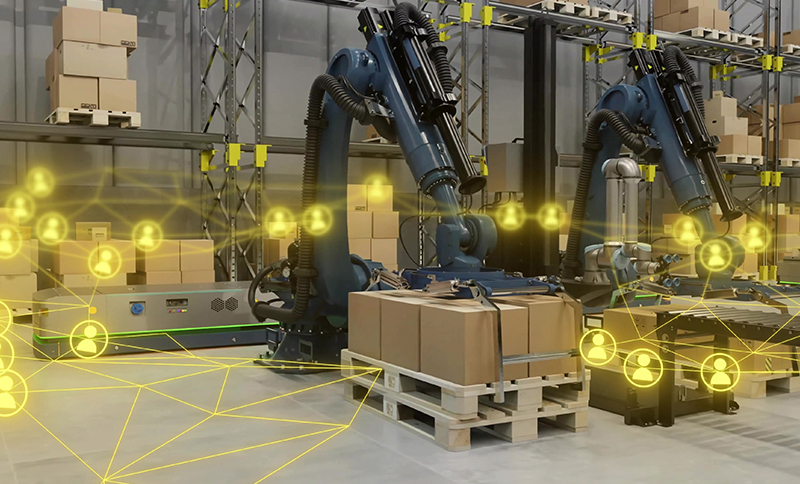
In "The Strategic Impact of Edge Computing and AI on Modern Manufacturing," John Healy discusses how industrial organizations use localized data processing to optimize real-time efficiency and productivity. As automation generates unprecedented data volumes, edge computing addresses traditional cloud latency by moving compute power closer to machinery and sensors, a market projected to surpass $380 billion by 2028. By integrating artificial intelligence, edge systems amplify these operational benefits through predictive maintenance, automated equipment adjustments, and enhanced energy efficiency, which ultimately lower costs. Furthermore, keeping data local improves data governance and strengthens cybersecurity against rising industrial threats, with forecasts indicating that nearly 74% of global data will process outside traditional data centers by the early 2030s. Despite these advantages, expanding edge initiatives often stalls due to organizational fragmentation and misaligned information technology (IT) and operational technology (OT) teams. Overcoming these barriers requires shared accountability, utilizing existing industrial assets, and targeting high-value use cases like real-time quality monitoring. Ultimately, the convergence of AI and edge computing represents a structural shift that bridges traditional automation with advanced capabilities like digital twins and robotics. For instance, mobile warehouse robots rely on this localized processing to navigate dynamic environments safely. By adopting these systems, manufacturers establish a defining capability for future industrial performance.


Leadership During Crisis: How Technology Firms Can Build Cultures That Bend Without Breaking

In the fast-paced technology sector, crises are uniquely complex due to their high velocity, visibility, systemic interdependence, and heavy emotional load on engineering teams. Moving past traditional command-and-control structures, modern organizational resilience demands a shift toward building an adaptable corporate culture that bends without breaking. According to Kannan Subbiah, a resilient culture functions as an essential operating system anchored by psychological safety, radical transparency, and decentralized decision-making. Effective crisis leaders must intentionally cultivate an agile mindset where calm is contagious, prioritizing clear, actionable daily direction over absolute long-term certainty. Furthermore, maximizing employee engagement is highly critical to mitigate pervasive crisis fatigue and sustain performance under intense pressure. Communication serves as a leadership superpower, requiring managers to share updates early, maintain an empathetic and accountable tone, and completely avoid blaming individuals. When making high-stakes choices, utilizing structured frameworks helps separate critical operational signals from distracting background noise while empowering specialized teams to act autonomously. Finally, the post-crisis phase serves as the ultimate test of leadership, necessitating blameless postmortems, enhanced capabilities, and consistent actions to rebuild trust. Ultimately, the future of tech crisis management relies on an intersection of human-centered empathy, data-driven insights, and adaptive execution, proving that crises do not build leaders but reveal them.


Why DevOps Is Critical for Modern Business Resilience

In a rapidly changing business environment marked by evolving cyber threats and shifting market demands, modern business resilience relies heavily on the strategic adoption of DevOps practices. According to the article, DevOps establishes a vital cultural and technical bridge between development and operations teams, replacing siloed organizational workflows and blame games with a unified model of shared responsibility. This profound paradigm shift accelerates enterprise innovation through microservices and essential technical drivers like Continuous Integration and Continuous Delivery (CI/CD), which actively minimize human error and automate seamless code deployment. Furthermore, the proactive practice of DevSecOps embeds security protocols directly into every single stage of the software development life cycle, ensuring that critical vulnerabilities are mitigated early and cost-effectively rather than treated as a mere afterthought. To proactively preempt failures, modern organizations leverage comprehensive observability frameworks enhanced by artificial intelligence to identify backend system issues before customers ever notice. From an architectural perspective, operational resilience is heavily reinforced through active-active configurations that run critical applications simultaneously across multiple geographic cloud regions to guarantee faster disaster recovery. Ultimately, cultivating true business resilience is primarily an ongoing cultural challenge that requires leadership to foster psychological safety, continuous learning, and robust documentation, empowering agile teams to intentionally prepare for and adapt to unexpected market disruptions.


Autonomous systems are finally working. Security is next

In this article, Chris Lentricchia argues that cybersecurity is reaching a transformative 'Waymo moment,' moving from human-driven alert analysis to autonomous systems. Over the past decade, the industry heavily prioritized threat detection, which created an overwhelming volume of alerts. However, because attackers achieve lateral movement in an average of twenty-nine minutes, human-speed investigation remains the primary bottleneck. True defense requires rapidly executing the OODA loop, consisting of observation, orientation, decision, and action, which human security teams cannot accomplish given the scale of modern data. To fix this structural asymmetry, autonomous security systems must absorb the investigative sequence. Instead of requiring analysts to manually gather context from fragmented tools, autonomous platforms can compile and present a completed threat assessment instantly. Furthermore, automated remediation mechanisms can bridge the gap between decision and action by executing real-time protective measures, such as isolating compromised workloads or revoking user credentials, while maintaining human oversight. The widespread adoption of artificial intelligence accelerates interaction speeds even further, requiring continuous validation models. Ultimately, cybersecurity success will not be determined by expanded visibility or better alerts, but by the ability to autonomously complete the entire response cycle faster than modern attackers can exploit environments.


The cloud native CTO

The article "The Cloud-Native CTO: Airbnb & Pinterest," published by Data Center Dynamics, analyzes the strategic evolution of infrastructure engineering and technology leadership within modern, hyper-growth digital platforms. By exploring the cloud architecture of major systems like Airbnb and Pinterest, the piece highlights their shift entirely away from legacy physical data centers toward mature, cloud-native ecosystems built atop public hyperscalers such as Amazon Web Services. It details how these companies manage immense global scale, supporting billions of data points and millions of active users without managing on-premises server hardware. A central focus of the text is the integration of advanced machine learning, real-time personalization, and algorithmic recommendation engines directly into the core platform frameworks. These complex, data-heavy workloads require dynamic architectures relying on microservices, containerized deployments, and robust distributed database layers. Furthermore, the analysis breaks down the multi-faceted responsibilities of a modern chief technology officer, emphasizing the continuous need to balance rapid product feature deployment against rigorous cloud spend optimization, regional data compliance, and systemic reliability. Ultimately, the publication underscores that mastering a cloud-native operation demands a total organizational pivot, converting system infrastructure into a highly agile, competitive asset that continuously fuels corporate growth and technological innovation.


How Intelligent Operations Are Reshaping Manufacturing

The article outlines how manufacturing is shifting from reactive to intelligent operations to combat severe macroeconomic pressures like supply chain disruptions, rising quality demands, and labor shortages. Advanced emerging technologies, including the Industrial Internet of Things, edge artificial intelligence, 5G, and agentic AI, are converging to replace traditional digitization with smart manufacturing. Leaders from prominent corporations like Blue Star, Apollo Tyres, and Uno Minda highlight that successful transformations rely heavily on structured maturity assessments and strong data architectures rather than isolated pilot projects. For instance, unified data fabrics and internal artificial intelligence models are actively streamlining root cause analysis, quality assurance, and predictive maintenance across production environments. Furthermore, these complex strategies must seamlessly incorporate data sovereignty, robust operational technology cybersecurity, and enterprise modernization frameworks. Ultimately, manufacturing chief information officers emphasize that the most difficult aspect of achieving a resilient, intelligent factory ecosystem is not deploying the technology itself, but rather cultivating the internal talent, skills, and change management required to scale these advanced systems. Consequently, workforce readiness remains a central constraint on operations, making human capability building the definitive cornerstone of modern industrial evolution.


Vector embedding security gap exposes enterprise AI pipelines

The article introduces VectorSmuggle, an open-source research framework by Jascha Wanger of ThirdKey that exposes a significant security vulnerability in enterprise AI pipelines, specifically regarding vector embeddings used in Retrieval-Augmented Generation (RAG). As companies convert sensitive documents into high-dimensional numerical vectors, traditional Data Loss Prevention (DLP) and egress monitoring tools remain completely blind to this data format. VectorSmuggle demonstrates six steganographic methods, including adding noise, scaling, and rotating, to clandestinely hide unauthorized payloads within these embeddings. Crucially, the perturbed vectors continue to function normally for legitimate search queries, allowing data exfiltration to go entirely unnoticed. Testing across prominent embedding models from OpenAI, Nomic, Gemma, Snowflake, and MXBai revealed that while statistical detectors can catch noise-based alterations, vector rotation seamlessly evades standard anomaly detection by preserving mathematical relationships. This rotation technique can smuggle roughly 1,920 bytes per vector across popular databases like FAISS and Chroma. To counter this invisible infrastructure-layer threat, the project introduces VectorPin, a defensive mechanism that cryptographically signs embeddings upon creation to flag any subsequent tampering. Wanger warns that while most contemporary AI security efforts focus on the visible model layer, the underlying plumbing remains highly vulnerable to sophisticated data leakage.