Quote for the day:
“You may be disappointed if you fail, but you are doomed if you don’t try.” -- Beverly Sills
🎧 Listen to this digest on YouTube Music
▶ Play Audio DigestDuration: 20 mins • Perfect for listening on the go.
CIOs are put to the test as security regulations across borders recalibrate
 The European Union’s Cyber Resilience Act (CRA) marks a transformative shift
in global cybersecurity, forcing Chief Information Officers to transition from
traditional process-oriented compliance toward a rigorous focus on tangible
product safety. Unlike previous frameworks, the CRA extends the CE mark to
digital systems, mandating that software, firmware, and internet-connected
devices be "secure by design" and "secure by default." This recalibration
requires organizations to implement robust vulnerability reporting mechanisms
by September 2026 and provide minimum five-year support lifecycles for
security updates. CIOs now face the daunting task of overseeing the entire
product ecosystem, which includes performing continuous risk assessments and
actively managing open-source dependencies. They can no longer remain passive
consumers of open-source technology; instead, they must contribute back to
these communities to ensure the integrity of their own supply chains. While
the regulation introduces significant administrative burdens—such as the
creation of Software Bills of Materials and decade-long documentation
retention—it also provides a strategic lever. Savvy IT leaders are leveraging
these stringent mandates to secure board-level buy-in and the necessary budget
for critical security improvements. Ultimately, the CRA demands a fundamental
shift in responsibility, where CIOs are held accountable for the end-to-end
security of the final products their organizations deliver to the market.
The European Union’s Cyber Resilience Act (CRA) marks a transformative shift
in global cybersecurity, forcing Chief Information Officers to transition from
traditional process-oriented compliance toward a rigorous focus on tangible
product safety. Unlike previous frameworks, the CRA extends the CE mark to
digital systems, mandating that software, firmware, and internet-connected
devices be "secure by design" and "secure by default." This recalibration
requires organizations to implement robust vulnerability reporting mechanisms
by September 2026 and provide minimum five-year support lifecycles for
security updates. CIOs now face the daunting task of overseeing the entire
product ecosystem, which includes performing continuous risk assessments and
actively managing open-source dependencies. They can no longer remain passive
consumers of open-source technology; instead, they must contribute back to
these communities to ensure the integrity of their own supply chains. While
the regulation introduces significant administrative burdens—such as the
creation of Software Bills of Materials and decade-long documentation
retention—it also provides a strategic lever. Savvy IT leaders are leveraging
these stringent mandates to secure board-level buy-in and the necessary budget
for critical security improvements. Ultimately, the CRA demands a fundamental
shift in responsibility, where CIOs are held accountable for the end-to-end
security of the final products their organizations deliver to the market.The Mathematics of Backlogs: Capacity Planning for Queue Recovery
/articles/capacity-planning-queue-recovery/en/smallimage/The-Mathematics-of-Backlogs-Capacity-Planning-for-Queue-Recovery-thumb-1778227922596.jpg) The article "The Mathematics of Backlogs: Capacity Planning for Queue
Recovery" explains that queue backlogs in distributed systems are predictable
arithmetic challenges rather than random mysteries. At the heart of recovery
is surplus capacity, defined as the difference between total processing power
and arrival rate, meaning systems provisioned only for steady-state traffic
will never naturally drain a backlog. A critical insight is the non-linear
relationship between utilization and queue growth; as utilization approaches
100%, even minor traffic spikes cause exponential backlog accumulation. To
manage this, the author highlights Little's Law for calculating queue delays
and provides a clear formula for sizing consumer headroom based on specific
Recovery Time Objectives (RTO). The piece also warns of "retry amplification,"
which can trigger metastable failure states where recovery efforts generate
more load than they can actually resolve. In complex, multi-stage pipelines,
identifying the true bottleneck is essential to avoid scaling the wrong
component. Furthermore, engineers are encouraged to implement load shedding
when drain times exceed message TTLs to prevent wasting expensive resources on
stale data. Ultimately, by measuring specific metrics like peak backlog size
and retry amplification factors after incidents, teams can transition from
gut-based guesswork to data-driven operational intuition, ensuring
significantly more resilient and predictable system performance during
unforeseen failures.
The article "The Mathematics of Backlogs: Capacity Planning for Queue
Recovery" explains that queue backlogs in distributed systems are predictable
arithmetic challenges rather than random mysteries. At the heart of recovery
is surplus capacity, defined as the difference between total processing power
and arrival rate, meaning systems provisioned only for steady-state traffic
will never naturally drain a backlog. A critical insight is the non-linear
relationship between utilization and queue growth; as utilization approaches
100%, even minor traffic spikes cause exponential backlog accumulation. To
manage this, the author highlights Little's Law for calculating queue delays
and provides a clear formula for sizing consumer headroom based on specific
Recovery Time Objectives (RTO). The piece also warns of "retry amplification,"
which can trigger metastable failure states where recovery efforts generate
more load than they can actually resolve. In complex, multi-stage pipelines,
identifying the true bottleneck is essential to avoid scaling the wrong
component. Furthermore, engineers are encouraged to implement load shedding
when drain times exceed message TTLs to prevent wasting expensive resources on
stale data. Ultimately, by measuring specific metrics like peak backlog size
and retry amplification factors after incidents, teams can transition from
gut-based guesswork to data-driven operational intuition, ensuring
significantly more resilient and predictable system performance during
unforeseen failures.Closing the gap between technical specs and business value through storytelling
 Jay McCall’s article explores the critical necessity for
infrastructure-focused software companies to pivot from technical
specifications to value-driven storytelling. For businesses dealing with
backend systems like APIs or security middleware, value is often defined by
the absence of failure, making the product essentially invisible to
non-technical executives. To bridge this gap, companies must stop relying on
abstract metrics like uptime percentages and instead articulate the business
outcomes and peace of mind their technology provides. The article advocates
for the use of experiential demonstrations, such as AI-driven simulations,
which allow prospects to engage with the software and witness its
problem-solving capabilities firsthand. Additionally, visual workflows should
prioritize the user’s journey over technical architecture, humanizing the
product and placing it within a recognizable business context. Grounding these
concepts in real-world "before and after" case studies further builds trust by
offering tangible templates for success. Ultimately, crafting a repeatable
narrative not only accelerates the sales cycle for internal teams but also
empowers channel partners to communicate value effectively. By mastering the
art of storytelling, technical organizations can translate complex backend
sophistication into compelling business cases that resonate with
decision-makers and facilitate sustainable scaling in a competitive market.
Jay McCall’s article explores the critical necessity for
infrastructure-focused software companies to pivot from technical
specifications to value-driven storytelling. For businesses dealing with
backend systems like APIs or security middleware, value is often defined by
the absence of failure, making the product essentially invisible to
non-technical executives. To bridge this gap, companies must stop relying on
abstract metrics like uptime percentages and instead articulate the business
outcomes and peace of mind their technology provides. The article advocates
for the use of experiential demonstrations, such as AI-driven simulations,
which allow prospects to engage with the software and witness its
problem-solving capabilities firsthand. Additionally, visual workflows should
prioritize the user’s journey over technical architecture, humanizing the
product and placing it within a recognizable business context. Grounding these
concepts in real-world "before and after" case studies further builds trust by
offering tangible templates for success. Ultimately, crafting a repeatable
narrative not only accelerates the sales cycle for internal teams but also
empowers channel partners to communicate value effectively. By mastering the
art of storytelling, technical organizations can translate complex backend
sophistication into compelling business cases that resonate with
decision-makers and facilitate sustainable scaling in a competitive market.The Critical Fork: How Leaders Turn Failure Into Better Decisions
 In the Forbes article "The Critical Fork: How Leaders Turn Failure Into Better
Decisions," author Brent Dykes explores the pivotal moment leaders face when
project results fail to meet expectations. He introduces the "Critical Fork"
framework, which highlights a fundamental choice between two distinct paths:
to deflect or to inspect. Deflection involves shifting blame toward external
circumstances or team members, effectively shielding a leader's ego but
simultaneously obstructing any potential for organizational growth or
objective learning. In contrast, the inspection path encourages leaders to
treat disappointing outcomes as valuable data points rather than personal
setbacks. By choosing to inspect, organizations can uncover hidden root
causes, challenge flawed underlying assumptions, and refine their future
strategies with greater precision. Dykes argues that the most effective
leaders cultivate a culture of psychological safety where failure is viewed
not as a source of shame but as a vital catalyst for deeper analysis. This
systematic approach transforms setbacks into "actionable insights," a hallmark
of Dykes’ broader professional work in data storytelling and analytics.
Ultimately, the article posits that leadership quality is defined less by
initial successes and more by the ability to navigate these critical forks. By
institutionalizing an inspection mindset, businesses foster resilience and
ensure every failure becomes a stepping stone toward more robust and informed
strategic choices.
In the Forbes article "The Critical Fork: How Leaders Turn Failure Into Better
Decisions," author Brent Dykes explores the pivotal moment leaders face when
project results fail to meet expectations. He introduces the "Critical Fork"
framework, which highlights a fundamental choice between two distinct paths:
to deflect or to inspect. Deflection involves shifting blame toward external
circumstances or team members, effectively shielding a leader's ego but
simultaneously obstructing any potential for organizational growth or
objective learning. In contrast, the inspection path encourages leaders to
treat disappointing outcomes as valuable data points rather than personal
setbacks. By choosing to inspect, organizations can uncover hidden root
causes, challenge flawed underlying assumptions, and refine their future
strategies with greater precision. Dykes argues that the most effective
leaders cultivate a culture of psychological safety where failure is viewed
not as a source of shame but as a vital catalyst for deeper analysis. This
systematic approach transforms setbacks into "actionable insights," a hallmark
of Dykes’ broader professional work in data storytelling and analytics.
Ultimately, the article posits that leadership quality is defined less by
initial successes and more by the ability to navigate these critical forks. By
institutionalizing an inspection mindset, businesses foster resilience and
ensure every failure becomes a stepping stone toward more robust and informed
strategic choices.From Bottlenecks to Breakthroughs, Enterprises Are Rethinking Analytics in the Lakehouse Era
 The article "From Bottlenecks to Breakthroughs: Enterprises Are Rethinking
Analytics in the Lakehouse Era" examines the transformative shift in data
management as organizations transition from fragmented architectures to
unified platforms. It highlights the immense pressure on centralized data
teams to deliver reliable insights at high speed while supporting the complex
integrations required for generative AI. Historically, enterprises have faced
significant bottlenecks caused by the siloing of data and AI, privacy
concerns, and a heavy reliance on highly technical staff. To overcome these
hurdles, the article advocates for the lakehouse architecture—pioneered by
Databricks—as an open, unified foundation that merges the best features of
data lakes and warehouses. By integrating these systems into a "Data
Intelligence Platform," companies can democratize access across various skill
sets through low-code solutions, such as those provided by Rivery. This
evolution enables breakthrough efficiencies, including a reported 7.5x
acceleration in data delivery and substantial cost reductions. Ultimately, the
piece emphasizes that the winners in the modern era will be those who
effectively harness unified governance and seamless orchestration to move
beyond operational sprawl. By adopting these integrated strategies,
enterprises can finally turn data chaos into actionable intelligence,
fostering a proactive environment where AI and analytics thrive in tandem to
drive competitive advantage.
The article "From Bottlenecks to Breakthroughs: Enterprises Are Rethinking
Analytics in the Lakehouse Era" examines the transformative shift in data
management as organizations transition from fragmented architectures to
unified platforms. It highlights the immense pressure on centralized data
teams to deliver reliable insights at high speed while supporting the complex
integrations required for generative AI. Historically, enterprises have faced
significant bottlenecks caused by the siloing of data and AI, privacy
concerns, and a heavy reliance on highly technical staff. To overcome these
hurdles, the article advocates for the lakehouse architecture—pioneered by
Databricks—as an open, unified foundation that merges the best features of
data lakes and warehouses. By integrating these systems into a "Data
Intelligence Platform," companies can democratize access across various skill
sets through low-code solutions, such as those provided by Rivery. This
evolution enables breakthrough efficiencies, including a reported 7.5x
acceleration in data delivery and substantial cost reductions. Ultimately, the
piece emphasizes that the winners in the modern era will be those who
effectively harness unified governance and seamless orchestration to move
beyond operational sprawl. By adopting these integrated strategies,
enterprises can finally turn data chaos into actionable intelligence,
fostering a proactive environment where AI and analytics thrive in tandem to
drive competitive advantage.Most Remediation Programs Never Confirm the Fix Actually Worked
 The article titled "Most Remediation Programs Never Confirm the Fix Actually
Worked" argues that despite unprecedented environment visibility,
cybersecurity teams struggle to ensure that remediation efforts effectively
eliminate underlying risks. Highlighting a stark disparity between
exploitation speed and corporate response time, the piece references
Mandiant’s M-Trends 2026 report, which identifies a negative mean time to
exploit, contrasting sharply with a thirty-two-day median remediation period.
The emergence of advanced AI-driven tools like Mythos has further compressed
exploitation windows, making traditional "patch and pray" methods increasingly
dangerous and obsolete. Many organizations mistakenly equate closing an
administrative ticket with resolving a vulnerability; however, vendor patches
can be bypassable, and temporary workarounds often fail under evolving network
conditions. This critical issue is exacerbated by organizational friction,
where security teams identify risks but rely on separate engineering
departments to implement fixes, leading to fragmented communication and
delayed technical actions. To address these systemic gaps, the article
advocates for a fundamental shift from measuring activity to focusing on
outcomes. Instead of simply verifying that a specific attack path is blocked,
modern programs must incorporate rigorous revalidation to confirm the total
removal of the exposure. Ultimately, true security is achieved not through
ticket completion, but by creating a self-correcting feedback loop that
measures risk closure.
The article titled "Most Remediation Programs Never Confirm the Fix Actually
Worked" argues that despite unprecedented environment visibility,
cybersecurity teams struggle to ensure that remediation efforts effectively
eliminate underlying risks. Highlighting a stark disparity between
exploitation speed and corporate response time, the piece references
Mandiant’s M-Trends 2026 report, which identifies a negative mean time to
exploit, contrasting sharply with a thirty-two-day median remediation period.
The emergence of advanced AI-driven tools like Mythos has further compressed
exploitation windows, making traditional "patch and pray" methods increasingly
dangerous and obsolete. Many organizations mistakenly equate closing an
administrative ticket with resolving a vulnerability; however, vendor patches
can be bypassable, and temporary workarounds often fail under evolving network
conditions. This critical issue is exacerbated by organizational friction,
where security teams identify risks but rely on separate engineering
departments to implement fixes, leading to fragmented communication and
delayed technical actions. To address these systemic gaps, the article
advocates for a fundamental shift from measuring activity to focusing on
outcomes. Instead of simply verifying that a specific attack path is blocked,
modern programs must incorporate rigorous revalidation to confirm the total
removal of the exposure. Ultimately, true security is achieved not through
ticket completion, but by creating a self-correcting feedback loop that
measures risk closure.What CISOs need to land a board role
 As cybersecurity becomes a critical pillar of organizational stability, Chief
Information Security Officers (CISOs) are increasingly pursuing board-level
positions to bridge the gap between technical defense and strategic
governance. To successfully land these roles, security leaders must shift
their focus from operational execution to high-level oversight. The article
emphasizes that boards are not seeking another technical operator; rather,
they prioritize strategic insight, calm judgment, and the ability to
articulate cybersecurity through the lenses of risk appetite, value creation,
and long-term resilience. Aspiring CISOs should start by gaining experience in
governance-heavy environments, such as non-profit boards or industry
committees, to refine their understanding of organizational stewardship.
Furthermore, investing in formal governance education, such as NACD or AICD
certifications, is highly recommended to build credibility. Networking remains
a vital component of the process, as many opportunities arise through
established relationships. Effective candidates must also cultivate a "board
bio" that highlights their expertise in financial management, regulatory
navigation, and crisis response. By reframing cyber issues as matters of trust
and corporate strategy rather than just technical threats, CISOs can
demonstrate the unique value they bring to a board, ultimately helping
companies navigate complex digital landscapes with confidence and strategic
foresight.
As cybersecurity becomes a critical pillar of organizational stability, Chief
Information Security Officers (CISOs) are increasingly pursuing board-level
positions to bridge the gap between technical defense and strategic
governance. To successfully land these roles, security leaders must shift
their focus from operational execution to high-level oversight. The article
emphasizes that boards are not seeking another technical operator; rather,
they prioritize strategic insight, calm judgment, and the ability to
articulate cybersecurity through the lenses of risk appetite, value creation,
and long-term resilience. Aspiring CISOs should start by gaining experience in
governance-heavy environments, such as non-profit boards or industry
committees, to refine their understanding of organizational stewardship.
Furthermore, investing in formal governance education, such as NACD or AICD
certifications, is highly recommended to build credibility. Networking remains
a vital component of the process, as many opportunities arise through
established relationships. Effective candidates must also cultivate a "board
bio" that highlights their expertise in financial management, regulatory
navigation, and crisis response. By reframing cyber issues as matters of trust
and corporate strategy rather than just technical threats, CISOs can
demonstrate the unique value they bring to a board, ultimately helping
companies navigate complex digital landscapes with confidence and strategic
foresight.Everything you need to know about how technology is changing business
 Digital transformation is the strategic integration of technology to
fundamentally overhaul business operations, efficiency, and effectiveness.
Rather than merely replicating existing services in a digital format, a
successful transformation involves rethinking core business models and
organizational cultures to thrive in an increasingly tech-centric landscape.
Key technological drivers include cloud computing, the Internet of Things, and
the rapid evolution of artificial intelligence, particularly generative and
agentic AI. While the COVID-19 pandemic accelerated adoption, today’s
initiatives are fueled by the need to compete with nimble startups and
navigate macroeconomic volatility. However, the process is notoriously
complex, expensive, and risky, often requiring a shift in mindset from simple
IT upgrades to comprehensive business reinvention. Despite criticisms of the
term as industry hype, it represents a critical shift where technology is no
longer a secondary support function but the primary engine for long-term
growth. Experts emphasize that the foundation of this change is a robust,
secure data platform that enables trustworthy AI operations. Ultimately,
digital transformation is a continuous journey of innovation that enables
established firms to adapt, scale, and deliver enhanced customer experiences.
By prioritizing outcomes over buzzwords, organizations can bridge the gap
between innovation and execution, ensuring they remain relevant in a global
economy where every successful company is effectively a technology
business.
Digital transformation is the strategic integration of technology to
fundamentally overhaul business operations, efficiency, and effectiveness.
Rather than merely replicating existing services in a digital format, a
successful transformation involves rethinking core business models and
organizational cultures to thrive in an increasingly tech-centric landscape.
Key technological drivers include cloud computing, the Internet of Things, and
the rapid evolution of artificial intelligence, particularly generative and
agentic AI. While the COVID-19 pandemic accelerated adoption, today’s
initiatives are fueled by the need to compete with nimble startups and
navigate macroeconomic volatility. However, the process is notoriously
complex, expensive, and risky, often requiring a shift in mindset from simple
IT upgrades to comprehensive business reinvention. Despite criticisms of the
term as industry hype, it represents a critical shift where technology is no
longer a secondary support function but the primary engine for long-term
growth. Experts emphasize that the foundation of this change is a robust,
secure data platform that enables trustworthy AI operations. Ultimately,
digital transformation is a continuous journey of innovation that enables
established firms to adapt, scale, and deliver enhanced customer experiences.
By prioritizing outcomes over buzzwords, organizations can bridge the gap
between innovation and execution, ensuring they remain relevant in a global
economy where every successful company is effectively a technology
business.Intelligent digital identity infrastructure for GenAI
 The article explores the transformative convergence of the Modular Open Source
Identity Platform (MOSIP) and Generative Artificial Intelligence (GenAI) to
build a sophisticated, intelligent digital identity infrastructure. As a
foundational digital public good, MOSIP offers a vendor-neutral framework that
preserves national digital sovereignty while ensuring secure and scalable
citizen identity systems. By integrating GenAI, these platforms move beyond
static registration to become intuitive, human-centric service hubs. Key
benefits include the deployment of multilingual conversational assistants that
assist underserved populations with enrollment, the automation of legacy
record digitization through intelligent document processing, and enhanced
fraud detection capable of identifying sophisticated AI-generated deepfakes.
Furthermore, GenAI empowers administrators with natural language tools to
derive actionable insights from complex demographic data. However, the author
emphasizes that this integration must adhere to strict principles of privacy
by design, explainability, and human oversight to prevent data exploitation
and surveillance risks. By utilizing technologies like container
orchestration, vector databases, and localized small language models, nations
can create a modular and sovereign ecosystem. Ultimately, this synergy aims to
transition identity from a mere database record to a dynamic "Identity as a
Service," fostering global digital inclusion by bridging literacy and language
barriers for citizens everywhere.
The article explores the transformative convergence of the Modular Open Source
Identity Platform (MOSIP) and Generative Artificial Intelligence (GenAI) to
build a sophisticated, intelligent digital identity infrastructure. As a
foundational digital public good, MOSIP offers a vendor-neutral framework that
preserves national digital sovereignty while ensuring secure and scalable
citizen identity systems. By integrating GenAI, these platforms move beyond
static registration to become intuitive, human-centric service hubs. Key
benefits include the deployment of multilingual conversational assistants that
assist underserved populations with enrollment, the automation of legacy
record digitization through intelligent document processing, and enhanced
fraud detection capable of identifying sophisticated AI-generated deepfakes.
Furthermore, GenAI empowers administrators with natural language tools to
derive actionable insights from complex demographic data. However, the author
emphasizes that this integration must adhere to strict principles of privacy
by design, explainability, and human oversight to prevent data exploitation
and surveillance risks. By utilizing technologies like container
orchestration, vector databases, and localized small language models, nations
can create a modular and sovereign ecosystem. Ultimately, this synergy aims to
transition identity from a mere database record to a dynamic "Identity as a
Service," fostering global digital inclusion by bridging literacy and language
barriers for citizens everywhere.73 Seconds to Breach, 24 Hours to Patch: The Case for Autonomous Validation
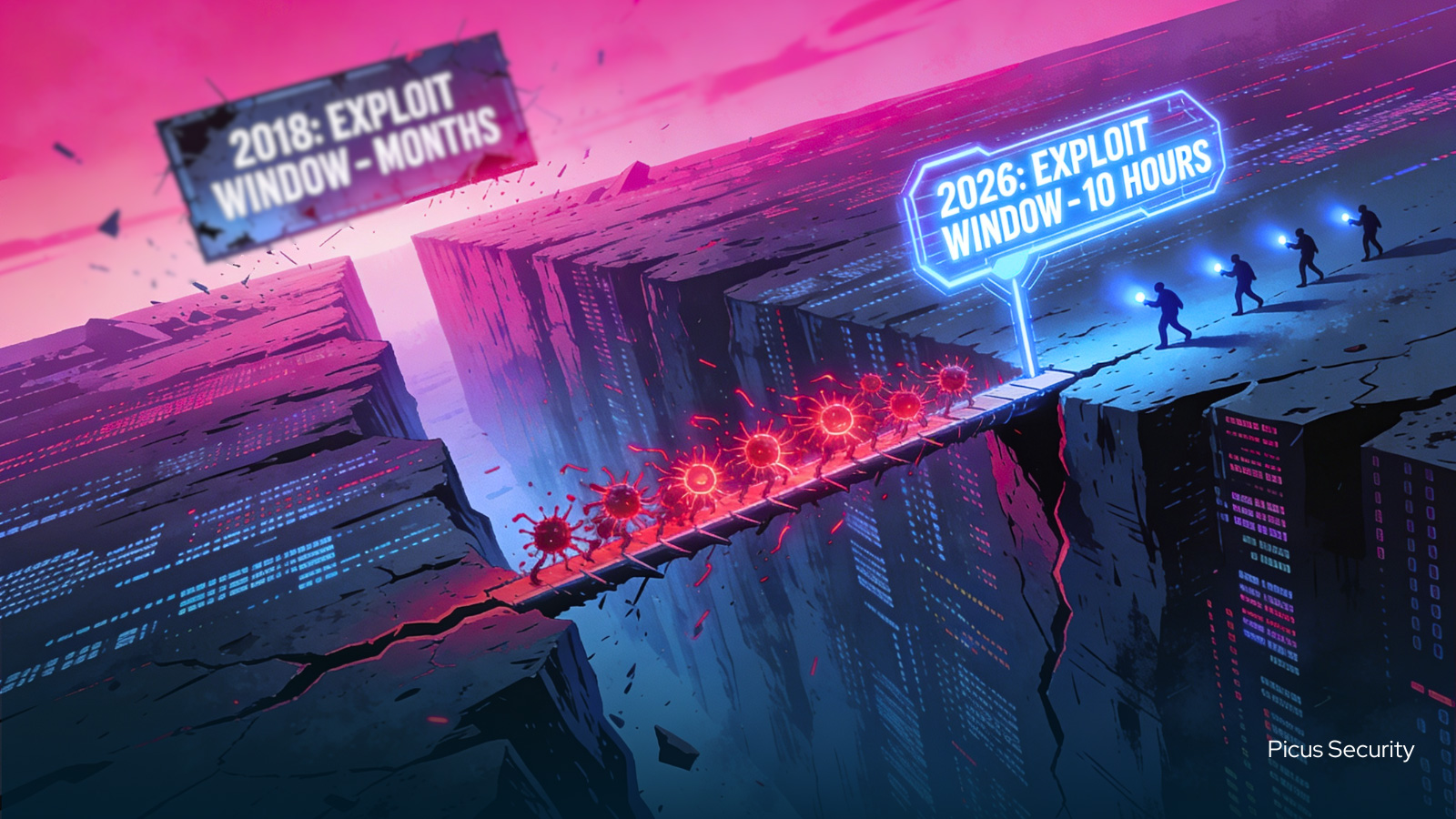 The article titled "73 Seconds to Breach, 24 Hours to Patch: The Case for
Autonomous Validation" explores the widening performance gap between modern
attackers and traditional security defenses. It highlights a startling reality
where AI-driven threats can breach a network in just 73 seconds, while
organizations typically require 24 hours or longer to deploy critical patches.
This vulnerability is deepened by the fact that the median time from a CVE
publication to a working exploit has plummeted to only ten hours as of 2026.
According to the piece, the core challenge is not a lack of security software
but the "spaghetti handoff"—the fragmented, slow communication between
different teams and disconnected security tools. To address this, the article
champions the transition to autonomous security validation, a strategy that
merges Breach and Attack Simulation with automated penetration testing. By
creating a continuous, AI-powered loop for alert triage, simulation, and
remediation deployment, companies can eliminate manual bottlenecks and respond
at machine speed. Ultimately, this shift is framed as a mandatory evolution
for surviving the "Post-Mythos" era of cybersecurity, where defenses must
become as proactive, dynamic, and rapid as the sophisticated, automated
exploits they seek to prevent.
The article titled "73 Seconds to Breach, 24 Hours to Patch: The Case for
Autonomous Validation" explores the widening performance gap between modern
attackers and traditional security defenses. It highlights a startling reality
where AI-driven threats can breach a network in just 73 seconds, while
organizations typically require 24 hours or longer to deploy critical patches.
This vulnerability is deepened by the fact that the median time from a CVE
publication to a working exploit has plummeted to only ten hours as of 2026.
According to the piece, the core challenge is not a lack of security software
but the "spaghetti handoff"—the fragmented, slow communication between
different teams and disconnected security tools. To address this, the article
champions the transition to autonomous security validation, a strategy that
merges Breach and Attack Simulation with automated penetration testing. By
creating a continuous, AI-powered loop for alert triage, simulation, and
remediation deployment, companies can eliminate manual bottlenecks and respond
at machine speed. Ultimately, this shift is framed as a mandatory evolution
for surviving the "Post-Mythos" era of cybersecurity, where defenses must
become as proactive, dynamic, and rapid as the sophisticated, automated
exploits they seek to prevent.

No comments:
Post a Comment