Showing posts with label digital workplace. Show all posts

Daily Tech Digest - May 26, 2026


Quote for the day:

"Whatever you fear most has no power - it is your fear that has power." -- Oprah Winfrey

🎧 Listen to this digest on YouTube Music

▶ Play Audio Digest

Duration: 22 mins • Perfect for listening on the go.


The call for fundamental software skills is getting louder and louder

The IT sector is facing a silent but significant challenge as foundational software development skills decline. According to leadership at the Belgian firm Klarrio, a growing focus on narrow specialties in university curricula, such as cybersecurity and artificial intelligence, has come at the expense of core computer science fundamentals like networking and system architecture. This educational shift leaves new graduates unprepared to manage complex, full-stack systems. The issue is compounded by a misguided industry trend where companies stop hiring junior developers under the assumption that artificial intelligence can completely replace basic coding tasks. In reality, relying blindly on automated tools without human oversight often introduces critical code errors that can disrupt entire data centers. Furthermore, this dynamic threatens to break the generational pipeline of engineering talent. This lack of deep, internal technical knowledge also hinders Europe’s broader goal of achieving digital sovereignty. Transitioning away from dominant international cloud providers to localized, open-source infrastructure requires engineering teams who can manually manage and maintain complex configurations. To address this, organizations must take direct responsibility for their talent pipelines by investing in continuous learning and internal training academies that foster deep curiosity and true operational expertise.


How AI Governance Risk and Compliance is Operationalized at Leading Enterprises

In this article, the author explains how large organizations must move away from written policies toward automated checks enforced directly by software systems to manage the risks of artificial intelligence. As strict international laws like the European Union AI Act near full enforcement in late 2026, companies face high financial penalties if they cannot prove their systems are safe. The author highlights several practical steps based on firsthand experience with heavily regulated financial institutions. First, organizations need to maintain a thorough, ongoing inventory of all active tools, as companies often run far more programs than their internal records show due to hidden features embedded by external vendors. Second, teams must hold outside suppliers and software platforms accountable for safety and data protection standards during the initial procurement process. Third, instead of relying on a broad corporate committee, every automated system needs a specific, named individual who takes full personal responsibility for its performance. Finally, regulatory compliance should not be a rushed project completed right before an official review. Successful businesses use automated monitoring tools to track software performance continuously, generating clear records and immediate alerts when a program behaves unexpectedly. Ultimately, replacing manual, periodic check-ins with an active, daily tracking structure allows companies to safely expand their use of technology without creating hidden legal or operational liabilities.


Why prompt debt, retrieval debt, and evaluation debt are quietly reshaping enterprise AI risk

In the artificial intelligence era, enterprise risk is being quietly reshaped by new and distributed forms of technical debt that span prompts, models, and data pipelines. Unlike traditional software bugs that are easy to locate and fix within a codebase, AI debt is irregular and difficult to track due to the unpredictable nature of machine learning models. This debt typically shows up in four distinct ways. First, prompt debt involves poorly documented, disorganized, or overly complex instructions that make software fragile. Second, model dependency debt occurs because businesses rely on external providers whose background updates can unpredictably alter how an application behaves. Third, retrieval debt happens when systems pull information from disorganized corporate databases, leading the AI to deliver outdated or irrelevant answers that appear correct but are actually obsolete. Finally, evaluation debt represents a widespread lack of standardized, continuous testing to measure system performance over time. To manage these compounding risks, organizations must shift their approach to system design rather than just waiting for better models. This means treating prompts with the same rigor as traditional code, embedding continuous monitoring throughout the technology stack, and dedicating specific corporate budgets to track data lineage and prevent gradual system drift over extended operational lifecycles.


Why Observability Is Becoming a Governance Layer for Agentic Data Systems

In this Dataversity article, author Jayakumar Ramalingam explains why data governance must evolve alongside the rise of autonomous, AI-driven data systems. Historically, data governance was a slow, human-centric process that focused on setting standards and manually correcting errors after they occurred. However, modern automated software can query, transform, and move information far too quickly for manual oversight to keep pace. Because these autonomous tools often lack situational context, they risk combining unreliable files or mismatched data sources with blind confidence, potentially spreading errors across an organization. To prevent these failures, companies are shifting their focus from static tracking to active observability, effectively turning monitoring tools into a real-time governance layer. Instead of just logging a passive alert when a system behaves unexpectedly, modern setups require rapid feedback loops that can automatically intervene, such as quarantining suspicious data or masking regulated customer attributes before problems move downstream. Consequently, metadata can no longer exist simply as a documentation catalog for human reference; it must serve as active runtime rules that software automatically reads to make safe decisions. Ultimately, the work of data architects is shifting toward designing these automated loops and maintaining clear trust boundaries to ensure long-term data reliability.


The role of MCP in context engineering

The InfoWorld article details how the Model Context Protocol, or MCP, has become a practical standard for context engineering in software development. Context engineering involves supplying AI assistant tools with precise and relevant data, such as documentation, code repositories, internal libraries, and bug reports, to improve the accuracy of their output. Instead of manually feeding massive chunks of text into prompts or relying on outdated snapshots, developers use MCP to establish a clean, open connection between AI models and external data sources. This allows AI assistants to figure out what information they need in real time and pull it dynamically at runtime. As a result, prompts remain lean, the AI experiences fewer errors or false assumptions, and organizations save computational resources by managing their data inputs more effectively. While challenges remain regarding security permissions and avoiding overloaded data limits, experts note that adopting a uniform open protocol is far more stable than building fragile custom pipelines that frequently break. Ultimately, the article suggests that the widespread adoption of MCP is successfully shifting AI integration from unpredictable prompt tweaking into a reliable discipline, positioning it to become a foundational layer of infrastructure as software development grows increasingly dependent on automated assistants.


Vulnerabilities have become cyber attackers’ No. 1 door to the enterprise

According to the latest Verizon Data Breach Investigations Report, security teams are facing a significant shift in corporate network attacks, as software vulnerabilities have overtaken stolen credentials as the primary entryway for intruders. Analyzing over 31,000 security incidents reveals that exploited software flaws caused 31 percent of confirmed breaches, while credential abuse fell to 13 percent. This trend highlights growing challenges in corporate patch management. In 2025, the time it took organizations to deploy patches lengthened from 32 to 43 days, and only about a quarter of critical security vulnerabilities were fully repaired. Security professionals note that attackers favor unpatched perimeter and edge devices because targeting them requires no prior user interaction or stolen data. Furthermore, attackers are increasingly using artificial intelligence to discover and exploit these software flaws at scale, narrowing the defensive window to just a few hours. Although stolen identities are still widely used to move through networks later in an attack chain, exploitation wins the race to the initial point of entry. Simultaneously, ransomware tactics are adapting; because more companies refuse to pay for decryption keys, criminals are pivoting toward automated data theft and extortion, underscoring the urgent need for continuous, risk-based defense strategies.


AI fuels Australian workplace disputes, report finds

A recent report by the Citation Group reveals a growing trend of Australian employees using artificial intelligence to handle workplace disputes. Based on a survey of over five hundred business owners and managers, the research highlights a significant gap between rapid technology adoption and effective company oversight. While AI usage is widespread, ranging from forty eight percent in small businesses to seventy three percent in large corporations, only twenty nine percent of employers strongly believe the tools are currently being used safely and beneficially. Crucially, workers are turning to these systems to independently research their rights, review payroll accuracy, and generate formal complaints. This easy access to legal sounding language has significantly lowered the entry barrier for lodging claims, contributing to a seventy percent increase in the Fair Work Commission's workload over the past three years. Although these AI generated documents appear polished and confident, they are frequently unreliable, often containing incorrect legal principles, Americanized terminology, and completely fabricated case law. Even though these complaints contain clear factual errors, businesses must still dedicate time and money to address them appropriately. This shift leaves companies with informal processes or undocumented verbal decisions highly vulnerable, creating a clear need for firmer record keeping and expert human guidance.


AI’s Dual Role: Weaponization Vs. Protection

This article explains that artificial intelligence serves as a double-edged sword in cybersecurity, offering unprecedented speed and scale to both attackers and defenders. On the offensive side, bad actors use artificial intelligence to automate systems, enabling personalized phishing campaigns, realistic deepfakes, and rapid code manipulation to bypass traditional security filters. On the defensive side, security teams utilize these same technologies to analyze massive datasets and counter threats in real time. However, the author notes that many organizations struggle to maximize these defensive tools due to a lack of proper data and technology governance. Without clear oversight, companies risk data leaks, model biases, and internal mistakes, such as employees exposing sensitive corporate information through unapproved commercial software tools. To build genuine resilience, organizations must adopt robust internal frameworks, rigorous human training, and a security structure that constantly monitors and verifies all network activities. Looking ahead, the text highlights the approaching combination of artificial intelligence and quantum systems, which will likely compromise current digital encryption methods and require a shift toward new security measures capable of resisting quantum attacks. Ultimately, the piece argues that successfully managing these emerging challenges requires a steady balance between responding to immediate daily threats and planning carefully for future technological developments.


From data to trust, democracy in the age of artificial intelligence

In this article, Almir Badnjević discusses how the rise of artificial intelligence and digital platforms has altered how society processes information, creating new challenges for democratic systems. While data was once managed through slow, transparent editorial channels, modern tools allow a single individual to generate and spread convincing disinformation instantly. To counter this persistent threat, nations must move beyond traditional laws and establish an infrastructure of trust. This foundation requires practical, secure tools like verified digital identities, reliable central databases, and protected electronic signatures that assure legal validity in online spaces. The author points to Bosnia and Herzegovina as a clear example of how even complex governmental structures can build secure, functional data registries to safeguard citizen rights. Although artificial intelligence makes generating deceptive content cheap and easy, it also offers the tools necessary to detect and address these operations. Ultimately, keeping democracies stable requires a broad approach: modern regulations that ensure technical accountability, regional cooperation across geographical borders, private sector responsibility, and a strong emphasis on teaching citizens how to analyze digital sources critically. In the modern era, a country's strength depends heavily on its ability to preserve data integrity and protect public trust.


The Schema Proliferation Problem in Kafka and Flink Pipelines: How to Solve It

In event driven architectures using Kafka and Flink, software teams frequently run into an issue known as schema proliferation. This happens when you create a unique schema for every single variation of an event, which quickly leads to dozens of separate data lake tables. Over time, this one to one design makes things incredibly painful. Data analysts have to write long, messy queries with multiple union operations just to find basic information, while developers get stuck manually updating dozens of overlapping files whenever a single shared field changes. To fix this, you can consolidate highly similar schemas into one unified contract. This approach uses explicit status markers or category fields to tell records apart, while grouping variant specific information into optional blocks that remain empty by default. You can build this directly into your Flink processing pipeline using a clean, layered translation system. While this setup demands clearer guidelines on data ownership and slightly changes how you debug errors, it fundamentally simplifies how people read and use your data. Instead of managing a sprawling, fragmented collection of tables, teams can keep their code base clean, cut down on daily maintenance, and ensure that their entire data environment remains straightforward and easy to scale.

Daily Tech Digest - April 19, 2026


Quote for the day:

“In the end, it is important to remember that we cannot become what we need to be by remaining what we are.” -- Max De Pree


🎧 Listen to this digest on YouTube Music

▶ Play Audio Digest

Duration: 20 mins • Perfect for listening on the go.


Beyond the degree: What education must become in the age of AI

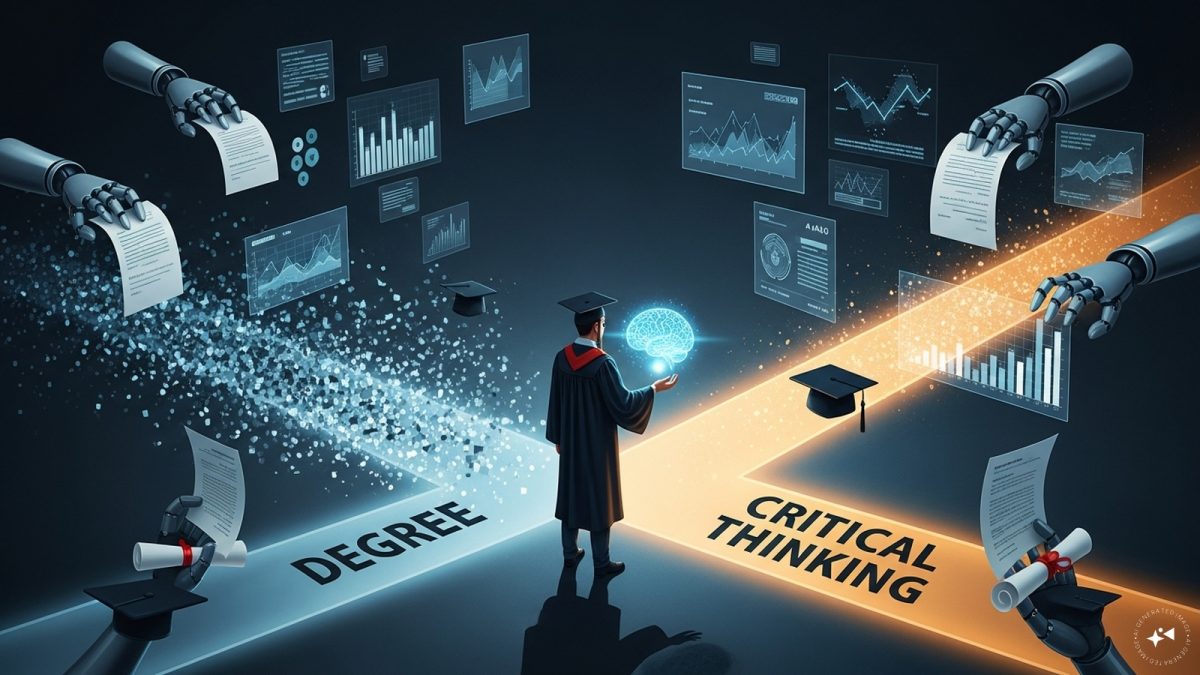
The Firstpost opinion piece titled "Beyond degree: Education in the age of AI" explores the fundamental disruption of traditional academic structures caused by rapid artificial intelligence advancements. It argues that the era where a degree served as a definitive lifelong credential is coming to an end, replaced by a pressing need for continuous, skill-based learning. As AI increasingly automates technical and administrative tasks, the article posits that the uniquely human advantage now lies in higher-order cognitive and ethical functions. Specifically, education must evolve to prioritize the ability to formulate the right questions, critically evaluate AI-generated outputs, and maintain firm personal accountability for decisions that impact society. Rather than focusing on rote memorization—which has been rendered redundant by ubiquitous digital tools—future curricula should nurture curiosity, empathy, and cross-disciplinary thinking. The author highlights that while AI democratizes knowledge through personalized learning, it also necessitates a profound shift in how we value intelligence, moving away from rigid institutional metrics toward adaptable, lifelong expertise. Ultimately, the piece concludes that the most successful individuals in an automated economy will be those who combine technological proficiency with the critical judgment and human-centric values required to guide AI responsibly. By fostering these unique human traits, the educational system can better prepare students for a complex, technology-driven future.
In her article, Angela Zhao addresses a critical architectural flaw in modern AI agent infrastructure: the lack of "Decision Coherence." Current systems typically fragment critical data across relational databases, feature stores, and vector databases, with each component operating without a shared transactional boundary. This fragmentation creates a "seam problem" where agents retrieve inconsistent, disparate views of reality—such as current account balances paired with stale behavioral signals or outdated semantic embeddings. Consequently, agents may make incorrect, irreversible decisions, particularly in high-concurrency environments like financial transaction approvals or resource allocation. To bridge this gap, Zhao introduces the concept of the "Context Lake," a system class specifically designed to enforce Decision Coherence. Unlike traditional decoupled stacks, a Context Lake integrates episodic events, semantic transformations, and procedural rules within a single transactional scope. This ensures that every decision-making context is internally consistent, semantically enriched, and strictly bounded in freshness. By moving semantic computations—like embedding generation—inside the system boundary, the Context Lake eliminates the asynchronous delays that plague existing architectures. Based on research by Xiaowei Jiang, this emerging infrastructure layer is essential for production-grade AI agents that manage fast-changing, shared states and require absolute correctness to avoid costly operational failures or system-wide logic errors.


The Algorithmic Arms Race: Navigating the Age of Autonomous Attacks

In the article "The Algorithmic Arms Race," Kannan Subbiah explores the paradigm shift from human-led cyberattacks to the rise of autonomous Cyber Reasoning Systems. This transition marks an evolution from traditional automated scripts to cognitive AI agents capable of independent reasoning, real-time adaptation, and executing the entire cyber kill chain at machine speed. Subbiah details the anatomy of these autonomous attacks, highlighting how they compress reconnaissance, weaponization, and lateral movement into rapid, self-directed sequences that outpace human intervention. Through case studies like Operation Cyber Guardian and the Shai-Hulud supply chain siege, the author illustrates a future where malware independently manages its own obfuscation and identifies obscure vulnerabilities. To counter these sophisticated threats, the article advocates for a "fighting fire with fire" strategy, urging organizations to deploy Autonomous Security Operations Centers, Moving Target Defense, and hyper-segmented Zero Trust architectures. Furthermore, Subbiah emphasizes the necessity of integrated risk analytics, mandatory Software Bill of Materials, and adversarial red teaming where AI systems challenge one another. Ultimately, the narrative stresses that in an era of machine-speed conflict, human-centric defense models are no longer sufficient; instead, organizations must embrace autonomous, resilient infrastructures while maintaining human oversight as a final ethical and operational kill switch.


Workplace stress in 2026 is still worse than before the pandemic

The 2026 Workplace Stress Report from Help Net Security highlights a concerning trend: employee stress remains significantly higher than pre-pandemic levels, with global engagement hitting a five-year low. According to Gallup’s latest findings, roughly 40% of workers worldwide experience daily stress, while negative emotions like anger and sadness persist at elevated rates. This lack of engagement is not just a cultural issue but a massive economic burden, costing the global economy approximately $10 trillion in lost productivity, or 9% of global GDP. The report indicates that managers and leaders are bearing the brunt of this emotional weight, reporting higher levels of loneliness and stress compared to individual contributors. Demographic disparities are also evident, as women and workers under the age of 35 report higher stress levels than their peers. Geographically, the United States and Canada lead the world in daily stress at 50%. Interestingly, the study finds that work location plays a role, with hybrid and remote-capable employees experiencing more stress than those in fully remote or strictly on-site roles. Ultimately, the data suggests that organizational success is deeply tied to emotional wellbeing, as engaged leaders are far more likely to thrive and mitigate the negative impacts of workplace pressure.


Most enterprises can't stop stage-three AI agent threats, VentureBeat survey finds

According to a recent VentureBeat survey, a significant security gap exists as enterprises struggle to defend against "stage-three" AI agent threats. The survey identifies a three-stage maturity model: Stage 1 focuses on observation, Stage 2 on enforcement via Identity and Access Management (IAM), and Stage 3 on isolation through sandboxed execution. While monitoring investment has surged to 45% of security budgets, most organizations remain trapped at the observation stage, leaving them vulnerable to sophisticated agentic failures where traditional guardrails prove insufficient. Data from Gravitee and the Cloud Security Alliance underscores this readiness gap, noting that only 21.9% of teams treat AI agents as distinct identity-bearing entities, while 45.6% still rely on shared API keys. This structural weakness allows for rapid lateral movement and unauthorized actions, which 72% of CISOs identify as their top priority. Despite the high demand for robust permissioning, current enterprise infrastructure often lacks the necessary runtime enforcement to contain a "blast radius" when agents go rogue. The survey highlights that while agents are already operating with privileged access to siloed data, security teams are lagging behind in providing the isolation required to stop the next wave of autonomous exploits and supply-chain breaches.


Empty Attestations: OT Lacks the Tools for Cryptographic Readiness

Operational technology (OT) systems face a critical security gap as regulators increasingly demand attestations of post-quantum cryptographic readiness despite a severe lack of specialized auditing tools. Unlike IT environments, which prioritize confidentiality and can be regularly updated, OT infrastructure focuses primarily on availability and often relies on decades-old legacy hardware with minimal processing power. This makes the implementation of modern cryptographic standards exceptionally difficult, as many devices lack the memory to execute post-quantum algorithms or have encryption hard-coded into immutable firmware. Consequently, asset owners are often forced to treat security compliance as a box-ticking exercise, producing paperwork that provides a false sense of assurance rather than genuine protection. This vulnerability is compounded by "harvest now, decrypt later" tactics and the risk of stolen firmware signing keys, which allow adversaries to maintain long-term access and potentially push malicious updates. Without OT-specific frameworks and instrumentation, these systems remain exposed to sophisticated threats like Volt Typhoon. To truly secure critical infrastructure, industry leaders and regulators must acknowledge that current IT-centric assessment models are insufficient, requiring a shift toward developing practical tools that account for the unique operational constraints and long life cycles inherent in industrial environments.


Business Risk: How It’s Changing In The Digital Economy

The digital economy has fundamentally transformed the landscape of business risk, shifting focus from traditional financial and operational concerns toward complex, technology-driven vulnerabilities. According to experts from the Forbes Business Council, risk is no longer a separate "balance sheet" issue but is now embedded in every design choice and organizational decision. Key emerging threats include data vulnerability, algorithmic bias, and cyber risks that extend across entire supply chains via sophisticated social engineering. Notably, the rapid adoption of artificial intelligence introduces "invisible" risks, such as business models quietly becoming obsolete or conflicting AI agents causing critical system outages. Furthermore, companies face unprecedented challenges regarding digital visibility and public perception; in an oversaturated market, being unseen or suffering from viral reputation damage can be as detrimental as direct financial loss. Managing these dynamic parameters requires a shift from reactive detection to proactive, upstream governance and a focus on organizational adaptability. Ultimately, the modern definition of risk centers on a firm's ability to match its cognitive capabilities with the increasing speed and non-linearity of the digital environment. To survive, leaders must move beyond standard business formulas, integrating real-time intelligence and human-centered context to navigate the uncertainty inherent in a data-driven world.


Building your cryptographic inventory: A customer strategy for cryptographic posture management

As post-quantum cryptography approaches, Microsoft emphasizes that the primary challenge for organizations is not selecting new algorithms, but discovering existing cryptographic assets. This Microsoft Security blog post outlines a strategy for building a cryptographic inventory as the foundation of Cryptography Posture Management (CPM). A cryptographic inventory is defined as a dynamic catalog encompassing certificates, keys, protocols, and libraries used across an enterprise. To manage these effectively, Microsoft proposes a continuous six-stage lifecycle: discovery, normalization, risk assessment, prioritization, remediation, and ongoing monitoring. This approach spans four critical domains—code, network, runtime, and storage—ensuring visibility into everything from source code primitives to active network sessions. Organizations can leverage existing tools like GitHub Advanced Security for code analysis, Microsoft Defender for Endpoint for runtime signals, and Azure Key Vault for centralized key management to simplify this process. Rather than a one-time project, CPM requires clear ownership and documented policy baselines to maintain security hygiene and achieve "crypto agility." By establishing these practices now, businesses can proactively identify vulnerabilities, comply with emerging global regulations, and ensure a resilient transition to a quantum-safe future. Through strategic integration of Microsoft capabilities and partner solutions, teams can transform complex cryptographic landscapes into manageable, risk-informed systems.


The Rise of Intelligent Automation: How Technology Is Redefining Work and Efficiency

The rise of intelligent automation (IA) is fundamentally reshaping the financial landscape by blending artificial intelligence with robotic process automation to create more agile, efficient, and strategic work environments. According to Global Banking & Finance Review, this shift is not merely about replacing manual labor but about redefining the nature of work itself. By automating repetitive and high-volume tasks—such as data entry, reconciliation, and compliance checks—organizations can significantly reduce human error and operational costs while accelerating processing speeds. Beyond mere efficiency, IA empowers financial institutions to leverage advanced analytics for real-time decision-making and hyper-personalized customer experiences, such as tailored loan products and instant virtual assistance. This technological evolution allows human professionals to pivot from mundane administrative roles toward high-value activities like strategic planning and creative problem-solving. Furthermore, IA enhances risk management through proactive fraud detection and seamless regulatory adherence, providing a robust framework for digital transformation. As the industry moves toward autonomous financial operations, embracing these intelligent systems becomes a competitive necessity. Ultimately, the integration of intelligent automation fosters a culture of innovation, ensuring that financial services remain resilient, secure, and customer-centric in an increasingly complex and data-driven global market.


World targets central IDV, AI agent management role with selfie biometrics

World has unveiled a major strategic expansion aimed at becoming the primary identity verification (IDV) layer for an economy increasingly dominated by agentic AI. Central to this update is the introduction of "Selfie Check," a face biometric and liveness detection service that provides a lower-assurance alternative to its high-level iris-based verification. This shift positions World as a versatile IDV provider, allowing apps to pay for proof of personhood to combat bots and deepfakes. Key features include the "Deep Face" tool, which integrates with platforms like Zoom to offer hardware-backed "root of trust" for real-time presence verification. Beyond individual authentication, the new World ID app introduces AI agent management and delegation tools, supported by partnerships with industry leaders such as AWS, Okta, and Shopify. These updates represent a comprehensive reengineering of the World stack, incorporating privacy-enhancing technologies like multi-party entropy and key rotation to keep user data unlinkable. By diversifying its verification methods and focusing on the governance of autonomous digital agents, World seeks to monetize its infrastructure as a global trust anchor. This evolution reflects a broader market push to align biometric credentials with the evolving demands of AI-driven interactions, securing human identity in an increasingly automated world.

Daily Tech Digest - January 23, 2026


Quote for the day:

"Strong convictions precede great actions." -- James Freeman Clarke


90% of companies are woefully unprepared for quantum security threats

Companies shouldn't wait, Bain warned, pointing to rapid progress made by IBM, Google, and other industry leaders on this front. "At a certain threshold, quantum computing will be able to easily and quickly break asymmetric cryptography protocols such as Rivest-Shamir-Adelman (RSA), Diffie-Hellman (DH), and elliptic-curve cryptography (ECC) and reduce the time required, weakening symmetric cryptography such as advanced encryption standard (AES) and hashing functions," ... The highest impact will be on secure keys and tokens, digital certificates, authentication protocols, data encrypted at rest, and even network security and identity access management (IAM) tools. Essentially, anything currently relying on encryption. Beyond that, quantum computing could supercharge malware and make it easier to identify and weaponize "zero day" flaws, Bain warned. Another risk highlighted by security experts is "steal now, crack later" techniques, whereby threat actors harvest data now to decrypt later.  ... Companies need a board-led – and funded – roadmap to consider post-quantum risks across their business decision making, ensuring quantum resilience across their own suppliers, existing technology, and even their products. But so far, the Bain survey revealed only 12% of companies are considering quantum readiness as a key factor in procurement and risk assessments.


The New Rules of Work: What a global HR leader reveals about modern talent

The impact of AI on the workforce is a subject Sonia has thought deeply about, especially as it relates to entry-level talent. “There’s always been a question about repetitive engineering tasks—whether these should be done by engineers or by diploma holders. Now, with AI in the picture, many of these tasks will be automated,” she says. Rather than seeing this as a threat, Kutty believes it frees up human talent to focus on innovation and problem-solving. “Our true value at Quest Global comes from leveraging innovation to solve the toughest engineering problems. AI will allow us to do more of this meaningful work.” ... While the company offers AI-based courses and certifications, Kutty emphasises the importance of fostering a mindset of adaptability and systems thinking. “We call it nurturing ‘polymath engineers’—professionals who can think broadly, adapt to new challenges, and learn continuously,” she says. ... As the engineering and R&D sector prepares for rapid growth, Kutty identifies leadership development as her biggest challenge—and her greatest responsibility. “We need strong leaders who understand this industry and are ready to step up when the time comes. Planning for leadership succession keeps me up at night. It’s critical for our continued success.” On the other hand, client expectations have evolved alongside technological advances. “In the past, clients would tell us exactly what they wanted. Now, they expect us to tell them what’s possible with AI and technology. They see us as partners in innovation, not just service providers,” Kutty observes.


Work-from-office mandate? Expect top talent turnover, culture rot

There is value in cross-functional teams working together in person, says Lawrence Wolfe, CTO at marketing firm Converge. “When teams meet for architecture sessions, design sprints, or incident response, the pace of progress, as well as the level of clarity, may increase simply because being in-person caters to the way most people in the business interact,” he says. However, there are potential downsides for IT leaders, with strict work-from-office policies making it more difficult to attract and retain top IT talent. ... Despite possible resistance, it makes sense for some IT jobs to be tied to an office, says Lena McDearmid, founder and CEO of culture and leadership advisory firm Wryver. Some IT roles, including device provisioning, network operations, and conference room IT support, are better done in person, she notes. She sees some other benefits in specific situations. “In-person work is genuinely valuable for onboarding and mentoring early-career technologists, especially when learning how the organization actually operates, not just how the codebase works,” McDearmid says. “It’s also powerful when teams need to think together in high-bandwidth ways: whiteboards, war rooms, architecture reviews, incident response, or when solving messy, cross-functional problems.” ... IT leaders enforcing in-person work mandates can also focus on making the workplace a real place to collaborate, she adds. CIOs can align office space, meeting schedules, and in-office days so they reinforce the goals of collaboration and knowledge sharing, Wettemann adds.


Rethinking IT leadership to unlock the agility of ‘teamship’

Rather than waiting for the leader to set the pace, the best teams coach one another, challenge one another, co-elevate one another, and move faster, because they and their leaders have built cultures where candor is a shared responsibility. For CIOs navigating the messy middle of AI, modernization, and talent transformation, this shift from leadership to what Ferrazzi calls “teamship” may be the most important upgrade of all. ... The No. 1 shift is to move from leadership to teamship. That means stop thinking of leadership as a hub and spoke. Don’t think aboutwhat you need to give feedback on, how you need to hold people accountable, how you need to do this or that. Instead, think about, how do you get your team to step up and meet each other, to give each other feedback, to hold each other’s energy up. Get out of the center and expect your team to step up. ... To be effective, stress testing needs to be positioned as a service to the person who’s giving the project update. We’re not trying to make them look bad or catch them in what they’re doing wrong. The feedback should be offered and received as data, with no presumption that they have to act on it. ... That fear is rooted in a misunderstanding of how high-performing teams actually work. In traditional leadership models, accountability flows upward: People worry about what the boss will think. In teamship, accountability flows sideways: People worry about letting their peers down.


The Upside Down is Real: What Stranger Things Teaches Us About Modern Cybersecurity

The Upside Down’s danger lies in the unseen portals – the gates and rifts – that allow its monstrous inhabitants, like the Demogorgon and the Mind Flayer, to cross over and wreak havoc in the seemingly safe, familiar world of Hawkins. Today, nearly every business’s hidden reality is its extended attack surface. It’s the sprawling, complex, and often unmanaged network of IT, OT, IoT, medical, cloud systems and beyond that modern organizations rely on. ... For the CISO and security team, this translates directly to the need for full, continuous visibility across every single connected device and system to protect the entire attack surface and manage their organization’s cyber risk exposure in real time. Like the Dungeons and Dragons analogies the kids use to understand the creatures and their tactics, security teams rely on context and intelligence – risk scoring, vulnerability prioritization, and threat analysis – to understand how an asset is connected, why it is vulnerable, and what the most effective countermeasure is. ... First and foremost, cybersecurity requires teamwork, particularly through the fusion of IT, OT, security and business leadership so that they work from a unified view of any risks at hand. It also demands persistence from the dedicated security professionals protecting our digital infrastructure. Most of all, cybersecurity needs to be a proactive and preemptive effort where risk exposures are continuously monitored and threats can be stopped before they ever fully manifest.


Shadow AI: The emerging enterprise risk that can no longer be ignored

With regulatory frameworks tightening and emerging national standards, unsanctioned AI activity can quickly become a governance liability. Instead of reactive controls, organisations are now moving toward multi-layered visibility frameworks: monitoring external AI calls, classifying enterprise assets by sensitivity and tracking unmanaged AI usage. Forward-looking teams are even translating these metrics into financial exposure scores, linking AI misuse to operational, reputational and regulatory impact. Assigning monetary value to Shadow AI risk has proven effective for prioritising mitigation at leadership levels. ... A structured foundation is essential, comprised of trusted assessment frameworks, tested architectural blueprints and scalable AI operating models. Some organisations are pairing these with comprehensive training programs to build AI-literate leaders and teams, ensuring governance evolves alongside capability. This reflects a broader shift: responsible AI has now become the foundation of durable competitive advantage. ... Regulators, global partners and enterprise clients are seeking evidence of formal AI governance models, not just intent. For example, as per the Digital India Act, sectoral data localisation rules and global regulatory momentum are prompting enterprises to strengthen AI auditability, model documentation and workforce training. For many organisations, AI governance has moved from an operational task to a board-level agenda. 


Ireland to make age checks through government app mandatory for social media

The plan is unprecedented among governments legislating online safety, in that it makes downloading the app, designed by the Government’s chief information officer, mandatory for age assurance. Per the Extra report, “if adults refuse to download the digital wallet, they will no longer be able to access their existing social media accounts.” “Mr. O’Donovan said the process of downloading the app might inconvenience someone for ‘three or four minutes’ but this was a small ask in order to protect children online.” O’Donovan has called the harmful effects of social media and other online content on youth a “severe public health issue.” ... Concerns about age assurance technology persist among privacy rights activists. Since age verification and facial age estimation often involves the processing of biometrics, the potential for sensitive data to be exposed is high. And requiring the process to run through a government product is likely to agitate fears about mass surveillance. O’Donovan says the risk to Ireland’s youth is higher. ... “At the end of the day, if the companies have a social conscience and are interested in the protection of children online, I don’t see why anybody who wouldn’t be trading in Ireland, not just domiciled in Ireland, wouldn’t adopt the format that we’re proposing,” he says. “Some of them do have, you know, something bordering on a social conscience, which is to be welcomed. But ­others don’t.”


Secure networking: the foundation for the AI era

Global networks have been under siege for years, but recent attacks are more sophisticated and move at unprecedented speed. Many organizations are still relying on outdated infrastructure, with Cisco research revealing that 48% of network assets worldwide are aging or obsolete. This creates vulnerabilities that attackers eagerly exploit. It’s no longer enough to patch and maintain; a fundamental shift in strategy is required. ... Modern networks typically span solutions and services from a range of different vendors, creating layers of complexity that can quickly overwhelm even experienced IT teams. This complexity often translates into vulnerability, especially when secure configurations aren’t consistently implemented or maintained. For many, simplicity and automation are now mission critical. Businesses increasingly need networks where secure configurations, protocols, and features are enabled by default and adapt automatically. ... Organizations now face the challenge of not only detecting threats quickly, but also responding before vulnerabilities can be exploited. There is an urgent need to reduce the attack surface, remove legacy insecure features, and introduce advanced capabilities for detection and response. ... The next generation of security requires networks to seamlessly provide identity management, deep visibility, integrated detection and protection, and streamlined management, while also incorporating advanced technologies like post-quantum cryptography. 


Ransomware gang’s slip-up led to data recovery for 12 US firms

Researchers at Florida-based Cyber Centaurs said Thursday they took advantage of a lapse in operational security by the gang: They found artifacts left behind by Restic, an legitimate open source backup utility the gang uses to encrypt and exfiltrate victim data into cloud storage environments it controls. Assuming the gang regularly re-uses Restic-based infrastructure led to finding an unnamed cloud storage provider where stolen data was dumped. ... While Restic wasn’t used for exfiltration in this particular attack, Cyber Centaurs suspected the gang regularly used it, based on patterns seen in other incidents. It also suspected the infrastructure the crooks used was unlikely to be dismantled even after negotiations ended or payments were made by corporate victims. With that in mind, the incident response team developed a custom enumeration script to identify certain patterns that identify S3-style cloud bucket infrastructure that the stolen data might be going to. The script ran through a curated list of candidate repository identifiers derived from previously observed Restic artifacts. For each candidate, environment variables were set to match the configuration style used by the threat actor, including the repository endpoint and encryption password. Restic was then instructed to list available snapshots in a structured format, enabling investigators to analyze results without interacting with the underlying data.


The Real Attack Surface Isn’t Code Anymore — It’s Business Users

Traditional AppSec programs are optimized for code stored in repositories, pushed through pipelines, and deployed through CI/CD, not for no-code apps, connectors, and automations created on platforms like Power Platform, ServiceNow, Salesforce, and UiPath. Meanwhile, most organizations assume business-user automations are simple, low-risk, and limited in scope. The reality is more complex. Citizen developers now outnumber traditional software developers by an order of magnitude. Plus, they are wiring together data sources, triggering multi-system workflows, and calling APIs, not just building basic macros or departmental utilities. Because these automations are created outside engineering governance, traditional monitoring tools never see them. ... What emerges is a shadow layer of business logic that sits entirely outside the boundaries of traditional AppSec, DevSecOps, and identity programs. As long as ownership remains fragmented and discovery elusive, security debt continues to grow unchecked. ... We’re entering an era where the most dangerous vulnerabilities aren’t in the code AppDev teams write, but in the thousands of workflows and automations business users build on their own. The sooner organizations recognize and confront the invisible no-code estate, the faster they can reduce the security debt accumulating inside their infrastructure.

Daily Tech Digest - December 08, 2025


Quote for the day:

"You don't build business, you build people, and then people build the business." -- Zig Ziglar


CIOs shift from ‘cloud-first’ to ‘cloud-smart’

The cloud-smart trend is being influenced by better on-prem technology, longer hardware cycles, ultra-high margins with hyperscale cloud providers, and the typical hype cycles of the industry, according to McElroy. All favor hybrid infrastructure approaches. However, “AI has added another major wrinkle with siloed data and compute,” he adds. “Many organizations aren’t interested in or able to build high-performance GPU datacenters, and need to use the cloud. But if they’ve been conservative or cost-averse, their data may be in the on-prem component of their hybrid infrastructure.” These variables have led to complexity or unanticipated costs, either through migration or data egress charges, McElroy says. ... IT has parsed out what should be in a private cloud and what goes into a public cloud. “Training and fine-tuning large models requires strong control over customer and telemetry data,” Kale explains. “So we increasingly favor hybrid architectures where inference and data processing happen within secure, private environments, while orchestration and non-sensitive services stay in the public cloud.” Cisco’s cloud-smart strategy starts with data classification and workload profiling. Anything with customer-identifiable information, diagnostic traces, and model feedback loops are processed within regionally compliant private clouds, he says. ... “Many organizations are wrestling with cloud costs they know instinctively are too high, but there are few incentives to take on the risky work of repatriation when a CFO doesn’t know what savings they’re missing out on,” he says.


Harmonizing EU's Expanding Cybersecurity Regulations

Aligning NIS2, GDPR and DORA is difficult, since each framework approaches risks differently, which creates overlapping obligations for reporting, controls and vendor oversight, leading to areas that require careful interpretation. Given these overlapping requirements, organizations should establish an integrated governance model that consolidates risk management to report workflows and third-party oversight across all relevant EU frameworks. Strengthening internal coordination - especially between legal, compliance, cybersecurity and executive teams - helps ensure consistent interpretation of obligations and reduces fragmentation in implementation. ... Developers must build safeguards into AI systems, including adversarial testing, robust access controls and monitoring for unexpected behavior. Transparent development practices and collaboration with cybersecurity teams help prevent AI models from being exploited for malicious purposes. ... A trust-based ecosystem depends on transparency, consistent governance and strong cybersecurity practices across all stakeholders. Key elements still missing include harmonized standards, comprehensive regulatory guidance, and mechanisms to verify compliance and foster confidence among users and businesses. ... Ethical frameworks guide responsible decision-making by balancing societal impact, individual right and technological innovation. Organizations can apply them through policies, AI oversight and risk assessments that incorporate principles from deontology, utilitarianism, virtue ethics and care ethics into everyday operations and strategic planning.


Invisible IT is becoming the next workplace priority

Lenovo defines invisible IT as support that runs in the background and prevents problems before employees notice them. The report highlights two areas that bring this approach to life. The first is predictive and proactive support. Eighty three percent of leaders say this approach is essential, but only 21 percent have achieved it. With AI tools that monitor telemetry data across devices, support teams can detect early signs of failure and trigger automated fixes. If a fix requires human involvement, the repair can happen before the user experiences downtime. This reduces disruptions and shifts support teams away from repetitive tasks that slow down operations. The second area is hyper personalization. Many organizations personalize support by role or seniority, but the study argues this does not reflect how people work. AI systems can now create personas based on individual usage patterns. This lets support teams tailor responses and rollouts to real conditions rather than assumptions. ... Although interest in invisible IT is high, most companies are still using manual processes. Sixty five percent detect issues only when users contact support. Fifty five percent resolve them through manual interventions. Hyper personalization is also limited, with 51 percent of organizations offering standard support for all employees. Barriers are widespread. Fifty one percent cite fragmented systems as their top challenge. Another 47 percent point to cost concerns or uncertain return on investment. Limited AI capabilities and skills gaps also slow progress, along with slow upgrade cycles and a lack of time for planning.


Why AI coding agents aren’t production-ready: Brittle context windows, broken refactors, missing operational awareness

AI agents have demonstrated a critical lack of awareness regarding OS machine, command-line and environment installations. This deficiency can lead to frustrating experiences, such as the agent attempting to execute Linux commands on PowerShell, which can consistently result in ‘unrecognized command’ errors. Furthermore, agents frequently exhibit inconsistent ‘wait tolerance’ on reading command outputs, prematurely declaring an inability to read results before a command has even finished, especially on slower machines. ... Working with AI coding agents often presents a longstanding challenge of hallucinations, or incorrect or incomplete pieces of information (such as small code snippets) within a larger set of changesexpected to be fixed by a developer with trivial-to-low effort. However, what becomes particularly problematic is when incorrect behavior is repeated within a single thread, forcing users to either start a new thread and re-provide all context, or intervene manually to “unblock” the agent. ... Agents may not consistently leverage the latest SDK methods, instead generating more verbose and harder-to-maintain implementations. ... Despite the allure of autonomous coding, the reality of AI agents in enterprise development often demands constant human vigilance. Instances like an agent attempting to execute Linux commands on PowerShell, false-positive safety flags or introduce inaccuracies due to domain-specific reasons highlight critical gaps; developers simply cannot step away.


Offensive security takes center stage in the AI era

Now a growing percentage of CISOs see offensive security as a must-have and, as such, are building up offensive capabilities and integrating them into their security processes to ensure the information revealed during offensive exercises leads to improvements in their overall security posture. ... Mellen sees several buckets of activities involved in offensive security, starting with vulnerability management at the bottom end of the maturity scale, and then moving up to attack service management and penetration testing, to threat hunting and adversarial simulations, such as tabletop exercises. “Then there’s the concept of purple teaming where the organization looks at an attack scenario and what were the defenses that should have alerted but didn’t and how to rectify those,” he says. ... Many CISOs also have had team members with specific offensive security skills for many years. In fact, the Offensive Security Certified Professional (OSCP), the Offensive Security Experienced Penetration Tester (OSEP), and the Offensive Security Certified Expert (OSCE) certifications from OffSec are all credentials that have been in demand for years. ... Another factor that keeps CISOs from incorporating more offensive security into their strategies is concern about exposing vulnerabilities they don’t have the ability to address, Mellen adds. “They can’t unknow that they have those vulnerabilities if they’re not able to do something about them, although the hackers are going to find them whether or not you identify them,” he says.


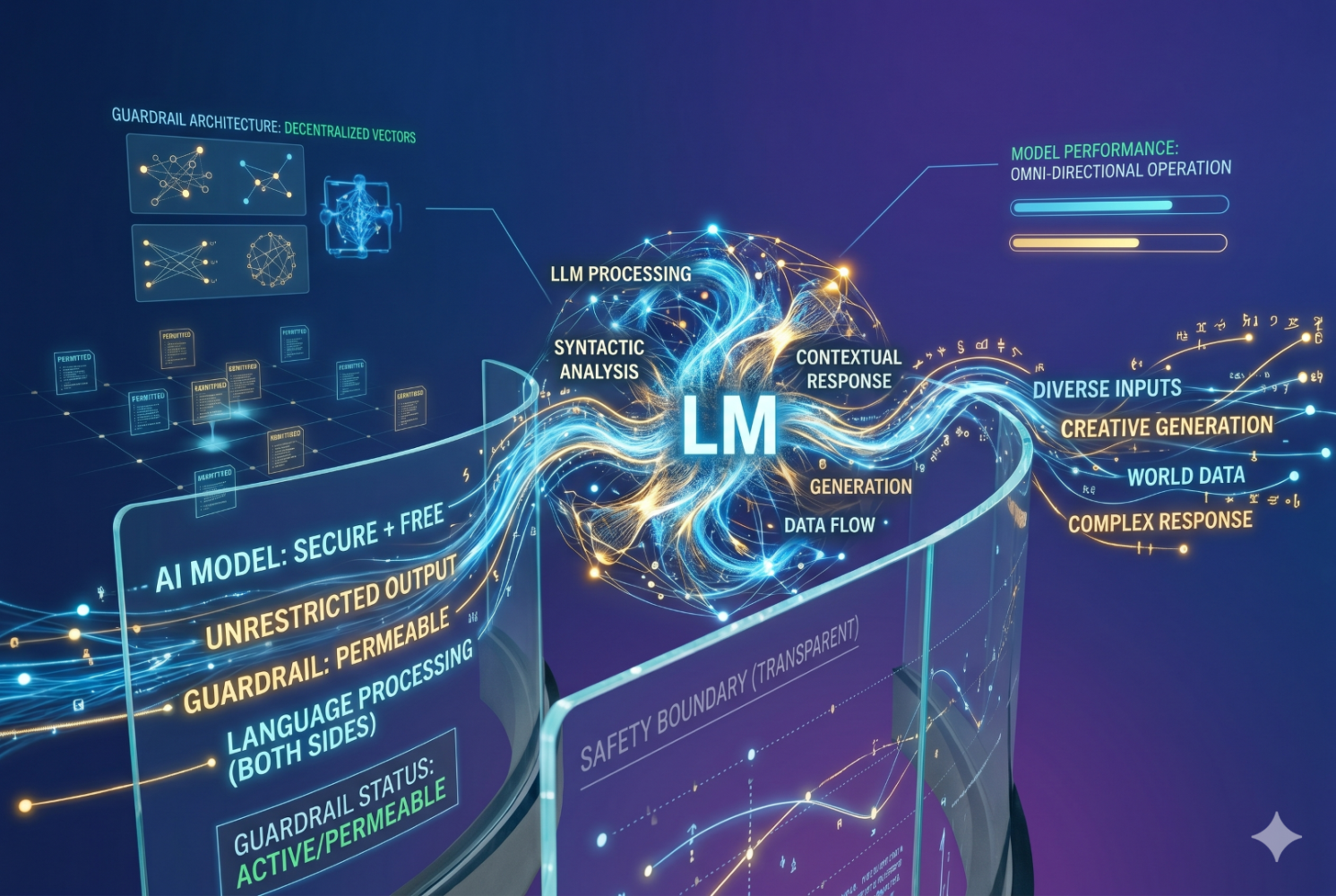
Securing AI for Cyber Resilience: Building Trustworthy and Secure AI Systems

Attackers increasingly target the AI supply chain - poisoning training data, manipulating models, or exploiting vulnerabilities during deployment and operations. When an AI system or model is compromised, it can quietly skew decisions. This poses significant risks for autonomous systems or analytics engines. Thus, it is important that we embed security and resilience into our AI systems, ensuring robust protection from design to deployment and operations. ... Visibility is key. You can’t protect what you can’t see. Without visibility into data flows, model behavior and system interactions, threats can remain undetected until it is too late. Continuous validation and monitoring help surface anomalies and adversarial manipulations early, enabling timely interventions. Explainability is just as pivotal. Detecting an anomaly is one thing, but understanding why it happened drives true resilience. Explainability clarifies the reasoning behind AI systems and their decisions, helps verify threats, traces manipulations, makes AI systems auditable, and strengthens trust. Assurance must be continuous. ... Attackers are exploiting AI-specific security weaknesses, such as data poisoning, model inversion, and adversarial manipulations. As AI adoption accelerates, its threats will follow in equal sophistication and scale. The rapid proliferation of AI systems across industries not only drives innovation but also expands the attack surface, drawing the attention from both state-sponsored and criminal actors.


From silos to strategy: What the era of cloud 'coopetition' means for CIOs

This week, historic competitors AWS and Google Cloud announced the launch of a cross-cloud interconnect service, effectively tearing down the digital iron curtain that once separated their ecosystems. With Microsoft Azure expected to join this framework in 2026, the cloud industry is pivoting toward "coopetition"-- a strategic truce driven by the modern enterprise's embrace of multi-cloud. ... One of the primary drivers accelerating AWS and Google's cross-cloud interconnect service is AI. The potential of enterprise AI has been hampered by data silos, with fragmented pockets of information trapped in different systems, which then prevents the training of comprehensive models. MuleSoft's 2025 Connectivity Benchmark Report found that integration challenges are a leading cause of stalled AI initiatives, with nearly 95% of 1,050 IT leaders surveyed citing connectivity issues as a major hurdle. A cross-cloud partnership is a critical tool for dismantling these barriers -- one that could even eliminate the challenge of data silos, according to Ahuja. ... However, coopetition is not a silver bullet. It also introduces new friction points where the complexity of managing multiple environments can outweigh the benefits if not addressed properly. Peterson warned that there may not be sufficient value when workloads are "highly dependent and intertwined, requiring low-latency communication across different providers". 


Simplicity, speed & scalability are the key pillars of our AI strategy: Siddharth Sureka, Motilal Oswal Financial Services

AI is here to stay, and will transform all industries. Naturally, the BFSI sector tends to be on the leading edge of this journey, following closely behind pure technology companies. However, rather than viewing this purely through a technology lens, we approached it from an end-to-end organisational transformation lens. ... The first pillar is simplicity. To reach tier two, three, and four cities, we must make the financial experience intuitive. Simplicity is driven by personalisation, which means how we curate the information delivered to clients and ensure their digital journey is frictionless. The second pillar is speed. We are in the business of providing the right insights at the speed of the market. As an event occurs, we must be able to serve our clients with immediate insights. A prime example of this is our ‘News Agent’ product. As news arrives, the system measures the sentiment and analyses how it may impact the market, and then serves that insight directly to the client instantly. The third vertical is scalability. Once we have achieved simplicity and speed, our focus is to scale this architecture to reach the deeper pockets of the country. This scalability is essential for the financial inclusion journey we are embarked upon, ensuring that investors in tier three and four cities can take full advantage of the markets. ... In software engineering, you are delivering a deterministic output. However, when you move into the domain of AI, the outcomes become stochastic or probabilistic in nature. As leaders, we must understand the use cases we are working on and, crucially, the ‘cost of getting it wrong’.


Observability at the Edge: A Quiet Shift in Reliability Thinking

Most organizations still don’t really know what’s happening inside their own digital systems. A survey found that 84% of companies struggle with observability, the basic ability to understand if their systems are working as they should. The reasons are familiar: monitoring tools are expensive, their architectures clumsy, and when scaled across thousands of locations, the complexity often overwhelms the promise. The cost of that opacity is not abstract. Every minute of downtime is lost revenue. Every unnoticed glitch is a frustrated customer. And every delay in diagnosis erodes trust. In this sense, observability is not just a matter for engineers; it’s central to how modern businesses function. ... When systems fail, the speed of diagnosis becomes critical. In fact, organizations can lose an average of $1 million per hour during unplanned downtime, a striking testament to the high cost of delays. The standard approach, engineers combing through logs, traces, and deployment histories, often slows response when time is most precious. ... What stands out is not only the design of these solutions but their uptake elsewhere. The edge observability model first proven in retail has been mirrored in other industries, including banking. The Core Web Vitals approach has been picked up by financial services firms seeking to sharpen digital performance. And the Incident Copilot reflects a broader shift toward embedding AI into reliability practices. Industry peers have described the edge observability work as “innovative, cost-effective, and cloud-native.” 


2026 DevOps Predictions - Part 1

In 2026, software teams will begin challenging the rising complexity of their own development environments, shifting from simply executing work to questioning why that work exists in the first place. After years of accumulating tools, rituals, and dependencies, developers will increasingly pause to ask whether a feature, deadline, or workflow actually warrants the effort. ... Death of agile as we used to know it: Agile methodologies have dominated software development for the past 20+ years. However, most organizations still "do agile" rather than be agile: they have adopted the agile practices and rituals that foster team collaboration and have become somewhat faster in both executing and reacting to changes. Meanwhile, AI agents have entered the stage. The speed of getting things done is multiplying and a single developer can sometimes replace a whole team. This means on one hand that the traditional human-centered agile practices become less relevant and on the other hand, that agile may become easier to scale. The death of Agile as we used to know it is a positive thing: now we become agile rather than keep doing agile. ... The momentum is shifting from "shift left" to what's becoming known as "shift down": instead of placing specialized responsibilities on developers, organizations are building development platforms that present opinionated paths and implement best practices by default. That change in momentum is bound to accelerate in 2026.