Quote for the day:
“The quality of a leader is reflected in the standards they set for themselves.” -- Ray Kroc
🎧 Listen to the audio debrief on YouTube
▶ Play Audio DigestDuration: 20 mins • Perfect for listening on the go.
Why Core Banking Modernization Is Becoming Impossible to Delay
 Core banking systems have long served as the reliable foundation of the global
financial industry. They quietly power essential daily activities, from
processing loans and managing deposits to updating account balances. For
decades, this operational stability was considered their greatest strength.
However, the banking landscape has shifted dramatically. Customers now expect
instant payments, seamless digital experiences, and rapid product innovation.
Meanwhile, emerging technologies like artificial intelligence and embedded
finance require highly adaptable infrastructures. Legacy banking platforms,
initially designed for batch processing and steady product cycles, often
struggle to meet these modern demands. Their complex integrations and rigid
structures can slow down progress and increase maintenance costs. Consequently,
core modernization is no longer optional; it is a clear strategic requirement.
Fortunately, banks do not need to replace their entire systems overnight.
Instead, many institutions are choosing a phased approach. By incorporating
cloud computing, modular components, and application programming interfaces,
banks can update specific functions gradually. This flexible method allows them
to integrate securely with external partners, launch new features faster, and
improve operational resilience naturally. Ultimately, modernizing these core
platforms is about preserving the trusted reliability of traditional banking
while securing the adaptability needed for future growth and ensuring strict
regulatory compliance.
Core banking systems have long served as the reliable foundation of the global
financial industry. They quietly power essential daily activities, from
processing loans and managing deposits to updating account balances. For
decades, this operational stability was considered their greatest strength.
However, the banking landscape has shifted dramatically. Customers now expect
instant payments, seamless digital experiences, and rapid product innovation.
Meanwhile, emerging technologies like artificial intelligence and embedded
finance require highly adaptable infrastructures. Legacy banking platforms,
initially designed for batch processing and steady product cycles, often
struggle to meet these modern demands. Their complex integrations and rigid
structures can slow down progress and increase maintenance costs. Consequently,
core modernization is no longer optional; it is a clear strategic requirement.
Fortunately, banks do not need to replace their entire systems overnight.
Instead, many institutions are choosing a phased approach. By incorporating
cloud computing, modular components, and application programming interfaces,
banks can update specific functions gradually. This flexible method allows them
to integrate securely with external partners, launch new features faster, and
improve operational resilience naturally. Ultimately, modernizing these core
platforms is about preserving the trusted reliability of traditional banking
while securing the adaptability needed for future growth and ensuring strict
regulatory compliance.
Vendor Access Emerges as a Primary Weak Link in OT Security
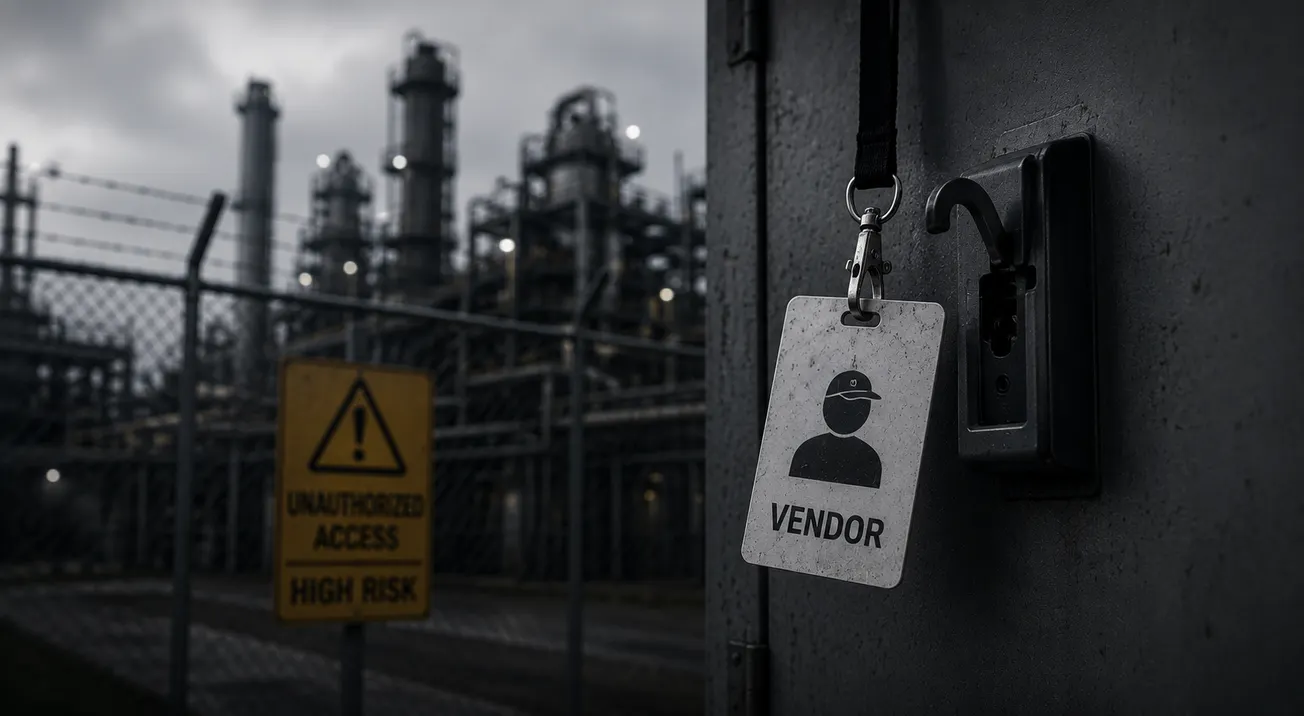 Industrial organizations continue to struggle with basic security measures,
particularly when managing remote access for third-party vendors. While leaders
often believe their systems are well-protected, recent data reveals significant
blind spots in tracking and overseeing vendor activity. As companies expand
their use of external contractors, the likelihood of security incidents rises
sharply, especially when oversight is weak. A major contributing factor is the
reliance on overly complex and fragmented tools, such as traditional virtual
private networks and varied equipment manufacturer software. These mixed setups
often create inconsistent access paths and poor visibility. By contrast,
organizations that use unified, dedicated platforms designed for industrial
environments achieve much better control and fewer incidents. The most effective
approach involves a shared governance model where information technology and
operational teams work closely together, balancing security needs with daily
operational speed. Additionally, adopting stricter identity verification and
continuous monitoring practices rather than just relying on passwords
significantly reduces exposure to risks. Ultimately, the biggest vulnerabilities
lie not in highly sophisticated attacks, but in everyday vendor workflows and
disjointed security tools. Addressing these issues requires teamwork across
departments, clear oversight of contractor access, and a shift toward unified,
identity-focused systems to ensure long-term stability and protection.
Industrial organizations continue to struggle with basic security measures,
particularly when managing remote access for third-party vendors. While leaders
often believe their systems are well-protected, recent data reveals significant
blind spots in tracking and overseeing vendor activity. As companies expand
their use of external contractors, the likelihood of security incidents rises
sharply, especially when oversight is weak. A major contributing factor is the
reliance on overly complex and fragmented tools, such as traditional virtual
private networks and varied equipment manufacturer software. These mixed setups
often create inconsistent access paths and poor visibility. By contrast,
organizations that use unified, dedicated platforms designed for industrial
environments achieve much better control and fewer incidents. The most effective
approach involves a shared governance model where information technology and
operational teams work closely together, balancing security needs with daily
operational speed. Additionally, adopting stricter identity verification and
continuous monitoring practices rather than just relying on passwords
significantly reduces exposure to risks. Ultimately, the biggest vulnerabilities
lie not in highly sophisticated attacks, but in everyday vendor workflows and
disjointed security tools. Addressing these issues requires teamwork across
departments, clear oversight of contractor access, and a shift toward unified,
identity-focused systems to ensure long-term stability and protection.Connected Vehicle Supply Chains Enter a New Era of Regulatory Risk
 New US regulations are fundamentally transforming the connected vehicle supply
chain by restricting hardware and software linked to China and Russia.
Targeting vehicle connectivity systems and automated driving software, these
rules mandate compliance starting with the 2027 model year for software and
2030 for hardware. As a result, automakers must look beyond traditional
metrics like cost and quality, now factoring in the national origin and
corporate ownership of their embedded technologies. This is not a simple
matter of swapping out physical parts. Modern automotive connectivity relies
on deeply integrated layers of firmware, security functions, cloud services,
and eSIM technology. Replacing a single component can impact antenna
performance, safety services, and cybersecurity protocols, requiring extensive
engineering changes and revalidation. Furthermore, because automakers
typically design global electronic architectures, these US-specific
restrictions will influence purchasing and platform designs worldwide. The
article highlights that this shift represents a broader regulatory trend
treating networked products as critical national digital infrastructure.
Consequently, manufacturers across all sectors of the Internet of Things must
begin mapping their supply chains more rigorously. True resilience now
requires full visibility into software repositories, remote update systems,
cloud architectures, and the ultimate corporate control behind every connected
device.
New US regulations are fundamentally transforming the connected vehicle supply
chain by restricting hardware and software linked to China and Russia.
Targeting vehicle connectivity systems and automated driving software, these
rules mandate compliance starting with the 2027 model year for software and
2030 for hardware. As a result, automakers must look beyond traditional
metrics like cost and quality, now factoring in the national origin and
corporate ownership of their embedded technologies. This is not a simple
matter of swapping out physical parts. Modern automotive connectivity relies
on deeply integrated layers of firmware, security functions, cloud services,
and eSIM technology. Replacing a single component can impact antenna
performance, safety services, and cybersecurity protocols, requiring extensive
engineering changes and revalidation. Furthermore, because automakers
typically design global electronic architectures, these US-specific
restrictions will influence purchasing and platform designs worldwide. The
article highlights that this shift represents a broader regulatory trend
treating networked products as critical national digital infrastructure.
Consequently, manufacturers across all sectors of the Internet of Things must
begin mapping their supply chains more rigorously. True resilience now
requires full visibility into software repositories, remote update systems,
cloud architectures, and the ultimate corporate control behind every connected
device.
The Best AI Strategies Automate Tasks, Not Relationships
In banking and financial services, incorporating artificial intelligence has
become a major focus, especially during the customer onboarding process. The
core premise of the article is that banks should use AI to handle repetitive,
manual tasks rather than trying to replace human interaction. By automating
background processes like identity verification, data entry, document
processing, and compliance checks, financial institutions can significantly
speed up the onboarding timeline and reduce errors. This approach frees up
bank employees to do what they do best: build meaningful relationships with
new customers. When staff members are not bogged down by administrative
burdens, they can spend more time listening to clients, understanding their
financial needs, and offering tailored advice. The article emphasizes that
while technology is excellent for efficiency, it lacks the empathy and nuanced
understanding required to establish trust. Therefore, the most effective
strategy strikes a deliberate balance. Financial brands that deploy AI behind
the scenes to streamline operations while keeping human representatives at the
forefront of customer service will see the best results. Ultimately,
successful banking relies on personal connections, and smart automation serves
merely as a tool to enable those deeper, lasting relationships without getting
in the way.
Is India's Data Protection Board Independent Enough To Protect You?
 India's Digital Personal Data Protection (DPDP) Act of 2023 and its 2025 rules
are currently facing constitutional challenges in the Supreme Court, raising
vital questions about privacy and regulatory independence. A major concern is
the structural independence of the newly formed Data Protection Board. Because
the Central Government appoints most board members and the body reports directly
to the Ministry of Electronics and Information Technology, critics worry it may
struggle to act impartially in cases involving government agencies.
Additionally, the Act creates a legal gray area by broadly defining a "person"
to include corporations, while strictly limiting "personal data" to identifiable
individuals. This discrepancy leaves businesses unsure of how to handle
corporate client data. Furthermore, an amendment to the Right to Information Act
entirely exempts the personal information of public servants from disclosure,
removing previous public interest exceptions and sparking fears of reduced
government accountability. Despite these ongoing legal disputes, businesses must
not pause their compliance efforts. Organizations handling data are still
expected to meet the impending deadlines, including setting up consent
management systems by November 2026 and preparing for the Act's full enforcement
in May 2027. Ultimately, the Supreme Court's review serves as a necessary check
to ensure the framework truly protects fundamental privacy rights.
India's Digital Personal Data Protection (DPDP) Act of 2023 and its 2025 rules
are currently facing constitutional challenges in the Supreme Court, raising
vital questions about privacy and regulatory independence. A major concern is
the structural independence of the newly formed Data Protection Board. Because
the Central Government appoints most board members and the body reports directly
to the Ministry of Electronics and Information Technology, critics worry it may
struggle to act impartially in cases involving government agencies.
Additionally, the Act creates a legal gray area by broadly defining a "person"
to include corporations, while strictly limiting "personal data" to identifiable
individuals. This discrepancy leaves businesses unsure of how to handle
corporate client data. Furthermore, an amendment to the Right to Information Act
entirely exempts the personal information of public servants from disclosure,
removing previous public interest exceptions and sparking fears of reduced
government accountability. Despite these ongoing legal disputes, businesses must
not pause their compliance efforts. Organizations handling data are still
expected to meet the impending deadlines, including setting up consent
management systems by November 2026 and preparing for the Act's full enforcement
in May 2027. Ultimately, the Supreme Court's review serves as a necessary check
to ensure the framework truly protects fundamental privacy rights.
Building the resilient network for Cloud and AI Era
CORE Media and Lightstorm recently hosted an event focused on creating resilient enterprise networks to support modern artificial intelligence and cloud operations. During the session, technology leaders discussed the practical challenges of managing connectivity across diverse business environments, from manufacturing floors to remote retail sites. A major concern for many organizations is ensuring consistent performance, as even minor delays in data transfer can disrupt critical operations like real-time defect detection or financial transactions. To address these complex issues, Lightstorm outlined its clear approach to building stronger infrastructure using a three-path network design that ensures highly uninterrupted operations. The company also detailed flexible solutions that allow businesses to easily adjust their network capacity on demand, paying only for what they actually use. Looking forward, the discussion covered the upcoming introduction of a system designed to simplify the management of heavy computing workloads. This specific system will automatically direct data from scattered locations to central processing resources, helping businesses optimize their infrastructure investments. Ultimately, the gathering emphasized that true network resilience is about maintaining continuous business operations regardless of external circumstances. Achieving this requires intelligent backup mechanisms, reliable pathways, and the distinct ability to adapt to changing demands without compromising overall performance or incurring unnecessary overhead costs.How Are CIOs Aligning Technology with Workforce Agility?
 Today's workplace has shifted significantly toward remote and hybrid setups,
making workforce adaptability a vital priority for any organization rather than
just a nice extra. To support these changes, technology leaders are actively
shaping how their teams work by investing in secure, flexible, and intelligent
systems. By aligning technical choices with the daily needs of employees, these
leaders help their organizations respond smoothly to unexpected market shifts
and changing customer expectations. At the core of this adaptable approach is a
balanced combination of modern tools. Cloud platforms give employees reliable
access to their work from any location, while artificial intelligence and
automation handle repetitive administrative tasks, freeing up staff to focus on
more complex challenges. In addition, collaboration software ensures that teams
can communicate effectively, no matter where they are currently based, and
strong cybersecurity measures protect sensitive data across scattered locations.
Beyond just providing software, successful leaders also focus on continuous
training and performance insights to manage team capacity and skills.
Ultimately, building a flexible work environment relies on thoughtful decisions
that prioritize practical tools and ongoing staff development, allowing
businesses to maintain steady productivity and grow confidently even when faced
with new operational demands in the modern world.
Today's workplace has shifted significantly toward remote and hybrid setups,
making workforce adaptability a vital priority for any organization rather than
just a nice extra. To support these changes, technology leaders are actively
shaping how their teams work by investing in secure, flexible, and intelligent
systems. By aligning technical choices with the daily needs of employees, these
leaders help their organizations respond smoothly to unexpected market shifts
and changing customer expectations. At the core of this adaptable approach is a
balanced combination of modern tools. Cloud platforms give employees reliable
access to their work from any location, while artificial intelligence and
automation handle repetitive administrative tasks, freeing up staff to focus on
more complex challenges. In addition, collaboration software ensures that teams
can communicate effectively, no matter where they are currently based, and
strong cybersecurity measures protect sensitive data across scattered locations.
Beyond just providing software, successful leaders also focus on continuous
training and performance insights to manage team capacity and skills.
Ultimately, building a flexible work environment relies on thoughtful decisions
that prioritize practical tools and ongoing staff development, allowing
businesses to maintain steady productivity and grow confidently even when faced
with new operational demands in the modern world.
Banking technology infrastructure at a strategic crossroads
Financial institutions face a crucial decision regarding their technology systems, as the industry's path is no longer a single, steady progression but is instead branching in different directions. According to Jack Henry’s white paper, the infrastructure banks and credit unions choose today will directly dictate how well they can adapt to market changes, adopt new tools, and meet the growing expectations of their customers. This choice goes far beyond simple technology upgrades; it is a fundamental decision about the long-term direction of the organization. The paper outlines three distinct infrastructure paths currently available, each representing a different philosophy toward risk, financial investment, and operational control. The first path relies on outdated systems that are merely being maintained rather than improved, leaving institutions with limited options for the future. The second approach involves adding piecemeal, bolt-on solutions to existing systems, which often fail to integrate smoothly and can create operational friction. The third, and most sustainable, path focuses on modern technology built with inherent flexibility and a clear route for continuous growth. Ultimately, institutions must recognize that their infrastructure decisions today will define their ability to remain competitive and responsive in an increasingly complex and rapidly evolving financial landscape over the coming years.CISOs vs. Boards: Myth or Misunderstanding?
 The idea that corporate boards do not care about cybersecurity is a lingering
myth. In reality, board directors recognize cyber threats as critical risks to
the entire enterprise, affecting operations, revenue, and long-term strategy.
The apparent disconnect between security leaders and the board usually stems
from a profound communication barrier rather than apathy. Chief Information
Security Officers (CISOs) often present technical metrics focused on threats,
vulnerabilities, and controls, while board members operate in a language of
business exposure, resilience, and financial consequences. This mismatch
leaves CISOs feeling unsupported and pressured to conceal security flaws,
while boards struggle to extract actionable insights from highly technical
reports. To bridge this divide, experts advise a fundamental shift in how both
groups communicate. Security teams should stop overwhelming directors with
granular technical data and instead frame their presentations around clear
business outcomes. They must highlight which critical services could be
disrupted during an attack, estimate the potential financial and reputational
fallout, and outline the organization's recovery readiness. At the same time,
boards need ongoing education about the evolving threat landscape and access
to realistic incident simulations. By prioritizing transparency and agreeing
on a few consistent, business-focused metrics, security leaders and boards can
collaborate effectively and strengthen their overall resilience.
The idea that corporate boards do not care about cybersecurity is a lingering
myth. In reality, board directors recognize cyber threats as critical risks to
the entire enterprise, affecting operations, revenue, and long-term strategy.
The apparent disconnect between security leaders and the board usually stems
from a profound communication barrier rather than apathy. Chief Information
Security Officers (CISOs) often present technical metrics focused on threats,
vulnerabilities, and controls, while board members operate in a language of
business exposure, resilience, and financial consequences. This mismatch
leaves CISOs feeling unsupported and pressured to conceal security flaws,
while boards struggle to extract actionable insights from highly technical
reports. To bridge this divide, experts advise a fundamental shift in how both
groups communicate. Security teams should stop overwhelming directors with
granular technical data and instead frame their presentations around clear
business outcomes. They must highlight which critical services could be
disrupted during an attack, estimate the potential financial and reputational
fallout, and outline the organization's recovery readiness. At the same time,
boards need ongoing education about the evolving threat landscape and access
to realistic incident simulations. By prioritizing transparency and agreeing
on a few consistent, business-focused metrics, security leaders and boards can
collaborate effectively and strengthen their overall resilience.


No comments:
Post a Comment