Showing posts with label security awareness. Show all posts

Daily Tech Digest - November 03, 2026

Quote for the Day
“You can analyze the past, but you have to design the future.”
— Edward de Bono
Audio Edition — Listen to Today’s Digest
Narrated version of the Daily Tech Digest
Article Thumbnail

Nearly 1 in 5 workers laid off due to AI are asked to return, survey finds

Recent surveys reveal that many companies are reconsidering their decisions to replace human workers with artificial intelligence. According to research from SHL, nearly one in five US employees who lost their jobs to automation have been asked to return, while a separate study found that a third of organizations had to rehire staff after AI-related cuts. Experts suggest that employers moved too quickly to reduce headcount for immediate savings, only to realize that technology cannot easily replace human judgment, empathy, and contextual understanding of the business. However, bringing employees back is proving complicated because trust has been affected. Workers are returning with firmer demands, with many expecting significant pay increases, written guarantees of job security, and clear transparency regarding how AI will be used in their roles moving forward. This trend highlights a necessary shift in how businesses approach workforce planning. Rather than viewing technology purely as a tool for cutting costs, successful organizations are learning to balance the efficiency of automation with the irreplaceable experience of their human employees.

Read Original Article →

Securonix CPO on the limits of AI in security operations

In a recent interview, Simon Hunt, Chief Product Officer at Securonix, emphasizes that while artificial intelligence is a valuable tool for security teams, it cannot replace human judgment. He points out that AI is excellent at processing large volumes of data and identifying technical threats, such as a compromised account. However, it lacks the broader context needed to make sound business decisions. For example, AI does not inherently know the difference between locking an account on a quiet Sunday versus a critical Monday morning. Because of this gap in wisdom, Hunt envisions a future where security operations are heavily assisted by technology, but not entirely run by it. As automation takes over routine analytical work, human professionals will shift away from basic monitoring and focus instead on supervising the systems and handling complex exceptions. Furthermore, while these tools allow average criminals to launch stronger attacks, they also help defenders patch vulnerabilities much faster. Ultimately, organizations must maintain fundamental safety practices and rely on human oversight for final, high-stakes decisions regarding organizational risk.

Read Original Article →
Article Thumbnail

Could modular pre-planned response capabilities offer something new to the business continuity toolbox?

Traditional business continuity plans often gather all response procedures into a single, comprehensive document. While well-intentioned, these large plans tend to become rigid and difficult to navigate during a fast-paced crisis. Because they frequently contain outdated information, experienced response teams often abandon them in real-time, choosing instead to adapt and formulate new strategies as the situation unfolds. Recognizing this flaw, the author suggests shifting away from massive, overarching plans toward a more flexible approach inspired by emergency services, such as mountain rescue teams. Instead of relying on a single manual, organizations should adopt modular pre-planned response capabilities. These are self-contained, heavily practiced response units designed to handle specific operational impacts. During an emergency, a leader can simply assess the situation and activate only the necessary modules. This strategy transitions organizations from a rigid, plan-centered mindset to an agile, capability-centered model. By focusing on flexible modules rather than static documents, businesses can respond to disruptions much more effectively, ensuring their teams rely on practical, well-rehearsed actions rather than cumbersome paperwork.

Read Original Article →

Cybersecurity Awareness Month Wrap-Up: Five New Threats and Steps to Take Now

The article closes Cybersecurity Awareness Month by highlighting five fast‑evolving threats that now shape everyday risk. It explains that attackers increasingly rely on impersonation powered by AI, using convincing messages, voices, and videos to trick employees into approving payments or sharing sensitive information. Identity‑based attacks are also rising, with criminals bypassing technical defenses by persuading help desks to reset passwords or enroll new MFA devices. The piece warns that prompt‑injection attacks can manipulate AI tools directly, especially when employees use unapproved “shadow AI” and unknowingly expose confidential data. Insider threats are another concern, including cases where foreign operatives secure legitimate remote IT jobs using fabricated identities. Vendor compromise remains a major risk, as organizations often inherit incidents from third‑party providers. To respond, the article recommends updating incident‑response plans, running realistic tabletop exercises, assessing AI and identity risks, establishing legal frameworks before an incident occurs, and reviewing critical vendors. Its steady message is that modern threats often look like normal business activity, and organizations must adapt quickly to keep pace.

Read Original Article →
Article Thumbnail

NaaS hasn’t lived up to the hype. Is it still worth it?

The article explains why Network‑as‑a‑Service (NaaS) has not met early expectations, even though it still offers value in certain situations. Gartner once predicted rapid adoption, but uptake remains stuck around 1% to 5%, placing NaaS firmly in the “trough of disillusionment.” The piece shows that NaaS works well for organizations with aging infrastructure, limited staff, or a need for turnkey management — illustrated by a school that replaced its entire LAN through a vendor‑owned, fully managed deployment. However, the broader market faces obstacles. Consumption‑based pricing can be unpredictable, vendor lock‑in is a real concern, and ripping out functioning networks rarely makes financial sense. Analysts also point out that campus networking requires substantial on‑premises hardware, making it hard to deliver a true cloud‑like model. Definitions of NaaS vary widely, adding confusion and mismatched expectations. Surveys show interest in phased adoption, but fully mature deployments are rare. The steady message is that NaaS isn’t a failure — it’s simply a niche solution whose benefits depend heavily on an organization’s starting point and priorities.

Read Original Article →

From capacity, to the cost of intelligence

The article explores a major shift in the artificial intelligence industry: the focus is moving from simply buying enough hardware to figuring out the true cost of the intelligence it produces. While the price to run a single task has dropped dramatically, overall spending is soaring because companies are using AI far more heavily. The real cost of artificial intelligence is no longer just the price tag on a computer chip. Instead, it depends on the entire system working together efficiently, including how much power is used, how effectively the hardware is kept busy, and where the data is actually processed. This shift brings new challenges. For instance, as hardware becomes more powerful, it demands significantly more electricity. Finding enough power to run these advanced systems has become a bigger hurdle than securing the computer chips themselves. To build sustainable systems, the industry must prioritize complete efficiency across the entire setup, balancing cost, speed, and power, rather than just focusing on raw computing capacity.

Read Original Article →
Article Thumbnail

Seven egregious failures of modern web tech

The article lays out seven ways modern web technology has let users down, arguing that the web has become slower, heavier, and more frustrating despite decades of innovation. It points out that websites now load layers of scripts, trackers, and ads before showing meaningful content, making even simple pages feel sluggish. Basic reliability has also slipped: pages freeze, buttons don’t respond, and forms break because they depend on fragile JavaScript frameworks. The author criticizes how often sites block content with pop‑ups, cookie banners, and sign‑in walls, turning routine browsing into a negotiation. Search results have become cluttered with SEO‑driven pages that bury useful information. The article also notes that privacy has eroded, with sites collecting far more data than users realize. Accessibility remains inconsistent, leaving many people struggling with poorly designed interfaces. Finally, the piece argues that developers often chase new tools instead of building stable, lightweight experiences. Its steady message is that the web’s problems are not technical limitations but choices — and better choices could make the web fast, simple, and trustworthy again.

Read Original Article →
Article Thumbnail

Banks prepare for AI agents, but consumers hesitate to hand over control

European financial institutions are rapidly preparing for a future driven by AI agents, but their customers are not yet ready to hand over control. A recent survey by Signicat reveals a stark divide: while 79% of financial providers are prepared for AI-initiated applications, only a small fraction of consumers trust AI to act autonomously. Consumers are highly comfortable using AI as an assistant to research, compare products, or pre-fill forms. However, they draw a hard line when assistance turns into agency. Very few are willing to let AI submit applications, use their digital identity, or sign contracts on their behalf. The hesitation stems from valid concerns around security, fraud, and risk. Interestingly, digitally advanced markets like Norway and Sweden show the least comfort with autonomous AI. To bridge this trust gap, financial providers must move gradually, ensuring customers retain final approval over decisions. Ultimately, building confidence in this new landscape will require secure digital identities and continuous verification of both the customer and the AI agent acting for them.

Read Original Article →
Article Thumbnail

When AI agents agree on the data but not what it means

The article explains that AI agents can work from the same data yet still reach conflicting conclusions because data alone rarely carries the business context needed to interpret it correctly. Enterprises have spent years centralizing records into data lakes and warehouses, but in the process stripped away the policies, processes, and semantics that originally gave those numbers meaning. As organizations begin using multiple agents across a workflow, this missing context becomes a coordination problem rather than a data problem. Each agent may perform its assigned task correctly, but without shared business semantics, their combined actions can produce harmful outcomes — such as payment‑term negotiations, liquidity management, and compliance checks unintentionally stalling vendor payments. The article shows how fragmented data architectures and disconnected context sources make these failures more likely as agents hand tasks off to one another. Its steady message is that enterprises must supply agents with consistent business meaning, not just raw data, because alignment on numbers is useless if agents don’t share an understanding of what those numbers represent.

Read Original Article →
Article Thumbnail

Quantum computers are coming: Here are the problems they could tackle

The article explains that quantum computers are designed to solve a narrow set of problems that overwhelm even the fastest classical machines, especially those involving the behavior of complex molecules and materials. Because chemistry and materials science operate according to quantum mechanics, quantum computers could eventually simulate reactions and structures with far greater accuracy, opening doors to new medicines, cleaner industrial processes, better catalysts, and more efficient batteries. Researchers expect early, meaningful demonstrations once fault‑tolerant systems with a few dozen logical qubits arrive later this decade. The article also highlights the security implications: a sufficiently powerful quantum computer running Shor’s algorithm could break today’s widely used encryption, which is why governments are already pushing post‑quantum cryptography. Quantum systems may also help with certain optimization problems, though the article cautions that clear advantages are not guaranteed. Overall, it argues that quantum computers will not replace classical machines but will act as specialized partners, delivering breakthroughs in chemistry, materials, cryptography, and select optimization tasks as fault‑tolerant hardware matures through the late 2020s and 2030s.

Read Original Article →

Daily Tech Digest - October 10, 2026


Quote for the day:

“Most new jobs won’t come from our biggest employers. They will come from our smallest. We’ve got to do everything we can to make entrepreneurial dreams a reality.” -- Ross Perot

🎧 Listen to the audio debrief on YouTube

▶ Play Audio Digest

Duration: 21 mins • Perfect for listening on the go.


Security Awareness Training Isn’t Dead, but It Needs a Rethink

While enterprise security awareness training remains a standard practice, its effectiveness in preventing modern cyberattacks is increasingly debated. Many experts note that traditional training programs fall short because they prioritize compliance over genuine behavior change, often forcing employees to complete generic, repetitive courses just to check a legal or insurance box. This approach leaves workers poorly equipped to handle today’s highly sophisticated, AI-driven threats, such as flawless deepfakes and hyper-personalized phishing messages that arrive at machine speed. Attackers hold a distinct advantage through asymmetry—they only need a single distracted employee to succeed, whereas defenders must be perfect every time. To remain relevant, security training needs a fundamental rethink. Experts argue that awareness should not be the sole line of defense; it must complement robust security architecture, engineering controls, and reliable verification processes. Furthermore, training programs should evolve from annual lectures into continuous, behavior-based learning that offers context-specific guidance at the exact moment a user makes a decision. By incorporating behavioral nudges and treating employees as an intelligent, active sensor network rather than the weakest link, organizations can build a cultural bedrock of secure habits that catch the threats technology inevitably misses.


The Unknown Present: The Governance Problem Nobody Owns

Traditional governance systems usually ask one basic question: was a system approved? For decades, audits, certifications, and compliance checks have been used to prove that a product or process met specific requirements at a single point in time. However, as organizations rely more on highly connected technologies, artificial intelligence, and constantly updating software, this historical approach is no longer enough. The article introduces a concept called the "Unknown Present," which describes the gap between a past approval and the current reality of a system. Just because a system was safe and compliant yesterday does not automatically mean the same conditions exist today when an important decision is actually made. Modern systems change too fast for old assumptions to hold up. Consequently, the real challenge for leaders and regulators is moving from simple compliance to proving continuous trustworthiness. Organizations must gather reliable evidence showing that a system remains safe at the exact moment it is being used, rather than just relying on an outdated certificate. Ultimately, the future of governance will depend not just on proving that requirements were met in the past, but on proving that the foundation of trust remains completely solid throughout the entire period of use.


‘It’s A Trap!’ How IT Pros Can Avoid the Hidden Pitfalls of AI

While many enterprises adopt artificial intelligence expecting greater efficiency and simpler workflows, a significant majority of IT professionals find that the technology is actually making their jobs more demanding. The core issue is the "reviewer trap," which occurs when organizations attach AI to outdated legacy processes or feed it unclean data. As a result, IT staff must spend excessive time reviewing the outputs to correct errors and hallucinations, creating a heavy cognitive load that often leads to burnout and a sense of growing digital debt. Fragmented implementations across different departments only worsen the situation, as context-switching drains mental energy and reduces decision-making capabilities. This phenomenon, known as AI brain-fry, ultimately causes workers to miss critical errors or lose their own skills by relying too heavily on automated tools. To avoid these hidden pitfalls, IT teams must rethink their foundational data governance rather than simply applying AI to old processes. Success requires building structural guardrails directly into workflows, treating the technology like a smart intern that needs strategic oversight rather than constant micromanagement. By starting small with low-stakes tasks and gradually improving context frameworks, organizations can harness AI's true value without overwhelming their staff.


What continuous offensive security testing is and how to implement it

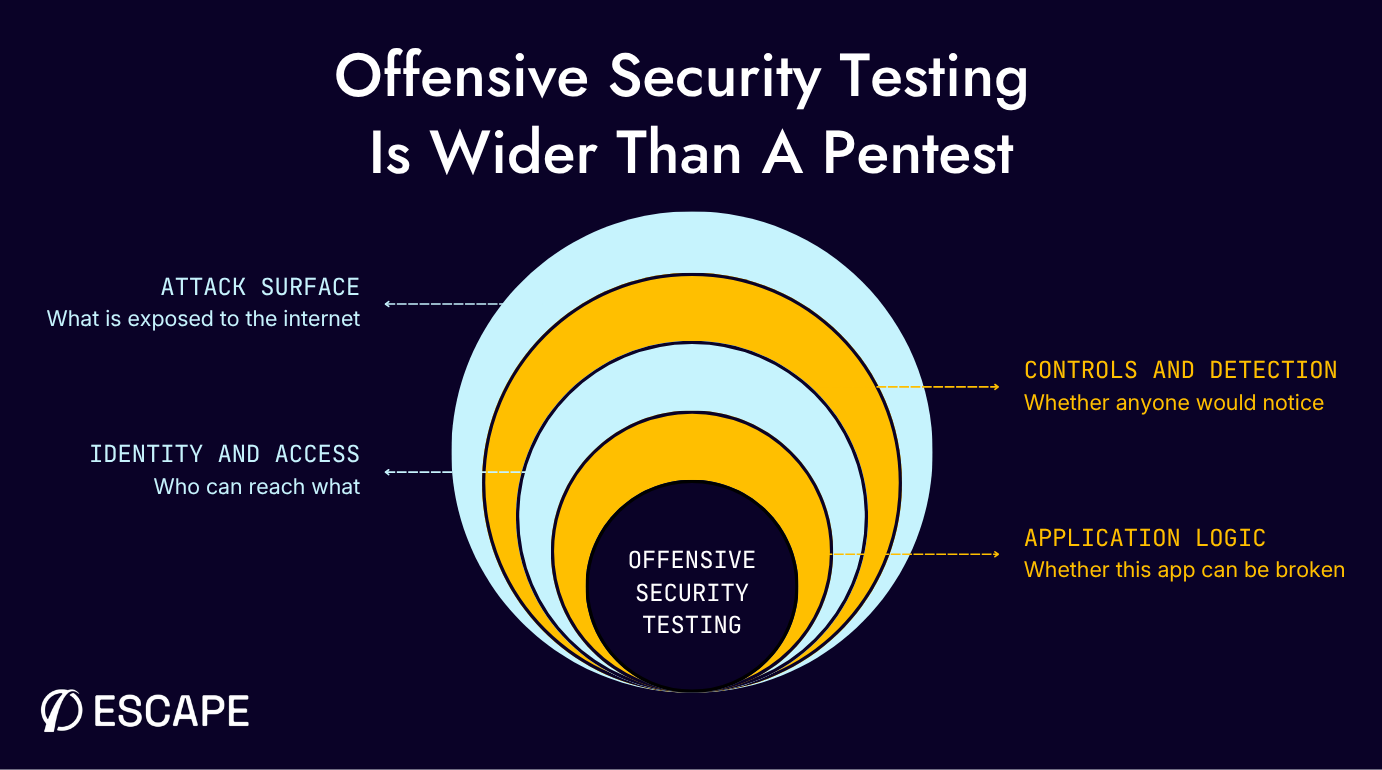
Continuous offensive security testing (COST), as defined by Gartner, is a proactive approach to cybersecurity that goes beyond annual penetration testing. Rather than relying on a fixed schedule, COST is triggered by meaningful changes in an environment—such as new internet-facing assets, production releases, relevant threat intelligence, or updates to security controls. It encompasses vulnerability assessment, penetration testing, and red teaming to evaluate a system precisely as an adversary would. A core principle of this model is strict validation; a finding is only considered valid once it has been successfully reproduced within the organization's own environment, ensuring the vulnerability is genuinely reachable and not just a theoretical risk flagged by a scanner. This emphasis on proof prevents security and engineering teams from being overwhelmed by noisy, unverified alerts. Prioritization tools like EPSS or CISA's KEV catalog provide useful context, but they do not replace the need for local validation. To implement COST effectively, organizations should establish clear triggers, define a shared standard of evidence, tier responses based on business impact, and route validated, actionable proof directly to the teams responsible for the fix, ultimately turning these findings into automated regression tests for future builds.


When building an AI-native security program, start with outcomes

The article by Israel Barak advises resource-constrained security teams to adopt artificial intelligence by focusing on specific business outcomes rather than generic technology roadmaps. Often, small security teams struggle to balance quality, consistency, and cost, which ultimately leads to noticeable gaps in necessary daily tasks. To begin, teams should identify the critical systems, data, and processes the business absolutely needs to operate, establishing a clear boundary for protection. Next, they must pinpoint tasks that should happen continuously but are currently falling behind due to limited time, skills, or budget. Practical examples include managing security posture, updating detection rules, interpreting fresh threat intelligence, or investigating routine alerts. Instead of attempting a massive system overhaul, leaders should choose one specific operational task where the team struggles to keep pace, apply artificial intelligence to that single constraint, and set clear rules and expectations. Success should not be measured by simply counting the number of queries or alerts processed, but rather by evaluating if the tool actually improved the quality, speed, and efficiency of the final outcome. By tying these tools to practical, everyday problems, security teams can effectively reduce manual workload, handle potential threats more consistently, and thoroughly protect the business without needing a massive increase in staff.


Business Intelligence Observability: The Missing Layer of Modern Analytics

While organizations heavily monitor their data infrastructure and pipelines, the business intelligence (BI) layer itself often lacks proper oversight. Traditional monitoring confirms that systems are running and data is delivered, but it fails to answer whether the analytical platform reliably supports sound business decisions. A dashboard might load successfully but perform slower over time, or a report might consume extensive computing power without clear ownership or actual usage. This gap highlights the need for BI observability, a broader operational discipline that continuously measures the health of analytical assets beyond basic technical status. BI observability evaluates five key dimensions: reliability, performance, capacity, adoption, and governance. By shifting the focus from mere technical uptime to actual business impact, data teams can proactively identify deteriorating performance, inefficient resource use, and abandoned reports before users report an issue. This level of transparency is especially critical as organizations adopt enterprise AI, which relies on the exact same governed datasets and semantic models as human decision-makers. Treating business intelligence as a fully observable operational system ensures that both human teams and AI assistants have a trusted, efficient foundation for making timely decisions.


India to release AI regulation consultation paper in 30 days: Vaishnaw

The Indian government plans to release a consultation paper on artificial intelligence regulation within thirty days, focusing on a techno-legal framework rather than relying solely on traditional legislation. Union Minister Ashwini Vaishnaw shared this timeline, highlighting the need to manage AI risks such as deepfakes, financial fraud, and accountability without stifling innovation. This approach combines clear rules with technical safeguards to help organizations monitor AI behavior, restrict unauthorized access, and handle harmful outputs responsibly. A major focus of the upcoming framework is determining accountability when advanced or autonomous AI systems make errors, especially since these systems often rely on multiple technology providers. The government is also looking to streamline how it procures AI services, considering a structured empanelment process for startups and tech companies looking to work on public-sector projects. Alongside these regulatory efforts, India is expanding its domestic AI infrastructure through the IndiaAI Mission, which includes adding thousands of graphics processing units to support computing and inference capabilities. For enterprise technology leaders, this forthcoming regulatory clarity should help establish consistent standards for evaluating AI tools, managing risks, and ensuring proper human oversight as AI adoption expands across public services and business operations.


Why the Chief Data and AI Officer Role Keeps Struggling: Rethinking Executive Leadership for the AI Era

The Chief Data and AI Officer (CDAIO) role frequently struggles because organizations incorrectly treat it as a traditional functional leadership position. Functional executives, like a CFO or COO, are directly accountable for specific departmental operations and outcomes. When the CDAIO is framed this way, their work often devolves into running a technical services department that merely fulfills project requests, delivering disconnected AI models and dashboards rather than driving genuine, widespread business integration. This creates a structural divide between business and technology, making sustainable AI adoption nearly impossible. Instead, the CDAIO should be recognized as a capability leader. Rather than owning a specific business function, their true mission is to build an enterprise-wide capability system—encompassing governance, data literacy, stewardship, and cross-functional coordination. Their goal is to empower every department to effectively leverage data and AI in their daily operations. Success in this role should not be measured by the raw output of AI models or dashboards produced, but by metrics that reflect organizational maturity, such as the number of embedded data experts, active stewards, and the actual utilization rates of AI tools. By shifting from functional ownership to capability building, the CDAIO can truly help the entire enterprise succeed.


Why Tabletop Exercises Expose More Than Technical Weaknesses

While vulnerability scans and penetration tests are excellent at identifying specific security flaws, organizations must conduct tabletop exercises to truly understand how they will respond during an actual cyberattack. These simulated events deliberately expose the nontechnical weaknesses that often go unnoticed on paper, particularly critical gaps in communication, process, and coordination. By throwing untested, unannounced scenarios at decision-makers, organizations can evaluate whether teams agree on incident severity, who actually has the clear authority to shut down systems, and when to involve the board or insurance representatives. A successful exercise is not meant to be flawless; rather, it is designed to create realistic pressure that tests muscle memory and reveals conflicting assumptions across different departments. Executives learn to trust their security teams instead of micromanaging the incident response. To be fully prepared, businesses should run these drills at least annually and conclude each session with a strict action plan that assigns specific owners and concrete deadlines to every identified gap. As threats become more complex due to artificial intelligence, these exercises will also need to adapt dynamically. Ultimately, resolving the deeper governance issues requires ongoing cross-departmental agreement, ensuring the entire organization is genuinely prepared to act quickly and securely.


When AI Meets Quantum: The Next Great Leap in Computing

The article examines three very different ways AI and quantum computing intersect, separating hype from what is actually happening. It first tackles the popular claim that quantum computers will dramatically accelerate AI. The author explains why this is unlikely in the near term: loading real‑world data into quantum states is so costly that it often cancels out any theoretical speedup. While some niche cases in chemistry and materials science show promise, the broader “quantum‑boosted AI” narrative remains mostly aspirational. The second, more grounded convergence runs in the opposite direction—AI is helping quantum hardware mature. Because quantum processors drift, generate noise, and require constant calibration, machine‑learning models are already tuning control pulses, decoding error‑correction signals, and stabilizing qubits more effectively than traditional methods. The third intersection is the most urgent: the cryptographic risk posed by future fault‑tolerant quantum machines. Even though such machines do not exist yet, attackers can harvest encrypted data today and decrypt it later. This threatens AI systems that rely on signatures, secure channels, and provenance trails. The article stresses the need for crypto‑agility, hybrid key exchange, and honest inventories of where cryptography is embedded. It closes with a steady reminder that the real “AI‑quantum leap” is not flashy acceleration but ensuring AI systems remain trustworthy when quantum computers finally arrive.