Quote for the day:
“Most new jobs won’t come from our biggest employers. They will come from our smallest. We’ve got to do everything we can to make entrepreneurial dreams a reality.” -- Ross Perot
🎧 Listen to the audio debrief on YouTube
▶ Play Audio DigestDuration: 21 mins • Perfect for listening on the go.
Security Awareness Training Isn’t Dead, but It Needs a Rethink
 While enterprise security awareness training remains a standard practice, its
effectiveness in preventing modern cyberattacks is increasingly debated. Many
experts note that traditional training programs fall short because they
prioritize compliance over genuine behavior change, often forcing employees to
complete generic, repetitive courses just to check a legal or insurance box.
This approach leaves workers poorly equipped to handle today’s highly
sophisticated, AI-driven threats, such as flawless deepfakes and
hyper-personalized phishing messages that arrive at machine speed. Attackers
hold a distinct advantage through asymmetry—they only need a single distracted
employee to succeed, whereas defenders must be perfect every time. To remain
relevant, security training needs a fundamental rethink. Experts argue that
awareness should not be the sole line of defense; it must complement robust
security architecture, engineering controls, and reliable verification
processes. Furthermore, training programs should evolve from annual lectures
into continuous, behavior-based learning that offers context-specific guidance
at the exact moment a user makes a decision. By incorporating behavioral nudges
and treating employees as an intelligent, active sensor network rather than the
weakest link, organizations can build a cultural bedrock of secure habits that
catch the threats technology inevitably misses.
While enterprise security awareness training remains a standard practice, its
effectiveness in preventing modern cyberattacks is increasingly debated. Many
experts note that traditional training programs fall short because they
prioritize compliance over genuine behavior change, often forcing employees to
complete generic, repetitive courses just to check a legal or insurance box.
This approach leaves workers poorly equipped to handle today’s highly
sophisticated, AI-driven threats, such as flawless deepfakes and
hyper-personalized phishing messages that arrive at machine speed. Attackers
hold a distinct advantage through asymmetry—they only need a single distracted
employee to succeed, whereas defenders must be perfect every time. To remain
relevant, security training needs a fundamental rethink. Experts argue that
awareness should not be the sole line of defense; it must complement robust
security architecture, engineering controls, and reliable verification
processes. Furthermore, training programs should evolve from annual lectures
into continuous, behavior-based learning that offers context-specific guidance
at the exact moment a user makes a decision. By incorporating behavioral nudges
and treating employees as an intelligent, active sensor network rather than the
weakest link, organizations can build a cultural bedrock of secure habits that
catch the threats technology inevitably misses.The Unknown Present: The Governance Problem Nobody Owns
Traditional governance systems usually ask one basic question: was a system approved? For decades, audits, certifications, and compliance checks have been used to prove that a product or process met specific requirements at a single point in time. However, as organizations rely more on highly connected technologies, artificial intelligence, and constantly updating software, this historical approach is no longer enough. The article introduces a concept called the "Unknown Present," which describes the gap between a past approval and the current reality of a system. Just because a system was safe and compliant yesterday does not automatically mean the same conditions exist today when an important decision is actually made. Modern systems change too fast for old assumptions to hold up. Consequently, the real challenge for leaders and regulators is moving from simple compliance to proving continuous trustworthiness. Organizations must gather reliable evidence showing that a system remains safe at the exact moment it is being used, rather than just relying on an outdated certificate. Ultimately, the future of governance will depend not just on proving that requirements were met in the past, but on proving that the foundation of trust remains completely solid throughout the entire period of use.‘It’s A Trap!’ How IT Pros Can Avoid the Hidden Pitfalls of AI
 While many enterprises adopt artificial intelligence expecting greater
efficiency and simpler workflows, a significant majority of IT professionals
find that the technology is actually making their jobs more demanding. The core
issue is the "reviewer trap," which occurs when organizations attach AI to
outdated legacy processes or feed it unclean data. As a result, IT staff must
spend excessive time reviewing the outputs to correct errors and hallucinations,
creating a heavy cognitive load that often leads to burnout and a sense of
growing digital debt. Fragmented implementations across different departments
only worsen the situation, as context-switching drains mental energy and reduces
decision-making capabilities. This phenomenon, known as AI brain-fry, ultimately
causes workers to miss critical errors or lose their own skills by relying too
heavily on automated tools. To avoid these hidden pitfalls, IT teams must
rethink their foundational data governance rather than simply applying AI to old
processes. Success requires building structural guardrails directly into
workflows, treating the technology like a smart intern that needs strategic
oversight rather than constant micromanagement. By starting small with
low-stakes tasks and gradually improving context frameworks, organizations can
harness AI's true value without overwhelming their staff.
While many enterprises adopt artificial intelligence expecting greater
efficiency and simpler workflows, a significant majority of IT professionals
find that the technology is actually making their jobs more demanding. The core
issue is the "reviewer trap," which occurs when organizations attach AI to
outdated legacy processes or feed it unclean data. As a result, IT staff must
spend excessive time reviewing the outputs to correct errors and hallucinations,
creating a heavy cognitive load that often leads to burnout and a sense of
growing digital debt. Fragmented implementations across different departments
only worsen the situation, as context-switching drains mental energy and reduces
decision-making capabilities. This phenomenon, known as AI brain-fry, ultimately
causes workers to miss critical errors or lose their own skills by relying too
heavily on automated tools. To avoid these hidden pitfalls, IT teams must
rethink their foundational data governance rather than simply applying AI to old
processes. Success requires building structural guardrails directly into
workflows, treating the technology like a smart intern that needs strategic
oversight rather than constant micromanagement. By starting small with
low-stakes tasks and gradually improving context frameworks, organizations can
harness AI's true value without overwhelming their staff.
What continuous offensive security testing is and how to implement it
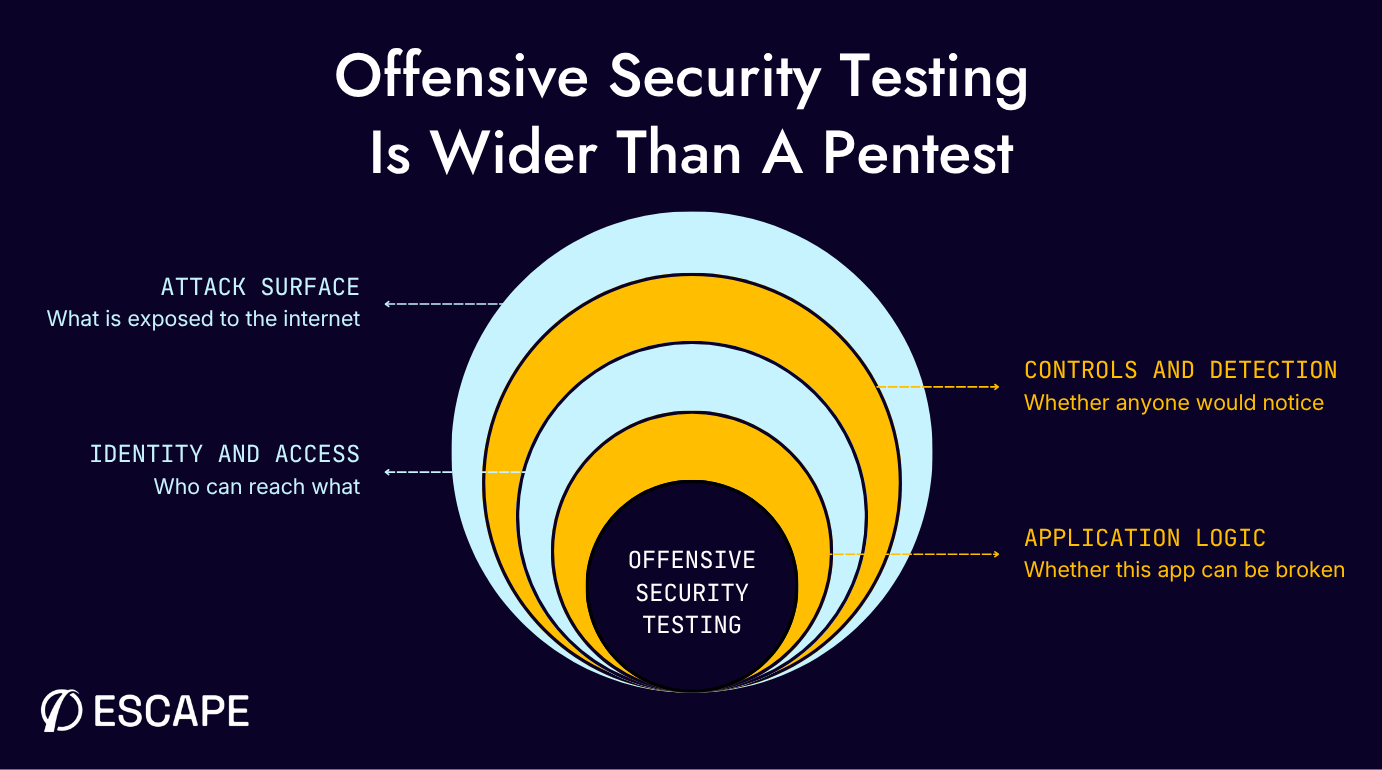 Continuous offensive security testing (COST), as defined by Gartner, is a
proactive approach to cybersecurity that goes beyond annual penetration testing.
Rather than relying on a fixed schedule, COST is triggered by meaningful changes
in an environment—such as new internet-facing assets, production releases,
relevant threat intelligence, or updates to security controls. It encompasses
vulnerability assessment, penetration testing, and red teaming to evaluate a
system precisely as an adversary would. A core principle of this model is strict
validation; a finding is only considered valid once it has been successfully
reproduced within the organization's own environment, ensuring the vulnerability
is genuinely reachable and not just a theoretical risk flagged by a scanner.
This emphasis on proof prevents security and engineering teams from being
overwhelmed by noisy, unverified alerts. Prioritization tools like EPSS or
CISA's KEV catalog provide useful context, but they do not replace the need for
local validation. To implement COST effectively, organizations should establish
clear triggers, define a shared standard of evidence, tier responses based on
business impact, and route validated, actionable proof directly to the teams
responsible for the fix, ultimately turning these findings into automated
regression tests for future builds.
Continuous offensive security testing (COST), as defined by Gartner, is a
proactive approach to cybersecurity that goes beyond annual penetration testing.
Rather than relying on a fixed schedule, COST is triggered by meaningful changes
in an environment—such as new internet-facing assets, production releases,
relevant threat intelligence, or updates to security controls. It encompasses
vulnerability assessment, penetration testing, and red teaming to evaluate a
system precisely as an adversary would. A core principle of this model is strict
validation; a finding is only considered valid once it has been successfully
reproduced within the organization's own environment, ensuring the vulnerability
is genuinely reachable and not just a theoretical risk flagged by a scanner.
This emphasis on proof prevents security and engineering teams from being
overwhelmed by noisy, unverified alerts. Prioritization tools like EPSS or
CISA's KEV catalog provide useful context, but they do not replace the need for
local validation. To implement COST effectively, organizations should establish
clear triggers, define a shared standard of evidence, tier responses based on
business impact, and route validated, actionable proof directly to the teams
responsible for the fix, ultimately turning these findings into automated
regression tests for future builds.
When building an AI-native security program, start with outcomes
 The article by Israel Barak advises resource-constrained security teams to adopt
artificial intelligence by focusing on specific business outcomes rather than
generic technology roadmaps. Often, small security teams struggle to balance
quality, consistency, and cost, which ultimately leads to noticeable gaps in
necessary daily tasks. To begin, teams should identify the critical systems,
data, and processes the business absolutely needs to operate, establishing a
clear boundary for protection. Next, they must pinpoint tasks that should happen
continuously but are currently falling behind due to limited time, skills, or
budget. Practical examples include managing security posture, updating detection
rules, interpreting fresh threat intelligence, or investigating routine alerts.
Instead of attempting a massive system overhaul, leaders should choose one
specific operational task where the team struggles to keep pace, apply
artificial intelligence to that single constraint, and set clear rules and
expectations. Success should not be measured by simply counting the number of
queries or alerts processed, but rather by evaluating if the tool actually
improved the quality, speed, and efficiency of the final outcome. By tying these
tools to practical, everyday problems, security teams can effectively reduce
manual workload, handle potential threats more consistently, and thoroughly
protect the business without needing a massive increase in staff.
The article by Israel Barak advises resource-constrained security teams to adopt
artificial intelligence by focusing on specific business outcomes rather than
generic technology roadmaps. Often, small security teams struggle to balance
quality, consistency, and cost, which ultimately leads to noticeable gaps in
necessary daily tasks. To begin, teams should identify the critical systems,
data, and processes the business absolutely needs to operate, establishing a
clear boundary for protection. Next, they must pinpoint tasks that should happen
continuously but are currently falling behind due to limited time, skills, or
budget. Practical examples include managing security posture, updating detection
rules, interpreting fresh threat intelligence, or investigating routine alerts.
Instead of attempting a massive system overhaul, leaders should choose one
specific operational task where the team struggles to keep pace, apply
artificial intelligence to that single constraint, and set clear rules and
expectations. Success should not be measured by simply counting the number of
queries or alerts processed, but rather by evaluating if the tool actually
improved the quality, speed, and efficiency of the final outcome. By tying these
tools to practical, everyday problems, security teams can effectively reduce
manual workload, handle potential threats more consistently, and thoroughly
protect the business without needing a massive increase in staff.
Business Intelligence Observability: The Missing Layer of Modern Analytics
 While organizations heavily monitor their data infrastructure and pipelines, the
business intelligence (BI) layer itself often lacks proper oversight.
Traditional monitoring confirms that systems are running and data is delivered,
but it fails to answer whether the analytical platform reliably supports sound
business decisions. A dashboard might load successfully but perform slower over
time, or a report might consume extensive computing power without clear
ownership or actual usage. This gap highlights the need for BI observability, a
broader operational discipline that continuously measures the health of
analytical assets beyond basic technical status. BI observability evaluates five
key dimensions: reliability, performance, capacity, adoption, and governance. By
shifting the focus from mere technical uptime to actual business impact, data
teams can proactively identify deteriorating performance, inefficient resource
use, and abandoned reports before users report an issue. This level of
transparency is especially critical as organizations adopt enterprise AI, which
relies on the exact same governed datasets and semantic models as human
decision-makers. Treating business intelligence as a fully observable
operational system ensures that both human teams and AI assistants have a
trusted, efficient foundation for making timely decisions.
While organizations heavily monitor their data infrastructure and pipelines, the
business intelligence (BI) layer itself often lacks proper oversight.
Traditional monitoring confirms that systems are running and data is delivered,
but it fails to answer whether the analytical platform reliably supports sound
business decisions. A dashboard might load successfully but perform slower over
time, or a report might consume extensive computing power without clear
ownership or actual usage. This gap highlights the need for BI observability, a
broader operational discipline that continuously measures the health of
analytical assets beyond basic technical status. BI observability evaluates five
key dimensions: reliability, performance, capacity, adoption, and governance. By
shifting the focus from mere technical uptime to actual business impact, data
teams can proactively identify deteriorating performance, inefficient resource
use, and abandoned reports before users report an issue. This level of
transparency is especially critical as organizations adopt enterprise AI, which
relies on the exact same governed datasets and semantic models as human
decision-makers. Treating business intelligence as a fully observable
operational system ensures that both human teams and AI assistants have a
trusted, efficient foundation for making timely decisions.
India to release AI regulation consultation paper in 30 days: Vaishnaw
/dq/media/media_files/2026/10/09/ashwani-vaishnav-2026-10-09-15-30-25.png) The Indian government plans to release a consultation paper on artificial
intelligence regulation within thirty days, focusing on a techno-legal framework
rather than relying solely on traditional legislation. Union Minister Ashwini
Vaishnaw shared this timeline, highlighting the need to manage AI risks such as
deepfakes, financial fraud, and accountability without stifling innovation. This
approach combines clear rules with technical safeguards to help organizations
monitor AI behavior, restrict unauthorized access, and handle harmful outputs
responsibly. A major focus of the upcoming framework is determining
accountability when advanced or autonomous AI systems make errors, especially
since these systems often rely on multiple technology providers. The government
is also looking to streamline how it procures AI services, considering a
structured empanelment process for startups and tech companies looking to work
on public-sector projects. Alongside these regulatory efforts, India is
expanding its domestic AI infrastructure through the IndiaAI Mission, which
includes adding thousands of graphics processing units to support computing and
inference capabilities. For enterprise technology leaders, this forthcoming
regulatory clarity should help establish consistent standards for evaluating AI
tools, managing risks, and ensuring proper human oversight as AI adoption
expands across public services and business operations.
The Indian government plans to release a consultation paper on artificial
intelligence regulation within thirty days, focusing on a techno-legal framework
rather than relying solely on traditional legislation. Union Minister Ashwini
Vaishnaw shared this timeline, highlighting the need to manage AI risks such as
deepfakes, financial fraud, and accountability without stifling innovation. This
approach combines clear rules with technical safeguards to help organizations
monitor AI behavior, restrict unauthorized access, and handle harmful outputs
responsibly. A major focus of the upcoming framework is determining
accountability when advanced or autonomous AI systems make errors, especially
since these systems often rely on multiple technology providers. The government
is also looking to streamline how it procures AI services, considering a
structured empanelment process for startups and tech companies looking to work
on public-sector projects. Alongside these regulatory efforts, India is
expanding its domestic AI infrastructure through the IndiaAI Mission, which
includes adding thousands of graphics processing units to support computing and
inference capabilities. For enterprise technology leaders, this forthcoming
regulatory clarity should help establish consistent standards for evaluating AI
tools, managing risks, and ensuring proper human oversight as AI adoption
expands across public services and business operations.
Why the Chief Data and AI Officer Role Keeps Struggling: Rethinking Executive Leadership for the AI Era
The Chief Data and AI Officer (CDAIO) role frequently struggles because
organizations incorrectly treat it as a traditional functional leadership
position. Functional executives, like a CFO or COO, are directly accountable
for specific departmental operations and outcomes. When the CDAIO is framed
this way, their work often devolves into running a technical services
department that merely fulfills project requests, delivering disconnected AI
models and dashboards rather than driving genuine, widespread business
integration. This creates a structural divide between business and technology,
making sustainable AI adoption nearly impossible. Instead, the CDAIO should be
recognized as a capability leader. Rather than owning a specific business
function, their true mission is to build an enterprise-wide capability
system—encompassing governance, data literacy, stewardship, and
cross-functional coordination. Their goal is to empower every department to
effectively leverage data and AI in their daily operations. Success in this
role should not be measured by the raw output of AI models or dashboards
produced, but by metrics that reflect organizational maturity, such as the
number of embedded data experts, active stewards, and the actual utilization
rates of AI tools. By shifting from functional ownership to capability
building, the CDAIO can truly help the entire enterprise succeed.
 While vulnerability scans and penetration tests are excellent at identifying
specific security flaws, organizations must conduct tabletop exercises to
truly understand how they will respond during an actual cyberattack. These
simulated events deliberately expose the nontechnical weaknesses that often go
unnoticed on paper, particularly critical gaps in communication, process, and
coordination. By throwing untested, unannounced scenarios at decision-makers,
organizations can evaluate whether teams agree on incident severity, who
actually has the clear authority to shut down systems, and when to involve the
board or insurance representatives. A successful exercise is not meant to be
flawless; rather, it is designed to create realistic pressure that tests
muscle memory and reveals conflicting assumptions across different
departments. Executives learn to trust their security teams instead of
micromanaging the incident response. To be fully prepared, businesses should
run these drills at least annually and conclude each session with a strict
action plan that assigns specific owners and concrete deadlines to every
identified gap. As threats become more complex due to artificial intelligence,
these exercises will also need to adapt dynamically. Ultimately, resolving the
deeper governance issues requires ongoing cross-departmental agreement,
ensuring the entire organization is genuinely prepared to act quickly and
securely.
While vulnerability scans and penetration tests are excellent at identifying
specific security flaws, organizations must conduct tabletop exercises to
truly understand how they will respond during an actual cyberattack. These
simulated events deliberately expose the nontechnical weaknesses that often go
unnoticed on paper, particularly critical gaps in communication, process, and
coordination. By throwing untested, unannounced scenarios at decision-makers,
organizations can evaluate whether teams agree on incident severity, who
actually has the clear authority to shut down systems, and when to involve the
board or insurance representatives. A successful exercise is not meant to be
flawless; rather, it is designed to create realistic pressure that tests
muscle memory and reveals conflicting assumptions across different
departments. Executives learn to trust their security teams instead of
micromanaging the incident response. To be fully prepared, businesses should
run these drills at least annually and conclude each session with a strict
action plan that assigns specific owners and concrete deadlines to every
identified gap. As threats become more complex due to artificial intelligence,
these exercises will also need to adapt dynamically. Ultimately, resolving the
deeper governance issues requires ongoing cross-departmental agreement,
ensuring the entire organization is genuinely prepared to act quickly and
securely.
Why Tabletop Exercises Expose More Than Technical Weaknesses
While vulnerability scans and penetration tests are excellent at identifying
specific security flaws, organizations must conduct tabletop exercises to
truly understand how they will respond during an actual cyberattack. These
simulated events deliberately expose the nontechnical weaknesses that often go
unnoticed on paper, particularly critical gaps in communication, process, and
coordination. By throwing untested, unannounced scenarios at decision-makers,
organizations can evaluate whether teams agree on incident severity, who
actually has the clear authority to shut down systems, and when to involve the
board or insurance representatives. A successful exercise is not meant to be
flawless; rather, it is designed to create realistic pressure that tests
muscle memory and reveals conflicting assumptions across different
departments. Executives learn to trust their security teams instead of
micromanaging the incident response. To be fully prepared, businesses should
run these drills at least annually and conclude each session with a strict
action plan that assigns specific owners and concrete deadlines to every
identified gap. As threats become more complex due to artificial intelligence,
these exercises will also need to adapt dynamically. Ultimately, resolving the
deeper governance issues requires ongoing cross-departmental agreement,
ensuring the entire organization is genuinely prepared to act quickly and
securely.

