Quote for the day:
“The best architectures, requirements, and designs emerge from self‑organizing teams.” -- Martin Fowler
🎧 Listen to this digest on YouTube Music
▶ Play Audio DigestDuration: 23 mins • Perfect for listening on the go.
Why AI can’t match human creative work
 This Computerworld article explores why AI-generated content struggles to
match the real effectiveness of human creativity, despite its overwhelming
volume in today's digital marketplace. Recent industry studies in advertising
and search engine optimization highlight a clear pattern: even when typical
audiences cannot consciously distinguish between human and machine outputs,
they consistently prefer human-created work. In advertising, human-made
campaigns perform significantly better in driving sales and boosting long-term
brand health because they can forge genuine emotional connections and break
new ground rather than simply remixing existing data. Similarly, comprehensive
data from web search results reveals that human-written articles
overwhelmingly secure top rankings compared to those entirely generated by
software algorithms. While automated tools have allowed an unprecedented flood
of synthetic blogs, music, videos, and social media posts into the mainstream,
this automated material rarely captures meaningful audience attention or real
engagement. For instance, although AI-produced episodes make up a very
substantial share of new podcast uploads, they currently account for less than
one percent of actual listening time. Ultimately, the author concludes that
while modern technology serves as a practical assistant for formatting,
outlining, or brainstorming, standalone human talent remains completely
indispensable for producing work that truly resonates, engages readers, and
achieves tangible long-term business results.
This Computerworld article explores why AI-generated content struggles to
match the real effectiveness of human creativity, despite its overwhelming
volume in today's digital marketplace. Recent industry studies in advertising
and search engine optimization highlight a clear pattern: even when typical
audiences cannot consciously distinguish between human and machine outputs,
they consistently prefer human-created work. In advertising, human-made
campaigns perform significantly better in driving sales and boosting long-term
brand health because they can forge genuine emotional connections and break
new ground rather than simply remixing existing data. Similarly, comprehensive
data from web search results reveals that human-written articles
overwhelmingly secure top rankings compared to those entirely generated by
software algorithms. While automated tools have allowed an unprecedented flood
of synthetic blogs, music, videos, and social media posts into the mainstream,
this automated material rarely captures meaningful audience attention or real
engagement. For instance, although AI-produced episodes make up a very
substantial share of new podcast uploads, they currently account for less than
one percent of actual listening time. Ultimately, the author concludes that
while modern technology serves as a practical assistant for formatting,
outlining, or brainstorming, standalone human talent remains completely
indispensable for producing work that truly resonates, engages readers, and
achieves tangible long-term business results.TSA seeks biometric identity management support
 The Transportation Security Administration is looking for industry assistance
to modernize and maintain its internal identity management and background
check systems. Through a draft work statement issued by its Enrollment
Services and Vetting Programs office, the agency intends to upgrade how it
processes biographical and biometric information. This initiative does not
create new public-facing data collection routines; instead, it optimizes
existing programs that screen pilots, commercial flight students, maritime
personnel, hazardous materials drivers, and PreCheck applicants. A major focus
of this comprehensive update is moving away from traditional, one-time
background checks toward continuous, automated tracking. To do this, the
agency plans to expand its use of the Federal Bureau of Investigation's
recurrent vetting service and automate the evaluation of text-based criminal
records. Additionally, the project outlines plans to integrate existing
systems more deeply with Department of Homeland Security biometric databases
over the next three to five years. To improve data accuracy and operational
speed, the selected contractor will use data science tools, including basic
machine learning, to detect data anomalies and help staff review cases more
efficiently. The proposed contract includes a twelve-month base period
followed by four optional one-year extensions, with all services based at the
agency's Virginia headquarters.
The Transportation Security Administration is looking for industry assistance
to modernize and maintain its internal identity management and background
check systems. Through a draft work statement issued by its Enrollment
Services and Vetting Programs office, the agency intends to upgrade how it
processes biographical and biometric information. This initiative does not
create new public-facing data collection routines; instead, it optimizes
existing programs that screen pilots, commercial flight students, maritime
personnel, hazardous materials drivers, and PreCheck applicants. A major focus
of this comprehensive update is moving away from traditional, one-time
background checks toward continuous, automated tracking. To do this, the
agency plans to expand its use of the Federal Bureau of Investigation's
recurrent vetting service and automate the evaluation of text-based criminal
records. Additionally, the project outlines plans to integrate existing
systems more deeply with Department of Homeland Security biometric databases
over the next three to five years. To improve data accuracy and operational
speed, the selected contractor will use data science tools, including basic
machine learning, to detect data anomalies and help staff review cases more
efficiently. The proposed contract includes a twelve-month base period
followed by four optional one-year extensions, with all services based at the
agency's Virginia headquarters.
Why ‘human in the loop’ falls short – and what to do about it
 In this SiliconANGLE column, Jason Bloomberg explains why the common practice
of keeping a human in the loop to oversee artificial intelligence operations
is deeply flawed. While tech companies often pitch human oversight as a safety
net against autonomous systems making mistakes, this method struggles to hold
up under real-world pressure. On an individual level, people tend to trust
automated systems too much, suffer from mental fatigue during repetitive
tasks, or simply wave approvals through without checking. In corporate groups,
it often leads to finger-pointing, blame-shifting, or superficial compliance.
Furthermore, software systems function in mere seconds, whereas human business
workflows require meetings and lengthy procedural delays, creating a massive
gap in actual response times. To fix these flaws, tech providers usually
suggest limiting software capabilities or building detailed tracking tools,
but these heavy-handed changes slow down operations and frustrate commercial
goals. Bloomberg suggests flipping the entire setup by focusing on automation
in the loop instead. Rather than forcing human workers to become cogs inside
an automated pipeline, software should exist purely to assist human day-to-day
operations. This perspective ensures people retain ultimate responsibility,
prevents software from making critical business decisions, and allows systems
to grow safely without overwhelming human operators or clashing with long-term
strategic plans.
In this SiliconANGLE column, Jason Bloomberg explains why the common practice
of keeping a human in the loop to oversee artificial intelligence operations
is deeply flawed. While tech companies often pitch human oversight as a safety
net against autonomous systems making mistakes, this method struggles to hold
up under real-world pressure. On an individual level, people tend to trust
automated systems too much, suffer from mental fatigue during repetitive
tasks, or simply wave approvals through without checking. In corporate groups,
it often leads to finger-pointing, blame-shifting, or superficial compliance.
Furthermore, software systems function in mere seconds, whereas human business
workflows require meetings and lengthy procedural delays, creating a massive
gap in actual response times. To fix these flaws, tech providers usually
suggest limiting software capabilities or building detailed tracking tools,
but these heavy-handed changes slow down operations and frustrate commercial
goals. Bloomberg suggests flipping the entire setup by focusing on automation
in the loop instead. Rather than forcing human workers to become cogs inside
an automated pipeline, software should exist purely to assist human day-to-day
operations. This perspective ensures people retain ultimate responsibility,
prevents software from making critical business decisions, and allows systems
to grow safely without overwhelming human operators or clashing with long-term
strategic plans.Why Moving Off the Cloud Is the Easy Part and What Comes Next Is Where Things Get Hard
In this article, Eli Lahr explains that while rising costs and unpredictable
performance prompt many organizations to move their digital workloads off
public cloud providers, the actual migration is rarely the primary challenge.
Instead, the real difficulty emerges afterward, during regular day-to-day
operations. Moving away from large, centralized cloud platforms forces
companies to manage internal infrastructure details that were previously
handled automatically by the provider. This structural transition introduces
unfamiliar administrative responsibilities, hidden technical skill gaps, and
the intricate task of safely running applications across fragmented
environments, including a combination of traditional on-premises hardware,
local data centers, and remaining cloud components. Rather than treating this
shift as a basic technology relocation, successful organizations choose to
approach it as a comprehensive corporate strategy revision. They bring
together their engineering, security, and financial departments early in the
process to determine exactly where each distinct application belongs according
to its unique performance needs, actual long-term expenses, and strict data
compliance rules. Lahr recommends explicitly whiteboarding critical workloads
to map out their exact structural dependencies, real monthly costs, and
detailed response plans for late-night system outages or sudden traffic
spikes. Ultimately, establishing precise benchmarks for baseline expenses,
execution speed, and overall availability helps ensure companies achieve
genuine long-term predictability.
6 critical security gaps every CISO must address
 The CSO Online article highlights six essential security shortcomings that
corporate security leaders need to address. First, a narrow perspective
remains common; many leaders treat cybersecurity purely as a technical IT
issue instead of focusing on broader business resilience and downstream
operational continuity. Second, a noticeable lag exists between the swift
automation used by digital attackers and the slower, more traditional response
times of corporate defense teams. Similarly, security operations frequently
struggle to match the rapid pace of general business changes, adoptions, and
market expansions. Internal talent issues have also evolved significantly; the
primary challenge is no longer just finding enough individuals to hire, but
ensuring that current employees have the specific, updated skills required to
handle an evolving environment. This skills gap is heavily compounded by the
rapid growth of artificial intelligence, where top-down corporate initiatives
and unauthorized employee tools are vastly outstripping proper security
frameworks and oversight. Finally, aging tech infrastructure creates a
significant vulnerability, as out-of-date systems cannot support modern
security controls, leaving them exposed to easy exploitation. Rather than
attempting to block every single threat, professionals are advised to use
objective, risk-based prioritization to protect core company workflows and
preserve long-term stability.
The CSO Online article highlights six essential security shortcomings that
corporate security leaders need to address. First, a narrow perspective
remains common; many leaders treat cybersecurity purely as a technical IT
issue instead of focusing on broader business resilience and downstream
operational continuity. Second, a noticeable lag exists between the swift
automation used by digital attackers and the slower, more traditional response
times of corporate defense teams. Similarly, security operations frequently
struggle to match the rapid pace of general business changes, adoptions, and
market expansions. Internal talent issues have also evolved significantly; the
primary challenge is no longer just finding enough individuals to hire, but
ensuring that current employees have the specific, updated skills required to
handle an evolving environment. This skills gap is heavily compounded by the
rapid growth of artificial intelligence, where top-down corporate initiatives
and unauthorized employee tools are vastly outstripping proper security
frameworks and oversight. Finally, aging tech infrastructure creates a
significant vulnerability, as out-of-date systems cannot support modern
security controls, leaving them exposed to easy exploitation. Rather than
attempting to block every single threat, professionals are advised to use
objective, risk-based prioritization to protect core company workflows and
preserve long-term stability.The Pitfalls of Defaulting to a Single Database: Why "Good Enough" Isn't Always a Good Strategy
When building software systems, it is incredibly common for modern engineering teams to default to a single database because it feels familiar, comfortable, and entirely sufficient for early stage development. However, accepting a "good enough" data architecture often introduces severe technical challenges as an organization scales. Forcing highly diverse data workloads, such as rapid transactional processing, complex analytical reporting, and unstructured document storage, into one general purpose engine creates major performance bottlenecks. No single database system can optimally handle every distinct data requirement, which forces teams to make design compromises that ultimately drag down the performance of the entire platform. Furthermore, relying on a single shared repository creates a precarious single point of failure. If that central data layer experiences an unexpected outage or suffers a performance slowdown from a poorly optimized query, every connected application and service grinds to a sudden halt. This structural centralization tightly couples unrelated services, making future software changes cumbersome and risky. Instead of settling for a monolithic database structure out of convenience, organizations achieve far greater resilience by matching distinct operational tasks with appropriate, specialized storage technologies. Choosing targeted databases minimizes resource friction, streamlines backend infrastructure management, and ensures individual services remain completely independent and stable. The article examines how advanced artificial intelligence systems have
dismantled traditional timeline safety margins for enterprise cyber defense.
Historically, while AI could exploit known security flaws, it struggled to
identify them independently. However, the release of Anthropic’s Claude Mythos
Preview changed this dynamic by autonomously discovering thousands of zero-day
vulnerabilities across major operating systems and browsers at a minimal
compute cost. Consequently, the window between vulnerability disclosure and
real-world exploitation has collapsed to less than ten hours, rendering
traditional, calendar-based patching schedules obsolete. To address this risk,
security teams are advised to replace standard severity scoring with a more
dynamic, three-layer prioritization filter that integrates real-time
exploitation data from federal databases and predictive scoring systems.
Additionally, the proliferation of AI-driven developer platforms creates
massive security risks because a single compromised host can easily expose
high-value credentials across an entire corporate ecosystem. Because formal
safety and authorization standards are still years away from implementation,
organizations must move away from human-speed response intervals. Securing
modern networks requires implementing event-driven patching for core services,
conducting proactive asset discovery scans, and strictly auditing
authorization boundaries to match the accelerated operational speed of
automated adversaries.
The article examines how advanced artificial intelligence systems have
dismantled traditional timeline safety margins for enterprise cyber defense.
Historically, while AI could exploit known security flaws, it struggled to
identify them independently. However, the release of Anthropic’s Claude Mythos
Preview changed this dynamic by autonomously discovering thousands of zero-day
vulnerabilities across major operating systems and browsers at a minimal
compute cost. Consequently, the window between vulnerability disclosure and
real-world exploitation has collapsed to less than ten hours, rendering
traditional, calendar-based patching schedules obsolete. To address this risk,
security teams are advised to replace standard severity scoring with a more
dynamic, three-layer prioritization filter that integrates real-time
exploitation data from federal databases and predictive scoring systems.
Additionally, the proliferation of AI-driven developer platforms creates
massive security risks because a single compromised host can easily expose
high-value credentials across an entire corporate ecosystem. Because formal
safety and authorization standards are still years away from implementation,
organizations must move away from human-speed response intervals. Securing
modern networks requires implementing event-driven patching for core services,
conducting proactive asset discovery scans, and strictly auditing
authorization boundaries to match the accelerated operational speed of
automated adversaries.Why Data “Spring Cleaning” Is Critical for AI Execution
In a Dataversity article, Michael Curry explains why enterprise data
management must transition from a seasonal chore into a continuous operational
discipline to support successful AI deployment. Many organizations today
struggle with fragmented sources, redundant datasets, and brittle information
pipelines. While these data inefficiencies were manageable during early
experimental phases, they now directly block modern automation models from
scaling properly. Artificial intelligence systems demand highly reliable,
context-rich, and easily accessible internal records; without them, models
deliver late insights or inaccurate outputs, which quickly destroys user
trust. Survey data indicates that a large majority of technology leaders worry
about basic quality and accessibility rather than the structural complexity of
the algorithm itself. To resolve these operational bottlenecks, companies must
modernize infrastructure and routinely clean their digital environments using
automated classification, systematic deduplication, and regular platform
profiling. Furthermore, businesses must rethink their legacy core systems,
which house highly valuable data, by establishing secure, real time access
instead of abandoning those platforms entirely. Ultimately, expanding these
tools from isolated test pilots into broad enterprise execution requires
strict data governance, clear ownership, and standardized business
definitions. Because corporate information landscapes shift constantly,
keeping foundations clean is a permanent obligation that directly determines
if advanced tech projects succeed or stall.
Digital Twins Are Broken, AI Might Finally Fix Them
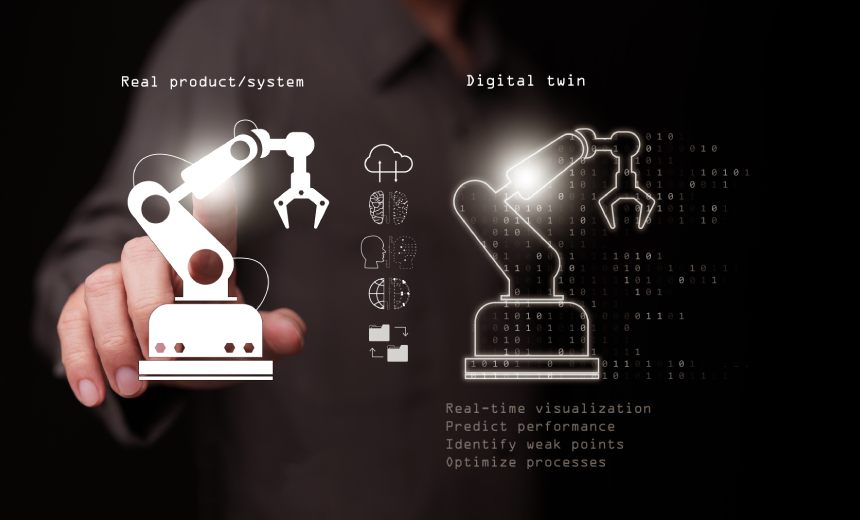 For nearly two decades, digital twins struggled to live up to their initial
promises. Most companies used them merely as advanced visualization tools or
static engineering models that quickly became disconnected from the physical
equipment they represented. Building and maintaining these simulations was
highly expensive, and fragmented data across separate corporate departments
further limited their actual utility. However, the broader availability of
practical artificial intelligence is changing how factories and industrial
plants operate. By cleanly integrating live data feeds, modern digital twins
can continuously learn from everyday operational events, environmental shifts,
and machinery maintenance histories rather than remaining static. This shift
allows large companies to simulate factory updates and test potential facility
modifications safely without pausing active assembly lines. Beyond basic
mirroring, newer setups enable virtual models to accurately predict system
failures and automate adjustments directly back into real-world workflows.
This ongoing progression also encourages organizations to dismantle the
traditional divisions between their plant-floor operational systems and
standard corporate IT networks. Ultimately, these tools working together allow
manufacturers to bypass previous technical limitations. Instead of managing
passive digital replicas, businesses can now run responsive systems that
analyze data and optimize physical environments in real time, finally
capturing real value from their data investments.
For nearly two decades, digital twins struggled to live up to their initial
promises. Most companies used them merely as advanced visualization tools or
static engineering models that quickly became disconnected from the physical
equipment they represented. Building and maintaining these simulations was
highly expensive, and fragmented data across separate corporate departments
further limited their actual utility. However, the broader availability of
practical artificial intelligence is changing how factories and industrial
plants operate. By cleanly integrating live data feeds, modern digital twins
can continuously learn from everyday operational events, environmental shifts,
and machinery maintenance histories rather than remaining static. This shift
allows large companies to simulate factory updates and test potential facility
modifications safely without pausing active assembly lines. Beyond basic
mirroring, newer setups enable virtual models to accurately predict system
failures and automate adjustments directly back into real-world workflows.
This ongoing progression also encourages organizations to dismantle the
traditional divisions between their plant-floor operational systems and
standard corporate IT networks. Ultimately, these tools working together allow
manufacturers to bypass previous technical limitations. Instead of managing
passive digital replicas, businesses can now run responsive systems that
analyze data and optimize physical environments in real time, finally
capturing real value from their data investments.Data discovery gaps that catch enterprises off guard
In an interview with Help Net Security, Schellman CEO Avani Desai highlights a
significant disconnect between what organizations believe they know about
their own sensitive files and what automated discovery tools actually find.
Even companies with advanced compliance dashboards and extensive data catalogs
frequently overlook hidden information sitting in abandoned cloud storage, old
testing setups, and legacy environments that teams assumed were turned off
years ago. This lack of visibility becomes especially problematic during
corporate mergers, where overlooked and heavily duplicated files can stall
integration work and lead to unexpected, costly cleanups. Desai points out
that while synthetic data is currently marketed heavily as a simple shortcut
for basic security habits, confidential computing remains underappreciated
despite its crucial ability to protect information while it is actively being
processed. Interestingly, smaller firms often manage compliance and technical
updates much better than large enterprises because they operate with less
internal bureaucracy, fewer outdated computer systems, and far clearer lines
of individual responsibility. Ultimately, mapping out company information
cannot be treated as a fixed, one-off task. Desai suggests the real test of a
company's readiness is knowing exactly who is responsible for continuously
updating that data map after any routine system change, software update, or
cloud migration takes place.