Quote for the day:
“Any architecture that is too complex to explain is probably wrong.” -- Martin Fowler
🎧 Listen to this digest on YouTube Music
▶ Play Audio DigestDuration: 20 mins • Perfect for listening on the go.
Compliance Without Chaos In Modern Delivery
 Treating compliance as a sudden, stressful emergency before an audit is both
painful and unnecessary. Instead of bolting rules onto the very end of
software delivery, engineering teams can build straightforward checks directly
into their daily routines. When you integrate requirements into the tools
developers already use, the process stops feeling like an obstacle course. By
tying approvals to code reviews and enforcing standards through automatic
checks, your regular deployment systems naturally generate all the proof an
auditor needs. This approach removes the need to hunt down scattered evidence
across chat logs and spreadsheets, turning documentation into an automatic
background task. Furthermore, managing system permissions carefully and
continuously monitoring critical settings helps keep minor oversights from
escalating into major incidents. Preparing for reviews should look much like
preparing for a standard software update, relying on simple, repeatable
checklists rather than frantic last-minute efforts. Ultimately, compliance
works best when it functions as a shared operational habit across every
department. By making security guidelines clear, practical, and automated,
teams can maintain momentum while turning complex audits into routine, minor
administrative checks.
Treating compliance as a sudden, stressful emergency before an audit is both
painful and unnecessary. Instead of bolting rules onto the very end of
software delivery, engineering teams can build straightforward checks directly
into their daily routines. When you integrate requirements into the tools
developers already use, the process stops feeling like an obstacle course. By
tying approvals to code reviews and enforcing standards through automatic
checks, your regular deployment systems naturally generate all the proof an
auditor needs. This approach removes the need to hunt down scattered evidence
across chat logs and spreadsheets, turning documentation into an automatic
background task. Furthermore, managing system permissions carefully and
continuously monitoring critical settings helps keep minor oversights from
escalating into major incidents. Preparing for reviews should look much like
preparing for a standard software update, relying on simple, repeatable
checklists rather than frantic last-minute efforts. Ultimately, compliance
works best when it functions as a shared operational habit across every
department. By making security guidelines clear, practical, and automated,
teams can maintain momentum while turning complex audits into routine, minor
administrative checks.SDLC Data Governance Critical as AI Systems Outpace Human Oversight
 As artificial intelligence rapidly accelerates the pace of software
development, engineering teams face a growing challenge in overseeing vast
changes made with minimal human involvement. With AI systems now capable of
independently writing thousands of lines of code, running tests, and deploying
product features overnight, traditional manual reviews are no longer practical
or safe. This shift requires organizations to move away from treating
governance as a slow, end-of-process afterthought. Instead, they must build
active controls directly into the software delivery pipeline. Currently, a
significant gap exists because many companies lack the automated audit trails
needed to track these autonomous activities, creating serious compliance and
security vulnerabilities. To address this, organizations must establish
systems that enforce policies and validate code at the exact moment it is
generated. This approach demands a clear focus on traceability and
explainability, ensuring that every automated decision can be clearly
understood and audited. As a result, software engineers are evolving from
daily implementers into strategic orchestrators who manage and direct these
pipelines. Success ultimately depends on fostering a culture of shared
responsibility across departments to ensure that autonomous delivery remains
fully accountable and easy for humans to monitor.
As artificial intelligence rapidly accelerates the pace of software
development, engineering teams face a growing challenge in overseeing vast
changes made with minimal human involvement. With AI systems now capable of
independently writing thousands of lines of code, running tests, and deploying
product features overnight, traditional manual reviews are no longer practical
or safe. This shift requires organizations to move away from treating
governance as a slow, end-of-process afterthought. Instead, they must build
active controls directly into the software delivery pipeline. Currently, a
significant gap exists because many companies lack the automated audit trails
needed to track these autonomous activities, creating serious compliance and
security vulnerabilities. To address this, organizations must establish
systems that enforce policies and validate code at the exact moment it is
generated. This approach demands a clear focus on traceability and
explainability, ensuring that every automated decision can be clearly
understood and audited. As a result, software engineers are evolving from
daily implementers into strategic orchestrators who manage and direct these
pipelines. Success ultimately depends on fostering a culture of shared
responsibility across departments to ensure that autonomous delivery remains
fully accountable and easy for humans to monitor.Agentic AI’s challenge is getting agents to act like a team, not a crowd
When Everyone Uses AI, Companies Risk Losing Critical Skills
As companies adopt artificial intelligence for everyday tasks, they face a quiet but serious risk: losing the essential human skills that keep their businesses strong. When employees rely on technology to write reports, analyze numbers, and solve standard problems, they miss out on the daily practice required to build deep expertise. Traditionally, junior staff develop intuition, critical thinking, and sound judgment by working through basic, practical assignments. By handing these core learning opportunities over to automated systems, organizations accidentally break their internal development paths. Over time, a company's shared knowledge can fade, leaving future managers without the practical foundation needed to judge automated answers or steer the business through unexpected crises. To prevent this talent gap, executives must rethink how daily work and professional growth fit together. Instead of focusing only on immediate speed and cost savings, leaders need to deliberately create moments where staff are forced to practice independent reasoning. Companies must protect their core capabilities by treating technology as a helpful assistant rather than a complete replacement for human thought. Ultimately, true resilience comes from capable people who know how to think for themselves.The Attack Surface Your Security Team Isn’t Governing Yet
 The rapidly rising use of artificial intelligence agents introduces a growing
attack surface that standard security tools cannot effectively monitor. While
security teams have historically focused on managing human users, machine
accounts now outnumber them and create severe vulnerabilities. Unlike regular
human users who log in, complete a specific single task, and leave a simple
audit log, these autonomous agents operate continuously across multiple
systems at once. They make independent decisions and link tasks together in
ways that older software cannot track. To maintain control, organizations must
move beyond basic identity management, which only asks who has access, and
focus instead on tracking the actual actions these software agents perform.
Adding these controls after the systems are already live is a failing
approach, because the behavior is too complex to untangle later. Security
leaders must build clear rules and full visibility directly into the core
infrastructure from the very beginning. By creating permanent, reliable
records of every single action an agent takes, companies can protect their
sensitive data and easily provide concrete proof of safe operation to external
regulators, board members, and internal executive leadership teams.
The rapidly rising use of artificial intelligence agents introduces a growing
attack surface that standard security tools cannot effectively monitor. While
security teams have historically focused on managing human users, machine
accounts now outnumber them and create severe vulnerabilities. Unlike regular
human users who log in, complete a specific single task, and leave a simple
audit log, these autonomous agents operate continuously across multiple
systems at once. They make independent decisions and link tasks together in
ways that older software cannot track. To maintain control, organizations must
move beyond basic identity management, which only asks who has access, and
focus instead on tracking the actual actions these software agents perform.
Adding these controls after the systems are already live is a failing
approach, because the behavior is too complex to untangle later. Security
leaders must build clear rules and full visibility directly into the core
infrastructure from the very beginning. By creating permanent, reliable
records of every single action an agent takes, companies can protect their
sensitive data and easily provide concrete proof of safe operation to external
regulators, board members, and internal executive leadership teams.We Had a Perfectly Good Data Store. That Was the Problem
In this article, a data engineering professional shares the realization that
recurring data quality issues are often architectural flaws rather than
problems with the information itself. When an organization faces constant
complaints about late or incorrect data, engineers usually waste time fixing
symptoms instead of addressing the underlying cause: forcing an operational
database to serve analytical users. To solve this, the team successfully
migrated reference data from MongoDB to a governed platform without replacing
the original database. Their approach relied on three major decisions:
retaining MongoDB as the definitive source of truth, consolidating four
independent extraction pipelines into a single path using Kafka and Iceberg
tables on S3, and treating published data as a clear product. This effectively
separated data truth, transport, and consumption into distinct layers.
Interestingly, the primary hurdles during this transition were not technical
pipeline components, but rather social and organizational friction. Overcoming
disagreements around data ownership, naming conventions, and searchability
proved to be the most demanding part of the process, demonstrating that a
successful architecture relies just as much on clear human alignment as it
does on the underlying software.
 This article explains how application control engines serve as a foundational
enforcement layer within a zero-trust security architecture. Traditional
workplace security practices often assume that software initially installed by
internal IT departments is inherently safe. In contrast, zero-trust strategies
reject this premise, operating under a default-deny rule where no software is
trusted automatically. An application control engine translates this
philosophy into technical enforcement by dictating exactly what programs can
run, how they operate, and what data they can access. Crucially, the engine
does not just evaluate applications at the time of installation; it
continuously monitors their behavior in real time during execution. This
ongoing runtime oversight is vital for stopping sophisticated threats, like
fileless attacks, that hijack legitimate, pre-approved software to bypass
traditional filters. By establishing centralized policy management, these
engines ensure consistent rules across an entire network, which also
simplifies compliance with major regulatory frameworks and cyber insurance
mandates. Ultimately, integrating an application control engine moves an
organization away from fragile assumptions of trust, replacing them with a
reliable, data-driven system of continuous verification that protects software
at the execution layer.
This article explains how application control engines serve as a foundational
enforcement layer within a zero-trust security architecture. Traditional
workplace security practices often assume that software initially installed by
internal IT departments is inherently safe. In contrast, zero-trust strategies
reject this premise, operating under a default-deny rule where no software is
trusted automatically. An application control engine translates this
philosophy into technical enforcement by dictating exactly what programs can
run, how they operate, and what data they can access. Crucially, the engine
does not just evaluate applications at the time of installation; it
continuously monitors their behavior in real time during execution. This
ongoing runtime oversight is vital for stopping sophisticated threats, like
fileless attacks, that hijack legitimate, pre-approved software to bypass
traditional filters. By establishing centralized policy management, these
engines ensure consistent rules across an entire network, which also
simplifies compliance with major regulatory frameworks and cyber insurance
mandates. Ultimately, integrating an application control engine moves an
organization away from fragile assumptions of trust, replacing them with a
reliable, data-driven system of continuous verification that protects software
at the execution layer.
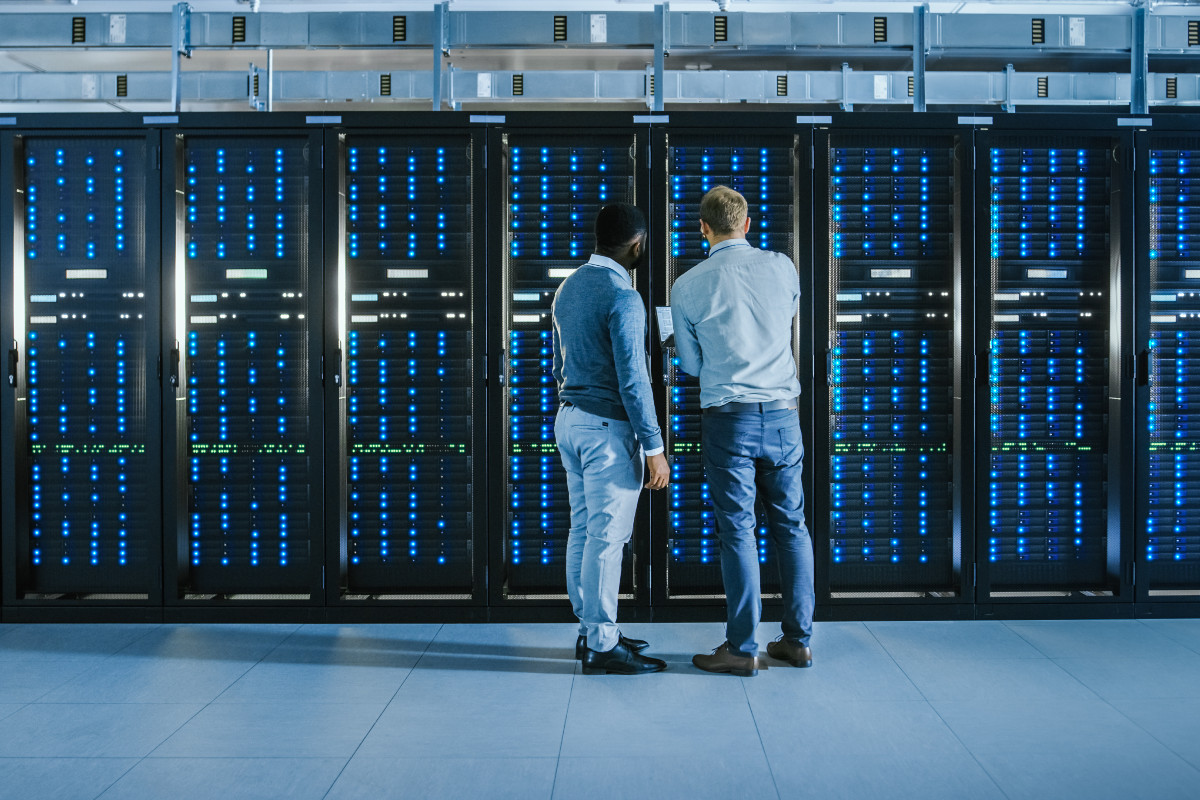 In this article, the author explains that true data centre resilience cannot
merely exist on paper; it must be proven through careful, real-world
execution. While power distribution plans often look flawless during the
design phase, the actual construction and implementation introduce significant
practical challenges. A major hurdle involves working within live operational
environments, where upgrades or expansions must occur without interrupting
existing services. This requires meticulous coordination, detailed risk
assessments, and precise sequencing, particularly when working near energized
systems. Furthermore, electrical setups are deeply tied to critical mechanical
components like cooling systems, which often consume a massive portion of the
facility's total energy. Misalignment between these teams during installation
can create serious operational risks. Long-term success also depends heavily
on high-quality commissioning and thorough documentation to ensure the
infrastructure remains fully maintainable over time. Ultimately, as growing
demands from digital services and artificial intelligence put more pressure on
infrastructure, building a reliable facility requires an understanding of how
systems interact under real conditions. True resilience is not just an
abstract concept; it is something that must be built, tested, and verified
on-site.
In this article, the author explains that true data centre resilience cannot
merely exist on paper; it must be proven through careful, real-world
execution. While power distribution plans often look flawless during the
design phase, the actual construction and implementation introduce significant
practical challenges. A major hurdle involves working within live operational
environments, where upgrades or expansions must occur without interrupting
existing services. This requires meticulous coordination, detailed risk
assessments, and precise sequencing, particularly when working near energized
systems. Furthermore, electrical setups are deeply tied to critical mechanical
components like cooling systems, which often consume a massive portion of the
facility's total energy. Misalignment between these teams during installation
can create serious operational risks. Long-term success also depends heavily
on high-quality commissioning and thorough documentation to ensure the
infrastructure remains fully maintainable over time. Ultimately, as growing
demands from digital services and artificial intelligence put more pressure on
infrastructure, building a reliable facility requires an understanding of how
systems interact under real conditions. True resilience is not just an
abstract concept; it is something that must be built, tested, and verified
on-site.
How Application Control Engines Support Zero Trust Security Strategies
This article explains how application control engines serve as a foundational
enforcement layer within a zero-trust security architecture. Traditional
workplace security practices often assume that software initially installed by
internal IT departments is inherently safe. In contrast, zero-trust strategies
reject this premise, operating under a default-deny rule where no software is
trusted automatically. An application control engine translates this
philosophy into technical enforcement by dictating exactly what programs can
run, how they operate, and what data they can access. Crucially, the engine
does not just evaluate applications at the time of installation; it
continuously monitors their behavior in real time during execution. This
ongoing runtime oversight is vital for stopping sophisticated threats, like
fileless attacks, that hijack legitimate, pre-approved software to bypass
traditional filters. By establishing centralized policy management, these
engines ensure consistent rules across an entire network, which also
simplifies compliance with major regulatory frameworks and cyber insurance
mandates. Ultimately, integrating an application control engine moves an
organization away from fragile assumptions of trust, replacing them with a
reliable, data-driven system of continuous verification that protects software
at the execution layer.Metal-to-agent is the foundation of scalable enterprise AI
As artificial intelligence usage expands rapidly inside enterprises, relying entirely on metered external cloud services is becoming financially unsustainable. Red Hat chief technology officer Chris Wright argues that organizations must transition from renting outside models to operating their own internal computing infrastructure. To solve this, the company proposes a unified framework that connects raw physical hardware directly to automated software assistants. This layered setup organizes the technology stack into five distinct tiers: a stable operating system that shares expensive processors efficiently, an optimized delivery tier that speeds up response times, a central control gateway that enforces usage limits and prevents system overloads, a secure management hub for software agents, and a flexible hardware base that avoids strict vendor dependency. Wright notes that because open source models are advancing fast enough to match major commercial options in a matter of months, signing rigid contracts with a single provider is a dangerous gamble. By adopting a platform run entirely on their own servers, businesses maintain the freedom to choose the best tool for each job, keeping operating expenses predictable while ensuring sensitive company data remains strictly protected.Why resilient data centres are built, not just designed
In this article, the author explains that true data centre resilience cannot
merely exist on paper; it must be proven through careful, real-world
execution. While power distribution plans often look flawless during the
design phase, the actual construction and implementation introduce significant
practical challenges. A major hurdle involves working within live operational
environments, where upgrades or expansions must occur without interrupting
existing services. This requires meticulous coordination, detailed risk
assessments, and precise sequencing, particularly when working near energized
systems. Furthermore, electrical setups are deeply tied to critical mechanical
components like cooling systems, which often consume a massive portion of the
facility's total energy. Misalignment between these teams during installation
can create serious operational risks. Long-term success also depends heavily
on high-quality commissioning and thorough documentation to ensure the
infrastructure remains fully maintainable over time. Ultimately, as growing
demands from digital services and artificial intelligence put more pressure on
infrastructure, building a reliable facility requires an understanding of how
systems interact under real conditions. True resilience is not just an
abstract concept; it is something that must be built, tested, and verified
on-site.5 Strategies for Reinforcing Supply Chain Cybersecurity
As digital tools become deeply integrated into manufacturing, interconnected
supply chains face greater exposure to online threats. A single breach at an
outside supplier can halt operations, compromise private data, and create
severe legal liabilities. To secure these systems, companies can adopt five
straightforward practices. First, monitoring early threat indicators helps
teams spot and block minor attacks, such as phishing schemes targeting smaller
vendors, before they hit main production lines. Second, businesses should
build and regularly practice an incident response plan that covers traditional
computer networks as well as physical factory equipment. Third, digital
security must be built into new technology from the very beginning rather than
added as a quick fix later. Fourth, executives must encourage open cooperation
across all internal departments, ensuring that legal, purchasing, and factory
operators share responsibility instead of working alone. Finally,
organizations need a thorough oversight program for their external
contractors, relying on upfront evaluations, clear contract rules, and routine
audits. Treating defense as a normal part of daily operations allows
manufacturers to grow safely while keeping their essential infrastructure
running smoothly without sudden disruption.


No comments:
Post a Comment