Quote for the day:
"Outstanding leaders go out of their way to boost the self-esteem of their personnel." -- Sam Walton
🎧 Listen to this digest on YouTube Music
▶ Play Audio DigestDuration: 21 mins • Perfect for listening on the go.
Why AI coding debt is different
 The rapid adoption of artificial intelligence in software development is
generating an entirely new challenge: cognitive debt. Unlike traditional
technical debt, which usually involves poorly written or messy code, cognitive
debt arises when software works perfectly but no human understands exactly how
or why it was built. Because AI tools generate code at unprecedented speeds,
developers often bypass the crucial, slower process of thinking through
specific scenarios and internalizing the underlying logic. Furthermore, many
AI tools operate without essential background knowledge, such as past design
choices or specific security rules, resulting in code that may function in
isolation but lacks overall coherence. To prevent this accumulation of
invisible debt, organizations must shift their focus from merely generating
code to rigorously checking it. This involves building strong internal
practices that provide AI with necessary historical knowledge before it writes
a single line. Most importantly, engineering teams must establish strict human
ownership, ensuring a developer takes the time to thoroughly review and
comprehend the final product. By balancing the speed of AI generation with
careful oversight and deep understanding, companies can maintain healthy,
reliable systems without sacrificing their future stability or falling into
irreversible complications.
The rapid adoption of artificial intelligence in software development is
generating an entirely new challenge: cognitive debt. Unlike traditional
technical debt, which usually involves poorly written or messy code, cognitive
debt arises when software works perfectly but no human understands exactly how
or why it was built. Because AI tools generate code at unprecedented speeds,
developers often bypass the crucial, slower process of thinking through
specific scenarios and internalizing the underlying logic. Furthermore, many
AI tools operate without essential background knowledge, such as past design
choices or specific security rules, resulting in code that may function in
isolation but lacks overall coherence. To prevent this accumulation of
invisible debt, organizations must shift their focus from merely generating
code to rigorously checking it. This involves building strong internal
practices that provide AI with necessary historical knowledge before it writes
a single line. Most importantly, engineering teams must establish strict human
ownership, ensuring a developer takes the time to thoroughly review and
comprehend the final product. By balancing the speed of AI generation with
careful oversight and deep understanding, companies can maintain healthy,
reliable systems without sacrificing their future stability or falling into
irreversible complications.Why Every CISO Needs a Head of AppSec in the Age of Vibecoding
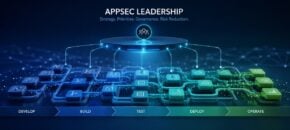 The rise of AI-assisted software development has drastically increased the
speed at which code is generated and deployed. While this shift enhances
developer productivity, it also introduces subtle flaws and misconfigurations
at a scale that outpaces traditional security measures. For a Chief
Information Security Officer (CISO), directly overseeing application security
is no longer practical. To maintain control without slowing down engineering,
organizations must introduce a dedicated Head of Application Security. This
role acts as a vital bridge between the security and development teams,
turning abstract vulnerabilities into clear, actionable fixes that fit
naturally into everyday workflows. Instead of treating security as a
roadblock, a capable Head of Application Security enables developers to build
safely and efficiently. Furthermore, while automated tools handle known
issues, this leader ensures human testers remain focused on uncovering complex
attack paths that machines miss. By delegating the daily operational details
of application security to a specialized leader, the CISO can step back and
focus on broader risk management and strategy. Ultimately, restructuring
security leadership is essential for companies wanting to build software
quickly without taking on unmanaged risks.
The rise of AI-assisted software development has drastically increased the
speed at which code is generated and deployed. While this shift enhances
developer productivity, it also introduces subtle flaws and misconfigurations
at a scale that outpaces traditional security measures. For a Chief
Information Security Officer (CISO), directly overseeing application security
is no longer practical. To maintain control without slowing down engineering,
organizations must introduce a dedicated Head of Application Security. This
role acts as a vital bridge between the security and development teams,
turning abstract vulnerabilities into clear, actionable fixes that fit
naturally into everyday workflows. Instead of treating security as a
roadblock, a capable Head of Application Security enables developers to build
safely and efficiently. Furthermore, while automated tools handle known
issues, this leader ensures human testers remain focused on uncovering complex
attack paths that machines miss. By delegating the daily operational details
of application security to a specialized leader, the CISO can step back and
focus on broader risk management and strategy. Ultimately, restructuring
security leadership is essential for companies wanting to build software
quickly without taking on unmanaged risks.A perfect storm: data centers and tornadoes
 The article examines the growing collision between data center expansion and
the rising threat of tornadoes. As the demand for digital infrastructure
pushes these vital facilities into regions known for volatile weather
patterns, operators face a complex challenge. The piece highlights that
relying on standard commercial building practices is no longer sufficient to
protect critical hardware and ensure uninterrupted operations. Instead, modern
data centers must incorporate specialized physical hardening from the ground
up. This involves constructing reinforced concrete walls and specialized
roofing designed to withstand extreme wind speeds and dangerous flying debris.
Beyond structural defenses, the analysis strongly emphasizes the necessity of
implementing comprehensive disaster recovery strategies. A key component is
building geographic redundancy into the network architecture, ensuring that if
one specific facility goes offline, other locations can seamlessly manage the
computing load. Maintaining reliable backup power generation and secondary
cooling systems is also essential to survive the immediate aftermath of a
storm when local utility grids fail. Ultimately, securing digital assets
against nature's unpredictability requires a steady, proactive approach,
blending structural engineering with thorough contingency planning to keep
essential services running smoothly.
The article examines the growing collision between data center expansion and
the rising threat of tornadoes. As the demand for digital infrastructure
pushes these vital facilities into regions known for volatile weather
patterns, operators face a complex challenge. The piece highlights that
relying on standard commercial building practices is no longer sufficient to
protect critical hardware and ensure uninterrupted operations. Instead, modern
data centers must incorporate specialized physical hardening from the ground
up. This involves constructing reinforced concrete walls and specialized
roofing designed to withstand extreme wind speeds and dangerous flying debris.
Beyond structural defenses, the analysis strongly emphasizes the necessity of
implementing comprehensive disaster recovery strategies. A key component is
building geographic redundancy into the network architecture, ensuring that if
one specific facility goes offline, other locations can seamlessly manage the
computing load. Maintaining reliable backup power generation and secondary
cooling systems is also essential to survive the immediate aftermath of a
storm when local utility grids fail. Ultimately, securing digital assets
against nature's unpredictability requires a steady, proactive approach,
blending structural engineering with thorough contingency planning to keep
essential services running smoothly.OT vs IT Security: Key Differences Explained for Controls Engineers
Operational Technology (OT) security and Information Technology (IT) security
serve different purposes and operate under distinct priorities. While IT
security safeguards corporate data networks with a primary focus on keeping
information confidential, intact, and available, OT security protects
industrial control systems like programmable logic controllers and
manufacturing lines. Because a failure in these industrial environments can
lead to damaged equipment or physical harm, OT flips the traditional model to
prioritize availability and safety above all else, often minimizing
confidentiality. A major challenge for controls engineers is that standard IT
practices do not easily transfer to the plant floor. For example, you cannot
simply update an industrial controller the way you patch a laptop. These
devices require uninterrupted operation, rigorous testing, and strict vendor
approvals, making routine updates costly and disruptive. Furthermore, as
enterprise networks increasingly connect with industrial systems to share
data—a trend known as IT/OT convergence—traditional boundaries disappear. This
connectivity introduces new vulnerabilities to legacy equipment that was never
designed for modern internet threats. Bridging this gap requires careful
network segmentation and a shared understanding between IT departments and
plant engineers to keep production running safely.
AI Governance vs Data Governance: Why They Need Opposite Approaches
 The article highlights the distinct but complementary needs of data and
artificial intelligence governance within modern organizations. It points out
that traditional data management programs often fail within their first year
because they rely on rigid, centralized control that internal teams actively
resist. To succeed, these data initiatives must instead link directly to
specific business goals and decentralize their efforts across departments.
Conversely, managing artificial intelligence requires the exact opposite
organizational approach. Because AI development usually begins in isolated,
scattered teams, it actually requires a centralized strategy to mature
effectively and deliver consistent value. To resolve this structural tension,
the text advocates for an adaptable framework that thoughtfully balances
central standards with flexible, everyday execution. This method adjusts the
level of control based on the organization's maturity and the specific risks
involved in each project. Furthermore, the rapid adoption of modern AI tools
demands a renewed focus on unstructured information, such as plain text
documents, which is inherently harder to organize than traditional databases.
Companies are strongly advised to systematically discover, tag, and connect
this unstructured information to ensure their automated systems remain
reliable and safe for long-term enterprise use.
The article highlights the distinct but complementary needs of data and
artificial intelligence governance within modern organizations. It points out
that traditional data management programs often fail within their first year
because they rely on rigid, centralized control that internal teams actively
resist. To succeed, these data initiatives must instead link directly to
specific business goals and decentralize their efforts across departments.
Conversely, managing artificial intelligence requires the exact opposite
organizational approach. Because AI development usually begins in isolated,
scattered teams, it actually requires a centralized strategy to mature
effectively and deliver consistent value. To resolve this structural tension,
the text advocates for an adaptable framework that thoughtfully balances
central standards with flexible, everyday execution. This method adjusts the
level of control based on the organization's maturity and the specific risks
involved in each project. Furthermore, the rapid adoption of modern AI tools
demands a renewed focus on unstructured information, such as plain text
documents, which is inherently harder to organize than traditional databases.
Companies are strongly advised to systematically discover, tag, and connect
this unstructured information to ensure their automated systems remain
reliable and safe for long-term enterprise use.Security considerations for adopting Claude Code and Cowork for SMBs
 When small and medium-sized businesses decide to adopt AI tools like Claude,
security leaders must carefully balance rapid deployment with essential safety
measures. The primary step is understanding the specific plan your
organization requires, as advanced security features like single sign-on and
compliance tools are restricted to higher-tier subscriptions. Rather than
granting broad access, it is safer to control your exposure by selectively
assigning licenses for different products—such as Chat, Code, or Cowork—based
on actual employee needs. As you introduce these tools, avoid turning on every
feature at once. Instead, evaluate the risks of each capability and roll them
out gradually. Features like web search or automated skills introduce
vulnerabilities, making strict management of API keys and data access
critical. Limit the number of people who can generate administrative keys to
maintain tight control. Additionally, remember that you cannot outsource your
data governance. It is your responsibility to monitor what information flows
into the system and verify the accuracy of what comes out. By relying on a
phased approach and leveraging existing security vendors, you can confidently
integrate new technologies while keeping your business secure.
When small and medium-sized businesses decide to adopt AI tools like Claude,
security leaders must carefully balance rapid deployment with essential safety
measures. The primary step is understanding the specific plan your
organization requires, as advanced security features like single sign-on and
compliance tools are restricted to higher-tier subscriptions. Rather than
granting broad access, it is safer to control your exposure by selectively
assigning licenses for different products—such as Chat, Code, or Cowork—based
on actual employee needs. As you introduce these tools, avoid turning on every
feature at once. Instead, evaluate the risks of each capability and roll them
out gradually. Features like web search or automated skills introduce
vulnerabilities, making strict management of API keys and data access
critical. Limit the number of people who can generate administrative keys to
maintain tight control. Additionally, remember that you cannot outsource your
data governance. It is your responsibility to monitor what information flows
into the system and verify the accuracy of what comes out. By relying on a
phased approach and leveraging existing security vendors, you can confidently
integrate new technologies while keeping your business secure.
Every AI Agent Is an Identity. Most Organizations Don't Treat Them That Way
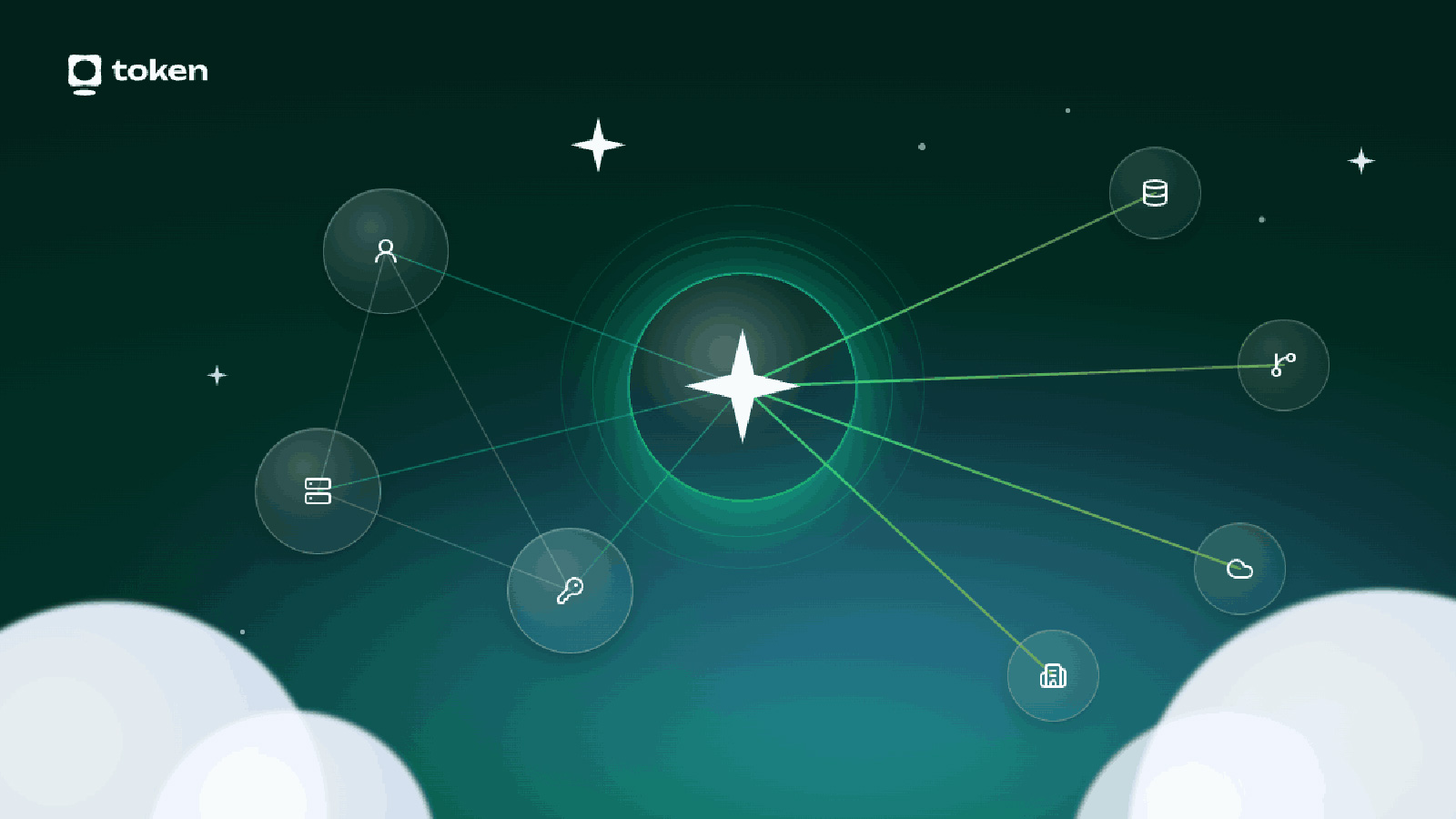 As AI agents evolve from simple productivity tools into powerful actors that
can trigger workflows, write code, and update records, they are effectively
becoming new digital identities within enterprise networks. However, most
organizations are failing to secure them as such. According to the article,
security teams traditionally focus on managing the identities of human
employees and service accounts, leaving AI agents largely ungoverned. These
agents are frequently connected to critical business platforms like
Salesforce, GitHub, and production databases, often receiving overly broad
permissions just to ensure they work smoothly. This creates a sprawling
network of hidden actors with high levels of system access. While much of the
AI security conversation has centered on software risks like bad prompts or
incorrect outputs, the greater threat lies in what these tools can actually
access. An overprivileged AI agent compromised by a malicious plugin can
become a dangerous pathway for major data theft or system damage. To safely
adopt AI technology, organizations must start treating AI agents exactly like
standard network identities. This requires continuous tracking, strictly
restricting their permissions to match their exact purpose, and systematically
applying the same exact security rules used for human employees.
As AI agents evolve from simple productivity tools into powerful actors that
can trigger workflows, write code, and update records, they are effectively
becoming new digital identities within enterprise networks. However, most
organizations are failing to secure them as such. According to the article,
security teams traditionally focus on managing the identities of human
employees and service accounts, leaving AI agents largely ungoverned. These
agents are frequently connected to critical business platforms like
Salesforce, GitHub, and production databases, often receiving overly broad
permissions just to ensure they work smoothly. This creates a sprawling
network of hidden actors with high levels of system access. While much of the
AI security conversation has centered on software risks like bad prompts or
incorrect outputs, the greater threat lies in what these tools can actually
access. An overprivileged AI agent compromised by a malicious plugin can
become a dangerous pathway for major data theft or system damage. To safely
adopt AI technology, organizations must start treating AI agents exactly like
standard network identities. This requires continuous tracking, strictly
restricting their permissions to match their exact purpose, and systematically
applying the same exact security rules used for human employees.CIOs: tear down the wall between resilience and data security
 For years, organizations have treated keeping systems online and keeping data
safe as two separate jobs handled by different teams. However, the rapid
adoption of artificial intelligence is proving that this separation is no
longer practical. Rather than creating entirely new problems, AI is exposing
existing flaws in how companies manage their files and information. When
employees use AI assistants, these tools can easily find and share old or
sensitive documents that were left unsecured, revealing a severe lack of basic
organization and control. To solve this, technology leaders must unite their
safety and system recovery efforts. First, companies need to understand
exactly what information they have, where it lives, and who should see it
before they roll out new tools. Second, they must use automated systems to
manage rules and access, because human review simply cannot keep up with the
speed of automated requests. Finally, businesses must clearly track what
automated programs are doing and why, to ensure they meet future legal
standards. Ultimately, attempting to block these new tools will fail. Instead,
leaders must safely guide their use by building a unified, trustworthy
foundation.
For years, organizations have treated keeping systems online and keeping data
safe as two separate jobs handled by different teams. However, the rapid
adoption of artificial intelligence is proving that this separation is no
longer practical. Rather than creating entirely new problems, AI is exposing
existing flaws in how companies manage their files and information. When
employees use AI assistants, these tools can easily find and share old or
sensitive documents that were left unsecured, revealing a severe lack of basic
organization and control. To solve this, technology leaders must unite their
safety and system recovery efforts. First, companies need to understand
exactly what information they have, where it lives, and who should see it
before they roll out new tools. Second, they must use automated systems to
manage rules and access, because human review simply cannot keep up with the
speed of automated requests. Finally, businesses must clearly track what
automated programs are doing and why, to ensure they meet future legal
standards. Ultimately, attempting to block these new tools will fail. Instead,
leaders must safely guide their use by building a unified, trustworthy
foundation.France and Germany Boost Digital Sovereignty Push
 France and Germany are strengthening their commitment to European digital
sovereignty through a coordinated approach and substantial new funding. To
reduce reliance on foreign technology, the French government announced an
initial 13 billion euro investment fund, expected to grow to 15 billion euros
by the end of the year, aimed at supporting domestic and regional technology
firms. Institutional investors, including aerospace and defense partners, are
backing this initiative. Half of the capital is dedicated to deep technology
sectors such as artificial intelligence, quantum computing, biotechnology, and
space exploration. This focus on artificial intelligence is particularly
timely given recent United States export controls that restricted European
access to advanced models from companies like Anthropic. These restrictions
have intensified demands for regional self-sufficiency and highlighted the
strategic importance of European developers like France's Mistral AI. The new
funding represents the third phase of a broader effort to close the financing
gap for scaling tech businesses in the region. Although Germany previously
approached such initiatives with caution, shifting geopolitical dynamics and
concerns over the reliability of American technology services have united the
two nations in their drive to secure technological independence.
France and Germany are strengthening their commitment to European digital
sovereignty through a coordinated approach and substantial new funding. To
reduce reliance on foreign technology, the French government announced an
initial 13 billion euro investment fund, expected to grow to 15 billion euros
by the end of the year, aimed at supporting domestic and regional technology
firms. Institutional investors, including aerospace and defense partners, are
backing this initiative. Half of the capital is dedicated to deep technology
sectors such as artificial intelligence, quantum computing, biotechnology, and
space exploration. This focus on artificial intelligence is particularly
timely given recent United States export controls that restricted European
access to advanced models from companies like Anthropic. These restrictions
have intensified demands for regional self-sufficiency and highlighted the
strategic importance of European developers like France's Mistral AI. The new
funding represents the third phase of a broader effort to close the financing
gap for scaling tech businesses in the region. Although Germany previously
approached such initiatives with caution, shifting geopolitical dynamics and
concerns over the reliability of American technology services have united the
two nations in their drive to secure technological independence.Data Observability: Guidance for Data Leaders
Many organizations struggle to ensure their artificial intelligence systems
receive reliable information. Although experts recognize the necessity of
tracking data as it moves through systems, many leaders still treat this
practice as a future goal rather than an immediate requirement. Without a
clear view into their data systems, companies are left guessing whether their
information is accurate and safe to use. As artificial intelligence shifts
from simply providing answers to taking independent actions, relying on
guesswork is no longer acceptable. Information pathways are becoming
increasingly complicated, making it easier for mistakes to happen or for
incorrect details to reach the wrong destination. Proper oversight helps
address these complications, including the growing challenge of fragmented
systems. Fundamentally, observing your data means proving that the right
information arrives exactly when and where it is needed. This practice
requires finding and fixing errors before they impact the business. Instead of
merely checking if a system is turned on, organizations must validate that the
information flowing through it is completely trustworthy. By maintaining a
continuous, clear view of their data, organizations can confidently support
their advanced technologies and ensure reliable outcomes.


No comments:
Post a Comment