Quote for the day:
“If we are growing, we are always going to be out of our comfort zone.” -- John C. Maxwell
🎧 Listen to this digest on YouTube Music
▶ Play Audio DigestDuration: 22 mins • Perfect for listening on the go.
When IT loses sight of enterprise low-code
 When information technology departments lose oversight of low code development,
organizations often face significant operational risks. Low code platforms are
designed to let everyday employees build applications quickly, which can improve
efficiency and solve immediate business problems. However, without proper
technical supervision, this newfound freedom can lead to a heavily fragmented
digital environment. Employees might create software that handles sensitive data
without following standard security protocols, exposing the company to serious
breaches and costly compliance failures. Furthermore, these independently built
applications often overlap in function, creating unnecessary complexity and
increasing ongoing maintenance costs. When employees eventually leave the
company, the specialized tools they built can easily become unsupported and
difficult to fix, leaving critical business processes vulnerable to disruption.
To effectively manage these persistent challenges, technical teams must maintain
a strong guiding role in all low code initiatives. By establishing clear rules
and providing structured, reliable support, IT can help employees build useful
tools safely. This collaborative approach ensures that new applications
integrate smoothly with existing systems and adhere strictly to company
standards. Ultimately, balancing employee autonomy with technical oversight
allows businesses to benefit from faster software creation without compromising
their security, stability, or long term operational health.
When information technology departments lose oversight of low code development,
organizations often face significant operational risks. Low code platforms are
designed to let everyday employees build applications quickly, which can improve
efficiency and solve immediate business problems. However, without proper
technical supervision, this newfound freedom can lead to a heavily fragmented
digital environment. Employees might create software that handles sensitive data
without following standard security protocols, exposing the company to serious
breaches and costly compliance failures. Furthermore, these independently built
applications often overlap in function, creating unnecessary complexity and
increasing ongoing maintenance costs. When employees eventually leave the
company, the specialized tools they built can easily become unsupported and
difficult to fix, leaving critical business processes vulnerable to disruption.
To effectively manage these persistent challenges, technical teams must maintain
a strong guiding role in all low code initiatives. By establishing clear rules
and providing structured, reliable support, IT can help employees build useful
tools safely. This collaborative approach ensures that new applications
integrate smoothly with existing systems and adhere strictly to company
standards. Ultimately, balancing employee autonomy with technical oversight
allows businesses to benefit from faster software creation without compromising
their security, stability, or long term operational health.
The article outlines a theoretical framework and engineering approach known as
Observer-Patch Holography, which treats the physical world as a highly
structured, interactive system rather than a static container. According to
this framework, fundamental elements like space, time, and gravity are not
absolute background features but emergent properties that arise from the
consistency between different observational perspectives. By understanding the
underlying mechanics of this shared reality, the author argues that it is
possible to interact with the universe much like a hardware program. The core
thesis is that reality can be directly manipulated by exerting control over
small, bounded physical areas called patches. Engineers could theoretically
use specialized devices to adjust boundary data and stabilize these patches
into desired states. This process allows them to effectively rewrite the local
rules of physics by managing how information and observations synchronize.
Specifically, the engineering note proposes that this method of hacking
reality provides a practical, low-cost pathway for achieving localized control
over gravity and inertia. By manipulating the consensus of information at a
micro-level, engineers could produce macroscopic effects, potentially paving
the way for advanced technologies like hoverboards and hoverbikes.
Choosing your AI stack: The benefits of vendor lock-in
 In the past, IT departments could easily mix and match different hardware and
software, but modern artificial intelligence systems require a different
approach. Because AI demands immense computing power, technology providers now
build hardware and software that work strictly together to maximize
efficiency. This tight integration means organizations must commit to complete
ecosystems rather than choosing individual components, leading to a modern
form of vendor lock-in. While switching platforms might seem simple on paper,
it brings serious hidden costs, including wasted engineering effort, deep
system dependencies, and poor timing during critical growth phases. As a
result, IT leaders need to shift their perspective. Instead of viewing vendor
lock-in as a failure to avoid at all costs, they should see it as a strategic
choice that can deliver a crucial performance advantage. The most effective
organizations understand that openness is not always better than lock-in. They
treat platform commitment as a dynamic issue, weighing where raw performance
matters most against where flexibility is needed. True leaders do not run from
vendor lock-in; they carefully decide when to embrace it, limit it, or move
past it before market pressures force their hand.
In the past, IT departments could easily mix and match different hardware and
software, but modern artificial intelligence systems require a different
approach. Because AI demands immense computing power, technology providers now
build hardware and software that work strictly together to maximize
efficiency. This tight integration means organizations must commit to complete
ecosystems rather than choosing individual components, leading to a modern
form of vendor lock-in. While switching platforms might seem simple on paper,
it brings serious hidden costs, including wasted engineering effort, deep
system dependencies, and poor timing during critical growth phases. As a
result, IT leaders need to shift their perspective. Instead of viewing vendor
lock-in as a failure to avoid at all costs, they should see it as a strategic
choice that can deliver a crucial performance advantage. The most effective
organizations understand that openness is not always better than lock-in. They
treat platform commitment as a dynamic issue, weighing where raw performance
matters most against where flexibility is needed. True leaders do not run from
vendor lock-in; they carefully decide when to embrace it, limit it, or move
past it before market pressures force their hand.Why CIOs should be prioritising stability as the foundation for transformation
As local governments face significant structural changes and reorganizations,
chief information officers often feel pressured to use the opportunity for
immediate, widespread digital overhauls. However, this approach can be risky.
The real priority during these transitions must be operational stability. When
a new authority takes over, residents expect basic services, like trash
collection and benefit processing, to continue working exactly as they did
before. Managing technology in local government is already complicated by
older systems and disjointed applications. Merging these environments adds
another layer of difficulty. Instead of rushing to rebuild every system or
process right away, technology leaders should focus on keeping current
operations running smoothly. A practical first step is to map out how services
actually function today, identifying where delays or manual tasks exist. This
clear understanding allows teams to stabilize the foundation and maintain
service continuity. By prioritizing resilience and control, councils can
reduce the risk of service failures during the transition. Once the
foundational systems are secure and the new organizational structure is clear,
leaders will have the breathing room needed to implement thoughtful, long-term
improvements. Success comes from stabilizing first, then changing at a
measured pace.
Cybersecurity is no longer about protection. It’s about survival
 Cybersecurity strategy must evolve from a mindset of pure prevention to one
focused on organizational survival. While traditional defenses like firewalls,
multi-factor authentication, and patching remain necessary, relying solely on
keeping attackers out is no longer a realistic strategy in an era where
breaches are inevitable. The rapid advancement of artificial intelligence and
the increasing complexity of supply chains have dramatically expanded the
attack surface, meaning defenses will eventually fail. Therefore, the core
objective of modern security is to ensure an organization can continue to
function during and after an attack. This shift requires a deep commitment to
resilience, business continuity, and rapid recoverability. True security means
knowing precisely which systems are critical, isolating the impact of a
breach, and having a tested plan to rebuild cleanly. Furthermore, this
survival approach cannot be confined to the IT department. It demands active
involvement and clear accountability from the board, executive leadership,
legal, engineering, and human resources. Ultimately, an organization that
collapses the moment its protective walls are breached was never truly secure.
Success is now defined by the ability to absorb systemic shocks and recover
quickly.
Cybersecurity strategy must evolve from a mindset of pure prevention to one
focused on organizational survival. While traditional defenses like firewalls,
multi-factor authentication, and patching remain necessary, relying solely on
keeping attackers out is no longer a realistic strategy in an era where
breaches are inevitable. The rapid advancement of artificial intelligence and
the increasing complexity of supply chains have dramatically expanded the
attack surface, meaning defenses will eventually fail. Therefore, the core
objective of modern security is to ensure an organization can continue to
function during and after an attack. This shift requires a deep commitment to
resilience, business continuity, and rapid recoverability. True security means
knowing precisely which systems are critical, isolating the impact of a
breach, and having a tested plan to rebuild cleanly. Furthermore, this
survival approach cannot be confined to the IT department. It demands active
involvement and clear accountability from the board, executive leadership,
legal, engineering, and human resources. Ultimately, an organization that
collapses the moment its protective walls are breached was never truly secure.
Success is now defined by the ability to absorb systemic shocks and recover
quickly.The uptime questions every engineering leader should ask this week
In a recent interview, Mattias Geniar, CTO at Oh Dear, discusses practical
strategies for preventing system outages and improving uptime. He observes
that engineering teams often monitor isolated metrics and absolute numbers,
which leads to alert fatigue and unnecessary middle-of-the-night wake-up
calls. Instead, he advises monitoring actual user outcomes—such as the ability
to log in or complete a purchase—and establishing baselines to detect
meaningful changes over time. Geniar highlights that while front-facing issues
are easily tracked, sudden outages frequently stem from unmonitored internal
DNS misconfigurations and expired TLS certificates buried deep within complex
systems. To manage reliance on third-party vendors, he recommends developing
clear failover alternatives to contain the impact of external failures. He
cautions that tired engineers are highly prone to making mistakes during
late-night incident responses. To mitigate this risk, recovery processes must
be thoroughly tested until they become entirely routine and predictable.
Finally, Geniar urges leaders to ask their teams direct questions to uncover
hidden vulnerabilities. This includes identifying the most fragile
infrastructure, ensuring backups are fully tested by actually restoring them,
confirming that monitoring catches errors before customers do, and removing
dependencies on a single indispensable team member.
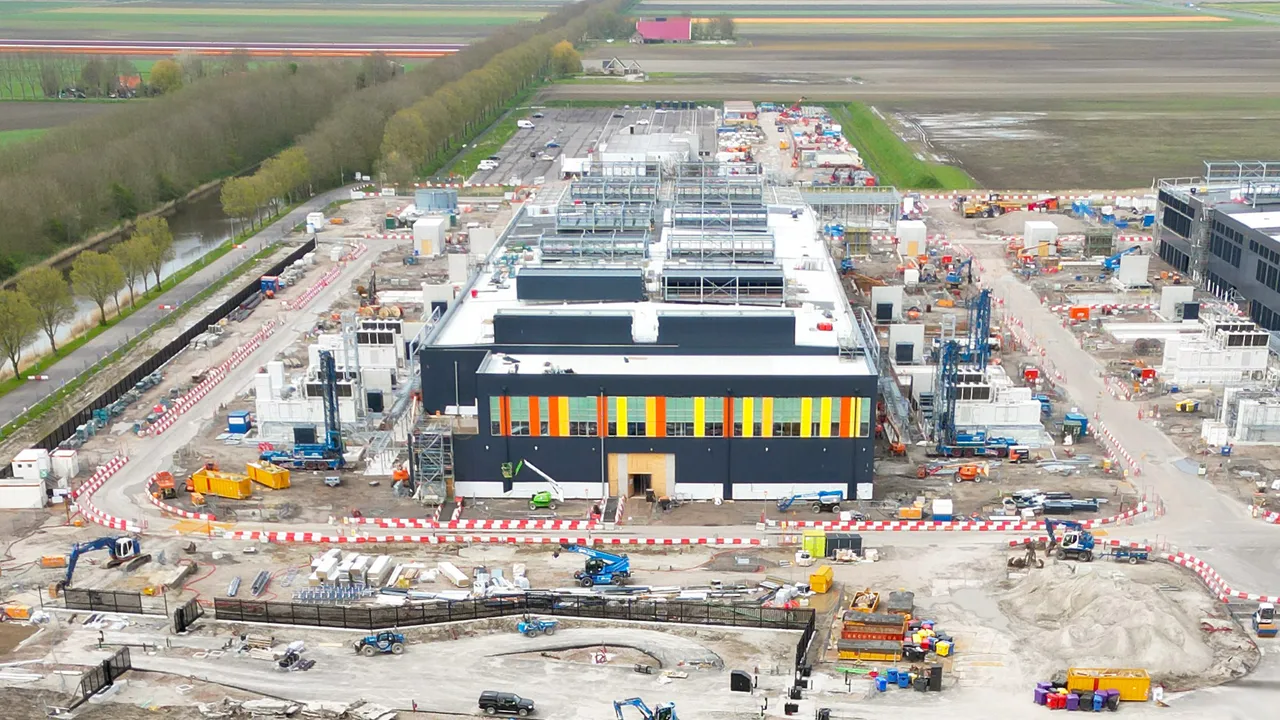 As the development of data centers accelerates to unprecedented scales,
developers are facing increased scrutiny from local municipalities and
residents. Communities are raising valid concerns regarding the substantial
impact these facilities have on power grids, water resources, and local
infrastructure. In an era of high inflation and rising utility bills,
residents are particularly skeptical of tech companies receiving large tax
incentives while household expenses continue to climb. Recognizing these
tensions, industry leaders are acknowledging that their traditional approach
of operating quietly behind the scenes is no longer effective. Instead, they
must proactively engage with the public to dispel misinformation and highlight
the tangible benefits these facilities offer, such as high-paying union jobs,
infrastructure improvements, and increased tax revenues. However, developers
also point to significant challenges, including slow permitting processes and
outdated zoning laws that struggle to accommodate modern, large-scale
projects. Moving forward, overcoming this divide will require a coordinated
effort. Developers, policymakers, and government entities at all levels must
collaborate to create cohesive regulations, streamline development processes,
and ensure that new projects deliver clear, measurable value to the
communities that host them.
As the development of data centers accelerates to unprecedented scales,
developers are facing increased scrutiny from local municipalities and
residents. Communities are raising valid concerns regarding the substantial
impact these facilities have on power grids, water resources, and local
infrastructure. In an era of high inflation and rising utility bills,
residents are particularly skeptical of tech companies receiving large tax
incentives while household expenses continue to climb. Recognizing these
tensions, industry leaders are acknowledging that their traditional approach
of operating quietly behind the scenes is no longer effective. Instead, they
must proactively engage with the public to dispel misinformation and highlight
the tangible benefits these facilities offer, such as high-paying union jobs,
infrastructure improvements, and increased tax revenues. However, developers
also point to significant challenges, including slow permitting processes and
outdated zoning laws that struggle to accommodate modern, large-scale
projects. Moving forward, overcoming this divide will require a coordinated
effort. Developers, policymakers, and government entities at all levels must
collaborate to create cohesive regulations, streamline development processes,
and ensure that new projects deliver clear, measurable value to the
communities that host them.
Bridging the Divide: How Data Centers Are Addressing Community Concerns
As the development of data centers accelerates to unprecedented scales,
developers are facing increased scrutiny from local municipalities and
residents. Communities are raising valid concerns regarding the substantial
impact these facilities have on power grids, water resources, and local
infrastructure. In an era of high inflation and rising utility bills,
residents are particularly skeptical of tech companies receiving large tax
incentives while household expenses continue to climb. Recognizing these
tensions, industry leaders are acknowledging that their traditional approach
of operating quietly behind the scenes is no longer effective. Instead, they
must proactively engage with the public to dispel misinformation and highlight
the tangible benefits these facilities offer, such as high-paying union jobs,
infrastructure improvements, and increased tax revenues. However, developers
also point to significant challenges, including slow permitting processes and
outdated zoning laws that struggle to accommodate modern, large-scale
projects. Moving forward, overcoming this divide will require a coordinated
effort. Developers, policymakers, and government entities at all levels must
collaborate to create cohesive regulations, streamline development processes,
and ensure that new projects deliver clear, measurable value to the
communities that host them.AI security doesn’t require a brand-new architecture
The rapid adoption of artificial intelligence brings new security challenges, from rogue applications to invisible software agents, but keeping your organization safe does not require building a completely new architecture. Instead of looking for magical fixes, security experts suggest returning to core fundamentals like granting minimal access and designing systems securely from the start. Rather than blocking AI adoption out of fear, companies can build on their existing tools to detect threats and manage access rights in real time. Because attackers now use automation to find network flaws instantly, defenders must also use artificial intelligence to quickly identify and isolate vulnerabilities before permanent patches are ready. At the same time, internal policy approval needs to speed up; waiting several weeks for permission is simply no longer practical. By writing policies directly into the system code, organizations can safely match the pace of modern technology. Employee education also remains vital, requiring clear guidelines on how to interact with new tools responsibly. Finally, keeping costs manageable is a critical part of a safe deployment. By using existing platforms and combining cloud resources with local hardware, companies can effectively protect both their data and their budgets.Beyond CLEAN and MVP: Architecting an Offline-first Reactive Data Layer in Android
/articles/rdla-offline-first-reactive-android-data-layer/en/smallimage/rdla-offline-first-reactive-android-data-layer-thumbnail-1781776366032.jpg) The provided article introduces the Reactive Data Layer Architecture (RDLA), a
practical approach designed to improve data management in Android
applications. Traditional structures, such as Model-View-Presenter and Clean
Architecture, often create unnecessary complexity or struggle with the
continuous updates required by modern mobile interfaces. RDLA addresses these
challenges by establishing the local device storage as the single, reliable
source of truth. Instead of forcing the user interface to request data
repeatedly, RDLA uses a continuous stream that automatically pushes updates to
the screen whenever the underlying data changes. This design is particularly
useful for applications that must function without an internet connection,
such as health tracking tools. When a user makes a change, the application
instantly updates the local interface while silently scheduling the network
synchronization in the background. By relying on tools built into the Android
system, these background tasks are guaranteed to finish even if the user
closes the app. Furthermore, RDLA simplifies the testing process. It separates
the database and network configurations, allowing engineers to verify their
core logic without relying on fragile mock setups. Ultimately, this
architecture provides a more reliable foundation for complex mobile
applications.
The provided article introduces the Reactive Data Layer Architecture (RDLA), a
practical approach designed to improve data management in Android
applications. Traditional structures, such as Model-View-Presenter and Clean
Architecture, often create unnecessary complexity or struggle with the
continuous updates required by modern mobile interfaces. RDLA addresses these
challenges by establishing the local device storage as the single, reliable
source of truth. Instead of forcing the user interface to request data
repeatedly, RDLA uses a continuous stream that automatically pushes updates to
the screen whenever the underlying data changes. This design is particularly
useful for applications that must function without an internet connection,
such as health tracking tools. When a user makes a change, the application
instantly updates the local interface while silently scheduling the network
synchronization in the background. By relying on tools built into the Android
system, these background tasks are guaranteed to finish even if the user
closes the app. Furthermore, RDLA simplifies the testing process. It separates
the database and network configurations, allowing engineers to verify their
core logic without relying on fragile mock setups. Ultimately, this
architecture provides a more reliable foundation for complex mobile
applications.Agentic AI Security: Wrong Context, Wrong Decisions at Machine Speed
 The effectiveness of automated artificial intelligence in cybersecurity
fundamentally depends on the quality of its context. While organizations are
looking to these advanced systems to manage the rapid volume of modern
threats, these tools can only make accurate decisions if they possess a
complete and updated view of the environment. When fed incomplete or
inaccurate data, the artificial intelligence will make incorrect decisions at
machine speed, carrying out flawed actions with unwavering confidence.
Security leaders caution that any automation system lacking verified context
is simply a faster way to make widespread mistakes. For instance, an automated
security operations center might shut down a critical device to isolate a
threat, completely unaware of the disastrous business impact because it lacked
the broader operational context. Given these significant risks, experts
suggest that artificial intelligence is not yet mature enough for fully
independent action. Instead of allowing the system to execute automated
responses, the current best practice involves using it to quickly gather
relevant context across various security tools and provide clear, reasoned
recommendations. Ultimately, human experts must remain in the loop to make
final decisions until context gathering methods become significantly more
reliable over time.
The effectiveness of automated artificial intelligence in cybersecurity
fundamentally depends on the quality of its context. While organizations are
looking to these advanced systems to manage the rapid volume of modern
threats, these tools can only make accurate decisions if they possess a
complete and updated view of the environment. When fed incomplete or
inaccurate data, the artificial intelligence will make incorrect decisions at
machine speed, carrying out flawed actions with unwavering confidence.
Security leaders caution that any automation system lacking verified context
is simply a faster way to make widespread mistakes. For instance, an automated
security operations center might shut down a critical device to isolate a
threat, completely unaware of the disastrous business impact because it lacked
the broader operational context. Given these significant risks, experts
suggest that artificial intelligence is not yet mature enough for fully
independent action. Instead of allowing the system to execute automated
responses, the current best practice involves using it to quickly gather
relevant context across various security tools and provide clear, reasoned
recommendations. Ultimately, human experts must remain in the loop to make
final decisions until context gathering methods become significantly more
reliable over time.

No comments:
Post a Comment