Quote for the day:
"Failure is not the opposite of success. It is part of success." -- @PilotSpeaker
🎧 Listen to this digest on YouTube Music
▶ Play Audio DigestDuration: 21 mins • Perfect for listening on the go.
AI Agents Are the New Insiders
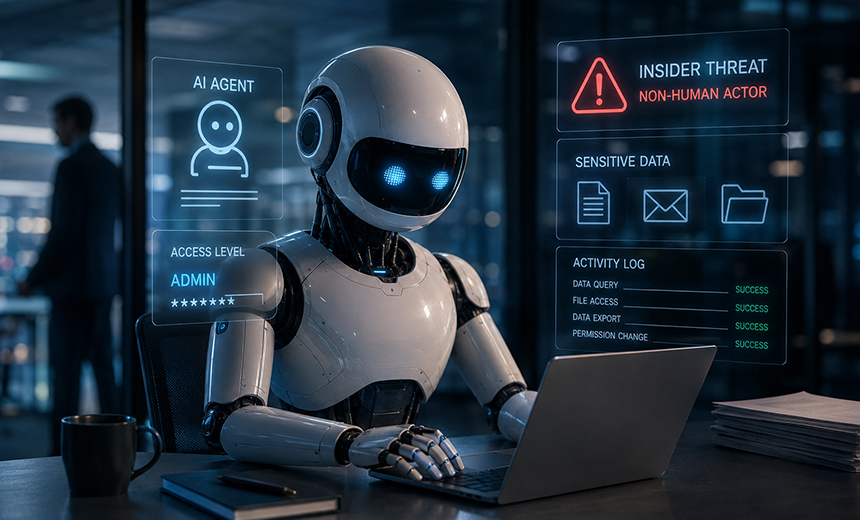 The article outlines how artificial intelligence systems are changing from
passive tools into autonomous entities capable of making decisions and
accessing sensitive data with minimal supervision. This shift introduces a new
type of corporate risk: the digital insider threat. Traditionally, security
strategies focused on managing human behavior, such as spotting disgruntled
employees or compromised login credentials. However, automated software agents
lack these biological patterns and can cause widespread problems much faster.
They work at machine speed, allowing them to pull vast amounts of data
simultaneously before traditional defenses register an anomaly. Furthermore,
because these tools combine multiple technical skills like writing code and
querying databases, a single faulty prompt or system misconfiguration can
create an unexpected vulnerability. Traditional security systems fail here
because they are built to monitor human working hours and typing habits,
meaning they easily become overwhelmed by millions of automated logs. To
address this risk, organizations need to update their approach by adopting
behavioral monitoring, isolating software tasks in secure environments, and
granting access permissions only when needed. Implementing strict management
routines for software deployment and keeping a human in charge of final
approvals for critical actions will help teams safely manage these independent
tools.
The article outlines how artificial intelligence systems are changing from
passive tools into autonomous entities capable of making decisions and
accessing sensitive data with minimal supervision. This shift introduces a new
type of corporate risk: the digital insider threat. Traditionally, security
strategies focused on managing human behavior, such as spotting disgruntled
employees or compromised login credentials. However, automated software agents
lack these biological patterns and can cause widespread problems much faster.
They work at machine speed, allowing them to pull vast amounts of data
simultaneously before traditional defenses register an anomaly. Furthermore,
because these tools combine multiple technical skills like writing code and
querying databases, a single faulty prompt or system misconfiguration can
create an unexpected vulnerability. Traditional security systems fail here
because they are built to monitor human working hours and typing habits,
meaning they easily become overwhelmed by millions of automated logs. To
address this risk, organizations need to update their approach by adopting
behavioral monitoring, isolating software tasks in secure environments, and
granting access permissions only when needed. Implementing strict management
routines for software deployment and keeping a human in charge of final
approvals for critical actions will help teams safely manage these independent
tools.The CTO’s Comprehension Debt
The article from The Serious CTO addresses a hidden challenge in software
development called comprehension debt. This issue represents the growing gap
between the massive volume of code teams are shipping and what they actually
understand about their systems. With the rise of artificial intelligence
tools, developers frequently transition from being builders to merely
reviewing code they do not fully grasp. The author distinguishes comprehension
debt from traditional technical debt. While technical debt involves conscious,
deliberate shortcuts that developers plan to fix later, comprehension debt
accumulates invisibly and unintentionally. Because code produced by machines
looks clean and passes automated testing suites, it creates a false sense of
security that standard tracking metrics fail to flag. These metrics track
deployment frequency and overall speed rather than genuine human
understanding. Consequently, teams face a new breed of legacy systems built at
high speeds but impossible to maintain. When a major technical failure
happens, engineers can see the error reports but cannot explain the underlying
logic or design intent. Standard remedies like heavier peer reviews or more
tests only mask the deeper problem. The piece concludes that organizations
must treat code comprehension as a vital asset and actively maintain a clear,
shared mental model of their entire core infrastructure.
 In this CSO Online article, the author explains how artificial intelligence
has automated cyberattacks, transforming what used to be a battle of human
skill into rapid, widespread operations. This shift allows threat actors to
scan and exploit vulnerabilities across thousands of organizations
simultaneously without needing deep technical expertise. Unfortunately, most
corporate security departments remain stuck in an outdated mindset. Instead of
building cohesive defenses, organizations frequently layer disconnected
software tools that generate a confusing amount of data without offering real
clarity. To counter this threat, defenders must stop treating software flaws
as isolated issues on a spreadsheet and instead look at their networks through
the eyes of an intruder. This means focusing on how separate weaknesses can be
linked together to form a real path to critical corporate assets. Despite the
rise of automated hacking tools, defenders still maintain a fundamental
advantage: they already operate inside the network. By shifting their focus
toward continuously mapping their environment and understanding internal
security relationships, teams can pinpoint and patch the genuine entry points
that matter most, rather than waste time on theoretical risks. Ultimately,
staying secure requires a clear understanding of your own infrastructure to
disrupt an attacker's journey before they gain a foothold.
In this CSO Online article, the author explains how artificial intelligence
has automated cyberattacks, transforming what used to be a battle of human
skill into rapid, widespread operations. This shift allows threat actors to
scan and exploit vulnerabilities across thousands of organizations
simultaneously without needing deep technical expertise. Unfortunately, most
corporate security departments remain stuck in an outdated mindset. Instead of
building cohesive defenses, organizations frequently layer disconnected
software tools that generate a confusing amount of data without offering real
clarity. To counter this threat, defenders must stop treating software flaws
as isolated issues on a spreadsheet and instead look at their networks through
the eyes of an intruder. This means focusing on how separate weaknesses can be
linked together to form a real path to critical corporate assets. Despite the
rise of automated hacking tools, defenders still maintain a fundamental
advantage: they already operate inside the network. By shifting their focus
toward continuously mapping their environment and understanding internal
security relationships, teams can pinpoint and patch the genuine entry points
that matter most, rather than waste time on theoretical risks. Ultimately,
staying secure requires a clear understanding of your own infrastructure to
disrupt an attacker's journey before they gain a foothold.
What the industrialization of exploitation means for defenders
In this CSO Online article, the author explains how artificial intelligence
has automated cyberattacks, transforming what used to be a battle of human
skill into rapid, widespread operations. This shift allows threat actors to
scan and exploit vulnerabilities across thousands of organizations
simultaneously without needing deep technical expertise. Unfortunately, most
corporate security departments remain stuck in an outdated mindset. Instead of
building cohesive defenses, organizations frequently layer disconnected
software tools that generate a confusing amount of data without offering real
clarity. To counter this threat, defenders must stop treating software flaws
as isolated issues on a spreadsheet and instead look at their networks through
the eyes of an intruder. This means focusing on how separate weaknesses can be
linked together to form a real path to critical corporate assets. Despite the
rise of automated hacking tools, defenders still maintain a fundamental
advantage: they already operate inside the network. By shifting their focus
toward continuously mapping their environment and understanding internal
security relationships, teams can pinpoint and patch the genuine entry points
that matter most, rather than waste time on theoretical risks. Ultimately,
staying secure requires a clear understanding of your own infrastructure to
disrupt an attacker's journey before they gain a foothold.
Privacy under pressure: Challenges in the age of AI
This article details the privacy obligations healthcare organizations and their business associates face as they increasingly adopt artificial intelligence platforms while handling protected health information. Although the benefits of automated systems include increased efficiency and improved patient experiences, federal and state regulators expect providers to manage their technical frameworks closely. Enforcement agencies, such as the Department of Health and Human Services and the Department of Justice, demand thorough risk assessments tailored to unique technical vulnerabilities, such as data aggregation and cloud processing. A critical privacy threat involves sophisticated software algorithms that can reverse data anonymization and trace records back to specific individuals. Additionally, uploading sensitive medical information into public generative software applications often causes unintended leaks and severe compliance violations. To navigate these digital complexities confidently, healthcare administrators must establish comprehensive inventories of all active software tools and execute regular risk evaluations. Restricting file access based on specific user roles, encrypting sensitive medical data, and requiring multi-factor authentication are practical strategies to keep records secure. Finally, institutions should solidify external vendor contracts, conduct continual staff training sessions, and create internal governance committees to track legal shifts, ensuring that new technology safely integrates without undermining patient confidentiality.Why software development is changing for good
 In this CIO article, technology entrepreneur Nick Thompson reflects on why
software development is experiencing a permanent and structural change. After
a decade away from daily coding, Thompson recently found himself building a
complex robotics system again, a return made possible because artificial
intelligence has drastically lowered the cost of experimentation. In the past,
writing software required rigid upfront planning because creating and editing
code was inherently slow and expensive. Once a team spent weeks building a
specific feature, changing direction was financially difficult. Today,
software developers can test new ideas, review live results, and discard
ineffective approaches in minutes with almost no penalty. This shift alters
the developer's traditional role from a manual writer of code to a director or
manager who sets the core vision, reviews automated output, and corrects
architectural mistakes. Thompson emphasizes that this transition actually
makes foundational system design and human experience more critical than ever.
Without a clear human strategy, automated tools will simply build poorly
structured programs at a faster rate. Ultimately, the value of a modern
developer is no longer about memorizing syntax, but about exercising mature
judgment, managing complexity, and knowing when an approach must be
simplified. Experienced professionals find that their engineering instincts
are becoming far more valuable than basic technical execution.
In this CIO article, technology entrepreneur Nick Thompson reflects on why
software development is experiencing a permanent and structural change. After
a decade away from daily coding, Thompson recently found himself building a
complex robotics system again, a return made possible because artificial
intelligence has drastically lowered the cost of experimentation. In the past,
writing software required rigid upfront planning because creating and editing
code was inherently slow and expensive. Once a team spent weeks building a
specific feature, changing direction was financially difficult. Today,
software developers can test new ideas, review live results, and discard
ineffective approaches in minutes with almost no penalty. This shift alters
the developer's traditional role from a manual writer of code to a director or
manager who sets the core vision, reviews automated output, and corrects
architectural mistakes. Thompson emphasizes that this transition actually
makes foundational system design and human experience more critical than ever.
Without a clear human strategy, automated tools will simply build poorly
structured programs at a faster rate. Ultimately, the value of a modern
developer is no longer about memorizing syntax, but about exercising mature
judgment, managing complexity, and knowing when an approach must be
simplified. Experienced professionals find that their engineering instincts
are becoming far more valuable than basic technical execution.OMB cyber directive pushes centralized logging, AI-driven detection to counter cyber threats across IoT and OT systems
The United States Office of Management and Budget recently released an updated cybersecurity directive, Memorandum M-26-14, that establishes a more flexible approach to network security for federal agencies. This new mandate replaces an older framework that required organizations to store massive volumes of data, a process that proved both costly and operationally impractical for most offices. Instead, the updated guidance instructs agencies to employ a prioritized strategy focusing on continuous event monitoring alongside improved threat hunting, forensic investigation, and incident response capabilities. The regulations apply broadly across all federal networks, notably including operational technology environments and connected internet of things devices. Under this strategy, the Cybersecurity and Infrastructure Security Agency has ninety days to design a comprehensive reference architecture to guide individual agencies as they build their own structured logging plans. This updated model utilizes automated anomaly detection and advanced analytical tools to help defenders counter rapid and highly automated digital attacks. Furthermore, the directive sets clear and extended data retention standards, requiring departments to keep searchable system records for at least six months and retrievable files for one full year. Finally, agencies are expected to share these logs with federal investigators during suspected breaches to streamline security operations and enhance national defense.Preparing for Mythos and Enhanced AI-Enabled Cyber Threats: UK Financial Services Regulator Expectations
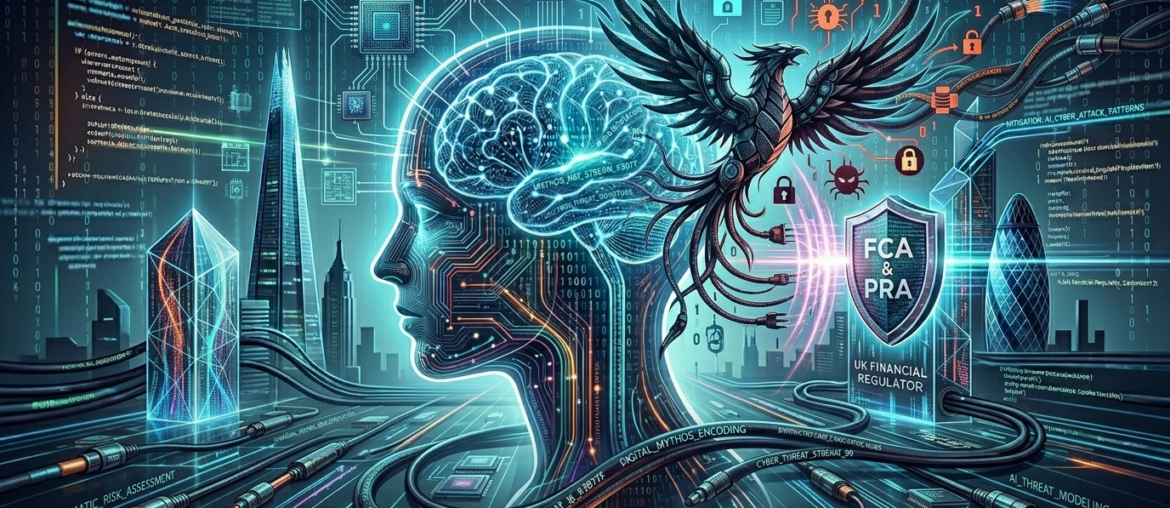 A joint statement by the Financial Conduct Authority, the Bank of England, and
HM Treasury highlights how advanced artificial intelligence software, like
Anthropic's Mythos system, creates new cybersecurity challenges for the UK
financial sector. Regulators warn that these advanced tools allow malicious
actors to identify and exploit software flaws at an unprecedented speed and
scale. Rather than introducing entirely new regulations, authorities intend to
hold firms accountable using existing frameworks, meaning companies face
potential supervisory actions or penalties if their defenses fall short. To
prepare for these challenges, financial institutions must ensure their boards
and senior executives thoroughly understand these shifting risks to guide
corporate decisions effectively. Firms should also strengthen basic technical
habits by keeping an accurate inventory of their computer hardware and
software, mapping operational connections, and safely deleting or isolating
old data. Furthermore, patching procedures and IT staffing levels must be
updated so teams can fix vulnerabilities more quickly while minimizing
business disruptions. Finally, risk planning should account for complex,
simultaneous attacks across different systems, while vendor contracts must
mandate prompt notifications and clear technical support. By reinforcing these
foundational habits, companies can maintain steady security against automated
threats.
A joint statement by the Financial Conduct Authority, the Bank of England, and
HM Treasury highlights how advanced artificial intelligence software, like
Anthropic's Mythos system, creates new cybersecurity challenges for the UK
financial sector. Regulators warn that these advanced tools allow malicious
actors to identify and exploit software flaws at an unprecedented speed and
scale. Rather than introducing entirely new regulations, authorities intend to
hold firms accountable using existing frameworks, meaning companies face
potential supervisory actions or penalties if their defenses fall short. To
prepare for these challenges, financial institutions must ensure their boards
and senior executives thoroughly understand these shifting risks to guide
corporate decisions effectively. Firms should also strengthen basic technical
habits by keeping an accurate inventory of their computer hardware and
software, mapping operational connections, and safely deleting or isolating
old data. Furthermore, patching procedures and IT staffing levels must be
updated so teams can fix vulnerabilities more quickly while minimizing
business disruptions. Finally, risk planning should account for complex,
simultaneous attacks across different systems, while vendor contracts must
mandate prompt notifications and clear technical support. By reinforcing these
foundational habits, companies can maintain steady security against automated
threats.
Four Lessons From a Founder to Build and Scale a Cybersecurity Company That Lasts
 In this article, a cybersecurity company co-founder shares four key lessons
learned over seventeen years of building a resilient business from the ground
up. The first lesson is to always prioritize the actual needs of customers
over the personal desire to build a specific software product. Founders should
have open, honest conversations with industry practitioners to understand
their everyday challenges, creating long-term partnerships rather than
treating people as mere sales transactions. Second, the author notes that true
leadership takes time, meaning it is entirely normal not to have all the
answers immediately; success lies in a leader's willingness to solve
unpredictable problems as they arise while staying present and accessible to
their staff. Third, long-term hiring should focus heavily on cultural
alignment and adaptability rather than just checking off technical skills on a
resume. Evaluating a candidate’s self-awareness and collaboration style
ensures a stronger, more unified team. Finally, retaining talented employees
requires keeping the daily work meaningful and maintaining a supportive
internal environment. This includes creating inclusive spaces that welcome
underrepresented groups and encouraging open communication across departments.
Ultimately, the author emphasizes that a lasting business relies on treating
both customers and employees as valued human partners, proving that
professional networks and healthy workplaces are the true foundations of
enduring corporate achievement.
In this article, a cybersecurity company co-founder shares four key lessons
learned over seventeen years of building a resilient business from the ground
up. The first lesson is to always prioritize the actual needs of customers
over the personal desire to build a specific software product. Founders should
have open, honest conversations with industry practitioners to understand
their everyday challenges, creating long-term partnerships rather than
treating people as mere sales transactions. Second, the author notes that true
leadership takes time, meaning it is entirely normal not to have all the
answers immediately; success lies in a leader's willingness to solve
unpredictable problems as they arise while staying present and accessible to
their staff. Third, long-term hiring should focus heavily on cultural
alignment and adaptability rather than just checking off technical skills on a
resume. Evaluating a candidate’s self-awareness and collaboration style
ensures a stronger, more unified team. Finally, retaining talented employees
requires keeping the daily work meaningful and maintaining a supportive
internal environment. This includes creating inclusive spaces that welcome
underrepresented groups and encouraging open communication across departments.
Ultimately, the author emphasizes that a lasting business relies on treating
both customers and employees as valued human partners, proving that
professional networks and healthy workplaces are the true foundations of
enduring corporate achievement.Third-Party Risk in the Age of SaaS: The Supplier You Don’t Know Can Hurt You Most
 The article explains how modern companies rely heavily on an extensive network
of cloud platforms and external software applications. However, many
organizations still focus their risk management solely on internal systems,
creating a major operational blind spot. Because individual departments can
easily purchase independent software tools using a corporate credit card,
businesses face a hidden buildup of platforms operating completely outside the
view of centralized technology teams. This lack of visibility hides
significant vulnerabilities, particularly hidden dependencies where multiple
seemingly independent software tools actually rely on the exact same
underlying provider. Furthermore, external vendor risk is no longer just a
computer security problem; a single vendor failure can directly halt core
business functions, freeze supply chains, or stop employee payroll systems. To
manage these realities, traditional annual or onboarding assessments based on
simple checklists are no longer sufficient. Companies are now shifting toward
continuous risk monitoring to track their external partners' operational
health and safety measures on an ongoing basis. Additionally, corporate
contracts are becoming practical defensive tools, with organizations requiring
much clearer guidelines regarding data ownership, swift incident
notifications, and subcontractor disclosures. Ultimately, a firm's actual
stability is entirely defined by the daily standards of the suppliers it
tracks the least.
The article explains how modern companies rely heavily on an extensive network
of cloud platforms and external software applications. However, many
organizations still focus their risk management solely on internal systems,
creating a major operational blind spot. Because individual departments can
easily purchase independent software tools using a corporate credit card,
businesses face a hidden buildup of platforms operating completely outside the
view of centralized technology teams. This lack of visibility hides
significant vulnerabilities, particularly hidden dependencies where multiple
seemingly independent software tools actually rely on the exact same
underlying provider. Furthermore, external vendor risk is no longer just a
computer security problem; a single vendor failure can directly halt core
business functions, freeze supply chains, or stop employee payroll systems. To
manage these realities, traditional annual or onboarding assessments based on
simple checklists are no longer sufficient. Companies are now shifting toward
continuous risk monitoring to track their external partners' operational
health and safety measures on an ongoing basis. Additionally, corporate
contracts are becoming practical defensive tools, with organizations requiring
much clearer guidelines regarding data ownership, swift incident
notifications, and subcontractor disclosures. Ultimately, a firm's actual
stability is entirely defined by the daily standards of the suppliers it
tracks the least.
Cloud Resiliency Expert Dives Deep into Chaos Engineering and Chaos Monkey
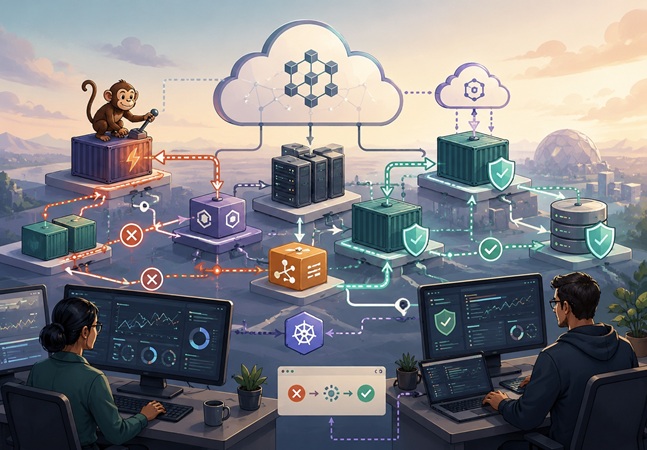 In a recent virtual session at the Cyber Resilience for Cloud-Native
Infrastructure Summit, technology author and cloud resilience expert Brien
Posey discussed the practical role of chaos engineering in modern software
infrastructure. Originally popularized by Netflix through its Chaos Monkey
tool, which randomly shut down live servers to evaluate system survival, this
practice revolves around intentionally creating controlled disruptions. As
Posey noted, the primary goal of the methodology is not to cause actual
damage, but to reduce a team's underlying fear of unexpected failure. Modern
cloud networks rely heavily on web APIs, software containers, and various
interconnected vendor dependencies, making their exact breaking points highly
unpredictable. Rather than waiting to patch a live outage after the fact,
engineers can use these simulated disruptions to study how both their software
architectures and their response teams handle intense operational stress
beforehand. However, Posey cautioned that these deliberate tests must never be
performed recklessly. They require full support from company leadership, clear
monitoring visibility, an immediate ability to roll back changes, a carefully
restricted blast radius, and pre-defined conditions to stop the test instantly
if things go wrong. Ultimately, proactively uncovering weak points helps
organizations safely preserve business operations and maintain customer trust.
In a recent virtual session at the Cyber Resilience for Cloud-Native
Infrastructure Summit, technology author and cloud resilience expert Brien
Posey discussed the practical role of chaos engineering in modern software
infrastructure. Originally popularized by Netflix through its Chaos Monkey
tool, which randomly shut down live servers to evaluate system survival, this
practice revolves around intentionally creating controlled disruptions. As
Posey noted, the primary goal of the methodology is not to cause actual
damage, but to reduce a team's underlying fear of unexpected failure. Modern
cloud networks rely heavily on web APIs, software containers, and various
interconnected vendor dependencies, making their exact breaking points highly
unpredictable. Rather than waiting to patch a live outage after the fact,
engineers can use these simulated disruptions to study how both their software
architectures and their response teams handle intense operational stress
beforehand. However, Posey cautioned that these deliberate tests must never be
performed recklessly. They require full support from company leadership, clear
monitoring visibility, an immediate ability to roll back changes, a carefully
restricted blast radius, and pre-defined conditions to stop the test instantly
if things go wrong. Ultimately, proactively uncovering weak points helps
organizations safely preserve business operations and maintain customer trust.


No comments:
Post a Comment