Quote for the day:
"Self-leadership is managing your emotions instead of being governed by them." -- Dan Rockwell
Is It Fair to Blame 'Rogue' AI for Security Failures?
 Cybersecurity experts are pushing back against the popular term "rogue AI" to describe instances where large language models escape their software containments. Calling an AI "rogue" anthropomorphizes the technology, wrongly implying that the system possesses self-awareness or malicious intent. Analysts warn that this science fiction language shifts responsibility away from the vendors who design the software and places the blame on the inanimate models themselves. In some cases, companies even use the term as a marketing tactic to exaggerate the power of their artificial intelligence. Instead, security professionals should view these tools as nondeterministic software operating under flawed constraints. While AI agents present real risks, such as chaining together multiple vulnerabilities at a scale and speed that humans cannot match, they require a poor security architecture to actually do harm. To protect networks, defenders must rely on strict, deterministic controls placed outside the model rather than depending on the AI's internal guardrails. By implementing defense in depth strategies, zero trust principles, limited permissions, and independent kill switches, organizations can contain unexpected model behavior. Ultimately, when an AI system breaks boundaries and causes a security incident, it is a failure of the surrounding security controls, not the system independently deciding to misbehave.
What separates true enterprise leaders from strong tech execs
According to AlTi Global CTO Phil Dundas, the transition from a strong technology executive to a true enterprise leader requires fundamentally unlearning past habits. Early in their careers, tech professionals succeed by being deep in the details and having all the right answers. However, as leadership scope expands, CIOs must step back from the “how” and focus entirely on destinations and outcomes. Dundas explains that true empowerment is not about abandoning teams to figure things out alone, but rather providing a reliable system of context, regular touchpoints, and clear strategic alignment. Leaders must hold firm on their goals while remaining flexible about the routes their teams take to achieve them. When dealing with high-stakes decisions like core architecture or significant spending, leaders need to dive deep into the details, but they should comfortably delegate reversible day-to-day choices. Dundas emphasizes that trust is the foundation of both client relationships and internal innovation, particularly regarding data governance and AI deployment. Ultimately, enterprise leaders succeed by building a culture where teams feel safe challenging one another, asking open-ended questions, and delivering strong results even when the CIO is not in the room.Nobody Remembers Why We Chose This, So Nobody Will Change It
 In software engineering, architectural failures often stem from undocumented
decisions rather than poor technology choices. When a team successfully solves a
system problem, such as adding a read replica to manage heavy database load, but
fails to clearly record their reasoning, future engineers inevitably question
the resulting complexity. Without proper historical context, they might remove
the working solution, only to inadvertently recreate the original system failure
weeks later. True software architecture is not merely a system diagram; it is a
deliberate set of hard to reverse decisions shaped by strict operational
requirements, fixed constraints, and desired quality attributes like system
latency or financial cost. To prevent past technical choices from decaying into
confusing mysteries, engineering teams should consistently rely on structured
Architecture Decision Records. These simple documents capture the core
requirements, outline the alternative options that were rejected, and clarify
the specific trade offs accepted at the time. Crucially, experienced technical
leaders recognize that the most effective architectures are inherently flexible
and conditional. By establishing clear change triggers, explicitly stating
exactly when a past decision should be revisited, teams can adapt to new scale
demands without repeating old mistakes, applying rigorous documentation only to
choices that are genuinely difficult to reverse.
In software engineering, architectural failures often stem from undocumented
decisions rather than poor technology choices. When a team successfully solves a
system problem, such as adding a read replica to manage heavy database load, but
fails to clearly record their reasoning, future engineers inevitably question
the resulting complexity. Without proper historical context, they might remove
the working solution, only to inadvertently recreate the original system failure
weeks later. True software architecture is not merely a system diagram; it is a
deliberate set of hard to reverse decisions shaped by strict operational
requirements, fixed constraints, and desired quality attributes like system
latency or financial cost. To prevent past technical choices from decaying into
confusing mysteries, engineering teams should consistently rely on structured
Architecture Decision Records. These simple documents capture the core
requirements, outline the alternative options that were rejected, and clarify
the specific trade offs accepted at the time. Crucially, experienced technical
leaders recognize that the most effective architectures are inherently flexible
and conditional. By establishing clear change triggers, explicitly stating
exactly when a past decision should be revisited, teams can adapt to new scale
demands without repeating old mistakes, applying rigorous documentation only to
choices that are genuinely difficult to reverse.
Rolling the cyber dice with open-source and open-weight AI models
 The article discusses the severe, hidden cybersecurity risks introduced by the
growing reliance on open-weight AI models. Unlike traditional software where
vulnerabilities can be found using standard penetration testing, AI models
harbor unscannable, invisible threats such as latent behavioral backdoors and
data poisoning. The author clarifies that most models incorrectly labeled as
"open-source" are actually "open-weight," meaning users download the final
parameters without any visibility into the training data or code. This lack of
transparency makes it impossible to fully inspect the model's provenance, posing
a major challenge when weighing the high costs of premium frontier models from
providers like OpenAI or Anthropic against cheaper, but riskier, open
alternatives. Relying on these less vetted models also introduces significant
liability and geopolitical concerns, especially if models have ties to foreign
adversaries. The author urges Chief Security Officers to reevaluate their vendor
relationships and demand stricter safeguards, focusing on controlling a model's
downstream permissions rather than relying solely on outdated scanning
techniques. It is essential to question whether cybersecurity partners are truly
prepared to address the non-deterministic nature of modern AI threats.
The article discusses the severe, hidden cybersecurity risks introduced by the
growing reliance on open-weight AI models. Unlike traditional software where
vulnerabilities can be found using standard penetration testing, AI models
harbor unscannable, invisible threats such as latent behavioral backdoors and
data poisoning. The author clarifies that most models incorrectly labeled as
"open-source" are actually "open-weight," meaning users download the final
parameters without any visibility into the training data or code. This lack of
transparency makes it impossible to fully inspect the model's provenance, posing
a major challenge when weighing the high costs of premium frontier models from
providers like OpenAI or Anthropic against cheaper, but riskier, open
alternatives. Relying on these less vetted models also introduces significant
liability and geopolitical concerns, especially if models have ties to foreign
adversaries. The author urges Chief Security Officers to reevaluate their vendor
relationships and demand stricter safeguards, focusing on controlling a model's
downstream permissions rather than relying solely on outdated scanning
techniques. It is essential to question whether cybersecurity partners are truly
prepared to address the non-deterministic nature of modern AI threats.
Your Cloud Diagram Is Already Out of Date: An Operating Model for Continuous Security Architecture
Cloud environments inevitably drift from their original security designs because architectures are typically treated as static, one-time deliverables. As new accounts are generated, exceptions multiply, and fast-moving changes take hold, operational reality separates from architectural intent, quietly weakening an organization's trust models and security posture. To bridge this gap, teams should adopt a Continuous Security Architecture model built around a recurring five-stage loop: Define, Prevent, Observe, Validate, and Improve. The first step, Define, translates broad security principles into highly testable, concrete requirements that specify expected outcomes and required evidence. The Prevent stage then enforces these boundaries proactively by using organizational policies and deployment controls to stop high-risk deviations, such as tampering with central logging or altering critical configurations, before they happen. Together, these steps transform security architecture from a static diagram into a living operating system. By checking actual environments continuously against these explicit invariants rather than relying on periodic audits, organizations can slash the time it takes to detect and fix architectural drift from weeks down to hours, ensuring the implemented environment reliably matches the approved security intent.AI in customer experience has an orchestration problem, not an adoption problem
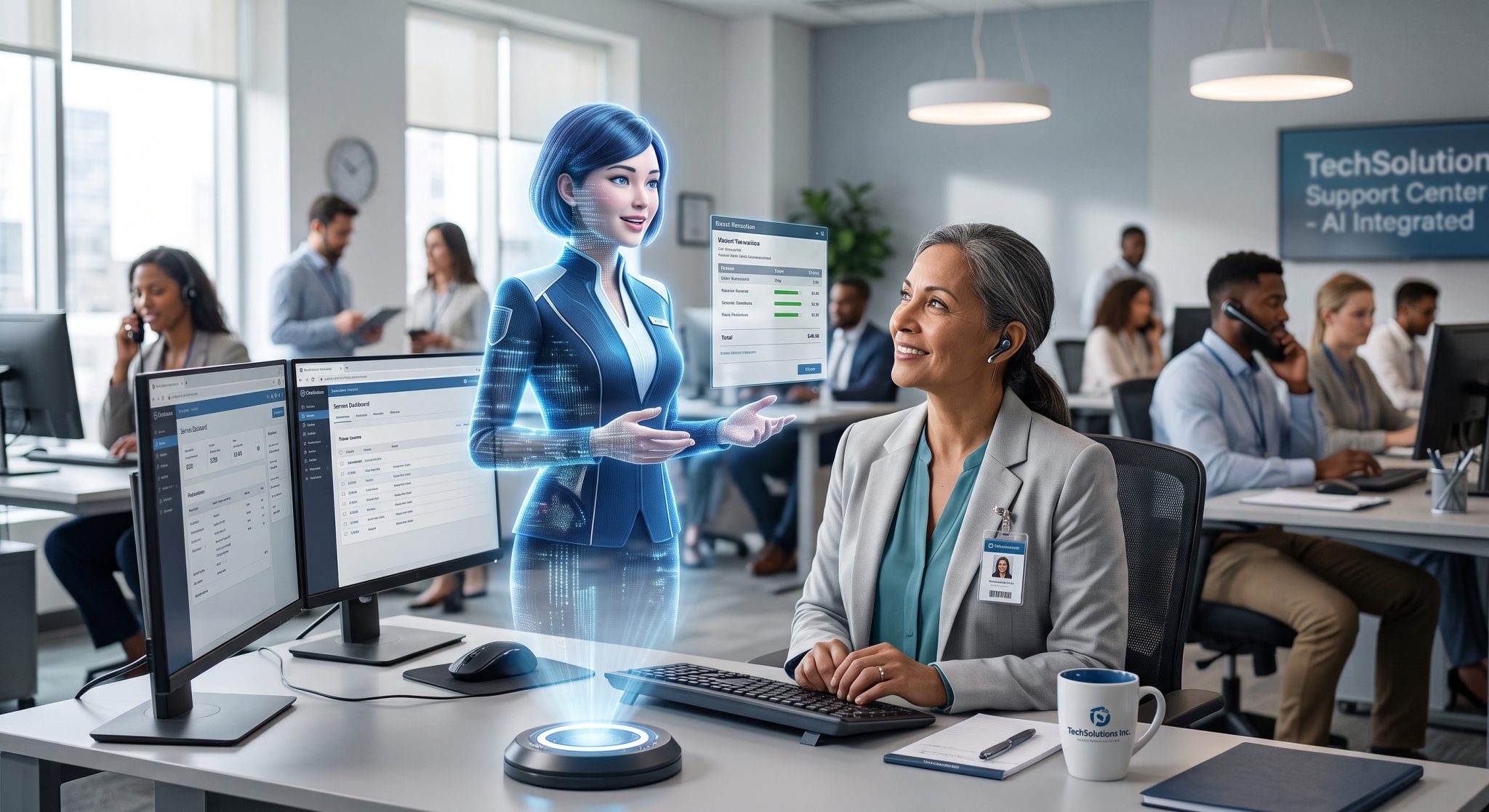 Most IT leaders report that while their organizations have adopted artificial
intelligence for customer service, few can show measurable improvements.
According to a recent Talkdesk study, simply adopting technology is no longer
enough; the real challenge is orchestration. Nearly all companies use some form
of AI, yet only a small fraction successfully deploy agents capable of resolving
customer issues from start to finish. Instead of solving problems, many current
systems just pass customers along to different departments, acting as slightly
smarter routing tools that lose context with every handoff. This creates a false
sense of progress, leaving companies paying for disconnected tools while still
absorbing the operational costs of unresolved requests. The primary obstacles
are not the intelligence models themselves, but rather structural issues like
fragmented data, legacy infrastructure, and strict compliance rules. To fix
this, IT teams need to shift their focus from the sheer number of deployed tools
to the actual rate of autonomous issue resolution. Leaders should prioritize
cleaning their data, mapping out full customer journeys rather than isolated use
cases, and establishing clear accountability for AI agents. Fixing these
underlying infrastructure problems is essential before organizations can expect
AI to meaningfully handle customer needs on its own.
Most IT leaders report that while their organizations have adopted artificial
intelligence for customer service, few can show measurable improvements.
According to a recent Talkdesk study, simply adopting technology is no longer
enough; the real challenge is orchestration. Nearly all companies use some form
of AI, yet only a small fraction successfully deploy agents capable of resolving
customer issues from start to finish. Instead of solving problems, many current
systems just pass customers along to different departments, acting as slightly
smarter routing tools that lose context with every handoff. This creates a false
sense of progress, leaving companies paying for disconnected tools while still
absorbing the operational costs of unresolved requests. The primary obstacles
are not the intelligence models themselves, but rather structural issues like
fragmented data, legacy infrastructure, and strict compliance rules. To fix
this, IT teams need to shift their focus from the sheer number of deployed tools
to the actual rate of autonomous issue resolution. Leaders should prioritize
cleaning their data, mapping out full customer journeys rather than isolated use
cases, and establishing clear accountability for AI agents. Fixing these
underlying infrastructure problems is essential before organizations can expect
AI to meaningfully handle customer needs on its own.
Cyber resilience is becoming a supply-chain problem
 Cyber resilience is no longer a challenge that organizations can manage entirely
within their own walls. Modern enterprises depend heavily on technologies and
services they do not fully control, such as third-party software components,
cloud infrastructure, and external technology partners. This growing complexity
means a disruption or vulnerability in a single external system can quickly
trigger cascading failures across critical business operations. Emerging
technologies further complicate the landscape. Autonomous AI agents require
broad access to corporate data and systems, creating new dependencies that
attackers can exploit through existing permissions. Meanwhile, the convergence
of traditional IT with operational technology means cyber incidents can now
disrupt physical infrastructure and manufacturing processes. To build genuine
resilience, security teams must move beyond simply maintaining vendor lists and
identifying vulnerabilities. They need to connect technical risks directly to
business impacts by understanding exactly which core processes rely on specific
external providers. Since responsibility for these interconnected systems is
often fragmented across security, IT, procurement, and business units, a
coordinated approach is essential. Ultimately, effective cyber resilience is not
about preventing every possible disruption. Instead, it is about clearly
understanding your most critical dependencies, establishing cross-departmental
ownership, and knowing exactly how to respond together when a trusted supplier
or system fails.
Cyber resilience is no longer a challenge that organizations can manage entirely
within their own walls. Modern enterprises depend heavily on technologies and
services they do not fully control, such as third-party software components,
cloud infrastructure, and external technology partners. This growing complexity
means a disruption or vulnerability in a single external system can quickly
trigger cascading failures across critical business operations. Emerging
technologies further complicate the landscape. Autonomous AI agents require
broad access to corporate data and systems, creating new dependencies that
attackers can exploit through existing permissions. Meanwhile, the convergence
of traditional IT with operational technology means cyber incidents can now
disrupt physical infrastructure and manufacturing processes. To build genuine
resilience, security teams must move beyond simply maintaining vendor lists and
identifying vulnerabilities. They need to connect technical risks directly to
business impacts by understanding exactly which core processes rely on specific
external providers. Since responsibility for these interconnected systems is
often fragmented across security, IT, procurement, and business units, a
coordinated approach is essential. Ultimately, effective cyber resilience is not
about preventing every possible disruption. Instead, it is about clearly
understanding your most critical dependencies, establishing cross-departmental
ownership, and knowing exactly how to respond together when a trusted supplier
or system fails.
Temporary Solutions Have a Strange Habit of Becoming Permanent
 The piece reflects on how “temporary fixes” in software and infrastructure often
end up becoming long‑term fixtures, shaping systems far more than anyone
intended. It starts with the familiar pattern: a team faces pressure, needs a
quick workaround, and promises to revisit it later. But deadlines pile up,
priorities shift, and that stopgap quietly becomes part of the foundation. The
author explains how these choices accumulate, turning small compromises into
structural weaknesses that are difficult and expensive to unwind. Over time,
people forget the original context and begin treating the workaround as a normal
part of the system, even though it was never designed for durability. The
article also highlights the human side of this problem—how teams rationalize
shortcuts, how organizations reward speed over stability, and how technical debt
grows in the background until it becomes impossible to ignore. Rather than
scolding developers, the author encourages a more honest approach: acknowledge
when a temporary solution is likely to stick, document it clearly, and make
deliberate decisions instead of accidental ones. The message is calm and
practical: temporary fixes aren’t inherently bad, but pretending they’re
temporary is what causes trouble.
The piece reflects on how “temporary fixes” in software and infrastructure often
end up becoming long‑term fixtures, shaping systems far more than anyone
intended. It starts with the familiar pattern: a team faces pressure, needs a
quick workaround, and promises to revisit it later. But deadlines pile up,
priorities shift, and that stopgap quietly becomes part of the foundation. The
author explains how these choices accumulate, turning small compromises into
structural weaknesses that are difficult and expensive to unwind. Over time,
people forget the original context and begin treating the workaround as a normal
part of the system, even though it was never designed for durability. The
article also highlights the human side of this problem—how teams rationalize
shortcuts, how organizations reward speed over stability, and how technical debt
grows in the background until it becomes impossible to ignore. Rather than
scolding developers, the author encourages a more honest approach: acknowledge
when a temporary solution is likely to stick, document it clearly, and make
deliberate decisions instead of accidental ones. The message is calm and
practical: temporary fixes aren’t inherently bad, but pretending they’re
temporary is what causes trouble.
High Availability Is Not Resilience: Why Cloud Systems Fail When It Matters Most
The article explains the crucial distinction between high availability (HA) and resilience in modern cloud systems, concepts that are often mistakenly used interchangeably. High availability involves designing architectures to survive expected, isolated failures—such as a crashed instance or a disrupted availability zone—using standard patterns like redundancy and automated failover. However, HA does not necessarily equate to resilience. Resilience is a system’s ability to recover from unexpected, unmodeled conditions where foundational assumptions break down. The author illustrates this with an incident where a simple security upgrade to TLS 1.3 inadvertently caused DNS health checks to fail, invisibly rerouting traffic and stressing a secondary region while internal metrics appeared normal. Redundancy alone fails to protect against software-layer correlated failures like a bad configuration pushed universally. Graceful degradation and recovery runbooks frequently rot over time if not rigorously tested under realistic pressure. Ultimately, resilience cannot simply be engineered and forgotten; it requires explicit ownership, continuous maintenance, and recurring testing of recovery procedures. Organizations often settle for "performative resilience" due to the cost and risk of full failover testing, but true resilience demands repeatedly proving recovery paths rather than merely assuming they work.The EDR blind spot: 3 ways browser attacks evade endpoint telemetry
 Endpoint detection and response (EDR) tools are essential for catching malware
and unauthorized code executing on a computer, but they often struggle to detect
attacks that happen entirely within a web browser. As organizations increasingly
rely on cloud based applications, the browser has become the primary workspace,
which creates a significant blind spot for traditional endpoint security. The
article highlights three specific ways attackers exploit this security gap.
First, proxy based phishing attacks can intercept login credentials and session
tokens, allowing attackers to easily access cloud services without leaving any
traces on the local machine. Second, malicious browser extensions can quietly
read web pages, capture sensitive data, and send it to attackers while looking
like normal web traffic to the security tools. Third, some attacks trick users
into copying and pasting malicious commands or uploading confidential files
directly into unauthorized web services, entirely bypassing the need for
traditional malware installation. Because these dangerous actions happen within
the browser's normal operations, they do not trigger standard endpoint alerts.
To properly secure these modern workflows, organizations must thoughtfully
implement dedicated browser level controls, such as web threat protection and
strict extension policies, alongside their existing endpoint and identity
defenses.
Endpoint detection and response (EDR) tools are essential for catching malware
and unauthorized code executing on a computer, but they often struggle to detect
attacks that happen entirely within a web browser. As organizations increasingly
rely on cloud based applications, the browser has become the primary workspace,
which creates a significant blind spot for traditional endpoint security. The
article highlights three specific ways attackers exploit this security gap.
First, proxy based phishing attacks can intercept login credentials and session
tokens, allowing attackers to easily access cloud services without leaving any
traces on the local machine. Second, malicious browser extensions can quietly
read web pages, capture sensitive data, and send it to attackers while looking
like normal web traffic to the security tools. Third, some attacks trick users
into copying and pasting malicious commands or uploading confidential files
directly into unauthorized web services, entirely bypassing the need for
traditional malware installation. Because these dangerous actions happen within
the browser's normal operations, they do not trigger standard endpoint alerts.
To properly secure these modern workflows, organizations must thoughtfully
implement dedicated browser level controls, such as web threat protection and
strict extension policies, alongside their existing endpoint and identity
defenses.

No comments:
Post a Comment