Quote for the day:
“Remote work is not a different way of working; it’s simply a better way of working for many people.” -- Jason Fried
🎧 Listen to the audio debrief on YouTube
▶ Play Audio DigestDuration: 19 mins • Perfect for listening on the go.
Neoclouds become AI’s new power brokers
 A recent shift in the cloud computing industry has introduced a new type of
service provider focused entirely on artificial intelligence infrastructure.
These specialized companies provide the computing power, processors, and memory
needed for intensive AI tasks. They are stepping in to meet a demand that
traditional cloud providers cannot fully absorb. Because hardware like advanced
processors and memory is currently scarce, many organizations are turning to
these providers to access necessary computing power rather than attempting to
build and manage their own systems from scratch. While large, established cloud
companies will remain essential for standard daily tasks, the market is
expanding to include these new options for AI projects. However, the author
notes there is a real risk that companies might rush into large financial
commitments without completely understanding their actual technical needs. Just
as many organizations struggled with costly mistakes during the early shift to
basic cloud computing, moving too quickly into specialized AI infrastructure can
lead to severe financial waste. To avoid this, businesses should first clearly
define what they actually require, model the financial implications, and
carefully determine if their daily applications truly need these advanced
capabilities before making substantial investments in new computing
resources.
A recent shift in the cloud computing industry has introduced a new type of
service provider focused entirely on artificial intelligence infrastructure.
These specialized companies provide the computing power, processors, and memory
needed for intensive AI tasks. They are stepping in to meet a demand that
traditional cloud providers cannot fully absorb. Because hardware like advanced
processors and memory is currently scarce, many organizations are turning to
these providers to access necessary computing power rather than attempting to
build and manage their own systems from scratch. While large, established cloud
companies will remain essential for standard daily tasks, the market is
expanding to include these new options for AI projects. However, the author
notes there is a real risk that companies might rush into large financial
commitments without completely understanding their actual technical needs. Just
as many organizations struggled with costly mistakes during the early shift to
basic cloud computing, moving too quickly into specialized AI infrastructure can
lead to severe financial waste. To avoid this, businesses should first clearly
define what they actually require, model the financial implications, and
carefully determine if their daily applications truly need these advanced
capabilities before making substantial investments in new computing
resources.Best Strategies for Cloud Native Cost Optimization
As organizations increasingly adopt modern cloud architectures, managing the associated expenses has become an essential priority. While cloud systems provide flexibility and speed, their costs can easily spiral out of control due to poor visibility, abandoned databases, or oversized resources. Optimizing these expenses means thoughtfully reducing overall spending while maintaining the strict performance and security standards your services require to function effectively. To achieve this, teams should focus on several practical and proven strategies. First, ensure your resources are appropriately sized by matching processing and memory capabilities to actual application needs rather than provisioning for maximum possible demand. Setting strict guardrails within your deployment pipelines, such as specific budget thresholds and automated cleanups for temporary infrastructure, also helps prevent unnecessary waste. Regular cost analysis is equally important, allowing teams to track detailed spending patterns, identify financial anomalies, and forecast future needs accurately. Additionally, adjusting resource capacity automatically based on current traffic patterns helps keep bills in check. For specific tasks, relying on event-driven computing models can lower costs since you only pay when the code runs. Ultimately, cost optimization is not a one-time project; it requires continuous oversight and a commitment to aligning infrastructure spending directly with actual operational requirements.AI threats are everywhere. A risk-first CISO decides what to prioritize
 Artificial intelligence presents a dual challenge for cybersecurity, equipping
both defenders and threat actors with unprecedented capabilities. According to
Chris Wheeler, Chief Information Security Officers are now battling on two
fronts. Externally, attackers are leveraging AI to automate reconnaissance,
accelerate exploits, and conduct sophisticated automated cyber operations.
Internally, organizations face significant exposure from employees using
unapproved generative AI tools, which risks leaking sensitive data, and from
autonomous AI agents that can inadvertently execute destructive actions.
Wheeler warns that trying to secure every potential AI vulnerability is an
impossible task. Instead, he advises security leaders to adopt a risk first
strategy that treats AI exactly like any other fundamental business risk. The
first step is mapping where AI is already deployed across the organization and
determining which business assets are most critical. Rather than reacting to
every new threat headline, they should prioritize foundational controls that
mitigate the highest business impact. This means enforcing strict identity and
access management, classifying sensitive data accurately, and implementing
continuous vulnerability testing for IT infrastructure. Finally, organizations
must conduct realistic tabletop exercises to prepare for the inevitable
failure of AI systems or compromised agents, ensuring they can adapt
successfully as the external threat landscape continues to evolve rapidly.
Artificial intelligence presents a dual challenge for cybersecurity, equipping
both defenders and threat actors with unprecedented capabilities. According to
Chris Wheeler, Chief Information Security Officers are now battling on two
fronts. Externally, attackers are leveraging AI to automate reconnaissance,
accelerate exploits, and conduct sophisticated automated cyber operations.
Internally, organizations face significant exposure from employees using
unapproved generative AI tools, which risks leaking sensitive data, and from
autonomous AI agents that can inadvertently execute destructive actions.
Wheeler warns that trying to secure every potential AI vulnerability is an
impossible task. Instead, he advises security leaders to adopt a risk first
strategy that treats AI exactly like any other fundamental business risk. The
first step is mapping where AI is already deployed across the organization and
determining which business assets are most critical. Rather than reacting to
every new threat headline, they should prioritize foundational controls that
mitigate the highest business impact. This means enforcing strict identity and
access management, classifying sensitive data accurately, and implementing
continuous vulnerability testing for IT infrastructure. Finally, organizations
must conduct realistic tabletop exercises to prepare for the inevitable
failure of AI systems or compromised agents, ensuring they can adapt
successfully as the external threat landscape continues to evolve rapidly.The role of AI in OT security starts with context
As operational technology (OT) systems in critical infrastructure become increasingly integrated with IT networks and the cloud, attackers gain new pathways to disrupt essential physical services. AI exacerbates this threat by enabling adversaries to discover vulnerabilities and automate exploits faster than ever before. However, the author Richard Springer highlights that applying standard IT security responses to OT environments is dangerous; automatically isolating a system during a cyberattack might safely protect data in an office setting, but could dangerously interrupt a physical process on a factory floor. To defend these systems effectively, AI can serve as a powerful tool for security teams by sifting through massive volumes of network data to detect anomalies and prioritize genuine threats. Before deploying AI, organizations must first establish foundational security practices, which include achieving complete visibility into their OT assets, implementing network segmentation, and securing remote access. Furthermore, any automated responses driven by AI must be carefully guided by specific operational context to prevent unsafe physical outcomes. Ultimately, successfully securing essential infrastructure relies on a combination of foundational security controls, AI-enhanced detection, and the informed judgment of human operators who deeply understand both cybersecurity and industrial processes.Observability in the Oracle Agentic Enterprise
 The transition to agentic AI requires a shift from traditional monitoring to
comprehensive observability, as automated processes move from single
deterministic paths to complex chains involving AI, integrations, and human
judgment. Traditional monitoring merely checks if a system worked, whereas
observability explains the entire process to determine if the collective
actions produced the correct, authorized, and useful outcome. According to
Sadia Tahseen, a mature observability model in this environment must examine
four connected layers. First, integration execution tracks runtime records and
errors using business identifiers to connect technical data with business
context. Second, agent behavior observability captures how AI interacts with
tools and information sources, assessing metrics like latency, error rates,
correctness, and groundedness. Third, human-in-the-loop decisions provide
critical feedback by recording why tasks escalated and how long decisions
took, revealing where automated processes might be uncertain or poorly
configured. Finally, observing business outcomes connects system performance
with operational value, ensuring that agent runs translate into accurate,
compliant, and cost-effective results. Crucially, because observability
systems handle sensitive data, robust security and role-based access controls
must be implemented to maintain accountability without creating unguarded
repositories of enterprise information.
The transition to agentic AI requires a shift from traditional monitoring to
comprehensive observability, as automated processes move from single
deterministic paths to complex chains involving AI, integrations, and human
judgment. Traditional monitoring merely checks if a system worked, whereas
observability explains the entire process to determine if the collective
actions produced the correct, authorized, and useful outcome. According to
Sadia Tahseen, a mature observability model in this environment must examine
four connected layers. First, integration execution tracks runtime records and
errors using business identifiers to connect technical data with business
context. Second, agent behavior observability captures how AI interacts with
tools and information sources, assessing metrics like latency, error rates,
correctness, and groundedness. Third, human-in-the-loop decisions provide
critical feedback by recording why tasks escalated and how long decisions
took, revealing where automated processes might be uncertain or poorly
configured. Finally, observing business outcomes connects system performance
with operational value, ensuring that agent runs translate into accurate,
compliant, and cost-effective results. Crucially, because observability
systems handle sensitive data, robust security and role-based access controls
must be implemented to maintain accountability without creating unguarded
repositories of enterprise information.
Why Risk Management Is Becoming Fintech's Greatest Competitive Advantage
The fintech industry is maturing, and its definition of success is shifting from rapid innovation and fast market expansion to resilience, trust, and effective risk management. With rising cyber threats, complex fraud schemes, and tightening regulations, modern fintech companies must provide secure and reliable services that meet the high governance standards of traditional financial institutions. Vaida Šinkunienė, Chief Risk Officer at WALLETTO, emphasizes that risk management is no longer merely a regulatory requirement but a strategic business enabler for sustainable growth. A robust approach balances safety with a seamless customer experience, utilizing automation, data analytics, and real-time monitoring to detect potential threats early without causing unnecessary friction for users. To navigate this continuously changing landscape, organizations must embed risk awareness deeply into their core culture, ensuring that technology, operations, and compliance teams collaborate from the very beginning of any new project. As financial crimes become increasingly sophisticated and regulatory expectations continue to rise, companies that treat risk management as a shared responsibility will adapt more swiftly. While digital products and tech features can be easily copied by competitors, a strong reputation for reliability and security cannot. Building and maintaining this trust is fintech's true competitive advantage today, offering the stability necessary for future innovation.AI Agents Are Already Inside. Zero Trust Has to Catch Up
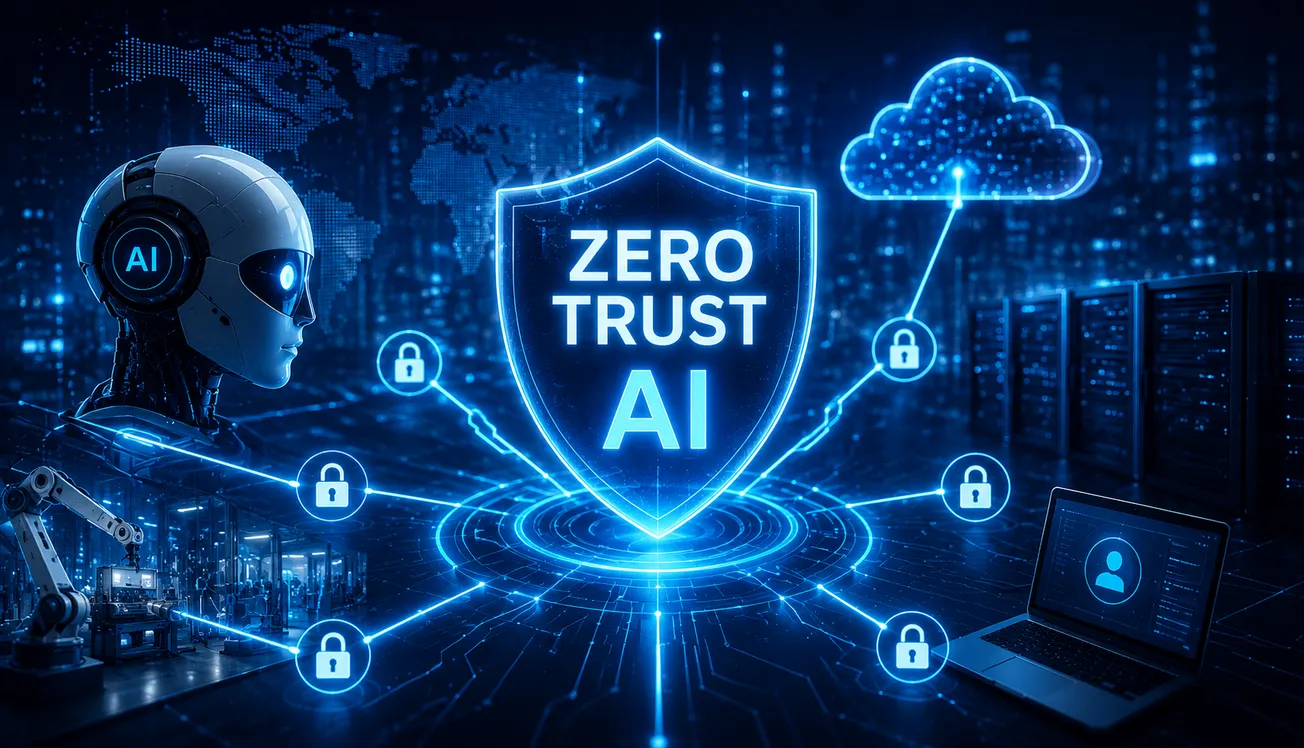 The rise of autonomous artificial intelligence agents is forcing a crucial
evolution in enterprise cybersecurity. As AI agents gain privileged access to
internal systems, they present a unique challenge because they are
non-deterministic, meaning they interpret information and make decisions
rather than just executing predetermined instructions. According to Roman
Arutyunov, co-founder of Xage Security, this unpredictability underscores an
urgent need for organizations to implement Zero Trust principles. Unlike
traditional threats where attackers must install malware, threat actors can
simply feed malicious instructions to an already authorized AI agent through
the data it consumes. This effectively turns a legitimate tool into a weapon,
bypassing traditional endpoint security. To mitigate this, Arutyunov advises
against giving AI agents direct credentials to critical systems. Instead,
organizations should act as brokers, continuously authenticating, authorizing,
and monitoring every single interaction the agent makes. Furthermore, AI
significantly speeds up vulnerability discovery and exploit generation, making
traditional patching timelines inadequate. While patching remains necessary,
Zero Trust controls ensure that even if a system is vulnerable, unauthorized
agents cannot reach it. Ultimately, AI agents prove that simply authorizing an
identity is no longer enough; continuous validation is now a fundamental
requirement for modern enterprise security.
The rise of autonomous artificial intelligence agents is forcing a crucial
evolution in enterprise cybersecurity. As AI agents gain privileged access to
internal systems, they present a unique challenge because they are
non-deterministic, meaning they interpret information and make decisions
rather than just executing predetermined instructions. According to Roman
Arutyunov, co-founder of Xage Security, this unpredictability underscores an
urgent need for organizations to implement Zero Trust principles. Unlike
traditional threats where attackers must install malware, threat actors can
simply feed malicious instructions to an already authorized AI agent through
the data it consumes. This effectively turns a legitimate tool into a weapon,
bypassing traditional endpoint security. To mitigate this, Arutyunov advises
against giving AI agents direct credentials to critical systems. Instead,
organizations should act as brokers, continuously authenticating, authorizing,
and monitoring every single interaction the agent makes. Furthermore, AI
significantly speeds up vulnerability discovery and exploit generation, making
traditional patching timelines inadequate. While patching remains necessary,
Zero Trust controls ensure that even if a system is vulnerable, unauthorized
agents cannot reach it. Ultimately, AI agents prove that simply authorizing an
identity is no longer enough; continuous validation is now a fundamental
requirement for modern enterprise security.
The benefits of acknowledging risk: Why resilient businesses don't wait for things to go wrong
Every modern enterprise faces inevitable uncertainties, from supply chain issues to economic shifts, making risk a natural part of daily operations. Rather than fearing or ignoring these challenges, resilient organizations recognize that acknowledging risk is a sign of maturity, not weakness. According to Anthony Murphy of Veritas Facilities Management, effective risk management has shifted away from mere compliance exercises and toward building long term operational resilience. When leaders openly evaluate potential threats and implement sensible controls, they protect their people and their clients far better. Crucially, this requires embedding risk awareness into the everyday culture of a company, rather than treating it as an annual audit task. Employees must feel psychologically safe to report minor issues early before they escalate into major failures. This is especially vital in sectors like facilities management, where safety, service delivery, and compliance constantly overlap. The goal is never to eliminate risk completely, which is impossible, but to understand it deeply enough to make informed, balanced decisions. By doing so, businesses can pursue innovation and new opportunities with confidence. Ultimately, organizations that face their vulnerabilities head on are much better equipped to manage disruptions, adapt to change, and achieve sustainable success in an increasingly complex world.Will AI Replace Detection Roles in Cybersecurity?
The introduction of artificial intelligence into cybersecurity will transform the role of detection engineers rather than eliminate it entirely. Historically, these professionals have spent a significant portion of their time managing the tedious tasks of tuning systems, writing rules, and sifting through endless streams of system noise to identify potential threats. AI is now highly capable of automating this routine work, handling the complex middle ground of log analysis and alert sorting in a fraction of the time. However, industry experts point out that the core issue is not a lack of processing power, but a fundamental failure to understand how attackers actually operate. If we simply feed AI more noise, it will not solve the underlying problems. Instead, the detection engineer will evolve from a mechanic into a conductor. While AI agents take over syntax and historical data matching, human experts will be freed up to focus on what technology currently cannot do: apply imagination. Humans remain essential for anticipating novel attacks, developing fresh hypotheses for unprecedented methods, and driving architectural changes after an incident occurs. Ultimately, AI might drive the vehicle, but organizations will still rely on experienced professionals to set the destination and guide the overall security strategy.From Mobile Developer to Technology Leader: What 12 Years of Building Digital Products Taught Me About Enterprise Scale
Over twelve years of building digital products, the author’s perspective
shifted from simply writing code to understanding how technology serves the
broader business. Early in a developer's career, the focus is entirely on
implementation details and framework choices. However, scaling applications
for large organizations reveals that technical decisions are fundamentally
business decisions. A successful architecture does not start with picking a
new tool; it always begins with understanding the core business problem, the
users, and the constraints. For example, ensuring an application works offline
is not a simple feature to add later, but a foundational design choice.
Similarly, while choosing cross-platform tools can save valuable time, the
real goal is to improve maintainability and adaptability. Understanding how a
system behaves in the real world is essential, meaning teams must track
stability, performance, and actual impact on users. Security must be built
into the daily workflow rather than checked at the very end. Furthermore,
automating releases provides much-needed reliability, which frees up time for
solving more important problems. Managing external vendors also requires a
solid grasp of both technical delivery and project scope. Ultimately, moving
into technology leadership means shifting focus from owning specific code to
taking full responsibility for the overall outcome.


No comments:
Post a Comment