Quote for the day:
“Victory has a hundred fathers and defeat is an orphan." -- John F. Kennedy
🎧 Listen to this digest on YouTube Music
▶ Play Audio DigestDuration: 22 mins • Perfect for listening on the go.
OCSF explained: The shared data language security teams have been missing
 The Open Cybersecurity Schema Framework (OCSF) is a transformative open-source
initiative designed to standardize how security data is represented across the
industry. Traditionally, security operations centers have struggled with a
"normalization tax," spending excessive time translating disparate data
formats from various vendors into a unified view. OCSF solves this by
providing a vendor-neutral schema that allows products from different
providers to share telemetry, events, and findings seamlessly. Launched in
2022 by industry giants like AWS and Splunk, the framework has rapidly
expanded to include over 200 organizations and now operates under the Linux
Foundation. Beyond basic logging, OCSF is evolving to meet the demands of the
AI era, incorporating specific updates to track model behaviors, agentic tool
calls, and token usage. This standardization is critical as enterprises deploy
complex AI systems that generate novel forms of telemetry across product
boundaries. By removing the friction of data translation, OCSF enables faster
threat detection and more efficient correlation across identity, cloud, and
endpoint security layers. Ultimately, it shifts the focus from managing data
infrastructure to performing high-level analytics, providing the shared
language necessary for modern cybersecurity teams to defend against
increasingly sophisticated and automated threats.
The Open Cybersecurity Schema Framework (OCSF) is a transformative open-source
initiative designed to standardize how security data is represented across the
industry. Traditionally, security operations centers have struggled with a
"normalization tax," spending excessive time translating disparate data
formats from various vendors into a unified view. OCSF solves this by
providing a vendor-neutral schema that allows products from different
providers to share telemetry, events, and findings seamlessly. Launched in
2022 by industry giants like AWS and Splunk, the framework has rapidly
expanded to include over 200 organizations and now operates under the Linux
Foundation. Beyond basic logging, OCSF is evolving to meet the demands of the
AI era, incorporating specific updates to track model behaviors, agentic tool
calls, and token usage. This standardization is critical as enterprises deploy
complex AI systems that generate novel forms of telemetry across product
boundaries. By removing the friction of data translation, OCSF enables faster
threat detection and more efficient correlation across identity, cloud, and
endpoint security layers. Ultimately, it shifts the focus from managing data
infrastructure to performing high-level analytics, providing the shared
language necessary for modern cybersecurity teams to defend against
increasingly sophisticated and automated threats.What it takes to step into a C-level technology role
 Transitioning into a C-level technology role like CIO or CTO requires a
fundamental shift from managing specific digital transformation initiatives to
taking full accountability for an entire organization’s strategy and
operational stability. According to the article, aspiring executives must move
beyond being technical experts to becoming influential leaders who can
navigate ambiguity and complexity. Utilizing the 70-20-10 learning model is
essential; seventy percent of growth should come from high-impact on-the-job
experiences, such as collaborating with sales to build business acumen or
leading workshops for executive boards. Twenty percent involves social
learning through professional networking and peer communities, which are vital
for filtering AI hype and developing realistic, data-driven visions. The final
ten percent encompasses formal education, including specialized executive
courses and continuous reading to stay ahead of rapid innovation. Modern
C-suite leaders must prioritize data literacy and AI governance while
mastering the ability to listen and pivot when market conditions shift.
However, candidates should be prepared for the significant stress associated
with these roles, as nearly half of current CIOs report extreme pressure.
Ultimately, success at the executive level depends on the capacity to
translate complex technical strategies into sustained business value and
resilient digital operating models.
Transitioning into a C-level technology role like CIO or CTO requires a
fundamental shift from managing specific digital transformation initiatives to
taking full accountability for an entire organization’s strategy and
operational stability. According to the article, aspiring executives must move
beyond being technical experts to becoming influential leaders who can
navigate ambiguity and complexity. Utilizing the 70-20-10 learning model is
essential; seventy percent of growth should come from high-impact on-the-job
experiences, such as collaborating with sales to build business acumen or
leading workshops for executive boards. Twenty percent involves social
learning through professional networking and peer communities, which are vital
for filtering AI hype and developing realistic, data-driven visions. The final
ten percent encompasses formal education, including specialized executive
courses and continuous reading to stay ahead of rapid innovation. Modern
C-suite leaders must prioritize data literacy and AI governance while
mastering the ability to listen and pivot when market conditions shift.
However, candidates should be prepared for the significant stress associated
with these roles, as nearly half of current CIOs report extreme pressure.
Ultimately, success at the executive level depends on the capacity to
translate complex technical strategies into sustained business value and
resilient digital operating models.Recovery readiness, not backup strategy: The future of enterprise cybersecurity
 The article argues that traditional backup strategies are no longer sufficient
in the face of modern cyber threats, necessitating a shift toward "recovery
readiness" as a strategic priority. With the global average cost of data
breaches reaching $4.88 million and attackers dwelling in networks for months,
the landscape has evolved; notably, 93% of ransomware attacks now specifically
target backup repositories. This trend renders the simple act of storing data
inadequate if the ability to restore it is compromised. Organizations must
move beyond the question of whether they possess backups and instead evaluate
their capacity to recover effectively under coordinated adversarial pressure.
Achieving genuine resilience requires treating backup infrastructure as a
critical strategic asset rather than an afterthought, utilizing advanced
protections like immutable storage, network isolation, and zero-trust
architectures to limit blast radii. Furthermore, the piece emphasizes the
necessity of regular, high-stakes cyber drills to expose operational gaps and
ensure that recovery timelines are realistic. By embedding resilience directly
into their architectural design and organizational culture, enterprises can
significantly reduce recovery times and costs. Ultimately, the future of
cybersecurity lies in incident readiness and tested, enterprise-scale recovery
capabilities that allow businesses to navigate sophisticated threats with
confidence and credibility.
The article argues that traditional backup strategies are no longer sufficient
in the face of modern cyber threats, necessitating a shift toward "recovery
readiness" as a strategic priority. With the global average cost of data
breaches reaching $4.88 million and attackers dwelling in networks for months,
the landscape has evolved; notably, 93% of ransomware attacks now specifically
target backup repositories. This trend renders the simple act of storing data
inadequate if the ability to restore it is compromised. Organizations must
move beyond the question of whether they possess backups and instead evaluate
their capacity to recover effectively under coordinated adversarial pressure.
Achieving genuine resilience requires treating backup infrastructure as a
critical strategic asset rather than an afterthought, utilizing advanced
protections like immutable storage, network isolation, and zero-trust
architectures to limit blast radii. Furthermore, the piece emphasizes the
necessity of regular, high-stakes cyber drills to expose operational gaps and
ensure that recovery timelines are realistic. By embedding resilience directly
into their architectural design and organizational culture, enterprises can
significantly reduce recovery times and costs. Ultimately, the future of
cybersecurity lies in incident readiness and tested, enterprise-scale recovery
capabilities that allow businesses to navigate sophisticated threats with
confidence and credibility.Getting SOCs Back On The Front Foot With Paranoid Posture Management
The modern security operations center (SOC) faces overwhelming challenges, with mean breach detection times exceeding eight months due to alert fatigue, tool fragmentation, and a worsening cybersecurity skills shortage. In response, Merlin Gillespie introduces "paranoid posture management," a proactive strategy designed to reclaim the initiative from sophisticated threat actors who leverage AI and the cybercrime-as-a-service economy. This approach utilizes intelligent automation and advanced detection logic to correlate numerous low-severity alerts that might otherwise be ignored, effectively uncovering "living-off-the-land" techniques. By implementing nested automated playbooks—potentially running millions of actions daily—SOCs can automate up to 70% of their activity and capture ten times the volume of security events without increasing analyst burnout. This method prioritizes deep contextual enrichment, providing analysts with ready-to-use threat intelligence and entity mapping to accelerate decision-making. While technology is foundational, the human element remains critical; Gillespie suggests that many organizations may benefit from partnering with managed service providers who possess the specialized talent necessary to navigate this high-intensity monitoring environment. Ultimately, paranoid posture management transforms the SOC from a reactive state into a high-fidelity defense machine, ensuring that critical threats are identified and neutralized before they can cause catastrophic damage to the corporate network.Cloud security turns to identity, access & sovereignty
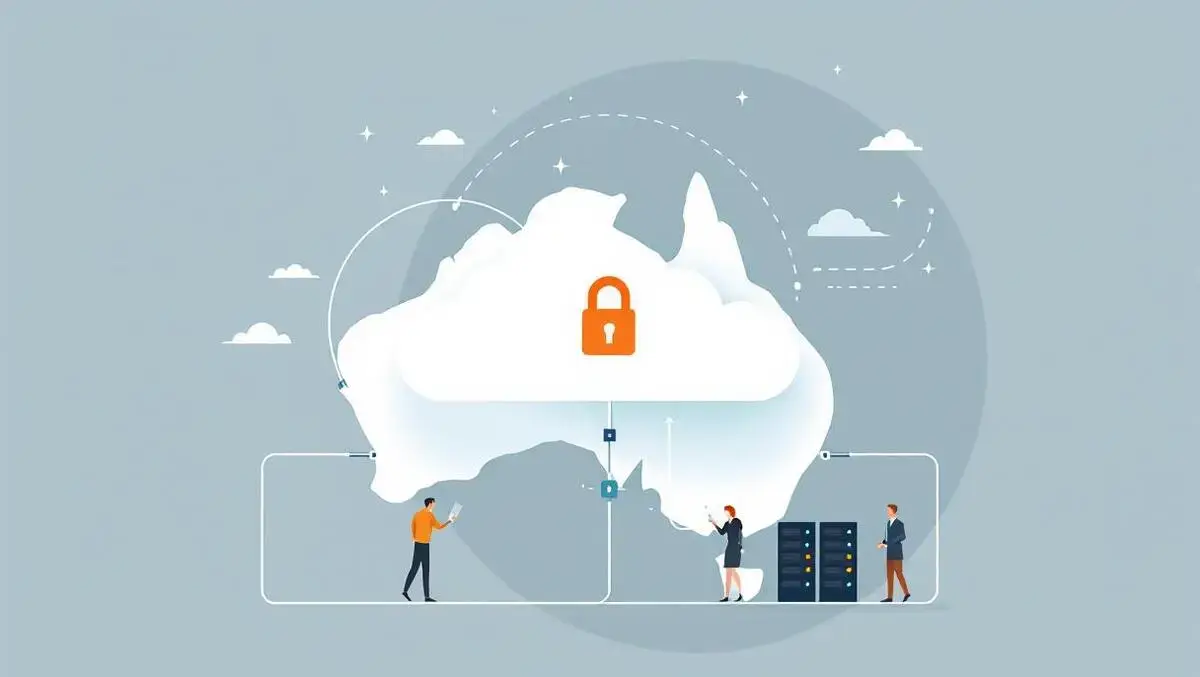 In honor of World Cloud Security Day, industry experts from Docusign,
BeyondTrust, and Saviynt have highlighted a fundamental shift in
cybersecurity, where identity, data sovereignty, and access controls now
define the modern cloud defense strategy. Moving away from traditional
perimeter-based security, organisations are increasingly prioritising the
management of digital identities to combat breaches caused by
misconfigurations and excessive privileges. Docusign’s leadership emphasizes
that trust is built through rigorous security standards and data residency,
noting the importance of storing data onshore to meet Australian regulatory
requirements. Meanwhile, BeyondTrust points out that identity has become the
primary control plane and attack vector, where even simple credential misuse
can lead to hyperscale breaches. A significant emerging challenge identified
by Saviynt is the rise of non-human identities, such as AI agents, which often
operate with high-level access but minimal oversight. To address these risks,
experts advocate for a converged security approach that integrates identity
governance across all users and machines. By implementing zero-trust
principles and just-in-time access, businesses can better protect their
sensitive assets in complex, distributed environments. Ultimately, cloud
security is no longer just a technical function but a critical business
priority essential for maintaining long-term digital trust and regulatory
compliance.
In honor of World Cloud Security Day, industry experts from Docusign,
BeyondTrust, and Saviynt have highlighted a fundamental shift in
cybersecurity, where identity, data sovereignty, and access controls now
define the modern cloud defense strategy. Moving away from traditional
perimeter-based security, organisations are increasingly prioritising the
management of digital identities to combat breaches caused by
misconfigurations and excessive privileges. Docusign’s leadership emphasizes
that trust is built through rigorous security standards and data residency,
noting the importance of storing data onshore to meet Australian regulatory
requirements. Meanwhile, BeyondTrust points out that identity has become the
primary control plane and attack vector, where even simple credential misuse
can lead to hyperscale breaches. A significant emerging challenge identified
by Saviynt is the rise of non-human identities, such as AI agents, which often
operate with high-level access but minimal oversight. To address these risks,
experts advocate for a converged security approach that integrates identity
governance across all users and machines. By implementing zero-trust
principles and just-in-time access, businesses can better protect their
sensitive assets in complex, distributed environments. Ultimately, cloud
security is no longer just a technical function but a critical business
priority essential for maintaining long-term digital trust and regulatory
compliance.The Hidden Cost of Siloed Data in Financial Services
 The hidden cost of siloed data in financial services is a multifaceted issue
that undermines operational efficiency, strategic decision-making, and
customer relationships. When information is trapped in disconnected systems,
institutions face significant "decision latency," where gathering and
reconciling conflicting data sets stretches timelines and erodes executive
confidence. These silos create "blind spots" that lead to missed revenue
opportunities—such as failing to identify ideal candidates for cross-selling
wealth management or loan products. Beyond internal friction, fragmented data
poses serious regulatory and security risks; manual reconciliation increases
the likelihood of reporting errors, while inconsistent security protocols
across platforms leave vulnerabilities that hackers can exploit. Furthermore,
the lack of a unified customer view results in impersonal or irrelevant
marketing, damaging client trust. To remain competitive, financial
institutions must shift from viewing data integration as a mere IT project to
recognizing it as a strategic imperative. By adopting unified platforms and
fostering a culture of transparency, firms can transform their data from a
stagnant liability into a proactive asset, enabling real-time insights that
drive innovation, ensure compliance, and enhance the overall customer
journey.
The hidden cost of siloed data in financial services is a multifaceted issue
that undermines operational efficiency, strategic decision-making, and
customer relationships. When information is trapped in disconnected systems,
institutions face significant "decision latency," where gathering and
reconciling conflicting data sets stretches timelines and erodes executive
confidence. These silos create "blind spots" that lead to missed revenue
opportunities—such as failing to identify ideal candidates for cross-selling
wealth management or loan products. Beyond internal friction, fragmented data
poses serious regulatory and security risks; manual reconciliation increases
the likelihood of reporting errors, while inconsistent security protocols
across platforms leave vulnerabilities that hackers can exploit. Furthermore,
the lack of a unified customer view results in impersonal or irrelevant
marketing, damaging client trust. To remain competitive, financial
institutions must shift from viewing data integration as a mere IT project to
recognizing it as a strategic imperative. By adopting unified platforms and
fostering a culture of transparency, firms can transform their data from a
stagnant liability into a proactive asset, enabling real-time insights that
drive innovation, ensure compliance, and enhance the overall customer
journey.$285 Million Drift Hack Traced to Six-Month DPRK Social Engineering Operation
 On April 1, 2026, the Solana-based decentralized exchange Drift Protocol
suffered a catastrophic exploit resulting in the theft of $285 million, an
event now traced to a meticulously planned six-month social engineering
operation by North Korean state-sponsored actors. Attributed with medium
confidence to the group UNC4736—also known as Golden Chollima or AppleJeus—the
campaign began in late 2025 when hackers posing as legitimate quantitative
traders built rapport with Drift contributors at global industry conferences.
These attackers established deep professional trust through months of
technical dialogue before deploying two primary infection vectors: a malicious
Microsoft Visual Studio Code repository weaponizing the "tasks.json" file and
a fraudulent wallet app distributed via Apple’s TestFlight. The breach
culminated in the compromise of administrative multisig keys, allowing the
hackers to bypass security circuit breakers and utilize a fabricated asset
called "CarbonVote Token" as collateral to drain protocol vaults in mere
minutes. As the largest DeFi hack of 2026 and the second-largest in Solana's
history, this incident underscores the evolving sophistication of the DPRK’s
"deliberately fragmented" malware ecosystem, which increasingly leverages
high-effort human interactions and weaponized developer tools to bypass
traditional security perimeters and fund state military ambitions.
On April 1, 2026, the Solana-based decentralized exchange Drift Protocol
suffered a catastrophic exploit resulting in the theft of $285 million, an
event now traced to a meticulously planned six-month social engineering
operation by North Korean state-sponsored actors. Attributed with medium
confidence to the group UNC4736—also known as Golden Chollima or AppleJeus—the
campaign began in late 2025 when hackers posing as legitimate quantitative
traders built rapport with Drift contributors at global industry conferences.
These attackers established deep professional trust through months of
technical dialogue before deploying two primary infection vectors: a malicious
Microsoft Visual Studio Code repository weaponizing the "tasks.json" file and
a fraudulent wallet app distributed via Apple’s TestFlight. The breach
culminated in the compromise of administrative multisig keys, allowing the
hackers to bypass security circuit breakers and utilize a fabricated asset
called "CarbonVote Token" as collateral to drain protocol vaults in mere
minutes. As the largest DeFi hack of 2026 and the second-largest in Solana's
history, this incident underscores the evolving sophistication of the DPRK’s
"deliberately fragmented" malware ecosystem, which increasingly leverages
high-effort human interactions and weaponized developer tools to bypass
traditional security perimeters and fund state military ambitions.How CIOs Can Turn Enterprise Insight Into Action
In the evolving digital landscape, Chief Information Officers (CIOs) are
increasingly tasked with transforming vast quantities of enterprise data into
tangible business outcomes. The article explores how modern IT leaders bridge
the gap between simple data collection and strategic execution. A primary
challenge identified is the persistence of data silos, which often hinder a
holistic view of the organization. To combat this, CIOs are adopting unified
data platforms and leveraging advanced analytics and artificial intelligence
to extract meaningful patterns. Beyond technical implementation, the focus is
shifting toward fostering a data-driven culture where decision-making is
democratized across all levels of the enterprise. By aligning IT initiatives
with specific business goals, CIOs ensure that insights lead directly to
improved operational efficiency and enhanced customer experiences.
Furthermore, the integration of real-time processing allows companies to
respond rapidly to market shifts. Ultimately, the role of the CIO has
transitioned from a backend service provider to a central strategist who uses
technology to catalyze growth. Success in this domain requires a balance of
robust infrastructure, clear governance, and a commitment to continuous
innovation to ensure that enterprise insights do not remain static but instead
drive proactive, value-added actions.
CTEM for Financial Services: A Guide to Continuous Threat Exposure Management
 Continuous Threat Exposure Management (CTEM) represents a vital shift for
financial institutions navigating a landscape defined by sophisticated threats
and strict regulations like DORA. Unlike traditional vulnerability management,
which often focuses on reactive patching, CTEM provides a proactive,
five-stage framework: scoping, discovery, prioritization, validation, and
mobilization. By implementing this iterative process, banks and insurers can
map their entire digital attack surface and focus limited resources on risks
with the highest exploitability and business impact. Industry experts
emphasize that CTEM moves beyond "check the box" compliance, offering fifty
percent better visibility into exposures. Gartner predicts that organizations
adopting this methodology will be three times less likely to suffer a breach
by 2026, highlighting its effectiveness in protecting high-value data and
maintaining customer trust. The final stage, mobilization, ensures that
security and IT teams collaborate effectively to remediate actionable threats
rather than chasing theoretical risks. Ultimately, CTEM enables financial
leaders to transition from a static defense to a continuous, risk-based
strategy. This evolution is essential for safeguarding payment platforms and
trading systems in an environment where downtime is not an option and cyber
threats evolve faster than traditional security cycles can manage.
Continuous Threat Exposure Management (CTEM) represents a vital shift for
financial institutions navigating a landscape defined by sophisticated threats
and strict regulations like DORA. Unlike traditional vulnerability management,
which often focuses on reactive patching, CTEM provides a proactive,
five-stage framework: scoping, discovery, prioritization, validation, and
mobilization. By implementing this iterative process, banks and insurers can
map their entire digital attack surface and focus limited resources on risks
with the highest exploitability and business impact. Industry experts
emphasize that CTEM moves beyond "check the box" compliance, offering fifty
percent better visibility into exposures. Gartner predicts that organizations
adopting this methodology will be three times less likely to suffer a breach
by 2026, highlighting its effectiveness in protecting high-value data and
maintaining customer trust. The final stage, mobilization, ensures that
security and IT teams collaborate effectively to remediate actionable threats
rather than chasing theoretical risks. Ultimately, CTEM enables financial
leaders to transition from a static defense to a continuous, risk-based
strategy. This evolution is essential for safeguarding payment platforms and
trading systems in an environment where downtime is not an option and cyber
threats evolve faster than traditional security cycles can manage.Residential proxies make a mockery of IP-based defenses
 The provided article highlights a significant shift in the cyber threat
landscape as residential proxies increasingly undermine traditional IP-based
security defenses. According to research from GreyNoise Intelligence, which
analyzed four billion malicious sessions over a 90-day period, nearly 40% of
all IPs targeting enterprise sensors are now residential. This trend
weaponizes trusted consumer infrastructure, such as home broadband and mobile
connections, making malicious activity nearly indistinguishable from
legitimate traffic. Because these residential IPs are short-lived and rotate
frequently—often appearing only once before disappearing—static IP reputation
lists and geolocation-based filters are becoming largely ineffective. The
traffic originates from compromised Windows systems and IoT devices, including
routers and cameras, which are recruited into botnets without user knowledge.
While these proxies are primarily used for scanning and
reconnaissance—specifically targeting enterprise VPN gateways—they serve as a
critical precursor to more direct exploitation from hosting environments.
Experts describe this evolution as "nightmare fuel" for defenders, as it flips
traditional perimeter security models on their head. Even following the
disruption of major proxy networks like IPIDEA, attackers quickly adapt by
shifting to datacenter infrastructure, proving that organizations must move
beyond simple IP reputation to more sophisticated, behavior-based security
strategies to remain protected.
The provided article highlights a significant shift in the cyber threat
landscape as residential proxies increasingly undermine traditional IP-based
security defenses. According to research from GreyNoise Intelligence, which
analyzed four billion malicious sessions over a 90-day period, nearly 40% of
all IPs targeting enterprise sensors are now residential. This trend
weaponizes trusted consumer infrastructure, such as home broadband and mobile
connections, making malicious activity nearly indistinguishable from
legitimate traffic. Because these residential IPs are short-lived and rotate
frequently—often appearing only once before disappearing—static IP reputation
lists and geolocation-based filters are becoming largely ineffective. The
traffic originates from compromised Windows systems and IoT devices, including
routers and cameras, which are recruited into botnets without user knowledge.
While these proxies are primarily used for scanning and
reconnaissance—specifically targeting enterprise VPN gateways—they serve as a
critical precursor to more direct exploitation from hosting environments.
Experts describe this evolution as "nightmare fuel" for defenders, as it flips
traditional perimeter security models on their head. Even following the
disruption of major proxy networks like IPIDEA, attackers quickly adapt by
shifting to datacenter infrastructure, proving that organizations must move
beyond simple IP reputation to more sophisticated, behavior-based security
strategies to remain protected.


No comments:
Post a Comment