Quote for the day:
“Teamwork begins by building trust. And the only way to do that is to overcome our need for invulnerability.” -- Patrick Lencioni
🎧 Listen to this digest on YouTube Music
▶ Play Audio DigestDuration: 19 mins • Perfect for listening on the go.
The Data Sovereignty Problem: Why Enterprises Are Pulling Workloads Back from the Cloud
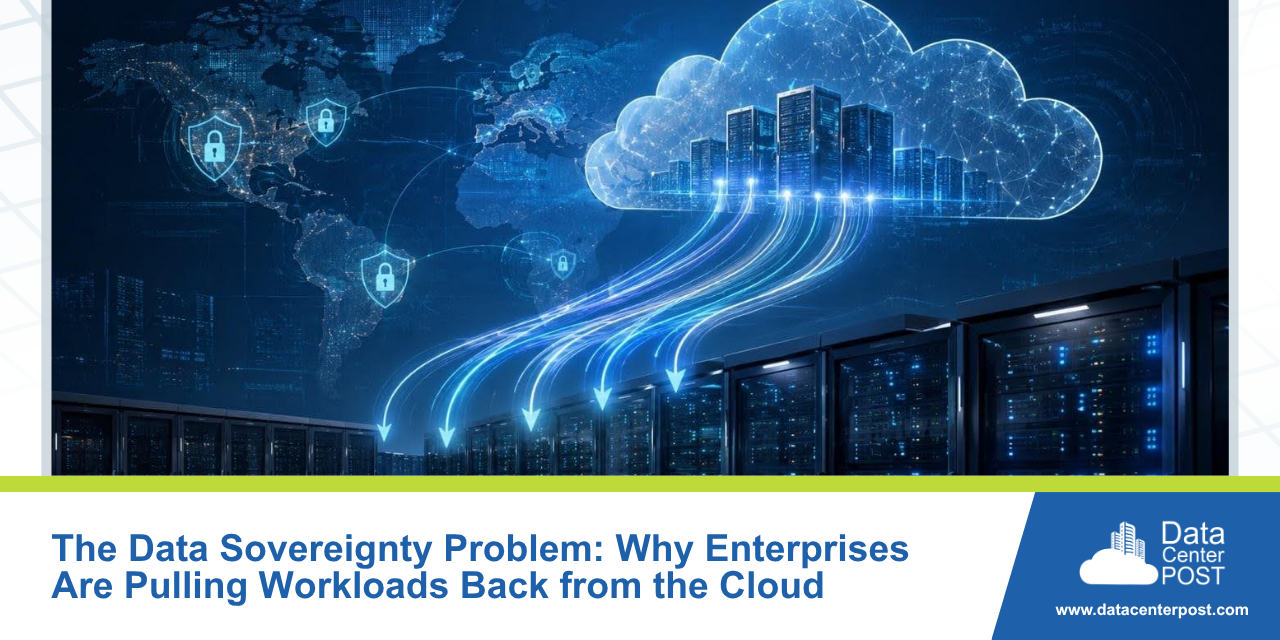 For years, placing computer operations in the public cloud was the default
choice for most large businesses, promising speed and fewer physical maintenance
burdens. Now, however, the need to strictly control sensitive information is
changing that strategy. Organizations are increasingly asking not just where
their data physically sits, but who can access it, which laws apply to it, and
how it is secured and backed up. This deeper level of control, known as data
sovereignty, is driving a shift away from a "cloud-first" approach to a more
deliberate "workload-first" model. Heavy regulations and the rise of
massive data pools required for artificial intelligence are making the public
cloud more complicated and expensive for certain tasks. While the cloud remains
useful for flexible, general-purpose applications, many companies are moving
their steady, highly sensitive, or heavily regulated systems back to private
servers or shared physical data centers. This move does not mean abandoning the
cloud completely. Instead, it allows organizations to create a hybrid setup,
gaining the predictable costs, clear legal boundaries, and tight security of
private infrastructure exactly where it matters most, while keeping the cloud
for tasks that benefit from its massive scale and flexibility.
For years, placing computer operations in the public cloud was the default
choice for most large businesses, promising speed and fewer physical maintenance
burdens. Now, however, the need to strictly control sensitive information is
changing that strategy. Organizations are increasingly asking not just where
their data physically sits, but who can access it, which laws apply to it, and
how it is secured and backed up. This deeper level of control, known as data
sovereignty, is driving a shift away from a "cloud-first" approach to a more
deliberate "workload-first" model. Heavy regulations and the rise of
massive data pools required for artificial intelligence are making the public
cloud more complicated and expensive for certain tasks. While the cloud remains
useful for flexible, general-purpose applications, many companies are moving
their steady, highly sensitive, or heavily regulated systems back to private
servers or shared physical data centers. This move does not mean abandoning the
cloud completely. Instead, it allows organizations to create a hybrid setup,
gaining the predictable costs, clear legal boundaries, and tight security of
private infrastructure exactly where it matters most, while keeping the cloud
for tasks that benefit from its massive scale and flexibility.Agentic Process Transformation: A CIO Perspective
 Agentic Process Transformation (APT) is changing how businesses operate. Instead
of simply automating basic, predictable tasks, this approach uses AI systems
that can understand goals, make plans, coordinate with different tools, and
execute complex workflows. For a Chief Information Officer (CIO), this is not
just another technology upgrade. It requires completely rethinking how business
processes are designed, monitored, and managed. These AI agents do more than
answer questions; they handle tasks like checking policies, routing approvals,
and updating records. Because they can navigate uncertainty and collaborate with
humans, they offer enormous value. However, CIOs must implement them carefully.
A successful strategy starts with identifying clear business goals, such as
speeding up claims processing or improving IT support, rather than just
experimenting with technology. It is also crucial to build a secure, central
platform for these agents rather than scattering them across different
departments. To keep operations safe, companies must establish strict
boundaries. Agents should only have access to the specific data and tools they
need. They should assist humans, handle low-risk tasks autonomously, and flag
exceptions for human review. When built with strong safeguards and measurable
outcomes, APT can significantly improve speed, consistency, and overall business
value.
Agentic Process Transformation (APT) is changing how businesses operate. Instead
of simply automating basic, predictable tasks, this approach uses AI systems
that can understand goals, make plans, coordinate with different tools, and
execute complex workflows. For a Chief Information Officer (CIO), this is not
just another technology upgrade. It requires completely rethinking how business
processes are designed, monitored, and managed. These AI agents do more than
answer questions; they handle tasks like checking policies, routing approvals,
and updating records. Because they can navigate uncertainty and collaborate with
humans, they offer enormous value. However, CIOs must implement them carefully.
A successful strategy starts with identifying clear business goals, such as
speeding up claims processing or improving IT support, rather than just
experimenting with technology. It is also crucial to build a secure, central
platform for these agents rather than scattering them across different
departments. To keep operations safe, companies must establish strict
boundaries. Agents should only have access to the specific data and tools they
need. They should assist humans, handle low-risk tasks autonomously, and flag
exceptions for human review. When built with strong safeguards and measurable
outcomes, APT can significantly improve speed, consistency, and overall business
value.Is a DPO the Same as a Privacy Officer?
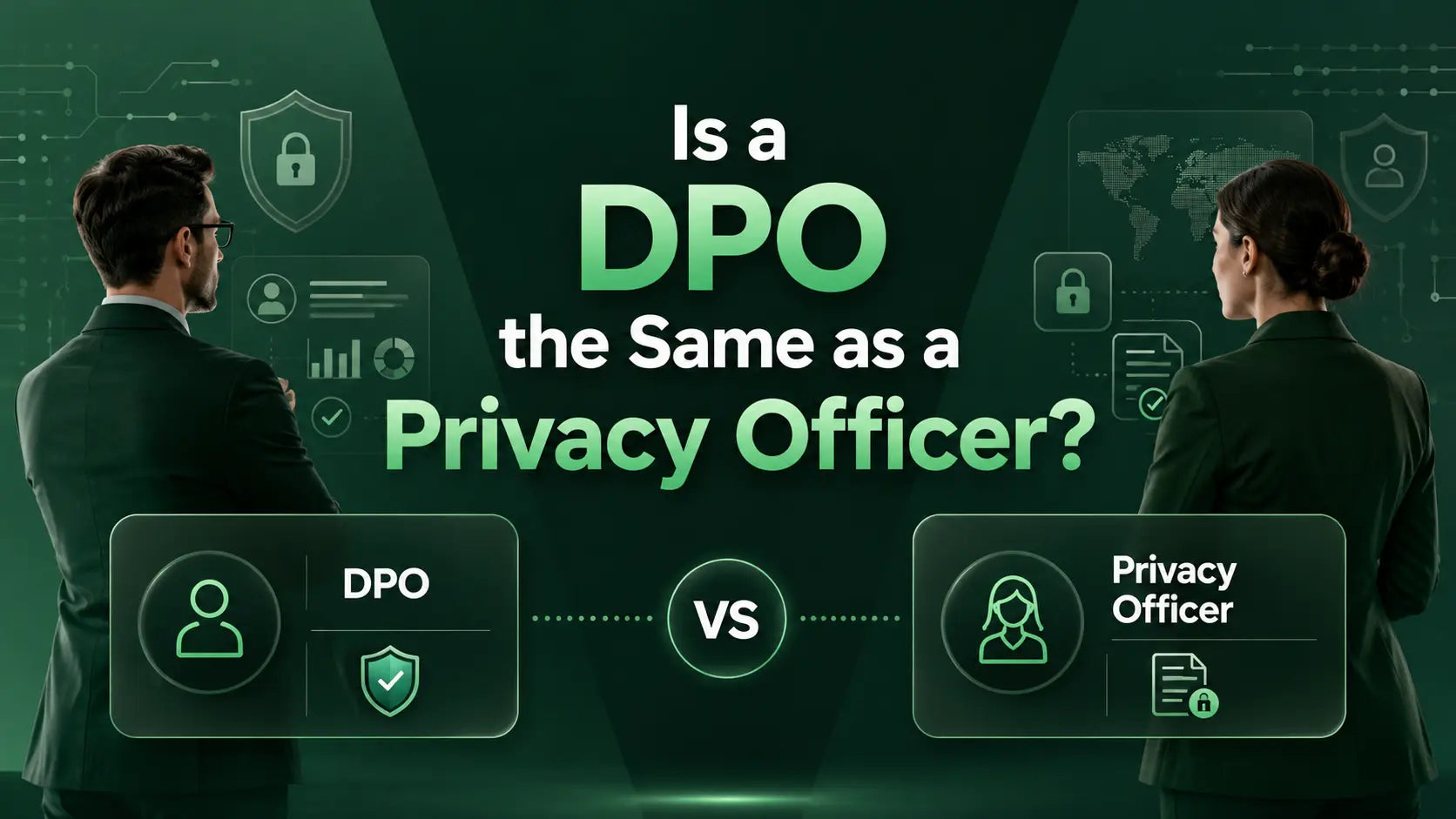 Many organizations mistakenly treat the titles “Data Protection Officer” (DPO)
and “privacy officer” as interchangeable. However, under the General Data
Protection Regulation (GDPR), these roles carry vastly different legal weight.
A privacy officer is just an internal job title created by an employer. It has
no formal legal definition, meaning the company completely controls the role’s
duties, reporting structure, and level of independence. In contrast, a DPO is
a formal statutory position defined by GDPR rules. The law specifically
mandates certain organizations to appoint a DPO, such as public authorities or
businesses that monitor individuals or process sensitive information on a
large scale. Unlike a standard privacy officer, a DPO is guaranteed legal
independence. Management cannot instruct them on how to carry out their
regulatory duties, nor can they penalize the DPO for doing their job
correctly. Furthermore, a DPO must report directly to the highest level of
leadership, rather than sitting under a department head like IT or marketing.
Confusing these two roles can lead to severe financial penalties. Simply
giving someone the title of privacy officer does not satisfy legal
requirements if your business operations trigger the need for a DPO. Companies
must carefully evaluate their data activities and ensure proper compliance.
Many organizations mistakenly treat the titles “Data Protection Officer” (DPO)
and “privacy officer” as interchangeable. However, under the General Data
Protection Regulation (GDPR), these roles carry vastly different legal weight.
A privacy officer is just an internal job title created by an employer. It has
no formal legal definition, meaning the company completely controls the role’s
duties, reporting structure, and level of independence. In contrast, a DPO is
a formal statutory position defined by GDPR rules. The law specifically
mandates certain organizations to appoint a DPO, such as public authorities or
businesses that monitor individuals or process sensitive information on a
large scale. Unlike a standard privacy officer, a DPO is guaranteed legal
independence. Management cannot instruct them on how to carry out their
regulatory duties, nor can they penalize the DPO for doing their job
correctly. Furthermore, a DPO must report directly to the highest level of
leadership, rather than sitting under a department head like IT or marketing.
Confusing these two roles can lead to severe financial penalties. Simply
giving someone the title of privacy officer does not satisfy legal
requirements if your business operations trigger the need for a DPO. Companies
must carefully evaluate their data activities and ensure proper compliance.The business case for burning down security debt: A practical approach for CISOs
 Today, most organizations can easily find security flaws, but they struggle to
fix them fast enough. This creates "security debt"—a backlog of unresolved
vulnerabilities that grow over time and increase risk. To get the resources
needed to solve this problem, security leaders must treat security debt like
financial debt when talking to executives. Instead of just listing technical
flaws, leaders should frame the inability to fix issues as a business
constraint that causes delayed releases and raises operational costs. Because
not all vulnerabilities carry the same risk, it is important to focus on the
ones that are both highly exploitable and located in critical systems, like
customer-facing applications or revenue-generating services. By narrowing the
focus to these high-risk areas, teams can make a meaningful impact quickly. To
show progress, organizations need metrics that measure actual risk reduction,
rather than just counting how many bugs were found or fixed. Securing
investment requires clearly showing leadership how dedicated engineering time
and automated tools will improve the organization's capacity to safely deliver
software. By connecting security efforts directly to business outcomes,
security leaders can secure the funding needed to effectively reduce their
organization's long-term risk.
Today, most organizations can easily find security flaws, but they struggle to
fix them fast enough. This creates "security debt"—a backlog of unresolved
vulnerabilities that grow over time and increase risk. To get the resources
needed to solve this problem, security leaders must treat security debt like
financial debt when talking to executives. Instead of just listing technical
flaws, leaders should frame the inability to fix issues as a business
constraint that causes delayed releases and raises operational costs. Because
not all vulnerabilities carry the same risk, it is important to focus on the
ones that are both highly exploitable and located in critical systems, like
customer-facing applications or revenue-generating services. By narrowing the
focus to these high-risk areas, teams can make a meaningful impact quickly. To
show progress, organizations need metrics that measure actual risk reduction,
rather than just counting how many bugs were found or fixed. Securing
investment requires clearly showing leadership how dedicated engineering time
and automated tools will improve the organization's capacity to safely deliver
software. By connecting security efforts directly to business outcomes,
security leaders can secure the funding needed to effectively reduce their
organization's long-term risk.
15 cognitive biases that affect workplace decisions more than most people realize
 The human brain relies on mental shortcuts that can severely distort workplace
decisions. These cognitive biases operate quietly, causing professionals to
misjudge hiring, planning, and strategy despite having access to better data.
Understanding the most common ones offers a practical defense. Confirmation
bias is perhaps the most frequent issue. It leads individuals to seek out
information that supports their existing beliefs while ignoring contradictory
evidence. For instance, an interviewer who likes a candidate early on will
unknowingly frame questions to validate that good impression. Anchoring is
another common trap, where the first number mentioned—such as a salary request
or budget estimate—pulls all subsequent negotiations toward it, even if the
starting number was arbitrary. Similarly, the sunk cost fallacy convinces
leaders to keep funding failing projects simply because they have already
spent resources on them, rather than evaluating future potential. Other biases
skew how people perceive talent and risk. The halo effect causes one positive
trait, like confidence, to unfairly elevate someone’s perceived competence in
unrelated areas. The availability heuristic leads teams to judge the
likelihood of an event based on how easily they can remember a similar
occurrence, often overestimating risks tied to recent, vivid events. By
recognizing these patterns, professionals can build smarter processes—like
evaluating evidence separately from conclusions—and make better, more
objective decisions.
The human brain relies on mental shortcuts that can severely distort workplace
decisions. These cognitive biases operate quietly, causing professionals to
misjudge hiring, planning, and strategy despite having access to better data.
Understanding the most common ones offers a practical defense. Confirmation
bias is perhaps the most frequent issue. It leads individuals to seek out
information that supports their existing beliefs while ignoring contradictory
evidence. For instance, an interviewer who likes a candidate early on will
unknowingly frame questions to validate that good impression. Anchoring is
another common trap, where the first number mentioned—such as a salary request
or budget estimate—pulls all subsequent negotiations toward it, even if the
starting number was arbitrary. Similarly, the sunk cost fallacy convinces
leaders to keep funding failing projects simply because they have already
spent resources on them, rather than evaluating future potential. Other biases
skew how people perceive talent and risk. The halo effect causes one positive
trait, like confidence, to unfairly elevate someone’s perceived competence in
unrelated areas. The availability heuristic leads teams to judge the
likelihood of an event based on how easily they can remember a similar
occurrence, often overestimating risks tied to recent, vivid events. By
recognizing these patterns, professionals can build smarter processes—like
evaluating evidence separately from conclusions—and make better, more
objective decisions.
When Hackers Cut the Internet, Will the Water Still Flow?
 The U.S. Environmental Protection Agency recently hosted a National Cyber
Drill to help water utilities prepare for severe cyberattacks. The exercise
simulated a worst-case scenario where foreign military hackers caused a
massive, three-day telecommunications blackout. In this fictional situation, a
public utility had to maintain safe water services for a large community
without any internet, cellular coverage, or remote monitoring capabilities.
During the drill, utility managers from across the country discussed the
immense challenges of losing third-party communications entirely. They
explored how to shift staffing to provide round-the-clock physical monitoring
and debated difficult choices, such as prioritizing water pressure for
firefighting over standard water treatment methods. Transitioning to
completely manual operations proved difficult, and very few participants
actually attempted the live-action portion of the exercise. Industry experts
noted that while local automated systems might still function safely without
internet access, true manual operation requires constant human oversight of
all equipment. Ultimately, the drill highlighted that vulnerability heavily
depends on a utility’s specific size and physical design. Smaller
organizations or those with private communication networks could navigate an
outage relatively easily. However, larger facilities that rely heavily on
remote technology would face serious, ongoing challenges in keeping their
water flowing safely.
The U.S. Environmental Protection Agency recently hosted a National Cyber
Drill to help water utilities prepare for severe cyberattacks. The exercise
simulated a worst-case scenario where foreign military hackers caused a
massive, three-day telecommunications blackout. In this fictional situation, a
public utility had to maintain safe water services for a large community
without any internet, cellular coverage, or remote monitoring capabilities.
During the drill, utility managers from across the country discussed the
immense challenges of losing third-party communications entirely. They
explored how to shift staffing to provide round-the-clock physical monitoring
and debated difficult choices, such as prioritizing water pressure for
firefighting over standard water treatment methods. Transitioning to
completely manual operations proved difficult, and very few participants
actually attempted the live-action portion of the exercise. Industry experts
noted that while local automated systems might still function safely without
internet access, true manual operation requires constant human oversight of
all equipment. Ultimately, the drill highlighted that vulnerability heavily
depends on a utility’s specific size and physical design. Smaller
organizations or those with private communication networks could navigate an
outage relatively easily. However, larger facilities that rely heavily on
remote technology would face serious, ongoing challenges in keeping their
water flowing safely.Forget typosquatting; slopsquatting is the software supply chain threat created by AI coding tools
 A new security threat called slopsquatting is emerging as many modern software
developers increasingly rely on artificial intelligence coding assistants.
Slopsquatting occurs when an AI model invents, or hallucinates, a fake but
realistic-sounding software package name while generating code. Cybercriminals
have learned to identify these commonly hallucinated names and register
actual, malicious packages under them in open-source libraries. When a
developer trusts the AI assistant and installs the suggested package, they
unknowingly inject malware directly into their software from the very
beginning. This tactic builds on traditional typosquatting, where attackers
misspell popular domain names to trick users. However, because AI creates
completely new, plausible names rather than simple misspellings, current
security protections built into software registries fail to detect the threat.
Attackers can even manipulate AI models to force them to recommend these
specific, infected packages. Research indicates that open-source AI models are
about four times more likely to hallucinate packages than proprietary models,
making their users significantly more vulnerable. As the trend of relying on
AI for coding grows, organizations must implement careful verification
processes. Developers need to manually confirm that any AI-recommended package
actually exists in official repositories and perform automated checks before
incorporating it into their active code base.
A new security threat called slopsquatting is emerging as many modern software
developers increasingly rely on artificial intelligence coding assistants.
Slopsquatting occurs when an AI model invents, or hallucinates, a fake but
realistic-sounding software package name while generating code. Cybercriminals
have learned to identify these commonly hallucinated names and register
actual, malicious packages under them in open-source libraries. When a
developer trusts the AI assistant and installs the suggested package, they
unknowingly inject malware directly into their software from the very
beginning. This tactic builds on traditional typosquatting, where attackers
misspell popular domain names to trick users. However, because AI creates
completely new, plausible names rather than simple misspellings, current
security protections built into software registries fail to detect the threat.
Attackers can even manipulate AI models to force them to recommend these
specific, infected packages. Research indicates that open-source AI models are
about four times more likely to hallucinate packages than proprietary models,
making their users significantly more vulnerable. As the trend of relying on
AI for coding grows, organizations must implement careful verification
processes. Developers need to manually confirm that any AI-recommended package
actually exists in official repositories and perform automated checks before
incorporating it into their active code base.Business (Architecture)First. In an AI lead world
Many enterprise artificial intelligence initiatives fail to generate
measurable value, not because of flawed technology or poor data, but due to a
critical missing step: business architecture. When organizations deploy AI,
they often treat it as a standalone IT project, skipping the essential phase
of defining how the technology aligns with overall business strategy,
capabilities, and value streams. This oversight creates what is known as
probabilistic integration debt. Traditional business processes are
deterministic, meaning they expect precise, rule-based outcomes. Artificial
intelligence, however, is probabilistic and generates statistical likelihoods.
When companies force these probabilistic models into rigid operational systems
without a proper architectural foundation, it causes continuous friction,
requires heavy human intervention, and ultimately limits the value of the
investment. To succeed, organizations must adopt a business-first approach to
architecture. Before selecting any specific models or tools, they need to map
out exactly what capabilities require automation and define clear governance
and operating models. This rigorous upfront planning ensures that when
technology and data architecture are finally implemented, they serve a
specific, well-defined business purpose. Ultimately, transitioning to an
intelligent enterprise requires the discipline to understand your operational
needs and decision flows long before writing code or integrating new
systems.
 Artificial intelligence has become a standard tool in corporate hiring, with a
large majority of employers using it to screen candidates and make
role-planning decisions. While this technology can process high volumes of
applications quickly, relying on it too heavily introduces a significant risk
of hidden bias. Experts warn that when AI is left to automatically reject
applicants, it frequently filters out highly qualified people whose
backgrounds do not fit a neat, traditional mold. For example, candidates
returning to the workforce, changing industries, or simply using different
wording than the job description are often discarded before a human ever
reviews their resume. Furthermore, AI systems trained on past hiring data can
unintentionally reinforce historical prejudices by prioritizing certain
schools or work patterns that do not actually determine a candidate's future
success. To prevent these issues, organizations must remember that AI should
support the hiring process, not replace it. Companies need to maintain a
careful balance by keeping human judgment involved to assess context,
intuition, and an applicant's true potential. By mapping out exactly where
automation adds value and where human insight is required, and by regularly
auditing these systems, employers can improve efficiency while maintaining
fairness, accuracy, and transparency for every job seeker.
Artificial intelligence has become a standard tool in corporate hiring, with a
large majority of employers using it to screen candidates and make
role-planning decisions. While this technology can process high volumes of
applications quickly, relying on it too heavily introduces a significant risk
of hidden bias. Experts warn that when AI is left to automatically reject
applicants, it frequently filters out highly qualified people whose
backgrounds do not fit a neat, traditional mold. For example, candidates
returning to the workforce, changing industries, or simply using different
wording than the job description are often discarded before a human ever
reviews their resume. Furthermore, AI systems trained on past hiring data can
unintentionally reinforce historical prejudices by prioritizing certain
schools or work patterns that do not actually determine a candidate's future
success. To prevent these issues, organizations must remember that AI should
support the hiring process, not replace it. Companies need to maintain a
careful balance by keeping human judgment involved to assess context,
intuition, and an applicant's true potential. By mapping out exactly where
automation adds value and where human insight is required, and by regularly
auditing these systems, employers can improve efficiency while maintaining
fairness, accuracy, and transparency for every job seeker.
AI’s potential to infect the hiring process with bias
Artificial intelligence has become a standard tool in corporate hiring, with a
large majority of employers using it to screen candidates and make
role-planning decisions. While this technology can process high volumes of
applications quickly, relying on it too heavily introduces a significant risk
of hidden bias. Experts warn that when AI is left to automatically reject
applicants, it frequently filters out highly qualified people whose
backgrounds do not fit a neat, traditional mold. For example, candidates
returning to the workforce, changing industries, or simply using different
wording than the job description are often discarded before a human ever
reviews their resume. Furthermore, AI systems trained on past hiring data can
unintentionally reinforce historical prejudices by prioritizing certain
schools or work patterns that do not actually determine a candidate's future
success. To prevent these issues, organizations must remember that AI should
support the hiring process, not replace it. Companies need to maintain a
careful balance by keeping human judgment involved to assess context,
intuition, and an applicant's true potential. By mapping out exactly where
automation adds value and where human insight is required, and by regularly
auditing these systems, employers can improve efficiency while maintaining
fairness, accuracy, and transparency for every job seeker.

