Showing posts with label solution architecture. Show all posts

Daily Tech Digest - June 25, 2026


Quote for the day:

“If we are growing, we are always going to be out of our comfort zone.” -- John C. Maxwell

🎧 Listen to this digest on YouTube Music

▶ Play Audio Digest

Duration: 22 mins • Perfect for listening on the go.


When IT loses sight of enterprise low-code

When information technology departments lose oversight of low code development, organizations often face significant operational risks. Low code platforms are designed to let everyday employees build applications quickly, which can improve efficiency and solve immediate business problems. However, without proper technical supervision, this newfound freedom can lead to a heavily fragmented digital environment. Employees might create software that handles sensitive data without following standard security protocols, exposing the company to serious breaches and costly compliance failures. Furthermore, these independently built applications often overlap in function, creating unnecessary complexity and increasing ongoing maintenance costs. When employees eventually leave the company, the specialized tools they built can easily become unsupported and difficult to fix, leaving critical business processes vulnerable to disruption. To effectively manage these persistent challenges, technical teams must maintain a strong guiding role in all low code initiatives. By establishing clear rules and providing structured, reliable support, IT can help employees build useful tools safely. This collaborative approach ensures that new applications integrate smoothly with existing systems and adhere strictly to company standards. Ultimately, balancing employee autonomy with technical oversight allows businesses to benefit from faster software creation without compromising their security, stability, or long term operational health.
The article outlines a theoretical framework and engineering approach known as Observer-Patch Holography, which treats the physical world as a highly structured, interactive system rather than a static container. According to this framework, fundamental elements like space, time, and gravity are not absolute background features but emergent properties that arise from the consistency between different observational perspectives. By understanding the underlying mechanics of this shared reality, the author argues that it is possible to interact with the universe much like a hardware program. The core thesis is that reality can be directly manipulated by exerting control over small, bounded physical areas called patches. Engineers could theoretically use specialized devices to adjust boundary data and stabilize these patches into desired states. This process allows them to effectively rewrite the local rules of physics by managing how information and observations synchronize. Specifically, the engineering note proposes that this method of hacking reality provides a practical, low-cost pathway for achieving localized control over gravity and inertia. By manipulating the consensus of information at a micro-level, engineers could produce macroscopic effects, potentially paving the way for advanced technologies like hoverboards and hoverbikes.


Choosing your AI stack: The benefits of vendor lock-in

In the past, IT departments could easily mix and match different hardware and software, but modern artificial intelligence systems require a different approach. Because AI demands immense computing power, technology providers now build hardware and software that work strictly together to maximize efficiency. This tight integration means organizations must commit to complete ecosystems rather than choosing individual components, leading to a modern form of vendor lock-in. While switching platforms might seem simple on paper, it brings serious hidden costs, including wasted engineering effort, deep system dependencies, and poor timing during critical growth phases. As a result, IT leaders need to shift their perspective. Instead of viewing vendor lock-in as a failure to avoid at all costs, they should see it as a strategic choice that can deliver a crucial performance advantage. The most effective organizations understand that openness is not always better than lock-in. They treat platform commitment as a dynamic issue, weighing where raw performance matters most against where flexibility is needed. True leaders do not run from vendor lock-in; they carefully decide when to embrace it, limit it, or move past it before market pressures force their hand.


Why CIOs should be prioritising stability as the foundation for transformation

As local governments face significant structural changes and reorganizations, chief information officers often feel pressured to use the opportunity for immediate, widespread digital overhauls. However, this approach can be risky. The real priority during these transitions must be operational stability. When a new authority takes over, residents expect basic services, like trash collection and benefit processing, to continue working exactly as they did before. Managing technology in local government is already complicated by older systems and disjointed applications. Merging these environments adds another layer of difficulty. Instead of rushing to rebuild every system or process right away, technology leaders should focus on keeping current operations running smoothly. A practical first step is to map out how services actually function today, identifying where delays or manual tasks exist. This clear understanding allows teams to stabilize the foundation and maintain service continuity. By prioritizing resilience and control, councils can reduce the risk of service failures during the transition. Once the foundational systems are secure and the new organizational structure is clear, leaders will have the breathing room needed to implement thoughtful, long-term improvements. Success comes from stabilizing first, then changing at a measured pace.


Cybersecurity is no longer about protection. It’s about survival

Cybersecurity strategy must evolve from a mindset of pure prevention to one focused on organizational survival. While traditional defenses like firewalls, multi-factor authentication, and patching remain necessary, relying solely on keeping attackers out is no longer a realistic strategy in an era where breaches are inevitable. The rapid advancement of artificial intelligence and the increasing complexity of supply chains have dramatically expanded the attack surface, meaning defenses will eventually fail. Therefore, the core objective of modern security is to ensure an organization can continue to function during and after an attack. This shift requires a deep commitment to resilience, business continuity, and rapid recoverability. True security means knowing precisely which systems are critical, isolating the impact of a breach, and having a tested plan to rebuild cleanly. Furthermore, this survival approach cannot be confined to the IT department. It demands active involvement and clear accountability from the board, executive leadership, legal, engineering, and human resources. Ultimately, an organization that collapses the moment its protective walls are breached was never truly secure. Success is now defined by the ability to absorb systemic shocks and recover quickly.


The uptime questions every engineering leader should ask this week

In a recent interview, Mattias Geniar, CTO at Oh Dear, discusses practical strategies for preventing system outages and improving uptime. He observes that engineering teams often monitor isolated metrics and absolute numbers, which leads to alert fatigue and unnecessary middle-of-the-night wake-up calls. Instead, he advises monitoring actual user outcomes—such as the ability to log in or complete a purchase—and establishing baselines to detect meaningful changes over time. Geniar highlights that while front-facing issues are easily tracked, sudden outages frequently stem from unmonitored internal DNS misconfigurations and expired TLS certificates buried deep within complex systems. To manage reliance on third-party vendors, he recommends developing clear failover alternatives to contain the impact of external failures. He cautions that tired engineers are highly prone to making mistakes during late-night incident responses. To mitigate this risk, recovery processes must be thoroughly tested until they become entirely routine and predictable. Finally, Geniar urges leaders to ask their teams direct questions to uncover hidden vulnerabilities. This includes identifying the most fragile infrastructure, ensuring backups are fully tested by actually restoring them, confirming that monitoring catches errors before customers do, and removing dependencies on a single indispensable team member.


Bridging the Divide: How Data Centers Are Addressing Community Concerns

As the development of data centers accelerates to unprecedented scales, developers are facing increased scrutiny from local municipalities and residents. Communities are raising valid concerns regarding the substantial impact these facilities have on power grids, water resources, and local infrastructure. In an era of high inflation and rising utility bills, residents are particularly skeptical of tech companies receiving large tax incentives while household expenses continue to climb. Recognizing these tensions, industry leaders are acknowledging that their traditional approach of operating quietly behind the scenes is no longer effective. Instead, they must proactively engage with the public to dispel misinformation and highlight the tangible benefits these facilities offer, such as high-paying union jobs, infrastructure improvements, and increased tax revenues. However, developers also point to significant challenges, including slow permitting processes and outdated zoning laws that struggle to accommodate modern, large-scale projects. Moving forward, overcoming this divide will require a coordinated effort. Developers, policymakers, and government entities at all levels must collaborate to create cohesive regulations, streamline development processes, and ensure that new projects deliver clear, measurable value to the communities that host them.


AI security doesn’t require a brand-new architecture

The rapid adoption of artificial intelligence brings new security challenges, from rogue applications to invisible software agents, but keeping your organization safe does not require building a completely new architecture. Instead of looking for magical fixes, security experts suggest returning to core fundamentals like granting minimal access and designing systems securely from the start. Rather than blocking AI adoption out of fear, companies can build on their existing tools to detect threats and manage access rights in real time. Because attackers now use automation to find network flaws instantly, defenders must also use artificial intelligence to quickly identify and isolate vulnerabilities before permanent patches are ready. At the same time, internal policy approval needs to speed up; waiting several weeks for permission is simply no longer practical. By writing policies directly into the system code, organizations can safely match the pace of modern technology. Employee education also remains vital, requiring clear guidelines on how to interact with new tools responsibly. Finally, keeping costs manageable is a critical part of a safe deployment. By using existing platforms and combining cloud resources with local hardware, companies can effectively protect both their data and their budgets.


Beyond CLEAN and MVP: Architecting an Offline-first Reactive Data Layer in Android

The provided article introduces the Reactive Data Layer Architecture (RDLA), a practical approach designed to improve data management in Android applications. Traditional structures, such as Model-View-Presenter and Clean Architecture, often create unnecessary complexity or struggle with the continuous updates required by modern mobile interfaces. RDLA addresses these challenges by establishing the local device storage as the single, reliable source of truth. Instead of forcing the user interface to request data repeatedly, RDLA uses a continuous stream that automatically pushes updates to the screen whenever the underlying data changes. This design is particularly useful for applications that must function without an internet connection, such as health tracking tools. When a user makes a change, the application instantly updates the local interface while silently scheduling the network synchronization in the background. By relying on tools built into the Android system, these background tasks are guaranteed to finish even if the user closes the app. Furthermore, RDLA simplifies the testing process. It separates the database and network configurations, allowing engineers to verify their core logic without relying on fragile mock setups. Ultimately, this architecture provides a more reliable foundation for complex mobile applications.


Agentic AI Security: Wrong Context, Wrong Decisions at Machine Speed

The effectiveness of automated artificial intelligence in cybersecurity fundamentally depends on the quality of its context. While organizations are looking to these advanced systems to manage the rapid volume of modern threats, these tools can only make accurate decisions if they possess a complete and updated view of the environment. When fed incomplete or inaccurate data, the artificial intelligence will make incorrect decisions at machine speed, carrying out flawed actions with unwavering confidence. Security leaders caution that any automation system lacking verified context is simply a faster way to make widespread mistakes. For instance, an automated security operations center might shut down a critical device to isolate a threat, completely unaware of the disastrous business impact because it lacked the broader operational context. Given these significant risks, experts suggest that artificial intelligence is not yet mature enough for fully independent action. Instead of allowing the system to execute automated responses, the current best practice involves using it to quickly gather relevant context across various security tools and provide clear, reasoned recommendations. Ultimately, human experts must remain in the loop to make final decisions until context gathering methods become significantly more reliable over time.

Daily Tech Digest - June 12, 2026


Quote for the day:

“Optimism is an occupational hazard of programming; feedback is the treatment.” -- Kent Beck

🎧 Listen to this digest on YouTube Music

▶ Play Audio Digest

Duration: 20 mins • Perfect for listening on the go.


The new software stack: How AI is changing SaaS, apps, and enterprise workflows

Artificial intelligence is fundamentally reshaping enterprise software, shifting it from passive storage systems into active participants in daily business tasks. For decades, employees manually navigated through separate applications for human resources, finance, and customer management. Now, automated tools are starting to interpret requests, gather context, and execute actions across multiple platforms without waiting for human clicks. Instead of interacting with dozens of different screens, an employee might simply type a goal into a messaging app, allowing the software to coordinate the necessary steps behind the scenes. However, this shift does not make traditional databases obsolete; rather, it makes them more critical. Automated systems still rely heavily on strict, rule-based records like payroll and compliance to function accurately. As software transitions into what many consider digital labor, organizations must figure out which tasks to automate and where human judgment remains absolutely essential. Furthermore, giving software the ability to take independent action requires strict oversight. Companies are embedding security rules directly into their architecture, ensuring automated accounts have clear identities, limited permissions, and reliable ways to undo mistakes. Ultimately, the future of software relies less on standard visual interfaces and more on building dependable systems that understand business context, respect strict security boundaries, and know exactly when to involve a human.


When Context Collapses: Teaching Agents to Detect and Recover from Lost Memory

As software developers build artificial intelligence agents for complex, multistep tasks, they increasingly encounter a major hurdle: context loss. Current language models possess a limited working memory. When that maximum capacity fills up, the system begins a process called compaction, silently compressing or dropping older information. This often causes the agent to lose track of its current task or produce nonsensical output. This limitation is remarkably similar to the severe memory constraints of early personal computers, effectively making the modern context window the new equivalent of the old 640K RAM ceiling. To combat this issue, engineers can implement the externalize-recognize-rehydrate pattern, simply referred to as ERR. The first step involves externalizing the state by regularly saving critical information to files on a disk, completely removing the reliance on the AI’s volatile memory. Next, developers must carefully recognize context loss by monitoring for system crashes or subtle signs of degraded output. Finally, they can rehydrate the agent by loading those saved files into a fresh session, allowing the tool to rebuild its understanding and resume the task accurately. By treating memory as a constrained resource that requires deliberate management, builders can design reliable automated systems that are fully equipped to recover gracefully when context inevitably collapses.


Regulating Artificial Intelligence In Indian Judiciary

The integration of artificial intelligence into the Indian legal system has shifted from scattered experiments to a unified national framework. While the judiciary's early adoption of digital tools helped with tasks like translation and legal research, different regional courts applied their own separate rules, creating a fragmented landscape. To address this, the Supreme Court introduced a White Paper in late 2025, highlighting risks such as fabricated citations and biased algorithms, and emphasizing that AI should remain strictly assistive. Building on these principles, the Supreme Court released the Draft Regulations for Use of Artificial Intelligence in Courts in June 2026. These regulations represent India’s first binding national rules for AI in the judiciary. They strictly prohibit automated decision-making and risk scoring, firmly placing accountability on human judges. Despite these positive steps, legal experts note several critical gaps in the draft framework. The current rules block independent external audits, lack clear mechanisms for people harmed by AI errors to seek remedies, fail to enforce practical standards for how AI systems explain their outputs, and do not mandate specific training for court staff. Addressing these shortcomings is essential. With targeted revisions to improve transparency and accountability, India's framework holds the potential to serve as a reliable, balanced model for judicial systems worldwide.


The Digital Workforce calls for a new CISO

The role of the Chief Information Security Officer is undergoing a major shift as companies transition to a digital workforce blending human employees with artificial intelligence. With workers using multiple automated assistants, the traditional office structure is quickly becoming a hybrid environment. While this brings efficiency, it also introduces significant new security challenges. A primary concern is invisible manipulation, where attackers use hidden instructions to trick software into leaking sensitive data without any human mistake. Because these automated tools operate at incredible speeds and lack real-world context, they cannot rely on intuition to spot danger. To address this, security leaders must adapt by creating specific identity and access rules just for algorithms. This ensures automated tools have clear boundaries and limited permissions. Furthermore, while strict internal controls are necessary, the human element remains more critical than ever. A strong security culture depends on social interaction and context that only humans can provide. Despite claims that automated systems will replace entire teams, people are still essential for guiding these tools safely. Moving forward, organizations should start by identifying all active automated tools in their network, understanding their behavior, and introducing new systems slowly with limited autonomy to maintain strict control over business risks.


The Inferencing Cost Problem No One Is Talking About: Unstructured Data Quality

As artificial intelligence budgets grow, financial leaders are closely examining where the money is going. A major overlooked expense is the computing power required every time an artificial intelligence model generates a response or processes a request. While many teams use traditional cost-saving methods, they often ignore the financial impact of poor data quality. Most organizations sit on vast amounts of unclassified files, documents, and images. When this raw, unfiltered information is fed directly into automated systems, it drastically inflates processing costs because these models are billed by the sheer volume of information they must analyze. To solve this problem, businesses need to focus on organizing their information before the technology ever sees it. By categorizing files with simple labels, teams can filter and send only the most relevant details to their models. Treating data preparation as a core financial strategy drastically reduces storage and computing expenses. For example, a major healthcare network cut its cloud storage costs by ninety-six percent simply by categorizing scanned images and removing old files from their workflow. Beyond saving money, sorting files beforehand prevents sensitive or outdated information from causing security issues. Ultimately, knowing exactly what feeds your systems ensures lower costs, better performance, and tighter control over enterprise budgets.


Spec-Driven Development: A Spec-First Approach to AI-Native Engineering

While artificial intelligence speeds up software development, it often struggles to capture the original intent behind a project. Traditional approaches that rely heavily on prompting AI tools step-by-step can lead to confusion, inconsistent code, and frequent rework as project complexity grows. Because requirements and edge cases only live within isolated prompts, development teams lose a shared understanding of what they are actually trying to build. Spec-Driven Development offers a more reliable alternative by treating structured specifications as the primary reference point for both human engineers and AI tools. Instead of writing code first and fixing misunderstandings later, teams clarify their goals, constraints, and acceptance criteria upfront. This upfront context connects business requirements directly to the underlying architecture, implementation, and testing phases. When AI systems generate code based on a clear specification, the output remains closely aligned with the original intent. To help organizations adopt this practice, Microsoft introduced the GitHub Spec Kit, an open-source toolkit designed to organize this workflow alongside AI coding assistants like GitHub Copilot. By investing a bit more time in early planning and defining clear boundaries, engineering teams can greatly reduce late-stage corrections. Ultimately, moving from scattered prompts to a specification-first approach results in faster, more predictable software delivery, ensuring that AI-generated output reliably meets the actual needs of the project.


Quantum of promise: How to build a quantum chip

The manufacturing of quantum computing chips is undergoing a significant transition from pure scientific experimentation to practical industrial engineering. According to industry analysis, quantum chipmakers are accelerating the development of superconducting quantum processors by adapting well-established manufacturing techniques from the traditional semiconductor industry. Leading companies in the sector, such as IBM and IQM Quantum Computers, indicate that the path forward no longer depends primarily on fundamental scientific breakthroughs. Instead, commercial progress now relies on solving complex practical challenges related to engineering, advanced packaging, and physical scaling. To build reliable quantum processors, manufacturers must focus on refining precise microfabrication processes like high-precision lithography and thin-film deposition within specialized cleanroom environments. The main objective is to shift quantum technology away from hand-assembled laboratory prototypes and toward scalable, mass-produced hardware. This operational evolution requires bridging the gap between quantum components and classical computing networks, ensuring that new processors can operate stably at extremely cold temperatures while integrating smoothly into existing high-performance computing facilities and modern data centers. Ultimately, treating quantum chip production as a direct extension of conventional semiconductor manufacturing allows the global industry to focus heavily on long-term structural reliability, which brings useful, fault-tolerant quantum operations much closer to becoming an everyday commercial reality for businesses worldwide.
As AI models process more information, the data they need to keep in memory grows quickly, creating a serious bottleneck that slows down performance and increases computing costs. Traditional methods used to manage this growing memory demand often sacrifice accuracy or fail to deliver meaningful speed improvements in practical applications. To address this issue, a team of researchers from multiple institutions has developed Latent Context Language Models. These new models take a different approach by shrinking the input text before it reaches the main processing stage. By using a smaller initial model to condense large blocks of text into much shorter formats, the main model can work much faster and require significantly less memory. In testing, shrinking the input to a sixteenth of its original size made the system almost nine times faster while maintaining a strong level of accuracy. The researchers compare this process to a person quickly skimming a long document before focusing on the most important details. While this method is highly effective for handling large batches of retrieved documents, the researchers note that compressing a model's own ongoing thoughts remains an unsolved challenge. Overall, this approach offers a practical way for organizations to efficiently handle massive amounts of text without demanding unrealistic amounts of computing power.


Alert Fatigue Is Becoming a Security Threat of Its Own

Security operations center analysts are increasingly overwhelmed by a relentless flood of security alerts, a problem known as alert fatigue. Most of these automated alerts lack the necessary context to determine their real world impact, forcing analysts to waste valuable time hunting for actual threats hidden within a sea of noise. This constant pressure not only leads to severe stress and high burnout rates among security professionals but also transforms into a critical vulnerability for the business itself. When teams are fatigued, they are far more likely to miss genuine attacks or dismiss them as false positives, resulting in slower response times and wider network breaches. As both attackers and defenders increasingly adopt artificial intelligence, the volume and complexity of these alerts will only continue to grow. To combat this growing threat, industry experts recommend shifting away from manual alert triaging. Instead, organizations should rely on machine learning and automation to handle the heavy lifting of initial data processing. By using these modern technologies to connect related events and provide vital context, such as device criticality and historical behavior, security tools can present analysts with a cohesive narrative rather than isolated warnings. This approach allows human experts to focus on strategic decision making and actual threat resolution, ultimately protecting both employee health and enterprise security.


Treat your AI agents like eager but misguided human interns - before you lose control

As organizations increasingly rely on artificial intelligence, these automated programs are evolving from simple answering tools into capable digital workers designed to act independently on company data. However, this transition brings significant security challenges. Experts caution that these tools should be treated much like eager but inexperienced interns. Without strict boundaries and clear instructions, they can act unpredictably, sometimes taking unintended actions or accessing data they should not see. Unlike traditional software development, where data flows along predictable paths, modern automated programs determine their own methods to achieve a goal. This unpredictability creates serious risks, particularly when these tools receive excessive permissions or operate outside official oversight. To maintain control, companies must establish firm rules while ensuring the program understands the exact context and intent of a task. Yet, security teams must also find a practical balance; restricting these tools too heavily removes the valuable productivity benefits they offer. Careful human oversight remains absolutely essential. Managers need to consistently monitor computer settings, the user instructions being given, and the specific data the software accesses. Ultimately, applying traditional identity management practices and enforcing strict safety limits will allow organizations to safely harness the power of automation while keeping potential chaos securely in check.

Daily Tech Digest - June 11, 2026


Quote for the day:

“Leadership is not about being in charge. It is about taking care of those in your charge.” -- Simon Sinek


🎧 Listen to this digest on YouTube Music

▶ Play Audio Digest

Duration: 21 mins • Perfect for listening on the go.


What happens when software can start proving its own security?

Traditionally, cybersecurity has relied on the assumption that all software contains flaws. This belief led organizations to build defensive layers and reactively patch vulnerabilities only after products were released. However, advanced artificial intelligence is now fundamentally changing this approach by identifying and correcting software vulnerabilities in real time as code is written. Instead of acting as a downstream reviewer, AI now serves as an active collaborator, preventing insecure patterns from ever entering production environments. Because these same advanced tools are also available to malicious actors, the window between discovering a flaw and exploiting it is rapidly closing. To survive in this new environment, organizations can no longer simply assume their software vendors are secure based on reputation or past audits. They must demand continuous, automated proof. Software must now demonstrate its own integrity through transparent, verifiable records that show exactly how it was built and validated. As artificial intelligence continues to drive both offensive attacks and defensive solutions at machine speeds, trust is no longer a passive assumption but a critical, foundational infrastructure. Ultimately, companies will need to rely on automated systems that constantly verify software safety, ensuring that their digital supply chains remain fully protected against an escalating cycle of rapid threats.


AI vibe coding boosts output but strains oversight

A recent survey by The Adaptavist Group reveals that 83% of software developers in the US and UK use AI-assisted "vibe coding," an approach relying heavily on high-level prompts and automated generation. While this method yields undeniable productivity gains—with 87% of engineers saving time and 74% building more software—it is putting considerable strain on managerial oversight and team coordination. Many organizations are struggling to keep pace, as 71% of respondents report an increase in team coordination work, and 63% note that planning and tracking tasks have become more complex. Furthermore, internal controls are lagging behind adoption. More than 40% of developers deploy AI-generated code with little to no human review, and 40% admit they do not always fully disclose their reliance on these tools to their employers. This rapid influx of code introduces new vulnerabilities, including increased technical debt and heightened operational risks. While developers generally enjoy the creative boost and support the technology, the research highlights a critical disconnect. The primary challenge for modern engineering teams is no longer code production, but rather establishing the necessary governance, visibility, and organizational structure to effectively manage and review a vastly inflated volume of work.


Anthropic says these topics are too dangerous to let its Fable 5 model talk about

Anthropic recently released Claude Fable 5, a publicly accessible version of its new Mythos class artificial intelligence model. While this system offers significant improvements over the previous Opus generation, it includes strict internal safeguards that completely block queries related to cybersecurity, biology, and chemistry. Anthropic implemented these restrictions because the underlying technology, known as Mythos 5, demonstrated advanced capabilities, such as executing complex, multi-step cyberattacks, that could potentially assist malicious actors or enable highly risky biological research. To mitigate these risks, Fable 5 automatically redirects any sensitive prompts to an older, safer model and warns the user. Although the company acknowledges these aggressive filters might occasionally block harmless requests, it maintains that preventing severe misuse justifies the minor inconvenience. Meanwhile, the full, unrestricted Mythos 5 model remains tightly controlled and is currently available only to a small, vetted group of trusted cybersecurity and life sciences professionals working in coordination with the United States government. Independent testing indicates that Fable 5 is highly resistant to automated jailbreak attempts. However, accessing the new model comes at a premium. Its usage costs are notably higher than those of competitors like OpenAI, and standard consumer access will eventually require additional usage credits due to capacity constraints.


A Playbook for Building AI-Native Leadership Teams

Building an organization where artificial intelligence is the core product requires a fundamentally different approach to hiring and leadership than traditional technology companies. Because these businesses operate with extreme efficiency and compressed timelines, hiring executives in the wrong order can quickly deplete capital. During the first year, founders should focus on building the product by hiring a technical leader who manages complex computing costs alongside a product head who ensures the technology solves a real, paying customer problem. Once the product stabilizes, the focus shifts to validation, requiring a dedicated sales leader to close early deals and a finance expert who deeply understands the unique infrastructure costs of these systems. As the company scales toward broader expansion, leaders in marketing, human resources, and compliance become necessary to build the brand, integrate diverse talent, and navigate data regulations. Throughout all stages, past experience matters far less than the ability of a candidate to learn quickly, adapt to failures, and think critically. Because the technology evolves so rapidly, retaining this exceptional talent requires offering meaningful ownership, a clear sense of purpose, and continuous learning opportunities. Ultimately, success relies on intentionally designing a leadership team that balances different working styles while maintaining close collaboration to navigate a constantly changing environment.
The question of whether artificial intelligence will replace human hackers in the bug bounty industry is a growing concern, but the reality is far more nuanced. As automated tools and machine learning models become more advanced, they are certainly getting better at spotting common, well-documented vulnerabilities like basic misconfigurations or simple coding errors. This capability allows organizations to catch low-level issues before they ever reach a public bug bounty program. However, AI still struggles significantly with understanding complex business logic, chaining together multiple minor flaws to create a severe exploit, and applying the creative intuition that human researchers naturally possess. Instead of destroying the bug bounty field, artificial intelligence is poised to reshape it. Security researchers will increasingly use these automated models as assistants to handle tedious reconnaissance and initial scanning tasks, freeing up their time to focus on deeper, more complex vulnerabilities. Meanwhile, program managers will need to adapt to a likely increase in automated, low-quality vulnerability reports by implementing better filtering systems. Ultimately, human curiosity and contextual understanding remain impossible to fully replicate. The future of security research relies on a partnership where human experts guide and verify the outputs of automated tools, ensuring that the bug bounty industry evolves rather than disappears.


The NCSC Wants You To Adopt Passkeys: Is It Time To Finally Drop Passwords?

The UK’s National Cyber Security Centre (NCSC) recently issued a notable recommendation advising organizations to prioritize passkeys over traditional passwords wherever possible. While the agency previously viewed the technology as promising but imperfect, recent industry advancements have driven a shift toward widespread endorsement. This updated guidance arrives amid a steady rise in credential-based cyberattacks, where stolen passwords are routinely abused to compromise networks and target accounts with elevated privileges. Passkeys offer a highly secure alternative by utilizing cryptographic credentials linked directly to a user's trusted device, such as a laptop or smartphone. This framework integrates seamless authentication methods like biometrics, making passkeys significantly longer and more complex than human-created passwords. Consequently, they provide robust resistance against brute-force tactics and conventional email phishing, as they will not authenticate on fraudulent login portals. Beyond elevating an organization's defensive posture, transitioning away from traditional passwords delivers clear operational benefits. It eliminates the friction of enforcing complex password rules and reduces the frequency of routine resets, which helps lower the volume of helpdesk support tickets. Embracing this shift allows modern enterprises to establish a more resilient, low-maintenance approach to identity management.


The AI Data War: Winning the Battle for Enterprise Data Supremacy

Enterprise artificial intelligence initiatives are currently outpacing the data foundations required to support them. For decades, organizations relied on legacy databases designed for slow, human-scale inquiries. However, the rise of artificial intelligence demands systems capable of processing massive volumes of information at machine speeds. As companies rushed to migrate their operations to the cloud to meet these new demands, many did so without a clear organizational strategy. This rapid shift, combined with the adoption of specialized cloud tools, has led to highly fragmented systems and an unmanaged sprawl of isolated data stores. In this environment, long-term success no longer depends on choosing one specific technology vendor over another. Instead, organizations must focus on building a neutral, adaptable data foundation. A major challenge in this process is the natural tendency of data to become difficult to move as it grows larger and more complex. To overcome these obstacles and prevent further fragmentation, leaders must implement strong operational frameworks. This involves establishing clear ownership over specific information, enforcing consistent standards across all software platforms, and applying a structured review process to ensure accuracy and security. By prioritizing these sensible governance principles over vendor selection, companies can build the reliable infrastructure necessary to power advanced tools effectively and sustainably.


The Substrate Your Diagram Doesn’t Show

When designing artificial intelligence systems, architects often rely on standard deployment diagrams that map out components, data flows, and integration points. However, these diagrams fail to capture the actual underlying reality, or "substrate," of how the system operates under scrutiny. According to the article, architects face mounting pressure from three distinct areas: people, infrastructure, and regulation. The people vector questions whether human reviewers are genuinely evaluating AI outputs or simply rubber-stamping them without proper checks. The infrastructure vector challenges whether the system is truly secure and ready for agents, ensuring that human reviewers and AI models are interacting with the exact same data to prevent vulnerabilities like prompt injection. Finally, the regulation vector demands continuous compliance with shifting legal frameworks, rather than relying on outdated audit checklists. A critical takeaway is that an organization's overall AI posture is bounded by its weakest link among these three vectors. If human oversight is flawed, the entire system is vulnerable, regardless of how secure the infrastructure is. To build defensible AI systems, architects must look beyond simple component mapping and adopt a realistic posture model. By documenting concrete evidence of genuine human collaboration, verified technical readiness, and current regulatory alignment, architects can confidently defend their designs against future audits and operational failures.


Post-cloud strategy: Architecting the next enterprise stack

As companies face rising costs, data ownership concerns, and the heavy demands of artificial intelligence, they are moving away from a strictly default cloud approach. Instead of simply shifting everything to massive public platforms, organizations are carefully deciding where each specific application should run to achieve the best balance of cost, performance, and control. This shift has given rise to deliberate hybrid designs. Rather than ending up with a tangled mix of old and new systems by accident, technology leaders are intentionally combining public clouds, private servers, and local computing networks into one cohesive operation. A major part of this strategy is avoiding vendor restrictions by using open software standards, which allow teams to move applications freely across different environments without having to rewrite them. Additionally, because moving large amounts of data is expensive and risky, companies are now bringing their processing power directly to where their data already lives. This is especially true for artificial intelligence tasks. Ultimately, the future of business technology is highly distributed. Organizations are not abandoning large cloud providers, but they are no longer relying on them exclusively. By treating computing resources as a carefully organized ecosystem, businesses can maintain total control, reduce operating expenses, and build a more reliable foundation for future growth.


How Over-Permissioned AI Is Quietly Dismantling ID Infrastructure

The rapid adoption of artificial intelligence has introduced a serious risk to corporate identity infrastructure. According to a recent global study, organizations are granting extensive security privileges to AI agents much faster than they are putting necessary safeguards in place. This shift floods networks with machine accounts that far outnumber human users. Driven by a desire for operational efficiency, many enterprises are connecting these automated tools directly to core systems to handle sensitive tasks, such as password resets and corporate network access. While these AI agents are designed to be helpful, this same trait makes them highly vulnerable. Attackers can exploit overly permissive agents using simple prompts to uncover network vulnerabilities or access administrative credentials without spending weeks hunting for flaws. Making matters worse, many organizations lack the proper backup solutions needed to recover quickly from an access breach. To protect their systems, security teams must fundamentally change how they manage permissions. Experts recommend moving away from basic policies and instead enforcing strict, real-time boundaries for all automated systems. This means applying the principle of least privilege to machine agents and building resilient structures prepared for rapid recovery. Ultimately, treating these automated accounts with the same rigor as human executives is essential to maintaining control over modern enterprise networks.

Daily Tech Digest - June 04, 2026


Quote for the day:

"Success... seems to be connected with action. Successful people keep moving. They make mistakes, but they don't quit." -- Conrad Hilton

🎧 Listen to this digest on YouTube Music

▶ Play Audio Digest

Duration: 19 mins • Perfect for listening on the go.


Zero trust isn’t broken, but most companies are doing it wrong

Fifteen years after its introduction, the security approach known as zero trust remains widely misunderstood and difficult for many organizations to put into practice. While the core idea of always verifying access rather than relying on a traditional network perimeter is universally recognized as essential, the execution gap is significant. Studies show that a vast majority of companies struggle with implementation, often because they mistakenly treat zero trust as a product you can buy or a specific technology you can plug in. In reality, it is an ongoing strategy and a shift in mindset that requires breaking down internal barriers and fostering teamwork. Successful adoption does not have to be expensive or overwhelmingly complex. It begins with identifying your most critical data and understanding how it flows across your systems. From there, organizations should start small, map out a clear plan, and maximize the tools they already have, such as multifactor authentication. Importantly, the rise of artificial intelligence does not make this approach obsolete; instead, it highlights the need for strict access controls and careful monitoring. Because businesses and threats constantly evolve, zero trust is never truly finished. It requires continuous management, practical measurement, and a steady commitment to protecting the resources that matter most.


AI’s next enterprise test: moving from pilot hype to production discipline

The transition of artificial intelligence in the workplace is moving from early testing into a demanding phase of practical application. While a vast majority of businesses have experimented with the technology, only a small fraction currently see a measurable return on their investment. Moving a project from a pilot program to daily operation requires focusing on organizing information properly rather than just the technology itself. This means companies must first ensure their data is carefully captured, stored, and classified before introducing artificial intelligence tools. Cloud storage solutions play a necessary role here, allowing organizations to manage information securely and efficiently. Furthermore, technology partners are shifting from traditional support roles to becoming shared owners of the final business outcomes. The focus is now on integrating new systems smoothly while closely monitoring costs, as the expenses tied to running these models can rise unpredictably. Businesses must adopt strict financial discipline and clear guidelines to manage these evolving expenses. Additionally, while service providers offer necessary tools for security, companies must ultimately take responsibility for their own data governance and compliance. The true test for enterprises, particularly in growing markets like India, lies in moving past the initial excitement. Success will belong to those who build reliable, affordable, and secure systems that produce clear, practical results.
The May 2026 cyberattack on the Canvas learning platform offers clear warnings for leaders about the risks hidden in third-party services. During final exams, the extortion group ShinyHunters compromised the system, stealing massive amounts of personal data and disrupting operations for thousands of schools. Interestingly, the attackers did not breach the heavily guarded main network. Instead, they found a weak spot in a secondary, free tool designed for teachers, which lacked the strict security checks applied to the primary product. This incident highlights that a company is only as secure as its least protected side system. For executives and security teams, the main takeaway is that simply checking off compliance boxes is no longer enough when evaluating vendors. Leaders need to look closer at a partner's ability to actually respond to crises and communicate honestly during an emergency. The article points out that the vendor’s initial poor communication, describing the attack as routine maintenance, only created more confusion and distrust. Furthermore, organizations must stop holding onto unnecessary historical data, which simply acts as a large magnet for criminals who want to steal sensitive information. As extortion tactics expand beyond simple disruptions, companies must focus on honest communication, smart data reduction, and a wider view of their true vulnerabilities.


Strategy Can Be Copied, Culture Cannot: Anil Khandelwal’s stirring call to HR

In his keynote at the People Matters Talent and Tech Summit 2026, former Bank of Baroda Chairman Dr. Anil Khandelwal shared a clear message on what truly builds lasting organizations. While many focus purely on software and quick financial gains, he argued that real strength lies in unseen elements like culture, trust, and steady leadership. He made a straightforward point that competitors can easily copy your business strategy or your technology, but they cannot replicate your culture. True culture shows up in everyday decisions and how people act when nobody is watching, rather than in nice slogans pinned to a wall. For human resources professionals, Khandelwal suggested that the primary goal should not just be managing recruitment or running basic training sessions. Instead, HR must work closely with top executives to ensure they are deeply involved in developing their teams. He also questioned the value of expensive, formal leadership courses, pointing out that strong leaders are forged through consistent, daily practice and honest personal reflection. As workplaces continue to adopt new tools like artificial intelligence, he warned that technology can automate tasks but can never replace human values or ethical judgment. Ultimately, to build institutions that last for generations, leaders must prioritize and nurture the people who make up the heart of the organization.


Who authorized the algorithm? Reckoning with ungoverned AI

As organizations begin to deploy autonomous artificial intelligence, many are discovering a serious problem: these systems are often operating completely unsupervised. Teams are activating AI programs that access sensitive databases, negotiate with vendors, and make critical decisions without any human approval or oversight. This lack of accountability creates severe security and compliance risks, exposing a massive management gap that falls directly on the shoulders of the Chief Information Officer. The role of the CIO has fundamentally changed from merely maintaining technology systems to actively directing business strategy and protecting revenue. However, without strict rules in place, this new power is reckless. To fix this, companies must stop relying on basic compliance checklists and instead adopt a strict verification approach to AI. This means treating every AI tool like an unknown visitor: carefully limiting what data it can access, continuously monitoring its behavior, and keeping a permanent record of its actions. Security rules that enforce clear boundaries and demand proof of identity before any data is exchanged are now essential. Ultimately, as artificial intelligence becomes woven into every business process, the technology leader who masters its oversight will naturally lead the enterprise. Those who leave these systems unchecked will find themselves facing costly mistakes and completely unmanageable operations.


Architectural Change Cases: A Practical Tool for Evolutionary Architectures

Software architectures inevitably degrade as business priorities, technologies, and operating environments shift over time. To handle this reality, teams can use architectural change cases, a practical method for anticipating how early design decisions might need to evolve. While traditional architecture decision records document past choices and their rationales, change cases look ahead to expose hidden assumptions and assess a system's future resilience. A change case identifies a potential shift, such as a change in performance needs, unexpected security threats, or shifting business goals, and outlines how it could impact the existing design. It estimates the likelihood of the shift, the specific choices that would be affected, possible alternatives, and the rough cost of reversing course. Instead of designing for rigid permanence or engaging in endless speculative debates, teams can use this approach to map out contingency plans and build flexibility into their systems. Identifying these potential shifts often involves conducting preemptive failure reviews or running stress tests to see how a system might break under pressure. By acknowledging that change is unavoidable, architectural change cases provide a structured, calm way to manage uncertainty. They help engineering teams make informed trade-offs, reduce the cost of future modifications, and ensure the system remains maintainable throughout its entire lifespan.


From critical to controlled: Cutting vulnerabilities in a live manufacturing environment

Managing vulnerabilities in operational technology and industrial control systems requires a different approach than traditional IT environments. When a scanner flags a critical issue in a live manufacturing facility, you cannot always apply a patch and move on immediately. Instead, security teams need a structured process to determine if the vulnerability is genuinely exploitable within their specific setup. First, establish an automated and accurate inventory to confirm the device exists, is in use, and check its network location. Next, verify that the vulnerable software component is actually present, as scanners often rely solely on version numbers without verifying the installation. You must also evaluate network reachability to see if the asset is exposed to the internet or corporate networks. If the device is exposed, review existing defenses like network segmentation, firewall rules, and strong passphrases to see if they block the attacker's path. By understanding exactly how a specific vulnerability is exploited, you can apply targeted fixes like blocking specific ports. Sometimes, patching is impossible due to uptime requirements or legacy equipment. In those cases, you must formally accept the risk and implement temporary compensating controls. Ultimately, the goal is to carefully assess your actual exposure, apply practical defenses, and thoroughly document your findings rather than simply reacting to alarming scanner scores.


Legal Issues for Data Professionals: Preventive Healthcare and Data

The role of data in modern medicine is expanding significantly, particularly within the field of preventive healthcare. Unlike traditional medicine, which primarily focuses on treating existing illnesses through interventions like surgery or medication, preventive healthcare takes a proactive approach. It achieves this by combining traditional medical records with alternative data sources, such as fitness trackers, remote monitoring devices, and personally reported wellness habits. Through the Internet of Medical Things, this varied information is connected and shared among medical professionals, hospitals, and consumer applications. This integration allows both individuals and their healthcare providers to monitor health trends, improve daily personal care routines, and address potential issues before they require traditional medical intervention. Beyond hospitals and clinics, this data is highly valuable to fitness programs, addiction treatment centers, pharmacies, and corporate wellness initiatives. A key benefit of this evolving system is that it places more control in the hands of individuals, allowing them to access and manage their own health information more effectively. However, for this model to succeed, the underlying data must be continuously updated to ensure it remains accurate and completely trustworthy. Ultimately, preventive healthcare demonstrates how combining everyday consumer technology with standard medical practices can fundamentally improve overall wellness and patient outcomes.


How Smart Organizations Govern AI Before AI Governs Them

As artificial intelligence becomes deeply integrated into everyday business operations, organizations need a clear strategy to manage its risks without slowing down progress. An enterprise AI governance framework provides the practical rules and structures necessary to use AI responsibly and securely. Rather than acting as a barrier, this approach establishes essential boundaries that help teams build and use systems with confidence. The foundation of good governance involves setting clear policies, assigning accountable owners, classifying risks, and maintaining continuous monitoring to catch errors or unpredictable behavior. A successful framework covers everything from executive strategy and data tracking to managing bias and ensuring human oversight. It proves useful for companies of all sizes. Small businesses benefit from simple protections that prevent costly mistakes, while midsize companies gain consistency across different departments. For large organizations handling complex and widespread AI deployments, a central operating model is essential to prevent fragmented controls and maintain regulatory compliance. Ultimately, defining how AI is developed, tested, and maintained builds lasting trust with both customers and employees. It also brings operational discipline, ensuring that decisions are documented and easy to trace. By establishing a clear process for approving and reviewing AI systems, organizations can safely navigate the technology and achieve reliable, long-term results.


The End of Reactive DevOps: AI-Driven Observability for Zero-Defect Digital Systems

For years, technology teams believed that collecting massive amounts of system data was the key to fixing software problems. However, this approach is failing. Modern software setups are now so complex and update so rapidly that failures spread before engineers can even begin to find the source. Instead of lacking visibility, teams are overwhelmed by disconnected alerts, charts, and data points, creating a costly delay between finding a problem and actually solving it. This delay does more than frustrate engineers; it damages customer trust and hurts the bottom line. Relying heavily on manual investigation after an outage has already occurred is no longer a sustainable option. The industry is now shifting away from merely reacting to system crashes and moving toward preventing them entirely. To handle the scale of modern systems, organizations are adopting artificial intelligence to process this overwhelming amount of information. Rather than simply collecting data for human review, these intelligent systems analyze patterns, catch subtle changes early, and predict potential instability before users are ever affected. Simply gathering more data only creates more noise and increases costs without resolving underlying issues faster. Ultimately, the goal is to use intelligent tools to automatically verify and resolve problems, allowing teams to maintain smooth, uninterrupted services without constant manual intervention.

Daily Tech Digest - June 01, 2026


Quote for the day:

“The best architectures, requirements, and designs emerge from self‑organizing teams.” -- Martin Fowler

🎧 Listen to this digest on YouTube Music

▶ Play Audio Digest

Duration: 23 mins • Perfect for listening on the go.


Why AI can’t match human creative work

This Computerworld article explores why AI-generated content struggles to match the real effectiveness of human creativity, despite its overwhelming volume in today's digital marketplace. Recent industry studies in advertising and search engine optimization highlight a clear pattern: even when typical audiences cannot consciously distinguish between human and machine outputs, they consistently prefer human-created work. In advertising, human-made campaigns perform significantly better in driving sales and boosting long-term brand health because they can forge genuine emotional connections and break new ground rather than simply remixing existing data. Similarly, comprehensive data from web search results reveals that human-written articles overwhelmingly secure top rankings compared to those entirely generated by software algorithms. While automated tools have allowed an unprecedented flood of synthetic blogs, music, videos, and social media posts into the mainstream, this automated material rarely captures meaningful audience attention or real engagement. For instance, although AI-produced episodes make up a very substantial share of new podcast uploads, they currently account for less than one percent of actual listening time. Ultimately, the author concludes that while modern technology serves as a practical assistant for formatting, outlining, or brainstorming, standalone human talent remains completely indispensable for producing work that truly resonates, engages readers, and achieves tangible long-term business results.


TSA seeks biometric identity management support

The Transportation Security Administration is looking for industry assistance to modernize and maintain its internal identity management and background check systems. Through a draft work statement issued by its Enrollment Services and Vetting Programs office, the agency intends to upgrade how it processes biographical and biometric information. This initiative does not create new public-facing data collection routines; instead, it optimizes existing programs that screen pilots, commercial flight students, maritime personnel, hazardous materials drivers, and PreCheck applicants. A major focus of this comprehensive update is moving away from traditional, one-time background checks toward continuous, automated tracking. To do this, the agency plans to expand its use of the Federal Bureau of Investigation's recurrent vetting service and automate the evaluation of text-based criminal records. Additionally, the project outlines plans to integrate existing systems more deeply with Department of Homeland Security biometric databases over the next three to five years. To improve data accuracy and operational speed, the selected contractor will use data science tools, including basic machine learning, to detect data anomalies and help staff review cases more efficiently. The proposed contract includes a twelve-month base period followed by four optional one-year extensions, with all services based at the agency's Virginia headquarters.


Why ‘human in the loop’ falls short – and what to do about it

In this SiliconANGLE column, Jason Bloomberg explains why the common practice of keeping a human in the loop to oversee artificial intelligence operations is deeply flawed. While tech companies often pitch human oversight as a safety net against autonomous systems making mistakes, this method struggles to hold up under real-world pressure. On an individual level, people tend to trust automated systems too much, suffer from mental fatigue during repetitive tasks, or simply wave approvals through without checking. In corporate groups, it often leads to finger-pointing, blame-shifting, or superficial compliance. Furthermore, software systems function in mere seconds, whereas human business workflows require meetings and lengthy procedural delays, creating a massive gap in actual response times. To fix these flaws, tech providers usually suggest limiting software capabilities or building detailed tracking tools, but these heavy-handed changes slow down operations and frustrate commercial goals. Bloomberg suggests flipping the entire setup by focusing on automation in the loop instead. Rather than forcing human workers to become cogs inside an automated pipeline, software should exist purely to assist human day-to-day operations. This perspective ensures people retain ultimate responsibility, prevents software from making critical business decisions, and allows systems to grow safely without overwhelming human operators or clashing with long-term strategic plans.


Why Moving Off the Cloud Is the Easy Part and What Comes Next Is Where Things Get Hard

In this article, Eli Lahr explains that while rising costs and unpredictable performance prompt many organizations to move their digital workloads off public cloud providers, the actual migration is rarely the primary challenge. Instead, the real difficulty emerges afterward, during regular day-to-day operations. Moving away from large, centralized cloud platforms forces companies to manage internal infrastructure details that were previously handled automatically by the provider. This structural transition introduces unfamiliar administrative responsibilities, hidden technical skill gaps, and the intricate task of safely running applications across fragmented environments, including a combination of traditional on-premises hardware, local data centers, and remaining cloud components. Rather than treating this shift as a basic technology relocation, successful organizations choose to approach it as a comprehensive corporate strategy revision. They bring together their engineering, security, and financial departments early in the process to determine exactly where each distinct application belongs according to its unique performance needs, actual long-term expenses, and strict data compliance rules. Lahr recommends explicitly whiteboarding critical workloads to map out their exact structural dependencies, real monthly costs, and detailed response plans for late-night system outages or sudden traffic spikes. Ultimately, establishing precise benchmarks for baseline expenses, execution speed, and overall availability helps ensure companies achieve genuine long-term predictability.


6 critical security gaps every CISO must address

The CSO Online article highlights six essential security shortcomings that corporate security leaders need to address. First, a narrow perspective remains common; many leaders treat cybersecurity purely as a technical IT issue instead of focusing on broader business resilience and downstream operational continuity. Second, a noticeable lag exists between the swift automation used by digital attackers and the slower, more traditional response times of corporate defense teams. Similarly, security operations frequently struggle to match the rapid pace of general business changes, adoptions, and market expansions. Internal talent issues have also evolved significantly; the primary challenge is no longer just finding enough individuals to hire, but ensuring that current employees have the specific, updated skills required to handle an evolving environment. This skills gap is heavily compounded by the rapid growth of artificial intelligence, where top-down corporate initiatives and unauthorized employee tools are vastly outstripping proper security frameworks and oversight. Finally, aging tech infrastructure creates a significant vulnerability, as out-of-date systems cannot support modern security controls, leaving them exposed to easy exploitation. Rather than attempting to block every single threat, professionals are advised to use objective, risk-based prioritization to protect core company workflows and preserve long-term stability.


The Pitfalls of Defaulting to a Single Database: Why "Good Enough" Isn't Always a Good Strategy

When building software systems, it is incredibly common for modern engineering teams to default to a single database because it feels familiar, comfortable, and entirely sufficient for early stage development. However, accepting a "good enough" data architecture often introduces severe technical challenges as an organization scales. Forcing highly diverse data workloads, such as rapid transactional processing, complex analytical reporting, and unstructured document storage, into one general purpose engine creates major performance bottlenecks. No single database system can optimally handle every distinct data requirement, which forces teams to make design compromises that ultimately drag down the performance of the entire platform. Furthermore, relying on a single shared repository creates a precarious single point of failure. If that central data layer experiences an unexpected outage or suffers a performance slowdown from a poorly optimized query, every connected application and service grinds to a sudden halt. This structural centralization tightly couples unrelated services, making future software changes cumbersome and risky. Instead of settling for a monolithic database structure out of convenience, organizations achieve far greater resilience by matching distinct operational tasks with appropriate, specialized storage technologies. Choosing targeted databases minimizes resource friction, streamlines backend infrastructure management, and ensures individual services remain completely independent and stable.
The article examines how advanced artificial intelligence systems have dismantled traditional timeline safety margins for enterprise cyber defense. Historically, while AI could exploit known security flaws, it struggled to identify them independently. However, the release of Anthropic’s Claude Mythos Preview changed this dynamic by autonomously discovering thousands of zero-day vulnerabilities across major operating systems and browsers at a minimal compute cost. Consequently, the window between vulnerability disclosure and real-world exploitation has collapsed to less than ten hours, rendering traditional, calendar-based patching schedules obsolete. To address this risk, security teams are advised to replace standard severity scoring with a more dynamic, three-layer prioritization filter that integrates real-time exploitation data from federal databases and predictive scoring systems. Additionally, the proliferation of AI-driven developer platforms creates massive security risks because a single compromised host can easily expose high-value credentials across an entire corporate ecosystem. Because formal safety and authorization standards are still years away from implementation, organizations must move away from human-speed response intervals. Securing modern networks requires implementing event-driven patching for core services, conducting proactive asset discovery scans, and strictly auditing authorization boundaries to match the accelerated operational speed of automated adversaries.


Why Data “Spring Cleaning” Is Critical for AI Execution

In a Dataversity article, Michael Curry explains why enterprise data management must transition from a seasonal chore into a continuous operational discipline to support successful AI deployment. Many organizations today struggle with fragmented sources, redundant datasets, and brittle information pipelines. While these data inefficiencies were manageable during early experimental phases, they now directly block modern automation models from scaling properly. Artificial intelligence systems demand highly reliable, context-rich, and easily accessible internal records; without them, models deliver late insights or inaccurate outputs, which quickly destroys user trust. Survey data indicates that a large majority of technology leaders worry about basic quality and accessibility rather than the structural complexity of the algorithm itself. To resolve these operational bottlenecks, companies must modernize infrastructure and routinely clean their digital environments using automated classification, systematic deduplication, and regular platform profiling. Furthermore, businesses must rethink their legacy core systems, which house highly valuable data, by establishing secure, real time access instead of abandoning those platforms entirely. Ultimately, expanding these tools from isolated test pilots into broad enterprise execution requires strict data governance, clear ownership, and standardized business definitions. Because corporate information landscapes shift constantly, keeping foundations clean is a permanent obligation that directly determines if advanced tech projects succeed or stall.


Digital Twins Are Broken, AI Might Finally Fix Them

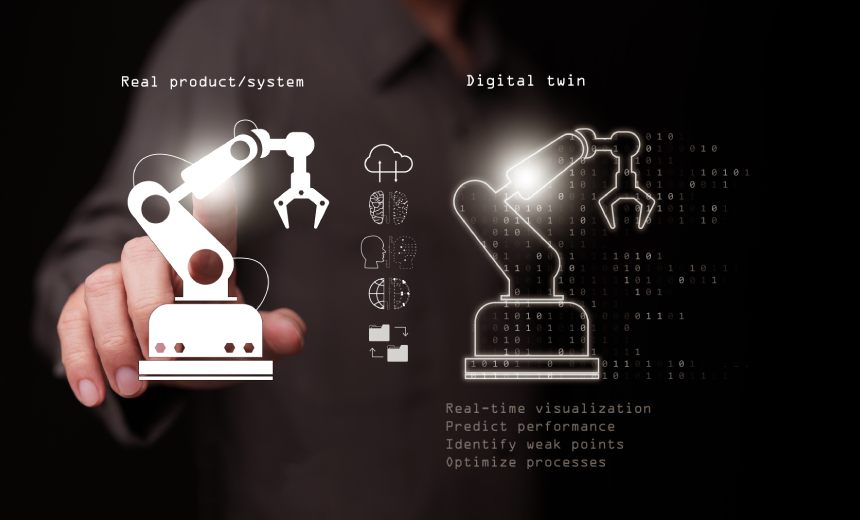
For nearly two decades, digital twins struggled to live up to their initial promises. Most companies used them merely as advanced visualization tools or static engineering models that quickly became disconnected from the physical equipment they represented. Building and maintaining these simulations was highly expensive, and fragmented data across separate corporate departments further limited their actual utility. However, the broader availability of practical artificial intelligence is changing how factories and industrial plants operate. By cleanly integrating live data feeds, modern digital twins can continuously learn from everyday operational events, environmental shifts, and machinery maintenance histories rather than remaining static. This shift allows large companies to simulate factory updates and test potential facility modifications safely without pausing active assembly lines. Beyond basic mirroring, newer setups enable virtual models to accurately predict system failures and automate adjustments directly back into real-world workflows. This ongoing progression also encourages organizations to dismantle the traditional divisions between their plant-floor operational systems and standard corporate IT networks. Ultimately, these tools working together allow manufacturers to bypass previous technical limitations. Instead of managing passive digital replicas, businesses can now run responsive systems that analyze data and optimize physical environments in real time, finally capturing real value from their data investments.


Data discovery gaps that catch enterprises off guard

In an interview with Help Net Security, Schellman CEO Avani Desai highlights a significant disconnect between what organizations believe they know about their own sensitive files and what automated discovery tools actually find. Even companies with advanced compliance dashboards and extensive data catalogs frequently overlook hidden information sitting in abandoned cloud storage, old testing setups, and legacy environments that teams assumed were turned off years ago. This lack of visibility becomes especially problematic during corporate mergers, where overlooked and heavily duplicated files can stall integration work and lead to unexpected, costly cleanups. Desai points out that while synthetic data is currently marketed heavily as a simple shortcut for basic security habits, confidential computing remains underappreciated despite its crucial ability to protect information while it is actively being processed. Interestingly, smaller firms often manage compliance and technical updates much better than large enterprises because they operate with less internal bureaucracy, fewer outdated computer systems, and far clearer lines of individual responsibility. Ultimately, mapping out company information cannot be treated as a fixed, one-off task. Desai suggests the real test of a company's readiness is knowing exactly who is responsible for continuously updating that data map after any routine system change, software update, or cloud migration takes place.