Showing posts with label analytics. Show all posts

Daily Tech Digest - May 15, 2026


Quote for the day:

"Few things can help an individual more than to place responsibility on him, and to let him know that you trust him." -- Booker T. Washington

🎧 Listen to this digest on YouTube Music

▶ Play Audio Digest

Duration: 22 mins • Perfect for listening on the go.


Identity security risks are skyrocketing, and enterprises can’t keep up

According to recent studies from Sophos and Palo Alto Networks, identity security has become the primary attack surface in modern cybersecurity, leaving many enterprises struggling to keep pace. Research indicates that 71% of organizations suffered at least one identity-related breach in 2025, with victims experiencing an average of three separate incidents. These breaches often result in devastating consequences, including data theft, ransomware, and financial loss, with the mean recovery cost for ransomware attacks reaching a staggering $1.64 million. A major driver of this escalating risk is the explosion of non-human identities, as machine and AI agents now outnumber human users by a hundred-to-one ratio. Despite the mounting threats, enterprises face significant visibility challenges; only a quarter of organizations continuously monitor for unusual login attempts, and many struggle with fragmented security tools that create dangerous blind spots. Furthermore, businesses finding compliance difficult are disproportionately targeted, suffering breaches at higher rates. To address these vulnerabilities, experts emphasize that security leaders must move beyond manual processes and embrace end-to-end automation combined with unified governance. Failing to secure these rapidly proliferating AI-driven identities could lead to increasingly costly gaps that traditional security controls are simply unequipped to close, making robust identity management more critical than ever.


The Dashboard Delusion: Why Data-Rich Organizations Still Struggle to Make Decisions

The article "The Dashboard Delusion" explores why modern organizations, despite having access to unprecedented amounts of data, frequently struggle to make effective business decisions. It argues that many companies fall into the trap of believing that sleek, colorful dashboards equate to actionable insights, a phenomenon termed the "dashboard delusion." While these visual tools excel at presenting historical data and backward-looking metrics, they often fail to provide the context necessary to understand future outcomes or current drivers. The primary issue lies in the disconnect between data visualization and actual decision-making—the "last mile" of the data journey. Dashboards frequently overwhelm users with "vanity metrics" and noise, obscuring the signal needed for strategic pivots. To overcome this, the article suggests transitioning from a pure focus on data visualization to "Decision Intelligence," which prioritizes the "why" behind the numbers. This requires a cultural shift where data is used not just to report what happened, but to model potential scenarios and guide specific actions. Ultimately, the piece emphasizes that technology alone cannot bridge the gap; organizations must foster a data culture that values contextual understanding and aligns analytical outputs with concrete business objectives to transform information into genuine competitive advantages.


The Critical Cyber Skills Every Security Team Still Needs

In the Forbes Technology Council article, industry experts outline essential cybersecurity skills that organizations must preserve as technological roles evolve and specialize. A primary focus is bridging the gap between technical discovery and business objectives. Security professionals must excel at translating complex risks into tangible business impacts, such as revenue protection and regulatory compliance, to ensure stakeholders prioritize necessary investments. Furthermore, the council emphasizes the importance of maintaining foundational technical knowledge, specifically core networking fundamentals and system-specific institutional insights. As automated tools increasingly abstract daily tasks, teams must still understand underlying protocols and data locations to manage incidents when dashboards fail. Beyond technical prowess, a human-centered approach remains vital; practitioners should view security through the lens of non-technical employees to mitigate human error and foster a culture of collective responsibility. The contributors also highlight the need for “security invariants”—clear, plain-language rules defining what a system must never allow—and a culture of healthy skepticism that consistently questions aging configurations. By integrating these soft skills with deep architectural understanding, security teams can move beyond mere tool-based detection to achieve holistic remediation and resilience. This strategic blend of business acumen, fundamental expertise, and human psychology ensures that cybersecurity remains an agile, business-aligned function rather than a siloed technical burden.


Building bankable, resilient data centers: From site to operation

The article "Building Bankable, Resilient Data Centers: From Site to Operation" emphasizes that achieving long-term project viability in the digital infrastructure sector requires a comprehensive, lifecycle-focused approach to risk management. The journey toward creating a facility that is both "bankable" and "resilient" begins with strategic site selection, which dictates the project's trajectory regarding power accessibility, regulatory hurdles, and physical exposure to natural catastrophes. Early risk engineering and stakeholder alignment are critical for securing the massive capital required for modern data centers, especially as asset values skyrocket. Several significant constraints currently challenge the industry, including extreme power dependency driven by the AI boom, unprecedented speed-to-market demands, and severe supply chain bottlenecks for critical infrastructure like transformers and generators. Furthermore, the concentrated value of these mega-scale campuses often exceeds traditional insurance limits, necessitating more sophisticated risk modeling and innovative coverage structures. These specialized programs must effectively bridge the dangerous "gray zones" that often emerge during the complex transition from phased construction to full-scale operations. Ultimately, by integrating meticulous risk planning from the initial feasibility stage through to daily operations, developers can successfully navigate sustainability mandates and persistent grid constraints. This proactive alignment ensures that data centers remain not only insurable but also capable of delivering the continuous uptime required by the global digital economy.


Outage Report: AI Boom Threatens Years of Data Center Resiliency Gains

The "2026 Data Center Outage Analysis" from Uptime Institute highlights a critical juncture for industry resiliency, noting that while general outage rates have declined for five consecutive years, the rapid proliferation of artificial intelligence (AI) threatens to reverse these gains. Currently, power-related failures involving UPS systems and generators remain the primary cause of downtime, with one in five incidents now exceeding $1 million in costs. However, the report warns that AI-specific facilities introduce unprecedented risks due to their massive scale and extreme energy intensity. These high-density workloads create "spiky" power demands that can strain regional grids and damage on-site infrastructure. To meet these demands, operators are increasingly turning to behind-the-meter power solutions, such as gas turbines and large-scale battery arrays, which bring a new class of operational complexities. Additionally, the adoption of nascent technologies like liquid cooling and higher-voltage distribution introduces further variables into the reliability equation. As AI training sites prioritize scale over traditional redundancy to manage costs, the systemic likelihood of failure appears to be increasing. Ultimately, the industry must navigate these evolving pressure points—balancing the relentless demand for AI capacity with the foundational need for stable, resilient infrastructure—to prevent a significant resurgence in severe and costly service disruptions.


Why resilience matters as much as innovation in NBFCs

In an interview with Express Computer, Mathew Panat, CTO of HDB Financial Services, emphasizes that while innovation through AI, cloud computing, and analytics is essential for Non-Banking Financial Companies (NBFCs), operational resilience and governance are equally vital for long-term sustainability. Panat highlights that a robust digital infrastructure, including cloud-based data lakes and advanced cybersecurity, serves as the necessary foundation for scaling diverse lending portfolios. Unlike fintech startups that often prioritize speed to market, regulated NBFCs must balance technological agility with security and strict regulatory compliance. HDB’s strategy involves deploying AI across multiple themes—such as collections, sales, and multilingual customer onboarding—while maintaining a cautious approach to credit decisioning. By focusing on AI-assisted rather than fully autonomous underwriting, the organization ensures explainability and accountability within a complex regulatory landscape. Furthermore, centralized data intelligence enables proactive risk management through early-warning systems that track borrower behavior. The company also engages in ideathons with startups to challenge institutional inertia and explore unconventional ideas. Looking ahead, the focus remains on achieving predictability and scalability through edge computing and privacy-first frameworks like DPDP compliance. Ultimately, the integration of cutting-edge technology with institutional resilience allows NBFCs to provide a seamless, secure customer experience while navigating the evolving financial ecosystem.


Using continuous purple teaming to protect fast-paced enterprise environments

Modern enterprise environments are evolving rapidly through cloud adoption and automated delivery pipelines, rendering traditional periodic security testing insufficient. To bridge this gap, continuous purple teaming has emerged as a vital strategy that integrates offensive and defensive operations into a unified, ongoing workflow. By leveraging real-time threat intelligence mapped to the MITRE ATT&CK framework, organizations can shift from generic simulations to validating their defenses against the specific adversaries they face today. This model operationalizes security validation by employing both atomic testing for individual techniques and chain-based simulations for full attack paths, ensuring that detection and response capabilities are robust across the entire kill chain. Central to this approach is the use of automated infrastructure and dedicated cyber ranges that mirror production environments, allowing teams to safely refine logging strategies and response playbooks without disrupting operations. Furthermore, continuous purple teaming prepares enterprises for the next generation of AI-enabled threats by facilitating controlled experimentation with emerging attack vectors. Ultimately, this collaborative methodology fosters a culture of shared knowledge between red and blue teams, transforming security from a series of isolated assessments into a dynamic, measurable component of daily operations that maintains resilience in a constantly shifting digital landscape.


Water and Cybersecurity: Digital Threats to Our Most Critical Resource

In the article "Water and Cybersecurity: Digital Threats to Our Most Critical Resource," Peter Fletcher examines the escalating digital vulnerabilities facing the global water supply, a resource fundamental to human survival. Unlike other critical sectors like telecommunications or energy, water carries a unique risk profile because it is directly ingested, making its protection an existential necessity. The author highlights recent EPA advisories regarding cyberattacks from state-sponsored actors, such as those affiliated with the Iranian government, who have already targeted and disrupted domestic process control systems. A significant challenge lies in the technological disparity across the sector; while large utilities in regions like Silicon Valley maintain robust defenses, countless smaller, under-resourced facilities remain dangerously exposed. Furthermore, Fletcher notes that current security frameworks are often too generic, leaving many providers without prescriptive guidance for their specific operational technology. To address these gaps, the piece champions collective action through initiatives like Project Franklin, which pairs volunteer ethical hackers with rural utilities to shore up defenses. Ultimately, the article argues that the water community must move beyond isolated security postures toward a culture of radical transparency and shared expertise to effectively safeguard our most vital liquid asset against increasingly sophisticated global adversaries.


AI Drives Cybersecurity Investments, Widening 'Valley of Death'

The cybersecurity industry is currently undergoing a radical transformation driven by a massive influx of capital into artificial intelligence, according to recent insights from Dark Reading. In the first quarter of 2026, financing volume for AI-native startups reached $3.8 billion, notably surpassing M&A activity for only the fourth time in history. While this investment surge signals robust industry growth and job creation, it has simultaneously widened the "valley of death" for traditional security firms struggling to pivot. This perilous phase, where companies have exhausted initial funding but lack sustainable revenue, is becoming more difficult to navigate as investors prioritize cutting-edge AI technologies over legacy solutions. Experts note that advanced frontier models, such as Anthropic’s Mythos, are disrupting established sectors like vulnerability management, rendering some existing vendors virtually obsolete. This technological shift is accelerating a "Darwinian" consolidation wave, where an overcrowded market of overlapping players will eventually be winnowed down. As major acquisitions become the primary exit strategy for successful AI startups, the average enterprise will likely consolidate its security stack from dozens of disparate tools to a few integrated, AI-driven platforms. Ultimately, while AI acts as "gasoline on a bonfire" for innovation, it demands that organizations rapidly adapt or face irrelevance in an increasingly AI-centric landscape.


How AI Hallucinations Are Creating Real Security Risks

The article titled "How AI Hallucinations Are Creating Real Security Risks," published by The Hacker News in May 2026, explores the escalating dangers posed by generative AI within critical infrastructure and cybersecurity operations. As AI models increasingly assist in complex decision-making, their inherent tendency to produce "hallucinations"—plausible-sounding but factually incorrect outputs—presents a unique and systemic vulnerability. These errors occur because large language models lack internal mechanisms for factual verification, instead optimizing for statistical probability based on training patterns. Consequently, models may confidently present fabricated data or non-existent research as authoritative truth. The security implications manifest in three primary ways: missed threats where genuine anomalies are overlooked, fabricated threats leading to operational "alert fatigue," and incorrect remediation advice that could inadvertently weaken critical system defenses. The article emphasizes that these hallucinations transform into real-world risks primarily when AI systems possess excessive autonomous access or when human operators skip rigorous manual verification. To mitigate these pervasive threats, the piece advocates for a strict "human-in-the-loop" approach, comprehensive data governance to avoid the phenomenon of "model collapse" from recycled synthetic data, and the implementation of least-privilege access for all AI agents. Ultimately, treating AI outputs as potential vulnerabilities is essential for maintaining robust organizational security.

Daily Tech Digest - May 14, 2026


Quote for the day:

“You may be disappointed if you fail, but you are doomed if you don’t try.” -- Beverly Sills

🎧 Listen to this digest on YouTube Music

▶ Play Audio Digest

Duration: 20 mins • Perfect for listening on the go.


CIOs are put to the test as security regulations across borders recalibrate

The European Union’s Cyber Resilience Act (CRA) marks a transformative shift in global cybersecurity, forcing Chief Information Officers to transition from traditional process-oriented compliance toward a rigorous focus on tangible product safety. Unlike previous frameworks, the CRA extends the CE mark to digital systems, mandating that software, firmware, and internet-connected devices be "secure by design" and "secure by default." This recalibration requires organizations to implement robust vulnerability reporting mechanisms by September 2026 and provide minimum five-year support lifecycles for security updates. CIOs now face the daunting task of overseeing the entire product ecosystem, which includes performing continuous risk assessments and actively managing open-source dependencies. They can no longer remain passive consumers of open-source technology; instead, they must contribute back to these communities to ensure the integrity of their own supply chains. While the regulation introduces significant administrative burdens—such as the creation of Software Bills of Materials and decade-long documentation retention—it also provides a strategic lever. Savvy IT leaders are leveraging these stringent mandates to secure board-level buy-in and the necessary budget for critical security improvements. Ultimately, the CRA demands a fundamental shift in responsibility, where CIOs are held accountable for the end-to-end security of the final products their organizations deliver to the market.


The Mathematics of Backlogs: Capacity Planning for Queue Recovery

The article "The Mathematics of Backlogs: Capacity Planning for Queue Recovery" explains that queue backlogs in distributed systems are predictable arithmetic challenges rather than random mysteries. At the heart of recovery is surplus capacity, defined as the difference between total processing power and arrival rate, meaning systems provisioned only for steady-state traffic will never naturally drain a backlog. A critical insight is the non-linear relationship between utilization and queue growth; as utilization approaches 100%, even minor traffic spikes cause exponential backlog accumulation. To manage this, the author highlights Little's Law for calculating queue delays and provides a clear formula for sizing consumer headroom based on specific Recovery Time Objectives (RTO). The piece also warns of "retry amplification," which can trigger metastable failure states where recovery efforts generate more load than they can actually resolve. In complex, multi-stage pipelines, identifying the true bottleneck is essential to avoid scaling the wrong component. Furthermore, engineers are encouraged to implement load shedding when drain times exceed message TTLs to prevent wasting expensive resources on stale data. Ultimately, by measuring specific metrics like peak backlog size and retry amplification factors after incidents, teams can transition from gut-based guesswork to data-driven operational intuition, ensuring significantly more resilient and predictable system performance during unforeseen failures.


Closing the gap between technical specs and business value through storytelling

Jay McCall’s article explores the critical necessity for infrastructure-focused software companies to pivot from technical specifications to value-driven storytelling. For businesses dealing with backend systems like APIs or security middleware, value is often defined by the absence of failure, making the product essentially invisible to non-technical executives. To bridge this gap, companies must stop relying on abstract metrics like uptime percentages and instead articulate the business outcomes and peace of mind their technology provides. The article advocates for the use of experiential demonstrations, such as AI-driven simulations, which allow prospects to engage with the software and witness its problem-solving capabilities firsthand. Additionally, visual workflows should prioritize the user’s journey over technical architecture, humanizing the product and placing it within a recognizable business context. Grounding these concepts in real-world "before and after" case studies further builds trust by offering tangible templates for success. Ultimately, crafting a repeatable narrative not only accelerates the sales cycle for internal teams but also empowers channel partners to communicate value effectively. By mastering the art of storytelling, technical organizations can translate complex backend sophistication into compelling business cases that resonate with decision-makers and facilitate sustainable scaling in a competitive market.


The Critical Fork: How Leaders Turn Failure Into Better Decisions

In the Forbes article "The Critical Fork: How Leaders Turn Failure Into Better Decisions," author Brent Dykes explores the pivotal moment leaders face when project results fail to meet expectations. He introduces the "Critical Fork" framework, which highlights a fundamental choice between two distinct paths: to deflect or to inspect. Deflection involves shifting blame toward external circumstances or team members, effectively shielding a leader's ego but simultaneously obstructing any potential for organizational growth or objective learning. In contrast, the inspection path encourages leaders to treat disappointing outcomes as valuable data points rather than personal setbacks. By choosing to inspect, organizations can uncover hidden root causes, challenge flawed underlying assumptions, and refine their future strategies with greater precision. Dykes argues that the most effective leaders cultivate a culture of psychological safety where failure is viewed not as a source of shame but as a vital catalyst for deeper analysis. This systematic approach transforms setbacks into "actionable insights," a hallmark of Dykes’ broader professional work in data storytelling and analytics. Ultimately, the article posits that leadership quality is defined less by initial successes and more by the ability to navigate these critical forks. By institutionalizing an inspection mindset, businesses foster resilience and ensure every failure becomes a stepping stone toward more robust and informed strategic choices.


From Bottlenecks to Breakthroughs, Enterprises Are Rethinking Analytics in the Lakehouse Era

The article "From Bottlenecks to Breakthroughs: Enterprises Are Rethinking Analytics in the Lakehouse Era" examines the transformative shift in data management as organizations transition from fragmented architectures to unified platforms. It highlights the immense pressure on centralized data teams to deliver reliable insights at high speed while supporting the complex integrations required for generative AI. Historically, enterprises have faced significant bottlenecks caused by the siloing of data and AI, privacy concerns, and a heavy reliance on highly technical staff. To overcome these hurdles, the article advocates for the lakehouse architecture—pioneered by Databricks—as an open, unified foundation that merges the best features of data lakes and warehouses. By integrating these systems into a "Data Intelligence Platform," companies can democratize access across various skill sets through low-code solutions, such as those provided by Rivery. This evolution enables breakthrough efficiencies, including a reported 7.5x acceleration in data delivery and substantial cost reductions. Ultimately, the piece emphasizes that the winners in the modern era will be those who effectively harness unified governance and seamless orchestration to move beyond operational sprawl. By adopting these integrated strategies, enterprises can finally turn data chaos into actionable intelligence, fostering a proactive environment where AI and analytics thrive in tandem to drive competitive advantage.


Most Remediation Programs Never Confirm the Fix Actually Worked

The article titled "Most Remediation Programs Never Confirm the Fix Actually Worked" argues that despite unprecedented environment visibility, cybersecurity teams struggle to ensure that remediation efforts effectively eliminate underlying risks. Highlighting a stark disparity between exploitation speed and corporate response time, the piece references Mandiant’s M-Trends 2026 report, which identifies a negative mean time to exploit, contrasting sharply with a thirty-two-day median remediation period. The emergence of advanced AI-driven tools like Mythos has further compressed exploitation windows, making traditional "patch and pray" methods increasingly dangerous and obsolete. Many organizations mistakenly equate closing an administrative ticket with resolving a vulnerability; however, vendor patches can be bypassable, and temporary workarounds often fail under evolving network conditions. This critical issue is exacerbated by organizational friction, where security teams identify risks but rely on separate engineering departments to implement fixes, leading to fragmented communication and delayed technical actions. To address these systemic gaps, the article advocates for a fundamental shift from measuring activity to focusing on outcomes. Instead of simply verifying that a specific attack path is blocked, modern programs must incorporate rigorous revalidation to confirm the total removal of the exposure. Ultimately, true security is achieved not through ticket completion, but by creating a self-correcting feedback loop that measures risk closure.


What CISOs need to land a board role

As cybersecurity becomes a critical pillar of organizational stability, Chief Information Security Officers (CISOs) are increasingly pursuing board-level positions to bridge the gap between technical defense and strategic governance. To successfully land these roles, security leaders must shift their focus from operational execution to high-level oversight. The article emphasizes that boards are not seeking another technical operator; rather, they prioritize strategic insight, calm judgment, and the ability to articulate cybersecurity through the lenses of risk appetite, value creation, and long-term resilience. Aspiring CISOs should start by gaining experience in governance-heavy environments, such as non-profit boards or industry committees, to refine their understanding of organizational stewardship. Furthermore, investing in formal governance education, such as NACD or AICD certifications, is highly recommended to build credibility. Networking remains a vital component of the process, as many opportunities arise through established relationships. Effective candidates must also cultivate a "board bio" that highlights their expertise in financial management, regulatory navigation, and crisis response. By reframing cyber issues as matters of trust and corporate strategy rather than just technical threats, CISOs can demonstrate the unique value they bring to a board, ultimately helping companies navigate complex digital landscapes with confidence and strategic foresight.


Everything you need to know about how technology is changing business

Digital transformation is the strategic integration of technology to fundamentally overhaul business operations, efficiency, and effectiveness. Rather than merely replicating existing services in a digital format, a successful transformation involves rethinking core business models and organizational cultures to thrive in an increasingly tech-centric landscape. Key technological drivers include cloud computing, the Internet of Things, and the rapid evolution of artificial intelligence, particularly generative and agentic AI. While the COVID-19 pandemic accelerated adoption, today’s initiatives are fueled by the need to compete with nimble startups and navigate macroeconomic volatility. However, the process is notoriously complex, expensive, and risky, often requiring a shift in mindset from simple IT upgrades to comprehensive business reinvention. Despite criticisms of the term as industry hype, it represents a critical shift where technology is no longer a secondary support function but the primary engine for long-term growth. Experts emphasize that the foundation of this change is a robust, secure data platform that enables trustworthy AI operations. Ultimately, digital transformation is a continuous journey of innovation that enables established firms to adapt, scale, and deliver enhanced customer experiences. By prioritizing outcomes over buzzwords, organizations can bridge the gap between innovation and execution, ensuring they remain relevant in a global economy where every successful company is effectively a technology business.


Intelligent digital identity infrastructure for GenAI

The article explores the transformative convergence of the Modular Open Source Identity Platform (MOSIP) and Generative Artificial Intelligence (GenAI) to build a sophisticated, intelligent digital identity infrastructure. As a foundational digital public good, MOSIP offers a vendor-neutral framework that preserves national digital sovereignty while ensuring secure and scalable citizen identity systems. By integrating GenAI, these platforms move beyond static registration to become intuitive, human-centric service hubs. Key benefits include the deployment of multilingual conversational assistants that assist underserved populations with enrollment, the automation of legacy record digitization through intelligent document processing, and enhanced fraud detection capable of identifying sophisticated AI-generated deepfakes. Furthermore, GenAI empowers administrators with natural language tools to derive actionable insights from complex demographic data. However, the author emphasizes that this integration must adhere to strict principles of privacy by design, explainability, and human oversight to prevent data exploitation and surveillance risks. By utilizing technologies like container orchestration, vector databases, and localized small language models, nations can create a modular and sovereign ecosystem. Ultimately, this synergy aims to transition identity from a mere database record to a dynamic "Identity as a Service," fostering global digital inclusion by bridging literacy and language barriers for citizens everywhere.


73 Seconds to Breach, 24 Hours to Patch: The Case for Autonomous Validation

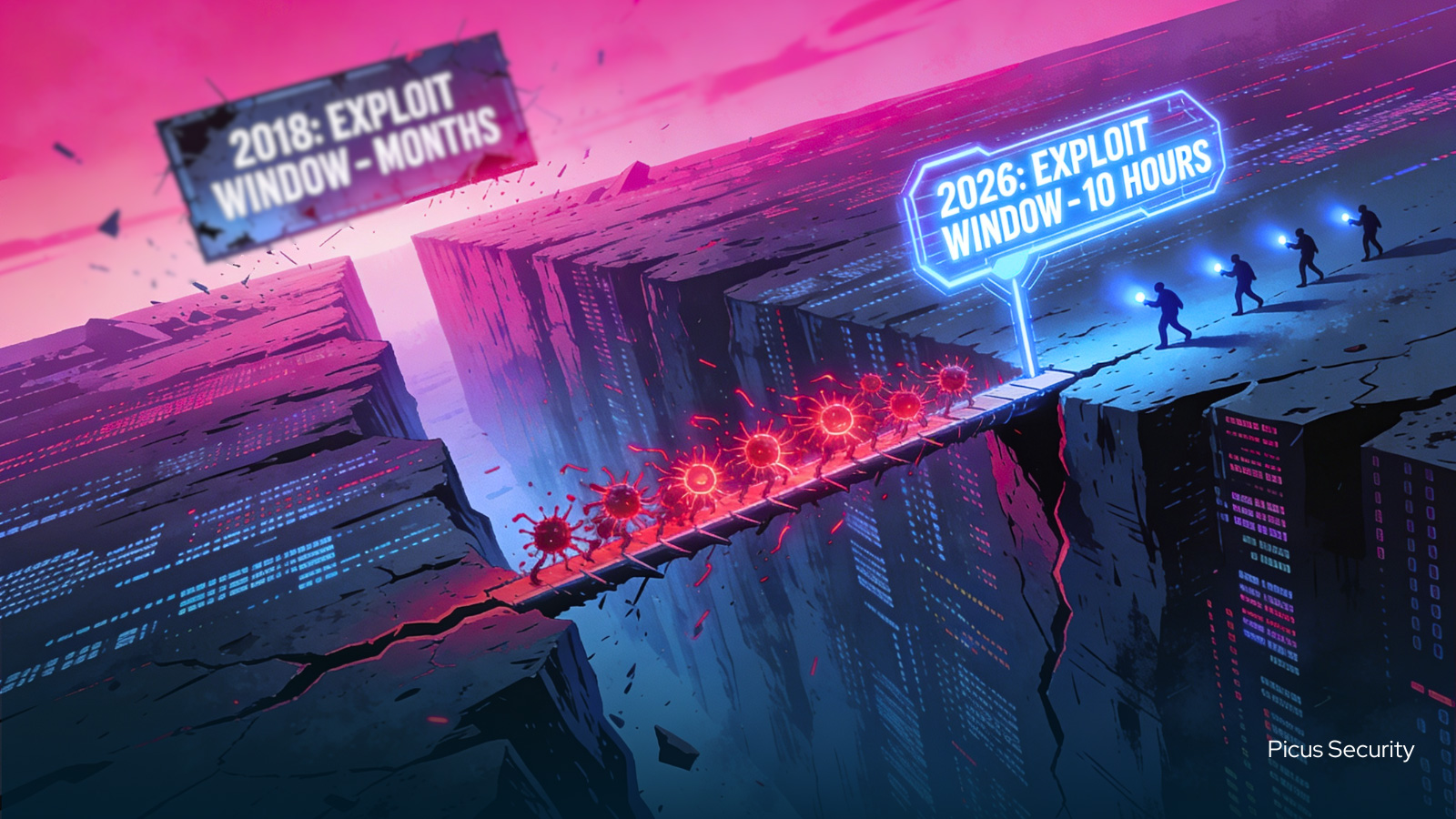
The article titled "73 Seconds to Breach, 24 Hours to Patch: The Case for Autonomous Validation" explores the widening performance gap between modern attackers and traditional security defenses. It highlights a startling reality where AI-driven threats can breach a network in just 73 seconds, while organizations typically require 24 hours or longer to deploy critical patches. This vulnerability is deepened by the fact that the median time from a CVE publication to a working exploit has plummeted to only ten hours as of 2026. According to the piece, the core challenge is not a lack of security software but the "spaghetti handoff"—the fragmented, slow communication between different teams and disconnected security tools. To address this, the article champions the transition to autonomous security validation, a strategy that merges Breach and Attack Simulation with automated penetration testing. By creating a continuous, AI-powered loop for alert triage, simulation, and remediation deployment, companies can eliminate manual bottlenecks and respond at machine speed. Ultimately, this shift is framed as a mandatory evolution for surviving the "Post-Mythos" era of cybersecurity, where defenses must become as proactive, dynamic, and rapid as the sophisticated, automated exploits they seek to prevent.

Daily Tech Digest - March 16, 2026


Quote for the day:

"Inspired leaders move a business beyond problems into opportunities." -- Dr. Abraham Zaleznik


🎧 Listen to this digest on YouTube Music

▶ Play Audio Digest

Duration: 23 mins • Perfect for listening on the go.


Why many enterprises struggle with outdated digital systems & how to fix them

The article on Express Computer, "Why many enterprises struggle with outdated digital systems & how to fix them," explores the pervasive issue of legacy technical debt. Many organizations remain tethered to aging infrastructure that stifles innovation and hampers agility. The struggle often stems from the prohibitive costs of replacement, the immense complexity of migrating mission-critical processes, and a fundamental fear of business disruption. Governance layers and siloed ownership further exacerbate these challenges, creating compounding "enterprise debt" across processes, data, and talent. To address these bottlenecks, the author advocates for a strategic shift toward a product mindset and incremental modernization instead of high-risk, wholesale replacements. Recommended fixes include mapping system dependencies, quantifying inefficiencies, and following a clear roadmap that progresses from stabilization to systematic optimization. By decoupling tightly integrated components and establishing clear ownership, enterprises can transform their brittle legacy systems into scalable, resilient assets. Fostering a culture of continuous improvement and aligning digital transformation with core business objectives are equally vital for survival. Ultimately, the piece emphasizes that overcoming outdated digital systems is a strategic necessity in a fast-paced market, requiring a balanced approach to technical remediation and organizational change to ensure long-term competitiveness.


COBOL developers will always be needed, even as AI takes the lead on modernization projects

The article from ITPro explores the enduring necessity of COBOL developers amidst the rise of artificial intelligence in legacy modernization projects. While AI is increasingly being marketed as a "silver bullet" for converting ancient COBOL codebases into modern languages like Java, industry experts argue that these digital transformations cannot succeed without human domain expertise. COBOL remains the backbone of global financial and administrative systems, housing decades of intricate business logic that AI often fails to interpret accurately. The piece emphasizes that while generative AI can significantly accelerate code translation and documentation, it lacks the contextual understanding required to define what a successful transformation actually looks like. Consequently, veteran developers are essential for overseeing AI-driven migrations, identifying potential risks, and ensuring that the logic preserved in the legacy system is correctly replicated in the new environment. Rather than replacing the workforce, AI acts as a collaborative tool that shifts the developer's role from manual coding to strategic orchestration. Ultimately, the survival of critical infrastructure depends on a hybrid approach that combines the speed of machine learning with the deep-seated knowledge of COBOL specialists, proving that legacy expertise is more valuable than ever in the modern era.


The CTO is dead. Long live the CTO

In the article "The CTO is dead. Long live the CTO" on CIO.com, Marios Fakiolas argues that the traditional role of the Chief Technology Officer as a technical gatekeeper and "human compiler" has become obsolete due to the rise of advanced AI. Modern Large Language Models can now design complex system architectures in minutes, outperforming humans in handling multidimensional constraints and technical interdependencies. Consequently, the new era demands a "multiplier" who shifts focus from providing technical answers to architecting systems that enable continuous organizational intelligence. Today’s CTO is measured not by architectural purity, but by tangible business outcomes such as gross margin, ROI, and operational velocity. This evolution requires leaders to move beyond their "AI comfort zone" of fancy demos and instead tackle difficult structural challenges like cost optimization and team restructuring. The author emphasizes that the modern leader must lead from the front, ruthlessly killing legacy "darlings" and designing for impermanence rather than static stability. Ultimately, the successful CTO must transition from being a bottleneck to becoming an orchestrator of AI agents and human expertise, ensuring that the entire organization can pivot rapidly without trauma. By embracing this proactive mindset, technology leaders can transcend the gatekeeping era and drive meaningful innovation in a fierce, AI-driven market.


When insider risk is a wellbeing issue, not just a disciplinary one

In the article "When insider risk is a wellbeing issue, not just a disciplinary one" on Security Boulevard, Katie Barnett argues for a paradigm shift in how organizations manage insider threats. Moving beyond traditional framing—which often focuses on malicious intent and punitive disciplinary measures—the author highlights that many security incidents are actually the byproduct of employee stress, fatigue, and disengagement. In a modern work environment characterized by digital isolation and economic uncertainty, personal strains such as financial pressure or burnout can erode professional judgment, making individuals more susceptible to manipulation or unintentional policy violations. The piece emphasizes that relying solely on technical controls and monitoring is insufficient; these tools do not address the underlying human factors that lead to risk. Instead, Barnett advocates for a proactive approach where wellbeing is treated as a core pillar of organizational resilience. This involves training managers to recognize early behavioral warning signs, fostering a supportive culture where staff feel safe raising concerns, and creating interdepartmental cooperation between HR and security teams. Ultimately, the article posits that by integrating support and psychological safety into the security strategy, organizations can prevent incidents before they escalate, strengthening their overall security posture through empathy rather than just compliance.


What it takes to win that CSO role

In the CSO Online article "What it takes to win that CSO role," David Weldon explores the transformation of the Chief Security Officer position into a high-stakes C-suite role requiring board-level accountability. No longer a back-office function, the modern CSO operates at the critical intersection of technology, regulatory exposure, revenue continuity, and brand trust. Achieving success in this position demands a shift from being a "cost center" to a "trust center," where security is positioned as a strategic business enabler that supports revenue growth rather than just a preventative measure. Key requirements include deep expertise in identity and access management and a sophisticated understanding of emerging threats like shadow AI, data poisoning, and model risk. Beyond technical prowess, financial acumen is non-negotiable; aspiring CSOs must translate security investments into business value, such as reduced insurance premiums or contractual leverage. Communication is paramount, as the role involves constant negotiation and the ability to translate complex risks for non-technical stakeholders. Ultimately, winning the role requires aligning accountability with authority and demonstrating the operating depth to maintain business resilience during sustained outages. By evolving from a "no" person to a "how" person, successful CSOs ensure that security becomes a foundational pillar of organizational success and customer confidence.


Human-Centered AI Is Becoming A Leadership Imperative

In his Forbes article, "Human-Centered AI Is Becoming A Leadership Imperative," Rhett Power argues that while artificial intelligence offers unprecedented industrial opportunities, its successful implementation depends entirely on a shift from technical obsession to human-centric leadership. Power contends that unchecked AI deployment often fails because it ignores the social and cognitive arrangements necessary for technology to thrive. To bridge the widening gap between technological promise and actual business value, leaders must adopt three foundational principles: prioritizing desired business outcomes over specific tools, evolving training to support role-specific enablement, and treating human-centered design as a core competitive advantage. Power identifies a new leadership paradigm where executives must serve as visionary guides who align AI with human values, ethical guardians who ensure transparency and bias mitigation, and human advocates who prioritize employee experience. By focusing on augmenting rather than replacing human expertise, organizations can transform AI into a seamless collaborative partner that drives long-term resilience and innovation. Ultimately, the article emphasizes that the true value of AI lies in its ability to extend the reach of human judgment, making the integration of empathy and ethical oversight a non-negotiable requirement for modern executive accountability in a rapidly evolving digital landscape.


Employee Experience 2.0: AI as the Performance Engine of the Work Operating System

In the article "Employee Experience 2.0: AI as the Performance Engine of the Work Operating System," Jeff Corbin outlines an essential evolution in workplace management. While the first version of the Employee Experience (EX 1.0) focused on cross-departmental alignment between HR, IT, and Communications, the author argues that human capacity alone is no longer sufficient to manage the modern digital workspace. EX 2.0 introduces artificial intelligence as a "performance layer" that transforms the work operating system from a static framework into a self-optimizing engine. AI addresses critical challenges such as "digital friction"—where employees waste nearly 30% of their day searching through disconnected systems like SharePoint and ServiceNow—by acting as an automated editor for content governance. Beyond cleaning up data, AI-driven EX 2.0 enables hyper-personalization of communications and provides predictive analytics that can identify turnover risks or workflow bottlenecks before they escalate. By integrating AI as a core architectural component, organizations can move beyond manual coordination to create a frictionless environment that boosts engagement and productivity. Ultimately, the piece calls for leaders to upgrade their governance models, positioning AI not just as a tool, but as a collaborative partner that ensures the employee experience remains agile and effective in a technology-driven era.


The Next Era of UX and Analytics, and Merging Conversational AI with Design-to-Code

The article "The Transformation of Software Development: Smarter UI Components, the Next Era of UX and Analytics" explores the profound shift from static, reactive user interfaces to proactive, intelligent systems. Modern software development is evolving beyond standard component libraries toward "smarter" UI elements that leverage embedded analytics and machine learning to adapt to user behavior in real-time. This transformation allows digital interfaces to anticipate user needs, personalize layouts dynamically, and optimize complex workflows without manual intervention. By integrating sophisticated telemetry directly into front-end components, developers gain granular, actionable insights into performance and engagement, effectively bridging the gap between user experience and technical execution. This evolution significantly impacts the modern DevOps lifecycle, as development teams move from building isolated features to orchestrating continuous learning environments. The article further highlights that these intelligent components reduce the cognitive load for end-users by surfacing relevant information and simplifying intricate navigations. Ultimately, the synergy between advanced data analytics and front-end engineering is setting a new industry standard for digital excellence, where personalization and efficiency are core to the process. Organizations that embrace this era of "smarter" components will deliver highly tailored experiences that drive superior retention and user satisfaction in an increasingly competitive market.


Certificate lifespans are shrinking and most organizations aren’t ready

The article "Certificate lifespans are shrinking and most organizations aren't ready," featured on Help Net Security, outlines the critical challenges businesses face as TLS certificate validity periods compress from one year down to 47 days. John Murray of GlobalSign emphasizes that this rapid shift, driven by browser requirements, necessitates a complete overhaul of traditional manual certificate management. To avoid operational disruptions and outages, organizations must prioritize "discovery" as the foundational step, utilizing tools like GlobalSign's Atlas or LifeCycle X to inventory every certificate and platform. This proactive approach is not only vital for managing shorter lifecycles but also serves as essential preparation for the eventual migration to post-quantum cryptography. Murray suggests that manual spreadsheets are no longer sustainable; instead, businesses should adopt automation protocols like ACME and shift toward flexible, SAN-based licensing models to remove procurement friction. While larger enterprises may have dedicated PKI teams, mid-market and smaller organizations are at a higher risk of being caught off guard. By establishing automated renewal pipelines and closing the specialized knowledge gap in PKI expertise, companies can build a resilient security posture. Ultimately, the window for preparation is closing, and integrating automated lifecycle management is now a strategic imperative rather than a future luxury.


Agoda CTO on why AI still needs human oversight

In the Tech Wire Asia article, Agoda’s Chief Technology Officer, Idan Zalzberg, discusses the essential role of human oversight in an era dominated by artificial intelligence. While AI tools have significantly accelerated developer workflows and boosted productivity—with early experiments at Agoda showing a 27% uplift—Zalzberg emphasizes that these technologies remain supplementary. The primary challenge lies in the inherent unpredictability and non-deterministic nature of generative AI, which differs from traditional software by producing inconsistent outputs. Consequently, Agoda maintains a strict policy where human engineers remain fully accountable for all code, regardless of its origin. Quality control remains rigorous, utilizing the same static analysis and automated testing frameworks applied to human-written scripts. Zalzberg notes that the evolution of the engineering role shifts focus toward critical thinking, strategic decision-making, and "evaluation"—a statistical method for assessing AI performance. Beyond technical management, the article highlights how cultural attitudes toward risk influence AI adoption rates across different regions. Ultimately, Zalzberg argues that AI maturity is defined by a balanced approach: leveraging the speed of automation while ensuring that sensitive decisions—such as pricing or critical architecture—are governed by human judgment and a centralized gateway to manage security and costs effectively.

Daily Tech Digest - February 11, 2026


Quote for the day:

"What you do has far greater impact than what you say." -- Stephen Covey


Predicting the future is easy — deciding what to do is the hard part

The prescriptive analysis assists in developing strategies to optimize operations, increase profitability, and reduce risks. Traditionally, linear and non-linear programming models are used for resource allocation, supply chain management, and portfolio optimization. ... In enterprise decision-making, both predictive and prescriptive analytics play an important role. Predictive analytics enables forecasting possible business outcomes, while prescriptive analytics uses these forecasts to create a strategy to maximize business profits. However, enterprises often fail to integrate these two analytics techniques in an effective way for their own benefit. ... The integration of AI agents in predictive and prescriptive analytics workflows has not been explored much by data science professionals. However, a consolidated AI agentic framework can be developed that makes integrated use of predictive and prescriptive analytics in a combined way. ... On implementing the AI agentic framework, the industries experienced better forecasts through efficient predictive analytics. On the other hand, prescriptive analytics helped businesses in making their workflows more adaptable. Despite this success, high computational costs and explainability still remain a major challenge. To overcome these setbacks, an enterprise can further invest in developing multi-modal predictive-prescriptive AI agents and neuro-symbolic agents.


Agile development might be 25 years old, but it’s withstood the test of time – and there’s still more to come in the age of AI

Key focus areas of the Agile Manifesto helped drastically simplify software development, Reynolds noted. By moving teams to smaller more regular releases, for example, this “shortened feedback loops” typically associated with Waterfall and improved flexibility throughout the development lifecycle. “That reduced risk made it easier to respond to customer and business needs, and genuinely improved software quality,” he told ITPro. “Smaller changes meant testing could happen continuously, rather than being bolted on at the end.” The longevity of Agile methodology is testament to its impact, and research shows it’s still highly popular. ... According to Kern, AI and Agile are “a match made in heaven” and the advent of the technology means this approach is no longer optional, albeit with a notable caveat. “You need it more than ever,” he said. “You can build so much more in less time, which can also magnify potential pitfalls if you’re not careful. The speed of delivery with AI can easily outpace feedback, but that’s an exciting opportunity, not a flaw.” Reynolds echoed those comments, noting that while Agile can be a force multiplier for teams, there are still risks – particularly with the influx of AI-generated code in software development. “Those gains are often offset downstream, creating more bugs, higher cloud costs, and greater security exposure. The real value comes when AI is extended beyond code creation into testing, quality assurance, and deployment,” he said.


CISOs must separate signal from noise as CVE volume soars

“While the number of vulnerabilities goes up, what really matters is which of these are going to be exploited,” Michael Roytman, co-founder and CTO of Empirical Security, tells CSO. “And that’s a different process. It does not depend on the number of vulnerabilities that are out there because sometimes an exploit is written before the CVE is even out there.” What FIRST’s forecast highlights instead is a growing signal-to-noise problem, one that strains already overburdened security teams and raises the stakes for prioritization, automation, and capacity planning rather than demanding that organizations patch more flaws exponentially. ... Despite the scale of the forecast, experts stress that vulnerability volume alone is a poor proxy for enterprise risk. “The risk to an enterprise is not directly related to the number of vulnerabilities released,” Empirical Security’s Roytman says. “It is a separate process.” ... For CISOs, the implication is that patching strategies are now more about scaling decision-making processes that were already under strain. ... The cybersecurity industry is not facing an explosion of exploitable weaknesses so much as an explosion of information. For CISOs, success in 2026 will depend less on reacting faster and more on deciding better — using automation and context to ensure that rising vulnerability counts do not translate into rising risk. “It hasn’t been a human-scale problem for some time now,” Roytman says. 


Strengthening a modern retail cybersecurity strategy

Enterprises might declare robust cybersecurity strategies yet fail to adequately address the threats posed by complex supply chains and aggressive digital transformation efforts. To bridge this gap, at Groupe Rocher, we have chosen to integrate cybersecurity into the core business strategy, ensuring that security measures are not only reactive but also predictive, leveraging threat intelligence to anticipate and mitigate risks effectively. ... It’s also important to remember that vulnerabilities aren’t always about technology. Often, they come from poor practices, like using weak passwords, having too much access, or not using multi-factor authentication (MFA). Criminals might use phishing or social engineering attacks to steal access from their victims. ... Additionally, fostering open communication and collaboration with vendors can help identify potential vulnerabilities early. We regularly organize workshops and joint security drills that can enhance mutual understanding and preparedness. By building strong partnerships and emphasizing shared security goals, brands can create a resilient network that not only protects their interests but also strengthens the entire ecosystem against evolving threats. ... As both regulators and consumers become less accepting of business models that prioritize data above all else, retail and beauty brands need to change how they protect data, focusing more on privacy and transparency.


OT Attacks Get Scary With 'Living-off-the-Plant' Techniques

For a number of reasons, ransomware against IT is affecting OT," Derbyshire explains. "This can occur due to, for example, convergences within the IT environment, that the OT simply cannot function without relying upon. Or a complete lack of trust in security controls or network architecture from the IT or OT security teams, so they voluntarily shut down the OT systems or sever the connection to kind of prevent the spread [of an IT attack]. Colonial Pipeline style. ... With a holistic understanding of how OT works, and knowledge of how a given OT site works, suddenly new threat vectors come into focus, which can blend with operational systems as elegantly as LotL attacks do Windows or Linux systems. For instance, Derbyshire plans to demonstrate at RSAC how an attacker can weaponize S7comm, Siemens' proprietary protocol for communication between programmable logic controllers (PLCs). He'll show how, by manipulating frequently overlooked configuration fields in S7comm, an attacker could potentially leak sensitive data and transmit attacks across devices. He calls it "an absolute brain melter." ... there are plenty of resources attackers can turn to to understand OT products better, be they textbooks, chatbots, or even just buying a PLC on a secondhand marketplace. "It still takes a bit of investment or a bit of time going out of your way to find these obscure things. But it's never been impossible and it's only getting easier," Derbyshire says.


The missing layer between agent connectivity and true collaboration

Today's AI challenge is about agent coordination, context, and collaboration. How do you enable them to truly think together, with all the contextual understanding, negotiation, and shared purpose that entails? It's a critical next step toward a new kind of distributed intelligence that keeps humans firmly in the loop. ... While protocols like MCP and A2A have solved basic connectivity, and AGNTCY tackles the problems of discovery, identity management to inter-agent communication and observability, they've only addressed the equivalent of making a phone call between two people who don't speak the same language. But Pandey's team has identified something deeper than technical plumbing: the need for agents to achieve collective intelligence, not just coordinated actions. ... "We have to mimic human evolution,” Pandey explained. “In addition to agents getting smarter and smarter, just like individual humans, we need to build infrastructure that enables collective innovation, which implies sharing intent, coordination, and then sharing knowledge or context and evolving that context.” ... Guardrails remain a central challenge in deploying multi-functional agents that touch every part of an organization's system. The question is how to enforce boundaries without stifling innovation. Organizations need strict, rule-like guardrails, but humans don't actually work that way. Instead, people operate on a principle of minimal harm, or thinking ahead about consequences and making contextual judgments.


Cyber firms face ‘verification crisis’ on real risk

Continuous Threat Exposure Management, commonly referred to as CTEM, has become more widely adopted as a way to structure security work around an organisation's exposure to attack. Even so, only 33% of organisations measure whether exploitable risk is actually reduced over time, according to the report. Instead, most programmes continue to track metrics focused on discovery and volume, such as coverage gaps, asset counts and alert volume. These measures can show rising activity and expanding scope, but they do not necessarily show whether the organisation has reduced the likelihood of a successful attack. "Security programs keep adding tools and expanding scope, but outcomes aren't improving," said Rogier Fischer, CEO and co-founder of Hadrian. ... According to the report, these vulnerabilities were not unknown. They were identified and recorded, but competed for attention as security teams dealt with new alerts, new tickets and the ongoing output of multiple tools. In organisations with complex technology estates, this can create a persistent backlog in which older issues remain unresolved while new potential risks continue to surface. "Security teams can move fast, but too many tools and unverified alerts make it difficult to maintain focus on what actually matters," Fischer said. The report calls for earlier validation of exploitability and success measures that focus on reducing real exposure rather than the number of findings generated.


Trust and Compliance in the Age of AI: Navigating the Risks of Intelligent Software Development

One of the most pressing challenges is trust in AI-generated outputs: Many teams report minimal productivity gains despite operational deployment, citing issues such as hallucinated code, misleading suggestions, and a lack of explainability. This trust gap is amplified by the opaque nature of many AI systems; developers often report struggling to understand how models arrive at decisions, making it difficult for them to validate outputs or debug errors. This lack of transparency, known as black box AI, puts teams at risk of accepting flawed code or test cases, potentially introducing vulnerabilities or performance regressions. ... AI's reliance on data introduces significant compliance risks, especially when proprietary documentation or sensitive datasets are used to train models. Continuing to conduct business the old-fashioned way is not the answer because traditional compliance frameworks often lag behind AI innovation, and governance models built for deterministic systems struggle with probabilistic outputs and autonomous decision-making. ... Another risk with potentially serious consequences: AI-generated code often lacks context. It may not align with architectural patterns, business rules, or compliance requirements, and without rigorous review, these changes can degrade system integrity and increase technical debt. It also must be noted that faster code generation does not equal better code. There is a risk of "bloated" or unsecure code being generated, requiring rigorous validation.


The Cost of AI Slop in Lines of Code

Before we can get to the problem of excessive lines of code, we need to understand how LLMs arrived at the generation of code with unnecessary lines. The answer is in the training dataset and how that dataset was sourced from publicly accessible places, including open repositories on Github and coding websites. These sources lack any form of quality control, and therefore the code the LLMs learned on is of varying quality. ... In the quest to get as much training data as possible, there was little effort available to vet the training data to ensure that it was good training data. The result LLMs outputting the kind of code written by a first-year developer – and that should be concerning to us. ... Some of the common vulnerabilities that we’ve known about for decades, including cross-site scripting, SQL injection, and log injection, are the kinds of vulnerabilities that AI introduces into the code – and it generates this code at rates that are multiples of what even junior developers produce. In a time when it’s important that we be more cautious about security, AI can’t do it. ... Today, we have AI generating bloated code that creates maintenance problems, and we’re looking the other way. It can’t structure code to minimize code duplication. It doesn’t care that there are two, three, four, or more implementations of basic operations that could be made into one generic function. The code it was trained on didn’t generate the abstractions to create the right functions, so it can’t get there.


Why Jurisdiction Choice Is the Newest AI Security Filter

AI moves exponentially faster than legislation and regulations ever could. By the time that sector regulators or governing bodies have drafted frameworks, held consultations, and passed laws through their incumbent democratic processes, the technology has already evolved and scaled far ahead. Not to be too hyperbolic, but the rules could prove irrelevant for a widely-adopted technology and solution that's far outpaced them. This creates what's been dubbed the "speed of instinct" challenge. In essence, how can you possibly regulate something that reinvents itself regularly? ... Rather than attempting to codify every possible and conceivable AI scenario into law, Gibraltar developed a principles-based framework, emphasizing clarity, proportionality, and innovation. Essentially, the framework recognizes that AI regulations must be adaptive and not binary. ... While frameworks exist at both ends of the spectrum—with some enforcing strict rules and others encouraging innovation with AI technology—neither solution is inherently superior. The EU model provides more certainty and protection for humans, but the agile model has merit with responsive governance and the encouragement of rapid innovation. For cybersecurity teams deploying AI, the smart strategy is understanding both standpoints and choosing jurisdictions strategically and with informed processes. Scale and implications matter profoundly; a customer chatbot may have fewer jurisdictional considerations than an internal threat intelligence platform.

Daily Tech Digest - November 21, 2025


Quote for the day:

“You live longer once you realize that any time spent being unhappy is wasted.” -- Ruth E. Renkl


DPDP Rules and the Future of Child Data Safety

Most obligations for Data Fiduciaries, including verifiable parental consent, security safeguards, breach notifications, data minimisation, and processing restrictions for children’s data, come into force after 18 months. This means that although the law recognises children’s rights today, full legal protection will not be enforceable until the culmination of the 18-month window. ... Parents’ awareness of data rights, online safety, and responsible technology is the backbone of their informed participation. The government needs to undertake a nationwide Digital Parenting Awareness Campaign with the help of State Education Departments, modelled on literacy and health awareness drives. ... schools often outsource digital functions to vendors without due diligence. Over the next 18 months, they must map where the student data is collected and where it flows, renegotiate contracts with vendors, ensure secure data storage, and train teachers to spot data risks. Nationwide teacher-training programmes should embed digital pedagogy, data privacy, and ethical use of technology as core competencies. ... effective implementation will be contingent on the autonomy, resourcefulness, and accessibility of the Data Protection Board. The regulator should include specialised talent such as cybersecurity specialists and privacy engineers. It should be supported by building an in-house digital forensics unit, capable of investigating leaks, tracing unauthorised access, and examining algorithmic profiling. 


5 best practices for small and medium businesses (SMEs) to strengthen cybersecurity

First, begin with good access control which would entail restricting employees to only the permissions that they specifically require. It is also important to have multi-factor authentication in place, and regularly audit user accounts, particularly when roles shift or personnel depart. Second, keep systems and software current by immediately patching operating systems, applications, and security software to close vulnerabilities before they can be exploited by attackers. Similarly, updates should be automated to avoid human error. The staff are usually at the front line of the defence, so the third essential practice is the continuous ongoing training of employees in identifying phishing attempts, suspicious links, and social engineering methods, making them active guardians of corporate data and effectively cutting the risk of a data breach. Fourth is the safeguarding your data which can be implemented by having regular backups stored safely in multiple places and by complementing them with an explicit disaster recovery strategy, so that you are able to restore operations promptly, reduce downtime, and constrain losses in the event of a cyber attack. Fifth and finally, companies should embrace the layered security paradigm using antivirus tools, firewalls, endpoint protection, encryption, and safe networks. Each of those layers complement each other, creating a resilient defence that protects your digital ecosystem and strengthens trust with partners, customers, and stakeholders.


How Artificial Intelligence is Reshaping the Software Development Life Cycle (SDLC)

With AI tools, workflows become faster and more efficient, giving engineers more time to concentrate on creative innovation and tackling complex challenges. As these models advance, they can better grasp context, learn from previous projects, and adapt to evolving needs. ... AI streamlines software design by speeding up prototyping, automating routine tasks, optimizing with predictive analytics, and strengthening security. It generates design options, translates business goals into technical requirements, and uses fitness functions to keep code aligned with architecture. This allows architects to prioritize strategic innovation and boosts development quality and efficiency. ... AI is shifting developers’ roles from manual coding to strategic "code orchestration." Critical thinking, business insight, and ethical decision-making remain vital. AI can manage routine tasks, but human validation is necessary for security, quality, and goal alignment. Developers skilled in AI tools will be highly sought after. ... AI serves to augment, not replace, the contributions of human engineers by managing extensive data processing and pattern recognition tasks. The synergy between AI's computational proficiency and human analytical judgment results in outcomes that are both more precise and actionable. Engineers are thus empowered to concentrate on interpreting AI-generated insights and implementing informed decisions, as opposed to conducting manual data analysis.


Innovative Approaches To Addressing The Cybersecurity Skills Gap

In a talent-constrained world, forward-leaning organizations aren’t hiring more analysts—they’re deploying agentic AI to generate continuous, cryptographic proof that controls worked when it mattered. This defensible automation reduces breach impact, insurer friction and boardroom risk—no headcount required. ... Create an architecture and engineering review board (AERB) that all current and future technical designs are required to flow through. Make sure the AERB comprises a small group of your best engineers, developers, network engineers and security experts. The group should meet multiple times a year, and all technical staff should be required to rotate through to listen and contribute to the AERB. ... Build security into product design instead of adding it in afterward. Embed industry best practices through predefined controls and policy templates that enforce protection automatically—then partner with trusted experts who can extend that foundation with deep, domain-specific insight. Together, these strategies turn scarce talent into amplified capability. ... Rather than chasing scarce talent, companies should focus on visibility and context. Most breaches stem from unknown identities and unchecked access, not zero days. By strengthening identity governance and access intelligence, organizations can multiply the impact of small security teams, turning knowledge, not headcount, into their greatest defense.


The Configurable Bank: Low‑Code, AI, and Personalization at Scale

What does the present day modern banking system look like: The answer depends on where you stand. For customers, Digital banking solutions need to be instant, invisible, and intuitive – a seamless tap, a scan, a click. For banks, it’s an ever-evolving race to keep pace with rising expectations. ... What was once a luxury i.e. speed and dependability – has become the standard. Yet, behind the sleek mobile apps and fast payments, many banks are still anchored to quarterly release cycles and manual processes that slow innovation. To thrive in this landscape, banks don’t need to rip out their core systems. What they need is configurability – the ability to re-engineer services to be more agile, composable, and responsive. By making their systems configurable rather than fixed, banks can launch products faster, adapt policies in real time, and reduce the cost and complexity of change. ... The idea of the Configurable Bank is built on this shift – where technology, powered by low-code and AI, transforms banking into a living, adaptive platform. One that learns, evolves, and personalizes at scale – not by replacing the core, but by reimagining how it connects with everything around it. ... This is not just a technology shift; it’s a strategic one. With low-code, innovation is no longer the privilege of IT alone. Business teams, product leaders, and even customer-facing units can now shape and deploy digital experiences in near real time. 


Deepfake crisis gets dire prompting new investment, calls for regulation

Kevin Tian, Doppel’s CEO, says that organizations are not prepared for the flood of AI-generated deception coming at them. “Over the past few months, what’s gotten significantly better is the ability to do real-time, synchronous deepfake conversations in an intelligent manner. I can chat with my own deepfake in real-time. It’s not scripted, it’s dynamic.” Tian tells Fortune that Doppel’s mission is not to stamp out deepfakes, but “to stop social engineering attacks, and the malicious use of deepfakes, traditional impersonations, copycatting, fraud, phishing – you name it.” The firm says its R&D team has “just scratched the surface” of innovations it plans to bring to existing and upcoming products, notably in social engineering defense (SED). The Series C funds will “be used to invest in the core Doppel gang to meet the exponential surge in demand.” ... Advocating for “laws that prioritize human dignity and protect democracy,” the piece points to the EU’s AI Act and Digital Services Act as models, and specifically to new copyright legislation in Denmark, which bans the creation of deepfakes without a subject’s consent. In the authors’ words, Denmark’s law would “legally enshrine the principle that you own you.” ... “The rise of deepfake technology has shown that voluntary policies have failed; companies will not police themselves until it becomes too expensive not to do so,” says the piece.


The what, why and how of agentic AI for supply chain management

To be sure, software and automation are nothing new in the supply chain space. Businesses have long used digital tools to help track inventories, manage fleet schedules and so on as a way of boosting efficiency and scalability. Agentic AI, however, goes further than traditional SCM software tools, offering capabilities that conventional systems lack. For instance, because agents are guided by AI models, they are capable of identifying novel solutions to challenges they encounter. Traditional SCM tools can’t do this because they rely on pre-scripted options and don’t know what to do when they encounter a scenario no one envisioned beforehand. AI can also automate multiple, interdependent SCM processes, as I mentioned above. Traditional SCM tools don’t usually do this; they tend to focus on singular tasks that, although they may involve multiple steps, are challenging to automate fully because conventional tools can’t reason their way through unforeseen variables in the way AI agents do. ... Deploying agents directly into production is enormously risky because it can be challenging to predict what they’ll do. Instead, begin with a proof of concept and use it to validate agent features and reliability. Don’t let agents touch production systems until you’re deeply confident in their abilities. ... For high-stakes or particularly complex workflows, it’s often wise to keep a human in the loop.


How AI can magnify your tech debt - and 4 ways to avoid that trap

The survey, conducted in September, involved 123 executives and managers from large companies. There are high hopes that AI will help cut into and clear up issues, along with cost reduction. At least 80% expect productivity gains, and 55% anticipate AI will help reduce technical debt. However, the large segment expecting AI to increase technical debt reflects "real anxiety about security, legacy integration, and black-box behavior as AI scales across the stack," the researchers indicated. Top concerns include security vulnerabilities (59%), legacy integration complexity (50%), and loss of visibility (42%). ... "Technical debt exists at many different levels of the technology stack," Gary Hoberman, CEO of Unqork, told ZDNET. "You can have the best 10X engineer or the best AI model writing the most beautiful, efficient code ever seen, but that code could still be running on runtimes that are themselves filled with technical debt and security issues. Or they may also be relying on open-source libraries that are no longer supported." ... AI presents a new raft of problems to the tech debt challenge. The rising use of AI-assisted code risks "unintended consequences, such as runaway maintenance costs and increasing tech debt," Hoberman continued. IT is already overwhelmed with current system maintenance.


The State and Current Viability of Real-Time Analytics

Data managers now prefer real-time analytical capabilities built within their applications and systems, rather than a separate, standalone, or bolted-on proj­ect. Interest in real-time analytics as a standalone effort has dropped from 50% to 32% during the past 2 years, a recent survey of 259 data managers conducted by Unisphere Research finds ... So, the question becomes: Are real-time analytics ubiqui­tous to the point in which they are automatically integrated into any and all applications? By now, the use of real-time analyt­ics should be a “standard operating requirement” for customer experience, said Srini Srinivasan, founder and CTO at Aero­spike. This is where the rubber meets the road—where “the majority of the advances in real-time applications have been made in consumer-oriented enterprises,” he added. Along these lines, the most prominent use cases for real-time analytics include “risk analysis, fraud detection, recommenda­tion engines, user-based dynamic pricing, dynamic billing and charging, and customer 360,” Srinivasan continued. “For over a decade, these systems have been using AI and machine learning [ML], inferencing for improving the quality of real-time deci­sions to improve customer experience at scale. The goal is to ensure that the first customer and the hundred-millionth cus­tomer have the same vitality of customer experience.” ... “Within industries such as energy, life sciences, and chemicals, the next decade of real-time analytics will be driven by more autono­mous operations,” said David Streit


You Down with EDD? Making Sense of LLMs Through Evaluations

We're facing a major infrastructure maturity gap in AI development — the same gap the software world faced decades ago when applications grew too complex for informal testing and crossed fingers. Shipping fast with user feedback works early on, but when done at scale with rising stakes, "vibes" break down and developers demand structure, predictability, and confidence in their deployments. ... AI engineering teams are turning to an emerging solution: evaluation-driven development (EDD), the probabilistic cousin to TDD. An evaluation looks similar to a traditional software test. You have an assertion, a response, and pass-fail criteria, but instead of asking "Does this function return 42?" you're asking "Does this legal AI application correctly flag the three highest-risk clauses in this nightmare of a merger agreement?" Our trust in AI systems comes from our trust in the evaluations themselves, and if you never see an evaluation fail, you're not testing the right behaviors. The practice of Evaluation-Driven Development (EDD) is about repeatedly testing these evaluations. ... The technology for EDD is ready. Modern AI platforms provide solid evaluation frameworks that integrate with existing development workflows, but the challenge facing wide adoption is cultural. Teams need to embrace the discipline of writing evaluations before changing systems, just like they learned to write tests before shipping code. It requires a mindset shift from "move fast and break things," to "move deliberately and measure everything."