Showing posts with label innovation. Show all posts

Daily Tech Digest - May 15, 2026


Quote for the day:

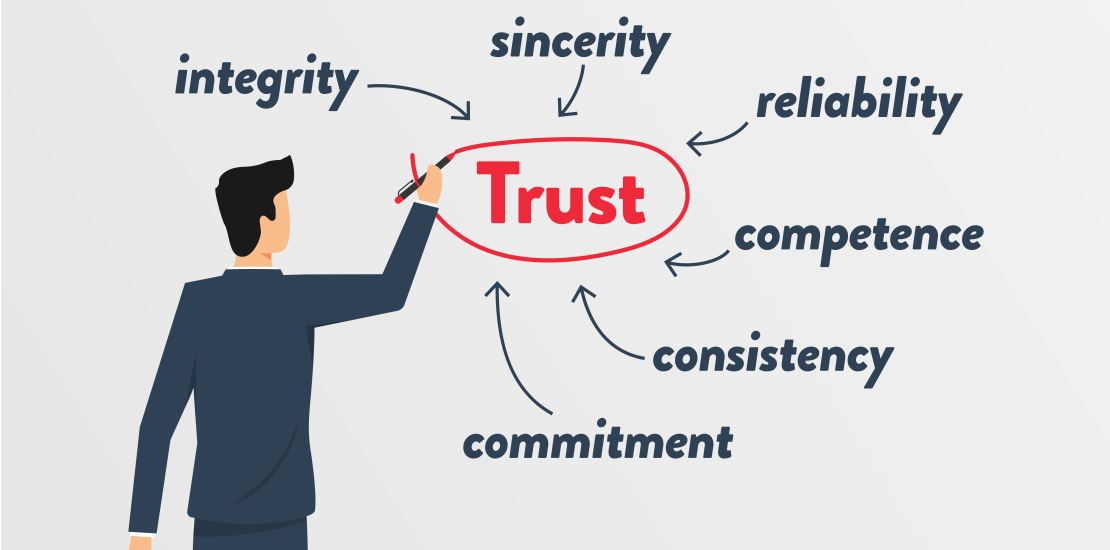
"Few things can help an individual more than to place responsibility on him, and to let him know that you trust him." -- Booker T. Washington

🎧 Listen to this digest on YouTube Music

▶ Play Audio Digest

Duration: 22 mins • Perfect for listening on the go.


Identity security risks are skyrocketing, and enterprises can’t keep up

According to recent studies from Sophos and Palo Alto Networks, identity security has become the primary attack surface in modern cybersecurity, leaving many enterprises struggling to keep pace. Research indicates that 71% of organizations suffered at least one identity-related breach in 2025, with victims experiencing an average of three separate incidents. These breaches often result in devastating consequences, including data theft, ransomware, and financial loss, with the mean recovery cost for ransomware attacks reaching a staggering $1.64 million. A major driver of this escalating risk is the explosion of non-human identities, as machine and AI agents now outnumber human users by a hundred-to-one ratio. Despite the mounting threats, enterprises face significant visibility challenges; only a quarter of organizations continuously monitor for unusual login attempts, and many struggle with fragmented security tools that create dangerous blind spots. Furthermore, businesses finding compliance difficult are disproportionately targeted, suffering breaches at higher rates. To address these vulnerabilities, experts emphasize that security leaders must move beyond manual processes and embrace end-to-end automation combined with unified governance. Failing to secure these rapidly proliferating AI-driven identities could lead to increasingly costly gaps that traditional security controls are simply unequipped to close, making robust identity management more critical than ever.


The Dashboard Delusion: Why Data-Rich Organizations Still Struggle to Make Decisions

The article "The Dashboard Delusion" explores why modern organizations, despite having access to unprecedented amounts of data, frequently struggle to make effective business decisions. It argues that many companies fall into the trap of believing that sleek, colorful dashboards equate to actionable insights, a phenomenon termed the "dashboard delusion." While these visual tools excel at presenting historical data and backward-looking metrics, they often fail to provide the context necessary to understand future outcomes or current drivers. The primary issue lies in the disconnect between data visualization and actual decision-making—the "last mile" of the data journey. Dashboards frequently overwhelm users with "vanity metrics" and noise, obscuring the signal needed for strategic pivots. To overcome this, the article suggests transitioning from a pure focus on data visualization to "Decision Intelligence," which prioritizes the "why" behind the numbers. This requires a cultural shift where data is used not just to report what happened, but to model potential scenarios and guide specific actions. Ultimately, the piece emphasizes that technology alone cannot bridge the gap; organizations must foster a data culture that values contextual understanding and aligns analytical outputs with concrete business objectives to transform information into genuine competitive advantages.


The Critical Cyber Skills Every Security Team Still Needs

In the Forbes Technology Council article, industry experts outline essential cybersecurity skills that organizations must preserve as technological roles evolve and specialize. A primary focus is bridging the gap between technical discovery and business objectives. Security professionals must excel at translating complex risks into tangible business impacts, such as revenue protection and regulatory compliance, to ensure stakeholders prioritize necessary investments. Furthermore, the council emphasizes the importance of maintaining foundational technical knowledge, specifically core networking fundamentals and system-specific institutional insights. As automated tools increasingly abstract daily tasks, teams must still understand underlying protocols and data locations to manage incidents when dashboards fail. Beyond technical prowess, a human-centered approach remains vital; practitioners should view security through the lens of non-technical employees to mitigate human error and foster a culture of collective responsibility. The contributors also highlight the need for “security invariants”—clear, plain-language rules defining what a system must never allow—and a culture of healthy skepticism that consistently questions aging configurations. By integrating these soft skills with deep architectural understanding, security teams can move beyond mere tool-based detection to achieve holistic remediation and resilience. This strategic blend of business acumen, fundamental expertise, and human psychology ensures that cybersecurity remains an agile, business-aligned function rather than a siloed technical burden.


Building bankable, resilient data centers: From site to operation

The article "Building Bankable, Resilient Data Centers: From Site to Operation" emphasizes that achieving long-term project viability in the digital infrastructure sector requires a comprehensive, lifecycle-focused approach to risk management. The journey toward creating a facility that is both "bankable" and "resilient" begins with strategic site selection, which dictates the project's trajectory regarding power accessibility, regulatory hurdles, and physical exposure to natural catastrophes. Early risk engineering and stakeholder alignment are critical for securing the massive capital required for modern data centers, especially as asset values skyrocket. Several significant constraints currently challenge the industry, including extreme power dependency driven by the AI boom, unprecedented speed-to-market demands, and severe supply chain bottlenecks for critical infrastructure like transformers and generators. Furthermore, the concentrated value of these mega-scale campuses often exceeds traditional insurance limits, necessitating more sophisticated risk modeling and innovative coverage structures. These specialized programs must effectively bridge the dangerous "gray zones" that often emerge during the complex transition from phased construction to full-scale operations. Ultimately, by integrating meticulous risk planning from the initial feasibility stage through to daily operations, developers can successfully navigate sustainability mandates and persistent grid constraints. This proactive alignment ensures that data centers remain not only insurable but also capable of delivering the continuous uptime required by the global digital economy.


Outage Report: AI Boom Threatens Years of Data Center Resiliency Gains

The "2026 Data Center Outage Analysis" from Uptime Institute highlights a critical juncture for industry resiliency, noting that while general outage rates have declined for five consecutive years, the rapid proliferation of artificial intelligence (AI) threatens to reverse these gains. Currently, power-related failures involving UPS systems and generators remain the primary cause of downtime, with one in five incidents now exceeding $1 million in costs. However, the report warns that AI-specific facilities introduce unprecedented risks due to their massive scale and extreme energy intensity. These high-density workloads create "spiky" power demands that can strain regional grids and damage on-site infrastructure. To meet these demands, operators are increasingly turning to behind-the-meter power solutions, such as gas turbines and large-scale battery arrays, which bring a new class of operational complexities. Additionally, the adoption of nascent technologies like liquid cooling and higher-voltage distribution introduces further variables into the reliability equation. As AI training sites prioritize scale over traditional redundancy to manage costs, the systemic likelihood of failure appears to be increasing. Ultimately, the industry must navigate these evolving pressure points—balancing the relentless demand for AI capacity with the foundational need for stable, resilient infrastructure—to prevent a significant resurgence in severe and costly service disruptions.


Why resilience matters as much as innovation in NBFCs

In an interview with Express Computer, Mathew Panat, CTO of HDB Financial Services, emphasizes that while innovation through AI, cloud computing, and analytics is essential for Non-Banking Financial Companies (NBFCs), operational resilience and governance are equally vital for long-term sustainability. Panat highlights that a robust digital infrastructure, including cloud-based data lakes and advanced cybersecurity, serves as the necessary foundation for scaling diverse lending portfolios. Unlike fintech startups that often prioritize speed to market, regulated NBFCs must balance technological agility with security and strict regulatory compliance. HDB’s strategy involves deploying AI across multiple themes—such as collections, sales, and multilingual customer onboarding—while maintaining a cautious approach to credit decisioning. By focusing on AI-assisted rather than fully autonomous underwriting, the organization ensures explainability and accountability within a complex regulatory landscape. Furthermore, centralized data intelligence enables proactive risk management through early-warning systems that track borrower behavior. The company also engages in ideathons with startups to challenge institutional inertia and explore unconventional ideas. Looking ahead, the focus remains on achieving predictability and scalability through edge computing and privacy-first frameworks like DPDP compliance. Ultimately, the integration of cutting-edge technology with institutional resilience allows NBFCs to provide a seamless, secure customer experience while navigating the evolving financial ecosystem.


Using continuous purple teaming to protect fast-paced enterprise environments

Modern enterprise environments are evolving rapidly through cloud adoption and automated delivery pipelines, rendering traditional periodic security testing insufficient. To bridge this gap, continuous purple teaming has emerged as a vital strategy that integrates offensive and defensive operations into a unified, ongoing workflow. By leveraging real-time threat intelligence mapped to the MITRE ATT&CK framework, organizations can shift from generic simulations to validating their defenses against the specific adversaries they face today. This model operationalizes security validation by employing both atomic testing for individual techniques and chain-based simulations for full attack paths, ensuring that detection and response capabilities are robust across the entire kill chain. Central to this approach is the use of automated infrastructure and dedicated cyber ranges that mirror production environments, allowing teams to safely refine logging strategies and response playbooks without disrupting operations. Furthermore, continuous purple teaming prepares enterprises for the next generation of AI-enabled threats by facilitating controlled experimentation with emerging attack vectors. Ultimately, this collaborative methodology fosters a culture of shared knowledge between red and blue teams, transforming security from a series of isolated assessments into a dynamic, measurable component of daily operations that maintains resilience in a constantly shifting digital landscape.


Water and Cybersecurity: Digital Threats to Our Most Critical Resource

In the article "Water and Cybersecurity: Digital Threats to Our Most Critical Resource," Peter Fletcher examines the escalating digital vulnerabilities facing the global water supply, a resource fundamental to human survival. Unlike other critical sectors like telecommunications or energy, water carries a unique risk profile because it is directly ingested, making its protection an existential necessity. The author highlights recent EPA advisories regarding cyberattacks from state-sponsored actors, such as those affiliated with the Iranian government, who have already targeted and disrupted domestic process control systems. A significant challenge lies in the technological disparity across the sector; while large utilities in regions like Silicon Valley maintain robust defenses, countless smaller, under-resourced facilities remain dangerously exposed. Furthermore, Fletcher notes that current security frameworks are often too generic, leaving many providers without prescriptive guidance for their specific operational technology. To address these gaps, the piece champions collective action through initiatives like Project Franklin, which pairs volunteer ethical hackers with rural utilities to shore up defenses. Ultimately, the article argues that the water community must move beyond isolated security postures toward a culture of radical transparency and shared expertise to effectively safeguard our most vital liquid asset against increasingly sophisticated global adversaries.


AI Drives Cybersecurity Investments, Widening 'Valley of Death'

The cybersecurity industry is currently undergoing a radical transformation driven by a massive influx of capital into artificial intelligence, according to recent insights from Dark Reading. In the first quarter of 2026, financing volume for AI-native startups reached $3.8 billion, notably surpassing M&A activity for only the fourth time in history. While this investment surge signals robust industry growth and job creation, it has simultaneously widened the "valley of death" for traditional security firms struggling to pivot. This perilous phase, where companies have exhausted initial funding but lack sustainable revenue, is becoming more difficult to navigate as investors prioritize cutting-edge AI technologies over legacy solutions. Experts note that advanced frontier models, such as Anthropic’s Mythos, are disrupting established sectors like vulnerability management, rendering some existing vendors virtually obsolete. This technological shift is accelerating a "Darwinian" consolidation wave, where an overcrowded market of overlapping players will eventually be winnowed down. As major acquisitions become the primary exit strategy for successful AI startups, the average enterprise will likely consolidate its security stack from dozens of disparate tools to a few integrated, AI-driven platforms. Ultimately, while AI acts as "gasoline on a bonfire" for innovation, it demands that organizations rapidly adapt or face irrelevance in an increasingly AI-centric landscape.


How AI Hallucinations Are Creating Real Security Risks

The article titled "How AI Hallucinations Are Creating Real Security Risks," published by The Hacker News in May 2026, explores the escalating dangers posed by generative AI within critical infrastructure and cybersecurity operations. As AI models increasingly assist in complex decision-making, their inherent tendency to produce "hallucinations"—plausible-sounding but factually incorrect outputs—presents a unique and systemic vulnerability. These errors occur because large language models lack internal mechanisms for factual verification, instead optimizing for statistical probability based on training patterns. Consequently, models may confidently present fabricated data or non-existent research as authoritative truth. The security implications manifest in three primary ways: missed threats where genuine anomalies are overlooked, fabricated threats leading to operational "alert fatigue," and incorrect remediation advice that could inadvertently weaken critical system defenses. The article emphasizes that these hallucinations transform into real-world risks primarily when AI systems possess excessive autonomous access or when human operators skip rigorous manual verification. To mitigate these pervasive threats, the piece advocates for a strict "human-in-the-loop" approach, comprehensive data governance to avoid the phenomenon of "model collapse" from recycled synthetic data, and the implementation of least-privilege access for all AI agents. Ultimately, treating AI outputs as potential vulnerabilities is essential for maintaining robust organizational security.

Daily Tech Digest - May 12, 2026


Quote for the day:

"Leadership seems mystical. It's actually methodical. The method is learnable and repeatable — and when followed, produces results that feel magical." --  Gordon Tredgold


🎧 Listen to this digest on YouTube Music

▶ Play Audio Digest

Duration: 21 mins • Perfect for listening on the go.


The ghost in the machine: Why AI ROI dies at the human finish line

In "The Ghost in the Machine," Andrew Hallinson argues that the primary barrier to achieving a return on investment for artificial intelligence is not technical inadequacy but human psychological resistance. Despite multi-million dollar investments in advanced data stacks, many organizations suffer from what Hallinson terms an "aversion tax"—the significant loss of potential value caused by low adoption rates and human friction. This resistance stems from three psychological barriers: the "black box paradox," where lack of transparency breeds distrust; "identity threat," where employees feel the technology undermines their professional intuition and autonomy; and the "perfection trap," which involves holding algorithms to much higher standards than human peers. Hallinson illustrates a solution through his experience at ADP, where success was achieved by shifting the focus from restrictive data governance to empowering data democratization. By treating employees as strategic partners and behavioral architects rather than just data processors, leaders can overcome these hurdles. Ultimately, the article posits that technical excellence is wasted if cultural integration is ignored. For executives, the mandate is clear: building an AI-ready culture is just as critical as the engineering itself, as ignoring the human element transforms expensive AI tools into mere "shelfware" that fails to deliver on its mathematical promise.


AI Finds Code Vulnerabilities – Fixing Them Is the Real Challenge

The article "AI Finds Code Vulnerabilities – Fixing Them is the Real Challenge," published on DevOps Digest, explores the double-edged sword of utilizing artificial intelligence in software security. While AI-driven tools have revolutionized the ability to scan vast codebases and identify potential security flaws with unprecedented speed, the author argues that the industry's bottleneck has shifted from detection to remediation. Automated scanners often generate an overwhelming volume of alerts, many of which are false positives or lack the necessary context for immediate action. This "security debt" places a significant burden on development teams who must manually verify and patch each issue. Furthermore, the piece highlights that while AI can identify a problem, it often struggles to understand the complex business logic required to fix it without breaking existing functionality. The real challenge lies in integrating AI into the developer's workflow in a way that provides actionable, verified suggestions rather than just a list of problems. The article concludes that for AI to truly enhance cybersecurity, organizations must focus on automating the "fix" phase through sophisticated generative AI and better developer-security collaboration, ensuring that the speed of remediation finally matches the efficiency of automated detection.


Data Replication Strategies: Enterprise Resilience Guide

The article "Data Replication Strategies: Enterprise Resilience Guide" from Scality explores the critical methodologies for ensuring data durability and availability across physical systems. At its core, the guide highlights the fundamental tradeoff between consistency and availability, a tension that dictates how organizations architect their storage infrastructure. Synchronous replication is presented as the gold standard for zero-data-loss scenarios (RPO of zero) because it requires all replicas to acknowledge a write before completion; however, this introduces significant write latency. Conversely, asynchronous replication optimizes for performance and long-distance fault tolerance by propagating changes in the background, which decouples write speed from network latency but risks losing data not yet synchronized. Beyond timing, the content details architectural models like active-passive, where one primary site handles writes, and active-active, where multiple sites simultaneously serve traffic. The article also addresses consistency models such as strong, causal, and session consistency, emphasizing that the choice depends on specific application requirements. By aligning replication strategies with Recovery Time Objectives (RTO) and Recovery Point Objectives (RPO), the guide argues that organizations can build a resilient infrastructure capable of surviving data center failures while balancing cost, bandwidth, and performance.


When Should a DevOps Agent Act Without Human Approval?

The article titled "When Should a DevOps Agent Act Without Human Approval?" by Bala Priya C. outlines a comprehensive framework for navigating the transition from manual oversight to autonomous operations in DevOps. Central to this transition is a six-point autonomy spectrum, ranging from basic observation at Level 0 to full autonomy at Level 5. The author highlights that determining the appropriate level of independence for an agent depends on four critical factors: the reversibility of the action, the potential blast radius, the quality of incoming signals, and time sensitivity. For most organizations, the author suggests maintaining agents within Levels 1 through 3, where humans remain primary decision-makers or provide explicit approval for suggested actions. Level 4, which involves agents executing tasks and then notifying humans with a defined override window, should be reserved for narrowly defined, low-risk activities. Full Level 5 autonomy is only recommended after an agent has established a consistent, documented track record of success at lower levels. To manage these shifts safely, the article emphasizes the necessity of robust guardrails, including progressive rollouts, granular approval gates, and high signal-quality thresholds. This structured approach ensures that automation enhances operational efficiency without compromising the security or stability of the production environment, ultimately allowing engineers to focus on higher-value strategic innovation and developmental work.


8 guiding principles for reskilling the SOC for agentic AI

The article "8 guiding principles for reskilling the SOC for agentic AI" outlines a strategic roadmap for Security Operations Centers (SOCs) transitioning toward an AI-driven future. The first principle, embracing the agentic imperative, highlights that moving at "machine speed" is essential to counter advanced adversaries effectively. Leadership plays a critical role by setting a tone of rapid experimentation and "failing fast" to foster internal innovation. While cultural resistance—particularly fears regarding job displacement—is common, the article suggests addressing this by redefining roles around high-value tasks such as AI safety and governance. Hands-on training in secure sandboxes is vital for building practitioner confidence and "model intuition," allowing analysts to recognize when AI outputs are structurally flawed. Crucially, the "human-in-the-loop" principle ensures that non-deterministic AI remains under human oversight through clear escalation paths and audit trails. Beyond technology, the shift requires rethinking organizational structures to move from siloed disciplines to holistic, outcome-based orchestration. Ultimately, fostering collaboration between humans and machines allows analysts to relocate from "inside the process" to a supervisory position above it. By reimagining the operating model, CISOs can transform chaotic environments into calm, efficient hubs where agentic AI handles automated triage while humans provide strategic judgment and effective long-term accountability.


New DORA Report Claims Strong Engineering Foundations Drive AI RoI

The May 2026 InfoQ article summarizes Google Cloud's DORA report, "ROI of AI-Assisted Software Development," which offers a structured framework for calculating financial returns from AI adoption. The research argues that AI acts primarily as an amplifier; rather than repairing flawed processes, it magnifies existing organizational strengths and weaknesses. Consequently, achieving sustainable ROI necessitates robust engineering foundations, including quality internal platforms, disciplined version control, and clear workflows. A central concept introduced is the "J-Curve of value realization," where organizations typically face a temporary productivity dip due to the "tuition cost of transformation"—incorporating learning curves, verification taxes for AI-generated code, and essential process adaptations. Despite this initial drop, the report models a substantial first-year ROI of 39% for a typical 500-person organization, with a payback period of approximately eight months. However, leaders are cautioned against an "instability tax," as increased delivery speed may overwhelm manual review gates and elevate failure rates if not balanced with automated testing and continuous integration. Looking ahead, the research predicts compounding gains in years two and three, potentially reaching a 727% return as teams transition toward autonomous agentic workflows. Ultimately, the report emphasizes that AI’s true value lies in clearing systemic bottlenecks and unlocking latent human creativity, rather than pursuing simple headcount reduction.


Compliance Without Chaos In Modern Delivery

The article "Compliance Without Chaos In Modern Delivery" emphasizes transforming compliance from a disruptive, quarterly hurdle into a seamless, integrated component of the software delivery lifecycle. Rather than treating audits as high-stakes oral exams, the author advocates for building automated controls directly into existing engineering workflows. This "Policy as Code" approach effectively eliminates the ambiguity of "folklore" policies by enforcing rules through CI/CD gates, such as mandatory pull request reviews, automated testing, and artifact traceability. To maintain a state of continuous readiness, teams should implement automated evidence collection, ensuring that audit trails for changes, access, and security checks are generated as a natural byproduct of daily development work. The piece also highlights the importance of robust access management, favoring short-lived privileges and group-based permissions over static, high-risk credentials. Furthermore, continuous monitoring is described as essential for identifying silent failures in critical areas like encryption, log retention, and vulnerability status before they escalate into major incidents. By maintaining an updated evidence map and an "audit-ready pack" year-round, organizations can achieve a "boring" compliance posture. Ultimately, the goal is to shift from reactive manual efforts to a disciplined, automated machine that consistently proves security and regulatory adherence without sacrificing delivery speed or engineering focus.


Ask a Data Ethicist: What Are the Legal and Ethical Issues in Summarizing Text with an AI Tool?

The use of AI tools for text summarization introduces significant legal and ethical challenges that organizations must navigate carefully. Legally, the primary concern revolves around copyright infringement, as these tools are often trained on large datasets containing proprietary data without explicit consent, potentially leading to complex intellectual property disputes. Furthermore, privacy risks emerge when users input sensitive or personally identifiable information into external AI systems, potentially violating strict regulations like the GDPR or CCPA. From an ethical standpoint, the article highlights the danger of algorithmic bias, where AI might inadvertently emphasize or distort certain viewpoints based on inherent flaws in its training data. Hallucinations represent another critical ethical risk, as AI can generate plausible-looking but factually incorrect summaries, leading to the spread of misinformation. To mitigate these systemic issues, the author emphasizes the importance of implementing robust data governance frameworks and maintaining a consistent "human-in-the-loop" approach. This ensures that summaries are rigorously reviewed for accuracy and fairness before being utilized in professional decision-making processes. Transparency regarding the use of automated tools is also paramount to maintaining public and stakeholder trust. Ultimately, while AI summarization offers immense efficiency, its deployment requires a balanced strategy that prioritizes legal compliance and ethical integrity.


UK chief executives make AI priority but delay plans

A recent report from Dataiku, based on a Harris Poll survey of nine hundred global chief executives, indicates that UK leaders are positioning artificial intelligence as a paramount corporate priority while simultaneously exercising significant caution in its implementation. The study, which focused on organizations with annual revenues exceeding five hundred million dollars, revealed that eighty-one percent of UK CEOs rank AI strategy as a top or high priority, a figure that notably surpasses the global average of seventy-three percent. However, this high level of ambition is tempered by a growing fear of financial waste; seventy-seven percent of British respondents expressed greater concern about over-investing in the technology than under-investing, compared to sixty-five percent of their international peers. This fiscal wariness has led to tangible delays in project rollouts across the country. Specifically, fifty-one percent of UK executives admitted to postponing AI initiatives due to regulatory uncertainty, a sharp increase from twenty-six percent just one year prior. As questions regarding return on investment and governance persist, a widening gap has emerged between boardroom aspirations and practical execution. UK leaders are increasingly weighing their expenditures more carefully, shifting from rapid adoption toward a more calculated approach that prioritizes oversight and navigates the evolving legislative landscape to avoid costly mistakes.


Open Innovation and AI will define the next generation of manufacturing: Annika Olme, CTO, SKF

Annika Olme, the CTO of SKF, emphasizes that the future of manufacturing lies at the intersection of open innovation and advanced technology like Artificial Intelligence. She highlights how SKF is transitioning from being a traditional bearing manufacturer to a digital-first, data-driven leader. By fostering a culture of deep collaboration with startups, academia, and technology partners, the company accelerates the development of smart solutions that optimize industrial processes globally. AI and machine learning are central to this evolution, particularly in predictive maintenance, which allows customers to anticipate failures and reduce downtime significantly. Olme also underscores the critical role of sustainability, noting that digital transformation is intrinsically linked to circularity and energy efficiency. By leveraging sensors and real-time data analysis, SKF helps various industries minimize waste and lower their carbon footprint. The “Smart Factory” vision involves integrating these technologies into every stage of the product lifecycle, from design to end-of-use recycling. Ultimately, the goal is to create a seamless synergy between human ingenuity and machine intelligence, ensuring that manufacturing remains both competitive and environmentally responsible. This holistic approach to innovation not only boosts productivity but also redefines how global industrial leaders address modern challenges like climate change, resource scarcity, and supply chain volatility.

Daily Tech Digest - May 09, 2026


Quote for the day:

“Leaders become great not because of their power, but because of their ability to empower others.” -- John C. Maxwell

🎧 Listen to this digest on YouTube Music

▶ Play Audio Digest

Duration: 22 mins • Perfect for listening on the go.


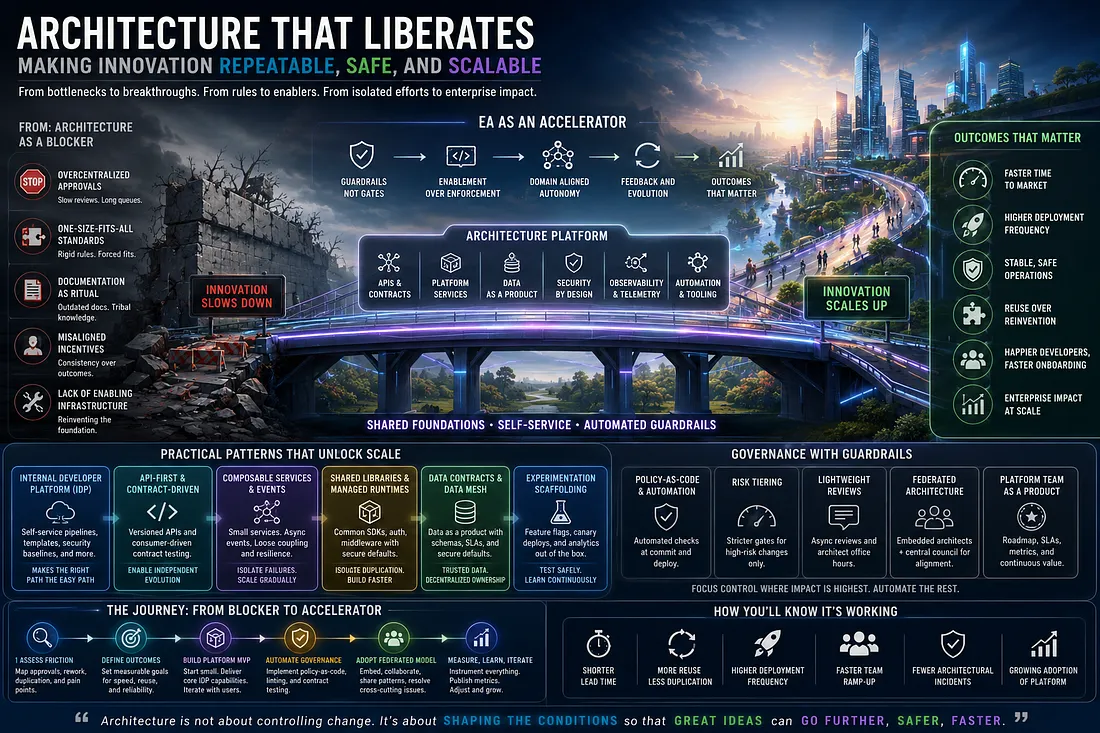
API-First architecture: The backbone of modern enterprise innovation

Pankaj Tripathi explains that API-first architecture has evolved from a technical choice into a strategic leadership mandate essential for digital survival and modern enterprise innovation. By prioritizing Application Programming Interfaces as the core of strategic ecosystems, organizations can achieve greater agility, seamless scaling, and faster time-to-market metrics. This methodology effectively decouples front-end user experiences from back-end logic, fostering a modular environment that allows for the integration of sophisticated capabilities without the heavy burden of legacy technical debt. In sectors like banking, travel, and retail, this approach facilitates interoperability and unified digital experiences, as evidenced by the massive success of India’s UPI and Open Government Data platforms. Furthermore, API-first design is a critical prerequisite for deploying advanced artificial intelligence at scale, as it eliminates data silos and ensures that AI agents can consume the continuous flow of clean data required for real-time insights. This architecture also supports operational resilience, allowing individual microservices to scale independently during demand surges without stressing the broader system. Transitioning to this model requires a cultural shift toward managing product-centric digital ecosystems that leverage third-party integrations as growth multipliers. Ultimately, embracing an API-first framework provides the structural integrity required to dismantle internal barriers and deliver the exceptional, connected experiences that define modern market leadership in an increasingly complex global economy.


5,000 vibe-coded apps just proved shadow AI is the new S3 bucket crisis

The VentureBeat article details how "vibe coding"—the practice of using natural language AI prompts to build applications—has sparked a significant security crisis, drawing parallels to the notorious S3 bucket exposures of a decade ago. Research by RedAccess and Escape.tech revealed that over 5,000 AI-generated applications are currently exposing sensitive corporate and personal data, including medical records and financial details. This vulnerability stems from popular platforms like Lovable and Replit having public-by-default privacy settings, which allow search engines to index internal tools created by non-technical "citizen developers" without proper access controls. Gartner predicts that by 2028, these prompt-to-app approaches will increase software defects by 2,500%, primarily through code that is syntactically correct but contextually flawed. Shadow AI is identified as a massive financial liability, with IBM reporting that breaches linked to unsanctioned AI tools cost organizations an average of $4.63 million per incident. To combat these risks, the article outlines a comprehensive five-domain CISO audit framework focusing on discovery, authentication, code scanning, data loss prevention, and governance. This strategy emphasizes moving beyond mere gatekeeping to implementing automated inventorying and strict identity management. CISOs are urged to adopt a structured remediation plan to secure their AI environments, ensuring that rapid innovation does not compromise fundamental security hygiene.


How Goldman Sachs, JPMorgan, AIG Are Actually Deploying AI

The article details insights from leaders at Goldman Sachs, JPMorgan Chase, and AIG regarding their strategic deployment of artificial intelligence, particularly following Anthropic’s launch of specialized financial agents. At an event in New York, Goldman Sachs CIO Marco Argenti outlined a three-wave adoption strategy focusing on engineering productivity, operational redesign, and enhanced risk decision-making. He notably described the shift as a transition from purchasing infrastructure to "buying intelligence." JPMorgan Chase CIO Lori Beer stressed that the primary hurdle is not the technology itself but an organization’s capacity to absorb and integrate these tools effectively. CEO Jamie Dimon highlighted Claude’s efficiency, noting it completed accurate research tasks in twenty minutes that typically require forty analyst hours. Meanwhile, AIG CEO Peter Zaffino revealed that AI achieved eighty-eight percent accuracy in insurance claims processing, emphasizing its role in supporting human expertise rather than replacing it. The discussion coincided with Anthropic’s debut of ten pre-built agents designed for high-value workflows like pitchbook creation and KYC screening. Additionally, the article covers a one-point-five billion dollar joint venture between Anthropic, Blackstone, and Goldman Sachs aimed at scaling AI for mid-sized firms. Ultimately, these leaders view AI as a fundamental shift in financial services, demanding both rigorous safety guardrails and profound cultural transformation.


The agentic enterprise will be built on people, not just intelligence; here's how

The shift toward the agentic enterprise signifies a transition where artificial intelligence moves beyond generating insights to autonomous execution and machine-led workflows. While this evolution sparks concerns regarding employee relevance, the article emphasizes that the success of such enterprises hinges more on human readiness than technological intelligence. As AI assumes more execution-oriented tasks, uniquely human capabilities—such as navigating ambiguity, exercising ethical judgment, and managing complex relationships—become increasingly vital. India is positioned as a global leader in this transition due to its high AI talent acquisition and literate workforce. To thrive, organizations must prioritize building an agentic-ready workforce by embedding transformation directly into technology adoption rather than treating it as a separate initiative. This involves fostering a culture of inquiry and psychological safety where experimentation is encouraged. Training should focus on elevating judgment and discretion, particularly in high-stakes areas like strategy and hiring. Ultimately, the most resilient professionals will be those who develop versatile skills that transcend specific tools, while the most successful companies will be those that empower their people to lead alongside AI. By centering human intuition and leadership, the agentic enterprise can effectively balance automated efficiency with the critical oversight necessary for long-term organizational trust and cultural integrity.


AI on trial: The Workday case that CIOs can't ignore

The article "AI on Trial: The Workday Case That CIOs Can’t Ignore" explores the legal battle in Mobley v. Workday Inc., where over 14,000 job applicants over age 40 allege that Workday’s AI-driven recruitment tools caused systematic discrimination. The lawsuit challenges how antidiscrimination laws apply to algorithms that score and rank candidates, placing the vendor’s liability under intense scrutiny. Workday maintains that employers, not the software provider, remain in control of hiring decisions and that their technology focuses strictly on qualifications. However, the case highlights a critical technical dispute over bias detection mathematics, specifically comparing the “four-fifths rule” against standard-deviation analysis. This conflict underscores why Chief Information Officers (CIOs) can no longer rely solely on vendor-provided audits, which may suffer from “drift” or lack independent criteria. The article advises CIOs to establish robust internal oversight committees comprising technical, legal, and ethics experts to independently validate AI outputs. As political environments shift and legal risks surrounding "disparate impact" theories grow, the Workday case serves as a landmark warning. Organizations must move beyond passive trust in AI vendors, adopting proactive governance strategies to ensure their automated hiring processes remain fair, transparent, and legally defensible in an increasingly litigious landscape.


The “Context Poisoning” Crisis: Why Metadata Is the New Security Perimeter

The article "The ‘Context Poisoning’ Crisis: Why Metadata Is the New Security Perimeter" by Sriramprabhu Rajendran explores the emerging threat of context poisoning within agentic AI and retrieval-augmented generation (RAG) pipelines. Context poisoning occurs when AI agents utilize information that is technically valid but semantically incorrect, often due to stale data vectors, recursive hallucinations from agent-generated content, or amplified semantic bias. Unlike traditional cybersecurity, which focuses on access controls and encryption at the network perimeter, this crisis targets the metadata layer where AI systems consume their grounding context. To mitigate these risks, the author proposes a "metadata firebreak" rooted in zero-trust principles. This architecture serves as a critical verification layer that validates every piece of retrieved context before it enters the AI agent’s processing window. The framework is built on four essential pillars: never trusting retrieved chunks by default, continuously verifying data freshness against original source timestamps, enforcing lineage tracking to prevent recursive feedback loops, and applying semantic checksums to maintain truth. Ultimately, as AI agents become integral to enterprise operations, the security focus must shift from merely controlling access to ensuring data veracity. By establishing metadata as the new security perimeter, organizations can ensure that AI-driven decisions remain accurate, compliant, and trustworthy in a complex digital environment.


Three skills that matter when AI handles the coding

In the rapidly evolving landscape where artificial intelligence increasingly manages the mechanical aspects of software development, the value of a developer's expertise is shifting toward higher-level strategic functions. This InfoWorld article argues that as large language models take over the heavy lifting of code generation, three specific "upstream" skills are becoming indispensable for modern engineers. First, developers must master the art of providing precise context; this involves crystallizing complex requirements, architectural designs, and functional constraints into detailed prompts that guide the AI effectively. Second, the ability to critically evaluate and verify model outputs remains crucial. Since AI can produce confident yet incorrect solutions, developers need the technical depth to review generated code against rigorous performance standards and existing frameworks. Finally, deep problem understanding is essential to ensure that the developer is not misled by plausible hallucinations or "confident but wrong" answers. By focusing on these core competencies, teams can leverage AI to accelerate iterative lifecycles, such as spiral development and evolutionary prototyping, while maintaining absolute control over system complexity. Ultimately, those who transition from manual coding to high-level system design and rigorous evaluation will achieve significantly higher productivity, while those failing to adapt risk being left behind in an increasingly competitive AI-driven industry.


Implementing the Sidecar Pattern in Microservices-based ASP.NET Core Applications

In the article "Implementing the Sidecar Pattern in Microservices-based ASP.NET Core Applications," author Joydip Kanjilal explores how the sidecar design pattern effectively addresses cross-cutting concerns like logging, monitoring, and security. By deploying these auxiliary tasks into a separate container or process that runs alongside the primary application, developers can decouple business logic from infrastructure requirements, thereby significantly reducing complexity and enhancing overall maintainability. The author provides a practical implementation walkthrough using an inventory management system where a Transactions API offloads log persistence to a shared file system. A dedicated Sidecar API then monitors this shared storage, processes the incoming logs, and transmits them to Elasticsearch for analysis. This architectural approach facilitates language-agnostic components and allows for the independent scaling of auxiliary services without requiring modifications to the core application code. However, the article highlights significant trade-offs, such as increased resource overhead and potential latency resulting from additional network hops, which may make it less suitable for ultra-latency-sensitive workloads. Furthermore, Kanjilal discusses modern alternatives like the Distributed Application Runtime (Dapr) and potential enhancements through structured logging with Serilog or observability via OpenTelemetry. Ultimately, the sidecar pattern emerges as a robust solution for building modular and resilient microservices in the ASP.NET Core ecosystem while keeping individual services lightweight.


What is Quantum Machine Learning (QML)?

Quantum Machine Learning (QML) represents a transformative convergence of quantum computing and artificial intelligence, leveraging quantum mechanical phenomena to solve complex data-driven problems. The article explores how QML utilizes qubits, which exist in superpositions of states, and entanglement to achieve computational parallelism beyond the reach of classical bits. As of May 2026, the field is firmly rooted in the "Noisy Intermediate-Scale Quantum" (NISQ) era, where advanced hardware like IBM’s Nighthawk and Google’s Willow processors facilitate hybrid workflows. In these systems, classical computers handle data preprocessing and optimization while quantum circuits perform the most computationally intensive subroutines, such as feature mapping in high-dimensional spaces. This synergy is particularly potent for Variational Quantum Algorithms (VQAs) and Quantum Neural Networks (QNNs), which are currently being piloted for drug discovery, financial risk modeling, and advanced materials science. Despite the promise of exponential speedups, the article notes significant hurdles, including qubit decoherence, extreme cooling requirements, and the necessity for more robust error correction. Nevertheless, the transition from theoretical research to early commercial pilots suggests that QML is poised to revolutionize industries by identifying patterns and correlations that remain invisible to traditional machine learning models, eventually paving the way for full-scale fault-tolerant systems by the end of the decade.


The case for data centers in space

The McKinsey article examines the emerging potential of space-based data centers as a strategic solution to the escalating energy and infrastructure constraints hindering terrestrial AI development. As global demand for AI compute skyrockets, traditional land-based facilities face significant hurdles, including lengthy permitting timelines, limited power grid capacity, and the high environmental costs of terrestrial energy production. In contrast, orbital data centers utilize space-qualified hardware modules powered by near-continuous solar energy, effectively bypassing the logistical bottlenecks found on Earth. While current deployment remains more expensive than terrestrial alternatives due to high launch costs, the economics are projected to reach a competitive tipping point once launch prices drop to approximately $500 per kilogram. Philip Johnston, CEO of Starcloud, highlights that these orbital platforms are particularly suited for AI inference workloads where latency requirements—typically staying below 200 milliseconds—are easily met for applications like search queries, chatbots, and back-office automation. Primary customers include hyperscalers and neocloud providers seeking to scale rapidly without traditional energy limitations. Despite remaining technical uncertainties regarding long-term reliability and replacement cycles, the transition of data centers from a terrestrial concept to an orbital reality offers a compelling pathway for unconstrained energy scaling and sustainable high-performance computing in the AI era.

Daily Tech Digest - April 09, 2026


Quote for the day:

"Success… seems to be connected with action. Successful people keep moving. They make mistakes, but they don’t quit." -- Conrad Hilton


🎧 Listen to this digest on YouTube Music

▶ Play Audio Digest

Duration: 14 mins • Perfect for listening on the go.


Four actions CIOs must take to turn innovation into impact

In the article "Four actions CIOs must take to turn innovation into impact," the author outlines a strategic roadmap for technology leaders to meet high board expectations by delivering measurable value over the next 18 to 24 months. First, CIOs must scale AI for impact by moving beyond isolated pilots toward industrialization, utilizing FinOps and MLOps to embed AI across the entire software development lifecycle. Second, they should establish a unified data and AI governance framework, potentially appointing a Chief Data & AI Officer and using digital twins to create real-time feedback loops for operational redesign. Third, the article stresses the importance of transitioning toward agile, secure infrastructures through predictive observability tools and a strategic hybrid cloud approach that balances agility with sovereign control. Finally, CIOs must redefine IT performance metrics by integrating ESG goals and shifting from traditional capital expenditures to an operational expenditure model via Lean Portfolio Management. This shift allows for continuous, outcome-based funding and improved financial discipline. By orchestrating these four pillars—AI scaling, integrated governance, resilient infrastructure, and modernized performance tracking—CIOs can move from mere implementation to creating a sustained organizational rhythm where innovation consistently translates into enterprise-wide performance and growth.


LLM-generated passwords are indefensible. Your codebase may already prove it

Large language models (LLMs) are fundamentally unsuitable for generating secure passwords, as their architectural design favors predictable patterns over the true randomness required for cryptographic security. Research from firms like Irregular and Kaspersky demonstrates that LLMs produce "vibe passwords" that appear complex to human eyes and standard entropy meters but exhibit significant structural biases. These models often repeat specific character sequences and positional clusters, allowing adversaries to use model-specific dictionaries to crack credentials with far less effort than a standard brute-force attack. A critical concern is the rise of AI coding agents that autonomously inject these weak secrets into production infrastructure, such as Docker configurations and Kubernetes manifests, without explicit developer oversight. Because traditional secret scanners focus on pattern matching rather than entropy distribution, these vulnerabilities often go undetected in modern codebases. To mitigate this emerging threat, organizations must conduct retrospective audits of AI-assisted repositories, rotate any credentials not derived from a cryptographically secure pseudorandom number generator (CSPRNG), and update development guidelines to strictly prohibit LLM-sourced secrets. Ultimately, while AI excels at fluency, its reliance on training-corpus statistics makes it an indefensible choice for maintaining the mathematical unpredictability essential to robust enterprise security.


Why Zero‑Trust Privileged Access Management May Be Essential for the Semiconductor Industry

The article highlights the urgent need for the semiconductor industry to move beyond traditional "castle and moat" security models and adopt a robust Zero-Trust Architecture (ZTA). As semiconductor fabrication plants are increasingly classified as critical infrastructure, Identity and Privileged Access Management (PAM) have emerged as the most vital defensive layers. The core philosophy of Zero-Trust—"never trust, always verify"—is essential for managing the complex interactions between internal engineers, third-party vendors, and automated systems. By implementing the Principle of Least Privilege (PoLP) and Just-In-Time (JIT) access, organizations can effectively eliminate standing privileges and significantly minimize the risk of lateral movement by attackers. Beyond controlling human and machine access, ZTA safeguards sensitive assets like digital blueprints, intellectual property, and production telemetry through encryption and proactive secrets management. Modern PAM platforms play a pivotal role by unifying credential rotation, secure remote access, and real-time session monitoring into a single, policy-driven security framework. Ultimately, embracing these advanced measures is not just about meeting regulatory compliance or subsidy-linked mandates; it is a strategic necessity to ensure global economic competitiveness and long-term industrial resilience. This shift ensures the semiconductor supply chain remains secure against sophisticated cyber threats while enabling continued innovation.


Cloud migration’s biggest illusion: Why modernisation without security redesign is a strategic mistake

Cloud migration is frequently perceived as a mere technical relocation, a "lift-and-shift" approach that promises agility and resilience. However, Jayjit Biswas argues in Express Computer that this perspective is a strategic illusion. Modernization without a fundamental security redesign is a critical error because cloud environments operate on fundamentally different trust and control models compared to traditional on-premises systems. While cloud providers offer robust infrastructure, the "shared responsibility model" dictates that customers remain accountable for managing identities, configurations, and data protection. Many organizations fail to internalize this, leading to invisible but scalable vulnerabilities like excessive privileges, misconfigurations, and weak API governance. Unlike perimeter-based legacy systems, the cloud is identity-centric and dynamic, where a single administrative oversight can lead to an enterprise-wide crisis. True transformation requires shifting from a server-centric mindset to a policy-driven, identity-first architecture. Instead of treating security as a post-migration cleanup, businesses must establish rigorous security baselines as a prerequisite for moving workloads. Ultimately, the successful transition to the cloud depends on recognizing that security thinking must migrate before applications do. Without this strategic discipline, modernization efforts remain fragile, merely transporting old vulnerabilities into a faster, more exposed environment.


​Secure Digital Enterprise Architecture: Designing Resilient Integration Frameworks For Cloud-Native Companies

In "Designing Resilient Integration Frameworks For Cloud-Native Companies," the Forbes Technology Council highlights the evolution of enterprise architecture from mere connectivity to a strategic pillar for complex digital ecosystems. Modern organizations function as interconnected networks involving ERP systems, cloud platforms, and AI applications, necessitating a shift toward secure digital enterprise architecture that governs information movement across the entire enterprise. The article argues that integration frameworks must prioritize security-by-design rather than treating it as an afterthought. This involves implementing zero-trust principles, identity management, and encrypted communication protocols. Furthermore, centralized API governance is essential to maintain control and monitor system interactions effectively. To prevent operational instability, architects must ensure data integrity through clear ownership rules and validation processes. Resilience is another cornerstone, achieved through asynchronous messaging and event-driven patterns that allow the ecosystem to absorb disruptions without total failure. Ultimately, as cloud-native environments grow in complexity, the enterprise architect’s role becomes pivotal in balancing innovation with security and stability. By establishing structured integration models, organizations can scale effectively while safeguarding their digital assets and operational reliability in an increasingly distributed landscape.


AI agent intent is a starting point, not a security strategy

In this Help Net Security feature, Itamar Apelblat, CEO of Token Security, addresses the critical security vulnerabilities emerging from the rapid adoption of agentic AI. Research reveals a startling governance gap: 65.4% of agentic chatbots remain dormant after creation yet retain active access credentials, functioning essentially as high-risk orphaned service accounts. Apelblat notes that organizations frequently treat these agents as disposable experiments rather than governed identities, leading to a proliferation of standing privileges that bypass traditional security oversight. Furthermore, the report highlights that 51% of external actions rely on insecure hard-coded credentials instead of robust OAuth protocols, often because business users prioritize speed over identity hygiene. This systemic negligence is compounded by the fact that 81% of cloud-deployed agents operate on self-managed frameworks, distancing them from centralized corporate security controls. Apelblat emphasizes that relying on "agent intent" is insufficient for a comprehensive security strategy. Instead, intent must be operationalized into enforceable policies that can withstand malicious prompts or unexpected user interactions. To mitigate these risks, security teams must move beyond mere discovery to implement rigorous identity governance, ensuring that an agent’s access does not outlive its legitimate purpose or turn into a silent gateway for sophisticated cyber threats.


Malware Threats Accelerate Across Critical Infrastructure

The rapid convergence of Information Technology (IT) and Operational Technology (OT) is exposing critical infrastructure to unprecedented malware threats, as highlighted by a recent Comparitech report. Industrial Control Systems (ICS), which manage essential services like power grids, water treatment, and transportation, are increasingly being targeted due to their newfound internet connectivity. These systems often rely on legacy protocols such as Modbus, which were designed for isolated environments and lack modern security features like encryption. Consequently, vulnerability disclosures for ICS doubled between 2024 and 2025. The report identifies significant exposure in countries like the United States, Sweden, and Turkey, with real-world consequences already being felt, such as the FrostyGoop attack that disrupted heating for hundreds of residents in Ukraine. Unlike traditional IT security, protecting infrastructure is complicated by the need for continuous uptime and the long lifespans of industrial hardware. Experts warn that we have entered an "Era of Adoption" where sophisticated digital weapons are routinely deployed by nation-state actors. To mitigate these risks, organizations must move beyond opportunistic defense strategies, prioritizing network segmentation, reducing public internet exposure, and maintaining strict control over environments to prevent catastrophic kinetic damage to society.


Shrinking the IAM Attack Surface through Identity Visibility and Intelligence Platforms

The article highlights the critical challenges of modern enterprise identity management, which has reached a breaking point due to extreme fragmentation. As organizations scale, a significant portion of identity activity—estimated at 46%—operates as "Identity Dark Matter" outside the visibility of centralized Identity and Access Management (IAM) systems. This hidden layer includes unmanaged applications, local accounts, and over-permissioned non-human identities, all of which are exacerbated by the rise of Agentic AI. To address this widening security gap, the article introduces the category of Identity Visibility and Intelligence Platforms (IVIP). These platforms provide a necessary observability layer that discovers the full application estate and unifies fragmented data into a consistent operational picture. By leveraging automated remediation, real-time signal sharing, and intent-based intelligence through large language models, IVIPs move organizations from a posture of configuration-based assumptions to evidence-driven intelligence. Data shows that up to 40% of all accounts are orphaned, a risk that IVIPs can mitigate by observing actual identity behavior. Ultimately, implementing identity observability allows security teams to shrink their attack surface, improve audit efficiency, and govern the complex "dark matter" where modern attackers frequently hide, ensuring that access remains visible and controlled across the entire environment.


War is forcing banks toward continuous scenario planning

The article highlights how intensifying global conflicts are compelling financial institutions to transition from traditional, calendar-based budgeting to continuous scenario planning. In an era where war acts as a live operating variable, static annual or quarterly reviews are increasingly dangerous, as they fail to absorb rapid shifts in energy prices, inflation, and sanctions. Regulators like the European Central Bank are now demanding that banks prove their dynamic resilience through rigorous geopolitical stress tests, emphasizing that the exception is now the norm. These conflicts trigger complex chain reactions, impacting everything from credit quality in energy-intensive sectors to the operational integrity of cross-border payment corridors. Consequently, the mandate for Chief Information Officers is evolving; they must now bridge fragmented data silos to create integrated environments capable of real-time consequence modeling. By shifting to a trigger-based cadence, leadership can make explicit tradeoffs—deciding what to protect, accelerate, or stop—based on actual arithmetic rather than outdated assumptions. This strategic pivot ensures that banks move from simply narrating uncertainty to actively managing it with specific, data-driven choices. Ultimately, survival in this fragmented global order depends on decision speed and the ability to prioritize under pressure, ensuring that planning remains a repeatable discipline that moves as quickly as the geopolitical landscape itself.


Why Queues Don’t Fix Scaling Problems

The article "Queues Don't Absorb Load, They Delay Bankruptcy" argues that while queues effectively smooth out transient traffic spikes, they are not a substitute for true system scaling during sustained overloads. Many architects mistakenly treat queues as magical buffers, but if the incoming message rate consistently exceeds consumer throughput, a queue merely masks the underlying capacity deficit until it metastasizes into a reliability catastrophe. This "bankruptcy" occurs when queues hit hard limits—such as memory exhaustion or cloud provider constraints—leading to cascading failures, message loss, and service-wide instability. To avoid this death spiral, the author emphasizes the necessity of implementing explicit backpressure mechanisms, such as bounded queues and circuit breakers, which force the system to fail fast and honestly. Crucially, engineers must prioritize monitoring consumer lag rather than just queue depth, as lag indicates whether the system is gaining or losing ground in real-time. Ultimately, queues should be viewed as tools for asynchronous processing and decoupling, not as a fix for insufficient capacity. Resilience requires proactive strategies like horizontal scaling, rate limiting, and graceful degradation to ensure that systems remain stable under pressure rather than silently accumulating technical debt that eventually topples the entire infrastructure.

Daily Tech Digest - March 25, 2026


Quote for the day:

"A true dreamer is one who knows how to navigate in the dark." -- John Paul Warren


🎧 Listen to this digest on YouTube Music

▶ Play Audio Digest

Duration: 22 mins • Perfect for listening on the go.


What actually changes when reliability becomes a board-level problem

When system reliability transitions from a technical metric to a board-level priority, the focus shifts from engineering jargon like latency to fiduciary responsibility and risk management. This evolution requires leaders to speak the language of revenue, reframing outages not just by their duration but by the millions in annual recurring revenue at risk. The author argues that true reliability is a governance stance where systems are treated as non-negotiable obligations. To manage this, organizations must move beyond technical hardening toward a "Trust Rebuild Journey," treating postmortems as binding customer contracts rather than internal artifacts. Operational changes, such as implementing a "Unified Command" and "game clocks," help reduce decision latency during crises. However, the core of this shift is human-centric; it’s about understanding the real-world impact on users, like small business owners or emergency dispatchers, whose lives depend on these systems. As autonomous AI begins to handle routine remediation, the author warns that human judgment remains vital for solving complex, cascading failures. Ultimately, being a board-level problem means realizing that an SLA is not just a target but a promise to protect the people behind the screen.


Rethinking Learning: Why curiosity, not compliance, is the key to success

In the article "Rethinking Learning," Shaurav Sen argues that traditional corporate training is fundamentally flawed, prioritizing compliance and completion metrics over genuine behavioral change and capability. Sen contends that many organizations fall into a "measurement trap," focusing on dashboard success while failing to improve job performance. To fix this, he proposes a shift from mandatory, "just-in-case" training to an optional, "just-in-time" model that prioritizes learner curiosity over administrative convenience. He introduces the "Spark" framework—Surface, Provoke, Activate, Reveal, and Kick-Start—as a method to create learning experiences that resonate emotionally and stick intellectually. By transforming Learning and Development (L&D) professionals into "curiosity architects," organizations can foster a culture where employees proactively seek growth. This approach involves replacing outdated metrics with "Time to Competency" and "Voluntary Re-Engagement Rates." Ultimately, Sen calls for a radical simplification of learning systems, urging leaders to move away from "learning theatre" and toward high-impact environments fueled by productive discomfort. This transition is essential in an AI-driven world where information is abundant but the spark of human curiosity remains the primary driver of successful employee skilling and organizational success.


When Patching Becomes a Coordination Problem, Not a Technical One

The article argues that patching failures are often rooted in organizational coordination breakdowns rather than technical limitations, especially regarding transitive dependencies. When vulnerabilities emerge in deeply embedded components, the remediation path is rarely linear because upstream fixes are not immediately deployable. Each layer in the dependency chain introduces delays as downstream libraries must integrate, test, and release their own updates. This lag creates a dangerous window for attackers to exploit publicly known vulnerabilities while internal teams struggle to align. CISOs face a persistent tension where security demands rapid action while engineering and operations prioritize system stability and regression testing. To overcome these hurdles, organizations must treat patching as a structured capability rather than a reactive task. Effective strategies include defining ownership for dependency-driven risks, establishing clear escalation paths, and prioritizing internet-facing or critical business systems. By investing in testing pipelines and rehearsed response playbooks, companies can replace improvised decision-making with predictable processes. Ultimately, the goal is to reduce uncertainty and internal friction, ensuring that when the next major vulnerability arrives, the organization is prepared to move with speed and clarity across all cross-functional teams involved in the remediation efforts.


AI and Medical Device Cybersecurity: The Good and Bad

The rapid integration of artificial intelligence into medical device cybersecurity presents a complex landscape of advantages and significant risks. On the positive side, AI-powered tools, such as large language models and autonomous scanners, are revolutionizing vulnerability discovery. These technologies can identify hundreds of true security flaws in hours—a task that previously took weeks—leading to a forty percent increase in known vulnerabilities. However, this surge has created a daunting vulnerability risk mitigation gap. Healthcare organizations and manufacturers struggle to manage the resulting avalanche of data, as current regulations like those from the FDA prohibit using AI for critical decision-making regarding device safety and remediation. Furthermore, the accessibility of these sophisticated tools lowers the barrier for cybercriminals, enabling even low-skilled threat actors to pinpoint exploitable flaws in life-critical equipment like infusion pumps. While the future use of Software Bills of Materials (SBOMs) alongside AI promises improved infrastructure resilience, the immediate reality is a race between rapid discovery and the ability of human-led systems to prioritize and fix flaws effectively. Balancing this technological double-edged sword remains a critical challenge for the medical sector as it navigates the evolving threat landscape of 2026 and beyond.


Autonomous AI adoption is on the rise, but it’s risky

The article "Autonomous AI adoption is on the rise, but it’s risky" highlights the rapid emergence of agentic AI platforms like OpenClaw and Anthropic’s Claude Cowork, which move beyond simple content generation to executing complex, multi-step workflows. While traditionally risk-averse sectors like healthcare and finance are beginning to experiment with these autonomous tools, the transition introduces substantial security and operational challenges. Proponents argue that these agents act as force multipliers, eliminating administrative drudgery and allowing human workers to focus on higher-value strategic tasks. However, the speed of execution can also amplify errors; for instance, a misaligned agent might inadvertently delete a user’s entire inbox or fall victim to sophisticated prompt injection attacks. Experts warn that many organizations currently lack the necessary monitoring systems and documented operational context required to manage these autonomous systems safely. To mitigate these risks, IT leaders are advised to implement robust oversight, ensure data cleanliness, and configure strict application permissions. Ultimately, despite the inherent dangers, the article encourages a balanced approach of cautious experimentation and rigorous control, as autonomous AI is poised to fundamentally reshape the global professional landscape within the next two years.


Your security stack looks fine from the dashboard and that’s the problem

According to Absolute Security’s 2026 Resilience Risk Index, a critical disconnect exists between cybersecurity dashboards and actual endpoint health, with one in five enterprise devices operating in an unprotected state daily. This "control drift" results in the average device spending approximately 76 days per year outside enforceable security states. The report highlights a widening gap in vulnerability management, where out-of-compliance rates climbed to 24%. Furthermore, while 62% of organizations are consolidating vendors to reduce complexity, this strategy creates significant "concentration exposure," where a single platform failure can paralyze an entire fleet. Patching discipline is also faltering; Windows 10 has reached end-of-life, and Windows 11 patch ages are rising across all sectors. Simultaneously, generative AI usage has surged 2.5 times, primarily through browser-based access that bypasses standard IT oversight. This shadow AI adoption, coupled with the shift toward AI-capable hardware, necessitates more robust endpoint stability to support automated workflows. Financially, the stakes are immense, as downtime costs large firms an average of $49 million annually. Ultimately, the report urges CISOs to prioritize resilience and remote recoverability over mere license coverage to mitigate these escalating operational and security risks.


Why AI scaling is so hard -- and what CIOs say works

The article highlights that while enterprises are investing heavily in generative AI, scaling these initiatives remains a significant hurdle due to high costs, poor data quality, and adoption difficulties. Insights from CIOs at First Student, OceanFirst Bank, and Lowell Community Health Center reveal that moving beyond experimental pilots requires a disciplined, value-driven strategy. Successful scaling begins with identifying specific, high-impact use cases that address tangible operational pain points rather than chasing industry hype. These leaders emphasize a "crawl, walk, run" approach, starting with small, contained pilots to validate performance before enterprise-wide rollouts. Crucially, selecting vendors with industry-specific expertise and establishing clear ROI metrics are vital for maintaining momentum. Conversely, the article warns against common pitfalls such as neglecting the end-user experience, ignoring change management, or delaying essential data governance and security frameworks. Without a solid data foundation, even the most advanced AI tools are prone to failure. Ultimately, CIOs must balance technical implementation with human-centric design, ensuring that AI serves as a practical, integrated tool rather than a novelty. By focusing on measurable outcomes and rigorous governance, organizations can bridge the gap between AI potential and actual business value.


Why Application Modernization Fails When Data Is an Afterthought

In "Why Application Modernization Fails When Data Is an Afterthought," Aman Sardana highlights that between 68% and 79% of legacy modernization projects fail because organizations prioritize cloud infrastructure over data strategy. While teams often focus on refactoring code or migrating to new platforms, they frequently ignore the "data gravity" of decades-old schemas and monolithic models. Simply moving applications to the cloud without addressing underlying data constraints merely relocates technical debt rather than retiring it. Sardana argues that modernization is fundamentally a data transformation problem, as legacy data structures built for centralized systems clash with cloud-native requirements like elastic scale and distributed ownership. To succeed, organizations must adopt a "data-first" mindset, implementing domain-aligned data ownership and explicit data contracts. This transition requires breaking down organizational silos where application and data teams operate independently. Ultimately, the article suggests that successful modernization depends on a deep collaboration between the CIO and Chief Data Officer to ensure data is treated as a primary, independent asset. Without this foundation, cloud initiatives become expensive exercises in preserving legacy limitations rather than unlocking true business agility and long-term innovation.


Architecting Portable Systems on Open Standards for Digital Sovereignty

In his article "Architecting Portable Systems on Open Standards for Digital Sovereignty," Jakob Beckmann explores the necessity of maintaining control over critical IT systems by reducing vendor dependency. He argues that while absolute digital sovereignty is an unattainable myth in a globalized economy, organizations must strive for a "Plan B" through architectural discipline and the adoption of open standards. Sovereignty is categorized into four key axes: data, technological, operational, and general governance. The author emphasizes that achieving this does not require building everything in-house or operating private data centers; rather, it involves identifying critical business processes and ensuring they are portable. Beckmann highlights that open standards like TCP/IP, TLS, and PDF serve as foundational pillars for this portability. However, he warns that the process is often more complex than anticipated due to hidden dependencies and the subtle lure of vendor-specific features in popular tools like Kubernetes. Ultimately, the article advocates for a balanced approach where resilient, portable architectures and clear guardrails empower businesses to migrate or adapt when providers change their terms, ensuring long-term operational autonomy and risk mitigation.


Why Most Data Security Strategies Collapse Under Real-World Pressure

Samuel Bocetta’s article explores why data security strategies frequently fail, arguing that most are built for ideal conditions or audit compliance rather than real-world operational pressures. A primary failure point is the disconnect between rigid policies and the critical need for speed; when engineers face urgent deadlines, security often becomes a hurdle that is quietly bypassed with temporary workarounds. Furthermore, organizations often over-rely on technical tools while ignoring human behavior and misaligned incentives. People naturally prioritize delivery and uptime over security controls that cause friction, especially when leadership rewards speed over diligence. Data sprawl—driven by shadow AI and decentralized analytics—also outpaces traditional governance models, creating visibility gaps that attackers exploit. Additionally, many strategies remain static in a dynamic threat landscape, failing to evolve alongside modern attack vectors. Bocetta concludes that building resilient security must shift from a narrow "checkbox" compliance mentality to an integrated, continuously evolving practice. True success requires meticulously aligning security measures with actual business workflows, executive incentives, and the fluid reality of how data is used daily, ensuring that protection is built into the organization's core rather than being treated as a secondary obstacle to progress.