Showing posts with label AI Governance. Show all posts

Daily Tech Digest - June 27, 2026


Quote for the day:

"When you want to succeed as bad as you want to breathe, then you’ll be successful." -- Eric Thomas

🎧 Listen to this digest on YouTube Music

▶ Play Audio Digest

Duration: 18 mins • Perfect for listening on the go.


‘Botsitting’: The AI time-savings killer only governance can stop

While artificial intelligence promises to free up employees for valuable tasks, a recent study reveals that workers lose more than half their saved time to “botsitting.” Digital workers save roughly eleven hours a week using these tools, but spend over six hours managing them—providing missing context, checking outputs, fixing mistakes, rewriting prompts, and correcting inaccurate answers. As a result, businesses are missing out on the full return on their investments. A core issue is poor governance and a lack of training. Employees often use AI for simple tasks like drafting emails, distrusting it for complex work. Moreover, there is “coordination neglect,” where an individual’s productivity gains create unexpected work for others downstream. For instance, when workers pass along unchecked, AI-generated content, teammates must spend unbudgeted time cleaning up the mess. Experts warn that simply implementing tools without clear guidelines on verification processes and data context leads to inefficiency. To truly benefit from these technologies, organizations must focus on proper deployment, establish clear oversight, and define quality standards rather than merely counting how often tools are used. Reliable outcomes require thoughtful management, not just fast adoption.


The database that refused to die: How Postgres survived its own creators

Postgres, one of the world's most widely used database systems, began its life with an uncertain future. Created by database pioneer Michael Stonebraker in the 1980s as a successor to Ingres, the project was essentially abandoned by its creator in the mid-1990s. Instead of fading into obscurity, Postgres was rescued by a dedicated community of independent open-source volunteers. These contributors preserved Stonebraker's foundational, highly adaptable architecture—which allowed for complex, user-defined data types rather than just basic strings and numbers—while adding standard SQL capabilities. Today, this collaborative rescue effort has established Postgres as a cornerstone of modern cloud computing infrastructure. Its enduring success stems from its foundational design philosophy. While proprietary database systems traditionally optimize their software to suit the specific needs of massive enterprise clients, Postgres was built to handle the diverse workloads of general users. By seamlessly accommodating complex data formats like geographic information and computer-aided design files, it solved real-world problems for a broad audience. Ultimately, the survival and widespread adoption of Postgres demonstrate the power of open-source software, proving that community-driven development can outlast even the original creators to become a resilient industry standard.


Why private AI is the smarter bet

Although many businesses initially assumed artificial intelligence would naturally live in the public cloud, reality is forcing a shift toward private, on-premises systems. According to the article, this transition stems from growing concerns about uncontrolled costs, security vulnerabilities, and operational fit. As companies move from small experiments to organization-wide implementation, the pay-per-token pricing models of public cloud providers risk becoming massive utility bills that wipe out business gains. Consequently, the future of enterprise AI leans toward a hybrid model. Rather than relying entirely on giant public models, businesses are discovering that smaller, specialized AI models can handle tasks better while running closely to their own private data. This approach offers better control over predictable workloads and eliminates surprise expenses. Furthermore, keeping AI in-house strengthens security and data governance. Using public AI tools raises the real danger of employees inadvertently exposing sensitive or proprietary information. While building and managing private AI networks requires significant investment, skill, and discipline, the long-term benefits of controlled costs, tight security, and owned infrastructure make it a much smarter choice for major production workloads.


AI Cost, Security Pressures Push Enterprises Toward Private Cloud, Broadcom Says

According to a recent report from Broadcom, organizations are increasingly moving their artificial intelligence operations away from public cloud services and toward private cloud setups. As businesses shift from merely testing artificial intelligence to running real-world applications, they are discovering that private networks offer better handling of costs, security, and data control. The study reveals that over half of surveyed enterprises now plan to run their active intelligence systems on private infrastructure. Meanwhile, public cloud usage for these specific tasks has dropped notably over the past year. Interestingly, cost management has now surpassed security as the primary concern with public platforms, as business leaders face unpredictable pricing for computing power and data storage. Because of this, more than eighty percent of companies are either moving or considering moving their systems back in-house. While public networks remain useful for basic testing and flexible storage, the heavy demands of daily production require a more stable environment. Strict data privacy rules further encourage this transition. Ultimately, businesses are finding that dedicated internal systems provide the financial predictability and reliable protection necessary to safely grow their technological capabilities.


How to Modernize Legacy Applications Without Disrupting Business
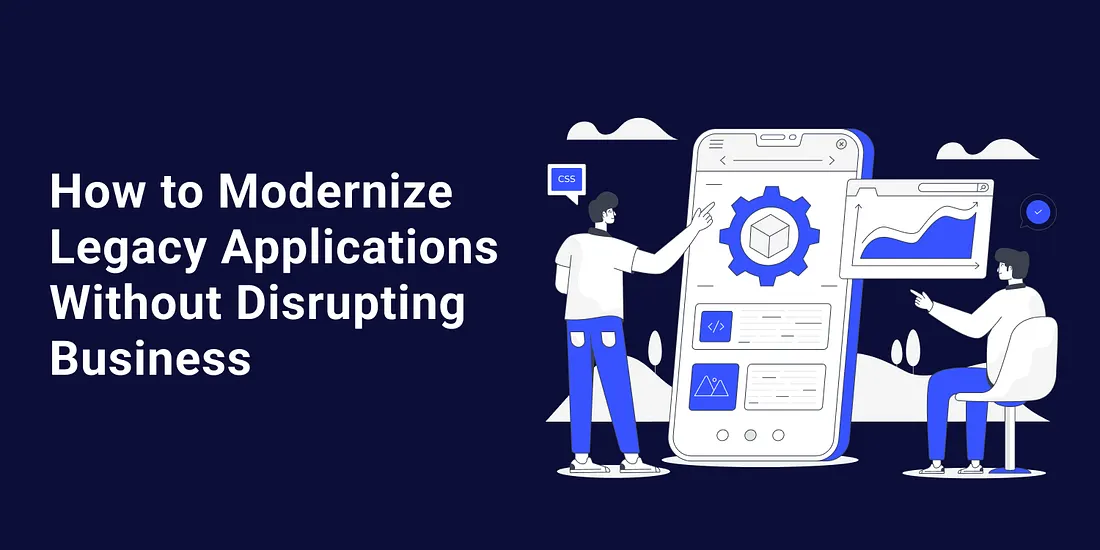
Upgrading older software systems is a pressing challenge for modern organizations. Delaying these updates can hinder new capabilities, consume vital budgets with maintenance costs, and create risks as experienced programmers retire. However, many companies hesitate because poorly planned upgrades often cause severe business interruptions. To avoid taking systems offline, experts recommend a gradual approach rather than attempting a risky, sudden replacement. This method relies on careful planning and proven structural designs. For example, organizations can build new services around the existing system, slowly routing traffic to the new components as they are tested and proven. Another reliable method involves running both the old and new systems at the same time to ensure they produce identical results before fully switching over. It is also important to use a translation layer to prevent the flaws of the old data formats from infecting the new setup. A successful upgrade generally follows a structured path: assessing current dependencies, planning the target design, running a small initial pilot, scaling the effort across other applications, and maintaining ongoing oversight. By strictly adhering to these methods, businesses can confidently update their technology and maintain continuous daily operations.


Data Lakehouse Architecture Layers: AI Needs More Than Just Infrastructure
Organizations have invested heavily in data lakehouses to store and process large amounts of information for analytics and artificial intelligence. While these setups handle storage and compute well, they often fall short in practical application. Data remains scattered across different cloud environments and operational systems, meaning business teams and AI models still struggle to access reliable information without technical assistance. The fundamental issue is no longer about where data is kept, but how it is connected and understood. AI tools, in particular, require more than just raw data; they need clear context and strict governance to function accurately and safely. To solve this, a new logical layer is emerging in data architecture. Instead of replacing the lakehouse, this access layer sits on top of it. It connects distributed information, applies consistent rules, and provides clear meaning to the data without requiring it to be moved or duplicated. By pairing traditional storage with this new governance layer, businesses create a stronger foundation. This approach reduces friction, ensures that both human users and systems have the context they need, and allows organizations to focus on practical outcomes rather than managing complex infrastructure.


The Four Elevations of Effective Fraud Prevention
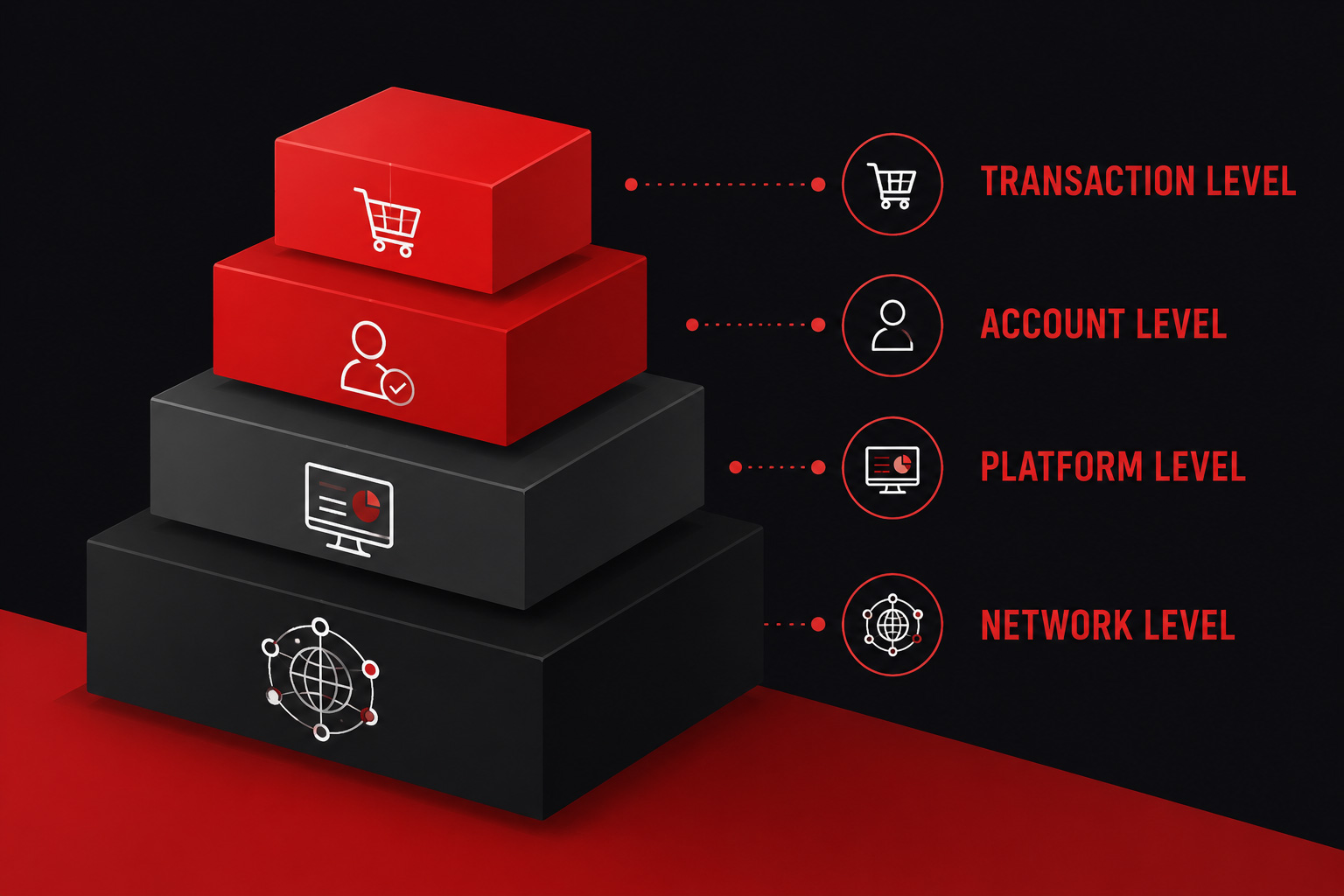
Effective fraud prevention requires more than just checking individual steps; it demands a layered approach to monitor customer behavior comprehensively. To build a resilient defense, organizations should evaluate activities across four key elevations. First is the transaction level, which looks at single interactions like logins or purchases. While important, relying on this alone can miss larger patterns because attackers frequently change their tactics. The second elevation is the account level, where monitoring a user's behavior over time helps distinguish normal activity from suspicious anomalies, such as sudden changes to contact information or unusual transfer requests. The third elevation expands to the platform level, allowing teams to analyze trends across all grouped accounts. This broad view helps quickly spot coordinated attacks or fraud rings sharing the same devices or geographic locations. Finally, the network level involves collaborating with external data providers to share insights across different companies, ensuring that a threat detected by one organization is immediately known to others. By integrating these four perspectives, businesses can confidently identify complex fraud schemes early, reduce false alarms for legitimate users, and secure their operations without disrupting the everyday customer experience.


Bridging the gap between leadership's AI enthusiasm and employee pushback

Corporate leaders and everyday employees often view artificial intelligence through entirely different lenses. While executives and board members see AI as a path to efficiency, cost reduction, and innovation, employees frequently view the technology with caution. Many workers worry that AI will result in job losses, create mentally exhausting workloads, enable invasive workplace surveillance, and harm the environment. Chief Information Officers (CIOs) find themselves caught in the middle and must bridge this divide. If IT leaders ignore workforce anxieties and force AI integration, they risk damaging company morale, losing valuable talent, and wasting money on tools that employees simply refuse to use. To resolve this tension, CIOs need to look beyond basic financial metrics and instead measure actual employee sentiment and tool usage. Having open, honest conversations with staff about their fears is essential. By creating a culture where workers feel safe sharing their concerns, companies can build trust and ease anxiety. Rather than rolling out technology blindly, leaders should clearly communicate the company's AI strategy and empower early adopters to guide their peers, ensuring the transition supports both business goals and the well-being of the team.


AI Works, Pull Requests Don’t: How AI Is Breaking the SDLC and What To Do About It

In the presentation "AI Works, Pull Requests Don't," Michael Webster examines how the rise of artificial intelligence coding assistants is severely straining traditional software development lifecycles. While AI tools initially act as powerful amplifiers that can increase development speed by three to five times, this burst in productivity is often temporary. Developers and AI agents are generating massive amounts of code, sometimes adding twenty-five times more code than they delete. As a result, human reviewers are overwhelmed by enormous pull requests, creating significant bottlenecks in the review process and leading to a steady accumulation of technical debt. Drawing on queuing theory, Webster explains that delays inevitably occur when the rate of incoming code surpasses the team's capacity to process and review it. To resolve these challenges, engineering teams must adapt their validation pipelines. He recommends implementing test impact analysis, a method that runs only the tests affected by recent code changes rather than the entire test suite. By relying on automated validation tools to quickly verify AI-generated output, teams can successfully maintain software stability, reduce testing costs, and manage the high volume of code without sacrificing overall quality.


Hackers Exploit Weak Credentials and Internet-Facing PLCs to Breach Water Utilities

Water and wastewater utilities across the United States and Europe are facing increasing threats from state-sponsored groups affiliated with Iran, Russia, and China. Rather than relying on complex software, these attackers exploit fundamental security oversights, like internet-exposed control systems, default passwords, and inadequate network separation. This shift indicates that targeting civilian infrastructure has become a deliberate method to test emergency responses, create public anxiety, and position adversaries for future conflicts. For instance, Iranian-linked groups have used factory credentials to access unprotected systems, while Russian-affiliated actors actively disrupted operations by overflowing water tanks in Texas and opening floodgates in Norway. Meanwhile, Chinese groups take a quieter approach, establishing long-term access within utility networks to maintain leverage for potential disputes. To counter these vulnerabilities, security experts advise facility operators to implement basic defenses immediately. These include removing physical control systems from direct internet exposure, enforcing strict login requirements, replacing default passwords, and firmly separating industrial equipment from standard computer networks. By addressing these entry points, utilities can effectively reduce their risk of compromise and safely protect vital public water resources from further interference.

Daily Tech Digest - June 20, 2026


Quote for the day:

"Outstanding leaders go out of their way to boost the self-esteem of their personnel." -- Sam Walton

🎧 Listen to this digest on YouTube Music

▶ Play Audio Digest

Duration: 21 mins • Perfect for listening on the go.


Why AI coding debt is different

The rapid adoption of artificial intelligence in software development is generating an entirely new challenge: cognitive debt. Unlike traditional technical debt, which usually involves poorly written or messy code, cognitive debt arises when software works perfectly but no human understands exactly how or why it was built. Because AI tools generate code at unprecedented speeds, developers often bypass the crucial, slower process of thinking through specific scenarios and internalizing the underlying logic. Furthermore, many AI tools operate without essential background knowledge, such as past design choices or specific security rules, resulting in code that may function in isolation but lacks overall coherence. To prevent this accumulation of invisible debt, organizations must shift their focus from merely generating code to rigorously checking it. This involves building strong internal practices that provide AI with necessary historical knowledge before it writes a single line. Most importantly, engineering teams must establish strict human ownership, ensuring a developer takes the time to thoroughly review and comprehend the final product. By balancing the speed of AI generation with careful oversight and deep understanding, companies can maintain healthy, reliable systems without sacrificing their future stability or falling into irreversible complications.


Why Every CISO Needs a Head of AppSec in the Age of Vibecoding

The rise of AI-assisted software development has drastically increased the speed at which code is generated and deployed. While this shift enhances developer productivity, it also introduces subtle flaws and misconfigurations at a scale that outpaces traditional security measures. For a Chief Information Security Officer (CISO), directly overseeing application security is no longer practical. To maintain control without slowing down engineering, organizations must introduce a dedicated Head of Application Security. This role acts as a vital bridge between the security and development teams, turning abstract vulnerabilities into clear, actionable fixes that fit naturally into everyday workflows. Instead of treating security as a roadblock, a capable Head of Application Security enables developers to build safely and efficiently. Furthermore, while automated tools handle known issues, this leader ensures human testers remain focused on uncovering complex attack paths that machines miss. By delegating the daily operational details of application security to a specialized leader, the CISO can step back and focus on broader risk management and strategy. Ultimately, restructuring security leadership is essential for companies wanting to build software quickly without taking on unmanaged risks.


A perfect storm: data centers and tornadoes

The article examines the growing collision between data center expansion and the rising threat of tornadoes. As the demand for digital infrastructure pushes these vital facilities into regions known for volatile weather patterns, operators face a complex challenge. The piece highlights that relying on standard commercial building practices is no longer sufficient to protect critical hardware and ensure uninterrupted operations. Instead, modern data centers must incorporate specialized physical hardening from the ground up. This involves constructing reinforced concrete walls and specialized roofing designed to withstand extreme wind speeds and dangerous flying debris. Beyond structural defenses, the analysis strongly emphasizes the necessity of implementing comprehensive disaster recovery strategies. A key component is building geographic redundancy into the network architecture, ensuring that if one specific facility goes offline, other locations can seamlessly manage the computing load. Maintaining reliable backup power generation and secondary cooling systems is also essential to survive the immediate aftermath of a storm when local utility grids fail. Ultimately, securing digital assets against nature's unpredictability requires a steady, proactive approach, blending structural engineering with thorough contingency planning to keep essential services running smoothly.


OT vs IT Security: Key Differences Explained for Controls Engineers

Operational Technology (OT) security and Information Technology (IT) security serve different purposes and operate under distinct priorities. While IT security safeguards corporate data networks with a primary focus on keeping information confidential, intact, and available, OT security protects industrial control systems like programmable logic controllers and manufacturing lines. Because a failure in these industrial environments can lead to damaged equipment or physical harm, OT flips the traditional model to prioritize availability and safety above all else, often minimizing confidentiality. A major challenge for controls engineers is that standard IT practices do not easily transfer to the plant floor. For example, you cannot simply update an industrial controller the way you patch a laptop. These devices require uninterrupted operation, rigorous testing, and strict vendor approvals, making routine updates costly and disruptive. Furthermore, as enterprise networks increasingly connect with industrial systems to share data—a trend known as IT/OT convergence—traditional boundaries disappear. This connectivity introduces new vulnerabilities to legacy equipment that was never designed for modern internet threats. Bridging this gap requires careful network segmentation and a shared understanding between IT departments and plant engineers to keep production running safely.


AI Governance vs Data Governance: Why They Need Opposite Approaches

The article highlights the distinct but complementary needs of data and artificial intelligence governance within modern organizations. It points out that traditional data management programs often fail within their first year because they rely on rigid, centralized control that internal teams actively resist. To succeed, these data initiatives must instead link directly to specific business goals and decentralize their efforts across departments. Conversely, managing artificial intelligence requires the exact opposite organizational approach. Because AI development usually begins in isolated, scattered teams, it actually requires a centralized strategy to mature effectively and deliver consistent value. To resolve this structural tension, the text advocates for an adaptable framework that thoughtfully balances central standards with flexible, everyday execution. This method adjusts the level of control based on the organization's maturity and the specific risks involved in each project. Furthermore, the rapid adoption of modern AI tools demands a renewed focus on unstructured information, such as plain text documents, which is inherently harder to organize than traditional databases. Companies are strongly advised to systematically discover, tag, and connect this unstructured information to ensure their automated systems remain reliable and safe for long-term enterprise use.


Security considerations for adopting Claude Code and Cowork for SMBs

When small and medium-sized businesses decide to adopt AI tools like Claude, security leaders must carefully balance rapid deployment with essential safety measures. The primary step is understanding the specific plan your organization requires, as advanced security features like single sign-on and compliance tools are restricted to higher-tier subscriptions. Rather than granting broad access, it is safer to control your exposure by selectively assigning licenses for different products—such as Chat, Code, or Cowork—based on actual employee needs. As you introduce these tools, avoid turning on every feature at once. Instead, evaluate the risks of each capability and roll them out gradually. Features like web search or automated skills introduce vulnerabilities, making strict management of API keys and data access critical. Limit the number of people who can generate administrative keys to maintain tight control. Additionally, remember that you cannot outsource your data governance. It is your responsibility to monitor what information flows into the system and verify the accuracy of what comes out. By relying on a phased approach and leveraging existing security vendors, you can confidently integrate new technologies while keeping your business secure.


Every AI Agent Is an Identity. Most Organizations Don't Treat Them That Way

As AI agents evolve from simple productivity tools into powerful actors that can trigger workflows, write code, and update records, they are effectively becoming new digital identities within enterprise networks. However, most organizations are failing to secure them as such. According to the article, security teams traditionally focus on managing the identities of human employees and service accounts, leaving AI agents largely ungoverned. These agents are frequently connected to critical business platforms like Salesforce, GitHub, and production databases, often receiving overly broad permissions just to ensure they work smoothly. This creates a sprawling network of hidden actors with high levels of system access. While much of the AI security conversation has centered on software risks like bad prompts or incorrect outputs, the greater threat lies in what these tools can actually access. An overprivileged AI agent compromised by a malicious plugin can become a dangerous pathway for major data theft or system damage. To safely adopt AI technology, organizations must start treating AI agents exactly like standard network identities. This requires continuous tracking, strictly restricting their permissions to match their exact purpose, and systematically applying the same exact security rules used for human employees.


CIOs: tear down the wall between resilience and data security

For years, organizations have treated keeping systems online and keeping data safe as two separate jobs handled by different teams. However, the rapid adoption of artificial intelligence is proving that this separation is no longer practical. Rather than creating entirely new problems, AI is exposing existing flaws in how companies manage their files and information. When employees use AI assistants, these tools can easily find and share old or sensitive documents that were left unsecured, revealing a severe lack of basic organization and control. To solve this, technology leaders must unite their safety and system recovery efforts. First, companies need to understand exactly what information they have, where it lives, and who should see it before they roll out new tools. Second, they must use automated systems to manage rules and access, because human review simply cannot keep up with the speed of automated requests. Finally, businesses must clearly track what automated programs are doing and why, to ensure they meet future legal standards. Ultimately, attempting to block these new tools will fail. Instead, leaders must safely guide their use by building a unified, trustworthy foundation.


France and Germany Boost Digital Sovereignty Push

France and Germany are strengthening their commitment to European digital sovereignty through a coordinated approach and substantial new funding. To reduce reliance on foreign technology, the French government announced an initial 13 billion euro investment fund, expected to grow to 15 billion euros by the end of the year, aimed at supporting domestic and regional technology firms. Institutional investors, including aerospace and defense partners, are backing this initiative. Half of the capital is dedicated to deep technology sectors such as artificial intelligence, quantum computing, biotechnology, and space exploration. This focus on artificial intelligence is particularly timely given recent United States export controls that restricted European access to advanced models from companies like Anthropic. These restrictions have intensified demands for regional self-sufficiency and highlighted the strategic importance of European developers like France's Mistral AI. The new funding represents the third phase of a broader effort to close the financing gap for scaling tech businesses in the region. Although Germany previously approached such initiatives with caution, shifting geopolitical dynamics and concerns over the reliability of American technology services have united the two nations in their drive to secure technological independence.


Data Observability: Guidance for Data Leaders

Many organizations struggle to ensure their artificial intelligence systems receive reliable information. Although experts recognize the necessity of tracking data as it moves through systems, many leaders still treat this practice as a future goal rather than an immediate requirement. Without a clear view into their data systems, companies are left guessing whether their information is accurate and safe to use. As artificial intelligence shifts from simply providing answers to taking independent actions, relying on guesswork is no longer acceptable. Information pathways are becoming increasingly complicated, making it easier for mistakes to happen or for incorrect details to reach the wrong destination. Proper oversight helps address these complications, including the growing challenge of fragmented systems. Fundamentally, observing your data means proving that the right information arrives exactly when and where it is needed. This practice requires finding and fixing errors before they impact the business. Instead of merely checking if a system is turned on, organizations must validate that the information flowing through it is completely trustworthy. By maintaining a continuous, clear view of their data, organizations can confidently support their advanced technologies and ensure reliable outcomes.

Daily Tech Digest - June 19, 2026


Quote for the day:

“What really matters for success is emotional intelligence, not just cognitive intelligence.” -- Daniel Goleman

🎧 Listen to this digest on YouTube Music

▶ Play Audio Digest

Duration: 25 mins • Perfect for listening on the go.


CIOs want strategic PMOs. I’m not sure they know what they’re asking

As artificial intelligence automates routine coordination and reporting, Chief Information Officers are increasingly asking that their Project Management Offices (PMOs) become more strategic. However, most leaders struggle to define what a strategic PMO actually looks like in practice. For a PMO to make a real impact rather than just track tasks, companies must answer six practical questions about their operations. First, the PMO’s purpose must shift from simply monitoring timelines to actively protecting the value of business investments. Second, team structures need to place humans and AI where they make the most sense, rather than assigning work based on who is available. Third, leaders must clearly identify the specific skills project managers will need as AI takes over daily logistics. Fourth, project data and processes must be organized cleanly so AI tools can use them without confusion. Fifth, procurement teams must understand new AI pricing models, which often charge by usage rather than per user, to avoid unexpected costs. Finally, companies must build a culture that values human insight, ensuring employees feel supported rather than threatened by automation. Addressing these specific areas turns vague goals into a resilient, functioning strategy.


A Practical Guide to Temporal Workflow Design Patterns

This article outlines common programming patterns for designing reliable distributed systems using Temporal's durable execution platform. By shifting focus from infrastructure components like queues and database retries to standard code structures, Temporal simplifies how engineers coordinate complex, long-running processes. One prominent approach is the saga pattern, which manages errors in distributed transactions by running compensating actions in reverse order if a step fails. To interact with external systems, developers can use frequent polling loops with activity heartbeats, or they can rely on built-in retry policies and workflow timers for less frequent checks. For heavy workloads, the fan-out and fan-in pattern runs child processes in parallel, combining them with a continuation strategy to reset execution history and prevent memory issues. Furthermore, workflows can act like stateful entities that accept real-time external updates via signals and allow their internal status to be checked through queries. Finally, because Temporal requires predictable, deterministic code execution, the article details versioning methods, particularly a branching patch mechanism, to update live workflows safely. Mastering these architectural patterns allows developers to build resilient software systems using straightforward control logic rather than brittle, custom state management tools.


Linux users face a Microsoft Secure Boot headache - here's the painkiller

y In 2026, the original Microsoft Secure Boot certificates from 2011 are set to expire. For Linux users, this upcoming expiration creates a potential problem: while your current system will keep running just fine, you might be unable to install new operating systems or major updates in the future if your computer lacks the updated 2023 certificates. Fortunately, the solution is straightforward and entirely manageable. First, you need to update your system firmware before the middle of 2026. You can accomplish this by checking your hardware vendor website for the latest updates. Alternatively, you can use the standard Linux firmware update tool, fwupd, which handles the process smoothly from within your computer. Second, you should verify how your specific Linux version is handling the transition. Most major providers, including Ubuntu, Red Hat, Debian, and SUSE, are already fully prepared and successfully including the new keys. You can easily confirm your system is ready by downloading a current live image of your preferred Linux version to a USB drive. If it boots cleanly with Secure Boot turned on, your setup is secure, up to date, and prepared for the road ahead.


IaC Isn’t Dying. AI Makes it More Important

Despite widespread claims that artificial intelligence will soon replace infrastructure as code entirely, the reality is quite the opposite. Artificial intelligence actually makes these structured configurations more essential than ever before. Because artificial intelligence generates software code rapidly and unpredictably, organizations require a reliable system of record to carefully manage, audit, and track these constant changes. Without a solid foundation in place, the massive volume of generated code simply creates costly delays in testing, security, and deployment. The primary challenge for technology leaders is no longer determining how fast new code can be written, but rather whether their internal systems can safely absorb and govern that code. Companies must prioritize system quality before fully expanding their artificial intelligence efforts. This approach involves closely monitoring delivery processes to quickly spot where new issues arise and building clear, sensible rules directly into the daily engineering workflow. Furthermore, human oversight remains absolutely vital. Skilled professionals are still needed to guide automated tools, accurately verify their outputs, and ensure compliance across complex computing environments. Ultimately, establishing a strong, well-managed platform ensures that artificial intelligence serves as a helpful, manageable contributor rather than a severe source of operational risk.


Your browser tab could become encrypted storage for someone else’s files

Safecloud is a decentralized storage network developed by researcher Gregory Magarshak that enables ordinary web browser tabs to function as encrypted storage nodes. The system is designed to ensure that the machines holding the data cannot read it. It relies on two main components: Drops, which are browser tabs that store encrypted file chunks, and Jets, which serve as routing servers to match chunks with retrieval requests. When an owner uploads a file, it is divided into pieces of a fixed size and encrypted locally on their device. Because the storage nodes only receive ciphertext and the routing servers hold no encryption keys, the data remains strictly confidential. All encryption keys derive from a single root secret, which allows the system to securely stream media, control access to specific file sections, and identify duplicate files while maintaining privacy. This architecture supports a unified method for verifying data integrity. It also features an economic layer where storage and routing nodes earn tokens for their services, regulated by a specific challenge to ensure honest participation. While the core encryption and routing mechanisms are fully operational today, the payment verification and storage proof layers are still being refined.


Why governance is key to Deutsche Telekom's new AI-centric architecture

Deutsche Telekom has introduced the Magenta AI-centric Reference Architecture (MARA) to manage the rapid and often fragmented spread of artificial intelligence tools across its business. As different departments pilot various AI models, the company recognized the need for a structured approach that balances new ideas with necessary rules. MARA acts as a comprehensive blueprint that integrates AI into the company's daily operations through strong governance. The system maps out exactly how AI assistants should interact with customer requests and connect to internal networks without compromising security or data privacy. By using specific control points and secure gateways, MARA ensures that all AI tools operate under strict oversight, requiring them to explain their actions and follow established guidelines. This careful supervision prevents software providers from gaining unrestricted access to core systems and helps avoid dependence on any single provider. While the architecture enables practical improvements like faster customer service, network optimization, and the swift replacement of outdated software, its primary focus remains on safety. Ultimately, MARA provides the necessary framework to transition from isolated experiments to a reliable, company-wide system that maintains trust, compliance, and clear accountability.


AI turns decades of cybersecurity upside down

The text discusses a roundtable with security experts about how artificial intelligence disrupts traditional cybersecurity. Instead of keeping unknown threats out based on human identities, companies now give AI systems direct access to massive amounts of data, flipping decades of security practices on their head. Because AI works so fast, a minor mistake or vulnerability can escalate into a major data breach almost instantly. This rapid escalation requires a proactive rather than reactive approach to digital security. The rise of autonomous AI programs that perform tasks on their own creates a complex identity problem, as a single employee might unknowingly launch numerous automated tasks with overly broad permissions. Meanwhile, employees are increasingly using unauthorized AI tools to work faster, causing a surge in unmonitored systems hidden within corporate networks. Rather than simply blocking these tools, industry experts advise setting up clear boundaries and securing data at its core through encryption, strict permissions, and dividing access into smaller, controlled segments. Ultimately, keeping systems secure in an AI-driven environment means moving away from traditional network defenses and focusing directly on protecting the individual tasks and the underlying data from unauthorized access.


Identity is the foundation of trust. That makes it everyone’s problem

Digital identity has evolved far beyond simple login screens and basic passwords, fundamentally shifting to become the essential core of modern security, privacy, and artificial intelligence governance. Today, simply proving who a user is no longer covers the entire scope of the challenge. The rapid adoption of autonomous artificial intelligence systems makes this especially clear, as these non-human agents act on behalf of users, demanding precise rules for how authority is safely handed off, tracked, and revoked. As a result, deciding what a user or system is permitted to do requires careful attention to constantly shifting contexts rather than relying on rigid, fixed roles. While incorporating a wider range of behavioral and environmental clues can help establish trust, these extra details must remain clear and practical to prevent systems from becoming unmanageable. Furthermore, technical standards enable different networks to communicate smoothly, but they do not replace the fundamental need for thoughtful, human-led oversight. Ultimately, a reliable identity framework must maintain clear accountability under pressure. Organizations must ensure that every action, whether driven by a person or a machine, is traceable, properly restricted, and easily explained when unexpected problems arise.


The Alignment Gap: Why It Exists, and How Enterprise Architecture Closes It

Technology initiatives frequently fail not due to flawed software or poor implementation, but because of a fundamental disconnect between business strategy and technology execution. This misalignment often stems from adopting new technologies too quickly, managing competing demands from various departments, and lacking proper oversight. Enterprise architecture serves as the structural framework to close this ongoing gap. Rather than simply choosing software platforms or writing endless documentation, architects create an environment where clear, informed decisions can be made consistently. The practical process begins with a thorough understanding of the organization's current challenges before any solutions are ever proposed. Architects then engage directly with stakeholders to uncover their actual underlying needs, carefully distinguishing them from mere surface-level requests. By developing specific visual representations of the system, they address the distinct concerns of different groups, such as balancing strict security requirements with overall system performance. Because no single design can perfectly satisfy every competing need, the architect's most valuable role involves facilitating necessary trade-offs. They ensure that all risks and consequences are transparently evaluated, replacing isolated technical choices with conscious decisions that keep the company's capabilities completely aligned with its long-term goals.


Designing Continuous Authorization for Sensitive Cloud Systems

Traditional cloud security often relies on a single authorization check when a person first logs in. Once inside, users typically have broad access based on their assigned role, meaning they can view or download large amounts of sensitive information without further scrutiny. This approach creates significant vulnerabilities, as it fails to account for unusual behavior, like a support agent suddenly exporting thousands of patient records. To address this vulnerability, systems can use continuous authorization. This method treats every interaction with sensitive data as a new decision point. Instead of relying solely on static roles, the system constantly evaluates the context of each request, considering factors like the user's location, the time of day, their device, and their normal behavior patterns. By doing so, the system can quickly flag or block risky actions in real time, rather than waiting for an audit to uncover a problem hours later. To keep things running smoothly, standard requests from familiar devices can use fast, pre-approved checks, while unusual requests trigger a deeper evaluation. This steady, ongoing approach ensures that data access remains secure throughout the entire session, effectively minimizing the risk of unauthorized large-scale data exposure in modern cloud environments.

Daily Tech Digest - June 18, 2026


Quote for the day:

“The most important thing in communication is hearing what isn’t said.” -- Peter F. Drucker

🎧 Listen to this digest on YouTube Music

▶ Play Audio Digest

Duration: 21 mins • Perfect for listening on the go.


Why Account Takeovers Are Rising and How to Stop Them

Account takeovers are increasing because organizations now manage thousands of identities across complex hybrid, cloud, and remote work environments. Instead of attacking infrastructure, cybercriminals are targeting the authentication process itself, finding it much faster and quieter. While multifactor authentication remains important, attackers have adapted by using prompt bombing to exhaust users into approving access, or by stealing session tokens to bypass logins entirely. Additionally, phishing campaigns have become harder to spot, often using legitimate hosting services to trick even cautious employees into giving up their credentials. Another major vulnerability stems from employees using unmanaged personal devices to access corporate networks. Malware on these devices can easily harvest passwords and session cookies. Because traditional security tools often treat a successful login as complete proof of trust, these compromised devices easily slip through the cracks. To stop modern account takeovers, organizations must move beyond simply checking usernames and passwords at the door. They need continuous verification systems that assess device health and monitor session risks throughout the entire access lifecycle. By verifying that a device is genuinely safe and updated before and during a session, companies can effectively block unauthorized access.


Securing digital keys when your phone unlocks the car

Alysia Johnson, President of the Car Connectivity Consortium (CCC), outlines the evolution of the CCC Digital Key from a brand-specific convenience to a standardized, multi-vendor credential. This transition shifts the security model from implicit trust within a single company's hardware to a system demanding verifiable trust across a diverse ecosystem. To address this, the CCC relies on standardized certification, secure elements, and interoperable protocols. Version 4 of the standard focuses on improving interoperability, validation, and consistent behavior across various devices and vehicles, rather than addressing a new specific threat, building upon the high security baseline established in Version 3. NFC, often a fallback when batteries die, is not a weak link. It requires close proximity and explicit user action, maintaining the same security principles as the broader architecture. The system supports swift credential revocation if a device is lost or compromised, synchronizing across the ecosystem and utilizing cryptographic challenge-response mechanisms to prevent replay attacks. Recognizing the long lifespan of vehicles, the CCC designed the standard with crypto-agility, allowing algorithms to evolve as needed. Post-quantum migration is also an active topic within the consortium to ensure long-term security.


5 things CIOs must do as sovereignty becomes a design constraint

As global tensions rise and regulations increase, businesses can no longer assume that location does not matter. Geography has become a strict requirement, forcing technology leaders to rethink where they place their data and systems. First, companies must treat physical location as a fundamental technical decision, moving away from relying entirely on a single global provider. Instead, they should adopt a more practical approach. Second, businesses need to design their systems for deep resilience rather than pure efficiency, reducing the risk of relying too heavily on any single vendor by actively diversifying their technology setup. Third, it is essential to sort applications and data based on their specific risk levels. While most data can safely remain in public platforms, highly sensitive information requires secure, localized storage. Fourth, companies must build their systems with the ongoing flexibility to move applications easily if global or regulatory conditions change, avoiding rigid vendor contracts. Finally, the concept of secure access must extend beyond the data center to remote workers, focusing on identity verification rather than just basic device security. Ultimately, managing technology is now about balancing long-term risks instead of simply hunting for the absolute lowest costs.


Security Community Slams US Ban on Exporting Mythos, Fable

The cybersecurity community is strongly criticizing the United States government’s decision to ban the export of Anthropic’s new artificial intelligence models, Claude Fable 5 and Mythos 5, to foreign nationals. The government enacted this ban over national security concerns, citing the models' potential ability to find and exploit software vulnerabilities. This action was allegedly prompted by a reported method to bypass the software's safety limits. In response, dozens of prominent security experts have signed an open letter urging the government to reverse the restriction. They argue that blocking access to these advanced tools actively harms the nation's digital defenses by preventing security teams from finding and fixing vulnerabilities before attackers do. Furthermore, industry leaders point out that the ban will do very little to actually stop foreign adversaries or cybercriminals. Adversary nations like China and various financially motivated attackers already possess equivalent technological capabilities, either through available public alternatives or their own undisclosed research. Ultimately, experts believe that restricting these tools based on fear or an incomplete understanding of the technology leaves network defenders at a significant disadvantage, while completely failing to meaningfully impede the malicious actors the ban intends to target.


20 principles of good management that most managers don't practice

Many managers fail not from a lack of knowledge, but from an inability to consistently apply foundational management principles under pressure. Organizations frequently promote individuals based on their technical skills rather than their leadership capabilities, leading to entirely predictable workplace dysfunction. Genuinely effective management relies on disciplined habits rather than innate talent. The core principles involve straightforward but consistently neglected daily practices. First, effective leaders provide prompt, relevant feedback rather than waiting for formal annual reviews, ensuring guidance feels like support rather than judgment. Second, they ask questions instead of merely issuing answers, training their teams to think critically and solve complex problems independently. Third, they distribute decision-making authority to those closest to the actual work, taking the time to explain their reasoning to cultivate better future judgment among the staff. Fourth, they set explicit expectations to eliminate confusion and establish shared accountability, allowing employees to operate with clear direction. Finally, they actively protect their team's time and attention by minimizing unnecessary meetings and establishing communication norms that allow for deep, focused work. Ultimately, management succeeds through steady commitment to these basic practices, fostering genuine trust and autonomy.


Observability Is the New Control Plane for Enterprise Transformation

As businesses adopt increasingly complex technologies like cloud environments and artificial intelligence, they face a critical challenge: understanding how these interconnected systems actually perform. Many leaders lack the clear data needed to make informed decisions about their technology investments, leading to a significant gap between what they build and what they can effectively manage. Traditional tracking methods were built for simpler setups and simply cannot handle today's scattered and unpredictable systems. Operating without clear visibility carries steep costs. When technology fails, companies lose money for every hour an outage lasts. Engineering teams waste valuable time trying to piece together information from disconnected tools instead of fixing the root problem. Beyond immediate downtime, this lack of shared information creates a hidden tax on the entire organization, slowing down operations and complicating incident reviews. However, companies that adopt a unified approach to monitoring their technology see reliable benefits. By bringing all their system data into a single cohesive view, organizations can steadily reduce the financial impact of outages and achieve clear returns on their investment, proving that true success lies in fully understanding their technology rather than just deploying more of it.


Before enabling embedded AI, Indian enterprises need vendor model disclosure

The article discusses the crucial need for transparency as Indian enterprises increasingly adopt software tools with embedded artificial intelligence. While these built-in AI features promise enhanced productivity, they also introduce significant challenges regarding data privacy, security, and ethical governance. To manage these risks effectively, companies must demand comprehensive disclosure from their technology vendors. This transparency should clearly outline how the underlying models are trained, what kinds of data they process, and how user privacy is maintained. Without this information, enterprises face the danger of intellectual property leaks, compliance violations, and unintended algorithmic biases. The piece highlights that true accountability cannot be achieved in a vacuum; instead, it requires collaborative standards between software developers and corporate users. By establishing clear model disclosures, Indian businesses can safely deploy automated systems while maintaining a strong ethical foundation and protecting proprietary information. Ultimately, the author advises decision-makers to move beyond the initial excitement of automation and instead focus on establishing rigorous verification protocols before fully integrating these tools into their core workflows.


AI's Catastrophic Risk Isn't Rogue Machines, It's Cognitive Surrender

The real danger of artificial intelligence may not be the science-fiction nightmare of rogue machines turning against us, but rather a subtle, internal shift toward "cognitive surrender." As AI tools increasingly handle our analysis, coding, and writing, they dismantle the traditional incentives for learning and mastery. When individuals can generate competent work in seconds, the long-term process of building skills—once a foundation for personal identity and professional pride—starts to feel unnecessary or even futile. This trend is worsened by a broader sense of economic insecurity among younger generations, who are already losing faith in the traditional "work hard to succeed" narrative. Because the future feels increasingly unstable and inaccessible, many are tempted to bypass the friction of deep thought, choosing instead to outsource their deliberation to AI. This constant reliance on artificial intelligence threatens to weaken our capacity for sustained, independent reasoning. Ultimately, the challenge is not just that we might be replaced by machines, but that we may voluntarily abandon the effort and struggle required to develop our own expertise. Even if AI can perform tasks, it cannot replicate the uniquely human satisfaction found in the process of creating something through genuine personal effort.


AI is eroding trust. Accounting and finance professionals can rebuild it

Accounting and finance professionals are currently facing a significant decline in industry confidence. While economic and global pressures play a part, the rapid adoption of artificial intelligence has emerged as a primary concern. Many professionals worry that new software is being implemented too quickly without the necessary plans or controls. There are also valid concerns about the quality of the technology's output, as minor automation errors can easily multiply, leading to major reporting mistakes and basic compliance issues. Ultimately, this creates a widespread loss of trust in financial data and related decisions. To rebuild this trust, finance professionals must step in to bridge the gap between software systems and human oversight. Rather than simply learning the technical details of the software, accountants need to focus on practical uses like forecasting and managing risk. It is essential for professionals to act as leaders in compliance, learning how to identify biases, correct mistakes, and oversee these new systems effectively. By combining the speed of the technology with dependable human analysis, teams can deliver accurate recommendations. Developing these skills through targeted training programs will ensure professionals remain effective and can responsibly guide their teams forward.


The Technology Trend Hiding in Plain Sight: Why Businesses Are Rediscovering the Power of Constraints

For decades, technological progress has been defined by abundance, offering companies an ever-expanding array of choices, data, and computing power. However, this limitless possibility has created new challenges. Many businesses now find themselves overwhelmed by options, making decision-making difficult and diluting their focus. In response, organizations are quietly rediscovering the strategic value of constraints. Rather than viewing limitations as obstacles, leaders are realizing that boundaries actually drive better outcomes. Constraints force companies to prioritize what truly matters, clarify their objectives, and distinguish between what is merely possible and what is genuinely essential. In a highly complex environment, the simple ability to focus is becoming a significant competitive advantage. Limits help organizations simplify their daily operations, manage data more effectively, and introduce new systems at a pace that employees can comfortably absorb. Trust itself relies on clear boundaries and solid governance. As companies mature in their technology use, they are shifting away from adopting every new advancement and instead optimizing the systems that deliver the most value. Ultimately, success no longer relies on having access to endless resources, but on having the discipline to know exactly what to leave out.

Daily Tech Digest - June 14, 2026


Quote for the day:

“If you think compliance is expensive, try non‑compliance.” -- Paul McNulty

🎧 Listen to this digest on YouTube Music

▶ Play Audio Digest

Duration: 24 mins • Perfect for listening on the go.


Segmentation Works for OT If Operators Are Paying Attention

Network segmentation remains a foundational strategy for securing operational technology, but its ultimate effectiveness relies heavily on active and continuous human oversight. Many organizations mistakenly view network segmentation as a static, one-time project designed during a workshop, rather than as an ongoing operational practice that evolves over time. This fixed mindset creates dangerous security gaps, as real-world industrial environments change quickly while network diagrams remain completely outdated. Furthermore, the practical execution of traditional segmentation and newer microsegmentation models faces severe real-world hurdles. Traditional firewalls are frequently undermined by user convenience workarounds, such as technicians introducing unmanaged, internet-connected personal laptops onto the factory floor, or by unpatched vulnerabilities within the firewalls themselves. Meanwhile, microsegmentation is regularly impossible to implement because older legacy infrastructure cannot accommodate security software agents or survive the disruptive downtime required for vital updates. Compounding the issue, companies often overuse segmentation by dumping too many diverse industrial systems into a single isolated zone, meaning one compromised machine can expose the entire segment. To fix these systemic flaws, security experts recommend adopting enforceable policies that continuously verify user access. Operators must look past static blueprints, regularly auditing endpoint logs and identifying unrecognizable addresses to catch unauthorized connections before clever attackers can exploit them.


In Conversation with Simon Stone and Simon Barrows: Adventures in Architecture as Code

As organizations grow in scale and speed, traditional architecture diagrams often become outdated, subjective, and disconnected from actual operations. A recent interview with Simon Stone and Simon Barrows explores the transition from relying on these static diagrams to adopting Architecture as Code, a method that treats architectural knowledge as living, version-controlled data. This shift is increasingly practical today because modern artificial intelligence can efficiently gather and organize data from various scattered sources. By keeping architecture as structured data, teams can automatically generate up-to-date diagrams on demand, test for consistency, and cleanly link business strategies directly to technology investments. This approach changes the architect's role from drawing static pictures to managing data quality, working more like a software engineer. Instead of constantly updating documents, architects can rely on automated tests for routine checks and focus their time on complex decisions. However, converting old, fragmented documents into a single, reliable dataset remains a significant challenge. To succeed, the speakers advise starting small. Rather than attempting a massive overhaul all at once, organizations should identify a specific, high-value problem to solve first. By focusing on a clear initial use case, companies can build a solid foundation and gradually expand their structured architecture, ultimately creating a more transparent, efficient, and well-aligned technical environment.


10 Indispensable Prompts Our Team Refuses to Build Without

The recent Google Cloud blog post highlights a collection of practical prompts that their engineering teams rely on to build better software. Rather than using AI just to write code faster, these developers use specific prompts to challenge their own assumptions and catch mistakes early. The shared prompts cover a wide range of everyday programming tasks. For example, some developers ask the AI to act as a strict architect to help refine product requirements without making the design too complex. Others use it to run thorough code reviews, instructing the tool to grade their work on a harsh scale to ensure systems are truly reliable. There are also prompts designed to build testing plans, clean up unused code and forgotten comments, check software permissions for compliance, and weigh the pros and cons of different technical choices. Additionally, the team uses prompts to automatically review code changes and identify potential flaws in code that was generated by AI itself. Ultimately, the article suggests that treating AI as a critical partner rather than a simple code generator helps developers release software with greater confidence. By routinely asking hard questions and checking for hidden weaknesses, engineering teams can improve the overall quality of their work and avoid unexpected failures.


AI Governance in Enterprise Adoption: Why Trust Will Define the Next Wave of Innovation

Artificial intelligence is steadily moving from isolated experiments into the daily operations of the financial services sector. As companies integrate these systems into everything from fraud detection to customer service, the primary challenge is no longer about the technology itself, but rather about building institutional trust. With the arrival of more autonomous systems, financial organizations must handle complex new risks that go beyond simple technical errors. These risks involve broad operational dependencies, data security, and the complications of unapproved tool usage by employees. Because of this, companies are shifting away from unrestricted public tools and moving toward carefully governed internal environments. Setting clear rules and maintaining structured oversight should not be viewed as an obstacle to progress. Instead, sensible governance provides the necessary foundation for organizations to innovate safely and reliably. By establishing clear boundaries and maintaining accountability, businesses give their teams the confidence to adopt new capabilities while assuring regulators and customers that their data remains secure. Ultimately, the companies that succeed in this new landscape will not necessarily be the fastest to implement the latest tools. They will be the ones that recognize safe, transparent, and continuous oversight as a strategic advantage, proving that responsible management is a fundamental requirement for sustainable growth in modern finance.


Rethinking MDR as Attackers and Defenders Embrace AI

Traditional managed detection and response models are struggling to keep pace with modern cybersecurity threats. Historically, these services relied on human analysts to monitor networks and investigate potential issues. However, as attackers increasingly use advanced automation to launch faster and more complex campaigns, human-led teams simply cannot process the massive volume of alerts generated daily. Because of this, analysts are forced to prioritize severe warnings, leaving roughly sixty percent of alerts unreviewed. Unfortunately, attackers know this and deliberately hide their activity within these overlooked, low-severity notifications. Furthermore, the quality of human investigation can vary depending on shift times and workload, leading to inconsistent security outcomes. To address these vulnerabilities, organizations are moving toward automated systems. In this new approach, computers automatically investigate every single alert, regardless of its initial severity rating or the time of day. Instead of acting as a simple filter, the system conducts a deep, technical analysis of all warnings in seconds, providing a consistent and thorough review. This allows human security teams to shift their focus from manual discovery to making informed decisions based on the system's verified findings. Ultimately, adopting this automated approach ensures complete alert coverage, eliminates blind spots, and provides organizations with full ownership of their own network data.


The Intelligent Factory: Navin Nathani on How Manufacturing’s Next Competitive Edge Is Being Built on Data, Resilience, and Industrial AI

In modern manufacturing, competitive advantage no longer relies solely on scale and cost, but on the speed and quality of broad company decisions. Navin Nathani emphasizes that navigating current disruptions requires connected operations rather than delayed reporting. To achieve this, technology is shifting from a supportive background function to the core operating system of the business. Organizations are focusing on practical technology updates, such as modernizing resource planning software and moving information storage to the internet. These practical upgrades establish stability and build trust among employees, making them more open to further changes. As office networks and factory machinery converge, manufacturing plants become more connected, which necessitates a stronger focus on security to protect production from emerging online threats. Furthermore, the industry is gradually adopting artificial intelligence for specific applications like anticipating equipment repairs and better supply planning. Rather than serving as a replacement for human workers, this technology acts as a useful assistant that helps identify patterns and prevent equipment failures before they occur. However, successful implementation relies heavily on maintaining disciplined processes and accurate data. Ultimately, the future of manufacturing lies in using connected information to shift from reacting to problems to preventing them, ensuring that daily operations remain stable in an unpredictable environment.


​Knowing When To Let Go Is A Leadership Skill

In her article, Kendra MacDonald explains that true leadership requires knowing when to persevere and when to simply let go. Drawing from her personal experiences with family planning, she notes that while society often celebrates grit and determination, effective leaders must also exercise clear judgment. They need to recognize whether their ongoing efforts are actually helpful or just delaying an inevitable outcome. MacDonald highlights that some situations and relationships cannot be repaired, and forcing people to agree is not always the answer. Instead, she advises leaders to accept differences as realities rather than problems to solve. When setbacks occur, it is essential to learn from them without taking the failure personally or letting emotions cloud objective facts. Furthermore, she stresses the importance of facing difficult conversations directly, as avoiding them only prolongs frustration for everyone involved. Honest communication, even when disappointing, is far more useful than giving false hope. Most importantly, MacDonald points out that holding onto the wrong opportunity or strategy drains team energy. By walking away from poorly fitting client relationships or unworkable strategies, leaders create space for fresh ideas and better matches. Ultimately, stepping back from a failing path is not a lack of resilience; rather, it is often the clearest demonstration of confident leadership.


The Real Cost of Unclear Technology Ownership

Unclear technology ownership is a direct threat to a company's operational stability and financial health. When no single person is accountable for a specific technology, organizations suffer from chronic delays, wasted spending, and repeated audit failures. Teams might look busy with meetings and project updates, but without a clear decision maker, this activity often hides a lack of actual progress. The costs show up as hidden labor, duplicated efforts, and lingering security vulnerabilities. This lack of ownership usually breaks down in critical areas like access management, data reporting, and vendor relationships. When systems fail or security incidents occur, fragmented responsibility means no one knows who should act first. As a result, small problems quickly escalate into costly crises. Furthermore, when executives and board members receive vague answers or see the same issues repeatedly, they quickly lose trust in the team's ability to manage risk. To fix this, companies do not need massive new programs. Instead, they must assign one accountable executive to each major risk area and give them the real authority to make decisions and control budgets. Organizations should establish a clear path for reporting bad news and ensure that board updates focus on actionable decisions rather than just listing activities. Clear ownership replaces confusion with stable, reliable progress.


AI Is Here to Stay. The Real Challenge Is Operating It Securely

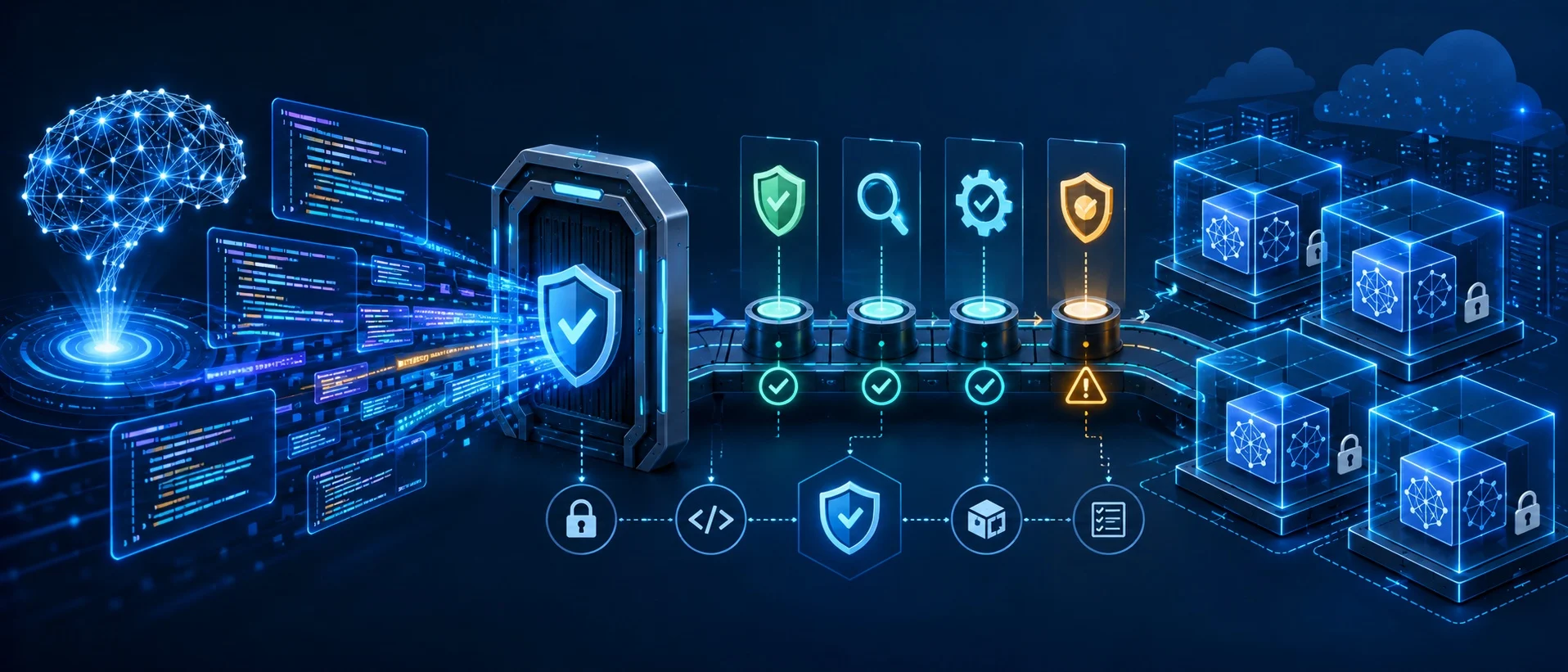
Artificial intelligence is now a standard tool for writing software, with AI-generated code already running in major projects like OpenStack. However, its rapid adoption introduces significant operational and security challenges. Because AI produces code so quickly, human reviewers struggle to keep up, making it harder to ensure software remains secure and maintainable. Even more concerning is the rise of autonomous AI agents. Organizations often grant these agents broad permissions to access production environments, ignoring decades of security practices like the principle of least privilege. While AI capabilities advance rapidly, security features like containment and auditing lag behind. To operate AI securely, teams must apply proven engineering practices. First, organizations should use automated gating systems like Zuul. By testing how new code interacts with dependencies before it merges, gating prevents errors from reaching production. This acts as a vital check against the high volume of AI-written code. Second, teams should use strong hardware isolation, such as Kata Containers, to protect sensitive information. Standard containers share a core operating system, posing security risks in shared environments. Kata provides lightweight virtual machine isolation, ensuring data processed by an agent remains secure. Ultimately, enforcing strict access limits, adopting automated quality checks, and maintaining reliable backups are essential steps for operating AI safely.


Security in the Post-Mythos Era

The emergence of advanced artificial intelligence capable of instantly discovering and exploiting software vulnerabilities has fundamentally shifted the timeline of cybersecurity. While the core principles of network defense remain unchanged, the sheer speed at which new threats materialize means organizations can no longer rely on software patching as their primary shield. Because AI systems can weaponize flaws in minutes, human-driven patching cycles simply cannot keep pace. To survive, organizations must adopt a layered strategy that holds strong when patching inevitably falls behind. The first critical step is returning to basic system hardening. This means strictly enforcing multi-factor authentication, removing unnecessary network services, and dividing networks into isolated segments to prevent attackers from moving freely. When preventive measures fail, robust detection and response systems serve as the vital safety net. Security teams must assume some attacks will break through and focus on identifying the behavioral signs of an intruder, rather than relying solely on known threat lists. Finally, organizations must actively test these defenses. Regularly checking network boundaries and practicing response plans ensures that controls work in reality, not just on paper. AI has accelerated the speed of risk, making foundational preparation and rigorous testing the most reliable path to security.