Showing posts with label CIO. Show all posts

Daily Tech Digest - June 28, 2026


Quote for the day:

"Hard work beats talent when talent doesn't work hard." -- Tim Notke

🎧 Listen to this digest on YouTube Music

▶ Play Audio Digest

Duration: 17 mins • Perfect for listening on the go.


Ford learned the hard way that AI can't replace experienced engineers

Ford recently discovered that artificial intelligence cannot substitute for the nuanced judgment of experienced engineers. In an effort to modernize its manufacturing and engineering systems, the automaker integrated AI to accelerate decision making and streamline vehicle development. Executives assumed that automated systems and adjusted design requirements would naturally yield high quality products. However, this approach backfired. As veteran engineers left the company, their undocumented institutional knowledge was excluded from the datasets used to train Ford’s AI models. Consequently, the technology struggled to identify and prevent defects, contributing to quality control issues and leading the industry in vehicle recalls. To resolve these challenges, Ford rehired and promoted over 350 seasoned engineers. Rather than replacing human expertise, AI now serves as a supportive tool. These veteran engineers are currently guiding how data is collected, interpreted, and fed into the AI systems to rebuild a reliable foundation. Furthermore, Ford created a dedicated software quality assurance team and introduced automated AI driven testing to catch defects early in the development cycle. This transition reflects a balanced strategy where the company relies on both advanced computing power and decades of practical automotive experience to prevent problems before they occur.


Where AI meets OT: Cybersecurity for a physical world

Integrating artificial intelligence into operational technology requires a careful approach because, unlike business software, industrial systems have physical consequences. While artificial intelligence offers clear benefits for manufacturing, such as improved maintenance and quality control, it introduces unique risks when connected to machines and factory floors. Industrial environments often rely on older, existing systems and operate on strict schedules with limited downtime, making new technology harder to test and implement safely. Furthermore, software models can become inaccurate over time as physical equipment naturally ages, which means these tools require ongoing checks against actual physical outcomes rather than just historical data. The level of risk also depends on how much control the system has. An advisory tool leaves the final decision to a human, whereas a system that directly alters machinery settings requires far stricter oversight. True human oversight means operators must fully understand the technology's recommendations and know when to override them. Adding these new digital connections also expands the cybersecurity risk, as attackers could manipulate the data feeding the models. Ultimately, these tools hold steady value for industrial operations, but they must be introduced with strong discipline, clear operating limits, and reliable backup plans.


How to Build a Powerful LLM Knowledge Base

Building a knowledge base powered by large language models is a practical, reliable way to store and retrieve your personal or company information, leading to better decision-making and clearer team alignment. To create an effective system, you must start by identifying all your daily information sources, such as meeting notes, project management tools, and coding assistants. The critical step is fully automating the collection process; requiring any manual entry virtually guarantees that valuable context will eventually be forgotten and lost. Once your data is automatically synced into the system on a regular schedule, you can use a coding agent to extract insights. You can do this actively by directly asking your agent questions when you need specific answers. Alternatively, you can configure your agent to passively draw on the knowledge base while it works on routine tasks. This passive retrieval can be managed either through a centralized index file or via an embedding-based search that pulls relevant information as needed. Ultimately, consistently capturing and accessing your unique, everyday context creates a distinct long-term advantage, ensuring that valuable insights are preserved and always ready to assist you in your daily work.


Is the CIO Role Merging Into the Business?

For decades, the role of the Chief Information Officer followed a predictable path, slowly shifting from managing basic operations to supporting broader strategy. However, recent trends indicate that this steady progression is becoming obsolete. The middle ground is collapsing, forcing a clear divide in the profession. On one hand, some leaders remain stuck in traditional management, treating technology as a separate, functional necessity. On the other hand, a new breed of technology executives is emerging as true enterprise operators who share responsibility for revenue and actively shape commercial models. In the most effective organizations, technology is no longer just a supporting layer; it is the central system for making decisions. As companies embed artificial intelligence deeply into their core operations and bring critical capabilities inside the firm, the person leading technology must also architect these decision-making systems. Consequently, the traditional boundary between technology leadership and business leadership is rapidly fading. Instead of simply elevating the position to a more strategic level, the core responsibilities are dissolving directly into the business itself. Ultimately, the future landscape will be defined not by better technology departments, but by whether the conventional title needs to exist at all.


Deep dive: Do underwater data centers make sense?

The article evaluates the practicality of underwater data centers as an alternative to land-based facilities, which struggle with high energy consumption and space limitations. Traditional data centers use tremendous amounts of power, largely just to keep servers cool. Submerging these facilities allows companies to use the ocean as a natural cooling system, significantly reducing energy requirements. Beyond energy savings, placing data centers offshore brings them closer to coastal populations. This proximity shortens the distance data travels, leading to faster loading times for end users. Research also indicates that underwater servers are surprisingly reliable. Because they are sealed in a nitrogen-rich environment without human foot traffic or temperature swings, hardware fails much less frequently. Despite these benefits, the underwater model has distinct disadvantages. Routine maintenance is virtually impossible; broken servers cannot be quickly swapped out. Furthermore, researchers are still studying how the continuous release of heat might alter local marine ecosystems. There are also valid concerns regarding the physical security of underwater cables. While the approach provides clear advantages in efficiency and speed, these formidable logistical and environmental challenges complicate the decision of whether underwater data centers are a sensible long-term investment.


5 T-SQL features that should already exist (2026 SQL Server wish list)
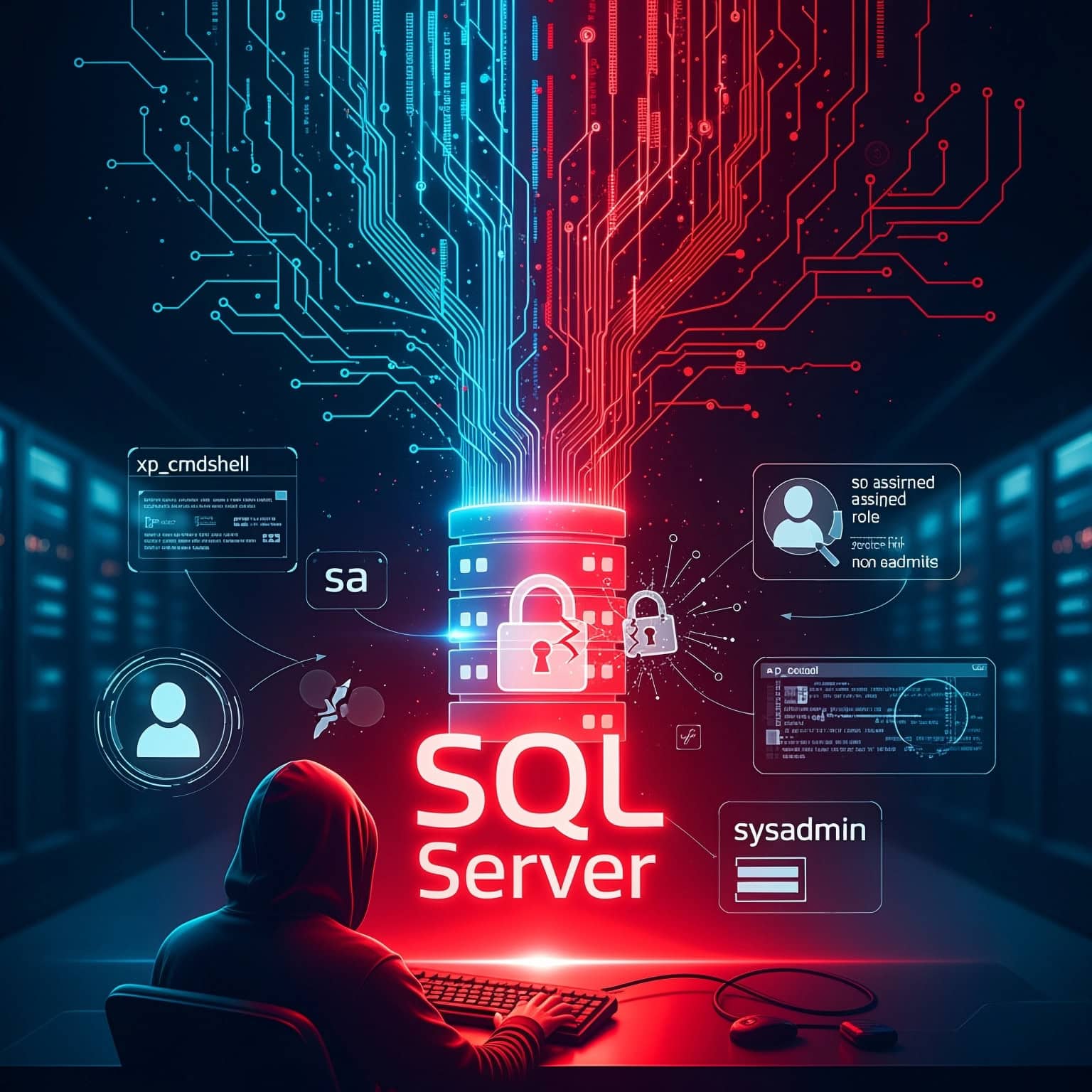
In a recent article by Edward Pollack on Simple Talk, the author reflects on the state of Microsoft SQL Server in 2026 and outlines five practical features he believes should be natively supported in T-SQL and the platform. While SQL Server remains a highly mature database system, Pollack highlights specific areas where daily tasks for developers and database administrators could be made far more efficient. First, he argues for the native ability to import data from compressed file formats, specifically Apache Parquet, which would eliminate the need to deal with cumbersome plain text files like CSV. Second, he requests native support for arrays, providing a straightforward alternative to using text strings or XML to store lists of values. Third, he advocates for an "OVERLAPS" function to simplify complex date logic into a single line of code. Fourth, Pollack points out that the current licensing model is overly complicated and suggests it should be as transparent as the monthly estimates provided for Azure SQL. Finally, he suggests expanding cloud blob storage integration so that files and scripts can be managed centrally in the cloud rather than on local drives.


Shaping a lasting AI strategy in a fast-changing world

As artificial intelligence becomes a standard tool in business, simply having access to the technology is no longer enough to stand out. Because most companies will use the same core platforms and models, a well-defined strategy is what will truly set an organization apart. The current landscape is marked by more capable and affordable systems that act as helpful assistants rather than outright replacements for human workers. Development teams are already showing how humans and these tools can work together effectively. To succeed, leaders need to shift their focus from the technology itself to how it supports their long-term goals over the next three to five years. This requires answering difficult questions about the company's future direction, understanding current weaknesses, and identifying the specific skills needed for tomorrow. Decision-makers must also practice restraint, choosing a few reliable platforms and focusing on clear priorities rather than chasing every new trend. By thoughtfully integrating these tools into daily workflows and supporting human decision-making, businesses can improve their customer experience and operations. Ultimately, the tools are just the vehicle; a steady, clear strategy is the route that determines long-term success.


The Unglamorous Side of Rust Web Development

In 2026, Rust remains a powerful choice for web development, offering excellent performance and safety. However, developers still face notable friction before their code even compiles. The current ecosystem often requires teams to assemble their own setups from scratch, lacking the complete, ready-to-use frameworks seen in other programming languages. Several specific challenges slow down the daily development process. Asynchronous programming in Rust provides great flexibility, but it complicates debugging and creates lengthy, hard-to-read error traces. Database management is another hurdle, as developers frequently have to write and maintain the same database structure in multiple places instead of using a single unified approach. Additionally, error handling across different tools remains inconsistent. The heavy reliance on generated code and complex type systems significantly increases compilation times, making it harder for developers to test small changes quickly. Despite these hurdles, the community is actively working on solutions. New frameworks are emerging to provide more complete starting points and reduce repetitive setup tasks. Ultimately, while Rust requires a larger initial investment of time and effort compared to simpler alternatives, its long-term reliability and speed make it a sensible choice for projects where stability is a core requirement.

The AI Agent Tech Stack Explained

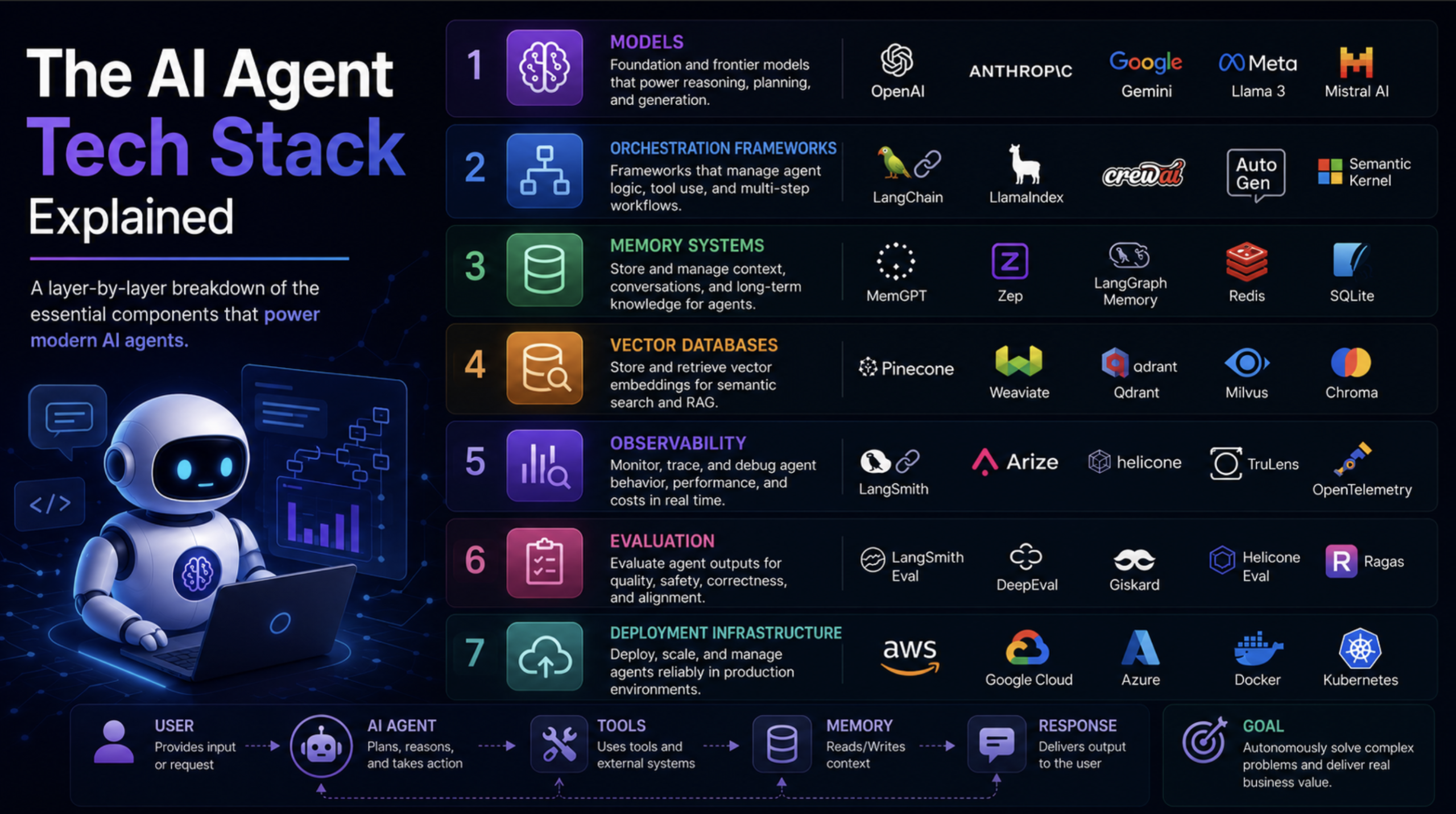
The article outlines the seven fundamental layers required to build and deploy functional artificial intelligence agents. It moves beyond basic models to explain the complete technical infrastructure needed for real-world applications. The guide begins with the foundation model, which acts as the central brain for reasoning. The second layer is the orchestration framework, serving as a nervous system to manage actions and control flow. Next, the third layer covers memory systems that provide essential context by tracking working, episodic, semantic, and procedural information. The fourth layer focuses on vector databases and document retrieval, allowing agents to access private information securely. The remaining layers detail tool integrations for performing outside actions, observability platforms for monitoring performance, and the final deployment infrastructure necessary for hosting. By breaking down the architecture into these distinct components, the text clarifies that successful systems rely heavily on a well-connected technology stack rather than just a single language model. It provides a clear, practical roadmap for software engineers and technical leads who want to understand how to assemble these exact pieces, whether they are building a simple prototype or scaling an application for production.

A Case for a Human-Centric AI Legislative Framework in India

In "A Case for a Human-Centric AI Legislative Framework in India," the author argues that India’s current approach to governing artificial intelligence is insufficient for protecting its citizens. While the Ministry of Electronics and Information Technology recently suggested relying on existing laws and self-regulation to foster innovation, the article points out that AI is fundamentally different from traditional software. Because AI programs operate as highly complex systems, relying on outdated frameworks like the Information Technology Act leaves users vulnerable to fraud, manipulation, and bias. Furthermore, the author critiques recent amendments for placing unreasonable takedown burdens on tech companies without providing clear state-defined guardrails. By comparing India’s strategy with the European Union’s user-focused risk models and China’s strict algorithm rules, the article advocates for a new Artificial Intelligence Regulation Act. This proposed legislation would introduce a risk-based grading system, establish an independent AI ombudsperson, and mandate transparency in training data. It even suggests giving citizens a copyright over their own faces to prevent unauthorized data usage. Ultimately, the piece makes a strong case that responsible innovation requires specific, human-centric laws to ensure safety and accountability for all users today.

Daily Tech Digest - June 25, 2026


Quote for the day:

“If we are growing, we are always going to be out of our comfort zone.” -- John C. Maxwell

🎧 Listen to this digest on YouTube Music

▶ Play Audio Digest

Duration: 22 mins • Perfect for listening on the go.


When IT loses sight of enterprise low-code

When information technology departments lose oversight of low code development, organizations often face significant operational risks. Low code platforms are designed to let everyday employees build applications quickly, which can improve efficiency and solve immediate business problems. However, without proper technical supervision, this newfound freedom can lead to a heavily fragmented digital environment. Employees might create software that handles sensitive data without following standard security protocols, exposing the company to serious breaches and costly compliance failures. Furthermore, these independently built applications often overlap in function, creating unnecessary complexity and increasing ongoing maintenance costs. When employees eventually leave the company, the specialized tools they built can easily become unsupported and difficult to fix, leaving critical business processes vulnerable to disruption. To effectively manage these persistent challenges, technical teams must maintain a strong guiding role in all low code initiatives. By establishing clear rules and providing structured, reliable support, IT can help employees build useful tools safely. This collaborative approach ensures that new applications integrate smoothly with existing systems and adhere strictly to company standards. Ultimately, balancing employee autonomy with technical oversight allows businesses to benefit from faster software creation without compromising their security, stability, or long term operational health.
The article outlines a theoretical framework and engineering approach known as Observer-Patch Holography, which treats the physical world as a highly structured, interactive system rather than a static container. According to this framework, fundamental elements like space, time, and gravity are not absolute background features but emergent properties that arise from the consistency between different observational perspectives. By understanding the underlying mechanics of this shared reality, the author argues that it is possible to interact with the universe much like a hardware program. The core thesis is that reality can be directly manipulated by exerting control over small, bounded physical areas called patches. Engineers could theoretically use specialized devices to adjust boundary data and stabilize these patches into desired states. This process allows them to effectively rewrite the local rules of physics by managing how information and observations synchronize. Specifically, the engineering note proposes that this method of hacking reality provides a practical, low-cost pathway for achieving localized control over gravity and inertia. By manipulating the consensus of information at a micro-level, engineers could produce macroscopic effects, potentially paving the way for advanced technologies like hoverboards and hoverbikes.


Choosing your AI stack: The benefits of vendor lock-in

In the past, IT departments could easily mix and match different hardware and software, but modern artificial intelligence systems require a different approach. Because AI demands immense computing power, technology providers now build hardware and software that work strictly together to maximize efficiency. This tight integration means organizations must commit to complete ecosystems rather than choosing individual components, leading to a modern form of vendor lock-in. While switching platforms might seem simple on paper, it brings serious hidden costs, including wasted engineering effort, deep system dependencies, and poor timing during critical growth phases. As a result, IT leaders need to shift their perspective. Instead of viewing vendor lock-in as a failure to avoid at all costs, they should see it as a strategic choice that can deliver a crucial performance advantage. The most effective organizations understand that openness is not always better than lock-in. They treat platform commitment as a dynamic issue, weighing where raw performance matters most against where flexibility is needed. True leaders do not run from vendor lock-in; they carefully decide when to embrace it, limit it, or move past it before market pressures force their hand.


Why CIOs should be prioritising stability as the foundation for transformation

As local governments face significant structural changes and reorganizations, chief information officers often feel pressured to use the opportunity for immediate, widespread digital overhauls. However, this approach can be risky. The real priority during these transitions must be operational stability. When a new authority takes over, residents expect basic services, like trash collection and benefit processing, to continue working exactly as they did before. Managing technology in local government is already complicated by older systems and disjointed applications. Merging these environments adds another layer of difficulty. Instead of rushing to rebuild every system or process right away, technology leaders should focus on keeping current operations running smoothly. A practical first step is to map out how services actually function today, identifying where delays or manual tasks exist. This clear understanding allows teams to stabilize the foundation and maintain service continuity. By prioritizing resilience and control, councils can reduce the risk of service failures during the transition. Once the foundational systems are secure and the new organizational structure is clear, leaders will have the breathing room needed to implement thoughtful, long-term improvements. Success comes from stabilizing first, then changing at a measured pace.


Cybersecurity is no longer about protection. It’s about survival

Cybersecurity strategy must evolve from a mindset of pure prevention to one focused on organizational survival. While traditional defenses like firewalls, multi-factor authentication, and patching remain necessary, relying solely on keeping attackers out is no longer a realistic strategy in an era where breaches are inevitable. The rapid advancement of artificial intelligence and the increasing complexity of supply chains have dramatically expanded the attack surface, meaning defenses will eventually fail. Therefore, the core objective of modern security is to ensure an organization can continue to function during and after an attack. This shift requires a deep commitment to resilience, business continuity, and rapid recoverability. True security means knowing precisely which systems are critical, isolating the impact of a breach, and having a tested plan to rebuild cleanly. Furthermore, this survival approach cannot be confined to the IT department. It demands active involvement and clear accountability from the board, executive leadership, legal, engineering, and human resources. Ultimately, an organization that collapses the moment its protective walls are breached was never truly secure. Success is now defined by the ability to absorb systemic shocks and recover quickly.


The uptime questions every engineering leader should ask this week

In a recent interview, Mattias Geniar, CTO at Oh Dear, discusses practical strategies for preventing system outages and improving uptime. He observes that engineering teams often monitor isolated metrics and absolute numbers, which leads to alert fatigue and unnecessary middle-of-the-night wake-up calls. Instead, he advises monitoring actual user outcomes—such as the ability to log in or complete a purchase—and establishing baselines to detect meaningful changes over time. Geniar highlights that while front-facing issues are easily tracked, sudden outages frequently stem from unmonitored internal DNS misconfigurations and expired TLS certificates buried deep within complex systems. To manage reliance on third-party vendors, he recommends developing clear failover alternatives to contain the impact of external failures. He cautions that tired engineers are highly prone to making mistakes during late-night incident responses. To mitigate this risk, recovery processes must be thoroughly tested until they become entirely routine and predictable. Finally, Geniar urges leaders to ask their teams direct questions to uncover hidden vulnerabilities. This includes identifying the most fragile infrastructure, ensuring backups are fully tested by actually restoring them, confirming that monitoring catches errors before customers do, and removing dependencies on a single indispensable team member.


Bridging the Divide: How Data Centers Are Addressing Community Concerns

As the development of data centers accelerates to unprecedented scales, developers are facing increased scrutiny from local municipalities and residents. Communities are raising valid concerns regarding the substantial impact these facilities have on power grids, water resources, and local infrastructure. In an era of high inflation and rising utility bills, residents are particularly skeptical of tech companies receiving large tax incentives while household expenses continue to climb. Recognizing these tensions, industry leaders are acknowledging that their traditional approach of operating quietly behind the scenes is no longer effective. Instead, they must proactively engage with the public to dispel misinformation and highlight the tangible benefits these facilities offer, such as high-paying union jobs, infrastructure improvements, and increased tax revenues. However, developers also point to significant challenges, including slow permitting processes and outdated zoning laws that struggle to accommodate modern, large-scale projects. Moving forward, overcoming this divide will require a coordinated effort. Developers, policymakers, and government entities at all levels must collaborate to create cohesive regulations, streamline development processes, and ensure that new projects deliver clear, measurable value to the communities that host them.


AI security doesn’t require a brand-new architecture

The rapid adoption of artificial intelligence brings new security challenges, from rogue applications to invisible software agents, but keeping your organization safe does not require building a completely new architecture. Instead of looking for magical fixes, security experts suggest returning to core fundamentals like granting minimal access and designing systems securely from the start. Rather than blocking AI adoption out of fear, companies can build on their existing tools to detect threats and manage access rights in real time. Because attackers now use automation to find network flaws instantly, defenders must also use artificial intelligence to quickly identify and isolate vulnerabilities before permanent patches are ready. At the same time, internal policy approval needs to speed up; waiting several weeks for permission is simply no longer practical. By writing policies directly into the system code, organizations can safely match the pace of modern technology. Employee education also remains vital, requiring clear guidelines on how to interact with new tools responsibly. Finally, keeping costs manageable is a critical part of a safe deployment. By using existing platforms and combining cloud resources with local hardware, companies can effectively protect both their data and their budgets.


Beyond CLEAN and MVP: Architecting an Offline-first Reactive Data Layer in Android

The provided article introduces the Reactive Data Layer Architecture (RDLA), a practical approach designed to improve data management in Android applications. Traditional structures, such as Model-View-Presenter and Clean Architecture, often create unnecessary complexity or struggle with the continuous updates required by modern mobile interfaces. RDLA addresses these challenges by establishing the local device storage as the single, reliable source of truth. Instead of forcing the user interface to request data repeatedly, RDLA uses a continuous stream that automatically pushes updates to the screen whenever the underlying data changes. This design is particularly useful for applications that must function without an internet connection, such as health tracking tools. When a user makes a change, the application instantly updates the local interface while silently scheduling the network synchronization in the background. By relying on tools built into the Android system, these background tasks are guaranteed to finish even if the user closes the app. Furthermore, RDLA simplifies the testing process. It separates the database and network configurations, allowing engineers to verify their core logic without relying on fragile mock setups. Ultimately, this architecture provides a more reliable foundation for complex mobile applications.


Agentic AI Security: Wrong Context, Wrong Decisions at Machine Speed

The effectiveness of automated artificial intelligence in cybersecurity fundamentally depends on the quality of its context. While organizations are looking to these advanced systems to manage the rapid volume of modern threats, these tools can only make accurate decisions if they possess a complete and updated view of the environment. When fed incomplete or inaccurate data, the artificial intelligence will make incorrect decisions at machine speed, carrying out flawed actions with unwavering confidence. Security leaders caution that any automation system lacking verified context is simply a faster way to make widespread mistakes. For instance, an automated security operations center might shut down a critical device to isolate a threat, completely unaware of the disastrous business impact because it lacked the broader operational context. Given these significant risks, experts suggest that artificial intelligence is not yet mature enough for fully independent action. Instead of allowing the system to execute automated responses, the current best practice involves using it to quickly gather relevant context across various security tools and provide clear, reasoned recommendations. Ultimately, human experts must remain in the loop to make final decisions until context gathering methods become significantly more reliable over time.

Daily Tech Digest - June 13, 2026


Quote for the day:

“The biggest risk to software quality is complexity.” -- Martin Fowler

🎧 Listen to this digest on YouTube Music

▶ Play Audio Digest

Duration: 24 mins • Perfect for listening on the go.


Hard Problems in Cybersecurity: Past, Present, and Future

The recent article in Communications of the ACM outlines the historical evolution of computing systems to contextualize both past and future security challenges. Early systems were relatively simple to secure because they were isolated and operated by specialists. As technology progressed through shared networks and personal computers, the number of ways to compromise these machines grew dramatically. The personal computer era, in particular, introduced significant vulnerabilities because software built for everyday users lacked fundamental safety measures. However, this period also prompted essential defense innovations, such as automated software updates, secure programming practices, and the widespread adoption of strong cryptography. Learning from these struggles, modern mobile operating systems adopted much stricter models, limiting user privileges and relying on curated application stores to reduce risks. Today, the landscape is dominated by massive cloud platforms and connected physical infrastructure, which offer robust baseline protections but also serve as highly attractive targets for attackers. Looking ahead, the rapid integration of artificial intelligence presents a new frontier of complex problems. Because modern AI relies on data correlation rather than traditional rule-based programming, securing these systems requires entirely new analytical frameworks. Ultimately, the authors emphasize that while we have made significant defensive strides, the increasing complexity of technology demands continuous innovation to build resilient and verifiable systems.


Why cloud outages are such a stubborn problem

While cloud computing initially promised greater reliability, recent data reveals that system outages are becoming an increasingly difficult challenge to solve. According to industry analysis, the root cause of these disruptions is shifting away from simple physical hardware failures. Instead, the problems are now deeply tied to the growing complexity of the software, networks, and operational procedures used to manage large environments. Redundant hardware offers little protection when an outage stems from a faulty configuration update or an automation error. As cloud platforms stack countless services and dependencies on top of one another, a single mistake can quickly ripple across an entire network. Interestingly, relying heavily on automation has not eliminated human error; rather, it has simply shifted where those mistakes occur. When teams bypass safety protocols or rush changes without proper testing, automation can actually speed up a system failure. The financial impact remains significant, with many organizations reporting major financial losses from single incidents. To address this, cloud providers and their customers must move beyond simply adding more equipment. They need to prioritize strict operational discipline, transparent incident reporting, and improved change management. The future of reliable cloud services relies not on endless expansion, but on building systems that are straightforward to operate, easy to understand, and resilient against procedural mistakes.


Why Data Is No Longer the New Oil—And What Replaced It

For years, business leaders treated data as the "new oil," believing that simply amassing vast amounts of information would guarantee a competitive advantage. Today, this comparison is increasingly outdated. Because nearly every organization now generates massive streams of digital information, data is no longer scarce. Instead, we have entered an era of attention scarcity, where the overwhelming volume of raw information makes it difficult to determine what actually matters. In this environment, intelligence has replaced data as the primary driver of economic value. The businesses succeeding today are not necessarily those with the largest datasets, but rather those capable of transforming complex information into clear, actionable insights faster than their competitors. Raw data only represents potential; it requires context and interpretation to become valuable. Technologies like artificial intelligence are accelerating this shift by acting as sophisticated filters that separate signal from noise, highlight patterns, and support forecasting. However, technology alone is not the ultimate advantage. The most resilient organizations combine this technological intelligence with human judgment. Technology can process information and accelerate analysis, but human leaders are needed to provide context and make the final choices. Ultimately, the modern digital economy relies on learning speed, where the core objective is no longer to collect everything, but to understand better.


Introducing the Open Knowledge Format

As artificial intelligence models become more integrated into organizational workflows, they often struggle with a lack of specific, internal context. Currently, vital knowledge like database schemas, metrics definitions, and operational guides is scattered across incompatible systems, forcing teams to repeatedly build custom ways to feed information to their AI tools. To solve this fragmentation, Google Cloud has introduced the Open Knowledge Format (OKF). OKF is an open, vendor-neutral standard designed to organize context so that both humans and automated systems can easily read it. Rather than introducing a new software platform or requiring complex integrations, OKF relies on a simple structure: directories of standard text files using Markdown, paired with basic YAML headers for organizing metadata. This straightforward approach allows any team to create and maintain a shared library of knowledge using standard version control. Because OKF establishes a common language, documents written by different people or systems can be understood by different AI models without translation. The design rests on three principles: it requires minimal strict formatting, it separates how information is created from how it is used, and it remains independent of any specific vendor. By turning scattered data into portable, easily updatable text files, OKF helps organizations equip their automated tools with the accurate, actionable context needed to work effectively.


Google researchers introduce 'faithful uncertainty,' allowing LLMs to offer best guesses instead of hallucinations

To address the ongoing challenge of factual errors in large language models, Google researchers have proposed a new method called faithful uncertainty. Historically, developers have tried to eliminate these errors by forcing models to strictly answer or stay silent. However, this approach forces models to discard valuable information if they are even slightly unsure, sacrificing overall usefulness. To resolve this tradeoff between trustworthiness and helpfulness, the researchers suggest reframing the problem. Instead of treating every factual mistake as a fundamental failure, they classify them as confident errors—incorrect information presented with unearned authority. Faithful uncertainty solves this by aligning a model's words with its actual internal confidence. Rather than acting all-knowing, the model can offer educated guesses and clearly express when it is uncertain, much like a human expert. This practical self-awareness is particularly important for autonomous systems that rely on external tools. It allows the software to accurately recognize when it knows an answer and when it needs to search an external database, avoiding wasted time or incorrect outputs. While teaching models this dynamic sense of doubt is difficult due to their constantly evolving knowledge bases, it represents a vital shift. By mastering this balance, developers can build reliable enterprise systems that remain highly capable without misleading their human users.


While OT security is maturing, risk is not slowing down

As industrial organizations increasingly connect their physical operations to modern digital networks, securing these environments has rightly become a priority for senior leadership. A recent industry report highlights that companies are taking a much more realistic look at their security defenses. Instead of overestimating their readiness, many teams are recognizing previously hidden gaps as they adopt better monitoring tools. This clearer perspective means they are detecting intrusions more often, which is actually a positive sign of improved awareness rather than simply an increase in attacks. However, challenges remain significant. Attackers are staying hidden inside systems for longer periods, and many organizations still lack complete visibility across their entire operational network. Furthermore, while teams are modernizing their equipment to improve performance, this added connectivity demands that security be built in from the start rather than added as an afterthought. Regulatory pressures are also mounting, meaning compliance is quickly becoming an immediate operational requirement rather than a future goal. To navigate these ongoing risks, companies must focus on the fundamentals. By keeping digital and physical networks properly separated, tightly managing remote access, and closely aligning their security and engineering teams, organizations can ensure that their operations remain resilient and fully protected against an evolving landscape of threats.


The 7 Levels Of Leadership: A Mirror And A Compass For Leaders

Many organizations struggle with a hidden crisis because they view leadership as a simple binary trait rather than a spectrum. Based on extensive global research and practice, a new framework breaks leadership down into seven distinct levels, offering both a mirror for current managers and a compass for future growth. The spectrum begins at the bottom with the "Non-Leader," who avoids responsibility, and the "Pseudo-Leader," who talks a good game but relies solely on positional power rather than earned trust. At the third tier sits the standard "Leader," who effectively manages teams and achieves results. While many see this as the peak, it is actually just the foundation. The fourth level is the "Sensei Leader," who focuses on mentoring and reproducing their skills in others. Next is the "Legacy-Driven Leader," who sacrifices short-term popularity to build lasting institutional health. The sixth level, the "Conscious Leader," leads with deep self-awareness and a higher purpose. Finally, the "Superconscious Leader" operates beyond ego, handling immense complexity to transform people and systems long after they are gone. Ultimately, the future of business relies on deeply human leadership. Organizations that understand these levels can better evaluate where their teams stand and intentionally build the infrastructure needed to develop true, lasting influence.


Why CIOs should reopen the build vs. buy question

The article argues that technology leaders should reconsider the long-standing advice of automatically defaulting to buying software rather than building it. For the past twenty years, purchasing off-the-shelf products was the most rational way to control costs and minimize the risks associated with custom systems. However, three major technological shifts have altered this dynamic. First, artificial intelligence tools have drastically reduced the cost and time required to build custom applications, making it financially realistic to customize complex workflows. Second, modern development platforms have allowed non-technical employees in finance, marketing, and operations to easily create functional internal tools. Third, the difficult technical requirements of building custom software—such as security, scalability, and authentication—are now easily accessible as managed services. Because of these changes, automatically choosing pre-built software can slowly destroy a company's competitive edge by forcing the business to conform to a vendor's standardized process. While buying remains the logical choice for everyday administrative tasks like payroll or identity management, any capability that sets a company apart from its competitors should now be custom-built. To adapt, the chief information officer must shift from simply blocking new projects to providing strong architectural guidance, ensuring that internal development happens safely without restricting valuable business innovation.


Building a High-Performance Testing Strategy for Distributed Development Teams

Managing software quality across globally distributed teams requires moving beyond traditional methods to strategies that bridge time zones and minimize delays. A high-performance testing approach neutralizes geographic distances by ensuring unified visibility, reliable automation, and shared accountability. To achieve this, organizations should adjust their testing focus, prioritizing integration and contract tests over heavy end-to-end suites. This protects system stability without causing bottlenecks. Catching issues early is critical, so teams should build automated checks directly into the development process using tools that scan code and manage environments on demand. Artificial intelligence can also help maintain tests as applications evolve, reducing manual upkeep. Quality must become a shared responsibility rather than a separate department's task. Tracking metrics like developer test contributions and encouraging cross-site collaboration helps foster a culture where everyone owns the outcome. Supporting this effort requires scalable cloud infrastructure that can replicate production environments and simulate user traffic from different regions. Finally, clear communication protocols, such as documented decision logs and written updates, ensure teams stay aligned without needing simultaneous meetings. By combining scalable infrastructure, automated safeguards, and a unified culture of ownership, remote engineering hubs can maintain steady release cycles and deliver reliable software regardless of where the code is written.


Moving Mountains: Migrating Legacy Code in Weeks instead of Years

The presentation outlines the essential transition from fragile, experimental AI agent prototypes to robust production systems. A central theme focuses on moving away from monolithic prompt designs and long linear loops, which frequently stall or fail silently when encountering real-world constraints like network limits or high operational costs. To resolve these vulnerabilities, the speaker advocates for systematic refactoring strategies, specifically decomposing large, complicated workflows into coordinated networks of specialized sub-agents with narrow, well-defined responsibilities. This separation of concerns ensures greater system reliability and simplifies troubleshooting. Furthermore, the discussion highlights the importance of replacing hardcoded states and unpredictable natural language formatting with dynamic data pipelines and strict structural contracts verified at runtime. By implementing automated testing frameworks, continuous evaluation metrics, and persistent memory layers, engineering teams can dramatically decrease context data overhead and eliminate runaway cloud expenditures. Ultimately, refactoring AI agents is not merely about organizing code, but about shifting the developer's responsibilities from manually inspecting individual outputs to designing the overarching architectural guardrails that guide autonomous execution. This disciplined engineering approach minimizes unexpected mistakes and guarantees that these autonomous agent-driven systems remain stable, predictable, secure, and fully compliant with enterprise governance standards when deployed in live production environments.

Daily Tech Digest - May 23, 2026


Quote for the day:

“Great tech leadership isn’t about mastering every technology — it’s about creating the clarity and confidence for teams to build what doesn’t exist yet.” -- Anonymous

🎧 Listen to this digest on YouTube Music

▶ Play Audio Digest

Duration: 23 mins • Perfect for listening on the go.


Downtime has become a $600 billion business problem

According to Splunk's "The Hidden Costs of Downtime" report, unplanned outages and service degradations have escalated into a $600 billion problem for the Global 2000, representing a fifty percent surge over the last two years. Each affected organization experiences an average of sixty annual incidents, costing an average of $300 million per company. These mounting expenses include a near doubling of lost revenue to $95 million, alongside substantial climbs in regulatory fines to $51 million, driven by strict GDPR and DORA compliance enforcement, and ransomware payouts reaching $40 million. Beyond immediate financial blows, outages inflict severe long-term impacts, including delayed product launches, eroded brand trust that takes months to recover, and an average 3.4% stock value decline. The report highlights that third party dependencies, such as SaaS platforms and APIs, have become a primary catalyst for downtime, skyrocketing from 24% in 2024 to 63% in 2026, which severely hampers end to end infrastructure visibility. In response, enterprises are prioritizing visibility solutions and investing a median of $24.5 million annually into generative and agentic AI tools for rapid incident triage and root cause analysis. Geographically, EMEA faces the highest overall costs, while sector wise, information services and technology suffer the most severe impact at $402 million per company.


Making Vulnerable Drivers Exploitable Without Hardware - The BYOVD Perspective

The Hacker News article analyzes a method for bypassing hardware restrictions to interact with Windows kernel-mode drivers from user mode, specifically examining how this impacts driver-focused vulnerability research and Bring Your Own Vulnerable Driver (BYOVD) post-exploitation techniques. Vulnerable drivers are frequently weaponized by attackers to compromise system defenses, such as Endpoint Detection and Response (EDR) agents. However, many drivers developed for dedicated hardware are "hardware-gated," meaning they only instantiate their device objects or execute initialization routines (like AddDevice or IRP_MJ_PNP callbacks) if the corresponding hardware chip is detected. To assess exploitability in the absence of physical devices, researchers utilize userland-level deployment techniques that do not rely on standard kernel-mode debuggers or hardware virtualization. This includes using service creation commands like sc.exe to unconditionally load non-Plug and Play (PnP) drivers and evaluate whether named device objects are generated inside the \Devices directory. By mapping initialization logic and monitoring how the underlying PnP manager interacts with the driver extension, researchers can determine whether vulnerable paths, such as arbitrary memory read/write functions or Memory-Mapped I/O (MMIO) instructions, can be successfully reached and exploited entirely from userland with administrative privileges.


Leadership by Vibe Instead of Evidence

In her Medium article, Jodie Shaw examines the modern corporate tendency where executives treat personal confidence and gut instinct as strategic evidence, a phenomenon she terms "leadership by vibe." Shaw argues that while intuition is often culturally glorified, relying primarily on unchecked executive emotions or singular observations creates organizational volatility, erodes worker trust, and prompts teams to manage their leaders' feelings rather than actual performance. Citing a variety of research, she highlights how power distorts perception, causing executive confidence to outpace factual accuracy and forcing discouraged employees to view corporate strategy as merely temporary. This persistent reliance on unverified assumptions yields devastating real-world financial and operational outcomes, such as Peloton’s catastrophic pandemic forecasting errors that triggered massive quarterly losses, and the BBC’s holiday pay scandal that cost over £300 million due to unchallenged institutional memories. To counteract this operational drift, Shaw points to data-driven organizations like Toyota, Shopify, and Netflix. These forward-thinking companies intentionally implement robust structural constraints, such as firsthand observations, automated kill metrics, and team pre-mortems, to reframe intuition as a mere hypothesis rather than an infallible plan. Ultimately, true leadership demands the humility to confront uncomfortable data and prioritize evidence over emotional reactivity.


The Hidden Cost of Bad Data: Financial Institutions Lose Millions Without Knowing It

In this article, Gayathri Balakumar, a lead data engineer at Capital One, argues that financial institutions bleed substantial capital not from market conditions, but because they have normalized the dysfunction of poor data quality. This silent crisis often goes unnoticed because its financial toll does not appear as a distinct line item on profit and loss statements. Instead, it severely compromises credit decisions, delays operational flows, and results in missed market opportunities. McKinsey and Company estimates that bad data inflates banking operational costs by 15% to 25%. Furthermore, banks cannot successfully deploy advanced technologies like artificial intelligence or digital transformations if their underlying foundation remains structurally compromised, fragmented, or outdated. Rather than investing heavily in downstream damage control, such as manual reconciliations, duplicate databases, and post-processing validation teams, bank leaders must treat data as a critical strategic asset. Balakumar advocates for a proactive leadership mandate focusing on real-time integration, unified architectures, strict data ownership, and the deployment of autonomous agentic AI frameworks to clean and standardize information at the point of entry. Ultimately, financial institutions that directly confront these systemic inefficiencies will eliminate massive hidden costs, accurately forecast market risks, and secure a lasting competitive edge over rivals who continue to patch over flaws.


Everyone Suddenly Wants Claude's Audit Logs

The article reports that 27 enterprise security vendors have announced integrations with Anthropic's Claude Compliance API to manage the platform's activity data inside corporate security environments. Initially launched in August 2025, the structured API feed eliminates manual log exports by programmatically feeding real-time user behavior, login activity, and administrative shifts into preexisting enterprise monitoring setups. For Claude Enterprise users, the data includes specific conversational content and uploaded files, which is crucial given data showing that 4% of prompts leak private information and 20% of uploaded files contain confidential information. Major vendors like Cloudflare, CrowdStrike, and Microsoft are integrating this API into their respective stacks to handle threat detection, automated incident response, and unified AI governance across multiple assistants. This massive vendor alignment stems from a dramatic rise in enterprise adoption of Claude, which escalated from 56.2% to 94.9% between April 2025 and April 2026. However, industry experts caution that executing the Compliance API represents only "half a story" for highly regulated industries. Because the tool manages control plane data rather than localized network-layer inputs or agent-level operational workflows, organizations must implement additional telemetry to ensure complete corporate audit coverage.


Architects Are Not Here to Keep the Lights On

In this article, Paul Preiss disputes the common executive misconception that IT architects exist merely to manage existing technology estates, handle portfolio rationalization, or ensure basic operational continuity. Instead, utilizing the Business Technology Architecture Body of Knowledge (BTABoK) framework, Preiss asserts that the entire architectural profession is fundamentally oriented around driving innovation, managing transformation, and delivering new business value through proactive strategy. This change-focused approach applies across all five recognized specializations: business architects bridge strategy and technical delivery; software architects make structural decisions within active deployment; information architects transform data into a genuine lever for competitive disruption; infrastructure architects engineer the broad compute landscapes of the future; and solution architects orchestrate delivery across programs, products, and projects. Furthermore, the text advocates for a chief architect model where senior leaders maintain active, hands-on delivery responsibilities, which is analogous to a chief of medicine continuing to treat patients, rather than drifting into detached, purely administrative management positions that lose technical competency. Ultimately, the architectural lifecycle continuously loops through measurement to build the evidence base for subsequent transformations. Rather than preserving past investments, architects must act as genuine change agents within complex corporate ecosystems to maximize organizational velocity, reduce deployment risks, and secure long-term digital advantages.


The sovereign cloud illusion

In this InfoWorld opinion piece, technology expert David Linthicum argues that the concept of a sovereign cloud is largely a marketing illusion rather than a realistic, off-the-shelf procurement option. True digital sovereignty demands absolute independence across a full hardware and software stack, which encompasses local data residency, platform ownership, codebase control, chip manufacturing, regular software patching, and clear legal jurisdiction. In practical terms, only the United States and China currently possess the immense scale, global engineering depth, and operational maturity required to sustain these entirely independent infrastructures. Consequently, regional European initiatives such as Gaia-X, Andromeda, and Numergy have historically struggled to achieve lasting competitive gravity against deeply consolidated American hyperscalers. Even when localized regions are deployed by dominant global vendors, they inherently retain dependencies on external parent companies and remote control planes that effectively phone home. Rather than fruitlessly chasing an unattainable ideal or mistakenly adopting unportable multicloud architectures, Linthicum advises enterprise leaders to view cloud sovereignty as a broad spectrum of risk reduction choices. Organizations must accurately audit existing dependencies, isolate sensitive enterprise workloads, minimize reliance on proprietary platform features, and implement robust, fully funded exit strategies to insulate themselves from future geopolitical conflicts.


Valid certificates, stolen accounts: how attackers broke npm's last trust signal

The VentureBeat article details how a major supply chain attack compromised 633 malicious npm package versions, enabling them to bypass Sigstore provenance verification by leveraging stolen OpenID Connect tokens from legitimate maintainer accounts. Because Sigstore only validates that a package originates from a continuous integration environment without confirming explicit publisher authorization, this incident highlights a severe vulnerability in automated trust signals. This breach is part of a broader trend exposing seven critical developer tool attack surfaces, including VS Code extension credential theft, Model Context Protocol server automated execution, continuous integration agent prompt injection, agent framework code execution, IDE credential storage vulnerabilities, and shadow AI exposure. Security research shows that popular AI coding command line interfaces automatically execute untrusted local configurations, and prompt injections can trick AI agents into leaking sensitive API keys. Crucially, adversaries are actively exploiting these gaps to hunt for personal access tokens, cloud credentials, and corporate source code. To counter these invisible blind spots that traditional endpoint detection and data loss prevention systems cannot monitor, the article provides a specialized audit grid. It strongly recommends that organizations implement dual party publication approvals for packages, enforce strict minimum age policies for extension updates, and establish browser layer AI governance to robustly protect infrastructure intelligence from sophisticated identity theft.


How concerned should CIOs be with geopolitics?

According to the CIO article, growing global tensions and sophisticated cyber threats have elevated digital and technological sovereignty to a top strategic priority for enterprise boards and IT leaders. This shift has prompted a major emphasis on where technology is built and operated to reduce critical dependencies on third-party countries. According to Deloitte's Manel Barahona, 77% of organizations now view a provider's country of origin as a decisive factor, shifting focus beyond mere cost or performance toward business continuity and risk mitigation. This trend is driving massive financial commitments; Forrester projects that European investments in AI, cloud, and data sovereignty technologies will rise by 6.3% to a record €1.5 trillion. To navigate these geopolitical uncertainties, progressive CIOs like David Marimón of Coca-Cola European Partners and Álvaro Ontañón of Merlin Properties advocate for pragmatic strategies that balance day-to-day operational efficiency with long-term resilience. Consequently, organizations are actively diversifying suppliers, designing hybrid architectures to maintain strategic optionality, and evaluating local and regional capabilities. This landscape has transformed the CIO role into a highly cross-functional, decisive boardroom position tasked with managing technological dependence as a primary strategic risk while aligning infrastructure directly with legal frameworks, corporate values, and overall business competitiveness.


The Data Analytics Fallacies Your Team Is Treating as Best Practices

The Dataversity article explores insidious data analytics fallacies that modern teams frequently mistake for industry best practices, creating polished dashboards built on flawed assumptions. The author highlights five central traps that compromise strategic decisions. First, correlation often drives organizational decisions under the guise of causation, prompting misguided budget shifts or product modifications without an understanding of the underlying operational mechanisms. Second, survivorship bias frequently masquerades as insight, causing teams to analyze a highly filtered reality of successful outcomes while ignoring vital context from failed experiments or churned users. Third, over-engineered metrics provide a false sense of comfort, burying minor, unverified statistical assumptions inside complex formulas that operate entirely on unearned trust. Fourth, incomplete sampling creates a misleading illusion of completeness, confining teams to narrow dataset slices while leaving broader structural realities unaddressed. Finally, confirmation bias subtly embeds itself within analytical processes as queries are iteratively refined to align with preexisting management expectations, often resulting in the systematic deletion of inconvenient outliers. Ultimately, the piece warns that the most dangerous analytical mistakes appear highly structured and persuasive, urging organizations to critically evaluate the core logic behind their metrics rather than blindly accepting polished visual reports.

Daily Tech Digest - May 13, 2026


Quote for the day:

"You learn more from failure than from success. Don't let it stop you. Failure builds character." -- Unknown


🎧 Listen to this digest on YouTube Music

▶ Play Audio Digest

Duration: 24 mins • Perfect for listening on the go.


CISOs step into the AI spotlight

The article "CISOs step into the AI spotlight" examines the transformative impact of artificial intelligence on the role of Chief Information Security Officers (CISOs), who are increasingly transitioning from tactical overseers to central strategic business partners. With 95% of security leaders now engaging with boards multiple times a month, the CISO’s prominence is surging, often leading to direct reporting lines to the board rather than the CIO. Security experts like Barry Hensley, Shaun Khalfan, and Jeff Trudeau emphasize that modern leadership requires balancing rapid AI adoption with robust governance frameworks to ensure technology remains reliable and secure. This shift necessitates that CISOs move beyond being the "department of no" to become business enablers who translate technical risks into business value and growth. Key challenges identified include the acceleration of AI-driven phishing and automated vulnerability exploitation, which demand real-time patching and continuous, embedded security practices. Furthermore, managing the complexity of machine and human identities remains a top priority. Ultimately, the article argues that successful contemporary CISOs must actively use AI to understand its nuances, build organizational trust through consistent guidance, and foster highly cohesive teams, ensuring that cybersecurity becomes a competitive advantage rather than a friction point in the era of agent-driven transactions.


The Future Of Engineering Is Hybrid

Jo Debecker’s article, "The Future of Engineering is Hybrid," argues that the evolution of the field depends on the intentional synergy between human ingenuity and machine precision rather than AI’s solo capabilities. Far from replacing engineers, AI serves as a powerful augmentative tool that accelerates innovation and optimizes complex workflows in sectors like aerospace and defense. The author emphasizes that while AI can automate deterministic tasks and process vast datasets, human oversight remains indispensable for judgment, ethical accountability, and validating outcomes through a modern "four-eyes principle." Critical thinking and domain expertise become even more vital as the engineer’s role shifts toward selecting, grounding, and customizing AI models for specific industrial applications. Effective hybrid engineering requires a multidisciplinary approach, integrating cross-functional teams that combine technical, business, and data perspectives. Furthermore, organizations must prioritize robust governance and proactive upskilling to ensure AI adoption remains ethical and value-driven. Ultimately, the hybrid model does not present a choice between humans or machines but advocates for an "and" strategy where AI elevates human potential. By maintaining clear human control points and fostering AI fluency, the engineering landscape can achieve unprecedented efficiency and reliability while keeping human responsibility at the core of technological progress.


Why Most App Modernization Efforts Fail, and How a Capabilities-Driven Strategy Can Stop the Billion-Dollar Bleed

The article "Why Most App Modernization Efforts Fail, and How a Capabilities-Driven Strategy Can Stop the Billion-Dollar Bleed" explores the pervasive struggle of organizations to modernize their legacy systems, noting that a staggering 79% of such initiatives end in failure. These failures are primarily attributed to deep-seated issues like unsustainable technical debt, monolithic architectures that hinder scalability, and escalating security risks. Furthermore, many projects falter because they lack alignment with business value—often attempting to "boil the ocean" with overly complex, multi-year programs that succumb to the "bowl of spaghetti" problem, where minor changes trigger widespread system regressions. To combat these pitfalls, the author advocates for a capabilities-driven strategy that shifts the focus from mere technology replacement to business outcome enablement. By anchoring modernization decisions to specific organizational business capabilities—classified as strategic, core, or supporting—enterprises can ensure cross-functional alignment and create a prioritized roadmap. This approach allows for the decomposition of massive, risky programs into smaller, independently deliverable increments that provide measurable value. Ultimately, by aligning technology domains with capability boundaries, organizations can reduce the "blast radius" of individual failures, maintain stakeholder support, and achieve a sustainable architecture that truly supports digital transformation and market agility.


Why Australia's ransomware spike misses the bigger story

The article "Why Australia’s ransomware spike misses the bigger story" explains that regional surges in ransomware often distract from more critical shifts in the global threat landscape. While Australia recently experienced a prominent spike in attacks, the author contends that ransomware groups are primarily opportunistic rather than geographically focused. A drop in regional victim rankings often reflects a temporary shift in attacker attention—such as targeting specific geopolitical events—rather than a genuine improvement in local security. The "bigger story" lies in the evolving nature of cyberattacks, where the "time-to-exploit" window has collapsed from days to just hours, forcing a move from reactive to proactive defense. Modern attackers are increasingly utilizing "living-off-the-land" (LOTL) techniques to blend in with legitimate network activity, bypassing traditional malware detection. Additionally, techniques like "bring your own vulnerable driver" (BYOVD) allow them to disable system-level protections. Automation further accelerates the attack lifecycle, allowing for rapid reconnaissance and exploitation at scale. Ultimately, the article argues that organizations must stop focusing on fluctuating regional statistics and instead prioritize hardening internal defenses. This requires redefining what constitutes "normal" network behavior and implementing robust security practices that align with these faster, stealthier, and more dynamic modern threats.


AI saddles CIOs with new make-or-break expectations

The rapid rise of artificial intelligence has significantly transformed the role of Chief Information Officers (CIOs), saddling them with new "make-or-break" expectations that extend far beyond traditional IT management. According to Deloitte’s 2026 Global Leadership Technology Study, modern IT leaders are no longer just evaluated on system uptime and technical delivery; they are now increasingly judged on their ability to drive enterprise value and navigate complex organizational transformations. While many CIOs prioritize business outcomes, they face immense pressure to foster AI and data fluency across their organizations while building specialized, AI-ready teams. This shift requires CIOs to act as pathfinders and strategic evangelists who can bridge the gap between technical potential and practical workflow changes. One of the most significant hurdles remains a critical shortage of AI talent, forcing leaders to adopt creative strategies such as retraining current staff and strengthening partnerships with human resources. Furthermore, the transition necessitates a focus on psychological safety, as leaders must reassure employees by emphasizing job augmentation rather than replacement. Ultimately, successful CIOs in this era must master the art of redesigning work and decision-making processes, ensuring that the human and digital workforces can collaborate effectively to deliver tangible business results in a rapidly evolving technological landscape.


Do Software QA Engineers Need a Personal Brand?

In her insightful article, Anna Kovalova explores why software quality assurance engineers should prioritize personal branding to bridge the gap between technical expertise and professional visibility. She emphasizes that a personal brand is essentially the mental image colleagues and potential employers hold regarding your reliability and problem-solving capabilities. While many testers believe that strong work speaks for itself, Kovalova argues that talent requires a marketing multiplier to reach its full impact beyond a single team. By becoming more visible through professional platforms like LinkedIn, QA engineers can reduce uncertainty for others, making it significantly easier for new opportunities and high-level partnerships to materialize organically. The author clarifies that branding does not necessitate becoming a social media influencer; rather, it involves being consistent, clear, and human about one’s professional contributions. Practical steps include focusing on specific niche topics, sharing small but valuable lessons regularly, and using AI tools to enhance structure while maintaining a unique, authentic voice. Ultimately, personal branding serves as a career-scaling mechanism that ensures your reputation enters the room before you do. By shifting from being "invisible" to recognizable, QA professionals can unlock greater financial rewards, professional confidence, and a robust industry network that provides long-term security in an ever-evolving software testing job market.


Large Language Models in Software Security Analysis

The article "Large Language Models in Software Security Analysis" explores the revolutionary shift toward autonomous Cyber-Reasoning Systems (CRSs) powered by Large Language Models (LLMs). As modern software scales in complexity across diverse languages and environments, traditional manual security audits become increasingly unsustainable. To address this, the authors propose a consolidated CRS framework decomposed into seven essential sub-components. These include static analysis to build a system-level understanding, identifying build and execution requirements, and generating testcases designed to trigger vulnerabilities. Once a potential flaw is identified, the system moves through vulnerability analysis, generates a reproducible proof-of-vulnerability (PoV), synthesizes an automated patch, and finally validates that remediation against the original exploit. An orchestrator manages these processes, allocating resources and facilitating communication between LLM-driven and traditional analysis tools. While LLMs offer unprecedented capabilities in handling polyglot code and creative problem-solving, the paper highlights technical hurdles such as budget management and the need for holistic reasoning in heterogeneous systems. Drawing inspiration from the DARPA AI CyberChallenge, the research articulates a roadmap for integrating generative AI into the software security pipeline, transforming it from a reactive, human-centric task into a proactive, fully autonomous operation. Ultimately, the authors argue that this paradigm shift represents a fundamental transformation in how we discover and repair critical vulnerabilities at scale.


Agent Observability Shouldn't Just Be About Vulnerabilities

The SecureWorld article "Agent Observability Shouldn't Just Be About Vulnerabilities" argues that cybersecurity teams must move beyond simple risk metrics to provide leadership with a comprehensive map of how AI agents drive business value. While monitoring vulnerabilities is essential for risk management, the piece emphasizes that board-level executives are primarily concerned with ROI, productivity gains, and the operationalization of successful AI use cases. Currently, many organizations are rapidly adopting AI without robust governance, making it difficult to evaluate effectiveness. Identifying these agents is a complex, non-deterministic task that involves monitoring API traffic, logs, and account access rather than traditional file scanning. Because security teams are already doing the heavy lifting of characterizing agent behavior and data interaction, they are uniquely positioned to describe business functions to stakeholders. By categorizing telemetry into meaningful projects—such as supply chain optimization, automated customer service, or healthcare documentation—CISOs can transition from being perceived as "blockers" to being drivers of business success. Ultimately, effective agent observability provides the visibility needed to secure workloads while simultaneously uncovering where AI is creating the most significant tangible value, ensuring that cybersecurity remains integral to the organization’s broader strategic transformation and long-term innovation goals.


Time-Series Storage: Design Choices That Shape Cost and Performancet

The article "Time-Series Storage: Design Choices That Shape Cost and Performance" explores fundamental architectural decisions in time-series database design using practical tools like PostgreSQL and Apache Parquet. A central theme is the efficiency gained through normalization, where separating series identity into dedicated metadata tables can reduce storage requirements by roughly forty-two percent. The author emphasizes keeping high-cardinality fields out of these identities to prevent linear growth in indexing costs. Strategy choices like using flexible JSON for tags offer schema agility but require careful indexing to avoid performance drift. Furthermore, the article highlights time partitioning as a critical mechanism for O(1) data expiration and improved query pruning, especially when combined with a second axis like series identity to balance write loads. Downsampling is presented as a powerful optimization, drastically reducing row counts for historical data while retaining high-resolution accuracy for recent windows. For large-scale deployments, the design shifts toward decoupling compute from storage, utilizing Parquet files on object storage and open table formats like Apache Iceberg to ensure ACID compliance and broad engine compatibility. Ultimately, the piece argues that these structural choices governing row layout, compression, and partitioning influence cost and performance far more significantly than the specific database engine selected.


Data enrichment: Turning raw data into real intelligence

Data enrichment is a strategic process that transforms stagnant raw data into valuable, actionable intelligence by integrating existing datasets with additional context from internal and external sources. This practice addresses the modern challenge of being "data-rich but insight-poor" by enhancing accuracy and filling critical information gaps that hinder performance. The article categorizes enrichment into four primary types: behavioral, which tracks user actions; geographic, which adds location specifics; demographic, detailing individual characteristics; and firmographic, providing crucial B2B organizational insights. A structured workflow involving meticulous data collection, rigorous cleaning, integration, and validation is essential to ensure that the resulting intelligence is reliable and useful. By implementing these steps, organizations can achieve superior decision-making, deeper customer understanding, and more precise marketing targeting, alongside improved risk management and significant operational efficiency. However, the path to success involves navigating complex hurdles such as strict privacy regulations like GDPR, maintaining consistent data quality, and managing integration technicalities. To maximize value, the article recommends prioritizing automation, selective sourcing, and establishing a regular update cadence. Ultimately, data enrichment is not a one-off task but a continuous commitment that bridges the gap between basic information and strategic wisdom, providing a distinct competitive edge in an increasingly data-driven global landscape.