Showing posts with label digital identity. Show all posts

Daily Tech Digest - May 17, 2026


Quote for the day:

“In tech, leadership isn’t about predicting the future — it’s about creating the conditions where your teams can build it.” -- Unknown

🎧 Listen to this digest on YouTube Music

▶ Play Audio Digest

Duration: 23 mins • Perfect for listening on the go.


Scale ‘autonomous intelligence’ for real growth

In an interview with Ryan Daws, Prakul Sharma, the AI and Insights Practice Leader at Deloitte Consulting LLP, explains that modern enterprises must look beyond the localized productivity gains of generative AI to scale "autonomous intelligence" for real business growth. Sharma describes an intelligence maturity curve transitioning from assisted and artificial intelligence into autonomous intelligence, where systems independently execute actions within predefined boundaries. To unlock true economic value, organizations must integrate these autonomous agents directly into critical, costly workflows like enterprise procurement. However, scaling successfully faces significant technical and structural hurdles. First, enterprises frequently lack decision-grade data, which means real-time, traceable information required for binding transactions, relying instead on outdated reporting-grade data. Second, the production gap and governance debt often stall live deployments, because shortcuts taken during small pilots become major barriers for corporate legal and compliance teams. Sharma advises leaders to conduct thorough decision audits of existing workflows to uncover operational bottlenecks and data gaps. By building pilots from the very outset as reusable platforms equipped with proper identity verification, continuous model evaluations, and robust risk frameworks, enterprises can securely transition from experimental testing to successful, widespread live deployment.


6 Technical Red Flags Product Managers Should Never Ignore

In the article "6 Technical Red Flags Product Managers Should Never Ignore," Seyifunmi Olafioye emphasizes that product managers must recognize signs of underlying technical instability, as it directly impacts delivery, scalability, and customer trust. The author identifies six major red flags that product managers should never overlook: a lack of clear understanding among the team regarding how the system works, new feature development consistently taking much longer than estimated, and resolved bugs repeatedly resurfacing in production. Additionally, product managers should be concerned if operational teams must rely heavily on manual workarounds to keep the platform functioning, if the entire project suffers from an over-reliance on a single engineer's institutional knowledge, or if internal errors are only discovered after users report them due to a lack of proper monitoring. While no system is entirely flawless, ignoring these persistent warning signs can lead to severe operational issues. The article concludes that product managers should not dictate technical fixes; instead, they must proactively initiate honest conversations with engineering leadership, ask challenging questions during planning, and prioritize long-term technical health alongside new features to ensure sustainable growth and protect the user experience.
In this article, Ed Leavens argues that Quantum Day, known as Q-Day, is the precise moment when quantum computers become advanced enough to break existing asymmetric encryption standards like RSA and ECC, presenting a far greater threat than Y2K. While Y2K had a definitive deadline and a known remedy, Q-Day has no set timeline and introduces the insidious risk of "harvest now, decrypt later" (HNDL) tactics. Under HNDL, adversaries secretly exfiltrate and stockpile encrypted data today, waiting to decrypt it once sufficiently powerful quantum technology becomes available. Furthermore, this threat compounds daily due to modern data sprawl across multiple environments. To counter this impending crisis, organizations must look beyond traditional encryption upgrades and adopt data-layer protection strategies like vaulted tokenization. This quantum-resilient approach mathematically separates original sensitive data from its representation by replacing it with non-sensitive, format-preserving tokens. Because tokens share no reversible mathematical connection with the underlying information, quantum algorithms cannot decipher them, effectively neutralizing the value of stolen payloads. Implementing vaulted tokenization requires comprehensive data discovery, strict access governance, and cross-functional organizational alignment. Ultimately, Leavens emphasizes that enterprises must act immediately to secure their data directly, rendering harvested information useless before quantum-powered breaches materialize.


The AI infrastructure bottleneck is becoming a CIO problem

The article by Madeleine Streets explores how the expanding ambitions of artificial intelligence are colliding with physical infrastructure limitations, shifting the AI bottleneck from a general tech industry challenge into a critical problem for Chief Information Officers (CIOs). While billions of dollars continue pouring into AI development, physical realities like power grid limitations, data center construction delays, permitting hurdles, and cooling requirements are struggling to match software demand. This mismatch threatens to create a more constrained operating environment where AI access becomes expensive, delayed, or regionally uneven. Consequently, this pressure exposes "AI sprawl" within organizations where uncoordinated and disconnected AI initiatives compete for the same resources without centralized governance. To mitigate these risks, experts suggest that CIOs treat AI capacity as a core operational resilience and business continuity issue. IT leaders must introduce disciplined governance by tiering AI workloads into critical, important, and experimental categories, or utilizing smaller, local models to reduce compute reliance. Furthermore, CIOs must demand greater transparency from vendors regarding capacity guarantees, regional availability, and workload prioritization during peak demand. Ultimately, enterprise AI strategies can no longer assume infinite compute availability and must instead realign their deployment ambitions with physical operational constraints.


How AI Is Repeating Familiar Shadow IT Security Risks

The rapid adoption of artificial intelligence across the corporate enterprise is triggering new governance and security risks that closely mirror past technological shifts, such as the initial emergence of shadow IT and unauthorized software as a service platform usage. Modern organizations currently face three primary vectors of vulnerability, starting with employees inadvertently leaking proprietary intellectual property, corporate source code, and confidential financial records by pasting this data into public generative AI platforms. Furthermore, software developers frequently introduce hidden backdoors or compromised dependencies into production systems by integrating unverified open source models and components that circumvent traditional software supply chain scrutiny. Compounding these operational issues is the sudden rise of autonomous AI agents that operate with dynamic decision making authority but completely lack explicitly defined ownership or documented permission boundaries within internal corporate networks. To successfully mitigate these vulnerabilities, blanket restrictive policies are typically ineffective; instead, companies must establish robust frameworks that ensure absolute visibility, accountability, and adaptive identity controls. As detailed in the SANS Institute’s new AI Security Maturity Model, managing these continuous threats requires treating artificial intelligence not as an isolated software application, but as a critical operational layer demanding proactive lifecycle validation and verification.


Six priorities reshaping the MENA boardroom in 2026

The EY report details how the 2026 macroeconomic landscape in the Middle East and North Africa (MENA) region requires corporate boardrooms to transition from traditional, periodic oversight toward integrated, forward-looking strategic leadership. Driven by overlapping pressures across geopolitics, rapid technological innovation, sustainability demands, and complex governance regulations, MENA boards face a highly volatile operating environment. To navigate this uncertainty and secure long-term value, directors must actively address six central boardroom priorities. First, boards need to develop geopolitical foresight, embedding regional shifts directly into strategic scenario planning. Second, they must manage the expanding technology and cyber assurance landscape, ensuring ethical artificial intelligence governance and robust defenses against escalating digital threats. Third, strengthening corporate integrity, fraud prevention, and independent investigation oversight remains essential for maintaining stakeholder trust. Fourth, elevating climate resilience and sustainability governance helps mitigate critical environmental risks while driving resource efficiency. Fifth, achieving financial excellence requires rigorous cost optimization and aligning internal controls across financial and sustainability reporting frameworks. Finally, adopting mature, behavioral-based board evaluations over mere procedural assessments fosters deep accountability. Ultimately, orchestrating these interconnected priorities empowers MENA leaders to fortify institutional trust and transform market disruptions into sustainable growth.


The software supply chain is the new ground zero for enterprise cyber risk. Don’t get caught short

In this article, Matias Madou highlights the rising vulnerabilities within the software supply chain as the new ground zero for enterprise cyber risks, heavily exacerbated by the rapid adoption of artificial intelligence tools. Recent highly sophisticated breaches, such as the TeamPCP supply chain attacks, have aggressively weaponized critical security and developer platforms like Checkmarx and the open-source library LiteLLM. By embedding highly obfuscated, multistage credential stealers into these trusted systems, attackers successfully moved laterally through development pipelines and Kubernetes clusters to exfiltrate highly sensitive enterprise data. Madou warns that traditional, reactive security measures are entirely insufficient against fast-moving, AI-driven threats. To mitigate these expanding dangers, organizations must redefine AI middleware as critical infrastructure, implementing rigorous monitoring of application programming interface keys and environment variables that constantly flow through these abstraction layers. Furthermore, security leaders must modernize risk management strategies by locking down dependency pipelines, enforcing strict least-privilege access, and gaining visibility into autonomous Model Context Protocol agents. Ultimately, the author urges modern enterprises to establish comprehensive internal AI governance frameworks and continuously upskill developers in secure coding standards rather than waiting for formal government legislation, thereby proactively shielding their operational workflows from devastating, cascading supply-chain compromises.


World Bank, African DPAs outline formula for trusted digital identity, DPI

During the ID4Africa 2026 Annual General Meeting, a key World Bank presentation emphasized that establishing public trust is vital for the success of digital public infrastructure and national identity systems across Africa. Experts noted that even mature digital identity networks remain vulnerable to operational failures and public mistrust due to weak data collection safeguards, frequent data breaches, and expanding cyberattack surfaces. To address these vulnerabilities, data protection authorities from nations like Liberia, Benin, and Mauritius highlighted that digital forensics, cybersecurity, and rigorous data governance must operate collectively. Although these under-resourced regulatory bodies often struggle to fund large population-scale awareness campaigns, they are pioneering localized solutions. For example, Mauritius leverages chief data officers and amicable dispute resolution mechanisms to efficiently settle compliance breaches without lengthy prosecution, while Benin relies on specialized government liaisons to ensure proper database compliance across different agencies. Furthermore, regional frameworks like the East African Community body facilitate international knowledge-sharing and joint investigative capabilities. Ultimately, achieving an ecosystem worthy of citizen and business trust requires a comprehensive formula blending careful system architecture, strictly enforced data protection, robust cybersecurity defenses, and transparent communication that effectively helps citizens understand their rights within the broader data lifecycle.


When configuration becomes a vulnerability: Exploitable misconfigurations in AI apps

The rapid deployment of artificial intelligence and agentic applications on cloud-native platforms, particularly Kubernetes clusters, often compromises cybersecurity in favor of operational speed. According to the Microsoft Defender Security Research Team, this trend has led to an increase in exploitable misconfigurations, which are scenarios where public internet access is paired with absent or weak authentication mechanisms. Rather than relying on sophisticated zero-day vulnerabilities, threat actors can leverage these low-effort attack paths to achieve high-impact compromises, including remote code execution, credential exfiltration, and unauthorized access to sensitive internal data. Microsoft identified these specific dangers across several popular AI platforms: Model Context Protocol servers frequently permitted unauthenticated interaction with corporate tools, Mage AI default setups enabled internet-accessible administrative shells, and frameworks like kagent and AutoGen Studio leaked plaintext API keys or allowed unauthorized workload deployments. To mitigate these pervasive security gaps, organizations must treat AI systems as high-impact workloads. Security teams should enforce strong authentication across all endpoints, apply strict least-privilege principles, and continuously audit infrastructure configurations. Furthermore, cloud protection tools like Microsoft Defender for Cloud can actively detect exposed services, helping defenders remediate dangerous oversights before malicious adversaries can exploit them.


Tokenized assets face trust infrastructure test, Cardano chief says

The article, titled "Tokenized assets face trust infrastructure test, Cardano chief says," by Jeff Pao, outlines a pivotal shift in the digital assets sector as financial institutions transition from tentative pilot projects to scaled, production-level tokenization. According to Cardano’s leadership, the primary challenges facing this widespread adoption are no longer the core blockchain mechanisms themselves, but rather the underlying hurdles of verification, identity, and robust auditability. These elements form a critical "trust infrastructure" that remains essential for creating compliant, institutional-grade financial networks. As real-world asset tokenization expands rapidly across global markets, traditional financial institutions require secure mechanisms like decentralized identifiers and privacy-preserving verifiable credentials to interact safely with public ledgers. By embedding accountability directly into the network architecture, digital trust frameworks turn complex compliance into seamless operational coordination, enabling institutions to efficiently manage counterparty exposure and automated settlement risks without exposing sensitive transactional data. Ultimately, the piece underscores that the long-term survival of decentralized finance relies heavily on resolving these identity and legal infrastructure gaps. Establishing a standardized trust layer will determine whether tokenized finance achieves mature stability or succumbs to institutional fragility and unresolved regulatory friction, marking a major turning point for future global capital flows.

Daily Tech Digest - May 14, 2026


Quote for the day:

“You may be disappointed if you fail, but you are doomed if you don’t try.” -- Beverly Sills

🎧 Listen to this digest on YouTube Music

▶ Play Audio Digest

Duration: 20 mins • Perfect for listening on the go.


CIOs are put to the test as security regulations across borders recalibrate

The European Union’s Cyber Resilience Act (CRA) marks a transformative shift in global cybersecurity, forcing Chief Information Officers to transition from traditional process-oriented compliance toward a rigorous focus on tangible product safety. Unlike previous frameworks, the CRA extends the CE mark to digital systems, mandating that software, firmware, and internet-connected devices be "secure by design" and "secure by default." This recalibration requires organizations to implement robust vulnerability reporting mechanisms by September 2026 and provide minimum five-year support lifecycles for security updates. CIOs now face the daunting task of overseeing the entire product ecosystem, which includes performing continuous risk assessments and actively managing open-source dependencies. They can no longer remain passive consumers of open-source technology; instead, they must contribute back to these communities to ensure the integrity of their own supply chains. While the regulation introduces significant administrative burdens—such as the creation of Software Bills of Materials and decade-long documentation retention—it also provides a strategic lever. Savvy IT leaders are leveraging these stringent mandates to secure board-level buy-in and the necessary budget for critical security improvements. Ultimately, the CRA demands a fundamental shift in responsibility, where CIOs are held accountable for the end-to-end security of the final products their organizations deliver to the market.


The Mathematics of Backlogs: Capacity Planning for Queue Recovery

The article "The Mathematics of Backlogs: Capacity Planning for Queue Recovery" explains that queue backlogs in distributed systems are predictable arithmetic challenges rather than random mysteries. At the heart of recovery is surplus capacity, defined as the difference between total processing power and arrival rate, meaning systems provisioned only for steady-state traffic will never naturally drain a backlog. A critical insight is the non-linear relationship between utilization and queue growth; as utilization approaches 100%, even minor traffic spikes cause exponential backlog accumulation. To manage this, the author highlights Little's Law for calculating queue delays and provides a clear formula for sizing consumer headroom based on specific Recovery Time Objectives (RTO). The piece also warns of "retry amplification," which can trigger metastable failure states where recovery efforts generate more load than they can actually resolve. In complex, multi-stage pipelines, identifying the true bottleneck is essential to avoid scaling the wrong component. Furthermore, engineers are encouraged to implement load shedding when drain times exceed message TTLs to prevent wasting expensive resources on stale data. Ultimately, by measuring specific metrics like peak backlog size and retry amplification factors after incidents, teams can transition from gut-based guesswork to data-driven operational intuition, ensuring significantly more resilient and predictable system performance during unforeseen failures.


Closing the gap between technical specs and business value through storytelling

Jay McCall’s article explores the critical necessity for infrastructure-focused software companies to pivot from technical specifications to value-driven storytelling. For businesses dealing with backend systems like APIs or security middleware, value is often defined by the absence of failure, making the product essentially invisible to non-technical executives. To bridge this gap, companies must stop relying on abstract metrics like uptime percentages and instead articulate the business outcomes and peace of mind their technology provides. The article advocates for the use of experiential demonstrations, such as AI-driven simulations, which allow prospects to engage with the software and witness its problem-solving capabilities firsthand. Additionally, visual workflows should prioritize the user’s journey over technical architecture, humanizing the product and placing it within a recognizable business context. Grounding these concepts in real-world "before and after" case studies further builds trust by offering tangible templates for success. Ultimately, crafting a repeatable narrative not only accelerates the sales cycle for internal teams but also empowers channel partners to communicate value effectively. By mastering the art of storytelling, technical organizations can translate complex backend sophistication into compelling business cases that resonate with decision-makers and facilitate sustainable scaling in a competitive market.


The Critical Fork: How Leaders Turn Failure Into Better Decisions

In the Forbes article "The Critical Fork: How Leaders Turn Failure Into Better Decisions," author Brent Dykes explores the pivotal moment leaders face when project results fail to meet expectations. He introduces the "Critical Fork" framework, which highlights a fundamental choice between two distinct paths: to deflect or to inspect. Deflection involves shifting blame toward external circumstances or team members, effectively shielding a leader's ego but simultaneously obstructing any potential for organizational growth or objective learning. In contrast, the inspection path encourages leaders to treat disappointing outcomes as valuable data points rather than personal setbacks. By choosing to inspect, organizations can uncover hidden root causes, challenge flawed underlying assumptions, and refine their future strategies with greater precision. Dykes argues that the most effective leaders cultivate a culture of psychological safety where failure is viewed not as a source of shame but as a vital catalyst for deeper analysis. This systematic approach transforms setbacks into "actionable insights," a hallmark of Dykes’ broader professional work in data storytelling and analytics. Ultimately, the article posits that leadership quality is defined less by initial successes and more by the ability to navigate these critical forks. By institutionalizing an inspection mindset, businesses foster resilience and ensure every failure becomes a stepping stone toward more robust and informed strategic choices.


From Bottlenecks to Breakthroughs, Enterprises Are Rethinking Analytics in the Lakehouse Era

The article "From Bottlenecks to Breakthroughs: Enterprises Are Rethinking Analytics in the Lakehouse Era" examines the transformative shift in data management as organizations transition from fragmented architectures to unified platforms. It highlights the immense pressure on centralized data teams to deliver reliable insights at high speed while supporting the complex integrations required for generative AI. Historically, enterprises have faced significant bottlenecks caused by the siloing of data and AI, privacy concerns, and a heavy reliance on highly technical staff. To overcome these hurdles, the article advocates for the lakehouse architecture—pioneered by Databricks—as an open, unified foundation that merges the best features of data lakes and warehouses. By integrating these systems into a "Data Intelligence Platform," companies can democratize access across various skill sets through low-code solutions, such as those provided by Rivery. This evolution enables breakthrough efficiencies, including a reported 7.5x acceleration in data delivery and substantial cost reductions. Ultimately, the piece emphasizes that the winners in the modern era will be those who effectively harness unified governance and seamless orchestration to move beyond operational sprawl. By adopting these integrated strategies, enterprises can finally turn data chaos into actionable intelligence, fostering a proactive environment where AI and analytics thrive in tandem to drive competitive advantage.


Most Remediation Programs Never Confirm the Fix Actually Worked

The article titled "Most Remediation Programs Never Confirm the Fix Actually Worked" argues that despite unprecedented environment visibility, cybersecurity teams struggle to ensure that remediation efforts effectively eliminate underlying risks. Highlighting a stark disparity between exploitation speed and corporate response time, the piece references Mandiant’s M-Trends 2026 report, which identifies a negative mean time to exploit, contrasting sharply with a thirty-two-day median remediation period. The emergence of advanced AI-driven tools like Mythos has further compressed exploitation windows, making traditional "patch and pray" methods increasingly dangerous and obsolete. Many organizations mistakenly equate closing an administrative ticket with resolving a vulnerability; however, vendor patches can be bypassable, and temporary workarounds often fail under evolving network conditions. This critical issue is exacerbated by organizational friction, where security teams identify risks but rely on separate engineering departments to implement fixes, leading to fragmented communication and delayed technical actions. To address these systemic gaps, the article advocates for a fundamental shift from measuring activity to focusing on outcomes. Instead of simply verifying that a specific attack path is blocked, modern programs must incorporate rigorous revalidation to confirm the total removal of the exposure. Ultimately, true security is achieved not through ticket completion, but by creating a self-correcting feedback loop that measures risk closure.


What CISOs need to land a board role

As cybersecurity becomes a critical pillar of organizational stability, Chief Information Security Officers (CISOs) are increasingly pursuing board-level positions to bridge the gap between technical defense and strategic governance. To successfully land these roles, security leaders must shift their focus from operational execution to high-level oversight. The article emphasizes that boards are not seeking another technical operator; rather, they prioritize strategic insight, calm judgment, and the ability to articulate cybersecurity through the lenses of risk appetite, value creation, and long-term resilience. Aspiring CISOs should start by gaining experience in governance-heavy environments, such as non-profit boards or industry committees, to refine their understanding of organizational stewardship. Furthermore, investing in formal governance education, such as NACD or AICD certifications, is highly recommended to build credibility. Networking remains a vital component of the process, as many opportunities arise through established relationships. Effective candidates must also cultivate a "board bio" that highlights their expertise in financial management, regulatory navigation, and crisis response. By reframing cyber issues as matters of trust and corporate strategy rather than just technical threats, CISOs can demonstrate the unique value they bring to a board, ultimately helping companies navigate complex digital landscapes with confidence and strategic foresight.


Everything you need to know about how technology is changing business

Digital transformation is the strategic integration of technology to fundamentally overhaul business operations, efficiency, and effectiveness. Rather than merely replicating existing services in a digital format, a successful transformation involves rethinking core business models and organizational cultures to thrive in an increasingly tech-centric landscape. Key technological drivers include cloud computing, the Internet of Things, and the rapid evolution of artificial intelligence, particularly generative and agentic AI. While the COVID-19 pandemic accelerated adoption, today’s initiatives are fueled by the need to compete with nimble startups and navigate macroeconomic volatility. However, the process is notoriously complex, expensive, and risky, often requiring a shift in mindset from simple IT upgrades to comprehensive business reinvention. Despite criticisms of the term as industry hype, it represents a critical shift where technology is no longer a secondary support function but the primary engine for long-term growth. Experts emphasize that the foundation of this change is a robust, secure data platform that enables trustworthy AI operations. Ultimately, digital transformation is a continuous journey of innovation that enables established firms to adapt, scale, and deliver enhanced customer experiences. By prioritizing outcomes over buzzwords, organizations can bridge the gap between innovation and execution, ensuring they remain relevant in a global economy where every successful company is effectively a technology business.


Intelligent digital identity infrastructure for GenAI

The article explores the transformative convergence of the Modular Open Source Identity Platform (MOSIP) and Generative Artificial Intelligence (GenAI) to build a sophisticated, intelligent digital identity infrastructure. As a foundational digital public good, MOSIP offers a vendor-neutral framework that preserves national digital sovereignty while ensuring secure and scalable citizen identity systems. By integrating GenAI, these platforms move beyond static registration to become intuitive, human-centric service hubs. Key benefits include the deployment of multilingual conversational assistants that assist underserved populations with enrollment, the automation of legacy record digitization through intelligent document processing, and enhanced fraud detection capable of identifying sophisticated AI-generated deepfakes. Furthermore, GenAI empowers administrators with natural language tools to derive actionable insights from complex demographic data. However, the author emphasizes that this integration must adhere to strict principles of privacy by design, explainability, and human oversight to prevent data exploitation and surveillance risks. By utilizing technologies like container orchestration, vector databases, and localized small language models, nations can create a modular and sovereign ecosystem. Ultimately, this synergy aims to transition identity from a mere database record to a dynamic "Identity as a Service," fostering global digital inclusion by bridging literacy and language barriers for citizens everywhere.


73 Seconds to Breach, 24 Hours to Patch: The Case for Autonomous Validation

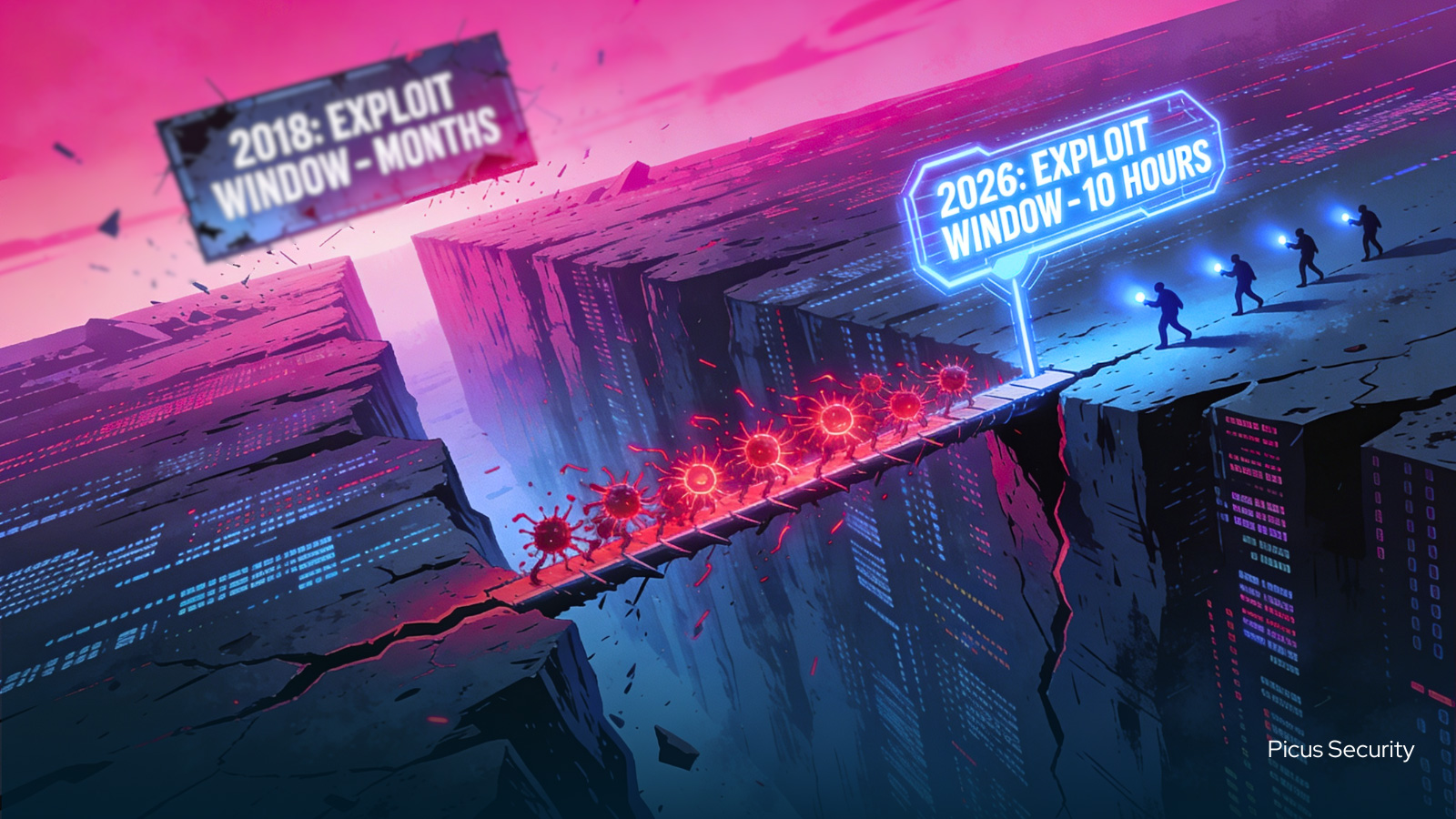
The article titled "73 Seconds to Breach, 24 Hours to Patch: The Case for Autonomous Validation" explores the widening performance gap between modern attackers and traditional security defenses. It highlights a startling reality where AI-driven threats can breach a network in just 73 seconds, while organizations typically require 24 hours or longer to deploy critical patches. This vulnerability is deepened by the fact that the median time from a CVE publication to a working exploit has plummeted to only ten hours as of 2026. According to the piece, the core challenge is not a lack of security software but the "spaghetti handoff"—the fragmented, slow communication between different teams and disconnected security tools. To address this, the article champions the transition to autonomous security validation, a strategy that merges Breach and Attack Simulation with automated penetration testing. By creating a continuous, AI-powered loop for alert triage, simulation, and remediation deployment, companies can eliminate manual bottlenecks and respond at machine speed. Ultimately, this shift is framed as a mandatory evolution for surviving the "Post-Mythos" era of cybersecurity, where defenses must become as proactive, dynamic, and rapid as the sophisticated, automated exploits they seek to prevent.

Daily Tech Digest - May 08, 2026


Quote for the day:

“Everything you’ve ever wanted is on the other side of fear.” -- George Addair

🎧 Listen to this digest on YouTube Music

▶ Play Audio Digest

Duration: 22 mins • Perfect for listening on the go.


How enterprises can manage LLM costs: A practical guide

Managing large language model (LLM) costs has become a critical priority for enterprises as generative and agentic AI deployments scale. According to the InformationWeek guide, LLM expenses are primarily driven by token pricing and consumption, factors that remain notoriously difficult to forecast due to the iterative nature of AI workflows. This unpredictability is exacerbated by dynamic vendor pricing, a lack of specialized FinOps tools, and limited user awareness regarding how complex queries impact the bottom line. To mitigate these financial risks, the article recommends a multi-pronged approach: matching task complexity to model capability by using lower-cost LLMs for routine work, and implementing technical optimizations like response caching and prompt compression to reduce token usage. Furthermore, enterprises should utilize prompt libraries of validated, efficient inputs and leverage query batching for non-urgent tasks to access vendor discounts. While self-hosting models eliminates third-party token fees, the guide warns of significant underlying costs in infrastructure and energy. Ultimately, successful cost management requires a strategic balance where the productivity gains of AI clearly outweigh the operational expenditures. By proactively setting token allowances and comparing vendor rates, CIOs can prevent AI budgets from spiraling while still fostering innovation across the organization.


The Death of the Firewall

The article "The Death of the Firewall" by Chandrodaya Prasad explores why the firewall has survived decades of premature obituaries to remain a cornerstone of modern cybersecurity. Rather than becoming obsolete, the technology has successfully transitioned from a standalone perimeter appliance into a versatile, integrated architecture. The global firewall market continues to expand, currently valued at approximately $6 billion, as organizations face complex security challenges that identity-centric models alone cannot solve. The firewall has evolved through critical phases, including convergence with SD-WAN for simplified networking and integration with cloud-based Security Service Edge (SSE) frameworks. Crucially, it serves as a necessary enforcement point for inspecting encrypted traffic and implementing post-quantum cryptography. It remains indispensable in Operational Technology (OT) sectors, such as manufacturing and healthcare, where legacy systems and IoT devices cannot support endpoint agents or tolerate cloud-based latency. For these heavily regulated industries, the firewall is not merely an architectural choice but a fundamental requirement for regulatory compliance. Ultimately, the firewall’s endurance is attributed to its ongoing adaptation, offloading intelligence to the cloud while maintaining essential local execution. As cyber threats grow more sophisticated due to AI, the firewall is evolving into a vital, persistent component of a unified security fabric.


AI clones: the good, the bad, and the ugly

The Computerworld article "AI clones: The good, the bad, and the ugly" examines the dual-edged nature of digital personas, categorizing their applications into three distinct ethical spheres. Under "the good," the author highlights authorized use cases where public figures like Imran Khan and Eric Adams employ AI voice clones to transcend physical or linguistic barriers, amplifying their reach and accessibility. However, "the bad" introduces the problematic rise of nonconsensual professional cloning. Tools like "Colleague Skill" enable individuals to replicate the expertise and communication styles of coworkers or supervisors, often to retain institutional knowledge or manipulate workplace dynamics. This section also underscores the threat of sophisticated financial fraud perpetrated through voice impersonation. Finally, "the ugly" explores the deeply controversial territory of "Ex-Partner Skill" and "digital resurrection." These tools allow users to simulate interactions with former or deceased loved ones by mimicking subtle nuances and shared memories, raising profound ethical concerns regarding consent and emotional health. Ultimately, the piece argues that as AI cloning technology becomes more accessible, society must navigate the erosion of reality and establish clear boundaries to protect individual identity and privacy in an increasingly synthetic world.


Fire at Dutch data center has many unintended consequences

On May 7, 2026, a significant fire erupted at the NorthC data center in Almere, Netherlands, triggering a regional emergency response and demonstrating the fragility of modern digital infrastructure. The blaze, which originated in the technical compartment housing critical power systems, forced emergency services to order a total power shutdown. Although the server rooms remained largely protected by fire-resistant separations, the resulting outage caused widespread, often bizarre, secondary consequences. Beyond standard digital disruptions, the failure crippled physical security at Utrecht University, where students and staff were locked out of buildings and even restrooms because electronic access card systems failed completely. Public transit in Utrecht faced communication breakdowns, while healthcare billing services and numerous pharmacies across the country saw their operations grind to a halt. This incident serves as a stark wake-up call, proving that even ISO-certified facilities with redundant backups are susceptible to catastrophic failure when authorities prioritize safety over continuity. It underscores a critical lesson for organizations: business continuity plans must account for the unpredictable ripple effects of physical infrastructure loss. The event highlights the inherent risks of centralized digital dependencies, revealing that a localized technical fire can effectively paralyze diverse sectors of society far beyond the immediate flames.


The hidden cost of front-end complexity

The article "The Hidden Cost of Front-End Complexity" explores how modern web development has transitioned from solving rendering challenges to facing profound system design issues. While current frameworks have optimized UI performance and component modularity, complexity has not disappeared; instead, it has shifted "up the stack" into application logic and state coordination. Modern front-end engineers now shoulder responsibilities once reserved for multiple infrastructure layers, managing distributed APIs, CI/CD pipelines, and intricate data flows that reside within the browser. The author argues that the true "hidden cost" of this evolution is the significantly increased cognitive load required for developers to navigate a dense web of invisible dependencies and reactive chains. Consequently, development cycles slow down and maintainability suffers when state relationships remain opaque or poorly defined. To address these architectural failures, the industry must pivot from debating framework syntax or rendering speed to prioritizing a "state-first" architecture. In this paradigm, the UI is treated as a simple projection of a clearly modeled state. By shifting the focus toward explicit state representation and observable system design, engineering teams can manage the inherent complexity of large-scale applications more effectively. Ultimately, the future of the front-end lies in building systems that are fundamentally easier to reason about.


How Federated Identity and Cross-Cloud Authentication Actually Work at Scale

This article discusses the critical shift from traditional, secrets-based authentication to Federated Identity and Workload Identity Federation (WIF) within modern DevOps and multi-cloud environments. Historically, integrating services across clouds (such as Azure, AWS, or GCP) required storing long-lived service principal keys or static credentials, which posed significant security risks including credential leakage and management overhead. To solve this, Federated Identity utilizes OpenID Connect (OIDC) to establish a trust relationship between an external identity provider and a cloud resource. Instead of using persistent secrets, a workload—such as a GitHub Action or an Azure DevOps pipeline—requests a short-lived, ephemeral token from its identity provider. This token is then exchanged for a temporary access token from the target cloud service, which automatically expires after the task is completed. This approach eliminates the need for manual secret rotation and significantly reduces the attack surface by ensuring no permanent credentials exist to be stolen. By leveraging Managed Identities and structured OIDC exchanges, organizations can achieve a "zero-trust" authentication model that scales across diverse cloud providers, providing a more secure, automated, and maintainable framework for cross-cloud resource management and CI/CD workflows.


Ten years later, has the GDPR fulfilled its purpose?

A decade after its adoption, the General Data Protection Regulation (GDPR) presents a bittersweet legacy, having fundamentally reshaped global corporate culture while facing significant modern hurdles. The regulation successfully elevated privacy from a legal footnote to a core management priority, institutionalizing principles like "privacy by design" and establishing a gold standard for international digital governance. However, experts highlight a growing disconnect between regulatory intent and practical application. While the GDPR empowered citizens with theoretical rights, the reality often manifests as "consent fatigue" through ubiquitous cookie pop-ups rather than providing meaningful control. Furthermore, the enforcement landscape reveals a stark gap; despite billions in issued fines, the actual collection rate remains remarkably low due to protracted legal appeals and the complexity of the "one-stop-shop" mechanism. International data transfers also remain a legal Achilles' heel, plagued by ongoing uncertainty across borders. The emergence of generative AI further complicates this framework, as massive training datasets and opaque algorithms challenge core tenets like data minimization and transparency. Additionally, the proliferation of overlapping EU regulations has created a "regulatory avalanche," making compliance increasingly difficult for smaller organizations. Ultimately, the article suggests that while the GDPR fulfilled its primary purpose, it now requires urgent refinement to remain relevant in a complex, AI-driven digital economy.


Bunkers, Mines, and Caverns: The World of Underground Data Centers

The article "Bunkers, Mines, and Caverns: The World of Underground Data Centers" by Nathan Eddy explores the growing strategic niche of subterranean infrastructure through the adaptive reuse of retired mines and Cold War-era bunkers. Predominantly found in North America and Northern Europe, these facilities offer a unique "underground advantage" centered on unparalleled physical security, environmental resilience, and inherent cooling efficiency. By repurposing sites like Iron Mountain’s Pennsylvania campus or Norway’s Lefdal Mine, operators benefit from a natural, impenetrable shield against extreme weather and external threats, making them ideal for high-security or mission-critical workloads. Furthermore, underground locations often bypass local "NIMBY" resistance because they are invisible to surrounding communities. However, the article notes that subterranean deployments present significant engineering and logistical hurdles. Managing humidity, ventilation, and heat dissipation requires complex systems, and retrofitting older structures can be costly. Site selection is also intricate, requiring rigorous assessments of structural stability and risks like water ingress or geological faults. Despite these challenges, underground data centers are no longer a novelty but a proven, permanent fixture in the industry. They are increasingly attractive in land-constrained hubs like Singapore and for highly regulated sectors, providing a sustainable and secure alternative to traditional above-ground facilities.


Why the future of software is no longer written — it is architected, governed and continuously learned

The article argues that software development is undergoing a fundamental structural shift, moving from manual coding to a paradigm defined by architecture, governance, and continuous learning. As generative AI and agentic systems take over the heavy lifting of building code, the role of the developer is evolving into that of an "intelligence orchestrator" who curates intent rather than writing lines of syntax. For CIOs, this transition represents a critical leadership inflection point where software is no longer just a business enabler but the primary engine for scaling enterprise intelligence. The focus is shifting from development speed to the strategic design of decision systems. This new era necessitates the rise of roles like the Chief AI Officer (CAIO) to govern AI as a strategic asset, ensuring security through zero-trust principles and navigating complex regulatory landscapes like the EU AI Act. While productivity gains are significant, organizations must proactively manage risks such as code hallucinations, model bias, and intellectual property concerns. Ultimately, the future of digital economies will be shaped by leaders who prioritize "intelligence orchestration" over traditional application building, fostering adaptive systems that learn and evolve. Success in 2026 requires a focus on three core mandates: architecting intelligence, governing AI assets, and aligning technology ecosystems with overarching corporate strategy.


Maximizing Impact Amid Constraints: The Role of Automation and Orchestration in Federal IT Modernization

Federal IT leaders currently face a challenging landscape where they must fortify complex digital environments against persistent threats while navigating significant fiscal uncertainty and budget constraints. According to a recent report, over sixty percent of these leaders struggle with monitoring tools across diverse hybrid environments, largely due to the persistence of legacy, multi-vendor systems that create integration gaps and increase operational costs. To overcome these hurdles, federal agencies must strategically embrace automation and orchestration as foundational components of a modern zero-trust architecture. By integrating AI-driven technologies for routine tasks like alert analysis and anomaly detection, IT teams can transition from a reactive posture to a proactive defense, effectively reducing monitoring complexity through single-pane-of-glass solutions. This methodical approach allows organizations to maximize the value of their existing investments while freeing up personnel for mission-critical initiatives. The success of such incremental improvements can be clearly measured through enhanced metrics like mean time to detection (MTTD) and mean time to resolution (MTTR). Ultimately, a disciplined, phased implementation of these technologies ensures that federal agencies maintain operational resilience and mission readiness. By focusing on strategic automation, IT leaders can deliver maximum impact for every budget dollar, ensuring that modernization efforts continue to advance despite the ongoing challenges of a resource-constrained environment.

Daily Tech Digest - April 22, 2026


Quote for the day:

"Any code of your own that you haven't looked at for six or more months might as well have been written by someone else." -- Eagleson's law


🎧 Listen to this digest on YouTube Music

▶ Play Audio Digest

Duration: 18 mins • Perfect for listening on the go.


From pilots to platforms: Industrial IoT comes of age

The article "From Pilots to Platforms: Industrial IoT Comes of Age" explores the transformative shift in India’s manufacturing sector as Industrial IoT (IIoT) matures from isolated experimental pilots into robust, enterprise-wide operational platforms. Historically, IIoT deployments were limited to simple sensor installations for monitoring single machines; however, the current landscape focuses on building a production-grade digital infrastructure that integrates data from across the entire shop floor. This evolution enables a transition from reactive maintenance to proactive operational intelligence, allowing leaders to prioritize measurable outcomes such as increased throughput, energy efficiency, and overall revenue. Experts emphasize that the conversation has moved beyond questioning the technology's viability to addressing the complexities of scaling across multiple facilities and managing "brownfield" realities where decades-old equipment must be retrofitted for connectivity. The modern IIoT stack now balances edge and cloud workloads while leveraging digital twins to sustain continuous operations. Despite these advancements, robust network design and cybersecurity remain critical challenges that must be addressed to ensure resilience. Ultimately, the success of IIoT in India now hinges on converting vast operational data into repeatable, high-speed decisions that deliver tangible business value across the industrial ecosystem.


Beyond the ‘25 reasons projects fail’: Why algorithmic, continuous scenario planning addresses the root causes

The article "Beyond the '25 reasons projects fail'" argues that high failure rates in enterprise initiatives—highlighted by BCG and Gartner data—are not merely delivery misses but symptoms of a systemic failure in portfolio design and decision logic. While visible symptoms like scope creep and poor communication are real, they represent a deeper "pattern under the pattern" where organizations lack the capacity to calculate the ripple effects of change. The author, John Reuben, posits that modern governance requires "algorithmic planning" and "continuous scenario planning" to translate strategic ambition into modeled consequences. Without this discipline, leadership cannot effectively navigate trade-offs or manage dependencies. Furthermore, the piece emphasizes that while AI offers transformative potential, it must be anchored in mathematically sound planning data to avoid magnifying weak assumptions. To address these root causes, CIOs are urged to implement a modern control system for change featuring six essential capabilities: a unified planning model across priorities and budgets, side-by-side scenario comparison, interdependency mapping, early visibility into bottlenecks, continuous recalculation as conditions shift, and executive-facing summaries that turn data into decisions. Ultimately, the solution lies in evolving planning from a static, narrative process into a dynamic, algorithmic discipline capable of seeing and governing complex interactions in real time.


Is AI creating value or just increasing your IT bill?

The Spiceworks article, grounded in the "State of IT 2026" research by Spiceworks Ziff Davis, examines the economic tension between AI’s promise of value and its actual impact on corporate budgets. While AI software expenditures currently appear manageable—with a median spend of only 2.7% of total IT computing infrastructure—the report warns that this represents just the visible portion of a much larger financial commitment. The "hidden" bill for enterprise AI includes critical investments in high-performance servers, specialized storage, and robust networking, which experts estimate can increase the total cost by four to five times the software license fees. This disparity highlights a significant risk: organizations may underestimate the capital required to move from experimentation to full-scale deployment. The article argues that "putting your money where your mouth is" requires a strategic alignment of talent, time, and treasure rather than just following market hype. To achieve a positive return on investment, IT leaders must look beyond software-as-a-service costs and account for the substantial infrastructure upgrades necessary to power modern AI workloads. Ultimately, the path to value depends on a holistic understanding of the total cost of ownership in an increasingly AI-driven landscape.


Cryptographic debt is becoming the next enterprise risk layer

"Cryptographic debt" is emerging as a critical enterprise risk layer, especially within the financial sector, as organizations face the consequences of outdated algorithms, fragmented key management, and encryption deeply embedded in legacy systems. According to Ruchin Kumar of Futurex, this "debt" has long remained invisible to boardrooms because cryptography was historically treated as a technical silo rather than a strategic risk domain. However, the rise of quantum computing and the impending transition to post-quantum cryptography (PQC) are exposing these structural vulnerabilities. Major hurdles to modernization include a lack of centralized cryptographic visibility, the tight coupling of security logic with application code, and manual, error-prone key management processes. To address these challenges, enterprises must shift toward a "crypto-agile" architecture. This transformation requires centralizing governance through Hardware Security Modules (HSMs), abstracting cryptographic functions via standardized APIs, and automating the entire key lifecycle. Such a horizontal transformation will likely trigger a massive wave of IT spending, comparable to cloud migration. As ecosystems become increasingly interconnected through APIs and fintech partnerships, weak cryptographic governance in any single segment now poses a systemic threat, making unified, architecture-first security essential for long-term business resilience and regulatory compliance.


Practical SRE Habits That Keep Teams Sane

The article "Practical SRE Habits That Keep Teams Sane" outlines essential strategies for Site Reliability Engineering teams to maintain high system availability while safeguarding engineer well-being. Central to these habits is the clear definition of Service Level Objectives (SLOs), which provide a data-driven framework for balancing feature velocity with operational stability. To combat burnout, the piece emphasizes reducing "toil"—repetitive, manual tasks—through targeted automation and the creation of actionable runbooks that lower the cognitive burden during high-pressure incidents. A significant portion of the advice focuses on human-centric operations, advocating for blameless post-mortems that prioritize systemic learning over individual finger-pointing, effectively removing the drama from failure analysis. Furthermore, the article suggests optimizing on-call health by implementing "interrupt buffers" and rotating "shield" roles to protect the rest of the team from productivity-killing context switching. By adopting safer deployment patterns and rigorous backlog hygiene, teams can shift from a chaotic, reactive firefighting mode to a controlled and predictable "boring" operational state. Ultimately, these practical habits aim to create a sustainable culture where reliability is a shared responsibility, ensuring that both the technical infrastructure and the humans who support it remain resilient and efficient in the long term.


From the engine room to the bridge: What the modern leadership shift means for architects like me

The article explores how the evolving role of modern technology leadership, specifically CIOs, necessitates a fundamental shift in the approach of system architects. Traditionally, CIOs focused on uptime and cost efficiency, but today’s leaders prioritize competitive differentiation, workforce transformation, and organizational alignment. Many modernization projects fail not due to technical flaws, but because of "upstream" issues like unresolved stakeholder conflicts or a lack of strategic clarity. Consequently, architects must look beyond sound code and clean implementation to build the "social infrastructure" and trust required for adoption. Modern leadership acts as both navigator and engineer, demanding infrastructure that supports both technical needs—like automated policy enforcement—and business outcomes. Managing technical debt proactively is crucial, as legacy systems often stifle innovation like AI adoption. For architects, this means evolving from purely technical resources into strategic partners who understand the cultural and decision-making constraints of the business. The best architectural designs are ultimately useless unless they resonate with the organizational reality and strategic pressures facing the customer. Bridging the gap between the engine room and the bridge is now the essential mandate for those designing the systems that drive modern business forward.


Are We Actually There? Assessing RPKI Maturity

The article "Are We Actually There? Assessing RPKI Maturity" provides a critical evaluation of the Resource Public Key Infrastructure (RPKI) and its current state of global deployment for securing internet routing. The authors argue that while RPKI adoption is steadily growing, the system is still far from reaching true maturity. Through comprehensive measurements, the research reveals that the effectiveness of RPKI enforcement varies significantly across the internet ecosystem; while large transit networks provide broad protection, the impact of enforcement at Internet Exchange Points remains localized. Furthermore, the paper highlights severe vulnerabilities within the RPKI software ecosystem, identifying over 40 security flaws that could compromise deployments. These issues are often rooted in the immense complexity and vague requirements of the RPKI specifications, which make correct implementation difficult and error-prone. The research also notes dependencies on other protocols like DNSSEC, which itself faces design-flaw vulnerabilities like KeyTrap. Ultimately, the authors conclude that although RPKI is currently the most effective defense against Border Gateway Protocol (BGP) hijacks, achieving a robust and mature architecture requires a fundamental redesign to simplify its structure, clarify specifications, and improve overall efficiency. Until these systemic flaws are addressed, the internet's routing security remains precarious.


Study finds AI fraud losses decline, but the risks are growing

The Javelin Strategy & Research 2026 identity fraud study, "The Illusion of Progress," highlights a deceptive shift in the digital landscape where total monetary losses have decreased while systemic risks continue to escalate. In 2025, combined fraud and scam losses fell to $38 billion, a $9 billion reduction from the previous year, accompanied by a drop in victim numbers to 36 million. This decline was primarily fueled by a 45 percent drop in scam-related losses. However, these improvements are overshadowed by a 31 percent surge in new-account fraud victims, signaling that criminals are pivoting their tactics. Artificial intelligence is at the core of this evolution, as fraudsters adopt advanced tools more rapidly than financial institutions can update their defenses. Lead analyst Suzanne Sando warns that lower loss figures are misleading because scammers are increasingly focused on stealing personal data to seed future, more sophisticated attacks rather than seeking immediate cash. To address this "inflection point," the report stresses that organizations must move beyond one-time security decisions. Instead, they must implement continuous fraud controls and foster deep industry collaboration to stay ahead of AI-powered criminals who operate without the regulatory constraints that often slow down legitimate financial services.


Why identity is the driving force behind digital transformation

In the modern digital landscape, identity has evolved from a simple login mechanism into the fundamental "invisible engine" driving successful digital transformation. As traditional network perimeters dissolve due to cloud adoption and remote work, identity has emerged as the critical new security boundary, utilizing a "never trust, always verify" approach to protect sensitive data. This shift empowers businesses to implement fine-grained access controls that enhance security while streamlining operations. Beyond security, identity systems act as a catalyst for business agility, allowing software teams to navigate complex environments more efficiently. Crucially, centralized identity management enhances the customer experience by unifying disparate data points to provide highly personalized interactions and build brand trust. In high-stakes sectors like finance, identity-centric frameworks are essential for real-time fraud detection and comprehensive risk assessment by linking multiple accounts to a single verified user. To truly leverage identity as a strategic asset, organizations must ensure their systems are real-time, easily integrable, and governed by strict access rules. Ultimately, establishing identity as a core infrastructure is no longer optional; it is the essential foundation for innovation, security, and competitive growth in an increasingly interconnected and complex global digital economy.


From Panic to Playbook: Modernizing Zero‑Day Response in AppSec

In "From Panic to Playbook: Modernizing Zero-Day Response in AppSec," Shannon Davis explores how the increasing frequency and rapid exploitation of zero-day vulnerabilities, such as Log4Shell, necessitate a shift from reactive improvisation to structured, rehearsed workflows. Traditional AppSec cadences—where vulnerabilities are typically addressed through scheduled scans and predictable sprint fixes—fail to meet the urgent demands of zero-day events due to collapsed time-to-exploit windows, high data volatility, and complex transitive dependencies. To bridge this gap, Davis highlights the Mend AppSec Platform’s modernized approach, which emphasizes four critical components: a live, authoritative data feed independent of scan schedules, instant correlation with existing inventory to identify exposure without manual rescanning, a defined 30-day lifecycle for active threats, and a centralized audit trail for cross-team alignment. This framework enables organizations to respond effectively within the vital first 72 hours after disclosure by providing a single source of truth for both human teams and automated tooling. Ultimately, the article argues that organizational resilience during a security crisis depends less on the total size of a security budget and more on the implementation of a proactive, data-driven playbook that transforms chaotic incident response into a sustainable, repeatable, and efficient operational reality.

Daily Tech Digest - April 20, 2026


Quote for the day:

“Our greatest fear should not be of failure … but of succeeding at things in life that don’t really matter.” -- Francis Chan


🎧 Listen to this digest on YouTube Music

▶ Play Audio Digest

Duration: 18 mins • Perfect for listening on the go.


World ID expands its ‘proof of human’ vision for the AI era

World ID, the ambitious digital identity initiative co-founded by Sam Altman and Alex Blania, has significantly expanded its "proof of human" mission with the launch of its 4.0 protocol. Developed by Tools for Humanity, the system utilizes specialized iris-imaging "Orbs" to generate unique IrisCodes, which are verified against a decentralized blockchain using zero-knowledge proofs. This cryptographic approach aims to confirm human identity in the AI era without compromising personal privacy. Key updates include the introduction of World ID for Business, a dedicated mobile app, and "Selfie Check," a real-time verification tool designed to combat deepfakes. Furthermore, the initiative is expanding its reach through integrations with platforms like Zoom and partnerships with security firm Okta to provide "human principal" verification. Despite these advancements, the project remains highly controversial. Privacy advocates, including Edward Snowden, have raised alarms regarding the risks of storing immutable biometric data and the "dystopian" potential of private corporations controlling personhood. While proponents argue that World ID provides essential infrastructure for distinguishing humans from bots, critics remain wary of data protection laws and the threat of credential theft. Ultimately, the expansion marks a pivotal moment in the ongoing struggle to secure digital authenticity as AI technology evolves.


Managing AI agents and identity in a heightened risk environment

As artificial intelligence adoption accelerates, CIOs face an increasingly complex security landscape where identity has become the primary perimeter. The article emphasizes that organizations must shift from simple prevention to a focus on resilience—specifically detection, containment, and recovery—assuming that adversaries may already be inside the network. A central pillar of this modern strategy is the implementation of Zero Trust architectures, which require continuous verification of every user, device, and system. This is particularly vital for managing autonomous AI agents, which possess identities and privileges that should be granted only through "just-in-time" elevation to minimize the vulnerability surface area. Furthermore, securing APIs and the Model Context Protocol is highlighted as a foundational requirement, as these components currently account for over 35% of AI-related vulnerabilities. To combat sophisticated threats like deepfakes and advanced ransomware, enterprises are encouraged to leverage platforms that correlate behavioral data across security silos, including cloud, application, and data management. Ultimately, AI governance must transition into a core security discipline. CIOs are urged to prioritize secure deployment by strengthening identity governance and investing in real-time monitoring to mitigate the substantial reputational, financial, and operational risks associated with poorly managed AI integrations in this heightened risk environment.


Architectural Accountability for AI: What Documentation Alone Cannot Fix

In the article "Architectural Accountability for AI: What Documentation Alone Cannot Fix," Dr. Nikita Golovko argues that while documentation like model cards and architecture diagrams is essential, it creates a "governance illusion" if not backed by technical enforcement. True accountability starts where description ends, requiring traceable evidence that a system operates as intended. Documentation alone cannot address four critical gaps: data lineage drift, undetected model drift, governance authority failures, and the absence of verifiable audit trails. Manual records quickly become obsolete as production data evolves, and human-dependent approval processes often crumble under delivery pressure. To achieve genuine accountability, organizations must transition from documentation to architectural discipline. This involves replacing manual lineage tracking with automated provenance, integrating drift detection directly into operational monitoring, and embedding governance gates within CI/CD pipelines. Furthermore, decision logs must be treated as core system outputs rather than afterthoughts. By automating the recording of facts and structurally enforcing rules, architects can ensure AI systems remain verifiable and compliant. Ultimately, accountable AI depends on the synergy between technical mechanisms that enforce rules and organizational structures that empower human oversight, moving beyond symbolic compliance toward robust, self-accounting systems that provide transparent, evidence-based answers to regulatory scrutiny.


Choosing the Right Data Quality Check

Selecting the appropriate data quality (DQ) checks is a critical step in ensuring that organizational data remains reliable, actionable, and aligned with business objectives. As outlined in the Dataversity article, this process begins with comprehensive data profiling to understand the current state of information. Rather than applying every possible validation, organizations must strategically prioritize checks based on the specific dimensions of data quality—such as accuracy, completeness, consistency, and timeliness—that matter most to their operations. Technical checks, which focus on basic constraints like data types and null values, serve as the foundation, while business-specific checks validate data against complex logic and domain-specific rules. Furthermore, the integration of statistical checks and anomaly detection helps identify subtle patterns or outliers that standard rules might miss. The decision-making framework involves balancing the technical effort and cost of implementation against the potential business risk and value of the data. Ultimately, a mature data quality strategy moves beyond manual intervention, favoring automated monitoring and alerting systems. By carefully selecting the right mix of technical, business, and statistical checks, businesses can foster a culture of data trust and maximize the return on their information assets.


Data Lifecycle Management in the Age of AI: Why Retention Policies Are Your New Competitive Moat

In the rapidly evolving landscape of artificial intelligence, Data Lifecycle Management (DLM) has transitioned from a mundane compliance obligation into a critical strategic asset. For years, enterprises prioritized data hoarding, but the advent of large language models and retrieval-augmented generation (RAG) systems has made ungoverned archives a significant liability. Feeding outdated or non-compliant records into AI models not only introduces operational noise and increased latency but also exposes organizations to severe regulatory penalties under frameworks like GDPR and CCPA. The article argues that robust retention policies now serve as a competitive moat; companies that systematically classify, govern, and purge their data ensure their AI outputs are trained on high-quality, legally cleared information. This disciplined approach minimizes litigation risks while maximizing the performance of domain-specific models. To succeed, businesses must move beyond manual disposition, adopting automated platforms—such as Microsoft Purview or Solix—to align retention schedules directly with AI use cases. Ultimately, the organizations that treat data governance as a foundational capability rather than a technical afterthought will outperform competitors by building AI systems on a clean, compliant, and reliable data foundation, securing both long-term trust and technical excellence in an AI-driven market.


Stop Starving Your Intelligence Strategy with Fragmented Data

The article "Stop Starving Your Intelligence" explores the critical challenges financial institutions face due to fragmented data ecosystems, which often hinder the effectiveness of advanced analytics and artificial intelligence. Despite significant investments in digital transformation, many banks and credit unions struggle with "data silos" where information is trapped in disconnected departments, preventing a unified view of the customer. The author emphasizes that for AI to deliver meaningful results, it requires a robust, integrated data foundation rather than isolated patches of intelligence. This necessitates a shift from legacy infrastructure toward modern data fabrics or cloud-based solutions that allow for real-time accessibility and scalability. By centralizing data governance and breaking down internal barriers, institutions can better predict consumer needs and personalize experiences. The piece concludes that the competitive edge in modern banking depends less on the complexity of the AI algorithms themselves and more on the quality and accessibility of the data fueling them. Ultimately, financial leaders must stop starving their intelligence initiatives by prioritizing data integration as a core strategic pillar, ensuring that every automated decision is informed by a comprehensive, accurate dataset rather than fragmented and incomplete snapshots of consumer behavior.


When BI Becomes Operational: Designing BI Architectures for High-Concurrency Analytics

The article "When BI Becomes Operational" explores the critical transition of business intelligence from a purely historical, back-office function into a proactive, front-line operational driver. Traditionally, BI systems served as retrospective tools used by specialized analysts to dissect past performance. However, modern enterprises are increasingly shifting toward "operational analytics," which deliver real-time recommendations and performance indicators directly into daily workflows. This transformation dissolves the traditional boundaries between transactional and analytical systems, necessitating a strategic blend of live data and historical context to solve complex business problems. For example, operationalizing BI in a call center involves monitoring immediate traffic spikes while comparing them against long-term historical norms to identify true anomalies. Architecturally, this shift requires a move toward high-concurrency designs that can support a massive, diverse user base. Unlike legacy BI, which was often restricted to technical experts, operational BI prioritizes ease of use and democratization, empowering non-technical employees to make informed, data-driven decisions. To support this at scale, organizations must ensure seamless integration across multiple data sources and invest in scalable infrastructures. Ultimately, making BI operational is about more than just speed; it is about providing the entire organization with a flexible and accessible foundation for continuous improvement and real-time decision-making excellence.


Why Automation Keeps Falling to the Bottom of the IT Agenda

The article "Why Automation Keeps Falling to the Bottom of the IT Agenda" explores a critical disconnect in modern enterprise technology: while CIOs recognize automation as a strategic priority, it consistently slips to the bottom of budget cycles. This neglect creates a significant "infrastructure gap" that undermines the potential of artificial intelligence. For AI to be actionable, it requires a foundation of interconnected systems and consistent data flows, yet many organizations still rely on manual patching and siloed tools. The text outlines a vital maturity curve, progressing from task-based scripting to event-driven automation, and finally to AI-driven reasoning. A common mistake among enterprises is attempting to bypass these foundational stages to reach "agentic AI" immediately. However, without a robust automated foundation, such AI initiatives become unreliable and "shaky." Statistics highlight this readiness gap: while sixty-six percent of organizations are experimenting with business process automation, a mere thirteen percent have successfully implemented it at scale. Ultimately, the article argues that automation is not merely an optional efficiency tool but the essential architecture required to ride the AI wave. Organizations must align their funding with their strategic goals to close this gap and ensure their digital infrastructure can support advanced intelligence.


Kubernetes attack surface explodes: number of threats quadruples

A recent report from Palo Alto Networks’ Unit 42 reveals that the Kubernetes attack surface has expanded dramatically, with attack attempts surging by 282 percent over a single year. As the industry standard for orchestrating cloud-native workloads, Kubernetes’ widespread adoption has made it a prime target for increasingly sophisticated cyber threats. The IT sector is currently the most affected, bearing the brunt of 78 percent of all malicious activity. Researchers highlight that attackers are shifting their focus toward exploiting identities, specifically targeting service account tokens that grant pods access to the Kubernetes API. If compromised, these tokens allow unauthorized access to entire cluster infrastructures. A notable example involved the North Korean state-sponsored group Slow Pisces, also known as Lazarus, which successfully breached a cryptocurrency exchange by exploiting Kubernetes credentials. This trend underscores a critical security gap; because Kubernetes was not designed with inherent security features, it remains reliant on external solutions for credential protection and isolation. As suspicious activity indicative of token theft now appears in nearly 22 percent of cloud environments, organizations must prioritize robust identity management and proactive monitoring to defend their increasingly vulnerable cloud-native ecosystems from these selective and financially motivated actors.


No Escalations ≠ No Work: Why Visibility in DevOps Matters More Now That AI Is Accelerating Everything

The article "No Escalations, No Work: Why Visibility in DevOps Matters More Now with AI Accelerating Everything" explores the paradox of modern IT operations where silent success often leads to undervalued teams. As AI technologies accelerate software development cycles, the sheer volume of code being produced creates a "code tsunami" that threatens to overwhelm traditional monitoring systems. This rapid pace increases the risk of systemic failures, making comprehensive visibility more critical than ever before. The author argues that organizations must shift from reactive troubleshooting to proactive observability to manage this complexity. Instead of merely measuring uptime, DevOps teams need deep insights into how interconnected systems behave under the pressure of AI-driven automation. Without this clarity, the speed gained from AI becomes a liability rather than an asset. Furthermore, the role of the DevOps professional is evolving; they are no longer just firefighters responding to crises but are becoming architects of resilience who ensure stability amidst constant change. Ultimately, maintaining high visibility is the only way to harness the power of AI safely, ensuring that increased deployment frequency does not compromise service reliability or the long-term health of the digital infrastructure.