Showing posts with label PQC. Show all posts

Daily Tech Digest - May 17, 2026


Quote for the day:

“In tech, leadership isn’t about predicting the future — it’s about creating the conditions where your teams can build it.” -- Unknown

🎧 Listen to this digest on YouTube Music

▶ Play Audio Digest

Duration: 23 mins • Perfect for listening on the go.


Scale ‘autonomous intelligence’ for real growth

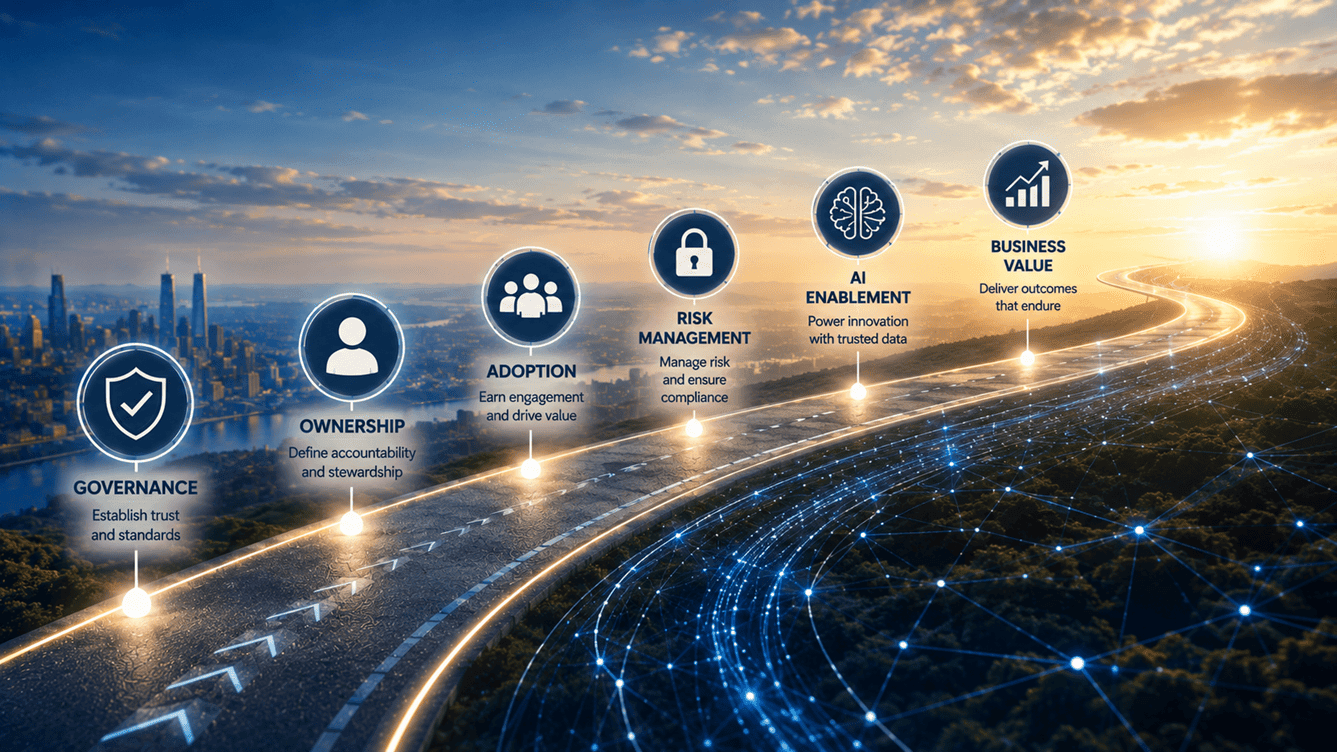
In an interview with Ryan Daws, Prakul Sharma, the AI and Insights Practice Leader at Deloitte Consulting LLP, explains that modern enterprises must look beyond the localized productivity gains of generative AI to scale "autonomous intelligence" for real business growth. Sharma describes an intelligence maturity curve transitioning from assisted and artificial intelligence into autonomous intelligence, where systems independently execute actions within predefined boundaries. To unlock true economic value, organizations must integrate these autonomous agents directly into critical, costly workflows like enterprise procurement. However, scaling successfully faces significant technical and structural hurdles. First, enterprises frequently lack decision-grade data, which means real-time, traceable information required for binding transactions, relying instead on outdated reporting-grade data. Second, the production gap and governance debt often stall live deployments, because shortcuts taken during small pilots become major barriers for corporate legal and compliance teams. Sharma advises leaders to conduct thorough decision audits of existing workflows to uncover operational bottlenecks and data gaps. By building pilots from the very outset as reusable platforms equipped with proper identity verification, continuous model evaluations, and robust risk frameworks, enterprises can securely transition from experimental testing to successful, widespread live deployment.


6 Technical Red Flags Product Managers Should Never Ignore

In the article "6 Technical Red Flags Product Managers Should Never Ignore," Seyifunmi Olafioye emphasizes that product managers must recognize signs of underlying technical instability, as it directly impacts delivery, scalability, and customer trust. The author identifies six major red flags that product managers should never overlook: a lack of clear understanding among the team regarding how the system works, new feature development consistently taking much longer than estimated, and resolved bugs repeatedly resurfacing in production. Additionally, product managers should be concerned if operational teams must rely heavily on manual workarounds to keep the platform functioning, if the entire project suffers from an over-reliance on a single engineer's institutional knowledge, or if internal errors are only discovered after users report them due to a lack of proper monitoring. While no system is entirely flawless, ignoring these persistent warning signs can lead to severe operational issues. The article concludes that product managers should not dictate technical fixes; instead, they must proactively initiate honest conversations with engineering leadership, ask challenging questions during planning, and prioritize long-term technical health alongside new features to ensure sustainable growth and protect the user experience.
In this article, Ed Leavens argues that Quantum Day, known as Q-Day, is the precise moment when quantum computers become advanced enough to break existing asymmetric encryption standards like RSA and ECC, presenting a far greater threat than Y2K. While Y2K had a definitive deadline and a known remedy, Q-Day has no set timeline and introduces the insidious risk of "harvest now, decrypt later" (HNDL) tactics. Under HNDL, adversaries secretly exfiltrate and stockpile encrypted data today, waiting to decrypt it once sufficiently powerful quantum technology becomes available. Furthermore, this threat compounds daily due to modern data sprawl across multiple environments. To counter this impending crisis, organizations must look beyond traditional encryption upgrades and adopt data-layer protection strategies like vaulted tokenization. This quantum-resilient approach mathematically separates original sensitive data from its representation by replacing it with non-sensitive, format-preserving tokens. Because tokens share no reversible mathematical connection with the underlying information, quantum algorithms cannot decipher them, effectively neutralizing the value of stolen payloads. Implementing vaulted tokenization requires comprehensive data discovery, strict access governance, and cross-functional organizational alignment. Ultimately, Leavens emphasizes that enterprises must act immediately to secure their data directly, rendering harvested information useless before quantum-powered breaches materialize.


The AI infrastructure bottleneck is becoming a CIO problem

The article by Madeleine Streets explores how the expanding ambitions of artificial intelligence are colliding with physical infrastructure limitations, shifting the AI bottleneck from a general tech industry challenge into a critical problem for Chief Information Officers (CIOs). While billions of dollars continue pouring into AI development, physical realities like power grid limitations, data center construction delays, permitting hurdles, and cooling requirements are struggling to match software demand. This mismatch threatens to create a more constrained operating environment where AI access becomes expensive, delayed, or regionally uneven. Consequently, this pressure exposes "AI sprawl" within organizations where uncoordinated and disconnected AI initiatives compete for the same resources without centralized governance. To mitigate these risks, experts suggest that CIOs treat AI capacity as a core operational resilience and business continuity issue. IT leaders must introduce disciplined governance by tiering AI workloads into critical, important, and experimental categories, or utilizing smaller, local models to reduce compute reliance. Furthermore, CIOs must demand greater transparency from vendors regarding capacity guarantees, regional availability, and workload prioritization during peak demand. Ultimately, enterprise AI strategies can no longer assume infinite compute availability and must instead realign their deployment ambitions with physical operational constraints.


How AI Is Repeating Familiar Shadow IT Security Risks

The rapid adoption of artificial intelligence across the corporate enterprise is triggering new governance and security risks that closely mirror past technological shifts, such as the initial emergence of shadow IT and unauthorized software as a service platform usage. Modern organizations currently face three primary vectors of vulnerability, starting with employees inadvertently leaking proprietary intellectual property, corporate source code, and confidential financial records by pasting this data into public generative AI platforms. Furthermore, software developers frequently introduce hidden backdoors or compromised dependencies into production systems by integrating unverified open source models and components that circumvent traditional software supply chain scrutiny. Compounding these operational issues is the sudden rise of autonomous AI agents that operate with dynamic decision making authority but completely lack explicitly defined ownership or documented permission boundaries within internal corporate networks. To successfully mitigate these vulnerabilities, blanket restrictive policies are typically ineffective; instead, companies must establish robust frameworks that ensure absolute visibility, accountability, and adaptive identity controls. As detailed in the SANS Institute’s new AI Security Maturity Model, managing these continuous threats requires treating artificial intelligence not as an isolated software application, but as a critical operational layer demanding proactive lifecycle validation and verification.


Six priorities reshaping the MENA boardroom in 2026

The EY report details how the 2026 macroeconomic landscape in the Middle East and North Africa (MENA) region requires corporate boardrooms to transition from traditional, periodic oversight toward integrated, forward-looking strategic leadership. Driven by overlapping pressures across geopolitics, rapid technological innovation, sustainability demands, and complex governance regulations, MENA boards face a highly volatile operating environment. To navigate this uncertainty and secure long-term value, directors must actively address six central boardroom priorities. First, boards need to develop geopolitical foresight, embedding regional shifts directly into strategic scenario planning. Second, they must manage the expanding technology and cyber assurance landscape, ensuring ethical artificial intelligence governance and robust defenses against escalating digital threats. Third, strengthening corporate integrity, fraud prevention, and independent investigation oversight remains essential for maintaining stakeholder trust. Fourth, elevating climate resilience and sustainability governance helps mitigate critical environmental risks while driving resource efficiency. Fifth, achieving financial excellence requires rigorous cost optimization and aligning internal controls across financial and sustainability reporting frameworks. Finally, adopting mature, behavioral-based board evaluations over mere procedural assessments fosters deep accountability. Ultimately, orchestrating these interconnected priorities empowers MENA leaders to fortify institutional trust and transform market disruptions into sustainable growth.


The software supply chain is the new ground zero for enterprise cyber risk. Don’t get caught short

In this article, Matias Madou highlights the rising vulnerabilities within the software supply chain as the new ground zero for enterprise cyber risks, heavily exacerbated by the rapid adoption of artificial intelligence tools. Recent highly sophisticated breaches, such as the TeamPCP supply chain attacks, have aggressively weaponized critical security and developer platforms like Checkmarx and the open-source library LiteLLM. By embedding highly obfuscated, multistage credential stealers into these trusted systems, attackers successfully moved laterally through development pipelines and Kubernetes clusters to exfiltrate highly sensitive enterprise data. Madou warns that traditional, reactive security measures are entirely insufficient against fast-moving, AI-driven threats. To mitigate these expanding dangers, organizations must redefine AI middleware as critical infrastructure, implementing rigorous monitoring of application programming interface keys and environment variables that constantly flow through these abstraction layers. Furthermore, security leaders must modernize risk management strategies by locking down dependency pipelines, enforcing strict least-privilege access, and gaining visibility into autonomous Model Context Protocol agents. Ultimately, the author urges modern enterprises to establish comprehensive internal AI governance frameworks and continuously upskill developers in secure coding standards rather than waiting for formal government legislation, thereby proactively shielding their operational workflows from devastating, cascading supply-chain compromises.


World Bank, African DPAs outline formula for trusted digital identity, DPI

During the ID4Africa 2026 Annual General Meeting, a key World Bank presentation emphasized that establishing public trust is vital for the success of digital public infrastructure and national identity systems across Africa. Experts noted that even mature digital identity networks remain vulnerable to operational failures and public mistrust due to weak data collection safeguards, frequent data breaches, and expanding cyberattack surfaces. To address these vulnerabilities, data protection authorities from nations like Liberia, Benin, and Mauritius highlighted that digital forensics, cybersecurity, and rigorous data governance must operate collectively. Although these under-resourced regulatory bodies often struggle to fund large population-scale awareness campaigns, they are pioneering localized solutions. For example, Mauritius leverages chief data officers and amicable dispute resolution mechanisms to efficiently settle compliance breaches without lengthy prosecution, while Benin relies on specialized government liaisons to ensure proper database compliance across different agencies. Furthermore, regional frameworks like the East African Community body facilitate international knowledge-sharing and joint investigative capabilities. Ultimately, achieving an ecosystem worthy of citizen and business trust requires a comprehensive formula blending careful system architecture, strictly enforced data protection, robust cybersecurity defenses, and transparent communication that effectively helps citizens understand their rights within the broader data lifecycle.


When configuration becomes a vulnerability: Exploitable misconfigurations in AI apps

The rapid deployment of artificial intelligence and agentic applications on cloud-native platforms, particularly Kubernetes clusters, often compromises cybersecurity in favor of operational speed. According to the Microsoft Defender Security Research Team, this trend has led to an increase in exploitable misconfigurations, which are scenarios where public internet access is paired with absent or weak authentication mechanisms. Rather than relying on sophisticated zero-day vulnerabilities, threat actors can leverage these low-effort attack paths to achieve high-impact compromises, including remote code execution, credential exfiltration, and unauthorized access to sensitive internal data. Microsoft identified these specific dangers across several popular AI platforms: Model Context Protocol servers frequently permitted unauthenticated interaction with corporate tools, Mage AI default setups enabled internet-accessible administrative shells, and frameworks like kagent and AutoGen Studio leaked plaintext API keys or allowed unauthorized workload deployments. To mitigate these pervasive security gaps, organizations must treat AI systems as high-impact workloads. Security teams should enforce strong authentication across all endpoints, apply strict least-privilege principles, and continuously audit infrastructure configurations. Furthermore, cloud protection tools like Microsoft Defender for Cloud can actively detect exposed services, helping defenders remediate dangerous oversights before malicious adversaries can exploit them.


Tokenized assets face trust infrastructure test, Cardano chief says

The article, titled "Tokenized assets face trust infrastructure test, Cardano chief says," by Jeff Pao, outlines a pivotal shift in the digital assets sector as financial institutions transition from tentative pilot projects to scaled, production-level tokenization. According to Cardano’s leadership, the primary challenges facing this widespread adoption are no longer the core blockchain mechanisms themselves, but rather the underlying hurdles of verification, identity, and robust auditability. These elements form a critical "trust infrastructure" that remains essential for creating compliant, institutional-grade financial networks. As real-world asset tokenization expands rapidly across global markets, traditional financial institutions require secure mechanisms like decentralized identifiers and privacy-preserving verifiable credentials to interact safely with public ledgers. By embedding accountability directly into the network architecture, digital trust frameworks turn complex compliance into seamless operational coordination, enabling institutions to efficiently manage counterparty exposure and automated settlement risks without exposing sensitive transactional data. Ultimately, the piece underscores that the long-term survival of decentralized finance relies heavily on resolving these identity and legal infrastructure gaps. Establishing a standardized trust layer will determine whether tokenized finance achieves mature stability or succumbs to institutional fragility and unresolved regulatory friction, marking a major turning point for future global capital flows.

Daily Tech Digest - April 26, 2026


Quote for the day:

“The greatest leader is not necessarily the one who does the greatest things. He is the one that gets the people to do the greatest things.” -- Ronald Reagan


🎧 Listen to this digest on YouTube Music

▶ Play Audio Digest

Duration: 19 mins • Perfect for listening on the go.


Where to begin a cloud career

Starting a career in cloud computing often seems daunting due to perceived barriers like expensive boot camps and complex certifications, but David Linthicum argues that the best entry point is actually through free foundational courses. These no-cost resources allow beginners to gain essential orientation, learning vital concepts such as infrastructure, elasticity, and governance without financial risk. Major providers like AWS, Microsoft Azure, and Google Cloud offer these learning paths to cultivate a skilled ecosystem of future professionals. By utilizing these introductory materials, learners can compare different platforms to see which best aligns with their career goals — such as choosing Azure for enterprise Windows environments or AWS for startup versatility — before committing to a specific specialization. Linthicum emphasizes that these courses provide a structured progression from broad terminology to mental models, which is more effective than jumping straight into technical tools. Furthermore, he highlights that cloud careers are accessible even to those without coding backgrounds, including roles in security, project delivery, and business analysis. The ultimate strategy is to treat free courses as a launchpad for momentum; by finishing introductory training across multiple providers, aspiring professionals can build the necessary breadth and confidence to pursue more advanced hands-on labs and role-based certifications later.


Cybersecurity Risks Related to the Iran War

In the article "Cybersecurity Risks Related to the Iran War," authors Craig Horbus and Ryan Robinson explore how modern geopolitical tensions between Iran, the United States, and Israel have expanded into a parallel digital battlefield. As conventional military operations escalate, cybersecurity experts and regulators warn that financial institutions and critical infrastructure are facing heightened risks from state-sponsored actors and affiliated hacktivists. Groups like "Handala" have already demonstrated their disruptive capabilities by targeting energy companies and medical providers, using techniques such as DDoS attacks, data-wiping malware, and sophisticated phishing campaigns. These adversaries target the financial sector primarily to cause widespread economic instability, erode public confidence, and secure funding for hostile activities through fraudulent transfers or ransomware. Consequently, regulatory bodies like the New York Department of Financial Services are urging institutions to adopt more robust cyber resilience strategies. This includes intensifying network monitoring, enhancing authentication protocols, and strengthening third-party vendor risk management. The article emphasizes that cybersecurity is no longer merely a technical IT concern but a critical legal and strategic obligation. Ensuring that incident response plans can withstand nation-state level threats is essential for maintaining global economic stability in an increasingly volatile digital landscape where physical conflicts and cyber warfare are now inextricably linked.


Vector Database - A Deep Dive

Vector databases represent a specialized class of data management systems engineered to efficiently store, index, and retrieve high-dimensional vector embeddings, which are numerical representations of unstructured data like text, images, and audio. Unlike traditional relational databases that rely on exact keyword matches and structured schemas, vector databases leverage the "meaning" of data by measuring the mathematical distance between vectors in a multi-dimensional space. This enables powerful semantic search capabilities where the system identifies items with conceptual similarities rather than just literal overlaps. At their core, these databases utilize embedding models to transform raw information into dense vectors, which are then organized using specialized indexing algorithms such as Hierarchical Navigable Small World (HNSW) or Inverted File Index (IVF). These techniques facilitate Approximate Nearest Neighbor (ANN) searches, allowing for rapid retrieval across billions of data points with minimal latency. Consequently, vector databases have become the foundational "long-term memory" for modern AI applications, particularly in Retrieval-Augmented Generation (RAG) workflows and recommendation engines. By bridging the gap between raw unstructured data and machine-interpretable context, they empower developers to build intelligent, scalable systems that can understand and process information at a more human-like level of nuance and complexity, while handling massive datasets through horizontal scaling and efficient sharding strategies.


Reimagining tech infrastructure for (and with) agentic AI

The rapid evolution of agentic AI is compelling chief technology officers to fundamentally reimagine IT infrastructure, moving beyond traditional support layers toward a modular, "mesh-like" backbone that orchestrates autonomous agents. As AI workloads expand, organizations face a critical dual challenge: infrastructure costs are projected to triple by 2030 while budgets remain stagnant, necessitating a shift where AI is used to manage the very systems it inhabits. Successfully scaling agentic AI requires building "agent-ready" foundations characterized by composability, secure APIs, and robust governance frameworks that ensure accountability. High-value impacts are already surfacing in areas like service desk operations, observability, and hosting, where agents can automate up to 80 percent of routine tasks, potentially reducing run-rate costs by 40 percent. This transition demands a significant cultural and operational pivot, shifting the role of IT professionals from manual ticket-based troubleshooting to the supervision and architectural design of intelligent systems. By integrating these autonomous entities into a coherent backbone, enterprises can bridge the gap between experimentation and enterprise-wide scale, transforming infrastructure from a reactive cost center into a dynamic platform for innovation. Those who embrace this agentic shift will secure a significant advantage in speed, resilience, and economic efficiency in the AI-driven era.


Quantum-Safe Security: How Enterprises Can Prepare for Q-Day

The provided page explores the critical necessity for enterprises to transition toward quantum-safe security to mitigate the existential threats posed by future quantum computers. Traditional encryption methods, such as RSA and ECC, are increasingly vulnerable to advanced quantum algorithms, most notably Shor’s algorithm, which can efficiently solve the complex mathematical problems that currently protect digital infrastructure. A particularly urgent concern highlighted is the "harvest now, decrypt later" strategy, where adversaries collect encrypted sensitive data today with the intention of deciphering it once powerful quantum technology becomes commercially available. To defend against these emerging risks, the article outlines a strategic preparation roadmap for organizations. This involves achieving "crypto-agility"—the ability to rapidly switch cryptographic standards—and conducting comprehensive inventories of current encryption usage across all systems. Furthermore, enterprises are encouraged to align with evolving NIST standards for post-quantum cryptography (PQC) and prioritize the protection of high-value, long-term assets. By integrating these quantum-resistant algorithms into their security architecture now, businesses can ensure long-term data confidentiality, maintain regulatory compliance, and future-proof their digital operations against the impending "quantum apocalypse." This proactive shift is presented not merely as a technical update, but as a fundamental requirement for maintaining trust and operational continuity in a post-quantum world.


Your Disaster Recovery Plan Doesn’t Account for AI Agents. It Should

The article "Your Disaster Recovery Plan Doesn’t Account for AI Agents. It Should" highlights a critical gap in contemporary business continuity strategies as enterprise adoption of agentic AI accelerates. While Gartner predicts a massive surge in AI agents embedded within applications by 2026, many organizations still rely on legacy governance frameworks that operate at human speeds. These traditional models are ill-equipped for autonomous agents that execute thousands of data accesses instantly, often bypassing standard security alerts. Unlike traditional technical failures with clear timestamps, AI governance failures are often "silent," characterized by over-permissioned agents accessing sensitive datasets over long periods. This leads to an exponential increase in the "blast radius" of potential breaches across cloud and on-premises environments. To mitigate these risks, the author advocates for machine-speed governance that utilizes dynamic, context-aware access controls and just-in-time permissions. By embedding governance directly into the architecture, organizations can transform it from a deployment bottleneck into a recovery accelerant. Such an approach provides the immutable audit trails necessary to drastically reduce the 100-day recovery window typically associated with AI-related incidents. Ultimately, robust governance is presented not as a constraint, but as a prerequisite for sustaining resilient AI innovation.


Cloud Native Platforms Transforming Digital Banking

The financial services industry is undergoing a profound structural revolution as traditional banks transition from rigid, monolithic legacy systems to agile, cloud-native architectures. This shift is centered on the adoption of microservices and containerization, allowing institutions to break down complex applications into independent, modular components. Such an approach enables rapid deployment of updates and innovative fintech services without disrupting core operations, ensuring established banks can effectively compete with nimble startups. Beyond mere speed, cloud-native platforms offer superior security through "Zero Trust" models and immutable infrastructure, which mitigate risks like configuration errors and persistent malware. Furthermore, the integration of open banking APIs and real-time payment processing transforms banks into central hubs within a broader digital ecosystem, providing customers with instant, seamless financial experiences. The scalability of the cloud also provides a robust foundation for Artificial Intelligence, facilitating hyper-personalized "predictive banking" that anticipates user needs. Ultimately, by embracing cloud computing, financial institutions are not only automating compliance through "Policy as Code" but are also building a flexible, future-proof foundation capable of incorporating emerging technologies like blockchain and quantum computing to meet the demands of the modern global economy.


Turning security into a story: How managed service providers use reporting to drive retention and revenue

Managed Service Providers (MSPs) often face the challenge of proving their value because effective cybersecurity is inherently "invisible," resulting in an absence of security breaches that customers may interpret as a lack of necessity for the service. To bridge this gap, MSPs must transition from providing raw technical data to crafting a compelling narrative through strategic reporting. As highlighted by the experiences of industry professionals using SonicWall tools, the core of a successful MSP practice relies on five pillars: monitoring, patch management, configuration oversight, alert response, and, most importantly, reporting. By utilizing automated platforms like Network Security Manager (NSM) and Capture Client, MSPs can produce detailed assessments and audit trails that make their backend efforts tangible to clients. Moving beyond monthly logs to implement Quarterly Business Reviews (QBRs) allows providers to transition from mere vendors to trusted strategic advisors. This shift significantly impacts business outcomes; for instance, MSPs employing regular QBRs often see renewal rates jump from 71% to 96%. Ultimately, by structuring services into clear tiers with documented deliverables, MSPs can use reporting to tell a story of protection. This strategy not only justifies current expenditures but also drives new revenue by fostering client trust and highlighting unmet security needs.


Cybersecurity in the AI age: speed and trust define resilience

In the rapidly evolving digital landscape, cybersecurity has transitioned from a technical hurdle to a strategic imperative where speed and trust are the cornerstones of resilience. According to insights from iqbusiness, the "breakout time" for e-crime—the window an attacker has to move laterally within a system—has plummeted from nearly ten hours in 2019 to just 29 minutes today, necessitating near-instantaneous responses. This urgency is exacerbated by artificial intelligence, which serves as a double-edged sword; while it empowers attackers to craft sophisticated phishing campaigns and malicious code, it also provides defenders with automated tools to filter noise and prioritize threats. However, the rise of "shadow AI" and a lack of visibility into unsanctioned tools pose significant risks to data integrity. To combat these threats, the article advocates for a "Zero Trust" architecture—where every interaction, whether by human or machine, is verified—and the adoption of robust frameworks like the NIST Cybersecurity Framework 2.0. Ultimately, modern cyber resilience depends on more than just defensive technology; it requires a proactive organisational culture, strong leadership, and the seamless integration of AI into security strategies. By prioritising visibility and governance, businesses can navigate the complexities of the AI age while maintaining the trust of their stakeholders and partners.


Architecture strategies for monitoring workload performance

Monitoring for performance efficiency within the Azure Well-Architected Framework is a critical process focused on observing system behavior to ensure optimal resource utilization and responsiveness. This discipline involves a continuous cycle of collecting, analyzing, and acting upon telemetry data to detect performance bottlenecks before they impact end users. Effective monitoring begins with comprehensive instrumentation, which captures diverse data points such as metrics, logs, and distributed traces from both the application and underlying infrastructure. By establishing clear performance baselines, architects can define what constitutes "normal" behavior, allowing them to identify subtle degradations or sudden spikes in resource consumption. Azure provides powerful tools like Azure Monitor and Application Insights to facilitate this visibility, offering capabilities for real-time alerting and deep-dive diagnostic analysis. Key metrics, including throughput, latency, and error rates, serve as essential indicators of system health. Furthermore, a robust monitoring strategy emphasizes the importance of historical data for long-term trend analysis and capacity planning, ensuring that the architecture can scale effectively to meet evolving demands. Ultimately, performance monitoring is not a one-time setup but an ongoing practice that informs optimization efforts, validates architectural changes, and maintains a high level of efficiency throughout the entire software development lifecycle.

Daily Tech Digest - April 22, 2026


Quote for the day:

"Any code of your own that you haven't looked at for six or more months might as well have been written by someone else." -- Eagleson's law


🎧 Listen to this digest on YouTube Music

▶ Play Audio Digest

Duration: 18 mins • Perfect for listening on the go.


From pilots to platforms: Industrial IoT comes of age

The article "From Pilots to Platforms: Industrial IoT Comes of Age" explores the transformative shift in India’s manufacturing sector as Industrial IoT (IIoT) matures from isolated experimental pilots into robust, enterprise-wide operational platforms. Historically, IIoT deployments were limited to simple sensor installations for monitoring single machines; however, the current landscape focuses on building a production-grade digital infrastructure that integrates data from across the entire shop floor. This evolution enables a transition from reactive maintenance to proactive operational intelligence, allowing leaders to prioritize measurable outcomes such as increased throughput, energy efficiency, and overall revenue. Experts emphasize that the conversation has moved beyond questioning the technology's viability to addressing the complexities of scaling across multiple facilities and managing "brownfield" realities where decades-old equipment must be retrofitted for connectivity. The modern IIoT stack now balances edge and cloud workloads while leveraging digital twins to sustain continuous operations. Despite these advancements, robust network design and cybersecurity remain critical challenges that must be addressed to ensure resilience. Ultimately, the success of IIoT in India now hinges on converting vast operational data into repeatable, high-speed decisions that deliver tangible business value across the industrial ecosystem.


Beyond the ‘25 reasons projects fail’: Why algorithmic, continuous scenario planning addresses the root causes

The article "Beyond the '25 reasons projects fail'" argues that high failure rates in enterprise initiatives—highlighted by BCG and Gartner data—are not merely delivery misses but symptoms of a systemic failure in portfolio design and decision logic. While visible symptoms like scope creep and poor communication are real, they represent a deeper "pattern under the pattern" where organizations lack the capacity to calculate the ripple effects of change. The author, John Reuben, posits that modern governance requires "algorithmic planning" and "continuous scenario planning" to translate strategic ambition into modeled consequences. Without this discipline, leadership cannot effectively navigate trade-offs or manage dependencies. Furthermore, the piece emphasizes that while AI offers transformative potential, it must be anchored in mathematically sound planning data to avoid magnifying weak assumptions. To address these root causes, CIOs are urged to implement a modern control system for change featuring six essential capabilities: a unified planning model across priorities and budgets, side-by-side scenario comparison, interdependency mapping, early visibility into bottlenecks, continuous recalculation as conditions shift, and executive-facing summaries that turn data into decisions. Ultimately, the solution lies in evolving planning from a static, narrative process into a dynamic, algorithmic discipline capable of seeing and governing complex interactions in real time.


Is AI creating value or just increasing your IT bill?

The Spiceworks article, grounded in the "State of IT 2026" research by Spiceworks Ziff Davis, examines the economic tension between AI’s promise of value and its actual impact on corporate budgets. While AI software expenditures currently appear manageable—with a median spend of only 2.7% of total IT computing infrastructure—the report warns that this represents just the visible portion of a much larger financial commitment. The "hidden" bill for enterprise AI includes critical investments in high-performance servers, specialized storage, and robust networking, which experts estimate can increase the total cost by four to five times the software license fees. This disparity highlights a significant risk: organizations may underestimate the capital required to move from experimentation to full-scale deployment. The article argues that "putting your money where your mouth is" requires a strategic alignment of talent, time, and treasure rather than just following market hype. To achieve a positive return on investment, IT leaders must look beyond software-as-a-service costs and account for the substantial infrastructure upgrades necessary to power modern AI workloads. Ultimately, the path to value depends on a holistic understanding of the total cost of ownership in an increasingly AI-driven landscape.


Cryptographic debt is becoming the next enterprise risk layer

"Cryptographic debt" is emerging as a critical enterprise risk layer, especially within the financial sector, as organizations face the consequences of outdated algorithms, fragmented key management, and encryption deeply embedded in legacy systems. According to Ruchin Kumar of Futurex, this "debt" has long remained invisible to boardrooms because cryptography was historically treated as a technical silo rather than a strategic risk domain. However, the rise of quantum computing and the impending transition to post-quantum cryptography (PQC) are exposing these structural vulnerabilities. Major hurdles to modernization include a lack of centralized cryptographic visibility, the tight coupling of security logic with application code, and manual, error-prone key management processes. To address these challenges, enterprises must shift toward a "crypto-agile" architecture. This transformation requires centralizing governance through Hardware Security Modules (HSMs), abstracting cryptographic functions via standardized APIs, and automating the entire key lifecycle. Such a horizontal transformation will likely trigger a massive wave of IT spending, comparable to cloud migration. As ecosystems become increasingly interconnected through APIs and fintech partnerships, weak cryptographic governance in any single segment now poses a systemic threat, making unified, architecture-first security essential for long-term business resilience and regulatory compliance.


Practical SRE Habits That Keep Teams Sane

The article "Practical SRE Habits That Keep Teams Sane" outlines essential strategies for Site Reliability Engineering teams to maintain high system availability while safeguarding engineer well-being. Central to these habits is the clear definition of Service Level Objectives (SLOs), which provide a data-driven framework for balancing feature velocity with operational stability. To combat burnout, the piece emphasizes reducing "toil"—repetitive, manual tasks—through targeted automation and the creation of actionable runbooks that lower the cognitive burden during high-pressure incidents. A significant portion of the advice focuses on human-centric operations, advocating for blameless post-mortems that prioritize systemic learning over individual finger-pointing, effectively removing the drama from failure analysis. Furthermore, the article suggests optimizing on-call health by implementing "interrupt buffers" and rotating "shield" roles to protect the rest of the team from productivity-killing context switching. By adopting safer deployment patterns and rigorous backlog hygiene, teams can shift from a chaotic, reactive firefighting mode to a controlled and predictable "boring" operational state. Ultimately, these practical habits aim to create a sustainable culture where reliability is a shared responsibility, ensuring that both the technical infrastructure and the humans who support it remain resilient and efficient in the long term.


From the engine room to the bridge: What the modern leadership shift means for architects like me

The article explores how the evolving role of modern technology leadership, specifically CIOs, necessitates a fundamental shift in the approach of system architects. Traditionally, CIOs focused on uptime and cost efficiency, but today’s leaders prioritize competitive differentiation, workforce transformation, and organizational alignment. Many modernization projects fail not due to technical flaws, but because of "upstream" issues like unresolved stakeholder conflicts or a lack of strategic clarity. Consequently, architects must look beyond sound code and clean implementation to build the "social infrastructure" and trust required for adoption. Modern leadership acts as both navigator and engineer, demanding infrastructure that supports both technical needs—like automated policy enforcement—and business outcomes. Managing technical debt proactively is crucial, as legacy systems often stifle innovation like AI adoption. For architects, this means evolving from purely technical resources into strategic partners who understand the cultural and decision-making constraints of the business. The best architectural designs are ultimately useless unless they resonate with the organizational reality and strategic pressures facing the customer. Bridging the gap between the engine room and the bridge is now the essential mandate for those designing the systems that drive modern business forward.


Are We Actually There? Assessing RPKI Maturity

The article "Are We Actually There? Assessing RPKI Maturity" provides a critical evaluation of the Resource Public Key Infrastructure (RPKI) and its current state of global deployment for securing internet routing. The authors argue that while RPKI adoption is steadily growing, the system is still far from reaching true maturity. Through comprehensive measurements, the research reveals that the effectiveness of RPKI enforcement varies significantly across the internet ecosystem; while large transit networks provide broad protection, the impact of enforcement at Internet Exchange Points remains localized. Furthermore, the paper highlights severe vulnerabilities within the RPKI software ecosystem, identifying over 40 security flaws that could compromise deployments. These issues are often rooted in the immense complexity and vague requirements of the RPKI specifications, which make correct implementation difficult and error-prone. The research also notes dependencies on other protocols like DNSSEC, which itself faces design-flaw vulnerabilities like KeyTrap. Ultimately, the authors conclude that although RPKI is currently the most effective defense against Border Gateway Protocol (BGP) hijacks, achieving a robust and mature architecture requires a fundamental redesign to simplify its structure, clarify specifications, and improve overall efficiency. Until these systemic flaws are addressed, the internet's routing security remains precarious.


Study finds AI fraud losses decline, but the risks are growing

The Javelin Strategy & Research 2026 identity fraud study, "The Illusion of Progress," highlights a deceptive shift in the digital landscape where total monetary losses have decreased while systemic risks continue to escalate. In 2025, combined fraud and scam losses fell to $38 billion, a $9 billion reduction from the previous year, accompanied by a drop in victim numbers to 36 million. This decline was primarily fueled by a 45 percent drop in scam-related losses. However, these improvements are overshadowed by a 31 percent surge in new-account fraud victims, signaling that criminals are pivoting their tactics. Artificial intelligence is at the core of this evolution, as fraudsters adopt advanced tools more rapidly than financial institutions can update their defenses. Lead analyst Suzanne Sando warns that lower loss figures are misleading because scammers are increasingly focused on stealing personal data to seed future, more sophisticated attacks rather than seeking immediate cash. To address this "inflection point," the report stresses that organizations must move beyond one-time security decisions. Instead, they must implement continuous fraud controls and foster deep industry collaboration to stay ahead of AI-powered criminals who operate without the regulatory constraints that often slow down legitimate financial services.


Why identity is the driving force behind digital transformation

In the modern digital landscape, identity has evolved from a simple login mechanism into the fundamental "invisible engine" driving successful digital transformation. As traditional network perimeters dissolve due to cloud adoption and remote work, identity has emerged as the critical new security boundary, utilizing a "never trust, always verify" approach to protect sensitive data. This shift empowers businesses to implement fine-grained access controls that enhance security while streamlining operations. Beyond security, identity systems act as a catalyst for business agility, allowing software teams to navigate complex environments more efficiently. Crucially, centralized identity management enhances the customer experience by unifying disparate data points to provide highly personalized interactions and build brand trust. In high-stakes sectors like finance, identity-centric frameworks are essential for real-time fraud detection and comprehensive risk assessment by linking multiple accounts to a single verified user. To truly leverage identity as a strategic asset, organizations must ensure their systems are real-time, easily integrable, and governed by strict access rules. Ultimately, establishing identity as a core infrastructure is no longer optional; it is the essential foundation for innovation, security, and competitive growth in an increasingly interconnected and complex global digital economy.


From Panic to Playbook: Modernizing Zero‑Day Response in AppSec

In "From Panic to Playbook: Modernizing Zero-Day Response in AppSec," Shannon Davis explores how the increasing frequency and rapid exploitation of zero-day vulnerabilities, such as Log4Shell, necessitate a shift from reactive improvisation to structured, rehearsed workflows. Traditional AppSec cadences—where vulnerabilities are typically addressed through scheduled scans and predictable sprint fixes—fail to meet the urgent demands of zero-day events due to collapsed time-to-exploit windows, high data volatility, and complex transitive dependencies. To bridge this gap, Davis highlights the Mend AppSec Platform’s modernized approach, which emphasizes four critical components: a live, authoritative data feed independent of scan schedules, instant correlation with existing inventory to identify exposure without manual rescanning, a defined 30-day lifecycle for active threats, and a centralized audit trail for cross-team alignment. This framework enables organizations to respond effectively within the vital first 72 hours after disclosure by providing a single source of truth for both human teams and automated tooling. Ultimately, the article argues that organizational resilience during a security crisis depends less on the total size of a security budget and more on the implementation of a proactive, data-driven playbook that transforms chaotic incident response into a sustainable, repeatable, and efficient operational reality.

Daily Tech Digest - April 15, 2026


Quote for the day:

"Definiteness of purpose is the starting point of all achievement." -- W. Clement Stone


🎧 Listen to this digest on YouTube Music

▶ Play Audio Digest

Duration: 22 mins • Perfect for listening on the go.


How to Choose the Right Cybersecurity Vendor

In his 2026 "No-BS Guide" for enterprise buyers, Deepak Gupta argues that traditional cybersecurity procurement is fundamentally flawed, often falling into the traps of compliance checklists and over-reliance on analyst reports. To navigate a crowded market of over 3,000 vendors, Gupta proposes a framework centered on five critical signals. First, buyers must scrutinize the technical DNA of a vendor’s leadership, ensuring founders possess genuine security expertise rather than just sales backgrounds. Second, evaluations should prioritize architectural depth over superficial feature lists, testing how products handle malicious and unexpected inputs. Third, compliance claims must be verified; instead of accepting simple certificates, buyers should request full SOC 2 reports and contact auditing firms directly. Fourth, customer evidence is paramount. Prospective buyers should interview current users about "worst-day" incident responses and deployment realities to bypass marketing spin. Finally, assessing a vendor's long-term business viability and roadmap alignment prevents future risks of lock-in or product deprioritization. By treating analyst rankings as mere data points and conducting rigorous technical due diligence, security leaders can avoid "vaporware" and select partners capable of defending against modern threats. This approach moves procurement from a simple checkbox exercise toward a strategic assessment of technical resilience and organizational integrity.


Cyber security chiefs split on quantum threat urgency

Cybersecurity leaders are currently divided over the urgency of addressing quantum computing threats, a debate intensified by World Quantum Day and the 2024 release of NIST’s post-quantum cryptography standards. Robin Macfarlane, CEO of RRMac Associates, advocates for immediate action, asserting that quantum technology is already influencing industrial applications and risk analysis at major firms. He warns that traditional encryption methods are nearing obsolescence and urges organizations to proactively audit vulnerabilities and invest in quantum-resilient infrastructure to counter increasingly sophisticated threats. Conversely, Jon Abbott of ThreatAware suggests a more pragmatic approach, arguing that without production-ready quantum computers, the efficacy of modern quantum-proof methods remains speculative. He believes organizations should prioritize more immediate dangers, such as AI-driven malware and ransomware, rather than committing vast resources to quantum migration prematurely. While perspectives vary, both camps agree that establishing a comprehensive inventory of existing encryption is a critical first step. This split highlights a broader strategic dilemma: whether to prepare now for future "harvest now, decrypt later" risks or to focus on the rapidly evolving landscape of contemporary cyberattacks. Ultimately, the decision rests on an organization's specific data-retention needs and its exposure to high-value long-term risks versus today's pressing operational vulnerabilities.


Industry risks competing 6G standards as AI, interoperability lag

As the telecommunications industry progresses toward 6G, the transition into 3GPP Release 20 studies highlights significant risks regarding standard fragmentation and delayed AI interoperability. Unlike its predecessors, 6G aims to embed artificial intelligence deeply into network design, yet the lack of coherent standards for data models and interfaces threatens to stifle seamless multi-vendor integration. Experts warn that unresolved issues concerning air interface protocols and spectrum requirements could lead to the emergence of competing global standards, potentially mirroring the fractured landscape seen during the 3G era. Geopolitical tensions further complicate this process, as the scrutiny of contributions from various nations may hinder a unified technical consensus. Furthermore, 6G must address the shortcomings of 5G, such as architectural rigidity and vendor lock-in, by fostering better alignment between 3GPP and O-RAN frameworks. For nations like India, which is actively shaping global frameworks through the Bharat 6G Mission, successful standardization is vital for ensuring economic scalability and nationwide reach. Ultimately, the industry’s ability to formalize these standards by 2028 will determine whether 6G achieves its promised innovation or remains hindered by interoperability gaps and regional silos, failing to deliver a truly global, autonomous network ecosystem.


The great rebalancing: The give and take of cloud and on-premises data management

"The Great Rebalancing" describes a fundamental shift in enterprise data management as organizations transition from "cloud-first" mandates toward a more strategic, hybrid approach. Driven primarily by the rise of generative AI and private AI initiatives, this trend involves the selective repatriation of workloads from public clouds back to on-premises or colocation environments. High egress fees, escalating storage costs, and the intensive compute requirements of AI models have made public cloud economics increasingly difficult to justify for many large-scale datasets. Beyond financial concerns, the article highlights how organizations are prioritizing data sovereignty, security, and compliance with strict regulations like GDPR and HIPAA, which are often more effectively managed within a private infrastructure. By deploying AI models closer to their primary data sources, companies can significantly reduce latency and eliminate the pricing unpredictability associated with cloud-native architectures. However, this rebalancing is not a total retreat from the cloud. Instead, it represents a move toward a more nuanced infrastructure model where businesses evaluate each workload based on its specific performance and cost requirements. This hybrid future allows enterprises to leverage the scalability of public cloud services while maintaining the control and efficiency of on-premises systems, ultimately creating a more sustainable data management ecosystem.


Building a Security-First Engineering Culture - The Only Defense That Holds When Everything Else Is Tested

In the article "Building a Security-First Engineering Culture," the author argues that a robust cultural foundation is the most critical defense an organization can possess, especially when technical tools and perimeter defenses inevitably face challenges. The core premise revolves around the "shift-left" philosophy, emphasizing that security must be an intrinsic part of the design and development phases rather than an afterthought or a final hurdle in the release cycle. By moving beyond a reactive mindset, engineering teams are encouraged to adopt a proactive stance where security is a shared responsibility, not just the domain of a specialized department. Key strategies discussed include continuous education to empower developers, the integration of automated security checks into CI/CD pipelines, and the implementation of regular threat modeling sessions. Ultimately, the author suggests that a true security-first culture is defined by transparency and a no-blame environment, which facilitates the early identification and resolution of vulnerabilities. This cultural shift ensures that security becomes a core engineering value, creating a resilient ecosystem that remains steadfast even when individual systems or processes are compromised. By fostering this collective accountability, organizations can build sustainable and trustworthy software in an increasingly complex and evolving digital threat landscape.


Too Many Signals: How Curated Authenticity Cuts Through The Noise

In the Forbes article "Too Many Signals: How Curated Authenticity Cuts Through The Noise," Nataly Kelly explores the pitfalls of modern brand communication, where many companies mistakenly equate authenticity with constant, unfiltered sharing. This "oversharing" often results in a muddled brand identity that confuses consumers instead of connecting with them. To address this, Kelly proposes the concept of "curated authenticity," which involves filtering genuine brand expressions through a strategic lens to ensure every signal reinforces a central story. This disciplined approach is increasingly vital in the age of generative AI, which has flooded the market with low-quality "AI slop," making coherence and emotional resonance more valuable than sheer frequency. Kelly advises marketing leaders to align their content with desired perceptions, maintain consistency across all channels, and avoid performative gestures that lack depth. She also stresses the importance of brand tracking, urging CMOs to treat brand health as a critical business metric rather than a soft one. Ultimately, the article argues that by combining human judgment with data-driven insights, brands can cut through digital noise, fostering long-term memories and meaningful engagement rather than just accumulating fleeting likes in a crowded marketplace.


Fixing encryption isn’t enough. Quantum developments put focus on authentication

Recent advancements in quantum computing research have shifted the cybersecurity landscape, compelling organizations to broaden their defensive strategies beyond standard encryption to include robust authentication. New findings from Google and Caltech indicate that the hardware requirements to break elliptic curve cryptography—essential for digital signatures and system access—are significantly lower than previously anticipated, potentially requiring as few as 1,200 logical qubits. This discovery has led major tech players like Google and Cloudflare to move up their "quantum apocalypse" projections to 2029. While many enterprises have focused on protecting stored data from "Harvest Now, Decrypt Later" tactics, experts warn that compromised authentication is far more catastrophic. A quantum-broken credential allows attackers to bypass security perimeters entirely, potentially turning automated software updates into vectors for remote code execution. Although functional, large-scale quantum computers remain in the development phase, the complexity of migrating to post-quantum cryptography (PQC) necessitates immediate action. Organizations are encouraged to form dedicated task forces to inventory vulnerable systems and prioritize the deployment of quantum-resistant authentication protocols. By acknowledging that the timeline for quantum threats is no longer abstract, enterprises can better prepare for a future where traditional cryptographic standards like RSA and elliptic curve cryptography are no longer sufficient to ensure digital sovereignty.


Coordinated vulnerability disclosure is now an EU obligation, but cultural change takes time

In an insightful interview with Help Net Security, Nuno Rodrigues-Carvalho of ENISA explores the evolving landscape of global vulnerability management and the systemic vulnerabilities within the CVE program. Following recent funding uncertainties involving MITRE and CISA, Carvalho emphasizes that the CVE system acts as a critical global backbone, yet its reliance on single institutional points of failure necessitates a more distributed and resilient architecture. Within the European Union, the regulatory environment is shifting significantly through the Cyber Resilience Act (CRA) and the NIS2 Directive, which introduce stringent accountability for vendors. These frameworks mandate that manufacturers report exploited vulnerabilities within specific, narrow timelines through a Single Reporting Platform managed by ENISA. Carvalho highlights that while historical cultural barriers once led organizations to view vulnerability disclosure as a liability, modern standards are normalizing coordinated disclosure as a core component of cybersecurity governance. To bolster this effort, ENISA is expanding European vulnerability services and developing the EU Vulnerability Database (EUVD). This initiative aims to provide machine-readable, context-aware information that complements global standards, ensuring that security practitioners have the necessary tools to navigate conflicting data sources while maintaining interoperability. Ultimately, the goal is a more sustainable, transparent ecosystem that prioritizes collective security over individual corporate reputation.


Most organizations make a mess of handling digital disruption

According to a recent Economist Impact study supported by Telstra International, a staggering 75% of organizations struggle to handle digital disruption effectively. The research highlights that while many businesses possess the intent to remain resilient, there is a significant gap between their ambitions and actual execution. This failure is primarily attributed to weak governance, limited coordination with external partners, and poor visibility beyond immediate organizational boundaries. Only 25% of respondents claimed their disruption responses go as planned, with a mere 21% maintaining dedicated teams for digital resilience. Furthermore, existing risk management frameworks are often too narrow, focusing heavily on cybersecurity while neglecting critical factors like geopolitical shifts, supplier vulnerabilities, and climate-related risks. Legacy technology continues to plague about 60% of firms in the US and UK, further complicating the integration of resilience into modern systems. While financial and IT sectors show more progress in modernizing core infrastructure, the public and industrial sectors significantly lag behind. Ultimately, the report emphasizes that technical strength alone is insufficient. Real digital resilience requires senior-level ownership, comprehensive scenario testing across entire ecosystems, and a cultural shift toward readiness to ensure that human judgment and diverse expertise can effectively navigate the complexities of modern digital crises.


Quantum Computing vs Classical Computing – What’s the Real Difference

The guide explores the fundamental differences between classical and quantum computing, emphasizing how they approach problem-solving through distinct physical principles. Classical computers rely on bits, representing data as either a zero or a one, and process instructions linearly using transistors. In contrast, quantum computers utilize qubits, which leverage the principles of superposition and entanglement to represent and process vast amounts of data simultaneously. This multidimensional approach allows quantum systems to potentially solve specific, complex problems — such as large-scale optimization, molecular simulation for drug discovery, and breaking traditional cryptographic codes — exponentially faster than today’s most powerful supercomputers. However, the guide clarifies that quantum computers are not intended to replace classical systems for everyday tasks. Instead, they serve as specialized tools for high-compute workloads. While classical computing is reaching its physical scaling limits, quantum technology faces its own hurdles, including qubit fragility and the ongoing need for robust error correction. As of 2026, the industry is transitioning from experimental NISQ-era devices toward fault-tolerant systems, marking a pivotal moment where quantum advantage becomes increasingly tangible for commercial applications. This "tug of war" suggests a hybrid future where both architectures coexist to drive global innovation and discovery across various sectors.

Daily Tech Digest - April 04, 2026


Quote for the day:

“We are what we pretend to be, so we must be careful about what we pretend to be.” -- Kurt Vonnegut


🎧 Listen to this digest on YouTube Music

▶ Play Audio Digest

Duration: 22 mins • Perfect for listening on the go.


One-Time Passcodes Are Gateway for Financial Fraud Attacks

The article "One-Time Passcodes Are Gateway for Financial Fraud Attacks" highlights the increasing vulnerability of SMS-based one-time passcodes (OTPs) as a primary authentication method. Threat intelligence from Recorded Future reveals that fraudsters are increasingly exploiting real-time communication weaknesses through social engineering and impersonation to intercept these codes, facilitating account takeovers and payment fraud. This shift indicates a growing industrialization of fraud operations where attackers no longer need to defeat complex technical security controls but instead manipulate user behavior during live interactions. Security experts, including those from Coalition, argue that OTPs represent "low-hanging fruit" for cybercriminals and advocate for phishing-resistant alternatives like FIDO-based hardware authentication. Consequently, global regulators are taking action to mitigate these risks. For instance, Singapore and the United Arab Emirates have already phased out SMS-based OTPs for banking logins, while India and the Philippines are moving toward multifactor approaches involving biometrics and device-based identification. Although U.S. regulators still recognize OTPs as part of multifactor authentication, the rise of SIM-swapping and sophisticated social engineering is pushing the financial industry toward more resilient, multi-signal authentication models that integrate behavioral patterns and device identity to better balance security with user experience.


Evaluating the ethics of autonomous systems

MIT researchers, led by Professor Chuchu Fan and graduate student Anjali Parashar, have developed a pioneering evaluation framework titled SEED-SET to assess the ethical alignment of autonomous systems before their deployment. This innovative system addresses the challenge of balancing measurable outcomes, such as cost and reliability, with subjective human values like fairness. Designed to operate without pre-existing labeled data, SEED-SET utilizes a hierarchical structure that separates objective technical performance from subjective ethical criteria. By employing a Large Language Model as a proxy for human stakeholders, the framework can consistently evaluate thousands of complex scenarios without the fatigue often experienced by human reviewers. In testing involving realistic models like power grids and urban traffic routing, the system successfully pinpointed critical ethical dilemmas, such as strategies that might inadvertently prioritize high-income neighborhoods over disadvantaged ones. SEED-SET generated twice as many optimal test cases as traditional methods, uncovering "unknown unknowns" that static regulatory codes often miss. This research, presented at the International Conference on Learning Representations, provides a systematic way to ensure AI-driven decision-making remains well-aligned with diverse human preferences, moving beyond simple technical optimization to foster more equitable technological solutions for high-stakes societal challenges.


Blast Radius of TeamPCP Attacks Expands Amid Hacker Infighting

The article "Blast Radius of TeamPCP Attacks Expands Amid Hacker Infighting" details the escalating impact of supply chain compromises targeting open-source projects like LiteLLM and Trivy. Attributed to the threat group TeamPCP, these attacks have victimized high-profile entities such as the European Commission and AI startup Mercor by harvesting cloud credentials and API keys. The situation has become increasingly volatile due to "infighting" and a lack of clear collaboration between cybercriminal factions. While TeamPCP initiates the intrusions, groups like ShinyHunters and Lapsus$ have begun leaking and claiming credit for the stolen data, leading to a murky ecosystem where multiple actors converge on the same access points. Further complicating the threat landscape is TeamPCP's formal alliance with the Vect ransomware gang, which utilizes a three-stage remote access Trojan to deepen their foothold. Security experts emphasize that the speed of these attacks—often moving from initial compromise to data exfiltration within hours—necessitates a rapid response. Organizations are urged to move beyond merely removing malicious packages; they must immediately revoke exposed secrets, rotate cloud credentials, and audit CI/CD workflows to mitigate the risk of follow-on extortion and ransomware deployment by this expanding criminal network.


Beyond RAG: Architecting Context-Aware AI Systems with Spring Boot

The article "Beyond RAG: Architecting Context-Aware AI Systems with Spring Boot" introduces Context-Augmented Generation (CAG), an architectural refinement designed to address the limitations of standard Retrieval-Augmented Generation (RAG) in enterprise environments. While traditional RAG successfully grounds AI responses in external data, it often ignores vital runtime factors such as user identity, session history, and specific workflow states. CAG solves this by introducing a dedicated context manager that assembles and normalizes these contextual signals before they reach the core RAG pipeline. This additional layer allows systems to provide answers that are not only factually accurate but also contextually appropriate for the specific user and situation. A key advantage of this design is its modularity; the context manager operates independently of the retriever and large language model, requiring no changes to the underlying infrastructure or model retraining. By isolating contextual reasoning, enterprise teams can achieve better traceability, consistency, and governance across their AI applications. Specifically targeting Java developers, the piece demonstrates how to implement this pattern using Spring Boot, moving AI beyond simple prototypes toward production-ready systems that can handle complex, multi-departmental constraints and dynamic organizational policies with much greater precision.


Eliminating blind spots – nailing the IPv6 transition

The article "Eliminating blind spots – nailing the IPv6 transition" highlights the critical shift from IPv4 to IPv6, noting that global adoption reached 45% by 2026. Despite this growth, many IT teams remain overly reliant on legacy dual-stack monitoring that prioritizes IPv4, leading to significant visibility gaps. Because IPv6 operates differently—utilizing 128-bit addresses and emphasizing ICMPv6 and AAAA records—traditional scanning and monitoring methods often fail to detect degraded performance or security vulnerabilities. These "blind spots" can result in service outages that teams only discover through user complaints rather than proactive alerts. To navigate this transition successfully, organizations must adopt monitoring solutions with robust auto-discovery capabilities and real-time notifications tailored to IPv6-specific behaviors. The article emphasizes that an effective transition does not require a complete infrastructure rebuild; instead, it demands a mindset shift where IPv6 is treated as a primary protocol rather than a secondary concern. By integrating comprehensive visibility across cloud, data centers, and OT environments, businesses can ensure network resilience and security. Ultimately, proactively addressing these monitoring deficiencies allows IT departments to manage the increasing complexity of modern internet traffic while avoiding the pitfalls of reactive troubleshooting in a rapidly evolving digital landscape.


Post-Quantum Readiness Starts Long Before Q-Day

The Forbes article "Post-Quantum Readiness Starts Long Before Q-Day" by Etay Maor highlights the urgent need for organizations to prepare for the inevitable arrival of "Q-Day"—the moment quantum computers become capable of shattering current public-key cryptography standards. While significant quantum utility may be years away, the author warns of the "harvest now, decrypt later" threat, where malicious actors collect encrypted sensitive data today to decrypt it once quantum technology matures. Consequently, post-quantum readiness must be viewed as a critical leadership and business-risk issue rather than a distant technical concern. Maor argues that the transition will be a multi-year journey, not a simple switch, requiring deep visibility into an organization’s cryptographic sprawl to identify vulnerabilities. He recommends a hybrid security approach, utilizing standards like TLS 1.3 with post-quantum-ready cipher suites to protect high-priority "crown jewel" data while the broader ecosystem catches up. By prioritizing sensitive traffic and adopting a centralized operating model, such as a quantum-aware Secure Access Service Edge (SASE), businesses can build long-term resilience. Ultimately, proactive preparation is essential to safeguarding data confidentiality against the future capabilities of quantum computing, ensuring that security measures evolve alongside emerging threats.


Confidential computing resurfaces as security priority for CIOs

Confidential computing has resurfaced as a critical security priority for CIOs, addressing the long-standing industry gap of protecting data while it is actively being processed. While traditional encryption safeguards data at rest and in transit, confidential computing utilizes hardware-encrypted Trusted Execution Environments (TEEs) to isolate sensitive information from the surrounding infrastructure, cloud providers, and even privileged users. This technology is gaining significant traction as organizations seek to protect intellectual property and regulated analytics workloads, especially within the context of generative AI. According to IDC, 75% of surveyed organizations are already testing or adopting the technology in some form. Unlike earlier versions that required deep technical expertise and application redesign, modern confidential computing integrates seamlessly into existing virtual machines and containers. This evolution allows developers to maintain current workflows while gaining hardware-enforced security boundaries that software controls alone cannot provide. Gartner has notably ranked confidential computing as a top three technology to watch for 2026, highlighting its growing importance in sectors like finance and healthcare. By providing hardware-rooted attestation and verifiable trust, it helps organizations minimize risk exposure and maintain regulatory compliance. Ultimately, as confidential computing converges with AI and data security management platforms, it will become an essential component of a robust zero-trust architecture.


Introducing the Agent Governance Toolkit: Open-source runtime security for AI agents

Microsoft has introduced the Agent Governance Toolkit, an open-source project designed to provide critical runtime security for autonomous AI agents. As AI evolves from simple chat interfaces to independent actors capable of executing complex trades and managing infrastructure, the need for robust oversight has become paramount. Released under the MIT license, this framework-agnostic toolkit addresses the risks outlined in the OWASP Top 10 for Agentic Applications through deterministic, sub-millisecond policy enforcement. The suite comprises seven specialized packages, including "Agent OS" for stateless policy execution and "Agent Mesh" for cryptographic identity and dynamic trust scoring. Drawing inspiration from battle-tested operating system principles, the toolkit incorporates features like execution rings, circuit breakers, and emergency kill switches to ensure reliable and secure operations. It seamlessly integrates with popular frameworks like LangChain and AutoGen, allowing developers to implement governance without rewriting core code. By mapping directly to regulatory requirements like the EU AI Act, the toolkit empowers organizations to proactively manage goal hijacking, tool misuse, and cascading failures. Ultimately, Microsoft’s initiative fosters a secure ecosystem where autonomous agents can scale safely across diverse platforms, including Azure Kubernetes Service, while remaining subject to transparent and community-driven governance standards.


Twinning! Quantum ‘Digital Twins’ Tackle Error Correction Task to Speed Path to Reliable Quantum Computers

Researchers have introduced a groundbreaking classical simulation method that utilizes "digital twins" to significantly accelerate the development of reliable, fault-tolerant quantum computers. By creating highly detailed virtual replicas of quantum hardware, scientists can now model quantum error correction (QEC) processes for systems containing up to 97 physical qubits. This approach addresses the massive overhead traditionally required to stabilize fragile qubits, where multiple physical units are needed to form a single, error-resistant logical qubit. Unlike traditional methods that require building and debugging expensive physical prototypes, these digital twins leverage Monte Carlo simulations to model error propagation and decoding strategies on standard cloud computing nodes in roughly an hour. This shift allows researchers to rapidly iterate and optimize hardware parameters and error-fixing codes without the exorbitant costs and time constraints of physical testing. Functioning essentially as a "virtual wind tunnel," this innovation provides a critical, scalable framework for designing the complex error-correction layers necessary for practical quantum computation. By streamlining the path toward fault tolerance, this digital twin methodology represents a profound, practical advancement that enables the quantum industry to refine complex systems virtually, ultimately bringing the reality of large-scale, dependable quantum computing closer than ever before.


The end of the org chart: Leadership in an agentic enterprise

The traditional organizational chart is becoming obsolete as modern enterprises transition toward an "agentic" model where AI agents and humans collaborate as teammates. According to industry expert Steve Tout, the sheer volume of digital information—now doubling every eight hours—has overwhelmed human judgment, rendering legacy hierarchical structures and the "people-process-technology" framework increasingly insufficient. In this evolving landscape, AI agents handle repeatable cognitive tasks, synthesis, and data-heavy "grunt work," while human professionals retain control over high-level judgment, ethical accountability, and client trust. Organizations like McKinsey are already pioneering this shift, deploying tens of thousands of agents to streamline complex workflows. Leadership is consequently being redefined; it is no longer about maintaining a strict span of control or following predictable reporting lines. Instead, next-generation leaders must become architects of integrated networks, managing both human talent and agentic systems to foster deep organizational intelligence. By protecting human decision-makers from information fatigue, agentic enterprises can achieve greater clarity and faster strategic alignment. Ultimately, success in this new era requires a fundamental shift from viewing technology as a standalone tool to embracing it as a collaborative force that enhances the unique human capacity for sensemaking in complex, fast-moving business environments.