Showing posts with label AI threats. Show all posts

Daily Tech Digest - June 30, 2026


Quote for the day:

“Success does not consist in never making mistakes but in never making the same one a second time.” -- George Bernard Shaw

🎧 Listen to this digest on YouTube Music

▶ Play Audio Digest

Duration: 23 mins • Perfect for listening on the go.


When software developers and AI agents share the learning

When integrating AI agents into software development, organizations achieve the most value when they build systems that enable shared learning. Drawing inspiration from Shopify's successful "River" AI agent, the approach underscores the importance of having AI agents operate in public view, such as shared Slack channels, rather than in private developer environments. This visibility turns every interaction, success, or course correction into a searchable transcript that the entire engineering team can learn from. As developers observe and guide the agent, their hard-won solutions and domain-specific knowledge become accessible to others, essentially writing documentation through the act of working itself. While not every company needs to copy Shopify's exact infrastructure, the underlying principle is essential for modern teams: agentic workflows should be inspectable and reusable. Instead of merely aiming to make individual developers write code faster in isolated silos, enterprises should build workflows that transform private breakthroughs into collective team assets. Ultimately, the true potential of AI coding assistants is realized when they operate in the open, allowing the whole organization to tap into a growing repository of shared, compounding knowledge.


A Deeper Understanding of Fear and Its Impact on Data Quality

Many organizations mistakenly view data quality as just a technical issue, investing heavily in tools and platforms while overlooking the human element. A key reason data quality problems persist is fear. When workplace environments lack psychological safety, employees hesitate to report issues, challenge assumptions, or escalate concerns. Instead of openly discussing data flaws, they resort to workarounds, silence, or superficial compliance because they worry about blame, delaying projects, or facing negative consequences. The hesitation to speak up allows known problems to linger and grow into operational or regulatory risks. Fear in this context is a reaction to perceived threats or uncertainty, and it can be either productive or unproductive. Productive fear drives transparency and prevention, prompting teams to address risks head-on. Unproductive fear, however, suppresses communication and problem-solving, causing people to hide or ignore data issues. To genuinely improve data quality, organizations must go beyond technical solutions and address the behavioral conditions that foster fear. Building trust and creating an environment where employees feel safe to share difficult truths are essential steps in ensuring accurate and reliable data.


How to keep your IT talent pipeline from collapsing

The rise of artificial intelligence is creating a challenge for IT talent pipelines as companies increasingly replace entry-level roles with AI automation. While this may offer short-term cost savings, experts warn it could lead to a severe shortage of experienced senior staff in the future. Senior engineers develop crucial skills—like system scaling, troubleshooting, and architectural design—through hands-on experience and making mistakes, rather than just writing code. If early-career roles vanish, companies risk losing the very training grounds that produce future technology leaders. To prevent this pipeline collapse, organizations need to rethink how they hire and train junior talent. Instead of using AI to eliminate positions, IT leaders should pair early-career professionals with experienced mentors in structured development programs. These setups allow young developers to use AI as a tool to accelerate their output while senior mentors help them build critical judgment, systems thinking, and a deeper understanding of business context. By shifting from informal learning to intentional mentorship models, companies can balance the efficiency of AI with the practical experience required to cultivate the next generation of capable senior IT professionals.


Security in the Machine Age: Expert Insights on AI Threat Evolution

As artificial intelligence rapidly integrates into modern systems, security professionals must move beyond traditional methods that primarily protect data and deterministic software. To secure AI systems effectively, engineers need to understand probabilistic outcomes, adapting to new threats like prompt injection, data poisoning, and model drift. Today’s most destructive attacks occur where untrusted external data interacts with AI instructions, particularly in systems directly linked to enterprise tools and automation. When an AI agent processes manipulated information—such as a malicious document or prompt—it can be tricked into executing harmful actions while appearing completely legitimate. Defending against these vulnerabilities requires continuous behavioral validation rather than static rules, treating AI as unpredictable actors instead of trusted software components. Organizations must develop specialized observability tools, conduct rigorous adversarial testing, and foster strong collaboration between security and machine learning teams. While technical exploits are a serious concern, AI also dramatically lowers the barrier for sophisticated social engineering, enabling highly personalized, automated phishing and deepfake campaigns at scale. Ultimately, success in this new landscape depends on building resilient, visible systems rather than attempting to achieve perfect security, acknowledging that AI threats evolve continuously.


Cybersecurity That Actually Works In Real DevOps Teams

In the fast-paced world of software development, cybersecurity often becomes a messy afterthought rather than a built-in habit. However, treating security as an everyday operational practice rather than a compliance checklist can significantly reduce risks. A practical approach starts with simply knowing what you have. By taking a clear inventory of your systems, user access, and exposed data, you can understand where your real vulnerabilities lie and safely remove what you no longer need. Building security checks directly into your regular delivery process makes safe choices automatic for engineers, catching issues like exposed passwords or unsafe software packages before they go live. Managing passwords and sensitive information also requires discipline; they should be stored in dedicated systems with strictly limited, temporary access instead of being hidden in code or configuration files. Furthermore, because modern networks have blurry edges, identity has become your main line of defense. Enforcing multi-factor authentication and granting only the minimal permissions necessary are vital steps toward protecting environments. Finally, focus on meaningful monitoring rather than collecting endless server logs. By watching for specific unusual activities, teams can detect and respond to genuine problems quickly and calmly, without being overwhelmed by noise.


AI Literacy Is at the Core of Online Safety

As artificial intelligence becomes woven into daily life, online safety now requires much more than strong passwords and secure links; it demands true digital literacy. People must learn to identify modern deception, including synthetic reviews, cloned voices, and highly persuasive but false responses. This shift is especially challenging for older adults, who increasingly rely on these tools for learning but may lack the experience to spot confident yet incorrect answers. Similarly, the generation caught between caring for aging parents and teenagers faces mounting pressure to manage these evolving risks. Two of the most pressing threats today are manipulated online shopping experiences and voice scams that realistically mimic loved ones to create a false sense of panic. Because conversational search tools present answers as polished and certain, users often mistake confidence for credibility. The most effective defense is a steady, cautious mindset combined with solid verification habits. Whenever an automated tool makes specific claims or urges immediate action, users should pause and independently verify the information through a trusted external source, rather than relying on provided links. Ultimately, staying safe means pairing the convenience of modern technology with a healthy dose of skepticism.


Your phone numbers are an identity credential you don’t fully control

Phone numbers have quietly become a primary way we prove our identity online, serving as the default tool for logins, password resets, and security codes. However, relying on a phone number as an identity credential presents a serious security risk because you do not actually own it. Mobile network operators completely control your phone number and routinely recycle inactive numbers by issuing them to new customers. If you change your number and forget to update an old account, the next person assigned that number can easily intercept your text messages, giving them unauthorized access to your personal, financial, or social media accounts. Furthermore, phone numbers are highly vulnerable to targeted hijacking, such as SIM swapping, where attackers trick customer service representatives into transferring your number to their device. The core problem is that text-based verification methods only check the phone number, not the physical device or the person holding it. To properly secure online accounts, organizations must shift away from relying on easily intercepted text messages and instead adopt authentication methods that verify the physical hardware, ensuring that the person logging in is truly the rightful owner.


What You Bring to AI Determines the Result

The O'Reilly Radar article examines the reality that artificial intelligence is only as effective as the human expertise and context guiding it. Rather than acting as a standalone solution that automatically resolves complex challenges, AI functions primarily as an amplifier of the knowledge, data, and problem-framing skills supplied by the user. The author explains that professionals who achieve the most reliable results are those who already possess deep practical experience and know exactly what a high-quality outcome looks like. This foundational background allows them to provide precise context, formulate clear instructions, and critically evaluate the generated output for hidden errors. Without this necessary understanding, users risk accepting answers that appear plausible but are ultimately incorrect, which can lead to fragile or misguided systems. The piece emphasizes that working successfully with these tools requires a deliberate approach: conducting research beforehand, iterating carefully on the AI’s suggestions, and applying strict critical thinking. Ultimately, an AI system's success is not determined solely by its underlying model. It relies heavily on the quality of the input data and the operational rigor of the humans directing it, proving that human intuition remains essential.


Ransomware Resilience: What Happens When You Pay the Ransom?

When an organization chooses to pay a ransom after a cyberattack, the consequences are rarely as straightforward as simply regaining access to their systems. While paying might seem like the quickest path to restoring normal operations, it offers no guarantees. Attackers often provide faulty decryption tools, leaving companies unable to recover all their missing data. Furthermore, yielding to extortion demands makes an organization a prime target for future attacks. Criminals realize the company is willing to pay, and because the underlying security flaws often remain unresolved, repeat breaches are incredibly common. Even after the payment is made, businesses still face the expensive and time-consuming process of fully removing the malicious software from their networks to prevent reinfection. Additionally, many attackers now steal sensitive information before locking the systems, creating a secondary threat where they demand more money to prevent the data from being published online. Ultimately, relying on ransom payments is a flawed strategy. True resilience requires a shift away from hoping for a quick fix. Organizations must focus instead on practical preparation, such as maintaining secure, isolated data backups and practicing comprehensive recovery plans, ensuring they can restore their own operations independently without negotiating with criminals.


Executive Risk During High-Profile Events

High-profile global gatherings, such as the upcoming 2026 FIFA World Cup, create prime networking opportunities for corporate executives, but they also significantly amplify security risks. Because executives are highly visible during these major events, threat actors often use them to gather critical intelligence rather than launching immediate technical attacks like malware. Public travel patterns, social media updates, and appearances at VIP hospitality suites expand an executive’s digital footprint far beyond standard corporate security perimeters. Since traditional defenses like endpoint monitoring and corporate access controls cannot track public exposure or hospitality insiders, this dynamic creates a dangerous blind spot for protection teams. To mitigate these risks effectively, modern security strategies must prioritize threat intelligence and continuous monitoring over simple device-level defenses. Connecting digital profiles to real-world individuals allows security teams to understand who is orchestrating the surveillance and what their motives might be. By combining automated digital exposure assessments with specialized human investigations, organizations can identify and neutralize emerging threats before they escalate into physical incidents. This proactive approach ensures executives can safely participate in global events and maximize their business opportunities without compromising their personal or corporate security.

Daily Tech Digest - May 29, 2026


Quote for the day:

"Failure is not the opposite of success. It is part of success." -- @PilotSpeaker

🎧 Listen to this digest on YouTube Music

▶ Play Audio Digest

Duration: 21 mins • Perfect for listening on the go.


AI Agents Are the New Insiders

The article outlines how artificial intelligence systems are changing from passive tools into autonomous entities capable of making decisions and accessing sensitive data with minimal supervision. This shift introduces a new type of corporate risk: the digital insider threat. Traditionally, security strategies focused on managing human behavior, such as spotting disgruntled employees or compromised login credentials. However, automated software agents lack these biological patterns and can cause widespread problems much faster. They work at machine speed, allowing them to pull vast amounts of data simultaneously before traditional defenses register an anomaly. Furthermore, because these tools combine multiple technical skills like writing code and querying databases, a single faulty prompt or system misconfiguration can create an unexpected vulnerability. Traditional security systems fail here because they are built to monitor human working hours and typing habits, meaning they easily become overwhelmed by millions of automated logs. To address this risk, organizations need to update their approach by adopting behavioral monitoring, isolating software tasks in secure environments, and granting access permissions only when needed. Implementing strict management routines for software deployment and keeping a human in charge of final approvals for critical actions will help teams safely manage these independent tools.


The CTO’s Comprehension Debt

The article from The Serious CTO addresses a hidden challenge in software development called comprehension debt. This issue represents the growing gap between the massive volume of code teams are shipping and what they actually understand about their systems. With the rise of artificial intelligence tools, developers frequently transition from being builders to merely reviewing code they do not fully grasp. The author distinguishes comprehension debt from traditional technical debt. While technical debt involves conscious, deliberate shortcuts that developers plan to fix later, comprehension debt accumulates invisibly and unintentionally. Because code produced by machines looks clean and passes automated testing suites, it creates a false sense of security that standard tracking metrics fail to flag. These metrics track deployment frequency and overall speed rather than genuine human understanding. Consequently, teams face a new breed of legacy systems built at high speeds but impossible to maintain. When a major technical failure happens, engineers can see the error reports but cannot explain the underlying logic or design intent. Standard remedies like heavier peer reviews or more tests only mask the deeper problem. The piece concludes that organizations must treat code comprehension as a vital asset and actively maintain a clear, shared mental model of their entire core infrastructure.


What the industrialization of exploitation means for defenders

In this CSO Online article, the author explains how artificial intelligence has automated cyberattacks, transforming what used to be a battle of human skill into rapid, widespread operations. This shift allows threat actors to scan and exploit vulnerabilities across thousands of organizations simultaneously without needing deep technical expertise. Unfortunately, most corporate security departments remain stuck in an outdated mindset. Instead of building cohesive defenses, organizations frequently layer disconnected software tools that generate a confusing amount of data without offering real clarity. To counter this threat, defenders must stop treating software flaws as isolated issues on a spreadsheet and instead look at their networks through the eyes of an intruder. This means focusing on how separate weaknesses can be linked together to form a real path to critical corporate assets. Despite the rise of automated hacking tools, defenders still maintain a fundamental advantage: they already operate inside the network. By shifting their focus toward continuously mapping their environment and understanding internal security relationships, teams can pinpoint and patch the genuine entry points that matter most, rather than waste time on theoretical risks. Ultimately, staying secure requires a clear understanding of your own infrastructure to disrupt an attacker's journey before they gain a foothold.


Privacy under pressure: Challenges in the age of AI

This article details the privacy obligations healthcare organizations and their business associates face as they increasingly adopt artificial intelligence platforms while handling protected health information. Although the benefits of automated systems include increased efficiency and improved patient experiences, federal and state regulators expect providers to manage their technical frameworks closely. Enforcement agencies, such as the Department of Health and Human Services and the Department of Justice, demand thorough risk assessments tailored to unique technical vulnerabilities, such as data aggregation and cloud processing. A critical privacy threat involves sophisticated software algorithms that can reverse data anonymization and trace records back to specific individuals. Additionally, uploading sensitive medical information into public generative software applications often causes unintended leaks and severe compliance violations. To navigate these digital complexities confidently, healthcare administrators must establish comprehensive inventories of all active software tools and execute regular risk evaluations. Restricting file access based on specific user roles, encrypting sensitive medical data, and requiring multi-factor authentication are practical strategies to keep records secure. Finally, institutions should solidify external vendor contracts, conduct continual staff training sessions, and create internal governance committees to track legal shifts, ensuring that new technology safely integrates without undermining patient confidentiality.


Why software development is changing for good

In this CIO article, technology entrepreneur Nick Thompson reflects on why software development is experiencing a permanent and structural change. After a decade away from daily coding, Thompson recently found himself building a complex robotics system again, a return made possible because artificial intelligence has drastically lowered the cost of experimentation. In the past, writing software required rigid upfront planning because creating and editing code was inherently slow and expensive. Once a team spent weeks building a specific feature, changing direction was financially difficult. Today, software developers can test new ideas, review live results, and discard ineffective approaches in minutes with almost no penalty. This shift alters the developer's traditional role from a manual writer of code to a director or manager who sets the core vision, reviews automated output, and corrects architectural mistakes. Thompson emphasizes that this transition actually makes foundational system design and human experience more critical than ever. Without a clear human strategy, automated tools will simply build poorly structured programs at a faster rate. Ultimately, the value of a modern developer is no longer about memorizing syntax, but about exercising mature judgment, managing complexity, and knowing when an approach must be simplified. Experienced professionals find that their engineering instincts are becoming far more valuable than basic technical execution.


OMB cyber directive pushes centralized logging, AI-driven detection to counter cyber threats across IoT and OT systems

The United States Office of Management and Budget recently released an updated cybersecurity directive, Memorandum M-26-14, that establishes a more flexible approach to network security for federal agencies. This new mandate replaces an older framework that required organizations to store massive volumes of data, a process that proved both costly and operationally impractical for most offices. Instead, the updated guidance instructs agencies to employ a prioritized strategy focusing on continuous event monitoring alongside improved threat hunting, forensic investigation, and incident response capabilities. The regulations apply broadly across all federal networks, notably including operational technology environments and connected internet of things devices. Under this strategy, the Cybersecurity and Infrastructure Security Agency has ninety days to design a comprehensive reference architecture to guide individual agencies as they build their own structured logging plans. This updated model utilizes automated anomaly detection and advanced analytical tools to help defenders counter rapid and highly automated digital attacks. Furthermore, the directive sets clear and extended data retention standards, requiring departments to keep searchable system records for at least six months and retrievable files for one full year. Finally, agencies are expected to share these logs with federal investigators during suspected breaches to streamline security operations and enhance national defense.


Preparing for Mythos and Enhanced AI-Enabled Cyber Threats: UK Financial Services Regulator Expectations

A joint statement by the Financial Conduct Authority, the Bank of England, and HM Treasury highlights how advanced artificial intelligence software, like Anthropic's Mythos system, creates new cybersecurity challenges for the UK financial sector. Regulators warn that these advanced tools allow malicious actors to identify and exploit software flaws at an unprecedented speed and scale. Rather than introducing entirely new regulations, authorities intend to hold firms accountable using existing frameworks, meaning companies face potential supervisory actions or penalties if their defenses fall short. To prepare for these challenges, financial institutions must ensure their boards and senior executives thoroughly understand these shifting risks to guide corporate decisions effectively. Firms should also strengthen basic technical habits by keeping an accurate inventory of their computer hardware and software, mapping operational connections, and safely deleting or isolating old data. Furthermore, patching procedures and IT staffing levels must be updated so teams can fix vulnerabilities more quickly while minimizing business disruptions. Finally, risk planning should account for complex, simultaneous attacks across different systems, while vendor contracts must mandate prompt notifications and clear technical support. By reinforcing these foundational habits, companies can maintain steady security against automated threats.


Four Lessons From a Founder to Build and Scale a Cybersecurity Company That Lasts

In this article, a cybersecurity company co-founder shares four key lessons learned over seventeen years of building a resilient business from the ground up. The first lesson is to always prioritize the actual needs of customers over the personal desire to build a specific software product. Founders should have open, honest conversations with industry practitioners to understand their everyday challenges, creating long-term partnerships rather than treating people as mere sales transactions. Second, the author notes that true leadership takes time, meaning it is entirely normal not to have all the answers immediately; success lies in a leader's willingness to solve unpredictable problems as they arise while staying present and accessible to their staff. Third, long-term hiring should focus heavily on cultural alignment and adaptability rather than just checking off technical skills on a resume. Evaluating a candidate’s self-awareness and collaboration style ensures a stronger, more unified team. Finally, retaining talented employees requires keeping the daily work meaningful and maintaining a supportive internal environment. This includes creating inclusive spaces that welcome underrepresented groups and encouraging open communication across departments. Ultimately, the author emphasizes that a lasting business relies on treating both customers and employees as valued human partners, proving that professional networks and healthy workplaces are the true foundations of enduring corporate achievement.


Third-Party Risk in the Age of SaaS: The Supplier You Don’t Know Can Hurt You Most

The article explains how modern companies rely heavily on an extensive network of cloud platforms and external software applications. However, many organizations still focus their risk management solely on internal systems, creating a major operational blind spot. Because individual departments can easily purchase independent software tools using a corporate credit card, businesses face a hidden buildup of platforms operating completely outside the view of centralized technology teams. This lack of visibility hides significant vulnerabilities, particularly hidden dependencies where multiple seemingly independent software tools actually rely on the exact same underlying provider. Furthermore, external vendor risk is no longer just a computer security problem; a single vendor failure can directly halt core business functions, freeze supply chains, or stop employee payroll systems. To manage these realities, traditional annual or onboarding assessments based on simple checklists are no longer sufficient. Companies are now shifting toward continuous risk monitoring to track their external partners' operational health and safety measures on an ongoing basis. Additionally, corporate contracts are becoming practical defensive tools, with organizations requiring much clearer guidelines regarding data ownership, swift incident notifications, and subcontractor disclosures. Ultimately, a firm's actual stability is entirely defined by the daily standards of the suppliers it tracks the least.


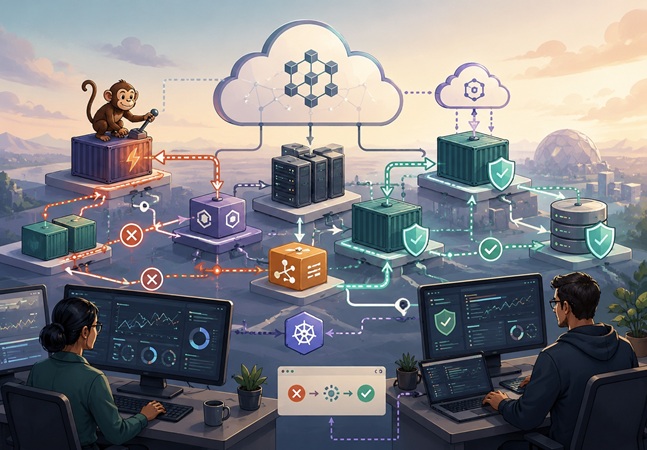
Cloud Resiliency Expert Dives Deep into Chaos Engineering and Chaos Monkey

In a recent virtual session at the Cyber Resilience for Cloud-Native Infrastructure Summit, technology author and cloud resilience expert Brien Posey discussed the practical role of chaos engineering in modern software infrastructure. Originally popularized by Netflix through its Chaos Monkey tool, which randomly shut down live servers to evaluate system survival, this practice revolves around intentionally creating controlled disruptions. As Posey noted, the primary goal of the methodology is not to cause actual damage, but to reduce a team's underlying fear of unexpected failure. Modern cloud networks rely heavily on web APIs, software containers, and various interconnected vendor dependencies, making their exact breaking points highly unpredictable. Rather than waiting to patch a live outage after the fact, engineers can use these simulated disruptions to study how both their software architectures and their response teams handle intense operational stress beforehand. However, Posey cautioned that these deliberate tests must never be performed recklessly. They require full support from company leadership, clear monitoring visibility, an immediate ability to roll back changes, a carefully restricted blast radius, and pre-defined conditions to stop the test instantly if things go wrong. Ultimately, proactively uncovering weak points helps organizations safely preserve business operations and maintain customer trust.

Daily Tech Digest - March 10, 2026


Quote for the day:

"A leader has the vision and conviction that a dream can be achieved. He inspires the power and energy to get it done." -- Ralph Nader


🎧 Listen to this digest on YouTube Music

▶ Play Audio Digest

Duration: 37 mins • Perfect for listening on the go.

Job disruption by AI remains limited — and traditional metrics may be missing the real impact

This article on computerworld explores the current state of artificial intelligence in the workforce. Despite widespread alarm, data from Challenger, Gray & Christmas indicates that AI accounted for roughly 8 to 10 percent of job cuts in early 2026. Researchers from Anthropic argue that traditional metrics fail to capture the nuances of AI integration, introducing an "observed exposure" methodology. This technique combines theoretical large language model capabilities with actual usage data, revealing that while certain roles—such as computer programmers and customer service representatives—have high exposure to automation, actual deployment lags significantly behind technical potential. Currently, AI functions primarily as a tool for task-based augmentation rather than full-scale replacement, which enhances worker productivity but complicates entry-level hiring. The report suggests that while immediate mass unemployment hasn't materialized, the long-term impact will require a fundamental re-engineering of workflows. This shift may disproportionately affect younger workers as companies struggle to balance AI efficiency with the necessity of maintaining a pipeline of human talent. Ultimately, the transition necessitates a strategic realignment of human roles to ensure sustainable growth in an intelligence-native era.


Why Password Audits Miss the Accounts Attackers Actually Want

This article on BleepingComputer highlights a critical disconnect between standard compliance-driven password audits and the actual tactics used by cybercriminals. While traditional audits prioritize technical requirements like complexity and rotation, they often overlook the context that makes an account vulnerable. For instance, a password can be statistically "strong" yet already compromised in a previous breach; research indicates that 83% of leaked passwords still meet regulatory standards. Furthermore, audits frequently neglect "orphaned" accounts belonging to former employees or contractors, which provide silent entry points for attackers. Service accounts—often over-privileged and exempt from expiry policies—represent another major blind spot. The piece argues that point-in-time snapshots are insufficient against continuous threats like credential stuffing. To be truly effective, security teams must shift toward continuous monitoring, incorporating breached-password screening and risk-based prioritization. By expanding the scope to include dormant, external, and service accounts, organizations can move beyond mere compliance to address the high-value targets that attackers prioritize. Ultimately, securing a digital environment requires recognizing that a compliant password is not necessarily a safe one in the face of modern, targeted exploitation.


AI is supercharging cloud cyberattacks - and third-party software is the most vulnerable

The latest Google Cloud Threat Report, as analyzed by ZDNET, highlights a significant escalation in cybersecurity risks where artificial intelligence is increasingly being used to "supercharge" cloud-based attacks. The report reveals a dramatic collapse in the window between the disclosure of a vulnerability and its mass exploitation, shrinking from weeks to mere days. Rather than targeting the highly secured core infrastructure of major cloud providers, threat actors are now focusing their efforts on unpatched third-party software and code libraries. This shift emphasizes that the modern supply chain remains a critical weak point for many organizations. Furthermore, the report notes a transition away from traditional brute force attacks toward more sophisticated identity-based compromises, including vishing, phishing, and the misuse of stolen human and non-human identities. Data exfiltration is also evolving, with "malicious insiders" increasingly using consumer-grade cloud storage services to move confidential information outside the corporate perimeter. To combat these AI-powered threats, Google’s experts recommend that businesses adopt automated, AI-augmented defenses, prioritize immediate patching of third-party tools, and strengthen identity management protocols. Ultimately, the report serves as a stark warning that in the current threat landscape, speed and automation are no longer optional but essential components of a robust cybersecurity strategy.


Change as Metrics: Measuring System Reliability Through Change Delivery Signals

This article highlights that system changes account for the vast majority of production incidents, necessitating their treatment as primary reliability indicators. To manage this risk, the author proposes a framework centered on three core business metrics: Change Lead Time, Change Success Rate, and Incident Leakage Rate. While aligned with DORA principles, this model specifically focuses on delivery quality by distinguishing between immediate deployment failures and latent defects that manifest as post-release incidents. To operationalize these goals, technical control metrics such as Change Approval Rate, Progressive Rollout Rate, and Change Monitoring Windows are introduced to provide actionable insights into pipeline friction and risk. The piece further advocates for a platform-agnostic, event-centric data architecture to collect these signals across diverse, distributed environments. This centralized approach avoids the brittleness of platform-specific logging and provides a unified view of system health. Ultimately, the framework empowers organizations to transform change management from a reactive necessity into a proactive, measurable engineering capability. By integrating these metrics, development teams can effectively balance the need for high-speed delivery with the imperative of system stability, ensuring that rapid innovation does not come at the expense of user experience or operational reliability.


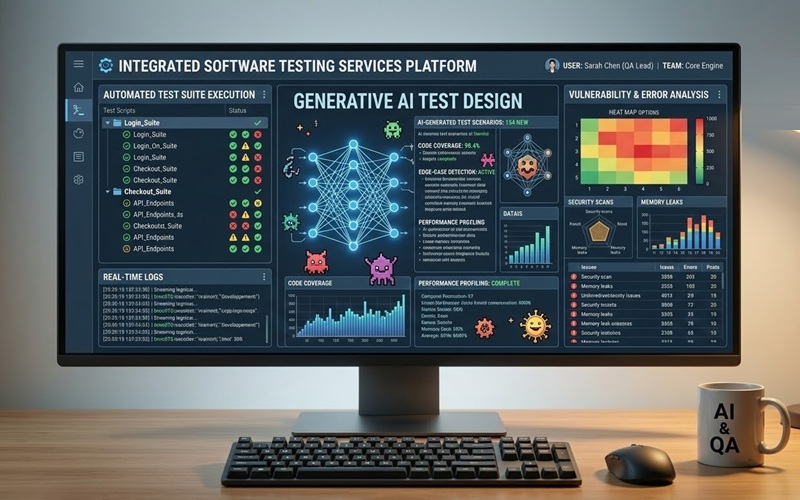
The future of generative AI in software testing

In this article on Techzine, experts Hélder Ferreira and Bruno Mazzotta discuss the transformative shift of AI from a simple task accelerator to a fundamental structural layer within delivery pipelines. As global IT investment in AI is projected to surge toward $6.15 trillion by 2026, the software testing landscape is evolving beyond early challenges like hallucinations and "vibe coding" toward a sophisticated "quality intelligence layer." The authors outline four critical areas where AI adds strategic value: generating complex scenario-based datasets, suggesting high-risk exploratory prompts, automating defect triage to identify regression patterns, and enabling context-aware execution that prioritizes testing based on actual risk rather than volume. Crucially, the piece argues that while AI can significantly enhance velocity, sustainable success depends on maintaining "humans-in-the-loop" to ensure traceability and accountability. In this new era, the primary differentiator for enterprises will not be the sheer amount of AI deployed, but the effectiveness of their governance frameworks. By linking intent with execution and using AI as connective tissue across the lifecycle, organizations can achieve a balance where rapid delivery is supported by explainable automation and human-verified confidence in software quality.


CIOs cut IT corners to manufacture budget for AI

In this CIO.com article, author Esther Shein examines the aggressive strategies IT leaders are employing to fund artificial intelligence initiatives amidst stagnant overall budgets. Faced with intense pressure from boards and executive leadership to prioritize AI, many CIOs are being forced to make difficult trade-offs that jeopardize long-term stability. Common tactics include delaying non-critical infrastructure refreshes, such as server expansions and network improvements, which are often pushed out by twelve to eighteen months. Additionally, organizations are aggressively consolidating vendors, renegotiating contracts, and cutting legacy software subscriptions to free up capital. Some leaders have even implemented strict "self-funding" mandates where every new AI project must be offset by equivalent cuts elsewhere. Beyond technical sacrifices, the human element is also affected, with many departments reducing reliance on contractors or trimming internal staff to reallocate funds toward high-impact AI use cases. While these measures enable rapid deployment, they frequently lead to the accumulation of technical debt and a narrower scope for implementations. Ultimately, the piece warns that while these "corners" are being cut to fuel innovation, the resulting lack of focus on foundational maintenance could present significant operational risks in the future.


Beyond Prompt Injection: The Hidden AI Security Threats in Machine Learning Platforms

In the article "Beyond Prompt Injection: The Hidden AI Security Threats in Machine Learning Platforms," the focus of AI security shifts from headline-grabbing prompt injections to the critical vulnerabilities within MLOps infrastructure. While many security teams prioritize protecting chatbots from manipulation, the underlying platforms used to train and deploy models often present a far more dangerous attack surface. Through a red team engagement, researchers demonstrated how a simple self-registered trial account could be used to achieve remote code execution on a provider’s cloud infrastructure. By deploying a seemingly legitimate but malicious machine learning model, attackers can exploit the fact that these platforms must execute arbitrary code to function. The study highlights a significant risk: once RCE is achieved, weak network segmentation can allow adversaries to bypass trust boundaries and access sensitive internal databases or services. This effectively turns a managed ML environment into a gateway for lateral movement within a corporate network. To mitigate these threats, the article stresses that organizations must move beyond model-centric security and adopt robust infrastructure protections, including strict network isolation, continuous behavior monitoring, and a "zero-trust" approach to user-deployed artifacts, ensuring that the convenience of rapid AI development does not come at the cost of total system compromise.


Enterprise agentic AI requires a process layer most companies haven’t built

The VentureBeat article emphasizes that while 85% of enterprises aspire to implement agentic AI within the next three years, a staggering 76% acknowledge that their current operations are fundamentally unequipped for this transition. The core issue lies in the absence of a "process layer"—a critical foundation of optimized workflows and operational intelligence that provides AI agents with the necessary context to function effectively. Without this layer, agents are essentially "guessing," leading to a lack of reliability that causes 82% of decision-makers to fear a failure in return on investment. The piece argues that the primary hurdle is not merely technological but rather rooted in organizational structure and change management. Most companies suffer from siloed data and fragmented processes that hinder the seamless integration of autonomous systems. To overcome these barriers, businesses must prioritize process optimization and operational visibility, ensuring that AI-driven initiatives are linked to strategic executive outcomes. Simply layering advanced AI over inefficient, legacy frameworks will likely result in costly friction. Ultimately, for agentic AI to move beyond experimental pilots and deliver scalable value, organizations must first build a robust architectural bridge that connects sophisticated models with the complex, real-world logic of their daily business operations and high-stakes organizational decision cycles.


Building resilient foundations for India’s expanding Data Centre ecosystem

In "Building resilient foundations for India's expanding Data Centre ecosystem," Saurabh Verma explores the rapid evolution of India’s data infrastructure and the urgent necessity of prioritizing long-term resilience over mere capacity. As cloud adoption and 5G accelerate growth across hubs like Mumbai, Chennai, and Hyderabad, the sector faces escalating challenges that demand a sophisticated understanding of risk management. The article argues that modern data centres are no longer just IT assets but critical infrastructure whose failure directly impacts the digital economy. Beyond physical damage, business interruptions often result in massive financial losses, contractual penalties, and significant reputational harm. Climate change has emerged as a significant operational reality, with heatwaves and flooding stressing cooling systems and electrical grids. Furthermore, the convergence of cyber and physical risks means that digital disruptions can quickly translate into tangible infrastructure damage. Construction complexities and logistical interdependencies further amplify potential losses, making early risk engineering essential for success. Ultimately, the piece emphasizes that resilience must be a core design pillar rather than an afterthought. By integrating disciplined risk management from site selection through operations, Indian providers can gain a commercial advantage, securing better investment and insurance terms while building a sustainable, trustworthy backbone for the nation’s digital future.


CVE program funding secured, easing fears of repeat crisis

The Common Vulnerabilities and Exposures (CVE) program has successfully secured stable funding, alleviating industry-wide fears of a repeat of the 2025 crisis that nearly crippled global vulnerability tracking. As detailed in the CSO Online report, the Cybersecurity and Infrastructure Security Agency (CISA) and the MITRE Corporation have renegotiated their contract, transitioning the 26-year-old program from a discretionary expenditure to a protected line item within CISA's budget. This structural change effectively eliminates the "funding cliff" that previously required a last-minute emergency extension. While CISA leadership emphasizes that the program is now fully funded and evolving, some experts note that the specifics of the "mystery contract" remain opaque. The resolution comes at a critical time, as the cybersecurity community had already begun developing contingencies, such as the independent CVE Foundation, to reduce reliance on a single government source. Despite the financial stability, challenges regarding transparency, modernization, and international governance persist. The article underscores that while the immediate threat of a service lapse has faded, the incident served as a stark reminder of the global security ecosystem's fragility. Moving forward, the focus shifts toward ensuring this essential public resource remains resilient against future political or administrative shifts within the United States government.

Daily Tech Digest - October 04, 2025


Quote for the day:

“What seems to us as bitter trials are often blessings in disguise.” -- Oscar Wilde


Autonomous Agents – Redefining Trust and Governance in AI-Driven Software

Agents are no longer confined to code generation. They automate tasks across the full lifecycle: from coding and testing to packaging, deploying, and monitoring. This shift reflects a move from static pipelines to dynamic orchestration. A new developer persona is emerging: the Agentic Engineer. These professionals are not traditional coders or ML practitioners. They are system designers: strategic architects of intelligent delivery systems, fluent in feedback loops, agent behavior, and orchestration across environments. ... To scale agentic AI safely, enterprises must build more than pipelines – they must build platforms of accountability. This requires a System of Record for AI Agents: a unified, persistent layer that treats agents as first-class citizens in the software supply chain. This system must also serve as the foundation for regulatory compliance. As AI regulations evolve globally – covering everything from automated decision-making to data residency and sovereignty – enterprises must ensure that every agent action, dataset, and interaction complies with relevant laws. A well-architected System of Record doesn’t just track activity; it injects governance and compliance into the core of agent workflows, ensuring that AI operates within legal and ethical boundaries from the start.


New AI training method creates powerful software agents with just 78 examples

The problem is that current training frameworks assume that higher agentic intelligence requires a lot of data, as has been shown in the classic scaling laws of language modeling. The researchers argue that this approach leads to increasingly complex training pipelines and substantial resource requirements. Moreover, in many areas, data is not abundant, hard to obtain, and very expensive to curate. However, research in other domains suggests that you don’t necessarily require more data to achieve training objectives in LLM training. ... The LIMI framework demonstrates that sophisticated agentic intelligence can emerge from minimal but strategically curated demonstrations of autonomous behavior. Key to the framework is a pipeline for collecting high-quality demonstrations of agentic tasks. Each demonstration consists of two parts: a query and a trajectory. A query is a natural language request from a user, such as a software development requirement or a scientific research goal.  ... “This discovery fundamentally reshapes how we develop autonomous AI systems, suggesting that mastering agency requires understanding its essence, not scaling training data,” the researchers write. “As industries transition from thinking AI to working AI, LIMI provides a paradigm for sustainable cultivation of truly agentic intelligence.”


CISOs advised to rethink vulnerability management as exploits sharply rise

The widening gap between exposure and response makes it impractical for security teams to rely on traditional approaches. The countermeasure is not “patch everything faster,” but “patch smarter” by taking advantage of security intelligence, according to Lefkowitz. Enterprises should evolve beyond reactive patch cycles and embrace risk-based, intelligence-led vulnerability remediation. “That means prioritizing vulnerabilities that are remotely exploitable, actively exploited in the wild, or tied to active adversary campaigns while factoring in business context and likely attacker behaviors,” Lefkowitz says. ... Yüceel adds: “A risk-based approach helps organizations focus on the threats that will most likely affect their infrastructure and operations. This means organizations should prioritize vulnerabilities that can be considered exploitable, while de-prioritizing vulnerabilities that can be effectively mitigated or defended against, even if their CVSS score is rated critical.” ... “Smart organizations are layering CVE data with real-time threat intelligence to create more nuanced and actionable security strategies,” Rana says. Instead of abandoning these trusted sources, effective teams are getting better at using them as part of a broader intelligence picture that helps them stay ahead of the threats that actually matter to their specific environment.


Modernizing Security and Resilience for AI Threats

For IT leaders, there may be concerns about the complexity and the risks of downtime and data loss. Operational leaders typically think of the impacts it will have on staffing demands and disruptions to business continuity. And it’s easy for security and compliance leaders to be worried about meeting regulatory standards without exposing the company’s data to new attacks. Most importantly, executive leadership can tend to be hesitant due to concerns around the total investment costs and disruption to innovation and revenue growth. While each leader may have their valid concerns, the risk of inaction is much greater. ... Fortunately, modernization doesn’t mean you need to take on a massive overhaul of your organization’s operations. Modernizing in place is an alternative solution that can be a sustainable, incremental strategy that improves stability, security, and performance without putting mission-critical systems at risk. When leaders can align on business continuity needs and concerns, they can develop low-risk approaches that still move operations forward while achieving long-term organizational goals. ... A modernization journey can take many forms. From updates to your on-prem system or migrating to a hybrid-cloud environment, modernization is a strategic initiative that can improve and bolster your company’s strength against potential data breaches.


Navigating AI Frontier — Role of Quality Engineering in GenAI

In the GenAI era, the role of Quality Engineering (QE) is under the spotlight like never before. Some whisper that QE may soon be obsolete after all, if developer agents can code autonomously, why not let GenAI-powered QE agents generate test cases from user stories, synthesize test data, and automate regression suites with near-perfect precision? Playwright and its peers are already showing glimpses of this future. In corporate corridors, by the water coolers, and in smoke breaks, the question lingers: Are we witnessing the sunset of QE as a discipline? The reality, however, is far more nuanced. QE is not disappearing it is being reshaped, redefined, and elevated to meet the demands of an AI-driven world. ... if test scripts pose one challenge, test data is an even trickier frontier. For testers, data that mirrors production is a blessing; data that strays too far is a nightmare. Left to itself, a large language model will naturally try to generate test data that looks very close to production. That may be convenient, but here’s the real question: can it stand up to compliance scrutiny? ... What we’ve explored so far only scratches the surface of why LLMs cannot and should not be seen as replacements for Quality Engineering. Yes, they can accelerate certain tasks, but they also expose blind spots, compliance risks, and the limits of context-free automation. 


Are Unified Networks Key to Cyber Resilience?

Fragmentation usually stems from a mix of issues. It can start with well-meaning decisions to buy tools for specific problems. Over time, this creates siloed data, consoles and teams, and it can take a lot of additional work to manage all the information coming from different sources. Ironically, instead of improving security, it can introduce new risks. Another factor is the misalignment of business processes as needs change. As business needs evolve and grow, the pressure to address specific requirements can drive IT and security processes in different directions. And finally, there is shadow IT, where employees attach new devices and applications to the network that haven’t been approved. If IT and security teams can’t keep pace with business initiatives, other teams across the organisation may seek to find their own solutions, sometimes bypassing official processes and adding to fragmentation. ... The bigger issue is that security teams risk becoming the ‘department of no’ instead of business enablers. A unified approach can help address this. By consolidating networking, security and observability into one unified platform, organisations have a single source of truth for managing network security. They can even automate reporting in some platforms, eliminating hours of manual work. With a single view of the entire network instead of putting together puzzle pieces from various applications, security teams see the big picture instantly, allowing them to prioritise what matters, respond faster and avoid burnout.


How CIOs Balance Emerging Technology and Technical Debt

"Technical debt isn't just an IT problem -- it's an innovation roadblock." Briggs pointed to Deloitte data showing 70% of technology leaders cite technical debt as their number one productivity drain. His advice? Take inventory before you innovate. "Know what's working versus what's just barely hanging on, because adding AI to broken processes doesn't fix them, it just breaks them faster," he said. ... "Everything kind of boils down to how the organizations are structured, how your teams are structured, what the goals are per team and what you're delivering," Caiafa said. At SS&C, some teams focus solely on maintaining legacy systems, while others support the integration of newer technologies. But, Caliafa said, the dual structure doesn't eliminate the challenge: Technical debt still accumulates as newer technologies are adopted. He advised CIOs to stay disciplined about prioritizing value. At SS&C, the approach is straightforward: "If it's not going to help us or make a material impact on what we're doing day to day, then it's not going to be an area of focus," he said. ... "Technical debt isn't just legacy code -- it's the accumulation of decisions made without long-term clarity," he said. Profico urged CIOs to embed architectural thinking into every IT initiative, align with business strategy and adopt of new technologies in an incremental manner -- while avoiding "the urge to over-index on shiny tools."


For Banks and Credit Unions, AI Can Be Risky. But What’s Riskier? Falling Behind.

"Over the past 18 months, I have not encountered a single financial services organization that said ‘we don’t need to do anything'" when it comes to AI, said Ray Barata, Director of CX Strategy at TTEC Digital, a global customer experience technology and services company. That said, though many banks and credit unions are highly motivated, and some may have the beginnings of a strategy in mind, they are frozen in place. Conditioned by decades of "garbage-in-garbage-out" data-integration horror stories, these institutions’ leaders have come to believe they must wait until their data architectures are deemed "ready" — a state that never arrives. Meanwhile, compliance and security concerns add more friction. And doubts over return on investment complete the picture. ... Barata emphasized the critical role "sandboxing" plays in the low-risk / high-impact approach — setting up a controlled test environment that mirrors the real conditions operating within the institution, but walled off from its operating environment. This enables experimentation within guardrails. Referring to TTEC Digital’s Sandcastle CX approach, he described this as "building an entire ecosystem in which we can measure performance of individual platform components and data sets" — so that sensitive information stays protected while teams trial AI safely and prove value before scaling.


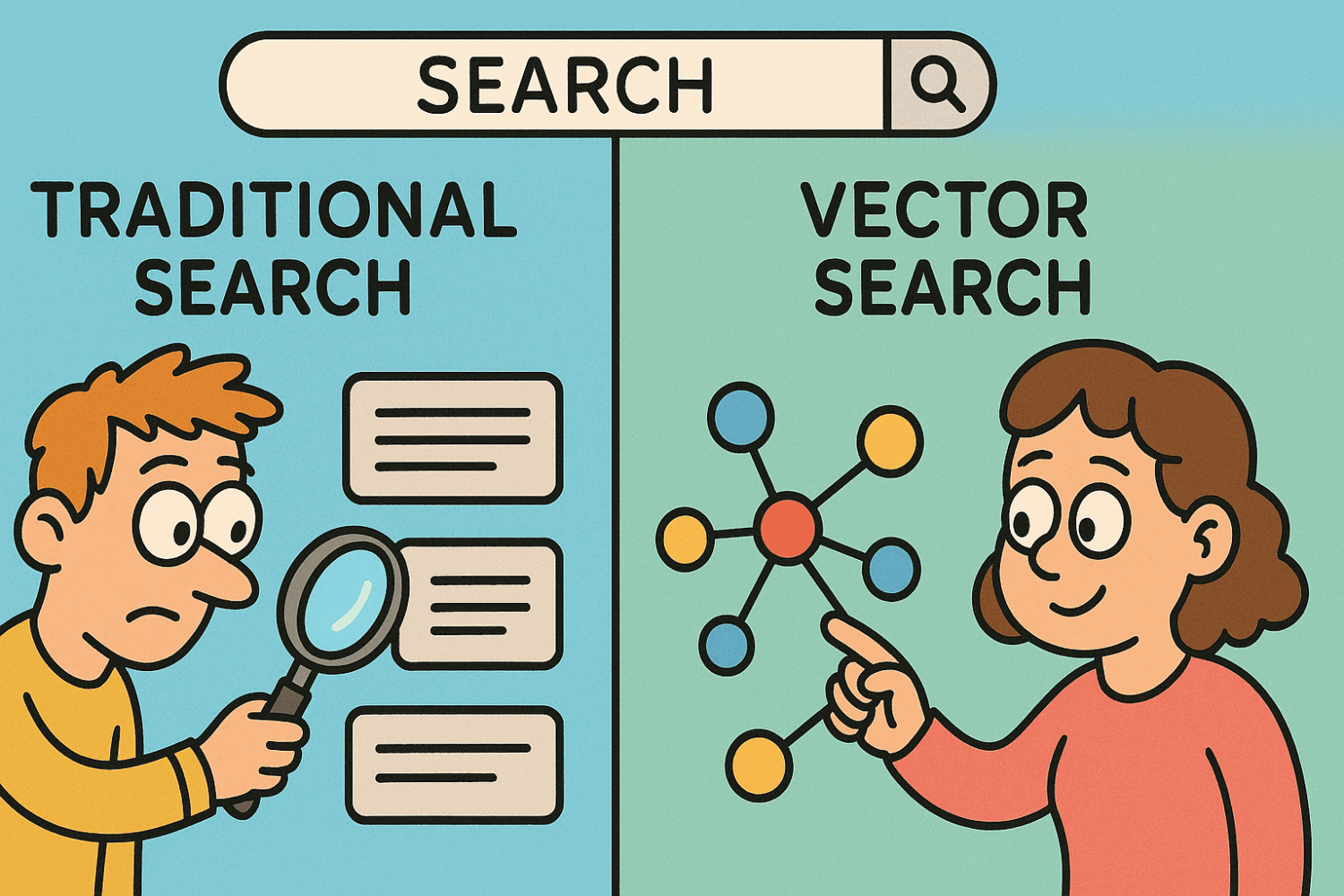
What is vector search and when should you use it?

Vector search uses specialized language models (not the large LLMs such as ChatGPT, but targeted embedding models) to convert text into numerical representations, known as vectors, which capture the meaning of the text. This enables search engines to make connections between different terminologies. If you search for “car,” the system can also find documents that mention “vehicle” or “motor vehicle,” even if those exact terms do not appear. ... If semantic meaning is crucial, vector search can be a good solution. This is the case when users search for the same information using different words, or when a better search query can lead to increased revenue. A large e-commerce platform could potentially achieve 1 or 2 percent more revenue by applying vector search. The application of vector search is therefore immediately measurable. ... Vector search does add extra complexity. Documents or texts must be divided into chunks, then run through embedding models, and finally indexed efficiently. Elastic uses HNSW (Hierarchical Navigable Small World) indexing for this. To keep things from getting too complex, Elastic has chosen to integrate it into its existing search solution. It is an additional data type that can be stored in a column alongside existing data. This also makes hybrid search much easier. However, this is not so simple with every vector search provider.


Digital friction is where most AI initiatives fail

While the link between digital maturity and AI outcomes plays out across the enterprise, it is clearest in employee-facing use cases. Many AI tools being introduced into the workplace are designed to assist with routine tasks, surface relevant knowledge, or to summarise documents and automate repetitive workflows. ... With DEX maturity, organisations begin to change how they understand and deliver technology. Early efforts often focus narrowly on devices or support tickets. More mature organisations shift their focus toward employees, designing services around user personas, mapping full task journeys across tools and monitoring how those journeys perform in real time. Telemetry moves beyond technical diagnostics, becoming a strategic input for decision-making, investment planning and continuous improvement. Experience data becomes a foundation for IT operations and transformation. ... Where maturity is lacking, AI tends to be misapplied. Automation is aimed at the wrong processes. Recommendations appear in the wrong context. Systems respond to incomplete or misleading signals. The result is friction, not transformation. Organisations that have meaningful visibility into how work actually happens, and where it slows down, can identify where AI would make a measurable difference.
What it means for you

Daily Tech Digest - June 18, 2025


Quote for the day:

"Build your own dreams, or someone else will hire you to build theirs." -- Farrah Gray


Agentic AI adoption in application security sees cautious growth

The study highlights a considerable proportion of the market preparing for broader adoption, with nearly 50% of respondents planning to integrate agentic AI tools within the next year. The incremental approach taken by organisations reflects a degree of caution, particularly around the concept of granting AI systems the autonomy to make decisions independently.  ... The survey results illustrate the impact agentic AI could have on software development pipelines. Thirty percent of respondents believe integrating agentic AI into continuous integration and continuous deployment (CI/CD) pipelines would significantly enhance the process. The increased speed and frequency of code deployment-termed "vibe coding" in industry parlance-has led to faster development cycles. This acceleration does not necessarily alter the ratio of application security personnel to developers, but it can create the impression of a widening gap, with security teams struggling to keep up. ... Key findings from the survey reveal varied perceptions on the utility of agentic AI for security teams. Forty-four percent of those surveyed believe agentic AI's greatest benefit lies in supporting the identification, prioritisation, and remediation of vulnerabilities. 


Why Conventional Disaster Recovery Won’t Save You from Ransomware

Cyber incident recovery planning means taking measures that mitigate the unique challenges of ransomware recovery, such as: Immutable, offsite backups. These backups are stored offsite to minimise the risk that threat actors will be able to destroy backup data. While clean-room recovery environments serve as a secondary environment where workloads can be spun back up following a ransomware attack. This makes it possible to keep the original environment intact for forensics purposes while still performing rapid recovery. Finally, to avoid replicating the malware that led to the ransomware breach, cyber incident recovery must include a process for finding and extricating malware from backups prior to recovery. The unpredictable nature of ransomware attacks means that cyber incident recovery operations must be flexible enough to enable a nimble reaction to unexpected circumstances, like redeploying individual applications instead of simply replicating an entire server image if the server was compromised but the apps were not. ... Maintaining these capabilities can be challenging, even for organisations with extensive IT resources. In addition to the operational complexity of having to manage a secondary, clean-room recovery site and formulate intricate ransomware recovery plans, it’s costly to acquire and maintain the infrastructure necessary to ensure successful recovery.


Cybersecurity takes a big hit in new Trump executive order

Specific orders Trump dropped or relaxed included ones mandating (1) federal agencies and contractors adopt products with quantum-safe encryption as they become available in the marketplace, (2) a stringent Secure Software Development Framework (SSDF) for software and services used by federal agencies and contractors, (3) the adoption of phishing-resistant regimens such as the WebAuthn standard for logging into networks used by contractors and agencies, (4) the implementation new tools for securing Internet routing through the Border Gateway Protocol, and (5) the encouragement of digital forms of identity. ... Critics said the change will allow government contractors to skirt directives that would require them to proactively fix the types of security vulnerabilities that enabled the SolarWinds compromise. "That will allow folks to checkbox their way through 'we copied the implementation' without actually following the spirit of the security controls in SP 800-218," Jake Williams, a former hacker for the National Security Agency who is now VP of research and development for cybersecurity firm Hunter Strategy, said in an interview. "Very few organizations actually comply with the provisions in SP 800-218 because they put some onerous security requirements on development environments, which are usually [like the] Wild West."


Mitigating AI Threats: Bridging the Gap Between AI and Legacy Security

AI systems, particularly those with adaptive or agentic capabilities, evolve dynamically, unlike static legacy tools built for deterministic environments. This inconsistency renders systems vulnerable to AI-focused attacks, such as data poisoning, prompt injection, model theft, and agentic subversion—attacks that often evade traditional defenses. Legacy tools struggle to detect these attacks because they don’t followpredictable patterns, requiring more adaptive, AI-specific security solutions. Human flaws and behavior only worsen these weaknesses; insider attacks, social engineering, and insecure interactions with AI systems leave organizations vulnerable to exploitation. ... AI security frameworks like NIST’s AI Risk Management Framework incorporate human risk management to ensure that AI security practices align with organizational policies. Also modeled on the fundamental C.I.A. triad, the “manage” phase specifically includes employee training to uphold AI security principles across teams. For effective use of these frameworks, cross-departmental coordination is required. There needs to be collaboration among security staff, data scientists, and human resource practitioners to formulate plans that ensure AI systems are protected while encouraging their responsible and ethical use.


Modernizing your approach to governance, risk and compliance

Historically, companies treated GRC as an obligation to meet–and if legacy solutions were effective enough in meeting GRC requirements, organizations struggled to make a case for modernization. A better way to think about GRC is a means of maximizing the value for your company by tying out those efforts to unlock revenue and increased customer trust, and not simply by reducing risks, passing audits, and staying compliant. GRC modernization can open the door to a host of other benefits, such as increased velocity of operations and an enhanced team member (both GRC team members and internal control / risk owners alike) experience. For instance, for businesses that need to demonstrate compliance to customers as part of third-party or vendor risk management initiatives, the ability to collect evidence and share it with clients faster isn’t just a step toward risk mitigation. These efforts also help close more deals and speed up deal cycle time and velocity. When you view GRC as an enabler of business value rather than a mere obligation, the value of GRC modernization comes into much clearer focus. This vision is what businesses should embrace as they seek to move away from legacy GRC strategies that don’t waste time and resources, but fundamentally reduce their ability to stay competitive.


What is Cyberespionage? A Detailed Overview

Cyber espionage involves the unauthorized access to confidential information, typically to gain strategic, political, or financial advantage. This form of espionage is rooted in the digital world and is often carried out by state-sponsored actors or independent hackers. These attackers infiltrate computer systems, networks, or devices to steal sensitive data. Unlike cyber attacks, which primarily target financial gain, cyber espionage is focused on intelligence gathering, often targeting government agencies, military entities, corporations, and research institutions. ... One of the primary goals of cyber espionage is to illegally access trade secrets, patents, blueprints, and proprietary technologies. Attackers—often backed by foreign companies or governments—aim to acquire innovations without investing in research and development. Such breaches can severely damage a competitor’s advantage, leading to billions in lost revenue and undermining future innovation. ... Governments and other organizations often use cyber espionage to gather intelligence on rival nations or political opponents. Cyber spies may breach government networks or intercept communications to secretly access sensitive details about diplomatic negotiations, policy plans, or internal strategies, ultimately gaining a strategic edge in political affairs.


European Commission Urged to Revoke UK Data Adequacy Decision Due to Privacy Concerns

The items in question include sweeping new exemptions that allow law enforcement and government agencies to access personal data, loosening of regulations governing automated decision-making, weakening restrictions on data transfers to “third countries” that are otherwise considered inadequate by the EU, and increasing the possible ways in which the UK government would have power to interfere with the regular work of the UK Data Protection Authority. EDRi also cites the UK Border Security, Asylum and Immigration Bill as a threat to data adequacy, which has passed the House of Commons and is currently before the House of Lords. The bill’s terms would broaden intelligence agency access to customs and border control data, and exempt law enforcement agencies from UK GDPR terms. It also cites the UK’s Public Authorities (Fraud, Error and Recovery) Bill, currently scheduled to go before the House of Lords for review, which would allow UK ministers to order that bank account information be made available without demonstrating suspicion of wrongdoing. The civil society group also indicates that the UK ICO would likely become less independent under the terms of the UK Data Bill, which would give the UK government expanded ability to hire, dismiss and adjust the compensation of all of its board members.


NIST flags rising cybersecurity challenges as IT and OT systems increasingly converge through IoT integration

Connectivity can introduce significant challenges for organizations attempting to apply cybersecurity controls to OT and certain IoT products. OT equipment may use modern networking technologies like Ethernet or Wi-Fi, but is often not designed to connect to the internet. In many cases, OT and IoT systems prioritize trustworthiness aspects such as safety, resiliency, availability, and cybersecurity differently than traditional IT equipment, which can complicate control implementation. While IoT devices can sometimes replace OT equipment, they often introduce different or significantly expanded functionality that organizations must carefully evaluate before moving forward with replacement. Organizations should consider how other aspects of trustworthiness, such as safety, privacy, and resiliency, factor into their approach to cybersecurity. It is also important to address how they will manage the differences in expected service life between IT, OT, and IoT systems and their components. The agency identified that federal agencies are actively deploying IoT technologies to enhance connectivity, security, environmental monitoring, transportation, healthcare, and industrial automation.


How Organizations Can Cross the Operational Chasm

A fundamental shift in operational capability is reshaping the competitive landscape, creating a clear distinction between market leaders and laggards. This growing divide isn’t merely about technological adoption — it represents a strategic inflection point that directly affects market position, customer retention and shareholder value. ... The message is clear: Organizations must bridge this divide to remain competitive. Crossing this chasm requires more than incremental improvements. It demands a fundamental transformation in operational approach, embracing AI and automation to build the resilience necessary for today’s digital landscape. ... Digital operations resiliency is a proactive approach to safeguarding critical business services by reducing downtime and ensuring seamless customer experiences. It focuses on minimizing operational disruptions, protecting brand reputation and mitigating business risk through standardized incident management, automation and compliance with service-level agreements (SLAs). Real-time issue resolution, efficient workflows and continuous improvement are put into place to ensure operational efficiency at scale, helping to provide uninterrupted service delivery. 


7 trends shaping digital transformation in 2025 - and AI looms large

Poor integration is the common theme behind all these challenges. If agents are unable to access the data and capabilities they need to understand user queries, find a solution, and resolve these issues for them, their impact is severely limited. As many as 95% of IT leaders claim integration issues are a key factor that impedes AI adoption. ... The surge in demand for AI capabilities will exacerbate the problem of API and agent sprawl, which occurs when different teams and departments build integrations and automations without any centralized management or coordination. Already, an estimated quarter of APIs are ungoverned. Three-fifths of IT and security practitioners said their organizations had at least one data breach due to API exploitation, according to a 2023 study from the Ponemon Institute and Traceable. ... Robotic process automation (RPA) is already helping organizations enhance efficiency, cut operational costs, and reduce manual toil by up to two hours for each employee every week in the IT department alone. These benefits have driven a growing interest in RPA. In fact, we could see near-universal adoption of the technology by 2028, according to Deloitte. In 2025, organizations will evolve their use of RPA technology to reduce the need for humans at every stage of the operational process.