Showing posts with label banking. Show all posts

Daily Tech Digest - August 09, 2026


Quote for the day:

"Failure will never overtake me if my determination to succeed is strong enough." -- Og Mandino

🎧 Listen to the audio debrief on YouTube

▶ Play Audio Digest

Duration: 22 mins • Perfect for listening on the go.


AI inference attacks put new pressure on enterprise privacy
Artificial intelligence is changing how we protect personal data, and traditional privacy rules are struggling to keep up. Experts predict that in a few years, most privacy breaches will not come from stolen names or social security numbers. Instead, they will happen because artificial intelligence can guess sensitive details about people by analyzing ordinary, everyday information. Even when companies try to hide customer identities in their records, modern algorithms can piece together travel habits, social media posts, and purchase histories to figure out exactly who someone is. This means that seemingly harmless details like an employee list or a supplier relationship can be combined to launch highly targeted phishing emails and extortion attempts. Bad actors no longer need to break into medical or human resource files; they simply let the algorithms connect the dots at incredible speeds. To defend against this, organizations must rethink how they handle information. The most effective step is to permanently delete old data when it is no longer strictly necessary for business operations. Companies should also set clear guidelines for algorithm development, use specialized tools that encrypt information during processing, and ensure human oversight remains a central part of any automated system.


Post-Quantum Cryptography Timelines: When Will Organizations Migrate?

The article outlines how different sectors are preparing to adopt new cryptographic standards to protect sensitive data from future advanced computers. It observes that organizations closest to the development of these new technologies are acting the fastest, with no major group choosing to delay action. On the regulatory side, guidelines mandate that older encryption methods must be phased out by the year 2030 and fully retired by 2035. Additionally, certain national security systems are required to support the updated standards starting in early 2027. Many technology companies are moving well ahead of these official government deadlines. Major firms aim to complete their network security upgrades between 2029 and 2033, motivated by rapid progress in new hardware capabilities. Financial institutions are also acting quickly and effectively to combat the specific threat of adversaries stealing encrypted data today with the intention of unlocking it later. They are implementing early network upgrades to protect long term financial records and sensitive customer information. The blockchain industry faces a more complex challenge, as some networks lack strict timelines, making historical public transactions difficult to secure retroactively. Ultimately, the transition is already underway across multiple industries, relying on newly finalized standards to ensure that digital security remains intact.


Navigating The Security Paradox Of IT/OT Convergence
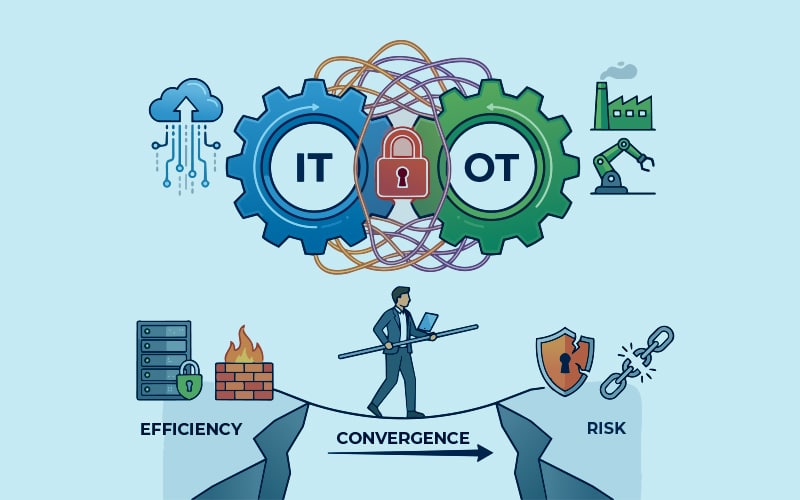
The convergence of information technology and operational technology systems creates significant new security challenges for modern organizations. Historically, operational systems were kept completely isolated from digital networks because they directly control physical equipment in critical infrastructure, where failures can threaten human safety. However, as these environments merge, relying on physical isolation alone provides a false sense of security. Attackers are now extracting operational data to create digital replicas and train models for highly precise future attacks. Even without direct internet access, isolated systems remain vulnerable to human error, temporary maintenance connections, supply chain weaknesses, and portable drives. Furthermore, the growing reliance on artificial intelligence introduces unpredictable variables, making outcomes harder to calculate than with traditional systems. To address these threats, organizations must move beyond simple perimeter defense and adopt a continuous verification approach, treating every connection as a potential risk. Every device and sensor should receive a unique digital identity to ensure that all commands originate from verified sources. By combining this strict verification process with structured architectural frameworks that divide industrial systems into distinct, controlled layers, organizations can effectively contain security breaches and build a more resilient foundation capable of protecting all their digital and physical assets.


How to Make Trust Your Competitive Edge in the Era of Digital Banking

In today's digital banking landscape, building and maintaining customer trust has emerged as a primary way for financial institutions to distinguish themselves from competitors. Because customers no longer visit physical branches as often, their relationship with a bank relies heavily on the reliability and security of its digital platforms. The article emphasizes that trust is no longer just about keeping money safe; it is about protecting personal data, providing transparent communication, and delivering consistent online experiences without errors. When a bank repeatedly demonstrates that its app or website works flawlessly and that customer information is fiercely guarded, it earns a deep level of loyalty that is hard for competitors to break. Furthermore, resolving problems quickly and honestly when things do go wrong shows customers that they are valued, which reinforces this bond. Financial institutions that prioritize these straightforward principles of reliability and transparency find that their customers are more likely to stay and recommend their services to others. By moving away from complex jargon and focusing on clear, everyday communication, banks can bridge the gap created by the lack of face-to-face interaction. Ultimately, when a digital bank makes trust its core foundation, it gains a lasting advantage that technology alone cannot provide.


'Move fast, but do it with trust built in': EY CIO tells us why the rapid pace of AI means trust is now a critical business imperative

The rapid evolution of artificial intelligence means organizations can no longer delay their digital transformation without risking their competitive edge. However, adopting these tools quickly requires a strong foundation of trust. According to Joe Depa, EY's Global CIO, companies that fail to build this trust often find themselves stuck in endless testing phases rather than achieving measurable business outcomes. To succeed, businesses must cultivate trust across their data, technology, processes, and workforce. Crucially, providing employees with proper training allows them to transition from passive users into confident agents of change. Furthermore, organizations should shift their focus from merely tracking usage to prioritizing the most valuable applications of the technology. For instance, EY managed to decrease its token consumption by sixty percent while simultaneously increasing the value delivered. Many view governance as a barrier to innovation, but establishing clear guardrails early actually acts as an accelerator. When employees operate within a secure and well-governed environment, they are more willing to experiment without fear of creating compliance issues. Ultimately, trust in artificial intelligence is a commercial necessity, not just a regulatory hurdle. Boards must develop technological fluency and implement practical controls to manage exposure effectively, ensuring that innovation proceeds safely and confidently.


Rethinking manufacturing cybersecurity as ERP and enterprise IT become critical to production continuity and resilience

Enterprise Resource Planning (ERP) systems have become the central hub for modern manufacturing operations, managing everything from scheduling to material movement. However, this deep integration means that when an ERP system fails, whether due to a cyberattack or a system outage, factory floors often grind to a halt, even if the operational technology network remains perfectly intact. While physical production systems like programmable logic controllers and safety mechanisms are designed to run independently for short periods using cached work orders or manual backups, this resilience usually only lasts for a few hours or a day. Eventually, the lack of fresh instructions and inventory updates disrupts efficiency. Moving ERP systems to the cloud complicates this dynamic by shifting a local network reliance into a broader internet dependency. A cloud disruption or severed connection now carries the same production risk as a direct breach of the plant floor. To maintain operational continuity, manufacturers must clearly map the security boundaries between enterprise IT and factory systems using layered architectures and firewalls. Ensuring resilient connectivity and practicing tested response plans for ERP outages are just as vital as protecting the operational technology itself. This proves that production disruptions no longer require a direct attack on factory equipment.


AI Layoffs: Are companies cutting jobs because of AI or using AI to explain a wider business reset?

The recent wave of layoffs in 2026 is frequently blamed on artificial intelligence, but the reality behind these workforce reductions is far more complex. While over forty major corporations, including prominent names like Oracle, Block, Coinbase, and Atlassian, have announced significant job cuts, AI is rarely the sole culprit. It is true that some companies are directly attributing their smaller workforces to the adoption of automation and the productivity gains expected from new intelligence tools. They are actively redesigning their operational models to rely on leaner, AI-assisted teams. However, many of these same organizations are simultaneously navigating traditional business challenges. Broad organizational restructuring, intense cost pressures, shifting consumer demands, and the need to correct rapid overhiring from earlier growth cycles are equally responsible for the current downsizing trend. For example, some companies are cutting operational roles simply because of lower business volumes rather than technological replacement. Ultimately, the impact of AI on the workforce is better understood as a structural transformation rather than a simple collapse in employment. The current landscape is a complicated business reset where AI accelerates changes companies were already pressured to make, meaning we cannot categorize every recent job cut under a single technological label.


Technology Selections in the AI Era: 7 Criteria to Evaluate a Vendor’s Ecosystem

When evaluating technology in the age of artificial intelligence, many organizations find themselves struggling to make the right vendor selections. Leaders frequently run into complex integration issues or end up overanalyzing their criteria, which only slows down progress and creates unnecessary friction. Making mistakes in how you judge potential value and underlying risk can eventually lead to a difficult situation known as AI debt, where poor initial choices become expensive and incredibly hard to fix later. To avoid these common pitfalls, a smarter approach to evaluating new software requires a balanced focus on three main areas: overall value, risk management, and the true strength of the vendor's ecosystem. Instead of getting lost in endless technical feature comparisons, decision-makers should look closely at practical factors that ensure lasting success. These essential criteria include checking for straightforward data portability so you are never locked into a single provider, understanding actual integration capabilities with your current systems, and thoughtfully assessing the general community sentiment around the tools you plan to adopt. Additionally, looking at leadership accessibility within the vendor's organization helps build a reliable partnership. By keeping your focus on these straightforward areas, you can confidently navigate the crowded software market and build a highly sustainable technology foundation for the future.


Forecasting the AI bubble: When scarcity turns to surplus
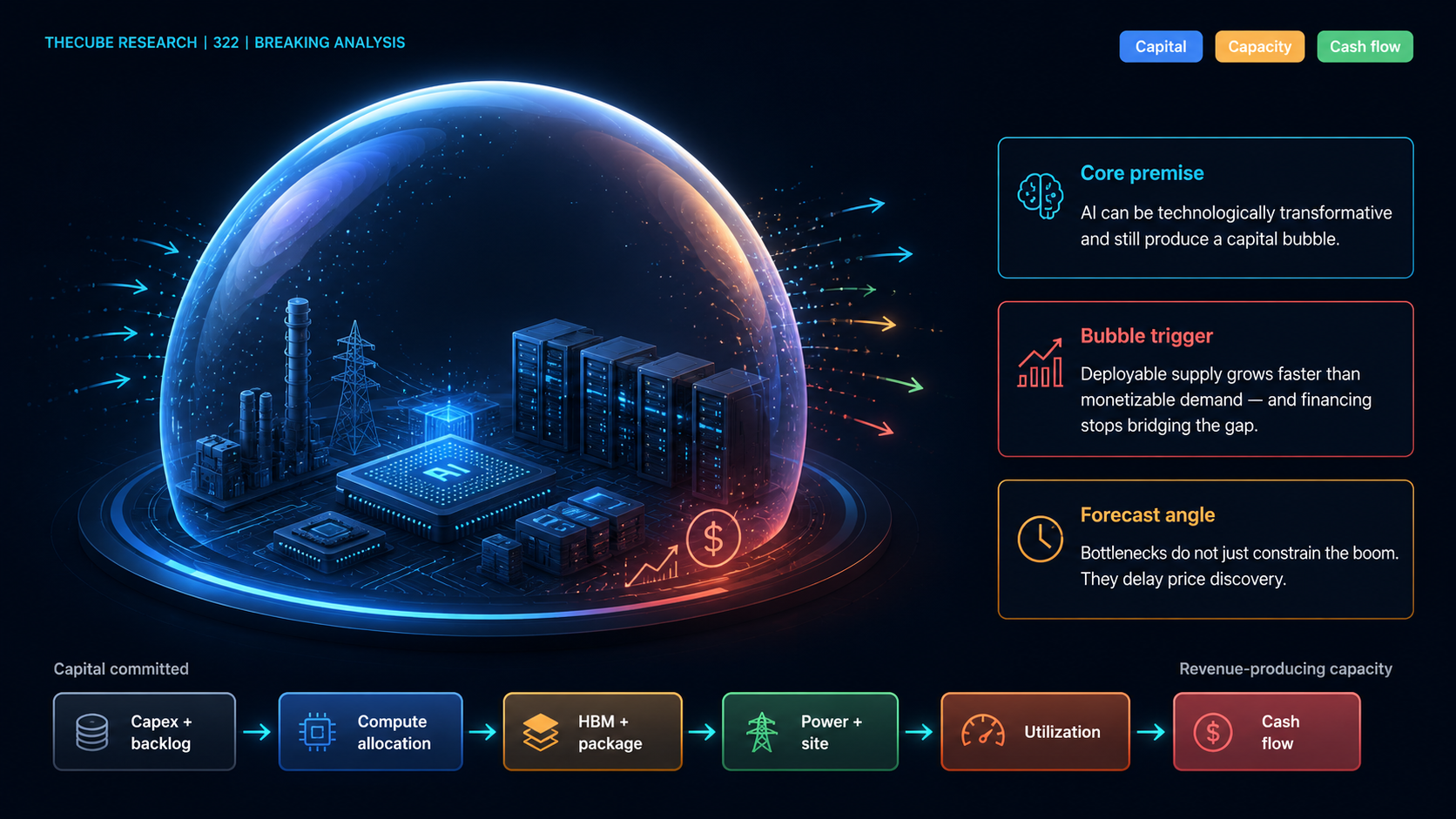
The artificial intelligence industry is currently experiencing a massive wave of investment, but this does not mean the technology itself is flawed. Instead, a financial bubble typically bursts when the supply of deployable technology and the money spent on it grow faster than the actual revenue it generates. Right now, a market correction is being delayed by physical limits in the supply chain, such as severe shortages in advanced memory, packaging, networking equipment, and power availability. These temporary roadblocks slow down how fast new systems can be deployed, successfully masking whether the market has already built more capacity than customers actually need at this moment. A major challenge is the mismatch between two very different timelines. The cycle for building and shipping computer chips moves relatively fast, often taking only months or a few years. In contrast, the timeline for securing land, building data centers, and connecting to power grids takes much longer. Consequently, companies are making massive financial commitments today for capacity that will not generate cash for several years. The primary risk is not simply the total amount of money being spent, but the growing gap between rapid hardware purchases and the long wait for those systems to become profitable.


Why Your Network Segmentation Strategy Is a False Sense of Security—And What Real Protection Looks Like

Many businesses believe their network is secure simply because they have implemented basic segmentation tools like separated areas and standard firewalls. However, this common setup often creates a false sense of safety, leaving organizations completely vulnerable to threats spreading internally during a data breach. The reality is that most network division strategies are outdated or largely incomplete. They were designed for older, simpler environments rather than today's modern mix of remote work, cloud services, and smart devices. Without strict, properly configured enforcement mechanisms, a network boundary exists only on paper. Once an internal threat bypasses the main perimeter, outdated defenses become practically useless. To achieve real protection, companies must begin by thoroughly mapping out all their connected assets, including unmanaged devices and hidden cloud systems. True security requires defining clear trust zones based on actual risk and using precise inspections instead of basic rules. Adopting a model that never defaults to trusting any user or device is essential, alongside regular audits to ensure the network matches company policy. While strict security can sometimes slow daily operations, the solution is adopting smarter access controls rather than weakening defenses. Ultimately, proper segmentation is a necessary foundation that effectively minimizes operational damage during inevitable cyber security incidents.

Daily Tech Digest - August 07, 2026


Quote for the day:

“When you connect to the silence within you, that is when you can make sense of the disturbance going on around you.” -- Stephen Richards

🎧 Listen to the audio debrief on YouTube

▶ Play Audio Digest

Duration: 24 mins • Perfect for listening on the go.


Everything Banks Need to Know About RBI’s Cybersecurity, Technology Risk, Resilience & Assurance Framework, 2026

The Reserve Bank of India has introduced a comprehensive framework for commercial banks, effective July 2026, to manage cybersecurity, technology risks, and operational resilience. This unified directive replaces previous guidelines, bringing governance, incident response, business continuity, and audit requirements under a single regulatory umbrella. At its core, the mandate emphasizes strong board oversight. It requires banks to formalize technology strategies and ensure new technology aligns with broader business goals. A key shift is the elevated role of the Chief Information Security Officer, who must now report directly to executive leadership and present quarterly risk reviews to the board. The framework also outlines rigorous technical and operational standards. Banks must maintain complete inventories of information assets, secure their data lifecycles, and enforce strict access controls, including mandatory multifactor authentication for privileged accounts. Network defenses must be layered, and critical applications face stringent security testing. To ensure continuous vigilance, institutions are required to establish dedicated security operations centers, conduct regular vulnerability assessments, and run complete disaster recovery drills every six months. Furthermore, banks remain fully accountable for risks introduced by external vendors. If a cyber incident occurs, it must be reported to the regulator within six hours, ensuring swift communication and response.


How Leaders Can Make Decisions In A Synthetic Reality

In the next decade, a crucial skill for business leaders will be the ability to tell the difference between what is real and what is synthetic. Artificial intelligence has made it easier and cheaper to create convincing fake documents, voices, and videos, increasing the risk of deception in business. Because of this, leaders face the difficult task of balancing the need to make fast decisions with the necessity of thoroughly checking their information. Taking evidence at face value is no longer a safe option. Instead, leaders must build a habit of verifying information and asking for clear proof of its origins. Relying entirely on detection software is not enough, as these tools often make mistakes. Instead, organizations should naturally build verification into their daily work processes, tracking how information is created and changed over time. When making choices, leaders should weigh the cost of a delayed decision against the dangers of relying on false information. It is important to avoid rushing due to artificial pressure, which can easily cloud judgment and lead to mistakes. Ultimately, building a culture of healthy skepticism where people regularly ask for proof will help maintain trust and accuracy. By slowing down to confirm reality, leaders can confidently navigate this new environment.


How Secure Data Destruction Protects Businesses from Data Breaches

When companies replace old computers, servers, and phones, they often assume a quick deletion or standard formatting erases all sensitive information. In reality, these basic actions only remove the file pathways, leaving the actual data completely intact and easily recoverable by anyone with free software. Secure data destruction offers a permanent, verifiable solution to ensure that payroll files, customer records, and saved passwords do not leave your building when equipment is sold, recycled, or discarded. Instead of relying on simple deletion, proper secure destruction involves thorough overwriting, cryptographic erasing, or physically shredding the storage media so no working surface remains. Choosing the right method depends on whether the hardware still has value for reuse or if it has reached the end of its life. Implementing a strict data disposal process is also a vital regulatory requirement under laws like the UK GDPR. Mishandling old storage drives is a compliance failure that can lead to significant penalties. To protect your organization, you must maintain a clear disposal policy, track every device by its serial number, and obtain item-level certificates of destruction. By doing so, you create a clear audit trail and permanently eliminate a major risk of unauthorized data recovery.


The AI agent presents a new identity puzzle

As AI agents become more deeply integrated into modern IT infrastructure, they present a unique challenge that bridges the gap between traditional human and machine identities. To address this growing complexity, security platforms like Okta are treating AI agents as a distinct middle-ground category, assigning them their own unique identities. This crucial step prevents agents from gradually accumulating excessive privileges, which is a common security risk when a single agent is continuously repurposed for multiple distinct tasks. While implementing a simple kill switch might seem like an easy solution for rogue agents, doing so can trigger unintended disruptions across connected enterprise systems. Instead, organizations are encouraged to adopt a flexible identity fabric that links every agent's actions directly back to a human owner, ensuring full traceability and accountability at all times. This approach minimizes operational friction while maintaining robust security protocols. Real-world applications, such as those implemented at Greenwheels, highlight the importance of realistic oversight and a supportive, no-blame workplace culture where employees feel comfortable reporting potential security concerns. By carefully managing these agent identities and keeping their permissions strictly tailored to specific tasks, businesses can safely harness the benefits of artificial intelligence without exposing their networks to unnecessary vulnerabilities.


How quantum integration is reshaping enterprise cloud workflows

The article explains how quantum computing, though still in its noisy and early stage, is gradually finding practical use through hybrid quantum‑classical models. Pure quantum systems remain years away from broad commercial reliability, but companies like D‑Wave argue that their annealing‑based machines already help with complex optimization tasks such as scheduling, routing, and resource planning. Major cloud providers are integrating quantum hardware into their platforms, allowing enterprises to experiment without owning specialized equipment. Services like IBM’s Qiskit Runtime, AWS Braket, Azure Quantum, and Nvidia’s CUDA‑Q let developers build and test hybrid applications where quantum processors handle narrow, mathematically intense workloads while classical systems manage the rest. Early trials show promise: HSBC explored quantum‑enabled bond‑trading algorithms, and industrial firms like BMW and Airbus are using hybrid methods to model chemical reactions relevant to fuel cells. The article also notes that integrating quantum into DevOps pipelines can help organizations prepare for future quantum systems by enabling simulation, circuit testing, and cost‑efficient experimentation. Challenges remain, including probabilistic outputs, hardware constraints, and the need for specialized validation. Still, the piece presents a steady outlook: hybrid approaches offer a practical bridge, helping enterprises build readiness and explore targeted use cases while full‑scale quantum computing continues to mature.


Designing for change, not for convenience

The article explores how rapid shifts in AI technology are forcing data centers to rethink how they are designed, especially around cooling. Traditional approaches no longer hold up as power density rises and facilities generate far more heat in smaller spaces. Ginger Phelps of PowerHouse argues that the most resilient data centers are not the ones with the flashiest technology, but the ones built to adapt. She explains that cooling choices now involve careful trade-offs: air‑cooled systems reduce water use but demand more power, while water‑heavy systems are efficient but raise environmental and community concerns. Because sites vary widely in climate, water availability, and local expectations, no single solution works everywhere. The article emphasizes planning for worst‑case conditions, building in redundancy, and considering alternatives such as closed‑loop liquid cooling and non‑potable water sources to reduce strain on communities. It also notes that AI hardware is evolving faster than buildings can be constructed, making flexibility a core design principle. Rather than reinventing everything, operators are encouraged to rethink familiar systems and tailor them to each location. The message is steady and practical: long‑lasting data centers come from thoughtful, context‑driven design that anticipates change rather than convenience.


U.S. Startups Need Not Bureaucracy, but Provable Software Quality

As United States startups grow and attempt to work with large enterprise clients, they often realize that simply having a working product is no longer enough. Big companies expect clear proof that a vendor can handle software errors, manage new releases, and limit operational risks. Without this discipline, poor testing quickly becomes a serious commercial risk that can cost them major contracts. Daniil Khudenko helps these growing tech companies transition from informal, fast-paced development to mature quality systems. He achieves this without adding the heavy corporate rules that typically slow down progress. Instead, he focuses on practical engineering habits, such as keeping accurate records of decisions, protecting essential software functions, and identifying the most severe risks before heavily relying on automated testing. When development teams actually understand their vulnerabilities, they can use automation and artificial intelligence effectively to support consistent testing, rather than just moving faster without direction. Khudenko's practical approach ensures that startups build a solid foundation of evidence, which is absolutely necessary for passing enterprise reviews and meeting strict security standards. By making software quality assurance a clear and repeatable process, he enables growing companies to maintain their signature speed while proving to demanding clients that their operations are fully reliable and under control.


Stop Calling It AI Testing—It’s Time for AI Validation Engineering

The transition from traditional software testing to AI validation engineering is necessary because artificial intelligence systems operate fundamentally differently than conventional applications. Traditional software testing relies on predictable inputs and exact expected outcomes, treating software evaluation as a final checkpoint before a release. However, AI systems are dynamic and often non-deterministic, meaning they can produce varied responses to similar inputs and lack a strict specification to check against. Simply running standard tests is inadequate. AI validation engineering approaches quality assurance as an ongoing, system-wide practice rather than a periodic check. These engineers do not just evaluate an isolated model for basic accuracy; they assess the entire pipeline from data ingestion to actual human interaction. They build robust frameworks that continuously monitor for performance degradation caused by shifting user behavior or changing data sources, ensuring outputs remain grounded in reality. Furthermore, this emerging discipline bridges the gap between technical evaluation and organizational governance, ensuring systems meet strict accountability and security standards. Establishing a dedicated role for AI validation engineers creates clear ownership of product quality in live environments. This continuous oversight prevents harmful errors, supports regulatory compliance, and ensures that organizations deploy reliable systems capable of safely handling complex, real-world interactions over time.


Silicon Superconducting Modality Stakes a Claim in Quantum Landscape

The recent article examines how the combination of silicon and superconducting materials is emerging as a serious contender in the race to build practical quantum computers. For years, engineers have explored various hardware designs, each with its own set of strengths and limitations. Now, researchers are successfully pairing superconducting circuits with silicon substrates. This is a deliberate shift that takes full advantage of the vast manufacturing infrastructure already established by the traditional computer chip industry. A main challenge in quantum hardware has always been keeping the delicate processing units stable long enough to complete complex calculations. Early superconducting models struggled with material defects that caused rapid information loss. However, recent developments show that using new metals on silicon, along with improved surface-cleaning techniques, drastically reduces these errors. These refined designs have successfully pushed stability times past the one-millisecond mark, a highly important milestone for the field. By merging the fast operation speeds typical of superconducting systems with the reliable, large-scale production capabilities of silicon, this approach offers a clear path toward building larger machines. The piece highlights that as researchers continue to refine these methods, the silicon-superconducting hybrid model has firmly established itself as a leading option for the future of advanced computing.


Should data centre security be measured by uptime, not optics?

The article argues that the industry must shift its approach to evaluating data center security, moving away from superficial visual indicators toward a more performance-based metric: uninterrupted availability, or uptime. Traditionally, organizations have placed heavy emphasis on the optics of security. This includes visible measures such as tall perimeter fences, biometric scanners, security guards, and a long list of compliance certifications. While these elements remain necessary, the author contends they can create a false sense of safety if the underlying infrastructure remains vulnerable to invisible threats like cyberattacks, power grid failures, or natural disasters. Instead, the piece suggests that true security is best demonstrated by a facility's ability to maintain continuous operations under stress. Uptime serves as the ultimate proof of a secure environment because it requires a holistic defense strategy. A data center that successfully resists outages must possess not only physical safeguards but also robust digital defenses, system redundancies, and proactive maintenance protocols. By measuring security through the lens of uptime, businesses can better assess actual resilience rather than just the appearance of safety. Ultimately, the focus should always remain on keeping critical services running smoothly and reliably, proving that the facility can handle modern operational challenges effectively without any major interruptions.

Daily Tech Digest - July 26, 2026


Quote for the day:

“The quality of a leader is reflected in the standards they set for themselves.” -- Ray Kroc

🎧 Listen to the audio debrief on YouTube

▶ Play Audio Digest

Duration: 20 mins • Perfect for listening on the go.


Why Core Banking Modernization Is Becoming Impossible to Delay

Core banking systems have long served as the reliable foundation of the global financial industry. They quietly power essential daily activities, from processing loans and managing deposits to updating account balances. For decades, this operational stability was considered their greatest strength. However, the banking landscape has shifted dramatically. Customers now expect instant payments, seamless digital experiences, and rapid product innovation. Meanwhile, emerging technologies like artificial intelligence and embedded finance require highly adaptable infrastructures. Legacy banking platforms, initially designed for batch processing and steady product cycles, often struggle to meet these modern demands. Their complex integrations and rigid structures can slow down progress and increase maintenance costs. Consequently, core modernization is no longer optional; it is a clear strategic requirement. Fortunately, banks do not need to replace their entire systems overnight. Instead, many institutions are choosing a phased approach. By incorporating cloud computing, modular components, and application programming interfaces, banks can update specific functions gradually. This flexible method allows them to integrate securely with external partners, launch new features faster, and improve operational resilience naturally. Ultimately, modernizing these core platforms is about preserving the trusted reliability of traditional banking while securing the adaptability needed for future growth and ensuring strict regulatory compliance.


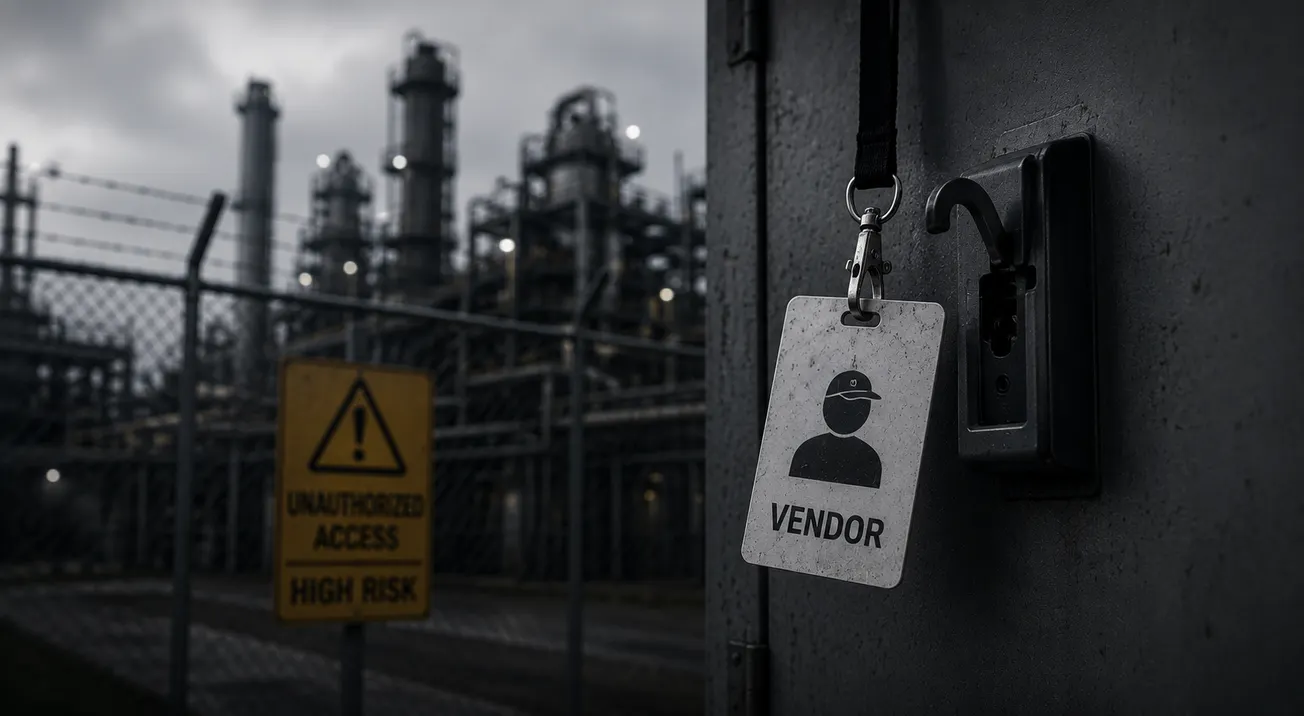
Vendor Access Emerges as a Primary Weak Link in OT Security

Industrial organizations continue to struggle with basic security measures, particularly when managing remote access for third-party vendors. While leaders often believe their systems are well-protected, recent data reveals significant blind spots in tracking and overseeing vendor activity. As companies expand their use of external contractors, the likelihood of security incidents rises sharply, especially when oversight is weak. A major contributing factor is the reliance on overly complex and fragmented tools, such as traditional virtual private networks and varied equipment manufacturer software. These mixed setups often create inconsistent access paths and poor visibility. By contrast, organizations that use unified, dedicated platforms designed for industrial environments achieve much better control and fewer incidents. The most effective approach involves a shared governance model where information technology and operational teams work closely together, balancing security needs with daily operational speed. Additionally, adopting stricter identity verification and continuous monitoring practices rather than just relying on passwords significantly reduces exposure to risks. Ultimately, the biggest vulnerabilities lie not in highly sophisticated attacks, but in everyday vendor workflows and disjointed security tools. Addressing these issues requires teamwork across departments, clear oversight of contractor access, and a shift toward unified, identity-focused systems to ensure long-term stability and protection.


Connected Vehicle Supply Chains Enter a New Era of Regulatory Risk

New US regulations are fundamentally transforming the connected vehicle supply chain by restricting hardware and software linked to China and Russia. Targeting vehicle connectivity systems and automated driving software, these rules mandate compliance starting with the 2027 model year for software and 2030 for hardware. As a result, automakers must look beyond traditional metrics like cost and quality, now factoring in the national origin and corporate ownership of their embedded technologies. This is not a simple matter of swapping out physical parts. Modern automotive connectivity relies on deeply integrated layers of firmware, security functions, cloud services, and eSIM technology. Replacing a single component can impact antenna performance, safety services, and cybersecurity protocols, requiring extensive engineering changes and revalidation. Furthermore, because automakers typically design global electronic architectures, these US-specific restrictions will influence purchasing and platform designs worldwide. The article highlights that this shift represents a broader regulatory trend treating networked products as critical national digital infrastructure. Consequently, manufacturers across all sectors of the Internet of Things must begin mapping their supply chains more rigorously. True resilience now requires full visibility into software repositories, remote update systems, cloud architectures, and the ultimate corporate control behind every connected device.


The Best AI Strategies Automate Tasks, Not Relationships

In banking and financial services, incorporating artificial intelligence has become a major focus, especially during the customer onboarding process. The core premise of the article is that banks should use AI to handle repetitive, manual tasks rather than trying to replace human interaction. By automating background processes like identity verification, data entry, document processing, and compliance checks, financial institutions can significantly speed up the onboarding timeline and reduce errors. This approach frees up bank employees to do what they do best: build meaningful relationships with new customers. When staff members are not bogged down by administrative burdens, they can spend more time listening to clients, understanding their financial needs, and offering tailored advice. The article emphasizes that while technology is excellent for efficiency, it lacks the empathy and nuanced understanding required to establish trust. Therefore, the most effective strategy strikes a deliberate balance. Financial brands that deploy AI behind the scenes to streamline operations while keeping human representatives at the forefront of customer service will see the best results. Ultimately, successful banking relies on personal connections, and smart automation serves merely as a tool to enable those deeper, lasting relationships without getting in the way.


Is India's Data Protection Board Independent Enough To Protect You?

India's Digital Personal Data Protection (DPDP) Act of 2023 and its 2025 rules are currently facing constitutional challenges in the Supreme Court, raising vital questions about privacy and regulatory independence. A major concern is the structural independence of the newly formed Data Protection Board. Because the Central Government appoints most board members and the body reports directly to the Ministry of Electronics and Information Technology, critics worry it may struggle to act impartially in cases involving government agencies. Additionally, the Act creates a legal gray area by broadly defining a "person" to include corporations, while strictly limiting "personal data" to identifiable individuals. This discrepancy leaves businesses unsure of how to handle corporate client data. Furthermore, an amendment to the Right to Information Act entirely exempts the personal information of public servants from disclosure, removing previous public interest exceptions and sparking fears of reduced government accountability. Despite these ongoing legal disputes, businesses must not pause their compliance efforts. Organizations handling data are still expected to meet the impending deadlines, including setting up consent management systems by November 2026 and preparing for the Act's full enforcement in May 2027. Ultimately, the Supreme Court's review serves as a necessary check to ensure the framework truly protects fundamental privacy rights.


Building the resilient network for Cloud and AI Era

CORE Media and Lightstorm recently hosted an event focused on creating resilient enterprise networks to support modern artificial intelligence and cloud operations. During the session, technology leaders discussed the practical challenges of managing connectivity across diverse business environments, from manufacturing floors to remote retail sites. A major concern for many organizations is ensuring consistent performance, as even minor delays in data transfer can disrupt critical operations like real-time defect detection or financial transactions. To address these complex issues, Lightstorm outlined its clear approach to building stronger infrastructure using a three-path network design that ensures highly uninterrupted operations. The company also detailed flexible solutions that allow businesses to easily adjust their network capacity on demand, paying only for what they actually use. Looking forward, the discussion covered the upcoming introduction of a system designed to simplify the management of heavy computing workloads. This specific system will automatically direct data from scattered locations to central processing resources, helping businesses optimize their infrastructure investments. Ultimately, the gathering emphasized that true network resilience is about maintaining continuous business operations regardless of external circumstances. Achieving this requires intelligent backup mechanisms, reliable pathways, and the distinct ability to adapt to changing demands without compromising overall performance or incurring unnecessary overhead costs.


How Are CIOs Aligning Technology with Workforce Agility?

Today's workplace has shifted significantly toward remote and hybrid setups, making workforce adaptability a vital priority for any organization rather than just a nice extra. To support these changes, technology leaders are actively shaping how their teams work by investing in secure, flexible, and intelligent systems. By aligning technical choices with the daily needs of employees, these leaders help their organizations respond smoothly to unexpected market shifts and changing customer expectations. At the core of this adaptable approach is a balanced combination of modern tools. Cloud platforms give employees reliable access to their work from any location, while artificial intelligence and automation handle repetitive administrative tasks, freeing up staff to focus on more complex challenges. In addition, collaboration software ensures that teams can communicate effectively, no matter where they are currently based, and strong cybersecurity measures protect sensitive data across scattered locations. Beyond just providing software, successful leaders also focus on continuous training and performance insights to manage team capacity and skills. Ultimately, building a flexible work environment relies on thoughtful decisions that prioritize practical tools and ongoing staff development, allowing businesses to maintain steady productivity and grow confidently even when faced with new operational demands in the modern world.


Banking technology infrastructure at a strategic crossroads

Financial institutions face a crucial decision regarding their technology systems, as the industry's path is no longer a single, steady progression but is instead branching in different directions. According to Jack Henry’s white paper, the infrastructure banks and credit unions choose today will directly dictate how well they can adapt to market changes, adopt new tools, and meet the growing expectations of their customers. This choice goes far beyond simple technology upgrades; it is a fundamental decision about the long-term direction of the organization. The paper outlines three distinct infrastructure paths currently available, each representing a different philosophy toward risk, financial investment, and operational control. The first path relies on outdated systems that are merely being maintained rather than improved, leaving institutions with limited options for the future. The second approach involves adding piecemeal, bolt-on solutions to existing systems, which often fail to integrate smoothly and can create operational friction. The third, and most sustainable, path focuses on modern technology built with inherent flexibility and a clear route for continuous growth. Ultimately, institutions must recognize that their infrastructure decisions today will define their ability to remain competitive and responsive in an increasingly complex and rapidly evolving financial landscape over the coming years.


CISOs vs. Boards: Myth or Misunderstanding?

The idea that corporate boards do not care about cybersecurity is a lingering myth. In reality, board directors recognize cyber threats as critical risks to the entire enterprise, affecting operations, revenue, and long-term strategy. The apparent disconnect between security leaders and the board usually stems from a profound communication barrier rather than apathy. Chief Information Security Officers (CISOs) often present technical metrics focused on threats, vulnerabilities, and controls, while board members operate in a language of business exposure, resilience, and financial consequences. This mismatch leaves CISOs feeling unsupported and pressured to conceal security flaws, while boards struggle to extract actionable insights from highly technical reports. To bridge this divide, experts advise a fundamental shift in how both groups communicate. Security teams should stop overwhelming directors with granular technical data and instead frame their presentations around clear business outcomes. They must highlight which critical services could be disrupted during an attack, estimate the potential financial and reputational fallout, and outline the organization's recovery readiness. At the same time, boards need ongoing education about the evolving threat landscape and access to realistic incident simulations. By prioritizing transparency and agreeing on a few consistent, business-focused metrics, security leaders and boards can collaborate effectively and strengthen their overall resilience.


The modern CIO role is almost overwhelming – here’s how to survive and thrive

The role of the modern Chief Information Officer has expanded well beyond traditional technology management, introducing significant new pressures. With the rapid growth of artificial intelligence and digital integration, technology leaders are now tasked with overseeing everything from cyber security and cloud operations to overall digital strategy. Because it is no longer possible for one person to be the foremost expert on every emerging tool, successful directors are changing their approach. Instead of shouldering the burden alone, they are acting as ambassadors who foster collaboration across their organizations. By forming shared councils and partnering directly with other department heads, they distribute responsibilities and ensure that new technologies serve actual business needs rather than mere novelty. This cooperative method helps them prioritize inward objectives over outward comparisons. Furthermore, the position has evolved from merely fixing problems and managing costs to actively creating the right environment for staff to work securely and effectively. Navigating these constant changes requires a pragmatic mindset. Leaders must honestly acknowledge their blind spots, consult with their peers, and focus on upskilling their teams. By embracing adaptability and shared ownership, technology directors can comfortably manage their expanding duties and guide their companies safely through increasingly complex digital transitions.

Daily Tech Digest - July 22, 2026


Quote for the day:

“Identify your problems but give your power and energy to solutions.” -- Tony Robbins

🎧 Listen to the audio debrief on YouTube

▶ Play Audio Digest

Duration: 20 mins • Perfect for listening on the go.


Context bombing heralds a new AI era of deceptive defense

The article describes a defensive technique called “context bombing,” which uses the weaknesses of malicious AI agents against them. Attackers increasingly rely on autonomous AI models to speed up every stage of a cyberattack, from reconnaissance to exploitation. To counter this, defenders plant decoy files or secrets that contain short, carefully crafted prompts designed to trigger an AI model’s built‑in safety rules. When a rogue agent reads one of these prompts, it often stops executing its task entirely, halting the attack rather than simply alerting defenders. This builds on traditional “canary” techniques, where fake resources signal unauthorized access, but adds an active disruption layer. Tracebit, the firm behind the approach, tested context bombs in an AWS environment and found they reduced attack success rates by up to 90% by causing models to refuse further action . Because AI agents are vulnerable to prompt injection, hidden instructions placed in documents, DNS records, or environment variables can derail them mid‑operation. As one researcher explained, once the refusal enters the model’s context, “the model will often refuse to continue”. Context bombing heralds a new AI era of deceptive defense. The technique doesn’t replace other defenses, but it buys time, limits damage, and turns attackers’ reliance on AI into a practical point of failure.


Reskilling Mid-Career Leaders: What Senior Talent Needs to Stay Relevant

The discussion focuses on how mid‑career leaders can stay relevant as AI reshapes the workplace. Host Isaac Sacolick and guest Dean Cantave talk about the anxiety many senior professionals feel as their long‑held strengths no longer guarantee future opportunities. They emphasize that staying relevant now requires more than collecting certifications; leaders need to show clear, visible proof of their impact through thoughtful communication, public work, and practical results. Critical thinking, collaborative leadership, and strong data governance skills are highlighted as essential, along with understanding how AI agents and automation change decision‑making and team dynamics. The conversation also notes that leadership roles are becoming more cross‑functional, pushing senior talent to adapt their style, learn new tools, and work more fluidly across departments. Participants share personal stories about career transitions, stressing that credibility today comes from demonstrating how one’s experience translates into modern challenges rather than relying on past titles. They encourage leaders to build a recognizable professional presence, articulate their value clearly, and stay open to continuous learning. Overall, the session frames reskilling not as starting over but as evolving deliberately to match the demands of an AI‑driven workplace.


The Resilience Paradox – Why Autonomous Operations Require a New Approach to Governance

The article argues that as organizations move toward autonomous operations, their traditional governance models no longer fit the reality of how modern systems behave. It explains that observability has matured to the point where most companies can detect issues, but the real question now is how much decision‑making they are willing to hand over to AI. As environments grow more complex and produce more telemetry than humans can reasonably process, AIOps becomes essential for filtering noise and spotting patterns. However, each step toward autonomy reduces human workload while increasing the impact of a wrong automated decision. The piece notes that different teams often advance at different speeds, with platform groups embracing automation early while critical business systems remain manually governed. This uneven maturity creates a “resilience paradox”: delegating more to AI can strengthen reliability, but it also introduces new risks that governance frameworks were not designed to handle. The author stresses that resilience is no longer just about detecting problems but about deciding when systems should act on their own. As organizations shift from observation to autonomous action, they must rethink governance to ensure accountability, manage new categories of risk, and maintain trust in systems that increasingly make decisions without human intervention.


Technology moves faster than ecosystems

The article argues that many digital transformation efforts fail because technology evolves far faster than the ecosystems needed to support it. Companies invest heavily in advanced monitoring, automation, and predictive systems, yet execution performance often worsens. As the author notes, unplanned downtime rose to $1.4 trillion even as digital capability increased, revealing a structural gap where “technology advances faster than the ecosystems required to realize its value.” The paper explains that most industries operate across three maturity tiers, from highly digital enterprises to SMEs still dependent on spreadsheets and email. This mismatch means Tier‑1 intelligence layers can detect problems early, but Tier‑2 and Tier‑3 execution layers cannot respond at the same pace. The semiconductor shortage illustrates this clearly: Toyota’s deeper visibility helped for a time, but “the execution layer… still could not respond on the same timescale.” Workforce capability and physical infrastructure add further delays, evolving over years or decades while technology changes in months. To address this, the author proposes four architectural principles: design for graceful degradation, instrument for friction, build coordination layers, and orchestrate across the ecosystem rather than optimizing only within the enterprise. The core message is that digital transformation succeeds only when decision and execution architectures mature together.


SaaS will survive, but lazy SaaS is dead

The article argues that SaaS is not disappearing, but the old model of “lightweight” SaaS — tools that mainly provide a polished interface over simple workflows — is losing its footing. The author describes an internal review of AI meeting‑transcription tools where the products worked fine, yet the team kept asking, “what exactly are we paying for?” . Because they already had a secure AI environment, they could build the same workflow themselves in days and tailor it to their needs. This experience reflects a broader shift: AI and agentic systems have erased the old advantage SaaS once had, where buying was cheaper and faster than building. Large language models can now move data, call APIs, and automate logic with far less engineering effort, collapsing the integration friction that protected many SaaS categories. The SaaS most at risk are the thin workflow layers — dashboards, meeting tools, narrow productivity apps — whose value rested on simplifying implementation. Agents don’t use interfaces, and they don’t care about switching costs, which weakens the stickiness of these products. The SaaS that endures will be the kind that carries real operational burden for customers, such as compliance, regulatory complexity, or domain‑specific liability. In short, SaaS survives, but “lazy SaaS” — tools that exist mainly because integration used to be hard — does not.


Closing the Identity Gaps in Critical Infrastructure Security

Critical infrastructure remains highly vulnerable to identity‑based attacks, and the article explains why closing those gaps is now essential. It uses the Colonial Pipeline ransomware incident as a clear example, where attackers accessed the network through an inactive VPN account without MFA, leading to a shutdown that disrupted fuel supply across the U.S. East Coast . The piece notes that today’s threat actors, including state‑sponsored groups like Volt Typhoon, rely on stolen credentials, compromised devices, and legitimate remote‑access tools to blend into normal activity and maintain long‑term persistence inside critical infrastructure networks. Because these environments combine IT, cloud services, operational technology, and physical systems, implicit trust becomes dangerous. CISA’s guidance stresses that OT systems require careful handling due to safety and legacy constraints, but the article makes clear that business IT systems can be just as damaging when compromised. The core message is that MFA alone is not enough; organizations must verify both user identity and device trust, enforce segmentation, and continuously monitor for abnormal access patterns. Binding identities to trusted devices and eliminating unmanaged endpoints are highlighted as practical steps. Overall, the article urges critical‑infrastructure operators to adopt zero‑trust principles across both IT and OT so attackers cannot quietly enter, persist, and escalate into national‑level disruptions.


When your vehicle outlives its cloud: What happens next?

The article looks at what happens when a car’s cloud‑based features stop working long before the vehicle itself reaches the end of its life. Modern cars rely heavily on connected services for conveniences like remote locking, cabin pre‑conditioning, vehicle status checks, and emergency assistance. As Ars Technica notes, these features have become standard across brands, from HondaLink to BMW ConnectedDrive, and many owners willingly pay subscription fees to keep them active . The problem is that these services depend on backend systems, cellular networks, and telematics hardware that have much shorter lifespans than the vehicles they support. When networks shut down or manufacturers retire older platforms, owners can lose access to features overnight. A related report highlights how 3G shutdowns caused Lexus, Acura, and BMW to discontinue connected services for older models, sometimes leaving drivers with no upgrade path or costly hardware replacements. The mechanical car remains usable, but the digital layer quietly expires. The article suggests that this mismatch will only grow as more vehicles become internet‑dependent. Without modular hardware or long‑term support commitments, many drivers will eventually face a future where the car still runs but the cloud it depends on does not — raising practical questions about reliability, ownership, and the real lifespan of connected technology.


Designing Multi-Cloud Resiliency for Business Continuity

The piece explains why multi‑cloud strategies are becoming essential for business continuity, especially as outages, cyberattacks, and regional disruptions grow more frequent. It argues that relying on a single cloud provider creates a concentration risk: if that provider suffers a failure, the organization’s critical services may go down with it. Multi‑cloud architectures spread workloads across different providers, reducing the chance that one incident can halt operations. The article notes that this approach is not simply about redundancy; it is about designing systems that can operate even when parts of the environment are degraded. That includes planning for data portability, consistent security controls, and clear failover procedures. The author stresses that resilience requires more than technical configuration. Teams must understand how applications behave under stress, test recovery paths regularly, and ensure that governance policies support cross‑cloud operations. Multi‑cloud also introduces complexity, so organizations need strong visibility, shared standards, and disciplined architecture to avoid fragmentation. The core message is that resilience comes from intentional design: distributing risk, preparing for partial failures, and ensuring that critical functions can continue even when one cloud provider experiences trouble. In a world where disruptions are inevitable, multi‑cloud is presented as a practical way to keep essential services running with confidence.


From the bank branch to the mobile phone: India’s core banking journey

The article traces how India’s banking system evolved from branch‑centric operations to today’s mobile‑first experience, showing that this shift was gradual, uneven, and shaped by both technology and policy. It begins with the early core‑banking era, when banks moved from isolated branch systems to centralized platforms that allowed customers to access services from any branch. This foundation enabled nationwide expansion and consistent service delivery. As digital payments grew and smartphones became widespread, banks shifted again—this time from centralized infrastructure to digital channels that could support millions of small, real‑time transactions. The piece highlights how mobile banking, UPI, and app‑based services transformed customer expectations, pushing banks to modernize legacy systems, strengthen cybersecurity, and redesign processes for speed and reliability. It also notes that modernization is not only about technology; banks had to rethink architecture, improve integration, and adopt cloud‑ready platforms to keep pace with rising transaction volumes. The journey reflects India’s broader digital transformation: a move from physical branches to digital ecosystems that reach rural and urban customers alike. The article closes with a reminder that modernization is ongoing, and banks must continue refining their core systems to stay resilient and competitive in a fast‑changing financial landscape.


What is RPA? A revolution in business process automation

The article explains robotic process automation (RPA) in straightforward terms, focusing on what it is, how it works, and why organizations use it. RPA relies on software “bots” that mimic the steps a person takes on a computer—logging in, clicking buttons, copying data, moving files, and completing routine tasks much faster and without human error. These bots are best suited for high‑volume, rule‑based work on structured data, such as invoice processing, claims handling, report generation, and other repetitive back‑office activities. Because RPA operates at the user‑interface level, it works across existing applications without requiring deep system changes or complex integrations, making it practical for organizations with legacy systems. Sources note that RPA frees employees from tedious tasks so they can focus on work that requires judgment or creativity. RPA is not the same as AI; it cannot learn or make decisions outside its predefined workflow, though pairing it with AI enables more advanced “intelligent automation” capable of handling unstructured inputs or basic reasoning. The article also highlights that RPA can run unattended in the background or assist users directly, and its appeal continues to grow as businesses seek speed, accuracy, and consistency in routine operations. Overall, RPA is presented as a practical, dependable way to streamline repetitive digital work.

Daily Tech Digest - July 17, 2026


Quote for the day:

“If you’re not stubborn, you’ll give up on experiments too soon. And if you’re not flexible, you’ll pound your head against the wall and you won’t see a different solution.” -- Jeff Bezos

🎧 Listen to this digest on YouTube Music

▶ Play Audio Digest

Duration: 20 mins • Perfect for listening on the go.


The executive profile your security team isn’t defending

Artificial intelligence has fundamentally changed how attackers gather intelligence on corporate leaders, turning public data into a significant security risk. In the past, researching an executive required a skilled analyst spending days sifting through search engines and public records. Today, anyone with internet access can use an AI tool to instantly generate a comprehensive profile. These tools do not just return documents; they analyze past statements, map their professional networks, and identify personal interests, handing attackers a ready-made playbook for targeted manipulation and social engineering. To defend against this, organizations must recognize that an executive's digital footprint is a core security issue, not merely a standard public relations concern. Security teams should regularly query major AI platforms to see exactly what information is being synthesized about their leadership. The next step is actively working with executives to reduce unnecessary exposure, such as oversharing on social media or leaving old biographies online. For information that must remain public, security and communications teams should collaborate to ensure the resulting AI narrative does not provide leverage to attackers. Perhaps the most effective way to secure buy-in is simply showing executives their own AI-generated profiles, quickly transforming an abstract threat into an undeniable reality.


Why Business Continuity Programs Fail and How Resilient Organizations Succeed

Many organizations struggle to maintain operations during a crisis because they treat business continuity as a compliance exercise rather than a core capability. Instead of building adaptable strategies, they often rely on static, audit-driven documents that fail to hold up against complex, real-world disruptions. A major reason for this failure is an incomplete understanding of critical dependencies, such as third-party vendors, interconnected systems, and key personnel. When these hidden links break, the disruption cascades. Additionally, companies frequently assume stable conditions during an emergency, neglecting to plan for simultaneous system failures or degraded communication channels. Overreliance on technology is another common pitfall; without manual workarounds, automated failures quickly become insurmountable. Furthermore, ineffective testing practices that merely confirm success rather than expose weaknesses leave teams unprepared for actual chaos. In contrast, resilient organizations focus on end-to-end critical services and constantly monitor their dependencies. They design their operations to function in a degraded state and institutionalize crisis leadership to ensure rapid decision-making. By testing their plans to the point of failure and integrating resilience across all departments, these companies transform business continuity from a rigid requirement into a strategic investment that adapts to evolving threats.


AI Is the Answer for the Banking Industry. But It’s Also the Problem

Artificial intelligence presents a compelling solution for the banking sector, yet it simultaneously introduces a new set of complex operational challenges. On one hand, banks view these digital tools as the answer to established operational hurdles. They use the technology to speed up loan approvals, spot fraudulent transactions instantly, and provide continuous customer support. By automating routine administrative tasks, financial institutions can cut costs and tailor financial products to individual client habits. However, this rapid technological shift is also creating significant difficulties. Many institutions try to install advanced systems on top of fragmented, disorganized databases, which ultimately accelerates internal confusion rather than creating real value. Furthermore, relying entirely on automated reasoning strips away the human empathy and personal judgment necessary for managing sensitive customer relationships. Automated decisions can inherit historical biases, leading to unfair loan rejections for underserved communities. Watchdogs are also raising alarms over systemic risks, such as a lack of transparency in how algorithms make decisions, data privacy flaws, and the danger of widespread, identical system failures. To navigate this shifting landscape successfully, traditional banks must look past the initial industry excitement, focusing their efforts instead on building solid data foundations and maintaining strict human oversight at every stage.


Privacy-Preserving Access: The Architecture Behind Enterprise AI Adoption

As artificial intelligence evolves in the enterprise, its role is shifting from simply providing answers to taking direct action. While early AI tools functioned as basic search engines or text summarizers, newer agents are fully capable of initiating tasks, such as updating supplier records or routing complex workflow exceptions. However, this transition naturally introduces significant new risks. Enterprise data forms the critical operational foundation for everything from modern supply chains to compliance reports and customer experiences. Because of this, organizations are no longer just struggling to connect AI to their data; they are facing the complex challenge of doing so safely. Trust, rather than the technical capability of the models themselves, has emerged as the primary barrier to widespread adoption. To bridge this gap, privacy-preserving architectures must be a foundational requirement rather than a mere compliance afterthought. Companies must rely on established methods like data masking to protect sensitive information while still allowing AI to function effectively. Furthermore, AI-driven actions should not operate with unchecked autonomy. Instead, organizations achieve the best results by separating AI recommendations from actual execution through clear policies, human validation, and strict auditing. Ultimately, the objective is to enable fast, governed action that safely maintains enterprise trust.


5 steps to secure your infrastructure in the frontier model era

As AI evolves, it exposes system weaknesses far faster than engineering teams can realistically patch them. While much attention is placed on scaling hardware like processors and cooling systems, the underlying infrastructure must also be built to withstand new security threats. To protect sensitive data and maintain operations, organizations should take five practical steps. First, infrastructure must be designed with built-in security, using layered controls and hardware protections that anticipate constant probing. Second, uptime should be treated as a strict security requirement, because outdated systems and delayed maintenance create openings for attackers. Third, companies must shift from periodic checks to continuous discovery, addressing vulnerabilities the moment they appear rather than relying on static defenses. Fourth, defending against advanced threats requires using defensive artificial intelligence directly within the system to detect unusual activity and respond without waiting for human intervention. Finally, organizations cannot face these complex challenges alone; they must participate in industry coalitions and share knowledge to counter threats effectively. By prioritizing resilient foundations, treating system availability as critical, maintaining continuous vigilance, using automated defense tools, and collaborating with others, businesses can safely expand their technical capabilities without compromising their daily security or exposing themselves and their customers to unnecessary risk.


The Operational Cost of Fragmented CI/CD - and How to Fix It

The article explains how many companies end up with a patchwork of CI/CD tools and pipelines that grew over time through team preferences, cloud migrations, and mergers. While each choice may have made sense locally, the result is a delivery system that is hard to manage, secure, and scale. The piece highlights the hidden costs of this fragmentation, such as duplicated engineering work, uneven security practices, slow onboarding, and longer incident‑resolution times. These issues often drain time and attention even more than the metrics organizations typically track. The article also notes that forcing everyone onto a single tool rarely works because teams have different needs and constraints. Instead, it suggests creating a unified delivery experience through shared services, pipeline‑as‑code, reusable templates, and clear governance. This approach lets teams keep the tools that suit their work while giving the organization consistency and visibility across delivery processes. The article argues that better observability and platform‑driven practices help reduce complexity and improve reliability. In the long run, solving CI/CD fragmentation becomes an important step toward faster, safer, and more predictable software delivery across the enterprise.


New agentic compute patterns

For the past ten years, Kubernetes has been the standard way to organize and run software in the cloud, perfectly tuned for short, isolated web requests. However, this model breaks down when running modern artificial intelligence agents. Unlike standard web services, agents are long-running, continuous processes that remember past actions, use external tools, and make ongoing decisions. Because of these differences, agents require an entirely new approach to computing infrastructure. Specifically, they need execution environments that start in milliseconds rather than minutes, the ability to pause and resume work without losing memory, reliable ways for multiple agents to collaborate, and secure methods to handle passwords. When companies try to force these new workloads into older systems, they experience frequent failures, wasted computing power, and significant security risks. For example, a cloud system might mistakenly shut down an agent that is waiting for a response simply because it appears inactive. The Kubernetes community has recognized this mismatch and is developing new tools designed specifically for these workloads. Organizations that recognize the need for this dedicated infrastructure early on will build more reliable and secure systems, while those sticking to the old methods will struggle with high costs and constant system errors.


AI At Work: Managing Legal Risk Across The Fast Moving Global Landscape

Artificial intelligence is rapidly transforming the modern workplace globally. While these technologies offer significant opportunities to increase productivity and improve operations, they also introduce a host of complex employment law risks that organizations must carefully manage. From recruitment and daily performance management to overall service delivery and internal communications, AI tools are fundamentally altering how companies operate and make decisions that impact their employees. However, this widespread transformation can trigger serious legal obligations. Employers face potential issues related to discrimination, redundancy, redeployment, required consultation periods, changes to employment contracts, and outsourcing complications. Furthermore, using AI systems for workplace monitoring and productivity tracking creates substantial privacy and data protection risks. These concerns become particularly severe when surveillance data directly influences important outcomes such as work allocation, compensation, disciplinary actions, or terminations. Relying on third-party AI vendors does not absolve organizations of their legal responsibilities, and employers should never view these external tools as a shortcut to compliance. Instead, managing the legal risks associated with workplace AI requires careful planning. Responsible integration of these technologies must begin with establishing strong internal governance, prioritizing comprehensive employee education, and implementing clear risk management strategies to ensure fairness and legal compliance across the entire employment lifecycle.


Why Self-Awareness Is The Key To Leadership

This article, written by Dr. Shaoqing Sun, discusses self-awareness as an essential foundation for leadership. He begins by recounting his own struggles, explaining how an ego-driven mindset negatively affected his home life and how those same flaws seeped into his professional life. He emphasizes that a leader's unconscious habits inevitably impact all of their interactions, meaning true leadership is about what a person transmits to others rather than just what they achieve. Self-awareness is critical because it bridges the gap between how leaders see themselves and how their colleagues actually experience their actions. Without it, leaders may fall into a self-referential trap where they think highly of their performance while others struggle with the consequences of their behavior. Sun stresses that self-awareness shouldn’t just be a quick fix during a crisis but must be a consistent, daily practice—much like maintaining a friendship. This continuous practice helps leaders recognize and stop negative behaviors before they cause harm. Ultimately, he argues that cultivating this level of emotional maturity leads to a deeper, more conscious style of leadership that moves beyond ego and fear.


Resilience over prevention as AI reshapes security landscape

Organizations are shifting their cybersecurity strategies from trying to block every attack to ensuring they can recover effectively when one happens. Because artificial intelligence has made threats faster and more complex, businesses accept that complete prevention is no longer realistic. Errors and new types of attacks will always find a way through. As a result, companies are moving a larger share of their security budgets toward recovery efforts instead of focusing almost entirely on prevention. A major challenge during an incident is balancing the desire of management to get systems back online immediately with the need of the security team to ensure the restored network is truly safe. Security professionals note that artificial intelligence speeds up attacks but also helps defenders minimize damage, creating an ongoing arms race. Beyond external threats, companies face internal risks from employees accidentally sharing sensitive data with public artificial intelligence tools. This makes proper data management and employee education essential. Furthermore, because many attacks start by stealing user credentials, protecting digital identities has become just as critical as protecting the data itself. Ultimately, experts advise that organizations should operate on the assumption that a breach will occur and prioritize their ability to restore operations quickly and securely.