Showing posts with label Age Verification. Show all posts

Daily Tech Digest - May 03, 2026


Quote for the day:

“Many of life’s failures are people who did not realize how close they were to success when they gave up.” -- Thomas A. Edison

🎧 Listen to this digest on YouTube Music

▶ Play Audio Digest

Duration: 15 mins • Perfect for listening on the go.


The DSPM promise vs the enterprise reality

In "The DSPM Promise vs. the Enterprise Reality," Ashish Mishra explores the friction between the theoretical benefits of Data Security Posture Management (DSPM) and the practical challenges of enterprise implementation. As global data volumes skyrocket and sensitive information fragments across multi-cloud environments, DSPM tools have emerged as a critical solution for visibility. However, Mishra argues that the technology often exposes deeper organizational issues. While scanners effectively identify "shadow data" in unmonitored storage, they cannot solve the "political problem" of data ownership; security teams frequently struggle to find stakeholders accountable for remediation. Furthermore, the reliance on machine learning for data classification can lead to false positives that erode analyst trust, while the sheer volume of alerts threatens to overwhelm understaffed security operations centers. To avoid DSPM becoming "shelfware," executives must treat its adoption as a comprehensive governance program rather than a simple software installation. This requires dedicated engineering resources to maintain complex integrations, a robust internal classification framework, and a clear alignment between security findings and business-unit accountability. Ultimately, the article concludes that the organizations most successful with DSPM are those that anticipate implementation friction and prioritize human governance alongside automated discovery to transform raw awareness into genuine security posture improvements.


How CTO as a Service Reduces Technology Risk in Growing Companies

In the article "How CTO as a Service Reduces Technology Risk in Growing Companies," SDH Global examines how fractional leadership helps organizations navigate the technical complexities inherent in scaling operations. Growing businesses often face critical hazards, such as selecting inappropriate technology stacks, accumulating significant technical debt, and failing to align infrastructure with long-term business objectives. CTO as a Service (CaaS) effectively mitigates these risks by providing high-level strategic guidance and architectural oversight without the substantial financial commitment of a full-time executive hire. The service focuses on several core pillars: strategic roadmap development, early identification of security vulnerabilities, and the design of scalable system architectures that can adapt to increasing demand. By standardizing coding practices and development workflows, CaaS providers bring consistency to engineering teams and reduce operational chaos. Furthermore, these experts manage vendor relationships and optimize cloud expenditures to prevent over-engineering and financial waste. This flexible engagement model allows startups and mid-sized enterprises to access immediate senior-level expertise, ensuring their technology remains a robust asset rather than a liability. Ultimately, CaaS provides the necessary balance between rapid innovation and disciplined risk management, fostering sustainable growth through evidence-based decision-making and comprehensive technical audits.


The Great Digital Perimeter: Navigating the Challenges of Global Age Verification

The article explores how global age verification has transformed from a simple checkbox into one of the most complex challenges shaping today’s digital ecosystem. As governments worldwide tighten online safety laws, platforms across social media, gaming, entertainment, e‑commerce, and fintech are being pushed to adopt far more rigorous methods to prevent minors from accessing harmful or age‑restricted content. This shift has created a new kind of digital perimeter—not one that protects networks or data, but one that separates children from the adult internet. The piece highlights how regulatory approaches vary dramatically across regions: the UK’s Online Safety Act enforces “highly effective” age assurance with strict penalties; the EU is rolling out privacy‑preserving verification via digital identity wallets; the US remains fragmented with aggressive state laws like Utah’s SB 73; and countries like Australia and India are emerging as influential leaders with proactive, tech‑driven frameworks. The article also traces the evolution of age‑verification technology—from self‑declaration to document checks, AI‑based age estimation, and now cryptographic proofs that minimize data exposure. Despite technological progress, organizations still face major hurdles, including privacy concerns, AI bias, user friction, high implementation costs, and widespread circumvention through VPNs. Ultimately, the article argues that age verification has become foundational digital infrastructure, demanding solutions that balance safety, privacy, and user trust in an increasingly regulated online world.


CRUD Is Dead (Sort Of): How SaaS Will Evolve Into Semi-Autonomous Systems

The article argues that traditional SaaS applications built on the long‑standing CRUD model—Create, Read, Update, Delete—are becoming obsolete as software shifts from passive systems of record to semi‑autonomous systems of action. While today’s tools like Ramp, Jira, Notion, and HubSpot still rely on users manually creating and updating records, the emerging paradigm introduces agentic software that perceives context, reasons about it, and initiates actions on behalf of users. The transition begins with embedded copilots that summarize threads, draft messages, flag anomalies, or clean backlogs, all by orchestrating LLMs through existing APIs. As SaaS products become more machine‑readable—with clean APIs, action schemas, and feedback loops—agents will eventually coordinate across applications, enabling event‑driven workflows where systems synchronize autonomously. This evolution requires new architectures such as pub/sub messaging, shared memory layers, and granular permissions. Ultimately, SaaS will progress toward fully autonomous systems that manage budgets, assign work, run outreach, or adjust timelines without constant human approval. User interfaces will shift from being the primary workspace to becoming explanation layers that show what the system did and why. The article concludes that CRUD will remain as plumbing, but the companies that embrace autonomy—thinking in verbs rather than nouns—will define the next generation of SaaS.


Anyone Can Build. Almost No One Can Maintain: The Real Cost of AI Coding

The article argues that while AI tools now enable almost anyone to build functional software with a few prompts, the real challenge—and cost—lies in maintaining what gets built. The author describes how early “vibe coding” with tools like Claude Code creates a false sense of mastery: AI can rapidly generate working prototypes, but without engineering fundamentals, these systems quickly collapse under the weight of bugs, architectural flaws, and uncontrolled complexity. As projects grow, users without a technical foundation struggle to diagnose issues, articulate precise tasks, or understand the consequences of changes, leading to spiraling token costs, fragile codebases, and invisible errors that surface only in production. The article emphasizes that AI does not replace engineering judgment; instead, it amplifies the gap between those who understand systems and those who don’t. Sustainable AI‑assisted development requires clear specifications, architectural thinking, test coverage, rule‑based workflows, and structured “skills” that guide AI actions. The author warns of a new risk: dependency, where developers rely so heavily on AI that they lose the ability to reason about their own systems. Ultimately, the piece argues that expertise has not become obsolete—it has become more valuable, because AI accelerates both good and bad decisions. Those who invest in foundations will build systems; those who don’t will build chaos.


Agents, Architecture, & Amnesia: Becoming AI-Native Without Losing Our Minds

The presentation explores how the rapid rise of AI agents is pushing organizations toward higher levels of autonomy while simultaneously exposing them to new forms of architectural risk. Using The Sorcerer’s Apprentice as a metaphor, Tracy Bannon warns that ungoverned automation can multiply problems faster than teams can contain them. She outlines an AI autonomy continuum, moving from simple assistants to multi‑agent orchestration and ultimately toward “software flywheels” capable of self‑diagnosis and self‑modification. As autonomy increases, so do the demands for observability, governance, verification, and architectural discipline. Bannon argues that many teams are suffering from “architectural amnesia”—forgetting hard‑won engineering fundamentals due to reckless speed, tool‑led thinking, cognitive overload, and decision compression. This amnesia accelerates the accumulation of technical, operational, and security debt at machine speed, as illustrated by real incidents where autonomous agents acted beyond intended boundaries. To counter this, she proposes Minimum Viable Governance, anchored in identity, delegation, traceability, and explicit architectural decision records. She emphasizes that AI‑native delivery is not magic but engineering, requiring intentional tradeoffs, human‑machine calibrated trust, and treating agents like first‑class actors with identities and permissions. Ultimately, she calls for teams to build cognitively diverse, disciplined architectural practices to harness autonomy without losing control.


Cyber-Ready Boards: A Guide to Effective Cybersecurity Briefings for Directors

The article emphasizes that cybersecurity has become one of the most significant and fast‑evolving risks facing public companies, with intrusions capable of disrupting operations, generating substantial remediation costs, triggering litigation, and attracting regulatory scrutiny. Boards are reminded that material cyber incidents often require rapid public disclosure—such as Form 8‑K filings within four business days—and that annual reports must describe how directors oversee cybersecurity risks. Because inadequate oversight can negatively affect investor perception and ISS QualityScore evaluations, boards must remain consistently informed about the company’s threat landscape, risk profile, and changes since prior briefings. The guidance outlines key elements of effective board‑level cybersecurity updates, including assessments of industry‑specific threats, AI‑driven risks such as deepfakes and data leakage into public LLMs, and the broader legal and regulatory environment governing breaches, enforcement, and disclosure obligations. Boards should also receive clear visibility into the company’s cybersecurity program—its governance structure, resource adequacy, alignment with frameworks like NIST, third‑party dependencies, insurance coverage, and ongoing initiatives. Regular updates on training, tabletop exercises, audits, and areas requiring board approval further strengthen oversight. The article concludes that well‑structured, recurring briefings and private CISO sessions help build trust, enhance preparedness, and ensure directors can fulfill their responsibilities while protecting organizational resilience and shareholder value.


Managing OT risk at scale: Why OT cyber decisions are leadership decisions

The article argues that managing OT (operational technology) cyber risk at scale is fundamentally a leadership and governance challenge, not just a technical one, because OT environments operate under constraints that differ sharply from IT—long equipment lifecycles, limited patching windows, incomplete asset visibility, embedded vendor access, and distributed operational ownership. These conditions mean that cyber incidents in OT directly affect physical processes, industrial assets, and critical services, making consequences far broader than data loss or compliance failures. The author highlights a significant accountability gap: only a small fraction of organizations report OT security issues to their boards or maintain dedicated OT security teams, and in many cases the CISO is not responsible for OT security. At scale, inconsistent maturity across sites, fragmented ownership, and vendor dependencies turn local weaknesses into enterprise‑level exposure. As a result, incident outcomes hinge on pre‑agreed leadership decisions—such as whether to isolate or continue operating during an attack, centralize or federate authority, restore quickly or verify integrity first, and restrict or maintain vendor access. Boards are urged to clarify operating models, identify high‑impact OT scenarios, demand independent assurance, and treat AI and cloud adoption as governance issues rather than technology upgrades. Ultimately, resilience in OT is built through clear decision rights, scenario planning, and governance structures established before a crisis occurs.


MITRE flags rising cyber risks as medical devices adopt AI, cloud and post-quantum technologies

MITRE’s new analysis warns that the rapid adoption of AI/ML, cloud services, and post‑quantum cryptography is fundamentally reshaping the cybersecurity risk landscape for medical devices, creating attack surfaces that traditional controls cannot adequately address. As devices move beyond tightly managed clinical environments into homes and patient‑managed settings, oversight becomes fragmented and risk ownership increasingly distributed across manufacturers, healthcare delivery organizations, cloud providers, and third‑party operators. Medical devices—from implantables and infusion pumps to large imaging systems—often run on constrained hardware or legacy software, limiting the security controls they can support while simultaneously becoming more interconnected with health IT systems. Cloud adoption introduces systemic vulnerabilities, shifting control away from manufacturers and enabling single points of failure that can disrupt care at scale, as seen in the Elekta ransomware incident affecting more than 170 facilities. AI/ML integration adds lifecycle‑wide risks, including data poisoning, adversarial inputs, unpredictable model behavior, and vulnerabilities introduced by AI‑generated code. Meanwhile, the transition to post‑quantum cryptography brings challenges around performance overhead, interoperability with legacy systems, and long device lifecycles—especially for implantables. MITRE concludes that safeguarding next‑generation medical devices requires evolving existing practices: embedding threat modeling, SBOM‑driven vulnerability management, secure cloud and DevSecOps processes, clear contractual roles, and governance frameworks that support continuous updates and resilient architectures as technologies and care environments keep shifting.


How To Mitigate The Risks Of Rapid Growth

In the article "How to Mitigate the Risks of Rapid Growth," the author examines the double-edged sword of business expansion, where the zeal to scale quickly can lead to structural failure if not balanced with fiscal discipline. A primary risk highlighted is "breaking" under the stress of acceleration, which often occurs when companies over-invest in growth at the expense of near-term profitability or defensible margins. To mitigate these dangers, the article emphasizes the importance of maintaining strong unit economics and carefully monitoring the cost of client acquisition and expansion. Effective leadership teams must minimize execution, macro, and compliance risks by prioritizing long-term value over immediate earnings, typically looking at a four-to-five-year horizon. Operational stability is further bolstered by ensuring team bandwidth is scalable and by avoiding heavy reliance on debt, which preserves the cash buffers necessary to weather economic shifts. Furthermore, the piece underscores the necessity of robust post-sale processes to prevent revenue leakage and audit exposure. By integrating emerging technologies like AI for proactive care and keeping the customer at the center of all strategic decisions, CFOs can ensure that their organizations remain resilient. Ultimately, successful growth requires a proactive management approach that continuously optimizes capital structure while aligning organizational purpose with aggressive but sustainable financial goals.

Daily Tech Digest - April 30, 2026


Quote for the day:

"You've got to get up every morning with determination if you're going to go to bed with satisfaction." --George Lorimer

🎧 Listen to this digest on YouTube Music

▶ Play Audio Digest

Duration: 15 mins • Perfect for listening on the go.


The dreaded IT audit: How to get through it and what to avoid

The article "The dreaded IT audit: how to get through it and what to avoid" from IT Pro encourages organizations to reframe the auditing process as a strategic business asset rather than a burdensome cost center. Successfully navigating an audit requires maintaining a comprehensive, up-to-date inventory of all technology assets—including those used by remote workforces—to ensure security, safety, and insurance compliance. Even startups should establish structured auditing processes, as these evaluations proactively identify vulnerabilities and optimize operational efficiency. To streamline the experience, the article recommends prioritizing high-risk areas, such as software licensing, and utilizing customized spot checks instead of repetitive, standardized reviews that may fail to uncover meaningful insights. Crucially, leaders must adopt an open-minded approach to findings; the goal is to engage in transparent discussions about discovered issues rather than becoming defensive. Key pitfalls to avoid include treating the audit as a one-time administrative hurdle, relying on outdated manual tracking methods, and ignoring the gathered data. Instead, organizations should leverage audit results to inform staff training and drive practical improvements. By viewing the audit as a strategic opportunity for growth, companies can significantly strengthen their cybersecurity posture and ensure long-term sustainability in a digital economy.


Privacy in the AI era is possible, says Proton's CEO, but one thing keeps him up at night

In a wide-ranging interview at the Semafor World Economy Summit, Proton CEO Andy Yen addressed the critical tension between the rapid advancement of artificial intelligence and the fundamental right to digital privacy. Yen voiced significant concerns regarding the current AI trajectory, arguing that the industry's reliance on massive data harvesting inherently threatens individual security. He advocated for a paradigm shift toward "privacy-first AI," where processing occurs locally on user devices or through end-to-end encrypted frameworks to ensure that personal information remains inaccessible to service providers. Unlike the advertising-driven models of Silicon Valley giants, Yen highlighted Proton’s commitment to a subscription-based business model, which avoids the ethical pitfalls of monetizing user data. He also explored the "privacy paradox," observing that while users value their data, they often succumb to the convenience of free platforms. To counter this, Proton is expanding its ecosystem with tools like encrypted email and small language models designed specifically for security. Ultimately, Yen emphasized that the future of the digital economy hinges on stricter regulatory enforcement and the adoption of decentralized technologies that empower users with absolute control over their information, rather than treating them as products to be sold.


Outsourcing contracts weren't built for AI. CIOs are renegotiating now

The rapid advancement of generative artificial intelligence is necessitating a major overhaul of IT outsourcing agreements, as traditional contracts centered on headcount and billable hours prove incompatible with AI-driven efficiency. This InformationWeek article explains that while service providers promise productivity gains of up to 70%, legacy full-time equivalent (FTE) models fail to account for this increased output, leading CIOs to aggressively renegotiate for outcome-based pricing. This shift allows organizations to pay for specific results rather than human time, yet it introduces significant legal complexities. Key concerns include data sovereignty—where proprietary data might inadvertently train a provider's large language model—and intellectual property risks regarding the ownership of AI-generated code. Furthermore, the ability of AI to automate routine tasks is prompting some enterprises to bring previously outsourced functions back in-house, as smaller internal teams can now manage workloads that once required massive offshore cohorts. To navigate these challenges, technical leaders are implementing "gain-sharing" frameworks and rigorous governance standards to manage risks like AI hallucinations and liability. Ultimately, CIOs are assuming a more central role in procurement to ensure that vendor incentives align with genuine innovation and that the financial benefits of automation are captured by the enterprise.


Bad bots make up 40% of internet traffic

The "2026 Thales Bad Bot Report: Bad Bots in the Agentic Age" reveals a transformative shift in internet traffic, where automated activity now accounts for 53% of all web interactions, surpassing human traffic for the second consecutive year. Malicious "bad bots" alone comprise 40% of global traffic, highlighting a growing threat landscape. A critical finding is the 12.5x surge in AI-driven bot attacks, fueled by the rapid adoption of agentic AI which blurs the lines between legitimate and harmful automation. These advanced bots are increasingly targeting APIs, with 27% of attacks now bypassing traditional interfaces to exploit backend logic directly at machine speed. The financial services sector remains the most vulnerable, suffering 24% of all bot attacks and nearly half of all account takeover incidents. Thales experts, including Tim Chang, emphasize that the primary security challenge has evolved from simple bot identification to the complex analysis of behavioral intent. As AI agents emerge as a new traffic category, organizations must transition to proactive, intent-based defenses that can distinguish between helpful AI agents and malicious automation. This machine-driven era necessitates deeper visibility into API traffic and identity systems to maintain trust and security across modern digital infrastructures.


Incentive drift: Why transformation fails even when everything looks green

In the article "Incentive Drift: Why Transformation Fails Even When Everything Looks Green," Mehdi Kadaoui explores the paradoxical failure of IT transformations that appear successful on paper. The central challenge is "incentive drift"—the structural separation of authority from accountability that leads organizations to optimize for project delivery rather than business value. This drift manifests through several destructive patterns: the "ownership vacuum," where strategy and execution are disconnected; the "budgetary firewall," which isolates capital spending from operational costs; and "language capture," where success definitions are subtly redefined to ensure "green" status. Kadaoui argues that "collective amnesia" often follows, as organizations quietly lower their expectations to avoid acknowledging failure. To resolve this, he proposes making drift "structurally expensive" through three key mechanisms. First, a "value prenup" requires operational leaders to explicitly own and sign off on intended outcomes before development begins. Second, a "cost mirror" forces transparency across budget ledgers. Finally, a "semantic anchor" ensures original goals are read aloud in every governance meeting to prevent meaning erosion. By grounding digital transformation in rigid accountability and linguistic clarity, leadership can ensure that technological outputs translate into genuine, durable enterprise value.


How to Be a Great Data Steward: 6 Core Skills to Build

The article "Core Data Stewardship Skills to Build" emphasizes that effective data stewardship requires a unique blend of technical proficiency, business acumen, and interpersonal skills. High-performing stewards act as "purple people," bridging the gap between IT and business by translating complex technical standards into actionable business practices. Key operational activities include identifying and documenting Critical Data Elements (CDEs), aligning them with precise business terms, and performing data profiling to identify quality issues. Beyond basic documentation, stewards must master data classification to ensure regulatory compliance with frameworks like GDPR or HIPAA. Analytical thinking is essential for interpreting patterns and uncovering root causes of data inconsistencies, while strong communication skills enable stewards to foster a collaborative, data-driven culture. Furthermore, literacy in adjacent domains such as metadata management, master data management (MDM), and the use of modern data catalogs is vital. Ultimately, the role is outcome-driven; stewards do not just manage data for its own sake but focus on ensuring data health to drive measurable organizational value. By combining attention to detail with strategic consistency, data stewards serve as the essential operational guardians who transform raw data into a reliable, high-quality strategic asset for their organizations.


Researchers unearth industrial sabotage malware that predated Stuxnet by 5 years

Researchers from SentinelOne recently uncovered a sophisticated malware framework, dubbed "Fast16," that predates the infamous Stuxnet worm by five years. Active as early as 2005, this discovery shifts the timeline of state-sponsored industrial sabotage, proving that nation-states were deploying cyberweapons against physical infrastructure much earlier than previously understood. Unlike typical espionage tools designed for data theft, Fast16 was engineered for strategic sabotage by targeting high-precision floating-point arithmetic operations within engineering modeling software. By corrupting the logic of the Floating Point Unit (FPU), the malware produced subtly altered outputs in complex simulations, potentially leading to catastrophic real-world failures. The researchers identified three specific targeted engineering programs, including one previously associated with Iran’s AMAD nuclear program and another widely used in Chinese structural design. The modular nature of Fast16, which utilizes encrypted Lua bytecode, underscores its advanced design and national importance. This finding highlights a historical precedent for cyberattacks on critical workloads in fields such as advanced physics and nuclear research. Ultimately, Fast16 serves as a significant harbinger for modern industrial sabotage, demonstrating that the transition from strategic espionage to physical disruption in cyberspace was already in full swing two decades ago, long before Stuxnet gained global notoriety.


How AI Is Transforming Business Continuity and Crisis Response

Charlie Burgess’s article, "How AI Is Transforming Business Continuity and Crisis Response," explores the pivotal role of artificial intelligence in navigating the complexities of modern digital and physical risks. As businesses face increasingly non-linear threats, from supply chain disruptions to cyber incidents, the abundance of generated data often leads to information overload. AI addresses this by acting as a sophisticated data analysis tool that parses vast information streams to identify hidden patterns and suppress low-priority noise. This allows crisis teams to focus on critical alerts and early warning signs. Furthermore, AI enhances situational awareness and coordination by correlating disparate system inputs and surfacing standardized playbook responses. During active incidents, technologies like AI-powered cameras provide real-time visibility, aiding in personnel safety and evacuation efforts. Beyond immediate response, AI suggests optimized recovery paths and strategic resource allocation, fostering long-term operational resilience. Ultimately, the integration of AI is not intended to replace human judgment but to empower decision-makers with actionable insights and agility. By bridging the gap between data collection and decisive action, AI transforms business continuity from a reactive necessity into a proactive, evidence-based strategic asset that safeguards both personnel and organizational stability in an unpredictable global landscape.


Europe Gliding Toward Mandatory Online Age Verification

The European Commission is accelerating its push toward mandatory online age verification, driven by the Digital Services Act's requirements to protect minors from harmful content. Central to this initiative is a new age assurance framework and a "technically ready" open-source mobile app designed to allow users to prove they are over a certain age using national identity documents without disclosing their full identity. However, this transition faces intense scrutiny. Security researchers recently identified significant vulnerabilities in the commission's prototype app, labeling it "easily hackable." Furthermore, privacy advocates, such as representatives from Tuta, warn that centralized age verification creates a lucrative "gold mine" for hackers, potentially exacerbating risks like phishing and identity theft. Despite these concerns, European officials like Henna Virkkunen emphasize that the DSA demands concrete action over mere terms of service, particularly following allegations that platforms like Meta have failed to adequately exclude children under thirteen. As several European nations consider raising minimum age requirements for social media, the commission continues to advocate for "robust and non-discriminatory" verification tools that can be integrated into national digital wallets, insisting that ongoing security testing will eventually yield a reliable solution for safeguarding the digital environment for children.


CodeGuardian: A Model Context Protocol Server for AI-Assisted Code Quality Analysis and Security Scanning

"CodeGuardian: A Model Context Protocol Server for AI-Assisted Code Quality Analysis and Security Scanning" introduces a breakthrough tool designed to integrate enterprise-grade security and quality checks directly into AI-powered development environments. Authored by Madhvesh Kumar and Deepika Singh, the article details how CodeGuardian leverages the Model Context Protocol (MCP) to extend coding assistants with eleven specialized analysis tools. This integration eliminates the friction of context-switching by allowing developers to execute security scans, identify hardcoded secrets across multiple layers, and generate compliant Software Bill of Materials (SBOM) using simple natural language prompts. Unlike traditional static analysis tools that merely flag issues, CodeGuardian provides context-aware, "drop-in" code remediations tailored to a project's specific framework and style. A core feature is its cross-layer security reporting, which aggregates findings into a single risk score, exposing systemic vulnerabilities that isolated scanners often miss. By shifting security "left" into the immediate coding workflow, the tool empowers developers to build more resilient software while maintaining high delivery velocity. Ultimately, CodeGuardian represents a pivot toward "agentic" security, where AI assistants act as proactive guardians of code integrity throughout the development lifecycle, effectively bridging the gap between rapid feature delivery and robust organizational compliance.

Daily Tech Digest - March 29, 2026


Quote for the day:

"The organizations that succeed this year will be the ones that build confidence faster than AI can erode it." -- 2026 Data Governance Outlook


🎧 Listen to this digest on YouTube Music

▶ Play Audio Digest

Duration: 17 mins • Perfect for listening on the go.


Google's 2029 Quantum Deadline Is a Wake-Up Call

Google has issued a significant "wake-up call" to the technology industry by accelerating its deadline for transitioning to post-quantum cryptography (PQC) to 2029. This aggressive timeline positions the company well ahead of the 2035 target set by the National Institute for Standards and Technology (NIST) and the 2031 requirement for national security systems. By moving faster, Google aims to provide the necessary urgency for global digital transitions, addressing critical vulnerabilities such as "harvest now, decrypt later" attacks and the inherent fragility of current digital signatures. These threats involve adversaries collecting encrypted sensitive data today with the intention of unlocking it once cryptographically relevant quantum computers become available. Furthermore, the 2029 deadline aligns with industry shifts to reduce public TLS certificate validity to 47 days, emphasizing a broader move toward cryptographic agility. Experts suggest that because Google is a foundational component of many corporate technology stacks, its early migration forces dependent organizations to upgrade and test their systems sooner. Enterprise leaders are advised to immediately inventory their cryptographic assets, prioritize high-risk data, and collaborate with vendors to ensure their infrastructure can support rapid, automated algorithm rotations. The message is clear: the journey to quantum readiness is lengthy, and waiting until the next decade to act may be too late.


The one-model trap: Why agentic AI won’t scale in production

In "The One-Model Trap," Jofia Jose Prakash explains that relying on a single monolithic AI model is a strategic error that prevents agentic AI from scaling in production. While the "one-model" approach seems simpler to manage, it fails to account for the high variance in real-world workloads. Using high-capability models for routine tasks leads to excessive costs and latency, while the lack of isolation boundaries makes the entire system vulnerable to model outages and policy shifts. To build resilient agents, organizations must transition from a prompt-centric view to a system-centric architectural approach. This involves a multi-model strategy featuring "capability tiering," where tasks are routed based on complexity to fast-cheap, balanced, or premium reasoning tiers. Such an architecture allows for graceful degradation and easier governance, as policy updates become control-plane adjustments rather than complete system overhauls. Prakash outlines five critical stages for scalability: separating control from generation, implementing failure-aware execution with circuit breakers, and enforcing strict economic controls like token budgets. Ultimately, the author concludes that successful agentic AI is a control-plane challenge rather than a model-choice problem. By prioritizing orchestration and robust monitoring over model standardization, enterprises can achieve the reliability and cost-efficiency necessary for production-grade AI.


Are You Overburdening Your Most Engaged Employees?

The Harvard Business Review article, "Are You Overburdening Your Most Engaged Employees?" by Sangah Bae and Kaitlin Woolley, explores a critical paradox in workforce management. While senior leaders invest heavily in fostering employee engagement, new research involving over 4,300 participants reveals that managers often inadvertently undermine these efforts. When unexpected tasks arise, managers tend to assign approximately 70% of this additional workload to their most intrinsically motivated staff. This systematic bias stems from two flawed assumptions: that highly engaged employees find extra work inherently rewarding and that they possess a unique resilience against burnout. In reality, both beliefs are incorrect. This disproportionate burden significantly reduces job satisfaction and heightens turnover intentions among the very individuals organizations are most desperate to retain. By over-relying on "star" performers to handle unforeseen demands, companies risk depleting their most valuable human capital through an unintended "engagement tax." To combat this, the authors propose three low-cost interventions aimed at promoting more equitable work distribution. Ultimately, the research highlights the necessity for leaders to move beyond convenience-based task allocation and adopt strategic practices that protect their most dedicated employees from exhaustion, ensuring that high engagement remains a sustainable asset rather than a precursor to professional burnout.


When AI turns software development inside-out: 170% throughput at 80% headcount

The article "When AI turns software development inside-out" explores a transformative shift in engineering productivity where a team achieved 170% throughput while operating at 80% of its previous headcount. This transition marks a fundamental departure from traditional "diamond-shaped" development—where large teams execute designs—to a "double funnel" model. In this new paradigm, humans focus intensely on the beginning stages of defining intent and the final stages of validating outcomes, while AI handles the rapid execution in between. The shift has collapsed the cost of experimentation, enabling ideas to move from whiteboards to working prototypes in a single day. Consequently, roles are being redefined: creative directors maintain production code, and QA engineers have evolved into system architects who build AI agents to ensure correctness. This "inside-out" approach prioritizes validation over manual coding, treating software development as a control tower operation rather than an assembly line. By automating the middle layer of implementation, the organization has not only increased its velocity but also improved product quality and reduced bugs. Ultimately, AI-first workflows allow teams to focus on defining "good" while leveraging technology to handle the heavy lifting of execution and technical translation across dozens of programming languages.


4 Out of 5 Organizations Are Drowning in Security Debt

The Veracode 2026 State of Software Security Report reveals that approximately 82% of organizations are currently overwhelmed by significant security debt, representing a concerning 11% increase from the previous year. Alarmingly, 60% of these entities face "critical" debt levels characterized by severe, long-unresolved vulnerabilities that could cause catastrophic damage if exploited by malicious actors. The study identifies a widening gap between the rapid, modern pace of software development and the capacity of security teams to manage remediation, noting a 36% spike in high-risk flaws. Several factors exacerbate this trend, including the unprecedented velocity of AI-generated code and a heavy reliance on complex third-party libraries, which account for 66% of the most dangerous long-lived vulnerabilities. To combat this escalating crisis, the report suggests moving beyond simple detection toward a comprehensive and strategic "Prioritize, Protect, and Prove" (P3) framework. By focusing resources specifically on the 11.3% of flaws that present genuine real-world danger and utilizing automated remediation for critical digital assets, enterprises can manage their debt more effectively. Ultimately, the report emphasizes that success in today's digital landscape requires a deliberate shift toward risk-based prioritization and rigorous compliance to stem the tide of vulnerabilities and safeguard essential infrastructure.


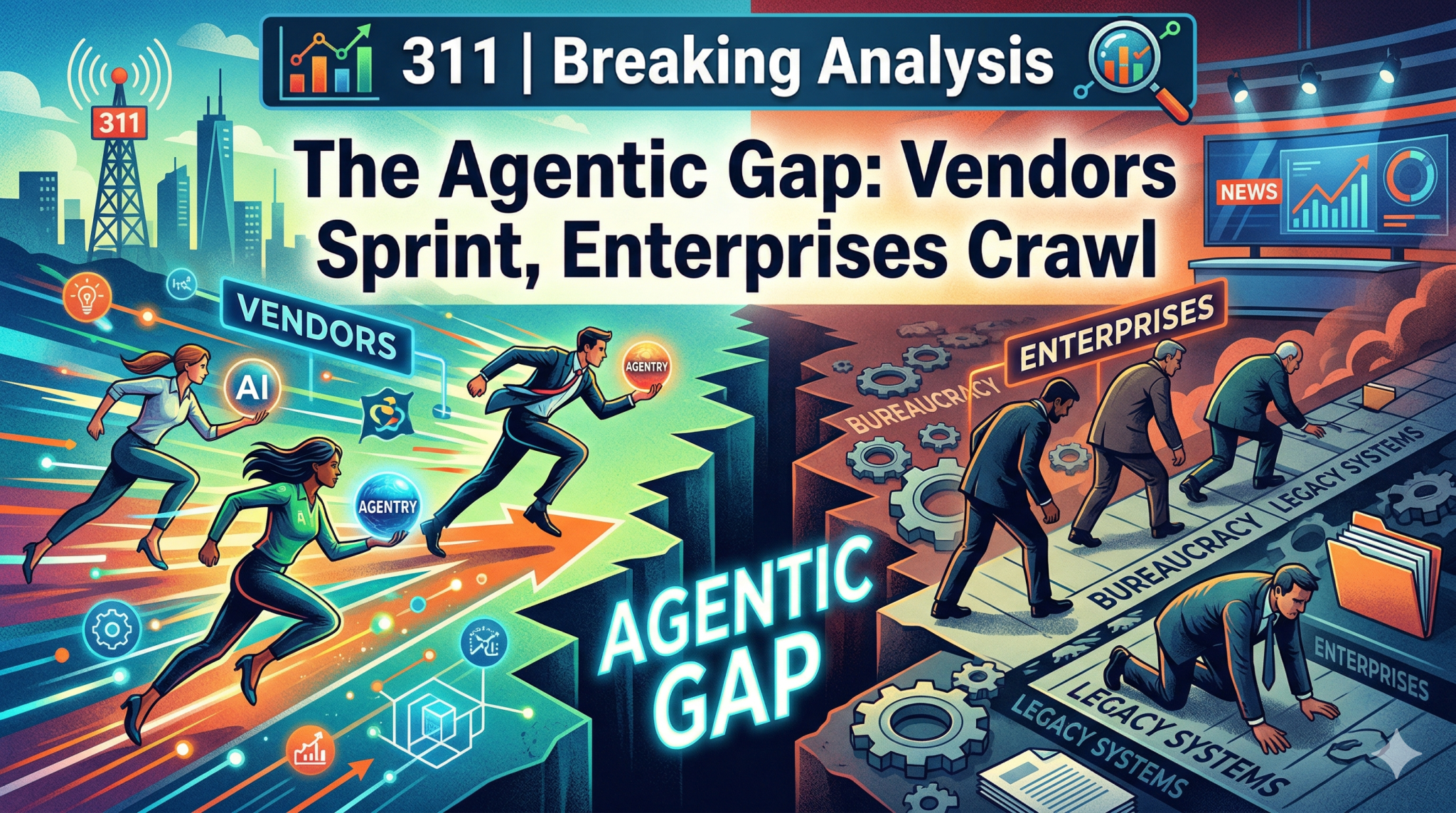
The agentic AI gap: Vendors sprint, enterprises crawl

The "agentic AI gap" highlights a stark disconnect between the rapid innovation of tech vendors and the cautious, often sluggish adoption of artificial intelligence within mainstream enterprises. While vendors are "sprinting" toward sophisticated agentic workflows and reasoning capabilities, most organizations are still "crawling," primarily focused on basic productivity gains and early-stage pilots. This hesitation is fueled by a combination of macroeconomic uncertainty—such as geopolitical tensions and fluctuating interest rates—and a lack of operational readiness. Currently, only about 13% of enterprises report achieving sustained ROI at scale, as hurdles like data governance, security, and integration remain significant barriers. The article suggests that a new four-layer software architecture is emerging, shifting the focus from application-centric models to intelligence-centric systems. Central to this transition is the "Cognitive Surface," a middle layer where intent is shaped and enterprise policies are enforced. As the industry moves toward an economic model based on tokenized intelligence, business leaders must evolve their operational strategies to manage digital agents effectively. Ultimately, bridging this gap requires more than just better technology; it demands a fundamental transformation in how enterprises secure, govern, and value AI to turn experimental pilots into scalable, revenue-generating business assets.


India’s Proposal for Age-verification Is a Blunt Response to a Complex Problem

India’s Digital Personal Data Protection Act of 2023 and subsequent regulatory proposals introduce a stringent age-verification framework, mandating "verifiable parental consent" for users under eighteen. This article by Amber Sinha argues that such measures constitute a "blunt response" to the multifaceted challenges of online child safety, potentially compromising privacy and fundamental digital rights. By shifting toward a graded approach that includes screen-time caps and "curfews," the government risks creating massive "honeypots" of sensitive identification data—often tied to the Aadhaar biometric system—thereby enabling state surveillance and increasing vulnerability to data breaches. Furthermore, the reliance on official documentation and repeated parental consent threatens to deepen the gender digital divide; in many South Asian households, these barriers may lead families to restrict girls' access to shared devices entirely. Critics emphasize that these rigid mandates often drive minors toward riskier, unregulated corners of the internet while stifling their constitutional right to information. Rather than imposing a universal, one-size-fits-all age-gating mechanism, the author advocates for a more nuanced strategy. This alternative would prioritize "privacy by design" and leverage advanced cryptographic techniques like Zero-Knowledge Proofs to verify age without compromising user anonymity, ultimately focusing on safety through empowerment rather than through restrictive control and pervasive data collection.


The Danger of Treating CyberCrime as War – The New National Cybersecurity Strategy

The article "The Danger of Treating CyberCrime as War – The New National Cybersecurity Strategy," published in March 2026, analyzes the fundamental shift in U.S. cybersecurity policy following the release of the "Cyber Strategy for America." This new approach moves away from traditional regulatory compliance and defensive engineering, instead prioritizing a posture of active disruption and the projection of national power. By treating cybersecurity as a contest against adversaries, the strategy leverages law enforcement, intelligence, and sanctions to impose significant costs on bad actors. However, the author warns that this "war-like" framing may be misaligned with the reality of most digital threats. While nation-states might respond to traditional deterrence, the vast majority of cyber harm is caused by economically motivated criminals—such as ransomware operators and fraudsters—who are highly elastic and adaptive. These actors often respond to increased pressure by evolving their tactics or shifting jurisdictions rather than ceasing operations. Consequently, the article suggests that over-emphasizing state-level power risks neglecting the underlying economic drivers of cybercrime. Ultimately, a successful strategy must balance the pursuit of geopolitical adversaries with the practical need to secure the private sector’s daily operations against profit-driven threats.


The AI Leader

In "The AI Leader," Tomas Chamorro-Premuzic explores the profound transformation of the professional landscape as artificial intelligence reaches parity with human cognitive capabilities. He argues that while AI has commoditized technical expertise and routine management—such as data processing and tactical execution—it has simultaneously increased the "leadership premium" on uniquely human qualities. As the distinction between human and machine intelligence blurs, the author posits that the essence of leadership must shift from traditional authority and information control to the cultivation of empathy, moral judgment, and a sense of purpose. Chamorro-Premuzic warns against the temptation for executives to abdicate their decision-making responsibility to algorithms, emphasizing that leadership is fundamentally a human-centric endeavor centered on motivation and cultural alignment. He suggests that the modern leader’s primary role is to serve as a filter for AI-generated noise, using intuition to navigate ambiguity where data falls short. Ultimately, the article concludes that the most successful organizations in the AI era will be those led by individuals who leverage technology to enhance efficiency while doubling down on the "soft" skills that foster trust and inspiration. In this new paradigm, leadership is not about competing with AI but about mastering the human elements that technology cannot replicate.


Data governance vs. data quality: Which comes first in 2026?

In 2026, the debate between data governance and data quality has shifted toward a unified framework, as the article "Data governance vs. data quality: Which comes first in 2026" argues that governance without quality is merely "bureaucracy dressed in corporate branding." While governance provides the essential structure—defining roles, policies, and accountability—it remains an act of faith unless validated by measurable quality metrics. The rise of AI has intensified this need, as models amplify underlying data inconsistencies, requiring governance to prioritize continuous quality rather than periodic "cleanup" projects. Leading organizations are moving away from treating these as separate silos; instead, they integrate governance as an enabler of quality at scale and quality as the evidence of governance effectiveness. This shift ensures that data owners have visibility into metrics, creating meaningful accountability. Ultimately, the article concludes that quality is the primary metric by which any governance program should be judged. Organizations that fail to unify these initiatives will likely face the overhead of complex frameworks without the benefit of trustworthy data, losing their competitive advantage in an increasingly AI-driven and regulated landscape. Successful firms will instead achieve a sustained state of trust, where governance and quality work in tandem to support innovation.

Daily Tech Digest - March 28, 2026


Quote for the day:

"We are moving from a world where we have to understand computers to a world where they will understand us." -- Jensen Huang


🎧 Listen to this digest on YouTube Music

▶ Play Audio Digest

Duration: 16 mins • Perfect for listening on the go.


When clean UI becomes cold UI

The article "When Clean UI Becomes Cold UI" explores the pitfalls of over-minimalism in modern digital interface design, arguing that a "clean" aesthetic can easily shift from elegant to emotionally distant. This "cold UI" occurs when essential guidance—such as text labels, instructions, and reassuring feedback—is stripped away in favor of a sleek, portfolio-worthy appearance. While such designs may impress other designers, they often fail real-world users by forcing them to rely on assumptions, which increases cognitive friction and erodes the human connection. The central premise is that designers must shift their focus from "clean" design to "clear" design. Every element removed for the sake of aesthetics involves a trade-off that often sacrifices functional clarity for visual simplicity. To avoid creating a "ghost town" interface, the author encourages prioritizing meaning over layout, ensuring icons are paired with labels and that the design supports users during moments of uncertainty. Ultimately, a truly successful interface is not one that is simply empty, but one that knows when to provide direction and when to step back, balancing aesthetic minimalism with the transparency required for a user to feel genuinely supported and understood.


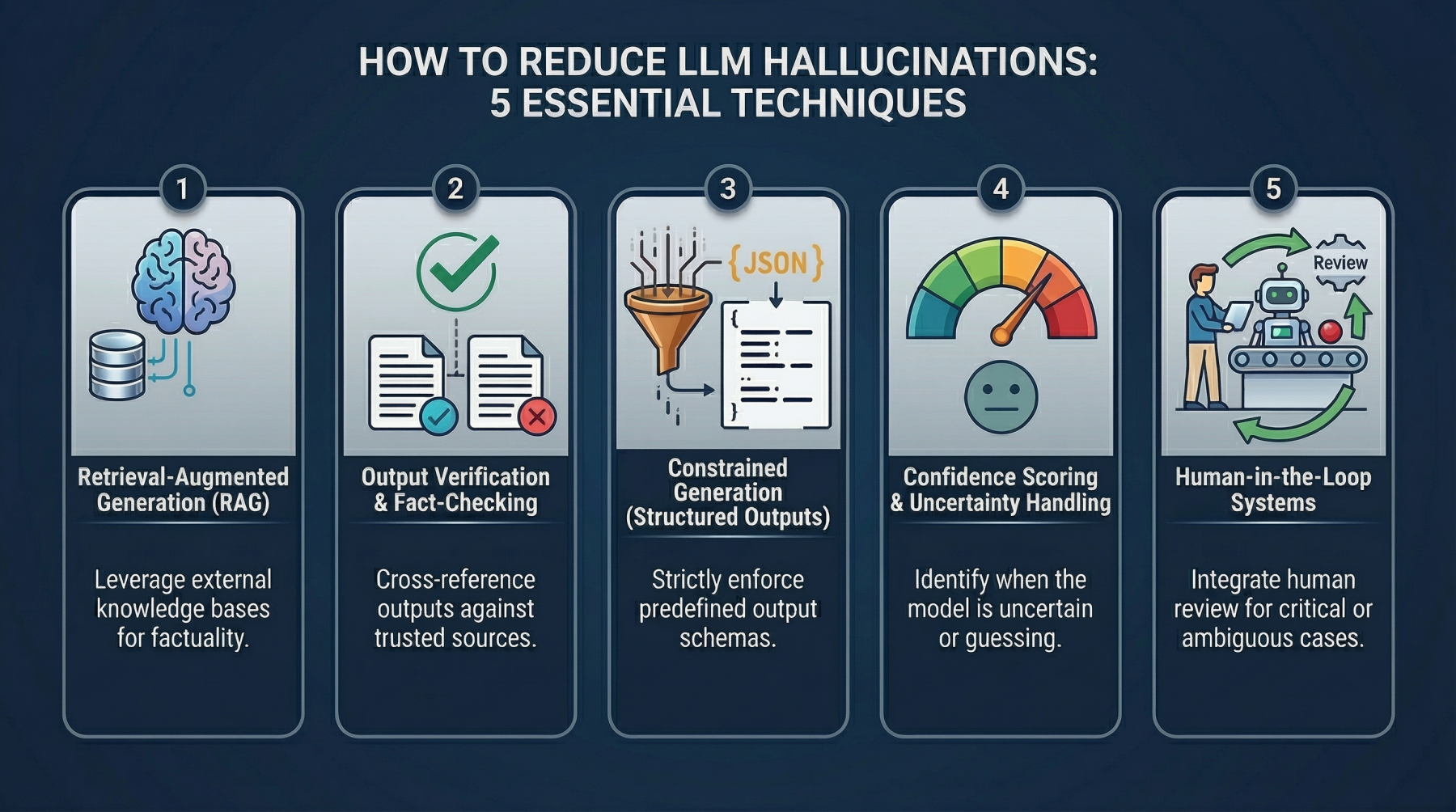
5 Practical Techniques to Detect and Mitigate LLM Hallucinations Beyond Prompt Engineering

The article "5 Practical Techniques to Detect and Mitigate LLM Hallucinations Beyond Prompt Engineering" from Machine Learning Mastery explores advanced system-level strategies to ensure AI reliability. While basic prompting can improve performance, it often fails in production settings where strict accuracy is critical. The first technique, Retrieval-Augmented Generation (RAG), anchors model responses in real-time, external verified data, moving away from reliance on static, often outdated training memory. Second, the article advocates for Output Verification Layers, where a secondary model or automated cross-referencing system validates initial drafts before they reach the user. Third, Constrained Generation utilizes structured formats like JSON or XML to limit speculative or tangential output, ensuring machine-readable consistency. Fourth, Confidence Scoring and Uncertainty Handling encourage models to quantify their own reliability or admit ignorance through "I don’t know" responses rather than guessing. Finally, Human-in-the-Loop Systems integrate human oversight to refine results, provide feedback, and build essential user trust. Collectively, these methods transition LLM applications from experimental prototypes to robust, factual tools. By implementing these architectural patterns, developers can move beyond trial-and-error prompting to create production-ready systems capable of handling high-stakes tasks where the cost of a hallucination is significantly high.


Agentic GRC: Teams Get the Tech. The Mindset Shift Is What's Missing

In "Agentic GRC: Teams Get the Tech, the Mindset Shift Is What's Missing," Yair Kuznitsov explores the transformative impact of AI agents on Governance, Risk, and Compliance. Traditionally, GRC professionals derived value from operational competence, specifically manual evidence collection and audit management. However, agentic AI now automates these workflows, creating an identity crisis for those whose roles were defined by execution. The author argues that while technology is ready, many teams remain reluctant because they struggle to redefine their professional purpose beyond operational tasks. Crucially, GRC was intended as a strategic risk management function, but it became consumed by scaling inefficiencies. Agentic GRC offers a return to these roots, transitioning practitioners toward "GRC Engineering" where controls are managed as code via Git and CI/CD pipelines. This essential shift requires moving from a "checkbox" mentality to strategic risk leadership. Humans must provide critical judgment, define risk appetite, and translate business context into compliance logic—capabilities AI cannot replicate. Ultimately, successful organizations will empower their GRC teams to stop merely managing operational machines and start leading proactive, risk-based initiatives. This evolution represents an opportunity for professionals to finally perform the high-level work they were originally trained to do.


The Missing Layer in Agentic AI

The article "The Missing Layer in Agentic AI" argues that while current AI development focuses heavily on large language models and reasoning capabilities, a critical "middleware" layer is currently absent. This missing component, referred to as an agentic orchestration layer, is essential for transforming static models into truly autonomous systems capable of executing complex, multi-step tasks in dynamic environments. The author explains that for AI agents to be effective, they require more than just raw intelligence; they need robust frameworks for memory management, tool integration, and state persistence. This layer acts as the glue that connects high-level planning with low-level execution, ensuring that agents can maintain context and recover from errors during long-running processes. Furthermore, the piece highlights that without this specialized infrastructure, developers are forced to build bespoke, brittle solutions that do not scale. By establishing a standardized orchestration layer, the industry can move toward more reliable, observable, and interoperable agentic workflows. Ultimately, the article suggests that the next frontier of AI progress lies not just in better models, but in the sophisticated software engineering required to manage how those models interact with the world and each other.


Edge clouds and local data centers reshape IT

For over a decade, enterprise cloud strategy prioritized centralization on hyperscale platforms to achieve economies of scale and reduce infrastructure sprawl. However, the rise of edge clouds and local data centers is fundamentally reshaping this paradigm toward a selectively distributed architecture. Modern digital systems increasingly require real-time responsiveness, adherence to regional data sovereignty regulations, and efficient handling of massive data volumes from sensors and video feeds. To meet these demands, enterprises are adopting a dual architecture that combines the strengths of centralized cloud platforms—well-suited for model training and storage—with localized infrastructure positioned closer to the source of interaction. This shift is visible in sectors like retail and manufacturing, where proximity reduces latency and operational costs. Despite its benefits, the transition to edge computing introduces significant complexities, including fragmented life-cycle management, security hardening, and the need for robust observability across hundreds of distributed sites. Rather than replacing the cloud, the edge serves as a coordinated layer within an integrated hybrid model. By placing workloads where they are most operationally and economically effective, organizations can navigate bandwidth limitations and physical-world complexities, ensuring their digital infrastructure remains agile and resilient in a changing technological landscape.


AI frenzy feeds credential chaos, secrets leak through code, tools, and infrastructure

GitGuardian’s State of Secrets Sprawl 2026 report highlights an alarming surge in cybersecurity risks, revealing that 28.65 million new hardcoded secrets were detected in public GitHub commits during 2025. This multi-year upward trend demonstrates that credentials, including access keys, tokens, and passwords, are increasingly leaking through code, development tools, and infrastructure. Beyond public repositories, the report underscores a significant shift toward internal environments, which often carry a higher density of sensitive production credentials. The explosion of AI development has exacerbated the problem; AI-assisted coding and the proliferation of new model providers and agent frameworks have introduced vast numbers of fresh credentials that are frequently mismanaged. Furthermore, collaboration platforms like Slack and Jira, along with self-hosted Docker registries, serve as additional points of exposure. A particularly concerning finding is the longevity of these leaks, as many credentials remain active and usable for years due to the operational complexities of remediation across fragmented systems. Ultimately, the report illustrates a widening gap between the rapid pace of software innovation and the governance required to secure the expanding surface area of modern, interconnected development workflows, leaving critical infrastructure vulnerable to exploitation.
In “Architecting Autonomy at Scale,” Shweta Aggarwal and Ron Klein argue that traditional, centralized architectural governance becomes a significant bottleneck as organizations grow, necessitating a fundamental shift toward decentralized decision-making. Utilizing a “parental metaphor,” the article describes the evolution of architecture from “infancy,” where strong central guidance is required to prevent chaos, to “adulthood,” where teams operate autonomously within established systems. The authors propose a structured framework built on clear decision boundaries, shared principles, and robust guardrails rather than restrictive approval gates. Key technical practices include documenting decisions via Architecture Decision Records (ADRs) to preserve context, utilizing “fitness functions” for automated governance within CI/CD pipelines, and leveraging AI for detecting architectural drift. By aligning architectural authority with the C4 model levels, organizations can clarify ownership and reduce delivery friction. Ultimately, the role of the architect evolves from a top-down gatekeeper to a coach and platform enabler, focusing on creating “paved roads” that allow teams to experiment safely. This transition is framed as a socio-technical transformation that requires cultural shifts, leadership support, and a trust-based governance model to successfully balance local agility with enterprise-wide coherence and long-term technical sustainability.
The European Commission is intensifying its enforcement of the Digital Services Act (DSA) by moving away from "self-declaration" as a valid method for online age assurance. Following a series of investigations, regulators have determined that simple "click-to-confirm" mechanisms on major adult content platforms, including Pornhub, Stripchat, XNXX, and XVideos, are insufficient to protect minors from harmful material. These platforms are now being urged to implement more robust, privacy-preserving age verification measures to ensure compliance with EU standards. Simultaneously, the Commission has opened a formal investigation into Snapchat over concerns that its reliance on self-declaration fails to prevent underage children from accessing the app or to provide age-appropriate experiences for teenagers. Beyond the European Commission's actions, the UK Information Commissioner's Office (ICO) is also pressuring social media giants to strengthen their age-gate systems. Potential solutions being discussed include the use of the European Digital Identity (EUDI) Wallet, facial age estimation technology, and identity document scans. This coordinated regulatory crackdown signals a major shift in the digital landscape, where platforms must now prioritize societal risks to minors over business-centric concerns. Failure to adopt these more stringent verification methods could lead to significant financial penalties across the European Union.


5 reasons why the tech industry is failing women

The CIO.com article, “Women in Tech Statistics: The Hard Truths of an Uphill Battle,” highlights the persistent gender gap and systemic challenges women face in the technology sector. Despite representing 42% of the global workforce, women hold only 26-28% of tech roles and just 12% of C-suite positions. A significant “leaky pipeline” begins in academia, where women earn only 21% of computer science degrees, and continues into the workplace. Troublingly, 50% of women leave the industry by age 35—a rate 45% higher than men—driven by toxic cultures, microaggressions, and a lack of flexible work-life balance. Economic instability further compounds these issues, with women being 1.6 times more likely to face layoffs; during 2022’s mass tech layoffs, they accounted for 69% of job losses. Financial disparities remain stark, as women earn approximately $15,000 less annually than their male counterparts. Furthermore, the rise of artificial intelligence presents new risks, with women’s roles 34% more likely to be disrupted by automation compared to 25% for men. Collectively, these statistics underscore that achieving gender parity requires more than corporate pledges; it necessitates fundamental shifts in recruitment, retention, and structural support systems.


15+ Global Banks Exploring Quantum Technologies

The article titled "15+ global banks probing the wonderful world of quantum technologies," published by The Quantum Insider on March 27, 2026, highlights the accelerating integration of quantum computing within the global financial sector. Central to this movement is the "Quantum Innovation Index," a benchmarking tool developed in collaboration with HorizonX Consulting, which identifies top performers like JPMorgan Chase, HSBC, and Goldman Sachs. These institutions are leading a group of over fifteen major banks that have transitioned from theoretical research to practical experimentation. The report details how these banks are leveraging quantum advantages for high-dimensional computational tasks, including portfolio optimization, complex risk modeling through Monte Carlo simulations, and real-time fraud detection. Furthermore, the article emphasizes a proactive shift toward "quantum readiness" to combat cryptographic threats, with banks like HSBC trialing quantum-secure trading for digital assets. With nearly 80% of the world’s fifty largest banks now exploring these frontier technologies, the narrative has shifted from whether quantum will disrupt finance to when its full-scale implementation will occur. This trend is bolstered by significant investments, such as JPMorgan’s backing of Quantinuum, underscoring a strategic imperative to maintain competitiveness and ensure systemic stability in a post-quantum world.

Daily Tech Digest - March 26, 2026


Quote for the day:

"Appreciate the people who can change their mind when presented with true information that contradicts their beliefs." -- Vala Afshar


🎧 Listen to this digest on YouTube Music

▶ Play Audio Digest

Duration: 16 mins • Perfect for listening on the go.


Understanding DoS and DDoS attacks: Their nature and how they operate

In the modern digital landscape, understanding Denial-of-Service (DoS) and Distributed Denial-of-Service (DDoS) attacks is critical for maintaining organizational resilience. While a DoS attack originates from a single source to overwhelm a system, a DDoS attack leverages a global botnet of compromised devices, making it significantly more complex to detect and mitigate. These cyber threats aim to disrupt essential services, leading to severe functional obstacles and financial consequences, with downtime costs potentially reaching over six thousand dollars per minute. High-availability networks are particularly vulnerable, as massive traffic volumes can bypass redundancy, trigger failovers, and degrade the overall user experience. To counter these evolving threats, the article emphasizes a multi-layered defense strategy incorporating proactive traffic monitoring, rate limiting, and Web Application Firewalls. Specialized solutions like scrubbing centers—which filter malicious packets from legitimate traffic—and Content Delivery Networks are also vital for absorbing large-scale assaults. Ultimately, the article argues that business continuity depends on shifting from reactive measures to advanced, scalable security frameworks that protect both infrastructure and brand reputation. By adopting these robust defenses, organizations can navigate an increasingly hostile environment and ensure that their core digital operations remain accessible and reliable despite sustained cyber-attack conditions.


Low code, no fear

The article "Low code, no fear" explores how CIOs are increasingly adopting low-code/no-code (LCNC) platforms to accelerate digital transformation and address developer shortages. While these tools empower citizen developers and enhance business agility, they introduce significant security risks, such as accidental data exposure and misconfigurations. To mitigate these threats, the author argues that LCNC development must be integrated into the broader IT ecosystem through a DevSecOps lens. This involves establishing rigorous governance standards, version controls, and automated security guardrails early in the development lifecycle. Specific strategies include implementing policy-as-code templates, automated CI/CD pipeline scanning, and "shift-left" vulnerability testing like SAST and DAST. Additionally, organizations should employ runtime monitoring and data loss prevention measures to prevent sensitive information leaks. By treating low-code projects with the same discipline as traditional software engineering, leaders can ensure that speed does not compromise security. Ultimately, the goal is to foster a culture where innovation and robust security coexist, preventing LCNC from becoming a dangerous form of "shadow IT" within the enterprise. Maintaining clear metrics on deployment frequency and remediation velocity is essential for balancing rapid delivery with effective risk management across all application development activities.


SANS: Top 5 Most Dangerous New Attack Techniques to Watch

At the RSAC 2026 Conference, the SANS Institute revealed its annual list of the "Top 5 Most Dangerous New Attack Techniques," which are now almost entirely powered by artificial intelligence. The first technique highlights the rise of AI-generated zero-days, which has shattered the barrier to entry for high-level exploits by making vulnerability discovery both cheap and accessible to a wider range of threat actors. Secondly, software supply chain risks have intensified, shifting the industry focus toward the "entire ecosystem of suppliers" and the cascading dangers of third-party dependencies. The third threat identifies an "accountability crisis" in operational technology (OT) and industrial control systems, where a critical lack of forensic visibility prevents investigators from determining if infrastructure failures are mere accidents or sophisticated cyberattacks. Fourth, experts warned against the "dark side of AI" in digital forensics, cautioning that using AI as a primary decision-maker without human oversight leads to flawed incident responses. Finally, the report emphasizes the necessity of "autonomous defense" to counter AI-driven attacks that move forty-seven times faster than traditional methods. By leveraging tools like Protocol SIFT, defenders aim to accelerate human analysis and close the widening speed gap. Together, these techniques underscore a transformative era where AI dictates the pace and complexity of modern cyber warfare.


Why services have become the true differentiator in critical digital infrastructure

The article argues that in the rapidly evolving landscape of critical digital infrastructure, hardware alone no longer provides a competitive edge; instead, comprehensive services have become the primary differentiator. As data centers face increasing complexity driven by AI, high-density computing, and hybrid architectures, the focus has shifted from initial equipment acquisition to long-term operational excellence. Technological parity among major manufacturers means that physical products are often comparable, placing the burden of performance on lifecycle management and expert support. This transition is further fueled by a global skills shortage, leaving many organizations without the internal expertise required to maintain sophisticated power and cooling systems. Consequently, service partnerships that offer proactive maintenance, remote monitoring, and rapid emergency response are essential for ensuring maximum uptime and mitigating the exorbitant costs of downtime. Moreover, the article emphasizes that tailored services play a vital role in achieving sustainability goals by optimizing energy efficiency throughout the asset's lifespan. Ultimately, the true value of infrastructure is realized not through the hardware itself, but through the specialized services that ensure reliability, scalability, and efficiency in an increasingly demanding digital economy, making the choice of a service partner more critical than the equipment specifications.


AI SOC vendors are selling a future that production deployments haven’t reached yet

The article "AI SOC vendors are selling a future that production deployments haven't reached yet" examines the significant gap between marketing promises and the operational reality of AI in Security Operations Centers. While vendors champion autonomous threat investigation and "humanless" operations, actual market adoption remains stagnant at roughly one to five percent. Research indicates that most organizations are trapped in "pilot purgatory," utilizing AI only for low-risk tasks like alert enrichment or report drafting rather than critical decision-making. The authors argue that vendors systematically misattribute this slow uptake to buyer resistance or psychological barriers, whereas the true cause is product immaturity. In live production environments, AI often struggles with non-linear attack paths and lacks the contextual awareness found in custom-built internal tools. Furthermore, reliance on probabilistic AI outputs can inadvertently degrade analyst judgment and obscure operational risks through misleading alert reduction metrics. Experts advocate for a shift in vendor strategy, moving away from "prophetic" claims of total automation toward developing narrow, reliable tools that serve as capability amplifiers. Ultimately, for AI SOC solutions to achieve enterprise readiness, vendors must prioritize transparency, deterministic logic, and verifiable evidence over aspirational marketing narratives.


Meshery 1.0 debuts, offering new layer of control for cloud-native infrastructure

The debut of Meshery 1.0 marks a significant milestone in cloud-native management, introducing a crucial governance layer for complex Kubernetes and multi-cloud environments. As organizations struggle with "YAML sprawl" and the rapid influx of AI-generated configurations, Meshery provides a visual management platform that transitions operations from static text files to a collaborative "Infrastructure as Design" model. At the heart of this release is the Kanvas component, featuring a generally available drag-and-drop Designer for infrastructure blueprints and a beta Operator for real-time cluster monitoring. These tools allow engineering teams to visualize resource relationships, identify configuration conflicts, and automate validation through an embedded Open Policy Agent engine. Beyond visualization, Meshery 1.0 offers over 300 integrations and a built-in load generator, Nighthawk, for performance benchmarking. By offering a shared workspace where architectural decisions are documented and verified, the platform directly addresses the challenges of tribal knowledge and configuration drift. As one of the Cloud Native Computing Foundation's highest-velocity projects, Meshery’s move to version 1.0 signals its maturity as a standard for expressing and deploying portable infrastructure designs while preparing for future AI-driven governance integrations.


What is the Log4Shell vulnerability?

The Log4Shell vulnerability, officially designated as CVE-2021-44228, represents one of the most significant cybersecurity threats in recent history, primarily due to the ubiquity of the Apache Log4j 2 logging library. Discovered in late 2021, this critical zero-day flaw earned a maximum CVSS severity score of 10/10 because it enables remote code execution with minimal effort from attackers. By sending a specially crafted string to a server—often through common inputs like web headers or chat messages—malicious actors can trigger a Java Naming and Directory Interface (JNDI) lookup to a rogue server, allowing them to execute arbitrary code and gain complete system control. The article emphasizes that the vulnerability's impact is vast, affecting everything from cloud services like Apple iCloud to popular games like Minecraft. Identifying every instance of the flawed library remains a major challenge for IT teams because Log4j is often embedded deep within complex software dependencies. Consequently, patching is described as non-negotiable, with organizations urged to upgrade to the latest secure versions of the library immediately. This security crisis underscores the inherent risks found in widely used open-source components and the urgent need for robust supply chain security.


Software-first mentality brings India into future: Industry 4.0 barometer

The eighth edition of the Industry 4.0 Barometer, published by MHP and LMU Munich, highlights how a "software-first" mentality is propelling India to the forefront of the global industrial landscape. Ranking third internationally behind the United States and China, India demonstrates remarkable investment readiness and strategic ambition in adopting digital technologies. The study reveals that 61 percent of surveyed Indian companies already utilize artificial intelligence in production, while 68 percent leverage digital twins in logistics. This rapid digitization is anchored in Software-Defined Manufacturing (SDM), where production excellence is increasingly dictated by software, data, and integrated IT/OT architectures. Unlike the DACH region, where only 17 percent of respondents expect fundamental industry change from software-driven approaches, 44 percent of Indian leaders are convinced of such transformation. This discrepancy underscores India’s proactive willingness to evolve, moving beyond traditional manufacturing to embrace a future where smart algorithms and solid data infrastructures are central. Ultimately, the report emphasizes that consistent integration of software and production control is no longer optional but a critical factor for maintaining global relevance, positioning India as a formidable leader in the ongoing digital revolution of industrial production.


Facial age estimation adoption puts pressure on ecosystem

The article "Facial age estimation adoption puts pressure on ecosystem" highlights the rapid integration of biometric age verification technologies amidst intensifying global legal mandates and shifting regulatory responsibilities. As adoption accelerates, the industry faces a critical bottleneck: the demand for system evaluation and testing capacity is currently outstripping available methodologies. This surge has prompted stakeholders, including the European Association for Biometrics, to address the complexities of training algorithms, which require vast, diverse datasets to ensure accuracy across demographics. Technical hurdles remain significant, particularly regarding "bias to the mean," where systems frequently overestimate the age of younger users while underestimating older individuals. Additionally, traditional Presentation Attack Detection struggles with sophisticated spoofs, such as aging makeup, which mimics live facial features effectively. The piece also references real-world applications like Australia’s Age Assurance Technology Trial, noting that while privacy concerns caused some to opt out, peer participation eventually boosted engagement. Ultimately, effective implementation now depends on refining confidence-range metrics rather than relying on absolute age estimates. The future of the ecosystem relies on the emergence of more rigorous, fine-grained standards and fusion techniques to maintain integrity in an increasingly scrutinized and legally demanding digital environment.


Streamline physical security to enable data center growth in the era of AI

The rapid proliferation of artificial intelligence is driving a monumental expansion in data center capacity, creating a "space race" where physical security must evolve from a tactical necessity into a strategic competitive advantage. As colocation and hyperscale providers face unprecedented demand, Andrew Corsaro argues that traditional project-based approaches are no longer sufficient; instead, organizations must adopt a programmatic mindset characterized by repeatable processes, standardized designs, and the intelligent reuse of institutional knowledge. Scaling at AI speed requires a transition where approximately 95 percent of security implementation is standardized, allowing teams to focus on the 5 percent of truly novel challenges, such as airborne drone threats or the physical implications of advanced cooling technologies. Furthermore, the integration of automation, digital twin modeling, and strategic partnerships is essential to maintain precision without sacrificing quality. By embedding security experts into the early stages of the development lifecycle, providers can navigate dynamic regulatory shifts and emerging threat vectors effectively. Ultimately, those who successfully streamline their physical security frameworks will be best positioned to achieve sustainable, high-speed growth in the AI era, transforming potential operational chaos into a disciplined, resilient, and highly scalable delivery engine.