Showing posts with label scrum. Show all posts

Daily Tech Digest - August 10, 2025


Quote for the day:

"Don't worry about being successful but work toward being significant and the success will naturally follow." -- Oprah Winfrey


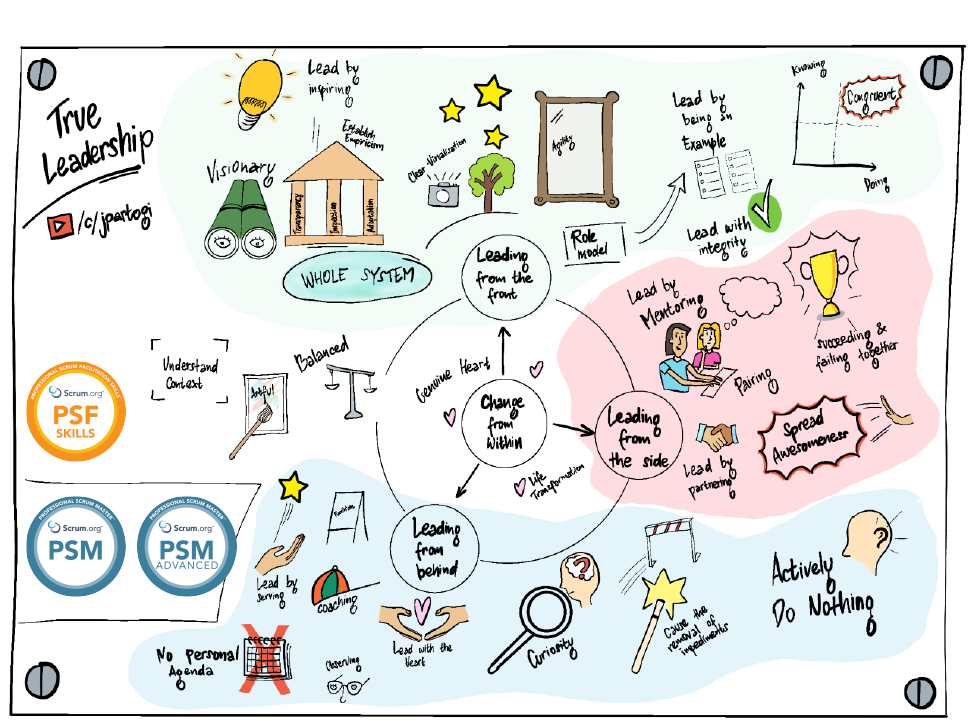
The Scrum Master: A True Leader Who Serves

Many people online claim that “Agile is a mindset”, and that the mindset is more important than the framework. But let us be honest, the term “agile mindset” is very abstract. How do we know someone truly has it? We cannot open their brain to check. Mindset manifests in different behaviour depending on culture and context. In one place, “commitment” might mean fixed scope and fixed time. In another, it might mean working long hours. In yet another, it could mean delivering excellence within reasonable hours. Because of this complexity, simply saying “agile is a mindset” is not enough. What works better is modelling the behaviour. When people consistently observe the Scrum Master demonstrating agility, those behaviours can become habits. ... Some Scrum Masters and agile coaches believe their job is to coach exclusively, asking questions without ever offering answers. While coaching is valuable, relying on it alone can be harmful if it is not relevant or contextual. Relevance is key to improving team effectiveness. At times, the Scrum Master needs to get their hands dirty. If a team has struggled with manual regression testing for twenty Sprints, do not just tell them to adopt Test-Driven Development (TDD). Show them. ... To be a true leader, the Scrum Master must be humble and authentic. You cannot fake true leadership. It requires internal transformation, a shift in character. As the saying goes, “Character is who we are when no one is watching.”


Vendors Align IAM, IGA and PAM for Identity Convergence

The historic separation of IGA, PAM and IAM created inefficiencies and security blind spots, and attackers exploited inconsistencies in policy enforcement across layers, said Gil Rapaport, chief solutions officer at CyberArk. By combining governance, access and privilege in a single platform, the company could close the gaps between policy enforcement and detection, Rapaport said. "We noticed those siloed markets creating inefficiency in really protecting those identities, because you need to manage different type of policies for governance of those identities and for securing the identities and for the authentication of those identities, and so on," Rapaport told ISMG. "The cracks between those silos - this is exactly where the new attack factors started to develop." ... Enterprise customers that rely on different tools for IGA, PAM, IAM, cloud entitlements and data governance are increasingly frustrated because integrating those tools is time-consuming and error-prone, Mudra said. Converged platforms reduce integration overhead and allow vendors to build tools that communicate natively and share risk signals, he said. "If you have these tools in silos, yes, they can all do different things, but you have to integrate them after the fact versus a converged platform comes with out-of-the-box integration," Mudra said. "So, these different tools can share context and signals out of the box."


The Importance of Technology Due Diligence in Mergers and Acquisitions

The primary reason for conducting technology due diligence is to uncover any potential risks that could derail the deal or disrupt operations post-acquisition. This includes identifying outdated software, unresolved security vulnerabilities, and the potential for data breaches. By spotting these risks early, you can make informed decisions and create risk mitigation strategies to protect your company. ... A key part of technology due diligence is making sure that the target company’s technology assets align with your business’s strategic goals. Whether it’s cloud infrastructure, software solutions, or hardware, the technology should complement your existing operations and provide a foundation for long-term growth. Misalignment in technology can lead to inefficiencies and costly reworks. ... Rank the identified risks based on their potential impact on your business and the likelihood of their occurrence. This will help prioritize mitigation efforts, so that you’re addressing the most critical vulnerabilities first. Consider both short-term risks, like pending software patches, and long-term issues, such as outdated technology or a lack of scalability. ... Review existing vendor contracts and third-party service provider agreements, looking for any liabilities or compliance risks that may emerge post-acquisition—especially those related to data access, privacy regulations, or long-term commitments. It’s also important to assess the cybersecurity posture of vendors and their ability to support integration.


From terabytes to insights: Real-world AI obervability architecture

The challenge is not only the data volume, but the data fragmentation. According to New Relic’s 2023 Observability Forecast Report, 50% of organizations report siloed telemetry data, with only 33% achieving a unified view across metrics, logs and traces. Logs tell one part of the story, metrics another, traces yet another. Without a consistent thread of context, engineers are forced into manual correlation, relying on intuition, tribal knowledge and tedious detective work during incidents. ... In the first layer, we develop the contextual telemetry data by embedding standardized metadata in the telemetry signals, such as distributed traces, logs and metrics. Then, in the second layer, enriched data is fed into the MCP server to index, add structure and provide client access to context-enriched data using APIs. Finally, the AI-driven analysis engine utilizes the structured and enriched telemetry data for anomaly detection, correlation and root-cause analysis to troubleshoot application issues. This layered design ensures that AI and engineering teams receive context-driven, actionable insights from telemetry data. ... The amalgamation of structured data pipelines and AI holds enormous promise for observability. We can transform vast telemetry data into actionable insights by leveraging structured protocols such as MCP and AI-driven analyses, resulting in proactive rather than reactive systems. 


MCP explained: The AI gamechanger

Instead of relying on scattered prompts, developers can now define and deliver context dynamically, making integrations faster, more accurate, and easier to maintain. By decoupling context from prompts and managing it like any other component, developers can, in effect, build their own personal, multi-layered prompt interface. This transforms AI from a black box into an integrated part of your tech stack. ... MCP is important because it extends this principle to AI by treating context as a modular, API-driven component that can be integrated wherever needed. Similar to microservices or headless frontends, this approach allows AI functionality to be composed and embedded flexibly across various layers of the tech stack without creating tight dependencies. The result is greater flexibility, enhanced reusability, faster iteration in distributed systems and true scalability. ... As with any exciting disruption, the opportunity offered by MCP comes with its own set of challenges. Chief among them is poorly defined context. One of the most common mistakes is hardcoding static values — instead, context should be dynamic and reflect real-time system states. Overloading the model with too much, too little or irrelevant data is another pitfall, often leading to degraded performance and unpredictable outputs. 


AI is fueling a power surge - it could also reinvent the grid

Data centers themselves are beginning to evolve as well. Some forward-looking facilities are now being designed with built-in flexibility to contribute back to the grid or operate independently during times of peak stress. These new models, combined with improved efficiency standards and smarter site selection strategies, have the potential to ease some of the pressure being placed on energy systems. Equally important is the role of cross-sector collaboration. As the line between tech and infrastructure continues to blur, it’s critical that policymakers, engineers, utilities, and technology providers work together to shape the standards and policies that will govern this transition. That means not only building new systems, but also rethinking regulatory frameworks and investment strategies to prioritize resiliency, equity, and sustainability. Just as important as technological progress is public understanding. Educating communities about how AI interacts with infrastructure can help build the support needed to scale promising innovations. Transparency around how energy is generated, distributed, and consumed—and how AI fits into that equation—will be crucial to building trust and encouraging participation. ... To be clear, AI is not a silver bullet. It won’t replace the need for new investment or hard policy choices. But it can make our systems smarter, more adaptive, and ultimately more sustainable.


AI vs Technical Debt: Is This A Race to the Bottom?

Critically, AI-generated code can carry security liabilities. One alarming study analyzed code suggested by GitHub Copilot across common security scenarios – the result: roughly 40% of Copilot’s suggestions had vulnerabilities. These included classic mistakes like buffer overflows and SQL injection holes. Why so high? The AI was trained on tons of public code – including insecure code – so it can regurgitate bad practices (like using outdated encryption or ignoring input sanitization) just as easily as good ones. If you blindly accept such output, you’re effectively inviting known bugs into your codebase. It doesn’t help that AI is notoriously bad at certain logical tasks (for example, it struggles with complex math or subtle state logic, so it might write code that looks legit but is wrong in edge cases. ... In many cases, devs aren’t reviewing AI-written code as rigorously as their own, and a common refrain when something breaks is, “It is not my code,” implying they feel less responsible since the AI wrote it. That attitude itself is dangerous, if nobody feels accountable for the AI’s code, it slips through code reviews or testing more easily, leading to more bad deployments. The open-source world is also grappling with an influx of AI-generated “contributions” that maintainers describe as low-quality or even spam. Imagine running an open-source project and suddenly getting dozens of auto-generated pull requests that technically add a feature or fix but are riddled with style issues or bugs.


The Future of Manufacturing: Digital Twin in Action

Process digital twins are often confused with traditional simulation tools, but there is an important distinction. Simulations are typically offline models used to test “what-if” scenarios, verify system behaviour, and optimise processes without impacting live operations. These models are predefined and rely on human input to set parameters and ask the right questions. A digital twin, on the other hand, comes to life when connected to real-time operational data. It reflects current system states, responds to live inputs, and evolves continuously as conditions change. This distinction between static simulation and dynamic digital twin is widely recognised across the industrial sector. While simulation still plays a valuable role in system design and planning, the true power of the digital twin lies in its ability to mirror, interpret, and influence operational performance in real time. ... When AI is added, the digital twin evolves into a learning system. AI algorithms can process vast datasets - far beyond what a human operator can manage - and detect early warning signs of failure. For example, if a transformer begins to exhibit subtle thermal or harmonic irregularities, an AI-enhanced digital twin doesn’t just flag it. It assesses the likelihood of failure, evaluates the potential downstream impact, and proposes mitigation strategies, such as rerouting power or triggering maintenance workflows.


Bridging the Gap: How Hybrid Cloud Is Redefining the Role of the Data Center

Today’s hybrid models involve more than merging public clouds with private data centers. They also involve specialized data center solutions like colocation, edge facilities and bare-metal-as-a-service (BMaaS) offerings. That’s the short version of how hybrid cloud and its relationship to data centers are evolving. ... Fast forward to the present, and the goals surrounding hybrid cloud strategies often look quite different. When businesses choose a hybrid cloud approach today, it’s typically not because of legacy workloads or sunk costs. It’s because they see hybrid architectures as the key to unlocking new opportunities ... The proliferation of edge data centers has also enabled simpler, better-performing and more cost-effective hybrid clouds. The more locations businesses have to choose from when deciding where to place private infrastructure and workloads, the more opportunity they have to optimize performance relative to cost. ... Today’s data centers are no longer just a place to host whatever you can’t run on-prem or in a public cloud. They have evolved into solutions that offer specialized services and capabilities that are critical for building high-performing, cost-effective hybrid clouds – but that aren’t available from public cloud providers, and that would be very costly and complicated for businesses to implement on their own.


AI Agents: Managing Risks In End-To-End Workflow Automation

As CIOs map out their AI strategies, it’s becoming clear that agents will change how they manage their organization’s IT environment and how they deliver services to the rest of the business. With the ability of agents to automate a broad swath of end-to-end business processes—learning and changing as they go—CIOs will have to oversee significant shifts in software development, IT operating models, staffing, and IT governance. ... Human-based checks and balances are vital for validating agent-based outputs and recommendations and, if needed, manually change course should unintended consequences—including hallucinations or other errors—arise. “Agents being wrong is not the same thing as humans being wrong,” says Elliott. “Agents can be really wrong in ways that would get a human fired if they made the same mistake. We need safeguards so that if an agent calls the wrong API, it’s obvious to the person overseeing that task that the response or outcome is unreasonable or doesn’t make sense.” These orchestration and observability layers will be increasingly important as agents are implemented across the business. “As different parts of the organization [automate] manual processes, you can quickly end up with a patchwork-quilt architecture that becomes almost impossible to upgrade or rethink,” says Elliott.

Daily Tech Digest - March 08, 2025


Quote for the day:

“In my experience, there is only one motivation, and that is desire. No reasons or principle contain it or stand against it.” -- Jane Smiley


Synthetic identity blends real and fake data to enable fraud, demanding new protections

Manufactured synthetic identities merge and blend real identity details from different stolen identities. A real ID number might be paired with a fake name or address and linked to a deepfaked image that lines up with the hacked identity data. Manipulated synthetic identities are real identities that alter an existing identity document. The widespread shift toward digital identity verification and authentication processes, as illustrated by the EUDI Wallet scheme, brings new risks: “the transition to digital identity opens up new areas of attack – precisely because AI-supported fraud scams are likely to become increasingly sophisticated in the future.” ... “The rate of development of generative AI presents a problem to not just ensuring a person is who they say they are, but also to content platforms who need to be sure that the content added by a user is genuine,” says the paper. “Given the potential risks and challenges in detecting generative AI, Yoti’s strategy emphasises early detection at the source, addressing both direct and indirect attack vectors.” While presentation attacks (PAD) are a “relatively mature and well understood issue across the verification space,” well defended by effective liveness detection, more recently popularized injection attacks attempt to bypass liveness detection by hacking directly into a hardware device or virtual camera.


When to choose a bare-metal cloud

Bare-metal cloud services, by contrast, provide users with exclusive access to the underlying physical server hardware: no hypervisor, no virtual machines, no additional abstraction. This purity means full access to raw compute power, such as CPU, GPU, and memory resources, without virtualization’s added latency or restrictions. In essence, bare-metal clouds bridge the gap between the flexibility of cloud computing and the robust performance of dedicated on-premises servers. ... Certain applications can benefit from hardware architectures beyond the standard x86 processors, such as Arm’s or IBM’s Z mainframe architecture. Bare-metal clouds allow users to access these nonstandard architectures for testing or running workloads designed explicitly for them—another area where traditional virtual environments fall short. ... Government, finance, healthcare, and other regulated industries may need dedicated servers to meet regulatory or compliance mandates. Bare-metal clouds provide the necessary isolation while maintaining the flexibility of cloud deployment. ... Using bare-metal hardware often offers little room for provisioning beyond what’s physically available; no additional memory or hardware expansions can be made dynamically. 


Is Gen Z to Blame? Why Cybersecurity Feels Harder for IT Pros

Gen Z’s trust in social media is another cultural difference to be aware of. They’re not only listening to and watching a cohort of self-made influencers, but they’re also following their advice — some of which isn’t sound. Young adults glean a lot of information from social media sites and this raises a few concerns for employers. Young workers have a propensity to believe in what they learn from social media, making them susceptible to scams such as online fraud and get-rich-quick schemes. ... A younger workforce brings fresh pairs of eyes and new ideas to the table. They’re also looking for employers who reflect their preferences, including ones with familiar technologies. Chief information security officers (CISOs) are often dealing with legacy infrastructure and outdated solutions as a primary barrier preventing them from addressing cybersecurity obstacles — and hindering them from meeting Gen Z’s needs. Another challenge is that Gen Z newcomers have shorter work histories and may lack critical in-office and work-from-home experience to recognize phishing, job recruitment, social engineering and deepfake scams. Gen Z is disclosing higher rates of phishing victimization than any other generation, according to National Cyber Security Alliance.


APM Tools and High-Availability Clusters: A Powerful Combination for Network Resiliency

APM tools are well-positioned as a means of feeding better data into the platforms enterprises use to monitor and manage IT infrastructure. Data provided by APM provides a more precise understanding of system health, enabling IT management to establish more precise parameters for making decisions with the confidence of good, timely data. High availability clusters are either hardware (SAN-based clusters) or software (SANless clusters) that support seamless failover of services to backup resources in the event of an incident. ... The combination of APM and HA makes it easier for enterprises to improve network resiliency by supporting and injecting better decision making and the use of automation to enable seamless failover, predictive analytics, self-healing, and other capabilities consistent with maximizing network performance, uptime, and operational resilience. When used in a multi-cloud environment, services can failover to the organization's secondary cloud provider, which is a major advantage when an outage affects a cloud services provider. ... As some enterprises evolve toward autonomous IT, data provided by APM provides a more precise understanding of system health, enabling IT management to establish more precise parameters for making decisions with confidence. 


Why Enterprise Architecture Is Having A Moment

One can think of enterprise architecture as the description and design of the complex web of technologies that supports a particular set of business capabilities. I say “description” because most companies don’t initially have an enterprise architect. Instead, they let their technology landscape grow organically. ... Think about everything an organization would need to do to move from its current state to one that reflected “modern standards.” Describing and inventorying the current state would naturally be part of that. But more important would be defining those standards. In today’s world, such standards would include prioritizing cloud technology, adopting a service-oriented architecture for software built in-house, working with open APIs, and so forth. Enterprise architects are in the business of both defining the technology standards for the business as well as governing the adoption of new and emerging technology in conformity with those standards. ... But the definition of standards does not take place in a vacuum. Instead, this work is guided by the strategic aims of the organization. These aims, in turn, can be viewed through the lens of business capabilities. Specifically, the business must determine what capabilities it will need to realize its strategy in the future. 


Bridging Europe's Cybersecurity Divide Through Political Will

The debate over cybersecurity regulation has been contentious in recent years, with strong positions on all sides. Europe has introduced multiple pieces of regulation, which has led to growing complaints about overlapping requirements and duplications. Which regulations apply to my company, among all existing ones? Which frameworks should I use to improve security and then demonstrate compliance? Which authorities should I report incidents to? Is there a standardized approach to managing and monitoring third parties? ... There is a broad consensus that cybersecurity regulatory requirements should be improved in Europe and beyond. We need to build an effective and efficient legislative framework for both functional and political reasons. On one hand, resources are limited and have to be allocated efficiently to meaningful security measures. On the other hand, frustration with redundant or unclear requirements risks undermining the achievements achieved so far, empowering those who oppose regulation entirely. ... While these operations require time and resources, the main obstacle is not technology. The real challenge lies in negotiating and agreeing on what an efficient system looks like in terms of governance and minimum standards to follow. 


What is risk management? Quantifying and mitigating uncertainty

Risk management is the process of identifying, analyzing, and mitigating uncertainties and threats that can harm your company or organization. No business venture or organizational action can completely avoid risk, of course, and working too hard to do so would mean foregoing potentially lucrative opportunities and strategies. ... IT leaders in particular must be able to integrate risk management philosophies and techniques into their planning, as IT infrastructure and spending can represent within the company an intense combination of risk (of cyberattacks, downtime, or botched rollouts, for instance) and benefits realized as increased capabilities or efficiencies. Some companies, particularly those in heavily regulated industries, such as banks and hospitals, centralize risk in a single department under a top-level chief risk officer (CRO) or similar executive role. A CRO might find themselves with responsibilities that overlap or conflict with CSOs, CISOs, and CIOs, and in some orgs without a clearly defined risk leader, ambitious infosec or infosecurity execs might try to take on that role for themselves. In any case, IT leaders need to understand and apply risk management in the areas under their purview.


Why Using Multiple AIs Is Trending Now

“Companies are building sophisticated AI stacks that treat general-purpose LLMs as foundational utilities while deploying specialized AI copilots and agents for coding, design, analytics, and industry-specific tasks. This fragmentation exposes the hubris of incumbent AI companies marketing themselves as complete solutions,” Moy adds. ... “Multimodality may sound like a remedy for generative AI’s shortcomings in multifaceted processes, but this, too, is more effective in the context of purpose-specific models,” says Maxime Vermeir. “Multimodality doesn’t imply an AI multitool that can excel in any area, but rather an AI model that can draw insights from various forms of ‘rich’ data beyond just text, such as images or audio. Still, this can be narrowed for businesses’ benefit, such as accurately recognizing images included in specific document types to further increase the autonomy of a purpose-built AI tool. While having multiple generative AI tools may sound more cumbersome than a single catch-all solution, the difference in ROI is undeniable,” Vermeir adds. ... “Using the different language models in the same tool has multiple reasons, the main ones being that every model has its strengths and weaknesses and therefore different types of queries to ChatGPT may be handled better or worse depending on the model. ... ” Feinberg adds.


8 obstacles women still face when seeking a leadership role in IT

When women are subjected to undermining stereotypes, have few female role models, are spoken over, or treated as if their contribution isn’t welcome, imposter syndrome is difficult to avoid. “When a woman looks at a job, she’s only going to apply if she meets 90% of the criteria,” agrees Debby Briggs, CISO at NetScout. ... Being seen as an outsider also costs women opportunities, since leaders tend to promote people they know. All the women I spoke to told me they survive this by building their own network. ... “A mentor can provide guidance, and a sponsor is someone who actively opens doors for you.” “This is a must-have,” says Briggs, who adds that she collects mentors. Anytime she finds someone she admires or who has a skill she lacks, she reaches out. “Your mentors don’t have to be women,” she says. ... Women say they feel invisible. “If I am at a tech event standing next to a man and another man walks up to us, more than 50% of the time he will address the man,” says Briggs. This invisibility happens in small interactions and large ones. The website for tech companies is often filled with the faces of white men. The speakers at tech events are all male. How do you scale this obstacle? “If someone invites me to an event, I look at who is on the panel. If it’s all white men, I tell them they don’t have a diverse enough perspective and choose not to go,” says Briggs.


How To Handle "Urgent Request" in Scrum

The first step the Product Owner needs to take is to assess whether the request aligns with the current Sprint Goal. However, based on my experience, most 'urgent requests' are unrelated to the Sprint Goal. They often come from individuals who are detached from the Scrum team's way of working. In many cases, those people are not even aware of what a 'Sprint Goal' is. If the request does not align with the Sprint Goal, I use a tool called the Financial Impact vs. Reputation Impact Matrix. As a Product Owner, I want the impact or potential damage to the company to be visualized in two dimensions so that I do not make decisions based on a single factor. The main purpose of this tool is to quantify the urgency of those "urgent requests." As a Product Owner, we do not want our team to work based on opinions or, even worse, political power; we want them to work based on facts or data. Many Scrum teams order their Product Backlog based on value, and they use potential revenue as the value attribute. Unlike potential revenue, which is expressed in positive terms, financial impact and reputation impact are negative. If the impact is not negative, as a Product Owner, I would not consider the request as urgent. Instead, it can wait and be stored in the Product Backlog for further discussion. 

Daily Tech Digest - January 08, 2025

GenAI Won’t Work Until You Nail These 4 Fundamentals

Too often, organizations leap into GenAI fueled by excitement rather than strategic intent. The urgency to appear innovative or keep up with competitors drives rushed implementations without distinct goals. They see GenAI as the “shiny new [toy],” as Kevin Collins, CEO of Charli AI, aptly puts it, but the reality check comes hard and fast: “Getting to that shiny new toy is expensive and complicated.” This rush is reflected in over 30,000 mentions of AI on earnings calls in 2023 alone, signaling widespread enthusiasm but often without the necessary clarity of purpose. ... The shortage of strategic clarity isn’t the only roadblock. Even when organizations manage to identify a business case, they often find themselves hamstrung by another pervasive issue: their data. Messy data hampers organizations’ ability to mature beyond entry-level use cases. Data silos, inconsistent formats and incomplete records create bottlenecks that prevent GenAI from delivering its promised value. ... Weak or nonexistent governance structures expose companies to various ethical, legal and operational risks that can derail their GenAI ambitions. According to data from an Info-Tech Research Group survey, only 33% of GenAI adopters have implemented clear usage policies. 


Inside the AI Data Cycle: Understanding Storage Strategies for Optimised Performance

The AI Data Cycle is a six-stage framework, beginning with the gathering and storing of raw data. In this initial phase, data is collected from multiple sources, with a focus on assessing its quality and diversity, which establishes a strong foundation for the stages that follow. For this phase, high-capacity enterprise hard disk drives (eHDDs) are recommended, as they provide high storage capacity and cost-effectiveness per drive. In the next stage, data is prepared for ingestion, and this is where insight from the initial data collection phase is processed, cleaned and transformed for model training. To support this phase, data centers are upgrading their storage infrastructure – such as implementing fast data lakes – to streamline data preparation and intake. At this point, high-capacity SSDs play a critical role, either augmenting existing HDD storage or enabling the creation of all-flash storage systems for faster, more efficient data handling. Next is the model training phase, where AI algorithms learn to make accurate predictions using the prepared training data. This stage is executed on high-performance supercomputers, which require specialised, high-performing storage to function optimally. 


Buy or Build: Commercial Versus DIY Network Automation

DIY automation can be tailored to your specific network and, in some cases, to meet security or compliance requirements more easily than vendor products. And they come at a great price: free! The cost of a commercial tool is sometimes higher than the value it creates, especially if you have unusual use cases. But DIY tools take time to build and support. Over 50% of organizations in EMA’s survey spend 6-20 hours per week debugging and supporting homegrown tools. Cultural preferences also come into play. While engineers love to grumble about vendors and their products, that doesn’t mean they prefer DIY. In my experience, NetOps teams are often set in their ways, preferring manual processes that do not scale up to match the complexity of modern networks. Many network engineers do not have the coding skills to build good automation, and most don't think about how to tackle problems with automation broadly. The first and most obvious fix for the issues holding back automation is simply for automation tools to get better. They must have broad integrations and be vendor neutral. Deep network mapping capabilities help resolve the issue of legacy networks and reduce the use cases that require DIY. Low or no-code tools help ease budget, staffing, and skills issues.


How HR can lead the way in embracing AI as a catalyst for growth

Common workplace concerns include job displacement, redundancy, bias in AI decision-making, output accuracy, and the handling of sensitive data. Tracy notes that these are legitimate worries that HR must address proactively. “Clear policies are essential. These should outline how AI tools can be used, especially with sensitive data, and safeguards must be in place to protect proprietary information,” she explains. At New Relic, open communication about AI integration has built trust. AI is viewed as a tool to eliminate repetitive tasks, freeing time for employees to focus on strategic initiatives. For instance, their internally developed AI tools support content drafting and research, enabling leaders like Tracy to prioritize high-value activities, such as driving organizational strategy. “By integrating AI thoughtfully and transparently, we’ve created an environment where it’s seen as a partner, not a threat,” Tracy says. This approach fosters trust and positions AI as an ally in smarter, more secure work practices. The key is to highlight how AI can help everyone excel in their roles and elevate the work they do every day. While it’s realistic to acknowledge that some aspects of our jobs—or even certain roles—may evolve with AI, the focus should be on how we integrate it into our workflow and use it to amplify our impact and efficiency,” notes Tracy.


Cloud providers are running out of ‘next big things’

Yes, every cloud provider is now “an AI company,” but let’s be honest — they’re primarily engineering someone else’s innovations into cloud-consumable services. GPT-4 through Microsoft Azure? That’s OpenAI’s innovation. Vector databases? They came from the open source community. Cloud providers are becoming AI implementation platforms rather than AI innovators. ... The root causes of the slowdown in innovation are clear. Market maturity indicates that the foundational issues in cloud computing have mostly been resolved. What’s left are increasingly specialized niche cases. Second, AWS, Azure, and Google Cloud are no longer the disruptors — they’re the defenders of market share. Their focus has shifted from innovation to optimization and retention. A defender’s mindset manifests itself in product strategies. Rather than introducing revolutionary new services, cloud providers are fine-tuning existing offerings. They’re also expanding geographically, with the hyperscalers expected to announce 30 new regions in 2025. However, these expansions are driven more by data sovereignty requirements than innovative new capabilities. This innovation slowdown has profound implications for enterprises. Many organizations bet their digital transformation on cloud-native architectures with continuous innovation. 


Historical Warfare’s Parallels with Cyber Warfare

In 1942, the British considered Singapore nearly impregnable. They fortified its coast heavily, believing any attack would come from the sea. Instead, the Japanese stunned the defenders by advancing overland through dense jungle terrain the British deemed impassable. This unorthodox approach using bicycles in great numbers and small tracks through the jungle enabled the Japanese forces to hit the defences at the weakest point and well ahead of the projected time catching the British defences off guard. In cybersecurity, this corresponds to zero-day vulnerabilities and unconventional attack vectors. Hackers exploit flaws that defenders never saw coming, turning supposedly secure systems into easy marks. The key lesson is to never to grow complacent because you never know what you can be hit with and when. ... Cyber attackers also use psychology against their targets. Phishing emails appeal to curiosity, trust, greed, or fear thus luring victims into clicking malicious links or revealing passwords. Social engineering exploits human nature rather than code and defenders must recognise that people, not just machines, are the frontline. Regular training, clear policies, and an ingrained culture of healthy scepticism which is present in most IT staff can thwart even the most artful psychological ploys.


Insider Threat: Tackling the Complex Challenges of the Enemy Within

Third-party background checking can only go so far. It must be supported by old fashioned and experienced interview techniques. Omri Weinberg, co-founder and CRO at DoControl, explains his methodology “We’re primarily concerned with two types of bad actors. First, there are those looking to use the company’s data for nefarious purposes. These individuals typically have the skills to do the job and then some – they’re often overqualified. They pose a severe threat because they can potentially access and exploit sensitive data or systems.” The second type includes those who oversell their skills and are actually under or way underqualified. “While they might not have malicious intent, they can still cause significant damage through incompetence or by introducing vulnerabilities due to their lack of expertise. For the overqualified potential bad actors, we’re wary of candidates whose skills far exceed the role’s requirements without a clear explanation. For the underqualified group, we look for discrepancies between claimed skills and actual experience or knowledge during interviews.” This means it is important to probe the candidate during the interview to gauge the true skill level of the candidate. “it’s essential that the person evaluating the hire has the technical expertise to make these determinations,” he added.


Raise your data center automation game with easy ecosystem integration

If integrations are the key, then the things you look for to understand whether a product is flashy or meaningful should change. The UI matters, but the way tools are integrated is the truly telling characteristic. What APIs exist? How is data normalized? Are interfaces versioned and maintained across different releases? Can you create complex dashboards that pull things together from different sources using no-code models that don't require source access to contextualize your environment? How are workflows strung together into more complex operations? By changing your focus, you can start to evaluate these platforms based on how well they integrate rather than on how snazzy the time series database interface is. Of course, things like look and feel matter, but anyone who wants to scale their operations will realize that the UI might not even be the dominant consumption model over time. Is your team looking to click their way through to completion? ... Wherever you are in this discovery process, let me offer some simple advice: Expand your purview from the network to the ecosystem and evaluate your options in the context of that ecosystem. When you do that effectively, you should know which solutions are attractive but incremental and which are likely to create more durable value for you and your organization.


Why Scrum Masters Should Grow Their Agile Coaching Skills

More than half of the organizations surveyed report that finding scrum masters with the right combination of skills to meet their evolving demands is very challenging. Notably, 93% of companies seek candidates with strong coaching skills but state that it’s one of the skills hardest to find. Building strong coaching and facilitation skills can help you stand out in the job market and open doors to new career opportunities. As scrum masters are expected to take on increasingly strategic roles, your skills become even more valuable. Senior scrum masters, in particular, are called upon to handle politically sensitive and technically complex situations, bridging gaps between development teams and upper management. Coaching and facilitation skills are requested nearly three times more often for senior scrum master roles than for other positions. Growing these coaching competencies can give you an edge and help you make a bigger impact in your career. ... Who wouldn’t want to move up in their career into roles with greater responsibilities and bigger impact? Regardless of the area of the company you’re in—product, sales, marketing, IT, operations—you’ll need leadership skills to guide people and enable change within the organization. 


Scaling penetration testing through smart automation

Automation undoubtedly has tremendous potential to streamline the penetration testing lifecycle for MSSPs. The most promising areas are the repetitive, data-intensive, and time-consuming aspects of the process. For instance, automated tools can cross-reference vulnerabilities against known exploit databases like CVE, significantly reducing manual research time. They can enhance accuracy by minimizing human error in tasks like calculating CVSS scores. Automation can also drastically reduce the time required to compile, format, and standardize pen-testing reports, which can otherwise take hours or even days depending on the scope of the project. For MSSPs handling multiple client engagements, this could translate into faster project delivery cycles and improved operational efficiency. For their clients – it enables near real-time responses to vulnerabilities, reducing the window of exposure and bolstering their overall security posture. However – and this is crucial – automation should not be treated as a silver bullet. Human expertise remains absolutely indispensable in the testing itself. The human ability to think creatively, to understand complex system interactions, to develop unique attack scenarios that an algorithm might miss—these are irreplaceable. 


Quote for the day:

"Don't judge each day by the harvest you reap but by the seeds that you plant." -- Robert Louis Stevenson

Daily Tech Digest - December 22, 2024

3 Steps To Include AI In Your Future Strategic Plans

AI is complex and multifaceted, so adopting it is not as simple as replacing legacy systems with new technology. Leaders would need to dig deeper to uncover barriers and opportunities. This can involve inviting external experts to discuss AI's benefits and challenges, hosting workshops where team members can explore different case studies, or creating internal discussion groups focused on various aspects of AI technology and potential barriers to adoption. ... A strong strategic plan should clearly link prospective investments to the organization's purpose and mission. For example, if customer centricity is central to the mission, any investment in new technology should directly connect to improving customer outcomes. ... A strategy plan should not only outline planned AI initiatives but also provide a clear roadmap for implementation. Given that AI is still evolving, it's crucial not to create a roadmap in isolation from ever-changing business challenges, market dynamics, or technological advancements. ... In this context, an AI strategy roadmap should be emergent— meaning it should be grounded in key strategic intentions while also being flexible enough to adapt to unforeseen events or black swan occurrences that necessitate rethinking and adjustments.


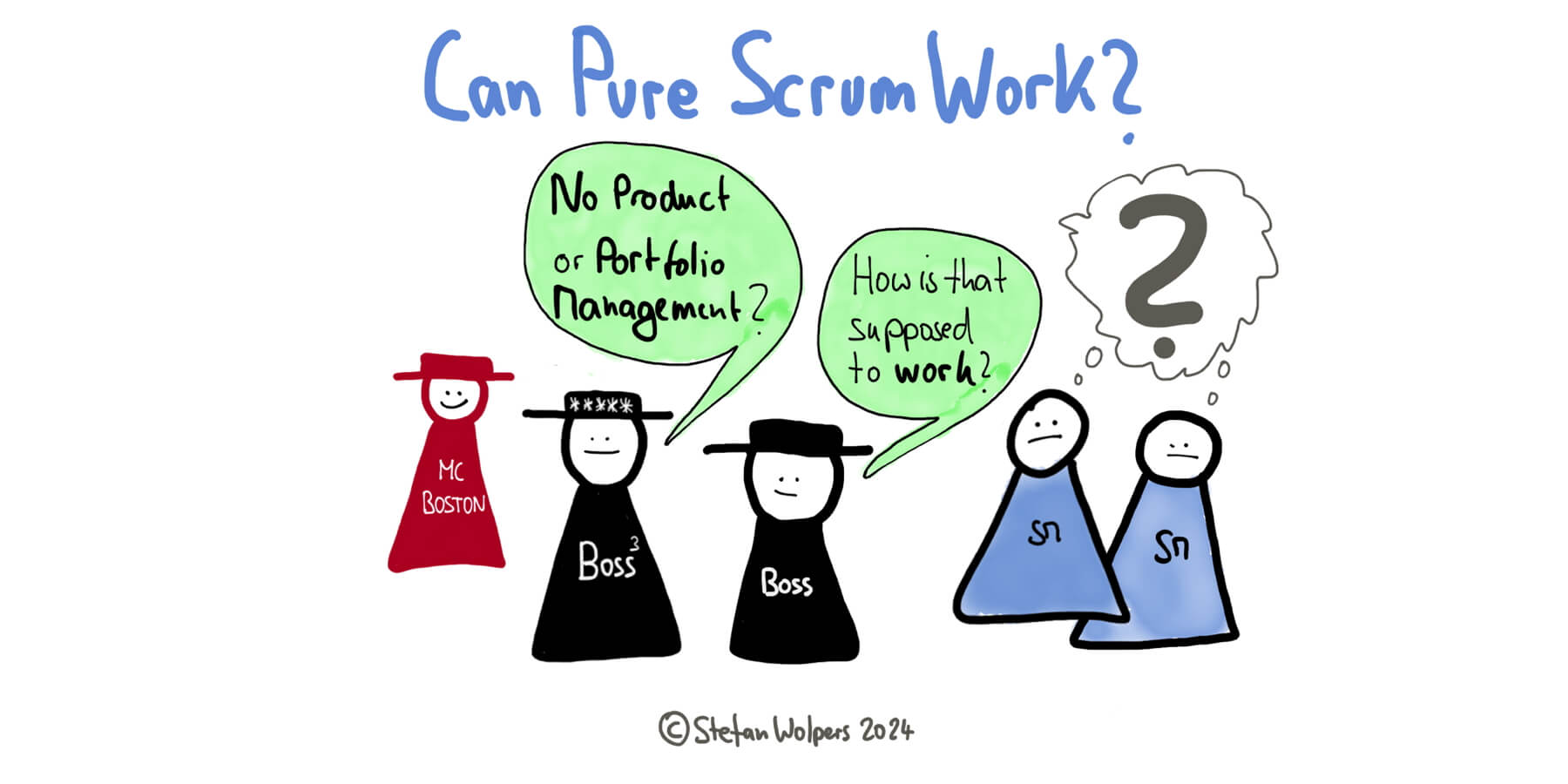
Can Pure Scrum Actually Work?

“Pure Scrum,” described in the Scrum Guide, is an idiosyncratic framework that helps create customer value in a complex environment. However, five main issues are challenging its general corporate application:Pure Scrum focuses on delivery: How can we avoid running in the wrong direction by building things that do not solve our customers’ problems? Pure Scrum ignores product discovery in particular and product management in general. If you think of the Double Diamond, to use a popular picture, Scrum is focused on the right side; see above. Pure Scrum is designed around one team focused on supporting one product or service. Pure Scrum does not address portfolio management. It is not designed to align and manage multiple product initiatives or projects to achieve strategic business objectives. Pure Scrum is based on far-reaching team autonomy: The Product Owner decides what to build, the Developers decide how to build it, and the Scrum team self-manages. ... At its core, pure Scrum is less a project management framework and more a reflection of an organization’s fundamental approach to creating value. It requires a profound shift from seeing work as a series of prescribed steps to viewing it as a continuous journey of discovery and adaptation. 


The Rise of Agentic AI: How Hyper-Automation is Reshaping Cybersecurity and the Workforce

As AI advances, concerns about job displacement grow louder. For years, organizations have reassured employees that AI will “enhance, not replace” human roles. Smith offered a more nuanced perspective: “AI will replace tasks, not people—at least in the near term. Human oversight remains critical because we still don’t fully understand AI behavior.” In cybersecurity, AI acts as a force multiplier, streamlining tedious tasks like data analysis and incident documentation while enabling humans to focus on strategic decisions. This collaboration allows professionals to do more with less, amplifying productivity without eliminating the need for human expertise. However, Smith acknowledged long-term challenges. ... The rise of agentic AI marks a transformative moment for cybersecurity and the workforce. As organizations move beyond static workflows and embrace dynamic, autonomous systems, they gain the ability to respond to threats faster and more efficiently than ever before. However, this evolution demands a strategic approach—one that balances automation with human oversight, strengthens defenses against AI-driven attacks, and prepares for the societal shifts AI will bring.


If ChatGPT produces AI-generated code for your app, who does it really belong to?

From a contractual point of view, Santalesa contends that most companies producing AI-generated code will, "as with all of their other IP, deem their provided materials -- including AI-generated code -- as their property." OpenAI (the company behind ChatGPT) does not claim ownership of generated content. According to their terms of service, "OpenAI hereby assigns to you all its right, title, and interest in and to Output." Clearly, though, if you're creating an application that uses code written by an AI, you'll need to carefully investigate who owns (or claims to own) what. For a view of code ownership outside the US, ZDNET turned to Robert Piasentin, a Vancouver-based partner in the Technology Group at McMillan LLP, a Canadian business law firm. He says that ownership, as it pertains to AI-generated works, is still an "unsettled area of the law." ... Piasenten says there may already be some UK case law precedent, based not on AI but on video game litigation. A case before the High Court (roughly analogous to the US Supreme Court) determined that images produced in a video game were the property of the game developer, not the player -- even though the player manipulated the game to produce a unique arrangement of game assets on the screen.


Supply Chain Risk Mitigation Must Be a Priority in 2025

Implementing impactful supply chain protections is far easier said than accomplished, due to the complexity, scale, and integration of modern supply chain ecosystems. While there isn't a silver bullet for eradicating threats entirely, prioritizing a targeted focus on effective supply chain risk management principles in 2025 is a critical place to start. It will require an optimal balance of rigorous supplier validation, purposeful data exposure, and meticulous preparation. ... As supply chain attacks accelerate, organizations must operate under the assumption that a breach isn't just possible — it's probable. An "assumption of breach" mindset shift will help drive more meticulous approaches to preparation via comprehensive supply chain incident response and risk mitigation. Preparation measures should begin with developing and regularly updating agile incident response processes that specifically cater to third-party and supply chain risks. For effectiveness, these processes will need to be well-documented and frequently practiced through realistic simulations and tabletop exercises. Such drills help identify potential gaps in the response strategy and ensure that all team members understand their roles and responsibilities during a crisis.


The End of Bureaucracy — How Leadership Must Evolve in the Age of Artificial Intelligence

AI doesn't just optimize — it transforms. It flattens hierarchies, demands transparency and dismantles traditional power structures. For those managers who thrive on gatekeeping, AI represents a fundamental threat, eliminating barriers they've spent careers building. Consider this: AI thrives on efficiency, speed and clarity. Tasks that once consumed hours of human effort — like vetting vendor contracts or managing customer service inquiries — are now handled instantly by AI systems. Employees can experiment with bold ideas without wading through endless committee approvals. But the true power of AI lies in decentralizing decision-making. By analyzing vast datasets, AI equips frontline employees with actionable insights that previously required executive oversight. This creates organizations that are faster, more agile and less dependent on gatekeepers. ... In an AI-first world, hierarchies will begin to collapse as real-time data eliminates the need for multiple layers of oversight, enabling faster and more efficient decision-making. At the same time, workflows will be reimagined as leaders take on the critical task of redesigning processes to seamlessly integrate AI, ensuring organizations can adapt quickly and effectively.


GAO report says DHS, other agencies need to up their game in AI risk assessment

The GAO said it is “recommending that DHS act quickly to update its guidance and template for AI risk assessments to address the remaining gaps identified in this report.” DHS, in turn, it said, “agreed with our recommendation and stated it plans to provide agencies with additional guidance that addresses gaps in the report including identifying potential risks and evaluating the level of risk.” ... AI, he said, “is being pushed out to businesses and consumers by organizations that profit from doing so, and assessing and addressing the potential harm it may cause has until recently been an afterthought. We are now seeing more focus on these potential negative effects, but efforts to contain them, let alone prevent them, will always be far behind the steamroller of new innovations in the AI realm.” Thomas Randall, research lead at Info-Tech Research Group, said, “it is interesting that the DHS had no assessments that evaluated the level of risk for AI use and implementation, but had largely identified mitigation strategies. What this may mean is the DHS is taking a precautionary approach in the time it was given to complete this assessment.” Some risks, he said, “may be identified as significant enough to warrant mitigation regardless of precise quantification of that risk. 


How CI/CD Helps Minimize Technical Debt in Software Projects

One of the foundational principles of CI/CD is the enforcement of automated testing. Automated tests, such as unit tests, integration tests, and end-to-end tests, ensure that code changes do not break existing functionality. By integrating testing into the CI pipeline, developers are alerted to issues immediately after they commit code. ... CI/CD pipelines facilitate incremental and iterative development by encouraging small, frequent code commits. Large, monolithic changes often introduce complexity and technical debt because they are harder to test, debug, and review effectively. ... Technical debt often arises from manual processes that are error-prone and time-consuming. CI/CD eliminates many of these inefficiencies by automating repetitive tasks, such as building, testing, and deploying applications. Automation ensures that these steps are performed consistently and accurately, reducing the risk of human error. ... Code reviews are a critical component of maintaining high-quality software. CI/CD tools enhance the code review process by providing automated feedback on every commit. This feedback loop fosters a culture of accountability and continuous improvement among developers.


Cost-conscious repatriation strategies

First, this is not a pushback on cloud technology as a concept; cloud works and has worked for the past 15 years. This repatriation trend highlights concerns about the unexpectedly high costs of cloud services, especially when enterprises feel they were promised lowered IT expenses during the earlier “cloud-only” revolutions. Leaders must adopt a more strategic perspective on their cloud architecture. It’s no longer just about lifting and shifting workloads into the cloud; it’s about effectively tailoring applications to leverage cloud-native capabilities—a lesson GEICO learned too late. A holistic approach to data management and technology strategies that aligns with an organization’s unique needs is the path to success and lower bills. Organizations are now exploring hybrid environments that blend public cloud capabilities with private infrastructure. A dual approach, which is nothing new, allows for greater data control, reduced storage and processing costs, and improved service reliability. Weekly noted that there are ways to manage capital expenditures in an operational expense model through on-premises solutions. On-prem systems tend to be more predictable and cost-effective over time.


Cyber Resilience: Adapting to Threats in the Cloud Era

Use cloud-native security solutions that offer automated threat detection, incident response, and monitoring. These technologies ought to be flexible enough to adjust to changes in the cloud environment and defend against new risks as they arise. ... Effective cyber resilience plans enable businesses to recover quickly from emergencies by reducing downtime and maintaining continuous service delivery. Businesses that put flexibility first can manage emergencies with few problems, which helps them keep the confidence and trust of their clients. Cyber resilience strongly emphasizes flexibility, enabling companies to address new risks in the ever-evolving digital environment. Businesses can lower financial losses and safeguard their reputation by concentrating on data protection and breach remediation. Finding and fixing common setup mistakes in cloud systems that could lead to security issues and data breaches requires using Cloud Security Posture Management (CSPM) tools. ... Because criminals frequently use these configuration errors to cause data breaches and security errors, it is essential to identify them. Organizations may monitor their cloud environments and ensure that settings follow security best practices and regulations by using CSPM solutions. 


Quote for the day:

"Listen with curiosity, speak with honesty act with integrity." -- Roy T Bennett

Daily Tech Digest - March 19, 2024

Is The Public Losing Trust In AI?

Of course, the simplest way to look at this challenge is that in order for people to trust AI, it has to be trustworthy. This means it has to be implemented ethically, with consideration of how it will affect our lives and society. Just as important as being trustworthy is being seen to be trustworthy. This is why the principle of transparent AI is so important. Transparent AI means building tools, processes, and algorithms that are understandable to non-experts. If we are going to trust algorithms to make decisions that could affect our lives, we must, at the very least, be able to explain why they are making these decisions. What factors are being taken into account? And what are their priorities? If AI needs the public's trust, then the public needs to be involved in this aspect of AI governance. This means actively seeking their input and feedback on how AI is used. Ideally, this needs to happen at both a democratic level, via elected representatives, and at a grassroots level. Last but definitely not least, AI also has to be secure. This is why we have recently seen a drive towards private AI – AI that isn't hosted and processed on huge public data servers like those used by ChatGPT or Google Gemini.


Reliable Distributed Storage for Bare-Metal CAPI Cluster

By default, most CAPI solutions will use the “Expand First” (or “RollingUpdateScaleOut” in CAPI terms) repave logic. This logic will install an additional fresh new server and add it to the cluster first, before then removing an old server. While this is useful to ensure the cluster never has less total compute capacity than before you started the repave operation, it is problematic for distributed storage clusters because you are introducing a new node without any data to the cluster, while taking away a node that does contain data. So instead, we want to use the “Contract First” repave logic for the pool of storage nodes. That way, we can remove a storage node first, then reinstall it and add it back to the cluster, thereby immediately restoring data redundancy. ... So, if a different issue causes the distributed storage software to not install properly on the new node, you can still run into trouble. For example, Portworx supports specific kernel versions, and installing new nodes with a kernel version it doesn’t support can prevent the installation from succeeding. For that reason, it’s a good idea to lock the kernel version that MaaS deploys. Reach out to us if you want to learn how to achieve that.


Evaluating databases for sensor data

The primary determinant in choosing a database is understanding how an application’s data will be accessed and utilized. A good place to begin is by classifying workloads as online analytical processing (OLAP) or online transaction processing (OLTP). OLTP workloads, traditionally handled by relational databases, involve processing large numbers of transactions by large numbers of concurrent users. OLAP workloads are focused on analytics and have distinct access patterns compared to OLTP workloads. In addition, whereas OLTP databases work with rows, OLAP queries often involve selective column access for calculations. ... Another consideration when selecting a database is the internal team’s existing expertise. Evaluate whether the benefits of adopting a specialized database justify investing in educating and training the team and whether potential productivity losses will appear during the learning phase. If performance optimization isn’t critical, using the database your team is most familiar with may suffice. However, for performance-critical applications, embracing a new database may be worthwhile despite initial challenges and hiccups.


Surviving the “quantum apocalypse” with fully homomorphic encryption

There are currently two distinct approaches to face an impending “quantum apocalypse”. The first uses the physics of quantum mechanics itself and is called Quantum Key Distribution (QKD). However, QKD only really solves the problem of key distribution, and it requires dedicated quantum connections between the parties. As such, it is not scalable to solve the problems of internet security; instead, it is most suited to private connections between two fixed government buildings. It is impossible to build internet-scale, end-to-end encrypted systems using QKD. The second solution is to utilize classical cryptography but base it on mathematical problems for which we do not believe a quantum computer gives any advantage: this is the area of post-quantum cryptography (PQC). PQC algorithms are designed to be essentially drop-in replacements for existing algorithms, which would not require many changes in infrastructure or computing capabilities. NIST has recently announced standards for public key encryption and signatures which are post-quantum secure. These new standards are based on different mathematical problems


Teams, Slack, and GitHub, oh my! – How collaborative tools can create a security nightmare

Fast and efficient collaboration is essential to today’s business, but the platforms we use to communicate with colleagues, vendors, clients, and customers can also introduce serious risks. Looking at some of the most common collaboration tools — Microsoft Teams, GitHub, Slack, and OAuth — it’s clear there are dangers presented by information sharing, as valuable as that is to business strategy. Any of these, if not safeguarded or used inappropriately, can be a tool for attackers to gain access to your network. The best protection is to ensure you are aware of these risks and apply the appropriate modifications and policies to your organization to help prevent attackers from gaining a foothold in your organization — that also means acknowledging and understanding the threats of insider risk and data extraction. Attackers often know your network better than you do. Chances are, they also know your data-sharing platforms and are targeting those as well. Something as simple as improper password sharing can allow a bad actor to phish their way into a company’s network and collaboration tools can present a golden opportunity.


Improving computational performance of AI requires upskilling of professionals in Embedded/VLSI area

Implementing AI systems or applications requires intensive computational processors and low-cost power to deploy algorithms. Here, Very Large Scale Integration (VLSI) and embedded system design play a critical role. VLSI design involves the creation and miniaturisation of complex circuits, such as processors, memory circuits, and more recently, customized hardware for AI applications. On the other hand, embedded systems are computing systems for dedicated or specific functionalities, such as smart agriculture or industrial automation. The integration of VLSI with AI has the potential to revolutionise various sectors by enabling faster, more power-efficient, and customised hardware for AI applications. ... AI-based solutions are applied in designing and deploying communication systems to significantly enhance network performance and thereby the overall user experience. Dynamic allocation of resources, such as power and bandwidth, can be done efficiently by AI algorithms, which leads to improved spectral efficiency, reduced interference, and power consumption. Intelligent beam forming using AI algorithms enables wireless systems to focus their power and frequency band for specific users or devices.


Microsoft announces collaboration with NVIDIA to accelerate healthcare and life sciences innovation with advanced cloud, AI and accelerated computing capabilities

Microsoft, NVIDIA and SOPHiA GENETICS are collaborating to leverage combined expertise in technology and genomics to develop a streamlined, scalable and comprehensive whole-genome analytical solution. As part of this collaboration, the SOPHiA DDM Software-as-a-Service platform, hosted on Azure, will be powered by NVIDIA Parabricks for SOPHiA DDM’s whole genome application. Parabricks is a scalable genomics analysis software suite that leverages full-stack accelerated computing to process whole genomes in minutes. Compatible with all leading sequencing instruments, Parabricks supports diverse bioinformatics workflows and integrates AI for accuracy and customization. ... Microsoft aims to propel healthcare and life sciences into an exciting new era of medicine, helping unlock transformative possibilities for patients worldwide. The combination of the global scale, security and advanced computing capabilities of Microsoft Azure with NVIDIA DGX Cloud and the NVIDIA Clara suite is set to accelerate advances in clinical research, drug discovery and care delivery.


How Deloitte navigates ethics in the AI-driven workforce: Involve everyone

The approach to developing an ethical framework for AI development and application will be unique for each organization. They will need to determine their use cases for AI as well as the specific guardrails, policies, and practices needed to make sure that they achieve their desired outcome while also safeguarding trust and privacy. Establishing these ethical guidelines -- and understanding the risks of operating without them -- can be very complex. The process requires knowledge and expertise across a wide range of disciplines. ... On a broader level, publishing clear ethics policies and guidelines, and providing workshops and trainings on AI ethics, were ranked in our survey as some of the most effective ways to communicate AI ethics to the workforce, and thereby ensure that AI projects are conducted with ethics in mind. ... Leadership plays a crucial role in underscoring the importance of AI ethics, determining the resources and experience needed to establish the ethics policies for an organization, and ensuring that these principles are rolled out. This was one reason we explored the topic of AI ethics from the C-suite perspective. 


How to stop data from driving government mad

This would be a start, but everybody in large organisations knows that top-down initiatives from the centre rarely work well at the coalface. If the JAAC is to be effective at converting data into information, what insight could it glean from structures that have evolved to do this? And what could it learn from scientific fields that manage this successfully? First, deep neural networks learn by repeatedly passing information back and forth until every neurone is tuned to achieve the same objective. Information flow in both directions is the key. Neil Lawrence, DeepMind professor of machine learning at the University of Cambridge, notes that in government, "People at the coal face have a better understanding of the right interventions, although not what the central policy might be; a successful centre will have a co-ordinating function driven by an AI strategy, but will devolve power to the departments, professions, and regulators to implement it." Or, as Jess Montgomery, director of AI@Cam says: "Getting government data - and AI - ready will require foundational work, for example in data curation and pipeline building." 


Continuous Improvement as a Team

Conducting regular Retrospectives enables teams to pause and reflect on their past actions, practices, and workflows, pinpointing both strengths and areas for improvement. This continuous feedback loop is critical for adapting processes, enhancing team dynamics, and ensuring the team remains agile and responsive to change. Guarantee the consistency of your Retrospectives at every Sprint's conclusion. Before these sessions, collaboratively plan an agenda that promotes openness and inclusivity. Facilitators should incorporate practices such as anonymous feedback mechanisms and engaging games to ensure honest and constructive discussions, setting the stage for meaningful progress and team development. ... Effective stakeholder collaboration ensures the team’s efforts align with the broader business goals and customer needs. Engaging stakeholders throughout the development process invites diverse perspectives and feedback, which can highlight unforeseen areas for improvement and ensure that the product development is on the right track. Engage your stakeholders as a team, starting with the Sprint Reviews. 


Quote for the day:

“There's a lot of difference between listening and hearing.” -- G. K. Chesterton