Quote for the day:
“Moral authority comes from following universal and timeless principles like honesty, integrity, and treating people with respect.” -- Stephen R. Covey
🎧 Listen to this digest on YouTube Music
▶ Play Audio DigestDuration: 17 mins • Perfect for listening on the go.
Open source moves from ‘a nerdy audience’ to the geopolitical stage
 Open-source software has evolved from a niche interest for technical
developers into a critical element of global business strategy and European
digital sovereignty. In an interview, Nextcloud CEO Frank Karlitschek explains
that geopolitical tensions and data privacy concerns have made European
organizations increasingly cautious about relying on major United States
technology suppliers. Worries over the US CLOUD Act, industry espionage, and
vendor lock-in are driving a strong push for digital independence. As a
result, companies are exploring open-source alternatives to proprietary
platforms like Microsoft and Google to maintain control over their data.
Nextcloud is addressing this shift by offering secure collaboration tools,
including the recently launched Euro-Office application suite, and by
integrating artificial intelligence into its platforms. Karlitschek views the
demand for digital sovereignty as a permanent structural change rather than a
temporary trend. While he welcomes the European Commission's Tech Sovereignty
Package, he emphasizes the need to translate these proposals into binding
legislation. Furthermore, he remains skeptical of attempts by US firms to
market localized cloud services as sovereign solutions, noting that true
independence requires freedom from foreign software updates and potential
security vulnerabilities. Moving forward, Nextcloud intends to maintain its
focus on secure, self-hosted collaboration software while expanding its
artificial intelligence capabilities and supporting independent software
vendors.
Open-source software has evolved from a niche interest for technical
developers into a critical element of global business strategy and European
digital sovereignty. In an interview, Nextcloud CEO Frank Karlitschek explains
that geopolitical tensions and data privacy concerns have made European
organizations increasingly cautious about relying on major United States
technology suppliers. Worries over the US CLOUD Act, industry espionage, and
vendor lock-in are driving a strong push for digital independence. As a
result, companies are exploring open-source alternatives to proprietary
platforms like Microsoft and Google to maintain control over their data.
Nextcloud is addressing this shift by offering secure collaboration tools,
including the recently launched Euro-Office application suite, and by
integrating artificial intelligence into its platforms. Karlitschek views the
demand for digital sovereignty as a permanent structural change rather than a
temporary trend. While he welcomes the European Commission's Tech Sovereignty
Package, he emphasizes the need to translate these proposals into binding
legislation. Furthermore, he remains skeptical of attempts by US firms to
market localized cloud services as sovereign solutions, noting that true
independence requires freedom from foreign software updates and potential
security vulnerabilities. Moving forward, Nextcloud intends to maintain its
focus on secure, self-hosted collaboration software while expanding its
artificial intelligence capabilities and supporting independent software
vendors.The Pilot Trap: Why Enterprise AI Keeps Failing the Walk from Demo to Production
 Enterprise artificial intelligence projects frequently stall when
transitioning from controlled testing to practical application. The core issue
is rarely the AI model itself, which typically performs well in isolated
trials using clean, organized information. Instead, failures occur because the
surrounding business infrastructure is not equipped to handle the transition.
In a live production environment, AI systems must navigate messy, inconsistent
data, strict security rules, and complex daily operations. When basic terms
vary across different departments or data structures change without warning,
the entire system begins to degrade. To build lasting solutions, organizations
must stop treating AI as a standalone tool and start treating it as an ongoing
engineering challenge. A dependable system requires a strong foundation where
data standards and security policies are automatically enforced whenever the
system is operating. Furthermore, companies should avoid the common temptation
to use the largest, most complex model for every single task. Selecting the
most efficient, capable model for a specific job lowers costs and improves
overall reliability. Ultimately, achieving lasting success with enterprise
technology comes down to focusing on the unglamorous groundwork. By
establishing clear guidelines, enforcing strict security, and engineering a
resilient foundation, organizations can ensure their tools remain dependable
for daily work rather than just serving as fragile demonstrations.
Enterprise artificial intelligence projects frequently stall when
transitioning from controlled testing to practical application. The core issue
is rarely the AI model itself, which typically performs well in isolated
trials using clean, organized information. Instead, failures occur because the
surrounding business infrastructure is not equipped to handle the transition.
In a live production environment, AI systems must navigate messy, inconsistent
data, strict security rules, and complex daily operations. When basic terms
vary across different departments or data structures change without warning,
the entire system begins to degrade. To build lasting solutions, organizations
must stop treating AI as a standalone tool and start treating it as an ongoing
engineering challenge. A dependable system requires a strong foundation where
data standards and security policies are automatically enforced whenever the
system is operating. Furthermore, companies should avoid the common temptation
to use the largest, most complex model for every single task. Selecting the
most efficient, capable model for a specific job lowers costs and improves
overall reliability. Ultimately, achieving lasting success with enterprise
technology comes down to focusing on the unglamorous groundwork. By
establishing clear guidelines, enforcing strict security, and engineering a
resilient foundation, organizations can ensure their tools remain dependable
for daily work rather than just serving as fragile demonstrations.Sovereign cloud won’t fix your AI risk. Identity governance will
 In this article, Sabine Frömling explains that relying solely on sovereign
cloud infrastructure cannot fully eliminate the security and regulatory risks
associated with artificial intelligence workloads. While sovereign clouds
ensure data residency and help satisfy European regulations like NIS2 and the
EU AI Act, they do not guarantee true operational control. Real authority over
data resides at the identity governance layer instead. European companies have
already discovered that keeping data within local borders fails to protect
enterprise systems if user and system access permissions are poorly managed.
This issue is particularly pressing for artificial intelligence because
autonomous AI agents introduce non-human identities that frequently operate
outside standard security monitoring. If an unauthorized person or a
compromised software agent gains high-level access, data residency laws will
not prevent a major data breach. Therefore, security leaders must shift their
primary focus from physical data center boundaries to maturing their identity
and access management systems. Rather than moving every single workload to
expensive sovereign clouds, organizations should categorize their data by
actual regulatory risk and prioritize governing digital credentials,
especially short-lived ones for automated tools. Ultimately, sovereign cloud
platforms only buy legal protection within a specific jurisdiction, whereas a
solid identity governance strategy provides the actual security control needed
to manage modern AI technologies.
In this article, Sabine Frömling explains that relying solely on sovereign
cloud infrastructure cannot fully eliminate the security and regulatory risks
associated with artificial intelligence workloads. While sovereign clouds
ensure data residency and help satisfy European regulations like NIS2 and the
EU AI Act, they do not guarantee true operational control. Real authority over
data resides at the identity governance layer instead. European companies have
already discovered that keeping data within local borders fails to protect
enterprise systems if user and system access permissions are poorly managed.
This issue is particularly pressing for artificial intelligence because
autonomous AI agents introduce non-human identities that frequently operate
outside standard security monitoring. If an unauthorized person or a
compromised software agent gains high-level access, data residency laws will
not prevent a major data breach. Therefore, security leaders must shift their
primary focus from physical data center boundaries to maturing their identity
and access management systems. Rather than moving every single workload to
expensive sovereign clouds, organizations should categorize their data by
actual regulatory risk and prioritize governing digital credentials,
especially short-lived ones for automated tools. Ultimately, sovereign cloud
platforms only buy legal protection within a specific jurisdiction, whereas a
solid identity governance strategy provides the actual security control needed
to manage modern AI technologies.The Global State of Technology Risk in 2026
 In 2026, technology risk is evolving rapidly as organizations worldwide
integrate advanced artificial intelligence into their daily operations.
According to recent industry reports, the shift toward increasingly autonomous
systems requires leaders to rethink their approach to trust, safety, and
workforce management. For government entities, a key focus is building strong
internal expertise so they can effectively evaluate solutions, direct
suppliers, and maintain strategic control over their digital services. In the
private sector, surveys indicate that while companies are deploying these
tools on a much larger scale, many still lack mature safety strategies and
appropriate internal controls. The primary challenges are no longer just
entirely new types of threats, but rather traditional security and operational
risks that are developing much faster and with far less transparency. To
manage these highly complex systems properly, organizations need flexible
methods for managing risk and clear lines of accountability, ensuring that
essential human oversight remains intact at all times. Furthermore,
international perspectives, such as newly released standards from China,
highlight growing global concerns around model safety, open-source misuse, and
broader societal impacts. Ultimately, navigating this complex landscape
requires leaders to look beyond standard local practices. They must adopt a
global perspective and establish practical guidelines to safely balance
technological advancement with necessary security.
In 2026, technology risk is evolving rapidly as organizations worldwide
integrate advanced artificial intelligence into their daily operations.
According to recent industry reports, the shift toward increasingly autonomous
systems requires leaders to rethink their approach to trust, safety, and
workforce management. For government entities, a key focus is building strong
internal expertise so they can effectively evaluate solutions, direct
suppliers, and maintain strategic control over their digital services. In the
private sector, surveys indicate that while companies are deploying these
tools on a much larger scale, many still lack mature safety strategies and
appropriate internal controls. The primary challenges are no longer just
entirely new types of threats, but rather traditional security and operational
risks that are developing much faster and with far less transparency. To
manage these highly complex systems properly, organizations need flexible
methods for managing risk and clear lines of accountability, ensuring that
essential human oversight remains intact at all times. Furthermore,
international perspectives, such as newly released standards from China,
highlight growing global concerns around model safety, open-source misuse, and
broader societal impacts. Ultimately, navigating this complex landscape
requires leaders to look beyond standard local practices. They must adopt a
global perspective and establish practical guidelines to safely balance
technological advancement with necessary security.Architecture-as-code is the next frontier for enterprise governance
 Enterprise architecture governance traditionally relies on manual review
boards, slide decks, and point-in-time assessments to ensure compliance and
manage risk. However, as organizations increasingly adopt continuous software
delivery, these episodic reviews struggle to keep pace with rapid system
changes. "Architecture-as-code" offers a more effective approach by turning
architectural standards and design expectations into machine-readable formats.
Instead of waiting for a final meeting to discover compliance issues, this
method embeds automated governance checks directly into the software delivery
lifecycle. By treating architectural intent as executable code, teams can
continuously compare their declared designs against actual implementation
evidence, such as configuration files and application interfaces. This
continuous assurance model spots discrepancies early, highlighting problems
before they become major delivery risks. While artificial intelligence can
support this process by interpreting automated test results and preparing
clear narratives, it does not replace human oversight. AI assists with
evaluation, but human architects remain fully accountable for final judgments,
risk acceptance, and strategic choices. Ultimately, architecture-as-code
transforms governance from a static, cumbersome bottleneck into a measurable,
ongoing practice. It provides organizations with the necessary structure to
build complex systems quickly while maintaining clear standards and reliable
oversight.
Enterprise architecture governance traditionally relies on manual review
boards, slide decks, and point-in-time assessments to ensure compliance and
manage risk. However, as organizations increasingly adopt continuous software
delivery, these episodic reviews struggle to keep pace with rapid system
changes. "Architecture-as-code" offers a more effective approach by turning
architectural standards and design expectations into machine-readable formats.
Instead of waiting for a final meeting to discover compliance issues, this
method embeds automated governance checks directly into the software delivery
lifecycle. By treating architectural intent as executable code, teams can
continuously compare their declared designs against actual implementation
evidence, such as configuration files and application interfaces. This
continuous assurance model spots discrepancies early, highlighting problems
before they become major delivery risks. While artificial intelligence can
support this process by interpreting automated test results and preparing
clear narratives, it does not replace human oversight. AI assists with
evaluation, but human architects remain fully accountable for final judgments,
risk acceptance, and strategic choices. Ultimately, architecture-as-code
transforms governance from a static, cumbersome bottleneck into a measurable,
ongoing practice. It provides organizations with the necessary structure to
build complex systems quickly while maintaining clear standards and reliable
oversight.Cybersecurity, identity, and observability at machine speed
/dq/media/media_files/2026/06/14/cyber-security-2026-06-14-15-56-49.png) Artificial intelligence in cybersecurity is rapidly shifting from a supportive
role to active execution. Instead of just analyzing data and suggesting fixes,
systems are now directly managing tasks such as assessing alerts, blocking
threats, and altering access rights. This change is necessary because manual
human responses can no longer keep up with the sheer speed of modern cyber
attacks. However, handing over direct control to automated systems introduces
new risks. If a program makes a mistake, the operational consequences for a
business can be severe. Because of this, industry leaders emphasize that raw
speed is useless without strict oversight. For automation to be safely
integrated into live operations, organizations must establish clear rules,
maintain human oversight for complex decisions, and ensure every automated
action is traceable and reversible. A critical part of this safety net
involves strict identity controls and deep system monitoring. By integrating
automation closely with access management, organizations can ensure the system
only interacts with what it is explicitly allowed to touch. Meanwhile,
continuous monitoring guarantees that the network behavior remains predictable
and accurate over time. Ultimately, modern security relies on automated
responses, but these tools are only effective if they remain firmly under
direct human governance.
Artificial intelligence in cybersecurity is rapidly shifting from a supportive
role to active execution. Instead of just analyzing data and suggesting fixes,
systems are now directly managing tasks such as assessing alerts, blocking
threats, and altering access rights. This change is necessary because manual
human responses can no longer keep up with the sheer speed of modern cyber
attacks. However, handing over direct control to automated systems introduces
new risks. If a program makes a mistake, the operational consequences for a
business can be severe. Because of this, industry leaders emphasize that raw
speed is useless without strict oversight. For automation to be safely
integrated into live operations, organizations must establish clear rules,
maintain human oversight for complex decisions, and ensure every automated
action is traceable and reversible. A critical part of this safety net
involves strict identity controls and deep system monitoring. By integrating
automation closely with access management, organizations can ensure the system
only interacts with what it is explicitly allowed to touch. Meanwhile,
continuous monitoring guarantees that the network behavior remains predictable
and accurate over time. Ultimately, modern security relies on automated
responses, but these tools are only effective if they remain firmly under
direct human governance.Individual AIs Turn Personal Expertise Into Scalable Enterprise Assets
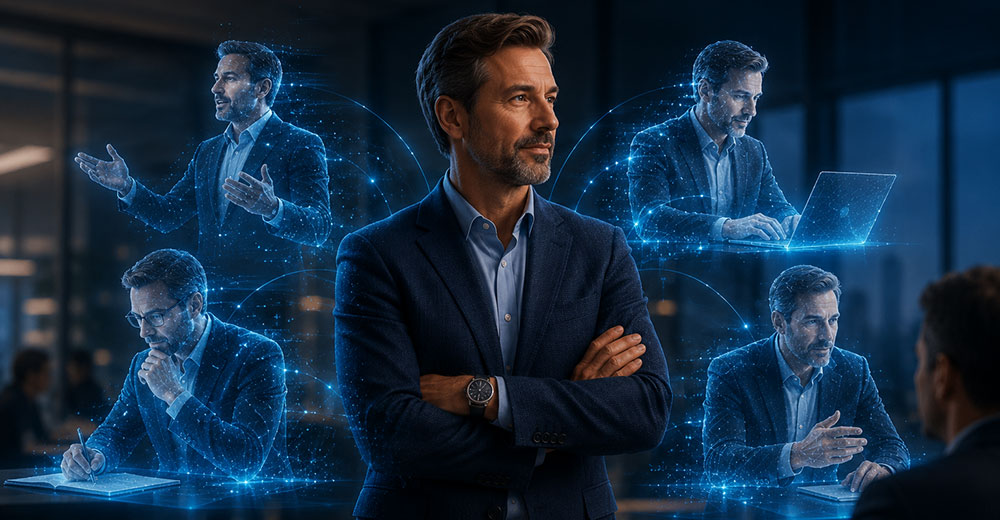 The article explores the emergence of individual artificial intelligence, a
concept where professionals create and own models trained exclusively on their
personal expertise, experiences, and decision-making styles. Spearheaded by
startup founder Rob LoCascio, this approach contrasts with relying on broad,
general-purpose models controlled by large technology companies. The company,
backed by recent venture funding, aims to help creators transform their
specialized knowledge into scalable, owned digital resources. Instead of
trading time for money through traditional consulting or coaching, experts can
use these personalized systems to offer guidance to many people
simultaneously. Because the system deeply reflects a person's authentic voice
and specific instincts, it holds distinct practical value over generic
consumer tools. The individual retains full ownership of their data, which
remains private and entirely separate from public internet models. This shift
offers new paths to generate income, such as licensing a top sales trainer's
specific methods directly to a corporate team or offering ongoing coaching
through subscription access. Ultimately, this movement seeks to return control
and economic value to the people who actually possess the knowledge, allowing
them to expand their influence efficiently while fully protecting their core
intellectual property.
The article explores the emergence of individual artificial intelligence, a
concept where professionals create and own models trained exclusively on their
personal expertise, experiences, and decision-making styles. Spearheaded by
startup founder Rob LoCascio, this approach contrasts with relying on broad,
general-purpose models controlled by large technology companies. The company,
backed by recent venture funding, aims to help creators transform their
specialized knowledge into scalable, owned digital resources. Instead of
trading time for money through traditional consulting or coaching, experts can
use these personalized systems to offer guidance to many people
simultaneously. Because the system deeply reflects a person's authentic voice
and specific instincts, it holds distinct practical value over generic
consumer tools. The individual retains full ownership of their data, which
remains private and entirely separate from public internet models. This shift
offers new paths to generate income, such as licensing a top sales trainer's
specific methods directly to a corporate team or offering ongoing coaching
through subscription access. Ultimately, this movement seeks to return control
and economic value to the people who actually possess the knowledge, allowing
them to expand their influence efficiently while fully protecting their core
intellectual property.Onspring CISO on where automated GRC systems fall short
In a recent interview, Nichole Windholz, the Chief Information Security Officer at Onspring, discusses the practical limitations of automated risk management systems. She points out that while automated dashboards offer a helpful starting point, their simple indicators often strip away important context. Because these tools treat different types of risks similarly, they can mislead leaders into making poorly informed decisions. Windholz emphasizes that automated tools are only as reliable as the data they receive. If the underlying information is flawed or misconfigured, the polished output easily creates a false sense of security. Organizations must carefully track where their data originates and periodically validate it with human oversight. Furthermore, she highlights that certain complex risks, such as insider threats, geopolitical changes, and vendor reliance, cannot be fully measured by automated tracking. These areas always require human judgment and qualitative review. Looking ahead, Windholz observes that the industry spends too much time building attractive presentation screens and not enough time fixing broken processes or establishing trust in the underlying data. Ultimately, automated systems should not replace human choices or technical security measures. Instead, they should serve as supportive tools to help leaders connect technical issues with real business impacts.Digital sovereignty in the AI era: Why control is becoming the new currency of innovation
 In the artificial intelligence era, digital sovereignty has shifted from a
basic regulatory requirement to a core business strategy, particularly for
organizations in the Asia Pacific region. Sovereignty now means having
complete control over how data is governed and secured to support modern
tools, rather than simply dictating where information is stored. As
governments introduce stricter compliance mandates and data localization
rules, organizations face a critical choice. Those operating with fragmented
systems risk regulatory penalties and security threats, while those adopting
unified structures are better prepared for market changes. A key solution is
adopting frameworks that build compliance and control directly into system
designs. This approach allows enterprises to run intelligent systems across
various computing environments while maintaining strict policy enforcement and
geographic boundaries. Instead of limiting technological progress, these
frameworks act as a practical foundation for growth. They allow businesses in
highly regulated sectors, such as finance and government, to utilize sensitive
data safely. As the need for secure computing continues to expand, maintaining
data control is becoming a clear economic necessity. Ultimately, leaders who
treat digital sovereignty as a standard part of their operations will
transform compliance into a distinct competitive advantage, building trust
while safely driving long-term progress.
In the artificial intelligence era, digital sovereignty has shifted from a
basic regulatory requirement to a core business strategy, particularly for
organizations in the Asia Pacific region. Sovereignty now means having
complete control over how data is governed and secured to support modern
tools, rather than simply dictating where information is stored. As
governments introduce stricter compliance mandates and data localization
rules, organizations face a critical choice. Those operating with fragmented
systems risk regulatory penalties and security threats, while those adopting
unified structures are better prepared for market changes. A key solution is
adopting frameworks that build compliance and control directly into system
designs. This approach allows enterprises to run intelligent systems across
various computing environments while maintaining strict policy enforcement and
geographic boundaries. Instead of limiting technological progress, these
frameworks act as a practical foundation for growth. They allow businesses in
highly regulated sectors, such as finance and government, to utilize sensitive
data safely. As the need for secure computing continues to expand, maintaining
data control is becoming a clear economic necessity. Ultimately, leaders who
treat digital sovereignty as a standard part of their operations will
transform compliance into a distinct competitive advantage, building trust
while safely driving long-term progress.Beyond the Stack: The New Skills of Effective Technology Leaders
The rapid advancement of artificial intelligence demands a fundamental shift
in the capabilities of technology leaders. While traditional technical
expertise remains a necessary foundation, it is no longer sufficient on its
own. Unlike previous technological developments that could be safely assigned
to specialized departments, artificial intelligence impacts virtually every
function within an organization. Consequently, leaders must now cultivate a
practical knowledge of these digital tools rather than relying solely on
briefings or vendor presentations. This involves developing a hands-on
understanding of new software to accurately assess both genuine opportunities
and inherent risks. Effective leadership today requires moving beyond abstract
awareness and engaging directly with the technology. Leaders must personally
experiment with new programs to understand how automated systems can best
operate alongside human workers. Furthermore, organizations that successfully
adapt to these changes are those that foster a culture of shared learning.
Leaders play a crucial role here by visibly using new tools, establishing
small test projects that allow teams to experiment safely, and bringing
technology discussions into general management meetings. By actively rewarding
learning and making technological familiarity a basic workplace expectation,
leaders can build teams fully prepared to navigate a changing landscape with
competence and stability.