Daily Tech Digest - March 10, 2026


Quote for the day:

"A leader has the vision and conviction that a dream can be achieved. He inspires the power and energy to get it done." -- Ralph Nader


🎧 Listen to this digest on YouTube Music

▶ Play Audio Digest

Duration: 37 mins • Perfect for listening on the go.

Job disruption by AI remains limited — and traditional metrics may be missing the real impact

This article on computerworld explores the current state of artificial intelligence in the workforce. Despite widespread alarm, data from Challenger, Gray & Christmas indicates that AI accounted for roughly 8 to 10 percent of job cuts in early 2026. Researchers from Anthropic argue that traditional metrics fail to capture the nuances of AI integration, introducing an "observed exposure" methodology. This technique combines theoretical large language model capabilities with actual usage data, revealing that while certain roles—such as computer programmers and customer service representatives—have high exposure to automation, actual deployment lags significantly behind technical potential. Currently, AI functions primarily as a tool for task-based augmentation rather than full-scale replacement, which enhances worker productivity but complicates entry-level hiring. The report suggests that while immediate mass unemployment hasn't materialized, the long-term impact will require a fundamental re-engineering of workflows. This shift may disproportionately affect younger workers as companies struggle to balance AI efficiency with the necessity of maintaining a pipeline of human talent. Ultimately, the transition necessitates a strategic realignment of human roles to ensure sustainable growth in an intelligence-native era.


Why Password Audits Miss the Accounts Attackers Actually Want

This article on BleepingComputer highlights a critical disconnect between standard compliance-driven password audits and the actual tactics used by cybercriminals. While traditional audits prioritize technical requirements like complexity and rotation, they often overlook the context that makes an account vulnerable. For instance, a password can be statistically "strong" yet already compromised in a previous breach; research indicates that 83% of leaked passwords still meet regulatory standards. Furthermore, audits frequently neglect "orphaned" accounts belonging to former employees or contractors, which provide silent entry points for attackers. Service accounts—often over-privileged and exempt from expiry policies—represent another major blind spot. The piece argues that point-in-time snapshots are insufficient against continuous threats like credential stuffing. To be truly effective, security teams must shift toward continuous monitoring, incorporating breached-password screening and risk-based prioritization. By expanding the scope to include dormant, external, and service accounts, organizations can move beyond mere compliance to address the high-value targets that attackers prioritize. Ultimately, securing a digital environment requires recognizing that a compliant password is not necessarily a safe one in the face of modern, targeted exploitation.


AI is supercharging cloud cyberattacks - and third-party software is the most vulnerable

The latest Google Cloud Threat Report, as analyzed by ZDNET, highlights a significant escalation in cybersecurity risks where artificial intelligence is increasingly being used to "supercharge" cloud-based attacks. The report reveals a dramatic collapse in the window between the disclosure of a vulnerability and its mass exploitation, shrinking from weeks to mere days. Rather than targeting the highly secured core infrastructure of major cloud providers, threat actors are now focusing their efforts on unpatched third-party software and code libraries. This shift emphasizes that the modern supply chain remains a critical weak point for many organizations. Furthermore, the report notes a transition away from traditional brute force attacks toward more sophisticated identity-based compromises, including vishing, phishing, and the misuse of stolen human and non-human identities. Data exfiltration is also evolving, with "malicious insiders" increasingly using consumer-grade cloud storage services to move confidential information outside the corporate perimeter. To combat these AI-powered threats, Google’s experts recommend that businesses adopt automated, AI-augmented defenses, prioritize immediate patching of third-party tools, and strengthen identity management protocols. Ultimately, the report serves as a stark warning that in the current threat landscape, speed and automation are no longer optional but essential components of a robust cybersecurity strategy.


Change as Metrics: Measuring System Reliability Through Change Delivery Signals

This article highlights that system changes account for the vast majority of production incidents, necessitating their treatment as primary reliability indicators. To manage this risk, the author proposes a framework centered on three core business metrics: Change Lead Time, Change Success Rate, and Incident Leakage Rate. While aligned with DORA principles, this model specifically focuses on delivery quality by distinguishing between immediate deployment failures and latent defects that manifest as post-release incidents. To operationalize these goals, technical control metrics such as Change Approval Rate, Progressive Rollout Rate, and Change Monitoring Windows are introduced to provide actionable insights into pipeline friction and risk. The piece further advocates for a platform-agnostic, event-centric data architecture to collect these signals across diverse, distributed environments. This centralized approach avoids the brittleness of platform-specific logging and provides a unified view of system health. Ultimately, the framework empowers organizations to transform change management from a reactive necessity into a proactive, measurable engineering capability. By integrating these metrics, development teams can effectively balance the need for high-speed delivery with the imperative of system stability, ensuring that rapid innovation does not come at the expense of user experience or operational reliability.


The future of generative AI in software testing
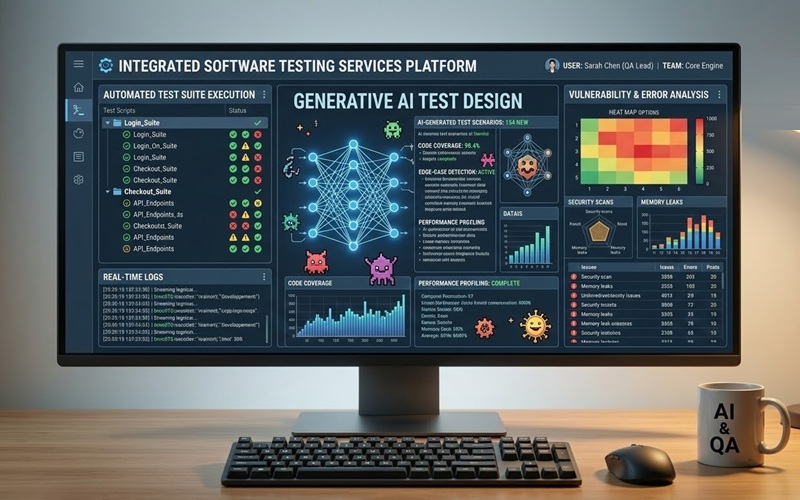
In this article on Techzine, experts Hélder Ferreira and Bruno Mazzotta discuss the transformative shift of AI from a simple task accelerator to a fundamental structural layer within delivery pipelines. As global IT investment in AI is projected to surge toward $6.15 trillion by 2026, the software testing landscape is evolving beyond early challenges like hallucinations and "vibe coding" toward a sophisticated "quality intelligence layer." The authors outline four critical areas where AI adds strategic value: generating complex scenario-based datasets, suggesting high-risk exploratory prompts, automating defect triage to identify regression patterns, and enabling context-aware execution that prioritizes testing based on actual risk rather than volume. Crucially, the piece argues that while AI can significantly enhance velocity, sustainable success depends on maintaining "humans-in-the-loop" to ensure traceability and accountability. In this new era, the primary differentiator for enterprises will not be the sheer amount of AI deployed, but the effectiveness of their governance frameworks. By linking intent with execution and using AI as connective tissue across the lifecycle, organizations can achieve a balance where rapid delivery is supported by explainable automation and human-verified confidence in software quality.


CIOs cut IT corners to manufacture budget for AI

In this CIO.com article, author Esther Shein examines the aggressive strategies IT leaders are employing to fund artificial intelligence initiatives amidst stagnant overall budgets. Faced with intense pressure from boards and executive leadership to prioritize AI, many CIOs are being forced to make difficult trade-offs that jeopardize long-term stability. Common tactics include delaying non-critical infrastructure refreshes, such as server expansions and network improvements, which are often pushed out by twelve to eighteen months. Additionally, organizations are aggressively consolidating vendors, renegotiating contracts, and cutting legacy software subscriptions to free up capital. Some leaders have even implemented strict "self-funding" mandates where every new AI project must be offset by equivalent cuts elsewhere. Beyond technical sacrifices, the human element is also affected, with many departments reducing reliance on contractors or trimming internal staff to reallocate funds toward high-impact AI use cases. While these measures enable rapid deployment, they frequently lead to the accumulation of technical debt and a narrower scope for implementations. Ultimately, the piece warns that while these "corners" are being cut to fuel innovation, the resulting lack of focus on foundational maintenance could present significant operational risks in the future.


Beyond Prompt Injection: The Hidden AI Security Threats in Machine Learning Platforms

In the article "Beyond Prompt Injection: The Hidden AI Security Threats in Machine Learning Platforms," the focus of AI security shifts from headline-grabbing prompt injections to the critical vulnerabilities within MLOps infrastructure. While many security teams prioritize protecting chatbots from manipulation, the underlying platforms used to train and deploy models often present a far more dangerous attack surface. Through a red team engagement, researchers demonstrated how a simple self-registered trial account could be used to achieve remote code execution on a provider’s cloud infrastructure. By deploying a seemingly legitimate but malicious machine learning model, attackers can exploit the fact that these platforms must execute arbitrary code to function. The study highlights a significant risk: once RCE is achieved, weak network segmentation can allow adversaries to bypass trust boundaries and access sensitive internal databases or services. This effectively turns a managed ML environment into a gateway for lateral movement within a corporate network. To mitigate these threats, the article stresses that organizations must move beyond model-centric security and adopt robust infrastructure protections, including strict network isolation, continuous behavior monitoring, and a "zero-trust" approach to user-deployed artifacts, ensuring that the convenience of rapid AI development does not come at the cost of total system compromise.


Enterprise agentic AI requires a process layer most companies haven’t built

The VentureBeat article emphasizes that while 85% of enterprises aspire to implement agentic AI within the next three years, a staggering 76% acknowledge that their current operations are fundamentally unequipped for this transition. The core issue lies in the absence of a "process layer"—a critical foundation of optimized workflows and operational intelligence that provides AI agents with the necessary context to function effectively. Without this layer, agents are essentially "guessing," leading to a lack of reliability that causes 82% of decision-makers to fear a failure in return on investment. The piece argues that the primary hurdle is not merely technological but rather rooted in organizational structure and change management. Most companies suffer from siloed data and fragmented processes that hinder the seamless integration of autonomous systems. To overcome these barriers, businesses must prioritize process optimization and operational visibility, ensuring that AI-driven initiatives are linked to strategic executive outcomes. Simply layering advanced AI over inefficient, legacy frameworks will likely result in costly friction. Ultimately, for agentic AI to move beyond experimental pilots and deliver scalable value, organizations must first build a robust architectural bridge that connects sophisticated models with the complex, real-world logic of their daily business operations and high-stakes organizational decision cycles.


Building resilient foundations for India’s expanding Data Centre ecosystem

In "Building resilient foundations for India's expanding Data Centre ecosystem," Saurabh Verma explores the rapid evolution of India’s data infrastructure and the urgent necessity of prioritizing long-term resilience over mere capacity. As cloud adoption and 5G accelerate growth across hubs like Mumbai, Chennai, and Hyderabad, the sector faces escalating challenges that demand a sophisticated understanding of risk management. The article argues that modern data centres are no longer just IT assets but critical infrastructure whose failure directly impacts the digital economy. Beyond physical damage, business interruptions often result in massive financial losses, contractual penalties, and significant reputational harm. Climate change has emerged as a significant operational reality, with heatwaves and flooding stressing cooling systems and electrical grids. Furthermore, the convergence of cyber and physical risks means that digital disruptions can quickly translate into tangible infrastructure damage. Construction complexities and logistical interdependencies further amplify potential losses, making early risk engineering essential for success. Ultimately, the piece emphasizes that resilience must be a core design pillar rather than an afterthought. By integrating disciplined risk management from site selection through operations, Indian providers can gain a commercial advantage, securing better investment and insurance terms while building a sustainable, trustworthy backbone for the nation’s digital future.


CVE program funding secured, easing fears of repeat crisis

The Common Vulnerabilities and Exposures (CVE) program has successfully secured stable funding, alleviating industry-wide fears of a repeat of the 2025 crisis that nearly crippled global vulnerability tracking. As detailed in the CSO Online report, the Cybersecurity and Infrastructure Security Agency (CISA) and the MITRE Corporation have renegotiated their contract, transitioning the 26-year-old program from a discretionary expenditure to a protected line item within CISA's budget. This structural change effectively eliminates the "funding cliff" that previously required a last-minute emergency extension. While CISA leadership emphasizes that the program is now fully funded and evolving, some experts note that the specifics of the "mystery contract" remain opaque. The resolution comes at a critical time, as the cybersecurity community had already begun developing contingencies, such as the independent CVE Foundation, to reduce reliance on a single government source. Despite the financial stability, challenges regarding transparency, modernization, and international governance persist. The article underscores that while the immediate threat of a service lapse has faded, the incident served as a stark reminder of the global security ecosystem's fragility. Moving forward, the focus shifts toward ensuring this essential public resource remains resilient against future political or administrative shifts within the United States government.

Daily Tech Digest - March 09, 2026


Quote for the day:

"A positive attitude will not solve all your problems. But it will annoy enough people to make it worth the effort" -- Herm Albright


Is AI Killing Sustainability?

This article examines the paradoxical relationship between the rapid growth of artificial intelligence and environmental goals. On one hand, AI's massive computational needs are driving a surge in energy consumption, with global spending projected to reach $2.52 trillion this year. This expansion is fueling an exponential rise in data center power requirements, potentially consuming as much electricity as 22% of U.S. households by 2028. However, the author argues that AI also serves as a critical tool for boosting sustainability. By analyzing vast datasets, AI can optimize supply chains, automate waste management, and enhance energy efficiency in buildings by up to 30%. The piece provides six strategic tips for organizations to utilize AI for greenhouse gas reduction, including predictive environmental risk monitoring, accurate emission reporting, and improved renewable energy integration. Despite these benefits, a tension exists between corporate "green" ambitions and financial constraints, often leading to a "lite green" approach where cost-cutting takes priority over true environmental innovation. Ultimately, while AI's infrastructure poses a significant threat to climate targets, its potential to identify high-ROI decarbonization opportunities offers a path toward reconciling technological advancement with ecological preservation, provided that organizations move beyond superficial commitments toward mature, outcome-driven strategies.


PQC roadmap remains hazy as vendors race for early advantage

The transition to post-quantum cryptography (PQC) is evolving from a theoretical concern into an urgent operational risk, prompting major security vendors to race for early market advantages. As mainstream players like Palo Alto Networks, Cisco, and IBM join specialized firms, the focus has shifted toward structured readiness offerings centered on discovery, inventory, and migration planning. A significant hurdle for organizations remains the lack of visibility into cryptographic sprawl across infrastructure, making it difficult to identify vulnerabilities in legacy algorithms like RSA. The urgency is further fueled by the “harvest now, decrypt later” threat model, where adversaries collect encrypted data today for future decryption by capable quantum computers. While NIST has finalized several PQC standards, experts suggest that the expected moment of cryptographic compromise could arrive as early as 2029, making immediate preparation essential. Despite the marketing push, some observers question whether these PQC offerings represent a new category of security tools or simply a necessary enforcement of long-overdue security hygiene, such as comprehensive asset mapping and certificate tracking. Ultimately, the migration to quantum-safe environments requires a phased approach and a commitment to crypto-agility, ensuring that enterprises can adapt to evolving cryptographic standards before legacy systems become insurmountable liabilities in a post-quantum world.


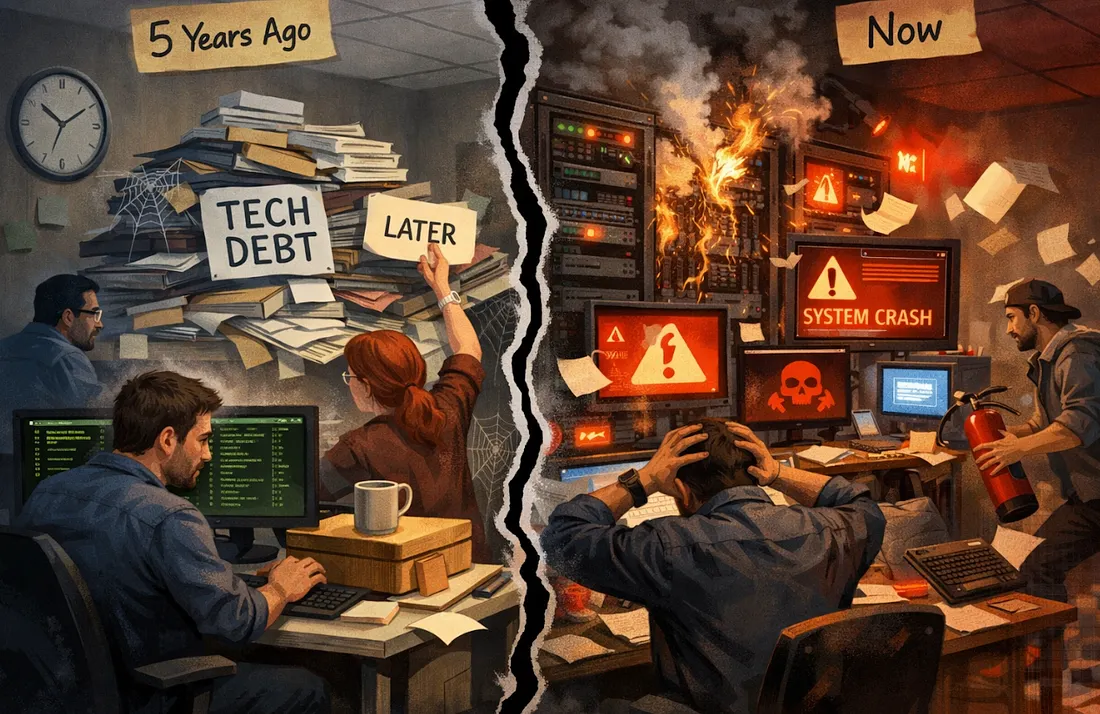
Tech Debt “For Later” Crashed Production 5 Years Later

This Devrim Ozcay’s article critiques the pervasive hype surrounding AI in DevOps, specifically addressing the gap between marketing promises and production realities. The author argues that while "autonomous remediation" and "predictive incident detection" are often touted as revolutionary, they frequently fail in complex, high-stakes environments. These tools often rely on simple logic or pattern matching, and general-purpose models like ChatGPT can be dangerous during active incidents by providing confident but entirely incorrect root cause hypotheses. Instead of relying on AI for critical judgment, the article suggests leveraging it for "assembly" tasks that alleviate the mechanical burden on engineers. This includes filtering log noise, reconstructing incident timelines from disparate sources, and drafting initial postmortem reports. By automating these time-consuming, repetitive processes, teams can reduce the duration of post-incident documentation from hours to minutes. Ultimately, the article advocates for a balanced approach where AI handles the data organization while human engineers retain sole responsibility for interpretation and decision-making. This shift allows practitioners to focus on high-leverage problem-solving rather than tedious transcription, ensuring that incident response remains both efficient and reliable without succumbing to the unrealistic expectations often presented at tech conferences.


What Is Sampling in LLMs and How Does It Relate to Ethics?

This article explores the technical mechanisms behind how AI models choose their words and the subsequent moral responsibilities of developers. Sampling is the process by which an LLM selects the next token from a probability distribution. Techniques such as temperature, Top-K, and Top-P (nucleus sampling) are used to balance creativity with accuracy. Higher temperature settings introduce more randomness, which can foster innovation but also increases the likelihood of "hallucinations" or the generation of biased and harmful content. Conversely, lower settings make the model more deterministic and reliable for factual tasks but can lead to repetitive and uninspired responses. From an ethical standpoint, the choice of sampling strategy is never neutral. It requires a delicate balance between providing a diverse range of perspectives and ensuring the safety and truthfulness of the output. The author emphasizes that organizations must transparently define their sampling parameters to mitigate risks like misinformation. Ultimately, ethical AI development hinges on understanding these technical levers, as they directly influence how a model perceives and interacts with human values, necessitating a cautious approach to model tuning that prioritizes user safety and informational integrity.


AI Won't Fix Cybersecurity, But It Could Rebalance It

The article explores the nuanced role of artificial intelligence in cybersecurity, debunking the myth that it serves as a total panacea while highlighting its potential to rebalance the long-standing asymmetric advantage held by attackers. Traditionally, cybercriminals have enjoyed a lower barrier to entry and a higher success rate because defenders must be perfect across every surface, whereas attackers only need to succeed once. With the advent of generative AI, malicious actors are leveraging the technology to craft sophisticated phishing campaigns, automate vulnerability discovery, and democratize complex malware creation. Conversely, AI empowers defenders by automating routine monitoring, identifying anomalous patterns at machine speed, and bridging the significant talent gap within the industry. This technological shift creates a perpetual arms race where AI functions as a force multiplier for both sides. Rather than eliminating threats, AI recalibrates the battlefield, allowing security teams to process vast datasets and respond to incidents with unprecedented agility. However, the human element remains indispensable; strategic oversight and critical thinking are essential to guide AI tools. Ultimately, while AI will not "fix" the inherent vulnerabilities of digital infrastructure, it offers a vital mechanism to shift the strategic advantage back toward those safeguarding the digital frontier.


AI Is Not Here to Replace People, It’s Here to Replace Waiting

In this insightful interview, Aliaksei Tulia, the Chief Technical Officer at CoinsPaid, argues that the true purpose of artificial intelligence in the financial sector is not to displace human judgment but to eliminate the friction of waiting. Tulia emphasizes that AI acts as a powerful catalyst for efficiency and speed within the digital payment ecosystem by automating repetitive, high-volume tasks that traditionally create operational bottlenecks. By handling routine duties such as document summarization, log scanning, and boilerplate coding, AI allows for a significant compression of cycle times while maintaining necessary human oversight. The article highlights how CoinsPaid integrates these intelligent tools to enhance consistency and visibility, ensuring that the platform remains robust without sacrificing control. Furthermore, the discussion explores the essential division of labor where technology manages data-heavy routine processes, freeing professionals to focus on high-level strategic decisions, complex problem-solving, and improving the overall customer experience. This pragmatic approach represents a shift where AI handles the disciplined "first pass," allowing people to dedicate their expertise to tasks requiring creativity and accountability. Ultimately, Tulia envisions a future where AI-driven automation defines industry standards, proving that the technology’s primary value lies in its ability to streamline operations for a global audience.


Dynamic UI for dynamic AI: Inside the emerging A2UI model

The article "Dynamic UI for Dynamic AI: Inside the Emerging A2UI Model" explores the transformative shift from traditional graphical user interfaces to Agent-to-User Interfaces. As AI agents become increasingly autonomous, the standard chat-based "command line" is no longer sufficient for managing complex workflows. A2UI represents a fundamental paradigm shift where the interface is dynamically generated by the AI to match the specific context and requirements of a task. Unlike static SaaS platforms with fixed menus, A2UI allows agents to create ephemeral, highly functional components—such as interactive charts, data tables, or specialized dashboards—on demand. This movement is powered by advancements like Vercel’s AI SDK and features like Anthropic’s Artifacts, which allow for real-time rendering of code and UI. The goal is to bridge the gap between human intent and machine execution by providing a rich, interactive medium that transcends simple text responses. By embracing generative UI, developers are enabling a more fluid collaboration where the software adapts to the user, rather than the user being forced to navigate rigid software structures. This evolution signals the end of "one-size-fits-all" application design, ushering in a future where every interaction produces a bespoke, temporary interface tailored specifically to the immediate problem.


AI Use at Work Is Causing “Brain Fry,” Researchers Find, Especially Among High Performers

The Futurism article "AI Use at Work Is Causing 'Brain Fry'" highlights a concerning trend where artificial intelligence, despite its promises of productivity, is significantly damaging employee mental health. A study of 1,500 workers conducted by Boston Consulting Group and the University of California, Riverside, introduced the term "AI brain fry" to describe the cognitive exhaustion resulting from excessive interaction with AI tools. Approximately 14 percent of employees—predominantly high performers in fields like software development and finance—reported symptoms such as mental "static," brain fog, and headaches. This fatigue is largely driven by information overload, rapid task-switching, and the constant, draining necessity of overseeing multiple AI agents. Rather than lightening the load, these tools often force users to work harder to manage the technology than to solve actual problems. The consequences are severe for both individuals and organizations; the research found a 33 percent increase in decision fatigue and a higher likelihood of employees quitting their jobs. Ultimately, the piece argues that while AI is marketed as a way to supercharge efficiency, it often acts as a "burnout machine" that compromises cognitive capacity and leads to costly errors or paralysis in professional environments.


Submarine cables move to the center of critical infrastructure security debate

The article examines the escalating strategic significance of submarine cables, which facilitate the vast majority of international data traffic but are increasingly vulnerable to geopolitical tensions and physical threats. A new sector report highlights how high-profile incidents, such as the 2024 Baltic Sea cable severing, have transitioned these underwater assets from ignored infrastructure into critical security priorities. Beyond intentional sabotage or "grey-zone" activities, the industry faces significant resilience challenges, including an annual average of two hundred cable faults primarily caused by commercial fishing and anchoring. This vulnerability is exacerbated by a critical shortage of specialized repair vessels and experienced personnel, complicating rapid incident response. Furthermore, the shift in ownership dynamics, where cloud hyperscalers are now primary investors, creates commercial friction with traditional operators while reshaping infrastructure architecture. Technological advancements, particularly AI-driven distributed acoustic sensing, are transforming cables into active monitoring tools, yet technical solutions alone remain insufficient. The report concludes that long-term security depends on improved international coordination and unified governance frameworks between governments and private entities. Ultimately, protecting these vital conduits requires a holistic approach that integrates technical controls, organizational readiness, and cross-border cooperation to match the scale of modern digital dependency and evolving global risks.


How DevOps Broke Accessibility

In this article on DevOps Digest, the author explores the unintended consequences that the rapid adoption of DevOps practices has had on web accessibility. While DevOps has revolutionized software development by emphasizing speed, continuous integration, and frequent deployments, these very priorities have often sidelined the inclusive design and rigorous accessibility testing required for users with disabilities. The shift-left mentality, which aims to catch bugs early, frequently fails to incorporate accessibility checks into the automated pipeline, leading to a "move fast and break things" culture that disproportionately affects those relying on assistive technologies. Furthermore, the reliance on automated testing tools—which can only detect about 30% of accessibility issues—creates a false sense of security among development teams. This technical debt accumulates quickly in fast-paced environments, making retroactive fixes costly and complex. The article argues that for DevOps to truly succeed, accessibility must be integrated as a core pillar of the development lifecycle, rather than being treated as an afterthought. Ultimately, the piece calls for a cultural shift where developers and stakeholders prioritize human-centric design alongside technical efficiency to ensure the digital world remains open and equitable for every user regardless of their physical or cognitive abilities.

Daily Tech Digest - March 08, 2026


Quote for the day:

"How was your day? If your answer was "fine," then I don't think you were leading" -- Seth Godin


Technical debt is the tax killing AI ambition

In this article, Rebecca Fox argues that while artificial intelligence offers game-changing productivity, most organizations remain fundamentally ill-prepared for its full-scale adoption due to legacy technical and data debt. She compares technical debt to financial debt, where deferred maintenance acts as high-interest payments that stifle agility and increase operational costs. The article emphasizes that AI functions as a high-speed spotlight, amplifying "garbage in, garbage out" scenarios; without robust data governance and simplified information architecture, AI initiatives inevitably plateau or produce confidently incorrect results. Furthermore, the tension between AI ambition and economic reality is heightened by CFOs who are increasingly wary of large-scale investments with uncertain returns. Fox contends that instead of seeking a "magic wand" solution, leaders must use the current excitement surrounding AI as a catalyst to finally address unglamorous foundational work. This involves simplifying core platforms, reducing integration sprawl, and prioritizing data quality across the business. Ultimately, AI cannot fix technical debt on its own, but it serves as a critical reason to resolve it, ensuring that organizations can scale effectively without being crushed by the compounding costs of their own legacy systems and fragmented data estates.


Why Executive Presence Is A Hard Asset (Not A Soft Skill)

The article argues that executive presence is a tangible, measurable business driver rather than an abstract personality trait. By linking trust directly to revenue performance and organizational stability, the author highlights how leaders serve as the primary conduits for corporate credibility. In an era increasingly dominated by AI-driven skepticism and the complexities of hybrid work, authentic presence provides essential reassurance to stakeholders. The piece emphasizes that executive presence functions as a shorthand for judgment, influencing how investors, employees, and customers evaluate a leader's ability to deliver results. It identifies specific components of this asset, including vocal delivery, media training, and disciplined messaging, noting that perception is heavily influenced by nonverbal cues like tone and pitch. Furthermore, the article suggests that a comprehensive public relations strategy is necessary to sustain this presence over time. Ultimately, investing in executive presence is presented as a strategic move that creates durable value, strengthens leadership effectiveness, and offers a steadying force during periods of uncertainty. Rather than being a "soft" addition, it is a critical hard asset that determines long-term success and reputational resilience in a competitive landscape.


NIST Urged to Go Deep in OT Security Guidance

The National Institute of Standards and Technology (NIST) is currently updating its foundational operational technology (OT) security guidance, Special Publication 800-82, for its fourth iteration. In response to NIST’s call for input, cybersecurity experts and major vendors like Claroty, Armis, and Dragos are advocating for more granular, actionable advice that reflects the maturing nature of the field. These specialists emphasize that traditional IT security practices are often inadequate or even hazardous when applied to sensitive industrial environments. Key recommendations include moving beyond binary "scan or don’t scan" dilemmas by establishing passive assessment baselines and adopting risk-based frameworks for controlled active scanning. Furthermore, there is a strong push for NIST to harmonize its guidelines with global technical standards, such as ISA/IEC 62443, to reduce regulatory burdens on operators. Experts also suggest shifting static appendices into dynamic, machine-readable web resources to better address evolving threats. By focusing on asset criticality and multidimensional vulnerability scoring rather than just static CVSS data, the updated guidance could provide the technical depth necessary for modern industrial automation. Ultimately, the goal is to provide clear, specific instructions that leave less room for ambiguity in securing critical infrastructure.


Signals Show Heightened Stress on Workplace Cultures

The NAVEX 2025 Whistleblowing and Incident Management Benchmark Report, as detailed on JD Supra, highlights a significant rise in workplace culture stressors, particularly regarding workplace civility. This category, which includes disrespectful behaviors that do not necessarily meet legal definitions of harassment, now accounts for nearly 18% of global reports. The data reveals a notable regional divergence; while North America saw a slight decrease, reports increased across Europe, APAC, and South America, signaling maturing reporting cultures that now treat "soft" cultural issues as formal compliance matters. Furthermore, workplace conduct issues dominate over half of all global reports, serving as a critical early warning system for broader ethical failures. The report also notes a concerning uptick in retaliation fears and imminent threat reports, the latter of which boasts a 90% substantiation rate. These trends suggest that unresolved interpersonal tensions can escalate into serious safety risks and compliance breaches. To mitigate these risks in 2026, organizations are urged to elevate workplace civility to a strategic priority, strengthen anti-retaliation protections, and improve investigation transparency. Ultimately, the findings underscore that psychological safety is foundational to effective whistleblowing systems and overall organizational resilience in an increasingly volatile global landscape.


Backup strategies are working, and ransomware gangs are responding with data theft

According to the 2026 Cyber Claims Report from Coalition, business email compromise (BEC) and funds transfer fraud (FTF) dominated the cyber insurance landscape in 2025, accounting for 58% of all claims. While BEC frequency rose by 15%, faster detection helped reduce the average loss per incident. Conversely, ransomware frequency remained flat, but initial demands surged by 47% to exceed $1 million on average. This shift highlights a strategic change among attackers: as organizations improve their backup strategies, ransomware gangs are increasingly pivoting toward dual extortion, which involves both data encryption and theft. In fact, 70% of ransomware claims now involve this dual-threat tactic. The report identifies Akira as the most frequent ransomware variant, while RansomHub carried the highest average demand at over $2.3 million. Despite these aggressive tactics, 86% of victims refused to pay, and those who did often utilized professional negotiators to reduce costs by an average of 65%. Technically, VPNs emerged as the most targeted technology, appearing in 59% of ransomware incidents. Security experts emphasize that organizations must prioritize data minimization and hardened, immutable backups to combat these evolving threats effectively while securing public-facing login panels and critical infrastructure. These findings highlight the urgent need for robust defenses.


Only 30 minutes per quarter on cyber risk: Why CISO-board conversations are falling short

The article "Only 30 minutes per quarter on cyber risk: Why CISO-board conversations are falling short" explores a widening communication gap between Chief Information Security Officers (CISOs) and corporate boards. Despite the escalating threat of AI-driven cyberattacks, research from IANS and Artico Search indicates that three-quarters of security leaders are limited to just 30 minutes per quarter for board presentations. These interactions are frequently superficial, prioritizing status metrics over strategic risk discussions or emerging threats. Consequently, only 30% of boards describe their relationship with CISOs as strong and collaborative, while many others perceive these interactions as merely functional. The report further notes that boards often remain passive, with fewer than half participating in active exercises like tabletop simulations or crisis drills. To address this divide, the article suggests that CISOs must transition from technical specialists into business-minded leaders who can effectively contextualize cybersecurity within the broader landscape of organizational risk and ROI. By cultivating deeper engagement and offering predictive insights—particularly regarding disruptive technologies like AI—CISOs can evolve these brief updates into substantive strategic partnerships that enhance long-term organizational resilience in an increasingly volatile and complex global digital threat environment.


Ask the Experts: CIOs say they wouldn’t pull workloads back from the cloud

The InformationWeek article, "Ask the Experts: CIOs Say They Wouldn’t Pull Workloads Back from the Cloud," explores the phenomenon of cloud repatriation versus the steadfast commitment of leading IT executives to cloud environments. While data from Flexera suggests that roughly 21% of organizations are returning some workloads to on-premises infrastructure due to costs and security concerns, experts Josh Hamit and Sue Bergamo argue that the cloud remains the ultimate destination for modern innovation. Hamit, CIO of Altra Federal Credit Union, attributes his success to a deliberate, gradual migration strategy and the use of experienced partners, noting that the cloud provides unmatched scalability and essential tie-ins for artificial intelligence. Similarly, Bergamo, a veteran CIO and CISO, contends that with proper architectural configuration, the cloud offers security and performance levels that rival or exceed traditional data centers. She emphasizes that perceived drawbacks like latency and overage charges are typically results of poor planning rather than inherent flaws in the cloud model itself. Both leaders conclude that the agility, global reach, and innovative potential of cloud computing make it an indispensable asset, asserting they would not reverse their digital transformations if given the chance to start over today.


The cybersecurity blind spot in data center building systems

This article argues that the rapid expansion of data centers, fueled by the global AI revolution, has introduced a critical vulnerability in Operational Technology (OT). While digital security often focuses on data protection, the physical systems controlling power, cooling, and access are increasingly susceptible to remote exploitation. Modern facilities are marvels of automation, frequently managed via remote networks with minimal on-site staff, which inadvertently creates prime targets for sophisticated adversaries. Drawing parallels to historical breaches like the Stuxnet attack and the Ukrainian power grid incident, the piece warns that similar tactics could be used to manipulate environmental controls, causing power surges or overheating that could permanently damage sensitive GPUs. Furthermore, the integration of AI into facility management creates new entry points; if corrupted, the same algorithms intended to optimize performance could be weaponized to sabotage operations. The author contends that existing safeguards, such as periodic stress tests, are insufficient in this evolving threat landscape. Ultimately, investors and operators are urged to prioritize OT security through rigorous due diligence and proactive questioning to ensure that these essential infrastructure components do not remain a dangerous oversight in the rush to build.


Technical Debt Is Eating Your Firmware Alive: 3 Steps to Fight Back

In the article "Technical Debt Is Eating Your Firmware Alive: 3 Steps to Fight Back," Jacob Beningo explains how firmware technical debt accumulates when deadline pressures force developers to take shortcuts, resulting in tangled architectures and global variable "glue." Beningo identifies this as a leadership challenge, noting that organizations often prioritize immediate feature delivery over long-term code health. The symptoms of high debt include plummeting feature velocity, extended bug-fix times, and constant firefighting, leading to maintenance costs that are two to four times higher than clean codebases. To reverse this trend, Beningo outlines three practical steps for teams to implement immediately. First, make debt visible by measuring objective metrics like coupling and cyclomatic complexity. Second, institute lightweight, fifteen-minute code reviews focused on maintaining module boundaries rather than just finding bugs. Third, reclaim one specific architectural boundary at a time to prevent total paralysis. By enforcing even a single interface, teams can begin restoring order to their repository. Ultimately, Beningo argues that firmware must be treated as a valuable asset rather than a liability. Proactive management of technical debt ensures that long-lived embedded products remain maintainable and profitable without necessitating costly, high-risk rewrites later on.


Misconfigured Microsoft 365 leaves big firms exposed

According to recent research from CoreView, nearly half of large organizations experienced security or compliance incidents over the past year due to Microsoft 365 misconfigurations. The study, which surveyed 500 IT leaders and analyzed data from 1.6 million users, highlights that 82% of professionals consider managing the platform a severe operational burden, with many finding it nearly impossible to secure at scale. Significant visibility gaps persist, as 45% of organizations lack full control over their environments, while 90% struggle with basic security hygiene like enforcing password policies. Critical vulnerabilities are also evident in authentication practices; remarkably, 87% of organizations have administrators operating without multi-factor authentication. Furthermore, governance issues have led to failed or delayed audits for 43% of firms because of manual reporting processes. While 70% of IT leaders recognize the potential value of AI-driven administration, over half have already reversed AI-implemented changes due to governance fears. CoreView warns that deploying AI into these misconfigured environments without established guardrails only accelerates risk rather than solving underlying structural problems. Consequently, firms must prioritize strengthening their governance foundations and basic security controls before expanding automation across their increasingly complex Microsoft 365 ecosystems to prevent cascading data exposure.

Daily Tech Digest - March 07, 2026


Quote for the day:

"Be willing to make decisions. That's the most important quality in a good leader." -- General George S. Patton, Jr.


LangChain's CEO argues that better models alone won't get your AI agent to production

LangChain CEO Harrison Chase contends that achieving production-ready AI agents requires more than just utilizing more powerful foundational models. While improved LLMs offer better reasoning, Chase emphasizes that agents often fail due to systemic issues rather than model limitations. He advocates for a shift toward "agentic" engineering, where the focus moves from simple prompting to building robust, stateful systems. A critical component of this transition is the move away from "vibe-based" development—relying on subjective successes—toward rigorous evaluation frameworks like LangSmith. Chase highlights that developers must implement precise control over an agent's logic through tools like LangGraph, which allows for cycles, state management, and human-in-the-loop interactions. These architectural guardrails are essential for managing the inherent unpredictability of LLMs. By treating agent development as a complex systems engineering task, organizations can overcome the "last mile" hurdle, moving beyond impressive demos to reliable, autonomous applications. Ultimately, the maturity of AI agents depends on sophisticated orchestration, detailed observability, and a willingness to architect the environment in which the model operates, rather than expecting a single model to handle every nuance of a complex workflow autonomously.

This article examines the false sense of security provided by multi-factor authentication (MFA) within Windows-centric environments. While MFA is highly effective for cloud-based applications, the piece argues that traditional Active Directory (AD) authentication paths—such as interactive logons, Remote Desktop Protocol (RDP) sessions, and Server Message Block (SMB) traffic—often bypass modern identity providers, leaving internal networks vulnerable to password-only attacks. The article details seven critical gaps, including the persistence of legacy NTLM protocols susceptible to pass-the-hash attacks, the abuse of Kerberos tickets, and the risks posed by unmonitored service accounts or local administrator credentials that frequently lack MFA coverage. To mitigate these significant risks, the author recommends that organizations treat Windows authentication as a distinct security surface by enforcing longer passphrases, continuously blocking compromised passwords, and strictly limiting legacy protocols. Furthermore, the text highlights the importance of auditing service accounts and leveraging advanced security tools like Specops Password Policy to bridge the gap between cloud security and on-premises infrastructure. Ultimately, securing a modern enterprise requires moving beyond simple MFA implementation toward a holistic strategy that addresses these often-overlooked internal authentication vulnerabilities and credential reuse habits.


Why enterprises are still bad at multicloud

In this InfoWorld analysis, David Linthicum argues that while most enterprises are technically multicloud by default, they largely fail to operate them as a cohesive business capability. Instead of a unified strategy, multicloud environments often emerge haphazardly through mergers, acquisitions, or localized team decisions, leading to fragmented "technology estates" that function as isolated silos. Each provider—typically AWS, Azure, and Google—is managed with its own native consoles, security protocols, and talent pools, which creates redundant processes, inconsistent governance, and hidden global costs. Linthicum emphasizes that the "complexity tax" of multicloud is only worth paying if organizations can achieve operational commonality. He advocates for the implementation of common control planes—shared services for identity, policy, and observability—that sit above individual cloud brands to ensure consistent guardrails. To improve maturity, enterprises must shift from viewing cloud adoption as a series of procurement choices to designing a singular operating model. By establishing cross-cloud coordination and relentlessly measuring business value through metrics like recovery speed and unit economics, organizations can move from uncontrolled variety to "controlled optionality," finally leveraging the specialized strengths of different providers without multiplying their operational overhead or fracturing their technical foundations.


The Accidental Orchestrator

This article by O'Reilly Radar examines the profound transformation of the software developer's role in the era of generative AI. It posits that developers are transitioning from traditional manual coding to becoming strategic orchestrators of autonomous AI agents. This shift, described as "accidental," occurred as AI tools evolved from simple autocomplete plugins into sophisticated assistants capable of managing complex, end-to-end tasks. Developers now find themselves overseeing a fleet of agents that handle various components of the software lifecycle, including design, implementation, and debugging. This new reality demands a significant pivot in professional skills; instead of focusing primarily on syntax and logic, engineers must now master prompt engineering, agent coordination, and high-level system architecture. The piece emphasizes that while AI significantly boosts productivity, the complexity of managing these interlinked systems introduces critical challenges regarding transparency, security, and long-term reliability. Ultimately, the role of the accidental orchestrator requires a mindset shift where the developer acts as a tactical director of digital workers rather than a lone creator. This evolution suggests that the future of software engineering lies in the quality of the human-AI partnership and the effective orchestration of intelligent agents.


Powering the new age of AI-led engineering in IT at Microsoft

Microsoft Digital is spearheading a transformative shift toward AI-led engineering, fundamentally changing how IT services are designed, built, and maintained. At the heart of this evolution is the integration of GitHub Copilot and other generative AI tools, which empower developers to automate repetitive "toil" and focus on high-value architectural innovation. By adopting a platform-centric approach, Microsoft standardizes development environments and leverages AI to enhance security, catch bugs earlier, and optimize code quality through sophisticated semantic searches and automated testing. This transition moves beyond simply using AI tools to a holistic culture where AI is woven into the entire software development lifecycle. Key benefits include significantly accelerated deployment cycles, improved developer satisfaction, and a more resilient IT infrastructure. Furthermore, the initiative prioritizes security and compliance by embedding AI-driven checks directly into the engineering pipeline. As Microsoft refines these internal practices, it aims to provide a blueprint for the industry on how to scale enterprise IT operations in an increasingly complex digital landscape. Ultimately, AI-led engineering at Microsoft is not just about speed; it is about fostering a creative environment where engineers solve complex problems with unprecedented efficiency, driving a new standard for modern software development.


Read-Copy-Update (RCU): The Secret to Lock-Free Performance

Read-Copy-Update (RCU) is a sophisticated synchronization mechanism explored in this InfoQ article, primarily utilized within the Linux kernel to handle concurrent data access. Unlike traditional locking methods that can cause significant performance bottlenecks, RCU allows multiple readers to access shared data simultaneously without the overhead of locks or atomic operations. The core concept involves updaters creating a modified copy of the data and then swapping the pointer to the new version, while ensuring that the original data is only reclaimed after a "grace period" when all active readers have finished. This approach ensures that readers always see a consistent, albeit potentially slightly outdated, version of the data without ever being blocked. While RCU offers unparalleled scalability and performance for read-heavy workloads, the article emphasizes that it introduces complexity for developers, particularly regarding memory management and the coordination of update cycles. Updaters must carefully manage the transition between versions to avoid data corruption. Ultimately, RCU represents a fundamental shift in concurrency design, prioritizing reader efficiency at the cost of more intricate update logic, making it an essential tool for high-performance systems where read operations vastly outnumber modifications.


AI transforms ‘dangling DNS’ into automated data exfiltration pipeline

AI-driven automation is fundamentally transforming "dangling DNS" from a common administrative oversight into a sophisticated, high-speed pipeline for automated data exfiltration. Dangling DNS occurs when a Domain Name System record continues to point to a decommissioned cloud resource, such as an abandoned IP address or a deleted storage bucket. While this vulnerability has existed for years, attackers are now utilizing generative AI and advanced scanning scripts to identify these orphaned subdomains across the internet at an unprecedented scale. Once a target is located, AI agents can automatically reclaim the abandoned resource on cloud platforms like AWS or Azure, effectively hijacking the legitimate domain to intercept sensitive traffic, harvest user credentials, or distribute malware through prompt injection attacks. This evolution represents a shift from opportunistic manual exploitation to a systematic, machine-led attack surface management strategy. To counter this, security professionals must move beyond periodic audits, implementing continuous, automated DNS monitoring and lifecycle management. The article underscores that as threat actors leverage AI to weaponize legacy misconfigurations, organizations can no longer afford to leave DNS records unmanaged. Addressing this infrastructure is a critical component of modern cyber defense, requiring the same level of automation that attackers currently use to exploit it.


The New Calculus of Risk: Where AI Speed Meets Human Expertise

The article examines the launch of Crisis24 Horizon, a sophisticated AI-enabled risk management platform designed to address the complexities of a volatile global security landscape. Developed on a modern technology stack, the platform provides a unified "single pane of glass" view, integrating dynamic intelligence with travel, people, and site-specific risk management. By leveraging artificial intelligence to process roughly 20,000 potential incidents daily, Crisis24 Horizon dramatically accelerates threat detection and triage, effectively expanding the capacity of security teams. Key features include "Ask Horizon," a natural language interface for querying risk data; "Latest Event Synopsis," which consolidates fragmented alerts into coherent summaries; and integrated mass notification systems for critical event response. While AI handles massive data aggregation and initial filtering, the platform emphasizes the "human in the loop" approach, where expert analysts provide necessary contextual judgment for high-stakes decisions like emergency evacuations. This synergy of AI speed and human expertise marks a shift from reactive to anticipatory security, allowing organizations to monitor assets in real-time and safeguard operations against interconnected global threats. Ultimately, Crisis24 Horizon empowers leaders to mitigate risks with greater precision, ensuring operational resilience and employee safety amidst geopolitical instability and environmental disasters.


Accelerating AI, cloud, and automation for global competitiveness in 2026

The guest blog post by Pavan Chidella argues that by 2026, the global competitiveness of enterprises will be defined by their ability to transition from AI experimentation to large-scale, disciplined execution. Focusing primarily on the healthcare sector, the author illustrates how the orchestration of AI, cloud-native architectures, and intelligent automation is essential for modernizing legacy processes like claims adjudication, which traditionally suffer from structural latency. In this evolving landscape, technology is no longer an isolated tool but a strategic driver of measurable business outcomes, including improved operational efficiency and enhanced customer transparency. Chidella emphasizes that "responsible acceleration" requires embedding governance, ethical AI monitoring, and regulatory compliance directly into system designs rather than treating them as afterthoughts. By adopting a product-led engineering mindset, organizations can reduce friction and build trust within their ecosystems. Ultimately, the piece asserts that global leadership in 2026 will belong to those who successfully integrate speed and precision with accountability, effectively leveraging hybrid cloud capabilities to process data in real-time. This shift represents a broader competitive imperative to move beyond proof-of-concept stages toward a resilient, automated, and digitally mature infrastructure that can thrive amidst increasing global complexity and regulatory scrutiny.


Engineering for AI intensity: The new blueprint for high-density data centers

This article explores the critical infrastructure evolution required to support the escalating demands of artificial intelligence. As traditional data centers struggle with the unprecedented power and thermal requirements of GPU-heavy workloads, a new engineering paradigm is emerging. This blueprint emphasizes a radical transition from legacy air-cooling systems to advanced liquid cooling technologies, such as direct-to-chip and immersion cooling, which are essential for managing rack densities that now frequently exceed 50kW and can reach up to 100kW per cabinet. Beyond thermal management, the article highlights the necessity of modular, high-voltage power distribution to ensure electrical efficiency and minimize transmission losses across the facility. It also underscores the importance of structural adaptations, including reinforced flooring to support heavier liquid-cooled hardware and overhead cable management to optimize airflow. Furthermore, the blueprint advocates for high-bandwidth, low-latency networking fabrics to facilitate the massive data exchanges inherent in parallel AI training. Ultimately, the piece argues that achieving AI intensity requires a holistic, future-proof design strategy that integrates power scalability, structural flexibility, and sustainable practices, positioning the modern data center as the strategic engine for digital transformation in an AI-first era.


Daily Tech Digest - March 06, 2026


Quote for the day:

"Actions, not words, are the ultimate results of leadership." -- Bill Owens


Strategy fails when leaders confuse ambition with readiness

This article explores why bold corporate transformations often falter despite having sound strategic logic. The core issue lies in leaders mistakenly treating clear intent as a proxy for the actual capacity to change. While ambition is highly visible in presentations and public goals, organizational readiness—comprising internal skills, trust, and execution muscle—exists beneath the surface and is built slowly over time. When leadership pushes initiatives significantly faster than the organization can absorb them, it creates a "readiness gap" characterized by deep change fatigue, performative work, and eroding employee belief. Pushing harder in response often exacerbates the problem, as what looks like resistance is frequently just mental exhaustion from reaching a finite capacity for change. To succeed, leaders must treat readiness as a dynamic leadership discipline rather than a minor operational detail. This involves making difficult strategic tradeoffs, prioritizing the careful sequencing of projects, and investing in internal capabilities before attempting to scale. Ultimately, effective strategy is not just about choosing a direction but about mastering timing; true progress depends less on the volume of projects launched and more on the organization’s ability to internalize new behaviors. By bridging the gap between vision and preparedness, leaders can transform high-level ambition into sustainable, long-term impact.


Why Calm Leadership Is A Strategic Advantage In High-Risk Technology

In the Forbes article Justin Hertzberg argues that composure is not just a personality trait but a vital strategic capability for managing modern technical infrastructure. While the myth of the high-intensity executive persists, Hertzberg suggests that in sectors like AI and cybersecurity, the ability to remain steady under pressure is a fundamental form of operational risk management. This calm approach preserves cognitive bandwidth, ensuring that decision-making remains structured and analytical rather than reactive or impulsive. A critical component of this leadership style is the cultivation of psychological safety; by responding with curiosity instead of emotion, leaders encourage teams to surface small technical anomalies early, preventing them from escalating into catastrophic failures. Furthermore, calm leadership acts as a force multiplier for clarity, converting complex technical signals into actionable priorities and consistent communication rhythms. This steadiness also supports human resilience, recognizing that human operators are just as essential to system stability as the hardware and software they manage. Ultimately, Hertzberg concludes that composure is a skill that can be trained through simulation and culture. As technology becomes more interconnected, the most significant competitive edge is a leader who provides a "quiet advantage"—the discipline to stay focused when uncertainty is at its peak.


AI fraud pushing pace on need for advanced deepfake detection tools

The article highlights the urgent need for advanced deepfake detection tools as generative AI accelerates fraud capabilities, forcing organizations to reevaluate their security frameworks. Dr. Edward Amoros emphasizes that deepfake protection should be viewed as a high-ROI investment rather than an experimental control, urging Chief Information Security Officers to integrate these threats into existing risk registers like FAIR or ISO/IEC 27005. By reframing deepfakes as identity-based loss events, executives can justify the relatively modest costs of detection platforms compared to the massive financial and reputational damage of successful attacks. However, a significant "readiness gap" persists; research from DataVisor indicates that while 74 percent of financial leaders recognize AI-driven fraud as a primary threat, 67 percent still lack the necessary infrastructure to deploy effective defenses. This vulnerability is further compounded by the rapid evolution of vocal cloning, which a paper from the Bloomsbury Intelligence and Security Institute warns could soon render traditional voice biometrics obsolete. To counter these risks, the article advocates for a shift toward identity authenticity as a measurable control objective, utilizing specific metrics such as detection accuracy and response times. Ultimately, sustaining trust in digital identities requires a transition from legacy operational speeds to real-time, AI-powered defensive strategies.


Autoscaling Is Not Elasticity

In the DZone article David Iyanu Jonathan argues that while these terms are often used interchangeably, they represent fundamentally different concepts in cloud system design. Autoscaling is a reactive, algorithmic mechanism that adjusts resource counts based on specific metrics, whereas true elasticity is a resilient architectural property that allows a system to absorb load gracefully without collapsing. The author warns that "mindless" autoscaling—driven by single metrics like CPU usage without hard caps—can actually exacerbate failures, such as when a cluster scales up during a DDoS attack or saturates a downstream database like Redis, leading to cascading outages and astronomical cloud bills. To achieve genuine elasticity, organizations must implement sophisticated guardrails, including hard instance caps to protect downstream dependencies, longer cooldown periods to prevent resource oscillation, and composite triggers that monitor request rates and error percentages alongside traditional utilization signals. Furthermore, the article emphasizes the necessity of dependency health gates, manual override procedures, and cost circuit breakers to ensure operational stability. Ultimately, Jonathan posits that resilience is born from policy and testing rather than blind algorithmic faith; true elasticity requires a deep understanding of system bottlenecks and the discipline to prioritize long-term stability through proactive chaos drills and rigorous policy audits.


Meet Your New Colleague: What OpenClaw Taught Me About the Agentic Future

This blog post by Jon Duren explores the transformative impact of OpenClaw, an open-source project that has catalyzed the transition from conversational chatbots to autonomous "agentic" AI. Unlike traditional AI assistants that merely respond to prompts, OpenClaw demonstrates a system capable of assuming specific roles, maintaining deep context, and executing complex tasks using diverse digital tools. This shift represents a move toward AI as a functional "colleague" rather than just a software utility. Duren emphasizes that while OpenClaw is currently a rough proof-of-concept, its viral success has signaled a massive market appetite, prompting major foundation labs to accelerate their development of enterprise-grade agentic platforms. For organizations, this evolution necessitates immediate strategic preparation, particularly regarding robust data infrastructure and governance frameworks to ensure these autonomous agents operate within safe guardrails. The author argues that we are witnessing the start of an "AI Flywheel" effect, where early experimentation leads to compounding competitive advantages. Ultimately, the piece suggests that the future of work involves integrating these proactive agents into human teams, transforming repetitive, context-heavy workflows into streamlined processes. Leaders must develop a deep understanding of this agentic potential now to navigate an era where AI effectively functions as a productive team member.


Why digital identity is the new perimeter in a zero-trust world

In the contemporary cybersecurity landscape, the traditional network firewall has transitioned from a definitive security seal to an obsolete relic, replaced by digital identity as the primary perimeter. As organizations embrace cloud-first strategies and remote work, data is no longer confined to physical boundaries, necessitating a Zero Trust approach centered on the mantra of "never trust, always verify." Given that approximately 80% of breaches involve stolen credentials, robust Identity and Access Management (IAM) is now a strategic imperative for maintaining system integrity. This framework relies on continuous authentication and adaptive signals—such as real-time location and biometrics—to monitor risks dynamically rather than relying on static passwords. The scope of identity has also expanded significantly to include machine identities, including IoT devices and APIs, which currently outnumber human users and require automated governance to prevent unauthorized access. Furthermore, while artificial intelligence facilitates sophisticated fraud, it simultaneously empowers defenders with predictive anomaly detection and risk-based access controls. By centralizing authentication and automating the lifecycle management of both human and non-human accounts, organizations can effectively mitigate human error and ensure compliance. Ultimately, treating digital identity as the new perimeter is the only viable method to secure modern digital transformations against the evolving complexities of the current global threat landscape.


State-affiliated hackers set up for critical OT attacks that operators may not detect

Research from industrial cybersecurity firm Dragos reveals a dangerous shift in nation-state cyber strategy, as state-affiliated threat groups move beyond mere network access to actively mapping methods for disrupting physical industrial processes. Groups like China-linked Voltzite and Russia-linked Electrum are now weaponizing operational technology (OT) access to identify specific conditions that can trigger process shutdowns or destroy physical infrastructure. For instance, Voltzite has been observed manipulating engineering workstations within U.S. energy and pipeline networks, while Russian actors have expanded their destructive operations into NATO territory. Despite these escalating threats, critical infrastructure operators remain alarmingly unprepared. Dragos reports that fewer than 10% of OT networks worldwide have adequate security monitoring, and a staggering 90% of asset owners still lack the visibility to detect techniques used in the Ukraine power grid attacks a decade ago. This lack of oversight is compounded by poor network segmentation and a reliance on internet-facing devices with default credentials. Consequently, many breaches are only discovered when operators notice physical malfunctions rather than through automated alerts. As attackers deploy sophisticated wiper malware and corrupt device firmware, the inability of many organizations to detect, contain, or respond to these intrusions poses a significant risk to global industrial stability and public safety.


The Coruna exploit: Why iPhone users should be concerned

The Coruna exploit represents a significant escalation in mobile security threats, illustrating how sophisticated, state-grade hacking tools can eventually filter down into the hands of mass-scale cybercriminals. Discovered by Google’s Threat Intelligence Group and iVerify, Coruna is a highly polished exploit kit capable of hijacking iPhones running iOS 13 through iOS 17.2.1 simply when a user visits a malicious website. This complex suite utilizes twenty-three distinct vulnerabilities and five exploit chains to grant attackers root access, allowing them to exfiltrate sensitive data, including text snippets and cryptocurrency information. Evidence suggests the software may have originated from a U.S. government contractor before being utilized by various nation-state actors from Russia and China, and ultimately criminal organizations. Notably, the malware is advanced enough to detect and cease operations if an iPhone’s Lockdown Mode is active, highlighting the effectiveness of Apple’s specialized security features. While Apple has addressed these vulnerabilities in recent updates such as iOS 26, thousands of users remain at risk due to slow adoption rates for new operating systems. The proliferation of Coruna serves as a stark reminder that digital backdoors and weaponized exploits, once created, inevitably escape state control and threaten the privacy and security of ordinary citizens worldwide.


Digital sovereignty options for on-prem deployments

Digital sovereignty is rapidly evolving from a compliance requirement into a fundamental architectural necessity for global enterprises seeking to maintain absolute control over their data and infrastructure. As highlighted in the linked article, the shift away from standard public cloud services is being driven by stringent regional regulations and geopolitical concerns regarding unauthorized data access by foreign governments. To address these challenges, major technology providers like Cisco, IBM, Fortinet, and Versa Networks have introduced sophisticated on-premises and air-gapped solutions. Cisco’s Sovereign Critical Infrastructure portfolio emphasizes physical isolation and customer-controlled licensing, while IBM’s Sovereign Core focuses on securing the AI lifecycle through transparent, architecturally-enforced platforms like Red Hat OpenShift. Additionally, SASE leaders Fortinet and Versa are offering sovereign versions of their networking stacks, allowing organizations to manage security policies and data flows within their own jurisdictions. These localized deployment options provide essential safeguards for regulated sectors like government and finance, ensuring that the control plane, encryption keys, and AI inference remain entirely within the organization’s legal and physical boundaries. Ultimately, achieving true digital sovereignty requires balancing the benefits of modern cloud agility with the rigorous oversight provided by dedicated, premises-based hardware and software frameworks. By embracing these models, businesses can navigate global complexities securely.


Shift Left Has Shifted Wrong: Why AppSec Teams – Not Developers – Must Lead Security in the Age of AI Coding

The article by Bruce Fram argues that the traditional "narrow" shift-left security model—where developers are tasked with finding and fixing individual vulnerabilities—has fundamentally failed, particularly in the escalating era of AI-generated code. Fram highlights a staggering 67% increase in CVEs since 2023, noting that developers are primarily incentivized to ship features rather than master complex security nuances. This challenge is compounded by AI assistants; nearly 25% of AI-generated code contains security flaws, and as developers transition into "agent managers" who orchestrate multiple AI tools, the volume of vulnerabilities becomes unmanageable for manual human review. To address this, Fram posits that Application Security (AppSec) teams, rather than developers, must take the lead. Instead of merely reporting findings, AppSec professionals should transform into security automation engineers who utilize AI-driven tools to triage findings and automatically generate verified code fixes. In this refined workflow, developers simply review automated pull requests to ensure functional integrity. Ultimately, the piece contends that organizations must move beyond the unrealistic expectation of developer-led security, embracing automated remediation to maintain pace with the rapid, AI-driven development lifecycle and reduce the growing enterprise vulnerability backlog effectively.