Daily Tech Digest - March 08, 2026


Quote for the day:

"How was your day? If your answer was "fine," then I don't think you were leading" -- Seth Godin


Technical debt is the tax killing AI ambition

In this article, Rebecca Fox argues that while artificial intelligence offers game-changing productivity, most organizations remain fundamentally ill-prepared for its full-scale adoption due to legacy technical and data debt. She compares technical debt to financial debt, where deferred maintenance acts as high-interest payments that stifle agility and increase operational costs. The article emphasizes that AI functions as a high-speed spotlight, amplifying "garbage in, garbage out" scenarios; without robust data governance and simplified information architecture, AI initiatives inevitably plateau or produce confidently incorrect results. Furthermore, the tension between AI ambition and economic reality is heightened by CFOs who are increasingly wary of large-scale investments with uncertain returns. Fox contends that instead of seeking a "magic wand" solution, leaders must use the current excitement surrounding AI as a catalyst to finally address unglamorous foundational work. This involves simplifying core platforms, reducing integration sprawl, and prioritizing data quality across the business. Ultimately, AI cannot fix technical debt on its own, but it serves as a critical reason to resolve it, ensuring that organizations can scale effectively without being crushed by the compounding costs of their own legacy systems and fragmented data estates.


Why Executive Presence Is A Hard Asset (Not A Soft Skill)

The article argues that executive presence is a tangible, measurable business driver rather than an abstract personality trait. By linking trust directly to revenue performance and organizational stability, the author highlights how leaders serve as the primary conduits for corporate credibility. In an era increasingly dominated by AI-driven skepticism and the complexities of hybrid work, authentic presence provides essential reassurance to stakeholders. The piece emphasizes that executive presence functions as a shorthand for judgment, influencing how investors, employees, and customers evaluate a leader's ability to deliver results. It identifies specific components of this asset, including vocal delivery, media training, and disciplined messaging, noting that perception is heavily influenced by nonverbal cues like tone and pitch. Furthermore, the article suggests that a comprehensive public relations strategy is necessary to sustain this presence over time. Ultimately, investing in executive presence is presented as a strategic move that creates durable value, strengthens leadership effectiveness, and offers a steadying force during periods of uncertainty. Rather than being a "soft" addition, it is a critical hard asset that determines long-term success and reputational resilience in a competitive landscape.


NIST Urged to Go Deep in OT Security Guidance
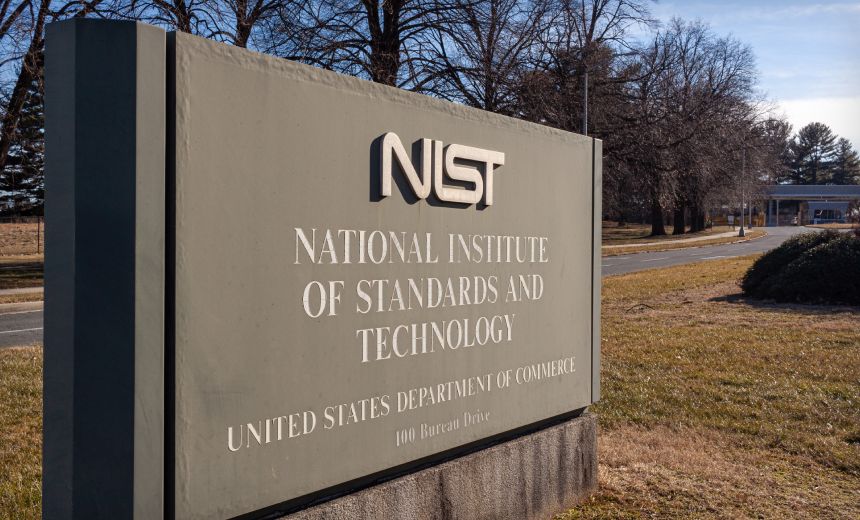
The National Institute of Standards and Technology (NIST) is currently updating its foundational operational technology (OT) security guidance, Special Publication 800-82, for its fourth iteration. In response to NIST’s call for input, cybersecurity experts and major vendors like Claroty, Armis, and Dragos are advocating for more granular, actionable advice that reflects the maturing nature of the field. These specialists emphasize that traditional IT security practices are often inadequate or even hazardous when applied to sensitive industrial environments. Key recommendations include moving beyond binary "scan or don’t scan" dilemmas by establishing passive assessment baselines and adopting risk-based frameworks for controlled active scanning. Furthermore, there is a strong push for NIST to harmonize its guidelines with global technical standards, such as ISA/IEC 62443, to reduce regulatory burdens on operators. Experts also suggest shifting static appendices into dynamic, machine-readable web resources to better address evolving threats. By focusing on asset criticality and multidimensional vulnerability scoring rather than just static CVSS data, the updated guidance could provide the technical depth necessary for modern industrial automation. Ultimately, the goal is to provide clear, specific instructions that leave less room for ambiguity in securing critical infrastructure.


Signals Show Heightened Stress on Workplace Cultures

The NAVEX 2025 Whistleblowing and Incident Management Benchmark Report, as detailed on JD Supra, highlights a significant rise in workplace culture stressors, particularly regarding workplace civility. This category, which includes disrespectful behaviors that do not necessarily meet legal definitions of harassment, now accounts for nearly 18% of global reports. The data reveals a notable regional divergence; while North America saw a slight decrease, reports increased across Europe, APAC, and South America, signaling maturing reporting cultures that now treat "soft" cultural issues as formal compliance matters. Furthermore, workplace conduct issues dominate over half of all global reports, serving as a critical early warning system for broader ethical failures. The report also notes a concerning uptick in retaliation fears and imminent threat reports, the latter of which boasts a 90% substantiation rate. These trends suggest that unresolved interpersonal tensions can escalate into serious safety risks and compliance breaches. To mitigate these risks in 2026, organizations are urged to elevate workplace civility to a strategic priority, strengthen anti-retaliation protections, and improve investigation transparency. Ultimately, the findings underscore that psychological safety is foundational to effective whistleblowing systems and overall organizational resilience in an increasingly volatile global landscape.


Backup strategies are working, and ransomware gangs are responding with data theft

According to the 2026 Cyber Claims Report from Coalition, business email compromise (BEC) and funds transfer fraud (FTF) dominated the cyber insurance landscape in 2025, accounting for 58% of all claims. While BEC frequency rose by 15%, faster detection helped reduce the average loss per incident. Conversely, ransomware frequency remained flat, but initial demands surged by 47% to exceed $1 million on average. This shift highlights a strategic change among attackers: as organizations improve their backup strategies, ransomware gangs are increasingly pivoting toward dual extortion, which involves both data encryption and theft. In fact, 70% of ransomware claims now involve this dual-threat tactic. The report identifies Akira as the most frequent ransomware variant, while RansomHub carried the highest average demand at over $2.3 million. Despite these aggressive tactics, 86% of victims refused to pay, and those who did often utilized professional negotiators to reduce costs by an average of 65%. Technically, VPNs emerged as the most targeted technology, appearing in 59% of ransomware incidents. Security experts emphasize that organizations must prioritize data minimization and hardened, immutable backups to combat these evolving threats effectively while securing public-facing login panels and critical infrastructure. These findings highlight the urgent need for robust defenses.


Only 30 minutes per quarter on cyber risk: Why CISO-board conversations are falling short

The article "Only 30 minutes per quarter on cyber risk: Why CISO-board conversations are falling short" explores a widening communication gap between Chief Information Security Officers (CISOs) and corporate boards. Despite the escalating threat of AI-driven cyberattacks, research from IANS and Artico Search indicates that three-quarters of security leaders are limited to just 30 minutes per quarter for board presentations. These interactions are frequently superficial, prioritizing status metrics over strategic risk discussions or emerging threats. Consequently, only 30% of boards describe their relationship with CISOs as strong and collaborative, while many others perceive these interactions as merely functional. The report further notes that boards often remain passive, with fewer than half participating in active exercises like tabletop simulations or crisis drills. To address this divide, the article suggests that CISOs must transition from technical specialists into business-minded leaders who can effectively contextualize cybersecurity within the broader landscape of organizational risk and ROI. By cultivating deeper engagement and offering predictive insights—particularly regarding disruptive technologies like AI—CISOs can evolve these brief updates into substantive strategic partnerships that enhance long-term organizational resilience in an increasingly volatile and complex global digital threat environment.


Ask the Experts: CIOs say they wouldn’t pull workloads back from the cloud

The InformationWeek article, "Ask the Experts: CIOs Say They Wouldn’t Pull Workloads Back from the Cloud," explores the phenomenon of cloud repatriation versus the steadfast commitment of leading IT executives to cloud environments. While data from Flexera suggests that roughly 21% of organizations are returning some workloads to on-premises infrastructure due to costs and security concerns, experts Josh Hamit and Sue Bergamo argue that the cloud remains the ultimate destination for modern innovation. Hamit, CIO of Altra Federal Credit Union, attributes his success to a deliberate, gradual migration strategy and the use of experienced partners, noting that the cloud provides unmatched scalability and essential tie-ins for artificial intelligence. Similarly, Bergamo, a veteran CIO and CISO, contends that with proper architectural configuration, the cloud offers security and performance levels that rival or exceed traditional data centers. She emphasizes that perceived drawbacks like latency and overage charges are typically results of poor planning rather than inherent flaws in the cloud model itself. Both leaders conclude that the agility, global reach, and innovative potential of cloud computing make it an indispensable asset, asserting they would not reverse their digital transformations if given the chance to start over today.


The cybersecurity blind spot in data center building systems

This article argues that the rapid expansion of data centers, fueled by the global AI revolution, has introduced a critical vulnerability in Operational Technology (OT). While digital security often focuses on data protection, the physical systems controlling power, cooling, and access are increasingly susceptible to remote exploitation. Modern facilities are marvels of automation, frequently managed via remote networks with minimal on-site staff, which inadvertently creates prime targets for sophisticated adversaries. Drawing parallels to historical breaches like the Stuxnet attack and the Ukrainian power grid incident, the piece warns that similar tactics could be used to manipulate environmental controls, causing power surges or overheating that could permanently damage sensitive GPUs. Furthermore, the integration of AI into facility management creates new entry points; if corrupted, the same algorithms intended to optimize performance could be weaponized to sabotage operations. The author contends that existing safeguards, such as periodic stress tests, are insufficient in this evolving threat landscape. Ultimately, investors and operators are urged to prioritize OT security through rigorous due diligence and proactive questioning to ensure that these essential infrastructure components do not remain a dangerous oversight in the rush to build.


Technical Debt Is Eating Your Firmware Alive: 3 Steps to Fight Back

In the article "Technical Debt Is Eating Your Firmware Alive: 3 Steps to Fight Back," Jacob Beningo explains how firmware technical debt accumulates when deadline pressures force developers to take shortcuts, resulting in tangled architectures and global variable "glue." Beningo identifies this as a leadership challenge, noting that organizations often prioritize immediate feature delivery over long-term code health. The symptoms of high debt include plummeting feature velocity, extended bug-fix times, and constant firefighting, leading to maintenance costs that are two to four times higher than clean codebases. To reverse this trend, Beningo outlines three practical steps for teams to implement immediately. First, make debt visible by measuring objective metrics like coupling and cyclomatic complexity. Second, institute lightweight, fifteen-minute code reviews focused on maintaining module boundaries rather than just finding bugs. Third, reclaim one specific architectural boundary at a time to prevent total paralysis. By enforcing even a single interface, teams can begin restoring order to their repository. Ultimately, Beningo argues that firmware must be treated as a valuable asset rather than a liability. Proactive management of technical debt ensures that long-lived embedded products remain maintainable and profitable without necessitating costly, high-risk rewrites later on.


Misconfigured Microsoft 365 leaves big firms exposed

According to recent research from CoreView, nearly half of large organizations experienced security or compliance incidents over the past year due to Microsoft 365 misconfigurations. The study, which surveyed 500 IT leaders and analyzed data from 1.6 million users, highlights that 82% of professionals consider managing the platform a severe operational burden, with many finding it nearly impossible to secure at scale. Significant visibility gaps persist, as 45% of organizations lack full control over their environments, while 90% struggle with basic security hygiene like enforcing password policies. Critical vulnerabilities are also evident in authentication practices; remarkably, 87% of organizations have administrators operating without multi-factor authentication. Furthermore, governance issues have led to failed or delayed audits for 43% of firms because of manual reporting processes. While 70% of IT leaders recognize the potential value of AI-driven administration, over half have already reversed AI-implemented changes due to governance fears. CoreView warns that deploying AI into these misconfigured environments without established guardrails only accelerates risk rather than solving underlying structural problems. Consequently, firms must prioritize strengthening their governance foundations and basic security controls before expanding automation across their increasingly complex Microsoft 365 ecosystems to prevent cascading data exposure.

Daily Tech Digest - March 07, 2026


Quote for the day:

"Be willing to make decisions. That's the most important quality in a good leader." -- General George S. Patton, Jr.


LangChain's CEO argues that better models alone won't get your AI agent to production

LangChain CEO Harrison Chase contends that achieving production-ready AI agents requires more than just utilizing more powerful foundational models. While improved LLMs offer better reasoning, Chase emphasizes that agents often fail due to systemic issues rather than model limitations. He advocates for a shift toward "agentic" engineering, where the focus moves from simple prompting to building robust, stateful systems. A critical component of this transition is the move away from "vibe-based" development—relying on subjective successes—toward rigorous evaluation frameworks like LangSmith. Chase highlights that developers must implement precise control over an agent's logic through tools like LangGraph, which allows for cycles, state management, and human-in-the-loop interactions. These architectural guardrails are essential for managing the inherent unpredictability of LLMs. By treating agent development as a complex systems engineering task, organizations can overcome the "last mile" hurdle, moving beyond impressive demos to reliable, autonomous applications. Ultimately, the maturity of AI agents depends on sophisticated orchestration, detailed observability, and a willingness to architect the environment in which the model operates, rather than expecting a single model to handle every nuance of a complex workflow autonomously.

This article examines the false sense of security provided by multi-factor authentication (MFA) within Windows-centric environments. While MFA is highly effective for cloud-based applications, the piece argues that traditional Active Directory (AD) authentication paths—such as interactive logons, Remote Desktop Protocol (RDP) sessions, and Server Message Block (SMB) traffic—often bypass modern identity providers, leaving internal networks vulnerable to password-only attacks. The article details seven critical gaps, including the persistence of legacy NTLM protocols susceptible to pass-the-hash attacks, the abuse of Kerberos tickets, and the risks posed by unmonitored service accounts or local administrator credentials that frequently lack MFA coverage. To mitigate these significant risks, the author recommends that organizations treat Windows authentication as a distinct security surface by enforcing longer passphrases, continuously blocking compromised passwords, and strictly limiting legacy protocols. Furthermore, the text highlights the importance of auditing service accounts and leveraging advanced security tools like Specops Password Policy to bridge the gap between cloud security and on-premises infrastructure. Ultimately, securing a modern enterprise requires moving beyond simple MFA implementation toward a holistic strategy that addresses these often-overlooked internal authentication vulnerabilities and credential reuse habits.


Why enterprises are still bad at multicloud

In this InfoWorld analysis, David Linthicum argues that while most enterprises are technically multicloud by default, they largely fail to operate them as a cohesive business capability. Instead of a unified strategy, multicloud environments often emerge haphazardly through mergers, acquisitions, or localized team decisions, leading to fragmented "technology estates" that function as isolated silos. Each provider—typically AWS, Azure, and Google—is managed with its own native consoles, security protocols, and talent pools, which creates redundant processes, inconsistent governance, and hidden global costs. Linthicum emphasizes that the "complexity tax" of multicloud is only worth paying if organizations can achieve operational commonality. He advocates for the implementation of common control planes—shared services for identity, policy, and observability—that sit above individual cloud brands to ensure consistent guardrails. To improve maturity, enterprises must shift from viewing cloud adoption as a series of procurement choices to designing a singular operating model. By establishing cross-cloud coordination and relentlessly measuring business value through metrics like recovery speed and unit economics, organizations can move from uncontrolled variety to "controlled optionality," finally leveraging the specialized strengths of different providers without multiplying their operational overhead or fracturing their technical foundations.


The Accidental Orchestrator

This article by O'Reilly Radar examines the profound transformation of the software developer's role in the era of generative AI. It posits that developers are transitioning from traditional manual coding to becoming strategic orchestrators of autonomous AI agents. This shift, described as "accidental," occurred as AI tools evolved from simple autocomplete plugins into sophisticated assistants capable of managing complex, end-to-end tasks. Developers now find themselves overseeing a fleet of agents that handle various components of the software lifecycle, including design, implementation, and debugging. This new reality demands a significant pivot in professional skills; instead of focusing primarily on syntax and logic, engineers must now master prompt engineering, agent coordination, and high-level system architecture. The piece emphasizes that while AI significantly boosts productivity, the complexity of managing these interlinked systems introduces critical challenges regarding transparency, security, and long-term reliability. Ultimately, the role of the accidental orchestrator requires a mindset shift where the developer acts as a tactical director of digital workers rather than a lone creator. This evolution suggests that the future of software engineering lies in the quality of the human-AI partnership and the effective orchestration of intelligent agents.


Powering the new age of AI-led engineering in IT at Microsoft

Microsoft Digital is spearheading a transformative shift toward AI-led engineering, fundamentally changing how IT services are designed, built, and maintained. At the heart of this evolution is the integration of GitHub Copilot and other generative AI tools, which empower developers to automate repetitive "toil" and focus on high-value architectural innovation. By adopting a platform-centric approach, Microsoft standardizes development environments and leverages AI to enhance security, catch bugs earlier, and optimize code quality through sophisticated semantic searches and automated testing. This transition moves beyond simply using AI tools to a holistic culture where AI is woven into the entire software development lifecycle. Key benefits include significantly accelerated deployment cycles, improved developer satisfaction, and a more resilient IT infrastructure. Furthermore, the initiative prioritizes security and compliance by embedding AI-driven checks directly into the engineering pipeline. As Microsoft refines these internal practices, it aims to provide a blueprint for the industry on how to scale enterprise IT operations in an increasingly complex digital landscape. Ultimately, AI-led engineering at Microsoft is not just about speed; it is about fostering a creative environment where engineers solve complex problems with unprecedented efficiency, driving a new standard for modern software development.


Read-Copy-Update (RCU): The Secret to Lock-Free Performance

Read-Copy-Update (RCU) is a sophisticated synchronization mechanism explored in this InfoQ article, primarily utilized within the Linux kernel to handle concurrent data access. Unlike traditional locking methods that can cause significant performance bottlenecks, RCU allows multiple readers to access shared data simultaneously without the overhead of locks or atomic operations. The core concept involves updaters creating a modified copy of the data and then swapping the pointer to the new version, while ensuring that the original data is only reclaimed after a "grace period" when all active readers have finished. This approach ensures that readers always see a consistent, albeit potentially slightly outdated, version of the data without ever being blocked. While RCU offers unparalleled scalability and performance for read-heavy workloads, the article emphasizes that it introduces complexity for developers, particularly regarding memory management and the coordination of update cycles. Updaters must carefully manage the transition between versions to avoid data corruption. Ultimately, RCU represents a fundamental shift in concurrency design, prioritizing reader efficiency at the cost of more intricate update logic, making it an essential tool for high-performance systems where read operations vastly outnumber modifications.


AI transforms ‘dangling DNS’ into automated data exfiltration pipeline

AI-driven automation is fundamentally transforming "dangling DNS" from a common administrative oversight into a sophisticated, high-speed pipeline for automated data exfiltration. Dangling DNS occurs when a Domain Name System record continues to point to a decommissioned cloud resource, such as an abandoned IP address or a deleted storage bucket. While this vulnerability has existed for years, attackers are now utilizing generative AI and advanced scanning scripts to identify these orphaned subdomains across the internet at an unprecedented scale. Once a target is located, AI agents can automatically reclaim the abandoned resource on cloud platforms like AWS or Azure, effectively hijacking the legitimate domain to intercept sensitive traffic, harvest user credentials, or distribute malware through prompt injection attacks. This evolution represents a shift from opportunistic manual exploitation to a systematic, machine-led attack surface management strategy. To counter this, security professionals must move beyond periodic audits, implementing continuous, automated DNS monitoring and lifecycle management. The article underscores that as threat actors leverage AI to weaponize legacy misconfigurations, organizations can no longer afford to leave DNS records unmanaged. Addressing this infrastructure is a critical component of modern cyber defense, requiring the same level of automation that attackers currently use to exploit it.


The New Calculus of Risk: Where AI Speed Meets Human Expertise

The article examines the launch of Crisis24 Horizon, a sophisticated AI-enabled risk management platform designed to address the complexities of a volatile global security landscape. Developed on a modern technology stack, the platform provides a unified "single pane of glass" view, integrating dynamic intelligence with travel, people, and site-specific risk management. By leveraging artificial intelligence to process roughly 20,000 potential incidents daily, Crisis24 Horizon dramatically accelerates threat detection and triage, effectively expanding the capacity of security teams. Key features include "Ask Horizon," a natural language interface for querying risk data; "Latest Event Synopsis," which consolidates fragmented alerts into coherent summaries; and integrated mass notification systems for critical event response. While AI handles massive data aggregation and initial filtering, the platform emphasizes the "human in the loop" approach, where expert analysts provide necessary contextual judgment for high-stakes decisions like emergency evacuations. This synergy of AI speed and human expertise marks a shift from reactive to anticipatory security, allowing organizations to monitor assets in real-time and safeguard operations against interconnected global threats. Ultimately, Crisis24 Horizon empowers leaders to mitigate risks with greater precision, ensuring operational resilience and employee safety amidst geopolitical instability and environmental disasters.


Accelerating AI, cloud, and automation for global competitiveness in 2026

The guest blog post by Pavan Chidella argues that by 2026, the global competitiveness of enterprises will be defined by their ability to transition from AI experimentation to large-scale, disciplined execution. Focusing primarily on the healthcare sector, the author illustrates how the orchestration of AI, cloud-native architectures, and intelligent automation is essential for modernizing legacy processes like claims adjudication, which traditionally suffer from structural latency. In this evolving landscape, technology is no longer an isolated tool but a strategic driver of measurable business outcomes, including improved operational efficiency and enhanced customer transparency. Chidella emphasizes that "responsible acceleration" requires embedding governance, ethical AI monitoring, and regulatory compliance directly into system designs rather than treating them as afterthoughts. By adopting a product-led engineering mindset, organizations can reduce friction and build trust within their ecosystems. Ultimately, the piece asserts that global leadership in 2026 will belong to those who successfully integrate speed and precision with accountability, effectively leveraging hybrid cloud capabilities to process data in real-time. This shift represents a broader competitive imperative to move beyond proof-of-concept stages toward a resilient, automated, and digitally mature infrastructure that can thrive amidst increasing global complexity and regulatory scrutiny.


Engineering for AI intensity: The new blueprint for high-density data centers

This article explores the critical infrastructure evolution required to support the escalating demands of artificial intelligence. As traditional data centers struggle with the unprecedented power and thermal requirements of GPU-heavy workloads, a new engineering paradigm is emerging. This blueprint emphasizes a radical transition from legacy air-cooling systems to advanced liquid cooling technologies, such as direct-to-chip and immersion cooling, which are essential for managing rack densities that now frequently exceed 50kW and can reach up to 100kW per cabinet. Beyond thermal management, the article highlights the necessity of modular, high-voltage power distribution to ensure electrical efficiency and minimize transmission losses across the facility. It also underscores the importance of structural adaptations, including reinforced flooring to support heavier liquid-cooled hardware and overhead cable management to optimize airflow. Furthermore, the blueprint advocates for high-bandwidth, low-latency networking fabrics to facilitate the massive data exchanges inherent in parallel AI training. Ultimately, the piece argues that achieving AI intensity requires a holistic, future-proof design strategy that integrates power scalability, structural flexibility, and sustainable practices, positioning the modern data center as the strategic engine for digital transformation in an AI-first era.


Daily Tech Digest - March 06, 2026


Quote for the day:

"Actions, not words, are the ultimate results of leadership." -- Bill Owens


Strategy fails when leaders confuse ambition with readiness

This article explores why bold corporate transformations often falter despite having sound strategic logic. The core issue lies in leaders mistakenly treating clear intent as a proxy for the actual capacity to change. While ambition is highly visible in presentations and public goals, organizational readiness—comprising internal skills, trust, and execution muscle—exists beneath the surface and is built slowly over time. When leadership pushes initiatives significantly faster than the organization can absorb them, it creates a "readiness gap" characterized by deep change fatigue, performative work, and eroding employee belief. Pushing harder in response often exacerbates the problem, as what looks like resistance is frequently just mental exhaustion from reaching a finite capacity for change. To succeed, leaders must treat readiness as a dynamic leadership discipline rather than a minor operational detail. This involves making difficult strategic tradeoffs, prioritizing the careful sequencing of projects, and investing in internal capabilities before attempting to scale. Ultimately, effective strategy is not just about choosing a direction but about mastering timing; true progress depends less on the volume of projects launched and more on the organization’s ability to internalize new behaviors. By bridging the gap between vision and preparedness, leaders can transform high-level ambition into sustainable, long-term impact.


Why Calm Leadership Is A Strategic Advantage In High-Risk Technology

In the Forbes article Justin Hertzberg argues that composure is not just a personality trait but a vital strategic capability for managing modern technical infrastructure. While the myth of the high-intensity executive persists, Hertzberg suggests that in sectors like AI and cybersecurity, the ability to remain steady under pressure is a fundamental form of operational risk management. This calm approach preserves cognitive bandwidth, ensuring that decision-making remains structured and analytical rather than reactive or impulsive. A critical component of this leadership style is the cultivation of psychological safety; by responding with curiosity instead of emotion, leaders encourage teams to surface small technical anomalies early, preventing them from escalating into catastrophic failures. Furthermore, calm leadership acts as a force multiplier for clarity, converting complex technical signals into actionable priorities and consistent communication rhythms. This steadiness also supports human resilience, recognizing that human operators are just as essential to system stability as the hardware and software they manage. Ultimately, Hertzberg concludes that composure is a skill that can be trained through simulation and culture. As technology becomes more interconnected, the most significant competitive edge is a leader who provides a "quiet advantage"—the discipline to stay focused when uncertainty is at its peak.


AI fraud pushing pace on need for advanced deepfake detection tools

The article highlights the urgent need for advanced deepfake detection tools as generative AI accelerates fraud capabilities, forcing organizations to reevaluate their security frameworks. Dr. Edward Amoros emphasizes that deepfake protection should be viewed as a high-ROI investment rather than an experimental control, urging Chief Information Security Officers to integrate these threats into existing risk registers like FAIR or ISO/IEC 27005. By reframing deepfakes as identity-based loss events, executives can justify the relatively modest costs of detection platforms compared to the massive financial and reputational damage of successful attacks. However, a significant "readiness gap" persists; research from DataVisor indicates that while 74 percent of financial leaders recognize AI-driven fraud as a primary threat, 67 percent still lack the necessary infrastructure to deploy effective defenses. This vulnerability is further compounded by the rapid evolution of vocal cloning, which a paper from the Bloomsbury Intelligence and Security Institute warns could soon render traditional voice biometrics obsolete. To counter these risks, the article advocates for a shift toward identity authenticity as a measurable control objective, utilizing specific metrics such as detection accuracy and response times. Ultimately, sustaining trust in digital identities requires a transition from legacy operational speeds to real-time, AI-powered defensive strategies.


Autoscaling Is Not Elasticity

In the DZone article David Iyanu Jonathan argues that while these terms are often used interchangeably, they represent fundamentally different concepts in cloud system design. Autoscaling is a reactive, algorithmic mechanism that adjusts resource counts based on specific metrics, whereas true elasticity is a resilient architectural property that allows a system to absorb load gracefully without collapsing. The author warns that "mindless" autoscaling—driven by single metrics like CPU usage without hard caps—can actually exacerbate failures, such as when a cluster scales up during a DDoS attack or saturates a downstream database like Redis, leading to cascading outages and astronomical cloud bills. To achieve genuine elasticity, organizations must implement sophisticated guardrails, including hard instance caps to protect downstream dependencies, longer cooldown periods to prevent resource oscillation, and composite triggers that monitor request rates and error percentages alongside traditional utilization signals. Furthermore, the article emphasizes the necessity of dependency health gates, manual override procedures, and cost circuit breakers to ensure operational stability. Ultimately, Jonathan posits that resilience is born from policy and testing rather than blind algorithmic faith; true elasticity requires a deep understanding of system bottlenecks and the discipline to prioritize long-term stability through proactive chaos drills and rigorous policy audits.


Meet Your New Colleague: What OpenClaw Taught Me About the Agentic Future

This blog post by Jon Duren explores the transformative impact of OpenClaw, an open-source project that has catalyzed the transition from conversational chatbots to autonomous "agentic" AI. Unlike traditional AI assistants that merely respond to prompts, OpenClaw demonstrates a system capable of assuming specific roles, maintaining deep context, and executing complex tasks using diverse digital tools. This shift represents a move toward AI as a functional "colleague" rather than just a software utility. Duren emphasizes that while OpenClaw is currently a rough proof-of-concept, its viral success has signaled a massive market appetite, prompting major foundation labs to accelerate their development of enterprise-grade agentic platforms. For organizations, this evolution necessitates immediate strategic preparation, particularly regarding robust data infrastructure and governance frameworks to ensure these autonomous agents operate within safe guardrails. The author argues that we are witnessing the start of an "AI Flywheel" effect, where early experimentation leads to compounding competitive advantages. Ultimately, the piece suggests that the future of work involves integrating these proactive agents into human teams, transforming repetitive, context-heavy workflows into streamlined processes. Leaders must develop a deep understanding of this agentic potential now to navigate an era where AI effectively functions as a productive team member.


Why digital identity is the new perimeter in a zero-trust world

In the contemporary cybersecurity landscape, the traditional network firewall has transitioned from a definitive security seal to an obsolete relic, replaced by digital identity as the primary perimeter. As organizations embrace cloud-first strategies and remote work, data is no longer confined to physical boundaries, necessitating a Zero Trust approach centered on the mantra of "never trust, always verify." Given that approximately 80% of breaches involve stolen credentials, robust Identity and Access Management (IAM) is now a strategic imperative for maintaining system integrity. This framework relies on continuous authentication and adaptive signals—such as real-time location and biometrics—to monitor risks dynamically rather than relying on static passwords. The scope of identity has also expanded significantly to include machine identities, including IoT devices and APIs, which currently outnumber human users and require automated governance to prevent unauthorized access. Furthermore, while artificial intelligence facilitates sophisticated fraud, it simultaneously empowers defenders with predictive anomaly detection and risk-based access controls. By centralizing authentication and automating the lifecycle management of both human and non-human accounts, organizations can effectively mitigate human error and ensure compliance. Ultimately, treating digital identity as the new perimeter is the only viable method to secure modern digital transformations against the evolving complexities of the current global threat landscape.


State-affiliated hackers set up for critical OT attacks that operators may not detect

Research from industrial cybersecurity firm Dragos reveals a dangerous shift in nation-state cyber strategy, as state-affiliated threat groups move beyond mere network access to actively mapping methods for disrupting physical industrial processes. Groups like China-linked Voltzite and Russia-linked Electrum are now weaponizing operational technology (OT) access to identify specific conditions that can trigger process shutdowns or destroy physical infrastructure. For instance, Voltzite has been observed manipulating engineering workstations within U.S. energy and pipeline networks, while Russian actors have expanded their destructive operations into NATO territory. Despite these escalating threats, critical infrastructure operators remain alarmingly unprepared. Dragos reports that fewer than 10% of OT networks worldwide have adequate security monitoring, and a staggering 90% of asset owners still lack the visibility to detect techniques used in the Ukraine power grid attacks a decade ago. This lack of oversight is compounded by poor network segmentation and a reliance on internet-facing devices with default credentials. Consequently, many breaches are only discovered when operators notice physical malfunctions rather than through automated alerts. As attackers deploy sophisticated wiper malware and corrupt device firmware, the inability of many organizations to detect, contain, or respond to these intrusions poses a significant risk to global industrial stability and public safety.


The Coruna exploit: Why iPhone users should be concerned

The Coruna exploit represents a significant escalation in mobile security threats, illustrating how sophisticated, state-grade hacking tools can eventually filter down into the hands of mass-scale cybercriminals. Discovered by Google’s Threat Intelligence Group and iVerify, Coruna is a highly polished exploit kit capable of hijacking iPhones running iOS 13 through iOS 17.2.1 simply when a user visits a malicious website. This complex suite utilizes twenty-three distinct vulnerabilities and five exploit chains to grant attackers root access, allowing them to exfiltrate sensitive data, including text snippets and cryptocurrency information. Evidence suggests the software may have originated from a U.S. government contractor before being utilized by various nation-state actors from Russia and China, and ultimately criminal organizations. Notably, the malware is advanced enough to detect and cease operations if an iPhone’s Lockdown Mode is active, highlighting the effectiveness of Apple’s specialized security features. While Apple has addressed these vulnerabilities in recent updates such as iOS 26, thousands of users remain at risk due to slow adoption rates for new operating systems. The proliferation of Coruna serves as a stark reminder that digital backdoors and weaponized exploits, once created, inevitably escape state control and threaten the privacy and security of ordinary citizens worldwide.


Digital sovereignty options for on-prem deployments

Digital sovereignty is rapidly evolving from a compliance requirement into a fundamental architectural necessity for global enterprises seeking to maintain absolute control over their data and infrastructure. As highlighted in the linked article, the shift away from standard public cloud services is being driven by stringent regional regulations and geopolitical concerns regarding unauthorized data access by foreign governments. To address these challenges, major technology providers like Cisco, IBM, Fortinet, and Versa Networks have introduced sophisticated on-premises and air-gapped solutions. Cisco’s Sovereign Critical Infrastructure portfolio emphasizes physical isolation and customer-controlled licensing, while IBM’s Sovereign Core focuses on securing the AI lifecycle through transparent, architecturally-enforced platforms like Red Hat OpenShift. Additionally, SASE leaders Fortinet and Versa are offering sovereign versions of their networking stacks, allowing organizations to manage security policies and data flows within their own jurisdictions. These localized deployment options provide essential safeguards for regulated sectors like government and finance, ensuring that the control plane, encryption keys, and AI inference remain entirely within the organization’s legal and physical boundaries. Ultimately, achieving true digital sovereignty requires balancing the benefits of modern cloud agility with the rigorous oversight provided by dedicated, premises-based hardware and software frameworks. By embracing these models, businesses can navigate global complexities securely.


Shift Left Has Shifted Wrong: Why AppSec Teams – Not Developers – Must Lead Security in the Age of AI Coding

The article by Bruce Fram argues that the traditional "narrow" shift-left security model—where developers are tasked with finding and fixing individual vulnerabilities—has fundamentally failed, particularly in the escalating era of AI-generated code. Fram highlights a staggering 67% increase in CVEs since 2023, noting that developers are primarily incentivized to ship features rather than master complex security nuances. This challenge is compounded by AI assistants; nearly 25% of AI-generated code contains security flaws, and as developers transition into "agent managers" who orchestrate multiple AI tools, the volume of vulnerabilities becomes unmanageable for manual human review. To address this, Fram posits that Application Security (AppSec) teams, rather than developers, must take the lead. Instead of merely reporting findings, AppSec professionals should transform into security automation engineers who utilize AI-driven tools to triage findings and automatically generate verified code fixes. In this refined workflow, developers simply review automated pull requests to ensure functional integrity. Ultimately, the piece contends that organizations must move beyond the unrealistic expectation of developer-led security, embracing automated remediation to maintain pace with the rapid, AI-driven development lifecycle and reduce the growing enterprise vulnerability backlog effectively.

Daily Tech Digest - March 05, 2026


Quote for the day:

"To get a feel for the true essence of leadership, assume everyone who works for you is a volunteer." -- Kouzes and Posner


CISOs Are Now AI Guardians of the Enterprise

CISOs are managing risk, talent and digital resilience that underpins critical business outcomes - a reality that demands new approaches to leadership and execution. Security leaders are quantifying and communicating ROI to executive leadership, developing the next generation of cybersecurity talent, and responsibly deploying emerging technologies - including generative and agentic AI ... While CISOs approach AI with cautious optimism, 86% fear agentic AI will increase the sophistication of social engineering attacks and 82% worry it will increase deployment speed and complexity of persistence mechanisms. "This is happening primarily because AI accelerates existing weaknesses in how organizations understand and control their data. The solution to both is not more tools, but [to implement] a strong and well-understood data governance model across the organization," said Kim Larsen, group CISO at Keepit. ... Despite the rise of AI, CISOs know that human intelligence and judgement supersede even the most intelligent tools, because of their ability to understand context. Their primary strategies include upskilling current workforces, hiring new full-time employees and engaging contractors, especially for nuanced tasks like threat hunting. "AI risk management, cloud security architecture, automation skills and the ability to secure AI-driven systems will be far more valuable in senior cybersecurity hires in 2026 than they were three years ago," said Latesh Nair


The right way to architect modern web applications

A single modern SaaS platform often contains wildly different workloads. Public-facing landing pages and documentation demand fast first contentful paint, predictable SEO behavior, and aggressive caching. Authenticated dashboards, on the other hand, may involve real-time data, complex client-side interactions, and long-lived state where a server round trip for every UI change would be unacceptable. Trying to force a single rendering strategy across all of that introduces what many teams eventually recognize as architectural friction. ... Modern server-rendered applications behave very differently. The initial HTML is often just a starting point. It is “hydrated,” enhanced, and kept alive by client-side logic that takes over after the first render. The server no longer owns the full interaction loop, but it hasn’t disappeared either. ... Data volatility matters. Content that changes once a week behaves very differently from real-time, personalized data streams. Performance budgets matter too. In an e-commerce flow, a 100-millisecond delay can translate directly into lost revenue. In an internal admin tool, the same delay may be irrelevant. Operational reality plays a role as well. Some teams can comfortably run and observe a fleet of SSR servers. Others are better served by static-first or serverless approaches simply because that’s what their headcount and expertise can support. ... When something breaks, the hardest part is often figuring out where it broke. This is where staged architectures show a real advantage. 


Safeguarding biometric data through anonymization

Biometric anonymization refers to a range of approaches that remove Personally Identifiable Information (PII) from biometric data so that an individual can no longer be identified from the data alone. If, after anonymization, the retained data or template can still perform its required function, then we have successfully removed the risk of the identifiers being compromised. An anonymized biometric template in the wrong hands then has no meaningful value, as it can’t be used to identify the individual from whom it originated. As a result, there is great interest in anonymization approaches that can meet the needs of different business applications. ... While biometrics deliver significant value across a wide range of use cases, safeguarding data privacy and meeting regulatory obligations remain top priorities for most organizations. Biometric anonymization can help reduce risk by limiting the exposure of sensitive personal data. Taken together, anonymization approaches address different dimensions of risk – from inference and reporting exposure to vulnerabilities at the template level. They are not one-size-fits-all solutions. Organizations must evaluate which method aligns with their functional requirements, risk tolerance, and compliance obligations, while ensuring that only the minimum necessary personal data is retained for the intended purpose. Anonymization is no longer a peripheral consideration. 


Security leaders must regain control of vendor risk, says Vanta’s risk and compliance director

The rise of AI technologies has made vendor networks increasingly harder to manage. Shadow supply chains (untracked vendor networks), fast-moving subcontracting, model updates, data-sharing and embedded tooling all compound the complexities. Particularly for large enterprises with a network of tens of thousands of suppliers or more, traditional vendor management relying on legacy infrastructure and manual operations is no longer adequate. This is where the Cyber Security and Resilience Bill comes in, forcing a shift toward continuous monitoring which should match the speed of AI threats. ... By implementing evidence-led reporting templates, automated control validation, and continuous monitoring of supplier security posture, businesses can provide the board with real-time assurance, not point-in-time attestations. This approach demonstrates that systemic supplier risk is actively managed without diverting disproportionate time away from frontline threat detection and response. At an operational level, leaders shouldn’t wait for the bill to be finalised to find out who their ‘critical suppliers’ are. ... Upcoming changes to the bill will likely encourage tighter contractual obligations. Businesses should get ahead of this mandate and implement measures such as incident notification service-level agreements, rights-to-audit and evidence provisions, continuous monitoring, and Software bill of Materials.


Inspiration And Aspiration: Why Feel-Good Leadership Rarely Changes Outcomes

Inspiration is fancy. It makes ideas feel noble, futures feel possible and leadership feel virtuous—all without demanding immediate action or sacrifice. We feel moved, aligned and temporarily elevated. It’s a dream we see others have achieved through their actions. Aspiration is different. It is inconvenient. It’s our own dream, our desire to see ourselves in a certain spot or a way in the future. It requires disproportionate effort, new skills and a willingness to confront the uncomfortable gap between who we are today and who we say we want to become. ... That gap between intent and impact was uncomfortable. I told myself "I can't" and then took a step back, which was the easiest thing to do. What I realized is this: Aspiration without action becomes self-deception. Inspiration without action becomes mere admiration. And leadership that relies on either one eventually stagnates. Real change happens only when inspiration and aspiration move together, dance together—not sequentially, not occasionally, but in constant unison. ... Belief does not close gaps; capability and capacity do. Until the distance between intention and reality is acknowledged, effort will always be miscalculated. This gap should evoke and cement commitment, rather than creating drag. One needs to be very careful at this stage, as most people stop here. We may get inspired by mountaineers climbing Everest, but when we do a mental assessment about ourselves, we assume we are incapable of the task of bridging the gap, and we take a step back.


Most Organizations Plan Strategically. Few Manage It That Way

The report segments respondents into two categories: “Dynamic Planners,” characterized by frequent review cycles, cross-functional integration, high portfolio visibility, and active use of scenario planning; and “Plodders,” defined by siloed operations, infrequent reassessment, and limited real-time visibility into execution data. The performance difference between them is sharp enough to be operationally relevant. Eighty-one percent of Planners’ projects deliver measurable ROI or strategic value. Among Plodders, that figure is 45%. That’s a 36-point spread. That’s not measuring financial metrics; it’s about whether projects are doing what they were supposed to do. The survey also found that 30% of projects are not delivering meaningful ROI or strategic value. That leaves nearly one in three funded initiatives operating at levels ranging from marginal to counterproductive. ... Over a third of projects across the survey population are stopped early due to misalignment or insufficient ROI. The report treats this not as a problem to fix but as a sign of mature portfolio management. Chynoweth frames it in capital terms: “Cancellation is not failure. It’s disciplined capital allocation.” Most enterprises reward launch momentum, delivery against plan, and continuation of funded initiatives. Budget cycles create sunk-cost inertia. Career incentives favor project sponsors who ship, not those who cancel. 


Malicious insider threats outpace negligence in Australia

John Taylor, Mimecast's Field Chief Technical Officer for APAC, said organisations are seeing more cases where insiders are used to bypass established security controls. "We're seeing a concerning acceleration in malicious insider threats across Australia. While negligence has traditionally been the primary insider concern, intentional betrayal is now growing at a faster rate. ..." The report described AI as a factor that can increase the speed and scale of attacks, citing more convincing social engineering messages and automated reconnaissance. It also raised the prospect of AI being used to help recruit insiders. Taylor said older assumptions about a clear boundary between internal and external users no longer match how organisations operate, particularly with distributed workforces and widespread cloud adoption. ... Governance and compliance over communications data emerged as another concern. Mimecast found 91% of Australian organisations face challenges maintaining governance and compliance across communications data, and 53% lack confidence in quickly locating data to meet regulatory or legal requirements. These issues can slow incident response by delaying investigations and limiting the ability to reconstruct timelines across messaging platforms, email, and file stores. They can also increase risk during regulatory inquiries when organisations must produce relevant records quickly. Taylor said visibility is central to improving governance, culture, and response.


AI fatigue is real and it’s time for leaders to close the organizational gap

AI has been pitched as the next great accelerant of productivity. But inside many enterprises, teams are still recovering from years’ worth of transformation programs—cloud migrations, ERP upgrades, data modernization. Adding AI to an already overloaded change agenda can feel less like innovation and more like yet another disruption to absorb. The result is a predictable backlash. Tools in the industry are dismissed as “just another license”. Expectations are sky high; lived experience is often underwhelming. And when the novelty wears off, employees revert to old behavior fast. ... A pervasive misconception is that adopting AI is mostly about selecting and deploying the right technology. But tooling alone doesn’t redesign workflows. It doesn’t train employees. It doesn’t embed new decision making patterns. Some of the highest spending organizations are seeing the least value from AI precisely because investment has been concentrated at the technology layer rather than the organizational one. Without true operational change, AI tools risk becoming surface level enhancements rather than business accelerators. ... AI is not a spectator sport. Employees must understand how to use it, when to trust it, and how it adds value to their role. Organizations that invest early in skills from prompting to automation design will see dramatically higher adoption rates. The companies scaling fastest are those that build internal capability, not dependency on a small number of specialists.


Measuring What Matters in Large Language Model Performance

The study is timely, as LLM innovation increasingly targets skills and traits that are difficult to benchmark. “There’s been a shift towards testing AI systems for more complex capabilities like reasoning, helpfulness, and safety, which are very hard to measure,” said Rocher. “We wanted to look at whether evaluations are doing a good job capturing these sorts of skills.” Historically, AI innovators focused on equipping programs with easy-to-measure skills, like the ability to play chess and other strategy games. Today’s general-purpose LLMs, including popular models like ChatGPT, feature more flexible, open-ended strengths and traits. These attributes are notoriously difficult to operationalize, or to define in a way that’s precise enough to work in AI program measurement but broad enough to encompass the many different ways that the attribute might show up in the real world. Reasoning is one such skill. While most people are able to tell what counts as good or bad reasoning on a case-by-case basis, it’s not easy to describe reasoning in general terms. ... Towards this end, “Measuring what Matters” includes a set of guidelines to promote precision, thoroughness, rigor, and transparency in benchmark development. The first two recommendations, “define the phenomenon” and “measure the phenomenon and only the phenomenon,” encourage benchmark authors to be direct and specific as they define their target phenomena. 


Hallucination is not an option when AI meets the real world

For Boeckem, the most consequential AI applications are not advisory. They are autonomous. “In industrial environments, AI doesn’t just recommend,” he says. “It acts.” That shift, from insight to action, raises the stakes dramatically. Autonomous systems operate in safety-critical environments where failure can result in physical damage, financial loss, or human harm. “When generative AI went mainstream in 2022, it was exciting,” Boeckem says. “But professional environments need AI that is grounded in reality. These systems must always know where they are, what obstacles exist, and what the consequences of an action might be.” ... Despite the growing popularity of digital twins, many enterprises struggle to make them operational. According to Boeckem, the problem is not ambition, but misunderstanding. “A digital twin must be fit for purpose,” he says. “And above all, it must be dimensionally accurate.” Accuracy is non-negotiable. A flood simulation requires a watertight model. Urban planning demands precise representations of sunlight, shadows, and surroundings. Aesthetic simulations require photorealistic textures and material properties. At the most complex end of the spectrum, Hexagon models human faces. “A human face is not static,” Boeckem explains. “It’s soft-body material. When you smile, when you’re angry, when you’re sad, it changes. If you want to do diagnosis or therapy, you have to account for that.” 

Daily Tech Digest - March 04, 2026


Quote for the day:

“The secret to success is good leadership, and good leadership is all about making the lives of your team members or workers better." -- Tony Dungy


Composable infrastructure and build-to-fit IT: From standard stacks to policy-defined intent

Fixed stacks turn into friction. They are either too heavy for small workloads or too rigid for fast-changing ones. Teams start to fork the standard build “just this once,” and suddenly the exception becomes the default. That is how sprawl begins. Composable infrastructure is the most practical way I have found to break that cycle, but only if we stop defining “composable” as modular hardware. The differentiator is not the pool of compute, storage or fabric. The differentiator is the control plane: The policy, automation and governance that make composition safe, repeatable and reversible. ... The moment you move from “stacks” to “building blocks,” the control plane becomes the product you operate. At a minimum, I expect the control plane to do the following: Translate intent into infrastructure using declarative definitions (infrastructure as code) and reusable compositions; Enforce policy as code consistently across pipelines and runtime; Prevent drift and continuously reconcile desired state; ... The “sprawl prevention” mechanisms that matter: Every composed environment has a time-to-live by default. If it is not renewed by policy, it is retired automatically; Policies require standard tags (application, owner, cost center, data classification). If tags are missing, provisioning fails early; Network exposure is deny-by-default. Public endpoints require explicit approval paths and documented intent; 


Why workforce identity is still a vulnerability, and what to do about it

Workforce identity is strongest at the moment of proofing. The risk isn’t usually malicious insiders slipping through onboarding. It’s what happens when verified identity is decoupled from account creation, daily access, and recovery. Manual handoffs are a common culprit. Identity is verified in one system, then an account is provisioned in another, often with human intervention in between. Temporary passwords are issued. Activation links are sent by email. Credentials are reset by help desk staff relying on judgment instead of evidence. ... If there is a single place where workforce identity collapses most consistently, it’s account recovery. Password resets, MFA re-enrollment, and help desk changes are designed to restore access quickly. In practice, they often bypass the very controls organizations rely on elsewhere. Knowledge-based questions, email verification, and voice-only confirmation remain common, even as attackers automate social engineering at scale. Help desk staff are placed in an impossible position. They are expected to verify identity without reliable evidence, under pressure to resolve issues quickly, using channels that are increasingly easy to spoof. ... Workforce identity assurance should begin with strong proofing, but it can’t stop there. Organizations need to deliberately preserve and periodically revalidate trust at key moments in the identity lifecycle, such as account creation, privilege changes, device enrollment, and recovery. 


Microsoft: Hackers abuse OAuth error flows to spread malware

In the campaigns observed by Microsoft, the attackers create malicious OAuth applications in a tenant they control and configure them with a redirect URI pointing to their infrastructure. ... The researchers say that even if the URLs for Entra ID look like legitimate authorization requests, the endpoint is invoked with parameters for silent authentication without an interactive login and an invalid scope that triggers authentication errors. This forces the identity provider to redirect users to the redirect URI configured by the attacker. In some cases, the victims are redirected to phishing pages powered by attacker-in-the-middle frameworks such as EvilProxy, which can intercept valid session cookies to bypass multi-factor authentication (MFA) protections. Microsoft found that the ‘state’ parameter was misused to auto-fill the victim’s email address in the credentials box on the phishing page, increasing the perceived sense of legitimacy. ... Microsoft suggests that organizations should tighten permissions for OAuth applications, enforce strong identity protections and Conditional Access policies, and use cross-domain detection across email, identity, and endpoints. The company highlights that the observed attacks are identity-based threats that abuse an intended behavior in the OAuth framework that behaves as specified by the standard defining how authorization errors are managed through redirects.


Designing infrastructure for AI that actually works

Running AI at scale has real consequences for the systems underneath. The hardware is different, the density is higher, the heat output is significant, and power consumption is a more critical consideration than ever before. This affects everything from rack layouts to grid demand. ... Many AI workloads perform better when they are run locally. Inference applications, like real-time fraud detection, conversational interfaces, and live monitoring, benefit from lower latency and greater data control. This is driving demand for edge computing data centres that can operate independently, handle dense processing loads, and integrate into wider enterprise systems without excessive complexity. ... no template can replace a clear understanding of the use case. The type of model, the data sources, and the required response time, all shape what the critical digital infrastructure needs to deliver. Infrastructure leaders should be involved early in AI planning conversations. Their input can reduce rework, manage costs, and help the organisation avoid disruption from systems that fail under load. Sustainability is no longer optional As AI drives up energy use, scrutiny will follow. Efficiency targets are constantly being tightened across Europe, with new benchmarks being introduced for both new and existing data centre facilities. Regulators want to see measurable improvement, not just strategy slides. ... The organisations that succeed with AI at scale are often the ones that treat infrastructure as a first-order concern. 


Context Engineering is the Key to Unlocking AI Agents in DevOps

Context engineering represents an architectural shift from viewing prompts as static strings to treating context as a dynamic, managed resource. This discipline encompasses three core competencies that separate production-grade agents from experimental toys. ... Structured Memory Architectures implement the 12-Factor Agent principles: semantic memory for infrastructure facts, episodic memory for past incident patterns, and procedural memory for runbook execution. Rather than maintaining monolithic conversation histories, production agents externalize state to vector stores and structured databases, injecting only necessary context at each decision point. ... Organizations transitioning to context-engineered agents should begin with observability. Instrument existing agents to track context growth patterns, identifying which tool calls generate bloated outputs and which historical contexts prove irrelevant. This data drives selective context strategies. Next, implement external memory architectures. Vector databases like Pinecone or Weaviate store semantic infrastructure knowledge; graph databases maintain dependency relationships; time-series databases track operational history. Agents query these systems contextually rather than maintaining monolithic state. Finally, adopt MCP incrementally. Start with non-critical internal tools, exposing them through MCP servers to establish patterns for authentication, context isolation, and monitoring. 


LLMs can unmask pseudonymous users at scale with surprising accuracy

The findings have the potential to upend pseudonymity, an imperfect but often sufficient privacy measure used by many people to post queries and participate in sometimes sensitive public discussions while making it hard for others to positively identify the speakers. The ability to cheaply and quickly identify the people behind such obscured accounts opens them up to doxxing, stalking, and the assembly of detailed marketing profiles that track where speakers live, what they do for a living, and other personal information. This pseudonymity measure no longer holds. ... Unlike those older pseudonymity-stripping methods, Lermen said, AI agents can browse the web and interact with it in many of the same ways humans do. They can use simulated reasoning to match potential individuals. In one experiment, the researchers looked at responses given in a questionnaire Anthropic took about how various people use AI in their daily lives. Using the information taken from answers, the researchers were able to positively identify 7 percent of 125 participants. ... If LLMs’ success in deanonymizing people improves, the researchers warn, governments could use the techniques to unmask online critics, corporations could assemble customer profiles for “hyper-targeted advertising,” and attackers could build profiles of targets at scale to launch highly personalized social engineering scams.


What is digital employee experience — and why is it more important than ever?

Digital employee experience is a measure of how workers perceive and interact with the many digital tools and services they use in the workplace. It examines how employees feel about these technologies, including systems, software, and devices. Enterprises can deploy a DEX strategy that focuses on tracking, assessing, and improving employees’ technology experience, with the aim of increasing productivity and worker satisfaction. ... “DEX matters because the workplace is primarily digital for most employees, and friction creates compounding impact,” says Dan Wilson, vice president and research analyst, digital workplace, at research firm Gartner. Digital friction, not technology outages, has become the primary employee problem to manage, Wilson says. Brought on by fragmented technology deployments, inconsistent workflows, and other factors, “friction accumulates when employees can’t find information, miss updates, or work without context,” he says. ... “Most digital friction is invisible to IT because employees adapt instead of escalating,” Wilson says. “Friction accumulates across devices, apps, identity, workflows, and support, not in silos. These are not necessarily new issues, but the impact on the workforce increases as employees are increasingly dependent on technology to perform their work tasks.” ... While DEX tools can safely be used by non-IT teams, and some leading organizations do this, it’s not yet a common practice due to “limited IT maturity and collaboration” with the technology, Wilson says.


From 20 Lives an Hour to Zero: Can AI Power India’s Road Safety Reset?

India has made a clear and ambitious commitment. Under the Stockholm Declaration, the country aims to reduce road accident fatalities by 50% by 2030. But the numbers remind us how urgent this mission is. ... From a tech lens, the missing piece on the ground is continuous risk detection with immediate correction, at scale. Think of it like this, if the only time a driver feels the consequence of risk is at a checkpoint, behaviour changes briefly. When the “nudge” happens during the risky moment, exactly when speed crosses a certain threshold, or when the driver gets distracted, or when the following distance collapses, the behaviour of the driver changes more consistently because the driver can self-correct in the exact moment. Hence, the conversation has been shifting from “recordings & post analysis” to “faster, real-time and in-cab alerts” and a coaching loop that is actually sustainable. ... Most serious incidents don’t come out of nowhere. They come from a few ordinary seconds where risk stacks up, like a closing gap, a brief glance away, or fatigue building near the end of a shift. If you only sample driving periodically, you miss those sequences. If you only rely on post-trip analytics, you learn what happened after the fact, when the driver no longer has a chance to correct that moment. That is why analysing 100% of driving time matters. It captures what led up to risk, how often it repeats, and under what conditions it shows up. 


Europe’s data center market booms: is it ready to take on the US?

If Europe wants technology to be a success for European companies, the capital must also come from Europe. The fact is that investors in America are generally able and willing to take significantly more risk than investors in Europe. Winterson is well aware of this, of course. He does believe that there are currently more “Europeans who want technology that helps Europeans become better at what they do.” ... Technological services are highly fragmented within Europe, and there is also a lack of a capital market of any substance. Finally, according to the report, there is no competitive energy market. These were and are issues that had to be resolved before more investment could come in. According to Winterson, the European Commission is now working quickly to resolve these issues. In his opinion, this is never fast enough, but the discussion surrounding sovereignty and dependence on technology from other parts of the world is certainly accelerating this process. ... It seems certain to us that data center capacity will increase significantly in the coming years. However, the question remains whether we in Europe can keep up with other parts of the world, particularly America. Winterson readily admits that investments from that corner in Europe will not decline very quickly. Based on the current distribution, we estimate that this would not be desirable either. It would leave a considerable gap.


Epic Fury introduces new layer of enterprise risk

Enterprise emergency action groups should already be validating assumptions and aligning organizational plans as conditions evolve. Today, however, that work becomes mandatory. This is a posture adjustment moment for all organizations that could be impacted by Operation Epic Fury and Iran’s response, not a wait and see moment. ... In post‑incident reviews, the pattern is consistent: Once tensions rise or conflict begins, civil aviation and maritime logistics become targeted, high‑impact levers for creating economic and political pressure. They are symbolic, visible, and deeply tied to global business operations. Any itinerary that transits the Gulf or relies on regional airspace or shipping lanes carries elevated risk. ... Iran’s cyber capability is not speculative; it is documented across years of joint advisories from CISA, FBI, NSA, and their international partners. Iranian state‑aligned actors routinely target poorly secured networks, internet‑connected devices, and critical infrastructure, often exploiting edge appliances, outdated software, and weak credentials. They have conducted disruptive operations against operational technology (OT) devices and have collaborated with ransomware affiliates to turn initial access into revenue or leverage. ... The practical point is simple: Iran’s cyber activity accelerates during periods of geopolitical tension, and enterprises with exposed services, unpatched infrastructure, or unmanaged edge devices become part of the accessible attack surface.